Alpine Strawberry
A compact, clump-forming strawberry producing tiny, intensely flavored fruits continuously from late spring through fall.





On this pageOverview
Meet Alpine Strawberry
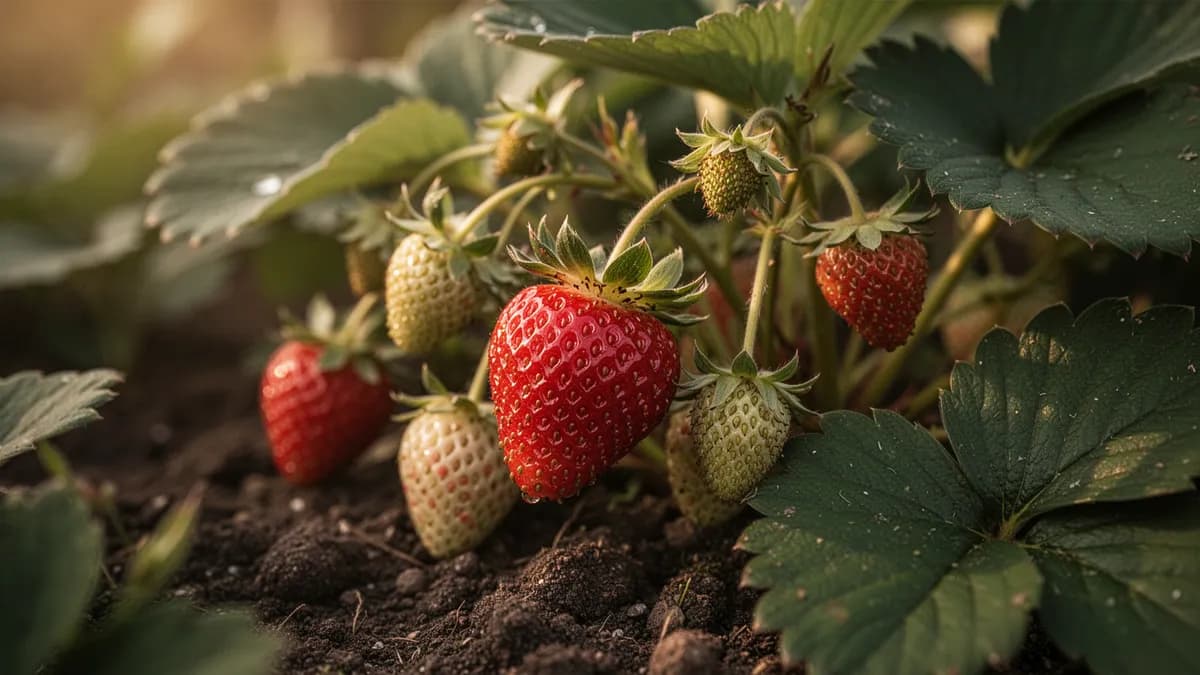
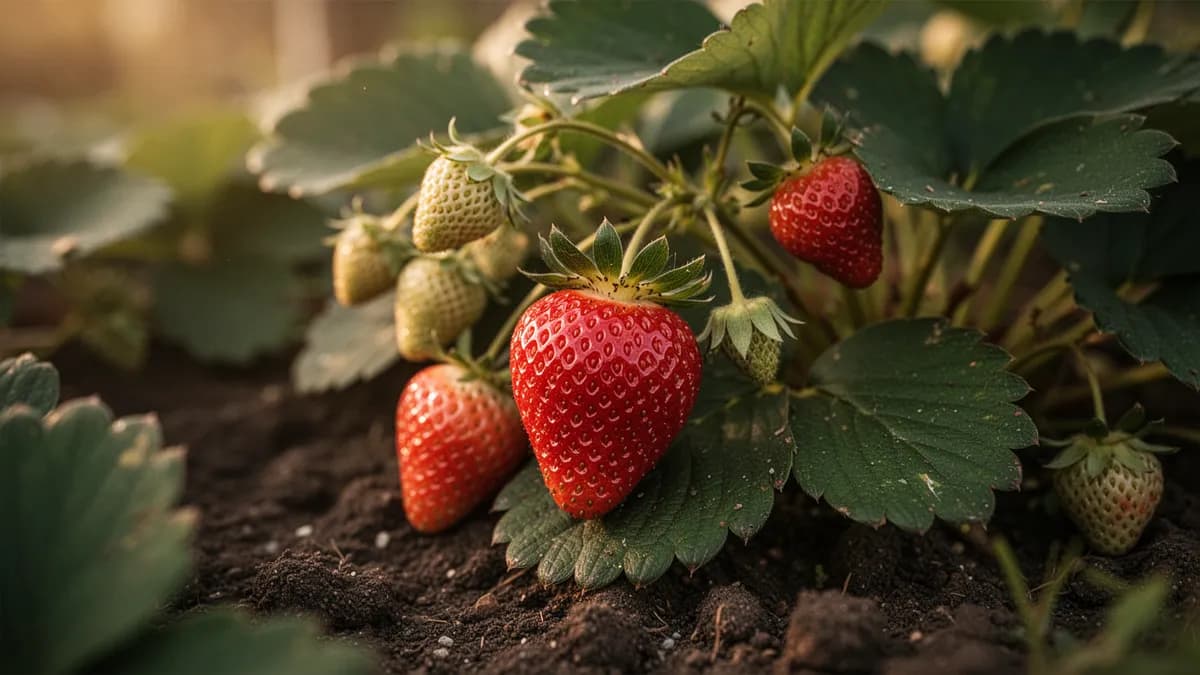
A compact, clump-forming strawberry producing tiny, intensely flavored fruits continuously from late spring through fall. Unlike garden strawberries, alpine types do not send out runners, making them ideal edging plants for borders and containers. They tolerate partial shade better than most fruit plants and self-seed readily in favorable conditions.
When to plant Alpine Strawberry
Alpine strawberries are one of the few strawberry types reliably grown from seed. Sow seeds on the surface of moist seed-starting mix and press gently without covering, as they require light for germination. Stratify seeds in the refrigerator for two to three weeks before sowing to improve germination rates. Maintain temperatures of 65 to 75 degrees Fahrenheit and keep consistently moist. Germination takes two to four weeks. Seedlings are tiny and slow-growing initially but can be transplanted outdoors after the last frost. Expect first fruit about four months after germination.
Your Alpine Strawberry Year
Composed for Zone 7 · typical seasons · frost passes Apr 2, returns Nov 1
Plant Alpine Strawberry Mar – May, pick May – Sep. Check the planting methods below and set your climate to personalize these windows.
How to grow Alpine Strawberry
Alpine strawberries are woodland plants that differ fundamentally from garden strawberries in their growth habit, preferring dappled shade and forming tidy, non-spreading clumps. Plant seedlings or divisions in spring in humus-rich soil amended with leaf mold or well-rotted compost. Space plants eight to ten inches apart as edging along garden borders, in containers, or tucked between stepping stones in a cottage garden.
Unlike their larger cousins, alpine strawberries do not produce runners and instead spread slowly by expanding their crown. Divide mature clumps every three to four years in early spring or fall to rejuvenate plants and increase your stock. They tolerate partial shade remarkably well and in fact prefer afternoon shade in hot climates, where full sun can scorch the delicate foliage and reduce fruit production.
Alpine strawberries fruit continuously from late spring until frost, producing a steady trickle of tiny, intensely aromatic berries. They require consistently moist but not waterlogged soil and benefit from a light mulch of leaf mold to retain moisture and mimic their natural forest-floor habitat. Feed monthly during the growing season with a dilute balanced liquid fertilizer. These charming plants also self-seed readily, and volunteer seedlings can appear throughout the garden if spent flowers are left on the plant.
36 plants fit a 4 × 8 ft bed
Each Alpine Strawberry wants 25 cm of elbow room. The planner keeps that spacing for you — every plant, every bed.
Alpine Strawberry's best neighbours
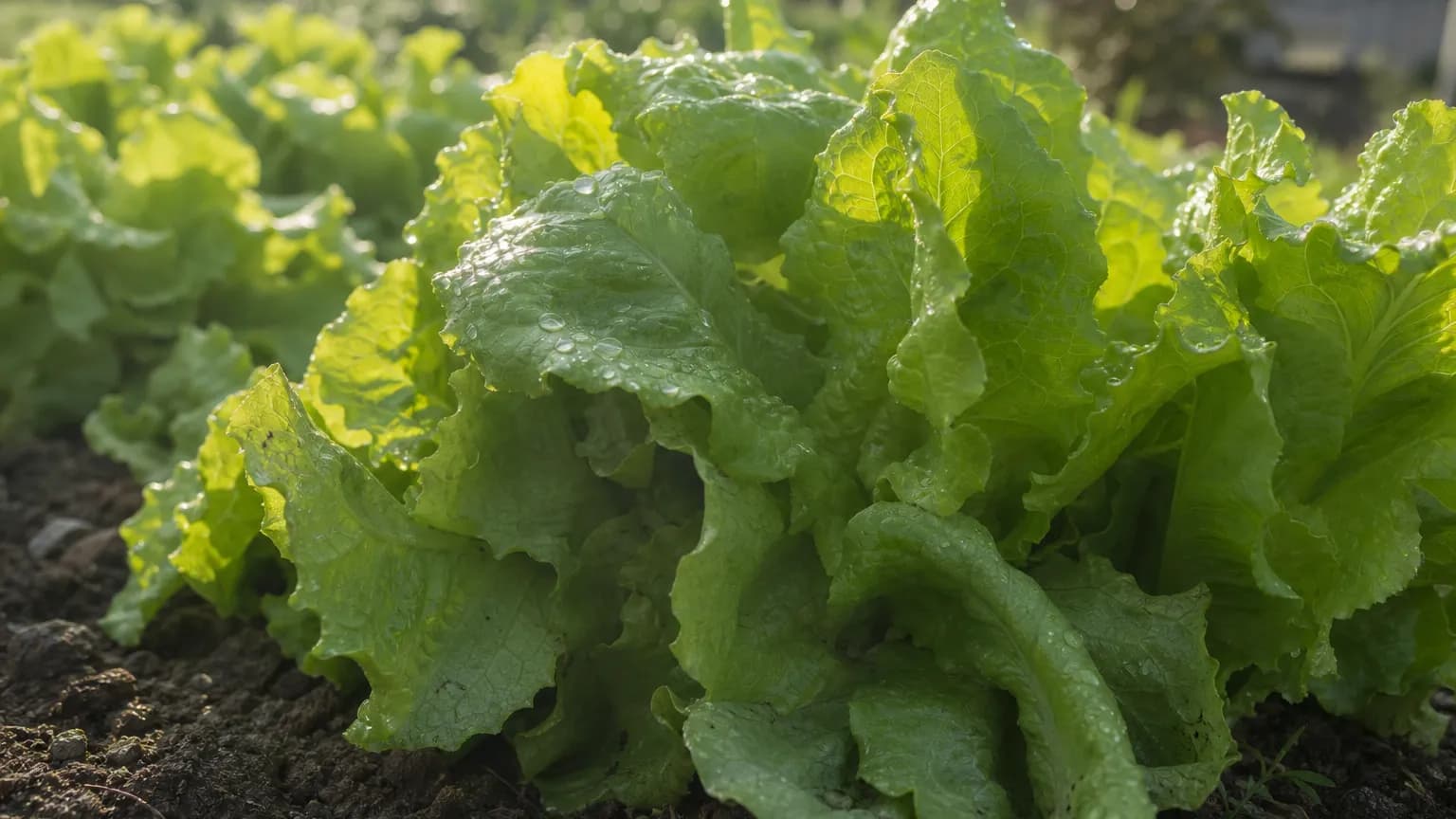
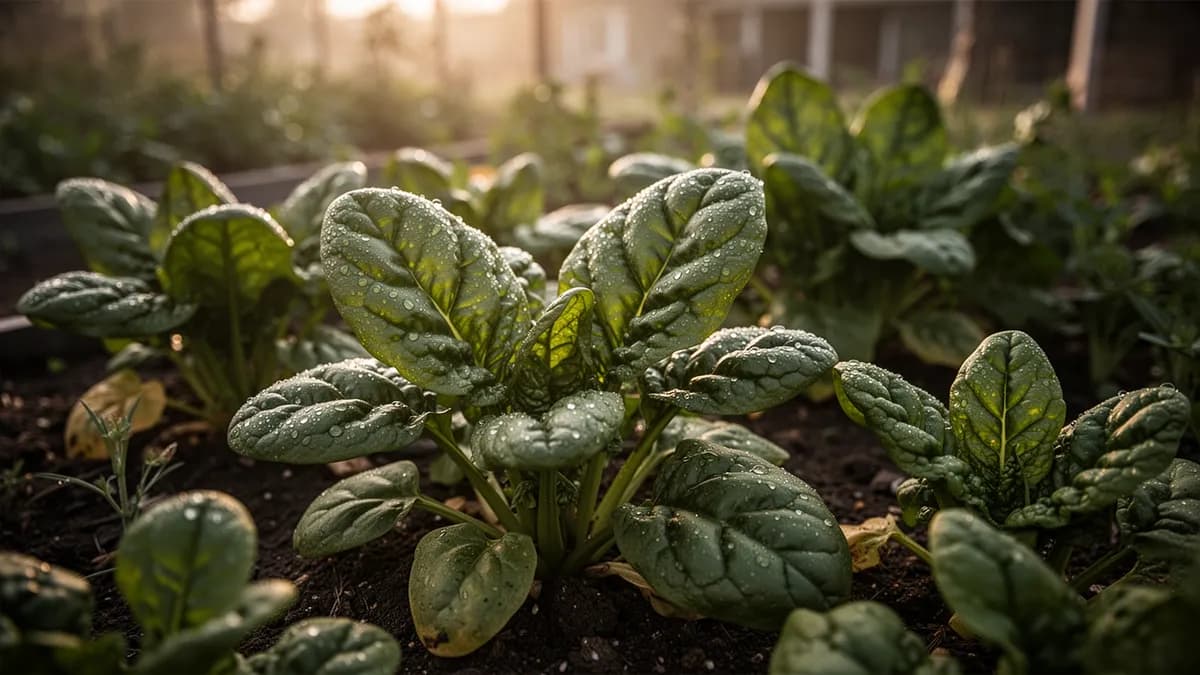
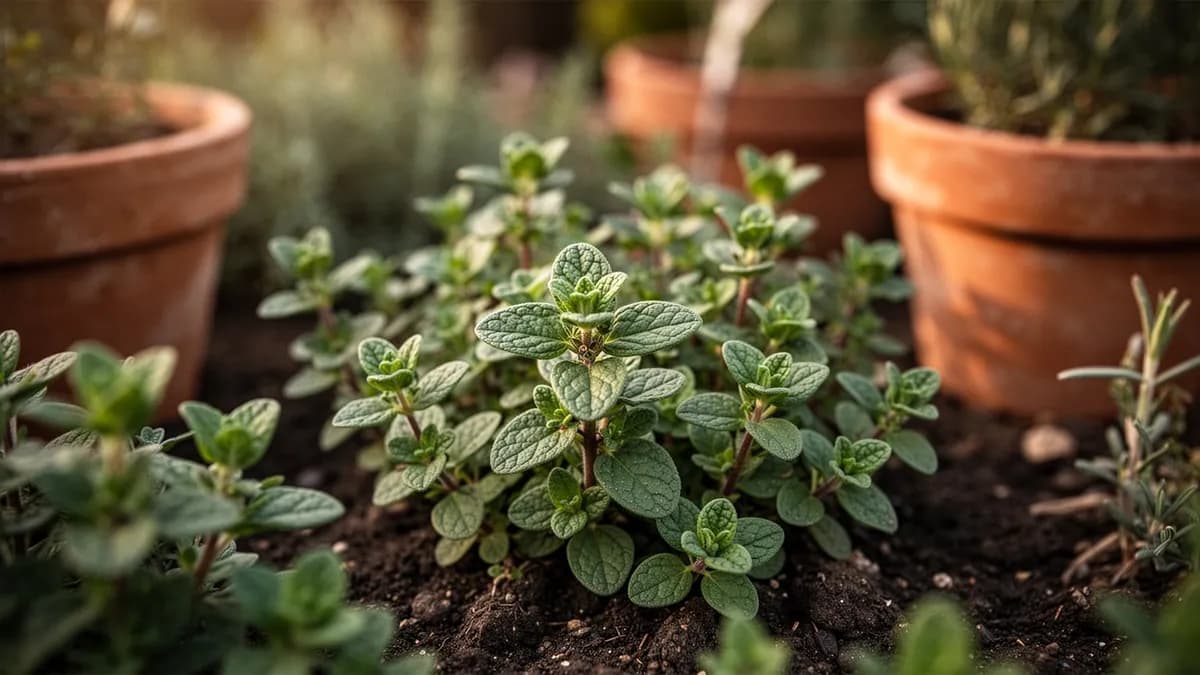
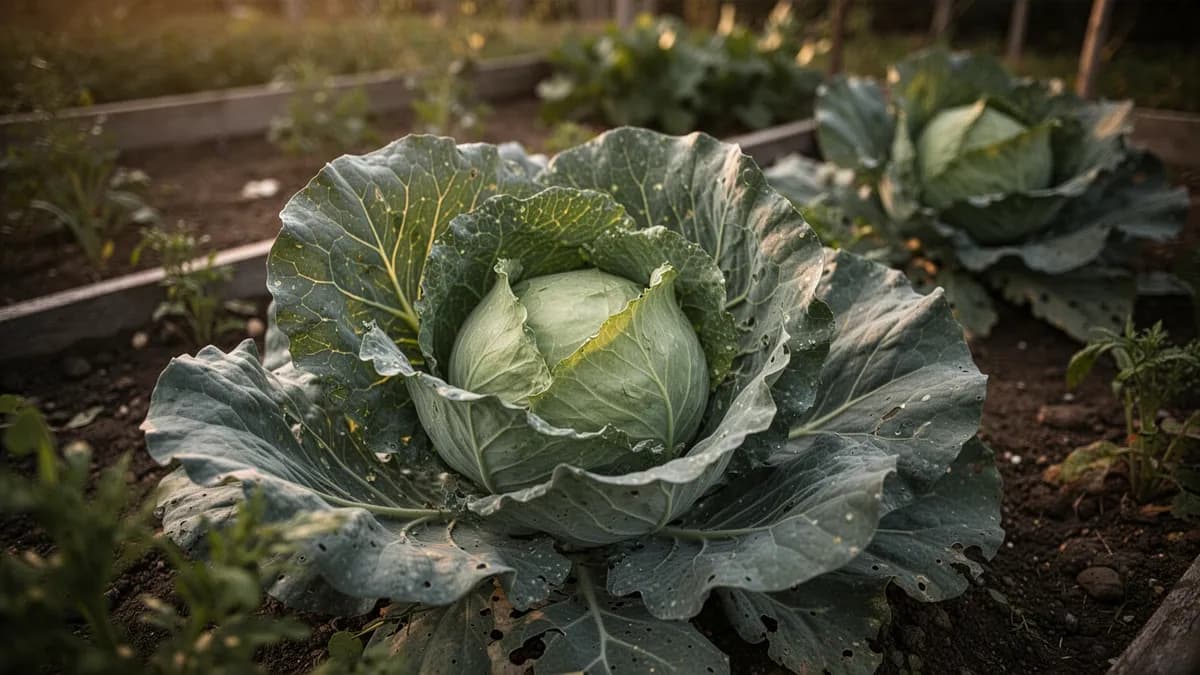
Alpine strawberries make excellent edging plants along herb beds and vegetable garden paths. They pair well with lettuce, spinach, and other shade-tolerant plants in partially shaded areas. Thyme and other low-growing herbs serve as complementary ground covers. The clumping habit makes them suitable companions for spring bulbs, as the foliage fills in after bulb leaves die back. Avoid planting near brassicas, which compete heavily for nutrients.
Lettuce belongs beside it. Cabbage doesn't.
Old growers' knowledge, checked against Alpine Strawberry's real companion table below — test any plant you're growing.
Try Alpine Strawberry in a bed — right here
A real planner bed with Alpine Strawberry already in it. Tap a companion to place it and watch the pairing checks answer — green for good neighbours, red for a clash.


Related growing guides
Feed it well
Alpine strawberries thrive in humus-rich, moisture-retentive soil with a pH of 5.5 to 6.8, mimicking the leaf-mold-rich soil of their native woodland habitat. Amend planting areas with generous amounts of compost or leaf mold to improve moisture retention and soil structure. Feed with a dilute balanced liquid fertilizer every three to four weeks during the growing season. Avoid heavy nitrogen feeding, which produces lush foliage at the expense of fruit. Top-dress with compost in early spring to refresh soil fertility.
Ideal Temperature
Hardiness Zone Compatibility
From seed to harvest, stage by stage
Germination
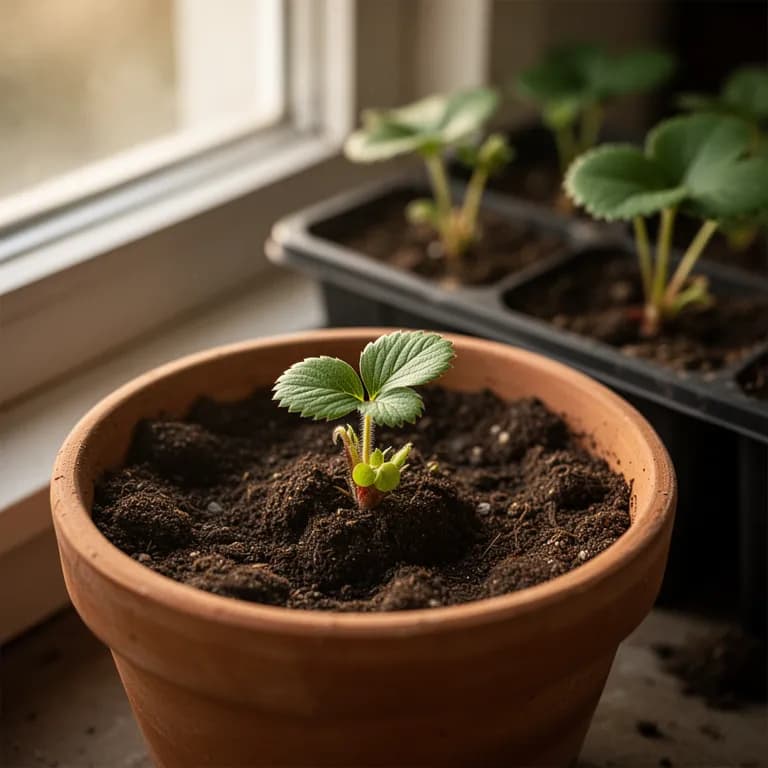
Seeds are very small and slow to germinate. Surface-sow onto moist seed-starting mix without covering, as light aids germination. Keep consistently moist at 18–22 °C. Tiny cotyledons emerge in 14–21 days.
Seedling
True leaves appear after the cotyledons. Seedlings grow slowly and require bright light to avoid becoming leggy. Begin light feeding with a balanced liquid fertilizer at quarter strength once two true leaves are present.
Vegetative Establishment
Plants develop a rosette of trifoliate leaves and a strong root system. Unlike June-bearing strawberries, alpine varieties produce few or no runners, directing energy into compact, bushy growth.
Flowering
Small, delicate white five-petaled flowers appear and continue forming throughout the season — a day-neutral trait that makes alpine strawberries exceptional among fruiting plants. Each flower lasts 2–3 days before petals drop and fruit development begins.
Fruiting and Harvest
Fruits ripen 4–6 weeks after pollination. Unlike commercial strawberries, alpine fruits are small (1–2 cm) but intensely fragrant and flavored. Harvest continues continuously from early summer until the first hard frost, with plants simultaneously carrying flowers, green fruits, and ripe fruits.
Late Season and Dormancy
As days shorten and temperatures drop below 10 °C, fruiting slows and eventually stops. Foliage may remain semi-evergreen in mild climates. Plants enter a dormant state that rejuvenates root systems for the following season.
Do not let the seed tray dry out at any point during germination. A plastic humidity dome or gentle misting with a spray bottle helps maintain consistent moisture.
Caring for Alpine Strawberry month by month
What to do each month for your Alpine Strawberry
October
You are hereHarvest the last fruits before first frost. Cut back old foliage once plants stop producing. Divide congested clumps of second- or third-year plants to rejuvenate them. Apply a light mulch over crowns.
Know exactly what to do in your garden — every month
One email at the start of each month: what to sow, plant, and tackle right now — for your Alpine Strawberry and everything growing around it. Plus a short starter course that helps you dodge the classic mistakes.
- What to do, right now
- Matched to your season
- Starter course included
Harvesting Alpine Strawberry
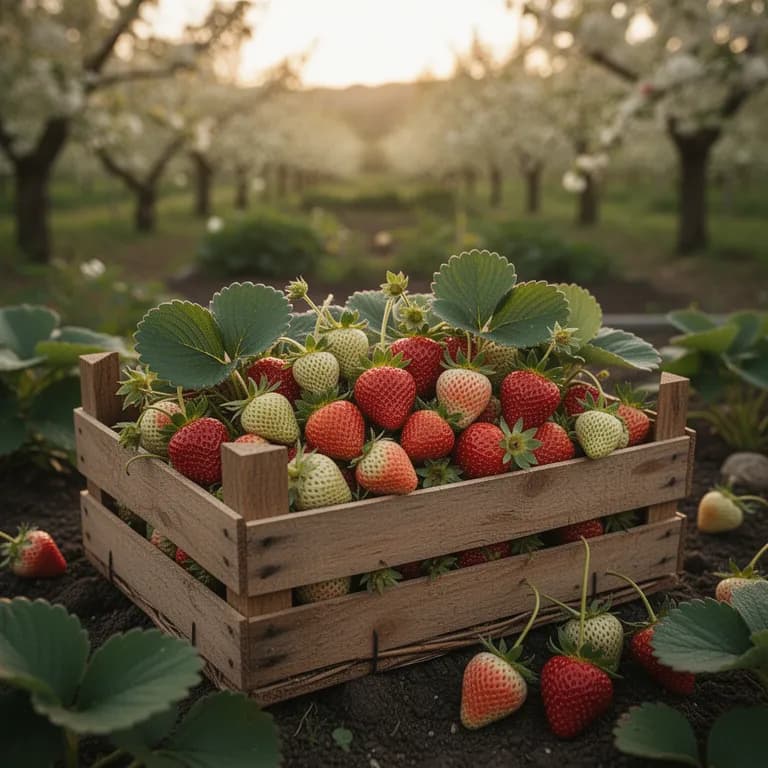
Harvest alpine strawberries when the tiny fruits are fully colored, soft, and pull easily from the plant with a gentle tug. The berries are extremely fragile and bruise within seconds of rough handling, so pick directly into your mouth or a small container lined with a soft cloth. Check plants daily during peak season, as ripe berries can dry out or fall off within a day. The concentrated flavor of alpine strawberries is far more intense than garden varieties, with notes of pineapple and wild strawberry.
assuming you plant when the window opens — set your real date
Pick Alpine Strawberry promptly and the plant keeps producing.
Storage & Preservation
Alpine strawberries are best eaten immediately after picking, as they are too delicate and small for significant storage. They will keep in the refrigerator for one to two days at most. For preservation, freeze berries in a single layer on a tray and transfer to bags for use in smoothies and baking. They make an exquisitely flavored jam in small batches, though large quantities are rarely available at once. Alpine strawberry syrup and vinegar are elegant ways to capture their intense perfume.
What goes wrong — and the fix
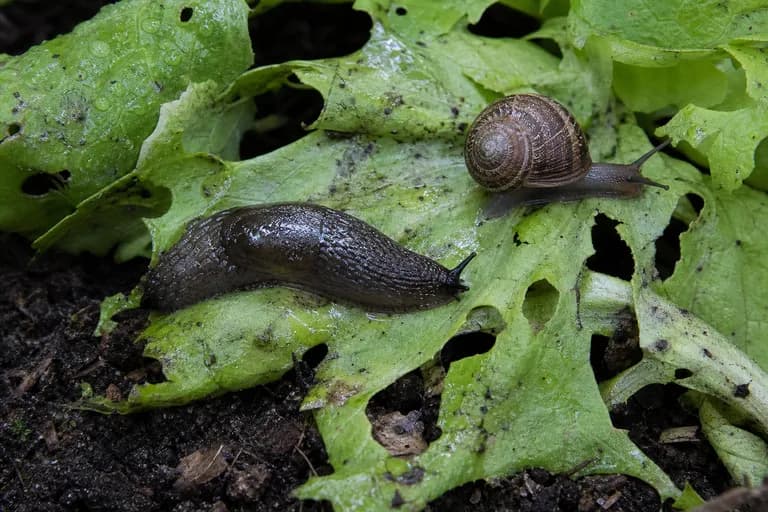
Slugs and Snails
PestRagged holes in leaves and irregular damage to ripe fruit, especially in wet conditions; slime trails visible on foliage and nearby soil.
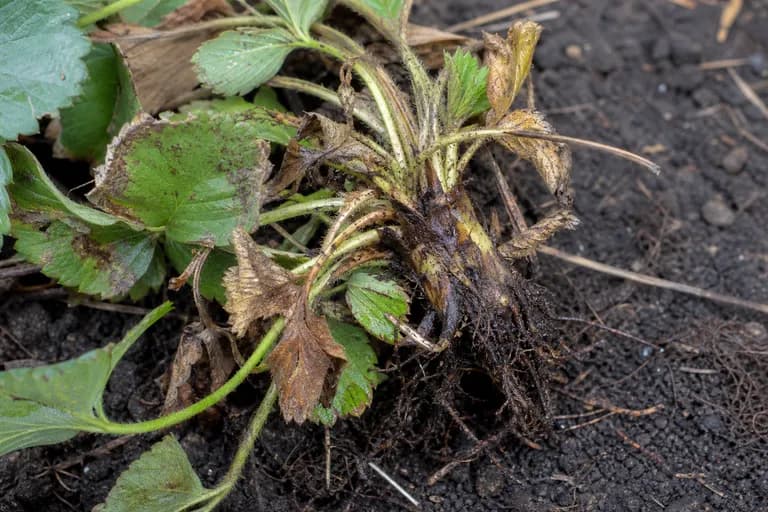
Crown Rot (Phytophthora cactorum)
DiseaseSudden wilting of the entire plant; brown, water-soaked crown tissue visible when the plant is pulled up.
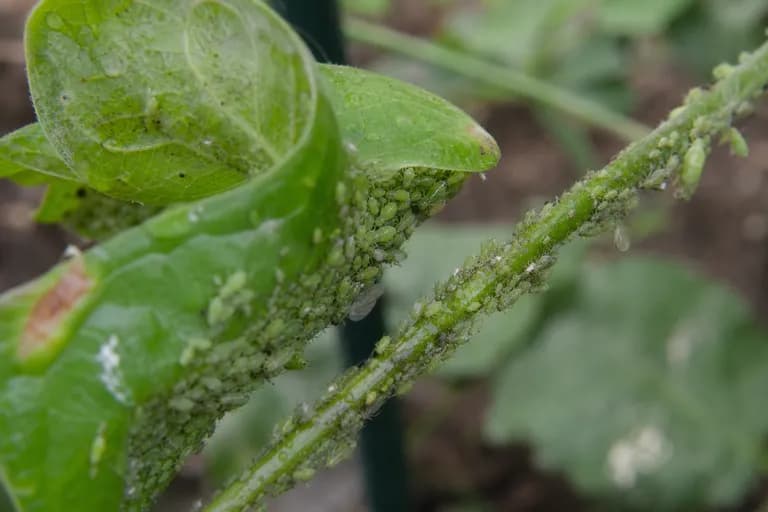
Aphids
PestClusters of small green or pink insects on new leaves and flower stems; distorted growth and sticky honeydew on foliage.
Troubleshooting Common Problems
Low yields are normal for alpine strawberries compared to garden types: expect a handful of tiny berries per day rather than bowls of fruit. Plants decline after three to four years and need division or replacement. Self-seeding can become excessive in moist, mulched beds, though unwanted seedlings are easily removed. Slugs are the primary pest, especially in the shaded, moist conditions alpine strawberries prefer. Dry soil causes the tiny fruits to shrivel before ripening.
Growing Tips
- Surface-sow alpine strawberry seeds onto moist seed-starting mix without covering them — the seeds require light to germinate. Press them gently onto the surface, mist carefully, and cover the tray with a clear lid or plastic wrap to maintain humidity.
- Alpine strawberries are notably tolerant of partial shade and actually prefer protection from intense afternoon sun in hot climates. A position receiving morning sun and dappled afternoon shade produces excellent fruit quality while reducing heat stress.
- Unlike June-bearing or everbearing garden strawberries, most alpine varieties produce few or no runners. Propagate plants by dividing crowns in early spring or autumn, or simply collect seed from your best-performing plants for next year's crop.
- Consistent moisture is critical during fruit development. Inconsistent watering — especially cycles of drought followed by heavy watering — causes fruits to split or develop poor flavor. Aim for evenly moist (not waterlogged) soil throughout the growing season.
- Feed established plants with a balanced fertilizer in early spring as new growth begins, then switch to a potassium-rich (tomato-type) liquid feed every 2–3 weeks once flowering starts. This ratio of nutrients strongly supports continued flowering and fruit development.
- Straw mulch applied 3–5 cm deep around plants serves multiple purposes: it conserves soil moisture, moderates root temperature, keeps fruits clean and off the soil, and reduces the incidence of grey mold (Botrytis) by improving airflow at soil level.
- Alpine strawberries make outstanding edging plants for kitchen garden beds, herb gardens, and pathways. Their compact, runner-free habit, continuous flowering, and attractive foliage make them both ornamental and productive throughout the growing season.
- White-fruited cultivars such as 'White Soul' or 'Pineapple Crush' are far less attractive to birds than red-fruited types because birds identify ripe strawberries by their red color. If bird predation is a problem, switching to a white variety can dramatically increase your harvest.
- Alpine strawberries grow readily in containers — a 20–25 cm diameter pot per plant is sufficient. Use a peat-free multipurpose compost mixed with 20% perlite for drainage, and water more frequently than you would in-ground plants, as containers dry out quickly in warm weather.
- Plants are most productive in their second and third years. After the third or fourth year, productivity tends to decline as crowns become congested. Renew plantings by sowing fresh seed or dividing crowns every 3–4 years to maintain peak yields.
Grow your best Alpine Strawberry yet — and everything around it.
Start a free plan today. Lay out your beds, drop in your Alpine Strawberry, and let PlotMyGarden handle the timing, spacing, companions and reminders from seed to harvest basket.
Pick your Alpine Strawberry
Alexandria
The most popular alpine variety with elongated, bright red fruits and an intensely sweet, aromatic flavor.
Yellow Wonder
A yellow-fruited alpine that is less attractive to birds than red varieties, producing sweet, pineapple-scented berries.
Mignonette
A French heirloom variety with exceptional fragrance and flavor, widely considered the finest-tasting alpine strawberry.
White Soul
A white-fruited cultivar with delicate flavor and the added advantage of being virtually invisible to fruit-eating birds.
A single packet of alpine strawberry seeds (typically 100–200 seeds) costs £2–£5 and can produce 50–100 productive plants that will fruit for 3–5 years with minimal inputs. A comparable quantity of premium fresh alpine strawberries — rarely available commercially — would cost upward of £30–£80 per season at specialty markets or farmers' markets. Growing your own delivers an exceptional return on investment, particularly because alpine strawberry fruits are almost impossible to buy fresh and must be eaten immediately after harvest, making home-growing the only realistic way to enjoy them at their best.
Quick recipes
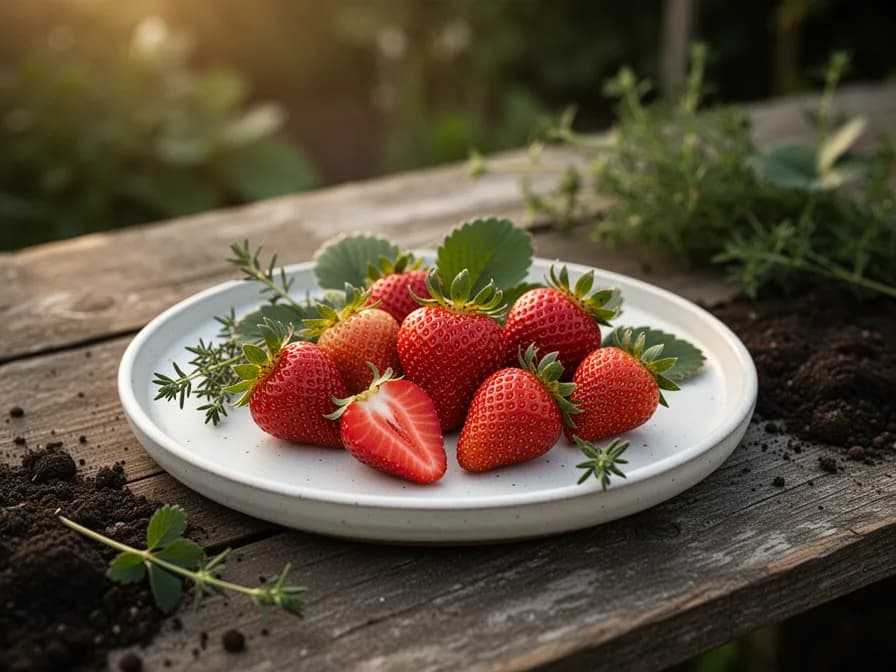
Alpine Strawberry and Cream Cheese Crostini
10 minutesA simple, elegant appetizer or dessert that lets the intense flavor of alpine strawberries shine. Toasted sourdough is spread with herbed cream cheese, topped with fresh alpine strawberries, and finished with a drizzle of honey and fresh thyme.
6 ingredients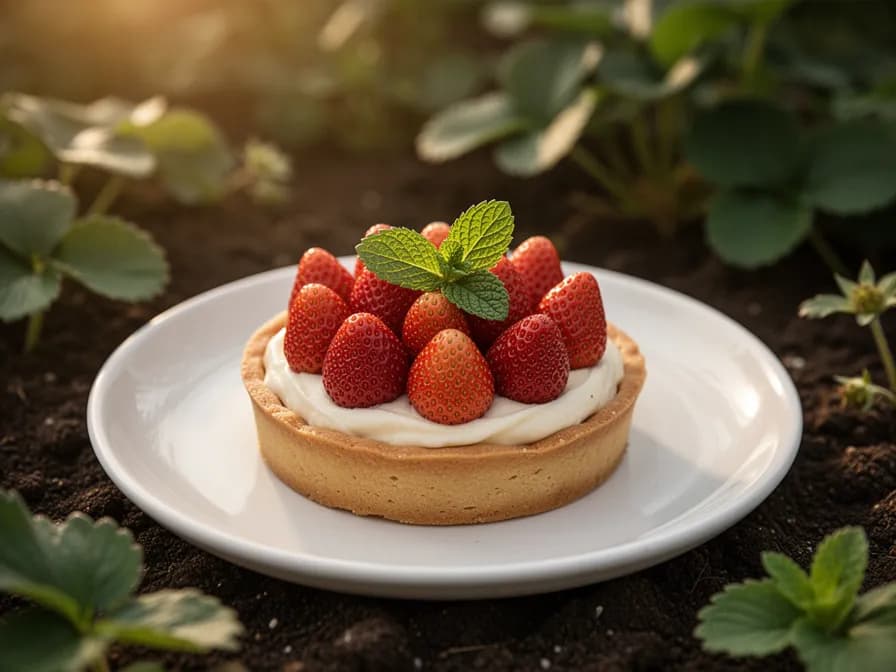
Alpine Strawberry Jam (Small Batch)
45 minutesA small-batch preserve designed for the modest but intensely flavored harvest of alpine strawberries. The brief cooking time preserves the extraordinary floral fragrance that distinguishes alpine varieties from commercial strawberries.
4 ingredientsAlpine Strawberry and Rocket Salad with Balsamic Glaze
15 minutesA fresh summer salad that pairs the sweet intensity of alpine strawberries with peppery rocket, creamy ricotta, and toasted pine nuts. The balsamic glaze bridges the sweet and savory elements.
7 ingredientsCulinary Uses
Alpine strawberries are a gourmet delicacy prized in French and Italian cuisine for their intense fragrance and flavor. Use them as an elegant garnish for desserts, champagne cocktails, and cheese plates. They are superb in small-batch preserves and make a fragrant addition to cream, custard, and panna cotta. The flavor concentrates beautifully when macerated with a touch of sugar. Dry them to add to herbal tea blends.
What's inside
Health Benefits
- Outstanding source of vitamin C, which supports immune function, collagen synthesis, and iron absorption — 100 g of alpine strawberries provides nearly a full day's recommended intake.
- Rich in anthocyanins and ellagic acid, plant compounds with well-documented anti-inflammatory and antioxidant properties that may reduce the risk of chronic diseases.
- Low glycemic index fruit that causes a slow, steady rise in blood sugar, making it a suitable sweet option for people managing blood sugar levels or following a reduced-sugar diet.
- Contains dietary fiber that supports healthy gut microbiome function, aids digestion, and contributes to feelings of satiety.
- Provides folate (vitamin B9), essential for cell division and DNA repair, making it a valuable food during pregnancy and periods of rapid growth.
- Historically used in European herbal medicine as a digestive tonic and mild diuretic; Fragaria vesca leaf tea has been used to soothe mild digestive irritation and support kidney health.
Where Alpine Strawberry comes from
The alpine strawberry, Fragaria vesca, is one of the oldest cultivated fruits in the world, with a native range spanning the entirety of the Northern Hemisphere — from the woodlands of Europe and Asia to the mountain slopes of North America. Archaeological evidence suggests humans have been harvesting wild strawberries for at least 10,000 years, and possibly much longer. The plant thrives naturally along forest margins, in clearings, on rocky hillsides, and beside streams, where its tolerance for partial shade and poor soils gives it an advantage over many competing plants.
In medieval Europe, Fragaria vesca was cultivated in monastic gardens both for its fruit and for its medicinal properties. Herbalists prescribed it for a wide range of ailments — from digestive complaints to skin conditions — and it appeared in botanical texts across the continent. By the Renaissance, the alpine strawberry had become a fashionable garden plant among the European aristocracy. The French court was particularly enamored: records from the 14th century show that King Charles V had over a thousand plants installed in the royal gardens at the Louvre.
The arrival of the much larger New World strawberry species — Fragaria virginiana from eastern North America and Fragaria chiloensis from the Pacific coast of South America — in the 17th and 18th centuries eventually led to the accidental hybridization that produced the modern garden strawberry (Fragaria × ananassa). The large, soft, highly productive hybrid quickly overshadowed its wild ancestor in commercial cultivation, and alpine strawberries became a specialty crop associated with gourmet kitchens and cottage gardens rather than mass production.
Today, alpine strawberries are experiencing a quiet renaissance among home gardeners who value flavor over size, and among permaculture practitioners who prize their tolerance for shade, their perennial nature, and their role as a low-maintenance ground cover. Several named cultivars have been developed, including 'Alexandria,' 'Baron Solemacher,' 'Mignonette,' 'Rügen,' and the white-fruited 'White Soul,' each selected for particular traits such as fruit size, flavor intensity, or runner-free habit. Seed strains remain widely available, making alpine strawberries one of the few fruits that the home gardener can reliably grow true from seed.
Alpine Strawberry: did you know?
Fascinating facts about Alpine Strawberry
Alpine strawberries (Fragaria vesca) are the wild ancestor of the large commercial strawberries found in supermarkets today — they have been eaten by humans for tens of thousands of years, far longer than any cultivated variety.
Alpine Strawberry questions, answered
When should I plant Alpine Strawberry?
What are good companion plants for Alpine Strawberry?
What hardiness zones can Alpine Strawberry grow in?
How much sun does Alpine Strawberry need?
How far apart should I space Alpine Strawberry?
What pests and diseases affect Alpine Strawberry?
How do I store Alpine Strawberry after harvest?
What are the best Alpine Strawberry varieties to grow?
What soil does Alpine Strawberry need?
How long does it take alpine strawberries to fruit from seed?
Do alpine strawberries spread and become invasive like regular strawberries?
Can I grow alpine strawberries indoors or on a windowsill?
Why are my alpine strawberry plants producing lots of leaves but very little fruit?
How do I collect and store seeds from my alpine strawberry plants?
Are alpine strawberries the same as wild strawberries?
You just read the theory. Now grow it on autopilot.
Everything that makes Alpine Strawberry fiddly — the timing, the spacing, the companions, the harvest window — is exactly what PlotMyGarden handles for you, for every plant in your garden.
A plan that knows your weather
Set your location once. Get sow, feed and harvest dates built around your real last-frost date and live forecast — no more guessing from a generic seed packet.
From the “When to plant” sectionDrag-and-drop bed planner
Design beds on a grid. Every plant snaps to its proper spacing, and you can see your whole season laid out before you spend a cent on seed.
From the “Growing guide” sectionCompanion conflicts, caught early
200+ good-and-bad pairings checked live as you plant — so a season-wrecking mistake never makes it into the ground.
From the “Companions” sectionReminders you'll actually act on
“Water the beans.” “Pick today before it turns.” Timely, specific, and tied to the plants you're really growing.
From the “Harvest” sectionSuccession, scheduled
Want a harvest for six weeks, not six days? It spaces your sowings automatically and reminds you when each new block is due.
From the “When to plant” sectionA record that gets smarter
Every harvest you log teaches it your garden. Next year's plan starts from what actually worked in your soil, not a textbook's.
From the “Overview” sectionPlant these alongside Alpine Strawberry
More Berries
Keep Alpine Strawberry away from these
Garden plans featuring Alpine Strawberry
Grow your best Alpine Strawberry yet — and everything around it.
Start a free plan today. Lay out your beds, drop in your Alpine Strawberry, and let PlotMyGarden handle the timing, spacing, companions and reminders from seed to harvest basket.