Currant
A compact deciduous shrub bearing clusters of jewel-toned berries rich in vitamin C and pectin for preserves.





On this pageOverview
Meet Currant
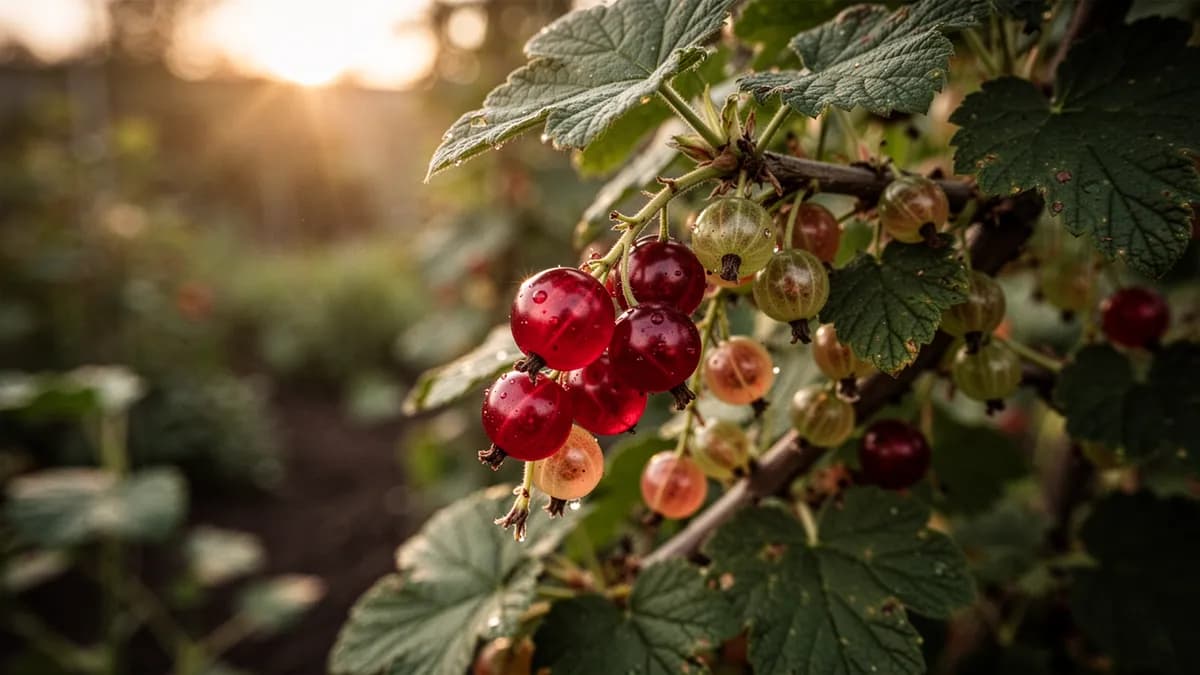
A compact deciduous shrub bearing clusters of jewel-toned berries rich in vitamin C and pectin for preserves. Red, white, and black varieties are available, each with distinct flavor profiles ranging from tart and bright to deep and musky. Prune annually by removing the oldest branches at ground level to keep the bush productive with a mix of one, two, and three-year-old wood. The high pectin content makes currants perfect for jelly, while black currants are also prized for cordials and liqueurs.
When to plant Currant
Currants propagate very easily from hardwood cuttings taken in late autumn after leaf fall. Select straight, healthy stems of the current season's growth, eight to twelve inches long, and push them two-thirds into moist ground or a pot of sand. Cuttings root readily without rooting hormone and develop into transplantable bushes by the following fall. Layering is equally reliable: peg a low branch into the soil in spring and sever it from the parent once rooted. Division of established clumps is possible but generally unnecessary given the ease of cuttings.
Your Currant Year
Composed for Zone 7 · typical seasons · frost passes Apr 2, returns Nov 1
Plant Currant Mar – Apr, pick Jun – Jul. Check the planting methods below and set your climate to personalize these windows.
How to grow Currant
Currants are remarkably easy to grow and tolerate a wider range of conditions than most fruit bushes. Plant bare-root specimens in late fall or early spring in a site with partial to full sun and fertile, moisture-retentive soil. Currants appreciate some afternoon shade in hot climates, where excessive heat can scorch leaves and reduce berry quality. Space bushes four to five feet apart to allow for mature spread and good air circulation.
Establish a pruning routine that maintains a mix of one, two, and three-year-old wood on each bush. Two-year-old wood is the most productive, so aim for roughly equal proportions of each age class. Remove all wood older than three years at ground level in late winter, along with any weak, crossing, or damaged branches. This renewal pruning keeps the bush vigorous and open centered for good air flow.
Mulch generously with organic matter and water consistently during fruit development, as drought stress causes premature fruit drop. Currants are self-fertile and do not require cross-pollination, though planting multiple varieties can improve yields. Net bushes as berries begin to color, because birds are particularly fond of the brightly colored strigs. In areas where white pine blister rust is present, choose resistant cultivars and check local planting restrictions for Ribes species.
2 plants fit a 4 × 8 ft bed
Each Currant wants 120 cm of elbow room. The planner keeps that spacing for you — every plant, every bed.
Currant's best neighbours
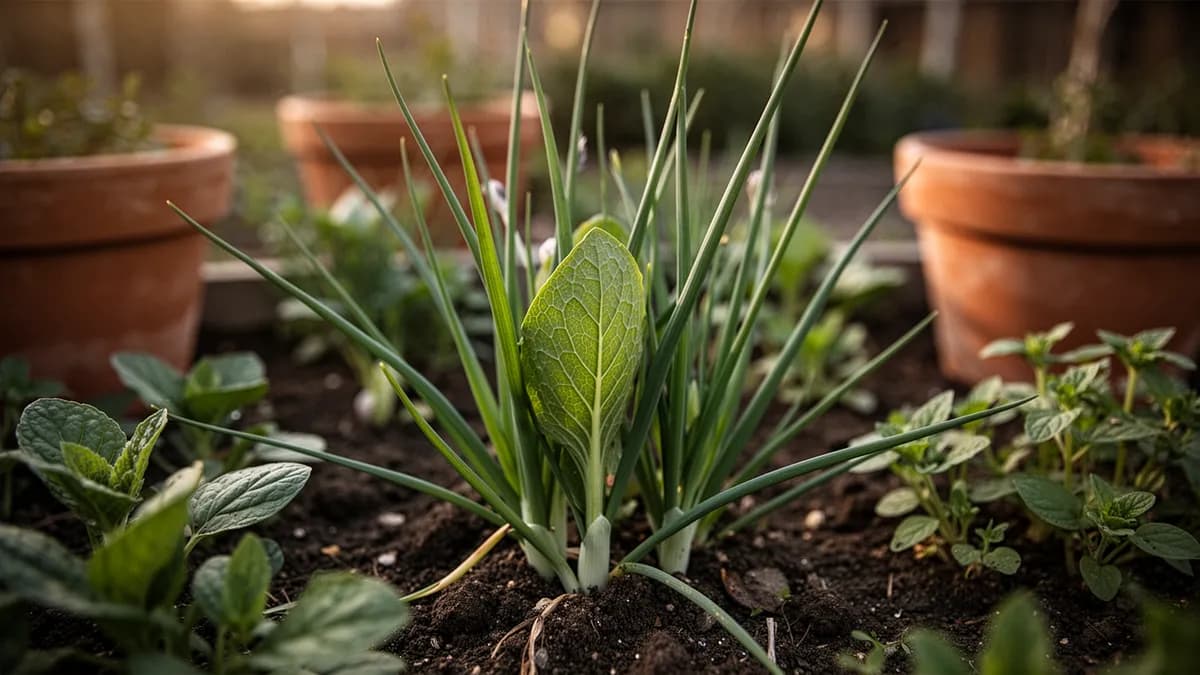
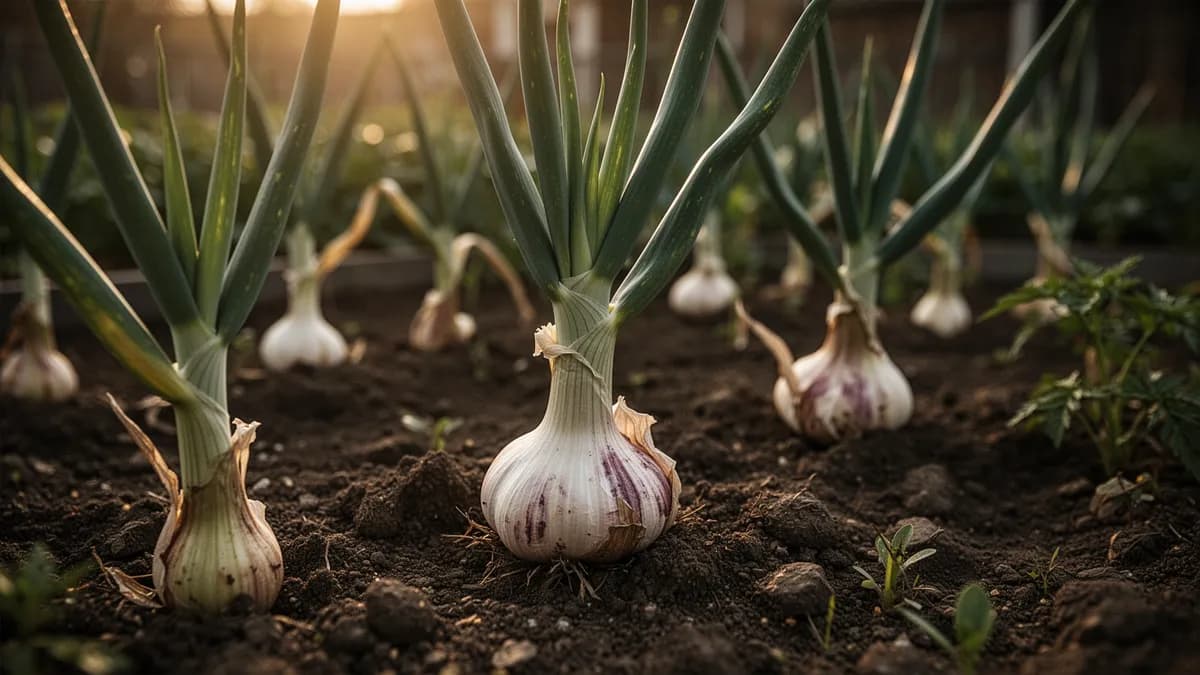
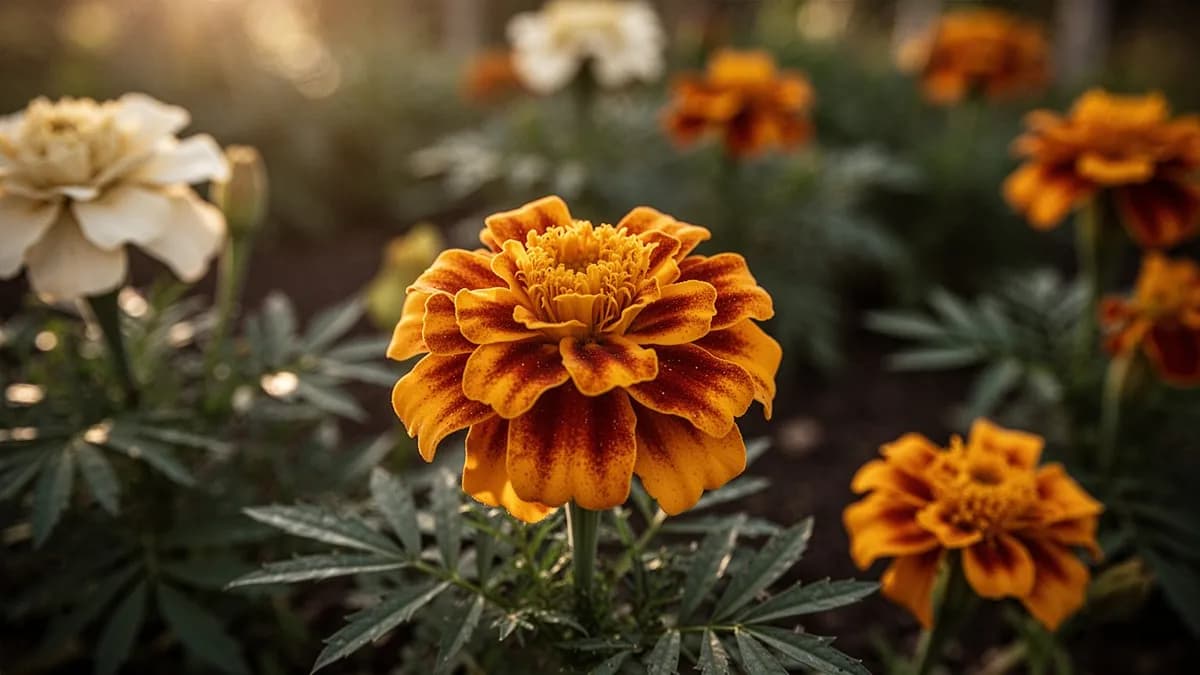
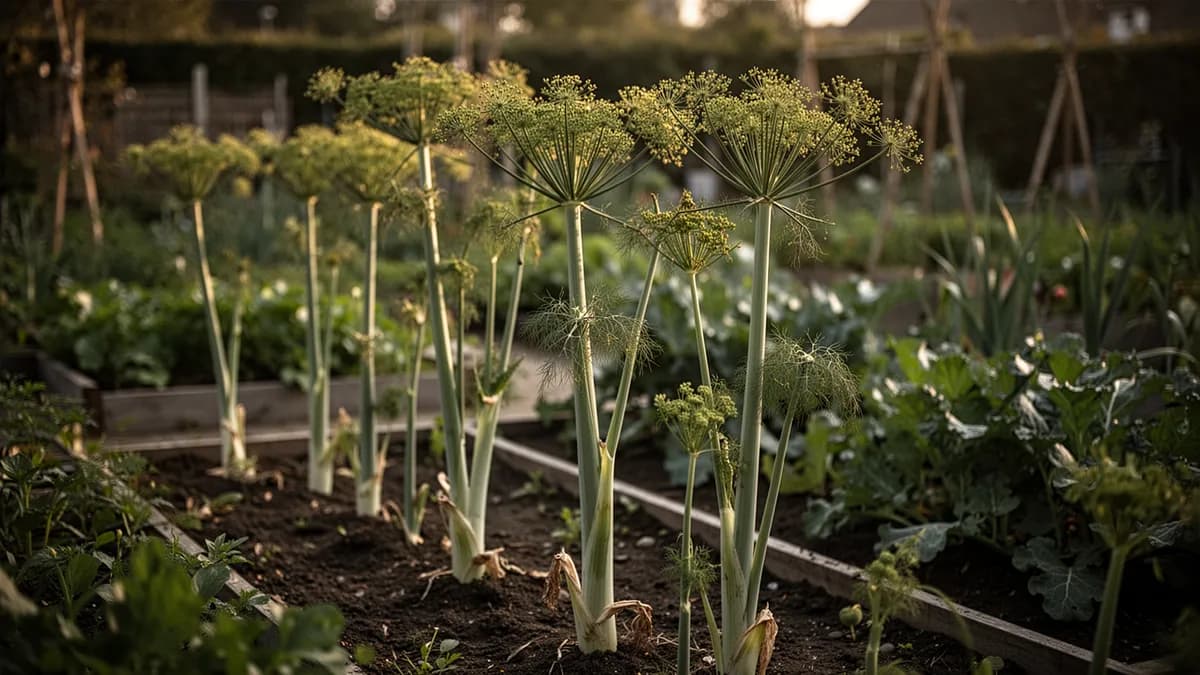
Chives and garlic planted around currant bushes help repel aphids, which are the most common pest of currants. Marigolds attract hoverflies and ladybugs that feed on aphid colonies. Wormwood is a traditional companion believed to deter currant borers. Comfrey planted nearby serves as a nutrient-accumulating mulch plant. Avoid planting near fennel, which produces allelopathic compounds that suppress the growth of neighboring plants including Ribes species.
Chives belongs beside it. Fennel doesn't.
Old growers' knowledge, checked against Currant's real companion table below — test any plant you're growing.
Try Currant in a bed — right here
A real planner bed with Currant already in it. Tap a companion to place it and watch the pairing checks answer — green for good neighbours, red for a clash.


Related growing guides
Feed it well
Currants thrive in fertile, moisture-retentive soil with a pH of 6.0 to 6.5. They tolerate heavier clay soils better than most fruit bushes but still require reasonable drainage to prevent root diseases. Apply a generous mulch of well-rotted compost or manure in late winter to feed the shallow root system. Supplement with a balanced organic fertilizer in early spring and a side-dressing of potassium-rich fertilizer at flowering to support fruit development. Avoid heavy nitrogen applications that produce lush foliage at the expense of fruiting.
Ideal Temperature
Hardiness Zone Compatibility
From seed to harvest, stage by stage
Dormant / Bare Root
Newly planted bare-root or container stock sits dormant through late winter. Root establishment is the priority during this period, with no visible above-ground activity.
Bud Burst
As soil temperatures rise above 5 °C, tightly packed buds swell and burst into small, crinkled leaves. This is the earliest and most frost-sensitive stage.
Flowering
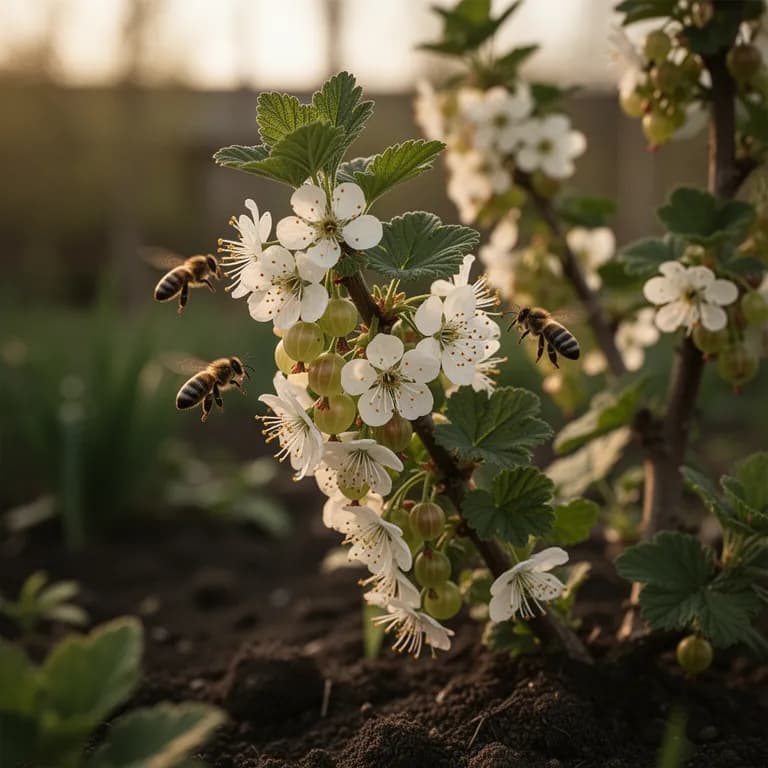
Pendulous racemes of small, bell-shaped, greenish-yellow flowers appear. Red currant is largely self-fertile, but neighbouring plants and pollinators improve fruit set considerably.
Fruit Development
Green berries swell steadily along the strigs (fruit clusters). Consistent moisture at this stage is critical; water stress causes berries to drop prematurely or remain small.
Ripening
Berries colour from green through pink to a translucent, jewel-bright red. The whole strig typically ripens together, making harvest efficient. Flavour intensifies as sugar content rises.
Harvest
Fully ripe red currants are translucent, brilliantly coloured, and separate easily from the strig. Pick entire strigs rather than individual berries for speed and to avoid bruising.
Post-Harvest / Summer Pruning
After fruiting the bush enters a vegetative growth phase, producing the strong new shoots that will carry next year's crop. Summer pruning of sideshoots to five leaves channels energy into fruit bud formation.
Plant in well-drained soil enriched with compost. Cut back all stems to 2–3 buds from the base at planting to encourage strong new shoots.
Caring for Currant month by month
What to do each month for your Currant
October
You are hereInsert hardwood cuttings into a prepared slit trench in a sheltered spot outdoors. Begin clearing fallen leaves from around the base to reduce overwintering of fungal spores. Mulch around the root zone with compost if not already done after harvest.
Know exactly what to do in your garden — every month
One email at the start of each month: what to sow, plant, and tackle right now — for your Currant and everything growing around it. Plus a short starter course that helps you dodge the classic mistakes.
- What to do, right now
- Matched to your season
- Starter course included
Harvesting Currant
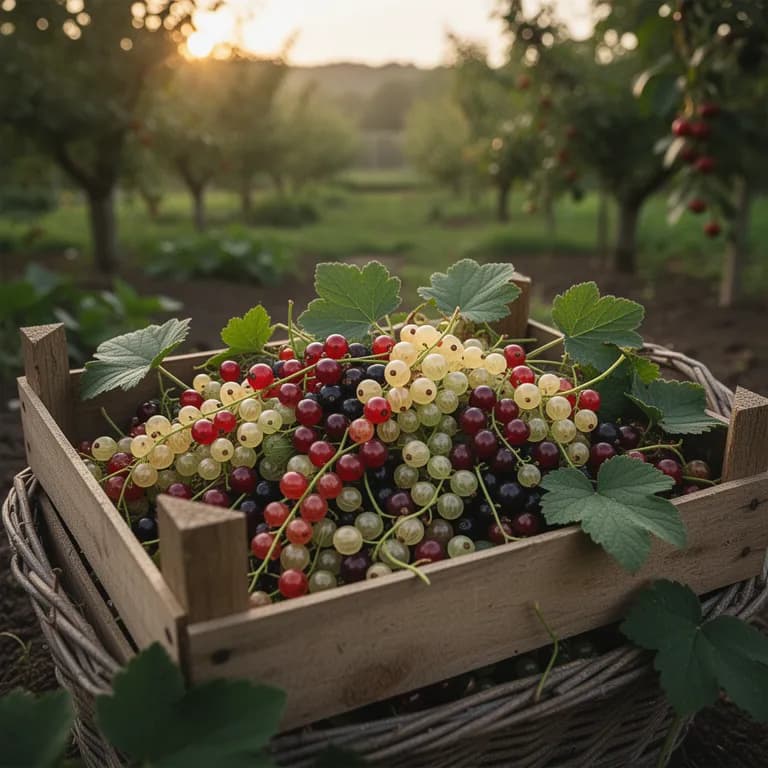
Harvest currants as entire clusters called strigs when all berries on the cluster have colored fully. Red and white currants ripen in early to midsummer, while black currants ripen slightly later. Use a gentle pulling motion to detach the strig from the branch, or use small scissors. Individual berries can be stripped from the strig using a fork after harvest. Ripe currants hold on the bush for one to two weeks without deteriorating, allowing a flexible harvest window.
assuming you plant when the window opens — set your real date
Pick Currant promptly and the plant keeps producing.
Storage & Preservation
Fresh currants keep in the refrigerator for up to a week when stored on the strig. For freezing, strip berries from the stems, spread on a tray, and freeze before bagging for up to twelve months. Currant jelly is the classic preservation method, requiring only fruit, sugar, and water due to the exceptional natural pectin content. Black currants make outstanding cordial, syrup, and liqueur. Red currant sauce is a traditional accompaniment to game meats and roast lamb.
What goes wrong — and the fix
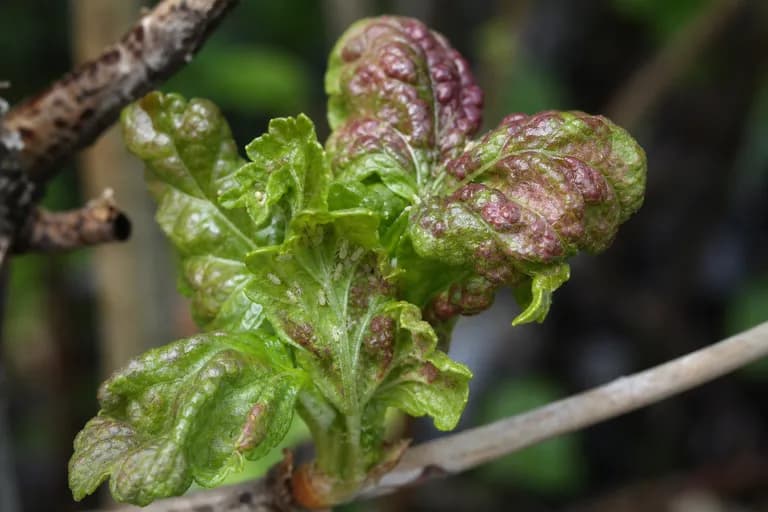
Currant Aphid
PestPuckered, blistered, and reddened leaves caused by aphid colonies feeding on leaf undersides in early spring.
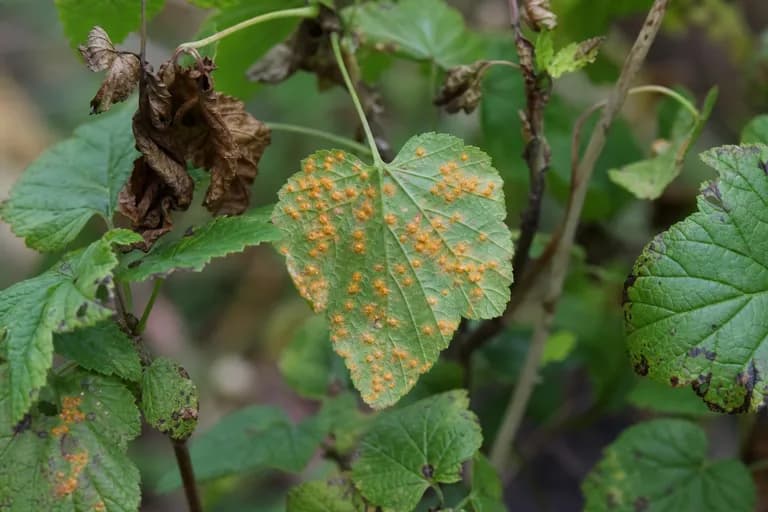
White Pine Blister Rust
DiseaseOrange pustules on leaf undersides in mid to late summer; premature defoliation but rarely kills the currant bush itself.
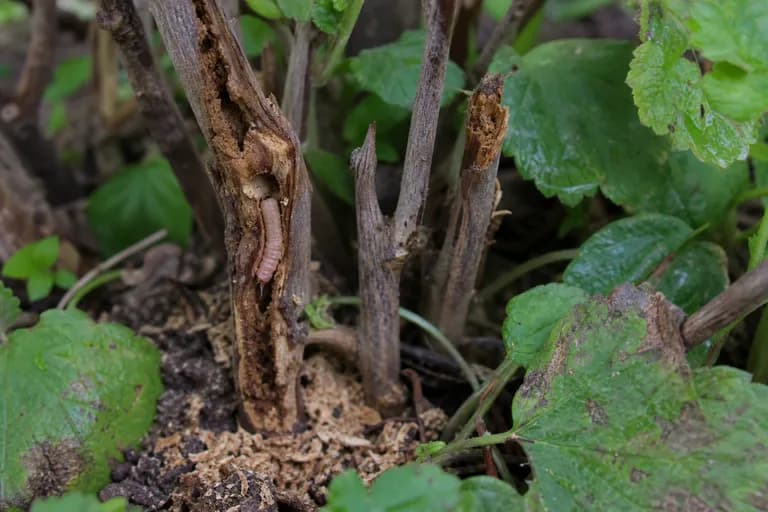
Currant Borer
PestWilting or dying individual canes with tunneled, hollow centers visible when cut; sawdust-like frass at cane bases.
Troubleshooting Common Problems
Leaf blistering caused by currant aphids is extremely common in spring and appears alarming but rarely affects the crop significantly. Premature defoliation from leaf spot diseases weakens the bush over time if left unmanaged. Birds will decimate a crop in days, so netting is essential. In the United States, some states still restrict Ribes cultivation due to white pine blister rust concerns. Poor fruit set is uncommon since currants are self-fertile, but cold, wet weather during bloom can reduce pollinator activity.
Growing Tips
- Plant red currants in a position that receives at least partial sun — ideally 4 or more hours per day — but that is sheltered from cold easterly winds in spring, which can damage flowers and deter pollinators.
- Red currants fruit on old wood and on short spurs off two- and three-year-old branches, unlike blackcurrants which fruit mainly on young wood; understanding this distinction is the key to pruning correctly.
- When pruning, aim for an open goblet shape with 8–10 main branches and no wood older than four years in the framework; older wood becomes less productive and more disease-prone.
- Grow red currants as cordons (single vertical stems) if space is limited — a single cordon needs only 30–40 cm of horizontal space along a fence or wall and can be just as productive per unit area as a freestanding bush.
- Mulch generously with compost or well-rotted manure each autumn, as red currants are shallow-rooted and benefit greatly from consistent soil moisture and organic matter in the upper soil horizon.
- A potassium deficiency — visible as brown leaf margins in midsummer — is the most common nutritional problem with red currants; correct with a sulphate of potash dressing in late winter and a liquid seaweed feed during fruit swell.
- Red currants can be propagated very easily from hardwood cuttings taken in autumn; a single healthy bush can produce dozens of new plants in one season, making it economical to establish a productive row or share with fellow gardeners.
- Do not plant currants in poorly drained or waterlogged soil; they tolerate moist conditions but standing water around roots quickly leads to root rot and dieback, particularly over winter.
- Where birds are a persistent problem, construct a permanent fruit cage over the planting area — the investment pays for itself within a season or two by preventing total crop loss, which is common when currants are left unprotected.
- Pick strigs (whole clusters) rather than individual berries; strigs can be easily stripped with a fork at the kitchen table, and this method is far quicker than picking individual berries while also reducing bruising.
Grow your best Currant yet — and everything around it.
Start a free plan today. Lay out your beds, drop in your Currant, and let PlotMyGarden handle the timing, spacing, companions and reminders from seed to harvest basket.
Pick your Currant
Red Lake
A reliable red currant with large clusters of bright red, tart berries excellent for jelly and fresh eating.
White Imperial
A white currant producing translucent, pale yellow berries that are the sweetest and mildest of all currant types.
Consort
A black currant bred for resistance to white pine blister rust, making it legal to grow in areas with planting restrictions.
Rovada
A late-ripening red currant with exceptionally long clusters and high yields, extending the harvest season by two weeks.
A bare-root red currant bush typically costs between £5 and £15, yet an established plant can yield 3–5 kg of fruit per season for 20 or more years with minimal inputs. At supermarket prices of £3–£5 per 150 g punnet, a single bush can generate the equivalent of £60–£165 worth of fresh currants in a single harvest. Over a decade that represents savings of £600 or more from one plant alone, before accounting for the additional value of home-made jelly, juice, and liqueurs.
Quick recipes
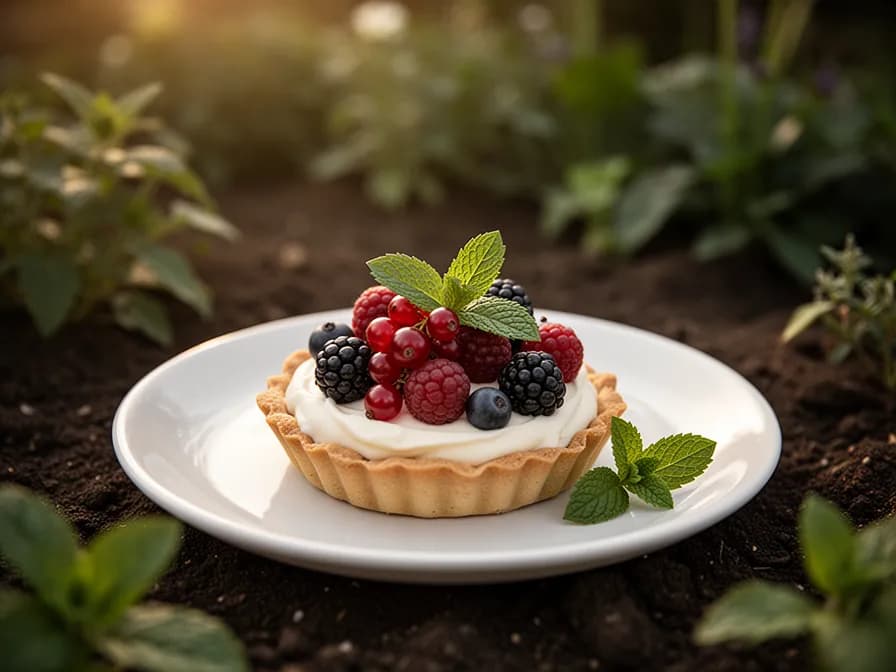
Classic Red Currant Jelly
40 minutesA brilliant, jewel-red jelly with a sweet-sharp balance that pairs beautifully with roast meats, cheese boards, and glazed pastries. The natural pectin in red currants ensures a reliable set without commercial pectin.
4 ingredients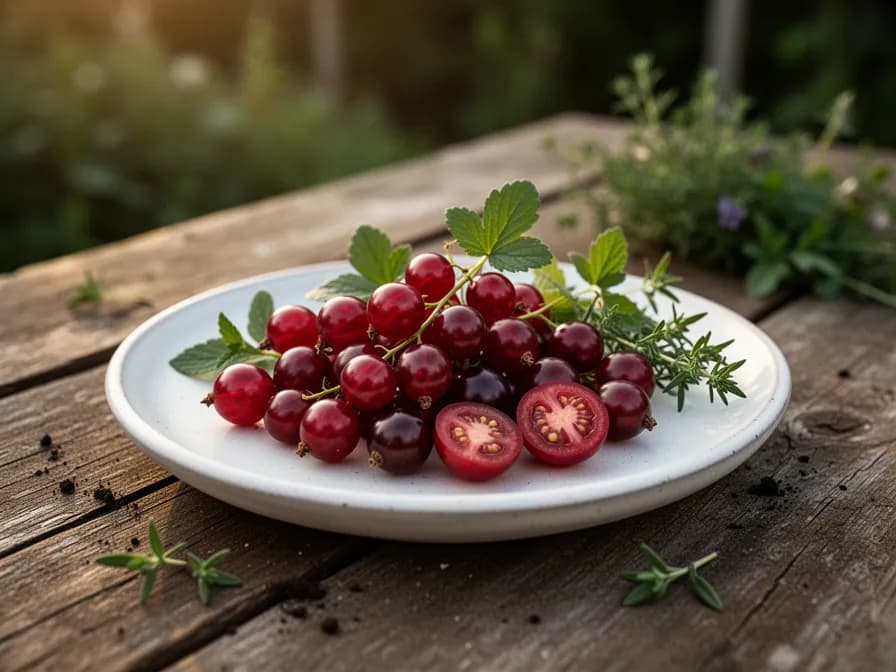
Red Currant and Raspberry Summer Pudding
20 minutes plus overnight chillingA quintessential British summer dessert in which day-old white bread is soaked in the vivid crimson juices of lightly cooked currants and raspberries, then pressed overnight to create a stunning moulded pudding served with cream.
5 ingredientsRed Currant Vinaigrette
5 minutesA vibrant, sharp salad dressing that uses fresh or frozen currants blended with olive oil and shallots. Excellent over bitter leaves such as chicory, watercress, or rocket, and pairs beautifully with warm duck or goat's cheese salads.
6 ingredientsCulinary Uses
Red currants make jewel-bright jelly that is a classic accompaniment to roast meats and cheese platters. Black currants have an intense, complex flavor used in cordials, syrups, jams, and the famous French liqueur cassis. White currants are the mildest and sweetest, eaten fresh or used in delicate tarts. All currant types make excellent fruit sauces, compotes, and additions to summer puddings. Their high pectin content makes them reliable for jam without added pectin.
What's inside
Health Benefits
- Red currants deliver a powerful dose of vitamin C — a single 100 g serving meets nearly half the recommended daily intake — supporting immune function, collagen synthesis, and iron absorption.
- The deep red colour of the berries comes from anthocyanin pigments, a class of polyphenols associated in research with reduced oxidative stress, improved cardiovascular markers, and anti-inflammatory effects.
- A high dietary fibre content (around 4.3 g per 100 g) supports digestive regularity, feeds beneficial gut bacteria, and contributes to sustained satiety after eating.
- Red currants are a useful source of vitamin K1, which plays an essential role in normal blood clotting and is increasingly recognised as important for maintaining healthy bone mineral density.
- The berries contain quercetin and other flavonoids that have been studied for their potential to support healthy blood pressure and reduce the risk of chronic cardiovascular disease.
- With only around 56 calories per 100 g and a relatively low natural sugar content compared with many other fruits, red currants make an ideal ingredient for those managing weight or blood sugar levels.
Where Currant comes from
Red currant (Ribes rubrum) is native to western Europe, from the British Isles east through Scandinavia, the Netherlands, France, and into central and northern Russia. It grows wild in damp, semi-shaded woodland margins, riverbanks, and hedgerows, preferring cool, moist conditions that distinguish it from more heat-tolerant soft fruits.
The earliest documented cultivation of red currant dates to fifteenth-century Flanders and the Netherlands, where monastery and estate gardens began selecting fruiting forms from wild populations. By the sixteenth century the plant had reached England, where it was known as "riban" or "ribes" — names derived from the Danish "ribs", itself a corruption of the Arabic word for rhubarb, "ribas", owing to a perceived similarity in tartness. The Tudor herbalist John Gerard described currants in his 1597 "Herball", noting their use as a sharp, cleansing fruit suited to warm climates of the stomach.
Throughout the seventeenth and eighteenth centuries, red currant became a staple of formal kitchen gardens across northern Europe, valued for its reliable cropping even in cool, sunless summers when more tender fruits failed. French gardeners developed the art of training currants as cordons and fans against south-facing walls, greatly increasing productivity and fruit size while simplifying the harvest. This tradition of espalier training spread to Britain, where estate walled gardens routinely included cordon-trained red currants as a feature of the kitchen garden layout.
In North America, currant cultivation was heavily suppressed in the early twentieth century after the United States federal government introduced a nationwide ban in 1911, following the discovery that Ribes species act as an alternate host for white pine blister rust (Cronartium ribicola), a fungal disease devastating to the timber industry. The federal ban was lifted in 1966 and management was transferred to individual states, but the cultural memory of prohibition had largely erased currant-growing from mainstream American gardening. A revival of interest in heritage and unusual fruits over recent decades has seen red currant return to North American gardens, appreciated both for its culinary versatility and its ornamental value.
Today, Germany, the Netherlands, and Poland are among the world's largest commercial producers of red currant, supplying the juice, jam, and liqueur industries. For home gardeners across temperate regions, the red currant remains one of the most rewarding small fruits: compact, self-fertile, long-lived, and capable of thriving in conditions that would defeat more demanding crops.
Currant: did you know?
Fascinating facts about Currant
Red currants are one of the few fruits that thrive in partial shade, making them ideal for north-facing garden walls and under the dappled canopy of taller trees.
Currant questions, answered
When should I plant Currant?
What are good companion plants for Currant?
What hardiness zones can Currant grow in?
How much sun does Currant need?
How far apart should I space Currant?
What pests and diseases affect Currant?
How do I store Currant after harvest?
What are the best Currant varieties to grow?
What soil does Currant need?
How long does it take for a red currant bush to fruit after planting?
Do I need more than one red currant bush for pollination?
Why are the leaves on my red currant turning brown at the edges in summer?
When is the best time to prune a red currant bush?
Can red currants be grown in containers?
How do I prevent birds from eating all of my red currants?
You just read the theory. Now grow it on autopilot.
Everything that makes Currant fiddly — the timing, the spacing, the companions, the harvest window — is exactly what PlotMyGarden handles for you, for every plant in your garden.
A plan that knows your weather
Set your location once. Get sow, feed and harvest dates built around your real last-frost date and live forecast — no more guessing from a generic seed packet.
From the “When to plant” sectionDrag-and-drop bed planner
Design beds on a grid. Every plant snaps to its proper spacing, and you can see your whole season laid out before you spend a cent on seed.
From the “Growing guide” sectionCompanion conflicts, caught early
200+ good-and-bad pairings checked live as you plant — so a season-wrecking mistake never makes it into the ground.
From the “Companions” sectionReminders you'll actually act on
“Water the beans.” “Pick today before it turns.” Timely, specific, and tied to the plants you're really growing.
From the “Harvest” sectionSuccession, scheduled
Want a harvest for six weeks, not six days? It spaces your sowings automatically and reminds you when each new block is due.
From the “When to plant” sectionA record that gets smarter
Every harvest you log teaches it your garden. Next year's plan starts from what actually worked in your soil, not a textbook's.
From the “Overview” sectionPlant these alongside Currant
More Berries
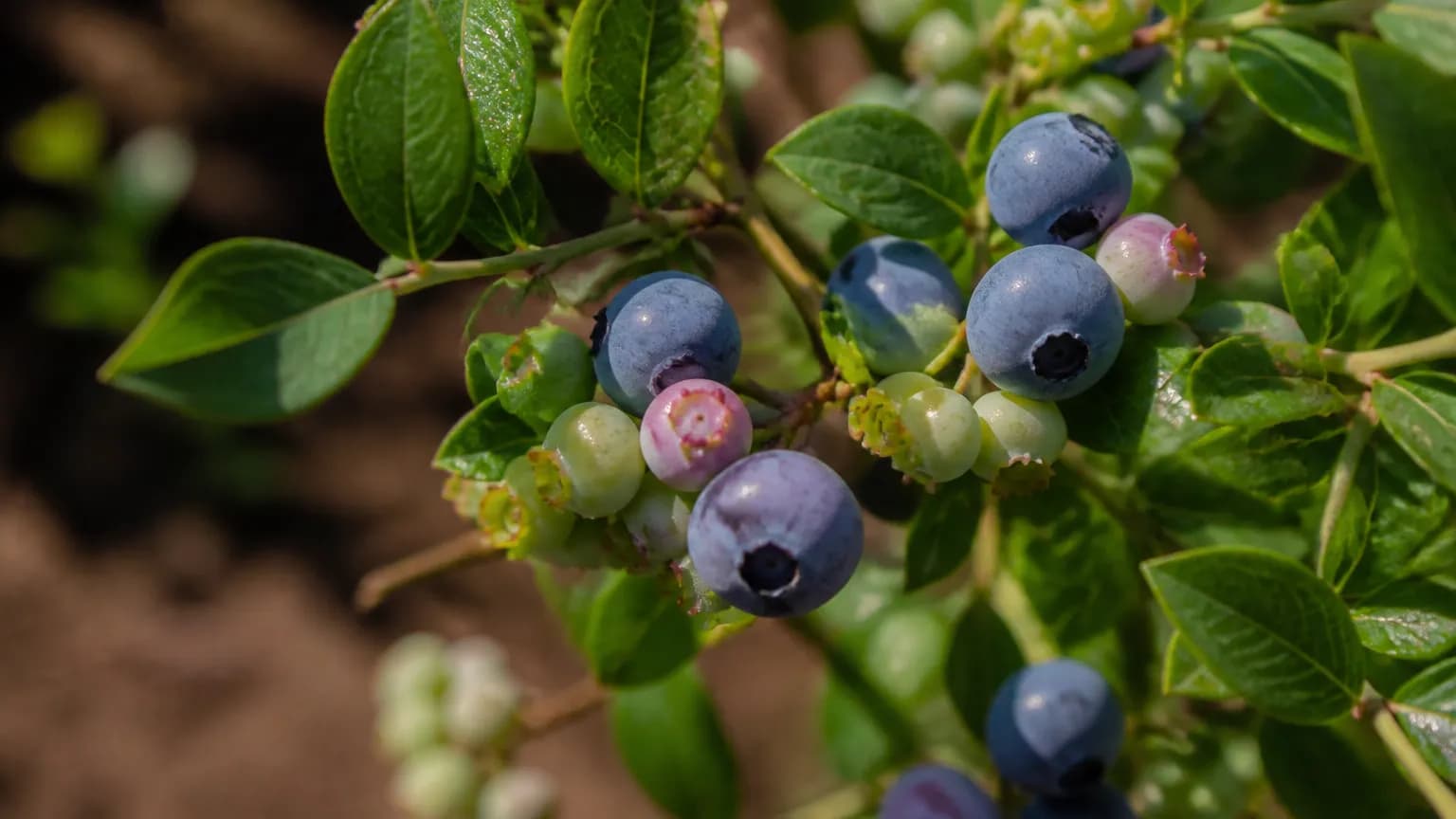
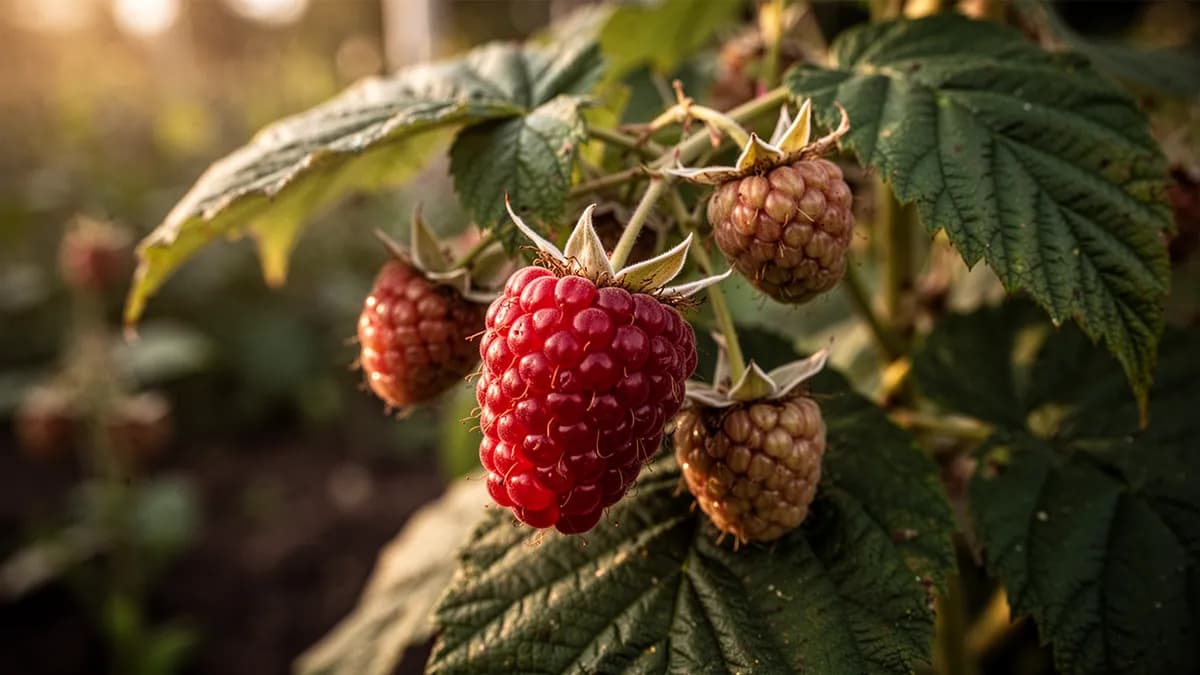
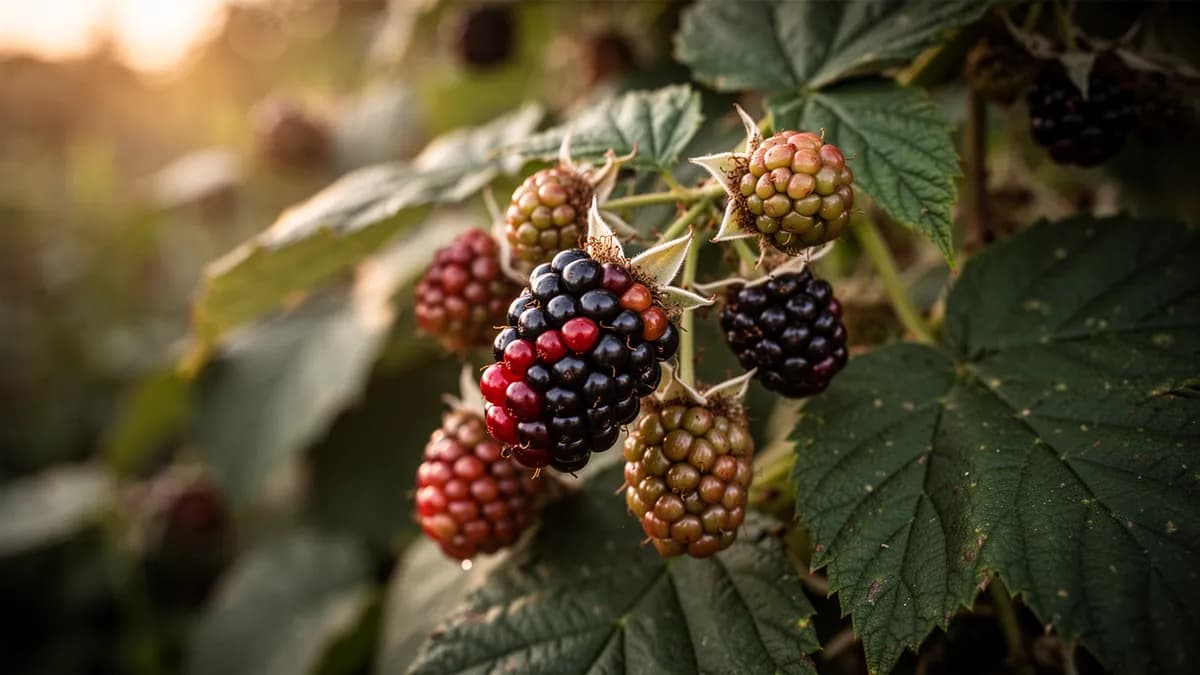
Keep Currant away from these
Garden plans featuring Currant
Grow your best Currant yet — and everything around it.
Start a free plan today. Lay out your beds, drop in your Currant, and let PlotMyGarden handle the timing, spacing, companions and reminders from seed to harvest basket.