Blackberry
A vigorous bramble producing large, dark fruits on arching canes that can become invasive without management.





On this pageOverview
Meet Blackberry
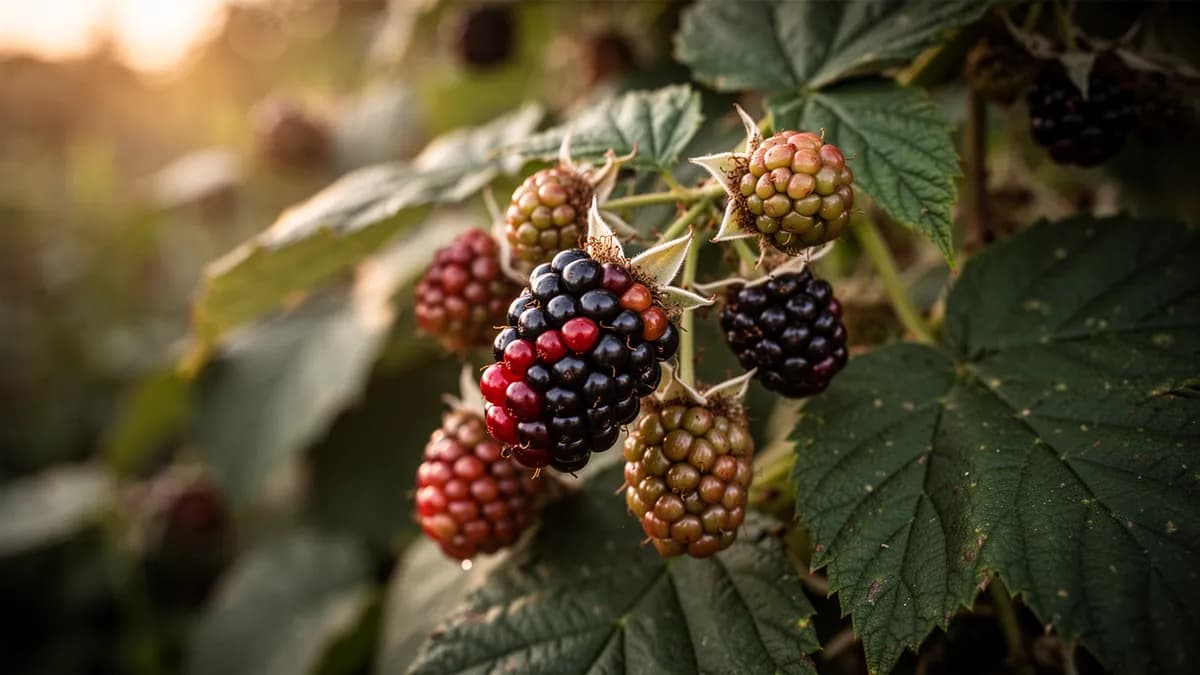
A vigorous bramble producing large, dark fruits on arching canes that can become invasive without management. Provide a sturdy trellis to support the heavy, arching canes and prune spent fruiting wood to the ground each year after harvest. Thornless cultivars are available and much easier to manage during pruning and picking without sacrificing fruit quality. Berries are ripe when they turn fully black and detach easily from the plant, offering peak sweetness for fresh eating, jams, and baking.
When to plant Blackberry
Blackberries are best propagated vegetatively. Erect varieties produce abundant root suckers that can be dug up and transplanted in early spring. Trailing types are propagated by tip layering: bury the tip of a primocane two to three inches deep in late summer, and a rooted plant will be ready to sever and transplant the following spring. Root cuttings taken in late fall, cut into three-to-four-inch sections and planted horizontally in a nursery bed, will sprout new plants by spring. Stem cuttings with rooting hormone are also effective for thornless varieties.
Your Blackberry Year
Composed for Zone 7 · typical seasons · frost passes Apr 2, returns Nov 1
Plant Blackberry Mar – Apr, pick Jul – Aug. Check the planting methods below and set your climate to personalize these windows.
How to grow Blackberry
Select a sunny location with well-drained, fertile soil and a pH between 5.5 and 7.0. Blackberries tolerate a wider range of soil conditions than raspberries but still perform best in rich, loamy ground amended with compost. Install a sturdy trellis system with posts and two or three horizontal wires before planting, as mature canes can become extremely heavy with fruit.
Plant bare-root or container-grown blackberries in early spring, spacing erect varieties three to four feet apart and trailing types five to eight feet apart. Set plants one inch deeper than their nursery depth and water thoroughly after planting. Apply a thick mulch layer of straw or wood chips to retain moisture and suppress weeds around the shallow root zone.
For erect varieties, tip-prune primocanes at 30 to 36 inches in midsummer to encourage lateral branching, which increases fruit production the following year. For trailing types, train new primocanes along the trellis as they grow. After harvest, remove all spent floricanes at ground level and tie new canes in their place. Fertilize in early spring with a balanced fertilizer and irrigate consistently during fruit development for the largest, juiciest berries.
2 plants fit a 4 × 8 ft bed
Each Blackberry wants 90 cm of elbow room. The planner keeps that spacing for you — every plant, every bed.
Blackberry's best neighbours
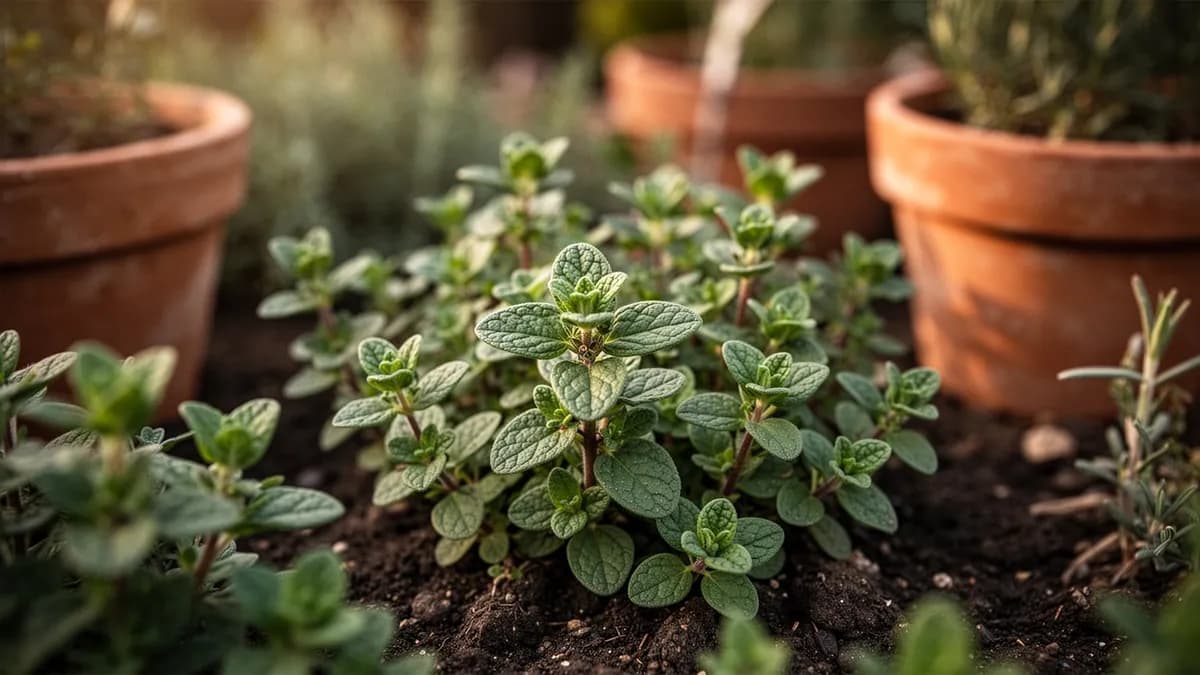
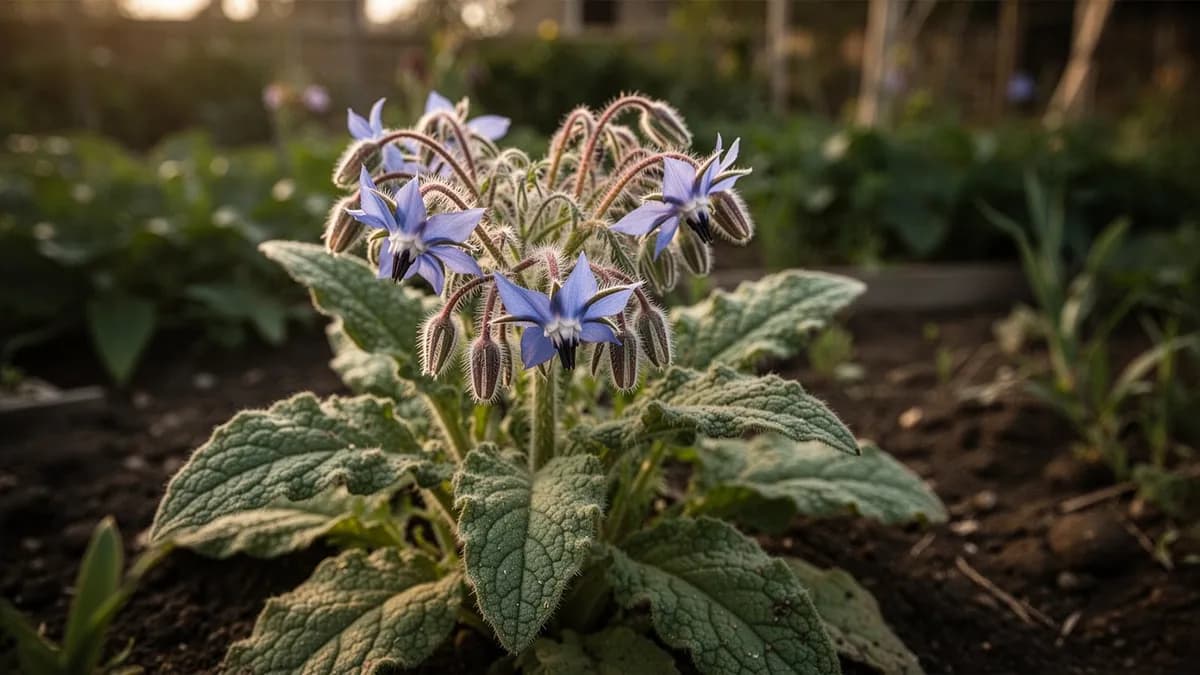
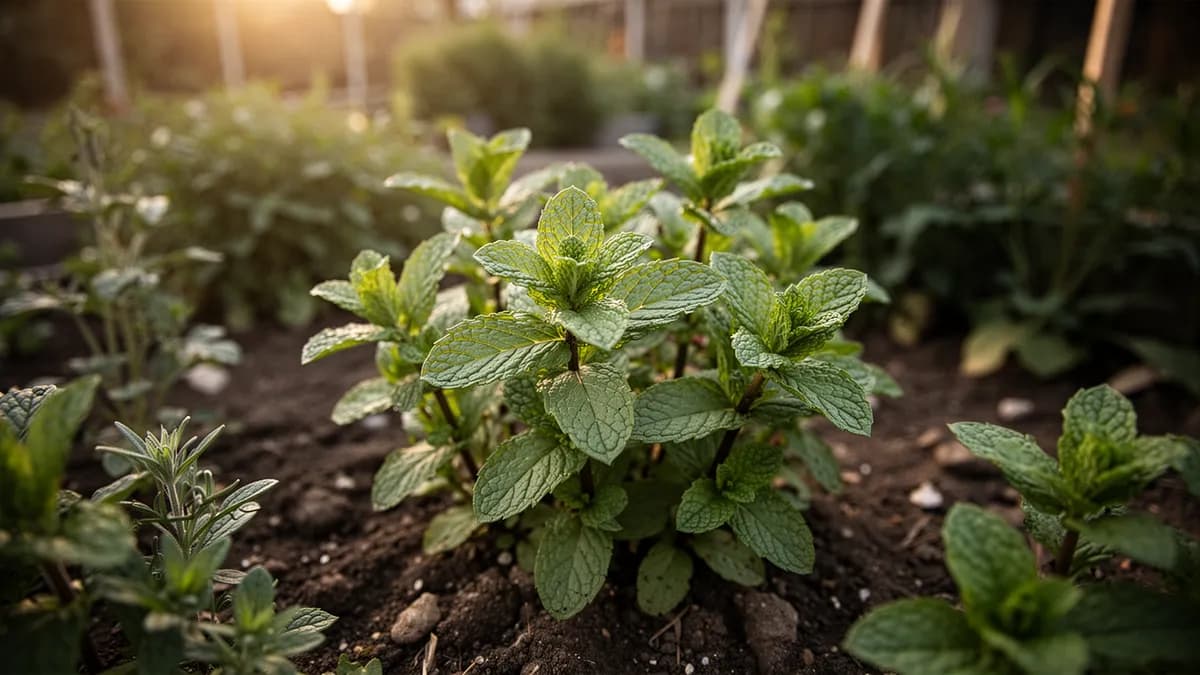
Thyme and other low-growing herbs planted at the base of blackberry canes act as living mulch, suppressing weeds and attracting beneficial predatory insects. Borage attracts pollinators with its blue flowers and may enhance fruiting. Mint can help deter some pest insects but should be contained to prevent its own invasive spreading. Avoid planting near raspberries to prevent cross-contamination of viral diseases and cane blight that affect both bramble species.
Thyme belongs beside it. Raspberry doesn't.
Old growers' knowledge, checked against Blackberry's real companion table below — test any plant you're growing.
Try Blackberry in a bed — right here
A real planner bed with Blackberry already in it. Tap a companion to place it and watch the pairing checks answer — green for good neighbours, red for a clash.


Related growing guides
Feed it well
Blackberries grow well in a range of soil types with pH between 5.5 and 7.0, but perform best in fertile, well-drained loam enriched with organic matter. Apply a balanced 10-10-10 fertilizer in early spring as new growth begins, spreading it in a band along the row. Side-dress with compost or aged manure in late spring. Avoid heavy nitrogen applications that promote excessive vegetative growth and increase susceptibility to winter injury and disease.
Ideal Temperature
Hardiness Zone Compatibility
From seed to harvest, stage by stage
Dormant Planting
Bare-root blackberry plants are set out in late winter to early spring while still dormant. The root system begins establishing itself in cool, moist soil before top growth appears. Proper planting depth is critical, with the crown set at soil level.
Primocane Growth
First-year canes, called primocanes, grow vigorously from the root crown throughout spring and summer. These canes are vegetative and will not produce fruit until the following year on most varieties. Primocanes can reach 1.5-3 meters in length depending on the cultivar.
Flowering
In their second year, the now mature canes (called floricanes) produce clusters of white to pale pink five-petaled flowers along lateral branches. Each flower contains numerous pistils, and adequate pollination of each pistil is needed to form a full, well-shaped berry. Bloom typically occurs over a two to four week period.
Fruit Development
After pollination, the small green drupelets begin swelling and the aggregate fruit takes shape. Berries progress through green, red, and shiny black stages over several weeks. The fruit is not ripe when it first turns black; it needs additional days to develop full sweetness and soften slightly.
Harvest Period
Ripe berries are harvested every two to three days over a four to six week period. Fruit ripens unevenly within each cluster, so multiple pickings are necessary. Berries are at peak flavor when they detach from the receptacle with minimal effort and have a slightly dull, matte appearance.
Post-Harvest and Pruning
After fruiting is complete, the spent floricanes die and should be removed. Meanwhile, new primocanes that grew during the current season are trained onto the trellis to become next year's fruiting wood. This annual cycle of growth, fruiting, and removal is the foundation of blackberry management.
Soak bare roots in water for one hour before planting. Dig a hole wide enough to spread roots naturally without bending. Water deeply after planting and apply 7-10 cm of mulch around the base, keeping it a few centimeters from the crown to prevent rot.
Caring for Blackberry month by month
What to do each month for your Blackberry
October
You are hereClean up fallen leaves and fruit debris around plants to reduce overwintering disease and pest pressure. Check soil pH and amend with sulfur if needed to maintain a range of 5.5-6.5. Apply a thick layer of mulch for winter protection.
Know exactly what to do in your garden — every month
One email at the start of each month: what to sow, plant, and tackle right now — for your Blackberry and everything growing around it. Plus a short starter course that helps you dodge the classic mistakes.
- What to do, right now
- Matched to your season
- Starter course included
Harvesting Blackberry
Blackberries are ripe when they turn completely black and lose their glossy sheen, becoming slightly dull in appearance. Unlike raspberries, blackberries pick with the core intact inside the fruit. A ripe berry should pull away with minimal effort and feel slightly soft. Harvest every two to three days during peak season, picking in the morning after dew has dried. Taste is the best indicator of ripeness, as color change precedes full sweetness development by a day or two.
assuming you plant when the window opens — set your real date
Pick Blackberry promptly and the plant keeps producing.
Storage & Preservation
Store unwashed blackberries in a single layer in the refrigerator for three to five days. They freeze exceptionally well: spread on a baking sheet to flash-freeze, then transfer to airtight bags for up to ten months. Blackberries make outstanding jams, jellies, cobblers, and wines. Their high pectin content helps jams set naturally. Dehydrated blackberries are excellent in granola and trail mix, and the juice makes a vibrant natural food coloring.
What goes wrong — and the fix
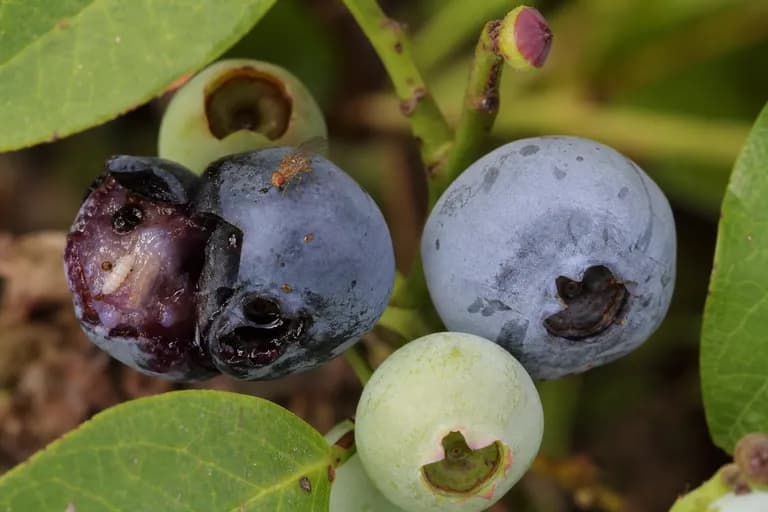
Spotted Wing Drosophila
PestSoft, leaking berries with tiny puncture marks; small white larvae visible inside fruit when pulled apart.
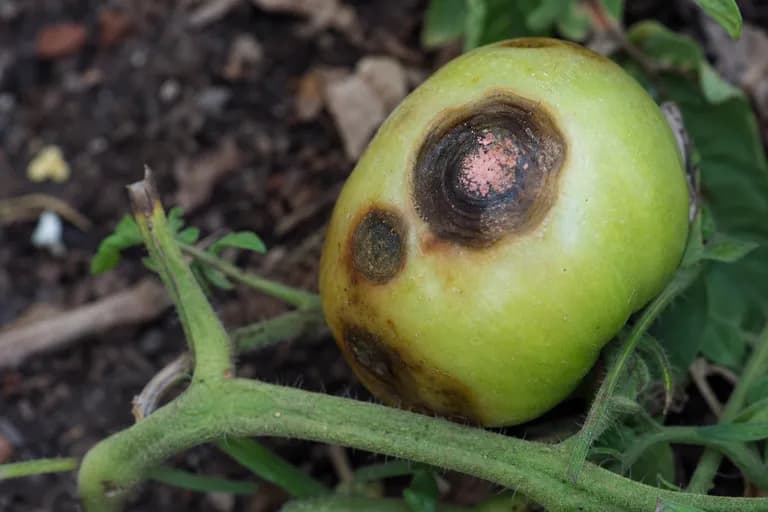
Anthracnose
DiseasePurple-bordered gray spots on canes, leaf spots, and dried or crumbly berries that fail to ripen evenly.
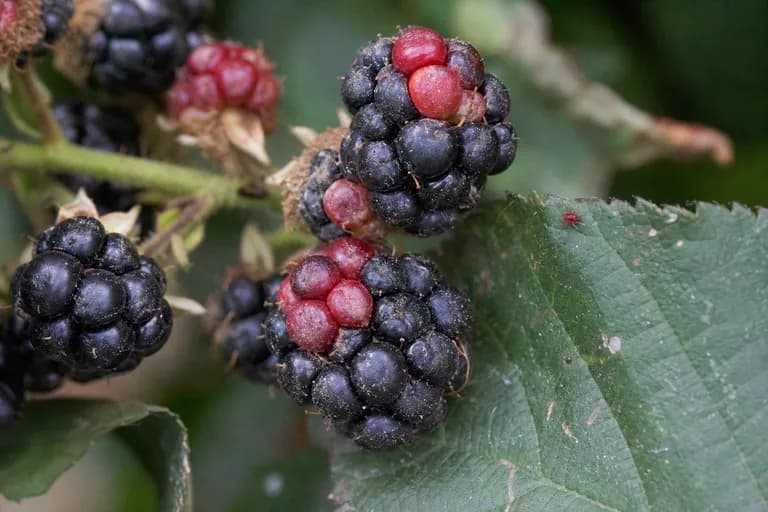
Red Berry Mite
PestIndividual drupelets on berries remain red and hard while the rest of the berry turns black, creating an uneven appearance.
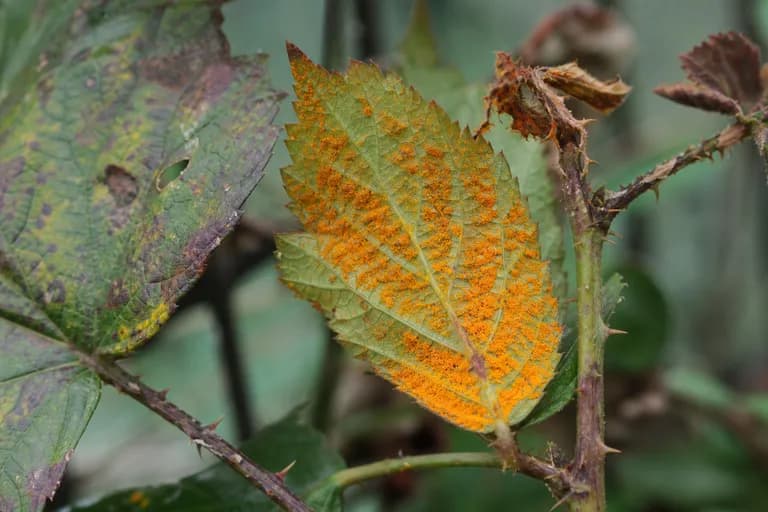
Orange Rust
DiseaseBright orange powdery spore masses on leaf undersides in spring; stunted, spindly new growth that never recovers.
Troubleshooting Common Problems
The most common complaint is invasive spreading by root suckers, which requires regular removal of unwanted shoots. Double blossom or rosette disease causes deformed flower clusters that produce no fruit and must be pruned out. Cane dieback in winter often results from inadequate hardening off caused by late-season nitrogen fertilization. Uneven ripening with red drupelets remaining hard indicates red berry mite infestation. Trailing varieties without trellis support become unmanageable tangles.
Growing Tips
- Install a two-wire T-trellis system before planting, with wires at 0.9 m and 1.5 m height. Training canes to a trellis improves air circulation, makes harvesting far easier, and can increase yields by up to 50% compared to unsupported plants.
- Plant blackberries in full sun with well-drained, slightly acidic soil at a pH of 5.5-6.5. Avoid sites where tomatoes, peppers, potatoes, or other brambles have grown in the past three years to reduce the risk of verticillium wilt.
- Space erect varieties 0.9-1.2 m apart in rows and trailing varieties 1.5-2.4 m apart. Allow 2.4-3 m between rows for adequate air circulation, sun exposure, and room to maneuver during harvest and pruning.
- Apply 2.5-5 cm of water per week during the growing season, increasing to 5 cm per week during fruit development and ripening. Drip irrigation is ideal as it keeps foliage dry and reduces fungal disease pressure.
- Mulch heavily with 7-10 cm of wood chips, straw, or pine needles to suppress weeds, conserve soil moisture, and maintain cool root zone temperatures. Replenish mulch annually in early spring before new growth begins.
- Prune spent floricanes to the ground immediately after harvest and remove them from the garden to reduce disease carryover. In late winter, thin primocanes to four to six of the strongest per plant and shorten lateral branches to 30-45 cm.
- Fertilize established plants in early spring with a balanced 10-10-10 fertilizer at a rate of 110-170 g per plant, spread in a band around the base. Avoid fertilizing after midsummer, as late growth is more susceptible to winter injury.
- Protect ripening fruit from birds by draping bird netting over the trellis, securing it at ground level. Check netting daily to ensure no birds or beneficial insects become trapped inside.
- Monitor for spotted wing drosophila, a small fly that lays eggs in ripening fruit, by hanging apple cider vinegar traps near the planting. Harvest all ripe fruit promptly and remove any overripe or fallen berries to break the pest cycle.
- In cold climates below USDA Zone 5, protect trailing and semi-erect varieties by unfastening canes from the trellis after leaf fall, laying them on the ground, and covering with a 15 cm layer of straw mulch or row cover fabric until spring.
Grow your best Blackberry yet — and everything around it.
Start a free plan today. Lay out your beds, drop in your Blackberry, and let PlotMyGarden handle the timing, spacing, companions and reminders from seed to harvest basket.
Pick your Blackberry
Triple Crown
A semi-erect thornless variety producing very large, sweet berries with excellent flavor over a long harvest season.
Ouachita
An erect thornless cultivar with firm, sweet berries and outstanding disease resistance, especially to double blossom and orange rust.
Navaho
An upright thornless variety producing medium-sized berries with exceptional sweetness and a firm texture ideal for shipping.
Chester
A late-season thornless trailing type with high yields and good cold hardiness, producing medium-large berries with balanced flavor.
Prime-Ark Freedom
The first thornless primocane-fruiting variety, allowing harvest on first-year canes with large, sweet berries.
A single thornless blackberry plant costs $8-15 and begins producing meaningful harvests in its second year. A mature plant yields 4.5-9 kg of fruit annually for 15-20 years, while fresh organic blackberries retail for $4-7 per 170g clamshell. Over its productive lifespan, one plant can produce the equivalent of $500-1,500 worth of store-bought organic berries. Growing your own also eliminates the premium price of organic certification and ensures berries are picked at peak ripeness rather than underripe for shipping durability.
Quick recipes
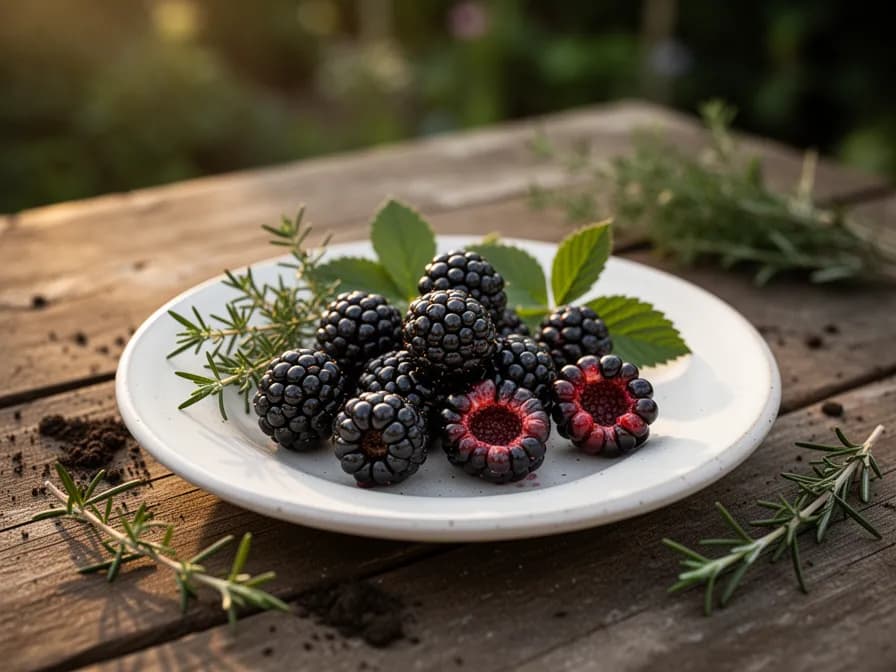
Classic Blackberry Cobbler
15 minutesA warm, comforting Southern-style cobbler featuring juicy blackberries beneath a golden, buttery biscuit topping. The fruit bubbles up around the edges as it bakes, creating a caramelized sauce that pairs perfectly with a scoop of vanilla ice cream. Best made with freshly picked, peak-season berries.
9 ingredients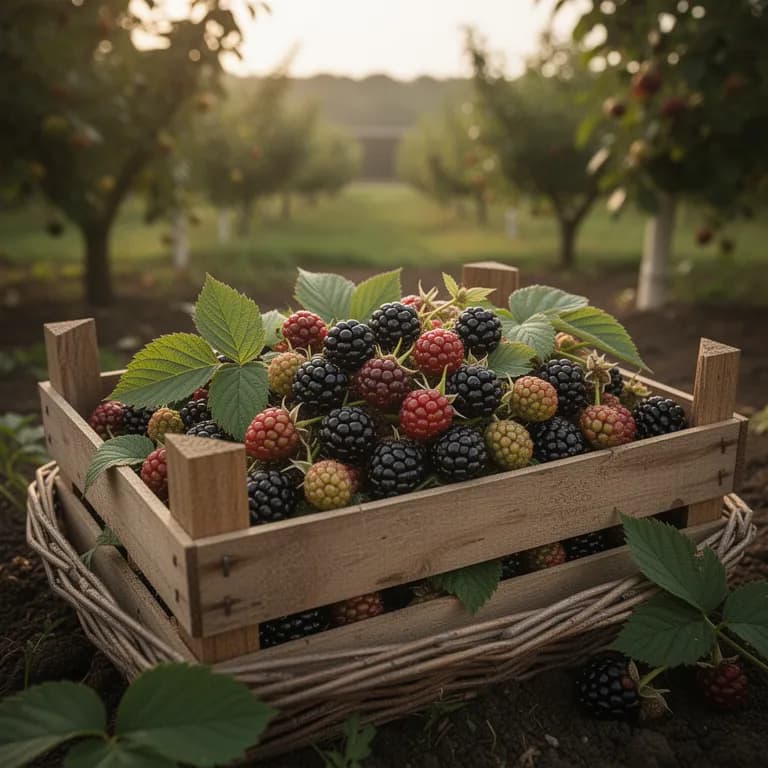
Blackberry Freezer Jam
20 minutesA no-cook freezer jam that preserves the bright, fresh flavor of garden blackberries without the fuss of traditional canning. This simple recipe uses pectin and sugar to achieve a perfect spreadable consistency. Keeps in the freezer for up to a year and in the refrigerator for up to three weeks once thawed.
5 ingredientsBlackberry Vinaigrette Salad
10 minutesA vibrant salad dressing that transforms fresh blackberries into a tangy, jewel-toned vinaigrette. The berries are pureed and strained for a smooth texture, then whisked with balsamic vinegar, Dijon mustard, and olive oil. Drizzle over mixed greens with goat cheese and toasted walnuts for an elegant summer salad.
6 ingredientsCulinary Uses
Blackberries have a rich, complex flavor that works beautifully in pies, cobblers, crumbles, and tarts. They pair well with apple, lemon, vanilla, and dark chocolate. Fresh blackberries elevate salads and yogurt parfaits. They are rich in vitamin C, vitamin K, manganese, and fiber. Blackberry wine and cordials are traditional uses, and the juice makes an excellent syrup for cocktails and pancakes.
What's inside
Health Benefits
- Exceptionally high in anthocyanins and ellagic acid, powerful antioxidants that help protect cells from oxidative damage and may reduce the risk of chronic diseases including certain cancers
- The high fiber content of 5.3 g per 100g supports healthy digestion, promotes regular bowel movements, and feeds beneficial gut bacteria that play a role in immune function
- Rich in vitamin C which supports immune system function, aids in wound healing, and enhances the absorption of iron from plant-based foods
- Contains significant amounts of vitamin K, essential for proper blood clotting and bone calcium regulation, potentially reducing the risk of osteoporosis
- The low glycemic index and high fiber content help regulate blood sugar levels, making blackberries a beneficial fruit choice for managing diabetes and metabolic health
- Provides anti-inflammatory compounds including salicylic acid, a natural relative of aspirin, which may help reduce inflammation and associated pain throughout the body
Where Blackberry comes from
The blackberry (Rubus fruticosus) belongs to one of the most complex genus groups in the plant kingdom, with hundreds of microspecies and natural hybrids distributed across Europe, Asia, and North America. Archaeological evidence from the Haraldskaer Woman, a preserved Iron Age body found in Denmark, revealed blackberry seeds in the stomach contents, confirming that humans have consumed wild blackberries for at least 2,500 years. The ancient Greeks knew the fruit well; Hippocrates recommended blackberry for treating gout, while Pliny the Elder documented its use in Roman medicine for mouth and throat ailments. Throughout medieval Europe, blackberry thickets served both as natural defensive hedgerows around settlements and as a reliable wild food source for rural communities. The plant's vigorous, thorny growth made it an effective living fence long before barbed wire was invented. European colonists arriving in North America found native blackberry species already growing abundantly, and indigenous peoples had long incorporated both the fruit and young shoots into their diets. Systematic blackberry cultivation did not begin until the early 19th century, when Judge Logan of California developed the famous Loganberry, a blackberry-raspberry hybrid, in 1881. The 20th century brought dramatic advances with the development of thornless cultivars by the USDA breeding program in cooperation with Oregon State University. The release of thornless varieties such as Chester, Triple Crown, and Ouachita transformed blackberry growing from a thorny ordeal into an accessible garden pleasure. More recently, the University of Arkansas breeding program led by Dr. John R. Clark introduced primocane-fruiting blackberries, a breakthrough that allows fruit production on first-year canes and has expanded commercial and home blackberry growing into colder northern regions where traditional varieties struggle to survive winter.
Blackberry: did you know?
Fascinating facts about Blackberry
A single blackberry fruit is not actually a berry at all; it is an aggregate fruit composed of 80 to 100 individual drupelets, each containing its own tiny seed and developed from a separate pistil within the flower.
Blackberry questions, answered
When should I plant Blackberry?
What are good companion plants for Blackberry?
What hardiness zones can Blackberry grow in?
How much sun does Blackberry need?
How far apart should I space Blackberry?
What pests and diseases affect Blackberry?
How do I store Blackberry after harvest?
What are the best Blackberry varieties to grow?
What soil does Blackberry need?
When is the best time to plant blackberries?
Why are my blackberries small and seedy instead of plump and juicy?
How do I tell the difference between primocanes and floricanes?
Do I need more than one blackberry plant for pollination?
How do I manage thorny blackberry suckers spreading into my lawn and garden beds?
Can I grow blackberries in containers on a patio or balcony?
You just read the theory. Now grow it on autopilot.
Everything that makes Blackberry fiddly — the timing, the spacing, the companions, the harvest window — is exactly what PlotMyGarden handles for you, for every plant in your garden.
A plan that knows your weather
Set your location once. Get sow, feed and harvest dates built around your real last-frost date and live forecast — no more guessing from a generic seed packet.
From the “When to plant” sectionDrag-and-drop bed planner
Design beds on a grid. Every plant snaps to its proper spacing, and you can see your whole season laid out before you spend a cent on seed.
From the “Growing guide” sectionCompanion conflicts, caught early
200+ good-and-bad pairings checked live as you plant — so a season-wrecking mistake never makes it into the ground.
From the “Companions” sectionReminders you'll actually act on
“Water the beans.” “Pick today before it turns.” Timely, specific, and tied to the plants you're really growing.
From the “Harvest” sectionSuccession, scheduled
Want a harvest for six weeks, not six days? It spaces your sowings automatically and reminds you when each new block is due.
From the “When to plant” sectionA record that gets smarter
Every harvest you log teaches it your garden. Next year's plan starts from what actually worked in your soil, not a textbook's.
From the “Overview” sectionPlant these alongside Blackberry
More Berries
Keep Blackberry away from these
Grow your best Blackberry yet — and everything around it.
Start a free plan today. Lay out your beds, drop in your Blackberry, and let PlotMyGarden handle the timing, spacing, companions and reminders from seed to harvest basket.