Pluot
Hibrido de ciruela y albaricoque con caracteristicas predominantemente de ciruela, de piel lisa y pulpa extremadamente dulce y compleja.





En esta páginaResumen
Conoce Pluot
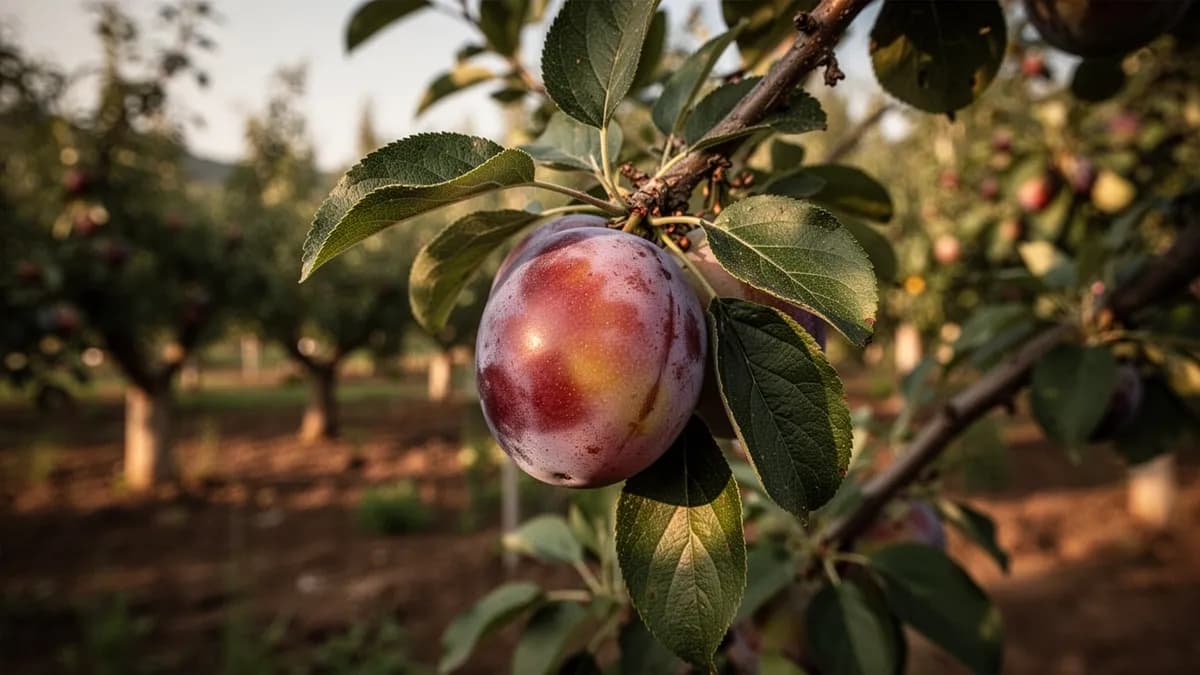
Hibrido de ciruela y albaricoque con caracteristicas predominantemente de ciruela, de piel lisa y pulpa extremadamente dulce y compleja. Los pluots tienen un contenido de azucar superior al de cualquiera de sus dos frutos progenitores, con lecturas de Brix que a menudo superan los 20 grados. Necesitan un polinizador de ciruela japonesa y se cultivan mejor en climas de estilo mediterraneo con veranos secos.
Cuándo plantar Pluot
Las semillas de pluot no produciran arboles fieles al tipo debido a su compleja ascendencia hibrida. Compre arboles injertados en viveros de confianza. Los arboles suelen injertarse sobre ciruelo Myrobalan, durazno o portainjerto Citation. Citation aporta un efecto semienanizante para huertos domesticos. Los arboles empiezan a dar fruto en el segundo o tercer ano tras la plantacion. La produccion plena se alcanza en el quinto o sexto ano.
Tu año de Pluot
Ajustado a Zona 7 · temporada típica · la helada se va hacia el 2 abr y vuelve hacia el 1 nov
Planta Pluot Mar – Abr y cosecha Jul – Ago. Consulta los métodos de plantación y elige tu clima para adaptar los periodos.
Cómo cultivar Pluot
Los pluots son hibridos complejos de ciruela y albaricoque con caracteristicas predominantemente de ciruela, criados por Floyd Zaiger en California por su dulzor excepcional y la complejidad de su sabor. Plante arboles a raiz desnuda a finales del invierno, separandolos entre 4.5 y 6 metros sobre portainjerto estandar. Elija un lugar a pleno sol con suelo bien drenado. Los pluots requieren un polinizador de ciruela japonesa, como Santa Rosa, Burgundy o Flavor Supreme, plantado dentro de 15 metros, ya que no son autofertiles.
Los pluots prosperan en climas mediterraneos con veranos calidos y secos e inviernos moderados. Necesitan de 400 a 500 horas de frio segun la variedad. En climas humedos, la presion de enfermedades por podredumbre parda y mancha bacteriana aumenta de forma considerable. Forme los arboles en vaso abierto con tres o cuatro ramas principales de estructura. Pode a finales del invierno para mantener la forma y eliminar las ramas cruzadas.
Aclare los frutos con decision cuando tengan el tamano de una canica, dejando entre cuatro y seis pulgadas entre los frutos que queden. Los pluots cuajan cosechas extremadamente abundantes y, sin aclareo, los frutos seran pequenos y las ramas pueden romperse. Riegue de forma constante durante el desarrollo del fruto, pero reduzca el riego cuando el fruto comience a madurar. El contenido de azucar extraordinariamente alto, que a menudo supera los 20 Brix, hace que los pluots sean propensos a agrietarse si se riegan en exceso cerca de la cosecha.
Para Pluot un bancal de 120 × 240 cm se queda corto
Cada Pluot pide 300 cm de margen. El planificador guarda ese marco por ti — cada planta, cada bancal.
Los mejores vecinos de Pluot
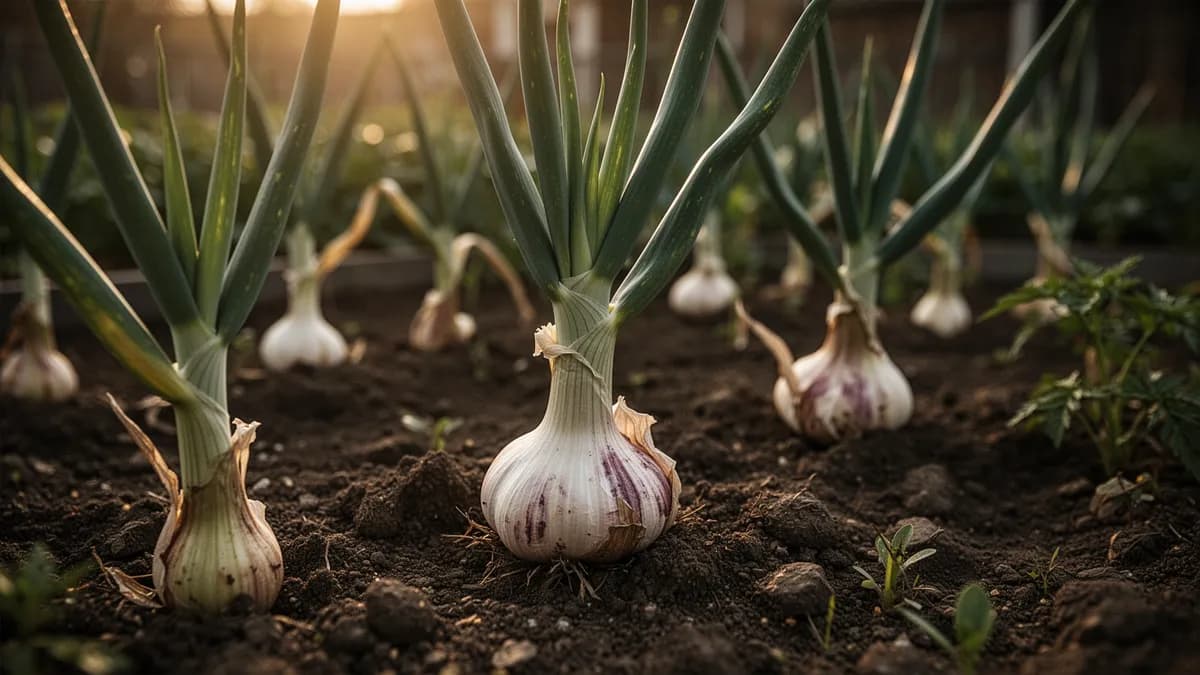
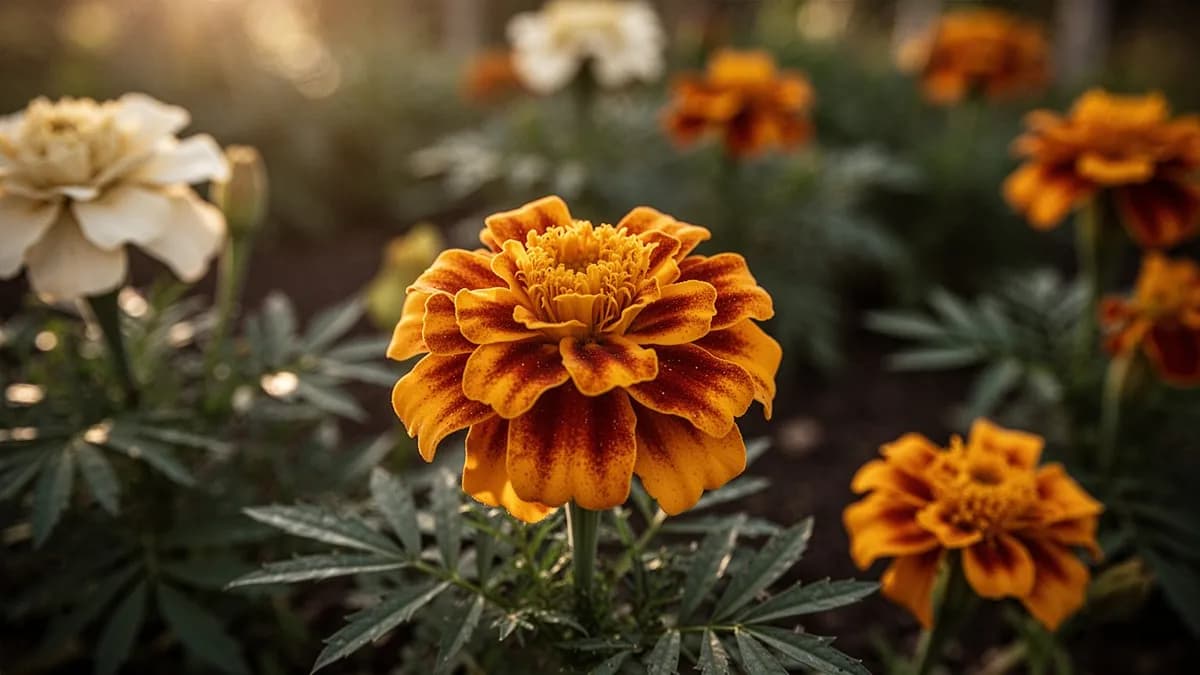
Un polinizador de ciruela japonesa es esencial. Flavor Supreme, Santa Rosa o la ciruela Burgundy son polinizadores fiables. Plante debajo ajo, cebollino y otras aliaceas para disuadir perforadores. Las capuchinas atraen insectos beneficiosos y ahuyentan pulgones. El trebol blanco como cubierta vegetal fija nitrogeno y apoya a las poblaciones de polinizadores durante la floracion. Evite los nogales y el exceso de sombra de plantas vecinas.
Ajo va a su lado. Nogal no.
Saber de huerto de siempre, cotejado con la tabla real de Pluot — prueba cualquier planta que cultives.
Prueba Pluot en un bancal, aquí mismo
Un bancal real del planificador con Pluot ya plantado. Toca una planta compañera para colocarla y mira cómo responde la comprobación de vecinos: verde para buenos vecinos, rojo si hay conflicto.


Guías de cultivo relacionadas
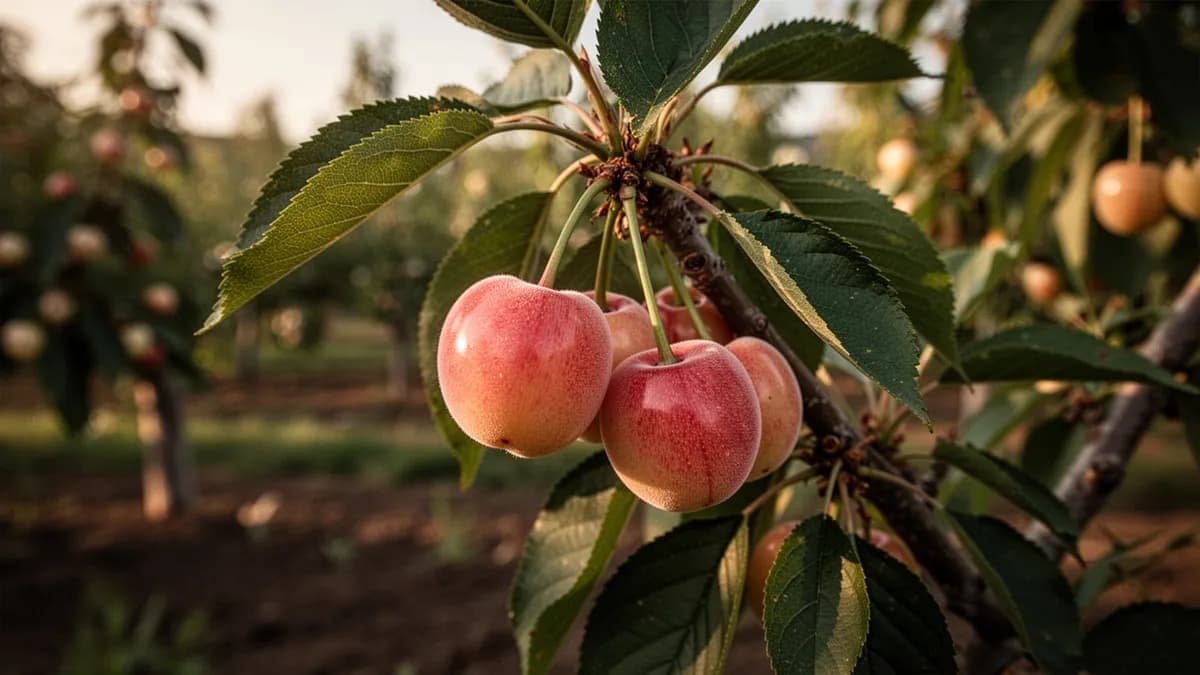
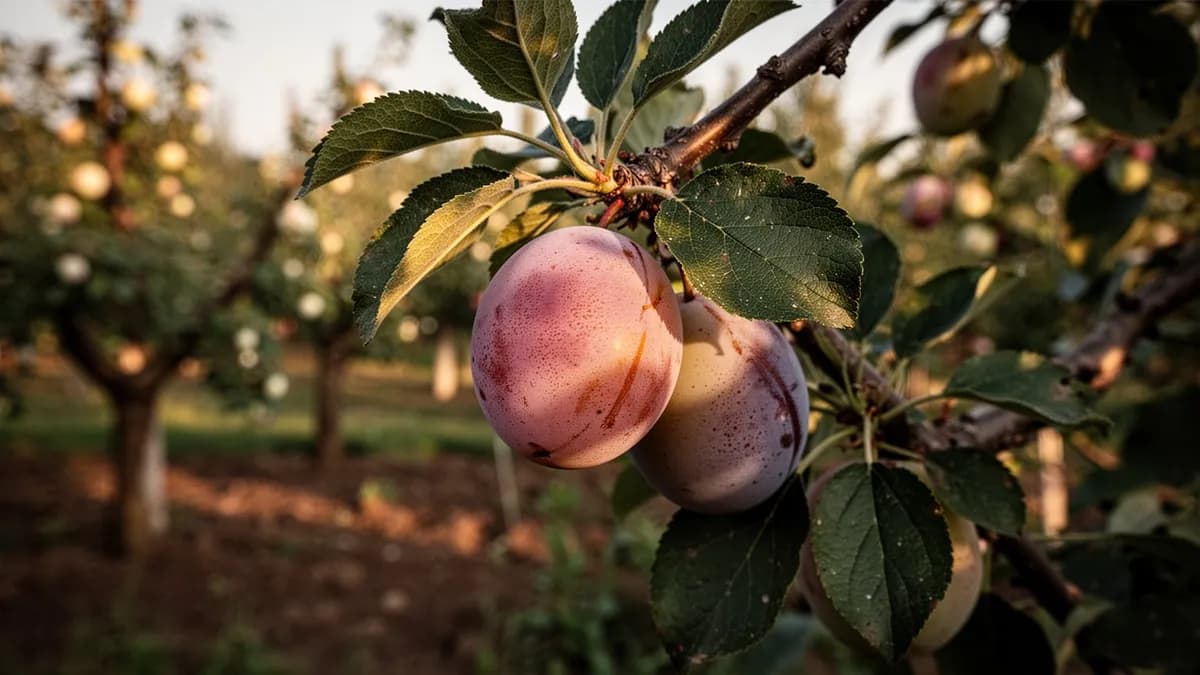
Abónalo bien
Los pluots prefieren un franco bien drenado y fertil con un pH de 6.0 a 7.0. Evite las arcillas pesadas y los emplazamientos encharcados. Aplique un fertilizante equilibrado a comienzos de la primavera antes de la floracion. Aporte compost en cobertera a finales de la primavera. Evite el exceso de nitrogeno, que favorece el crecimiento vegetativo en detrimento de la calidad del fruto. Mantenga una capa de mantillo organico de 7.5 a 10 cm que llegue hasta la linea de goteo, pero separada del tronco.
Temperatura ideal
Compatibilidad de zonas de rusticidad
De la semilla a la cosecha, etapa por etapa
Reposo invernal y plantacion
Los pluots se plantan mejor durante el reposo invernal como arboles a raiz desnuda, cuando el arbol conserva toda su energia en el sistema radicular y el tejido leñoso. Durante este periodo el arbol acumula las horas de frio que necesita, normalmente entre 400 y 900 horas por debajo de 7 C segun la variedad, para salir del reposo de forma uniforme en primavera. Un enfriamiento insuficiente produce una apertura de yemas irregular, floracion debil y un cuajado pobre. La mayoria de las variedades de pluot se encuentran en un rango de necesidad de frio bajo a moderado, lo que las hace adecuadas para climas de inviernos suaves donde las ciruelas verdaderas pueden tener dificultades.
Brotacion y floracion
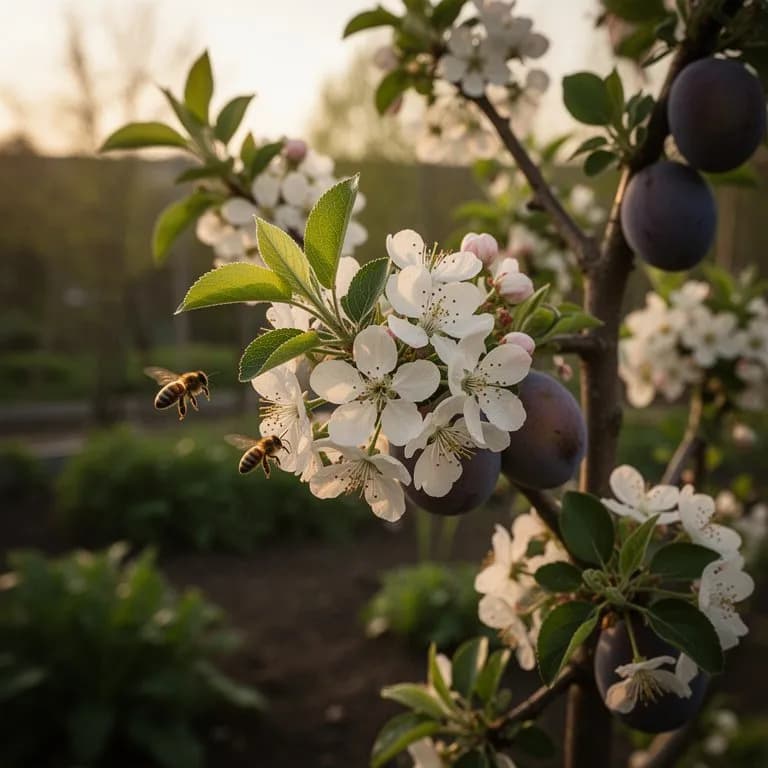
A medida que suben las temperaturas de finales del invierno, las yemas del pluot se hinchan rapidamente y estallan en racimos de flores delicadas, blancas a rosa palido, que aparecen antes o al mismo tiempo que el follaje nuevo. La ventana de floracion suele durar entre 7 y 14 dias y es el periodo critico para la polinizacion. Los pluots no son autofertiles y requieren polinizacion cruzada de una ciruela japonesa compatible (Prunus salicina) u otra variedad interespecifica de pluot que florezca al mismo tiempo. Sin un polinizador adecuado dentro de 15 a 30 metros, el cuajado sera minimo.
Cuajado y caida de junio
Tras una polinizacion exitosa, pequenos frutos comienzan a engrosarse en la base de las flores fecundadas. El arbol suele cuajar muchos mas frutos de los que puede llevar a tamano completo y desprende de forma natural una parte del exceso en lo que se conoce como caida de junio. Los frutos restantes crecen con rapidez y su piel pasa de verde palido a los primeros tonos sonrosados que anuncian el color final. Esta fase exige humedad constante y nitrogeno suficiente para sostener la rapida division celular del fruto en desarrollo.
Endurecimiento del hueso y crecimiento rapido
Desde comienzos hasta mediados del verano, los frutitos del pluot pasan por una rapida fase de aumento de tamano a medida que se acelera la expansion celular. El hueso central se endurece y lignifica durante esta etapa, lo que frena brevemente el crecimiento visible antes del engorde final. El color de la piel empieza a desarrollarse de verdad a medida que se acumulan antocianinas y carotenoides. Los niveles de azucar aumentan de forma constante, aunque el fruto sigue firme y ligeramente astringente. Las hojas del arbol trabajan a pleno rendimiento durante los largos dias de verano, enviando carbohidratos a la cosecha en desarrollo.
Maduracion y cosecha
Los pluots maduran en una ventana concentrada de 1 a 3 semanas, con variedades distintas que alcanzan su punto entre finales de junio y principios de septiembre. A medida que el fruto se acerca a la madurez maxima, el color de fondo de la piel se intensifica, la pulpa se ablanda ligeramente en la punta y el contenido de azucar alcanza niveles mediblemente superiores a los de la mayoria de las ciruelas, a menudo entre 18 y 22 Brix. Los pluots maduros tienen un aroma floral embriagador y ceden un poco a una presion suave del pulgar cerca del extremo del pedunculo. A diferencia de los albaricoques, los pluots no maduran por completo fuera del arbol, por lo que el momento exacto de cosecha es esencial.
Recuperacion poscosecha y formacion de yemas
Despues de recoger el ultimo fruto, el arbol redirige su energia de la produccion de fruta a la acumulacion de reservas y a la formacion de las yemas florales que sostendran la cosecha del ano siguiente. Las hojas siguen fotosintetizando activamente, y los carbohidratos producidos durante este periodo prolongado de finales del verano se almacenan en el tejido leñoso y en las raices. Esta es una ventana valiosa para una poda ligera de los brotes mas debiles y para aplicar abonos ricos en potasio que favorezcan el endurecimiento de las yemas y la preparacion para el invierno.
Caida de hojas y reposo invernal
A medida que disminuye la duracion del dia y bajan las temperaturas, el arbol retira la clorofila y los nutrientes de sus hojas hacia la estructura leñosa. Las hojas se vuelven amarillas y doradas antes de caer, dejando al descubierto la elegante estructura de las ramas. El arbol entra en reposo completo, con el crecimiento sobre el suelo totalmente suspendido hasta que se acumulen suficientes horas de frio y las temperaturas de primavera desencadenen la brotacion. El crecimiento radicular puede continuar lentamente si la temperatura del suelo se mantiene por encima de 4 C.
Plante arboles a raiz desnuda a finales del invierno, cuando el suelo sea trabajable y no se prevean heladas en los dias siguientes. Cave un hoyo lo bastante ancho como para extender las raices por completo sin doblarlas ni enroscarlas. Situe la union del injerto entre 5 y 8 cm por encima del nivel final del suelo. Riegue en profundidad al plantar y aplique un anillo de mantillo de 7 a 10 cm que llegue hasta la linea de goteo, manteniendo el mantillo a 15 cm del tronco para evitar la podredumbre del cuello.
Cuidar Pluot mes a mes
Qué hacer cada mes para tu Pluot
Octubre
Mes actualAplique una capa gruesa de compost bien descompuesto o mantillo de corteza alrededor de la zona radicular para mejorar la materia organica del suelo y proteger las raices de las heladas tempranas. Inspeccione el arbol en busca de cancro bacteriano y retire la madera afectada con cortes limpios. Reduzca el riego para adaptarlo a las lluvias de otono.
Ten claro qué hacer en tu huerto, cada mes
Un correo al empezar cada mes: qué sembrar, plantar y hacer ahora mismo — para tu Pluot y todo lo que crece alrededor. Más un breve curso inicial para esquivar los errores clásicos.
- Qué hacer ahora mismo
- Ajustado a tu temporada
- Curso inicial incluido
Cosechar Pluot
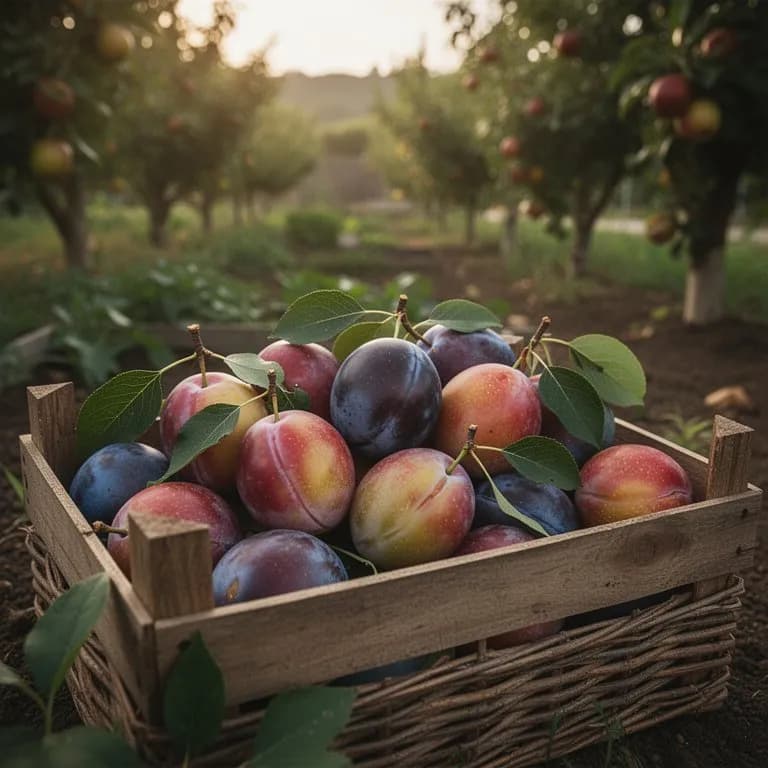
Los pluots maduran desde mediados de julio hasta septiembre segun la variedad. Coseche cuando el fruto desarrolle su color pleno y ceda ligeramente a una presion suave en la zona del hombro. La piel debe presentar una ligera capa cerosa. El sabor mejora de forma notable en los ultimos dias de maduracion, asi que resista la tentacion de recogerlos demasiado pronto. Pruebe un fruto para comprobar su dulzor antes de cosechar todo el arbol. Recoja cada dos o tres dias, ya que los frutos maduran de forma desigual.
se supone que plantas al comenzar el periodo — indica tu fecha real
Cosecha Pluot a tiempo y la planta sigue produciendo.
Almacenamiento y conservación
Los pluots maduros se conservan de cinco a siete dias en refrigeracion, mas que la mayoria de las ciruelas gracias a su pulpa firme. Deje que la fruta refrigerada recupere la temperatura ambiente antes de comerla para obtener el mejor sabor. Congele los pluots en rodajas sobre bandejas antes de pasarlos a bolsas para smoothies y reposteria. Dan una mermelada excelente, de sabor intenso y complejo. Seque las variedades de pulpa firme en deshidratador para obtener un tentempie masticable, similar a un caramelo, con dulzor concentrado.
Qué falla — y cómo solucionarlo
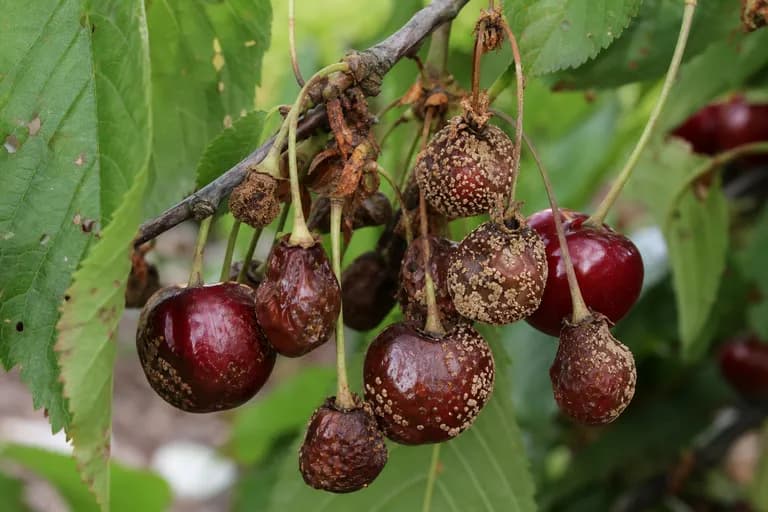
Podredumbre parda
EnfermedadManchas blandas, marrones y vellosas en los frutos en maduracion que se extienden rapidamente con calor y humedad. Tizon de flor en primaveras lluviosas.
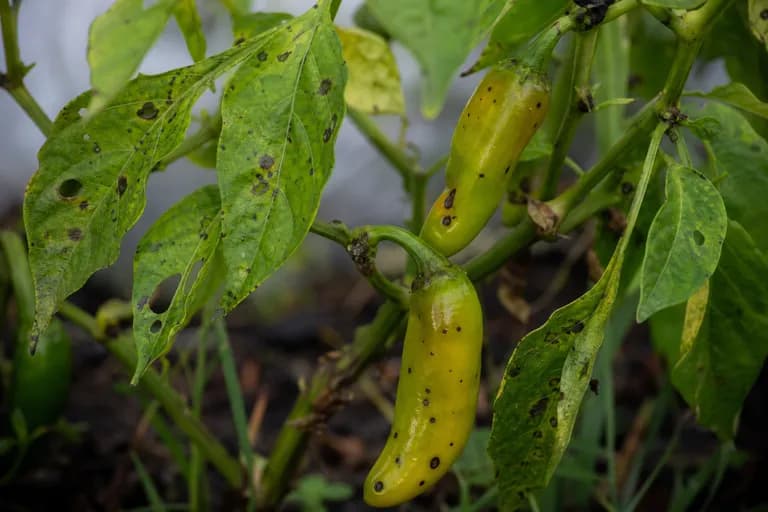
Mancha bacteriana
EnfermedadPequenas manchas oscuras y empapadas de agua en hojas y frutos. Las hojas desarrollan aspecto de perdigonada. Las manchas del fruto son hundidas y agrietadas.
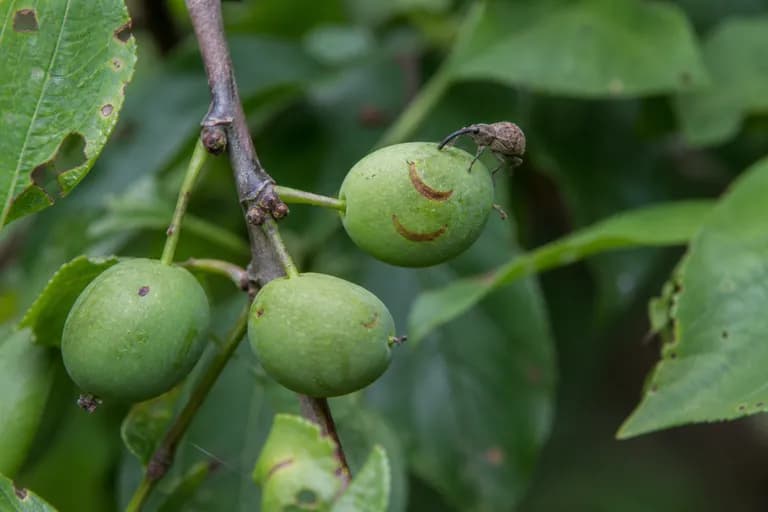
Gorgojo de la ciruela
PlagaCicatrices de puesta en forma de media luna en el fruto. Las larvas se desarrollan dentro y provocan frutos con gusanos, deformados y que caen prematuramente.
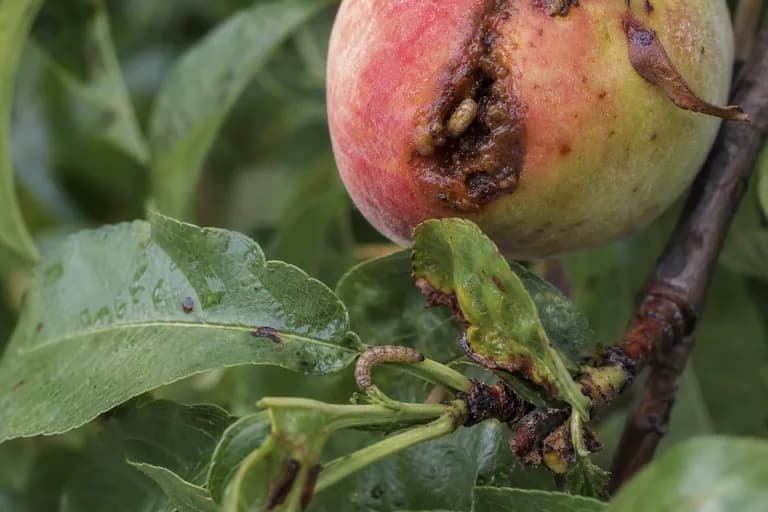
Polilla oriental de la fruta
PlagaLas larvas perforan las puntas de los brotes y causan marchitez y secado. Las generaciones posteriores perforan el fruto cerca del extremo del pedunculo.
Solución de problemas comunes
Necesitan un polinizador compatible de ciruela japonesa, que es la causa mas comun de fracaso de la cosecha cuando falta. El cuajado extremadamente abundante produce frutos pequenos y ramas rotas si no se realiza un aclareo en profundidad. El alto contenido de azucar hace que el fruto atraiga aves, avispas y chaquetas amarillas cerca de la cosecha. La podredumbre parda es grave en climas humedos. La resistencia limitada al frio restringe el cultivo a las zonas 5 a 9.
Consejos de cultivo
- Plante siempre una variedad polinizadora compatible a entre 10 y 20 metros de su pluot, ya que ninguna variedad de pluot es autofertil. Los polinizadores eficaces son la ciruela Santa Rosa, la ciruela Burgundy y muchas otras ciruelas japonesas, ademas de otros pluots con floracion coincidente. Las ciruelas europeas (Prunus domestica) no polinizan los pluots; confirme la especie de cualquier polinizador previsto antes de plantarlo.
- Elija un lugar a pleno sol con al menos 6 a 8 horas de luz directa al dia. Los pluots producen los frutos mas dulces y aromaticos cuando la fotosintesis maxima impulsa la acumulacion de azucar en la cosecha en maduracion. Incluso la sombra parcial reduce de forma apreciable tanto el rendimiento como la calidad del sabor.
- Los pluots no toleran suelos encharcados o mal drenados, que llevan rapidamente a podredumbre del cuello y asfixia radicular. Plante en una ligera pendiente o en un bancal elevado si su suelo es arcilloso, y trabaje grandes cantidades de materia organica gruesa y grava para mejorar el drenaje antes de plantar. La union del injerto debe permanecer siempre por encima de la superficie del suelo.
- Pode en forma de vaso abierto o lider central modificado, dejando 3 a 5 ramas principales bien distribuidas que permitan la entrada de luz al interior de la copa. El aclareo anual de ramas cruzadas, brotes hacia el interior y chupones durante el final del reposo invernal mantiene la copa manejable y productiva. Los pluots fructifican tanto en espuelas de madera vieja como en el crecimiento del ano anterior, asi que evite eliminar demasiado crecimiento del año previo.
- Aclare los frutos con la mano despues de la caida de junio, dejando como mucho un fruto por racimo y separandolos entre 10 y 15 cm a lo largo de las ramas. Los pluots cuajan siempre mas frutos de los que pueden llevar a su tamano completo y maxima dulzura, y no aclarear produce docenas de frutos pequenos y menos aromaticos en lugar de unos pocos excepcionales. Aclare antes mejor que despues para lograr el mayor efecto sobre el tamano final.
- Riegue de forma profunda y uniforme durante todo el desarrollo del fruto, desde el estado de frutito hasta la cosecha. Las fluctuaciones de humedad del suelo, especialmente una sequia seguida de lluvia intensa o riego abundante, hacen que la piel del fruto se parta o se agriete justo cuando se acerca la madurez. El riego por goteo o las tuberias exudantes, que aportan humedad constante a la zona radicular, son mucho preferibles al riego por aspersion.
- Aplique un fertilizante granular equilibrado al inicio de la primavera y siga a mediados del verano, despues del endurecimiento del hueso, con un abono liquido rico en potasio. Evite las aportaciones fuertes de nitrogeno despues de finales del verano, ya que favorecen un crecimiento nuevo blando y suculento, mas vulnerable a enfermedades y danos invernales, y pueden reducir el dulzor al desviar energia hacia el crecimiento vegetativo.
- Vigile la lepra del duraznero en primaveras frias y lluviosas: los pluots pueden ser sensibles a esta enfermedad fungica, que causa un enrojecimiento y rizado dramatico de las hojas que brotan. Aplique un fungicida a base de cobre en la hinchazon de yemas, antes de que se abran las hojas, porque esa es la unica ventana preventiva eficaz. Una vez que las hojas estan totalmente abiertas, las aplicaciones fungicidas ya no ayudan y el arbol debe recuperarse cuando suban las temperaturas del verano.
- Proteja los frutos en maduracion de las aves colocando una malla de malla fina sobre la copa 2 a 3 semanas antes de la madurez prevista, ya que la fruta intensamente aromatica y coloreada atrae rapidamente a las aves en cuanto empieza a ablandarse. En arboles pequenos y de altura manejable, esto resulta sencillo con un armazon portatil para la malla. Una cosecha entera puede perderse en un solo dia en un arbol sin proteccion.
- Los pluots responden de forma excelente a la conduccion en espaldera contra una pared o valla calida orientada al sur, lo que adelanta la madurez entre 1 y 2 semanas en climas limites, protege las flores de las heladas tardias y mantiene el arbol en un tamano manejable que facilita la malla, la poda y la cosecha. Los pluots en espaldera tambien son uno de los elementos mas atractivos visualmente en un huerto comestible, especialmente durante su breve pero espectacular floracion primaveral.
Cultiva tu mejor Pluot — y todo lo que la rodea.
Empieza un plan gratis hoy. Diseña tus bancales, coloca tu Pluot y deja que PlotMyGarden gestione el momento, el espaciado, las asociaciones y los recordatorios de la semilla a la cesta.
Elige tu Pluot
Flavor King
Considerado el mejor pluot, con un sabor a ciruela especiada increiblemente dulce. Piel purpura rojiza y pulpa carmesi. Maduracion de media estacion.
Flavor Supreme
Piel verde con pulpa roja intensa. Sabor complejo con un equilibrio perfecto entre dulzor y acidez. Tambien sirve como buen polinizador.
Dapple Dandy
Piel moteada verde y roja muy distintiva con pulpa marmoleada en rosa y blanco. Extremadamente dulce y de textura crujiente. De final de temporada.
Flavor Grenade
Fruto alargado y verde con un sabor dulcisimo y explosivo. Textura excepcionalmente crujiente, poco habitual en un pluot. Maduracion tardia.
Splash
Pluot de inicio de temporada con piel naranja rojiza y pulpa dulce y jugosa. Buena opcion para zonas con temporada corta.
Los pluots frescos se encuentran entre las frutas de hueso mas caras del comercio minorista y suelen alcanzar entre 8 y 16 euros por kilogramo en mercados de agricultores y entre 6 y 12 euros por kilogramo en tiendas gourmet durante su breve ventana estacional de finales de junio a agosto. Un unico pluot semienano en plena madurez, que produce entre 25 y 40 kg, representa entre 200 y 640 euros de valor minorista, procedentes de un arbol que cuesta entre 25 y 60 euros en vivero y comienza a producir de forma apreciable a los 3 o 4 anos de la plantacion. Los pluots cultivados en casa pueden cosecharse en su punto exacto de madurez, cuando el nivel de azucar alcanza su maximo, en lugar de en la fase inmadura necesaria para el transporte y la exposicion comercial. La diferencia de sabor entre un pluot madurado en el arbol y uno cosechado comercialmente es tan grande que muchos jardineros la consideran el argumento mas convincente para cultivarlo en casa.
Recetas rápidas
Galette de pluot con miel
20 min de preparacion + 35 min de horneadoUna tarta rustica de forma libre que pone en primer plano el sabor excepcional de los pluots frescos del jardin con un minimo esfuerzo. Los pluots cortados se disponen sobre una fina capa de crema de almendra en una masa quebrada con mantequilla, se pliegan en un circulo irregular y se hornean hasta que la masa esta dorada y los bordes de la fruta quedan caramelizados y tipo mermelada. La crema de almendra absorbe los jugos de la fruta y se convierte en una capa fragante y jugosa, haciendo de esta galette una de las mejores formas de aprovechar una cosecha fresca de pluot. Sirvala templada con creme fraiche o helado de vainilla.
10 ingredientes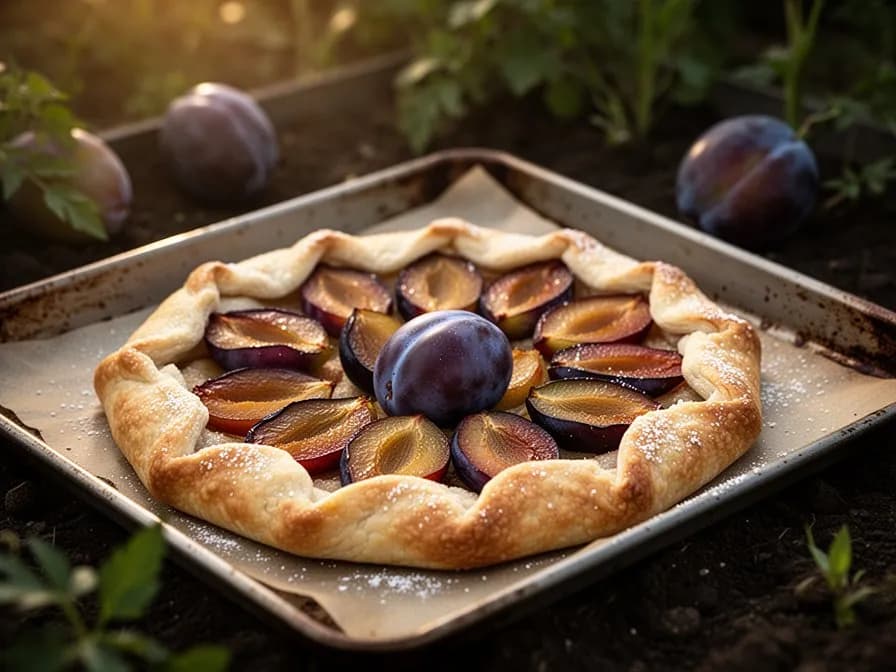
Mermelada de pluot con vainilla y cardamomo
15 min de preparacion + 40 min de coccionUna mermelada de color intenso y aroma potente que encierra la esencia de los pluots maduros en un tarro. El contenido naturalmente alto de azucar de los pluots significa que hace falta menos azucar añadido que en la mayoria de las mermeladas de fruta de hueso, y el resultado es una conserva fresca y viva con notas florales y especiadas de vainilla y cardamomo. La mermelada cuaja bien gracias a la pectina natural de su ascendencia de ciruela. Esta receta rinde unos 4 tarros estandar y se conserva cerrada hasta un ano.
6 ingredientesEnsalada fria de pluot y burrata
15 minUna ensalada veraniega espectacular, sin coccion, que enfrenta el dulzor intenso de los pluots maduros con burrata cremosa, rucula picante y un aderezo agudo de miel y balsamico. El contraste de color entre las rodajas de pluot de piel oscura y la burrata blanca convierte este plato en una de las formas mas vistosas de servir la fruta. Funciona igual de bien como entrante o como plato principal ligero. Use los pluots mas maduros y aromaticos que encuentre: la calidad del fruto lo es todo en esta receta.
9 ingredientesUsos culinarios
Los pluots se disfrutan mejor frescos para apreciar su dulzor notable y su sabor complejo. Son excelentes para tartas de fruta, galettes y crujientes. La mermelada de pluot tiene un sabor intenso y concentrado. Mezclelos en smoothies para aportar dulzor natural. Ase pluots cortados por la mitad y sirvalos con helado de vainilla. Su alto contenido de azucar los hace ideales para vinos de fruta y cordiales.
Qué contiene
Beneficios para la salud
- Los pluots son una excelente fuente de antocianinas, especialmente en variedades de piel oscura como Flavor King, y estos pigmentos polifenolicos han demostrado en numerosos estudios clinicos que reducen la inflamacion sistemica, apoyan la funcion endotelial y disminuyen el riesgo de enfermedad cardiovascular cuando se consumen con regularidad dentro de una dieta variada.
- Su contenido en carotenoides, heredado del progenitor albaricoque e incluido betacaroteno, luteina y zeaxantina, contribuye a la salud ocular, la funcion inmunitaria y la integridad de la piel, y se ha relacionado de forma especifica con un menor riesgo de degeneracion macular asociada a la edad y cataratas.
- Los pluots contienen cantidades notables de fibra, combinada con sorbitol, un alcohol de azucar de origen natural, que juntos favorecen la regularidad intestinal, alimentan bacterias intestinales beneficiosas y contribuyen a la saciedad, haciendo de la fruta fresca un tentempie mas satisfactorio que las alternativas procesadas.
- El alto contenido de vitamina C de los pluots, de unos 9 a 11 mg por 100 g, favorece la sintesis de colageno, la funcion inmunitaria y la absorcion del hierro de los alimentos, al tiempo que actua como antioxidante hidrosoluble que neutraliza los radicales libres generados durante la actividad metabolica normal.
- El acido clorogenico y otros derivados del acido hidroxicinamico presentes en la pulpa de pluot se han estudiado por su potencial para ralentizar la absorcion posprandial de glucosa en el intestino, moderar la respuesta de insulina y ofrecer cierto apoyo a largo plazo frente al riesgo de diabetes tipo 2.
- El contenido de potasio de los pluots, de unos 170 a 190 mg por 100 g, contribuye a una regulacion saludable de la presion arterial al contrarrestar los efectos del sodio, apoyar el funcionamiento adecuado de musculos y nervios y reducir el riesgo de ictus asociado a una ingesta baja de potasio.
De dónde viene Pluot
El pluot es uno de los logros mas celebrados de la mejora frutal del siglo XX, resultado de una hibridacion interespecifica dirigida entre la ciruela japonesa (Prunus salicina) y el albaricoque (Prunus armeniaca). Aunque la idea de cruzar ciruelas y albaricoques es anterior a los programas modernos de mejora, con el horticultor Luther Burbank experimentando ya en las decadas de 1880 y 1890 con cruces de ciruela y albaricoque y llamando a su resultado plumcot, fue el obtentor californiano Floyd Zaiger quien refino el hibrido hasta convertirlo en la fruta intensamente dulce y de alto nivel que hoy conocemos como pluot. Desde su explotacion en Modesto, California, Zaiger trabajo en las decadas de 1970 y 1980 con una seleccion rigurosa a lo largo de varias generaciones sobre cruces interespecificos, con el objetivo de combinar el dulzor excepcional y el aroma complejo de la ciruela japonesa con las cualidades perfumadas y melosas del albaricoque, conservando al mismo tiempo la piel fina comestible y la pulpa firme que hacen comercializable a la fruta de hueso. El resultado fue un fruto con aproximadamente 75 % de genetica de ciruela y 25 % de genetica de albaricoque: muy parecido a la ciruela en aspecto y epoca de cosecha, pero claramente enriquecido por la profundidad aromatica del albaricoque. Zaiger protegio el nombre Pluot como marca y desde entonces ha publicado, a traves de su empresa Zaiger Genetics, docenas de variedades con nombre, entre ellas Flavor Supreme, Flavor King, Dapple Dandy y Emerald Drop, cada una con su propio perfil de sabor, epoca de cosecha y colores de piel que van desde el crema moteado hasta el morado casi negro. La introduccion comercial de los pluots a comienzos de la decada de 1990 se encontro al principio con escepticismo por parte de los vendedores convencionales de alimentos, poco familiarizados con la fruta, pero las ventas se aceleraron rapidamente a traves de los mercados de agricultores y las tiendas gourmet de California, donde los consumidores podian probarlos antes de comprarlos. La fama de su dulzor extraordinario se extendio con rapidez, y a comienzos de la decada de 2000 los pluots se habian convertido en uno de los emblemas de la temporada estival de fruta de hueso en el oeste de Estados Unidos. La produccion sigue concentrada en el Valle de San Joaquin de California, el estado de Washington y Chile para el mercado invernal del hemisferio sur, aunque jardineros de las zonas USDA 5 a 9 y de climas templados comparables en todo el mundo han adoptado con entusiasmo los pluots como uno de los arboles de fruta de hueso mas gratificantes para el huerto domestico. El exito del pluot tambien ha impulsado una ola de hibridos interespecificos relacionados, tanto de Zaiger como de otros obtentores, entre ellos el aprium (predominantemente albaricoque), el peacotum (melocoton-albaricoque-ciruela) y varios cruces de nectarina y ciruela, ampliando las posibilidades para los aficionados a la fruta de hueso mucho mas alla de lo que la mejora tradicional de una sola especie habia logrado.
Pluot: ¿sabías que?
Datos fascinantes sobre Pluot
El pluot fue creado por el horticultor Floyd Zaiger, de Zaiger Genetics en California, en la decada de 1980, tras decadas de investigacion en hibridacion interespecifica. El programa de mejora de Zaiger ha producido desde entonces docenas de variedades de pluot con nombre, y su familia posee las patentes de la mayoria de los cultivares comerciales vendidos hoy en dia.
Pluot: preguntas frecuentes
¿Cuándo debo plantar Pluot?
¿Cuáles son buenas plantas acompañantes para Pluot?
¿En qué zonas de rusticidad puede crecer Pluot?
¿Cuánto sol necesita Pluot?
¿A qué distancia debo espaciar Pluot?
¿Qué plagas y enfermedades afectan a Pluot?
¿Cómo almaceno Pluot después de la cosecha?
¿Cuáles son las mejores variedades de Pluot para cultivar?
¿Qué suelo necesita Pluot?
Cual es la diferencia entre un pluot, un plumcot y un aprium?
Mi pluot florece cada ano pero casi no cuaja frutos, a que se debe?
Cuanto tardan en madurar los pluots y como se si estan listos para recoger?
Se pueden cultivar pluots en macetas o jardines pequenos?
Son los pluots mas propensos a enfermedades que las ciruelas normales?
Como guardo los pluots despues de la cosecha y se pueden conservar?
Acabas de leer la teoría. Ahora cultívala en piloto automático.
Todo lo que hace que Pluot sea delicado — el momento, el espaciado, las asociaciones, la ventana de cosecha — es justo lo que PlotMyGarden resuelve por ti, para cada planta de tu huerto.
Un plan que conoce tu clima
Indica tu ubicación una vez. Recibe fechas de siembra, abonado y cosecha basadas en tu última helada real y el pronóstico en vivo — sin adivinar con un sobre genérico.
De la sección “Cuándo plantar”Planificador de bancales de arrastrar y soltar
Diseña bancales sobre una cuadrícula. Cada planta encaja con su espaciado correcto y ves toda la temporada antes de gastar un céntimo en semillas.
De la sección “Cultivo”Conflictos de asociación, detectados a tiempo
Más de 200 buenas y malas combinaciones comprobadas en vivo mientras plantas — para que un error que arruine la temporada nunca llegue a la tierra.
De la sección “Asociaciones”Recordatorios que sí vas a seguir
“Riega las judías.” “Recoge hoy antes de que se pase.” Oportunos, concretos y ligados a las plantas que de verdad cultivas.
De la sección “Cosecha”Escalonado, programado
¿Quieres cosechar seis semanas en vez de seis días? Reparte tus siembras automáticamente y te avisa cuando toca el siguiente lote.
De la sección “Cuándo plantar”Un registro que se vuelve más listo
Cada cosecha que registras le enseña tu huerto. El plan del año que viene parte de lo que de verdad funcionó en tu suelo, no en un manual.
De la sección “Resumen”Planta estos junto a Pluot
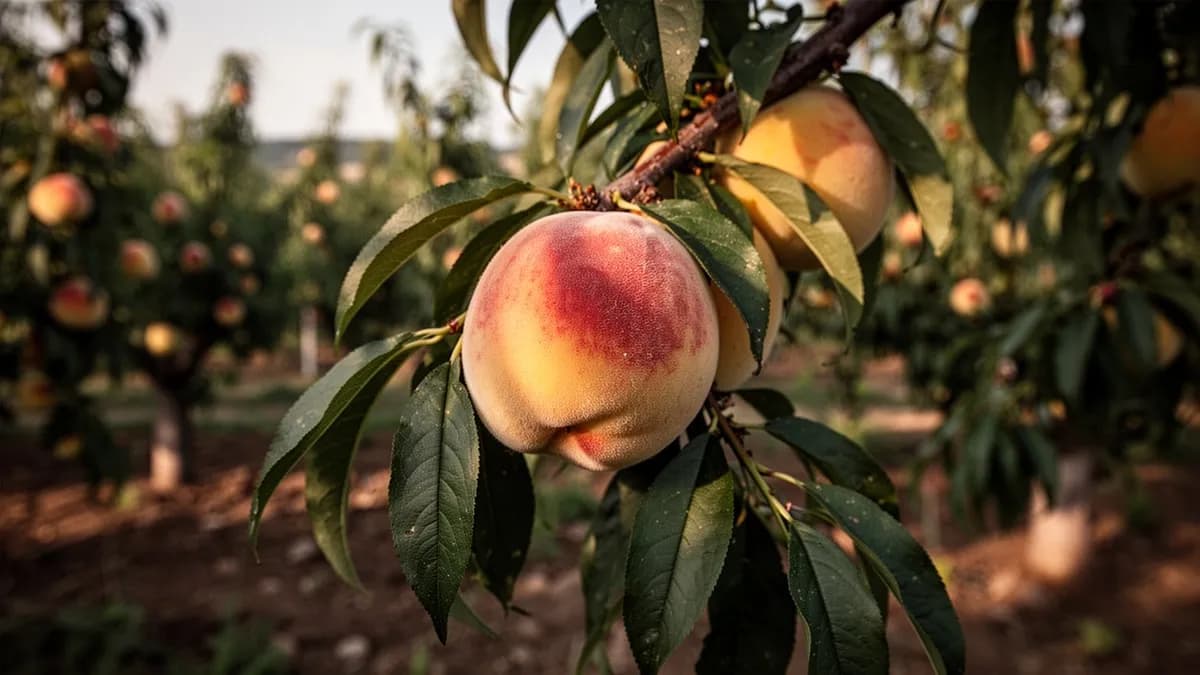
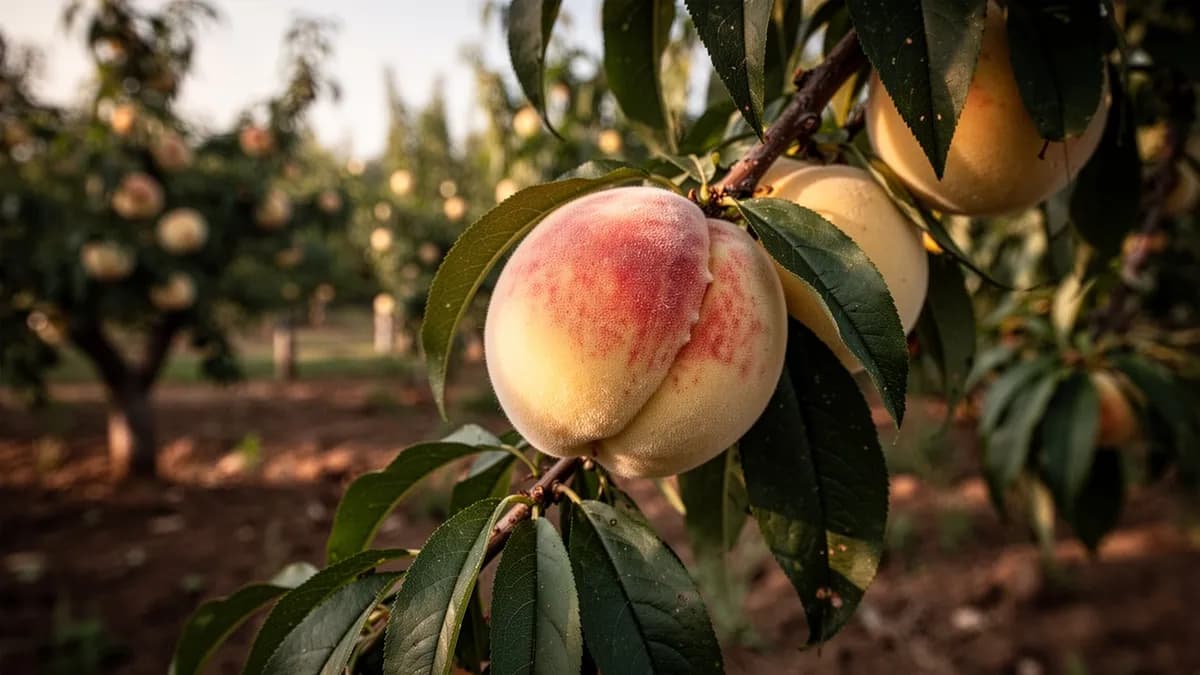
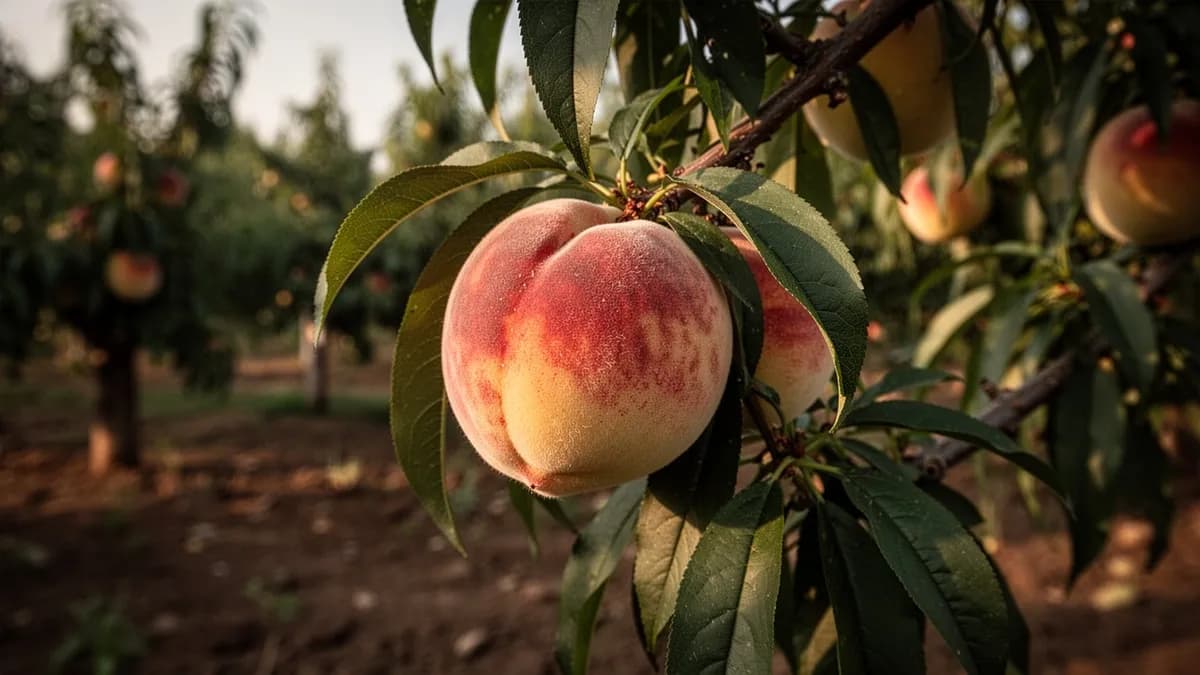
Más Frutas de hueso
Mantén Pluot lejos de estos
Cultiva tu mejor Pluot — y todo lo que la rodea.
Empieza un plan gratis hoy. Diseña tus bancales, coloca tu Pluot y deja que PlotMyGarden gestione el momento, el espaciado, las asociaciones y los recordatorios de la semilla a la cesta.