Weißer Pfirsich
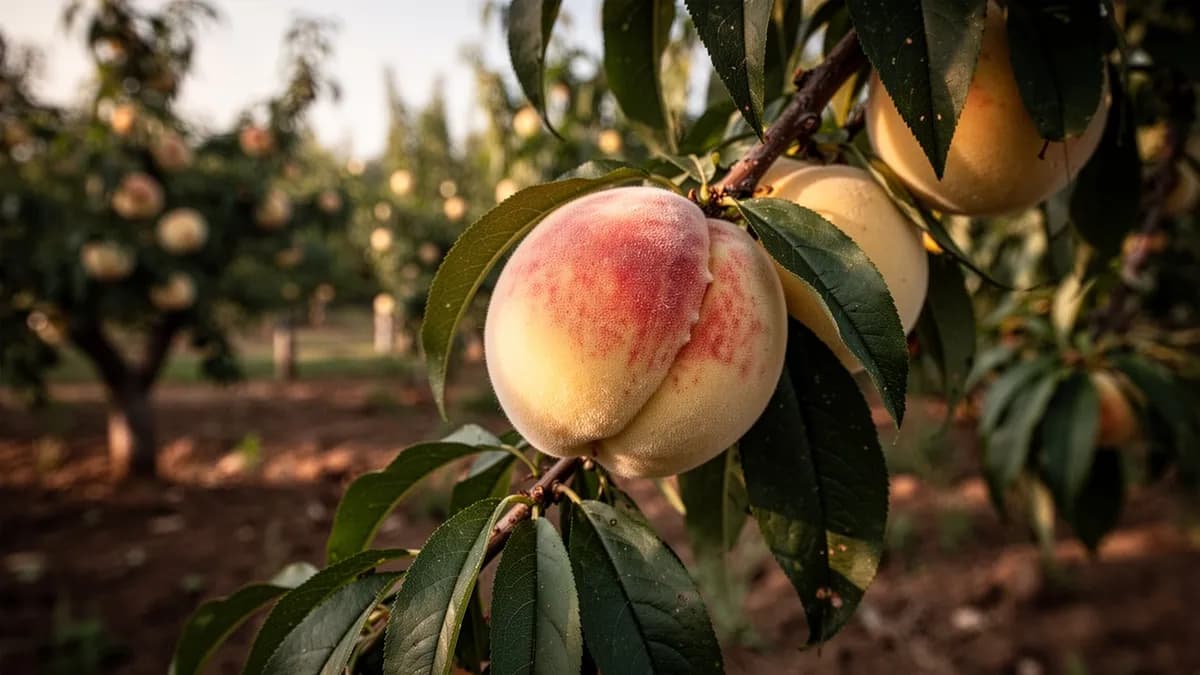
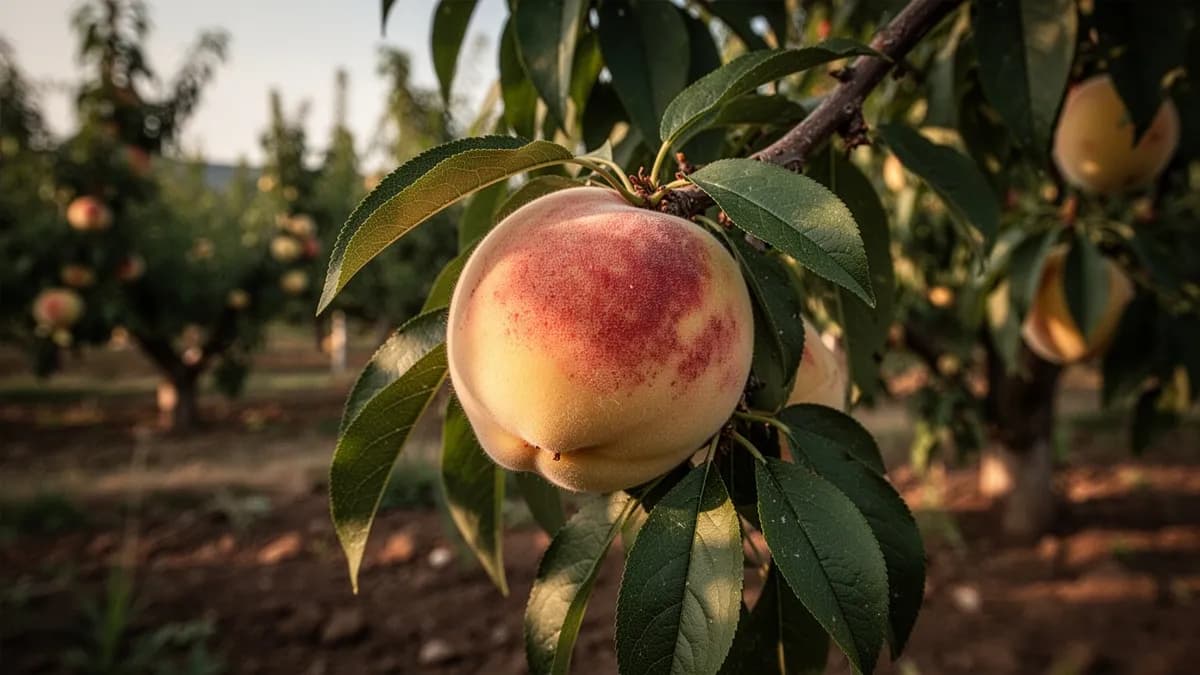
Eine Pfirsichsorte mit weißem Fruchtfleisch, die süßer und weniger sauer ist als gelbe Pfirsiche, mit einem zarten, blumigen Geschmack.





Auf dieser SeiteÜberblick
Weißer Pfirsich im Überblick
Eine Pfirsichsorte mit weißem Fruchtfleisch, die süßer und weniger sauer ist als gelbe Pfirsiche, mit einem zarten, blumigen Geschmack. Weiße Pfirsiche bekommen leichter Druckstellen und haben eine kürzere Haltbarkeit, daher sollten sie vorsichtig behandelt und bald nach der Ernte genossen werden. Sie benötigen die gleichen Kältestunden und die gleiche Pflege wie gelbe Pfirsichsorten.
Wann Weißer Pfirsich pflanzen
Samen weißer Pfirsiche benötigen eine Kältestratifikation von 90 bis 120 Tagen zum Keimen. Wickeln Sie gereinigte Steine in feuchte Papiertücher, verschließen Sie sie in einem Plastikbeutel und lagern Sie sie über den Winter im Kühlschrank. Pflanzen Sie nach dem letzten Frost im Freien, 2,5 Zentimeter tief. Sämlinge bringen keine identischen Früchte wie die Mutterpflanze hervor und benötigen möglicherweise drei bis fünf Jahre bis zur ersten Frucht. Für zuverlässige Sorten kaufen Sie veredelte Bäume auf Lovell-, Nemaguard- oder Citation-Unterlage. Veredelte Bäume tragen in zwei bis drei Jahren Früchte und liefern benannte Sortenqualität.
Dein Weißer Pfirsich-Jahr
Abgestimmt auf Zone 7 · typische Saison · Frost geht um den 2. Apr. und kehrt um den 1. Nov. zurück
Weißer Pfirsich Mär – Apr pflanzen, Jul – Aug ernten. Beachte die Pflanzmethoden unten und wähle dein Klima für passende Zeiträume.
So baust du Weißer Pfirsich an
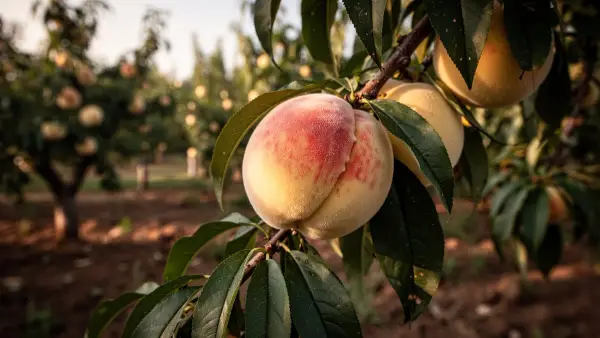
Weiße Pfirsiche benötigen die gleichen Wachstumsbedingungen wie gelbe Sorten und gedeihen in den USDA-Zonen 5 bis 9 mit ausreichend winterlichen Kältestunden von 400 bis 1000 je nach Sorte. Pflanzen Sie wurzelnackte Bäume im Spätwinter während der Ruhephase, mit einem Abstand von 4,5 bis 6 Metern bei Standardbäumen oder 2,5 bis 3 Metern bei Halbzwergformen. Wählen Sie einen Standort mit voller Sonne, guter Luftzirkulation zur Reduzierung von Frostnestern und gut durchlässigem Boden.
Weiße Pfirsiche benötigen einen jährlichen Schnitt in eine offene Vasenform, die Sonnenlicht und Luft in das Kroneninnere lässt. Schneiden Sie im Spätwinter vor dem Knospenaufbruch und entfernen Sie ein Drittel des Vorjahreswachstums. Dünnen Sie die Früchte im Frühsommer aggressiv auf 15 bis 20 Zentimeter Abstand aus, um ein Überladen der Äste zu verhindern und große, süße Früchte zu gewährleisten.
Gießen Sie während der Vegetationsperiode alle sieben bis zehn Tage gründlich und reduzieren Sie die Bewässerung zwei Wochen vor der Ernte, um den Zuckergehalt zu konzentrieren. Bringen Sie im zeitigen Frühjahr vor der Blüte und erneut nach dem Fruchtansatz einen ausgewogenen Dünger aus. Schützen Sie die Blüten vor Spätfrösten mit Frostschutzvlies, wenn die Temperaturen während der Blüte unter 0 Grad zu fallen drohen. Pfirsichbäume tragen bei richtiger Pflege in der Regel fünfzehn bis zwanzig Jahre lang Früchte.
Für Weißer Pfirsich ist ein Beet von 120 × 240 cm zu klein
Weißer Pfirsich braucht 300 cm Platz pro Pflanze. Der Planer hält diesen Abstand für dich ein — jede Pflanze, jedes Beet.
Die besten Nachbarn für Weißer Pfirsich
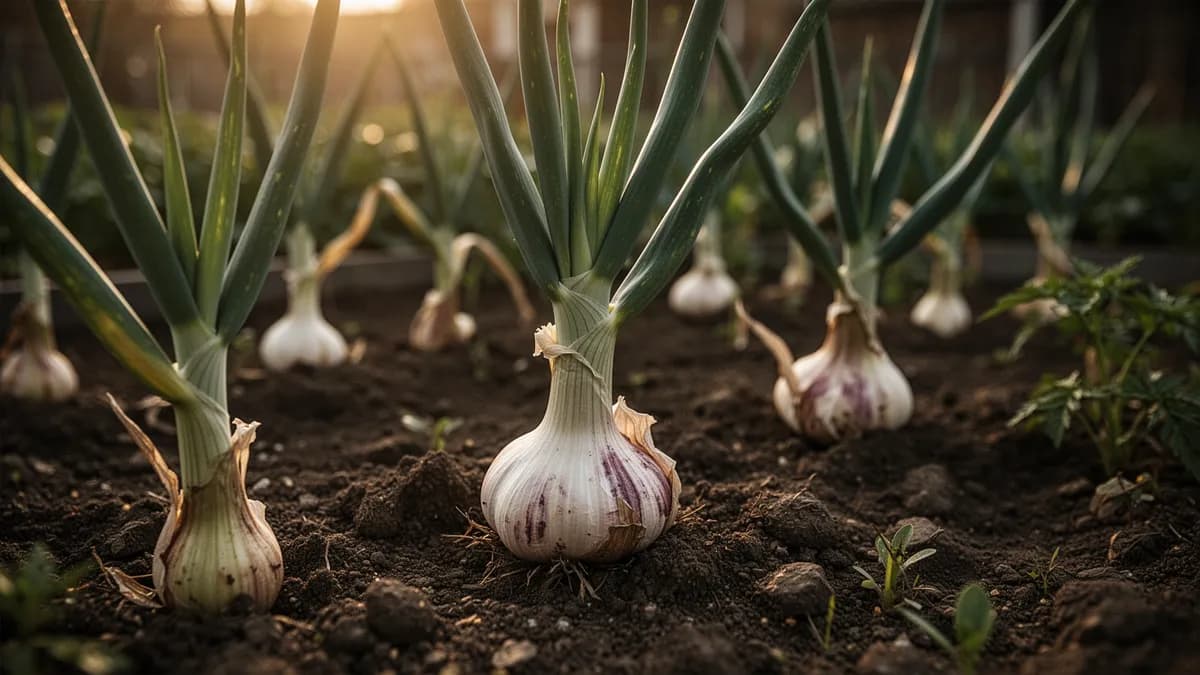
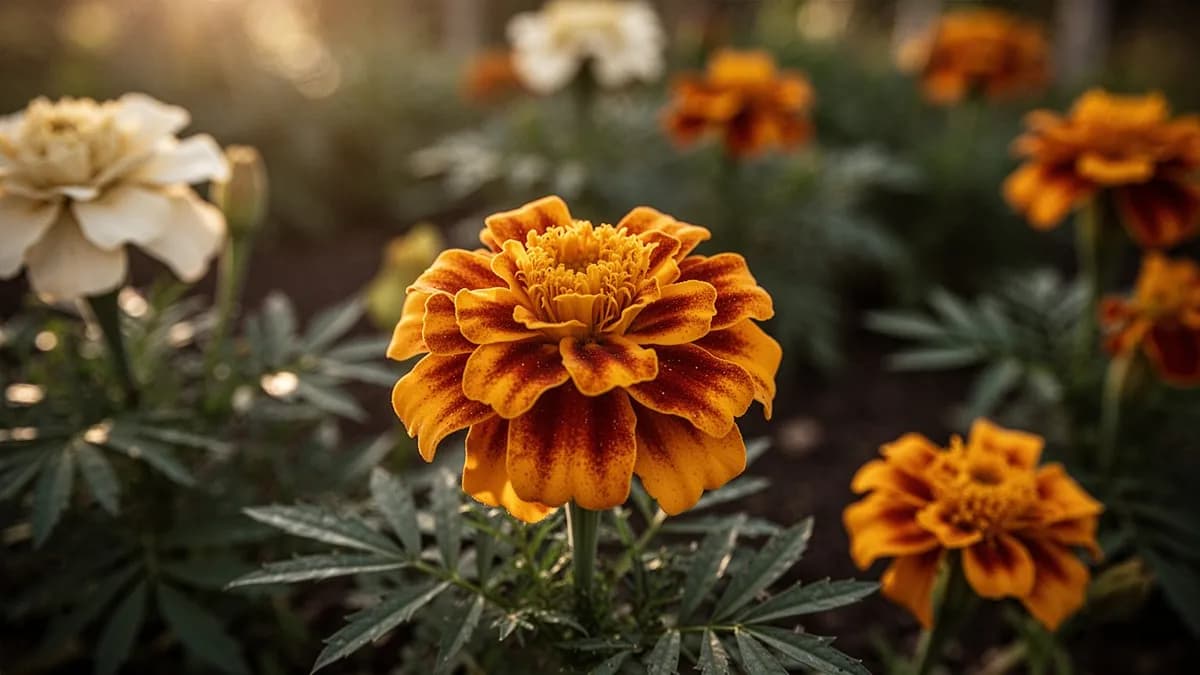
Unterpflanzen Sie weiße Pfirsichbäume mit Knoblauch, Schnittlauch und Zwiebeln, die helfen, Pfirsichbaumbohrer abzuwehren. Rainfarn und Tagetes schrecken verschiedene Insektenschädlinge ab. Klee und Wicken als Bodendecker fixieren Stickstoff und unterdrücken Unkraut. Beinwell, an der Trauflinie gepflanzt, sammelt Nährstoffe aus tiefem Boden. Vermeiden Sie das Pflanzen in der Nähe von Walnüssen, die das für Steinobst giftige Juglon abgeben. Erdbeeren können in den ersten Jahren, bevor die Krone sich schließt, unter Pfirsichbäumen angebaut werden.
Knoblauch gehört daneben. Walnussbaum nicht.
Altes Gärtnerwissen, geprüft an der echten Nachbartabelle von Weißer Pfirsich — teste jede Pflanze, die du anbaust.
Probiere Weißer Pfirsich direkt hier im Beet
Ein echtes Planer-Beet, Weißer Pfirsich steht schon drin. Tippe einen Begleiter an, platziere ihn und sieh, wie die Nachbarschaftsprüfung antwortet — grün für gute Nachbarn, rot bei Streit.


Passende Anbau-Ratgeber
Richtig düngen
Weiße Pfirsiche bevorzugen gut durchlässigen sandigen Lehm mit einem pH-Wert von 6,0 bis 6,8. Sie vertragen keinen staunassen Boden, der Wurzelfäule begünstigt. Verbessern Sie schweren Ton mit Kompost und Gips. Bringen Sie im zeitigen Frühjahr vor der Blüte einen ausgewogenen 10-10-10-Dünger oder eine organische Obstbaummischung aus, etwa 450 Gramm pro Baumjahr bis zu 4,5 Kilogramm. Ergänzen Sie Kalzium, um Stippigkeit der Früchte zu verhindern. Halten Sie eine 5 bis 7 Zentimeter dicke organische Mulchschicht, die 15 Zentimeter vom Stamm entfernt bleibt.
Ideale Temperatur
Winterhärtezone-Kompatibilität
Von der Saat zur Ernte, Schritt für Schritt
Winterruhe
Vom Spätherbst bis Mitte Winter wirft der weiße Pfirsichbaum sein Laub ab und tritt in die volle Winterruhe ein. Die kahlen Äste zeigen glänzende rotbraune Rinde und die prallen, paarigen Blütenknospen, die entlang kräftiger einjähriger Triebe gruppiert sind. Das Wurzelsystem setzt seine ruhige Stoffwechselaktivität fort und sammelt die Kohlenhydratreserven, die den dramatischen Blüh- und frühen Triebwachstumsschub antreiben werden. Entscheidend ist, dass der Baum seine Kältestunden zählt — die angesammelte Zeit unter 7 °C — die ein sortenspezifisches Minimum erreichen müssen, bevor die Knospen im Frühling gleichmäßig austreiben können.
Knospenschwellung und Blüte
Steigende Temperaturen im Spätwinter lösen eine rasche Knospenentwicklung aus. Die Blütenknospen des weißen Pfirsichs schwellen an, zeigen Farbe und öffnen sich zu blassrosa Blüten — typischerweise etwas heller gefärbt als bei gelbfleischigen Sorten, aber dennoch unverkennbar dekorativ. Die meisten weißen Pfirsichsorten sind selbstfruchtbar und setzen ohne Fremdbestäubung eine volle Ernte an, obwohl Bienenaktivität die Konsistenz des Fruchtansatzes verbessert. Die Blütezeit dauert sieben bis vierzehn Tage und ist extrem frostempfindlich: Fruchtknoten werden bei Temperaturen unter -2 °C abgetötet, was Spätfrost zur häufigsten Ursache für totalen Ernteausfall macht.
Fruchtansatz und Früchtchenentwicklung
Nach der Bestäubung entwickeln sich die befruchteten Fruchtknoten rasch zu kleinen grünen Früchtchen. Der Baum setzt charakteristischerweise deutlich mehr Früchtchen an, als er bis zur vollen Größe ernähren kann, und ein natürlicher Junifruchtfall entfernt die schwächsten. Die verbleibenden Früchtchen wachsen stetig, während sich die Zellen teilen. In der Mitte dieser Phase verkalkt der Stein zu seiner endgültigen gehärteten Form, was das sichtbare Fruchtwachstum vorübergehend verlangsamt und gleichzeitig den Spitzenbedarf an Kalzium und Bor im Boden erzeugt. Weiße Pfirsichfrüchtchen sind in diesem Stadium vollständig grün und zeigen äußerlich keinen Hinweis auf die blasse Färbung, die sie bei der Reife entwickeln werden.
Schnelles Wachstum und Farbentwicklung
Nach der Steinhärtung tritt die Frucht in ihre dramatischste Wachstumsphase ein. Schnelle Zellstreckung treibt eine rasch zunehmende Fruchtgröße und Zuckereinlagerung an. Die Schale beginnt, von durchgehendem Grün zur sortentypischen blassen Elfenbein-weißen Grundfarbe überzugehen, und die sonnenexponierte Seite entwickelt den zarten rosaroten Hauch, der reife weiße Pfirsiche auszeichnet. Anders als bei gelbfleischigen Pfirsichen ist der Farbwechsel bei weißen Sorten subtil — ein blasser cremiger Hintergrund anstelle von leuchtendem Gold — was die visuelle Reifebeurteilung schwieriger macht. Der Wasserbedarf erreicht in dieser Phase seinen Höhepunkt, und jeder erhebliche Trockenstress begrenzt direkt die endgültige Fruchtgröße und den Zuckergehalt.
Reifung
Chlorophyll wird in der Schale abgebaut und die Grundfarbe geht vollständig in Cremeweiß oder blasses Elfenbein über. Das Fruchtfleisch wird von der Schale nach innen zunehmend weicher, und Stärke wandelt sich in den hohen löslichen Zuckergehalt um — der unter guten Anbaubedingungen oft 12–15 Brix erreicht — was weiße Pfirsiche zu den süßesten aller Pfirsichtypen macht. Die charakteristischen blumigen, honigartigen Aromastoffe (insbesondere Benzaldehyd und Linalool) reichern sich in der letzten Woche vor der Ernte rasch an, wodurch das Aroma der zuverlässigste Reifeindikator wird. Die meisten weißen Sorten reifen über ein Fenster von zehn bis achtzehn Tagen.
Erholung nach der Ernte
Nach der Ernte der letzten Frucht leitet der Baum die photosynthetische Energie von der Fruchtlast auf die Auffüllung der Wurzelkohlenhydratreserven um, vervollständigt die Ausreifung des diesjährigen Triebwachstums und initiiert die Blütenknospen in den Blattachseln, die zu den Blüten und Früchten der nächsten Saison werden. Die Qualität der Folgeernte wird wesentlich davon bestimmt, wie effektiv sich der Baum während dieser Spätsaisonphase vor dem Eintritt in die Winterruhe erholt.
Die Winterruhe ist das einzige Zeitfenster für Strukturschnitte ohne Risiko einer Bleiglanzkrankheit-Infektion. Formen Sie den Baum zu einer offenen Vasenform mit drei bis fünf nach außen gerichteten Leitästen, um die Lichtdurchlässigkeit in der gesamten Krone zu maximieren. Tragen Sie an einem trockenen, frostfreien Tag über 4 °C eine Winterölsprühung auf, um überwinternde Schildläuse und Eier der Europäischen Roten Spinnmilbe zu bekämpfen. Untersuchen Sie den Stammgrund auf Harzaustritte, die auf Bohreraktivität der vergangenen Saison hinweisen.
Weißer Pfirsich Monat für Monat pflegen
Was du jeden Monat für deine Weißer Pfirsich tun solltest
Oktober
Aktueller MonatBringen Sie einen letzten stickstoffarmen, kaliumreichen Dünger vor der vollen Winterruhe aus, um die Wurzelaktivität zu unterstützen und eine gute Blütenknospenentwicklung zu fördern. Setzen Sie die Tiefenbewässerung bei trockenen Herbstperioden fort — Bäume, die unter Trockenstress in die Winterruhe gehen, bilden weniger kältereaktive Knospen. In milden Klimaten ist dies ein idealer Zeitpunkt, um containergewachsene weiße Pfirsichbäume zu pflanzen, damit sie vor dem Frühling Wurzeln bilden. Überprüfen und justieren Sie Pfähle und Baumanbinder an jungen Bäumen.
Immer wissen, was jetzt im Garten zu tun ist
Eine E-Mail zum Monatsanfang: was du jetzt säen, pflanzen und anpacken solltest — für deine Weißer Pfirsich und alles, was drumherum wächst. Dazu ein kurzer Startkurs, der dich vor den klassischen Fehlern bewahrt.
- Was jetzt zu tun ist
- Passend zu deiner Saison
- Startkurs inklusive
Weißer Pfirsich ernten
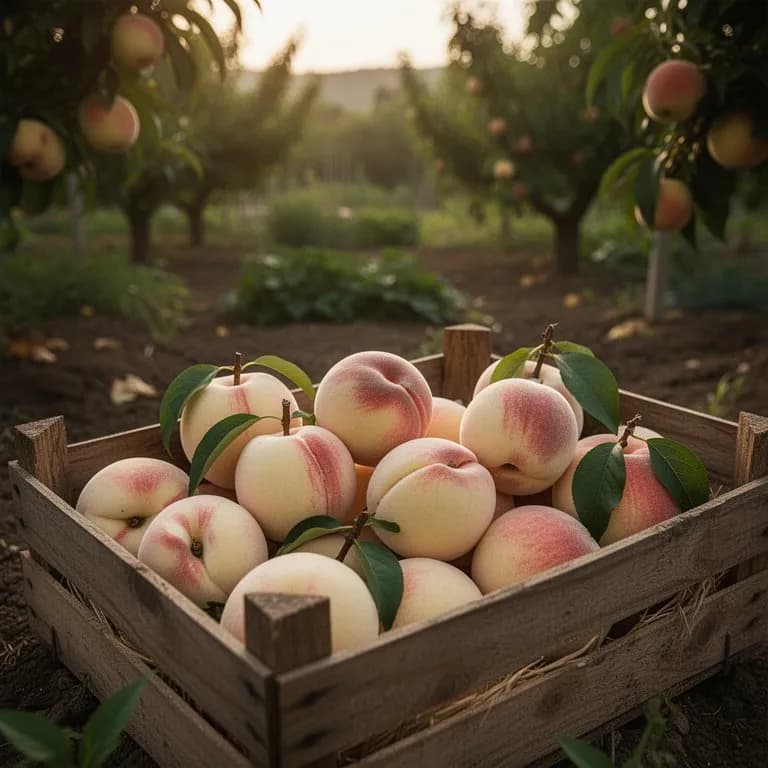
Weiße Pfirsiche reifen je nach Sorte und Klima von Ende Juni bis August. Sie sind erntereif, wenn die Grundfarbe von Grün zu Cremeweiß wechselt und die Frucht bei sanftem Druck nahe dem Stiel leicht nachgibt. Weiße Pfirsiche bekommen viel leichter Druckstellen als gelbe Sorten und haben ein kürzeres Fenster der optimalen Reife. Pflücken Sie, indem Sie die Frucht umfassen und vorsichtig drehen. Behandeln Sie sie wie Eier und legen Sie sie behutsam in flache Behälter. Ernten Sie während der Hauptreifezeit alle zwei bis drei Tage.
angenommen, du pflanzt zu Beginn des Zeitraums — trage dein tatsächliches Datum ein
Ernte Weißer Pfirsich zügig, dann trägt die Pflanze weiter.
Lagerung & Konservierung
Weiße Pfirsiche haben aufgrund ihres zarten Fruchtfleischs eine kürzere Haltbarkeit als gelbe Sorten. Verzehren Sie sie innerhalb von zwei bis drei Tagen nach der Ernte bei Raumtemperatur oder kühlen Sie sie bis zu fünf Tage im Kühlschrank. Sie eignen sich nicht so gut für den kommerziellen Versand oder die Lagerung. Zum Konservieren frieren Sie geschnittene Pfirsiche mit einem Spritzer Zitronensaft ein, um Bräunung zu verhindern. Konfitüren und Marmeladen aus weißen Pfirsichen heben den zarten blumigen Geschmack hervor. Das Fruchtfleisch verfärbt sich beim Kochen zu einem attraktiven Rosarot. Für längere Haltbarkeit in leichtem Sirup einkochen oder Pfirsichbutter herstellen.
Was schiefgeht — und die Lösung
Pfirsich-Kräuselkrankheit
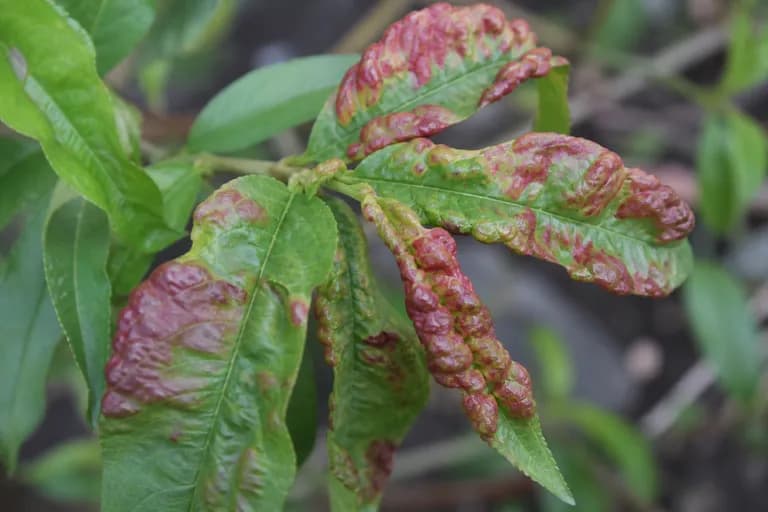
KrankheitVerzerrte, verdickte, rötlich-rosa gekräuselte Blätter im Frühling. Schwerer Befall verursacht vorzeitigen Blattfall und schwächt den Baum.
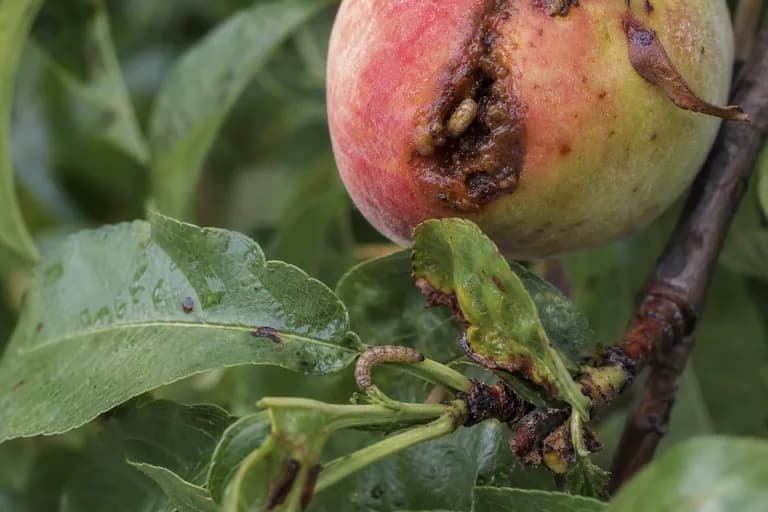
Orientalischer Fruchtwickler
SchädlingLarven bohren sich in Triebspitzen und verursachen Welke, dann dringen sie nahe dem Stielende in die Frucht ein und hinterlassen kotgefüllte Gänge im Fruchtfleisch.
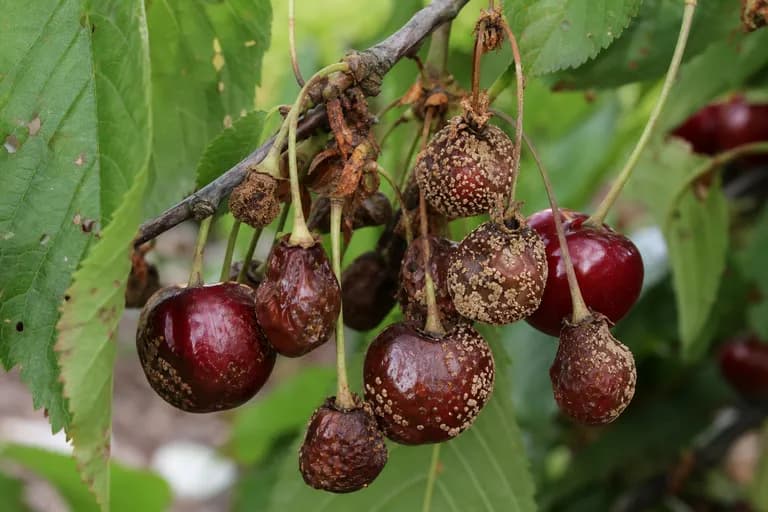
Fruchtfäule (Monilia)
KrankheitBraune, sich ausbreitende Fäulnis an reifenden Früchten mit grau-braunen, flaumigen Sporenmassen. Kann bei warmem, feuchtem Wetter eine ganze Ernte innerhalb von Tagen vernichten.
Fehlerbehebung bei häufigen Problemen
Weiße Pfirsiche bekommen außerordentlich leicht Druckstellen, was die kommerzielle Handhabung schwierig macht und schonende Erntetechniken im Hausgarten erfordert. Der zarte Geschmack wird leicht durch Spätfröste zunichte gemacht, die Blüten schädigen und zum Ernteausfall führen. Die Kräuselkrankheit ist verheerend, wenn die Wintersprühungen versäumt werden. Fruchtfäule kann bei feuchtem Wetter zur Erntezeit eine ganze Ernte in Tagen vernichten. Eichhörnchen und Vögel werden von den süßen, duftenden Früchten angezogen und können erhebliche Verluste verursachen.
Anbautipps
- Weiße Pfirsichsorten sind tendenziell besonders empfindlich gegenüber Kältestundenanforderungen — viele der geschätztesten japanischen und chinesischen Sorten benötigen 700–900 Stunden unter 7 °C und werden in milden Winterklimaten ungleichmäßig blühen oder keinen Fruchtansatz haben. Überprüfen Sie immer den angegebenen Kältebedarf Ihrer spezifischen Sorte gegen Ihre lokale Akkumulation vor dem Kauf, da weiße Pfirsiche insbesondere bei marginalen Kälteniveaus selten gut abschneiden.
- Die dünne Schale reifer weißer Pfirsiche macht sie deutlich anfälliger für Fruchtfäule (Monilinia fructicola) als gelbfleischige Typen — die Pilzinfektion kann durch die geringste Hautverletzung eindringen. Halten Sie ein riguroses Fungizidprogramm vor der Ernte ein, ernten Sie umgehend bei Vollreife, behandeln Sie Früchte nur in einlagigen Schalen und lassen Sie niemals überreife Früchte am Baum oder auf dem Boden.
- Die Fächererziehung weißer Pfirsichbäume an einer warmen südexponierten Wand (nordexponiert auf der Südhalbkugel) wird in kühlen gemäßigten Klimaten dringend empfohlen — die gespeicherte und reflektierte Wandwärme kann die Reifung um zwei Wochen vorverlegen, reduziert das Frostrisiko während der Blüte und ermöglicht es der Frucht, die blumigen flüchtigen Aromastoffe voll zu entwickeln, die unter kühlen, bedeckten Bedingungen weniger zuverlässig produziert werden.
- Die vorbeugende Sprühung gegen Kräuselkrankheit im Stadium der halben Zoll grünen Knospenspitze ist bei weißen Pfirsichen noch wichtiger als bei gelbfleischigen Typen, da weiße Sorten tendenziell etwas anfälliger für die Krankheit sind und wiederholte jährliche Entlaubung durch Kräuselkrankheit besonders schädlich für die mäßig kräftigen Wurzelsysteme typischer weißer Pfirsichsorten ist.
- Für außergewöhnliche Fruchtqualität erwägen Sie, weiße Pfirsichfrüchtchen auf einen etwas größeren Abstand auszudünnen — 20–25 cm statt der üblichen 15–20 cm — da die bestimmende Qualität von Premium-weißen Pfirsichen konzentrierter Zucker und intensives Aroma sind, die beide maximiert werden, wenn die Photosyntheseprodukte des Baumes auf weniger, größere Früchte konzentriert werden.
- Ernten Sie weiße Pfirsiche in sehr flache einlagige Schalen, die mit weichem Tuch oder Papier ausgelegt sind — niemals gestapelt oder grob behandelt. Ein weißer Pfirsich bei voller Baumreife ist außerordentlich fragil: Der geringste Stoß beschädigt die dünne Schale und beginnt die enzymatische Bräunung, die das Fruchtfleisch innerhalb von Stunden unansehnlich macht. Diese Fragilität ist der Hauptgrund, warum authentisch baumgereifte weiße Pfirsiche kommerziell selten erhältlich sind.
- Wenn Sie eine japanische Eintütungssorte anbauen (Hakuto, Hakuho oder ähnlich), bringen Sie nach dem Ausdünnen einzelne zweilagige Papiertüten über den Früchtchen an, wenn sie 2–3 cm Durchmesser erreichen. Das Eintüten schützt vor Sonnenbrand, Insektenschäden und Pestizidrückständen und fördert gleichzeitig die blasse, ungerötete Schalenfarbe, die für Premium-weiße Pfirsiche charakteristisch ist. Entfernen Sie die Tüten zehn bis vierzehn Tage vor der erwarteten Ernte, um eine minimale Farbentwicklung zu ermöglichen.
- Weiße Pfirsiche reagieren sehr gut auf die Spalier- und Fächererziehungssysteme, die ein präziseres Kronenmanagement ermöglichen als freistehende Bäume — wichtig angesichts der Tatsache, dass die konzentrierte Fruchtlast bei der Ernte sorgfältig behandelt werden muss und eine flache Fächerform das Einnetzen gegen Vögel deutlich einfacher macht als das Abdecken eines runden Standardbaums.
- Überwachen Sie die Fruchtentwicklung in den letzten zwei Wochen vor der Ernte genau — weiße Pfirsiche reifen oft schneller und über ein kürzeres Zeitfenster als gelbfleischige Sorten, sobald der Prozess beginnt. Prüfen Sie die Früchte täglich durch Aroma und sanften Daumendruck nahe der Stielgrube; verlassen Sie sich nicht allein auf den Schalenfarbwechsel, da die blasse Färbung weißer Pfirsiche die visuelle Beurteilung im Vergleich zum lebhaften Farbwechsel gelbfleischiger Sorten unzuverlässig macht.
- Lagern Sie reife weiße Pfirsiche niemals länger als zwei bis drei Tage im Kühlschrank — Kühllagerung bei Temperaturen unter 8 °C verursacht Kälteschäden, die die Fleischtextur zu einer mehligen, geschmacklosen Konsistenz abbauen und die zarten flüchtigen Aromastoffe, die für den charakteristischen parfümierten Geschmack der Sorte verantwortlich sind, dauerhaft zerstören. Verzehren oder verarbeiten Sie innerhalb von achtundvierzig Stunden nach der Ernte für das optimale Geschmackserlebnis.
Bau deine beste Weißer Pfirsich an — und alles drumherum.
Starte heute kostenlos. Lege deine Beete an, setze deine Weißer Pfirsich ein und lass PlotMyGarden Timing, Abstände, Begleiter und Erinnerungen von der Saat bis zum Erntekorb übernehmen.
Finde deine Weißer Pfirsich
White Lady
Eine der beliebtesten weißen Pfirsichsorten mit großen, steinlösenden Früchten und ausgezeichnetem süßem Geschmack. Benötigt 800 Kältestunden. Reift Ende Juli.
Babcock
Ein kalifornischer Favorit mit geringem Kältebedarf von 250 bis 300 Stunden. Süßes, saftiges weißes Fruchtfleisch mit mildem Geschmack. Halbsteinlösend. Reift Juni bis Juli.
Saturn (Donut-Pfirsich)
Ein flacher, donutförmiger weißer Pfirsich mit außergewöhnlich süßem Geschmack und einem kleinen, leicht zu entfernenden Stein. Lustige Neuheitsform. Reift Mitte Juli.
Snow Beauty
Ein wunderschöner weißer Steinlöser mit rot geröteter Schale. Süßes, aromatisches Fruchtfleisch. Benötigt 700 Kältestunden. Reift Ende Juli. Ausgezeichnet für Hausgärten.
Weiße Pfirsiche erzielen auf dem Markt erhebliche Preisaufschläge gegenüber Standard-gelbfleischigen Sorten, was ihre Empfindlichkeit, kurze Haltbarkeit und begrenzte kommerzielle Verfügbarkeit widerspiegelt. Premium-weiße Pfirsiche von Spezialanbauern oder importierte japanische Sorten werden regelmäßig für 7–12 € pro Kilogramm verkauft, und wirklich baumgereifte Exemplare sind kommerziell fast nie erhältlich, weil sie die Handhabung und den Transport, die Einzelhandelslieferketten erfordern, nicht überstehen. Ein produktiver weißer Pfirsichbaum im Hausgarten erzeugt bei voller Reife typischerweise 20–50 kg Obst pro Jahr — was einem potenziellen saisonalen Einzelhandelswert von 140–600 € entspricht — von einem Baum, der als wurzelnackter Setzling für 25–50 € erhältlich ist. Der Qualitätsunterschied ist noch bedeutender als die finanzielle Ersparnis: Ein weißer Pfirsich, der innerhalb einer Stunde nach der Ernte bei Baumreife gegessen wird, liefert ein Geschmackserlebnis, das sich kategorisch von allem unterscheidet, was in einem Supermarkt verkauft wird.
Schnelle Rezepte
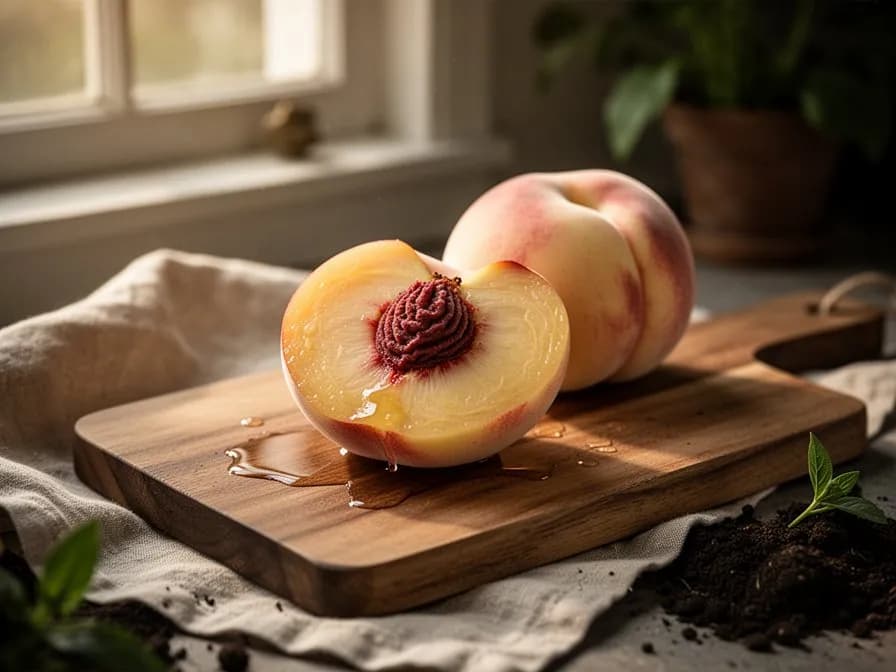
Weißer-Pfirsich-Bellini
10 Min.Der authentische venezianische Bellini hängt vollständig von reifem weißem Pfirsichpüree ab für seinen charakteristischen blassrosa Farbton und seine betörende blumige Süße. Diese Version bleibt dem Original treu — keine gelben Pfirsiche, keine künstliche Färbung, kein zugesetzter Zucker. Die natürliche geringe Säure weißer Pfirsiche harmoniert mit prickelndem Prosecco auf eine Weise, die keine andere Frucht erreicht. Sofort in gekühlten Flöten servieren.
4 Zutaten
Weißer-Pfirsich-Burrata-Salat
15 Min.Ein atemberaubender Sommersalat, der die blumige Süße reifer weißer Pfirsiche mit cremigem Burrata, pfeffrigem Rucola und einem Honig-Zitronen-Dressing kombiniert. Der Kontrast der Texturen — seidiger Burrata, saftiger Pfirsich, knackige Blätter — und das Zusammenspiel von süßen, cremigen und bitteren Aromen machen dies zu einer der elegantesten Verwendungen von weißen Pfirsichen in der Hochsaison. Sofort nach dem Anrichten servieren.
10 ZutatenWeißes-Pfirsich-Sorbet
20 Min. aktiv, 4 Stunden GefrierzeitDer reinste Ausdruck des Geschmacks reifer weißer Pfirsiche — nichts weiter als Frucht, ein leichter Zuckersirup und Zitronensaft, zu einem seidigen, intensiv aromatischen Sorbet verarbeitet. Da die zarten blumigen Aromen weißer Pfirsiche ohne Kochen vollständig erhalten bleiben, fängt dieses Sorbet eine Tiefe parfümierter Süße ein, die keine Marmelade, kein Cobbler und keine Tarte erreichen kann. Eine Eismaschine erzeugt die beste Textur, aber die Stillfriermethode funktioniert ebenfalls gut.
5 ZutatenKulinarische Verwendung
Weiße Pfirsiche genießt man am besten frisch, um ihre zarte, blumige Süße und geringere Säure im Vergleich zu gelben Pfirsichen zu würdigen. Sie sind exquisit in Scheiben über Vanilleeis oder in frische Sahne eingerührt. Weiße Pfirsich-Bellinis verwenden das pürierte Fruchtfleisch in Schaumwein-Cocktails. Die Frucht eignet sich hervorragend für elegante Tartes, Galettes und Cobblers. Konfitüre aus weißen Pfirsichen hat einen raffinierten, subtilen Geschmack. Kombinieren Sie sie mit Prosciutto und Burrata für eine unvergessliche Sommervorspeisel.
Was drinsteckt
Gesundheitsvorteile
- Der niedrige Gehalt an organischen Säuren weißer Pfirsiche — hauptsächlich reduzierte Apfelsäure im Vergleich zu gelbfleischigen Sorten — macht sie deutlich zahnschmelz- und magenschleimhautschonender, was sie zu einer ausgezeichneten Fruchtwahl für Personen macht, die Zahnerosion, Sodbrennen oder Reizdarmsyndrom bewältigen und dennoch die ernährungsphysiologischen Vorteile frischer Pfirsiche genießen möchten.
- Reich an phenolischen Antioxidantien wie Chlorogensäure und Catechinen, die besonders in der dünnen essbaren Schale konzentriert sind und helfen, freie Radikale zu neutralisieren sowie das Risiko von Herz-Kreislauf-Erkrankungen, Typ-2-Diabetes und oxidativem Stress-bedingten Zellschäden im Zusammenhang mit dem Altern zu reduzieren.
- Liefert Beta-Carotin und Cryptoxanthin als Vorstufen von Vitamin A, einem fettlöslichen Nährstoff, der für gesundes Sehen (insbesondere Nachtsicht), Immunfunktion und die Integrität epithelialer Gewebe einschließlich Haut, Atemwegsschleimhaut und Darmwand essentiell ist.
- Die Ballaststoffe im Fruchtfleisch und der Schale weißer Pfirsiche unterstützen eine gesunde Darmfunktion, ernähren nützliche Darmmikrobiota und tragen zum Sättigungsgefühl bei, das frisches Obst zu einem wertvollen Bestandteil von Gewichtsmanagement-Strategien macht — alles bei sehr niedriger Kaloriendichte.
- Kalium (ca. 183 mg pro 100 g), kombiniert mit dem natürlich sehr niedrigen Natriumgehalt frischer Pfirsiche, unterstützt eine gesunde Blutdruckregulierung und reduziert die Belastung des Herz-Kreislauf-Systems, was zur Evidenzbasis beiträgt, die einen hohen Frischobstkonsum mit niedrigeren Raten von Bluthochdruck und Schlaganfall verbindet.
- Aufkommende Forschung zu den spezifischen flüchtigen Aromastoffen, die in weißen Pfirsichen reichlich vorhanden sind — einschließlich Linalool, das auch in Lavendel vorkommt — deutet auf mögliche leichte anxiolytische (angstlösende) Eigenschaften hin, was mit traditionellen ostasiatischen medizinischen Verwendungen des weißen Pfirsichs in beruhigenden und stimmungsunterstützenden Zubereitungen übereinstimmt.
Woher Weißer Pfirsich stammt
Der weiße Pfirsich (Prunus persica, weißfleischige Formen) teilt den gleichen alten chinesischen Ursprung mit allen domestizierten Pfirsichen, aber seine Geschichte weicht in entscheidender Weise von der gelbfleischiger Sorten ab und spiegelt Jahrhunderte unterschiedlicher kultureller Vorlieben und gartenbaulicher Entwicklung wider. Archäologische Funde aus den Provinzen Zhejiang und Hebei im östlichen China datieren den Pfirsichanbau mindestens 4.000 Jahre zurück, und frühe chinesische botanische Texte machen deutlich, dass weißfleischige Pfirsiche zu den ersten ausgewählten und benannten Formen gehörten — geschätzt gerade wegen des blassen, nahezu durchscheinenden Fruchtfleischs, der honigartigen Süße und des blumigen Dufts, die sie von ihren säurereicheren gelbfleischigen Verwandten unterscheiden.
In der klassischen chinesischen Poesie, Malerei und Mythologie nahm der weiße Pfirsich einen erhabenen symbolischen Platz ein. Die Pfirsiche der Unsterblichkeit, die von der Königinmutter des Westens (Xiwangmu) in ihrem himmlischen westlichen Garten kultiviert wurden, wurden ausnahmslos als weiß- oder blassfleischig dargestellt, die alle dreitausend Jahre reiften und denjenigen ewiges Leben verliehen, die sie aßen. Der Tang-Dynastie-Dichter Du Fu schrieb bewundernd über weiße Pfirsiche aus Sichuan, und die Frucht wurde zu einem konventionellen Geschenk zwischen Gelehrten und Beamten, das Verfeinerung und Wertschätzung signalisierte.
Der Anbau weißer Pfirsiche wanderte entlang der Seidenstraße nach Zentralasien und Persien, aber anders als gelbfleischige Sorten — die die Römer begeistert annahmen und in ihrem gesamten Reich verbreiteten — blieben weißfleischige Typen für viele Jahrhunderte hauptsächlich eine asiatische Spezialität. Europäische Reisende, die ihnen im 18. und 19. Jahrhundert in China und Japan begegneten, sandten Exemplare an botanische Gärten und Baumschulen zurück und lösten damit das erste ernsthafte westliche Züchtungsinteresse aus. Der britische Baumschulinhaber Thomas Rivers führte in den 1830er und 1840er Jahren mehrere von China abgeleitete weiße Pfirsichsorten in den englischen Anbau ein, darunter die noch heute angebaute 'Peregrine', die zum Standard-Fächerpfirsich für englische ummauerte Küchengärten wurde.
Japan verfeinerte den Anbau weißer Pfirsiche ab der Meiji-Periode (1868–1912) zu höchster Vollendung, als systematische Selektion aus chinesischen Importen und lokalen Sämlingen die großen benannten Sorten der Präfektur Okayama hervorbrachte — insbesondere Hakuto und Shimizu Hakuto — die weltweit der Maßstab für weiße Pfirsichqualität bleiben. Die japanische Tradition des individuellen Eintütens der Früchte, die den sich entwickelnden Pfirsich vor Sonnenbrand, Insektenschäden und Makeln schützt und gleichzeitig die charakteristische blasse, ungerötete Schalenfarbe fördert, erhebt die Produktion weißer Pfirsiche zu einem arbeitsintensiven Handwerk, das sich völlig vom konventionellen kommerziellen Obstanbau unterscheidet.
In Kalifornien haben weiße Pfirsichsorten wie Babcock (1933), O'Henry (1964) und die neuere Arctic-Serie, gezüchtet von Zaiger Genetics, weißfleischige Pfirsiche in den Mainstream des amerikanischen Gartenbaus gebracht. Heute werden weiße Pfirsiche in China, Japan, Italien, Frankreich, Spanien, Kalifornien und Australien angebaut — sie erzielen stets Premiumpreise gegenüber gelbfleischigen Typen und werden konsequent von Köchen, Konditoren und Hobbygärtnern gesucht, die wissen, dass kein kommerziell geernteter Pfirsich das Erlebnis eines weißen Pfirsichs erreichen kann, der am Baum auf dem Höhepunkt der Reife gegessen wird.
Weißer Pfirsich: Schon gewusst?
Faszinierende Fakten über Weißer Pfirsich
Weiße Pfirsiche werden in China seit mindestens 3.000 Jahren kultiviert und haben einen besonderen kulturellen Status: In der klassischen chinesischen Poesie und Malerei symbolisiert der weiße Pfirsich — bái táo — Reinheit, weibliche Schönheit und Unsterblichkeit weit spezifischer als gelbfleischige Typen, die der spätere Fokus der westlichen Kultivierung waren.
Weißer Pfirsich: Fragen & Antworten
Wann sollte ich Weißer Pfirsich pflanzen?
Was sind gute Begleitpflanzen für Weißer Pfirsich?
In welchen Winterhärtezonen kann Weißer Pfirsich wachsen?
Wie viel Sonne braucht Weißer Pfirsich?
Welchen Abstand sollte ich zwischen Weißer Pfirsich lassen?
Welche Schädlinge und Krankheiten befallen Weißer Pfirsich?
Wie lagere ich Weißer Pfirsich nach der Ernte?
Was sind die besten Weißer Pfirsich-Sorten zum Anbauen?
Welchen Boden braucht Weißer Pfirsich?
Was ist der Unterschied zwischen weißen und gelben Pfirsichen — ist es nur die Farbe?
Warum sind weiße Pfirsiche im Supermarkt so schwer zu finden?
Welche weißen Pfirsichsorten eignen sich am besten für Hausgärten in gemäßigten Klimaten?
Wie erkenne ich, wann ein weißer Pfirsich wirklich reif ist, da der Farbwechsel so subtil ist?
Können weiße Pfirsiche zum Kochen, Einmachen und für Konfitüren genauso verwendet werden wie gelbfleischige Pfirsiche?
Sind weiße Pfirsiche krankheitsanfälliger als gelbfleischige Pfirsiche?
Du hast die Theorie gelesen. Jetzt baue sie auf Autopilot an.
Alles, was Weißer Pfirsich knifflig macht — das Timing, die Abstände, die Begleiter, das Erntefenster — genau das übernimmt PlotMyGarden für dich, für jede Pflanze im Garten.
Ein Plan, der dein Wetter kennt
Standort einmal festlegen. Aussaat-, Dünge- und Erntedaten rund um deinen echten letzten Frosttermin und die Live-Vorhersage — kein Raten mehr nach Saattüte.
Aus dem Abschnitt „Pflanzzeit“Beetplaner per Drag & Drop
Beete auf einem Raster gestalten. Jede Pflanze rastet im richtigen Abstand ein, und du siehst die ganze Saison, bevor du einen Cent für Saatgut ausgibst.
Aus dem Abschnitt „Anbau“Begleiter-Konflikte früh erkannt
Über 200 gute und schlechte Kombinationen werden beim Pflanzen live geprüft — so landet ein saisonruinierender Fehler nie in der Erde.
Aus dem Abschnitt „Begleiter“Erinnerungen, nach denen du wirklich handelst
„Gieß die Bohnen.“ „Heute ernten, bevor's umschlägt.“ Pünktlich, konkret und auf deine echten Pflanzen bezogen.
Aus dem Abschnitt „Ernte“Staffel-Aussaat, geplant
Sechs Wochen ernten statt sechs Tage? Die App verteilt deine Aussaaten automatisch und erinnert dich, wenn der nächste Satz fällig ist.
Aus dem Abschnitt „Pflanzzeit“Ein Verlauf, der schlauer wird
Jede protokollierte Ernte bringt der App deinen Garten bei. Der Plan fürs nächste Jahr startet bei dem, was in deinem Boden wirklich funktioniert hat.
Aus dem Abschnitt „Überblick“Pflanze diese neben Weißer Pfirsich
Weitere Steinobst
Halte Weißer Pfirsich von diesen fern
Bau deine beste Weißer Pfirsich an — und alles drumherum.
Starte heute kostenlos. Lege deine Beete an, setze deine Weißer Pfirsich ein und lass PlotMyGarden Timing, Abstände, Begleiter und Erinnerungen von der Saat bis zum Erntekorb übernehmen.