Peach
A self-fertile stone fruit tree requiring winter chill hours and good airflow to avoid fungal leaf curl.





On this pageOverview
Meet Peach
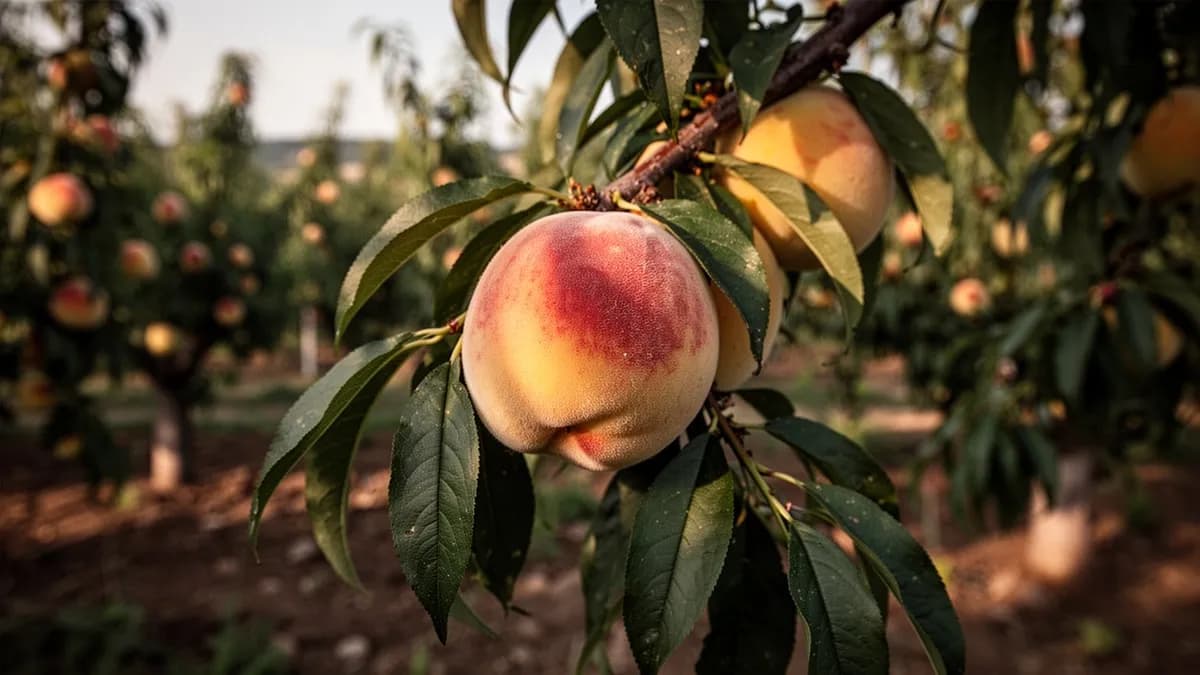
A self-fertile stone fruit tree requiring winter chill hours and good airflow to avoid fungal leaf curl. Apply a copper-based fungicide at leaf fall and again at bud swell to prevent peach leaf curl, the most common disease affecting this species. Thin fruits aggressively in early summer to six inches apart for larger, sweeter peaches that ripen evenly on the branch. Harvest when the background color changes from green to yellow and the fruit gives slightly near the stem when gently squeezed.
When to plant Peach
Peach trees are propagated by T-budding in late summer, which is the most common commercial method. Select a single bud from a branch of the desired variety and insert it under the bark of a seedling rootstock. Lovell and Halford seedling rootstocks are standard choices for peaches. Whip-and-tongue grafting in late winter is also effective. Peach pits can be cold-stratified for 90 to 120 days and will germinate, but seedlings are variable and may not produce fruit true to the parent. However, many excellent peach varieties have originated as chance seedlings, so growing from pits can yield interesting results.
Your Peach Year
Composed for Zone 7 · typical seasons · frost passes Apr 2, returns Nov 1
Plant Peach Mar – Apr, pick Jul – Aug. Check the planting methods below and set your climate to personalize these windows.
How to grow Peach
Select a site with full sun, excellent air circulation, and well-drained soil, ideally on a slight slope or raised area where cold air drains away from the blossoms in spring. Peaches require 400 to 1,000 chill hours below 45 degrees Fahrenheit during winter dormancy to break bud properly, so choose a variety matched to your climate. Plant bare-root trees in late winter or early spring, setting the graft union two to three inches above soil level.
The single most important disease prevention step for peaches is applying copper-based fungicide at leaf fall in autumn and again at bud swell in late winter before leaves emerge to prevent peach leaf curl. This fungal disease cannot be treated once symptoms appear and must be prevented with properly timed dormant applications. Water newly planted trees weekly and established trees deeply during dry spells, especially during fruit development.
Prune peach trees to an open vase shape with three to four main scaffold branches, as they fruit on one-year-old wood and require aggressive annual pruning to maintain a supply of young, productive branches. Remove about one-third of the previous year's growth each winter. Thin fruit aggressively in late spring to one peach every six to eight inches along the branch to produce large, flavorful fruit and prevent limb breakage from heavy crop loads.
Peach needs more room than a 4 × 8 ft bed gives
Each Peach wants 300 cm of elbow room. The planner keeps that spacing for you — every plant, every bed.
Peach's best neighbours
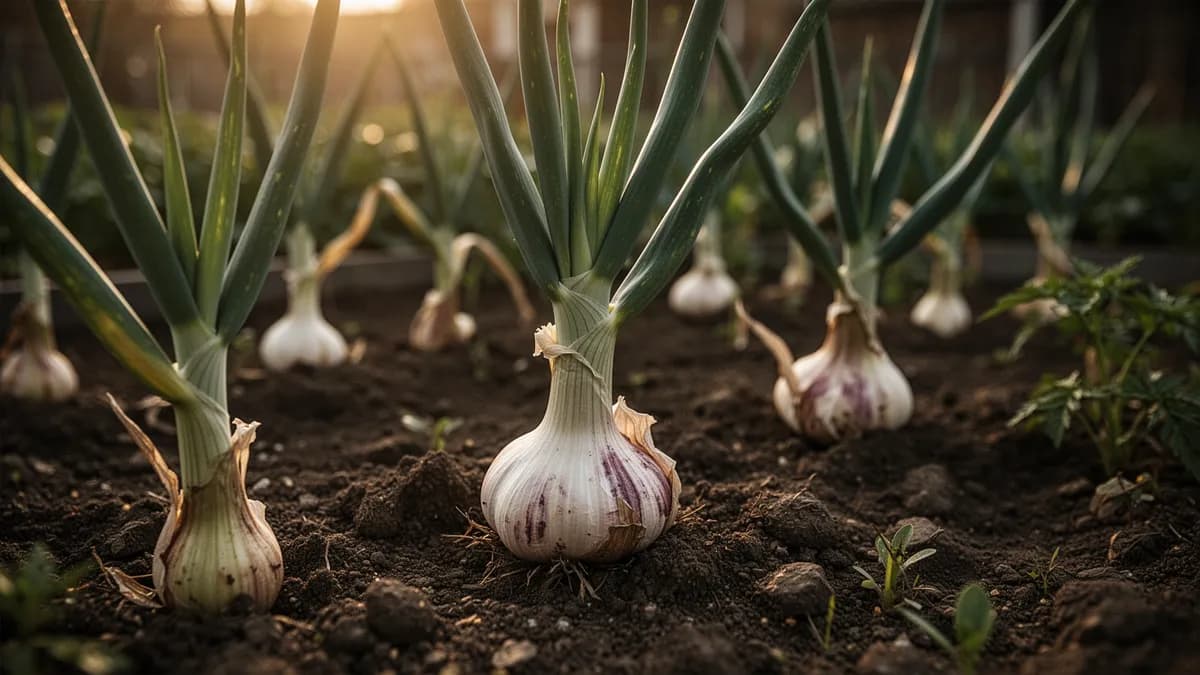
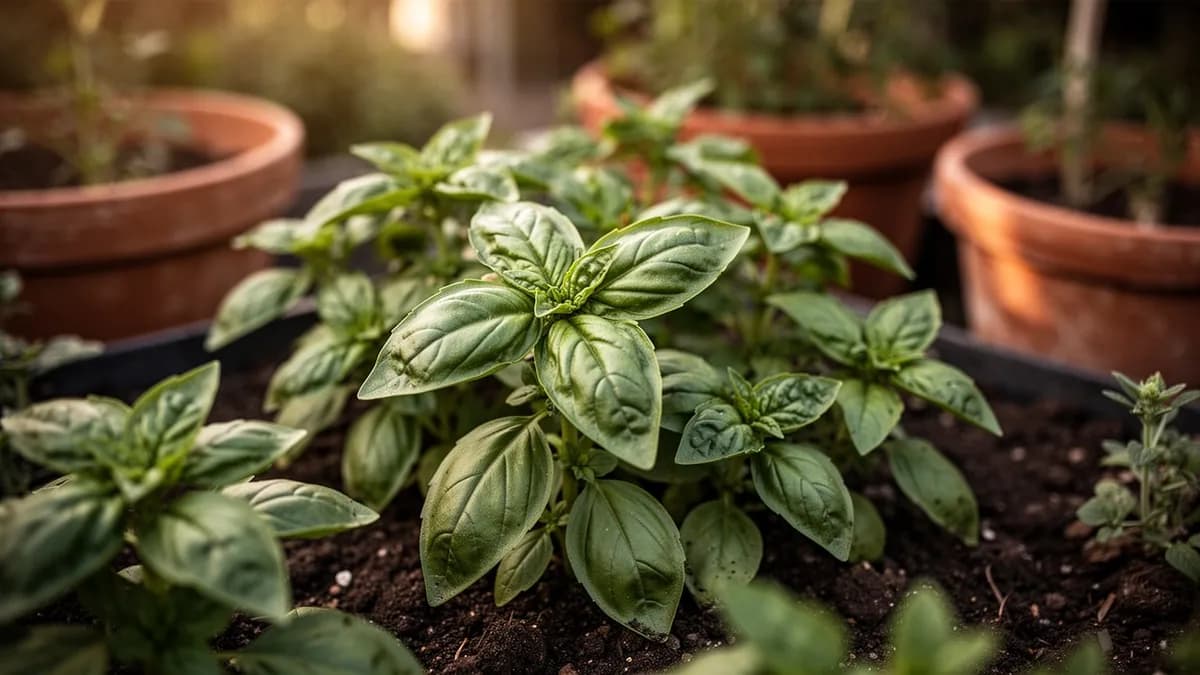
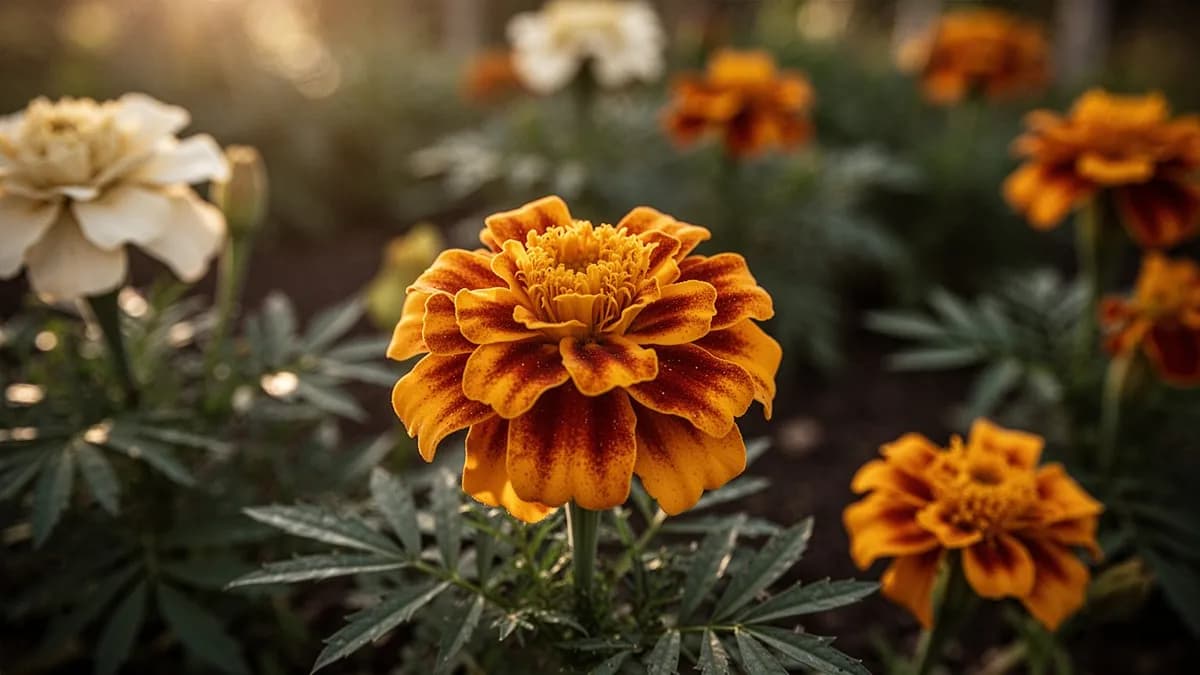
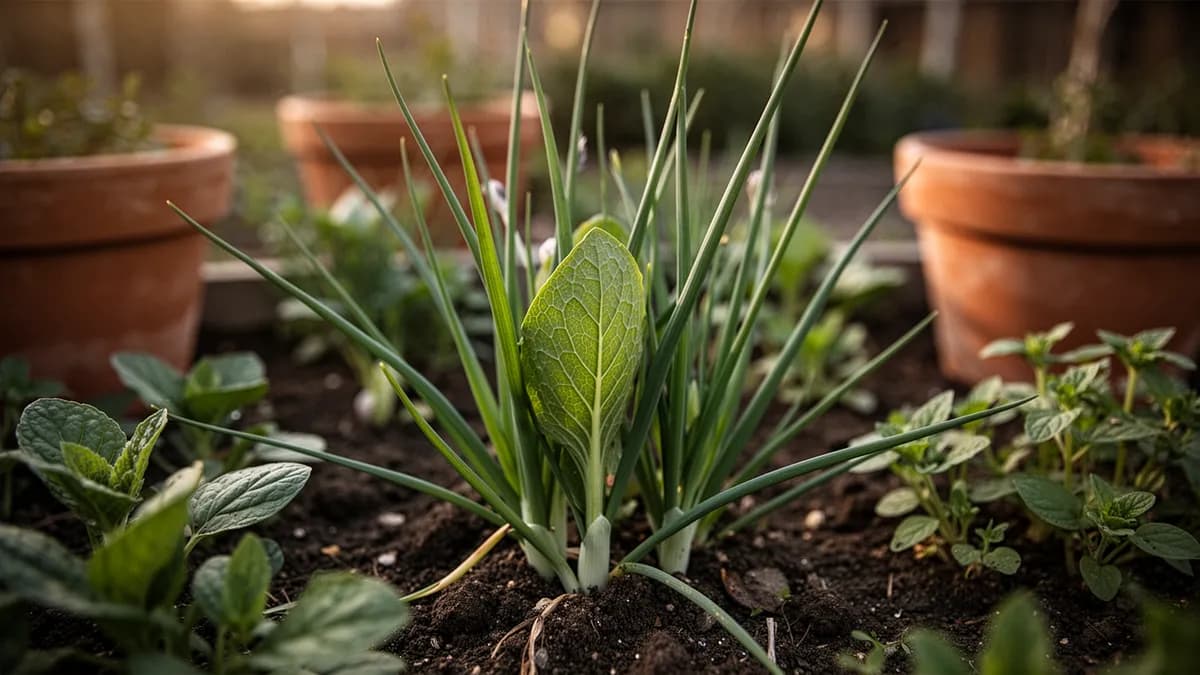
Garlic and chives planted around peach trees help deter borers and aphids with their pungent sulfur compounds. Basil attracts pollinators while its volatile oils may confuse pest insects searching for peach foliage. Marigolds attract beneficial predatory insects and suppress soil nematodes around the shallow root system. Tansy planted nearby may repel peach tree borers, though it should be kept in check as it can become invasive. Avoid planting near walnut trees.
Garlic belongs beside it. Walnut Tree doesn't.
Old growers' knowledge, checked against Peach's real companion table below — test any plant you're growing.
Try Peach in a bed — right here
A real planner bed with Peach already in it. Tap a companion to place it and watch the pairing checks answer — green for good neighbours, red for a clash.


Related growing guides
Feed it well
Peaches require well-drained, sandy loam soil with a pH of 6.0 to 6.5. They are the most sensitive of common stone fruits to wet feet and heavy clay. Apply a nitrogen-focused fertilizer in early spring, as peaches are heavier nitrogen feeders than apples or pears. Use about one-tenth of a pound of actual nitrogen per year of tree age. Potassium and zinc are also important for peach trees. Avoid fertilizing after midsummer to allow wood to harden properly before winter.
Ideal Temperature
Hardiness Zone Compatibility
From seed to harvest, stage by stage
Dormancy and Chill Accumulation
During winter, peach trees enter dormancy and require a specific number of chill hours (typically 400-1000 hours below 7°C / 45°F depending on variety) to break dormancy properly in spring. The tree appears leafless with smooth reddish-brown bark and visible plump flower buds along the branches.
Bud Swell and Bloom
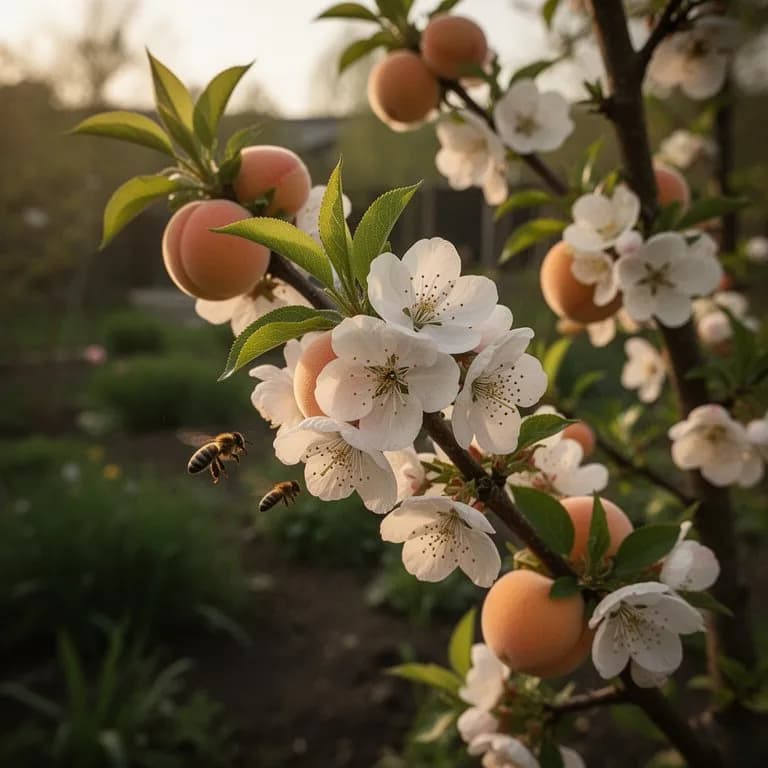
As temperatures warm in late winter to early spring, flower buds swell and burst open into showy pink blossoms. Peach trees are self-fertile so a single tree can produce fruit, but blooms are vulnerable to late spring frosts. The flowers appear before leaves, creating a spectacular display lasting 1-2 weeks.
Fruit Set and Thinning
After pollination, petals fall and small green fruitlets begin developing. Peach trees typically set far more fruit than they can ripen to full size, so thinning is essential. Leaves emerge fully and the canopy fills in rapidly. A natural fruit drop called June drop may occur as the tree self-thins.
Fruit Development and Pit Hardening
The fruit grows steadily through spring and early summer. During pit hardening, the seed coat inside calcifies and the fruit growth temporarily slows. After pit hardening completes, the fruit enters a rapid cell expansion phase where size increases dramatically and sugars begin to accumulate.
Ripening and Harvest
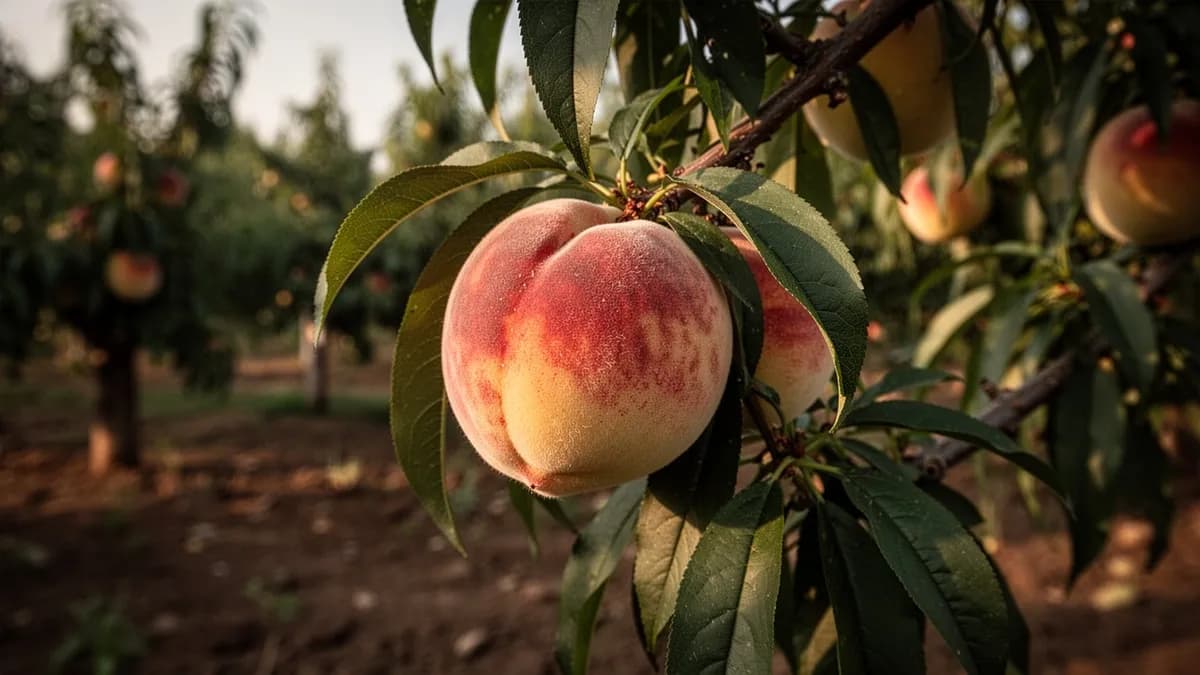
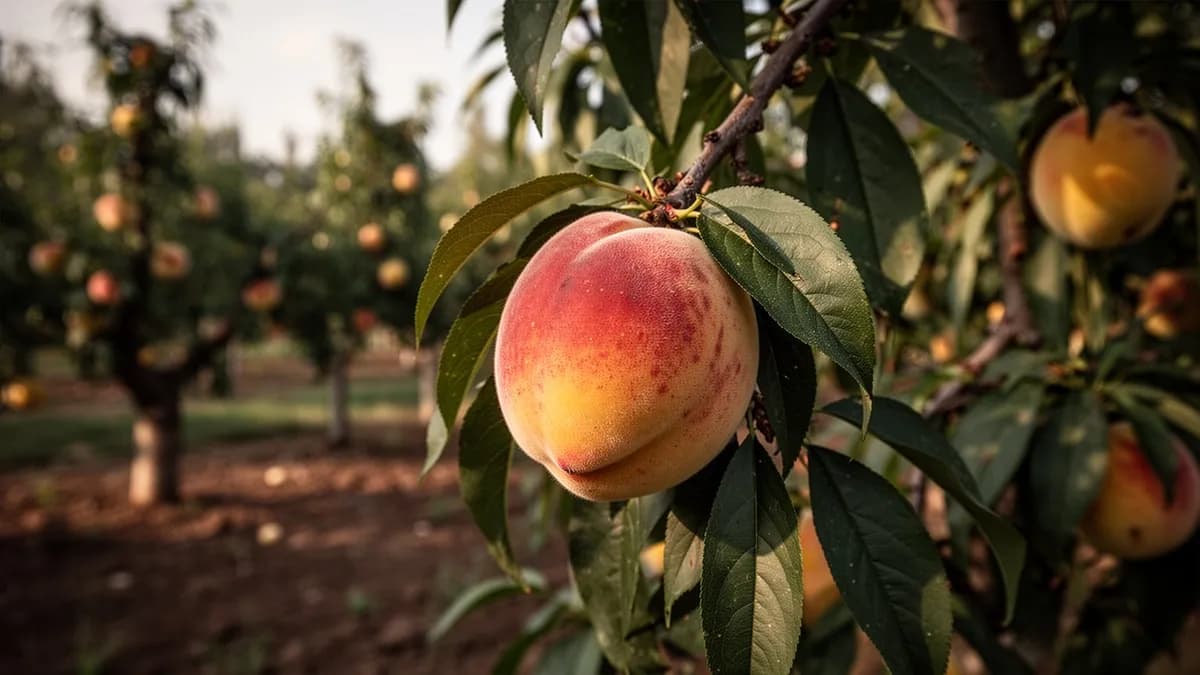
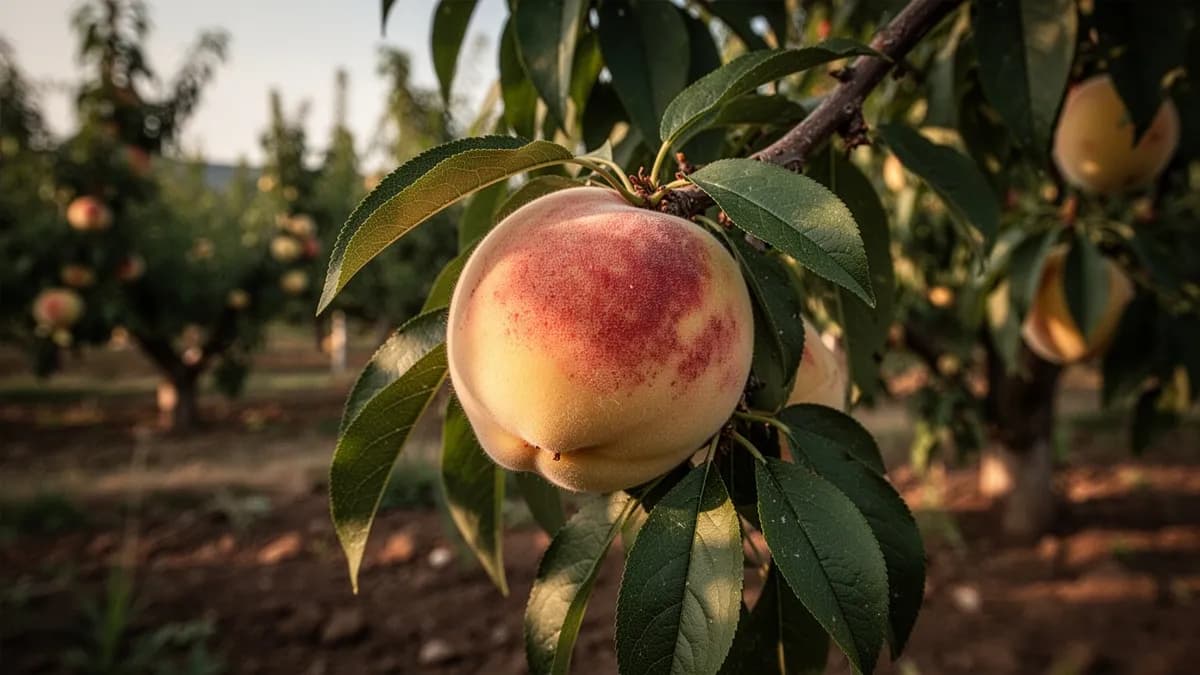
Peaches change from green to their mature ground color (yellow or white depending on variety), developing red blush where exposed to sunlight. The flesh softens and sweetens as acids convert to sugars. Aroma intensifies and the fruit separates easily from the stem when ripe. Harvest typically occurs from late June through September depending on variety and climate.
Post-Harvest and Leaf Fall
After harvest, the tree continues photosynthesizing to build carbohydrate reserves for next year's crop. Leaves turn yellow to orange in autumn before dropping. The tree gradually enters dormancy as temperatures cool and day length shortens, completing the annual cycle.
Apply dormant oil spray in late winter to smother overwintering pest eggs and fungal spores. This is the ideal time for major structural pruning while the tree is fully dormant and branch architecture is clearly visible. Remove any mummified fruit remaining on branches.
Caring for Peach month by month
What to do each month for your Peach
October
You are hereAllow the tree to enter dormancy naturally. Do not fertilize or prune in autumn as this can stimulate tender new growth vulnerable to winter damage. Clean up all remaining fallen leaves and fruit debris. Apply a thick layer of mulch around the root zone for winter insulation.
Know exactly what to do in your garden — every month
One email at the start of each month: what to sow, plant, and tackle right now — for your Peach and everything growing around it. Plus a short starter course that helps you dodge the classic mistakes.
- What to do, right now
- Matched to your season
- Starter course included
Harvesting Peach
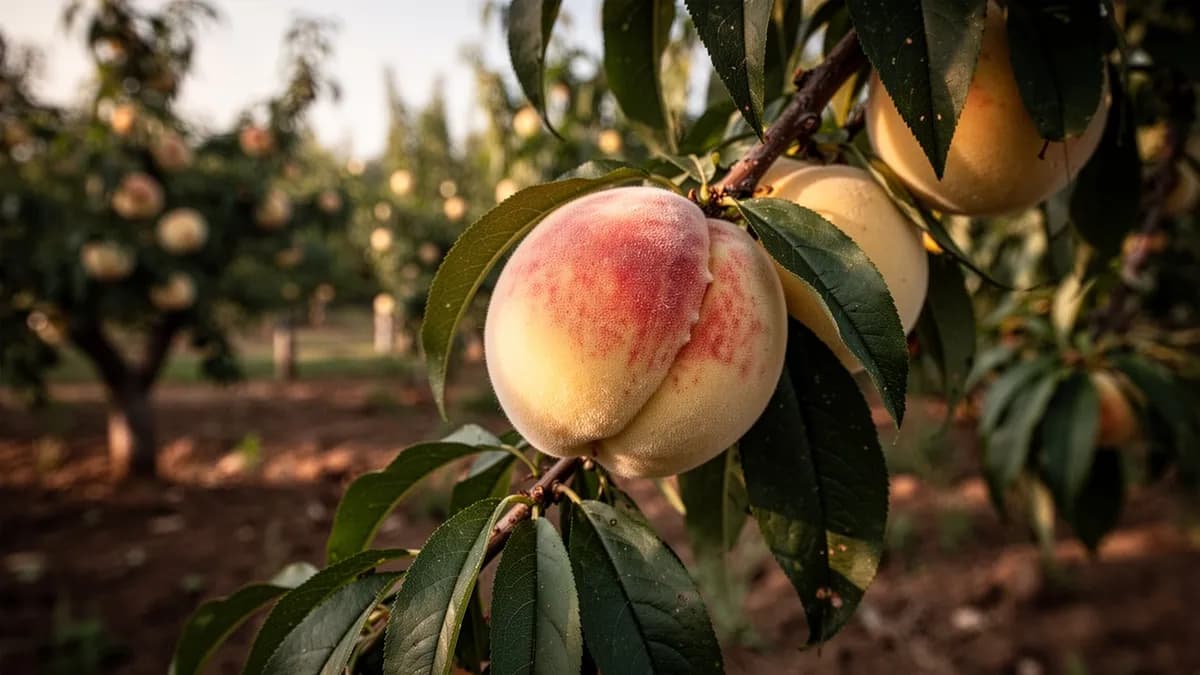
Peaches are ripe when the background skin color changes from green to yellow or cream, the fruit gives slightly when gently squeezed near the stem, and the aroma becomes intensely fragrant. A ripe peach should lift from the branch with a gentle upward twist without pulling. Pick every two to three days as fruit ripens unevenly across the tree, with the outer canopy ripening first. Handle gently to avoid bruising the soft flesh. Tree-ripened peaches have the best flavor but the shortest shelf life.
assuming you plant when the window opens — set your real date
Pick Peach promptly and the plant keeps producing.
Storage & Preservation
Ripe peaches are fragile and keep only two to three days at room temperature or up to a week refrigerated. For freezing, blanch briefly, peel, slice, treat with ascorbic acid to prevent browning, and pack in freezer bags for up to ten months. Canned peaches in light syrup are a pantry staple. Peach jam, butter, and chutney are excellent preserves. Dried peach slices make concentrated, flavorful snacks. Peaches also make outstanding brandy and liqueur.
What goes wrong — and the fix
Peach Leaf Curl
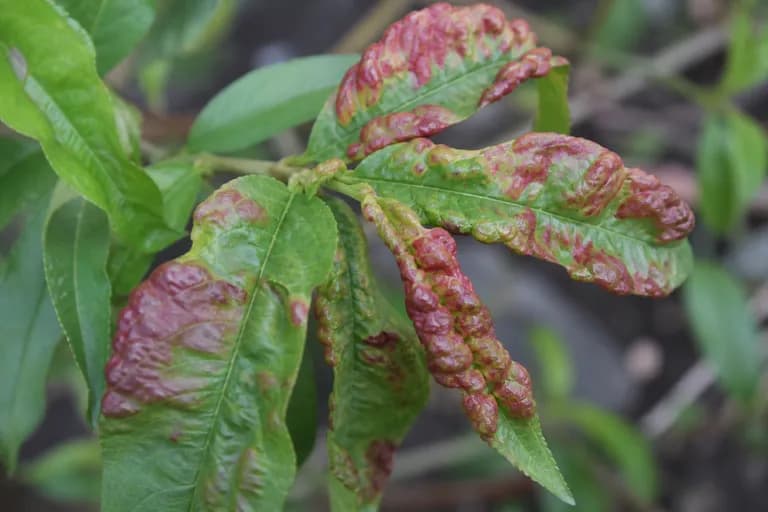
DiseaseLeaves emerge puckered, thickened, and distorted with red, pink, or yellow discoloration; severely infected trees defoliate and weaken.
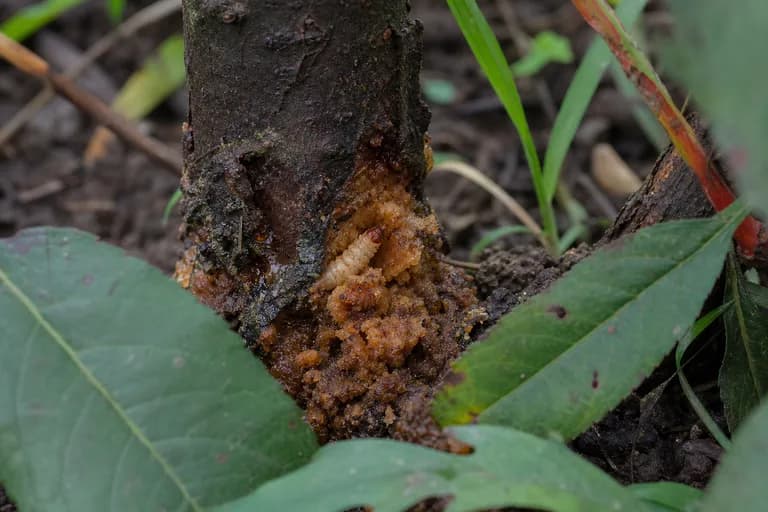
Peach Tree Borer
PestMasses of gummy, sawdust-mixed sap oozing from the base of the trunk near the soil line; larvae tunnel beneath the bark girdling and potentially killing the tree.
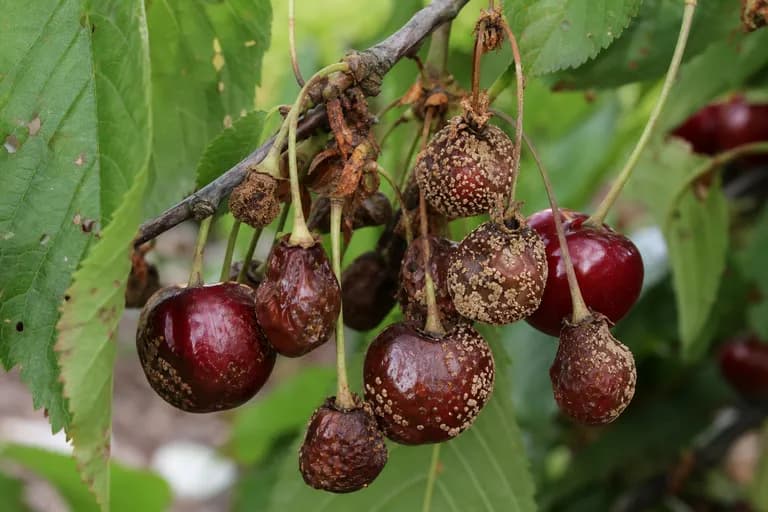
Brown Rot
DiseaseFruit develops expanding brown soft spots covered with buff-colored spore masses; blossoms may also brown and wilt without falling.
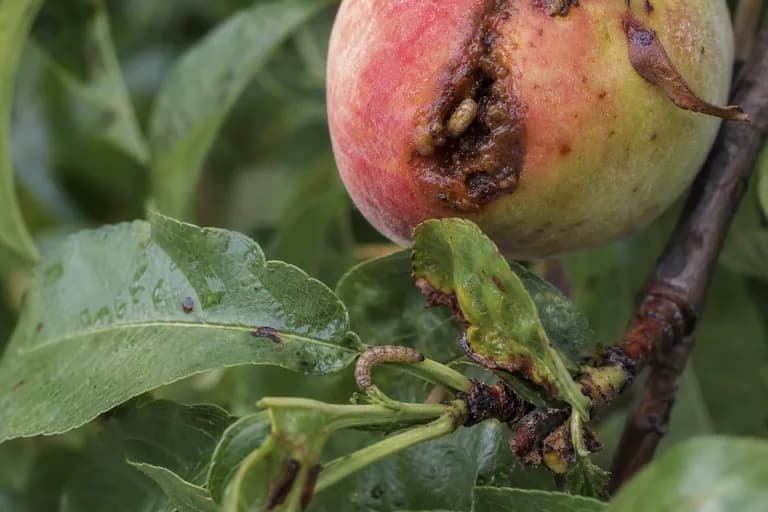
Oriental Fruit Moth
PestLarvae bore into tender shoot tips in spring causing flagging and wilting; later generations tunnel into ripening fruit near the stem end.
Troubleshooting Common Problems
Peach leaf curl is the most common and damaging disease when preventive sprays are missed. Late spring frosts destroy blossoms in many years, particularly in zones 5 and 6 where peach growing is marginal. Short tree lifespan of 12 to 20 years is normal for peaches, so plan for replacement plantings. Gummosis on the trunk can indicate borer damage, bacterial infection, or physical wounds. Fruit drop in early summer is often natural June drop but can be excessive if trees are stressed.
Growing Tips
- Choose a peach variety suited to your climate's chill hours. Low-chill varieties (250-400 hours) work for mild winter areas, while standard varieties need 600-1000 chill hours. Planting the wrong chill requirement leads to poor fruit set and erratic blooming.
- Plant peach trees in full sun with at least 8 hours of direct sunlight daily. Select a site with excellent air drainage, ideally on a gentle slope, to reduce frost risk during bloom. Avoid planting in low-lying frost pockets where cold air settles.
- Prune peach trees to an open-center vase shape with 3-4 main scaffold branches. This allows maximum sunlight penetration and air circulation throughout the canopy, which improves fruit quality and reduces disease pressure from brown rot and bacterial spot.
- Thin fruit aggressively when fruitlets reach marble size, spacing remaining peaches 15-20 cm apart along each branch. This is the single most important step for producing large, sweet fruit and preventing biennial bearing patterns and branch breakage.
- Apply a preventative copper fungicide spray at leaf fall in autumn and again at bud swell in late winter to control peach leaf curl, one of the most common and damaging diseases. Once leaves have emerged, it is too late to treat leaf curl for that season.
- Water deeply and consistently during fruit development, providing 2.5-5 cm of water per week. Irregular watering during the final fruit swell phase causes split pits and cracked fruit. Drip irrigation or soaker hoses are more efficient than overhead sprinklers.
- Fertilize peach trees in early spring as buds begin to swell, using a balanced fertilizer or one slightly higher in nitrogen. Avoid heavy nitrogen applications after June, as this promotes excessive late-season vegetative growth at the expense of fruit quality and winter hardiness.
- Monitor regularly for common peach pests including oriental fruit moth, peach tree borer, plum curculio, and aphids. Pheromone traps help track pest populations. Peach tree borers can be prevented by keeping the base of the trunk clear of mulch and soil.
- Harvest peaches when the ground color has changed from green to yellow or cream and the fruit yields slightly to gentle thumb pressure near the stem. Tree-ripened peaches have vastly superior flavor to those picked early, so resist harvesting too soon.
- Protect young peach tree trunks from sunscald in winter by painting them with diluted white latex paint or wrapping with tree guards. Sunscald causes bark cracking on the south and southwest sides of the trunk, creating entry points for borers and canker diseases.
Grow your best Peach yet — and everything around it.
Start a free plan today. Lay out your beds, drop in your Peach, and let PlotMyGarden handle the timing, spacing, companions and reminders from seed to harvest basket.
Pick your Peach
Redhaven
The benchmark mid-season freestone peach with red-over-yellow skin, firm yellow flesh, and outstanding flavor for fresh eating and freezing.
Elberta
A classic late-season freestone with large, golden-fleshed fruit excellent for canning, widely adapted and one of the most planted varieties historically.
Belle of Georgia
A white-fleshed freestone with delicate sweetness and low acidity, producing attractive red-blushed fruit of exceptional eating quality.
Contender
An extremely cold-hardy variety that sets fruit reliably in zone 5, producing medium-sized freestone peaches with good flavor.
Donut (Saturn)
A flat, saucer-shaped peach with sweet white flesh and a small pit, easy to eat and a novelty favorite in home gardens.
A mature peach tree producing 45-70 kg (100-150 lbs) of fruit annually can yield the equivalent of $150-400 worth of fresh peaches at typical grocery store prices of $3-6 per pound. A bare-root peach tree costs $20-40 and begins producing fruit within 2-3 years of planting. Over a productive lifespan of 12-15 years, a single tree can produce well over $2,000 worth of fruit, not counting the superior flavor and freshness of tree-ripened peaches compared to commercially picked fruit that is harvested before peak ripeness for shipping durability.
Quick recipes
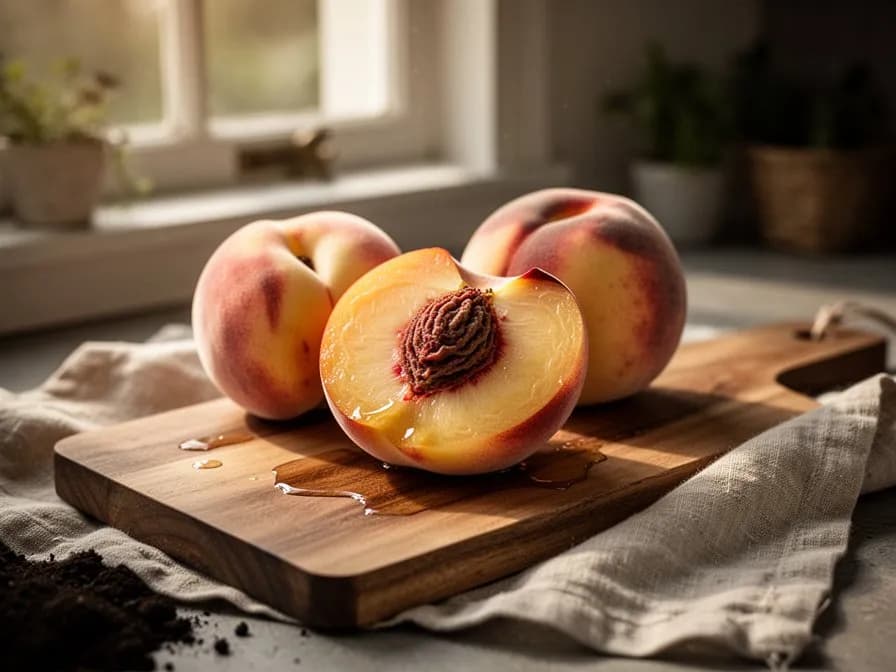
Classic Southern Peach Cobbler
20 minutesA warm and comforting Southern-style cobbler with juicy spiced peaches topped with a golden butter-rich biscuit crust. Best served warm from the oven with a scoop of vanilla ice cream or a drizzle of fresh cream. This recipe highlights the natural sweetness of ripe garden peaches.
10 ingredients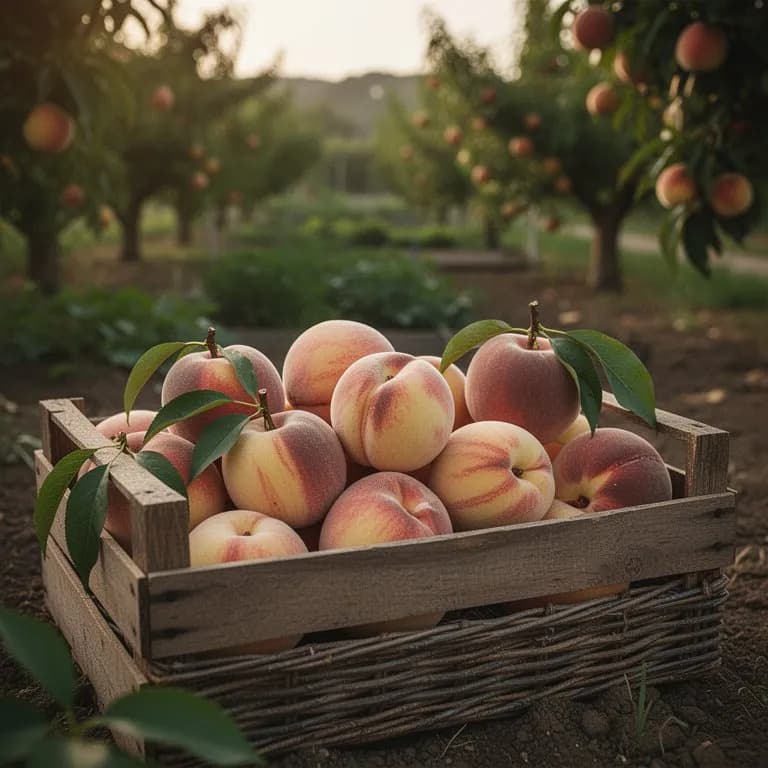
Grilled Peaches with Honey and Ricotta
15 minutesAn elegant yet simple summer dessert that transforms fresh peaches by caramelizing their natural sugars on the grill. The warm peach halves are filled with creamy ricotta, drizzled with honey, and finished with a scattering of toasted pistachios for a restaurant-worthy dish from your own garden.
7 ingredientsFresh Peach Salsa
15 minutesA vibrant and refreshing summer salsa that pairs the sweetness of ripe peaches with the heat of jalapeno and the brightness of lime and cilantro. Perfect served with grilled fish or chicken, spooned over tacos, or scooped up with crispy tortilla chips at a garden party.
7 ingredientsCulinary Uses
Peaches are a summer icon, exceptional fresh, in cobblers, pies, crisps, and ice cream. They pair beautifully with bourbon, vanilla, ginger, basil, and cream. Grilled peaches with mascarpone are an elegant dessert. Peaches are a good source of vitamins A and C, potassium, and fiber. Peach salsa and peach barbecue sauce are savory applications, and bellini cocktails feature pureed white peaches.
What's inside
Health Benefits
- Rich in antioxidants including vitamin C, beta-carotene, and polyphenols such as chlorogenic acid, which help neutralize free radicals and may reduce the risk of chronic diseases and cellular aging
- Contains dietary fiber that supports digestive health by promoting regular bowel movements, feeding beneficial gut bacteria, and helping to maintain stable blood sugar levels after meals
- Provides potassium (190 mg per 100g) which is essential for maintaining healthy blood pressure, proper heart rhythm, and fluid balance throughout the body
- Contains natural anti-inflammatory compounds that may help reduce inflammation markers in the body, potentially benefiting those with arthritis and other inflammatory conditions
- Low glycemic index fruit that provides natural sweetness without causing rapid blood sugar spikes, making peaches a suitable fruit choice for people managing diabetes or insulin resistance
- Supplies vitamin A and beta-carotene that support healthy vision, immune function, and skin cell regeneration, contributing to overall skin health and a healthy complexion
Where Peach comes from
The peach (Prunus persica) traces its origins to the Zhejiang Province of eastern China, where archaeological evidence confirms its cultivation dating back at least 8,000 years. Ancient Chinese texts revered the peach as a symbol of immortality, and peach wood was believed to ward off evil spirits. The mythical Queen Mother of the West was said to tend a garden of immortality peaches that ripened only once every 3,000 years. From China, peaches traveled westward along the ancient Silk Road trading routes, reaching Persia (modern-day Iran) by around 2,000 years ago. Persian traders and travelers introduced the fruit to the Mediterranean world, and it was the Romans who gave it the botanical name Persica, believing it originated in Persia. Roman cultivation spread peaches throughout their empire, including into Spain, France, and North Africa. Spanish explorers brought peach seeds to the Americas in the 16th century, where the trees thrived in the warm climates of Florida, Mexico, and South America. Native American peoples adopted peach cultivation enthusiastically, and by the time English colonists arrived, peaches were growing so abundantly that many settlers assumed they were a native American fruit. Commercial peach production expanded dramatically in the 19th century, particularly in the American South and in California, where the mild climate and irrigated valleys proved ideal. The development of canning technology in the mid-1800s transformed peaches from a highly perishable seasonal luxury into a year-round pantry staple enjoyed worldwide. Modern breeding programs have produced hundreds of named varieties optimized for different climates, ripening windows, and uses, from fresh eating freestones to firm canning clingstone types. Today, China remains the world's largest peach producer by a significant margin, followed by Spain, Italy, and the United States.
Peach: did you know?
Fascinating facts about Peach
Peaches originated in China over 8,000 years ago and were considered a symbol of immortality and longevity. They were domesticated long before many other common fruits and are deeply embedded in Chinese art, folklore, and mythology.
Peach questions, answered
When should I plant Peach?
What are good companion plants for Peach?
What hardiness zones can Peach grow in?
How much sun does Peach need?
How far apart should I space Peach?
What pests and diseases affect Peach?
How do I store Peach after harvest?
What are the best Peach varieties to grow?
What soil does Peach need?
How many years does it take for a peach tree to produce fruit?
Why are my peach tree leaves curling and turning red?
Do I need two peach trees for pollination and fruit production?
What is the best way to prevent brown rot on peaches?
Can peach trees grow in containers on a patio?
When and how should I prune my peach tree?
You just read the theory. Now grow it on autopilot.
Everything that makes Peach fiddly — the timing, the spacing, the companions, the harvest window — is exactly what PlotMyGarden handles for you, for every plant in your garden.
A plan that knows your weather
Set your location once. Get sow, feed and harvest dates built around your real last-frost date and live forecast — no more guessing from a generic seed packet.
From the “When to plant” sectionDrag-and-drop bed planner
Design beds on a grid. Every plant snaps to its proper spacing, and you can see your whole season laid out before you spend a cent on seed.
From the “Growing guide” sectionCompanion conflicts, caught early
200+ good-and-bad pairings checked live as you plant — so a season-wrecking mistake never makes it into the ground.
From the “Companions” sectionReminders you'll actually act on
“Water the beans.” “Pick today before it turns.” Timely, specific, and tied to the plants you're really growing.
From the “Harvest” sectionSuccession, scheduled
Want a harvest for six weeks, not six days? It spaces your sowings automatically and reminds you when each new block is due.
From the “When to plant” sectionA record that gets smarter
Every harvest you log teaches it your garden. Next year's plan starts from what actually worked in your soil, not a textbook's.
From the “Overview” sectionPlant these alongside Peach
More Stone Fruits
Keep Peach away from these
Grow your best Peach yet — and everything around it.
Start a free plan today. Lay out your beds, drop in your Peach, and let PlotMyGarden handle the timing, spacing, companions and reminders from seed to harvest basket.