Nectarine
Genetically identical to a peach except for a single gene that produces smooth skin instead of fuzz, giving a firmer texture.





On this pageOverview
Meet Nectarine
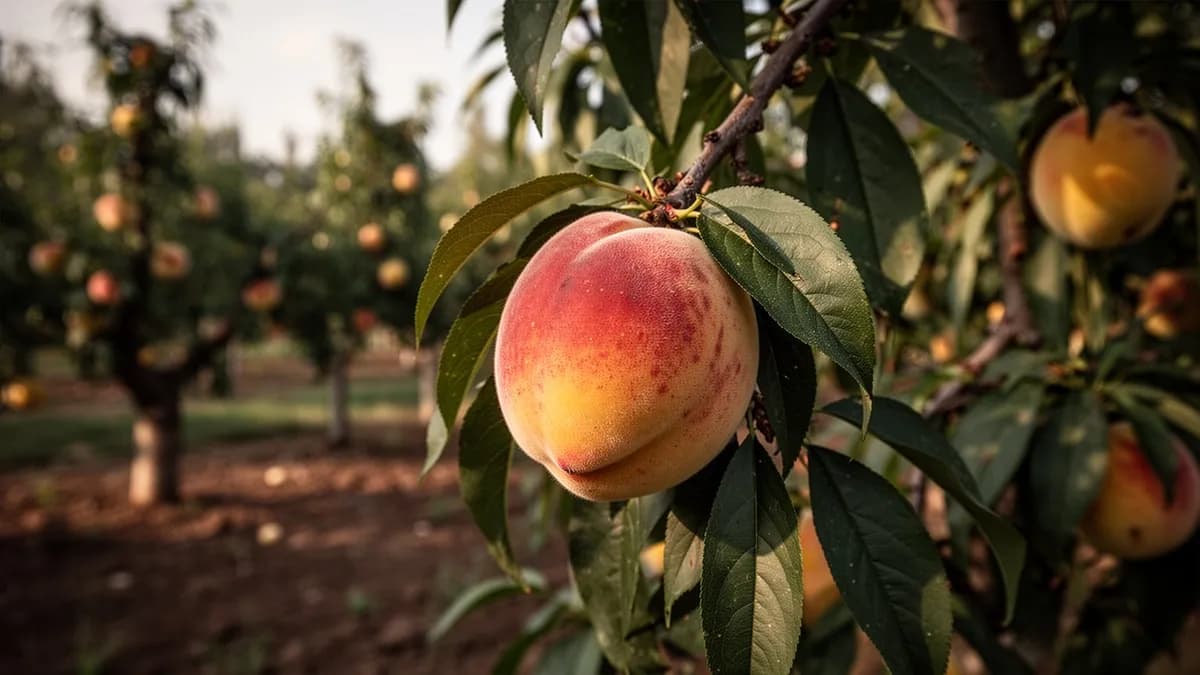
Genetically identical to a peach except for a single gene that produces smooth skin instead of fuzz, giving a firmer texture. Nectarines are more susceptible to brown rot and bacterial spot than peaches due to their thin skin lacking protective fuzz. Choose disease-resistant varieties and maintain good air circulation through proper pruning for best results.
When to plant Nectarine
Nectarine pits require cold stratification for 90 to 120 days. Clean the pit, wrap in damp paper towels, and refrigerate in a sealed bag. Plant outdoors after the last frost, one inch deep. Seedlings produce unpredictable fruit that may revert to fuzzy peach skin. For reliable nectarine varieties, purchase grafted trees on Lovell, Nemaguard, or Guardian rootstock. Grafted trees fruit in two to three years. Choose bacterial spot-resistant varieties for humid climates.
Your Nectarine Year
Composed for Zone 7 · typical seasons · frost passes Apr 2, returns Nov 1
Plant Nectarine Mar – Apr, pick Jul – Aug. Check the planting methods below and set your climate to personalize these windows.
How to grow Nectarine
Nectarines require the same growing conditions as peaches, thriving in USDA zones 5 through 9 with 600 to 1000 chill hours depending on cultivar. Plant bare-root trees in late winter in full sun with well-drained soil. Space standard trees 15 to 20 feet apart or semi-dwarf trees 8 to 12 feet. The smooth skin that distinguishes nectarines from peaches makes them more vulnerable to disease, so site selection with good air drainage is critical.
Prune aggressively to an open vase shape, removing about one-third of last year's growth each winter. This heavy pruning promotes new fruiting wood and allows air and sunlight into the canopy, which is essential for disease prevention. Thin fruit to six to eight inches apart when they reach marble size to produce large, sweet fruit and prevent branch breakage.
Apply dormant copper spray in late fall and late winter to prevent peach leaf curl. Water deeply every seven to ten days, reducing irrigation slightly before harvest to concentrate flavors. Fertilize in early spring with a balanced fruit tree formula. Nectarines are more demanding than peaches in terms of disease management, but the reward is intensely flavored, beautifully smooth fruit with a firmer texture.
Nectarine needs more room than a 4 × 8 ft bed gives
Each Nectarine wants 300 cm of elbow room. The planner keeps that spacing for you — every plant, every bed.
Nectarine's best neighbours
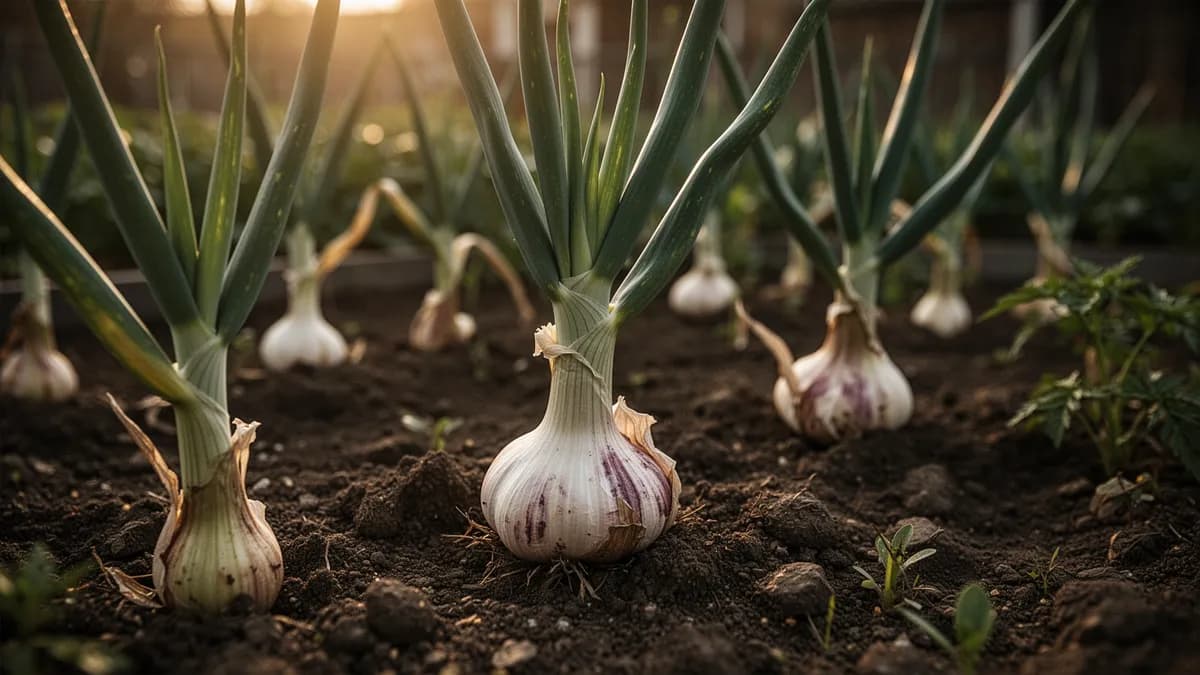
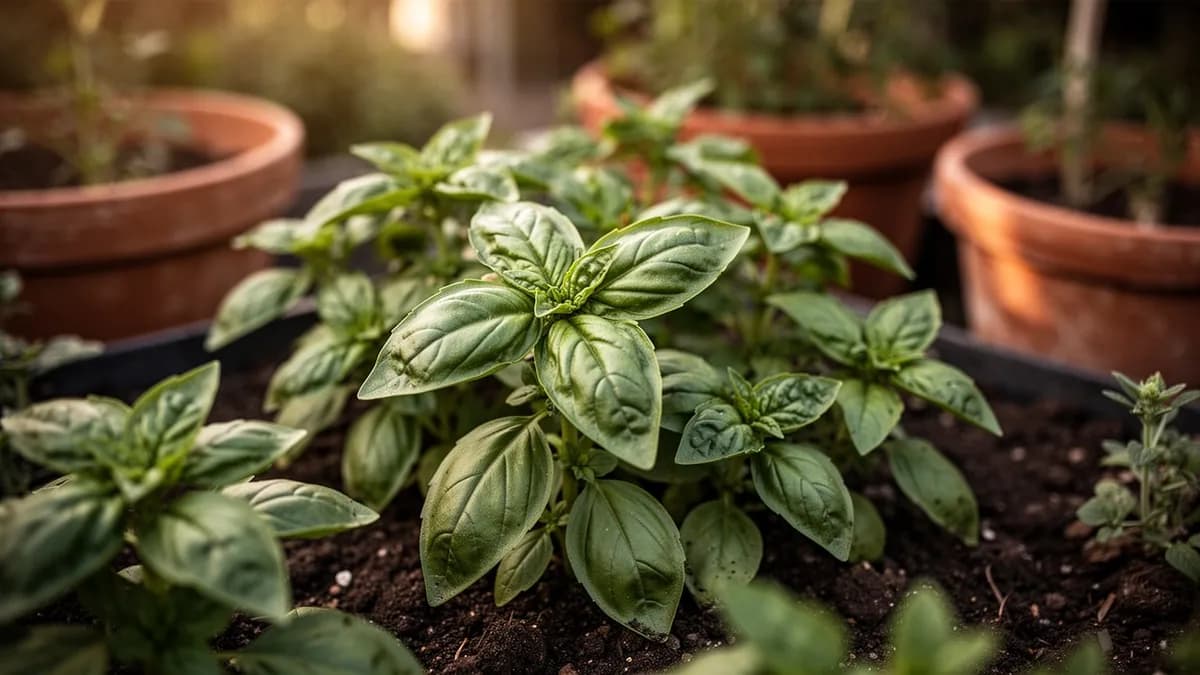
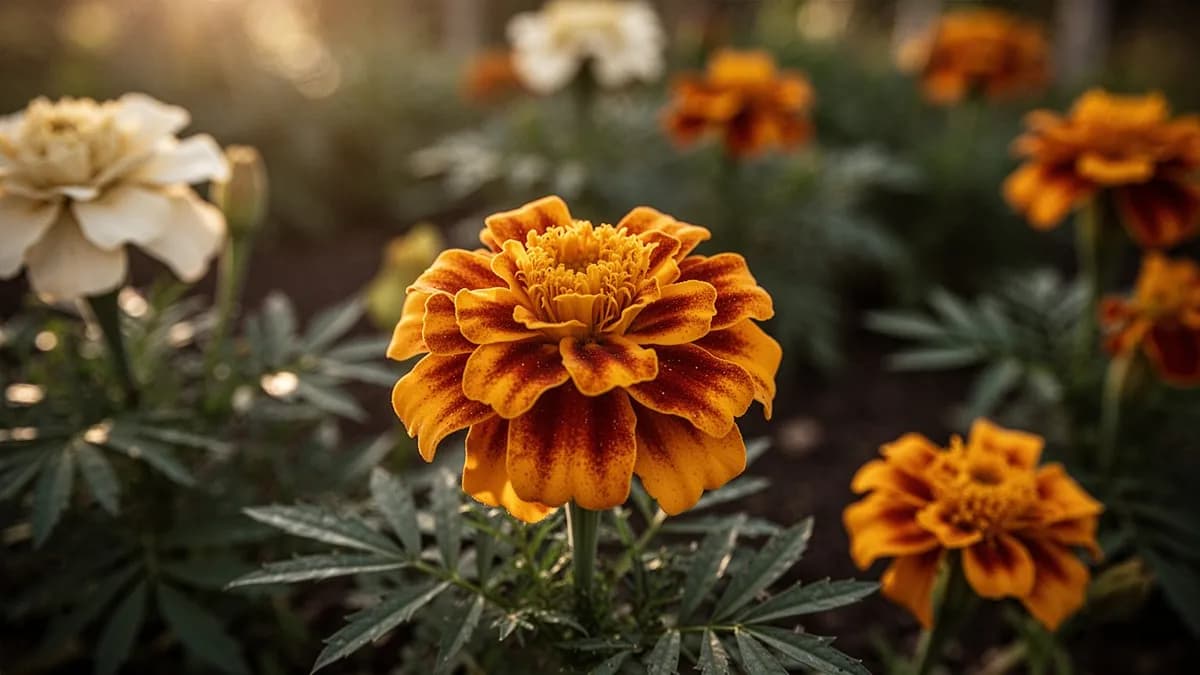
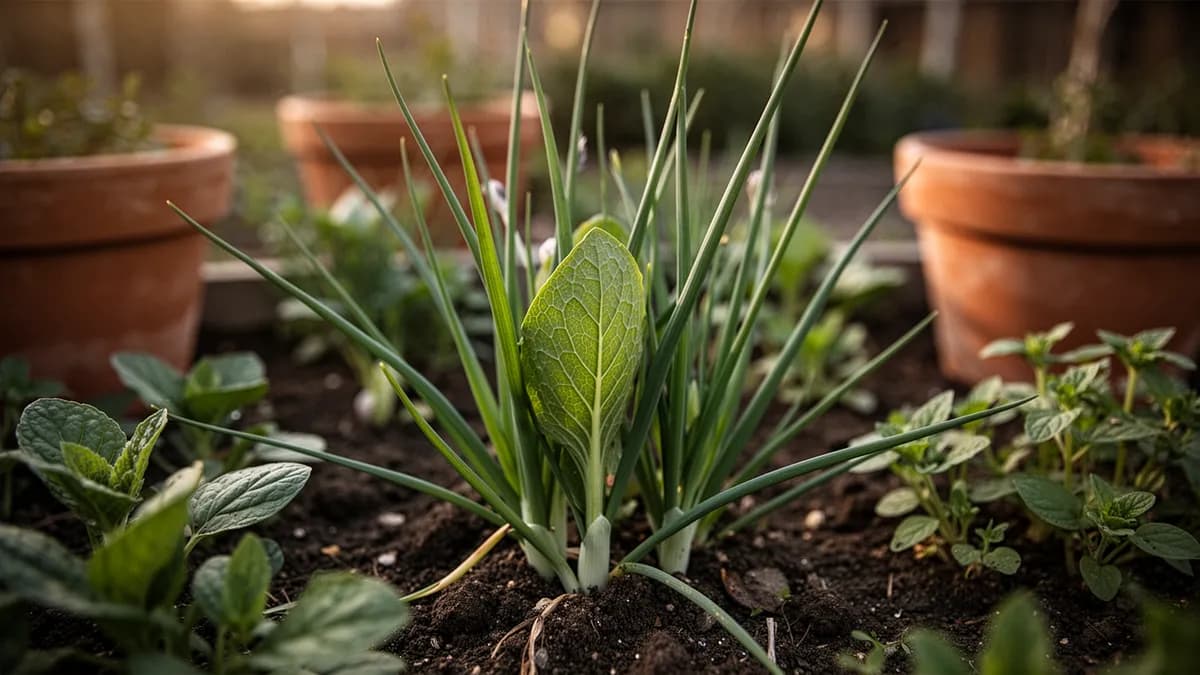
Plant alliums including garlic, chives, and ornamental onions around the base to deter peach tree borers. Tansy deters various flying pests. Crimson clover and hairy vetch fix nitrogen as cover crops beneath the canopy. Nasturtiums trap aphids away from the tree. Comfrey planted at the drip line accumulates potassium and other minerals. Keep the trunk area clear and mulched. Avoid walnut trees and their juglone-producing roots.
Garlic belongs beside it. Walnut Tree doesn't.
Old growers' knowledge, checked against Nectarine's real companion table below — test any plant you're growing.
Try Nectarine in a bed — right here
A real planner bed with Nectarine already in it. Tap a companion to place it and watch the pairing checks answer — green for good neighbours, red for a clash.


Related growing guides
Feed it well
Nectarines need well-drained sandy loam with a pH of 6.0 to 6.8. They are highly intolerant of wet feet and will develop root rot in poorly drained soil. Amend clay soils with compost and plant on raised mounds if necessary. Apply a balanced 10-10-10 fertilizer in early spring at one pound per year of tree age. Avoid excess nitrogen that promotes lush growth susceptible to disease. Calcium supplementation improves fruit quality and reduces susceptibility to bitter pit.
Ideal Temperature
Hardiness Zone Compatibility
From seed to harvest, stage by stage
Dormancy and Planting
Nectarine trees spend late autumn and winter in full dormancy, their smooth reddish-brown branches holding tightly closed, plump flower buds along the previous season's shoots. This rest period is not idle: the tree is accumulating the chilling hours — typically 600–900 hours below 7 °C for standard varieties — that are physiologically required to break dormancy evenly in spring. Without sufficient chilling, buds open late, unevenly, or not at all. Bare-root trees are best planted during this dormant window, when establishment stress is minimal and root growth can begin before canopy demands increase.
Bud Swell and Bloom
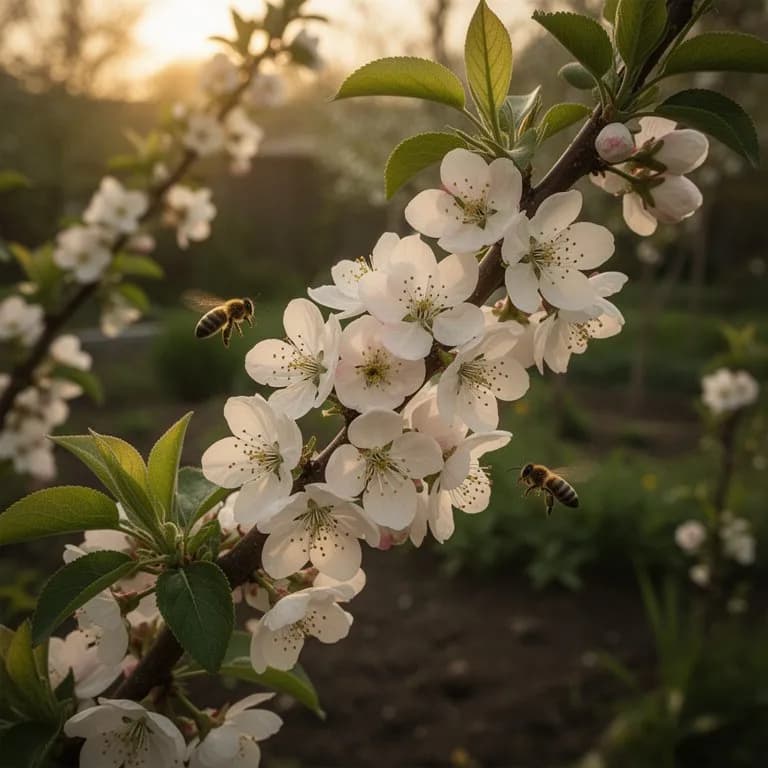
As days lengthen and temperatures climb in late winter, flower buds swell noticeably before bursting into vivid deep-pink blossoms — often weeks before a single leaf appears. Unlike most tree fruits, nectarines are self-fertile, meaning a solitary tree can set a full crop without a pollination partner, though bee activity markedly improves fruit set and uniformity. The bloom window typically lasts 10–14 days and is the season's most vulnerable moment: temperatures below −2 °C damage open flowers and below −4 °C can annihilate the entire crop. Late frosts are the most common cause of complete crop failure for home growers.
Fruit Set and Cell Division
Pollinated flowers shed their petals and the fertilized ovaries begin swelling into small green fruitlets. The tree invariably sets more fruit than it can bring to full size, and a natural self-thinning event — the June drop — removes the weakest. Remaining fruitlets grow through rapid cell division. Midway through this stage the pit calcifies and hardens to its final structure, temporarily slowing the rate of flesh expansion. This pit-hardening phase creates a brief critical demand for calcium and boron in the soil to ensure normal stone formation and healthy flesh development.
Rapid Fruit Expansion
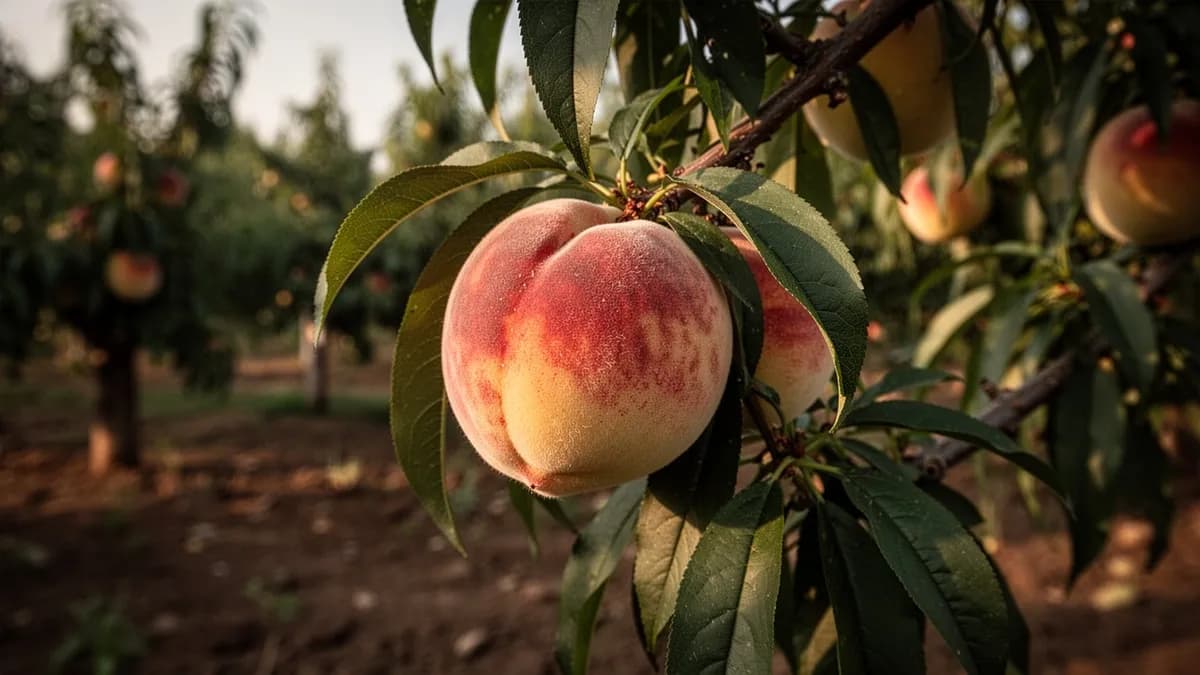
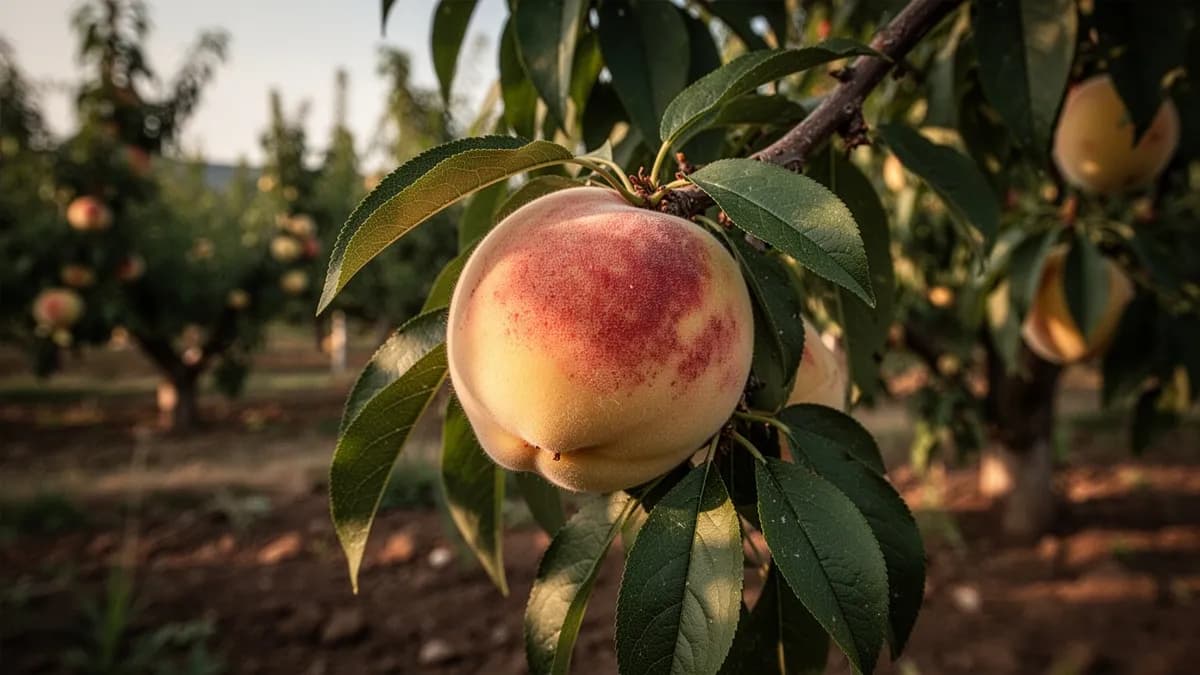
Following pit hardening, the nectarine enters its most dramatic growth phase. Cell expansion drives rapid size increase and the flesh begins accumulating sugars, organic acids, and the volatile aromatic compounds that define the fruit's characteristic flavor. The smooth skin transitions from solid green toward its mature ground color — rich golden-yellow in most varieties — and the sun-exposed cheek develops a deepening red blush as anthocyanin pigments respond to light and warmth. Water demand peaks during this period and any drought stress directly limits the size and sugar content of the final fruit.
Ripening and Harvest
Starch conversion to soluble sugars accelerates and the fruit's Brix level rises sharply. Chlorophyll breaks down in the skin, fully revealing the golden ground color beneath the red blush. The flesh softens progressively from the pit outward in freestone varieties. Volatile ester compounds are released in increasing concentration, producing the intoxicating peachy-nectarine fragrance. Most varieties ripen over a concentrated one-to-three-week window with fruit on the sunniest side of the canopy maturing several days ahead of the rest, requiring daily checking and multiple picking sessions.
Post-Harvest Recovery
With the crop removed, the tree redirects all photosynthetic energy into rebuilding root and woody tissue carbohydrate reserves, extending and thickening the current season's shoots, and initiating next year's flower and leaf buds within the axils of maturing growth. The quality and quantity of next season's crop is materially influenced by how well the tree is supported during this recovery phase. Leaf area must be preserved as long as possible to maximize photosynthesis before autumn leaf drop.
Leaf Fall and Early Dormancy
As temperatures drop and days shorten, the tree withdraws chlorophyll and other nutrients from its leaves, which yellow and fall to reveal the clean branch structure and next season's already-formed flower buds. The tree gradually enters the deep dormancy required to reset its physiology for the coming year. This structural visibility makes it the ideal time to assess the canopy, identify crossing or congested branches, and plan the forthcoming pruning work.
Plant bare-root trees in a sunny, sheltered position in well-drained soil enriched with compost. Dig a hole wide enough to spread roots without bending. Set the graft union 5–7 cm above the finished soil level. Water in thoroughly and apply a 10 cm mulch ring extending to the drip line, keeping mulch clear of the trunk. Apply a dormant horticultural oil spray to control scale insects and overwintering mite eggs.
Caring for Nectarine month by month
What to do each month for your Nectarine
October
You are hereApply a final pre-dormancy potassium and phosphorus feed to support root activity and bud differentiation. Continue light irrigation if conditions are dry. In mild climates this is a good time to plant container-grown trees. Check and adjust tree ties and stakes on young trees. Remove and dispose of all remaining leaf debris to reduce overwintering fungal inoculum.
Know exactly what to do in your garden — every month
One email at the start of each month: what to sow, plant, and tackle right now — for your Nectarine and everything growing around it. Plus a short starter course that helps you dodge the classic mistakes.
- What to do, right now
- Matched to your season
- Starter course included
Harvesting Nectarine
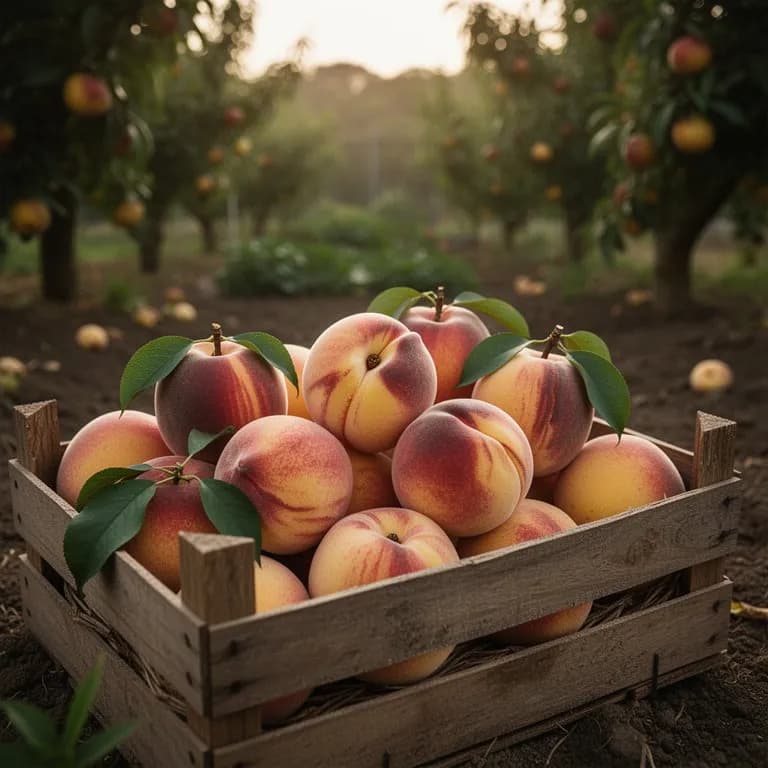
Nectarines ripen from late June through August depending on variety. They are ready when the background color shifts from green to yellow or creamy white and the fruit gives slightly to gentle pressure. The smooth skin shows bruises more readily than peaches, so handle gently. Pick by cupping and twisting. Nectarines continue to soften slightly after picking but do not increase in sweetness. Harvest every two to three days during peak ripening for best quality.
assuming you plant when the window opens — set your real date
Pick Nectarine promptly and the plant keeps producing.
Storage & Preservation
Ripe nectarines keep two to four days at room temperature or up to one week refrigerated. For freezing, slice and treat with lemon juice to prevent browning, then freeze on trays before bagging. Nectarines can beautifully in halves or slices in light syrup. The firm flesh makes excellent dried fruit slices. Nectarine jam and butter have a more intense, concentrated flavor than peach. Pickled nectarines with spices make an elegant condiment for cheese boards and charcuterie.
What goes wrong — and the fix
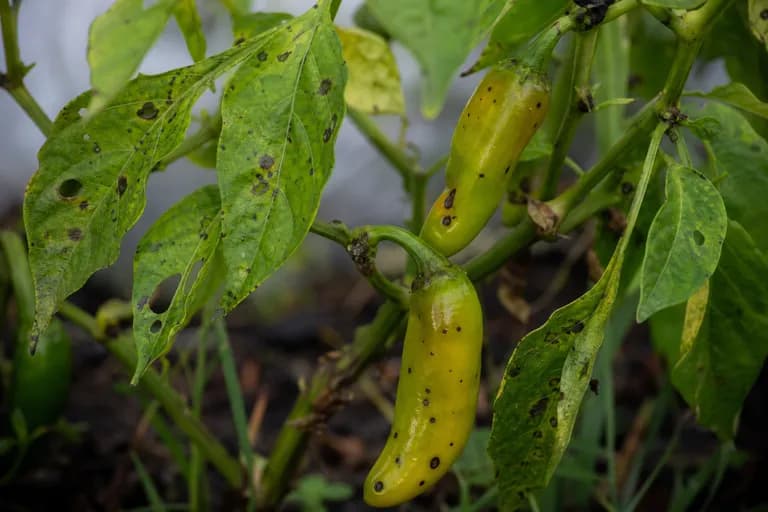
Bacterial Spot
DiseaseAngular, dark lesions on leaves that turn into shot holes. Dark, sunken pits on fruit surface. Nectarines are more susceptible than peaches due to their smooth skin.
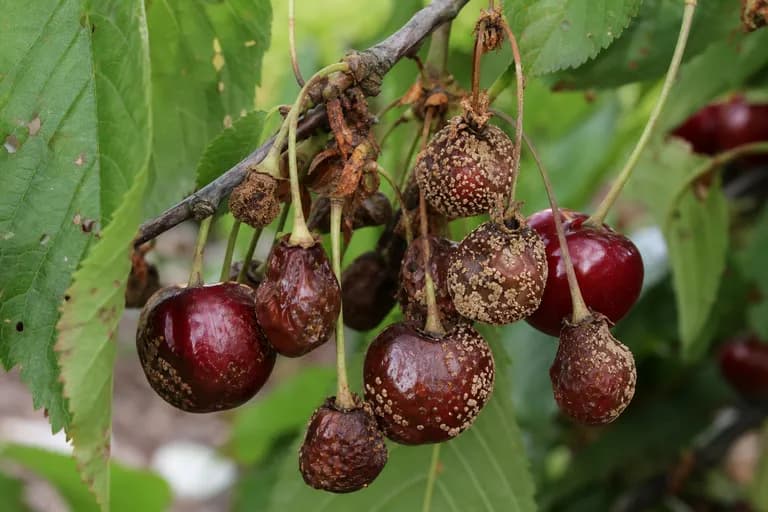
Brown Rot
DiseaseRapidly expanding brown rot on ripening fruit with tan powdery spore masses. The smooth nectarine skin provides less protection against infection than fuzzy peach skin.
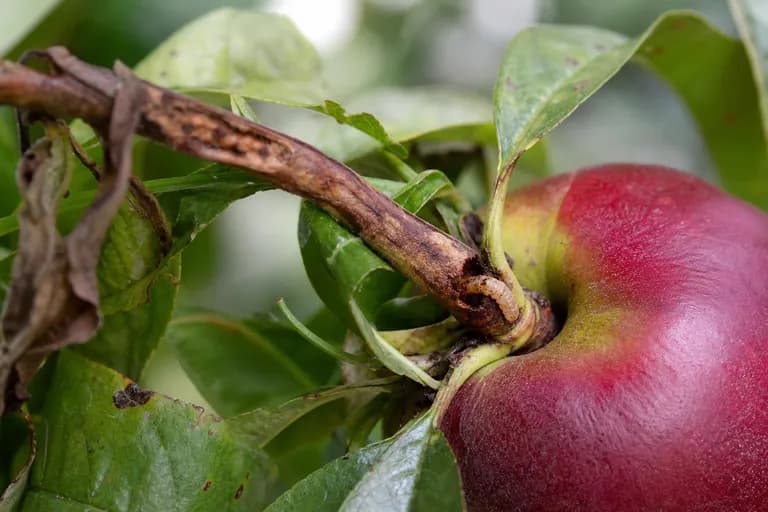
Peach Twig Borer
PestLarvae bore into new shoots causing wilting and flagging of tips. Later generations tunnel into fruit near the stem end.
Troubleshooting Common Problems
Nectarines are significantly more disease-prone than peaches due to their smooth skin, which lacks the protective fuzz barrier. Bacterial spot is particularly devastating in humid climates and limits nectarine cultivation in the Southeast without resistant varieties. Brown rot is a constant threat during warm, wet harvest seasons. Peach leaf curl requires unwavering dormant spray programs. Birds and wasps are strongly attracted to the smooth, fragrant fruit at ripeness.
Growing Tips
- Match your variety to your local winter chill hour accumulation before purchasing: standard varieties require 600–900 hours below 7 °C, while low-chill cultivars developed for mild-winter climates need only 150–400 hours. A mismatched variety will bloom erratically, set little or no fruit, and decline over time regardless of all other care.
- Plant in the sunniest available position with at least 6–8 hours of direct sunlight daily, ideally against a south-facing wall or fence (north-facing in the Southern Hemisphere) where reflected and stored heat advances ripening and provides a degree of frost protection during the critical bloom window.
- Annual open-center pruning is not optional — nectarines fruit exclusively on one-year-old wood, and without it the fruiting zone rapidly retreats to the outermost shoot tips of an increasingly tall, shaded canopy. Remove 25–35% of the previous season's growth each winter, maintaining three to five outward-radiating scaffold branches with an open, airy center.
- The single most impactful cultural task is fruit thinning: leave one nectarine every 15–20 cm along each branch once fruitlets reach marble size. This feels drastic but produces fruit that is measurably larger, sweeter, and richer in flavor than the small, watery crop of an unthinned tree, and it prevents branch breakage under excessive crop weight.
- Peach leaf curl is fully preventable but incurable once visible symptoms appear: apply a single well-timed copper hydroxide or lime-sulfur spray at the half-inch pink-bud stage in late winter. Missing this window means watching leaves blister and drop, after which the tree will produce a second healthy flush — but repeated annual infections progressively weaken the tree over time.
- Brown rot (Monilinia fructicola) can destroy an entire ripe crop within 72 hours of a warm rain event. Remove infected fruit the moment it is noticed, maintain good canopy airflow through pruning, apply a pre-harvest fungicide if conditions are warm and humid, and harvest promptly at peak ripeness rather than leaving fruit to hang on the tree.
- Water consistency during fruit expansion is more critical than total volume: a single severe dry period followed by heavy irrigation or rain in the final two to three weeks before harvest is the primary cause of skin cracking and pit splitting, which provide entry points for brown rot and render fruit unsaleable.
- Never plant a new nectarine tree in soil that previously grew a peach, nectarine, almond, or other Prunus species within the past five years: the soil pathogen complex associated with stone fruit replant disease can suppress new tree growth by 30–70% compared to a clean planting site.
- Container culture works well for nectarines on genetic dwarf or compact rootstocks in containers of at least 100 litres (25 gallons). Use a well-draining loam-based mix amended with compost and perlite, irrigate frequently during hot weather (potentially daily at peak summer), and fertilize monthly throughout the growing season with a balanced liquid feed.
- Protect young trunks against sunscald — bark cracking caused by rapid temperature fluctuations on the sunny south or southwest side in late winter — by whitewashing with diluted white latex paint or wrapping with commercial tree guards from ground level to the first scaffold branch for the first three to four years after planting.
Grow your best Nectarine yet — and everything around it.
Start a free plan today. Lay out your beds, drop in your Nectarine, and let PlotMyGarden handle the timing, spacing, companions and reminders from seed to harvest basket.
Pick your Nectarine
Fantasia
A classic yellow freestone nectarine with large fruit, bright red skin over yellow, and excellent sweet-tart flavor. Requires 600 chill hours. Ripens late July.
Independence
Early-ripening yellow nectarine with rich flavor and attractive red skin. Freestone with good disease resistance. Ripens late June to early July.
Arctic Jay
A white-fleshed nectarine with extraordinary sweetness and low acid. One of the best-flavored stone fruits available. Requires 700 chill hours. Ripens late July.
Sunraycer
A yellow nectarine with excellent bacterial spot resistance, making it ideal for humid eastern climates. Good flavor and reliable production.
Certified organic nectarines regularly retail for $7–12 USD per kilogram at specialty grocers and farmers markets, and even conventional fruit rarely falls below $4–6 per kilogram at peak season. A single well-maintained nectarine tree typically yields 25–70 kg of fruit annually over a productive lifespan of 12–15 years, representing a potential cumulative retail value of $1,000–$4,000 or more from a bare-root tree costing $25–55 at purchase. Beyond the financial return, home-grown nectarines harvested at true tree-ripeness deliver a depth of sweetness and fragrance that no commercially picked, refrigerated supermarket fruit — harvested firm and green for transport — can approach.
Quick recipes
Nectarine and Burrata Salad with Basil
10 minutesA stunning summer salad that needs no cooking and showcases perfectly ripe nectarines at their peak. The silky richness of fresh burrata balances the sweet-acid fruit, while torn basil and a drizzle of quality olive oil bring everything together. This dish is best assembled immediately before serving when the fruit is at room temperature for maximum fragrance.
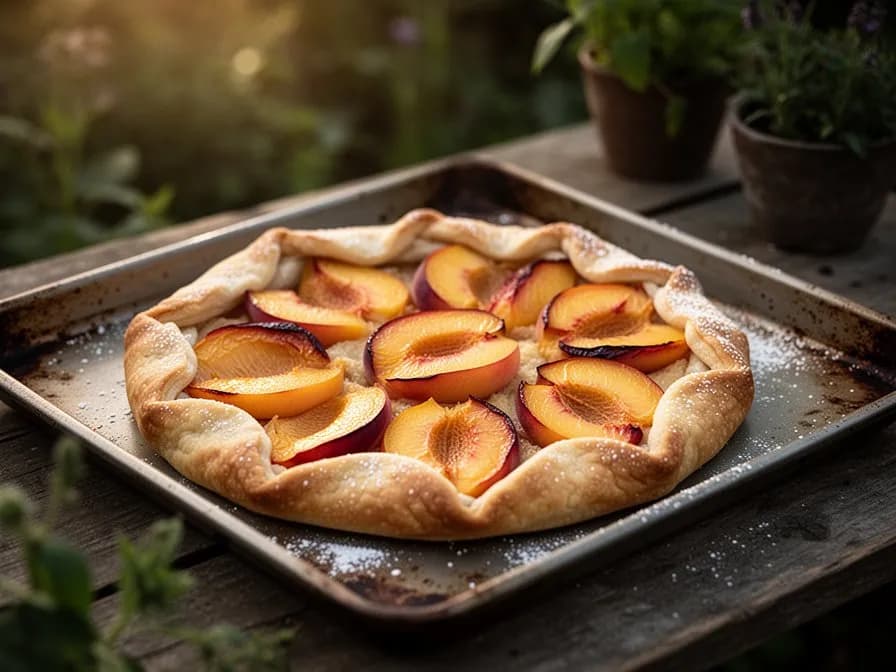
8 ingredientsNectarine Galette with Almond Cream
30 minutes (plus 35 minutes baking)A free-form rustic tart that is simpler than it looks and far more impressive than a crumble. A buttery shortcrust base is spread with fragrant almond cream, then topped with overlapping nectarine slices that caramelize at the edges as they bake. The almond cream absorbs the fruit juices during baking to form a tender, custardy layer beneath the fruit.
8 ingredientsQuick Nectarine Chutney
15 minutes active (40 minutes simmering)A spiced, tangy-sweet preserve that transforms a surplus nectarine harvest into a versatile condiment that keeps for months. Wonderful alongside aged cheddar and cold meats, spooned over grilled chicken or pork, or served as a table condiment with a cheese board. Makes approximately three 250-ml jars.
9 ingredientsCulinary Uses
Nectarines are outstanding eaten fresh, with a firmer texture and more concentrated flavor than peaches. They are excellent grilled, bringing out caramelized sugars that complement pork, duck, and goat cheese. Slice into salads with arugula, almonds, and burrata. Nectarine galettes and crisps showcase the fruit's intense flavor. The firm flesh holds up well in chutneys and relishes. Nectarine sorbet and ice cream offer a pure fruit experience.
What's inside
Health Benefits
- Rich in polyphenol antioxidants concentrated in the smooth edible skin — including chlorogenic acid, catechins, and anthocyanins — that help neutralize free radicals and have been associated in epidemiological studies with reduced risk of cardiovascular disease, certain cancers, and inflammatory conditions.
- Provides beta-carotene and cryptoxanthin that serve as precursors to vitamin A, supporting night vision and overall eye health, bolstering immune defense, and maintaining the integrity of skin, mucous membranes, and respiratory tract lining.
- Supplies potassium (201 mg per 100 g) alongside naturally very low sodium content, a combination that supports healthy blood pressure regulation and reduces cardiovascular strain — consistent with dietary recommendations for heart health.
- The dietary fiber content supports digestive regularity and feeds beneficial gut bacteria, contributing to a healthier gut microbiome that emerging research links to improved immunity, mood regulation, and long-term metabolic function.
- Vitamin C supports collagen synthesis for healthy skin, tendons, and blood vessel walls, enhances the absorption of non-heme iron from plant foods, and provides water-soluble antioxidant protection throughout the body's tissues and fluids.
- The combination of natural sugars, fiber, and water content gives nectarines a low-to-moderate glycemic response despite their sweetness, making them a suitable fruit choice for blood sugar management as part of a balanced diet.
Where Nectarine comes from
The nectarine shares its complete evolutionary and horticultural history with the peach (Prunus persica), since it is not a distinct species but a smooth-skinned variant of the same plant arising from a single recessive gene mutation. The peach itself was first cultivated in China at least 4,000 years ago, with archaeological evidence from Zhejiang Province suggesting wild harvesting as early as 6,000 BCE. From China, the peach traveled westward along the Silk Road through Central Asia into Persia — modern Iran — where it was so extensively grown that Greek and Roman scholars mistakenly identified Persia as its homeland, a geographical error immortalized in the species name persica. The smooth-skinned nectarine variant has likely arisen spontaneously as bud sports throughout the entire history of peach cultivation, but the earliest clear written references in English date to 1616, with the name itself derived from the Greek nektar, the drink of the gods, reflecting the fruit's prized sweetness and fragrance. The fruit was well established in Italian and French Renaissance gardens by the 16th and 17th centuries, appearing in the royal gardens of Fontainebleau under the patronage of Henri IV of France and in the botanical writings of leading herbalists of the period. Spanish missionaries and colonists carried peaches — and with them, nectarines — to the Americas during the 16th century, planting orchards from the Caribbean to Florida and Mexico. Native American peoples adopted the stone fruits enthusiastically and spread them far beyond Spanish settlements, so that by the time large-scale European colonization of eastern North America began, the trees appeared to many settlers to be native plants. The 19th and 20th centuries brought systematic breeding programs in the United States, Australia, and Europe that produced the modern named nectarine varieties we grow today — from the classic Fantasia and Flavortop developed in California to low-chill varieties bred for warm-winter climates in Australia, South Africa, and the Mediterranean basin. Today nectarines are grown commercially on every continent except Antarctica, with global production integrated into the broader stone fruit industry. Home gardeners consistently find that nectarines harvested at true tree-ripeness are among the most extraordinarily flavored fruits that can be grown in a temperate garden, a quality that commercially picked, cold-stored supermarket fruit rarely approaches.
Nectarine: did you know?
Fascinating facts about Nectarine
Nectarines are not a separate species from peaches — they are Prunus persica carrying a single recessive gene mutation that suppresses the trichomes (tiny hairs) responsible for peach fuzz. Genetically, a nectarine and a peach are essentially identical plants.
Nectarine questions, answered
When should I plant Nectarine?
What are good companion plants for Nectarine?
What hardiness zones can Nectarine grow in?
How much sun does Nectarine need?
How far apart should I space Nectarine?
What pests and diseases affect Nectarine?
How do I store Nectarine after harvest?
What are the best Nectarine varieties to grow?
What soil does Nectarine need?
What is the difference between a nectarine and a peach?
Why does my nectarine tree bloom beautifully but produce almost no fruit?
How do I prevent or manage peach leaf curl on my nectarine?
When is the right time to harvest nectarines, and how do I tell?
How do I deal with brown rot destroying my nectarines at harvest time?
Can I grow a nectarine tree successfully in a pot or very small garden?
You just read the theory. Now grow it on autopilot.
Everything that makes Nectarine fiddly — the timing, the spacing, the companions, the harvest window — is exactly what PlotMyGarden handles for you, for every plant in your garden.
A plan that knows your weather
Set your location once. Get sow, feed and harvest dates built around your real last-frost date and live forecast — no more guessing from a generic seed packet.
From the “When to plant” sectionDrag-and-drop bed planner
Design beds on a grid. Every plant snaps to its proper spacing, and you can see your whole season laid out before you spend a cent on seed.
From the “Growing guide” sectionCompanion conflicts, caught early
200+ good-and-bad pairings checked live as you plant — so a season-wrecking mistake never makes it into the ground.
From the “Companions” sectionReminders you'll actually act on
“Water the beans.” “Pick today before it turns.” Timely, specific, and tied to the plants you're really growing.
From the “Harvest” sectionSuccession, scheduled
Want a harvest for six weeks, not six days? It spaces your sowings automatically and reminds you when each new block is due.
From the “When to plant” sectionA record that gets smarter
Every harvest you log teaches it your garden. Next year's plan starts from what actually worked in your soil, not a textbook's.
From the “Overview” sectionPlant these alongside Nectarine
More Stone Fruits
Keep Nectarine away from these
Grow your best Nectarine yet — and everything around it.
Start a free plan today. Lay out your beds, drop in your Nectarine, and let PlotMyGarden handle the timing, spacing, companions and reminders from seed to harvest basket.