White Nectarine
A smooth-skinned nectarine with white flesh combining the sweetness of white peaches with the firm, fuzzless skin of nectarines.





On this pageOverview
Meet White Nectarine
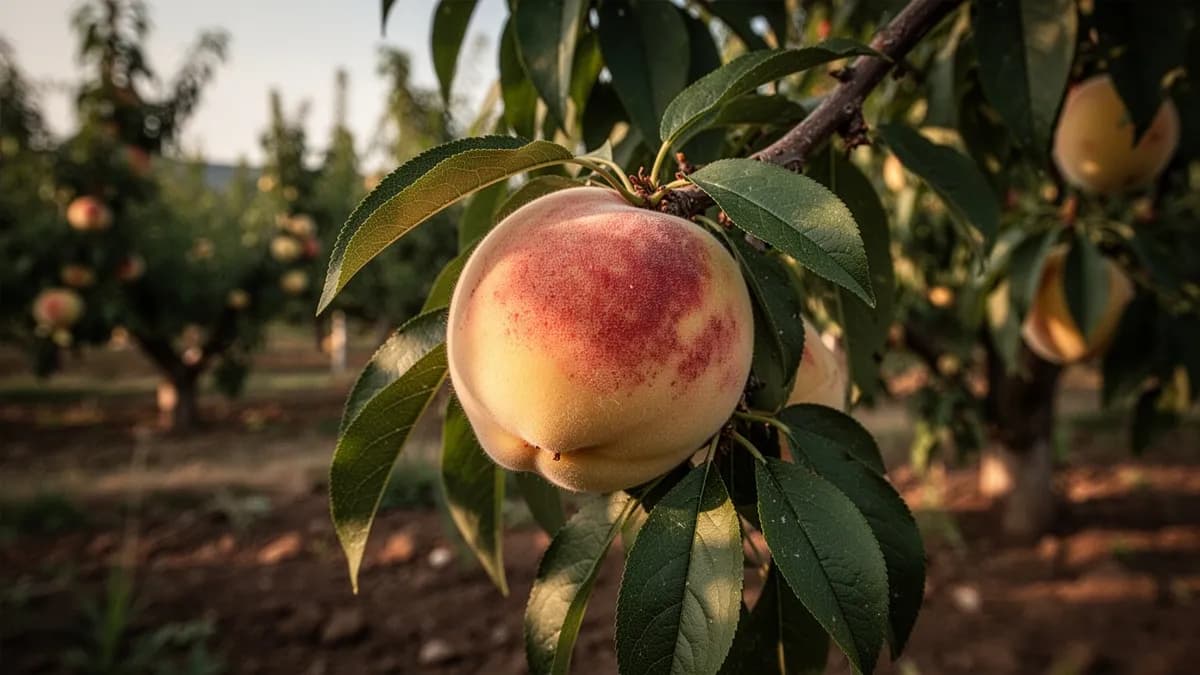
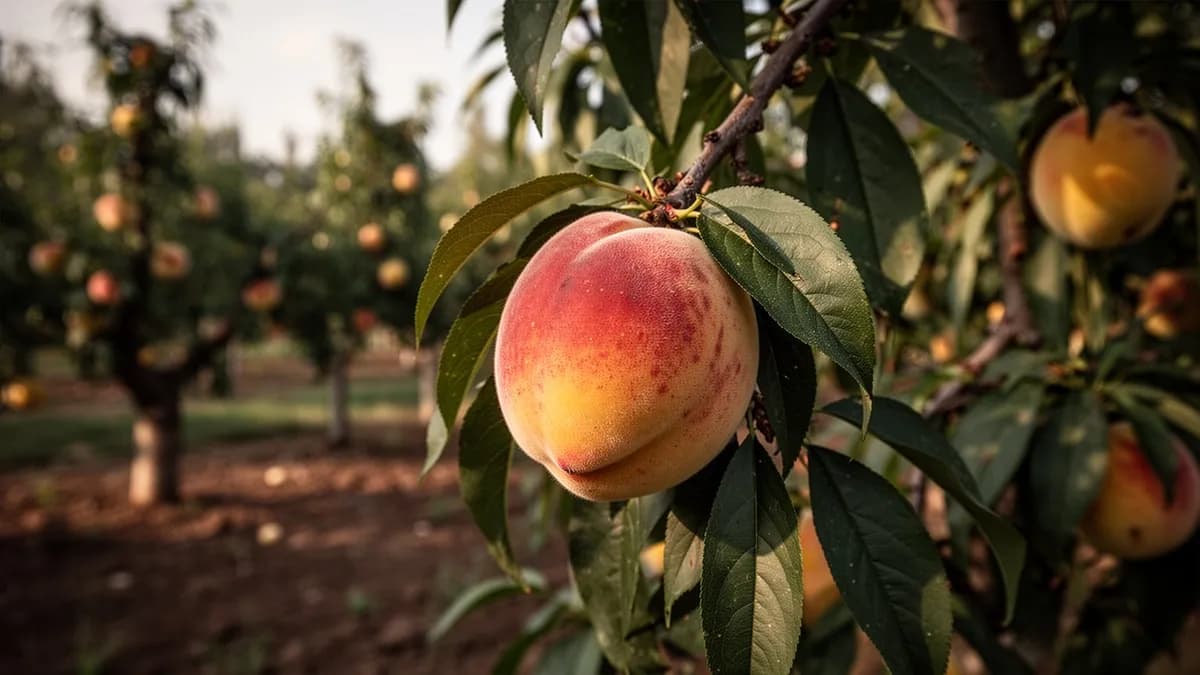
A smooth-skinned nectarine with white flesh combining the sweetness of white peaches with the firm, fuzzless skin of nectarines. White nectarines have a more sub-acid, aromatic flavor profile that many consider superior to yellow varieties. Handle carefully as the thin skin and soft flesh bruise very easily.
When to plant White Nectarine
White nectarine pits require 90 to 120 days of cold stratification. Seedlings from white nectarine pits produce variable offspring that may have yellow flesh, fuzzy skin, or other characteristics differing from the parent. For guaranteed white nectarine fruit, purchase grafted trees on Lovell, Nemaguard, or Citation rootstock. Grafted trees bear in two to three years. The Arctic series of white nectarines from Zaiger Genetics are among the most highly regarded for home gardens.
Your White Nectarine Year
Composed for Zone 7 · typical seasons · frost passes Apr 2, returns Nov 1
Plant White Nectarine Mar – Apr, pick Jul – Aug. Check the planting methods below and set your climate to personalize these windows.
How to grow White Nectarine
White nectarines grow in USDA zones 5 through 9 with chill hour requirements varying by cultivar from 400 to 800 hours. Plant bare-root trees in late winter in a full sun location with excellent air drainage and well-drained soil. Space 15 to 20 feet apart for standard trees. White nectarines combine the disease vulnerability of smooth nectarine skin with the bruise-prone softness of white peach flesh, requiring extra attention to cultural practices.
Prune to an open vase shape, removing one-third of last year's growth annually. Aggressive thinning to six to eight inches between fruit is essential for white nectarines, as overcrowded fruit encourages brown rot in the humid microclimate between touching fruits. The thin skin and delicate flesh demand the gentlest handling during thinning and harvest.
Apply dormant copper or lime-sulfur spray twice during winter to prevent peach leaf curl. Fertilize moderately in early spring with a balanced fruit tree formula. White nectarines benefit from reduced irrigation two weeks before harvest to concentrate their naturally high sugars. The trees produce gorgeous pink spring blossoms and are moderately vigorous growers that respond well to training.
White Nectarine needs more room than a 4 × 8 ft bed gives
Each White Nectarine wants 300 cm of elbow room. The planner keeps that spacing for you — every plant, every bed.
White Nectarine's best neighbours
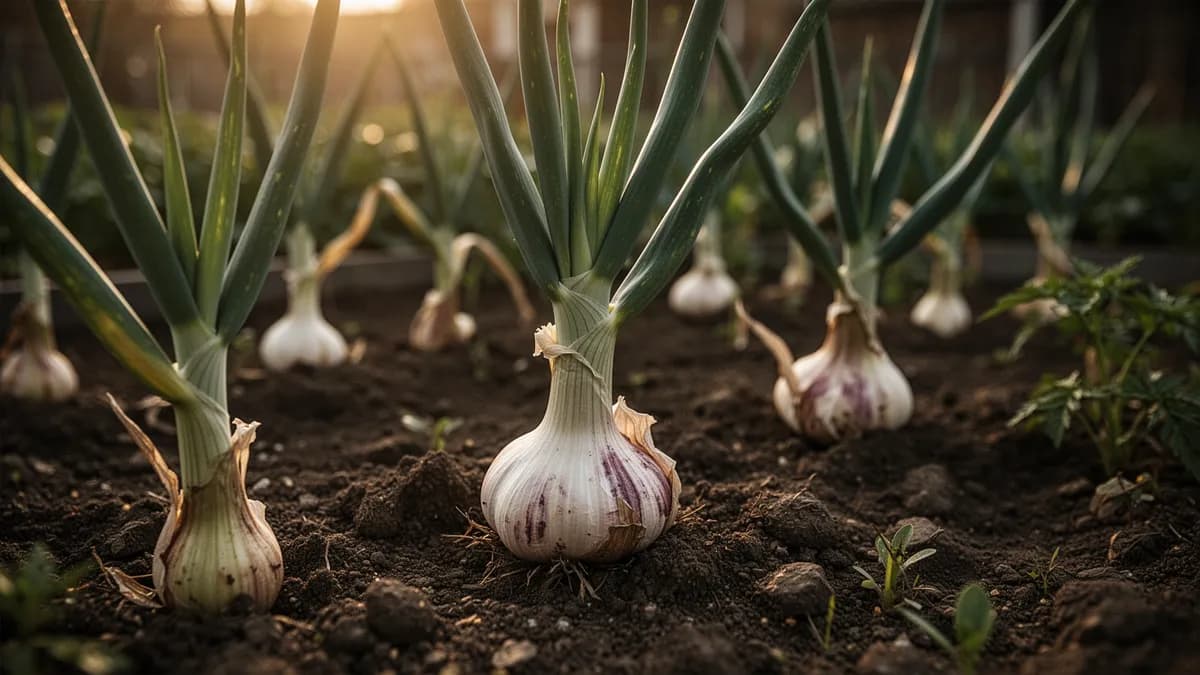
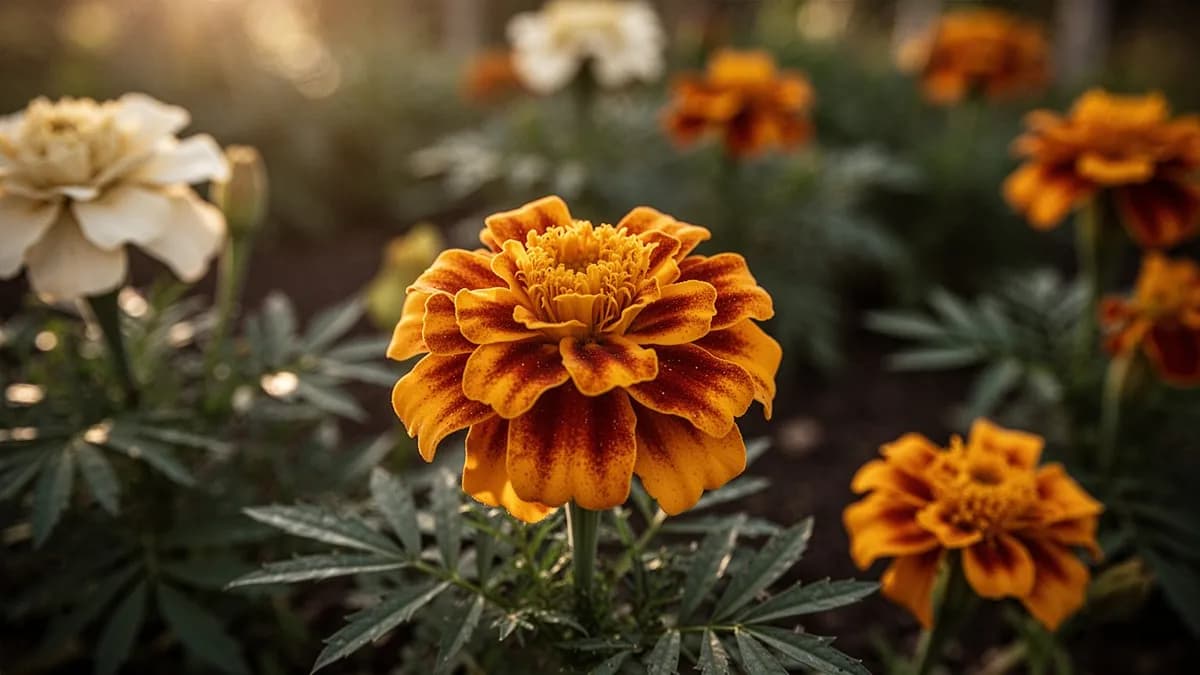
Follow the same companion planting strategy as other stone fruits. Plant garlic and chives around the base to deter borers. Tansy and marigolds repel flying pests. Use nitrogen-fixing cover crops like clover beneath the canopy. Bird netting support structures can double as trellises for climbing companion plants like peas in spring before the tree leafs out. Avoid walnut trees and aggressive root competitors.
Garlic belongs beside it. Walnut Tree doesn't.
Old growers' knowledge, checked against White Nectarine's real companion table below — test any plant you're growing.
Try White Nectarine in a bed — right here
A real planner bed with White Nectarine already in it. Tap a companion to place it and watch the pairing checks answer — green for good neighbours, red for a clash.


Related growing guides
Feed it well
White nectarines require perfectly drained sandy loam with a pH of 6.0 to 6.8. Any waterlogging leads rapidly to root rot and tree death. Plant on raised mounds in heavier soils. Apply a moderate amount of balanced fertilizer in early spring. Avoid excessive nitrogen that promotes soft, disease-susceptible growth. Calcium applications improve fruit firmness and storage life. Potassium supports sugar development in the fruit. Maintain light organic mulch around the drip line.
Ideal Temperature
Hardiness Zone Compatibility
From seed to harvest, stage by stage
Dormancy
Through late autumn and into mid-winter the white nectarine tree is fully dormant. Its leafless silhouette reveals reddish-brown one-year-old shoots studded with plump, pointed flower buds — the genetic promise of next season's crop already formed. Below ground, the root system remains active at lower intensity, absorbing stored carbohydrates from the woody tissue and accumulating the chilling hours that will synchronize spring flowering. This physiological rest period is non-negotiable: insufficient chilling leads to erratic bud break, poor fruit set, and reduced vigor in the coming season.
Bud Swell and Bloom
As late-winter temperatures climb, flower buds begin visibly swelling and then burst into soft pink, five-petaled blossoms — often one of the first and most spectacular floral events in the stone fruit garden. White nectarines are self-fertile, so a solitary tree can set a full crop without a second tree nearby, though insect activity during the seven-to-fourteen-day bloom window significantly improves uniformity of set. The blossoms are highly frost-sensitive: temperatures below -2 °C damage open flowers and below -4 °C can eliminate the season's entire crop in a single night.
Fruit Set and Early Cell Division
Petals fall and fertilized ovaries swell rapidly into small green fruitlets. The tree sets more fruit than it can develop to full size, and a natural self-thinning event — the June drop — eliminates many of the weakest fruitlets. Those that remain grow quickly as cells divide. Midway through this stage the pit calcifies into its final hard stone, temporarily slowing visible fruit expansion and signaling a peak demand for calcium and boron. White-fleshed varieties are beginning to develop the low-acid chemistry that defines their honeyed flavor — genetics expressed from the earliest stages of development.
Rapid Fruit Expansion
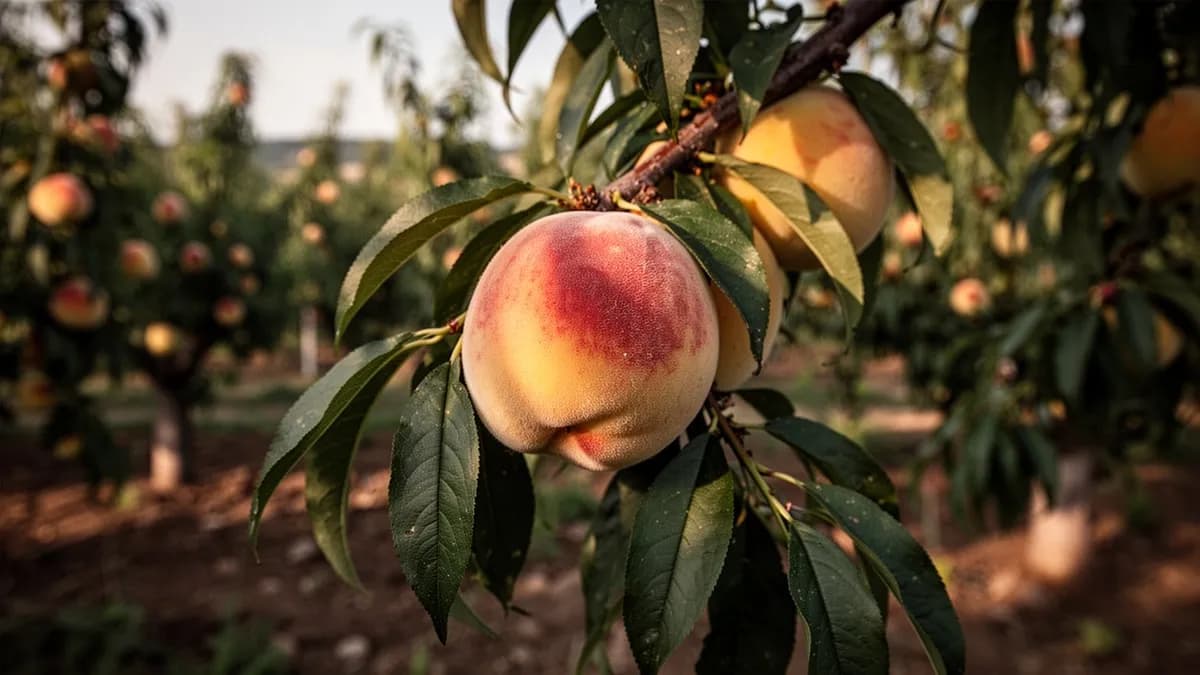
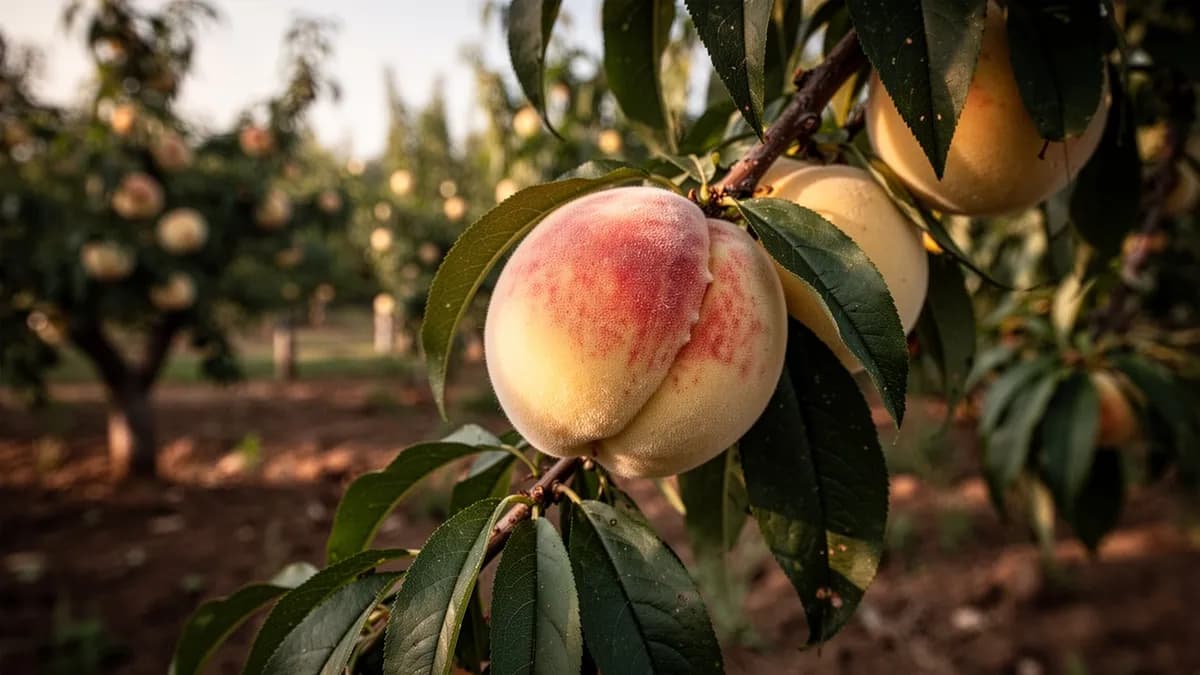
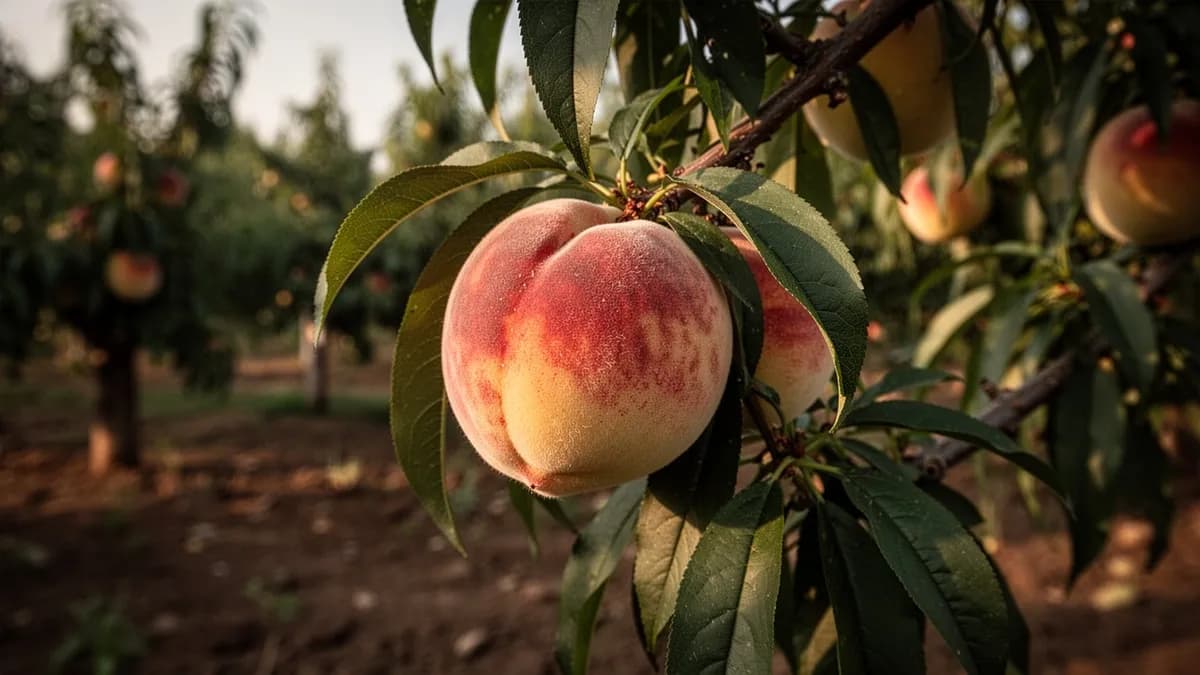
Following pit hardening, the fruit enters its most visible growth phase. Cell expansion drives dramatic size increases, and the characteristic low-acid sugar compounds and fragrant volatile esters begin accumulating in the white flesh. The skin transitions from green toward its mature ground color of creamy ivory or pale gold, while the sun-exposed cheek develops a deepening red to crimson blush driven by anthocyanin pigments. Water demand peaks significantly during this stage — any moisture stress directly and irreversibly reduces final fruit size and compromises the delicate flavor balance that makes white nectarines exceptional.
Ripening and Harvest
Chlorophyll breaks down in the skin and the creamy ground color fully develops beneath the crimson blush. The white flesh softens progressively from the pit outward, converting residual starch to the abundant sugars that give ripe white nectarines their remarkably high Brix readings — often 14–18° in well-managed home orchards. Acidity, already naturally lower in white-fleshed genetics, drops further as the fruit matures, producing the distinctive sweet, almost wine-like flavor. The intense honeyed perfume intensifies as volatile esters are released from the skin. Harvest windows are typically concentrated over ten to twenty days, demanding frequent checks.
Post-Harvest Recovery
After the final harvest, the tree channels all photosynthetic energy into replenishing root carbohydrate reserves, extending and maturing the current season's shoots, and initiating the flower buds — already visible within shoot axils — that will produce next year's fruit. The quality of the following season's crop depends significantly on how well the tree rebuilds during this six-to-ten-week window before leaf fall. Continued leaf health is therefore critical through autumn.
Use this window for all major structural pruning. Establish and maintain a three-to-five scaffold open-center vase shape with no central leader. Apply a dormant-season horticultural oil spray on a frost-free day above 4 °C to control overwintering scale insects, mite eggs, and fungal spores. Remove and dispose of any mummified fruit still clinging to branches, as these harbor brown rot and oriental fruit moth overwintering populations.
Caring for White Nectarine month by month
What to do each month for your White Nectarine
October
You are hereApply a final low-nitrogen fertilizer before dormancy to support root activity and flower bud development. Continue deep watering if autumn rainfall is insufficient for the soil to hold adequate moisture through winter. In mild climates this is a good time to plant container-grown trees. Inspect stakes and ties on young trees.
Know exactly what to do in your garden — every month
One email at the start of each month: what to sow, plant, and tackle right now — for your White Nectarine and everything growing around it. Plus a short starter course that helps you dodge the classic mistakes.
- What to do, right now
- Matched to your season
- Starter course included
Harvesting White Nectarine
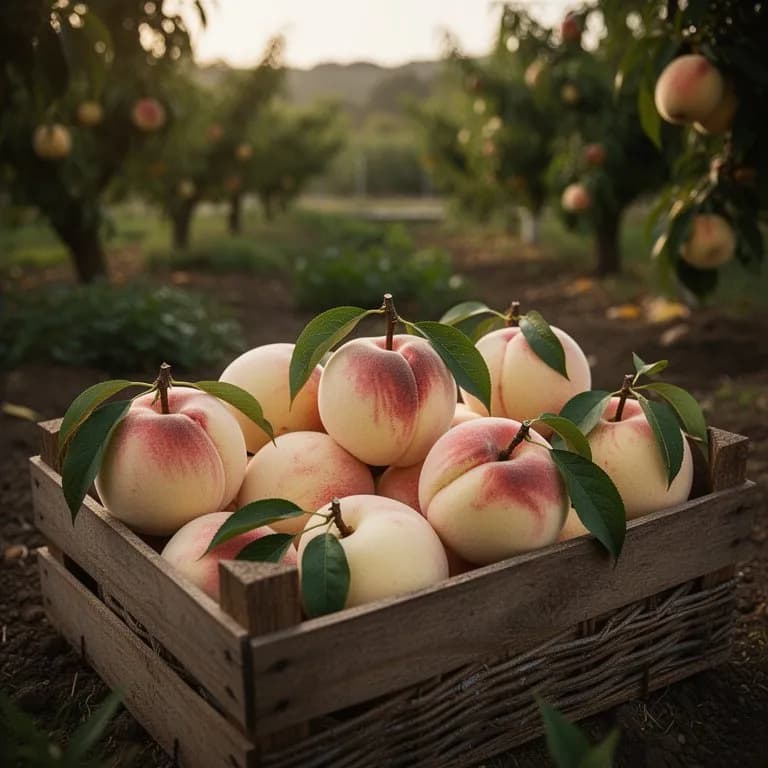
White nectarines ripen from late June through August. Harvest when the background skin color changes from green to creamy white and the fruit gives slightly to very gentle pressure. The aromatic fragrance intensifies at peak ripeness. Handle with extreme care as white nectarines bruise at the slightest contact. Place directly into single-layer containers lined with soft material. Pick every other day during peak ripening. The delicate flavor deteriorates quickly after optimum ripeness.
assuming you plant when the window opens — set your real date
Pick White Nectarine promptly and the plant keeps producing.
Storage & Preservation
White nectarines have the shortest shelf life of all stone fruits, keeping only one to three days at room temperature and up to five days refrigerated. Eat or process quickly after harvest. Freeze sliced fruit with lemon juice for smoothies and baking. The delicate white flesh makes exquisite preserves and sorbets. Dehydrated slices concentrate the aromatic flavor into chewy snacks. Process immediately after harvest for best quality and flavor preservation.
What goes wrong — and the fix
Brown Rot
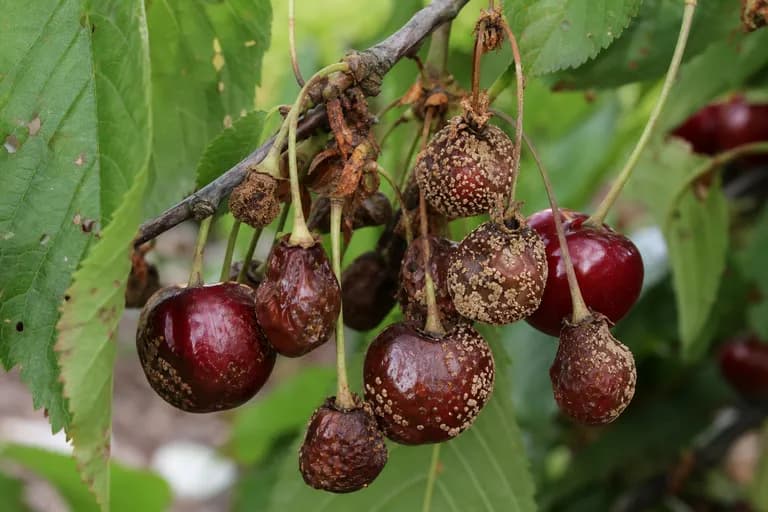
DiseaseRapidly spreading brown decay on ripening fruit with powdery spore masses. White nectarines are among the most susceptible stone fruits due to smooth, thin skin and high sugar content.
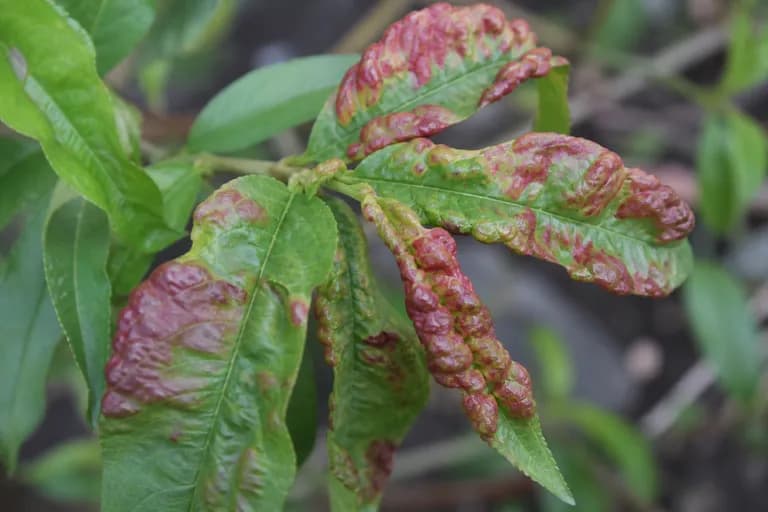
Peach Leaf Curl
DiseaseThickened, reddish, distorted leaves in spring. Reduces tree vigor and fruit production. Cannot be treated once symptoms appear.
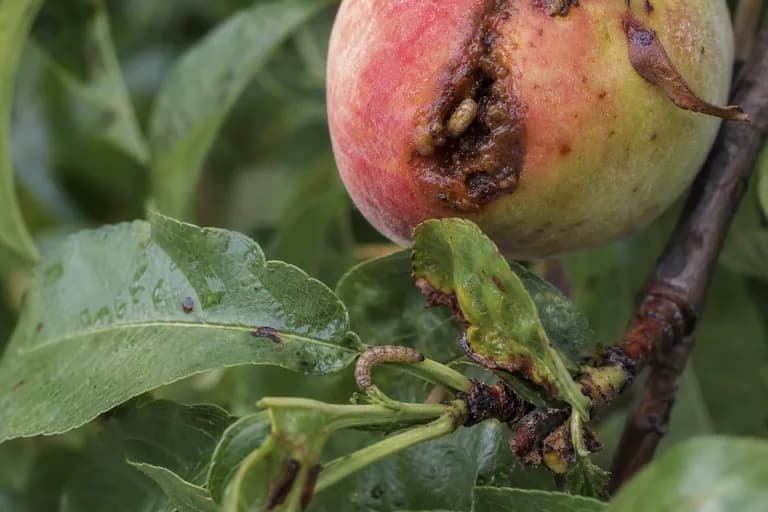
Oriental Fruit Moth
PestFlagging of shoot tips from larval boring. Later generations enter fruit near the stem, tunneling through the sweet white flesh.
Troubleshooting Common Problems
White nectarines combine every vulnerability of stone fruits: the disease susceptibility of smooth nectarine skin, the bruise-prone softness of white peach flesh, and the short shelf life of both. Commercial production is extremely challenging. Home gardeners succeed by accepting lower yields in exchange for unmatched flavor. Bird netting is often essential as the aromatic, sweet fruit attracts heavy bird pressure. Wasps and yellow jackets can destroy ripening fruit within hours.
Growing Tips
- White nectarines have thin, fragile skin that splits or bruises far more readily than yellow-fleshed varieties — this is precisely why commercial growers abandoned them and why home gardeners treasure them. Handle harvested fruit as gently as possible, using cupped hands rather than fingertip grips, and never stack more than two layers deep in harvest containers.
- Match your variety to your local winter chilling hour accumulation before purchasing: a standard-chill white nectarine variety planted in a mild-winter climate will bloom erratically and set almost no fruit, while a low-chill variety planted in a genuinely cold climate may break dormancy dangerously early and lose its blossoms to spring frost. Research your local average annual chill accumulation carefully.
- Plant against a south-facing wall or solid fence (north-facing in the Southern Hemisphere) wherever possible: the reflected heat advances ripening by one to two weeks and the thermal mass of the wall provides meaningful frost protection during bloom — the most critical and vulnerable moment of the entire growing year.
- Peach leaf curl affects nectarines with equal severity to peaches and is entirely preventable but completely incurable once symptoms appear. A single well-timed copper or lime-sulfur spray applied in late winter at the bud swell stage provides near-complete season-long protection. If you miss this window, the affected leaves will drop and healthy new growth will follow, but repeated annual infections progressively exhaust the tree.
- Because nectarines fruit exclusively on one-year-old wood, annual dormant pruning removing approximately 30–40% of the previous season's growth is not optional — it is the fundamental mechanism by which you maintain productive fruiting capacity throughout the entire canopy. An unpruned nectarine tree rapidly concentrates all fruiting at the outermost canopy tips, producing small, poor-quality fruit and leaving the interior structurally unproductive.
- The open-center vase pruning system is especially important for white nectarines because their thin skin and susceptibility to brown rot mean that airflow through the canopy directly influences whether ripe fruit survives to harvest. A dense, crowded canopy traps humidity around the fruit in the final ripening stage, which is when brown rot pressure is highest.
- Fruit thinning is the highest-return task in white nectarine cultivation: leaving one fruit every 15–20 cm concentrates the tree's carbohydrate reserves, producing fruit that is measurably larger, higher in Brix, and with the pronounced honey-sweet fragrance characteristic of fine white-fleshed nectarines. Crowded, unthinned fruit is small, bland, and more susceptible to splitting and rot.
- Brown rot (Monilinia fructicola) is the most destructive disease of white nectarines at harvest and can destroy an entire ripening crop within three days of a warm rain event. Remove infected fruit the moment it is discovered, apply a pre-harvest fungicide spray if weather is warm and wet, maintain good canopy airflow through consistent pruning, and harvest promptly at peak ripeness rather than allowing fruit to linger on the tree.
- Never plant a white nectarine — or any Prunus species — in soil where stone fruit has grown within the previous five years. The soil pathogen complex known collectively as replant disease suppresses new tree establishment by 30–70%, manifesting as stunted growth, poor vigor, and reduced fruiting for years. Choose a fresh site or fumigate the old site according to local extension service guidance.
- In humid climates, reduce overhead irrigation in the final three to four weeks before harvest: wet fruit surfaces during the ripening period dramatically increase brown rot spore germination and penetration through the thin white nectarine skin. Switch to drip or soaker hose irrigation for the final stages of fruit development whenever possible.
Grow your best White Nectarine yet — and everything around it.
Start a free plan today. Lay out your beds, drop in your White Nectarine, and let PlotMyGarden handle the timing, spacing, companions and reminders from seed to harvest basket.
Pick your White Nectarine
Arctic Star
A large white freestone nectarine with outstanding sweet, complex flavor. One of the most popular white nectarines. Requires 600 chill hours. Ripens early July.
Arctic Jay
Considered by many to have the finest flavor of any stone fruit. Extremely sweet white flesh with complex aromatic notes. Freestone. Ripens late July.
Snow Queen
Early-ripening white nectarine with good sweetness and red-blushed skin. Semi-freestone. Requires 400 chill hours. Ripens late June.
Arctic Rose
A mid-season white nectarine with excellent flavor and beautiful rose-blushed skin. Freestone. Good productivity and manageable tree size.
Certified organic white nectarines — when available at all — command $8–14 USD per kilogram at specialty grocers and farmers markets due to their fragility and limited commercial production. Even conventional nectarines rarely drop below $4–6 per kilogram during peak season. A single well-maintained white nectarine tree typically yields 20–50 kg of fruit annually over a productive lifespan of twelve to fifteen years, representing a potential cumulative retail value of $960–$4,200 or more from a tree whose bare-root purchase price is typically $25–55. Beyond the financial calculation, home-grown white nectarines harvested at genuine tree-ripeness deliver a flavor — honeyed, fragrant, almost wine-like — that is essentially unavailable at any price in commercial retail, because the fruit is simply too delicate to survive commercial picking, packing, and transport while still retaining its exceptional quality.
Quick recipes
White Nectarine and Burrata Salad
10 minutesAn effortless summer salad that pairs the honey-sweet, low-acid flesh of ripe white nectarines with creamy burrata and peppery rocket in a combination that takes less than ten minutes to assemble but looks and tastes spectacular. The natural sweetness of the fruit needs no enhancement beyond good olive oil and a few flakes of sea salt.
8 ingredients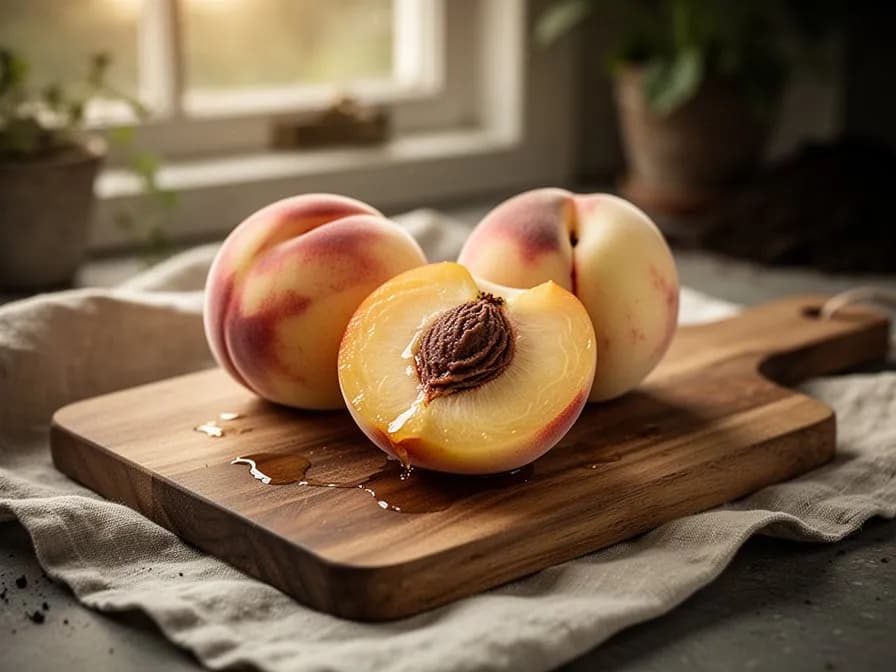
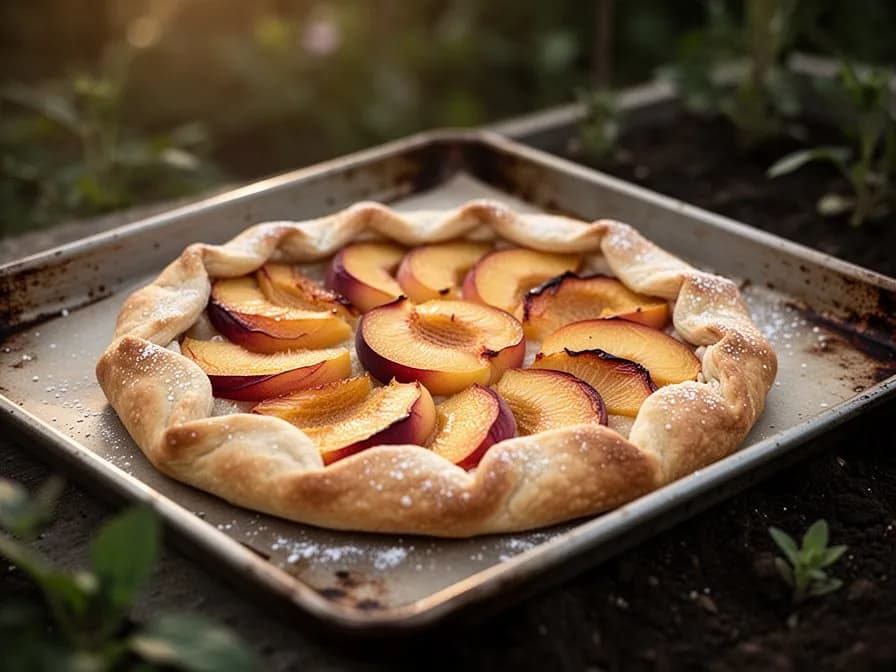
White Nectarine Galette
25 minutes prep, 35 minutes bakingA rustic free-form tart that celebrates the extraordinary flavor of home-grown white nectarines with minimal fuss. The buttery pastry caramelizes at the edges while the fruit juices bubble and concentrate in the center, creating a dessert of deceptive elegance that requires no special equipment or pastry skills.
9 ingredientsQuick White Nectarine Jam
15 minutes prep, 35 minutes cookingA straightforward stovetop jam that captures the honeyed delicacy of white nectarines without commercial pectin. Because white-fleshed nectarines are low in acid, a generous amount of lemon juice is essential both for flavor balance and for activating the fruit's natural pectin. Makes four 250-ml jars that keep sealed for up to twelve months.
5 ingredientsCulinary Uses
White nectarines offer arguably the finest flavor of any stone fruit, with a complex sweetness and floral aroma best appreciated fresh and unadorned. Slice over mascarpone or vanilla panna cotta. The pale flesh makes stunning sorbets and ice creams. Pair with prosciutto and burrata for an elegant appetizer. White nectarine preserves have a refined, delicate character. Use in tarts and galettes where the subtle flavor can shine.
What's inside
Health Benefits
- Rich in polyphenol antioxidants — particularly chlorogenic acid, catechins, and quercetin concentrated in the smooth, edible skin — that neutralize free radicals and may reduce the long-term risk of cardiovascular disease, type 2 diabetes, and certain cancers.
- Provides beta-carotene and cryptoxanthin, carotenoid compounds that the body converts to vitamin A as needed to maintain healthy vision including night vision and reduced risk of age-related macular degeneration, immune function, and skin cell regeneration.
- The dietary fiber content, including soluble pectin, feeds beneficial gut bacteria, supports regular bowel function, and contributes to a healthier gut microbiome with well-established links to improved mood, reduced inflammation, and long-term metabolic health.
- Potassium and the naturally very low sodium content of fresh nectarines work together to support healthy blood pressure regulation and reduce cardiovascular strain, making them a particularly heart-appropriate choice for daily summer consumption.
- Anti-inflammatory polyphenols in the flesh and skin may help modulate the body's systemic inflammatory response, with emerging research suggesting possible benefits for inflammatory conditions including arthritis, metabolic syndrome, and post-exercise muscle recovery.
- Vitamin C supports collagen synthesis essential for healthy connective tissue, wound healing, and non-heme iron absorption from plant foods, while simultaneously acting as a water-soluble antioxidant that protects cells and plasma throughout the body.
Where White Nectarine comes from
The white nectarine belongs to the species Prunus persica var. nucipersica — a smooth-skinned variant of the peach whose origins, like those of its fuzzy-skinned parent, trace back over four thousand years to the ancient orchards of China. Wild peaches were consumed in the Yangtze River Valley as early as 6,000 BCE, with intentional cultivation well established by 2,000 BCE. The smooth-skinned mutation — the genetic suppression of skin trichomes that distinguishes nectarines from peaches — appears to have arisen multiple independent times in cultivated peach populations, and Chinese growers selected and propagated these smooth-skinned sports long before Western horticulture was aware of the fruit.
The nectarine's journey westward followed the same Silk Road trade routes that carried peaches from China through Central Asia to Persia, the Middle East, and ultimately into the Mediterranean world. By the time the Roman naturalist Pliny the Elder documented stone fruits in the first century CE, smooth-skinned peach variants were already known to Greco-Roman growers, though they were not sharply distinguished as a separate type. The first clearly documented English reference to the nectarine as a distinct garden fruit appears in the 16th century, when it was described in horticultural texts as a variety of remarkable sweetness. By the 17th century, nectarines — including white-fleshed types — were prized garden fruits in English and French formal orchards, often trained as fan-espaliers against south-facing stone walls to capture reflected heat and advance ripening in the cool northern European climate.
White-fleshed nectarines occupied a prominent place in early California fruit culture following the introduction of the stone fruit industry there in the 19th century. The low-acid, high-sugar white-flesh characteristic was valued by early growers and consumers alike, and white nectarine varieties dominated commercial California plantings through the first half of the 20th century. This changed in the 1950s and 1960s as supermarket distribution networks expanded and demanded fruit with the firmness to survive shipping: yellow-fleshed, high-acid nectarines were hardier in transit, and white varieties were progressively replaced in commercial production.
Today, white nectarines occupy a cherished niche as a premium home-garden and specialty-market fruit. Modern breeding programs in the United States, Australia, Italy, and Spain have produced an impressive range of white-fleshed nectarine varieties suited to different climates and ripening windows — from early-season cultivars ripening in June to late-season types extending the harvest into September — ensuring that this extraordinary fruit remains well within reach of the home grower.
White Nectarine: did you know?
Fascinating facts about White Nectarine
White nectarines are not a separate species from yellow nectarines — the difference lies in a single gene that controls flesh color and acidity. White-fleshed genetics produce substantially lower organic acid levels, giving the fruit its characteristic honey-sweet flavor even before full ripeness is reached.
White Nectarine questions, answered
When should I plant White Nectarine?
What are good companion plants for White Nectarine?
What hardiness zones can White Nectarine grow in?
How much sun does White Nectarine need?
How far apart should I space White Nectarine?
What pests and diseases affect White Nectarine?
How do I store White Nectarine after harvest?
What are the best White Nectarine varieties to grow?
What soil does White Nectarine need?
What is the difference between white and yellow nectarines, and is one better than the other?
Why does my white nectarine tree bloom but produce very little or no fruit?
How do I know exactly when white nectarines are ripe and ready to pick?
Can white nectarines be grown in containers or small urban gardens?
What causes white nectarine skin to split or crack before harvest?
Do white nectarines need a different spray program than yellow nectarines or peaches?
You just read the theory. Now grow it on autopilot.
Everything that makes White Nectarine fiddly — the timing, the spacing, the companions, the harvest window — is exactly what PlotMyGarden handles for you, for every plant in your garden.
A plan that knows your weather
Set your location once. Get sow, feed and harvest dates built around your real last-frost date and live forecast — no more guessing from a generic seed packet.
From the “When to plant” sectionDrag-and-drop bed planner
Design beds on a grid. Every plant snaps to its proper spacing, and you can see your whole season laid out before you spend a cent on seed.
From the “Growing guide” sectionCompanion conflicts, caught early
200+ good-and-bad pairings checked live as you plant — so a season-wrecking mistake never makes it into the ground.
From the “Companions” sectionReminders you'll actually act on
“Water the beans.” “Pick today before it turns.” Timely, specific, and tied to the plants you're really growing.
From the “Harvest” sectionSuccession, scheduled
Want a harvest for six weeks, not six days? It spaces your sowings automatically and reminds you when each new block is due.
From the “When to plant” sectionA record that gets smarter
Every harvest you log teaches it your garden. Next year's plan starts from what actually worked in your soil, not a textbook's.
From the “Overview” sectionPlant these alongside White Nectarine
More Stone Fruits
Keep White Nectarine away from these
Grow your best White Nectarine yet — and everything around it.
Start a free plan today. Lay out your beds, drop in your White Nectarine, and let PlotMyGarden handle the timing, spacing, companions and reminders from seed to harvest basket.