Ciruela japonesa
Un árbol frutal de hueso productivo que a menudo requiere aclarar los frutos cuajados para evitar que las ramas se rompan por la carga excesiva.





En esta páginaResumen
Conoce Ciruela japonesa
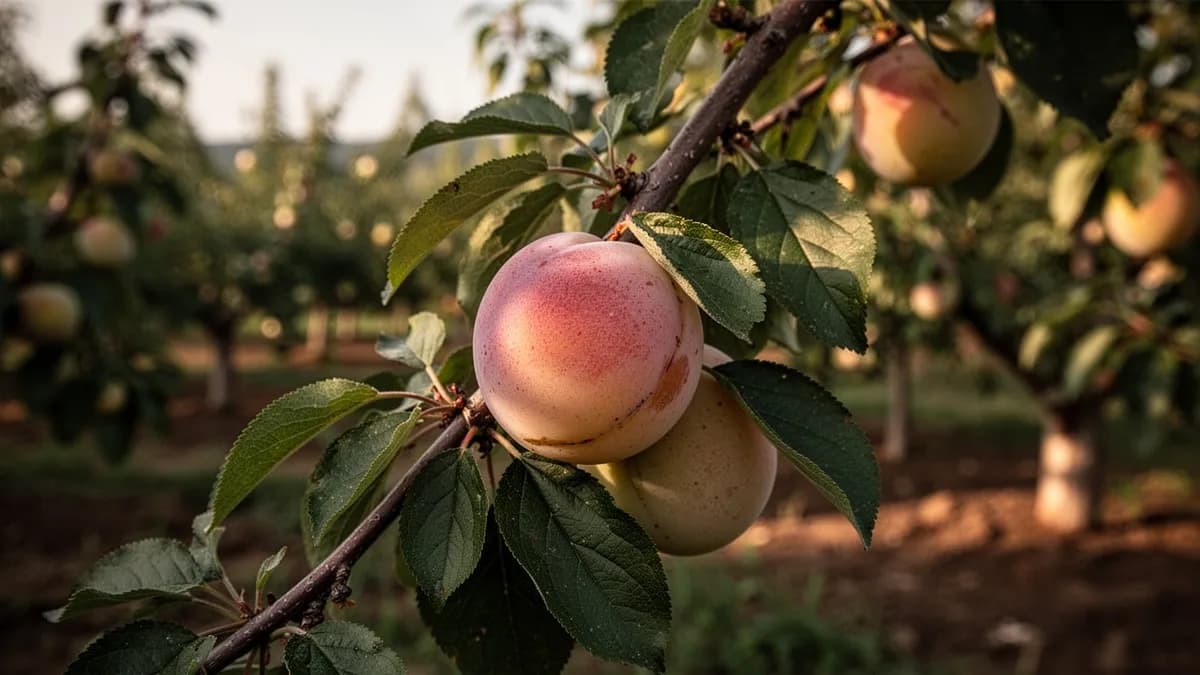
Un árbol frutal de hueso productivo que a menudo requiere aclarar los frutos cuajados para evitar que las ramas se rompan por la carga excesiva. Las ciruelas europeas suelen ser autofértiles, mientras que las variedades japonesas normalmente necesitan cerca un polinizador compatible para asegurar un buen cuajado. Poda en verano, no en invierno, para reducir el riesgo de la enfermedad de la hoja plateada, un problema fúngico común en los ciruelos. Cosecha cuando los frutos tengan una ligera blandura y una pruina polvorienta en la piel, y disfrútalos frescos, secos como ciruelas pasas o convertidos en mermeladas.
Cuándo plantar Ciruela japonesa
Los ciruelos se propagan mediante injerto de astilla o injerto en T a finales del verano, uniendo madera de la variedad deseada sobre portainjertos compatibles. El portainjerto Pixy produce un árbol compacto semienano ideal para jardines pequeños, mientras que St. Julien A crea un árbol algo mayor con una adaptación más amplia. El portainjerto Myrobalan se utiliza para árboles de porte estándar y vigorosos. El injerto de lengüeta y púa a finales del invierno también funciona bien. Los huesos de ciruela pueden estratificarse en frío durante 90 a 120 días y germinar, pero las plántulas son muy variables y se usan principalmente como material de portainjerto más que para la producción de fruta.
Tu año de Ciruela japonesa
Ajustado a Zona 7 · temporada típica · la helada se va hacia el 2 abr y vuelve hacia el 1 nov
Planta Ciruela japonesa Mar – Abr y cosecha Jun – Ago. Consulta los métodos de plantación y elige tu clima para adaptar los periodos.
Cómo cultivar Ciruela japonesa
Planta los ciruelos a pleno sol y en suelo bien drenado, eligiendo un lugar con buena circulación de aire y protección frente a las heladas tardías de primavera, que pueden dañar las flores. Las ciruelas europeas y los damascos suelen ser autofértiles, pero las ciruelas japonesas necesitan un compañero de polinización compatible que florezca al mismo tiempo. Cava un hoyo amplio y coloca el árbol con la unión del injerto por encima de la línea del suelo. Entutora durante los dos primeros años.
Riega los árboles recién plantados cada semana durante su primera temporada de crecimiento. Los ciruelos establecidos toleran moderadamente la sequía, pero producen la mejor fruta con humedad constante durante el periodo de desarrollo del fruto desde finales de primavera hasta el verano. Aplica un anillo de mantillo de unos ocho centímetros para conservar la humedad y reducir la competencia de la hierba alrededor de la zona radicular.
Poda los ciruelos en verano, idealmente en junio o julio, para minimizar el riesgo de la enfermedad de la hoja plateada, que entra a través de las heridas de poda durante la dormancia. Mantén una forma de centro abierto o vaso en las ciruelas europeas y un eje central modificado en las japonesas. Aclara con decisión los frutos cuajados a finales de primavera, dejando entre cinco y ocho centímetros entre ellos para evitar que las ramas se rompan y mejorar el tamaño del fruto. Los ciruelos son muy productivos, y no aclarar da lugar a frutos pequeños, insípidos y a una alternancia de cosechas.
Para Ciruela japonesa un bancal de 120 × 240 cm se queda corto
Cada Ciruela japonesa pide 300 cm de margen. El planificador guarda ese marco por ti — cada planta, cada bancal.
Los mejores vecinos de Ciruela japonesa
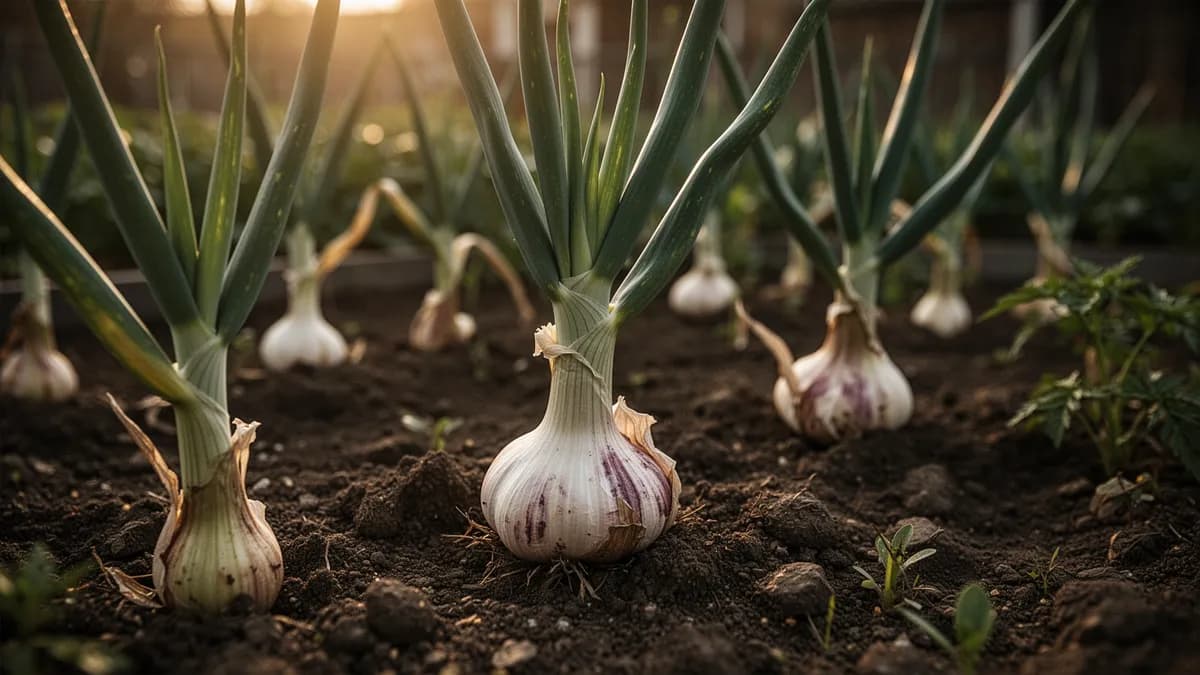
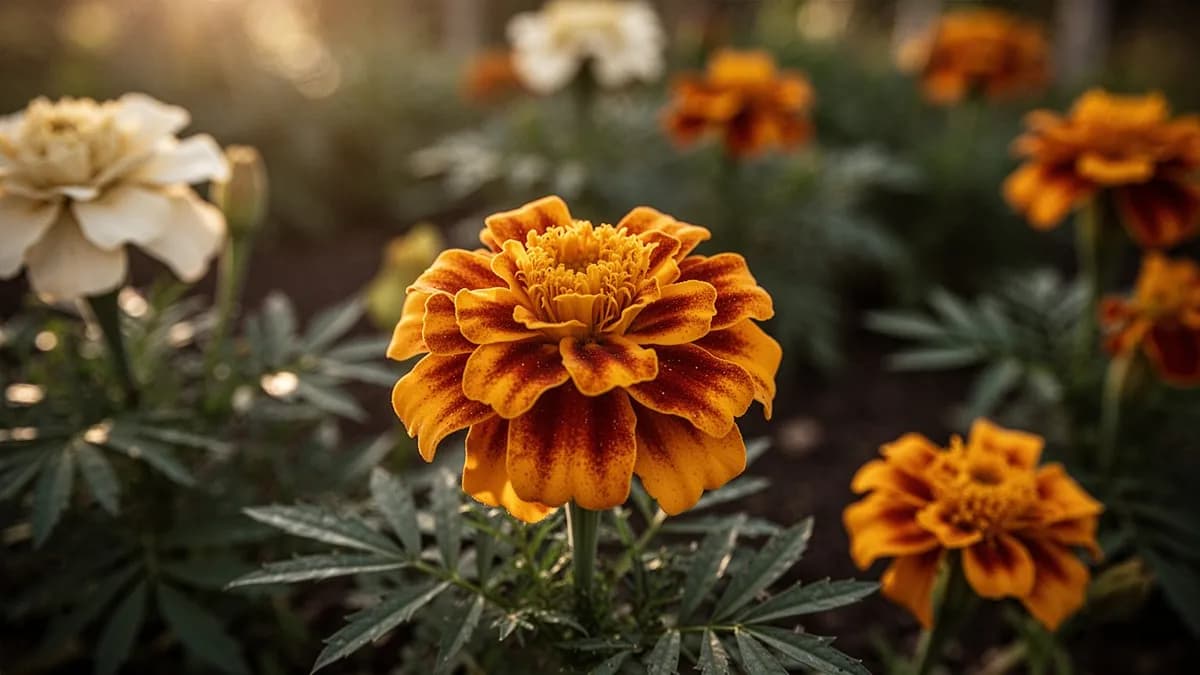
El ajo y el cebollino plantados alrededor de los ciruelos ayudan a disuadir a los pulgones y pueden reducir la incidencia de enfermedades fúngicas gracias a sus compuestos naturales de azufre. Los tagetes atraen insectos depredadores beneficiosos y sus exudados radiculares desaniman a las plagas que viven en el suelo. La consuelda cultivada bajo los ciruelos como acolchado vivo aporta material rico en potasio cuando se corta y se deja sobre el suelo. Evita plantar cerca de nogales por la toxicidad de la juglona y mantén distancia con otros frutales de hueso para reducir la contaminación cruzada de podredumbre parda y chancro bacteriano.
Ajo va a su lado. Nogal no.
Saber de huerto de siempre, cotejado con la tabla real de Ciruela japonesa — prueba cualquier planta que cultives.
Prueba Ciruela japonesa en un bancal, aquí mismo
Un bancal real del planificador con Ciruela japonesa ya plantado. Toca una planta compañera para colocarla y mira cómo responde la comprobación de vecinos: verde para buenos vecinos, rojo si hay conflicto.


Guías de cultivo relacionadas
Abónalo bien
Las ciruelas rinden bien en la mayoría de los suelos bien drenados con un pH de 5.5 a 6.5. Toleran mejor los suelos arcillosos que otros frutales de hueso, pero aun así requieren un drenaje adecuado. Aplica una cantidad moderada de fertilizante equilibrado a comienzos de primavera. Evita el exceso de nitrógeno, que favorece un crecimiento tierno susceptible a la hoja plateada y a la podredumbre parda. Los fertilizantes ricos en potasio mejoran la calidad del fruto y la rusticidad invernal. Los árboles maduros en producción suelen necesitar menos abono que los jóvenes en fase de establecimiento.
Temperatura ideal
Compatibilidad de zonas de rusticidad
De la semilla a la cosecha, etapa por etapa
Reposo y hinchazón de las yemas
El árbol está en reposo total después de la caída de las hojas, con las yemas bien pegadas a las ramas desnudas de color gris. Se están cumpliendo los requisitos de frío y las yemas comienzan a hincharse a medida que se acerca el final del invierno.
Floración
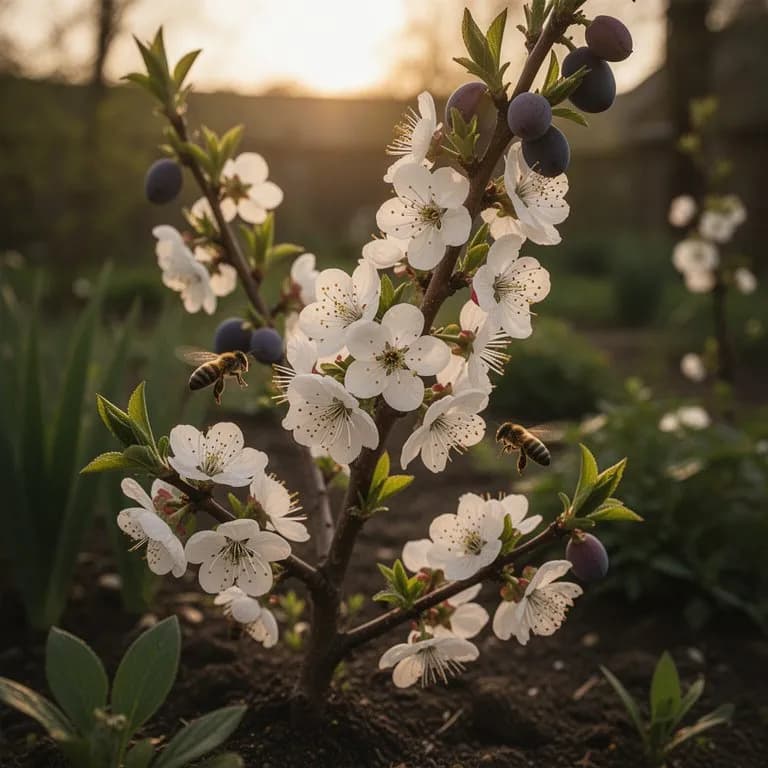
Los ciruelos japoneses florecen muy temprano, a menudo antes de que aparezcan las hojas, y las flores son muy vulnerables a los daños por heladas.
Cuajado y aclareo de frutos
Después de la polinización, el árbol cuaja muchos frutitos y puede sobrecargarse fácilmente, lo que da frutos pequeños y ramas rotas si no se aclarean.
Crecimiento rápido del fruto
Los frutos aclarados crecen rápidamente mientras se acumulan azúcares y el hueso se endurece durante esta etapa.
Cambio de color y maduración
El color de la piel cambia rápidamente, los azúcares aumentan y la pulpa se ablanda a medida que se acerca la cosecha. Los frutos maduran de forma desigual en el árbol.
Cosecha
Las ciruelas japonesas maduran en un periodo de dos a tres semanas y deben revisarse con frecuencia porque los frutos pueden madurar de forma desigual.
Recuperación poscosecha
Después de fructificar, el árbol reconstruye reservas en las raíces y la madera y se prepara para la siguiente temporada. Es un periodo importante para la productividad a largo plazo.
Aplica un pulverizado de cobre en reposo mientras las yemas aún están cerradas para ayudar a suprimir el chancro bacteriano y la moniliosis. También es el mejor momento para la poda estructural antes de que empiece el nuevo crecimiento.
Cuidar Ciruela japonesa mes a mes
Qué hacer cada mes para tu Ciruela japonesa
Octubre
Mes actualCompleta toda la cosecha. Rastrilla las hojas caídas y retira los restos alrededor de la base del árbol para reducir la persistencia de enfermedades. Planta nuevos ciruelos a raíz desnuda desde mediados de otoño, mientras el suelo sigue lo bastante templado para que las raíces se establezcan.
Ten claro qué hacer en tu huerto, cada mes
Un correo al empezar cada mes: qué sembrar, plantar y hacer ahora mismo — para tu Ciruela japonesa y todo lo que crece alrededor. Más un breve curso inicial para esquivar los errores clásicos.
- Qué hacer ahora mismo
- Ajustado a tu temporada
- Curso inicial incluido
Cosechar Ciruela japonesa
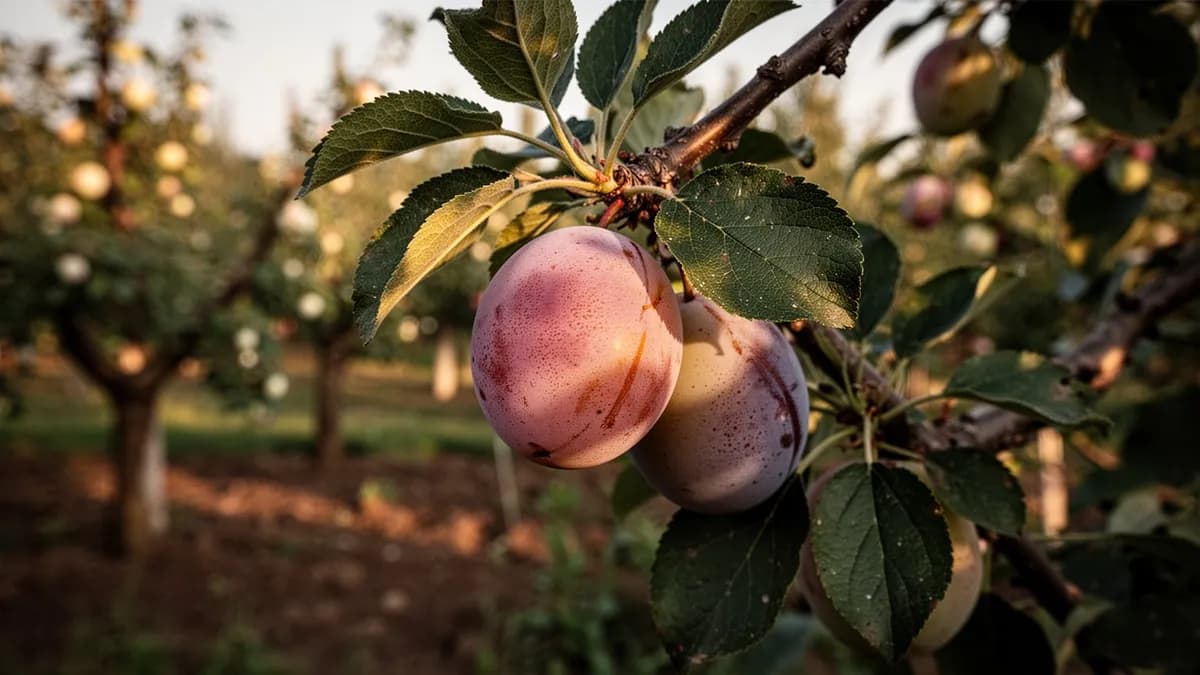
Las ciruelas están maduras cuando desarrollan la característica pruina polvorienta en la piel, ceden ligeramente al presionar con suavidad cerca del extremo del pedúnculo y este se separa con facilidad de la rama. Las ciruelas europeas pueden dejarse madurar del todo en el árbol, pero las ciruelas japonesas se cosechan mejor algo firmes y se terminan de madurar a temperatura ambiente. El color no siempre es un indicador fiable, ya que muchas variedades cambian de color mucho antes de alcanzar toda su dulzura. El sabor es la prueba más segura. Cosecha con un giro suave para evitar desgarrar la corteza.
se supone que plantas al comenzar el periodo — indica tu fecha real
Mantén la humedad estable durante los periodos secos y acolcha bien alrededor de la zona de raíces. El riego irregular puede provocar rajado del fruto cuando lleguen las lluvias.
Almacenamiento y conservación
Las ciruelas maduras se conservan en la nevera hasta dos semanas. Las ciruelas europeas se secan de forma excelente como ciruelas pasas: pártelas por la mitad, quita el hueso y sécalas a 60 °C hasta que queden flexibles y coriáceas. La mermelada y la conserva de ciruela son preparaciones clásicas, y el alto contenido de pectina de muchas variedades ayuda a que gelifiquen de forma natural. Las ciruelas se pueden congelar, deshuesadas y cortadas, para usarlas después en tartas y crumbles. La salsa de ciruela, el chutney y el vino de ciruela son métodos tradicionales de conservación en muchas culturas.
Qué falla — y cómo solucionarlo
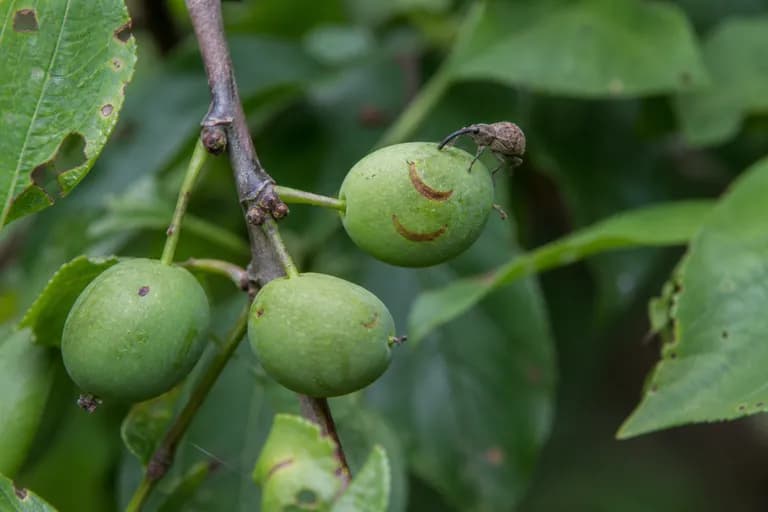
Gorgojo de la ciruela
PlagaCicatrices en forma de media luna en el fruto en desarrollo por la puesta de huevos; las larvas se alimentan en el interior y provocan caída prematura y frutos con gusanos.
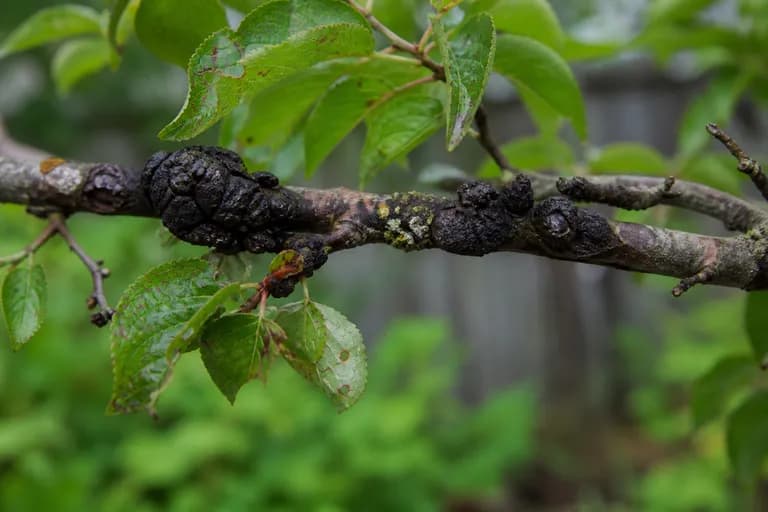
Enfermedad de la hoja plateada
EnfermedadLas hojas desarrollan un brillo metálico plateado; las ramas afectadas muestran manchas internas pardas al cortarlas; el árbol decae poco a poco durante varios años.
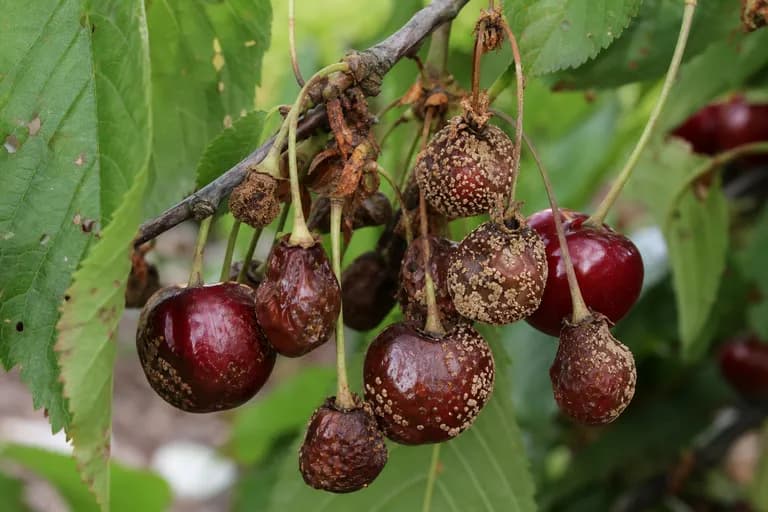
Podredumbre parda
EnfermedadEl fruto desarrolla manchas marrones blandas que se extienden rápidamente y quedan cubiertas por mechones grisáceos de esporas; la fruta momificada persiste en el árbol durante el invierno.
Pulgón del ciruelo
PlagaColonias de pulgones verdes o amarillos se agrupan en las puntas de los brotes jóvenes y provocan enrollamiento de hojas, secreción de melaza y desarrollo de fumagina.
Solución de problemas comunes
La carga excesiva de frutos es el problema más común, y provoca ramas rotas, fruta pequeña y alternancia de cosechas si no se aclara con decisión. La gomosis, o exudación de savia ámbar por heridas de la corteza, puede indicar chancro bacteriano, daño de barrenadores o lesión física. La caída prematura del fruto suele deberse al daño del gorgojo de la ciruela o a una polinización deficiente. Los chupones que salen del portainjerto por debajo de la unión del injerto deben eliminarse de inmediato, porque producen fruta de menor calidad y pueden dominar a la variedad injertada.
Consejos de cultivo
- Plant Japanese plums in full sun with at least 6-8 hours of direct light daily. They tolerate partial shade but fruit production drops sharply and disease pressure increases significantly in shadier conditions.
- Always plant two compatible Japanese plum varieties for cross-pollination, as the vast majority of cultivars are self-unfruitful or only partially self-fertile. Santa Rosa is one of the few reliable self-pollinators and also pollinates most other varieties effectively.
- Japanese plums prefer well-drained loamy soil with a pH between 6.0 and 6.5. They are more tolerant of heavy clay and wet conditions than peaches but will develop crown rot and perform poorly in sites with standing water after rain.
- Train young trees into an open-vase or modified central-leader form during the first three years to create a strong framework of four to six well-spaced scaffold branches. A good structure established early determines the tree's productivity and ease of management for decades.
- Unlike European plums, Japanese plums can be pruned in late winter just before bud swell with lower risk of silver leaf disease, making dormant structural pruning more practical. Summer pruning after harvest is still recommended for established trees to control vigour.
- Thin fruit heavily and early — Japanese plums are notorious over-producers and the single greatest yield quality improvement comes from removing 60-70% of the developing fruitlets when they reach marble size. Space remaining fruit 8-10 cm apart along each branch.
- Fertilise conservatively with a balanced fertiliser in early spring. Japanese plums are more vigorous than European species and excessive nitrogen produces abundant lush growth at the expense of fruit set and increases susceptibility to aphid infestations and bacterial canker.
- In cool or humid climates, apply a preventive copper fungicide spray at dormant, pink-bud, and post-harvest stages to protect against bacterial canker and brown rot, which can rapidly defoliate and kill branches of Japanese plums if left unmanaged.
- Provide reliable irrigation from fruit set until two weeks before harvest, aiming for consistent soil moisture rather than alternating wet and dry cycles, which causes cell damage inside the developing fruit leading to cracking and internal browning.
- Japanese plums are far more heat-tolerant than other stone fruits and perform excellently in warm Mediterranean, subtropical, and inland continental climates where the combination of hot summers and cool winters with sufficient chill hours allows the tree to complete its full annual cycle.
Cultiva tu mejor Ciruela japonesa — y todo lo que la rodea.
Empieza un plan gratis hoy. Diseña tus bancales, coloca tu Ciruela japonesa y deja que PlotMyGarden gestione el momento, el espaciado, las asociaciones y los recordatorios de la semilla a la cesta.
Elige tu Ciruela japonesa
Stanley
La clásica ciruela pasa europea, autofértil y fiable, que produce frutos azul oscuro de hueso libre perfectos para secar, conservar y comer frescos.
Santa Rosa
Una destacada ciruela japonesa con piel roja sobre fondo amarillo y pulpa ámbar, jugosa y agridulce, parcialmente autofértil pero mejor con un polinizador.
Damson
Una pequeña ciruela europea de sabor intenso, tradicionalmente usada para mermelada, ginebra y conservas, extremadamente rústica y autofértil.
Greengage
Una ciruela de postre europea de primera calidad con pulpa translúcida verde dorada y dulzura melosa, considerada la variedad de ciruela de mejor sabor.
Methley
Una ciruela japonesa de maduración temprana, autofértil, con piel rojo intenso y pulpa rojo sangre, un excelente polinizador para otras variedades japonesas.
A Japanese plum tree on semi-dwarfing rootstock typically costs $30-60 at a specialist nursery and begins producing meaningful quantities of fruit within 3-4 years of planting. A mature tree yields 25-60 kg of fruit annually, equivalent to $80-250 worth of fresh organic Japanese plums at farmers market prices, or significantly more if converted into preserves and sauces. Over a 25-year productive lifespan, a single well-managed tree can yield fruit with a retail value exceeding $2,000-6,000 in total. Home-grown Japanese plums are harvested at peak ripeness, delivering a flavour intensity impossible to replicate in commercially grown fruit picked early for transport.
Recetas rápidas
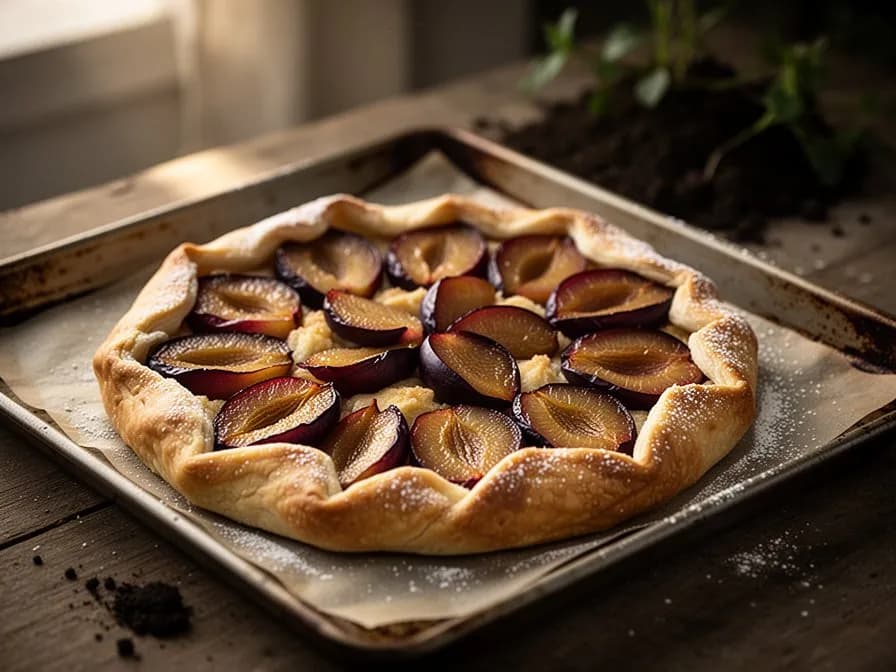
Japanese Plum Sauce
15 minutes plus 30 minutes simmeringA versatile savoury-sweet sauce inspired by traditional East Asian plum sauces, perfect for pairing with roasted duck, pork belly, grilled chicken, or crispy spring rolls. The natural tartness of Japanese plums balances beautifully with ginger, garlic, and a touch of rice vinegar to create a glossy, deeply flavoured condiment that keeps for two weeks in the refrigerator and freezes well for longer storage.
8 ingredientes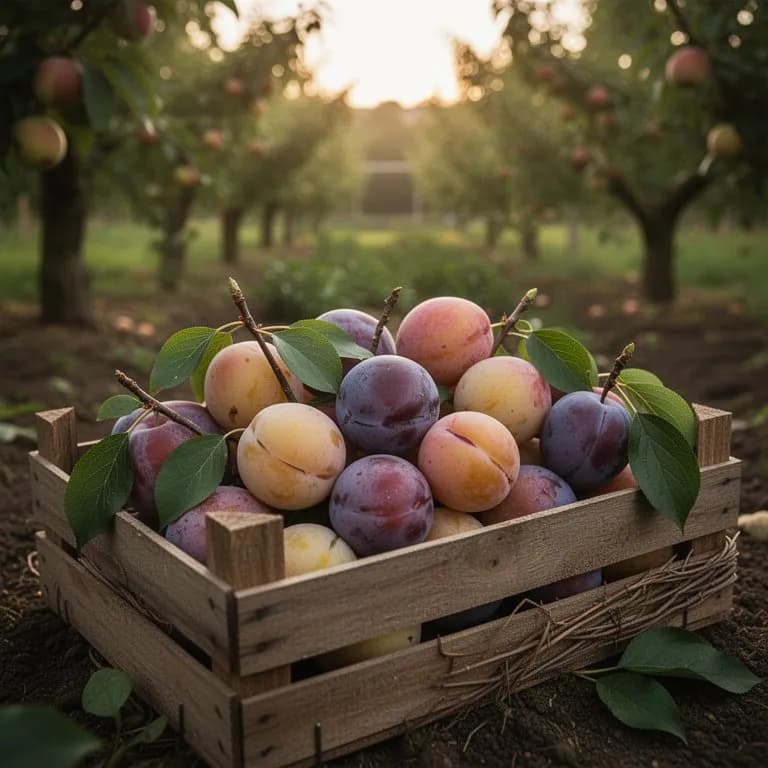
Japanese Plum and Almond Cake
20 minutes plus 45 minutes bakingA moist, tender cake with a rich almond crumb and jammy plum halves pressed into the top, which sink and caramelise as the batter rises around them during baking. The combination of ground almonds and fresh plums is a classic pairing that showcases the fruit's sweet-tart character beautifully. Serve warm as a dessert with crème fraîche or at room temperature as an afternoon tea cake.
10 ingredientesJapanese Plum Jam with Vanilla
30 minutes plus 25 minutes settingA jewel-bright preserve that captures the intense flavour and gorgeous colour of homegrown Japanese plums. The addition of vanilla softens the natural tartness and adds a floral depth that makes this jam exceptional on sourdough toast, in pastries, or spooned over yoghurt. Japanese plums are naturally high in pectin, so this recipe sets reliably without commercial pectin. Makes approximately six to eight standard jars.
6 ingredientesUsos culinarios
Las ciruelas son muy versátiles tanto en cocina dulce como salada. Dan lugar a tartas, crostatas, crumbles y galettes excelentes. La salsa de ciruela es un condimento básico en la cocina china, y la ginebra de damascos es una tradición británica. Las ciruelas pasas son una potencia nutricional rica en fibra, vitamina K y potasio. Las ciruelas frescas combinan muy bien con canela, anís estrellado, jengibre y pato. La compota y la mantequilla de ciruela son acompañamientos elegantes para el desayuno.
Qué contiene
Beneficios para la salud
- Exceptionally rich in anthocyanins and chlorogenic acid, phenolic antioxidants concentrated in the skin that neutralise free radicals, protect cells from oxidative damage, and are associated with reduced risk of cardiovascular disease and certain cancers in long-term dietary studies
- Supports healthy digestion through a combination of soluble dietary fibre, which feeds beneficial gut bacteria, and natural sorbitol, which promotes gentle bowel regularity and helps prevent constipation without harsh pharmaceutical effects
- Provides vitamin C which plays essential roles in immune system function, collagen synthesis for skin and connective tissue health, and enhancement of iron absorption from plant-based foods consumed in the same meal
- Contains potassium and magnesium in forms that support healthy blood pressure by counteracting the effects of dietary sodium, promoting arterial relaxation, and reducing the workload on the cardiovascular system
- Supplies vitamin K which is required for proper blood coagulation and plays a critical and often underappreciated role in maintaining bone mineral density and reducing the long-term risk of osteoporosis
- Low glycaemic index fruit that provides natural sugars alongside fibre, resulting in a gradual blood glucose response that makes it suitable for inclusion in the diets of those managing blood sugar levels or seeking sustained energy from whole food sources
De dónde viene Ciruela japonesa
Se cree que la ciruela europea (Prunus domestica) se originó como un híbrido natural entre la ciruela cereza (Prunus cerasifera) y el endrino o arañón (Prunus spinosa) en la región del Cáucaso, cerca del mar Caspio, donde se solapan los rangos de estas dos especies silvestres. Las pruebas arqueológicas sugieren que las ciruelas estuvieron entre las primeras frutas cultivadas por el ser humano, con huesos de ciruela desecados hallados en yacimientos neolíticos datados hacia el 6000 a. C. Los antiguos romanos fueron decisivos para extender el cultivo del ciruelo por toda Europa. El escritor romano Plinio el Viejo documentó numerosas variedades de ciruela en su Historia natural del siglo I, y señaló que los romanos importaban ciruelos de Siria, Persia y Armenia y los injertaban para obtener frutos superiores. Tras la caída de Roma, los monasterios se convirtieron en custodios del conocimiento sobre los frutales, y los monjes mantuvieron y mejoraron meticulosamente los huertos de ciruelos durante toda la Edad Media. Las Cruzadas llevaron al oeste de Europa variedades adicionales procedentes de Oriente Próximo, enriqueciendo el patrimonio genético existente. Durante el Renacimiento, la ciruela greengage se introdujo en Francia desde Armenia y pronto se convirtió en favorita de la corte francesa, donde recibió el nombre de Sir William Gage, quien más tarde la llevó a Inglaterra en el siglo XVIII. Los colonos europeos llevaron ciruelos a América a partir del siglo XVII, donde encontraron especies nativas de ciruelo americano que ya eran cultivadas por los pueblos indígenas. Mientras tanto, las ciruelas japonesas (Prunus salicina) se desarrollaron de forma independiente en China hace más de dos mil años y más tarde se refinaron en Japón antes de ser introducidas en California por el legendario horticultor Luther Burbank en la década de 1880. Hoy en día, las ciruelas se cultivan comercialmente en todos los continentes habitados, con China, Rumanía, Serbia y Estados Unidos a la cabeza de la producción mundial. La fruta sigue siendo una pieza fundamental de los huertos domésticos de todo el mundo, apreciada por su adaptación a climas diversos y por su extraordinaria versatilidad en la cocina.
Ciruela japonesa: ¿sabías que?
Datos fascinantes sobre Ciruela japonesa
Las ciruelas fueron una de las primeras frutas domesticadas por los seres humanos, con pruebas arqueológicas de su cultivo que se remontan al Neolítico, alrededor del 6000 a. C., en la región que rodea el mar Caspio.
Ciruela japonesa: preguntas frecuentes
¿Cuándo debo plantar Ciruela japonesa?
¿Cuáles son buenas plantas acompañantes para Ciruela japonesa?
¿En qué zonas de rusticidad puede crecer Ciruela japonesa?
¿Cuánto sol necesita Ciruela japonesa?
¿A qué distancia debo espaciar Ciruela japonesa?
¿Qué plagas y enfermedades afectan a Ciruela japonesa?
¿Cómo almaceno Ciruela japonesa después de la cosecha?
¿Cuáles son las mejores variedades de Ciruela japonesa para cultivar?
¿Qué suelo necesita Ciruela japonesa?
Do Japanese plums need a pollination partner?
Why do my Japanese plums crack before they are ripe?
When is the best time to thin Japanese plums and how much should I remove?
What is the difference between Japanese plums and European plums?
How do I know when Japanese plums are ready to pick?
Can Japanese plums grow in containers?
Acabas de leer la teoría. Ahora cultívala en piloto automático.
Todo lo que hace que Ciruela japonesa sea delicado — el momento, el espaciado, las asociaciones, la ventana de cosecha — es justo lo que PlotMyGarden resuelve por ti, para cada planta de tu huerto.
Un plan que conoce tu clima
Indica tu ubicación una vez. Recibe fechas de siembra, abonado y cosecha basadas en tu última helada real y el pronóstico en vivo — sin adivinar con un sobre genérico.
De la sección “Cuándo plantar”Planificador de bancales de arrastrar y soltar
Diseña bancales sobre una cuadrícula. Cada planta encaja con su espaciado correcto y ves toda la temporada antes de gastar un céntimo en semillas.
De la sección “Cultivo”Conflictos de asociación, detectados a tiempo
Más de 200 buenas y malas combinaciones comprobadas en vivo mientras plantas — para que un error que arruine la temporada nunca llegue a la tierra.
De la sección “Asociaciones”Recordatorios que sí vas a seguir
“Riega las judías.” “Recoge hoy antes de que se pase.” Oportunos, concretos y ligados a las plantas que de verdad cultivas.
De la sección “Cosecha”Escalonado, programado
¿Quieres cosechar seis semanas en vez de seis días? Reparte tus siembras automáticamente y te avisa cuando toca el siguiente lote.
De la sección “Cuándo plantar”Un registro que se vuelve más listo
Cada cosecha que registras le enseña tu huerto. El plan del año que viene parte de lo que de verdad funcionó en tu suelo, no en un manual.
De la sección “Resumen”Planta estos junto a Ciruela japonesa
Más Frutas de hueso
Mantén Ciruela japonesa lejos de estos
Cultiva tu mejor Ciruela japonesa — y todo lo que la rodea.
Empieza un plan gratis hoy. Diseña tus bancales, coloca tu Ciruela japonesa y deja que PlotMyGarden gestione el momento, el espaciado, las asociaciones y los recordatorios de la semilla a la cesta.