Pear (Dwarf)
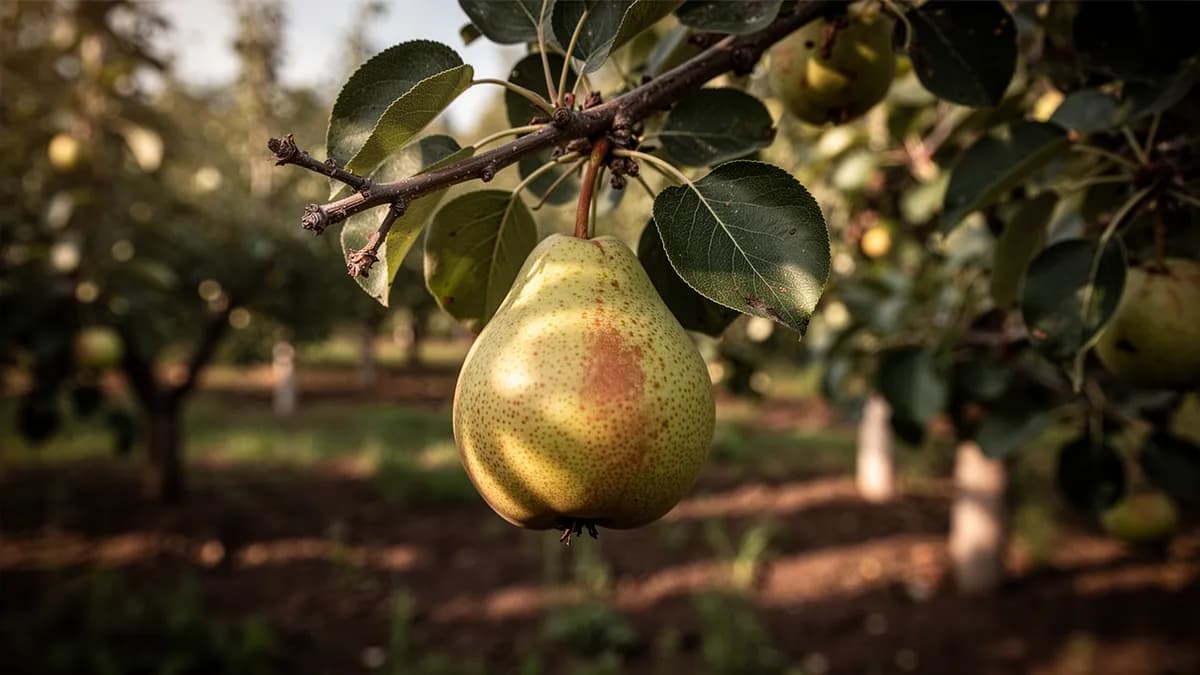
A dwarf fruiting tree producing sweet, buttery fruits that ripen best when picked slightly immature off the tree.





On this pageOverview
Meet Pear (Dwarf)
A dwarf fruiting tree producing sweet, buttery fruits that ripen best when picked slightly immature off the tree. Most pear varieties require a compatible cross-pollinator planted nearby, so plan for at least two different cultivars in the garden. Prune to an open center shape in winter to allow sunlight penetration and good air circulation, which helps prevent fire blight. Store harvested pears in a cool location and bring them to room temperature to finish ripening for the smoothest, most flavorful texture.
When to plant Pear (Dwarf)
Pear trees are propagated by grafting scion wood of the desired variety onto compatible rootstocks. OHxF (Old Home x Farmingdale) rootstocks are preferred for their fire blight resistance and size control. Perform whip-and-tongue grafts in late winter using dormant scion wood. T-budding in late summer is another reliable method where a single bud is inserted under the rootstock bark. Pear seeds require cold stratification and will not produce trees true to the parent, though seedling pear rootstocks are sometimes used as rootstock material. Grafted trees begin bearing three to five years sooner than seedlings.
Your Pear (Dwarf) Year
Composed for Zone 7 · typical seasons · frost passes Apr 2, returns Nov 1
Plant Pear (Dwarf) Mar – Apr, pick Aug – Oct. Check the planting methods below and set your climate to personalize these windows.
How to grow Pear (Dwarf)
Plant pear trees in a sunny location with well-drained, moderately fertile soil. Space dwarf trees eight to ten feet apart and ensure a compatible pollination partner of a different variety is planted within 50 feet. Dig a hole twice the width of the root ball and set the tree so the graft union sits three to four inches above the soil line. Stake dwarf trees for the first two to three years until the root system is established.
Water young trees deeply once a week during their first growing season, tapering to natural rainfall once established. Pears are more drought-tolerant than apples once mature but benefit from consistent moisture during fruit development. Mulch with wood chips or straw in a three-to-four-foot ring around the tree, keeping mulch away from the trunk.
Prune pear trees in late winter to an open center or modified central leader shape. Pears naturally grow upright, so training branches to wider angles using spreaders or weights improves fruiting and light penetration. Remove water sprouts and suckers throughout the growing season. Thin fruitlets in early summer to one or two per cluster for larger, better-quality pears. Apply dormant oil spray before bud break to control scale, mites, and overwintering pest eggs.
Pear (Dwarf) needs more room than a 4 × 8 ft bed gives
Each Pear (Dwarf) wants 300 cm of elbow room. The planner keeps that spacing for you — every plant, every bed.
Pear (Dwarf)'s best neighbours
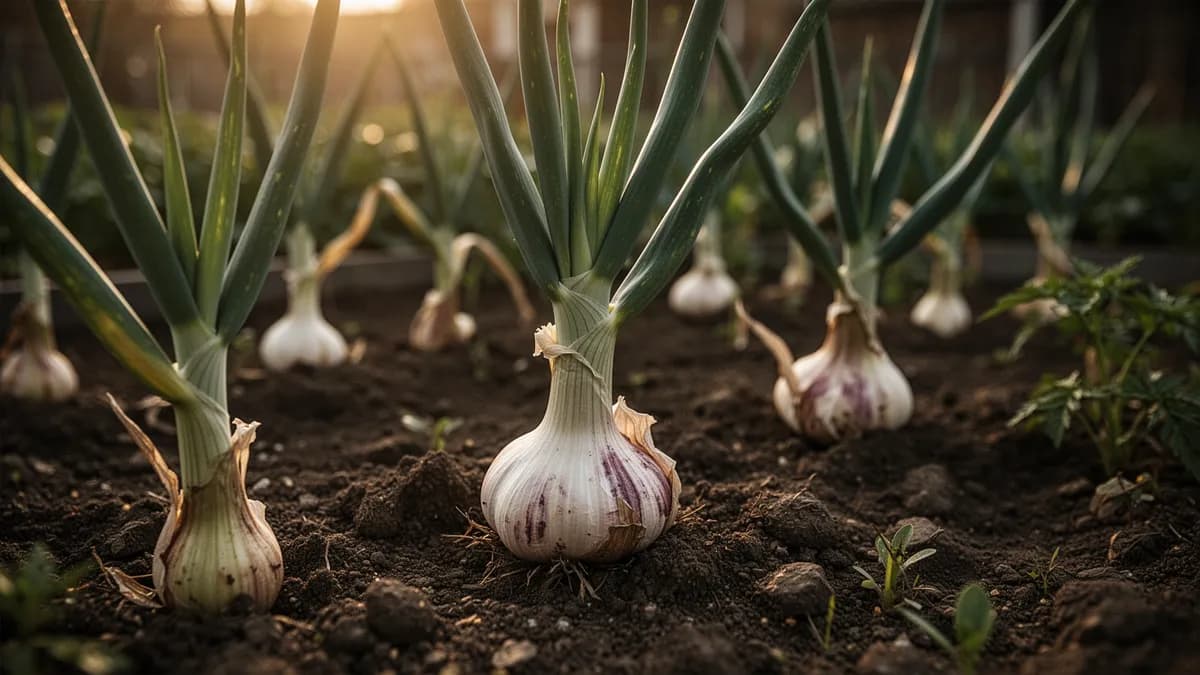
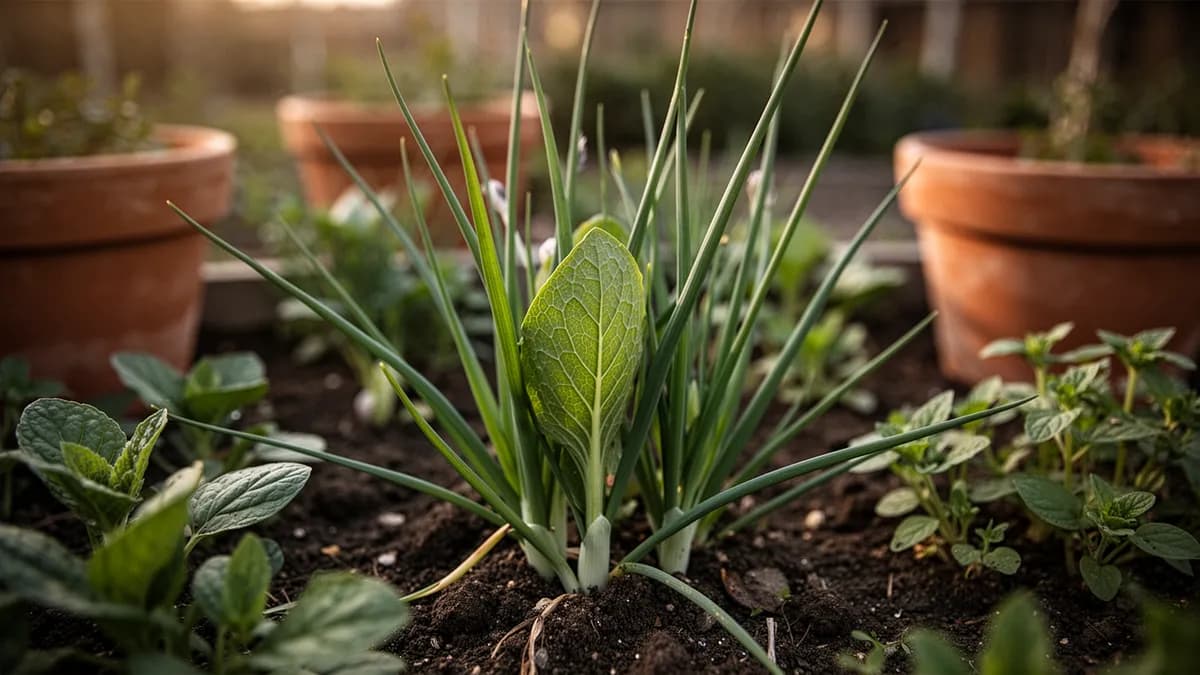
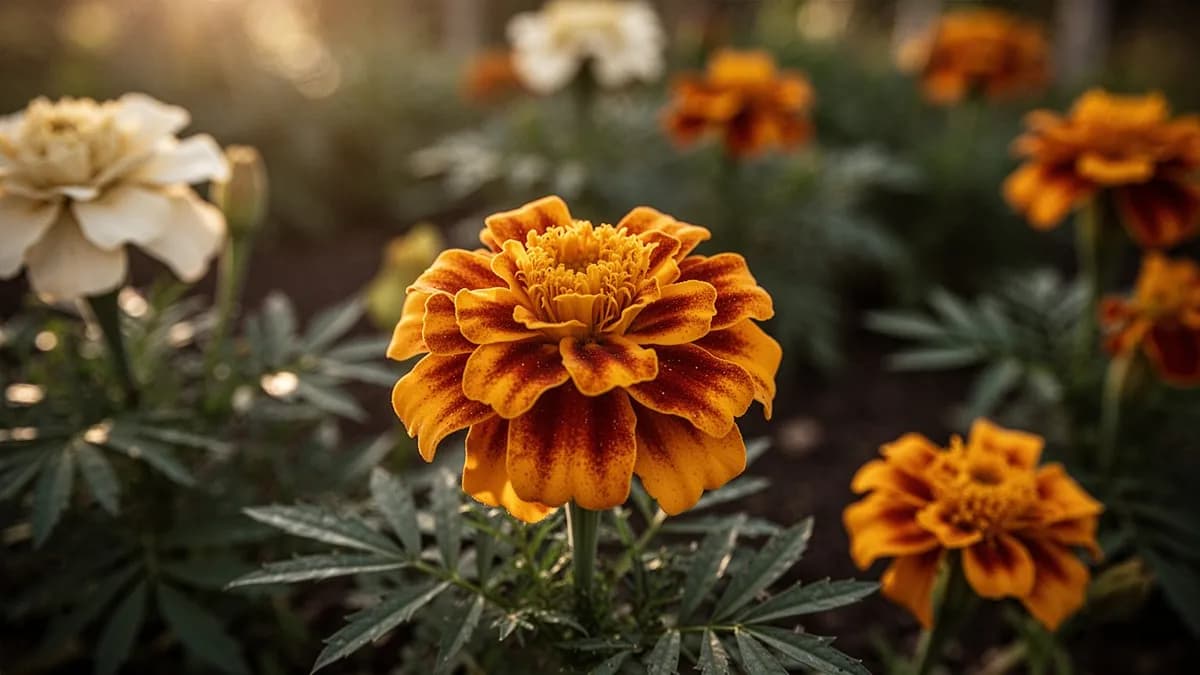
Garlic and chives planted near pear trees help deter aphids and may reduce fire blight incidence through their natural sulfur compounds. Marigolds attract beneficial predatory insects and suppress soil nematodes around the root zone. Clover or low-growing cover crops planted in the orchard floor fix nitrogen gently and reduce erosion without competing with tree roots. Avoid planting near walnut trees, which produce juglone toxic to pears.
Garlic belongs beside it. Walnut Tree doesn't.
Old growers' knowledge, checked against Pear (Dwarf)'s real companion table below — test any plant you're growing.
Try Pear (Dwarf) in a bed — right here
A real planner bed with Pear (Dwarf) already in it. Tap a companion to place it and watch the pairing checks answer — green for good neighbours, red for a clash.


Related growing guides
Feed it well
Pears prefer well-drained, loamy soil with a pH of 6.0 to 7.0. They are less demanding about soil quality than apples but still benefit from compost amendment at planting. Fertilize conservatively in early spring with a low-nitrogen balanced formula, as excessive nitrogen promotes the lush, succulent growth that is highly susceptible to fire blight. Potassium and calcium are important for fruit quality. Conduct soil tests every two to three years to guide fertilizer applications.
Ideal Temperature
Hardiness Zone Compatibility
From seed to harvest, stage by stage
Dormancy and Bud Swell
During winter dormancy, the pear tree conserves energy with no visible growth. As late winter approaches, buds begin to swell in response to accumulating warmth. Pear trees require 400-1000 chill hours below 7°C (45°F) depending on the variety to break dormancy properly and produce fruit.
Bloom and Pollination
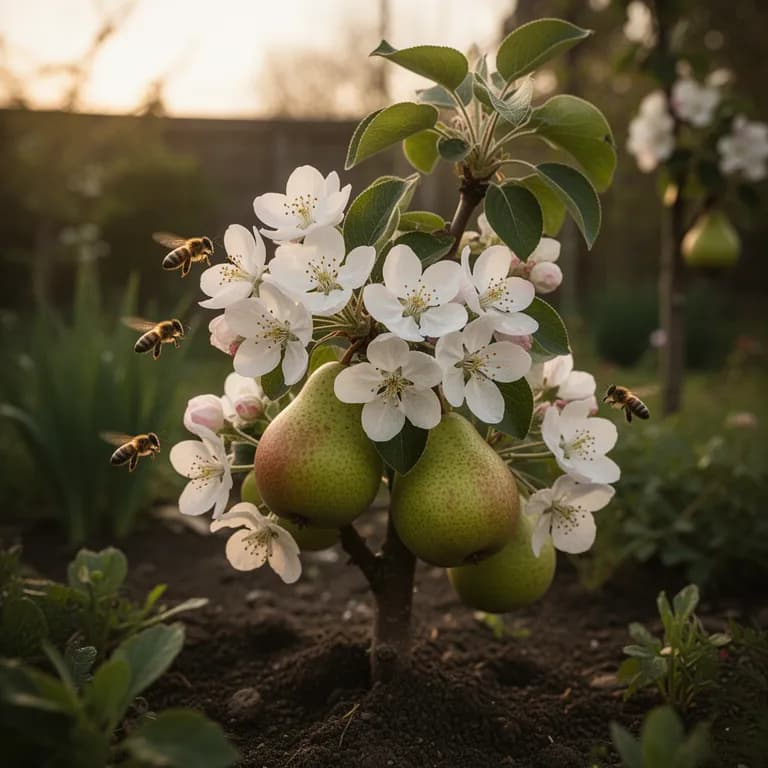
Pear trees burst into bloom with clusters of five-petaled white flowers, typically appearing before or alongside the emerging leaves. Each flower cluster can contain five to nine individual blossoms. Most pear varieties are self-unfruitful and require cross-pollination from a compatible variety blooming at the same time for successful fruit set.
Fruit Set and Development
After successful pollination, the petals fall and tiny fruitlets begin to develop. A natural fruit drop called June drop occurs about four to six weeks after bloom, where the tree sheds excess fruit it cannot support. Remaining fruitlets grow steadily, developing their characteristic pear shape as cell division gives way to cell enlargement.
Fruit Maturation
Pears reach full size and undergo internal changes as sugars accumulate and starches begin converting. Unlike most tree fruit, European pears should be harvested before they are fully ripe on the tree, as they ripen from the inside out and develop a gritty texture if left too long. The fruit stem separates easily from the spur when the pear is tilted horizontally.
Post-Harvest Ripening
Harvested European pears require a period of cold storage followed by ripening at room temperature to develop their best flavor, texture, and juiciness. Bartlett pears need one to two weeks of cold storage at 1-2°C, while winter varieties like Bosc and Anjou require two to six weeks. After chilling, fruit is brought to room temperature to complete the ripening process.
Leaf Drop and Dormancy Onset
As autumn temperatures drop and daylight shortens, the tree begins preparing for winter. Leaves turn yellow and gold before dropping, and the tree gradually enters dormancy. Nutrients are translocated from the leaves back into the wood and roots for storage, and new buds are set along the branches for the following season.
Apply dormant oil spray in late winter to smother overwintering pest eggs and scale insects. Perform major structural pruning while the tree is fully dormant, removing dead wood, crossing branches, and water sprouts. This is also the ideal time to apply lime sulfur for disease prevention.
Caring for Pear (Dwarf) month by month
What to do each month for your Pear (Dwarf)
October
You are hereComplete all remaining harvests before hard frosts arrive. Clean up fallen fruit and debris from beneath the tree to reduce disease pressure. Apply a protective copper spray after leaf fall begins to help prevent bacterial and fungal overwintering.
Know exactly what to do in your garden — every month
One email at the start of each month: what to sow, plant, and tackle right now — for your Pear (Dwarf) and everything growing around it. Plus a short starter course that helps you dodge the classic mistakes.
- What to do, right now
- Matched to your season
- Starter course included
Harvesting Pear (Dwarf)
Unlike most fruits, pears must be picked before they are fully ripe and allowed to finish ripening off the tree for the best texture. Harvest European pears when they are mature but still firm, usually when the fruit stem separates easily with a gentle upward lift. The skin color shifts from dark green to lighter green at maturity. Refrigerate harvested pears for two to three weeks, then bring to room temperature for several days to ripen to buttery perfection. Asian pears are the exception and should be tree-ripened until crisp and sweet.
assuming you plant when the window opens — set your real date
Pick European pears firm but mature, before full tree-ripening. Test readiness with the tilt test: lift a fruit to horizontal, and if the stem snaps cleanly from the spur, it is ready. Skin colour shifts from dark green to a lighter green. Bartlett ripens in August, mid-season varieties in September, and Bosc and Anjou into October. Asian pears are the exception and should be tree-ripened until crisp and sweet.
Storage & Preservation
European pears store well in cold storage at 30 to 32 degrees Fahrenheit for one to three months depending on variety, with Bosc and Anjou lasting longest. Ripen pears as needed by placing them at room temperature for four to seven days. Pears are excellent canned in light syrup, dried as pear chips, and made into butter, sauce, or preserves. Pear cider and perry are traditional fermented beverages. Pears can also be frozen as sliced pie filling with ascorbic acid treatment.
What goes wrong — and the fix
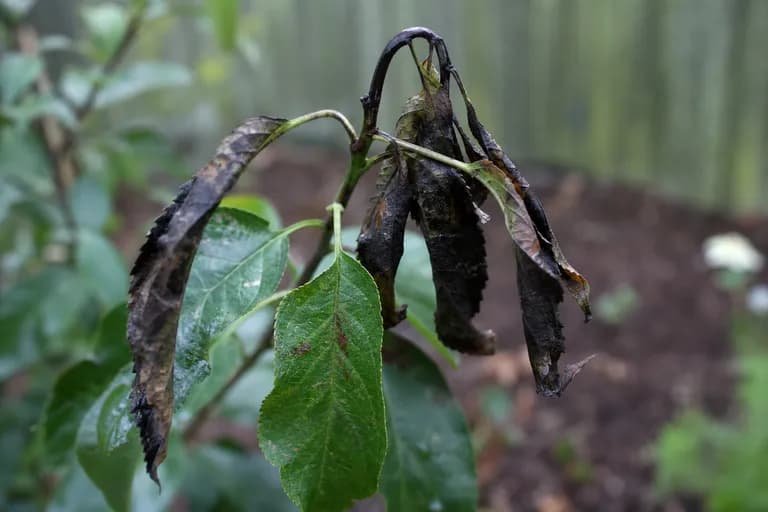
Fire Blight
DiseaseBlossoms, shoots, and branches blacken rapidly, curling into a characteristic shepherd's crook shape; cankers ooze amber bacterial slime on branches.
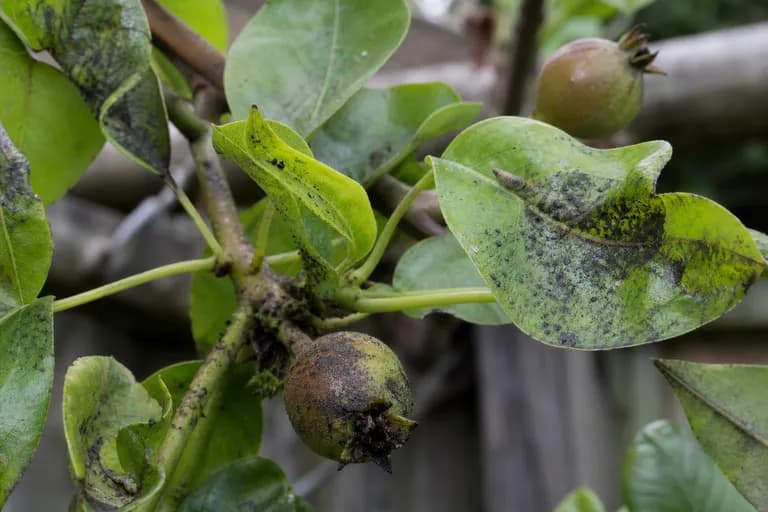
Pear Psylla
PestHoneydew secretions on leaves and fruit causing black sooty mold; heavy infestations cause leaf curling, premature drop, and russetted fruit.
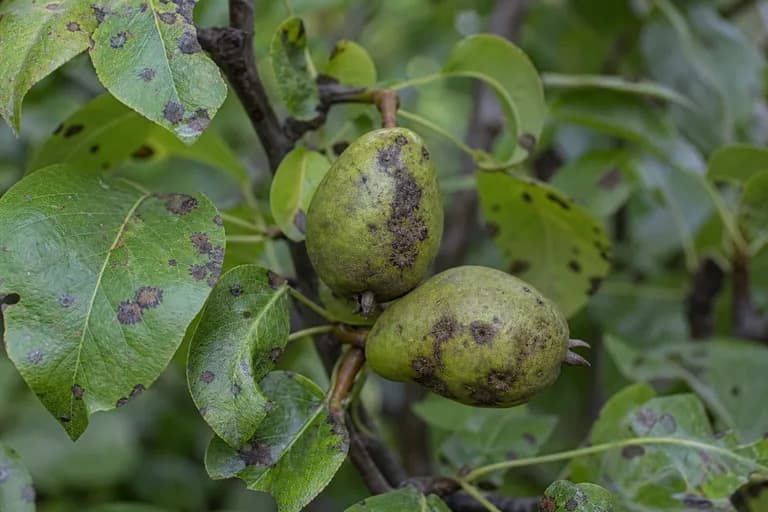
Pear Scab
DiseaseDark olive to black spots on leaves and fruit similar to apple scab; infected fruit cracks and develops corky surface lesions.
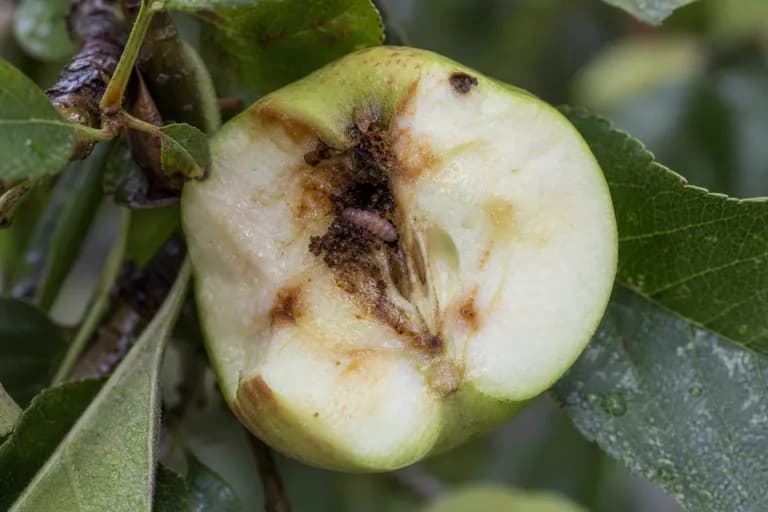
Codling Moth
PestLarvae bore through the fruit to feed on seeds near the core, leaving frass-filled tunnels and causing premature fruit drop.
Troubleshooting Common Problems
Fire blight is the most serious threat, particularly during warm, humid weather at bloom time. Pears are slow to begin bearing, often requiring four to six years for dwarf trees. Gritty texture in fruit, caused by stone cells, is a variety characteristic rather than a growing problem. Hard, flavorless fruit usually means it was picked too late or not properly ripened off the tree. Water sprouts grow prolifically and must be removed regularly. Pear decline disease, spread by pear psylla, causes a slow deterioration of tree health.
Growing Tips
- Plant at least two compatible pear varieties within 15 meters of each other, as most European pears require cross-pollination from a different variety to produce fruit. Bartlett and Anjou make a reliable pollination pair for home orchards.
- Choose a planting site with full sun exposure of at least 6-8 hours daily and well-drained soil with a pH between 6.0 and 7.0. Avoid low-lying frost pockets where cold air settles, as late spring frosts can destroy blossoms and eliminate the entire crop.
- Prune pear trees annually during dormancy to maintain an open-center or central-leader form that allows sunlight and air to penetrate the canopy. Good air circulation is critical for reducing fire blight and pear scab infections.
- Thin fruit aggressively when fruitlets are marble-sized, leaving only one or two pears per fruit cluster spaced about 15 cm apart. This prevents branch breakage, improves fruit size and quality, and helps prevent the tree from falling into a biennial bearing pattern.
- Water young trees deeply once per week during the growing season, providing at least 2.5 cm of water per application. Mature trees are more drought-tolerant but benefit from deep soaking every two weeks during prolonged dry periods, especially while fruit is developing.
- Apply a 10 cm layer of organic mulch such as wood chips or composted bark in a wide ring around the tree, keeping mulch at least 15 cm away from the trunk to prevent moisture damage and rodent harborage against the bark.
- Monitor vigilantly for fire blight, the most devastating disease of pear trees, identified by blackened shoot tips that curve into a shepherd's crook shape. Prune infected wood at least 30 cm below visible symptoms during dry weather, sterilizing pruning tools between every cut.
- Harvest European pears when they are mature but still firm by tilting the fruit to horizontal and twisting gently. If the stem snaps cleanly from the spur, the pear is ready. Never wait for pears to soften on the tree, as internal quality deteriorates rapidly.
- After harvesting, condition pears by storing them at 1-3°C (34-37°F) for one to six weeks depending on the variety. Then bring them to room temperature to ripen fully. A ripe pear yields to gentle thumb pressure near the stem end.
- Train young pear trees using branch spreaders or weights to encourage wider crotch angles of 45-60 degrees from the trunk. Pear trees naturally grow with narrow, upright branch angles that are weak and prone to splitting under fruit loads.
Grow your best Pear (Dwarf) yet — and everything around it.
Start a free plan today. Lay out your beds, drop in your Pear (Dwarf), and let PlotMyGarden handle the timing, spacing, companions and reminders from seed to harvest basket.
Pick your Pear (Dwarf)
Bartlett
The classic summer pear with smooth, buttery flesh and a sweet, musky aroma, the standard for canning and the most widely grown variety.
Bosc
A distinctively long-necked russet pear with firm, honey-sweet flesh that holds its shape beautifully when baked or poached.
Anjou
A versatile winter pear with a mild, sweet flavor and dense flesh, storing for months and excellent for both fresh eating and cooking.
Asian Pear (Hosui)
A crisp, juicy pear eaten when firm like an apple, with a refreshing sweetness and floral aroma, ripened on the tree unlike European types.
Seckel
A tiny, ultra-sweet heritage variety nicknamed the sugar pear, naturally fire blight resistant and ideal for preserves and fresh snacking.
A mature pear tree can produce 45-90 kg (100-200 lbs) of fruit annually for decades, representing a value of $150-600 worth of organic pears per year at typical market prices of $3-6 per kilogram. While the initial tree costs $25-50 and takes 4-6 years to begin producing significant crops, a healthy pear tree can remain productive for 75 to over 100 years, delivering extraordinary long-term returns. Home-grown pears picked at optimal maturity and ripened properly also far exceed the quality of most commercially available fruit.
Quick recipes
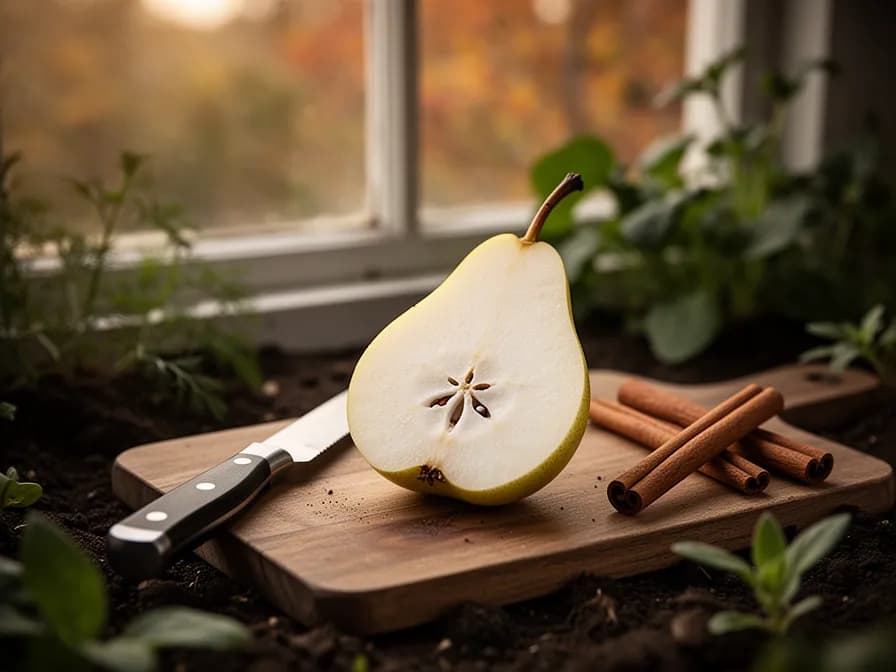
Wine-Poached Pears with Cinnamon
45 minutesElegantly simple poached pears in a spiced red wine syrup that transforms fresh garden fruit into a sophisticated dessert. The pears absorb the deep ruby color and warm spice flavors during gentle simmering, creating a visually stunning and delicious finish to any meal.
7 ingredients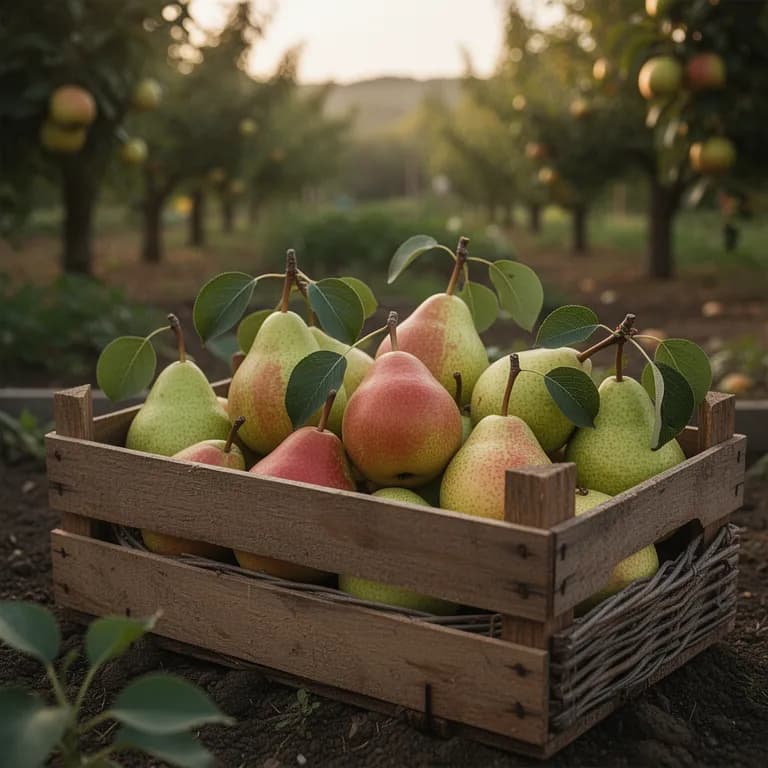
Fresh Pear and Walnut Salad
10 minutesA crisp autumn salad that pairs the juicy sweetness of freshly harvested pears with crunchy toasted walnuts, sharp blue cheese, and peppery arugula. Dressed with a simple honey vinaigrette, this salad celebrates the pear harvest season beautifully.
7 ingredientsSpiced Pear Butter
30 minutes active, 3 hours totalA silky smooth fruit spread made from slow-cooked garden pears with warm autumn spices. This pear butter concentrates the natural sweetness of ripe fruit into a rich, spreadable preserve that is perfect on toast, stirred into oatmeal, or used as a filling for pastries.
7 ingredientsCulinary Uses
Pears are celebrated for their versatility. Bartletts are the standard canning pear, Bosc holds up beautifully when poached in wine or baked in tarts, and Asian pears add crisp sweetness to salads. Pears pair elegantly with blue cheese, walnuts, ginger, vanilla, and chocolate. They are a good source of fiber, vitamin C, and copper. Pear butter and pear sauce are refined alternatives to their apple counterparts.
What's inside
Health Benefits
- High in soluble pectin fiber which forms a gel-like substance in the digestive tract, helping to lower LDL cholesterol levels and support overall cardiovascular health
- Contains anti-inflammatory flavonoids and phenolic compounds concentrated in the skin, including quercetin and epicatechin, which may help reduce the risk of chronic inflammatory conditions
- Rich in natural sorbitol and fructose that act as gentle osmotic agents, making pears one of the most effective fruits for promoting healthy digestive regularity and relieving occasional constipation
- Provides a low-allergenic fruit option that is frequently recommended as one of the first solid foods for infants, as pear allergies are extremely rare compared to many other fruits
- Contains arbutin, a natural compound found in pear skin that has been studied for its potential protective effects on bladder and urinary tract health
- High water content of approximately 84 percent combined with potassium helps maintain proper hydration and electrolyte balance, supporting kidney function and healthy blood pressure regulation
Where Pear (Dwarf) comes from
The European pear (Pyrus communis) traces its origins to the temperate forests of the Caucasus Mountains and the regions surrounding the Caspian Sea, where wild pear species still grow today. Archaeological evidence from Neolithic lake dwellings in Switzerland confirms that early Europeans gathered and consumed wild pears more than 7,000 years ago. The ancient Greeks are credited with transforming the pear from a wild-gathered fruit into a deliberately cultivated crop, and Homer mentioned pears among the gifts of the gods in the Odyssey. The Romans advanced pear cultivation significantly, with Pliny the Elder documenting nearly 40 distinct varieties by the first century CE and describing grafting techniques that allowed superior varieties to be propagated reliably. Following the fall of Rome, European monasteries preserved pear-growing knowledge through the Middle Ages, maintaining orchards and refining varieties within their walled gardens. The true golden age of pear breeding occurred in 18th and 19th century Belgium and France, where dedicated pomologists developed many of the dessert pear varieties still popular today, including Bartlett (known as Williams in Europe), Bosc, Anjou, and Comice. These breeders sought pears with smooth, buttery flesh free of the gritty stone cells found in older varieties. European settlers carried their finest pear varieties to North America beginning in the early 1600s, establishing orchards along the Atlantic coast. The westward expansion brought pear cultivation to the Pacific Northwest, where the volcanic soils and mild climate of Oregon and Washington proved ideal. Today these two states produce the vast majority of fresh pears grown in the United States, continuing a horticultural tradition spanning millennia.
Pear (Dwarf): did you know?
Fascinating facts about Pear (Dwarf)
Pears are one of the oldest cultivated fruits in the world, with archaeological evidence of pear consumption dating back to the late Neolithic period around 5000 BCE in present-day Switzerland and Italy.
Pear (Dwarf) questions, answered
When should I plant Pear (Dwarf)?
What are good companion plants for Pear (Dwarf)?
What hardiness zones can Pear (Dwarf) grow in?
How much sun does Pear (Dwarf) need?
How far apart should I space Pear (Dwarf)?
What pests and diseases affect Pear (Dwarf)?
How do I store Pear (Dwarf) after harvest?
What are the best Pear (Dwarf) varieties to grow?
What soil does Pear (Dwarf) need?
Why is my pear tree not producing any fruit?
What is fire blight and how do I manage it in my pear tree?
When and how should I harvest pears for the best flavor?
How do I prevent my pear tree from bearing fruit only every other year?
Can I grow pears in containers on a patio or small garden?
What are the best pear varieties for a home garden?
You just read the theory. Now grow it on autopilot.
Everything that makes Pear (Dwarf) fiddly — the timing, the spacing, the companions, the harvest window — is exactly what PlotMyGarden handles for you, for every plant in your garden.
A plan that knows your weather
Set your location once. Get sow, feed and harvest dates built around your real last-frost date and live forecast — no more guessing from a generic seed packet.
From the “When to plant” sectionDrag-and-drop bed planner
Design beds on a grid. Every plant snaps to its proper spacing, and you can see your whole season laid out before you spend a cent on seed.
From the “Growing guide” sectionCompanion conflicts, caught early
200+ good-and-bad pairings checked live as you plant — so a season-wrecking mistake never makes it into the ground.
From the “Companions” sectionReminders you'll actually act on
“Water the beans.” “Pick today before it turns.” Timely, specific, and tied to the plants you're really growing.
From the “Harvest” sectionSuccession, scheduled
Want a harvest for six weeks, not six days? It spaces your sowings automatically and reminds you when each new block is due.
From the “When to plant” sectionA record that gets smarter
Every harvest you log teaches it your garden. Next year's plan starts from what actually worked in your soil, not a textbook's.
From the “Overview” sectionPlant these alongside Pear (Dwarf)
More Pome Fruits
Keep Pear (Dwarf) away from these
Grow your best Pear (Dwarf) yet — and everything around it.
Start a free plan today. Lay out your beds, drop in your Pear (Dwarf), and let PlotMyGarden handle the timing, spacing, companions and reminders from seed to harvest basket.