Manzana Fuji
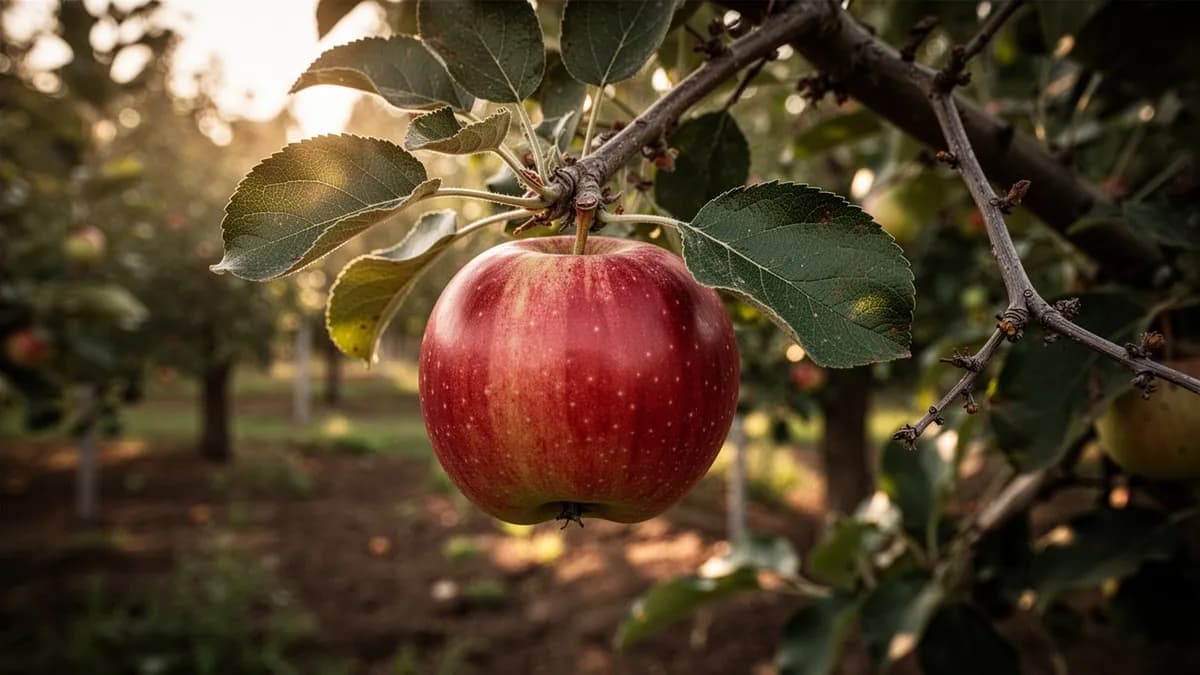
Una manzana criada en Japón conocida por su dulzor excepcional, su crujido denso y su larga vida de almacenamiento, de hasta un año en cámara frigorífica.





En esta páginaResumen
Conoce Manzana Fuji
Una manzana criada en Japón conocida por su dulzor excepcional, su crujido denso y su larga vida de almacenamiento, de hasta un año en cámara frigorífica. Las manzanas Fuji necesitan una temporada de crecimiento larga y con suficientes grados de calor para desarrollar todo su contenido de azúcar. Requieren polinizador y tienden a la vecería si no se realiza un aclareo agresivo de los frutos recién cuajados.
Cuándo plantar Manzana Fuji
Las semillas de Fuji no producen árboles fieles al tipo y solo sirven para producir portainjertos o para cultivo experimental. Extraiga las semillas de frutos completamente maduros, límpielas a fondo y estratifíquelas en frío en musgo de turba húmedo a 1.5–4.5 °C durante 60 a 90 días. Siembre las semillas estratificadas a 1.25 cm de profundidad en mezcla estéril para semilleros bajo luz intensa. La germinación ocurre en dos a cuatro semanas. Las plántulas necesitan entre seis y diez años para fructificar y producirán frutos de calidad impredecible.
Tu año de Manzana Fuji
Ajustado a Zona 7 · temporada típica · la helada se va hacia el 2 abr y vuelve hacia el 1 nov
Planta Manzana Fuji Mar – Abr y cosecha Sep – Oct. Consulta los métodos de plantación y elige tu clima para adaptar los periodos.
Cómo cultivar Manzana Fuji
Plante manzanos Fuji en un lugar que reciba al menos ocho horas de sol directo al día, ya que esta variedad necesita mucho calor para desarrollar su dulzor característico. Coloque árboles dormidos a raíz desnuda o en contenedor a comienzos de la primavera, asegurándose de que la unión del injerto quede por encima de la línea del suelo. Separe los árboles estándar entre 6 y 7.5 metros, o los árboles sobre portainjerto enano entre 2.5 y 3.5 metros.
Las manzanas Fuji no son autofértiles y requieren un compañero polinizador que florezca al mismo tiempo, como Gala, Granny Smith o Golden Delicious. Forme los árboles jóvenes con un eje central y ramas estructurales bien espaciadas, inclinadas entre 45 y 60 grados respecto al tronco. El aclareo agresivo es esencial para Fuji, ya que la variedad presenta una fuerte vecería; reduzca los racimos a un solo fruto espaciado cada 15 cm a lo largo de las ramas.
Proporcione humedad constante durante toda la temporada de crecimiento con riegos profundos cada siete a diez días. Aplique un fertilizante basado en nitrógeno a comienzos de la primavera y complemente con potasio a mediados del verano para favorecer el desarrollo de azúcares en el fruto. Las manzanas Fuji necesitan una temporada larga, de 170 días o más desde la floración hasta la cosecha, por lo que rinden mejor en las zonas 6 a 9, donde las heladas otoñales llegan tarde.
Para Manzana Fuji un bancal de 120 × 240 cm se queda corto
Cada Manzana Fuji pide 300 cm de margen. El planificador guarda ese marco por ti — cada planta, cada bancal.
Los mejores vecinos de Manzana Fuji
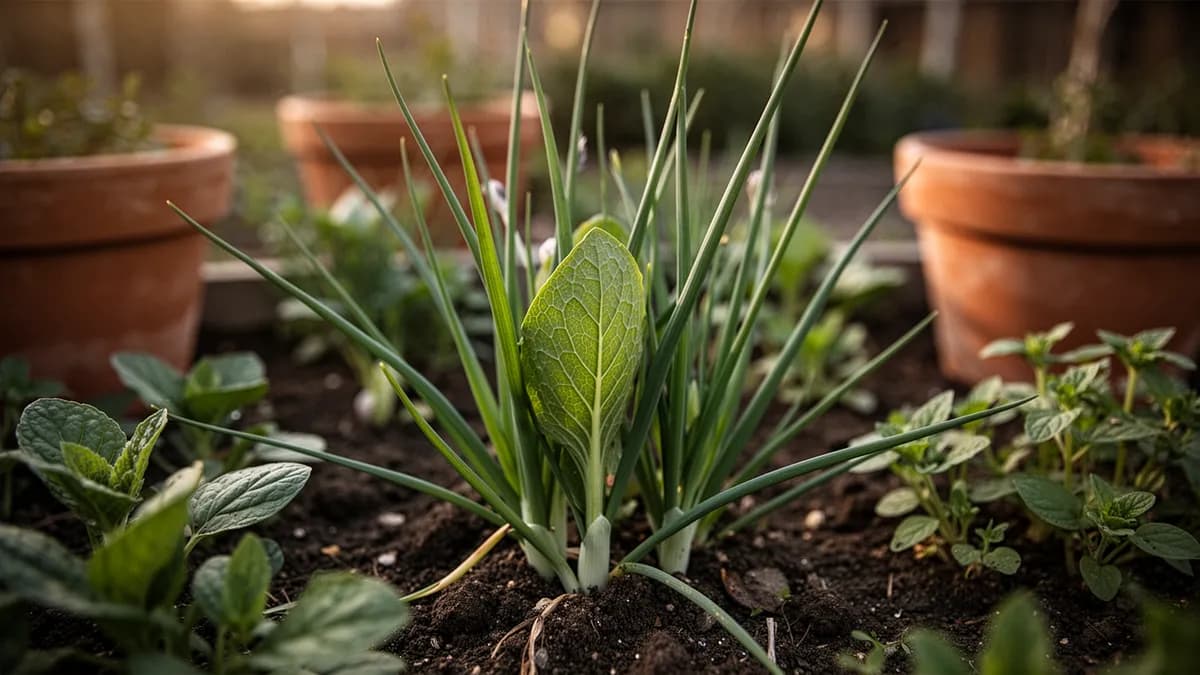
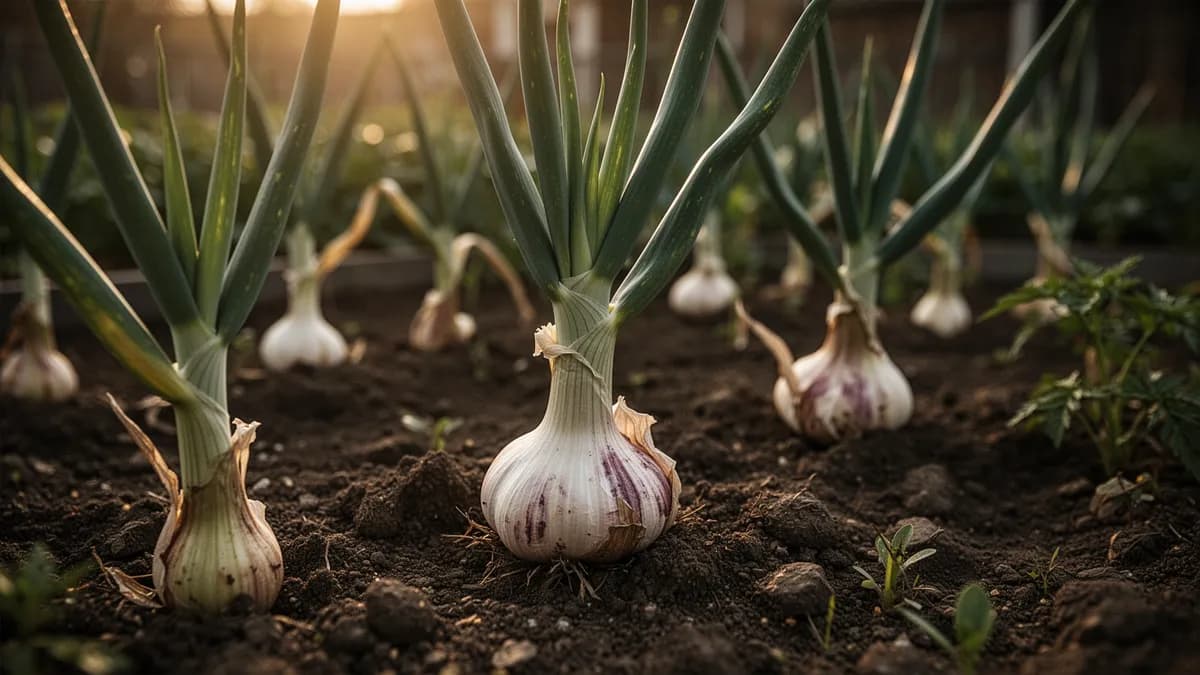
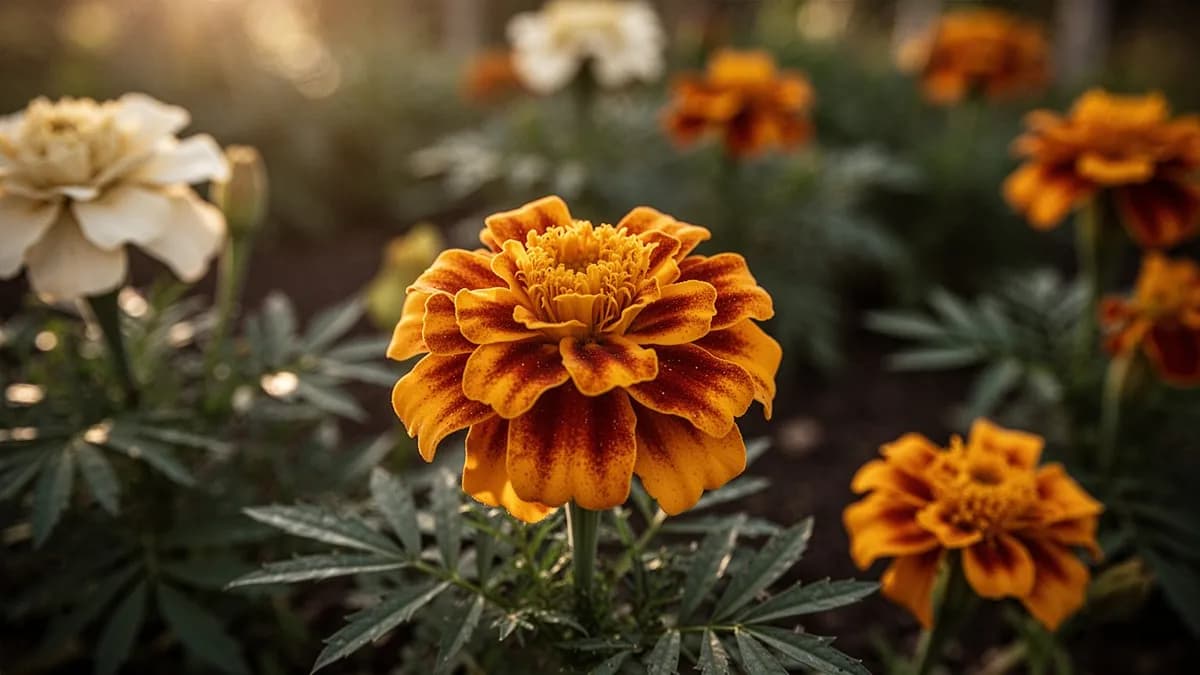
Intercale plantas de trébol blanco fijador de nitrógeno bajo las manzanas Fuji para alimentar de forma natural el suelo y, al mismo tiempo, proporcionar cobertura. El cebollino y el ajo plantados en la base ayudan a repeler barrenadores y pulgones. Las capuchinas sirven como cultivo trampa para pulgones, desviándolos del manzano. El eneldo y el hinojo atraen avispas parasitoides beneficiosas que se alimentan de las larvas de la polilla de la manzana. Mantenga los nogales al menos a 15 metros de distancia para evitar la toxicidad por juglona.
Cebollino va a su lado. Nogal no.
Saber de huerto de siempre, cotejado con la tabla real de Manzana Fuji — prueba cualquier planta que cultives.
Prueba Manzana Fuji en un bancal, aquí mismo
Un bancal real del planificador con Manzana Fuji ya plantado. Toca una planta compañera para colocarla y mira cómo responde la comprobación de vecinos: verde para buenos vecinos, rojo si hay conflicto.


Guías de cultivo relacionadas
Abónalo bien
Las manzanas Fuji prosperan en un franco profundo y bien drenado con un pH de 6.0 a 7.0. Los árboles son vigorosos y se benefician de aplicaciones moderadas de nitrógeno en primavera, reduciéndolas a partir de mediados del verano para favorecer la maduración del fruto en lugar del crecimiento vegetativo. Aplique potasio y fósforo según los resultados del análisis de suelo. Las pulverizaciones foliares de calcio aplicadas desde la caída de pétalos hasta mediados del verano ayudan a prevenir la bitter pit, a la que Fuji puede ser susceptible en situaciones de alto vigor.
Temperatura ideal
Compatibilidad de zonas de rusticidad
De la semilla a la cosecha, etapa por etapa
Dormancia y plantación
Los manzanos Fuji se plantan como material a raíz desnuda durante la dormancia invernal, cuando toda la energía está almacenada en las raíces y en el tejido leñoso. Fuji requiere una acumulación relativamente alta de horas de frío, entre 900 y 1.200 horas por debajo de 7 °C, lo que lo hace más adecuado para regiones con inviernos fríos y marcados. Durante la dormancia, los procesos hormonales internos preparan al árbol para una brotación sincronizada cuando el calor regrese en primavera.
Brotación y floración
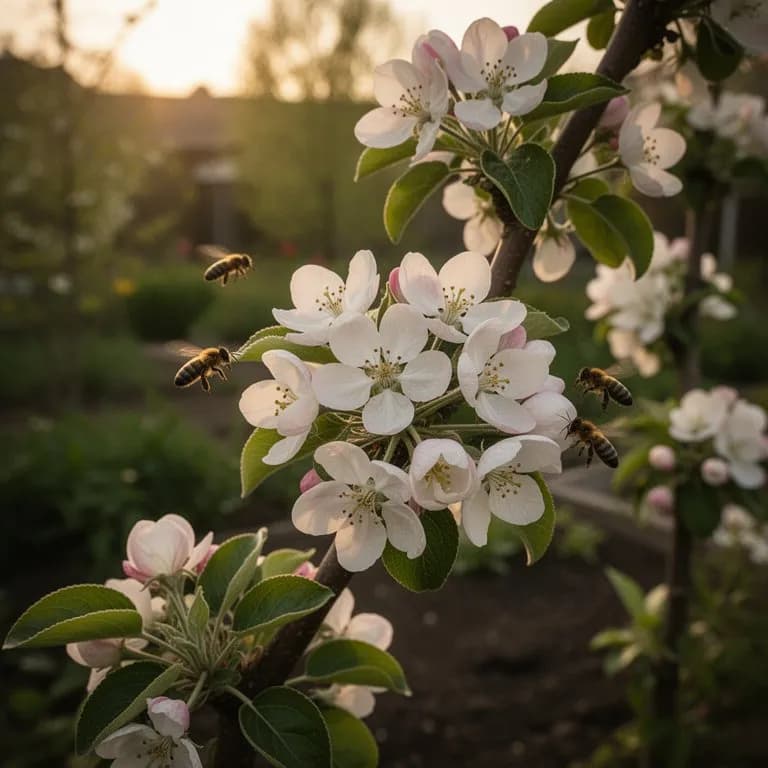
Fuji florece a mitad o final de temporada, con la apertura de las flores que suele ocurrir a mediados de primavera, una o dos semanas después de variedades tempranas como Gala. Esta floración algo retrasada puede ofrecer cierta protección frente a heladas tardías dañinas. Cada racimo floral contiene cinco flores, que se abren desde la flor reina hacia fuera. Fuji no es autofértil y requiere un polinizador compatible como Gala, Pink Lady o Granny Smith, plantado cerca.
Cuajado y desarrollo de los frutos pequeños
Las flores polinizadas con éxito se convierten en pequeños frutos durante las semanas posteriores a la caída de pétalos. El árbol deja caer de forma natural el exceso de frutos en la 'caída de junio', un proceso fisiológico que concentra los recursos en menos frutos y de mejor calidad. Fuji es conocida por cuajar en exceso, por lo que a menudo requiere un aclareo manual agresivo más allá de lo que aporta la caída natural de junio para lograr el gran tamaño de fruto por el que la variedad es famosa.
Engorde del fruto en verano
Las manzanas Fuji atraviesan una fase prolongada y gradual de engorde durante el verano, una de las más largas entre las variedades comerciales. El fruto pasa de pequeñas canicas verdes a grandes manzanas redondas, acumulando los extraordinarios niveles de azúcar que le dan a Fuji su sabor dulce como la miel. La humedad constante es crítica en esta etapa, ya que el riego irregular causa bitter pit, manchas corchosas y grietas en la piel que arruinan el aspecto y la conservación del fruto.
Desarrollo de color y maduración
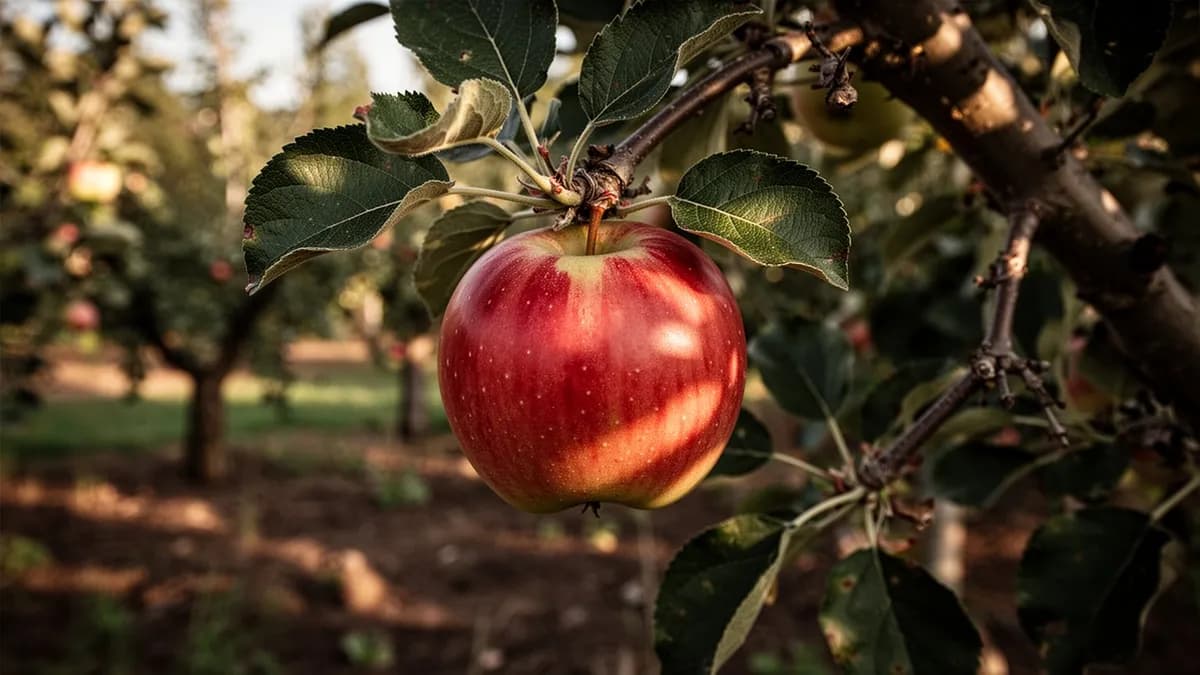
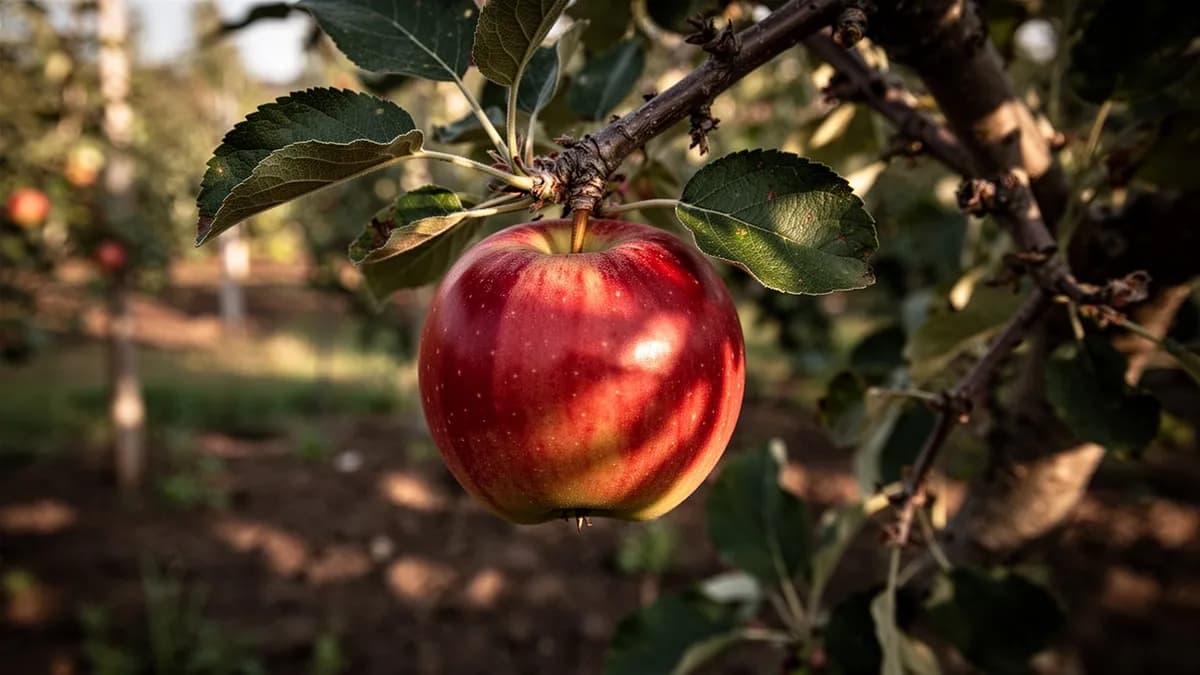
Fuji es una de las variedades de manzana más tardías en madurar, y normalmente alcanza su madurez de cosecha entre finales de octubre y noviembre en el hemisferio norte, casi 160–180 días después de la floración. Durante este largo tiempo en el árbol, el fruto desarrolla su característico rubor rojo intenso sobre un fondo amarillo verdoso, mientras los almidones internos siguen convirtiéndose en azúcares. Las noches frescas de otoño son esenciales para desarrollar la pigmentación roja intensa y concentrar los aromas.
Poscosecha y preparación para la dormancia
Tras la cosecha tardía, el Fuji entra rápidamente en preparación para la dormancia. Las hojas cambian de color y caen mientras los nutrientes regresan al tejido leñoso para su almacenamiento invernal. Como Fuji se cosecha tan tarde en la temporada, queda poco tiempo entre la recolección y la llegada de heladas fuertes para que el árbol complete esta transición, por lo que el cuidado poscosecha es especialmente importante para mantener la salud del árbol y el potencial de la cosecha del año siguiente.
Plante los Fuji a raíz desnuda entre diciembre y marzo, cuando estén totalmente dormidos. Cave un hoyo ancho y poco profundo para extender las raíces de forma natural sin curvas ni dobleces. Coloque la unión del injerto 5 cm por encima del nivel final del suelo. Riegue a fondo en el momento de plantar y aplique un anillo amplio de acolchado de astillas de madera de 7 a 10 cm de grosor, manteniéndolo alejado del tronco para evitar podredumbre del cuello.
Cuidar Manzana Fuji mes a mes
Qué hacer cada mes para tu Manzana Fuji
Octubre
Mes actualEmpiece la valoración de cosecha a mediados o finales de octubre. Revise el color de las semillas, que debe volverse marrón oscuro, y el color de fondo de la piel, que pasa de verde a amarillo. El sabor de Fuji mejora de forma drástica con más tiempo en el árbol, así que resista la tentación de recoger demasiado pronto. Retire a diario el fruto caído del suelo para reducir presión de enfermedades y plagas. Prepare un espacio fresco y húmedo para almacenar la fruta entrante.
Ten claro qué hacer en tu huerto, cada mes
Un correo al empezar cada mes: qué sembrar, plantar y hacer ahora mismo — para tu Manzana Fuji y todo lo que crece alrededor. Más un breve curso inicial para esquivar los errores clásicos.
- Qué hacer ahora mismo
- Ajustado a tu temporada
- Curso inicial incluido
Cosechar Manzana Fuji
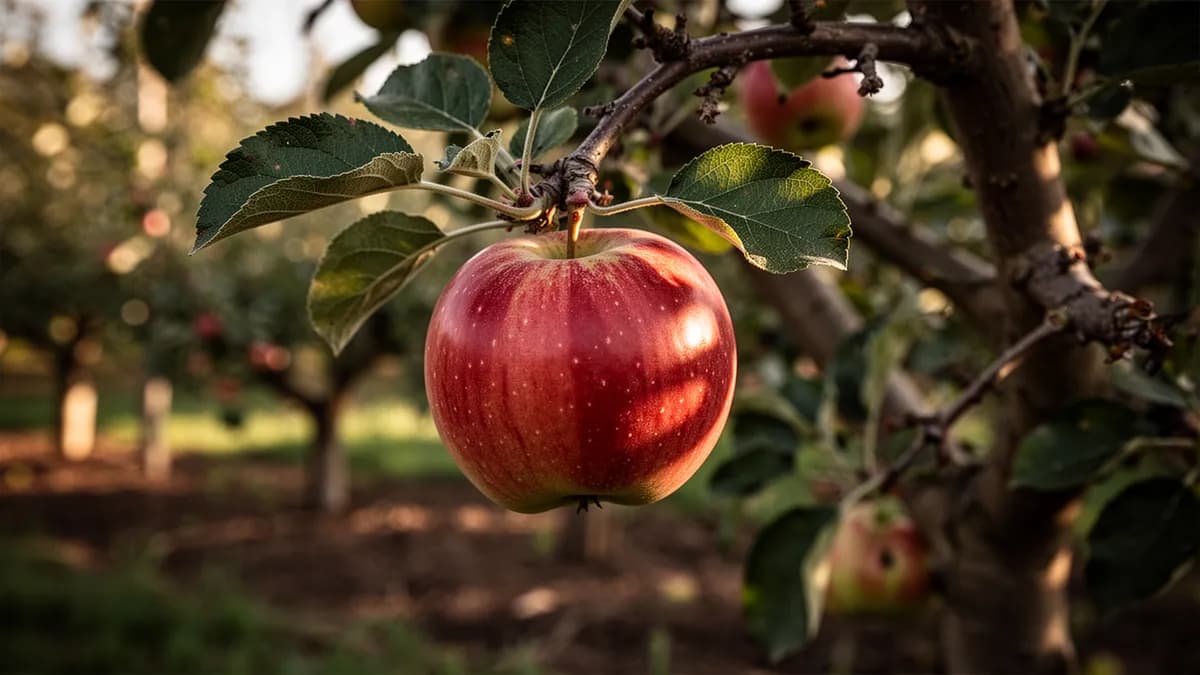
Las manzanas Fuji maduran al final de la temporada, normalmente desde mediados de octubre hasta noviembre, y necesitan un otoño largo y cálido para desarrollar toda su dulzura. Compruebe la madurez probando el fruto y observando que el color de fondo pase de verde a un tono amarillento. Las semillas deben estar de color marrón oscuro y la pulpa debe ser crujiente y muy dulce. Recoja con un giro suave hacia arriba, manipulando con cuidado para evitar magulladuras. Las manzanas Fuji pueden permanecer en el árbol después de las primeras heladas leves, lo que de hecho incrementa su dulzor.
se supone que plantas al comenzar el periodo — indica tu fecha real
Cosecha Manzana Fuji a tiempo y la planta sigue produciendo.
Almacenamiento y conservación
Las manzanas Fuji son excelentes manzanas de conservación, y pueden guardarse de cuatro a seis meses a 0–2 °C en cámara frigorífica y hasta un año en atmósfera controlada. Su pulpa densa resiste la descomposición y mejora de sabor durante las primeras semanas de almacenamiento. Para la conservación casera, las Fuji producen excelentes anillos de manzana deshidratada gracias a su alto contenido de azúcar. También se congelan bien en rodajas para usarlas más adelante en cocina y repostería.
Qué falla — y cómo solucionarlo
Sarna del manzano
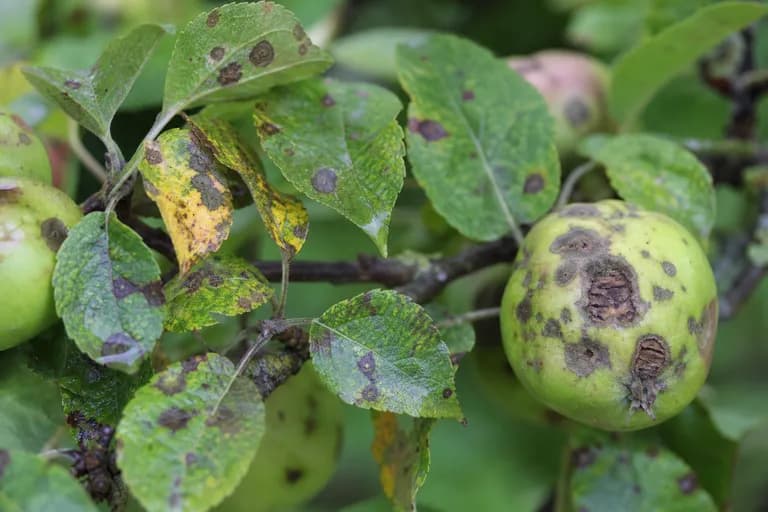
EnfermedadManchas verde oliva oscuras en hojas que se expanden hasta volverse zonas pardas; el fruto desarrolla lesiones corchosas y agrietadas que reducen su calidad.
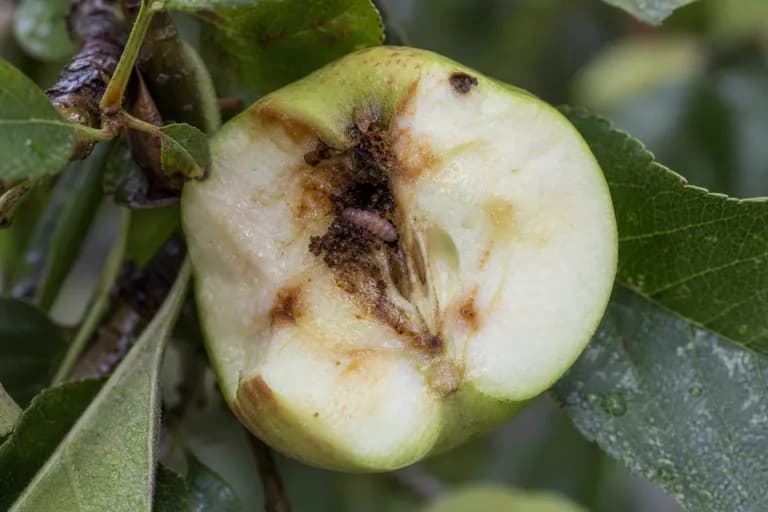
Polilla de la manzana
PlagaAgujeros de entrada en el cáliz o en el lateral del fruto con rastros pardos de excrementos a través de la pulpa que llegan hasta la cavidad de las semillas.
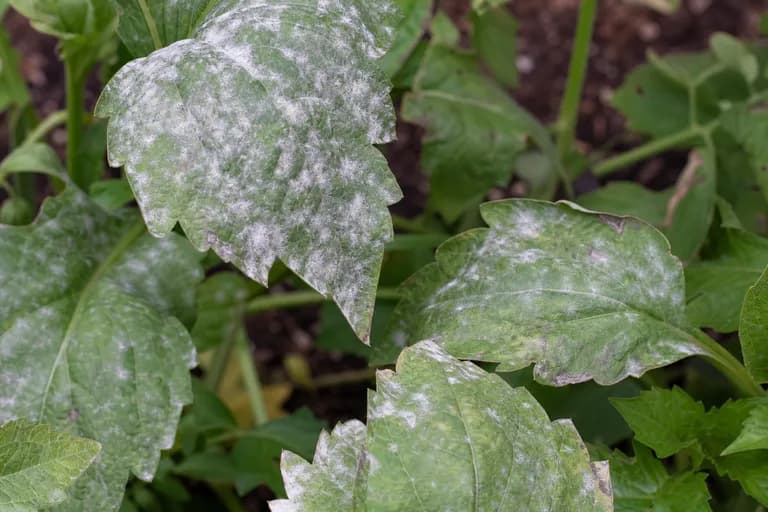
Oídio
EnfermedadCapa blanca y polvorienta en hojas jóvenes, brotes y flores que provoca crecimiento deformado y piel del fruto con aspecto russet.
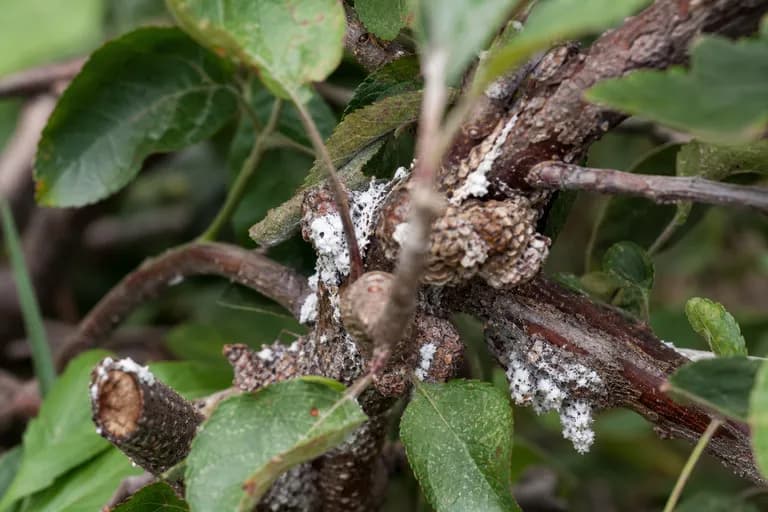
Pulgón lanígero del manzano
PlagaMasas blancas algodonosas en ramas, heridas de poda y raíces; las zonas infestadas desarrollan agallas hinchadas en el tejido leñoso.
Solución de problemas comunes
El desafío más importante con Fuji es la vecería, en la que los árboles alternan entre años de carga alta y baja. El aclareo agresivo hasta un fruto por racimo dentro de los 30 días posteriores a la floración es esencial para romper este ciclo. Fuji requiere una temporada de crecimiento larga y cálida, por lo que en climas más frescos el fruto puede no desarrollar toda su dulzura antes de la helada. La variedad es moderadamente susceptible al fuego bacteriano y no debe recibir mucho nitrógeno en primavera.
Consejos de cultivo
- Elija un lugar con exposición total al sol durante un mínimo de seis a ocho horas diarias. El excepcional desarrollo de azúcar y la intensa coloración roja de Fuji dependen mucho de una luz abundante durante la larga temporada de crecimiento, y los árboles sombreados producen de forma constante frutos pálidos y sosos con menor capacidad de conservación.
- Fuji requiere entre 900 y 1.200 horas de frío por debajo de 7 °C para romper la dormancia de forma uniforme y cuajar bien. Si vive en una región con inviernos suaves por debajo de la zona USDA 7, elija una sustituta Fuji de baja exigencia de frío, como Tropical Fuji o Minjon, en lugar de la Fuji estándar, que rendirá muy por debajo de lo esperado sin suficiente frío invernal.
- Planifique los polinizadores antes de plantar. Fuji es completamente autoinfértil y requiere polinización cruzada de una variedad de su mismo grupo de polinización, o de un grupo adyacente, que florezca al mismo tiempo. Buenos polinizadores para Fuji incluyen Gala, Honeycrisp, Pink Lady, Jonagold y Granny Smith. Plante al menos un polinizador a entre 15 y 20 metros para asegurar un buen cuajado.
- Inicie un programa de pulverización de calcio desde la caída de pétalos y repítalo cada 14–21 días hasta finales de agosto. Fuji es especialmente susceptible al bitter pit, un trastorno por deficiencia de calcio que causa manchas marrones hundidas en la piel y motas marrones corchosas en la pulpa. Las aplicaciones foliares son mucho más eficaces que el calcio al suelo para prevenir este problema.
- Aclare Fuji de forma agresiva hasta dejar una manzana por racimo, separando los frutos al menos 20 cm a lo largo de las ramas. Fuji cuaja con facilidad, pero su célebre tamaño grande, su dulzor intenso y su excelente capacidad de conservación dependen de reducir mucho la carga de cosecha a comienzos del verano. Los árboles Fuji mal aclarados producen frutos pequeños y sosos y son propensos a la vecería.
- Resista la tentación de cosechar Fuji demasiado pronto. La variedad necesita toda su temporada de 160–180 días desde la floración para alcanzar el sabor óptimo. Las Fuji cosechadas antes de tiempo carecen del dulzor característico de miel y no se conservarán tanto. Espere hasta que las semillas sean uniformemente marrón oscuro, el color de fondo de la piel pase de verde a amarillo verdoso y el fruto se desprenda del dardo con mínima resistencia mediante un suave giro hacia arriba.
- Forme los Fuji en eje central o en huso alto para maximizar la captación de luz y facilitar el manejo. Fuji es una variedad de dardos en muchos linajes, lo que significa que produce fruto en espolones cortos y leñosos a lo largo de ramas viejas, en lugar de en las puntas de los brotes. Estos espolones fructíferos deben conservarse cuidadosamente durante la poda y seguirán produciendo durante 8–10 años antes de volverse improductivos y necesitar renovación.
- Aplique un mantillo o película reflectante bajo la copa en septiembre y octubre durante la fase final de coloración antes de la cosecha. Esta técnica refleja la luz solar hacia la parte baja de la copa, mejora el desarrollo del pigmento rojo en los lados sombreados del fruto y produce manzanas Fuji de color más uniforme, más atractivas visualmente y de mejor calidad comercial.
- Proteja las manzanas Fuji almacenadas del gas etileno producido por otros frutos en maduración. Fuji es una de las mejores manzanas para almacenamiento casero, capaz de conservarse 4–6 meses en un sótano o garaje fresco a 1–4 °C. Sin embargo, guardarlas junto a plátanos, peras u otros frutos productores de etileno acelera mucho la maduración y el deterioro. Para una máxima longevidad, guárdelas separadas en un recipiente ventilado.
- Aplique una sola pulverización poscosecha de solución de urea sobre el follaje justo después de la cosecha, a finales del otoño, para acelerar la descomposición de las hojas caídas. Esta práctica, utilizada por productores comerciales, reduce drásticamente la población de esporas invernantes del hongo de la sarna del manzano en las hojas muertas y puede disminuir considerablemente la presión de la enfermedad en la primavera siguiente sin fungicidas químicos.
Cultiva tu mejor Manzana Fuji — y todo lo que la rodea.
Empieza un plan gratis hoy. Diseña tus bancales, coloca tu Manzana Fuji y deja que PlotMyGarden gestione el momento, el espaciado, las asociaciones y los recordatorios de la semilla a la cesta.
Elige tu Manzana Fuji
Fuji Supreme
Un deporte de coloración temprana con un rubor rojo más uniforme que madura entre siete y diez días antes que la Fuji estándar.
Aztec Fuji
Un deporte muy coloreado con franjas rojas intensas sobre fondo amarillo, seleccionado para mejorar el aspecto en climas cálidos.
Kiku Fuji
Un deporte premium con franjas descubierto en Italia, con distintivas rayas rosado-rojas y el dulzor clásico de Fuji.
Myra Fuji
Un deporte neozelandés con excelente desarrollo de color rojo y calidad de fruto constante incluso en regiones de cultivo más frescas.
September Wonder Fuji
Un deporte de maduración temprana que madura tres a cuatro semanas antes que la Fuji estándar, ampliando la ventana de cosecha.
Un manzano Fuji semienano maduro sobre portainjerto MM106 suele producir entre 40 y 70 kg de fruta premium al año una vez plenamente establecido, a los 6–8 años de edad. Con precios minoristas de 4 a 6 USD por kg para manzanas Fuji ecológicas, un solo árbol puede sustituir entre 160 y 420 USD en fruta comprada cada año. A lo largo de una vida productiva de 30 a 40 años, el retorno total sobre una compra de árbol de 30 a 60 USD es extraordinario. Cultivar su propia Fuji también da acceso a fruta madurada en árbol, de una calidad que no se encuentra en los supermercados, donde la Fuji comercial se recoge pronto y se mantiene en atmósfera controlada durante meses antes de llegar a los estantes.
Recetas rápidas
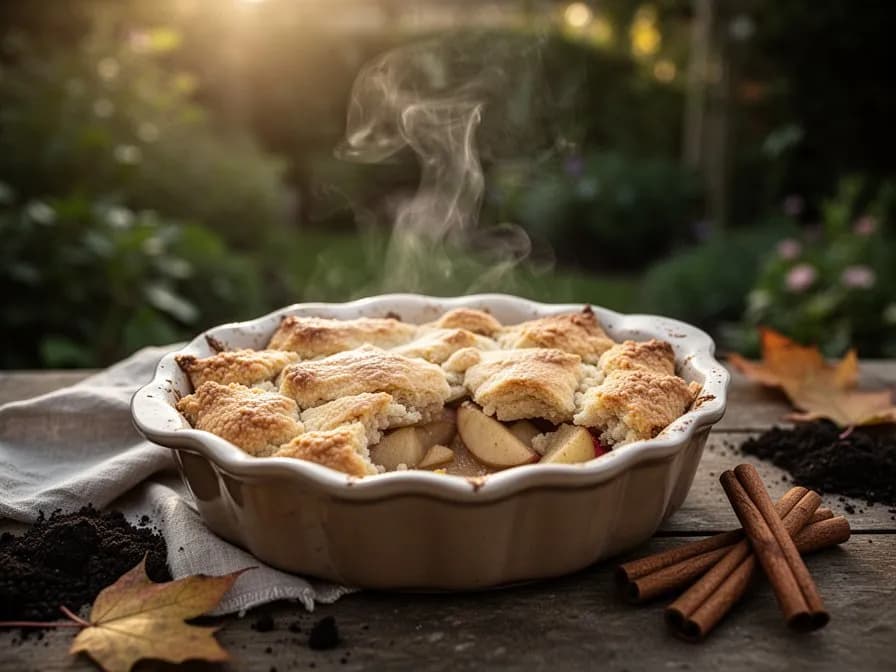
Ensalada de manzana Fuji y nueces
15 minutesUna ensalada crujiente y elegante que muestra el dulzor excepcional y la textura firme de la manzana Fuji junto con nueces terrosas, queso azul cremoso y una vinagreta aguda de sidra de manzana. La densidad de Fuji significa que mantiene su textura sin oxidarse rápido, por lo que es ideal para preparar con algo de antelación. No requiere cocción, permitiendo que brillen todos los sabores frescos.
9 ingredientes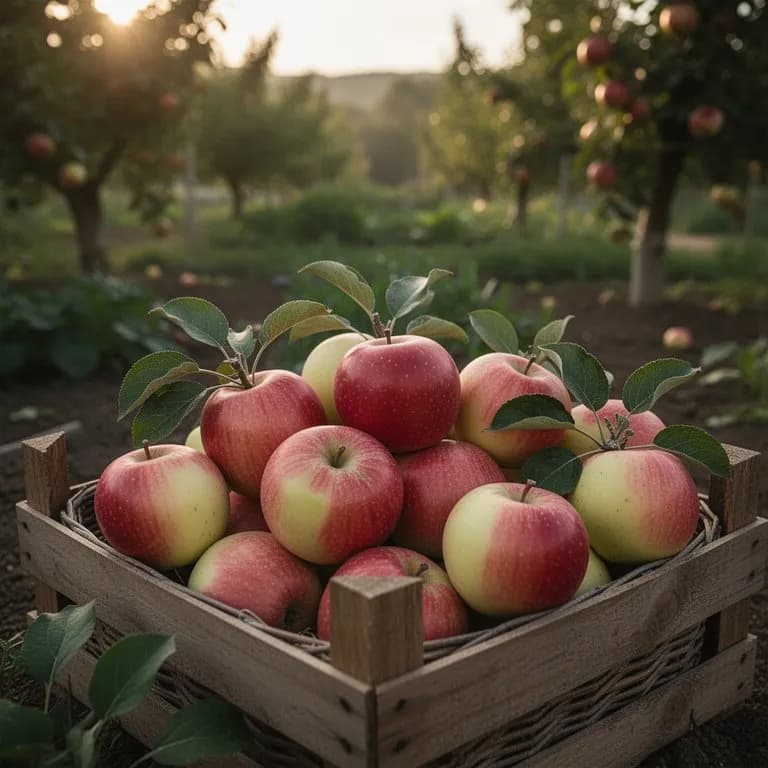
Lomo de cerdo caramelizado con manzana Fuji
35 minutesUn plato principal agridulce en el que la pulpa densa y rica en azúcar de las manzanas Fuji se carameliza de forma preciosa junto al lomo de cerdo sellado en sartén. Fuji es la manzana de cocina ideal para esta preparación porque su textura firme no se deshace, mientras que sus azúcares naturales forman una salsa brillante y ámbar. Es un plato de calidad de restaurante, pero totalmente asumible cualquier día entre semana.
9 ingredientesAvena nocturna con manzana Fuji, miel y especias
10 minutes (plus overnight)Un desayuno sin esfuerzo y denso en nutrientes que combina la dulzura natural de la manzana Fuji cruda rallada con avena cremosa remojada durante la noche en leche. El alto contenido de azúcar de Fuji hace que no haga falta ningún endulzante adicional salvo un ligero hilo de miel, mientras que su textura firme se ralla limpiamente e infunde la avena con sabor a manzana mientras reposa. Prepárelo en tarros la noche anterior para tener una comida lista por la mañana.
9 ingredientesUsos culinarios
Las manzanas Fuji son extraordinarias para comer en fresco, con una pulpa densa, crujiente y un dulzor parecido al miel. Resisten bien en ensaladas sin oxidarse rápidamente. Su alto contenido de azúcar las hace excelentes para sidra fresca y mezclas de zumo. Aunque conservan bastante bien la forma al hornearse, su dulzor extremo funciona mejor en recetas que se benefician de menos azúcar añadido, como tartas y galettes.
Qué contiene
Beneficios para la salud
- Las manzanas Fuji aportan una concentración inusualmente alta de fructosa y sacarosa naturales junto con un índice glucémico bajo, de aproximadamente 38, ofreciendo energía sostenida sin la subida y bajada brusca de glucosa asociada a los dulces procesados, lo que las convierte en una opción inteligente para deportistas y personas activas
- El denso contenido de polifenoles de la piel de la manzana Fuji, especialmente quercetina y catequinas, actúa como un potente escudo antioxidante que neutraliza los radicales libres relacionados con el envejecimiento celular, la inflamación crónica y el desarrollo de enfermedades cardiovasculares y ciertos cánceres
- La fibra soluble de pectina de las manzanas Fuji ha demostrado en varios ensayos clínicos reducir el colesterol total y LDL cuando se consume con regularidad, ya que la pectina se une a los ácidos biliares en el tracto digestivo y obliga al cuerpo a usar colesterol circulante para producir más, bajando así los niveles sistémicos
- El consumo regular de manzanas, incluida la variedad Fuji, se ha asociado en grandes estudios epidemiológicos con un menor riesgo de diabetes tipo 2, atribuyéndose específicamente al polifenol ácido clorogénico el papel de ralentizar la absorción intestinal de glucosa y mejorar la sensibilidad a la insulina
- El ácido málico abundante en las manzanas Fuji contribuye al ciclo del ácido cítrico en las células humanas, la vía metabólica central mediante la cual se produce energía a partir de los alimentos. La ingesta dietética regular de ácido málico se ha estudiado por su posible papel en la reducción de la fatiga crónica y la mejora de la tolerancia al ejercicio
- Las manzanas Fuji comidas con piel proporcionan un efecto prebiótico importante sobre la microbiota intestinal, ya que la fibra de pectina es fermentada por bacterias beneficiosas en ácidos grasos de cadena corta, incluido el butirato, lo que apoya la salud del revestimiento intestinal, modula la función inmunitaria y se ha asociado con un menor riesgo de cáncer colorrectal
De dónde viene Manzana Fuji
La manzana Fuji se desarrolló en la estación de investigación de Tohoku, en Fujisaki, prefectura de Aomori, Japón, a partir de 1930. Los horticultores japoneses cruzaron dos variedades estadounidenses, la famosa Red Delicious y la antigua Ralls Janet, con el objetivo de combinar el tamaño y el color de Red Delicious con la complejidad de sabor y la capacidad de conservación de Ralls Janet, una variedad cuyos orígenes se remontan a los huertos de Thomas Jefferson en Virginia. Tras más de tres décadas de selección y evaluación, la variedad se lanzó oficialmente a los productores comerciales japoneses en 1962 con el nombre Fuji, en honor tanto a la localidad de Fujisaki como a la montaña más venerada de Japón. Los consumidores japoneses la adoptaron con entusiasmo por su dulzor excepcional, textura densa y larga vida útil, cualidades que la catapultaron rápidamente a la cima del mercado nacional. Su expansión internacional comenzó de forma gradual en los años 80, cuando los cultivadores japoneses exportaron la variedad a Estados Unidos, donde primero se asentó en California y el estado de Washington. A finales de los 90, Fuji se había convertido en una variedad comercial importante en Norteamérica y Europa, ganando adeptos con su sabor dulce como la miel en una época en que los consumidores estaban cada vez más hartos de la Red Delicious harinosa y sin sabor que había dominado las estanterías durante décadas. La variedad encontró su mayor éxito internacional en China, donde se introdujo en los años 90 y se extendió tan rápido que hoy China cultiva más manzanas Fuji que cualquier otro país, plantando millones de hectáreas en las regiones manzaneras de las provincias de Shaanxi, Shandong y Gansu. Hoy Fuji sigue siendo una de las tres variedades de manzana más vendidas del mundo, junto con Gala y Golden Delicious, y se produce en todos los continentes habitados donde es viable el cultivo de manzanas. Su éxito ha inspirado decenas de variedades de club y líneas patentadas, incluidas Kiku, Aztec y Nagafu, cada una criada o seleccionada para mejorar de forma específica el color o el acabado del fruto, preservando al mismo tiempo el perfil de sabor icónico de Fuji que consumidores de todo el mundo han llegado a amar.
Manzana Fuji: ¿sabías que?
Datos fascinantes sobre Manzana Fuji
La manzana Fuji se desarrolló en Japón por la estación de investigación de Tohoku en las décadas de 1930 y 1940, y se liberó oficialmente a los productores en 1962. Es un cruce entre dos variedades estadounidenses, Red Delicious y Ralls Janet, por lo que su herencia es claramente transatlántica pese a su identidad profundamente japonesa.
Manzana Fuji: preguntas frecuentes
¿Cuándo debo plantar Manzana Fuji?
¿Cuáles son buenas plantas acompañantes para Manzana Fuji?
¿En qué zonas de rusticidad puede crecer Manzana Fuji?
¿Cuánto sol necesita Manzana Fuji?
¿A qué distancia debo espaciar Manzana Fuji?
¿Qué plagas y enfermedades afectan a Manzana Fuji?
¿Cómo almaceno Manzana Fuji después de la cosecha?
¿Cuáles son las mejores variedades de Manzana Fuji para cultivar?
¿Qué suelo necesita Manzana Fuji?
¿Por qué mis manzanas Fuji carecen de dulzor y saben insípidas?
¿Cómo consigo un mejor color rojo en mis manzanas Fuji?
¿Qué polinizadores son compatibles con los manzanos Fuji?
¿Cuánto tiempo puedo guardar las manzanas Fuji después de cosecharlas?
¿Fuji es una manzana de espolón y eso afecta a cómo la podo?
Mis manzanas Fuji tienen manchas marrones dentro de la pulpa. ¿Qué lo causa?
Acabas de leer la teoría. Ahora cultívala en piloto automático.
Todo lo que hace que Manzana Fuji sea delicado — el momento, el espaciado, las asociaciones, la ventana de cosecha — es justo lo que PlotMyGarden resuelve por ti, para cada planta de tu huerto.
Un plan que conoce tu clima
Indica tu ubicación una vez. Recibe fechas de siembra, abonado y cosecha basadas en tu última helada real y el pronóstico en vivo — sin adivinar con un sobre genérico.
De la sección “Cuándo plantar”Planificador de bancales de arrastrar y soltar
Diseña bancales sobre una cuadrícula. Cada planta encaja con su espaciado correcto y ves toda la temporada antes de gastar un céntimo en semillas.
De la sección “Cultivo”Conflictos de asociación, detectados a tiempo
Más de 200 buenas y malas combinaciones comprobadas en vivo mientras plantas — para que un error que arruine la temporada nunca llegue a la tierra.
De la sección “Asociaciones”Recordatorios que sí vas a seguir
“Riega las judías.” “Recoge hoy antes de que se pase.” Oportunos, concretos y ligados a las plantas que de verdad cultivas.
De la sección “Cosecha”Escalonado, programado
¿Quieres cosechar seis semanas en vez de seis días? Reparte tus siembras automáticamente y te avisa cuando toca el siguiente lote.
De la sección “Cuándo plantar”Un registro que se vuelve más listo
Cada cosecha que registras le enseña tu huerto. El plan del año que viene parte de lo que de verdad funcionó en tu suelo, no en un manual.
De la sección “Resumen”Planta estos junto a Manzana Fuji
Más Frutas de pepita
Mantén Manzana Fuji lejos de estos
Cultiva tu mejor Manzana Fuji — y todo lo que la rodea.
Empieza un plan gratis hoy. Diseña tus bancales, coloca tu Manzana Fuji y deja que PlotMyGarden gestione el momento, el espaciado, las asociaciones y los recordatorios de la semilla a la cesta.