Gala Apple
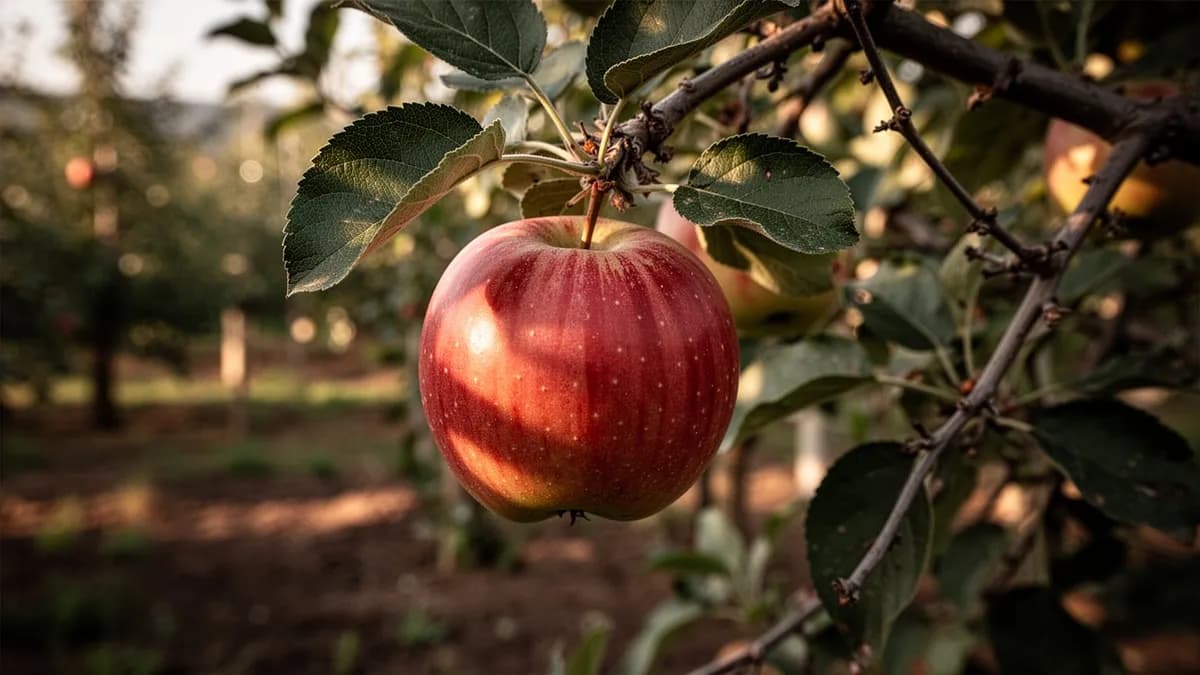
One of the world's most popular apple varieties, producing sweet, aromatic, mildly flavored fruits with distinctive red-orange striping.





On this pageOverview
Meet Gala Apple
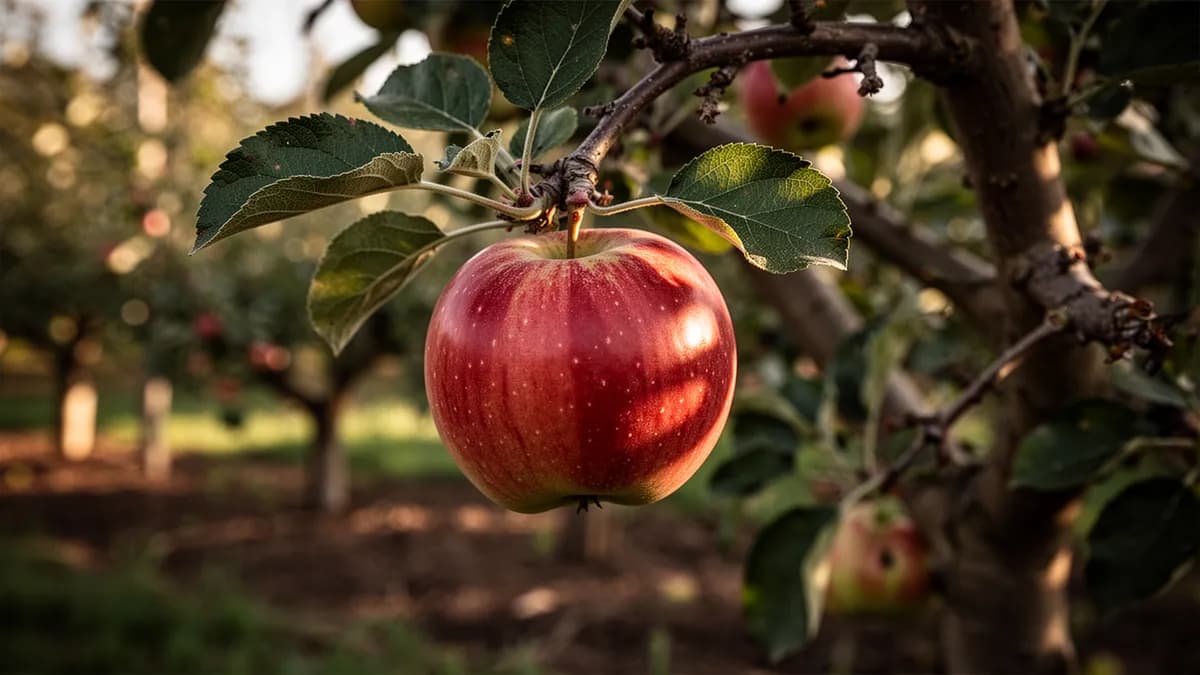
One of the world's most popular apple varieties, producing sweet, aromatic, mildly flavored fruits with distinctive red-orange striping. Gala apples ripen early in the season and are excellent for fresh eating, though less suited to baking due to their soft texture. They are reliable annual bearers that produce well even for beginning orchardists.
When to plant Gala Apple
Gala apples do not grow true from seed and must be propagated by grafting to maintain cultivar characteristics. However, seeds can be grown for rootstock or experimental purposes. Collect seeds from ripe fruit, wash them clean, and stratify in damp sand in the refrigerator for 60 to 90 days. Sow stratified seeds one-half inch deep in pots of seed-starting mix and keep at 65 to 75 degrees Fahrenheit. Seedlings emerge in two to three weeks and can be transplanted outdoors after hardening off.
Your Gala Apple Year
Composed for Zone 7 · typical seasons · frost passes Apr 2, returns Nov 1
Plant Gala Apple Mar – Apr, pick Aug – Sep. Check the planting methods below and set your climate to personalize these windows.
How to grow Gala Apple
Plant Gala apple trees in late winter or early spring while still dormant, choosing a site with full sun and well-drained soil. Dig a hole twice the width of the root ball and set the tree so the graft union sits two to three inches above the soil line. Water deeply at planting and apply a three-inch layer of mulch around the base, keeping it several inches away from the trunk to prevent rot.
Gala apples require a pollination partner such as Fuji, Granny Smith, or Golden Delicious planted within 50 feet. During the first few years, focus on establishing a strong central leader framework by selecting three to four well-spaced scaffold branches and removing competing leaders. Thin fruitlets in late spring to one apple per cluster to prevent overbearing and ensure good fruit size.
Water young trees with one to two inches per week during the growing season, tapering off in late summer to encourage hardening for winter. Apply a balanced fertilizer in early spring before bud break, using soil test results to guide amendments. Prune annually during dormancy to maintain an open canopy that allows sunlight and air circulation, which reduces disease pressure and improves fruit color.
Gala Apple needs more room than a 4 × 8 ft bed gives
Each Gala Apple wants 300 cm of elbow room. The planner keeps that spacing for you — every plant, every bed.
Gala Apple's best neighbours
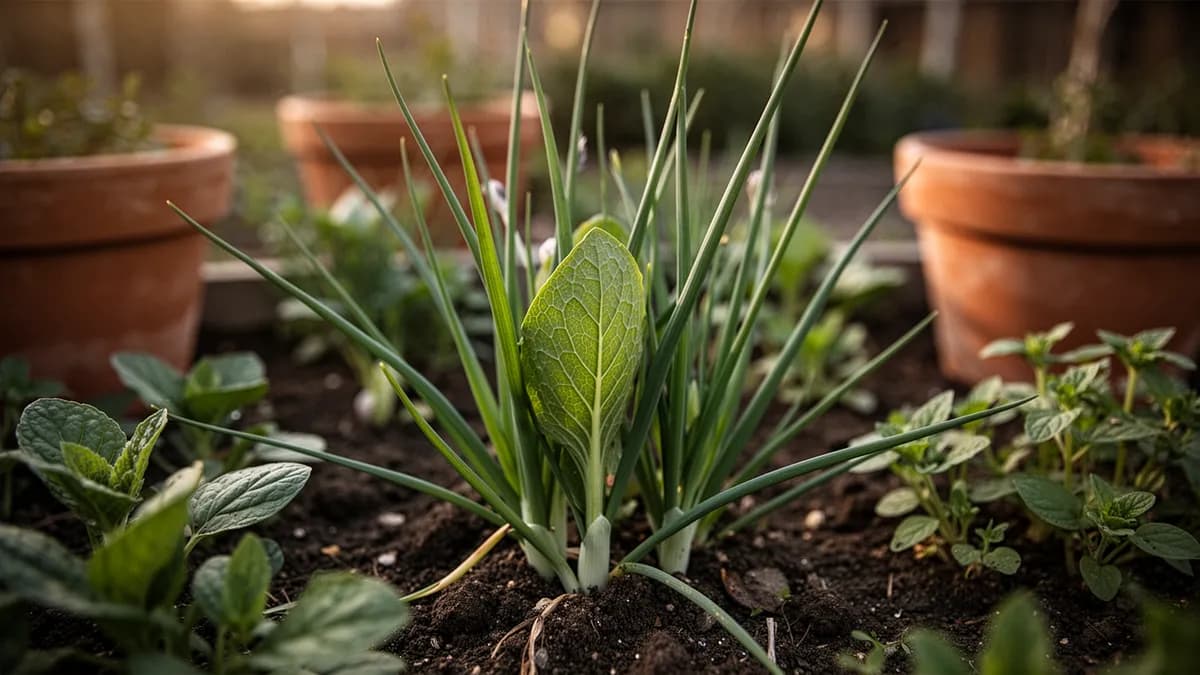
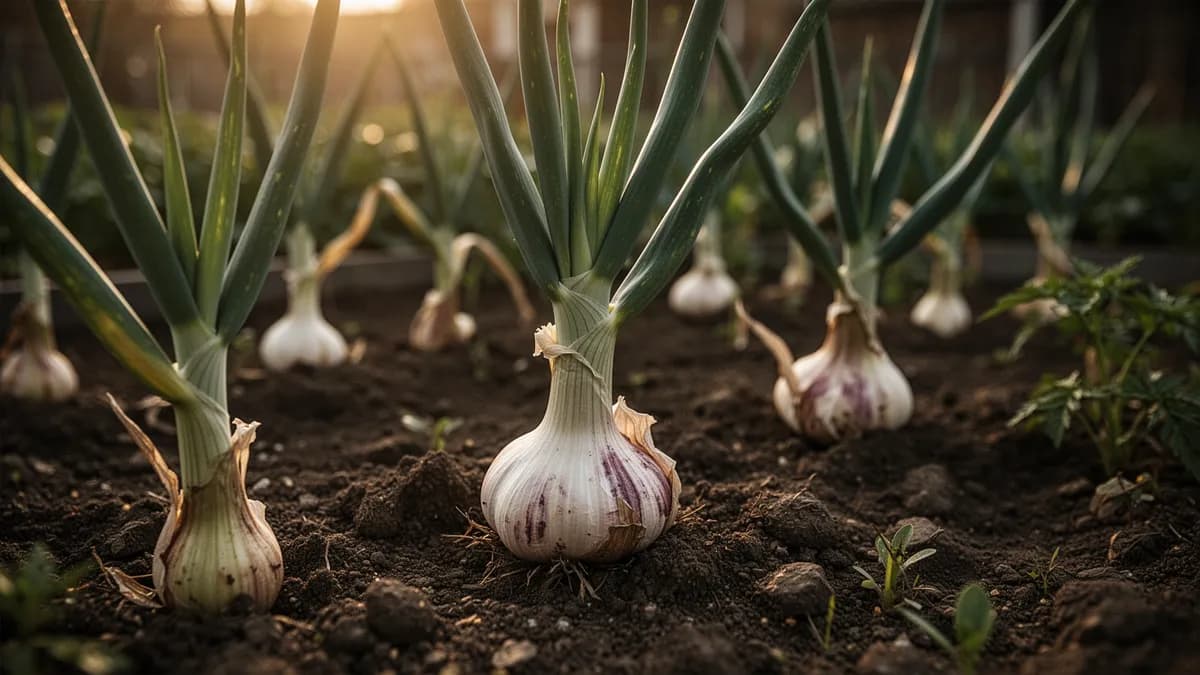
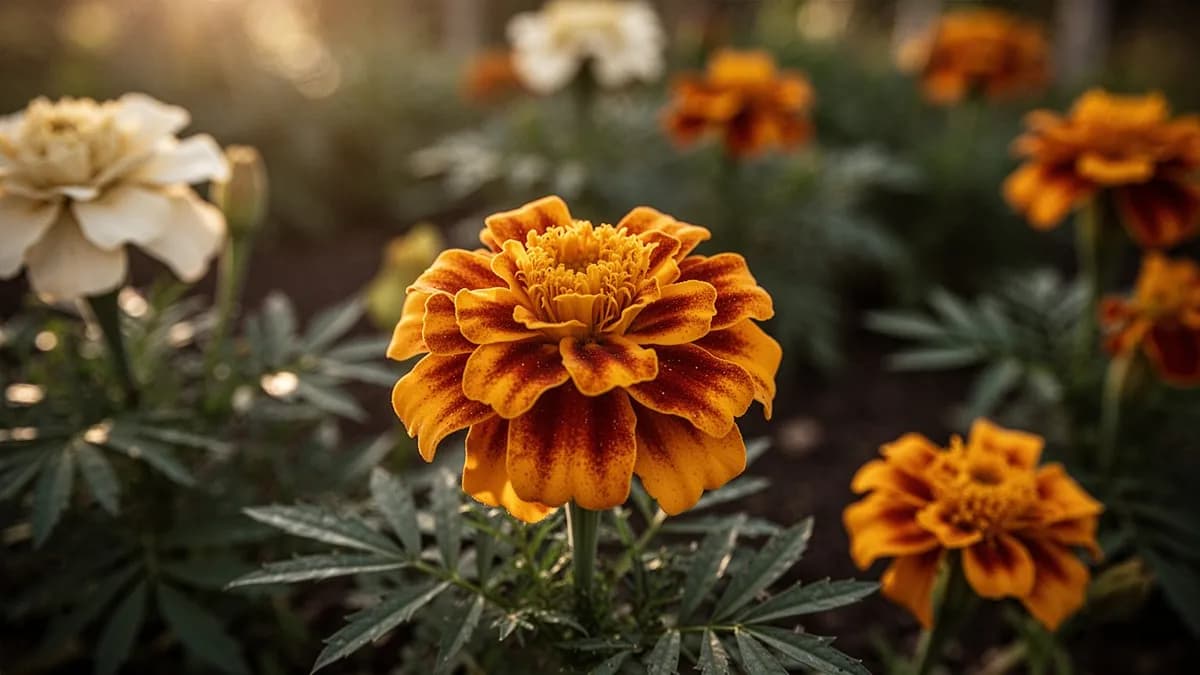
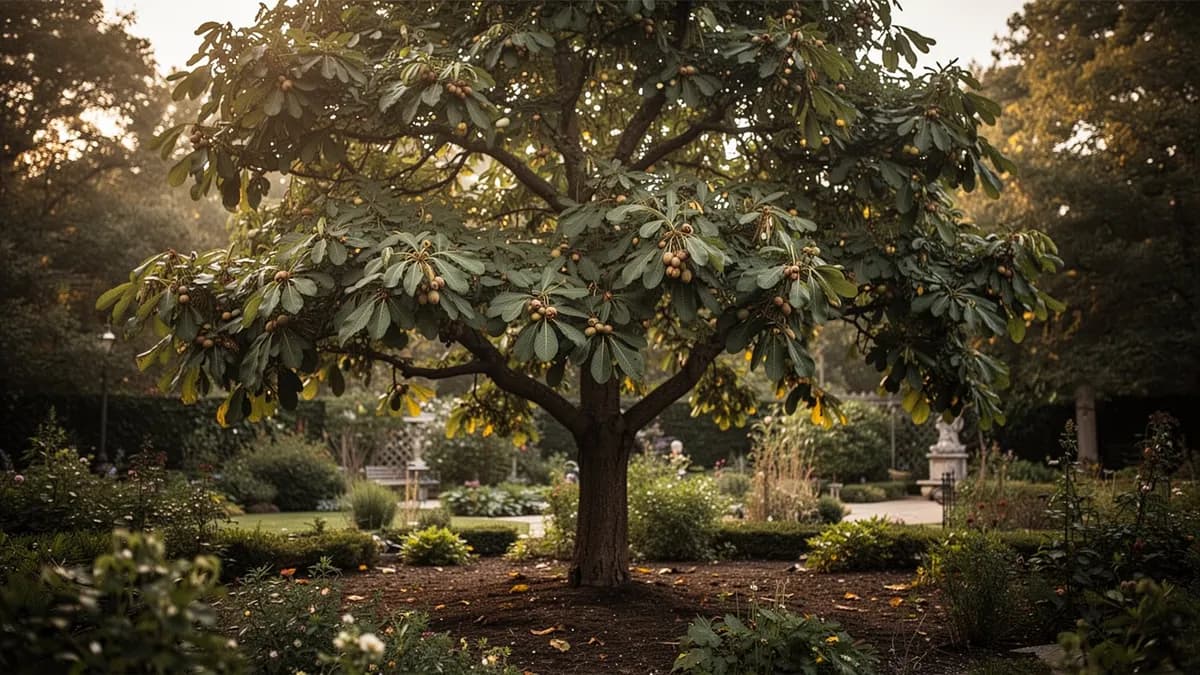
Plant chives and garlic around the base of Gala apple trees to deter aphids and borers with their pungent scent. Marigolds attract beneficial predatory insects while repelling nematodes in the root zone. Comfrey makes an excellent mulch plant under apple trees, mining deep nutrients and providing potassium-rich leaves for composting in place. Avoid planting near walnut trees, which release juglone that can stunt apple tree growth.
Chives belongs beside it. Walnut Tree doesn't.
Old growers' knowledge, checked against Gala Apple's real companion table below — test any plant you're growing.
Try Gala Apple in a bed — right here
A real planner bed with Gala Apple already in it. Tap a companion to place it and watch the pairing checks answer — green for good neighbours, red for a clash.


Related growing guides
Feed it well
Gala apples perform best in well-drained loamy soil with a pH between 6.0 and 7.0. Avoid heavy clay that retains water around roots, which promotes crown rot. Apply a balanced fertilizer such as 10-10-10 in early spring at a rate of one pound per inch of trunk diameter, spread under the drip line. Supplement with calcium sprays during fruit development to prevent bitter pit, especially in young trees with vigorous growth.
Ideal Temperature
Hardiness Zone Compatibility
From seed to harvest, stage by stage
Dormancy
The tree is leafless and resting through winter. Carbohydrate reserves are stored in the wood and roots. Buds are tightly closed and chilling hour accumulation is critical — Gala requires 500–800 chilling hours below 7°C to break dormancy uniformly.
Bud Break and Bloom
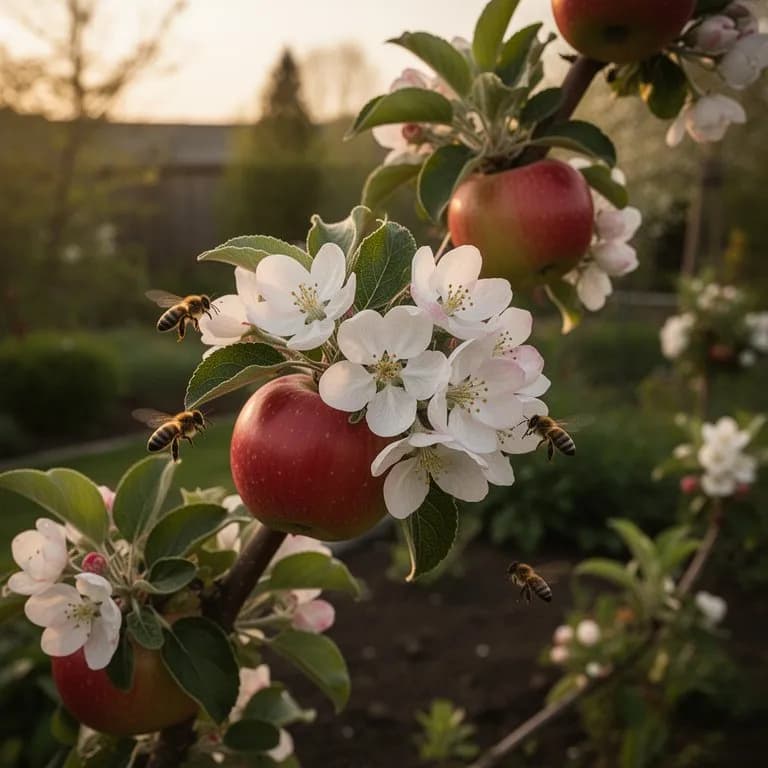
Warming temperatures trigger bud swell, followed by green tip, half-inch green, tight cluster, pink, and finally full bloom stages over 4–6 weeks. Gala blooms mid-season. Frost protection is critical — flowers are killed at -2°C and developing fruitlets at -1°C.
Fruit Set and June Drop
Fertilized flowers develop into small fruitlets. The tree naturally sheds excess fruitlets in a phenomenon called June drop. Clusters that set too many fruits should be hand-thinned to one fruit per spur to achieve good fruit size and prevent biennial bearing.
Cell Expansion and Color Development
Apples undergo rapid cell division followed by cell enlargement, driven by available water and nutrients. As harvest approaches, chlorophyll breaks down and anthocyanins develop, producing Gala's characteristic orange-red striping over a yellow-green ground color. Starch conversion to sugars accelerates.
Harvest Maturity
Gala reaches harvest maturity approximately 130–145 days after full bloom, typically late August through September in the Northern Hemisphere. Indicators include background skin color turning from green to creamy yellow, seed color darkening to brown, starch-iodine index of 4–6, and flesh firmness of 70–80 Newtons.
Post-Harvest Rest
After harvest the tree redirects energy to replenishing carbohydrate reserves and initiating the following season's flower buds, which are formed by late summer of the current year. Leaf senescence, triggered by shortening days and cooling temperatures, marks the return to dormancy.
Apply dormant oil spray on a frost-free day above 4°C to suffocate overwintering scale insects and mite eggs. This is also the ideal window for structural pruning.
Caring for Gala Apple month by month
What to do each month for your Gala Apple
October
You are hereApply a balanced autumn fertilizer (low nitrogen, higher potassium and phosphorus) to support root growth and carbohydrate storage. Rake and compost fallen leaves. Check for fire blight and prune out any infected wood with sterilized tools.
Know exactly what to do in your garden — every month
One email at the start of each month: what to sow, plant, and tackle right now — for your Gala Apple and everything growing around it. Plus a short starter course that helps you dodge the classic mistakes.
- What to do, right now
- Matched to your season
- Starter course included
Harvesting Gala Apple
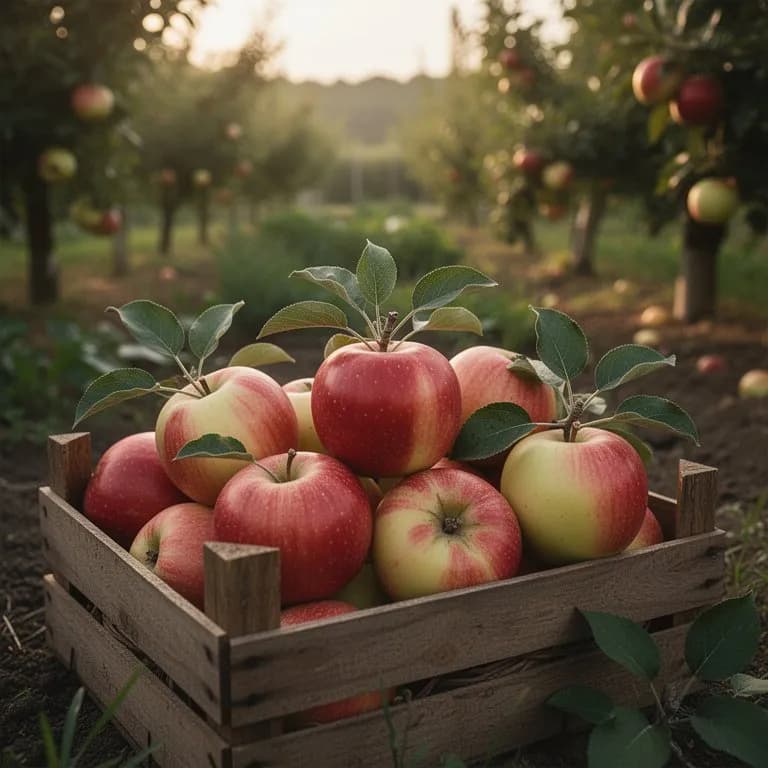
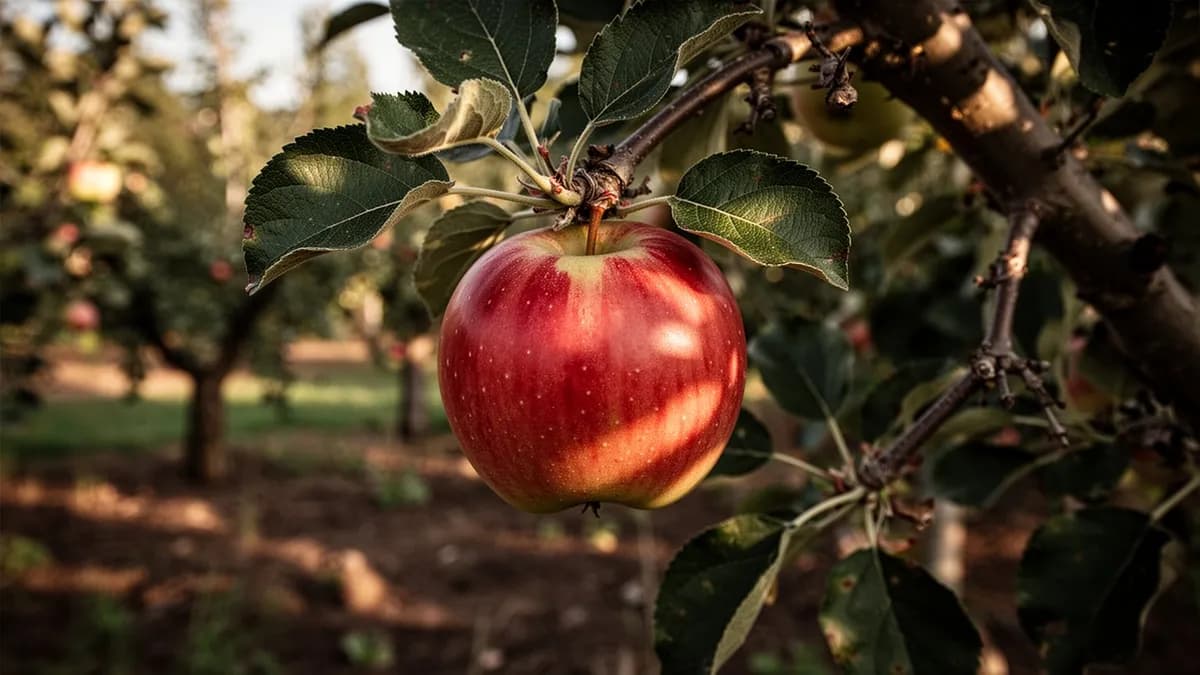
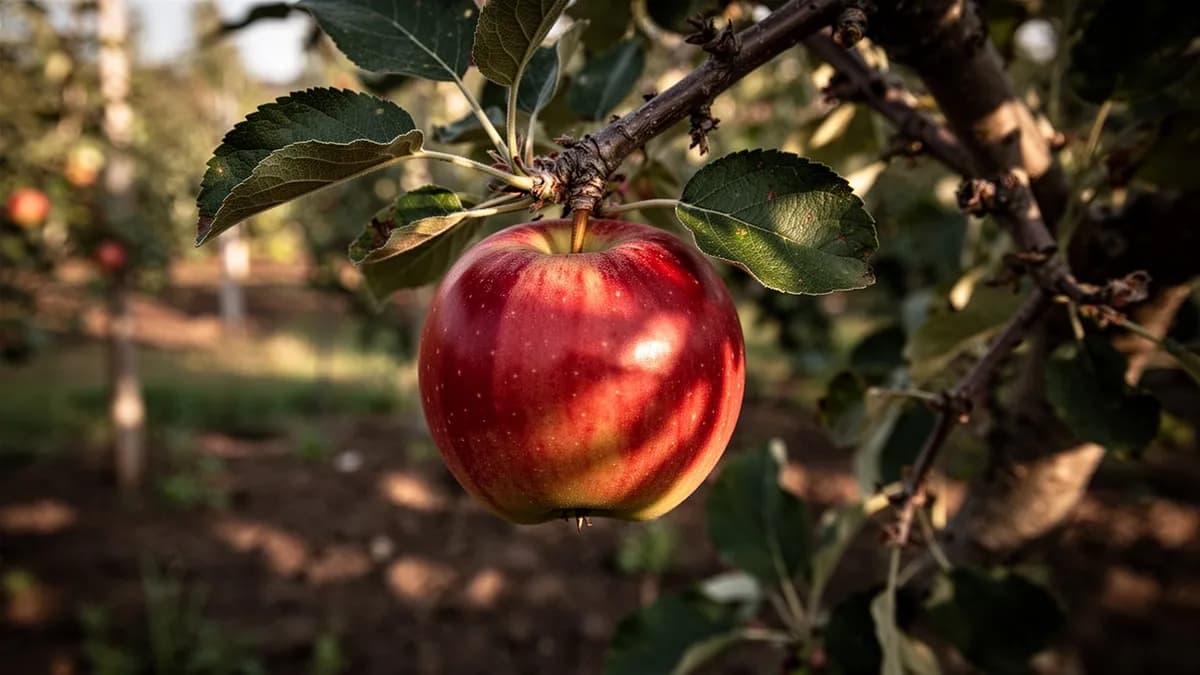
Gala apples ripen in late August to early September, earlier than most varieties. Test for ripeness by cutting an apple open to check that seeds have turned dark brown and the flesh is cream-colored rather than green. The fruit should separate easily from the spur with a gentle upward twist. Harvest over two to three pickings as fruit on the outer canopy ripens first. Handle gently to avoid bruising, as Gala skin marks easily.
assuming you plant when the window opens — set your real date
Pick Gala Apple promptly and the plant keeps producing.
Storage & Preservation
Store Gala apples in the refrigerator at 32 to 35 degrees Fahrenheit in perforated plastic bags to maintain humidity. They keep well for two to three months under proper cold storage but soften faster than firmer varieties. For longer preservation, slice and dehydrate into apple chips, or make applesauce and freeze in portions. Gala apples are excellent for cider blends, adding sweetness and aromatic complexity to the mix.
What goes wrong — and the fix
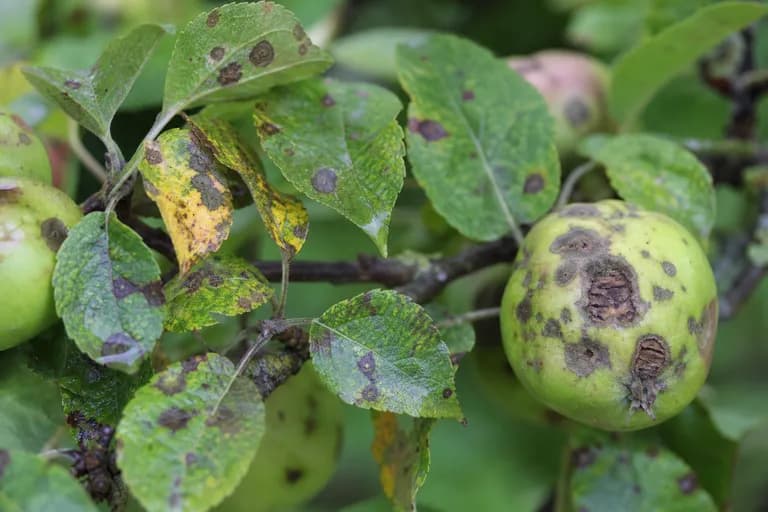
Apple Scab
DiseaseOlive-green to brown velvety spots on leaves and fruit, leading to premature leaf drop and cracked, disfigured apples.
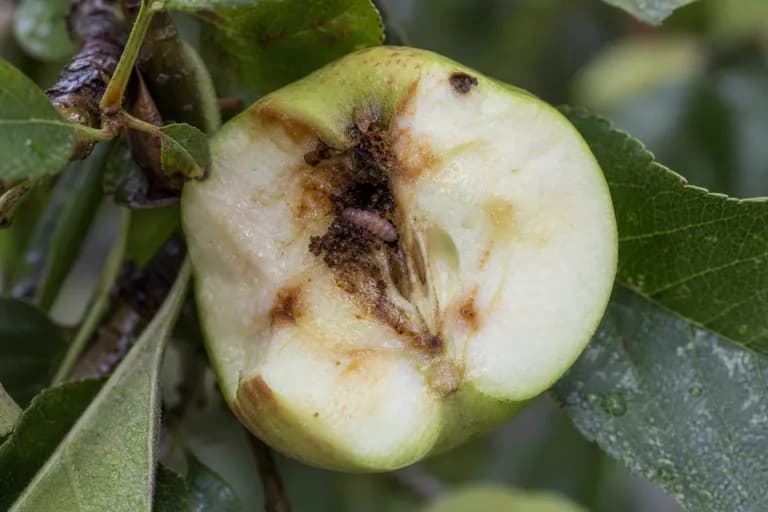
Codling Moth
PestSmall entry holes on fruit surface with frass-filled tunnels through the flesh; larvae bore into the core to feed on seeds.
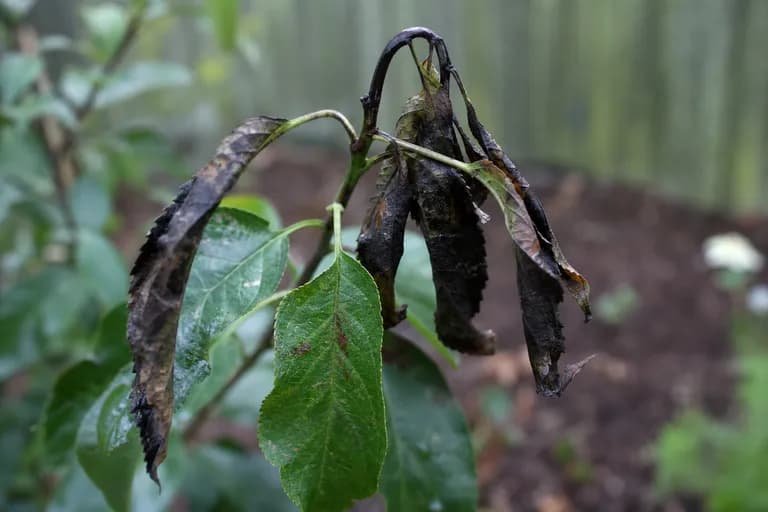
Fire Blight
DiseaseShoots and blossoms turn black and curl into a shepherd's crook shape; bark may show sunken, discolored cankers.
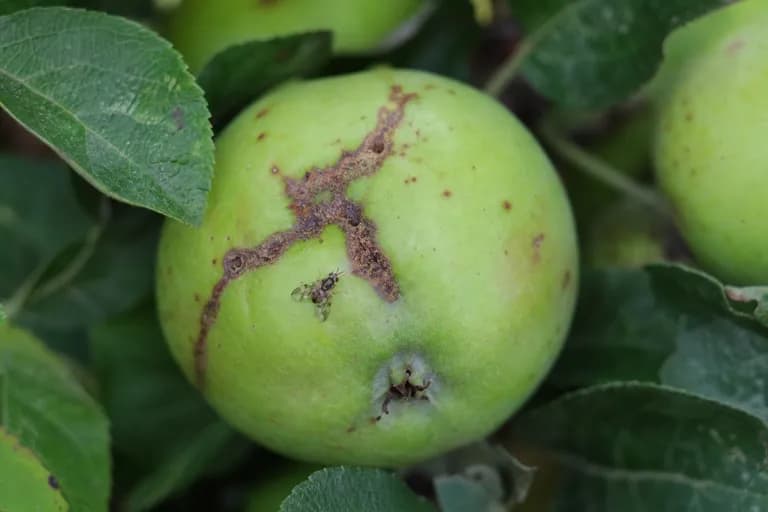
Apple Maggot
PestDimpled skin on fruit with brown, winding tunnels through the flesh caused by feeding larvae.
Troubleshooting Common Problems
Gala trees are prone to overbearing, which leads to small fruit and biennial cropping if not thinned aggressively. Bitter pit, appearing as dark sunken spots on the skin, results from calcium deficiency in the fruit and is worse in light crop years with vigorous shoot growth. The soft flesh bruises easily during harvest and storage, requiring careful handling. Sunburn can damage fruit on the south-facing side of the canopy during intense summer heat.
Growing Tips
- Always plant at least one compatible pollinizer variety within 50 meters of your Gala tree. Good pollinizers include Fuji, Granny Smith, Braeburn, and Cox's Orange Pippin, which all bloom at the same time as Gala. Self-fertile claims for Gala are unreliable — cross-pollination consistently produces better fruit set and larger fruit.
- Choose your rootstock carefully based on your soil, space, and support infrastructure. M.9 produces a very productive dwarf tree ideal for high-density planting but requires permanent staking and irrigation. M.26 is slightly more vigorous and offers a good balance of early bearing and manageability. MM.106 is suitable for less fertile soils and needs no permanent stake but takes longer to come into heavy bearing.
- Dormant-season pruning should aim to maintain an open-centre or central-leader shape with 3–5 well-spaced scaffold branches. Remove any branches that grow inward toward the center, cross other branches, or angle below 45 degrees from the trunk. A well-pruned Gala tree allows sunlight to reach every spur and reduces the humid canopy conditions that favor fungal disease.
- Hand-thin the crop every year without exception. This single practice has the greatest impact on fruit size, flavor, and preventing the biennial bearing cycle. Thin to one fruit per spur cluster and space remaining fruit approximately 15–20 cm apart along all branches. Do this after natural June drop, when the fruitlets are 10–15 mm in diameter.
- Apple scab (Venturia inaequalis) is the most damaging disease of Gala in humid climates. The primary infection period runs from bud break to 4 weeks after petal fall. Monitoring rain events using the Mills Table and applying sulfur or approved fungicides within the infection window is far more effective and less wasteful than calendar-based spraying.
- Codling moth (Cydia pomonella) is the primary insect pest causing wormy apples. Use pheromone-baited traps from pink stage onwards to monitor adult flight. When trap catches exceed 5 moths per trap per week, begin targeted applications of spinosad, kaolin clay, or approved codling moth granulosis virus (CpGV) products. Timing sprays to coincide with egg hatch (degree-day models) is more effective than fixed-interval spraying.
- Inconsistent watering — particularly allowing the soil to dry significantly then irrigating heavily — causes a physiological disorder called bitter pit, which appears as small brown corky spots just beneath the skin of the fruit. Maintain steady soil moisture throughout the growing season and apply foliar calcium sprays (calcium chloride at 0.4%) every 2 weeks from June through August to supplement calcium uptake.
- Gala apples color up best when nighttime temperatures drop to 10–15°C in the weeks before harvest. In warm climates where this does not occur naturally, reflective mulch laid under the tree canopy can increase light reflected back onto the lower portions of the fruit, significantly improving red color development without requiring cooler temperatures.
- Harvest Gala in two picks rather than all at once. Apples on the outside and top of the canopy ripen 7–10 days ahead of those in shaded interior positions. A starch-iodine test (cut an equatorial cross-section and apply iodine solution) showing 50–70% starch clearance from the outside inward indicates the first pick is ready. Interior fruit can be left an additional week to complete maturation.
- Store harvested Gala apples at 0–4°C with 90–95% relative humidity. Ethylene gas produced by ripening apples accelerates deterioration — store them separately from ethylene-sensitive produce like carrots, broccoli, and leafy greens. Gala is not the longest-keeping variety; expect 3–4 months in ideal conditions compared to 6+ months for late varieties like Fuji or Granny Smith.
Grow your best Gala Apple yet — and everything around it.
Start a free plan today. Lay out your beds, drop in your Gala Apple, and let PlotMyGarden handle the timing, spacing, companions and reminders from seed to harvest basket.
Pick your Gala Apple
Royal Gala
The most widely planted Gala sport with more extensive red coloring and slightly more intense flavor than the original.
Galaxy Gala
A heavily striped sport with nearly complete red coverage and excellent commercial appeal.
Brookfield Gala
A New Zealand sport known for its strong red blush and improved color consistency across the fruit.
Schniga Gala
An early-coloring Italian sport favored in European orchards for its reliable, attractive red striping.
Buckeye Gala
A full-red sport with solid crimson color, popular in commercial plantings where uniform appearance is important.
A mature semi-dwarf Gala apple tree on M.26 rootstock typically produces 25–40 kg of fruit annually after year 5, equivalent to 50–80 typical supermarket bags of apples. At an average retail price of £2.00–£3.50 per kg for organic Gala apples, a single tree can save a family £50–£140 per season in fresh apple purchases alone. Over a tree's productive lifespan of 20–30 years, cumulative savings can easily exceed £1,500–£3,000 after accounting for the initial tree cost of £15–£30 and modest annual inputs for fertilizer and pest management. Home-grown apples also eliminate packaging waste and food miles associated with commercially imported fruit.
Quick recipes
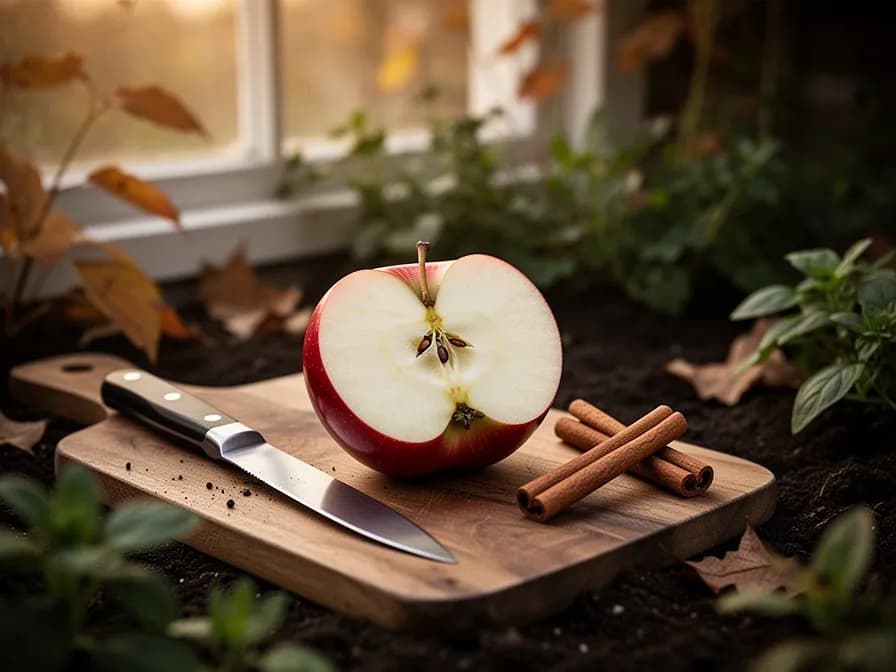
Gala Apple and Walnut Overnight Oats
5 minutes (plus overnight chilling)A no-cook breakfast that comes together in minutes the evening before. Gala's natural sweetness eliminates the need for added sugar, and its firm texture holds up beautifully after refrigeration, providing satisfying crunch throughout the creamy oats.
8 ingredientsQuick Gala Apple Slaw with Lemon Tahini Dressing
15 minutesA vibrant, crunchy slaw that works equally well as a standalone salad or as a topping for pulled pork tacos and grain bowls. Gala's sweetness balances the nutty bitterness of the tahini dressing and the peppery bite of cabbage.
10 ingredientsSpiced Gala Apple Compote
20 minutesA versatile stovetop compote that can be spooned over porridge, pancakes, vanilla ice cream, or pork chops. Gala breaks down beautifully when cooked, producing a naturally thick, jammy sauce without requiring large amounts of added sugar.
9 ingredientsCulinary Uses
Gala apples are primarily enjoyed fresh due to their sweet, mild flavor and aromatic fragrance. They make excellent additions to fruit salads and cheese boards. While too soft for traditional pie baking, they work well in applesauce, smoothies, and fresh apple cider. Their natural sweetness requires less added sugar in recipes, and they pair beautifully with caramel, cinnamon, and mild cheeses.
What's inside
Health Benefits
- The flavonoid quercetin found in Gala apple skin has been studied for its anti-inflammatory properties and potential to reduce the risk of chronic diseases including type 2 diabetes and certain cancers.
- Regular apple consumption has been associated in large epidemiological studies with a reduced risk of cardiovascular disease, partly attributed to the pectin fiber which helps lower LDL cholesterol levels.
- Gala apples contain malic acid, which contributes to oral health by stimulating saliva production — saliva neutralizes acids produced by oral bacteria and helps prevent enamel erosion.
- The prebiotic fiber in Gala apples feeds Lactobacillus and Bifidobacterium species in the gut, supporting a diverse microbiome that is increasingly linked to immune regulation and mental health.
- Apples are a significant dietary source of the antioxidant vitamin C, which supports collagen synthesis, immune function, and the absorption of non-heme iron from plant-based foods.
- Research published in the journal Food Chemistry has shown that apple polyphenols — particularly those in the skin — can inhibit the growth of colon cancer cells in laboratory studies, though clinical evidence in humans is still developing.
Where Gala Apple comes from
The Gala apple traces its origins to the experimental orchards of J.H. Kidd, a pioneering New Zealand pomologist working in Greytown in the Wairarapa region during the early twentieth century. Around 1934, Kidd crossed Kidd's Orange Red — itself a Cox's Orange Pippin and Delicious hybrid he had already developed — with Golden Delicious, a prolific American variety prized for its mild sweetness and reliable bearing. The resulting seedling showed exceptional promise: a compact, productive tree bearing small to medium-sized fruit with a distinctive yellow skin overlaid with bright orange-red striping, crisp fine-grained flesh, and an unusually sweet, mildly aromatic flavor reminiscent of honey and pear.
Kidd shared his seedling selections with the New Zealand Department of Scientific and Industrial Research, where orchardist D.W. McKenzie evaluated them through the late 1930s and 1940s. The variety was formally selected and provisionally named Gala in the 1950s. New Zealand growers adopted it gradually through the 1960s, and by the early 1970s commercial exports to the United Kingdom were beginning — making Gala one of the first Southern Hemisphere apple varieties to be marketed fresh in Europe during the Northern Hemisphere's post-harvest gap.
A chance mutation discovered by New Zealand orchardist Bruce Curry on his property near Greytown in the early 1970s produced fruit with dramatically deeper, more uniform red striping. This sport was named Royal Gala and quickly became the preferred commercial selection, eventually displacing the original strain in most orchards worldwide. Numerous further color mutations — including Imperial Gala, Galaxy, and Brookfield Gala — have since been selected and trademarked, all offering slightly different degrees of red coverage but essentially identical fruit eating characteristics.
Gala was introduced to the United States market in the early 1980s, where it was initially viewed as a niche imported variety. Its mild sweetness, manageable size, and early-season availability resonated with consumers, and plantings expanded rapidly through the 1990s. By the 2010s Gala had become the number-one selling apple in the United States by volume, overtaking Red Delicious after its long reign. Today it is grown commercially on every apple-producing continent and remains one of the top five apple varieties grown globally by total production volume.
Gala Apple: did you know?
Fascinating facts about Gala Apple
Gala apple was bred in New Zealand in the 1930s by orchardist J.H. Kidd as a cross between Kidd's Orange Red and Golden Delicious, and it took nearly four decades to reach commercial production worldwide.
Gala Apple questions, answered
When should I plant Gala Apple?
What are good companion plants for Gala Apple?
What hardiness zones can Gala Apple grow in?
How much sun does Gala Apple need?
How far apart should I space Gala Apple?
What pests and diseases affect Gala Apple?
How do I store Gala Apple after harvest?
What are the best Gala Apple varieties to grow?
What soil does Gala Apple need?
Does a Gala apple tree need a pollinator, or will it produce fruit on its own?
Why are my Gala apples small and pale, not the vibrant red-striped fruit I expected?
When exactly should I harvest my Gala apples, and how can I tell if they are ready?
My Gala tree had a huge crop one year and almost nothing the following year. What causes this and how do I fix it?
What is the difference between Gala and Royal Gala, and does it matter which one I plant?
Can I grow Gala apple in a container or a very small garden?
You just read the theory. Now grow it on autopilot.
Everything that makes Gala Apple fiddly — the timing, the spacing, the companions, the harvest window — is exactly what PlotMyGarden handles for you, for every plant in your garden.
A plan that knows your weather
Set your location once. Get sow, feed and harvest dates built around your real last-frost date and live forecast — no more guessing from a generic seed packet.
From the “When to plant” sectionDrag-and-drop bed planner
Design beds on a grid. Every plant snaps to its proper spacing, and you can see your whole season laid out before you spend a cent on seed.
From the “Growing guide” sectionCompanion conflicts, caught early
200+ good-and-bad pairings checked live as you plant — so a season-wrecking mistake never makes it into the ground.
From the “Companions” sectionReminders you'll actually act on
“Water the beans.” “Pick today before it turns.” Timely, specific, and tied to the plants you're really growing.
From the “Harvest” sectionSuccession, scheduled
Want a harvest for six weeks, not six days? It spaces your sowings automatically and reminds you when each new block is due.
From the “When to plant” sectionA record that gets smarter
Every harvest you log teaches it your garden. Next year's plan starts from what actually worked in your soil, not a textbook's.
From the “Overview” sectionPlant these alongside Gala Apple
More Pome Fruits
Keep Gala Apple away from these
Grow your best Gala Apple yet — and everything around it.
Start a free plan today. Lay out your beds, drop in your Gala Apple, and let PlotMyGarden handle the timing, spacing, companions and reminders from seed to harvest basket.