Apple (Dwarf)
A dwarf fruiting tree suitable for smaller gardens, requiring a pollination partner of a compatible variety for proper fruit set.





On this pageOverview
Meet Apple (Dwarf)
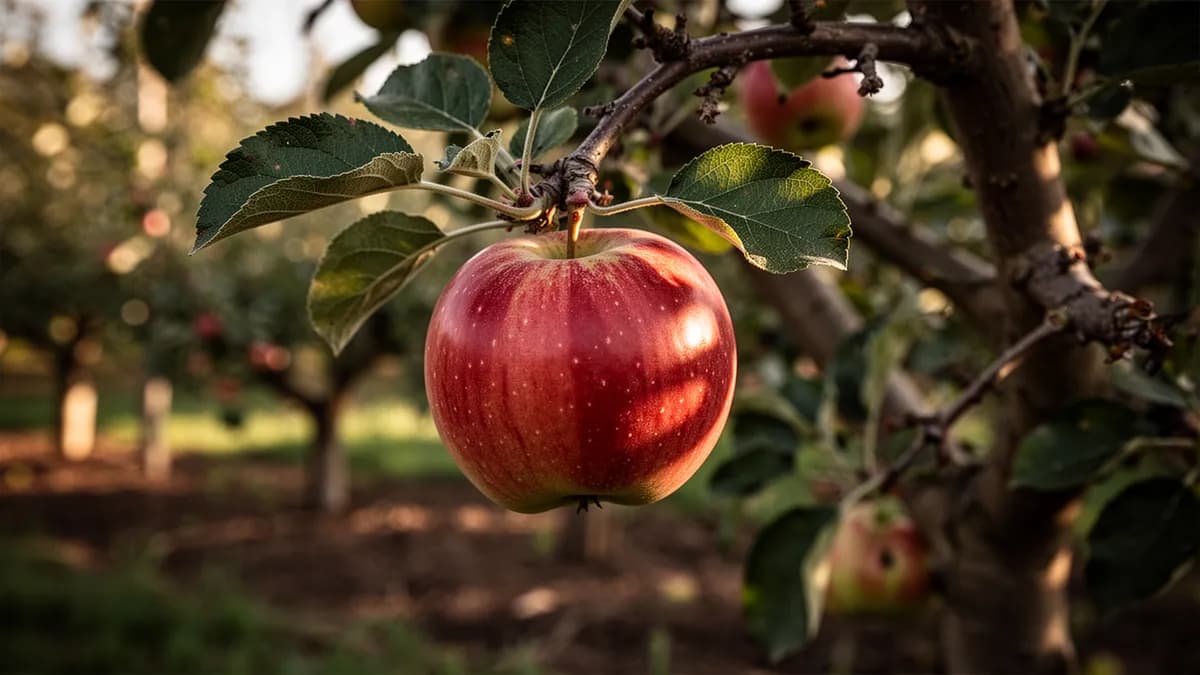
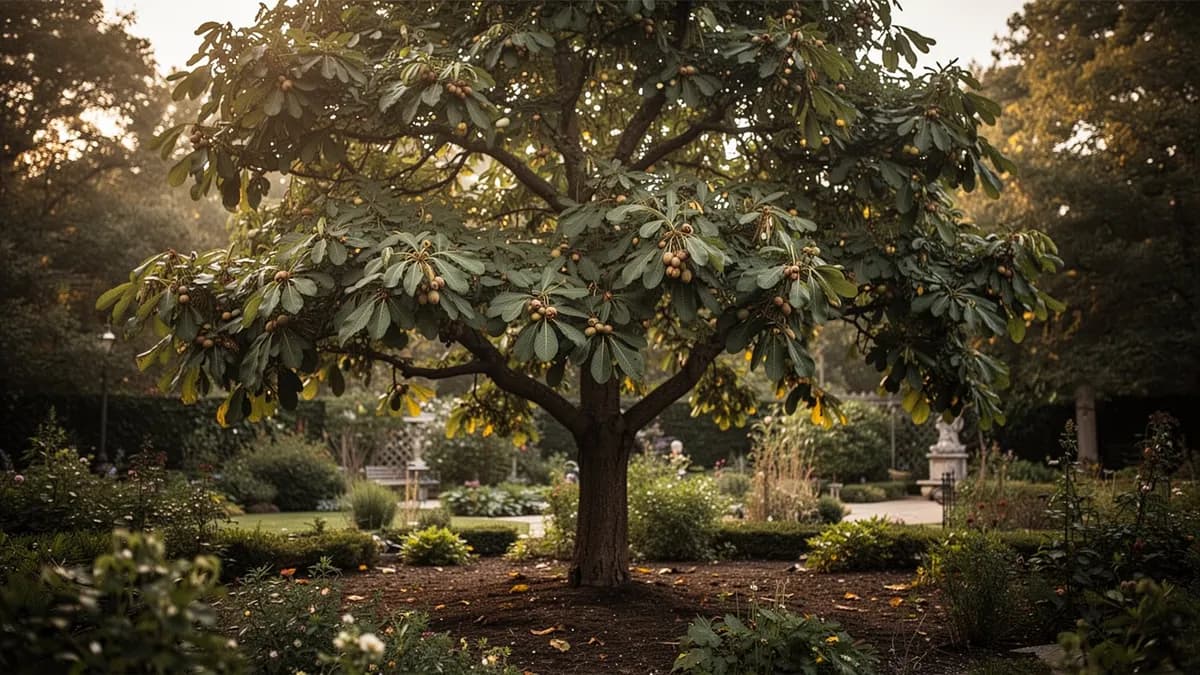
A dwarf fruiting tree suitable for smaller gardens, requiring a pollination partner of a compatible variety for proper fruit set. Prune annually in late winter to maintain an open vase or central leader shape that allows light and air to reach all branches. Thin fruitlets in early summer to one apple per cluster to improve size, flavor, and prevent biennial bearing habits. Watch for common issues like apple scab, codling moth, and fire blight, and apply dormant oil sprays as a preventive measure.
When to plant Apple (Dwarf)
Apple trees are propagated by grafting desired scion varieties onto dwarfing or semi-dwarfing rootstocks, as seeds do not produce trees true to the parent variety. The most common method is whip-and-tongue grafting performed in late winter using dormant scion wood collected earlier in the season. Budding, where a single bud is inserted under the bark of the rootstock in late summer, is another reliable technique. Purchase certified rootstocks such as M9 for full dwarf or M26 for semi-dwarf sizes. Graft unions must be kept above the soil line to maintain the dwarfing characteristics of the rootstock.
Your Apple (Dwarf) Year
Composed for Zone 7 · typical seasons · frost passes Apr 2, returns Nov 1
Plant Apple (Dwarf) Mar – Apr, pick Aug – Oct. Check the planting methods below and set your climate to personalize these windows.
How to grow Apple (Dwarf)
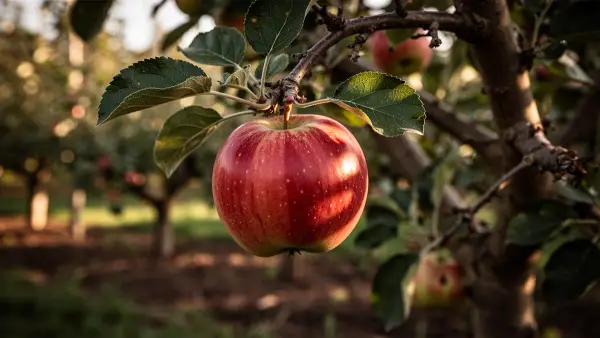
Select a site with full sun, good air circulation, and well-drained soil. Apple trees on dwarf rootstocks need permanent staking because their shallow root system cannot anchor the tree adequately in wind. Dig a hole twice the width of the root ball but only as deep as the root system, ensuring the graft union remains two to four inches above the soil line to prevent the scion from rooting and overriding the dwarfing rootstock.
Plant at least two compatible varieties within 50 feet of each other for cross-pollination, as most apple varieties are not self-fertile. Choose varieties with overlapping bloom periods. Crabapples are excellent universal pollinators. Water newly planted trees deeply and regularly for the first two years to establish a strong root system, providing one inch per week during the growing season.
Prune annually in late winter while the tree is dormant, maintaining a central leader or open vase shape. Remove crossing, rubbing, and downward-growing branches. Thin fruitlets in June to one apple per cluster, spaced four to six inches apart on the branch, to promote larger fruit and prevent biennial bearing. Apply dormant oil spray before bud break to control overwintering pests and their eggs. Mulch with wood chips in a three-foot radius around the tree, keeping mulch away from the trunk to prevent rot.
Apple (Dwarf) needs more room than a 4 × 8 ft bed gives
Each Apple (Dwarf) wants 300 cm of elbow room. The planner keeps that spacing for you — every plant, every bed.
Apple (Dwarf)'s best neighbours
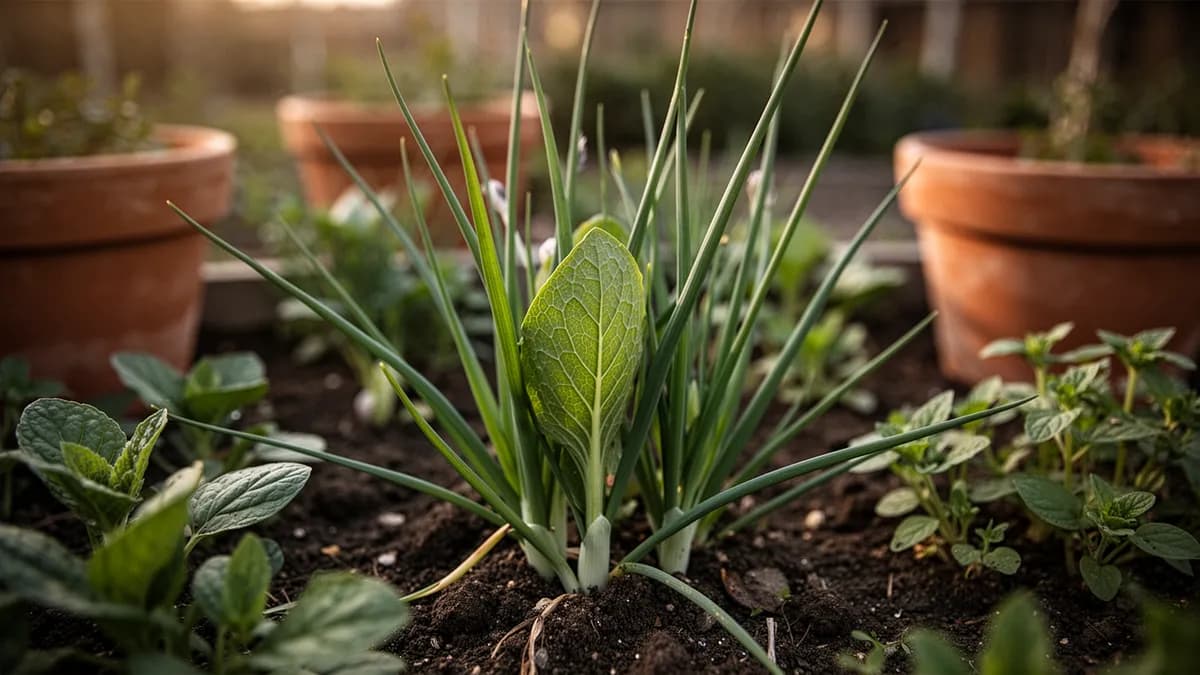
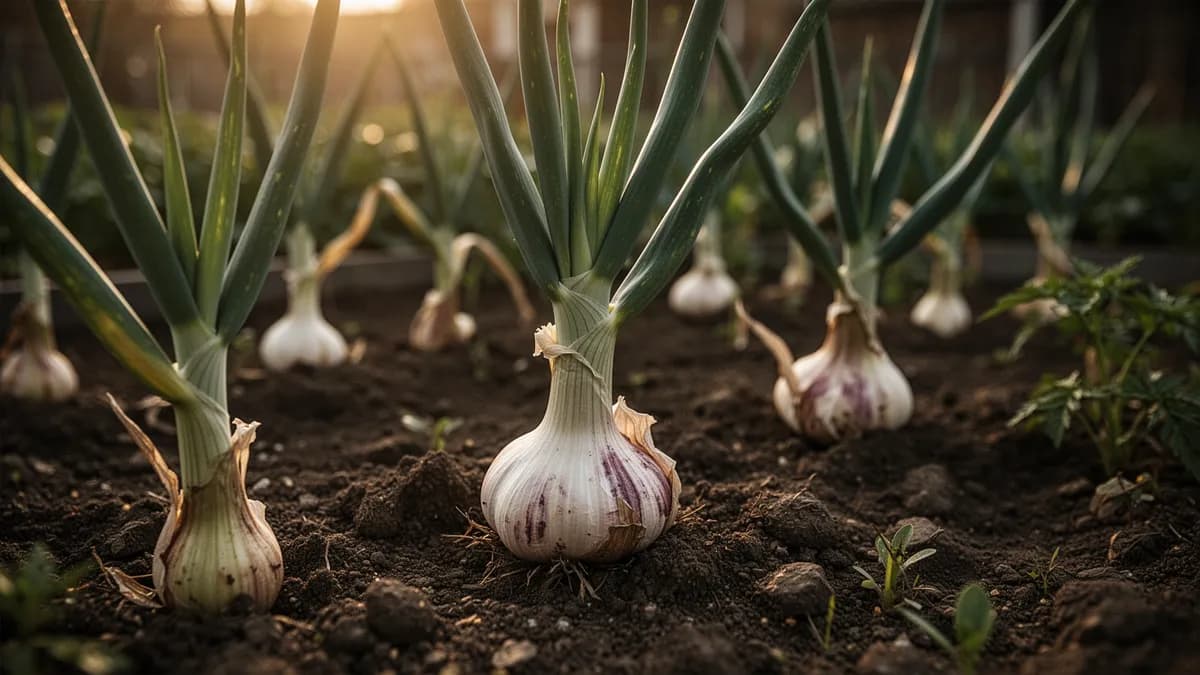
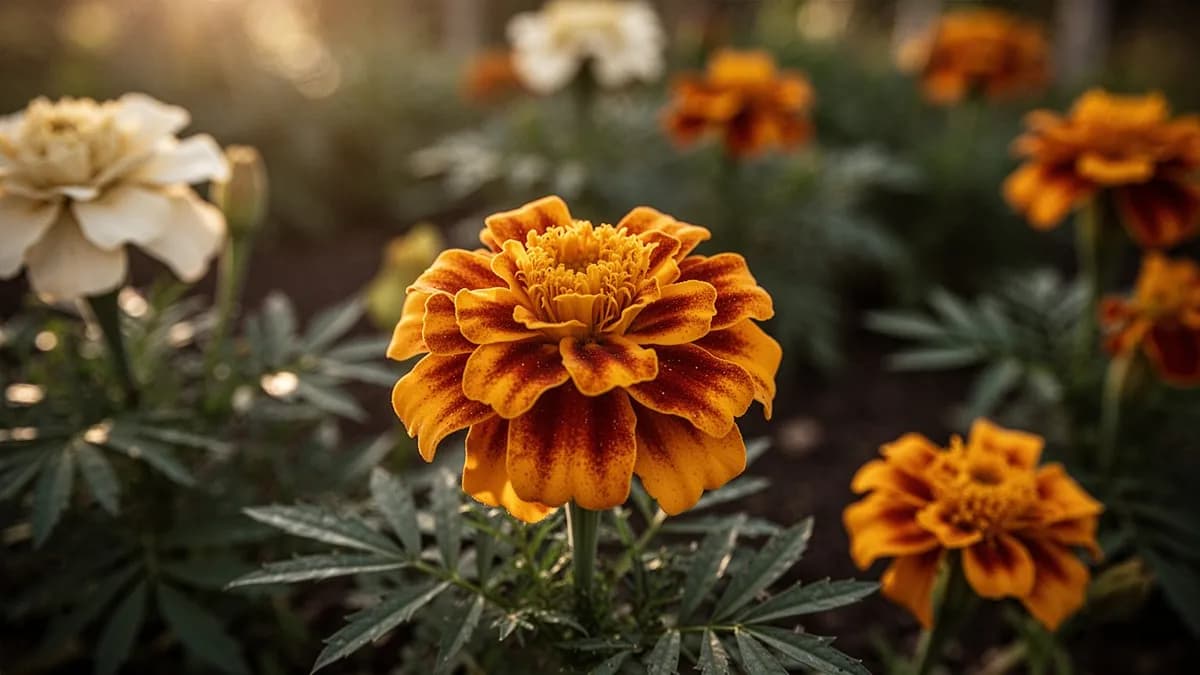
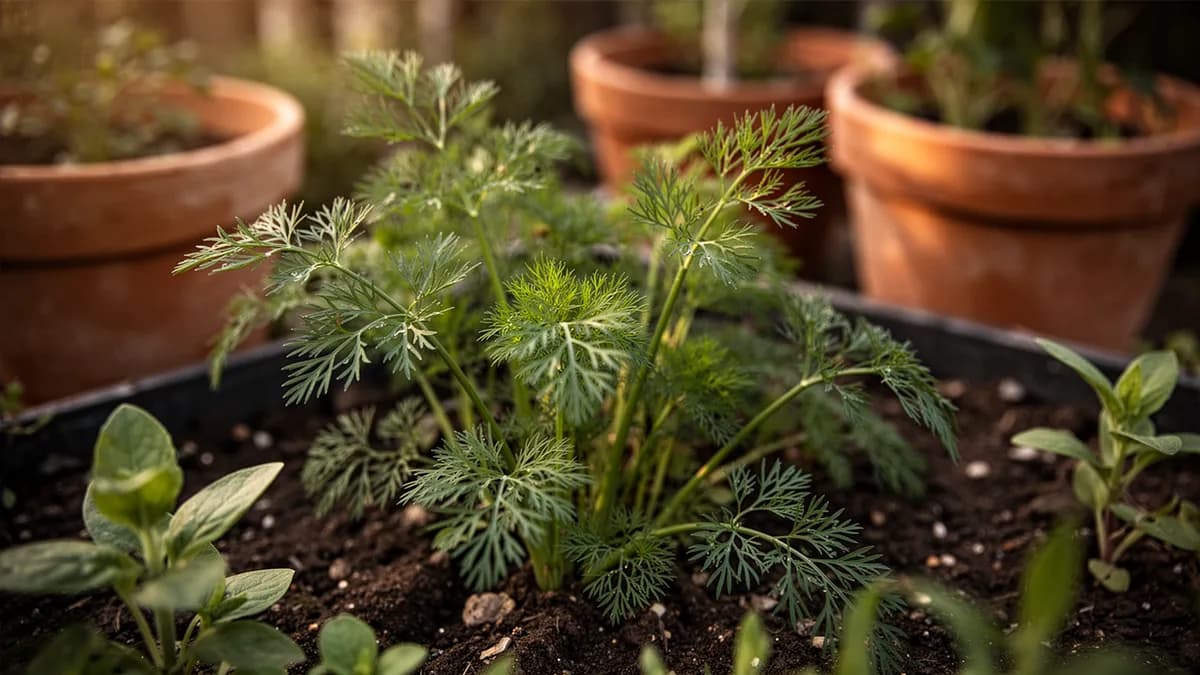
Chives and garlic planted around apple trees help deter apple scab with their sulfur compounds and repel aphids and borers. Marigolds attract beneficial insects and their root exudates discourage soil nematodes. Dill attracts parasitic wasps that prey on codling moth larvae and aphids. Nasturtiums serve as trap crops for aphids, drawing them away from the apple tree. Comfrey makes excellent nutrient-rich mulch when grown in the orchard understory.
Chives belongs beside it. Walnut Tree doesn't.
Old growers' knowledge, checked against Apple (Dwarf)'s real companion table below — test any plant you're growing.
Try Apple (Dwarf) in a bed — right here
A real planner bed with Apple (Dwarf) already in it. Tap a companion to place it and watch the pairing checks answer — green for good neighbours, red for a clash.


Related growing guides
Feed it well
Apples grow best in well-drained, loamy soil with a pH of 6.0 to 7.0. Conduct a soil test before planting and amend accordingly. Apply a balanced fertilizer in early spring before bud break, spreading it in a ring beneath the drip line. Young trees benefit from nitrogen to promote growth, but bearing trees need less nitrogen to avoid excessive vegetative growth and fire blight susceptibility. Calcium applications help prevent bitter pit in fruit. Avoid fertilizing after midsummer to allow wood to harden for winter.
Ideal Temperature
Hardiness Zone Compatibility
From seed to harvest, stage by stage
Dormancy and Planting
Bare-root apple trees are planted during winter dormancy when the tree has no leaves and all energy is stored in the roots and woody tissue. This rest period is critical for the tree to accumulate sufficient chill hours, typically 500-1000 hours below 7°C depending on the variety, which triggers proper bud break in spring.
Bud Break and Flowering
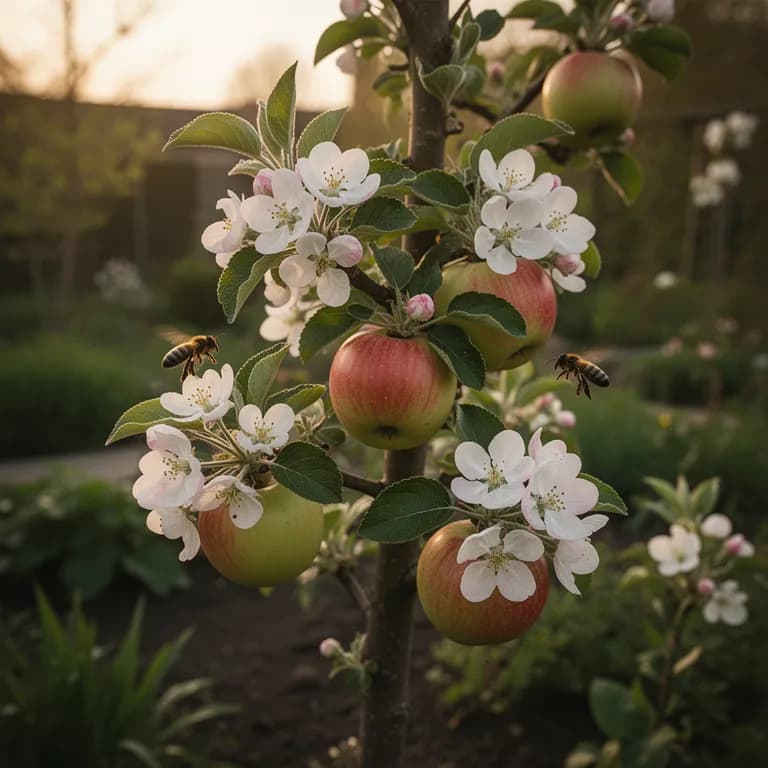
As temperatures warm in spring, buds swell and burst open to reveal tightly clustered flower buds surrounded by emerging leaves. Apple blossoms open in a sequence from king bloom (central flower) outward. Each flower cluster typically contains five blossoms, and successful pollination by bees and other insects during the brief 7-10 day bloom window is essential for fruit set.
Fruit Set and June Drop
After pollination, tiny fruitlets begin to develop at the base of each fertilized flower. The tree naturally sheds a portion of developing fruit in a process called June drop, which helps the tree regulate its crop load. Remaining fruitlets grow rapidly, transitioning from green marbles to recognizable small apples.
Fruit Development and Sizing
Apples undergo a prolonged growth phase through summer, gradually increasing in size while developing their characteristic shape, color, and internal sugar content. The tree's leaves photosynthesize intensively during long summer days, channeling carbohydrates into the developing fruit. Cell division gives way to cell expansion as fruit nears mature size.
Ripening and Harvest
Apples reach full maturity as starches convert to sugars, skin color deepens, and the fruit develops its full aromatic profile. Ripening timing varies dramatically by variety, from early-season types like Gala ready in late summer to late-season varieties like Fuji maturing in late autumn. Seeds turn from white to dark brown as the fruit reaches peak ripeness.
Post-Harvest and Leaf Fall
After harvest, the tree begins preparing for dormancy. Leaves change color as chlorophyll breaks down, revealing yellow and gold pigments. Nutrients are reabsorbed from leaves into the branches, trunk, and roots for winter storage. Leaf fall exposes the tree's branch architecture, making it an ideal time to assess structure and plan winter pruning.
Winter Dormancy
The tree enters full dormancy with no visible growth activity. Below the surface, roots may still grow slowly when soil temperatures remain above 4°C. This critical rest period allows the tree to accumulate chill hours needed to break dormancy properly in spring and ensures synchronized, vigorous bud break.
Plant bare-root trees in late winter while still dormant. Dig a hole wide enough to spread roots naturally without bending. Set the graft union 5-10 cm above the soil line. Water deeply at planting and apply a 10 cm layer of organic mulch in a ring around the tree, keeping it away from the trunk.
Caring for Apple (Dwarf) month by month
What to do each month for your Apple (Dwarf)
October
You are hereComplete harvest of late-season storage varieties. Sort apples by quality, storing only unblemished fruit in a cool, humid space at 1-4°C. Clean up all fallen fruit and leaves to reduce overwintering disease inoculum. Apply a band of grease to trunks to trap winter moths climbing to lay eggs.
Know exactly what to do in your garden — every month
One email at the start of each month: what to sow, plant, and tackle right now — for your Apple (Dwarf) and everything growing around it. Plus a short starter course that helps you dodge the classic mistakes.
- What to do, right now
- Matched to your season
- Starter course included
Harvesting Apple (Dwarf)
Apples are ripe when they develop full color for their variety, seeds have turned dark brown, and the fruit separates easily from the spur with an upward twisting motion. The flesh near the stem should taste sweet rather than starchy. Early varieties ripen from late July through August, mid-season types in September, and late keepers through October. Pick carefully to avoid bruising, as damaged fruit does not store well. Harvest over multiple pickings as fruit on the outer canopy ripens before interior apples.
assuming you plant when the window opens — set your real date
Apples are ripe when they develop full color for the variety, seeds have turned dark brown when the fruit is cut open, and the flesh near the stem tastes sweet rather than starchy. Early varieties ripen late July through August, mid-season types in September, and late keepers through October.
Storage & Preservation
Late-season apple varieties can be stored for months in a cool, humid location at 32 to 35 degrees Fahrenheit. Wrap individual apples in newspaper or store in perforated plastic bags to maintain humidity. Check stored fruit regularly and remove any showing signs of rot. Apples are outstanding for canning as applesauce, pie filling, and apple butter. They freeze well as sliced pie filling treated with ascorbic acid to prevent browning. Apple cider and dried apple rings are traditional preservation methods.
What goes wrong — and the fix
Apple Scab
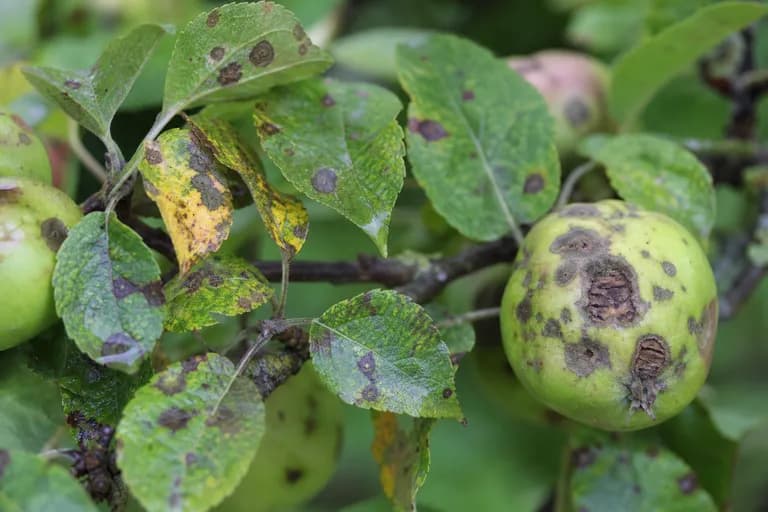
DiseaseOlive-green to brown velvety spots on leaves and fruit; heavily infected leaves yellow and drop prematurely; fruit develops corky, cracked lesions.
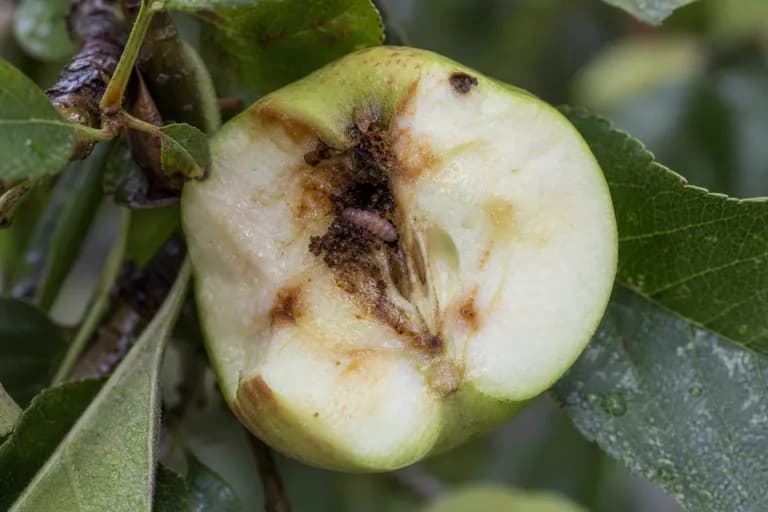
Codling Moth
PestLarval tunnels through the fruit to the core, leaving frass-filled entry holes and wormy fruit that drops prematurely.
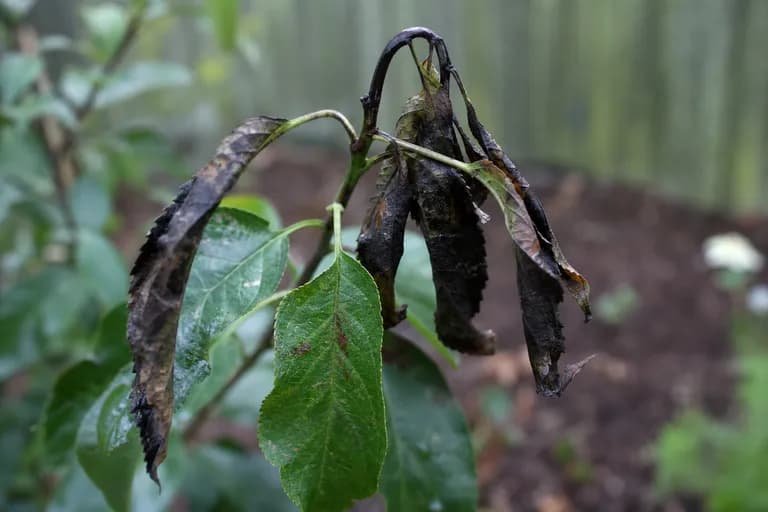
Fire Blight
DiseaseRapidly blackening and wilting of blossoms, shoots, and branches with a characteristic shepherd's crook bend; bark may ooze amber-colored bacterial slime.
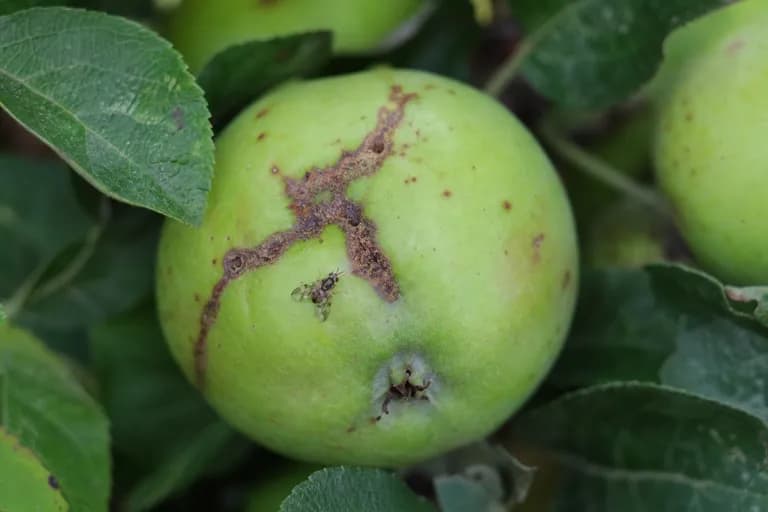
Apple Maggot
PestBrown, winding tunnels through the flesh caused by larvae; fruit becomes dimpled and may drop early. Adult flies are smaller than houseflies with banded wings.
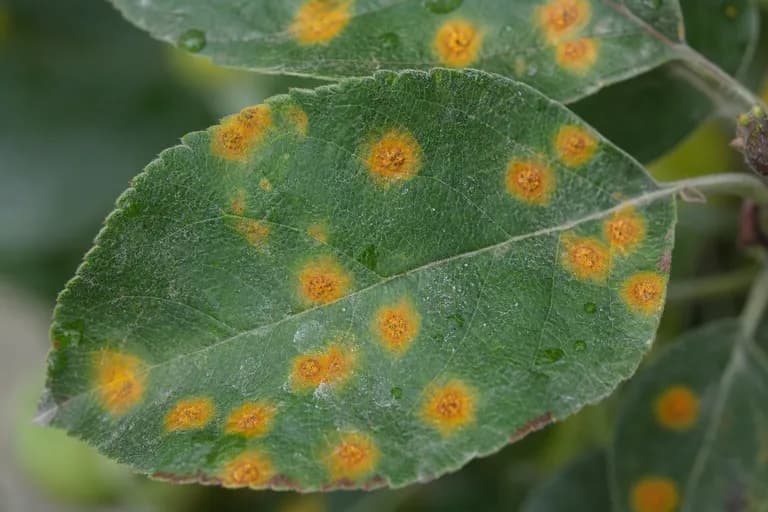
Cedar Apple Rust
DiseaseBright orange spots on upper leaf surfaces with tube-like structures on the undersides; fruit may develop similar lesions near the calyx end.
Troubleshooting Common Problems
Biennial bearing, where trees produce a heavy crop one year and almost nothing the next, is corrected by aggressive fruit thinning in the heavy year. Bitter pit causes sunken brown spots in the flesh and is related to calcium deficiency and irregular watering. Small fruit results from failure to thin or excessive crop load. Water sprouts, the vigorous vertical shoots growing from branches, should be removed in summer. Sunburn on fruit occurs in extremely hot weather and can be prevented by maintaining adequate leaf canopy cover.
Growing Tips
- Choose a rootstock appropriate for your space: M27 or M9 for small gardens and containers (2-3m tall), M26 or MM106 for medium gardens (3-4.5m), and MM111 or seedling rootstock only for large orchards where full-size trees (6m+) are practical.
- Plant at least two compatible apple varieties within 30 meters of each other for cross-pollination, as most apple varieties are self-infertile. Check pollination group compatibility before purchasing to ensure overlapping bloom times.
- Prune during winter dormancy to establish an open-center or central-leader framework. Remove inward-growing branches, water sprouts, and dead wood to create a goblet shape that allows sunlight to reach all fruiting wood and promotes good air circulation.
- Thin fruit aggressively in early summer after June drop, leaving only one apple per cluster spaced 15-20 cm apart. This single practice dramatically improves fruit size, sweetness, and color while preventing biennial bearing patterns that plague neglected trees.
- Apply a 7-10 cm layer of organic mulch such as wood chips or well-rotted compost in a wide ring around the tree, extending to the drip line but keeping mulch 15 cm away from the trunk to prevent crown rot and rodent harboring.
- Water young trees deeply once per week during their first two growing seasons to establish a strong root system. Mature trees need supplemental irrigation primarily during fruit sizing from June through August, with 25-50 mm of water per week.
- Monitor for codling moth, the most common apple pest, by hanging pheromone traps in May. Time spray applications for 14-21 days after peak moth catch. Alternatively, bag individual fruit with footie socks or paper bags for a chemical-free approach.
- Apply a dormant oil spray in late winter before bud break to suffocate overwintering pest eggs including scale, aphids, and mites. Follow with a copper fungicide spray at green tip stage to suppress apple scab and other fungal diseases.
- Stake newly planted trees with a single sturdy post on the windward side for the first two to three years, using a flexible tie that allows slight trunk movement to build structural strength. Remove stakes once the tree is self-supporting.
- Harvest apples when seeds are dark brown, background skin color shifts from green to yellow, and the fruit separates easily from the spur with a gentle upward twist. Pick over several sessions as fruit on the sunny side of the tree ripens first.
Grow your best Apple (Dwarf) yet — and everything around it.
Start a free plan today. Lay out your beds, drop in your Apple (Dwarf), and let PlotMyGarden handle the timing, spacing, companions and reminders from seed to harvest basket.
Pick your Apple (Dwarf)
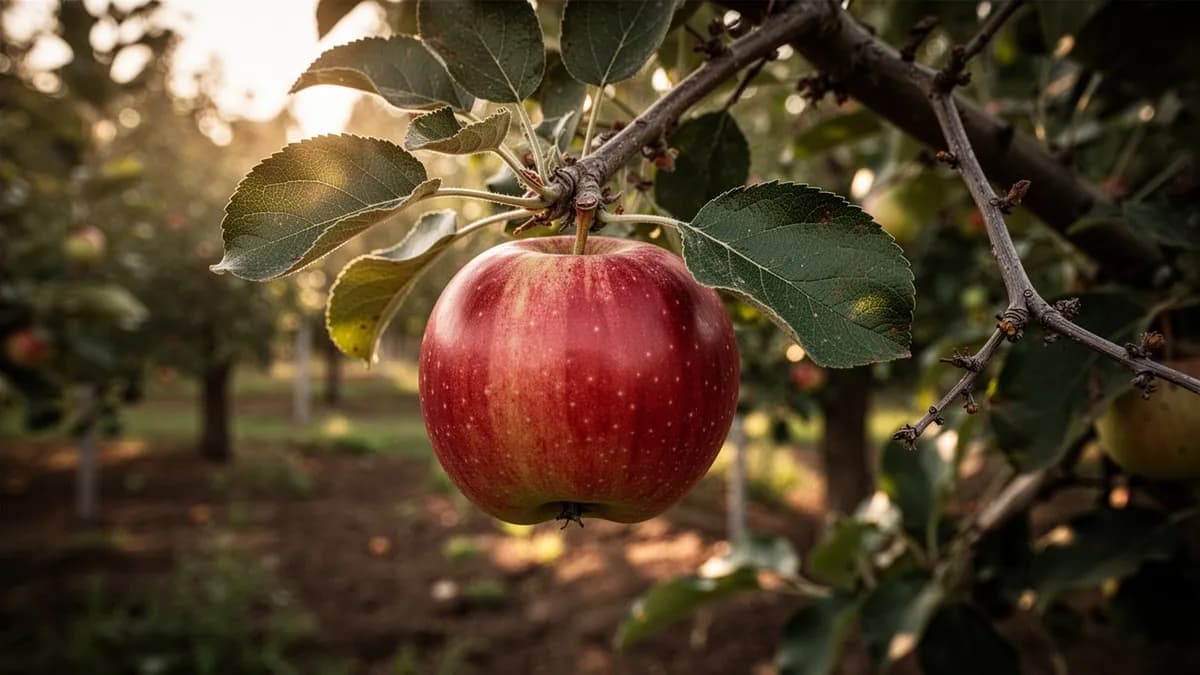
Honeycrisp
A modern favorite known for its explosively crisp texture and balanced sweet-tart flavor, excellent for fresh eating and storing for several months.
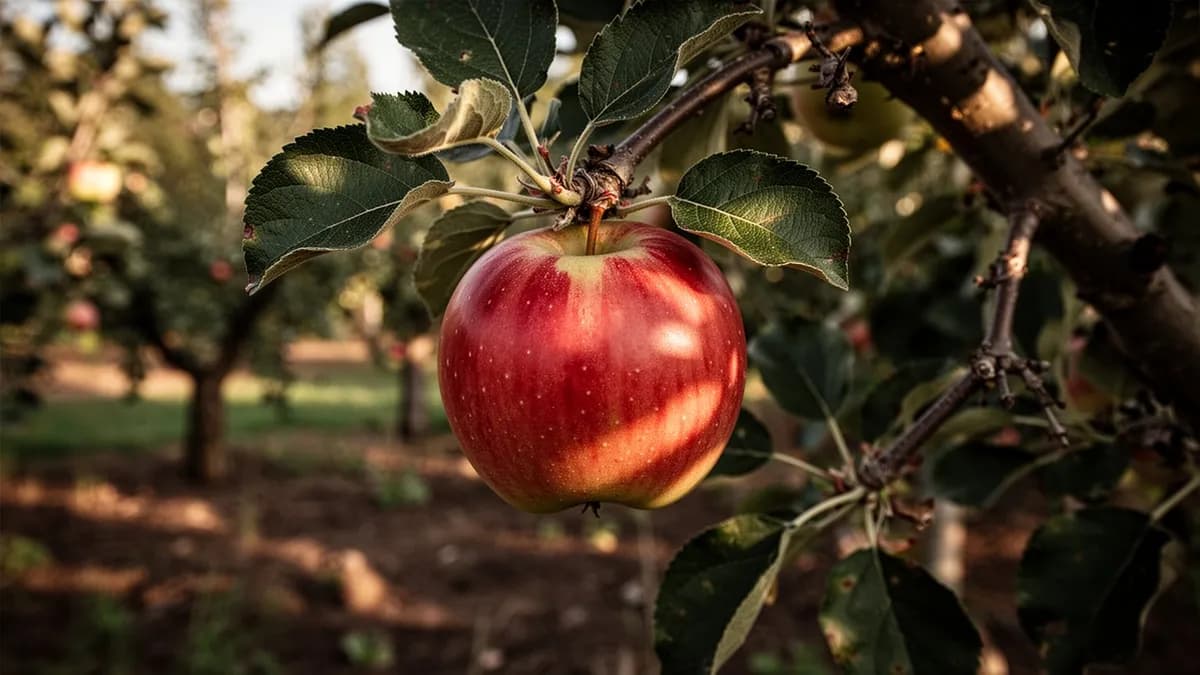
Gala
A widely grown early-season apple with mild sweetness, thin skin, and a pleasant aromatic flavor, excellent for fresh eating and salads.
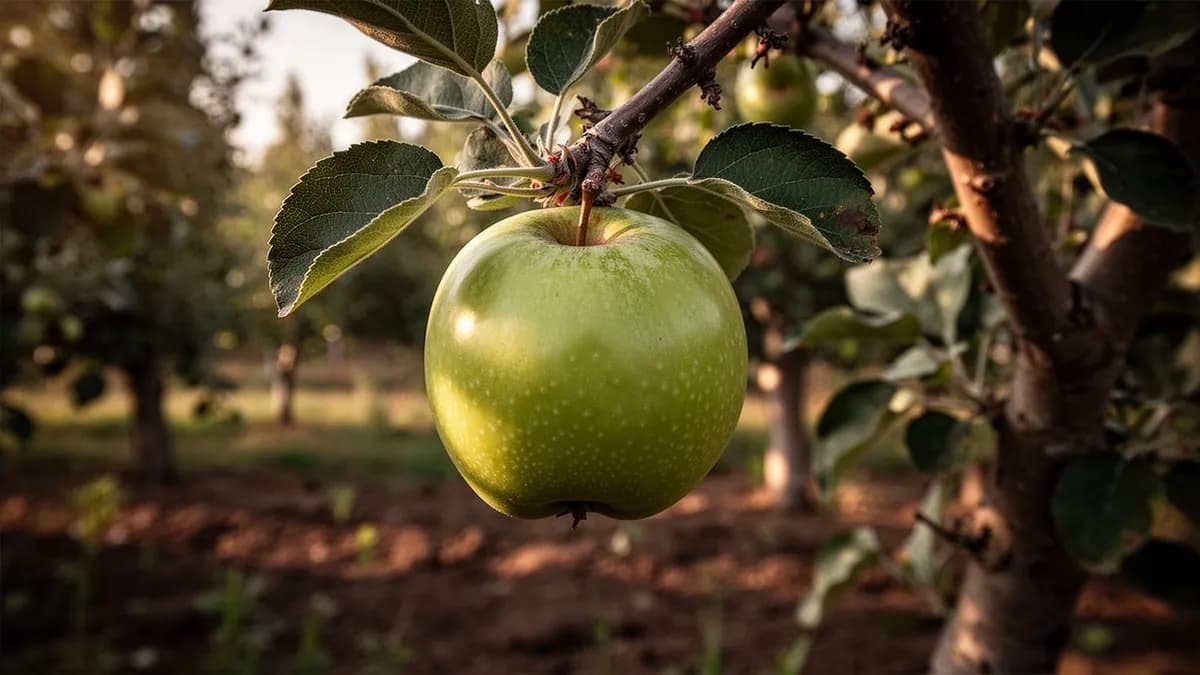
Granny Smith
A tart, bright green apple that excels in baking and cooking, maintaining its shape and acidic bite when heated.
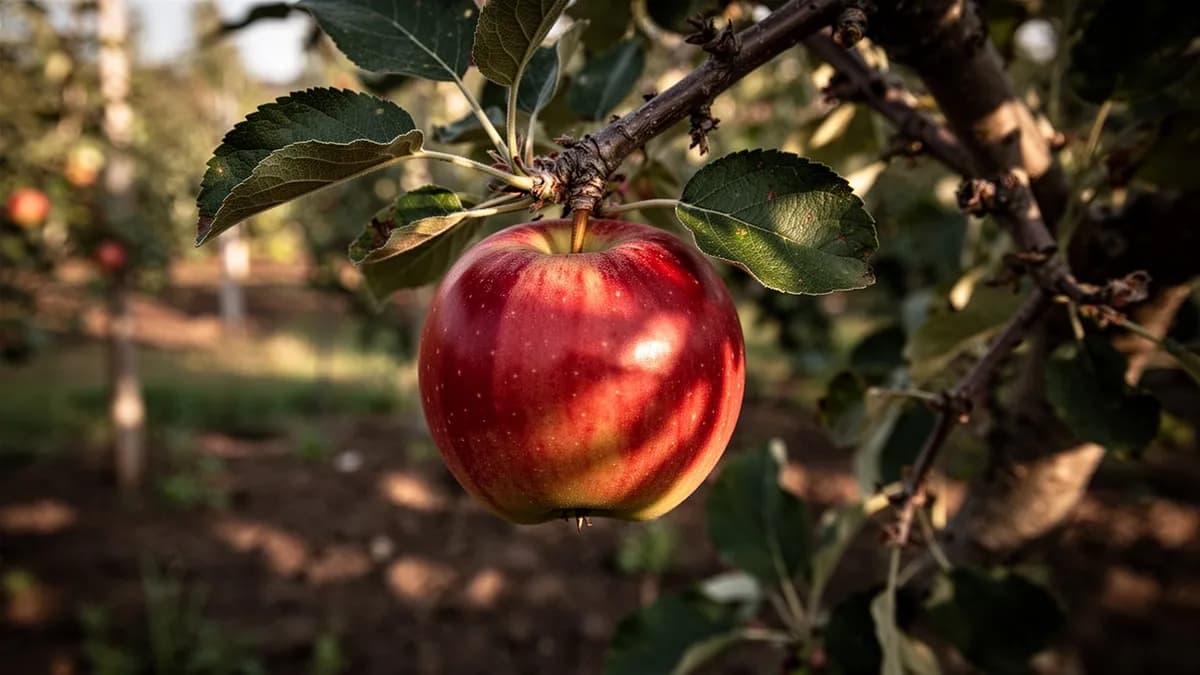
Fuji
An extremely sweet, dense-fleshed apple with outstanding storage life, remaining crisp for months in cold storage.
Liberty
A disease-resistant variety immune to apple scab and resistant to cedar apple rust, fire blight, and powdery mildew, with tart, crisp fruit.
Enterprise
A late-season disease-resistant apple with spicy-sweet flavor and exceptional storage quality, keeping six months or more in cold storage.
A single mature dwarf apple tree can produce 30-70 kg of fruit per year, equivalent to roughly $90-$250 worth of organic apples at typical grocery prices of $3-$4 per kg. While apple trees require an initial investment of $20-$50 for the tree and take 3-5 years to reach full production, they continue bearing fruit for 30-50 years with proper care, making them one of the most cost-effective fruit crops for the home garden. Growing your own also provides access to superior heritage varieties rarely found in stores.
Quick recipes
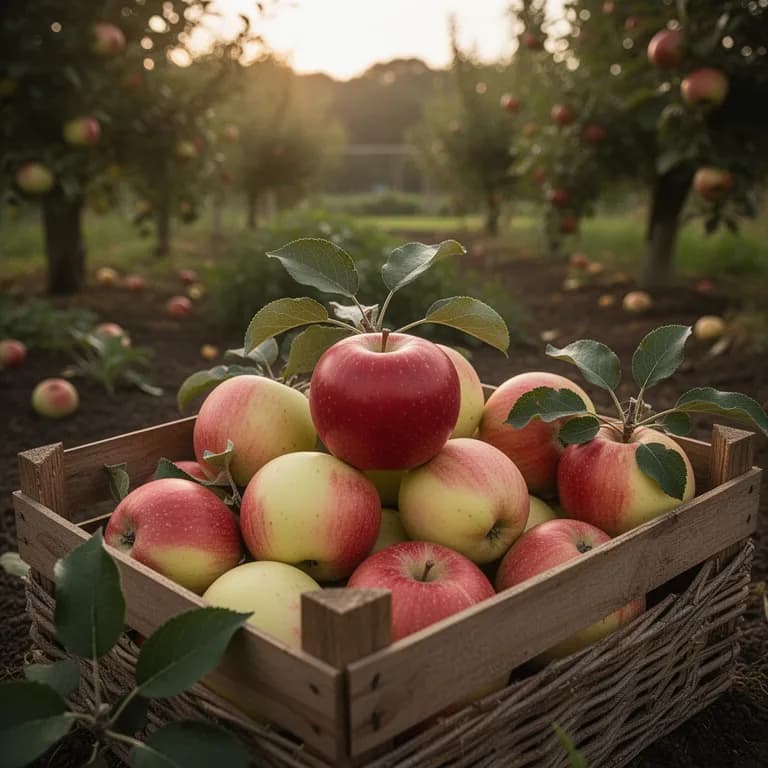
Classic Homemade Applesauce
25 minutesA simple, wholesome applesauce made with freshly picked garden apples that captures the pure flavor of the fruit. This recipe uses a mix of sweet and tart apple varieties for the best depth of flavor and requires no added sugar when made with ripe, flavorful apples straight from the tree.
6 ingredients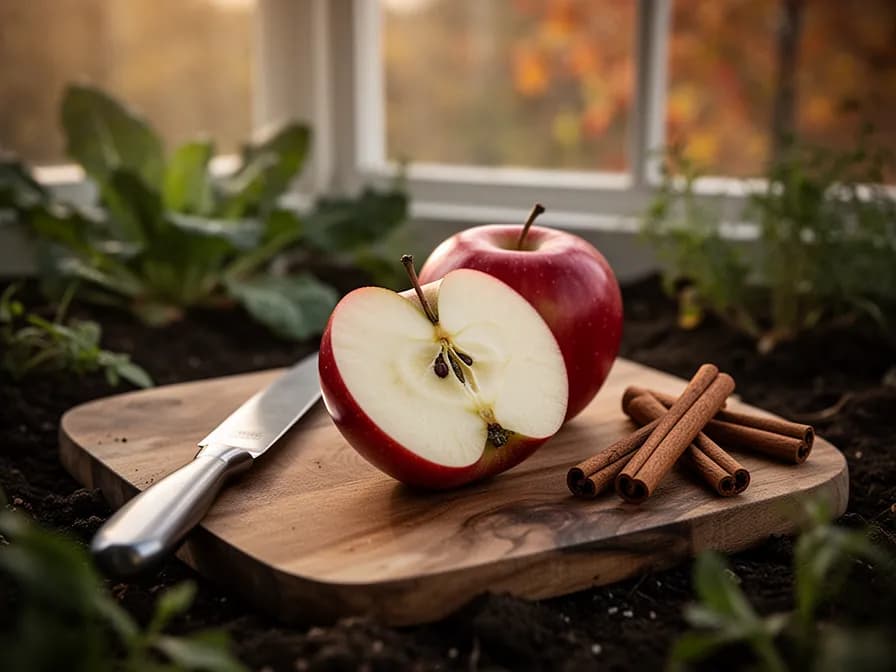
Rustic French Apple Tart
45 minutesAn elegant yet simple free-form tart that lets the natural beauty and flavor of fresh garden apples shine. Thinly sliced apples are fanned over buttery pastry and baked until golden and caramelized at the edges. This rustic galette style requires no special equipment and forgives imperfect technique.
7 ingredientsSpiced Apple Butter
20 minutes active (4 hours slow cooker)A richly spiced, deeply caramelized spread that concentrates the essence of garden apples into a velvety butter perfect for toast, pancakes, or gifting. Slow cooking allows the natural sugars in the apples to caramelize, developing complex flavors that no store-bought version can match.
8 ingredientsCulinary Uses
Apples are incredibly versatile, from fresh eating to pies, crisps, sauces, cider, and baking. Different varieties suit different uses: tart apples like Granny Smith hold their shape in pies, while sweet varieties like Fuji excel fresh. Apples pair with cinnamon, caramel, sharp cheddar, pork, and walnuts. They are a good source of fiber, vitamin C, and polyphenol antioxidants. Apple cider vinegar is a valuable pantry staple.
What's inside
Health Benefits
- Rich in soluble fiber pectin, which forms a gel-like substance in the gut that helps lower LDL cholesterol levels and supports healthy digestion by feeding beneficial intestinal bacteria
- Contains high concentrations of quercetin in the skin, a potent antioxidant flavonoid that has been associated with reduced risk of cardiovascular disease and improved blood vessel function in clinical studies
- Provides natural polyphenols including chlorogenic acid and catechins that may help regulate blood sugar levels by slowing carbohydrate digestion and reducing glucose absorption after meals
- Supports lung health, with epidemiological studies suggesting that regular apple consumption is associated with improved lung function and a lower risk of asthma and chronic respiratory conditions
- Contains ursolic acid primarily in the peel, a triterpenoid compound that has shown promise in laboratory studies for supporting muscle maintenance, reducing fat accumulation, and improving metabolic markers
- Promotes oral health through the mechanical cleaning action of chewing crisp apple flesh, which stimulates saliva production to help neutralize acids and reduce the buildup of cavity-causing bacteria
Where Apple (Dwarf) comes from
The domesticated apple (Malus domestica) traces its origins to the wild apple forests of the Tian Shan mountains in modern-day Kazakhstan, where its primary ancestor Malus sieversii has grown for millions of years. Genetic studies published in the early 2000s confirmed this Central Asian origin, overturning earlier theories that placed apple domestication in Europe. Ancient trade routes, particularly the Silk Road, played a pivotal role in spreading apples westward, with travelers and merchants carrying seeds and grafted material across vast distances. As apples moved along these routes, they hybridized with wild crabapple species including Malus sylvestris in Europe, contributing to the remarkable diversity we see today. The ancient Greeks and Romans were among the first to practice grafting techniques to preserve desirable apple varieties, with Roman author Pliny the Elder documenting over 30 named cultivars in the first century CE. Through the Middle Ages, European monasteries became centers of apple cultivation and breeding, maintaining extensive orchards and developing new varieties suited to local conditions. Spanish conquistadors and English colonists introduced apples to the Americas in the 16th and 17th centuries, where the fruit thrived in the temperate climates of New England and the Pacific Northwest. The 19th century saw an explosion of new varieties in America, with thousands of named cultivars developed to suit every taste and purpose from fresh eating to cider making to long-term winter storage. Today, China produces nearly half of the world's apples, followed by the United States and Europe, with global production exceeding 85 million tonnes annually. Modern breeding programs focus on disease resistance, extended storage life, and novel flavor profiles, ensuring that this ancient fruit continues to evolve alongside human tastes and agricultural challenges.
Apple (Dwarf): did you know?
Fascinating facts about Apple (Dwarf)
There are over 7,500 known cultivars of apples worldwide, though only about 100 are grown commercially. The genetic diversity within Malus domestica is staggering, with fruit ranging from tiny crabapples to specimens weighing over 1.8 kg.
Apple (Dwarf) questions, answered
When should I plant Apple (Dwarf)?
What are good companion plants for Apple (Dwarf)?
What hardiness zones can Apple (Dwarf) grow in?
How much sun does Apple (Dwarf) need?
How far apart should I space Apple (Dwarf)?
What pests and diseases affect Apple (Dwarf)?
How do I store Apple (Dwarf) after harvest?
What are the best Apple (Dwarf) varieties to grow?
What soil does Apple (Dwarf) need?
How long does it take for an apple tree to bear fruit?
Why is my apple tree not producing fruit?
How do I prevent apple scab and other diseases?
Can I grow an apple tree in a container?
When and how should I prune my apple tree?
How do I store apples to keep them fresh for months?
You just read the theory. Now grow it on autopilot.
Everything that makes Apple (Dwarf) fiddly — the timing, the spacing, the companions, the harvest window — is exactly what PlotMyGarden handles for you, for every plant in your garden.
A plan that knows your weather
Set your location once. Get sow, feed and harvest dates built around your real last-frost date and live forecast — no more guessing from a generic seed packet.
From the “When to plant” sectionDrag-and-drop bed planner
Design beds on a grid. Every plant snaps to its proper spacing, and you can see your whole season laid out before you spend a cent on seed.
From the “Growing guide” sectionCompanion conflicts, caught early
200+ good-and-bad pairings checked live as you plant — so a season-wrecking mistake never makes it into the ground.
From the “Companions” sectionReminders you'll actually act on
“Water the beans.” “Pick today before it turns.” Timely, specific, and tied to the plants you're really growing.
From the “Harvest” sectionSuccession, scheduled
Want a harvest for six weeks, not six days? It spaces your sowings automatically and reminds you when each new block is due.
From the “When to plant” sectionA record that gets smarter
Every harvest you log teaches it your garden. Next year's plan starts from what actually worked in your soil, not a textbook's.
From the “Overview” sectionPlant these alongside Apple (Dwarf)
More Pome Fruits
Keep Apple (Dwarf) away from these
Grow your best Apple (Dwarf) yet — and everything around it.
Start a free plan today. Lay out your beds, drop in your Apple (Dwarf), and let PlotMyGarden handle the timing, spacing, companions and reminders from seed to harvest basket.