McIntosh-Apfel
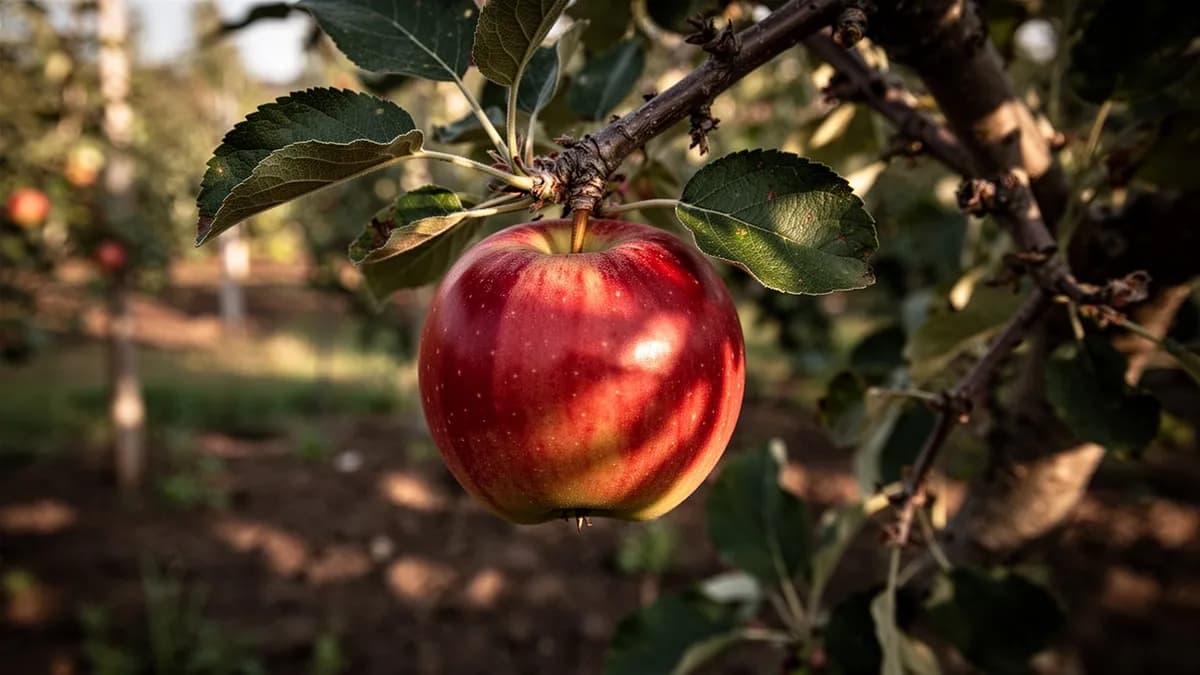
Ein klassischer Erbapfel, der in Ontario, Kanada, entdeckt wurde, mit zartem, aromatischem weißen Fruchtfleisch und einem charakteristischen weinartigen Geschmack.





Auf dieser SeiteÜberblick
McIntosh-Apfel im Überblick
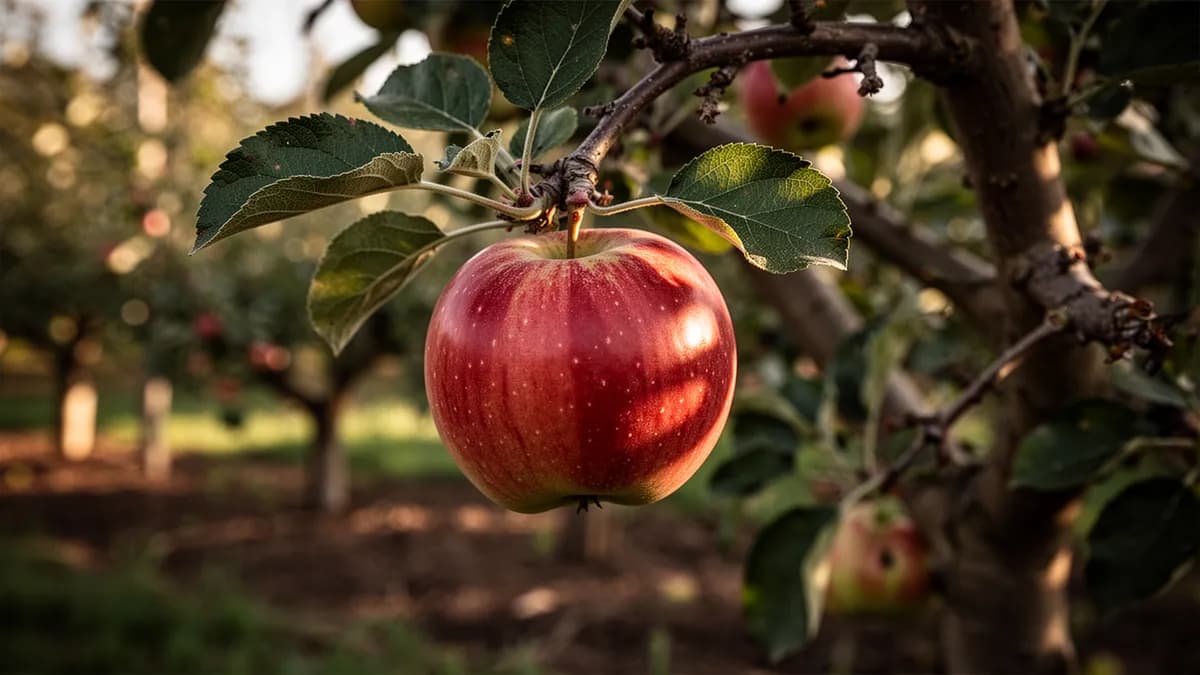
Ein klassischer Erbapfel, der in Ontario, Kanada, entdeckt wurde, mit zartem, aromatischem weißen Fruchtfleisch und einem charakteristischen weinartigen Geschmack. McIntosh-Äpfel gelten als der Goldstandard für Apfelmus, da ihr weiches Fleisch beim Kochen wunderbar zerfällt. Die Bäume sind äußerst winterhart, reifen jedoch schnell und lassen sich nicht so lange lagern wie moderne Sorten.
Wann McIntosh-Apfel pflanzen
McIntosh-Samen können aus reifen Früchten gesammelt und für Versuchsanbau stratifiziert werden, obwohl Sämlinge die Elternsorte nicht reproduzieren. Reinigen Sie die Samen und legen Sie sie für 60 bis 90 Tage in feuchten Sand oder Torf im Kühlschrank. Säen Sie einen Zentimeter tief in sterile Anzuchterde und halten Sie eine Temperatur von 18 bis 24 Grad Celsius. Erwarten Sie Keimung in zwei bis vier Wochen. McIntosh-Sämlinge haben bemerkenswerte Nachkommensorten hervorgebracht, was sie zu interessanten Objekten für Amateierzüchter macht.
Dein McIntosh-Apfel-Jahr
Abgestimmt auf Zone 7 · typische Saison · Frost geht um den 2. Apr. und kehrt um den 1. Nov. zurück
McIntosh-Apfel Mär – Apr pflanzen, Sep – Okt ernten. Beachte die Pflanzmethoden unten und wähle dein Klima für passende Zeiträume.
So baust du McIntosh-Apfel an
McIntosh-Apfelbäume gehören zu den winterhartesten Sorten überhaupt und gedeihen in kalten nördlichen Klimazonen mit strengen Wintern. Pflanzen Sie ruhende Bäume im frühen Frühling an einem vollsonnigen Standort in gut durchlässigem Boden. Die Bäume haben einen mittleren Wuchs und passen sich sowohl der Mittelsäulen- als auch der modifizierten Säulenerziehung gut an. Pflanzen Sie Hochstämme mit einem Abstand von 6 Metern, Zwergunterlage-Auswahlen mit 3 bis 3,5 Metern Abstand.
Diese Sorte blüht früh bis mittelspät und benötigt einen Kreuzbestäuber wie Cortland, Red Delicious oder Golden Delicious. McIntosh trägt zuverlässig jährlich und erfordert in der Regel kein starkes Ausdünnen, obwohl das Entfernen einiger Früchtchen die Größe verbessert. Die Bäume profitieren von einem geschützten Standort in Gebieten mit Spätfrösten, da die frühe Blüte frostgefährdet ist.
Schneiden Sie jährlich im Winter, um eine offene Kronenstruktur zu erhalten. McIntosh-Bäume tragen Früchte sowohl an Fruchtsporen als auch an einjährigem Holz; vermeiden Sie daher übermäßigen Rückschnitt, der produktives Holz entfernt. Wässern Sie während der Vegetationsperiode gleichmäßig, reduzieren Sie jedoch die Bewässerung, wenn die Früchte kurz vor der Reife stehen, um den Geschmack zu konzentrieren. Geben Sie im frühen Frühling einen ausgewogenen Dünger und vermeiden Sie Stickstoff spät in der Saison, da er die Fruchtfärbung verzögert und die Lagerqualität mindert.
Für McIntosh-Apfel ist ein Beet von 120 × 240 cm zu klein
McIntosh-Apfel braucht 300 cm Platz pro Pflanze. Der Planer hält diesen Abstand für dich ein — jede Pflanze, jedes Beet.
Die besten Nachbarn für McIntosh-Apfel
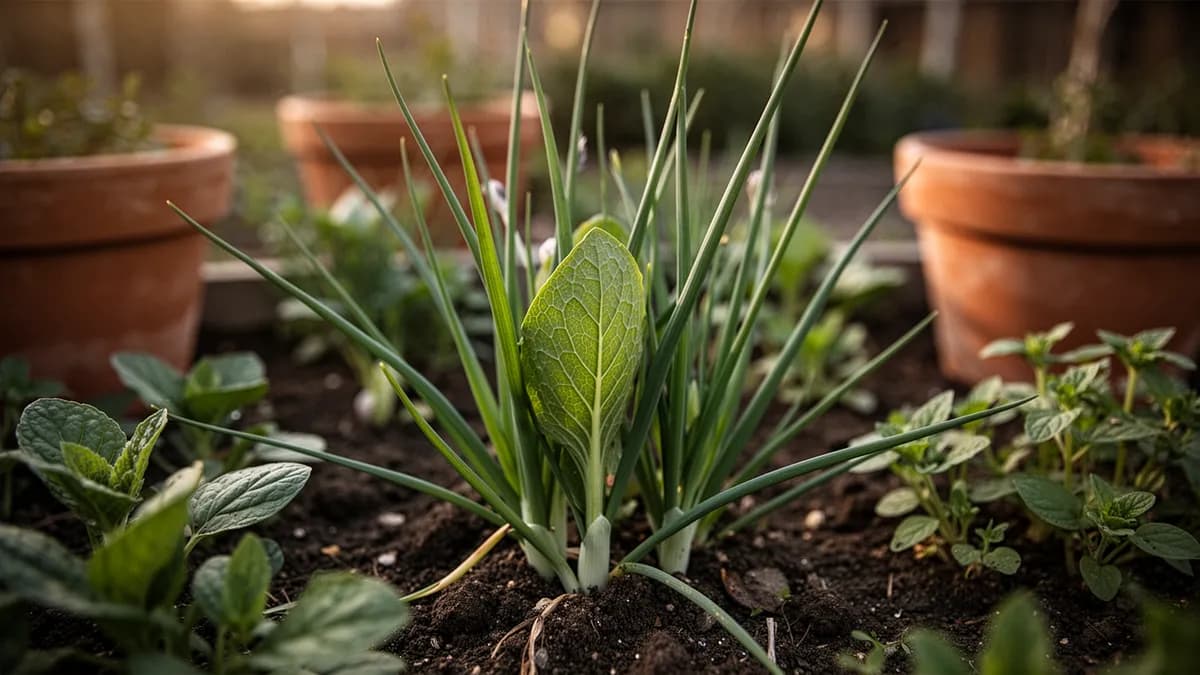
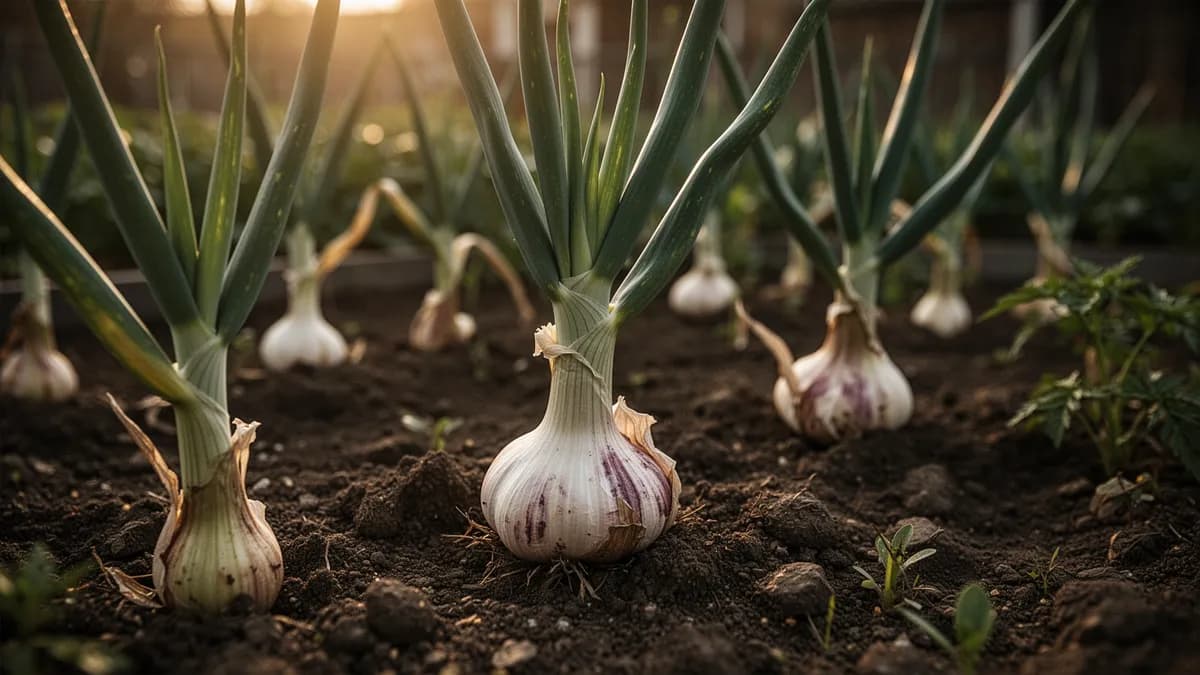
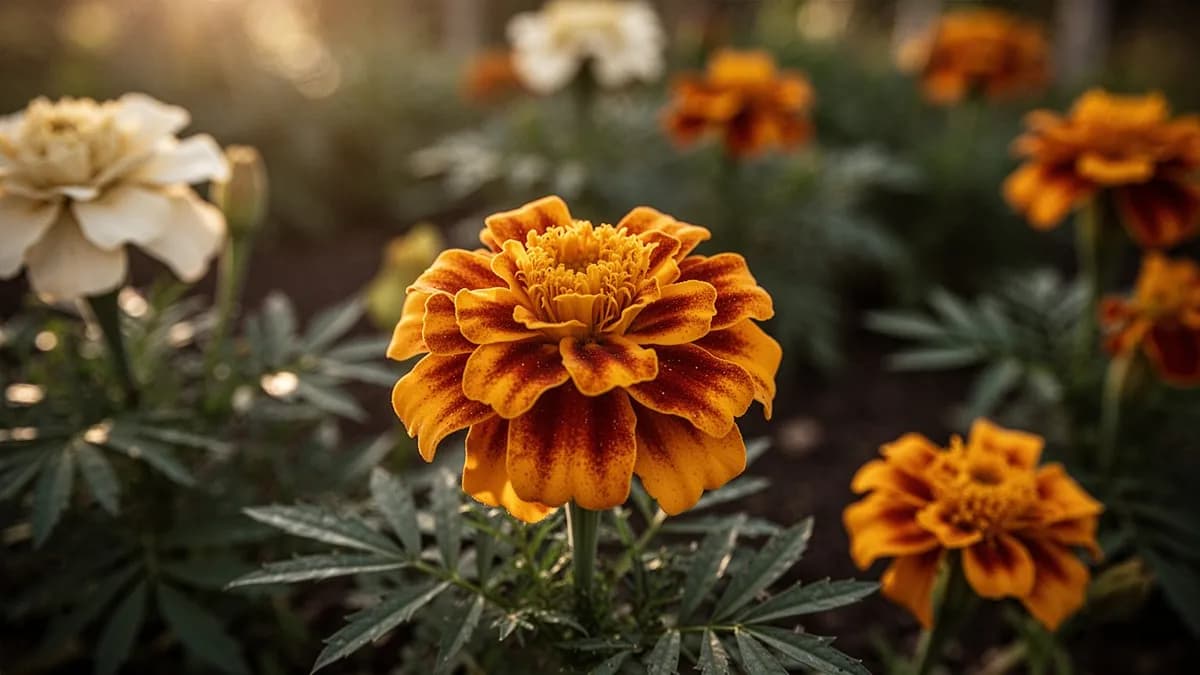
Pflanzen Sie Schnittlauch und Knoblauch unter McIntosh-Bäume, um Blattläuse und Bohrschädlinge abzuwehren. Ringelblumen ziehen Schwebfliegen und andere Nützlinge an, die bei der Schädlingskontrolle helfen. Niedrig wachsender Thymian und Oregano sorgen für Bodendecker und schrecken Insektenschädlinge mit ihren ätherischen Ölen ab. Als lebendiger Mulch gepflanzter Weißklee bindet Stickstoff und fördert Bestäuber. Halten Sie Walnussbäume von allen Apfelpflanzungen fern, um Juglontoxizität zu vermeiden.
Schnittlauch gehört daneben. Walnussbaum nicht.
Altes Gärtnerwissen, geprüft an der echten Nachbartabelle von McIntosh-Apfel — teste jede Pflanze, die du anbaust.
Probiere McIntosh-Apfel direkt hier im Beet
Ein echtes Planer-Beet, McIntosh-Apfel steht schon drin. Tippe einen Begleiter an, platziere ihn und sieh, wie die Nachbarschaftsprüfung antwortet — grün für gute Nachbarn, rot bei Streit.


Passende Anbau-Ratgeber
Richtig düngen
McIntosh-Bäume passen sich einer Vielzahl von Bodentypen an, gedeihen aber am besten in gut durchlässigem Lehmboden mit einem pH-Wert von 6,0 bis 7,0. Sie haben einen mittleren Nährstoffbedarf und reagieren gut auf eine einzige Frühjahrsgabe eines ausgewogenen 10-10-10-Düngers. Vermeiden Sie übermäßigen Stickstoff, der weiches, schlecht gefärbtes Obst und erhöhte Krankheitsanfälligkeit fördert. Halten Sie ausreichende Calcium- und Kaliumspiegel durch bodenkundlich begründete Maßnahmen aufrecht.
Ideale Temperatur
Winterhärtezone-Kompatibilität
Von der Saat zur Ernte, Schritt für Schritt
Ruhezeit und Pflanzung
McIntosh-Apfelbäume werden als wurzelnackte oder containergewachsene Jungpflanzen während des Spätwinters oder frühen Frühlings gepflanzt, solange sie noch vollständig in Ruhe sind. Wie die meisten nördlichen Apfelsorten benötigt McIntosh 900–1000 Kältestunden unter 7 °C, um die Ruhe ordentlich zu brechen und im darauffolgenden Frühling eine gleichmäßige Blüte hervorzubringen. Dieses lange Kältebedürfnis macht ihn ideal für die USDA-Härtezonen 4–7. Die Energie des Baumes ist während dieser Ruhephase in Wurzeln, Stamm und Holzästen gespeichert.
Knospenbruch und Blüte
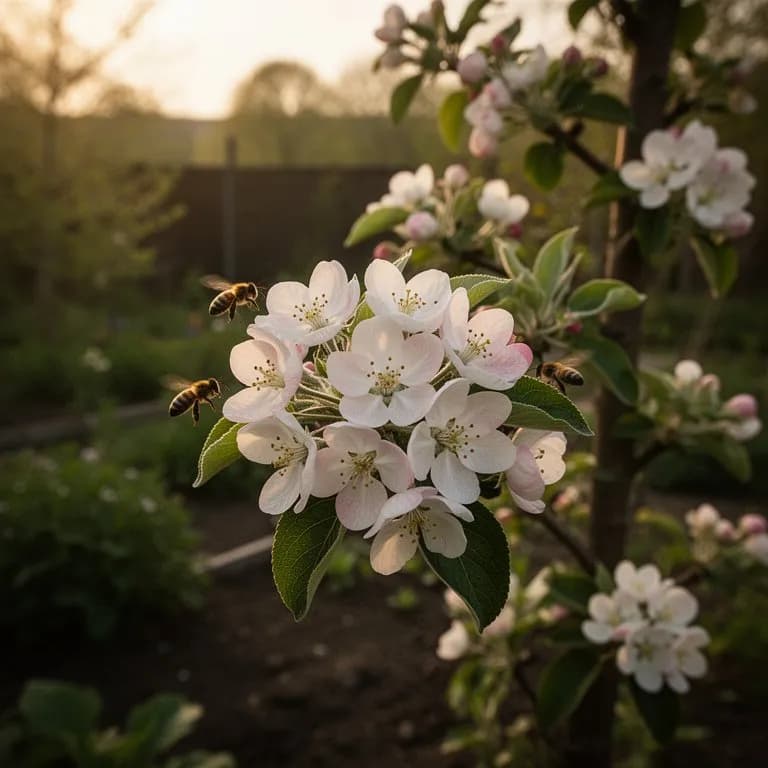
McIntosh ist ein Mittelzeitblüher der Bestäubungsgruppe 3 und blüht in nördlichen Klimazonen typischerweise Ende April bis Anfang Mai. Seine duftenden, rosatönigen Blüten öffnen sich in einem Zeitraum von 10–14 Tagen, wobei zunächst die Königsblüte und anschließend die Nebenblüten jedes Büschels erscheinen. McIntosh ist nicht selbstfruchtbar und benötigt einen kompatiblen Bestäuber wie Cortland, Empire, Honeycrisp oder Red Delicious, der zur gleichen Zeit blüht, für eine volle Ernte.
Fruchtansatz und Junifall
Erfolgreich bestäubte Blüten schwellen in den Wochen nach der Blüte zu kleinen grünen Früchtchen an. McIntosh lässt im Junifall auf natürliche Weise einen Teil der sich entwickelnden Früchtchen fallen – ein selbstregulierender Mechanismus, um den Fruchtbehang an die Ressourcen des Baumes anzupassen. Die verbleibenden Früchtchen wachsen von marmelgroßen grünen Knäueln zu erkennbaren kleinen Äpfeln heran, die an der sonnenbeschienenen Seite erste Rotanflüge zeigen.
Fruchtentwicklung und Farbentwicklung
McIntosh-Äpfel wachsen im Sommer stetig und entwickeln ihre charakteristische abgeflacht-konische Form. Mit dem Spätssommer beginnt die grüne Grundfarbe zu einem Gelbgrün umzuschlagen, während die sonnenexponierte Schale das tiefe Karmesinrot entwickelt, für das die Sorte bekannt ist. Kühle Nächte über 10 °C kombiniert mit warmen Tagen im August fördern die Anthocyan-Pigmentbildung dramatisch und erzeugen die tiefste Rotfärbung bei den am stärksten exponierten Früchten.
Reife und Ernte
McIntosh ist eine früh bis mittelspät reifende Sorte, die etwa 100–115 Tage nach der Vollblüte reif wird, typischerweise von Ende August bis September in den meisten Anbauregionen. Die Früchte sind bereit, wenn die Grundfarbe der Schale von Grün zu Gelbgrün wechselt, die Kerne dunkelbraun werden und das Fruchtfleisch einen Stärke-Jod-Musterindex von 6–7 auf der Cornell-Skala erreicht. Reife McIntosh-Früchte lösen sich mit einer sanften Aufwärtsdrehung vom Fruchtsporn und haben ein auffallend zartes, fast weinartiges Fleisch.
Nacherntevorbereitung
Nach der Ernte beginnt der McIntosh-Baum, Nährstoffe aus den Blättern in das mehrjährige Holz für die Wintereinlagerung zu verlagern. Das Laub wechselt zu Gelb- und Brauntönen, bevor es fällt. Diese Zeit ist entscheidend für die langfristige Gesundheit des Baumes, da er Kohlenhydratreserven in Wurzeln und Leitästen aufbaut, die das Wachstum im nächsten Frühjahr antreiben. Die Photosyntheserate des Baumes sinkt mit kürzer werdenden Tagen und abkühlenden Temperaturen.
Winterruhe
McIntosh tritt nach dem Laubfall in tiefe Ruhe und sammelt die 900–1000 Kältestunden, die er für einen ordentlichen Knospenbruch im Frühling benötigt. In dieser Zeit ist der Baum am härtesten und verträgt Temperaturen bis -30 °C, wenn er vollständig abgehärtet ist. Das Wurzelwachstum kann langsam weitergehen, solange die Bodentemperaturen über 4 °C bleiben. Der Winter ist die ideale Jahreszeit, um Schnittmaßnahmen zu planen, die Aststruktur zu beurteilen und Krankheits- oder Schädlingsbekämpfung für die kommende Saison anzugehen.
Pflanzen Sie wurzelnackte McIntosh-Bäume in gut durchlässigem, leicht saurem Boden mit einem pH-Wert von 6,0–6,5. Breiten Sie die Wurzeln natürlich in einem breiten, flachen Loch aus und setzen Sie die Veredelungsstelle 5 cm über der Bodenoberfläche. Wässern Sie nach dem Pflanzen gründlich und tragen Sie einen 10 cm breiten Ring aus kompostiertem Holzhäcksel-Mulch auf, dabei gut Abstand vom Stammkragen halten, um Kronenfäule zu vermeiden.
McIntosh-Apfel Monat für Monat pflegen
Was du jeden Monat für deine McIntosh-Apfel tun solltest
Oktober
Aktueller MonatHarken und kompostieren oder vernichten Sie alle gefallenen Blätter und Fruchtabfälle um McIntosh-Bäume. Entfernen Sie alle verbleibenden eingetrockneten Früchte, die am Baum hängen, da sie Braunfäule- und Feuerbrand-Erreger beherbergen. Kontrollieren Sie gelagerte McIntosh-Äpfel wöchentlich und entfernen Sie sich weich werdende oder faulende Früchte, bevor sie die Nachbarfrüchte beeinträchtigen. Tragen Sie ein Band mit klebrigem Baumharz am Stamm auf, um aufsteigende Frostspannen-Raupen zu fangen.
Immer wissen, was jetzt im Garten zu tun ist
Eine E-Mail zum Monatsanfang: was du jetzt säen, pflanzen und anpacken solltest — für deine McIntosh-Apfel und alles, was drumherum wächst. Dazu ein kurzer Startkurs, der dich vor den klassischen Fehlern bewahrt.
- Was jetzt zu tun ist
- Passend zu deiner Saison
- Startkurs inklusive
McIntosh-Apfel ernten
McIntosh-Äpfel reifen früh, typischerweise Mitte bis Ende September. Die Früchte wechseln schnell von unreif zu überreif; kontrollieren Sie die Bäume daher alle zwei bis drei Tage während der Erntezeit. Reife McIntosh-Äpfel entwickeln eine tiefe Rotfärbung und ein deutlich wahrnehmbares aromatisches Duft. Sie lösen sich bei der Ernte sehr leicht vom Fruchtsporn. Pflücken Sie umgehend, da am Baum belassene Früchte schnell mehlig werden. Das zarte Fleisch erfordert beim Pflücken behutsamen Umgang, um Druckstellen zu vermeiden.
angenommen, du pflanzt zu Beginn des Zeitraums — trage dein tatsächliches Datum ein
Ernte McIntosh-Apfel zügig, dann trägt die Pflanze weiter.
Lagerung & Konservierung
McIntosh-Äpfel haben eine vergleichsweise kurze Lagerdauer von zwei bis drei Monaten in Kühllagerung bei 0 bis 2 Grad Celsius. Sie erweichen schneller als moderne Sorten; verbrauchen Sie gelagerte Früchte daher innerhalb weniger Wochen für die beste Konsistenz. McIntosh eignet sich hervorragend zur Verarbeitung zu Apfelmus, Apfelbutter und Apfelwein, wo sein zartes Fleisch und sein aromatischer Geschmack optimal zur Geltung kommen. Zum Einfrieren empfiehlt es sich, die Äpfel zunächst zu Mus zu verarbeiten, anstatt rohe Scheiben einzufrieren, die nach dem Auftauen matschig werden.
Was schiefgeht — und die Lösung
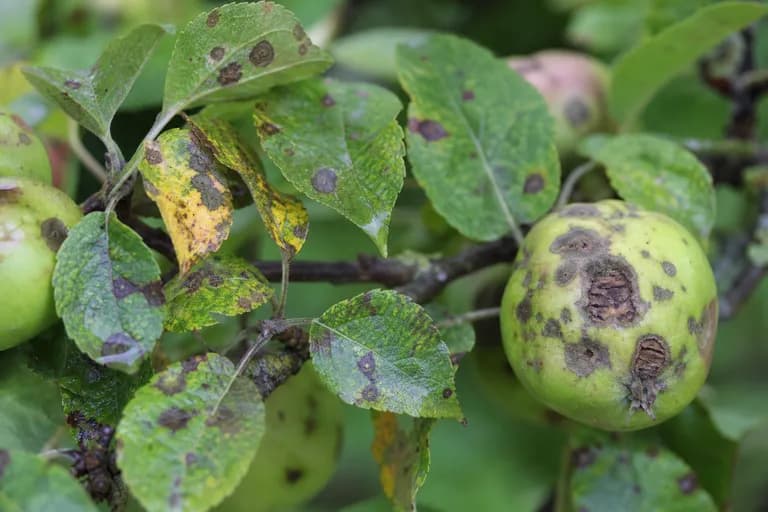
Apfelschorf
KrankheitOlivgrüne, samtige Flecken auf Blättern und Früchten, die sich verdunkeln und ausbreiten; stark befallene Blätter vergilben und fallen vorzeitig ab.
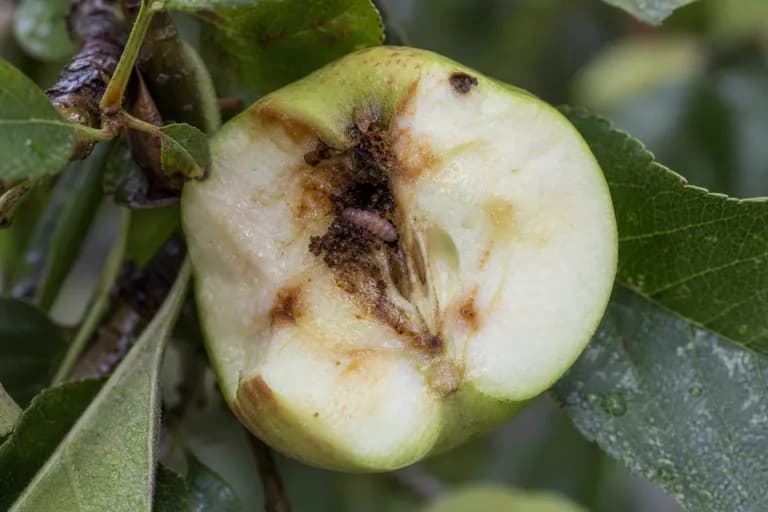
Apfelwickler
SchädlingLöcher in der Frucht nahe dem Kelch mit Fraßmehl und grabenden Larven im Inneren; befallene Früchte fallen oft vorzeitig ab.
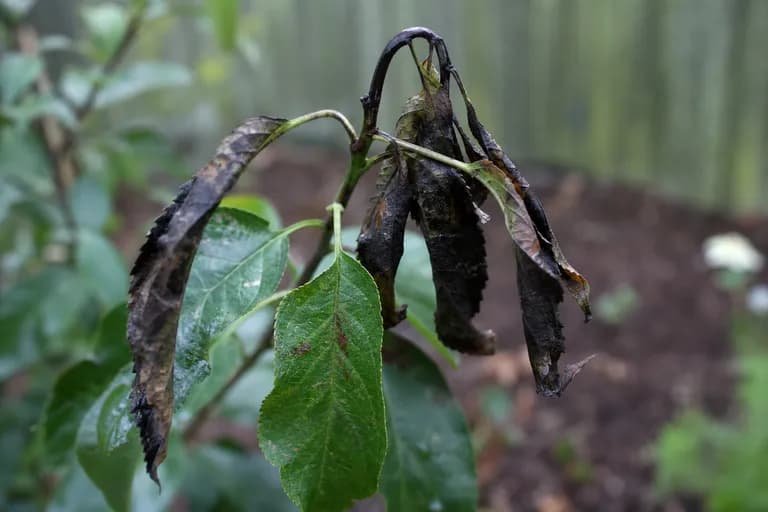
Feuerbrand
KrankheitGeschwärzte, welke Triebspitzen in Hirtenstabenform; bernsteinfarbener Bakterienschleim an Krebswunden bei warmem, feuchtem Wetter.
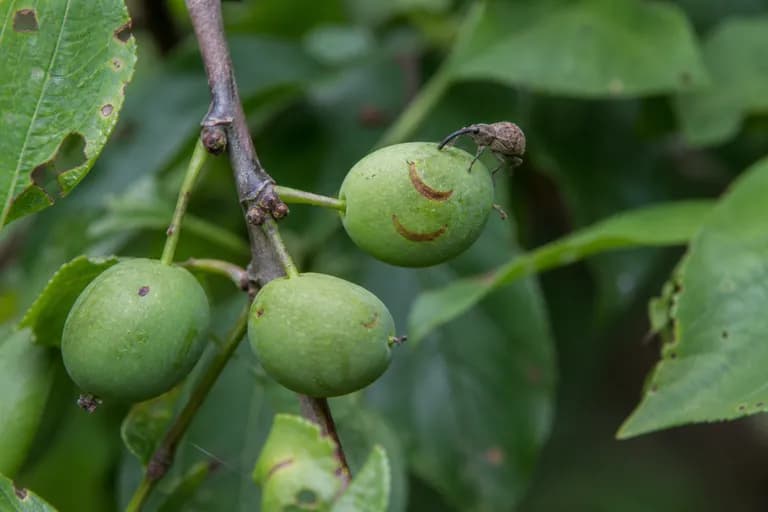
Pflaumenrüssler
SchädlingHalbmondförmige Narben auf sich entwickelnden Früchten durch Eiablage-Einstiche; Larven fressen im Inneren der Früchte und verursachen vorzeitigen Abfall.
Fehlerbehebung bei häufigen Problemen
McIntosh ist sehr anfällig für Apfelschorf und erfordert ein konsequentes Fungizidprogramm in feuchten Klimazonen. Die Früchte reifen und erweichen sehr schnell am Baum, was eine präzise Erntezeitplanung erfordert, um mehlige Textur zu vermeiden. Vorerntefall ist häufig, weshalb das Ausbringen eines Fruchthaltemittels notwendig sein kann. Das weiche Fleisch lässt sich leicht drücken, was eine maschinelle Ernte unmöglich macht. In wärmeren Klimazonen fehlen der Frucht die intensive Farbe und der Geschmack, die sie in kühlen nördlichen Regionen auszeichnen.
Anbautipps
- Pflanzen Sie McIntosh nur in den USDA-Härtezonen 4–7 oder gleichwertigen Klimazonen mit zuverlässig kalten Wintern. Die Sorte benötigt 900–1000 Kältestunden unter 7 °C und wird in milden Wintergebieten nicht ordentlich blühen. Sie gedeiht im Nordosten der USA, in Ontario, Quebec und ähnlichen nördlichen Klimazonen, wo kalte Winter garantiert sind.
- Pflanzen Sie immer einen kompatiblen Kreuzbestäuber innerhalb von 30 Metern Ihres McIntosh-Baumes. Ausgezeichnete Partner sind Cortland, Empire, Honeycrisp, Red Delicious und Golden Delicious, die alle in der gleichen mittelspäten Bestäubungsgruppe blühen. Ohne einen Bestäuber wird McIntosh trotz gesunder Bäume und gutem Wetter kaum Früchte tragen.
- Setzen Sie ein rigoroses Apfelschorf-Prävention-Spritzprogramm vom Grünknospen-Stadium bis zum Deckspritz-Termin im Frühling durch, da McIntosh zu den schorfanfälligsten kommerziell angebauten Sorten gehört. Verwenden Sie Kupfer beim Grünknospen-Stadium, gefolgt von Captán- oder Schwefel-Fungiziden in einem Abstand von 7–10 Tagen bei feuchtem Frühlingswetter. Wenn Sie nicht spritzen möchten, erwägen Sie stattdessen eine schorfresistente Sorte zu pflanzen.
- Dünnen Sie aggressiv auf einen Apfel pro Büschel mit 15 cm Abstand nach dem Junifall aus, da McIntosh besonders zur Alternanz neigt. Eine schwere Ernte in einem Jahr führt oft im Folgejahr zu wenig bis gar keinen Früchten. Konsequentes Ausdünnen ergibt eine mäßige, zuverlässige Jahresernte anstatt wechselnder Über- und Mindestreife.
- Ernten Sie McIntosh auf der frühen Seite der Reife – wenn die Kerne gerade braun werden und die Grundfarbe von Grün zu blassem Gelbgrün wechselt – anstatt auf volle Reife am Baum zu warten. Früh gepflückter McIntosh lagert 2–3 Monate bei 1–3 °C, während baumreife Früchte bei Zimmertemperatur innerhalb von Tagen erweichen und selbst unter Kühlung nur 2–3 Wochen haltbar bleiben.
- Kühlen Sie McIntosh-Äpfel sofort nach dem Pflücken. Diese Sorte ist besonders ethylenempfindlich und erweicht schnell bei Zimmertemperatur. Lagerung bei 1–3 °C mit hoher relativer Luftfeuchtigkeit von 90–95 % ist unerlässlich, um die Haltbarkeit zu verlängern. Lagern Sie McIntosh separat von anderem Obst und Gemüse im Kühlschrank, da er Ethylengas abgibt, das die Reifung benachbarter Früchte und Gemüse beschleunigt.
- Schneiden Sie McIntosh in eine offene Vasenform anstatt in eine Mittelsäulenform, da die Sorte natürlich einen ausladenden, runden Wuchs entwickelt, der gut auf eine offene Krone reagiert. Entfernen Sie im Sommer kräftige aufrechte Wasserschösslinge, um die Energie in Fruchtsporen umzuleiten und die Lichtdurchdringung zum Kroneninneren zu verbessern, wo die Farbentwicklung innerer Früchte oft schlecht ist.
- Achten Sie bei warmem, feuchtem Frühlingswetter unmittelbar nach der Blüte auf Feuerbrand, da McIntosh eine mittlere Anfälligkeit für diese verheerende Bakterienkrankheit hat. Kontrollieren Sie die Triebspitzen wöchentlich und schneiden Sie alle heraus, die das charakteristische Hirtenstabenförmige Welken und das braun-schwarze, versengte Aussehen zeigen. Sterilisieren Sie die Schneidwerkzeuge zwischen jedem Schnitt mit 70-prozentigem Isopropylalkohol, um die Verbreitung der Bakterien zu vermeiden.
- Tragen Sie im August reflektierende Kunststoffbodenabdeckung oder kommerzielle Obstgartenmatten um die Basis der McIntosh-Bäume auf, um Sonnenlicht in die untere Krone zurückzuwerfen. Diese kostengünstige Maßnahme verbessert die Rotfärbungsentwicklung beschatteter Früchte erheblich und erhöht den Anteil tiefgefärbter Äpfel, die für den Frischverzehr oder als Geschenk geeignet sind.
- Erwägen Sie die Pflanzung auf der M7- oder MM106-Halbzwerg-Unterlage für die beste Kombination aus handhabbarer Baumgröße und guter Produktivität im Hausgarten. Bäume bleiben 3,5–4,5 Meter hoch, was Ernte, Schnitt und Schädlingsüberwachung ohne Leitern praktisch macht und dennoch sinnvolle Erträge früher als Hochstammbäume liefert.
Bau deine beste McIntosh-Apfel an — und alles drumherum.
Starte heute kostenlos. Lege deine Beete an, setze deine McIntosh-Apfel ein und lass PlotMyGarden Timing, Abstände, Begleiter und Erinnerungen von der Saat bis zum Erntekorb übernehmen.
Finde deine McIntosh-Apfel
Marshall McIntosh
Ein röterer Sport des Originals mit verbesserter Farbe und demselben klassischen aromatischen Geschmack und der zarten Textur.
Rogers McIntosh
Ein kommerziell beliebter Sport, der für eine gleichmäßigere Rotfärbung über die gesamte Fruchtoberfläche ausgewählt wurde.
Cortland
Ein McIntosh-Nachkomme mit verbesserter Lagerfähigkeit und hellerem Fleisch, das beim Schneiden für Salate nicht braun wird.
Empire
Eine McIntosh-Kreuzung mit Red Delicious, die einen festeren Apfel ergibt, der sich deutlich besser lagern lässt und dabei den McIntosh-Geschmack bewahrt.
Macoun
Ein McIntosh-Nachkomme, der von vielen als geschmacklich noch besser eingestuft wird, mit dunkelroter Schale und besonders aromatischem Fleisch.
Ein ausgewachsener McIntosh-Apfelbaum auf halbzwergwüchsiger Unterlage produziert 40–70 kg Früchte pro Jahr, was bei typischen Bio-Apfelpreisen von 3–4 € pro Kilogramm auf dem Wochenmarkt etwa 120–280 € entspricht. Da McIntosh aufgrund seiner Neigung zu Druckstellen bei der kommerziellen Handhabung kaum im Lebensmittelhandel zu finden ist, erhalten Heimgärtner Zugang zu einer Sorte, die im Einzelhandel faktisch unbezahlbar ist – der einzige Weg, einen frisch gepflückten McIntosh zu genießen, ist, ihn selbst anzubauen oder jemanden zu kennen, der es tut. Die anfängliche Investition von 25–60 € für einen guten Baumschulbaum amortisiert sich in der Regel innerhalb der ersten beiden Ertragssaisons, danach folgen Jahrzehnte nahezu kostenloser hochwertiger Früchte.
Schnelle Rezepte
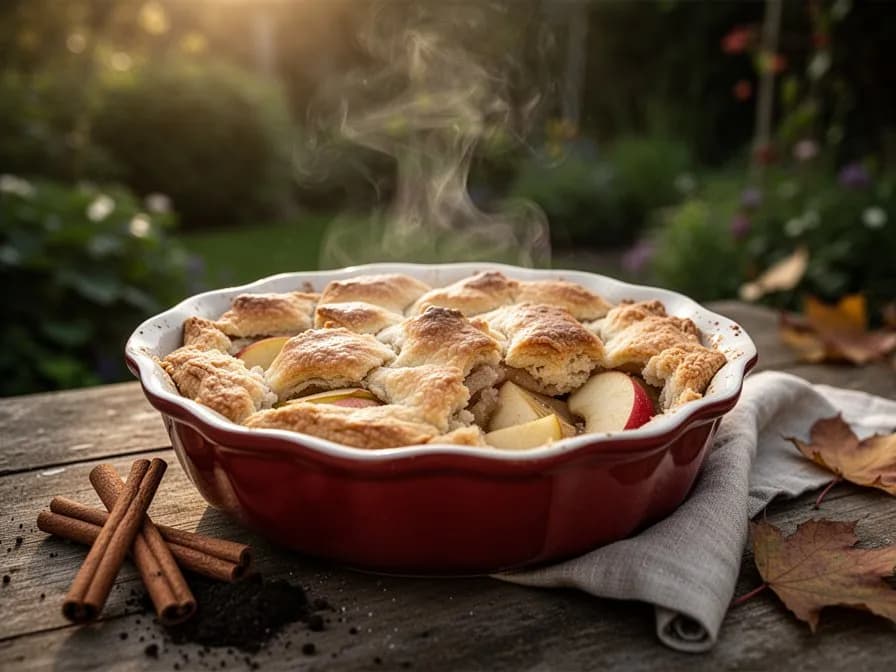
Klassisches rosafarbenes McIntosh-Apfelmus
30 Min.McIntosh-Äpfel sind für die Herstellung des feinsten Apfelmuses aller Sorten legendär und liefern ein natürlich rosafarbenes, seidenweiches Ergebnis mit minimalem Aufwand. Ihr zartes Fleisch kollabiert innerhalb weniger Minuten bei sanfter Hitze, und die tiefote Schale gibt eine wunderschöne Rosenfarbe in das Mus ab. Dieses einfache Rezept erfordert kein Schälen und feiert alles, was McIntosh unter den Äpfeln einzigartig macht.
7 Zutaten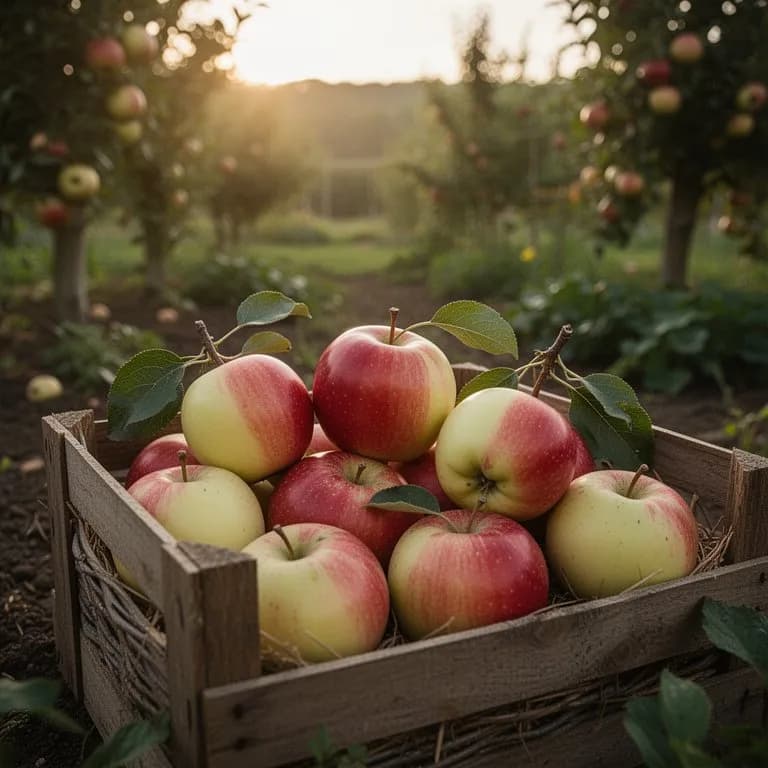
McIntosh-Apfel-Cheddar-Galette
50 Min.Eine rustikale Freihandtarte, die das säuerliche, duftende Fleisch von McIntosh-Äpfeln mit scharfem gereiften Cheddarkäse in einem buttrigen Vollweizenteig verbindet. Die Kombination aus säuerlichem Apfel und scharfem Käse ist eine klassische Neuengland-Tradition, und das weiche Fleisch des McIntosh erzeugt eine marmeladige, fast karamellisierte Füllung, die wunderschön mit dem knusprigen Teig kontrastiert.
8 ZutatenGewürzte McIntosh-Apfelbutter
20 Min. aktiv, 3–4 Stunden Slow CookerDas natürlich zarte Fleisch und der komplexe süß-saure Geschmack von McIntosh machen ihn zum idealen Apfel für eine reichhaltig gewürzte Apfelbutter. Die Schalen lösen sich während des langen langsamen Kochens vollständig auf und tragen sowohl Farbe als auch Pektin bei, um ein streichfähiges Konservenprodukt mit einem charakteristischen Rosa-Braun-Ton zu erzeugen. Dieses traditionelle Neuengland- und kanadische Bauernhofrezept benötigt kein zusätzliches Pektin und liefert einen tiefgeschmackvollen Aufstrich, der zeigt, was McIntosh am besten kann.
9 ZutatenKulinarische Verwendung
McIntosh ist der typische Apfelmus-Apfel und zerfällt mit minimalem Aufwand zu glattem, aromatischem Mus. Das zarte Fleisch ergibt auch ausgezeichneten Apfelwein mit einem unverwechselbaren duftenden Charakter. McIntosh eignet sich gut für Apfelpfannkuchen, Apfelküchlein und jedes Rezept, bei dem eine weichere gegarte Textur erwünscht ist. Frischer McIntosh hat einen einzigartigen weinartigen Geschmack, der wunderbar zu scharfem Cheddarkäse passt.
Was drinsteckt
Gesundheitsvorteile
- McIntosh-Äpfel gehören zu den anthocyanreichen Apfelsorten; diese in ihrer tiefroten Schale konzentrierten Pigmente wurden in klinischen Studien mit reduziertem oxidativem Stress, geringerer LDL-Cholesterinoxidation und verbesserter Blutgefäßelastizität in Verbindung gebracht
- Der hohe Pektingehalt in McIntosh-Äpfeln, insbesondere lösliches Pektin, unterstützt die Verdauungsgesundheit, indem es ein Gel bildet, das die Magenentleerung verlangsamt, nützliche Darmmikrobiom-Bakterien ernährt und bei regelmäßigem Verzehr als Teil einer ausgewogenen Ernährung zur Senkung des Gesamt- und LDL-Cholesterins beitragen kann
- McIntosh liefert Quercetin und Catechin-Flavonoide, die als natürliche entzündungshemmende Verbindungen wirken; Bevölkerungsstudien deuten darauf hin, dass der regelmäßige Verzehr von flavonoidreichen Äpfeln mit deutlich geringerem Risiko für Herzerkrankungen und Typ-2-Diabetes verbunden ist
- Das ballaststoffreiche Fleisch von McIntosh-Äpfeln trägt zur Sättigung bei, indem es die Verdauung verlangsamt und die Blutzuckerreaktion nach den Mahlzeiten mäßigt, was sie zu einer sinnvollen Wahl für das Blutzuckermanagement macht, wenn sie als ganze Frucht gegessen werden
- Vitamin C und Polyphenolverbindungen in McIntosh-Äpfeln unterstützen die Immunsystemfunktion und können dazu beitragen, die Dauer und Schwere von Atemwegsinfektionen zu reduzieren, was mit der traditionellen Beobachtung hinter dem Sprichwort 'Ein Apfel am Tag hält den Arzt fern' übereinstimmt
- Regelmäßiger Apfelkonsum wurde in großen epidemiologischen Studien mit niedrigeren Raten bestimmter Krebserkrankungen in Verbindung gebracht, insbesondere Darmkrebs, möglicherweise aufgrund der kombinierten Wirkung von Ballaststoffen, Quercetin und anderen Polyphenolen auf die Darmmikrobiom-Zusammensetzung und die Darmzellgesundheit
Woher McIntosh-Apfel stammt
Die Geschichte des McIntosh-Apfels beginnt im Frühling 1811 auf einem Siedlerhof in Dundela, Dundas County, Ontario, Kanada, wo ein junger Bauer namens John McIntosh Gestrüpp von neu erworbenen Land räumte. Beim Entfernen von Buschwerk entdeckte er eine Gruppe von Apfelsämlingen, die aus weggeworfenen Samen oder einem vergessenen Veredelungsast aufgegangen waren. Er verpflanzte sie neben sein Bauernhaus, und einer trug besonders hochwertige Früchte: ein mittelgroßer, leuchtend roter Apfel mit schneeweißem Fruchtfleisch, einem unverwechselbar weinartigen Geschmack und einem Duft, der in der Region seinesgleichen suchte. John McIntosh fehlte das gartenbauliche Wissen, den Baum durch Veredelung zu vermehren, sodass er jahrzehntelang als einzelnes Exemplar wuchs und Früchte nur mit Familie und unmittelbaren Nachbarn teilte. Die kommerzielle Geschichte der Sorte beginnt eigentlich mit seinem Sohn Allen McIntosh, der um 1835 die Veredelungstechnik erlernte und Bäume an andere Landwirte verkaufte. Die Sorte verbreitete sich stetig durch Ontario und Quebec und hatte in den 1870er Jahren die Grenze nach Neuengland überschritten, wo sie durch ihre Kombination aus Winterhärte, Ertragsfreudigkeit und ausgezeichnetem Geschmack fast ein Jahrhundert lang die dominierende Handelssorte in Nordost-Nordamerika war. Auf dem Höhepunkt ihrer kommerziellen Bedeutung in der Mitte des zwanzigsten Jahrhunderts machte McIntosh mehr als die Hälfte der gesamten Apfelproduktion in Neuengland und Atlantik-Kanada aus und war kulturell tief verwurzelt im Nordosten der Vereinigten Staaten und Kanada, ähnlich wie der Bramley-Apfel in Großbritannien. Der Einfluss des Apfels reichte weit über die Frucht selbst hinaus in die Welt der Technologie: Apples Macintosh-Computer von 1984 wurde direkt nach dem Apfel benannt und sicherte McIntosh seinen Platz nicht nur in der Gartengeschichte, sondern auch in der Geschichte der Computertechnik. Heute, während festere Sorten McIntosh weitgehend aus Supermarktregalen verdrängt haben, bleibt er bei Heimgärtnern und Erbobst-Obstgärtnern in Nordost-Nordamerika tief beliebt für seinen unvergleichlichen Duft, seinen komplexen süß-sauren Geschmack und seine außergewöhnlichen Kochqualitäten, die keine moderne Sorte vollständig repliziert hat.
McIntosh-Apfel: Schon gewusst?
Faszinierende Fakten über McIntosh-Apfel
Der McIntosh-Apfel wurde 1811 als Zufallssämling von John McIntosh auf seiner Farm in Dundela, Ontario, Kanada, entdeckt. Sein Sohn Allen McIntosh begann in den 1870er Jahren mit der Veredlung und dem kommerziellen Vertrieb der Sorte und machte sie zu einem der ältesten noch im breiten Handel erhältlichen Kultivare Nordamerikas.
McIntosh-Apfel: Fragen & Antworten
Wann sollte ich McIntosh-Apfel pflanzen?
Was sind gute Begleitpflanzen für McIntosh-Apfel?
In welchen Winterhärtezonen kann McIntosh-Apfel wachsen?
Wie viel Sonne braucht McIntosh-Apfel?
Welchen Abstand sollte ich zwischen McIntosh-Apfel lassen?
Welche Schädlinge und Krankheiten befallen McIntosh-Apfel?
Wie lagere ich McIntosh-Apfel nach der Ernte?
Was sind die besten McIntosh-Apfel-Sorten zum Anbauen?
Welchen Boden braucht McIntosh-Apfel?
Warum ist McIntosh so schwer im Supermarkt zu finden?
Wie verhindere ich Alternanz bei meinem McIntosh-Baum?
Kann ich McIntosh in einem wärmeren Klima anbauen?
Wofür eignet sich McIntosh am besten in der Küche?
Wie bekämpfe ich Apfelschorf bei McIntosh ohne synthetische Fungizide?
Wie lange lassen sich McIntosh-Äpfel nach der Ernte aufbewahren?
Du hast die Theorie gelesen. Jetzt baue sie auf Autopilot an.
Alles, was McIntosh-Apfel knifflig macht — das Timing, die Abstände, die Begleiter, das Erntefenster — genau das übernimmt PlotMyGarden für dich, für jede Pflanze im Garten.
Ein Plan, der dein Wetter kennt
Standort einmal festlegen. Aussaat-, Dünge- und Erntedaten rund um deinen echten letzten Frosttermin und die Live-Vorhersage — kein Raten mehr nach Saattüte.
Aus dem Abschnitt „Pflanzzeit“Beetplaner per Drag & Drop
Beete auf einem Raster gestalten. Jede Pflanze rastet im richtigen Abstand ein, und du siehst die ganze Saison, bevor du einen Cent für Saatgut ausgibst.
Aus dem Abschnitt „Anbau“Begleiter-Konflikte früh erkannt
Über 200 gute und schlechte Kombinationen werden beim Pflanzen live geprüft — so landet ein saisonruinierender Fehler nie in der Erde.
Aus dem Abschnitt „Begleiter“Erinnerungen, nach denen du wirklich handelst
„Gieß die Bohnen.“ „Heute ernten, bevor's umschlägt.“ Pünktlich, konkret und auf deine echten Pflanzen bezogen.
Aus dem Abschnitt „Ernte“Staffel-Aussaat, geplant
Sechs Wochen ernten statt sechs Tage? Die App verteilt deine Aussaaten automatisch und erinnert dich, wenn der nächste Satz fällig ist.
Aus dem Abschnitt „Pflanzzeit“Ein Verlauf, der schlauer wird
Jede protokollierte Ernte bringt der App deinen Garten bei. Der Plan fürs nächste Jahr startet bei dem, was in deinem Boden wirklich funktioniert hat.
Aus dem Abschnitt „Überblick“Pflanze diese neben McIntosh-Apfel
Weitere Kernobst
Halte McIntosh-Apfel von diesen fern
Bau deine beste McIntosh-Apfel an — und alles drumherum.
Starte heute kostenlos. Lege deine Beete an, setze deine McIntosh-Apfel ein und lass PlotMyGarden Timing, Abstände, Begleiter und Erinnerungen von der Saat bis zum Erntekorb übernehmen.