Granny Smith Apple
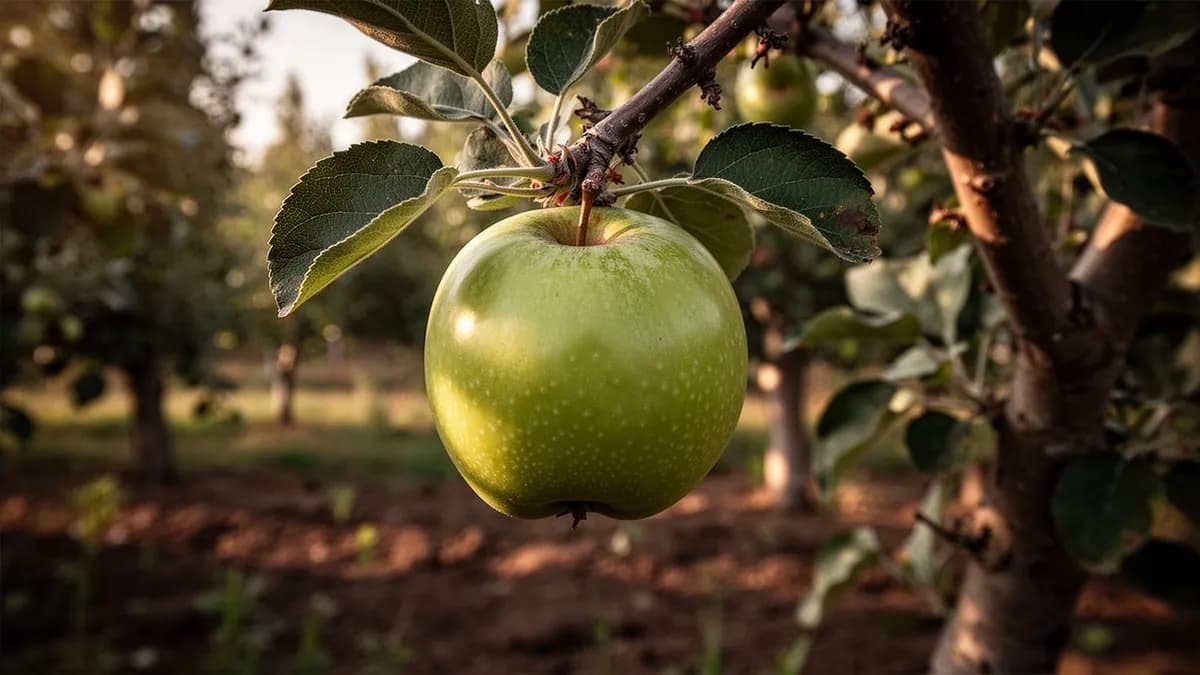
The classic green apple with a tart, crisp flavor that makes it the gold standard for pies and baking.





On this pageOverview
Meet Granny Smith Apple
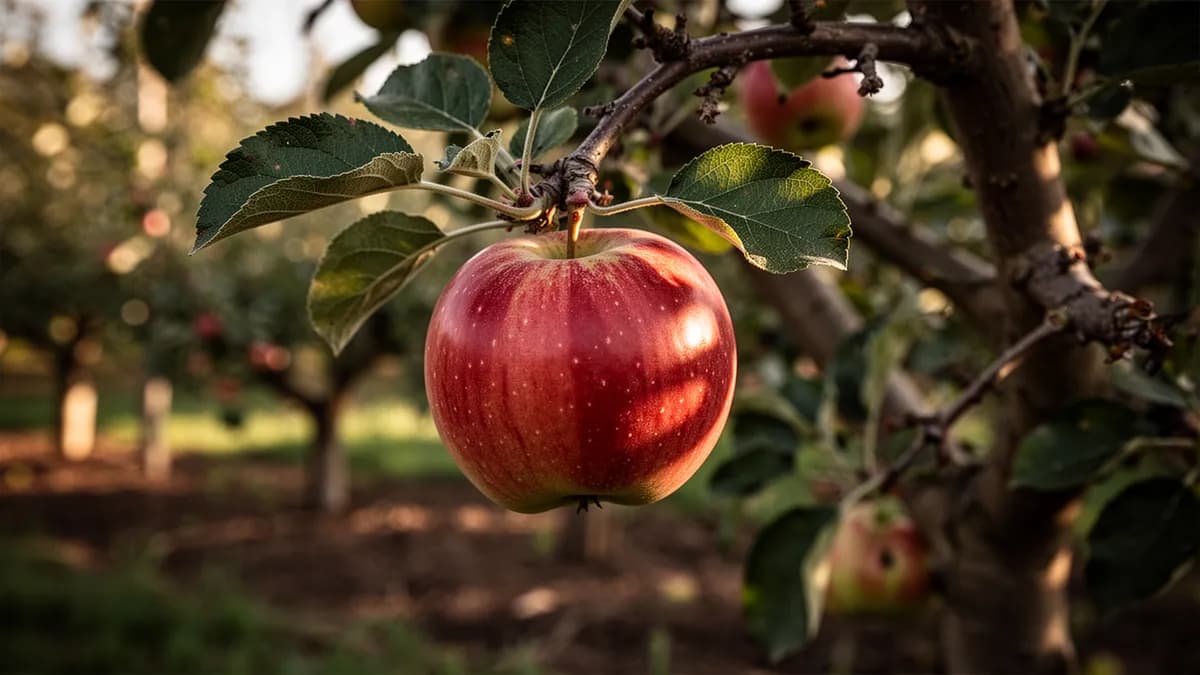
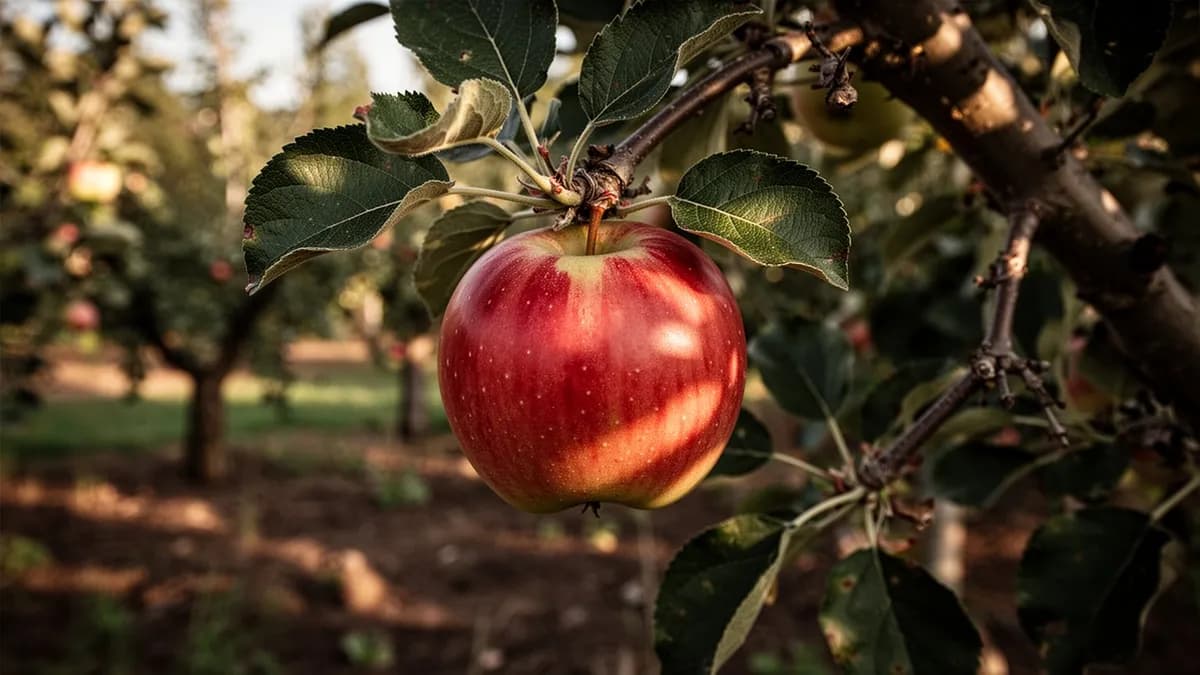
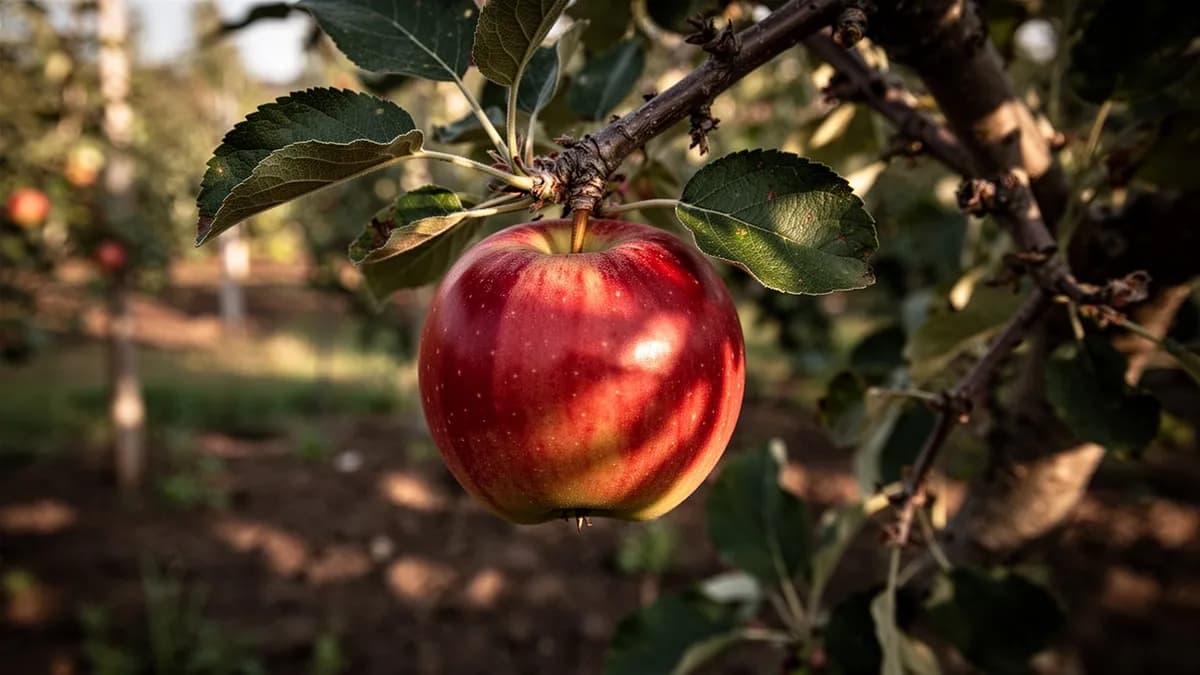
The classic green apple with a tart, crisp flavor that makes it the gold standard for pies and baking. Granny Smith apples require a very long growing season and are among the last varieties to ripen in autumn. They store extremely well and maintain their firm texture and tartness through months of cold storage.
When to plant Granny Smith Apple
Granny Smith seeds do not produce true-to-type offspring and are used only for rootstock or experimental growing. The original Granny Smith tree was itself a chance seedling, so growing from seed can produce interesting results. Stratify seeds in moist sand at 33 to 40 degrees Fahrenheit for 60 to 90 days, then sow one-half inch deep in seed-starting mix. Keep soil consistently moist at 65 to 75 degrees and expect germination in two to four weeks. Seedlings require several years of growth before grafting or fruiting.
Your Granny Smith Apple Year
Composed for Zone 7 · typical seasons · frost passes Apr 2, returns Nov 1
Plant Granny Smith Apple Mar – Apr, pick Oct – Nov. Check the planting methods below and set your climate to personalize these windows.
How to grow Granny Smith Apple
Granny Smith apple trees need a warm climate with a long growing season of at least 180 days from bloom to harvest. Plant dormant trees in early spring in full sun with good air drainage to minimize late frost damage to blossoms. The trees are vigorous growers and benefit from training to a modified central leader or open vase system to manage their spreading habit.
This variety blooms mid-season and requires a compatible pollinator such as Fuji, Gala, or Golden Delicious within bee-flying distance. Granny Smith trees are moderately self-thinning but still benefit from hand thinning to one fruit per cluster for optimal size. The trees are naturally vigorous and may produce excessive vegetative growth if over-fertilized with nitrogen.
Prune annually during winter dormancy to maintain an open, well-lit canopy. Remove water sprouts and inward-growing branches to promote air circulation and reduce disease. In regions with intense summer sun, avoid over-thinning the canopy as the bright green fruit is susceptible to sunburn. Water deeply and consistently, providing one to two inches per week during the growing season.
Granny Smith Apple needs more room than a 4 × 8 ft bed gives
Each Granny Smith Apple wants 300 cm of elbow room. The planner keeps that spacing for you — every plant, every bed.
Granny Smith Apple's best neighbours
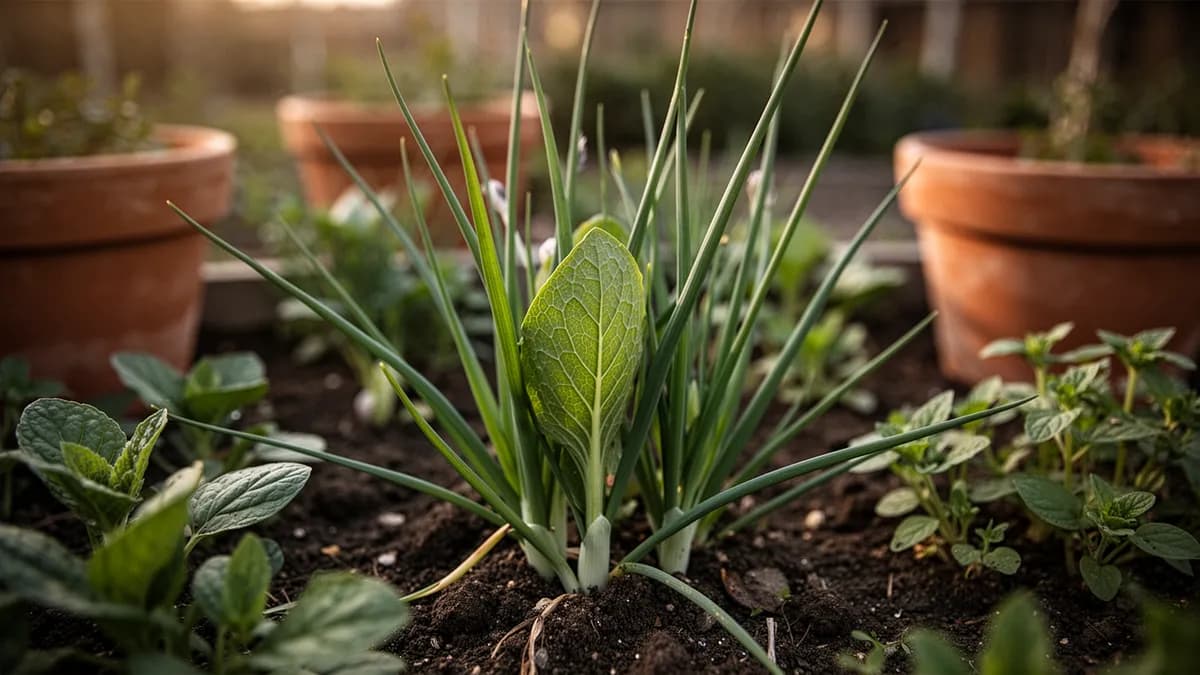
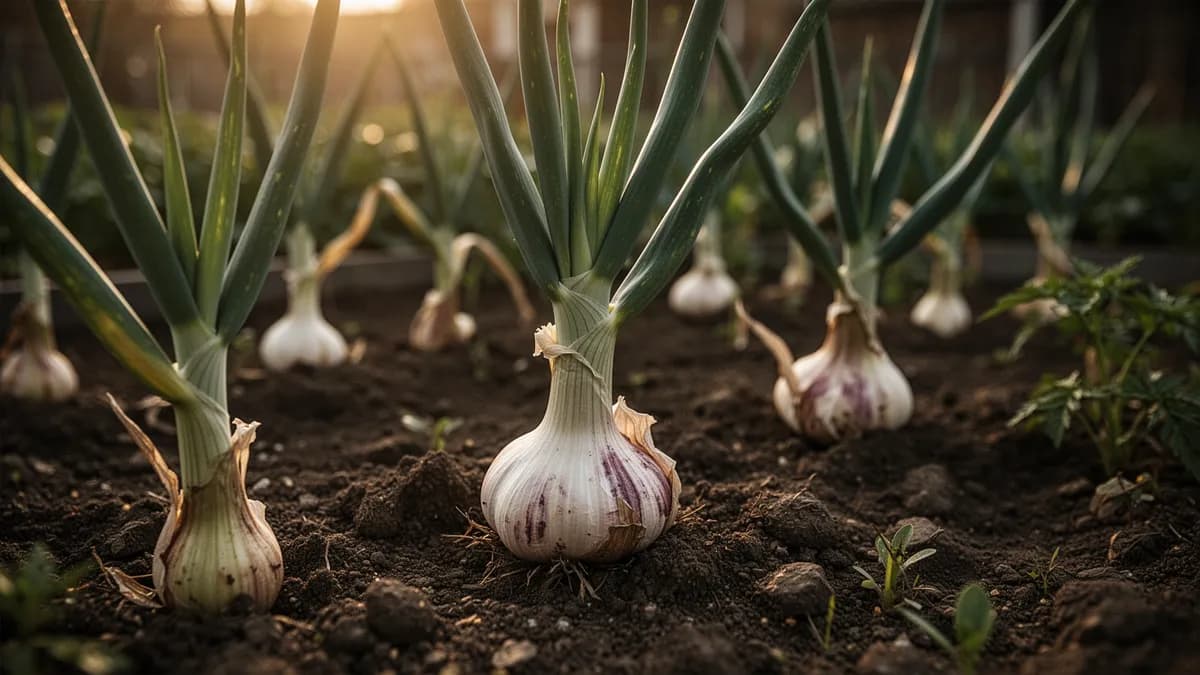
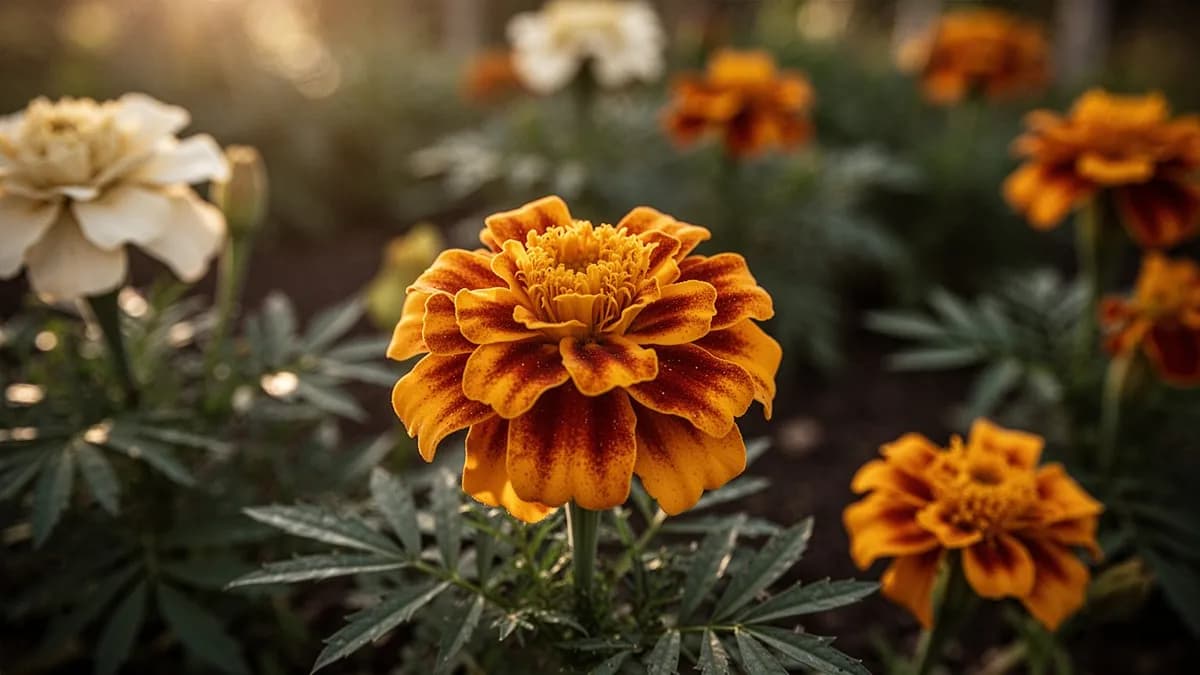
Plant aromatic herbs like chives, garlic, and oregano beneath Granny Smith trees to confuse and deter pest insects with strong scents. Marigolds planted in the root zone attract hoverflies and parasitic wasps while repelling soil nematodes. Clover or vetch ground covers fix nitrogen and support beneficial insect populations. Avoid planting near walnut or butternut trees due to juglone sensitivity, and keep grass away from the trunk base where it competes for moisture and nutrients.
Chives belongs beside it. Walnut Tree doesn't.
Old growers' knowledge, checked against Granny Smith Apple's real companion table below — test any plant you're growing.
Try Granny Smith Apple in a bed — right here
A real planner bed with Granny Smith Apple already in it. Tap a companion to place it and watch the pairing checks answer — green for good neighbours, red for a clash.


Related growing guides
Feed it well
Granny Smith trees prefer well-drained, fertile loam with a pH of 6.0 to 7.0. They are vigorous growers that respond strongly to nitrogen, so apply fertilizer conservatively to avoid excessive vegetative growth at the expense of fruit production. A balanced 10-10-10 fertilizer in early spring is sufficient for most trees. Supplement with calcium sprays during fruit development and ensure adequate potassium levels to support the long maturation period.
Ideal Temperature
Hardiness Zone Compatibility
From seed to harvest, stage by stage
Dormancy & Chilling
Granny Smith requires 400–600 chilling hours (below 7°C / 45°F) to break dormancy properly. During this period the tree appears lifeless, but internal processes are resetting flower and leaf buds for the season ahead. Inadequate chilling leads to erratic budbreak and reduced fruit set.
Budbreak & Blossom
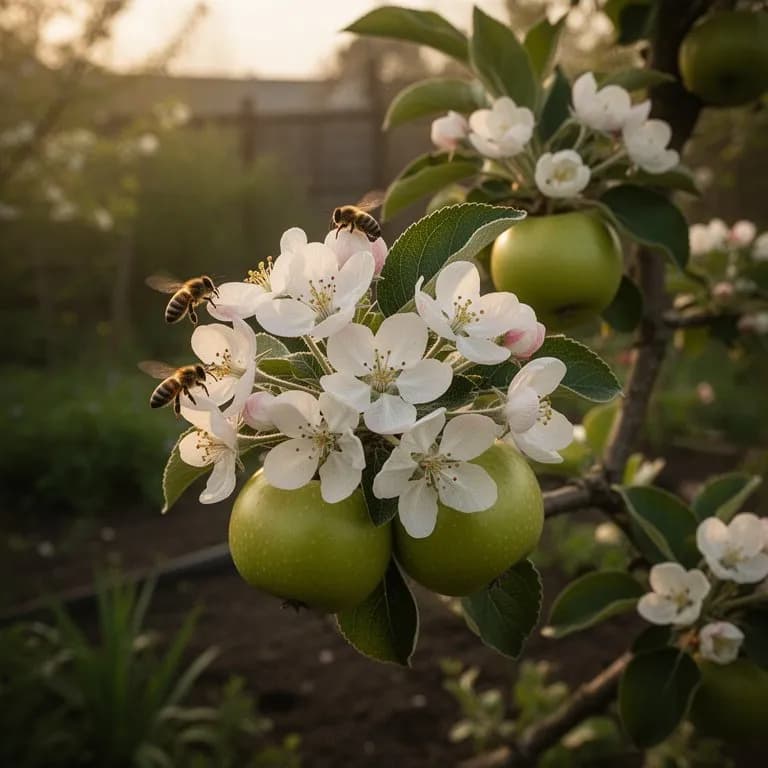
As temperatures warm in mid-spring, tight buds swell into silvery-green leaf clusters followed by pink-tipped buds that open into pure white flowers. Granny Smith is self-incompatible and requires a compatible pollinator variety such as Fuji, Golden Delicious, or Gala planted within 15 m to set a good crop.
Fruitlet Development & June Drop
After petal fall small green fruitlets swell rapidly. The tree naturally sheds excess fruitlets in early summer — the so-called June Drop. Following this, hand-thin remaining fruits to one per cluster and 15–20 cm apart to encourage large, high-quality apples rather than numerous small ones.
Slow Summer Maturation
Granny Smith is a late-season variety with one of the longest cell-division and cell-enlargement phases of any cultivar — a full 150–180 days from bloom to harvest. Fruits accumulate starch and organic acids during summer, and the skin stays firmly green. Consistent deep watering during this phase is critical to prevent bitter pit and cracking.
Flavour Development & Harvest
Harvest typically falls between late September and early November in temperate climates. The skin remains green even at full maturity — colour alone is not a reliable indicator. Test readiness with a starch-iodine test or a pressure tester (firmness should be around 8–9 kg/cm²). A mature Granny Smith releases easily with an upward twist and its flesh shows a cream rather than pure-white cross-section.
Post-Harvest Recovery
After harvest the tree begins moving carbohydrates from leaves back into the wood for winter fuel. Leaf colour shifts to yellow before drop. This is the best time for major structural pruning, lime-sulfur or copper sprays, and mulching the root zone before hard frost.
Apply a dormant oil spray on a dry day above 4°C to smother overwintering scale insects and mite eggs before buds swell.
Caring for Granny Smith Apple month by month
What to do each month for your Granny Smith Apple
October
You are hereMain harvest window in most temperate climates. Harvest in the cool morning. Store at 0–2°C with high humidity. Apply post-harvest copper spray to prevent leaf scar infection of bacterial canker.
Know exactly what to do in your garden — every month
One email at the start of each month: what to sow, plant, and tackle right now — for your Granny Smith Apple and everything growing around it. Plus a short starter course that helps you dodge the classic mistakes.
- What to do, right now
- Matched to your season
- Starter course included
Harvesting Granny Smith Apple
Granny Smith apples are among the last to ripen, typically in late October to November. The fruit is ready when the skin develops a slightly yellowish undertone rather than pure deep green, and the seeds have turned fully brown. Test by tasting for the characteristic tart-sweet balance. Pick with care as the firm flesh resists bruising better than softer varieties. In cooler regions, fruit may not reach full maturity before frost, making this variety best suited to warmer growing zones.
assuming you plant when the window opens — set your real date
Pick Granny Smith Apple promptly and the plant keeps producing.
Storage & Preservation
Granny Smith is one of the best storing apple varieties, keeping for five to six months at 32 to 35 degrees Fahrenheit in refrigerated storage. The firm flesh and high acid content resist breakdown and maintain crispness throughout storage. They are excellent candidates for freezing as pie filling, making dried apple slices, and producing cider vinegar. Their tartness intensifies when dehydrated, creating pleasantly sour apple chips.
What goes wrong — and the fix
Apple Scab
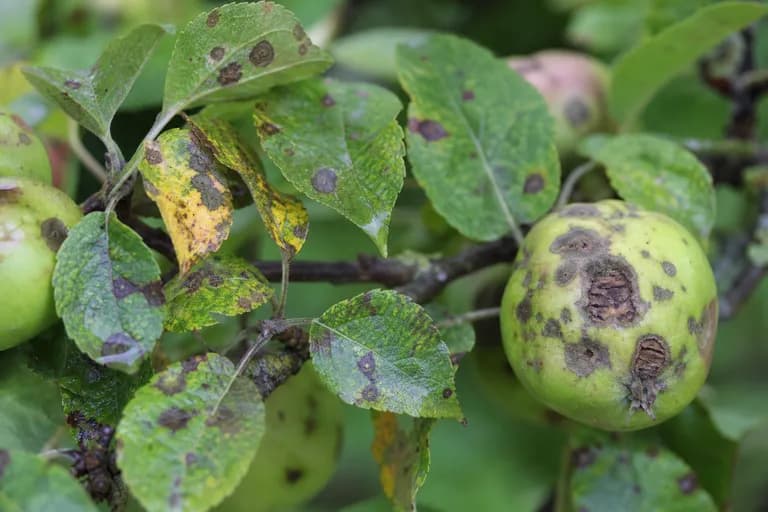
DiseaseVelvety olive-brown spots on leaves and fruit that crack and distort as they expand; heavy infections cause defoliation.
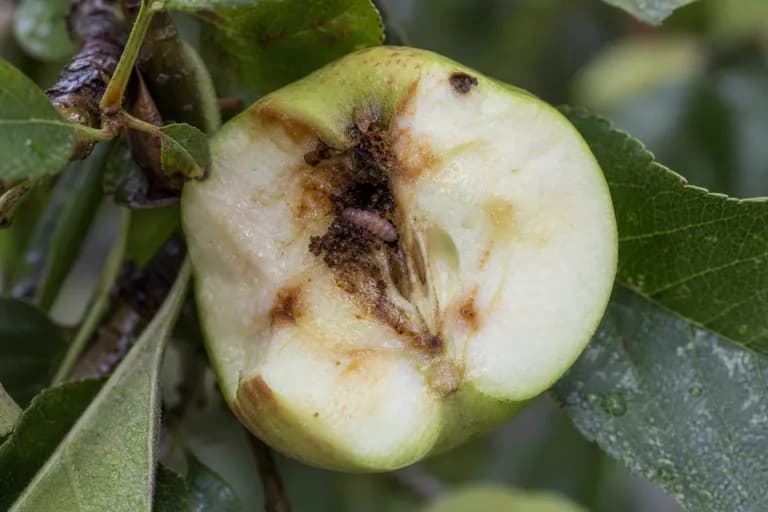
Codling Moth
PestFrass-filled entry holes on fruit, typically near the calyx end, with larvae tunneling through flesh to the core.
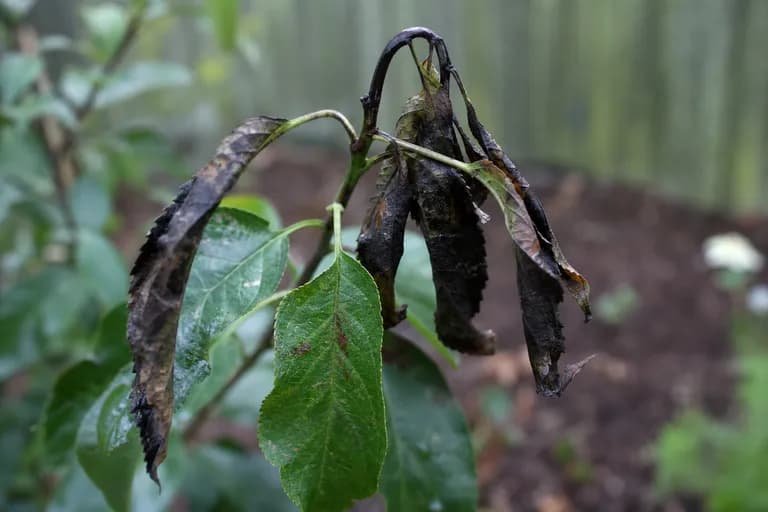
Fire Blight
DiseaseBlossoms and shoot tips wilt, turn black, and curve into a characteristic shepherd's crook; oozing cankers appear on branches.
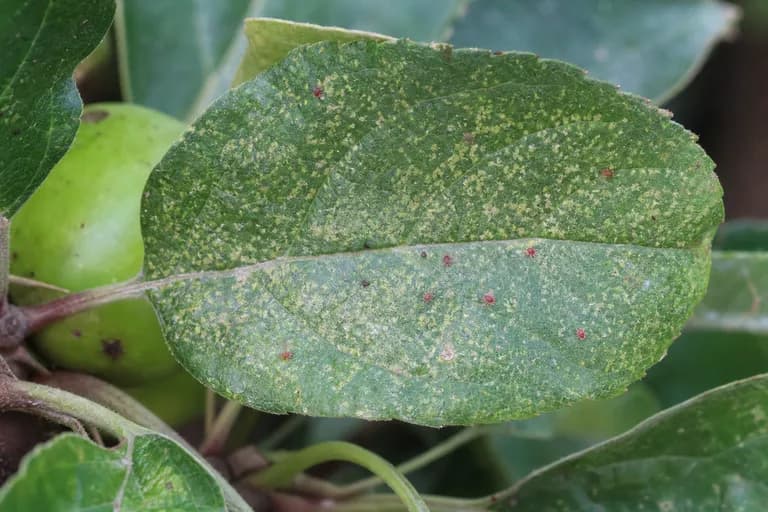
European Red Mite
PestStippled, bronzed foliage from mite feeding on leaf cells; heavy infestations reduce photosynthesis and weaken the tree.
Troubleshooting Common Problems
Sunburn is a major issue for Granny Smith apples because the light green skin is especially vulnerable to solar damage during hot summers. Protective kaolin clay sprays or reflective ground covers can help mitigate this. In cooler climates, fruit may fail to reach full maturity, remaining overly tart and starchy. The variety is moderately susceptible to apple scab and benefits from a consistent fungicide program. Bitter pit can occur in years of light crop load with vigorous shoot growth.
Growing Tips
- Always plant Granny Smith with a compatible cross-pollinator within 15 metres — suitable partners include Fuji, Gala, Golden Delicious, Pink Lady, and Braeburn. Without pollination, fruit set will be negligible.
- Choose your rootstock carefully: MM.106 is the best all-round choice for home gardeners, offering moderate vigour, good anchorage, and a tree reaching 3.5–4.5 m. M9 suits very small spaces or espalier training but needs permanent staking and rich, irrigated soil.
- Granny Smith demands a long, warm growing season to develop full flavour — if your climate has cool summers (average below 18°C in July/August), consider a warmer-maturing substitute such as Fuji or Braeburn instead.
- Carry out the starch-iodine test before harvesting: cut an apple in half crosswise, dip it in iodine solution, and compare the blue-staining pattern to a reference chart. Granny Smith should show less than 30% blue staining at optimal harvest maturity.
- Store harvested Granny Smith in a cool, dark location at 0–2°C with 90–95% relative humidity. Under these conditions fruit routinely keeps in excellent condition for 4–6 months — far longer than most other varieties.
- Apply foliar calcium sprays (calcium chloride at 0.4%) every 3 weeks from fruitlet stage through to 6 weeks before harvest to prevent bitter pit — a common calcium-deficiency disorder in Granny Smith that causes brown corky spots in the flesh.
- Granny Smith is moderately susceptible to apple scab (Venturia inaequalis) and powdery mildew. Follow a preventive spray program from green-tip through petal fall, and choose resistant pollinators to reduce overall disease pressure in the orchard.
- In warm climates prone to sunburn (sustained temperatures above 38°C), apply a kaolin clay spray to the fruit surface in summer to reflect UV radiation and prevent russeting and sunscald on the exposed side of each apple.
- Mulch the root zone year-round with 8–10 cm of composted wood chip or straw, keeping mulch 10–15 cm clear of the trunk. This maintains soil moisture, moderates root temperature, suppresses weeds, and gradually improves soil organic matter — all of which directly benefit fruit size and quality.
- Granny Smith is prone to biennial bearing (heavy crop one year, little the next) if over-stressed or if thinning is neglected. Consistent annual fruit thinning to one fruit per spur and good post-harvest nutrition are the most effective tools to encourage annual reliable cropping.
Grow your best Granny Smith Apple yet — and everything around it.
Start a free plan today. Lay out your beds, drop in your Granny Smith Apple, and let PlotMyGarden handle the timing, spacing, companions and reminders from seed to harvest basket.
Pick your Granny Smith Apple
Granny Smith Spur Type
A compact spur-bearing selection ideal for smaller spaces and high-density plantings with the same tart flavor.
Cripps Green
A sister seedling to Pink Lady sharing Granny Smith parentage, with similar tartness but added sweetness.
Greensleeves
A Granny Smith hybrid cross producing slightly sweeter fruit that matures earlier in the season.
Granny Smith USPP
A redder blushed sport that develops a pink cheek in warm climates while retaining classic tartness.
A mature Granny Smith apple tree on a semi-dwarfing rootstock (MM.106) can yield 30–60 kg of fruit per year. At current supermarket prices of $4–6 per kg for organic Granny Smith apples, a single tree producing conservatively 40 kg per year represents $160–240 of fresh produce annually. Over a 20-year productive lifespan, that amounts to $3,200–$4,800 in grocery savings from a single tree costing $25–60 to purchase and plant. Unlike store-bought apples, home-grown fruit can be left to fully tree-ripen, resulting in superior flavour and higher nutrient density than commercially harvested fruit which is typically picked weeks early for transport and storage.
Quick recipes
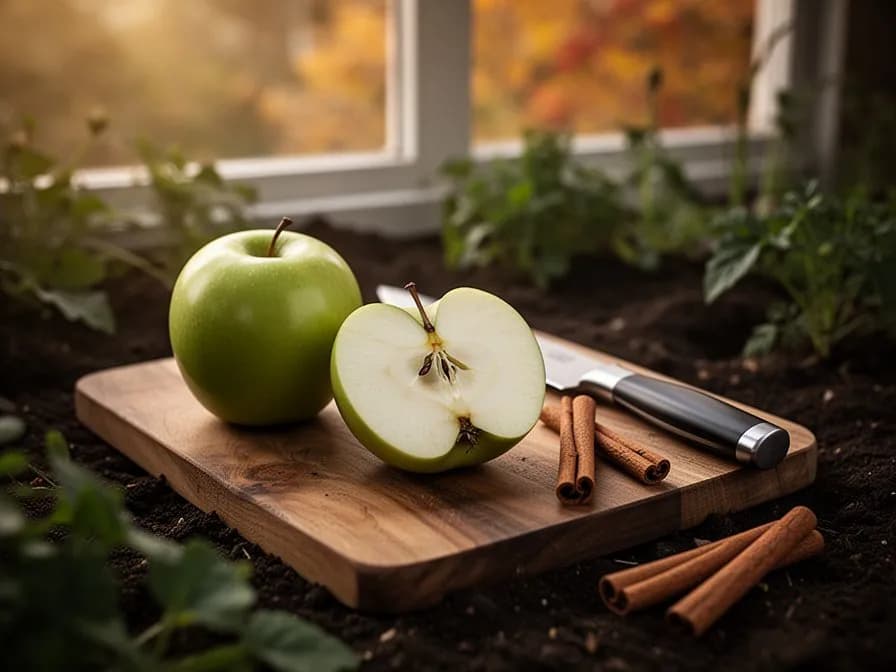
Classic Granny Smith Apple Pie
30 minutes prep, 55 minutes bakeGranny Smith is the gold-standard baking apple precisely because its flesh holds its shape and its tartness balances the sweetness of the filling beautifully. This classic double-crust pie is the definitive showcase for homegrown fruit.
9 ingredientsGranny Smith, Walnut & Blue Cheese Salad
15 minutesThe sharp acidity of fresh Granny Smith cuts through rich blue cheese and toasted walnuts to create a salad with perfectly balanced flavour. No cooking required — the apple is the star and must be garden-fresh for best results.
9 ingredients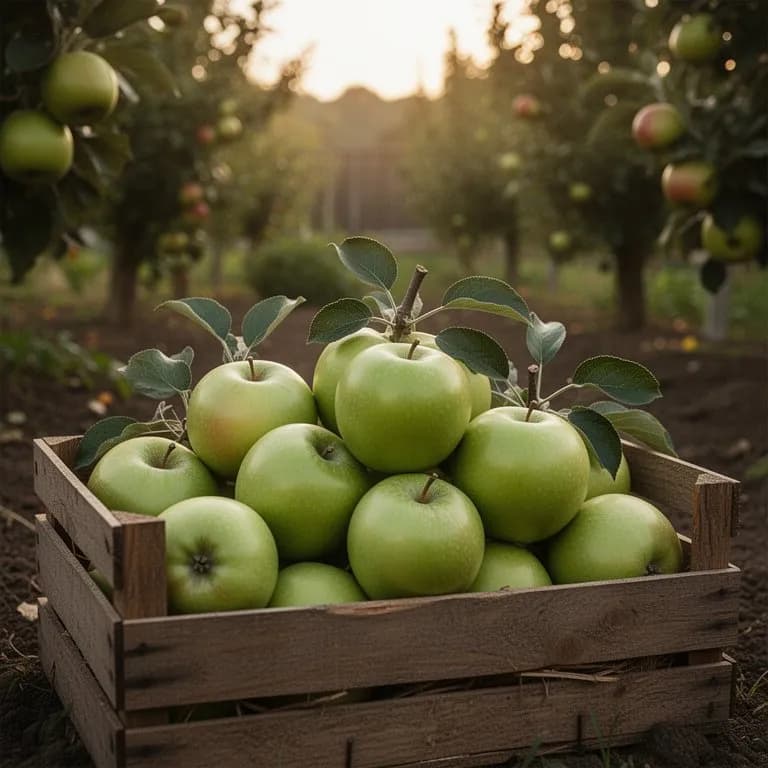
Spiced Granny Smith Apple Sauce
10 minutes prep, 25 minutes cookGranny Smith's high acidity means this sauce needs very little added lemon juice and results in a brighter, more complex flavour than sauce made with sweeter varieties. Excellent with roast pork, potato pancakes, or swirled into oatmeal.
7 ingredientsCulinary Uses
Granny Smith apples are the premier baking apple, holding their shape and tartness beautifully in pies, tarts, and crisps. Their high acidity makes them excellent for applesauce that needs no added lemon juice. They work wonderfully in savory applications such as Waldorf salads, pork dishes, and chutneys. The tart juice adds brightness to fresh cider blends and makes outstanding apple cider vinegar.
What's inside
Health Benefits
- The high pectin content in Granny Smith apples acts as a prebiotic, feeding beneficial gut bacteria such as Lactobacillus and Bifidobacterium and supporting a healthy, diverse microbiome.
- Quercetin concentrated in the green skin has been shown in multiple studies to reduce inflammation markers and may lower the risk of chronic inflammatory conditions including cardiovascular disease.
- The malic acid in Granny Smith may help reduce muscle fatigue after exercise by supporting the Krebs cycle energy pathway, and is used in supplement form for this purpose.
- Regular apple consumption has been associated in large cohort studies with a reduced risk of type 2 diabetes — Granny Smith's low GI makes it particularly suitable for those monitoring blood sugar.
- Chlorogenic acid present in Granny Smith has been studied for its potential role in regulating post-meal blood glucose spikes by slowing carbohydrate absorption in the small intestine.
- The high vitamin C and flavonoid content of Granny Smith apples supports immune function, skin collagen synthesis, and may reduce the duration and severity of common cold symptoms.
Where Granny Smith Apple comes from
The Granny Smith apple story begins in the colony of New South Wales, Australia, in the 1860s. Maria Ann Smith — affectionately known as Granny Smith — was born in Sussex, England, in 1799 and emigrated to Australia with her husband Thomas in 1839. They settled in Eastwood (then known as Ryde), a rural district outside Sydney, where they farmed and sold produce at the local market.
Around 1868, Maria discovered an unusual seedling growing beside a creek on her property. Local accounts suggest it sprouted from the remnants of French crab apples she had been testing for cooking. Whatever its exact parentage, the chance seedling produced fruit unlike anything grown in Australia at the time: firm, tart, bright green, and exceptionally long-keeping. Maria began propagating and selling the apples at Ryde markets, where they quickly attracted a following among cooks and housewives for their outstanding culinary qualities.
Maria Smith died in 1870, just as the variety was gaining attention. Local nurseryman Edward Gallard recognised the commercial potential and continued propagating the trees. By the 1890s the variety had been formally exhibited at the Castle Hill Agricultural and Horticultural Show, where it was named 'Granny Smith's Seedling' in posthumous honour of its discoverer.
For the first century of its existence, Granny Smith remained largely an Australasian variety, prized domestically but little known elsewhere. Its fortunes changed dramatically in the 1970s and 1980s, when advances in controlled-atmosphere cold storage allowed apples to be kept in prime condition for up to a year. Exporters discovered that Granny Smith — with its natural firmness and high acidity — travelled and stored better than virtually any other variety. Shipments from Australia, South Africa, Chile, and New Zealand began filling supermarket shelves in Europe and North America throughout the year.
Today Granny Smith is grown commercially in Australia, New Zealand, South Africa, Chile, Argentina, the United States (particularly Washington State and California), France, and Italy. It remains the world's most popular green apple and a benchmark variety against which other tart cultivars are measured. Home gardeners prize it for its reliable cropping, exceptional storage life, and unmatched baking performance — a living legacy to a chance find beside a creek in colonial New South Wales.
Granny Smith Apple: did you know?
Fascinating facts about Granny Smith Apple
Granny Smith is named after Maria Ann Smith, an Australian orchardist from Ryde, New South Wales, who first propagated the variety around 1868 from what is believed to be a chance seedling of a French crab apple.
Granny Smith Apple questions, answered
When should I plant Granny Smith Apple?
What are good companion plants for Granny Smith Apple?
What hardiness zones can Granny Smith Apple grow in?
How much sun does Granny Smith Apple need?
How far apart should I space Granny Smith Apple?
What pests and diseases affect Granny Smith Apple?
How do I store Granny Smith Apple after harvest?
What are the best Granny Smith Apple varieties to grow?
What soil does Granny Smith Apple need?
Why are my Granny Smith apples still green even though they look big enough to pick?
Do I really need to plant a second apple tree as a pollinator?
My Granny Smith apples have brown, corky spots inside the flesh — what caused this?
Can I grow Granny Smith in a pot or a small garden?
When is the best time to prune a Granny Smith apple tree?
How long does it take before a Granny Smith tree produces fruit?
You just read the theory. Now grow it on autopilot.
Everything that makes Granny Smith Apple fiddly — the timing, the spacing, the companions, the harvest window — is exactly what PlotMyGarden handles for you, for every plant in your garden.
A plan that knows your weather
Set your location once. Get sow, feed and harvest dates built around your real last-frost date and live forecast — no more guessing from a generic seed packet.
From the “When to plant” sectionDrag-and-drop bed planner
Design beds on a grid. Every plant snaps to its proper spacing, and you can see your whole season laid out before you spend a cent on seed.
From the “Growing guide” sectionCompanion conflicts, caught early
200+ good-and-bad pairings checked live as you plant — so a season-wrecking mistake never makes it into the ground.
From the “Companions” sectionReminders you'll actually act on
“Water the beans.” “Pick today before it turns.” Timely, specific, and tied to the plants you're really growing.
From the “Harvest” sectionSuccession, scheduled
Want a harvest for six weeks, not six days? It spaces your sowings automatically and reminds you when each new block is due.
From the “When to plant” sectionA record that gets smarter
Every harvest you log teaches it your garden. Next year's plan starts from what actually worked in your soil, not a textbook's.
From the “Overview” sectionPlant these alongside Granny Smith Apple
More Pome Fruits
Keep Granny Smith Apple away from these
Grow your best Granny Smith Apple yet — and everything around it.
Start a free plan today. Lay out your beds, drop in your Granny Smith Apple, and let PlotMyGarden handle the timing, spacing, companions and reminders from seed to harvest basket.