Mugwort
A vigorous aromatic perennial with silver-backed leaves used in East Asian medicine for moxibustion and as a bitter digestive herb.





On this pageOverview
Meet Mugwort
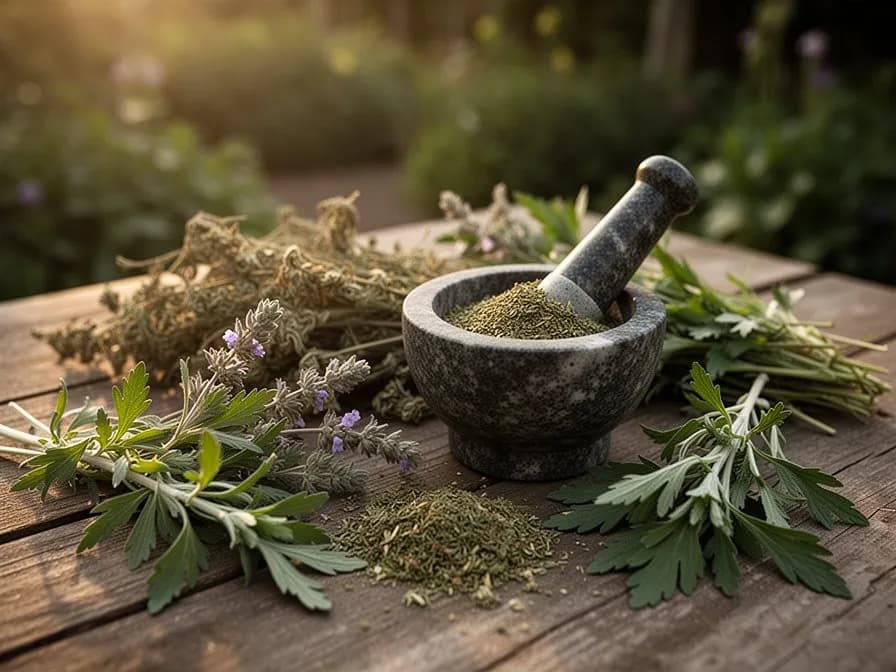
A vigorous aromatic perennial with silver-backed leaves used in East Asian medicine for moxibustion and as a bitter digestive herb. Mugwort spreads aggressively by underground runners and should be planted in contained areas or bottomless pots sunk into the ground. The dried leaves are also used to stuff dream pillows and as a traditional flavoring for rice cakes.
When to plant Mugwort
Mugwort seeds germinate readily on the surface of moist seed-starting mix—press lightly but do not cover, as seeds need light. Germination occurs in 1-2 weeks at 18-22°C. Seeds can also be direct sown outdoors in spring or autumn. However, propagation by seed is rarely necessary, as small pieces of rhizome establish new plants with remarkable ease. Division at any time during the growing season is the simplest method. The real challenge is not propagation but containment.
Your Mugwort Year
Composed for Zone 7 · typical seasons · frost passes Apr 2, returns Nov 1
Plant Mugwort Mar – May, pick Jul – Sep. Check the planting methods below and set your climate to personalize these windows.
How to grow Mugwort
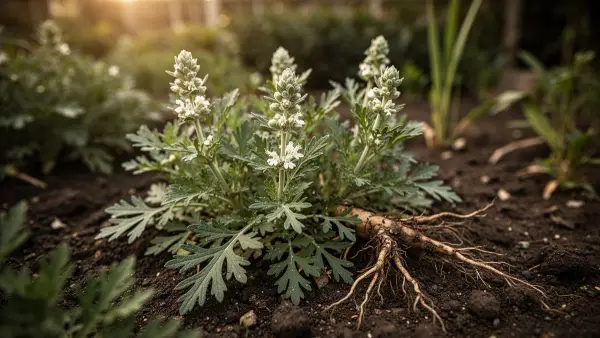
Mugwort is a vigorous, aromatic perennial artemisia growing 90-180cm tall with deeply lobed leaves that are dark green above and silvery-white beneath. It has been used across cultures for centuries—in European folk herbalism as a bitter digestive herb, in Chinese medicine for moxibustion (burning dried mugwort on acupuncture points), and in Japanese cuisine as a flavoring for mochi rice cakes. Plant in full sun with any well-drained soil, spacing 60cm apart.
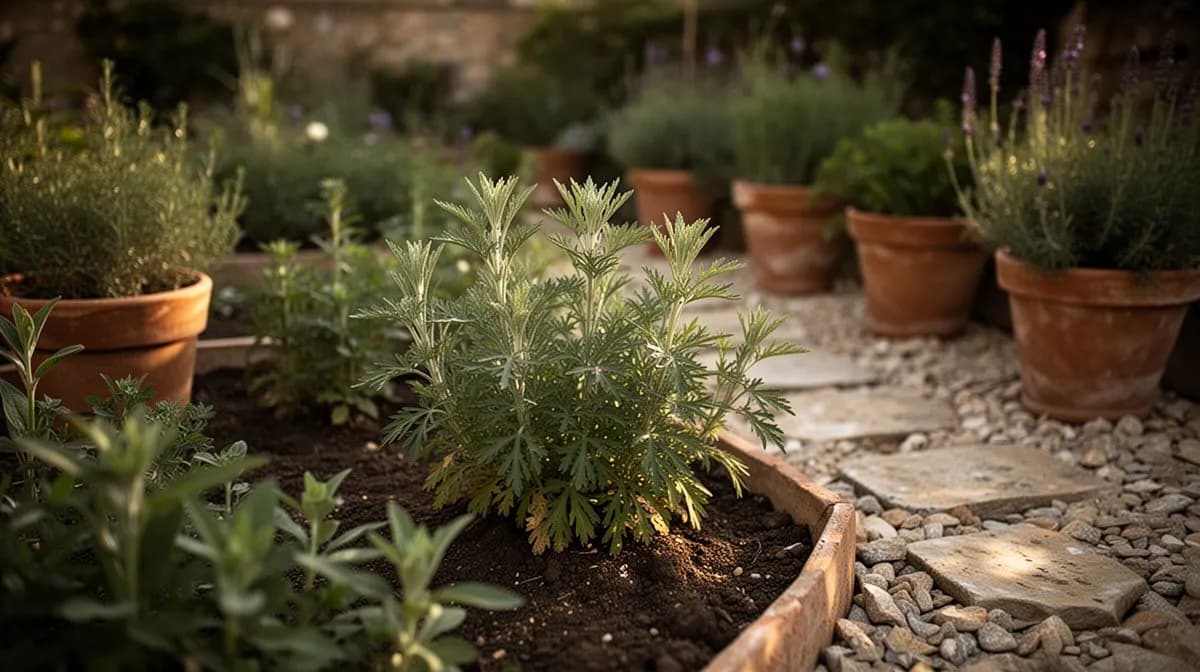
Mugwort is extremely easy to grow but extremely difficult to control—it spreads aggressively through underground rhizomes that can penetrate deep into the soil and travel long distances. Always plant within strong physical barriers (buried metal or plastic edging to at least 45cm depth) or in bottomless containers sunk into the ground. This is not a plant for an uncontained garden bed.
Despite its invasive nature, mugwort is a fascinating and useful herb. The aromatic leaves release a complex, sage-like fragrance when crushed. The plant tolerates a wide range of conditions from full sun to partial shade, rich to poor soil, and moist to moderately dry conditions. It thrives on neglect and persists tenaciously—the challenge is not growing mugwort but managing its ambition to take over the garden.
8 plants fit a 4 × 8 ft bed
Each Mugwort wants 60 cm of elbow room. The planner keeps that spacing for you — every plant, every bed.
Mugwort's best neighbours
Mugwort's aromatic compounds repel many garden pests and is traditionally used as a companion plant for this purpose—but its aggressive spreading means it must always be contained. Plant in buried containers near the garden rather than in beds. The deep root system and allelopathic properties can inhibit neighboring plants. In traditional Asian gardens, contained mugwort is grown near vegetables for pest deterrence. The late summer flowers attract beneficial predatory insects.
Wormwood belongs beside it.
Old growers' knowledge, checked against Mugwort's real companion table below — test any plant you're growing.
Try Mugwort in a bed — right here
A real planner bed with Mugwort already in it. Tap a companion to place it and watch the pairing checks answer — green for good neighbours, red for a clash.


Related growing guides
Feed it well
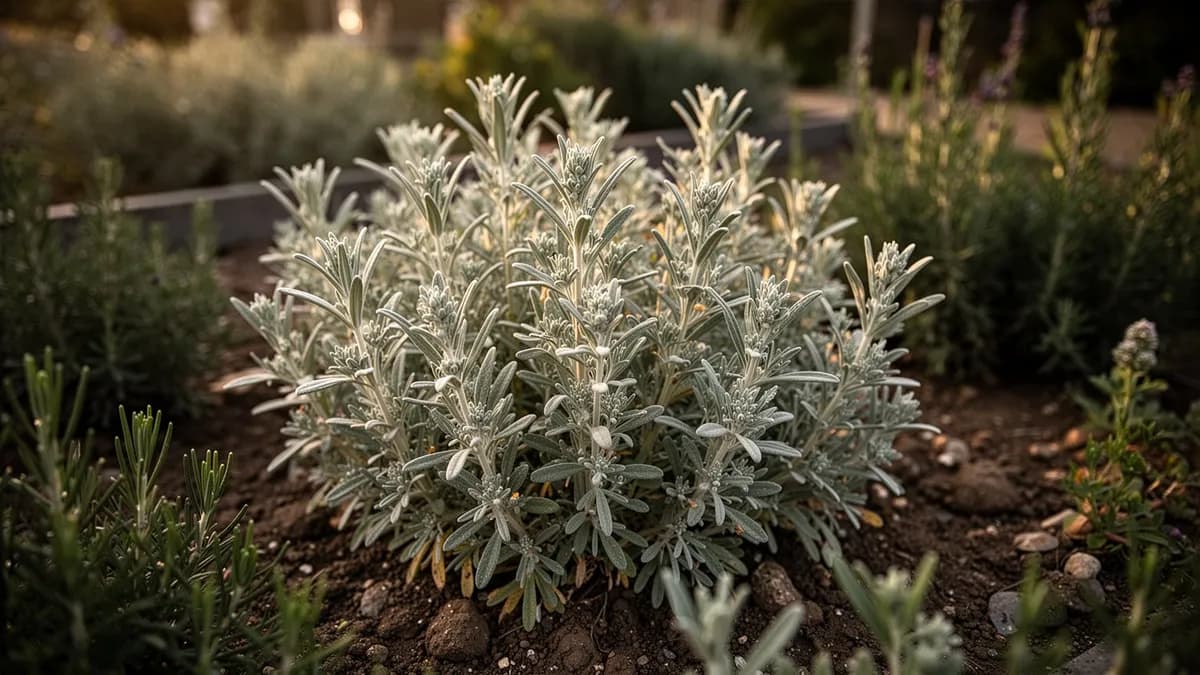
Mugwort grows in virtually any soil condition—rich or poor, acid or alkaline (pH 4.5-8.0), clay or sand. No fertilization is needed or recommended; rich soil promotes even more aggressive spreading. The plant thrives on neglect in the poorest garden conditions. Well-drained soil is slightly preferable but mugwort tolerates periodic waterlogging. This is a pioneer species that colonizes disturbed ground, wastelands, and roadsides.
Ideal Temperature
Hardiness Zone Compatibility
From seed to harvest, stage by stage
Seed Germination
Mugwort seeds are tiny and require light to germinate. Surface-sow on moist soil and keep consistently damp. Germination can be erratic, so patience is key.
Seedling Establishment
Tiny seedlings develop their first true leaves with the characteristic lobed shape. Growth is slow initially as the root system establishes underground.
Vegetative Growth
Plants grow rapidly upward, producing dense foliage on sturdy stems. The aromatic silver-green leaves fill out and the underground rhizome network begins expanding.
Pre-Bloom Harvest Window
The ideal harvest period begins just before flowers open. Leaves contain the highest concentration of essential oils and aromatic compounds at this stage.
Flowering
Tall flower panicles emerge bearing numerous small reddish-brown to yellowish flower heads. While less potent medicinally, flowers can still be harvested for teas.
Dormancy
Above-ground growth dies back after frost. The extensive root system overwinters underground and will send up vigorous new growth the following spring.
Do not cover seeds with soil. Mist gently to keep the surface moist without displacing the fine seeds.
Caring for Mugwort month by month
What to do each month for your Mugwort
October
You are hereCut back spent stems after frost blackens foliage. Compost healthy plant material. Check and repair root barriers.
Know exactly what to do in your garden — every month
One email at the start of each month: what to sow, plant, and tackle right now — for your Mugwort and everything growing around it. Plus a short starter course that helps you dodge the classic mistakes.
- What to do, right now
- Matched to your season
- Starter course included
Harvesting Mugwort
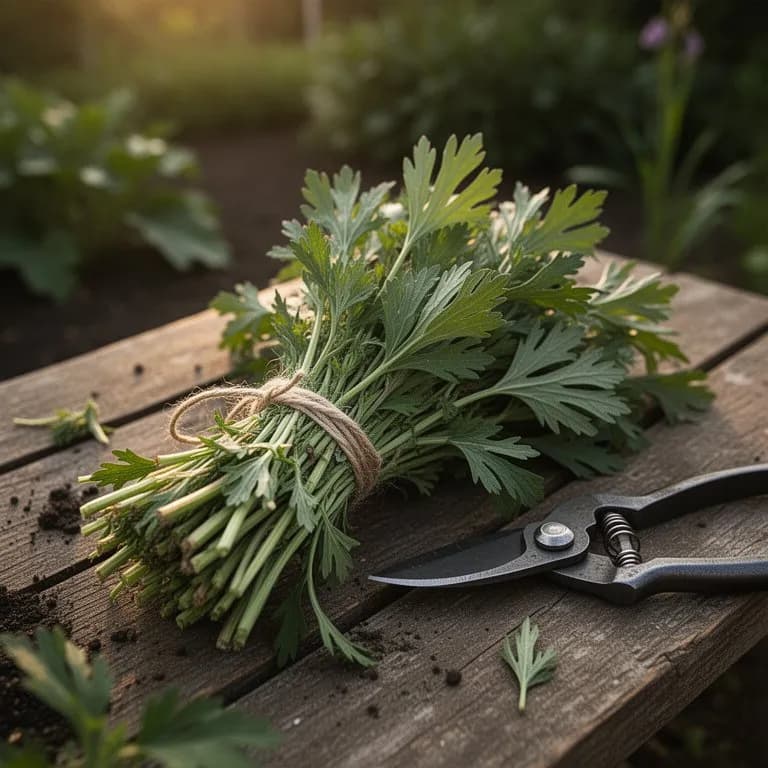
Harvest mugwort leaves and flowering tops in midsummer just before flowers open for the highest essential oil content. For moxibustion, harvest leaves in late summer when the silvery undersides are most developed—dry and process into moxa wool by removing the tough veins and stems. For culinary use (Japanese yomogi/mochi), harvest young spring leaves before the bitter compounds fully develop. For dream pillows, harvest mature aromatic leaves at any point during the season.
assuming you plant when the window opens — set your real date
Pick Mugwort promptly and the plant keeps producing.
Storage & Preservation
Dry mugwort by hanging bundles in a warm, dark, well-ventilated area for 1-2 weeks. The dried herb retains its aromatic properties well. Store in airtight jars away from light for up to 2 years. For moxibustion moxa, process dried leaves by removing the fibrous veins and stems, then repeatedly rolling and sifting to create fine, woolly moxa punk. Make dream pillows by stuffing dried leaves into small cloth bags. Tincture fresh herb in alcohol for medicinal preparations.
What goes wrong — and the fix
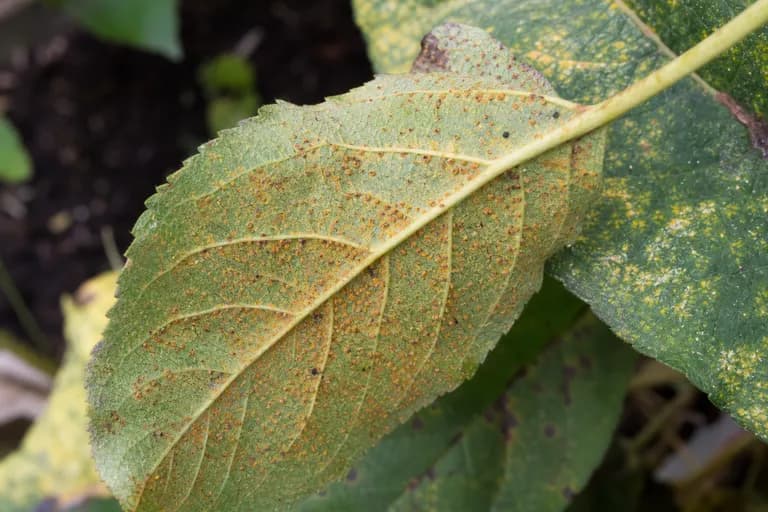
Rust
DiseaseOrange pustules on leaf undersides in humid conditions. Generally cosmetic and does not affect plant vigor.
Virtually Pest-Free
PestMugwort's bitter, aromatic compounds repel virtually all insect pests. The plant is remarkably trouble-free.
Troubleshooting Common Problems
Invasive spreading through underground rhizomes is the overwhelming management challenge. Even small root fragments can regenerate new plants, making eradication extremely difficult once established. Always use deep physical barriers. In some regions, mugwort is classified as a noxious invasive weed. The pollen is a significant allergen that causes hay fever in sensitive individuals. The bitter taste limits culinary use to specialized preparations.
Growing Tips
- Install root barriers at least 30 cm deep around mugwort plantings to contain the aggressive rhizome spread that can quickly overtake garden beds.
- Start seeds indoors by surface-sowing on moist soil — mugwort seeds need light to germinate and should never be covered.
- Grow mugwort in full sun to partial shade; plants in full sun produce more essential oils and aromatic compounds than shaded specimens.
- Mugwort thrives in poor to average soil and actually produces more potent aromatic oils when grown in lean, well-drained conditions rather than rich garden soil.
- Harvest stems in the morning after dew has dried but before the heat of the day for the highest concentration of volatile oils.
- Cut the top third of stems just before flowers open for the most potent medicinal harvest; a second lighter harvest is possible in late summer.
- Dry mugwort bundles by hanging them upside down in a warm, dark, well-ventilated area for two to three weeks until stems snap cleanly.
- Divide established clumps every three to four years in early spring to rejuvenate older plants and share with fellow gardeners.
- Grow mugwort near garden borders as a companion plant — its strong scent helps deter certain insect pests and browsing animals from nearby crops.
- In containers, use a pot at least 40 cm deep with excellent drainage and expect to repot or divide annually as the root mass fills the container quickly.
Grow your best Mugwort yet — and everything around it.
Start a free plan today. Lay out your beds, drop in your Mugwort, and let PlotMyGarden handle the timing, spacing, companions and reminders from seed to harvest basket.
Pick your Mugwort
Artemisia vulgaris (Common Mugwort)
The standard European-Asian species used in Western and Chinese herbal traditions. Extremely vigorous spreader.
Artemisia princeps (Japanese Mugwort/Yomogi)
The Japanese species used to make green mochi and as the source of premium moxa for acupuncture.
Artemisia argyi (Chinese Mugwort/Ai Ye)
The preferred Chinese species for moxibustion. Larger leaves with denser silvery undersides.
Mugwort is one of the most cost-effective herbs to grow at home. A single plant spreads freely and provides an abundant harvest year after year with virtually no maintenance. Dried mugwort sells for $15-30 per pound at herbal suppliers, and moxa wool (processed mugwort for moxibustion) costs $20-50 for small quantities. One established mugwort patch can yield several pounds of dried herb annually, easily saving $50-100 per year for regular tea drinkers and herbal practitioners.
Quick recipes
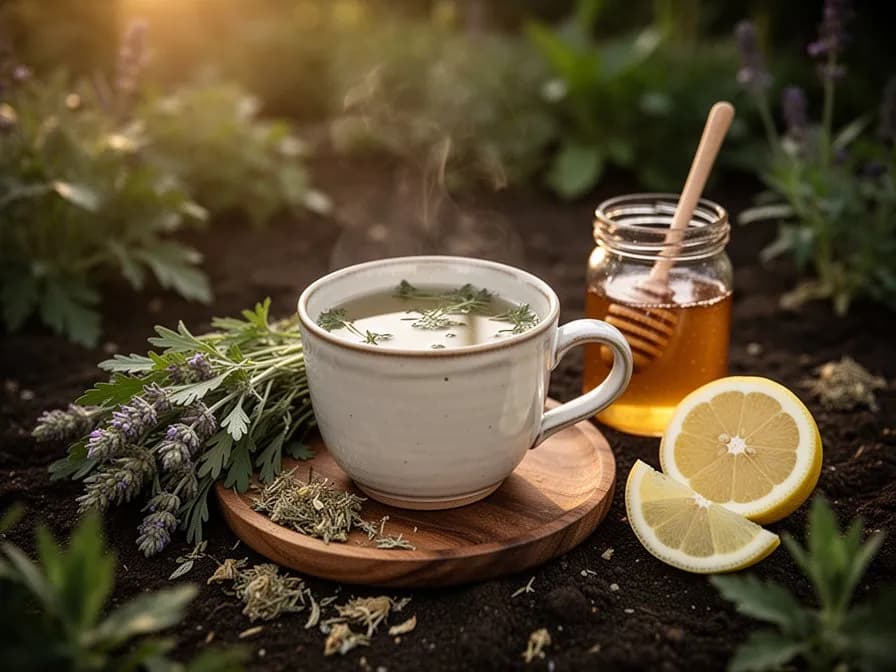
Calming Mugwort Tea
10 minutesA traditional bitter herbal tea made from dried mugwort leaves. This aromatic infusion has been enjoyed for centuries as a digestive aid and gentle relaxant, best sipped in the evening before sleep.
5 ingredientsMugwort Dream Pillow
30 minutesA fragrant herbal sachet placed inside or under your pillowcase to promote vivid and restful dreaming. Mugwort has been used as a dream herb across many cultures for centuries.
5 ingredientsMugwort Smudge Bundle
20 minutes plus 2 weeks dryingA tightly bound bundle of fresh mugwort stems used for smoke cleansing and aromatic purposes. The fragrant smoke has a warm, herbaceous scent that has been used in cleansing rituals across many traditions.
4 ingredientsWhat's inside
Health Benefits
- Traditionally used as a digestive bitter to stimulate appetite, support bile production, and relieve bloating and indigestion after meals.
- Valued for its mild sedative and nervine properties, promoting relaxation and supporting restful sleep when consumed as an evening tea.
- Used in moxibustion therapy to stimulate circulation, warm the body, and address pain associated with cold or stagnant conditions in traditional Chinese medicine.
- Contains anti-inflammatory compounds including sesquiterpene lactones that may help reduce inflammation and support joint comfort.
- Has been traditionally employed as an emmenagogue to support healthy menstrual cycles and relieve menstrual cramping and discomfort.
- The essential oils possess documented antimicrobial and antifungal properties, used topically in traditional preparations for minor skin irritations.
Where Mugwort comes from
Mugwort (Artemisia vulgaris) is one of humanity's oldest companion plants, with a documented history of use spanning thousands of years across multiple continents. Native to temperate regions of Europe, Asia, and northern Africa, this resilient perennial herb has naturalized throughout North America and can now be found growing on every inhabited continent. Archaeological evidence suggests that mugwort was among the earliest herbs gathered by human communities, with traces found in ancient settlement sites dating back to the Neolithic period.
In traditional Chinese medicine, mugwort holds an especially revered position as the primary material for moxibustion (ai jiu), a therapeutic practice involving the burning of dried mugwort wool on or near the skin at specific acupuncture points. This practice, documented in texts dating to at least 500 BCE, remains a cornerstone of East Asian medicine today. The herb was considered so valuable that its Chinese name, ai ye, became synonymous with healing and longevity.
Across medieval Europe, mugwort was one of the nine sacred herbs listed in the Anglo-Saxon Nine Herbs Charm, a tenth-century medical text that prescribed it for healing infections and warding off evil. It served as a key ingredient in gruit, the herbal mixture used to flavor beer before the widespread adoption of hops in the fifteenth century. Travelers tucked sprigs into their clothing, believing the herb could prevent exhaustion and offer spiritual protection on long journeys.
Native peoples of North America adopted mugwort after its introduction, incorporating it into smudging ceremonies and herbal medicine traditions. In Japan, mugwort (yomogi) became deeply woven into culinary culture, flavoring rice cakes, tempura, and seasonal soups each spring. Today, mugwort is experiencing a renaissance among herbalists, natural dyers, and practitioners of integrative medicine who value its versatility as a bitter tonic, aromatic herb, dream enhancer, and medicinal plant.
Mugwort: did you know?
Fascinating facts about Mugwort
Mugwort has been used in traditional Chinese medicine for over 3,000 years, primarily as moxa wool burned on or near acupuncture points in the practice of moxibustion.
Mugwort questions, answered
When should I plant Mugwort?
What are good companion plants for Mugwort?
What hardiness zones can Mugwort grow in?
How much sun does Mugwort need?
How far apart should I space Mugwort?
What pests and diseases affect Mugwort?
How do I store Mugwort after harvest?
What are the best Mugwort varieties to grow?
What soil does Mugwort need?
Is mugwort invasive, and how do I control its spread?
Can I drink mugwort tea every day?
How do I use mugwort for vivid dreams?
What is moxibustion, and can I do it at home?
When is the best time to harvest mugwort?
Can I grow mugwort in a container?
You just read the theory. Now grow it on autopilot.
Everything that makes Mugwort fiddly — the timing, the spacing, the companions, the harvest window — is exactly what PlotMyGarden handles for you, for every plant in your garden.
A plan that knows your weather
Set your location once. Get sow, feed and harvest dates built around your real last-frost date and live forecast — no more guessing from a generic seed packet.
From the “When to plant” sectionDrag-and-drop bed planner
Design beds on a grid. Every plant snaps to its proper spacing, and you can see your whole season laid out before you spend a cent on seed.
From the “Growing guide” sectionCompanion conflicts, caught early
200+ good-and-bad pairings checked live as you plant — so a season-wrecking mistake never makes it into the ground.
From the “Companions” sectionReminders you'll actually act on
“Water the beans.” “Pick today before it turns.” Timely, specific, and tied to the plants you're really growing.
From the “Harvest” sectionSuccession, scheduled
Want a harvest for six weeks, not six days? It spaces your sowings automatically and reminds you when each new block is due.
From the “When to plant” sectionA record that gets smarter
Every harvest you log teaches it your garden. Next year's plan starts from what actually worked in your soil, not a textbook's.
From the “Overview” sectionPlant these alongside Mugwort
More Medicinal Herbs
Garden plans featuring Mugwort
Grow your best Mugwort yet — and everything around it.
Start a free plan today. Lay out your beds, drop in your Mugwort, and let PlotMyGarden handle the timing, spacing, companions and reminders from seed to harvest basket.