Agrimony
A graceful perennial with spikes of small yellow flowers used in traditional herbal medicine for digestive and skin ailments.





On this pageOverview
Meet Agrimony
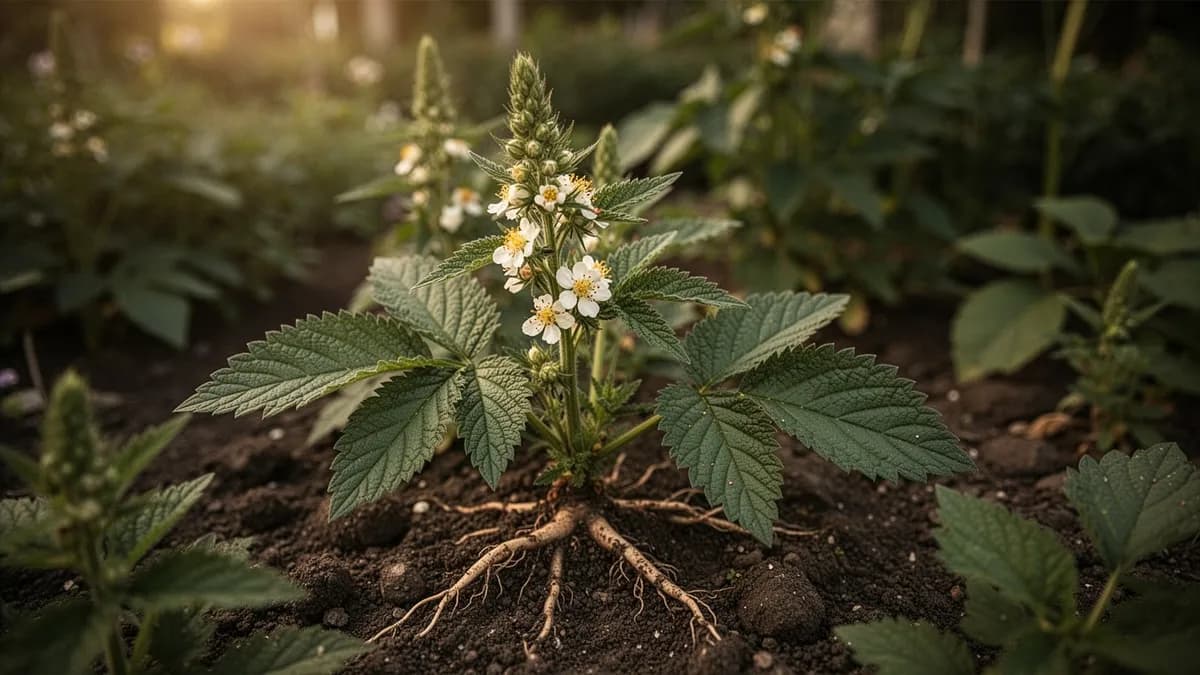
A graceful perennial with spikes of small yellow flowers used in traditional herbal medicine for digestive and skin ailments. Agrimony grows 2 to 3 feet tall along woodland edges and hedgerows and produces hooked seed burrs that cling to clothing. Harvest the flowering tops in midsummer and dry for use in soothing herbal teas.
When to plant Agrimony
Sow agrimony seeds in autumn for natural cold stratification over winter, or cold-stratify in the refrigerator for 4-6 weeks before spring sowing. Press seeds onto moist seed-starting mix and cover lightly. Germination occurs in 2-4 weeks at 15-20°C. Direct sowing outdoors in autumn is the easiest method. Divide established clumps in spring or autumn for instant results. Self-sown seedlings can be carefully transplanted when small.
Your Agrimony Year
Composed for Zone 7 · typical seasons · frost passes Apr 2, returns Nov 1
Plant Agrimony Mar – May, pick Jul – Aug. Check the planting methods below and set your climate to personalize these windows.
How to grow Agrimony
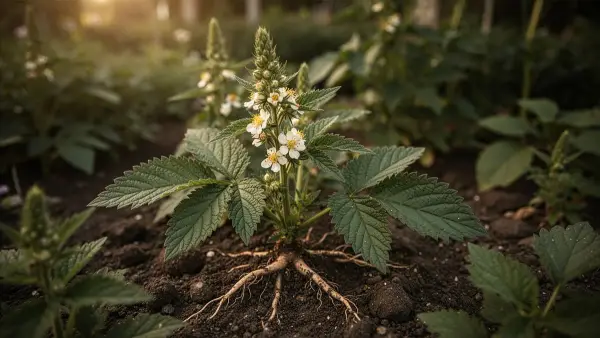
Agrimony is a graceful perennial wildflower found naturally along woodland edges, hedgerows, and meadow margins throughout Europe and North America. It produces slender spires of small yellow flowers 60-90cm tall above rosettes of pinnate, softly hairy leaves. Plant in partial shade to full sun with average, well-drained soil, spacing 30cm apart.
This undemanding herb thrives in a wide range of conditions from light woodland shade to open meadows. It prefers slightly alkaline, well-drained soil but tolerates clay, sand, and everything in between. Water moderately during establishment, then largely leave alone—agrimony is remarkably drought-tolerant once its deep roots are established.
Agrimony self-sows readily from its distinctive hooked seed burrs (the inspiration for Velcro-like fasteners) that cling to animal fur and clothing for dispersal. For a tidier garden, deadhead spent flower spikes before seeds form. In wildflower meadows and naturalized areas, allow self-seeding for expanding colonies. Plants are long-lived perennials that require minimal maintenance once established.
32 plants fit a 4 × 8 ft bed
Each Agrimony wants 30 cm of elbow room. The planner keeps that spacing for you — every plant, every bed.
Agrimony's best neighbours
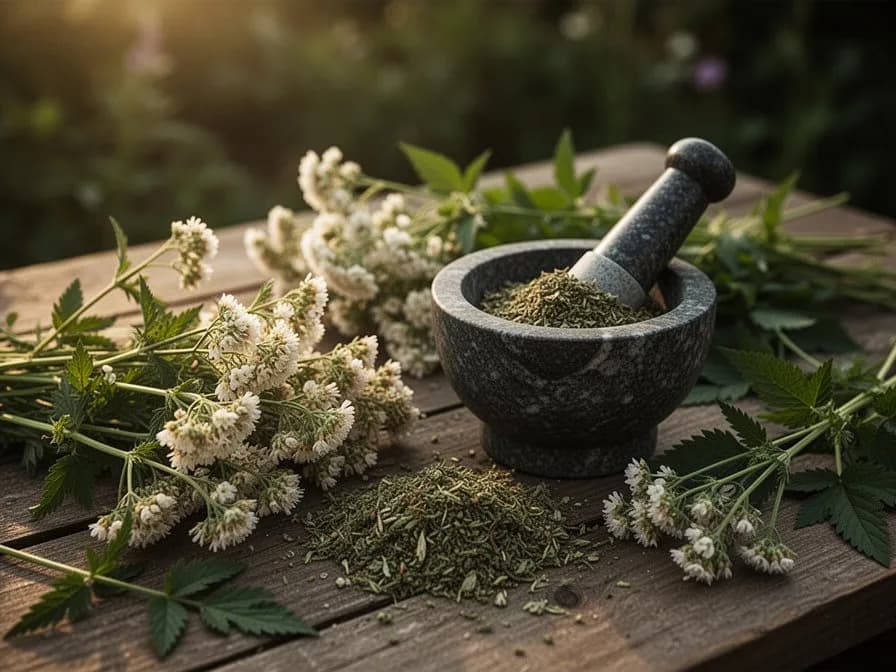
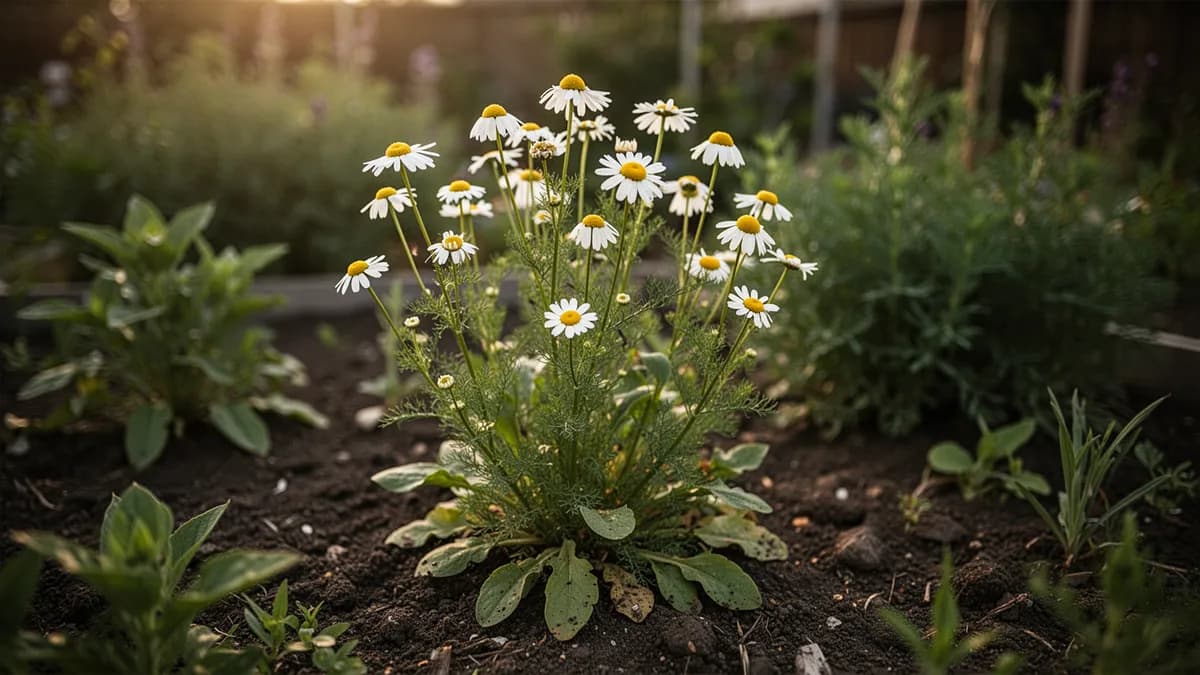
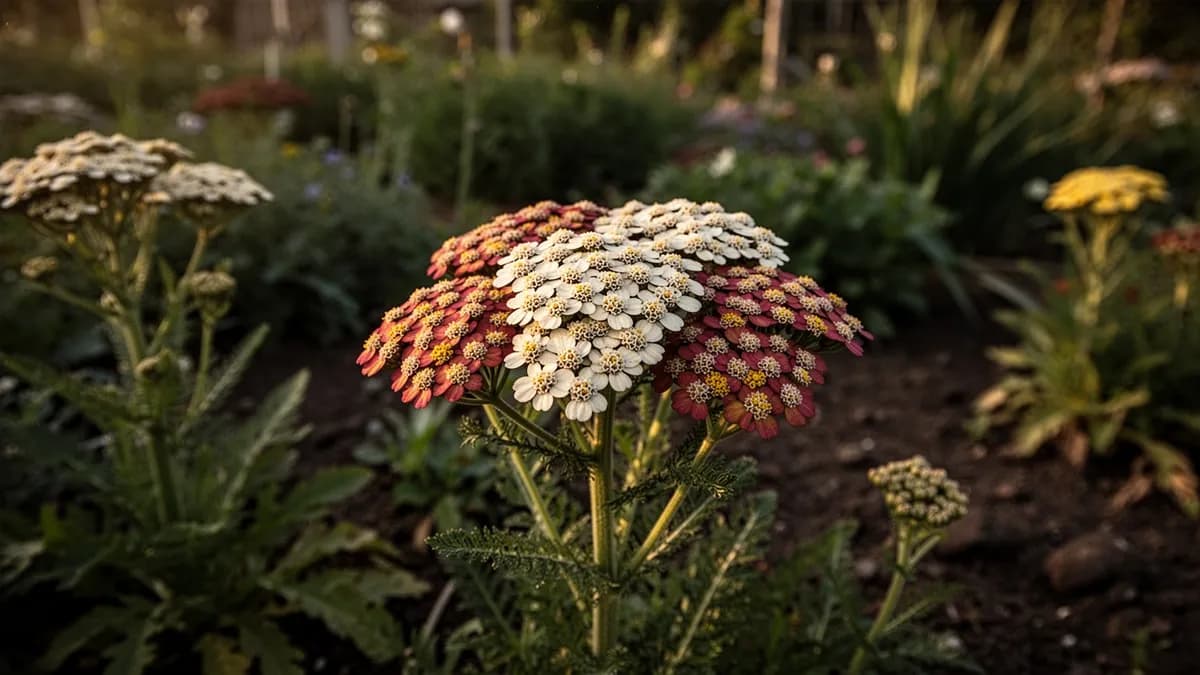
Agrimony grows well alongside other wildflower meadow plants like yarrow, chamomile, and wild bergamot. The yellow flower spikes attract a wide range of pollinators and beneficial insects, making it a useful addition to wildlife gardens. Plant along garden borders and hedgerows where it provides habitat for beneficial insects. The astringent properties of agrimony root may help suppress some soil-borne pathogens around neighboring plants.
Chamomile belongs beside it.
Old growers' knowledge, checked against Agrimony's real companion table below — test any plant you're growing.
Try Agrimony in a bed — right here
A real planner bed with Agrimony already in it. Tap a companion to place it and watch the pairing checks answer — green for good neighbours, red for a clash.


Related growing guides
Feed it well
Agrimony grows in average to poor, well-drained soil with pH 6.0-7.5. It thrives in slightly alkaline conditions but adapts to most soil types. No fertilization is needed—rich soil produces lanky, weak growth. In poor soil, a light compost top-dressing in spring is more than adequate. The deep root system mines nutrients from lower soil layers. Excellent for naturalized areas, wildflower meadows, and cottage garden borders.
Ideal Temperature
Hardiness Zone Compatibility
From seed to harvest, stage by stage
Germination
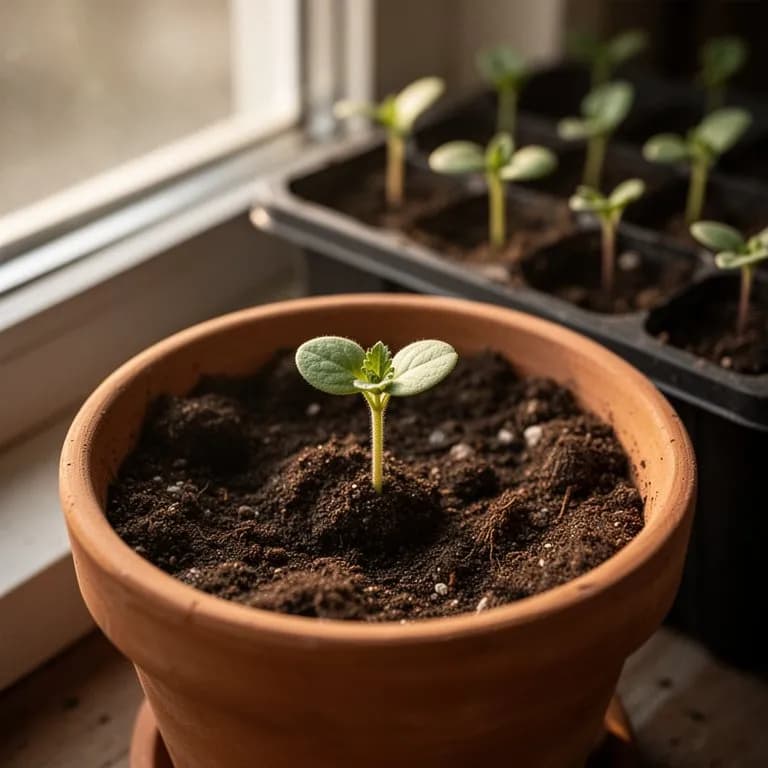
Agrimony seeds require a period of cold stratification to break dormancy and typically germinate within 14-21 days when conditions are met. The small, irregular seeds produce a pair of rounded cotyledon leaves followed by the first true leaves, which already display the pinnate form and fine hairs characteristic of the species. Germination rates improve significantly with 4-6 weeks of cold treatment before sowing.
Rosette Establishment
The young plant develops a basal rosette of pinnate compound leaves close to the ground. Each leaf consists of 3-6 pairs of large, deeply toothed leaflets interspersed with smaller leaflets, creating a distinctive fern-like appearance. The leaves are dark green above with silvery, downy undersides. The plant builds a strong root system during this phase.
Stem Elongation
One or more upright, hairy stems emerge from the center of the rosette and grow rapidly to 60-120 cm tall. The stems are round, ridged, and covered in soft hairs. Leaves along the stem become progressively smaller toward the top. The plant channels its energy into vertical growth in preparation for flowering.
Flowering
Long, slender racemes of small yellow flowers open sequentially from the bottom of the spike upward over several weeks. Each flower has five bright yellow petals arranged in a star shape, typically 5-8mm across, and produces a sweet, faintly apricot-like fragrance. The flower spikes attract a wide range of pollinators including bees, hoverflies, and butterflies. This is the ideal harvest window for medicinal use.
Seed Development
After pollination, each flower develops into a small, top-shaped fruit encased in a ring of hooked bristles that form a burr. These burrs cling readily to animal fur, bird feathers, and human clothing, providing an effective means of seed dispersal. The lower fruits on the spike mature first while upper flowers may still be blooming.
Dormancy and Overwintering
The aerial stems die back to ground level after the first hard frosts. The plant survives winter as a hardy rootstock with dormant buds at or just below soil level. In mild winters, some basal rosette leaves may persist through the cold months. The deep, woody rootstock stores energy for vigorous regrowth the following spring.
Sow seeds in autumn for natural cold stratification over winter, or refrigerate seeds in damp sand for 4-6 weeks before spring sowing. Plant 3-6mm deep in moist, well-drained soil. Keep consistently damp until germination — do not let the soil dry out during this critical period.
Caring for Agrimony month by month
What to do each month for your Agrimony
October
You are hereThe aerial parts begin to die back as temperatures drop. Cut stems to ground level after the first frost browns them. Apply a light mulch of leaf mold over the crowns in colder regions. Transplant or divide established clumps if necessary, though agrimony prefers to be left undisturbed.
Know exactly what to do in your garden — every month
One email at the start of each month: what to sow, plant, and tackle right now — for your Agrimony and everything growing around it. Plus a short starter course that helps you dodge the classic mistakes.
- What to do, right now
- Matched to your season
- Starter course included
Harvesting Agrimony
Harvest agrimony flowering tops in midsummer when flower spikes are in full bloom. Cut the upper 30cm of stem including flowers and leaves. For the strongest medicinal properties, harvest on a dry, sunny morning after dew has evaporated. The leaves can also be harvested separately earlier in the season for tea. Dry promptly by hanging small bundles in a warm, well-ventilated, dark area. Properly dried agrimony has a pleasant, mildly astringent, apple-like scent.
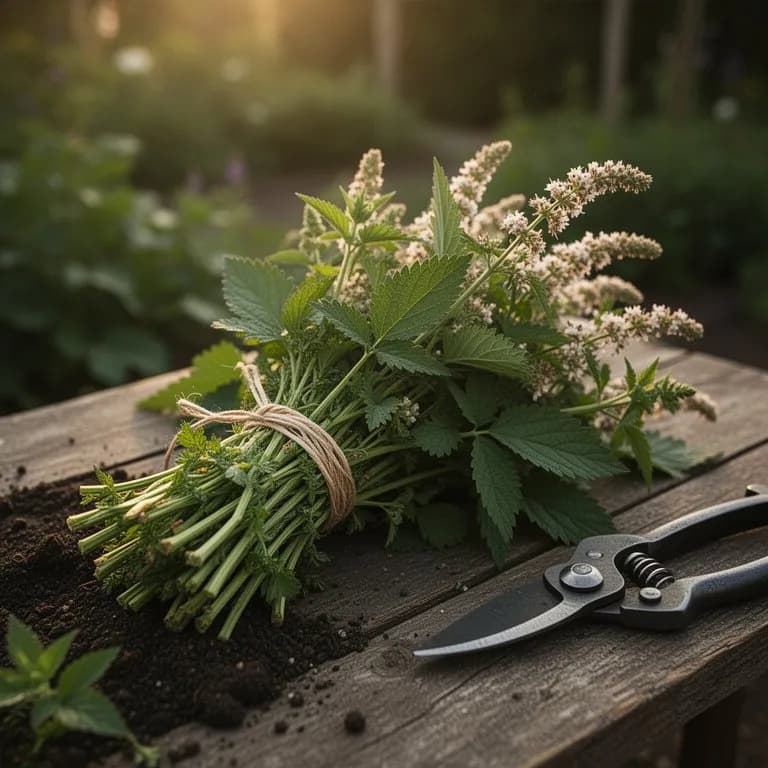
assuming you plant when the window opens — set your real date
Pick Agrimony promptly and the plant keeps producing.
Storage & Preservation
Dry agrimony by hanging small bundles upside down in a warm, dark, well-ventilated area for 1-2 weeks. Strip dried leaves and flowers from stems and store in airtight jars away from light for up to one year. The dried herb makes a pleasant-tasting, mildly astringent tea. Can also be tinctured in alcohol for longer-term preservation of active compounds. Make agrimony-infused oil for external skin preparations.
What goes wrong — and the fix
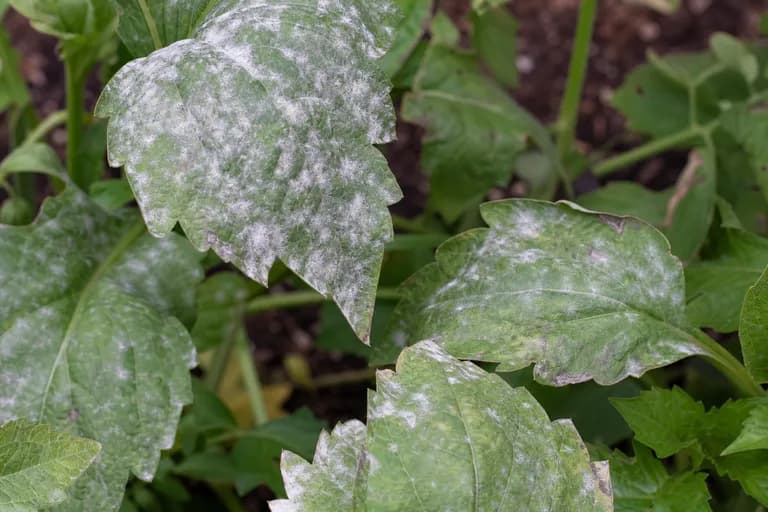
Powdery Mildew
DiseaseWhite powdery coating on leaves in late summer, especially during humid weather with poor air flow.
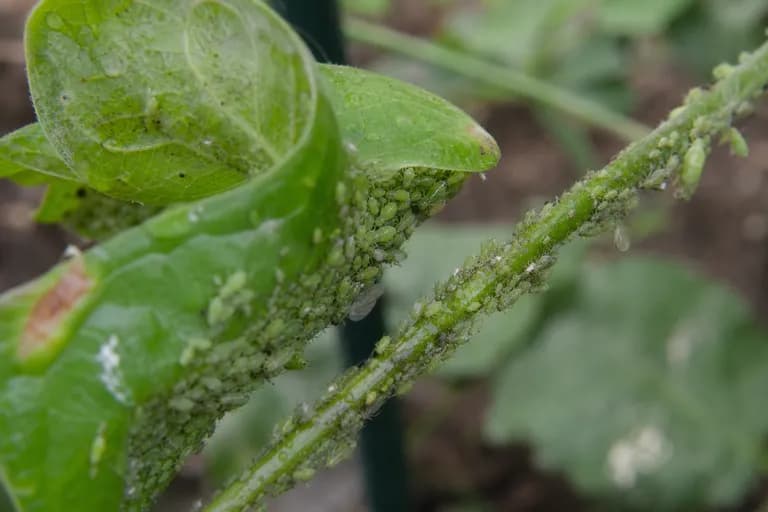
Aphids
PestClusters on flower stems and young growth, sticky honeydew, possible sooty mold on lower leaves.
Troubleshooting Common Problems
The hooked seed burrs cling tenaciously to clothing and pet fur—deadhead if this is problematic. Self-seeding can be aggressive in ideal conditions; remove seed heads before they ripen if spread is unwanted. In too much shade, plants become leggy and flower poorly. Powdery mildew in late summer is mostly cosmetic and rarely affects plant health. The plant may spread modestly by rhizomes in addition to seed.
Growing Tips
- Agrimony seeds have a hard coat and require cold stratification to germinate reliably. Either sow seeds outdoors in autumn and let winter cold break dormancy naturally, or refrigerate seeds in damp sand for 4-6 weeks before spring sowing. Without this cold treatment, germination rates drop below 20%.
- Choose a planting site with full sun to light partial shade and well-drained, moderately fertile soil. Agrimony tolerates a wide range of soil types including clay, loam, and sandy soils, but performs best in neutral to slightly alkaline conditions with a pH of 6.5-7.5.
- Space plants 30-40 cm apart to allow good air circulation, which helps prevent powdery mildew — the most common disease issue. In humid climates, wider spacing of 45-50 cm reduces the risk of fungal problems on the densely hairy foliage.
- Water regularly during the first growing season to help establish a deep root system. Once established, agrimony is reasonably drought-tolerant and needs supplemental watering only during prolonged dry spells. Avoid overwatering, as constantly wet roots can cause crown rot.
- Stake tall-growing plants in exposed or windy garden positions. Mature stems reach 60-120 cm and can lean or topple in heavy rain or wind, particularly when loaded with flowers. Use discreet bamboo canes or grow alongside sturdy companion plants for natural support.
- Harvest the aerial parts for drying when roughly two-thirds of the flowers on each spike are open — this timing captures the peak concentration of beneficial tannins and flavonoids. Cut stems 15 cm above ground to leave enough foliage for the plant to recover and potentially produce a second flush.
- Agrimony is a valuable wildlife plant that attracts bees, hoverflies, butterflies, and other beneficial insects. Consider planting it in a dedicated wildlife or pollinator garden strip alongside other native wildflowers such as wild marjoram, field scabious, and meadow cranesbill.
- Be mindful of the hooked burrs that develop after flowering — they cling tenaciously to clothing, pet fur, and shoelaces. Plant agrimony away from paths and play areas if this is a concern, or remove spent flower heads before the burrs fully develop.
- Divide established clumps every 4-5 years in early spring to maintain plant vigor and create new plantings. Lift the entire rootstock carefully, divide into sections each with 2-3 growth buds, and replant immediately at the same depth. Water well after transplanting.
- Agrimony makes an excellent companion plant in herb gardens and cottage-style borders. Its tall yellow flower spikes provide vertical interest and contrast beautifully with purple-flowered herbs like lavender and sage. It also naturalizes well in wildflower meadows and along hedgerows.
Grow your best Agrimony yet — and everything around it.
Start a free plan today. Lay out your beds, drop in your Agrimony, and let PlotMyGarden handle the timing, spacing, companions and reminders from seed to harvest basket.
Pick your Agrimony
Agrimonia eupatoria (Common Agrimony)
The standard European species used in Western herbal tradition. Yellow flower spikes with hooked seed burrs.
Agrimonia pilosa (Hairy Agrimony)
The Asian species used extensively in traditional Chinese medicine. Similar appearance with slightly different chemical profile.
Agrimonia gryposepala (American Agrimony)
The North American native species. Used interchangeably with European agrimony in herbal practice.
Dried agrimony herb sells for $8-15 per 100g at herbal apothecaries and online herb suppliers, and pre-made agrimony tea bags often cost $6-10 for a box of 20. A single established plant producing 100-150g of dried herb annually replaces $12-22 worth of purchased herb each year. Since agrimony is a long-lived perennial requiring minimal care, one initial planting from a $3-5 seed packet provides enough plants for years of free herbal tea, gargles, and skin preparations — easily saving $50-100 over a five-year period compared to buying dried herb or specialty tea products.
Quick recipes
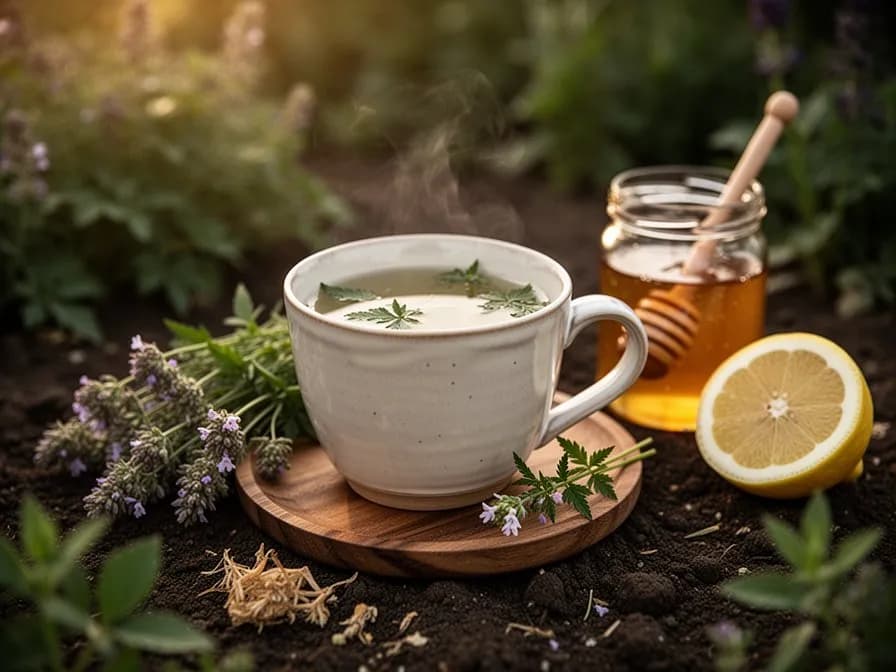
Classic Agrimony Herbal Tea
10 minA soothing golden tea with a mild, pleasantly astringent flavor and delicate apricot-like aroma. This traditional preparation has been used for centuries across Europe as a gentle digestive aid and all-purpose tonic. Agrimony tea is considered one of the most pleasant-tasting medicinal herb teas, making it easy to drink regularly.
4 ingredientsAgrimony Gargle for Sore Throats
15 minA time-honored herbal gargle that harnesses the astringent tannins in agrimony to soothe irritated throat tissue. This concentrated infusion has been a staple of European folk medicine for treating sore throats, mouth ulcers, and gum inflammation since the medieval period.
4 ingredientsAgrimony and Honey Skin Wash
20 minA gentle herbal wash combining the astringent and antibacterial properties of agrimony with the moisturizing benefits of raw honey. Used as a traditional remedy for minor skin irritations, insect bites, and blemishes. The tannins help tighten pores while the honey soothes and hydrates.
4 ingredientsWhat's inside
Health Benefits
- Rich in astringent tannins (up to 8% dry weight) that help tighten and tone mucous membranes — widely used as a gargle for sore throats, mouth ulcers, and gum inflammation, and internally to help manage mild diarrhea and intestinal discomfort.
- Contains significant anti-inflammatory flavonoids including quercetin and kaempferol, which may help reduce inflammation throughout the body and support cardiovascular health by protecting blood vessel walls.
- Traditionally regarded as one of the premier liver-supporting herbs in European herbalism, with modern research suggesting that agrimony extracts may help protect liver cells from oxidative damage and support healthy bile production.
- The silicic acid content supports the health and strength of connective tissues, skin, hair, and nails — drinking agrimony tea regularly has been a traditional beauty remedy in rural European communities for generations.
- Gentle diuretic properties help promote healthy kidney function and urinary tract health without depleting essential minerals, making it suitable for long-term use as a urinary tonic in traditional herbal practice.
- Demonstrated antibacterial activity in laboratory studies, supporting its centuries-old use in wound washes and skin preparations — the combination of tannins and flavonoids creates a synergistic antimicrobial effect.
Where Agrimony comes from
Agrimony (Agrimonia eupatoria) is native to Europe, western Asia, and parts of North Africa, where it grows wild in hedgerows, field margins, roadsides, and woodland edges on well-drained, often calcareous soils. The species name 'eupatoria' honors Mithridates VI Eupator, the legendary king of Pontus (134-63 BC), who was famed throughout the ancient world for his extensive knowledge of medicinal plants and poisons.
The herb has been used medicinally for well over 2,000 years. The ancient Greeks recommended agrimony for eye complaints and liver disorders, while Pliny the Elder described it as a plant of 'princely authority' in his Natural History. Dioscorides, the father of pharmacology, included it in his influential De Materia Medica as a remedy for digestive ailments, snakebites, and liver diseases — uses that persisted largely unchanged for the next 1,500 years.
Agrimony held a central place in medieval European medicine. It was a key ingredient in 'arquebusade water,' a battlefield wound treatment used from the 15th through 18th centuries, made by steeping agrimony and other vulnerary herbs in alcohol. The herb appeared in virtually every medieval herbal and pharmacopoeia, recommended for everything from jaundice and kidney stones to coughs and skin diseases. Nicholas Culpeper, the influential 17th-century herbalist, wrote that agrimony strengthened the body and was beneficial for the liver, spleen, and kidneys.
In folk medicine traditions across Europe, agrimony tea was one of the most commonly consumed herbal beverages, drunk both as a daily tonic and as a specific remedy for digestive complaints, sore throats, and urinary disorders. The plant was also valued for practical purposes — its tannin-rich leaves and stems were used for dyeing cloth yellow, and the dried herb was strewn on floors for its pleasant scent. Today, agrimony remains an official herb in several European pharmacopoeias and is widely used in modern herbalism, particularly for its gentle astringent and anti-inflammatory properties.
Agrimony: did you know?
Fascinating facts about Agrimony
Agrimony's Anglo-Saxon name was 'garclive,' and it was one of the most important herbs in the Saxon leechbooks — the Lacnunga, a 10th-century medical manuscript, lists it as an ingredient in a charm against goblin sickness and as a wound healer for battlefield injuries.
Agrimony questions, answered
When should I plant Agrimony?
What are good companion plants for Agrimony?
What hardiness zones can Agrimony grow in?
How much sun does Agrimony need?
How far apart should I space Agrimony?
What pests and diseases affect Agrimony?
How do I store Agrimony after harvest?
What are the best Agrimony varieties to grow?
What soil does Agrimony need?
What is agrimony used for?
Is agrimony safe to consume?
How long does it take agrimony to grow from seed?
Can agrimony be grown in containers?
Does agrimony spread aggressively?
When is the best time to harvest agrimony?
You just read the theory. Now grow it on autopilot.
Everything that makes Agrimony fiddly — the timing, the spacing, the companions, the harvest window — is exactly what PlotMyGarden handles for you, for every plant in your garden.
A plan that knows your weather
Set your location once. Get sow, feed and harvest dates built around your real last-frost date and live forecast — no more guessing from a generic seed packet.
From the “When to plant” sectionDrag-and-drop bed planner
Design beds on a grid. Every plant snaps to its proper spacing, and you can see your whole season laid out before you spend a cent on seed.
From the “Growing guide” sectionCompanion conflicts, caught early
200+ good-and-bad pairings checked live as you plant — so a season-wrecking mistake never makes it into the ground.
From the “Companions” sectionReminders you'll actually act on
“Water the beans.” “Pick today before it turns.” Timely, specific, and tied to the plants you're really growing.
From the “Harvest” sectionSuccession, scheduled
Want a harvest for six weeks, not six days? It spaces your sowings automatically and reminds you when each new block is due.
From the “When to plant” sectionA record that gets smarter
Every harvest you log teaches it your garden. Next year's plan starts from what actually worked in your soil, not a textbook's.
From the “Overview” sectionPlant these alongside Agrimony
More Medicinal Herbs
Grow your best Agrimony yet — and everything around it.
Start a free plan today. Lay out your beds, drop in your Agrimony, and let PlotMyGarden handle the timing, spacing, companions and reminders from seed to harvest basket.