Ginseng
A slow-growing woodland plant whose forked root is one of the most valued medicinal herbs in traditional Chinese and Korean medicine.





On this pageOverview
Meet Ginseng
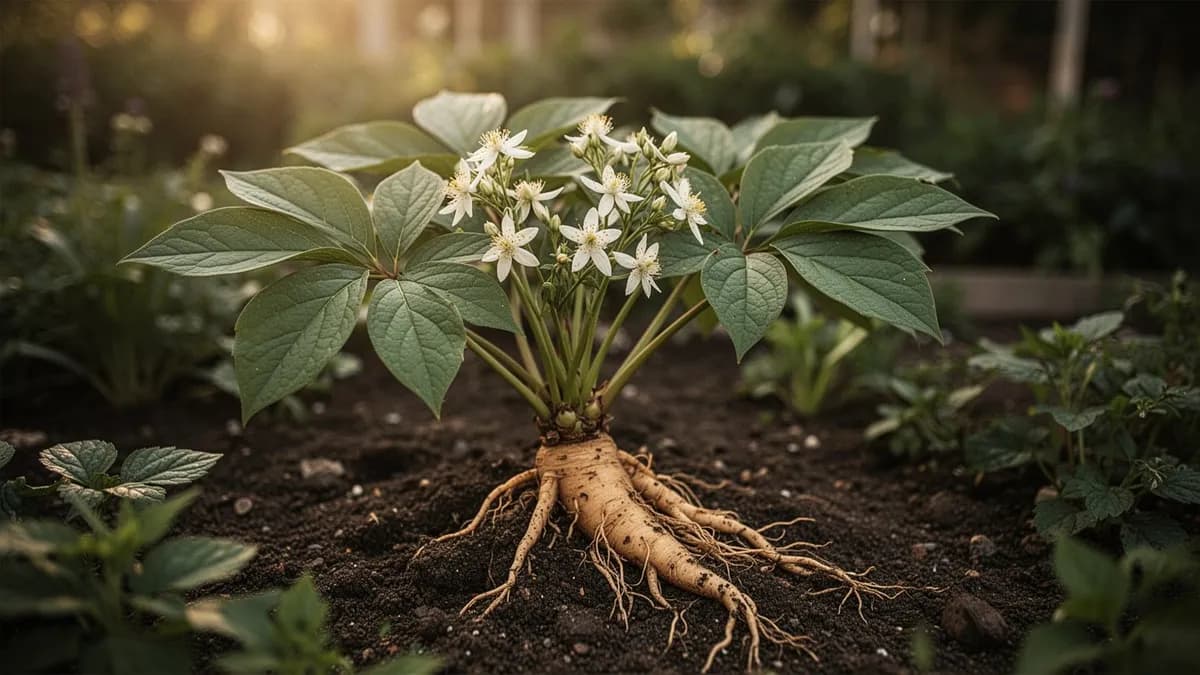
A slow-growing woodland plant whose forked root is one of the most valued medicinal herbs in traditional Chinese and Korean medicine. Ginseng requires deep shade, well-drained forest soil, and at least 5 years of growth before roots reach harvestable size. Grow under hardwood canopy or 80 percent shade cloth in rich, loamy soil with consistent moisture.
When to plant Ginseng
Ginseng seeds require 18 to 22 months of stratification before germination. Purchase pre-stratified seed for spring planting, or stratify fresh seeds by mixing with moist sand and burying in a pot outdoors through one full winter-summer-winter cycle. Sow stratified seeds in fall, half an inch deep in prepared beds under natural forest canopy. Space seeds 6 inches apart in rows 8 inches apart. Cover with 2 inches of natural leaf mulch. Seeds germinate the following spring, producing a single stem with one compound leaf. Protect seedlings from slugs and rabbits. Expect only 50 to 70 percent germination even under ideal conditions.
Your Ginseng Year
Composed for Zone 7 · typical seasons · frost passes Apr 2, returns Nov 1
Plant Ginseng Mar – Apr, Oct – Nov, pick Sep – Oct. Check the planting methods below and set your climate to personalize these windows.
How to grow Ginseng
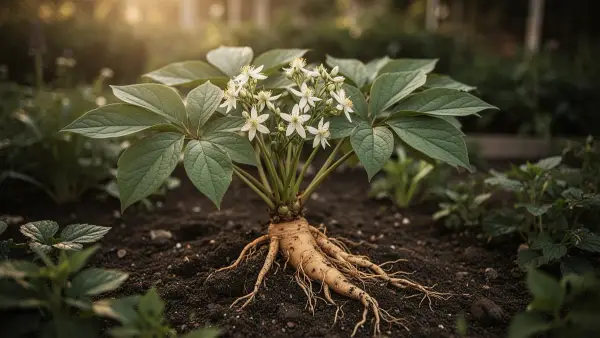
Ginseng is one of the most valuable and challenging medicinal herbs to cultivate, requiring patience, shade, and specific forest conditions to produce harvestable roots. The plant grows naturally in the understory of temperate hardwood forests, requiring 70 to 80 percent shade from a mature tree canopy. Plant in well-drained, rich, loamy forest soil with a pH of 5.0 to 6.0, ideally on a north- or east-facing slope.
Sow stratified seeds in fall, half an inch deep and 6 inches apart in prepared beds under natural forest canopy or 80 percent shade cloth. Seeds require 18 to 22 months of warm and cold stratification before they germinate, so purchase pre-stratified seed for faster results. Even with stratified seed, germination takes until the following spring.
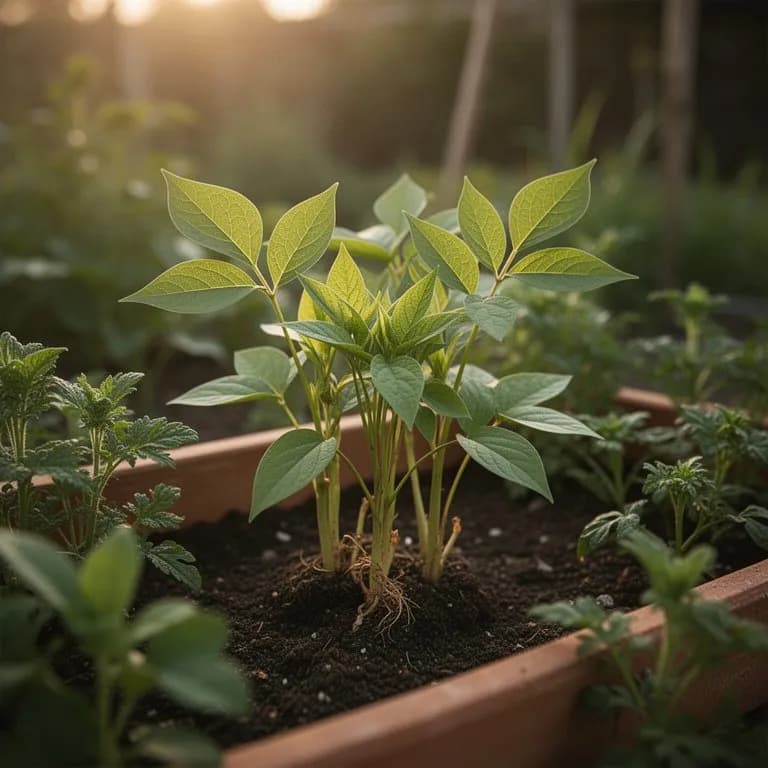
Ginseng grows extremely slowly, producing only a single compound leaf in its first year. Roots require 5 to 10 years of growth to reach harvestable size and develop the branching, human-like shape that commands premium prices. Maintain a 3-inch layer of natural leaf litter over beds to conserve moisture and mimic forest floor conditions. Avoid fertilization, which can burn roots and reduce quality. Water only during extended dry periods.
72 plants fit a 4 × 8 ft bed
Each Ginseng wants 20 cm of elbow room. The planner keeps that spacing for you — every plant, every bed.
Related growing guides
Feed it well
Ginseng requires rich, well-drained forest loam with a pH of 5.0 to 6.0 and high calcium content. The ideal soil is found under mature hardwood forests, particularly those with tulip poplar, sugar maple, or oak canopy. Test soil calcium levels and amend with gypsum if needed. Do not use lime, which raises pH too high. Avoid all synthetic fertilizers, which can burn roots and reduce quality. The natural leaf litter that falls from the canopy provides all necessary nutrition. Maintain a 2 to 3 inch leaf mulch layer year-round.
Ideal Temperature
Hardiness Zone Compatibility
From seed to harvest, stage by stage
Seed Stratification and Germination
Ginseng seeds require an extended period of cold-moist stratification lasting 18-22 months before they will germinate. Fresh seeds are mixed with damp sand and stored at 1-4°C (34-40°F) through two winter cycles. During this time, the embryo slowly matures inside the seed coat. Only after this lengthy dormancy period will seeds germinate in spring when soil temperatures reach 10-15°C (50-60°F). This extraordinary dormancy requirement is a key reason ginseng is so slow to establish.
First-Year Seedling
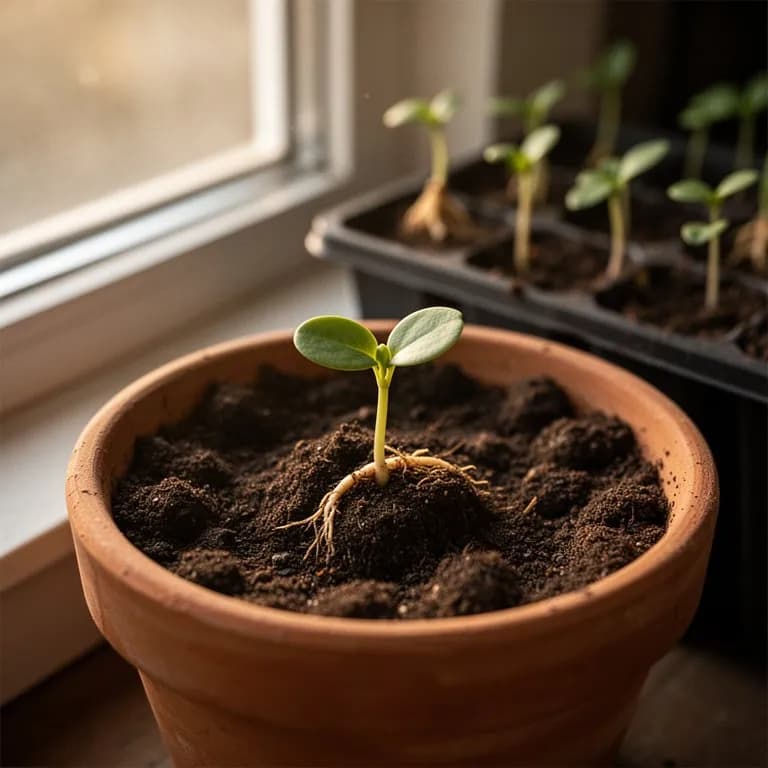
The tiny seedling emerges in spring with a single stem bearing one compound leaf divided into three leaflets (a 'prong'). Growth above ground is minimal — the seedling reaches only 5-10 cm tall. Below ground, a small, slender root begins to develop, storing energy for future seasons. The seedling is extremely fragile and vulnerable to drying out, slug damage, and fungal diseases during this critical first year.
Juvenile Growth (Years 2-3)
In the second year, the plant produces one to two compound leaves, each now with five leaflets. By the third year, most plants display two to three prongs and reach 15-25 cm in height. The root thickens noticeably each season, developing the characteristic wrinkled skin and growth rings that indicate age. The plant begins storing significant concentrations of ginsenosides in its root tissue. Growth remains slow compared to most garden plants.
Flowering and Berry Production (Years 3-4)
Plants mature enough to flower produce a single small umbel of yellowish-green flowers on a thin stalk rising from the centre of the leaf whorl in early to mid-summer. The inconspicuous flowers are followed by a cluster of bright red berries in late summer, each containing one or two seeds. Berry production signals that the plant has reached reproductive maturity, though the root continues to gain mass, complexity, and ginsenoside concentration with each additional year of growth.
Root Maturation (Years 4-6)
The root reaches harvestable size after a minimum of 4 years, though roots harvested at 5-6 years command significantly higher value due to greater size, more complex shape, and higher ginsenoside content. Mature roots weigh 20-60 grams, display distinctive growth rings, and often develop the prized forked or humanoid shape. The plant now produces 3-4 leaf whorls and stands 30-45 cm tall. Each additional year of growth increases the root's medicinal potency and market value.
Harvest and Processing
Roots are carefully hand-dug in autumn after the berries have ripened and the foliage begins to yellow. Each root is gently washed to remove soil without damaging the delicate root hairs that contribute to quality and appearance. Roots can be used fresh, dried slowly at low temperatures (not exceeding 35°C / 95°F) for white ginseng, or steamed and then dried for red ginseng. Properly dried ginseng roots can be stored for years without losing potency.
Purchase pre-stratified seeds from a reputable supplier to save 12-18 months of waiting. If stratifying your own, mix seeds with damp (not wet) sand in a sealed container and refrigerate, checking monthly for mould. Plant stratified seeds 2 cm deep in autumn for spring germination.
Caring for Ginseng month by month
What to do each month for your Ginseng
October
You are hereComplete root harvest before the ground freezes. Collect any remaining ripe berries for seed stratification. As foliage dies back completely, apply a fresh layer of hardwood leaf mulch 8-10 cm deep over beds to protect roots through winter.
Know exactly what to do in your garden — every month
One email at the start of each month: what to sow, plant, and tackle right now — for your Ginseng and everything growing around it. Plus a short starter course that helps you dodge the classic mistakes.
- What to do, right now
- Matched to your season
- Starter course included
Harvesting Ginseng
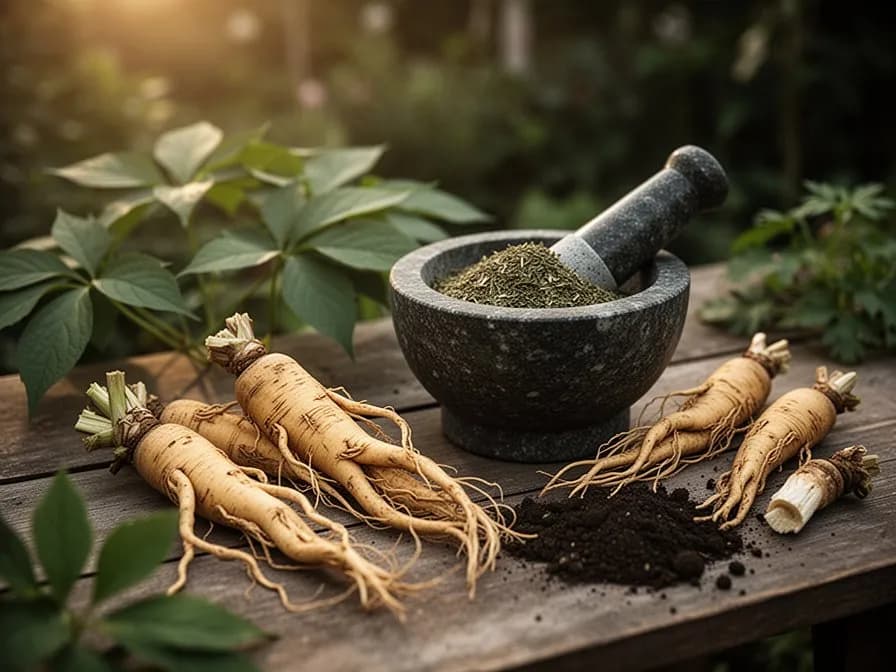
Ginseng roots should not be harvested until they are at least 5 years old, and 7 to 10 year roots command the highest prices. Harvest in fall after the red berries have ripened and the foliage begins to yellow. Carefully dig around each plant with a small fork to extract the root intact, as damaged or broken roots lose significant value. The characteristic forked, human-like shape develops with age and increases market value. Wash roots gently without scrubbing and allow to dry with all rootlets intact.
assuming you plant when the window opens — set your real date
Pick Ginseng promptly and the plant keeps producing.
Storage & Preservation
Fresh ginseng roots should be dried slowly at temperatures below 100 degrees Fahrenheit to preserve their quality and active compounds. Spread roots on screens in a warm, well-ventilated area and dry for 3 to 6 weeks until they snap cleanly when bent. Some growers use food dehydrators at the lowest setting. Dried roots store for 5 years or more in airtight containers in a cool, dark place. Fresh roots can be refrigerated for several weeks or sliced and tinctured in vodka or brandy. Red ginseng is produced by steaming fresh roots before drying.
What goes wrong — and the fix
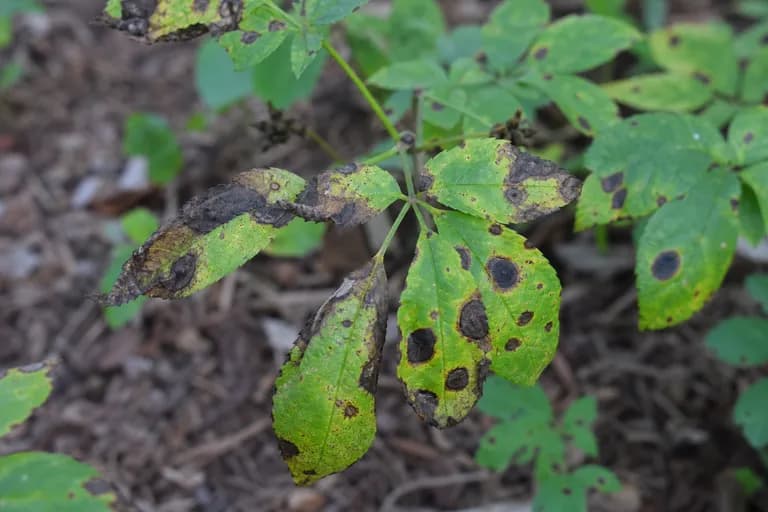
Alternaria Blight
DiseaseDark brown to black lesions on leaves and stems that expand rapidly in wet weather. Leaves may wither and drop prematurely. Can significantly reduce root growth by destroying foliage.
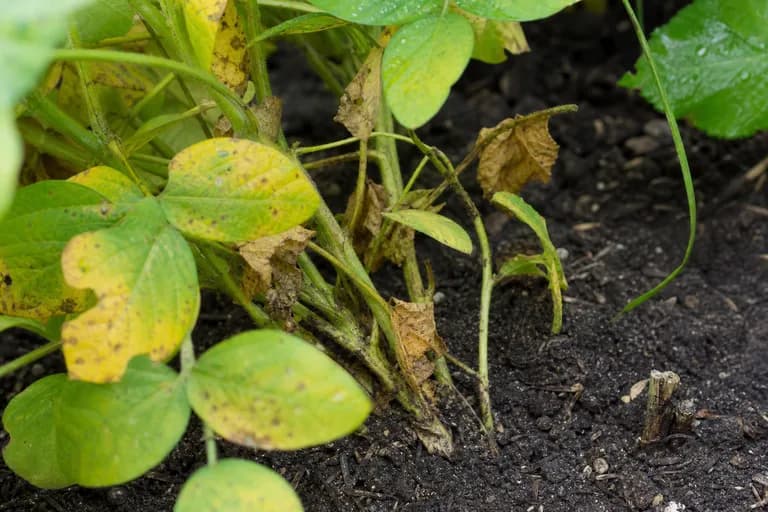
Phytophthora Root Rot
DiseaseYellowing and wilting of foliage. Roots develop dark, water-soaked areas that spread and turn mushy. Often fatal. Most common in poorly drained soils during wet seasons.
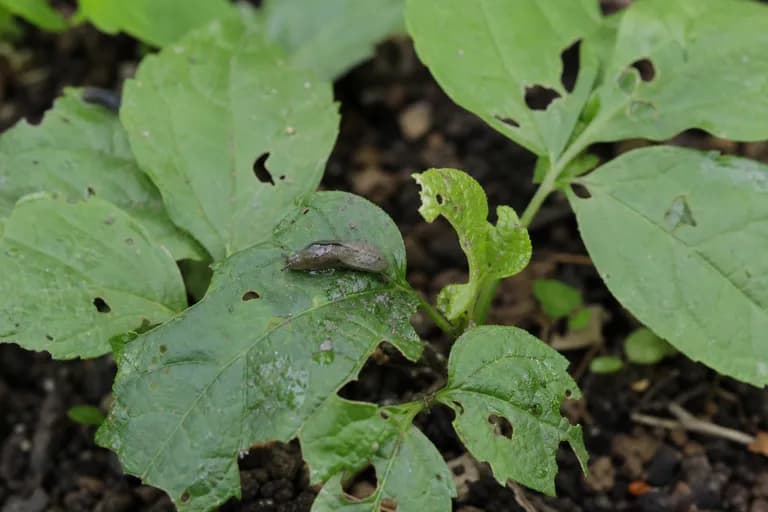
Slugs and Rodents
PestSlugs eat seedling leaves and young shoots. Voles and mice dig and consume roots, especially in winter. Can destroy entire plantings.
Troubleshooting Common Problems
Ginseng's primary challenge is its extremely slow growth; gardeners must wait 5 to 10 years for harvestable roots, with no shortcuts. Poaching is a serious concern for wild and cultivated plantings, as dried roots command high prices. Plant in hidden or fenced locations. Disease pressure from Alternaria and Phytophthora can devastate plantings, especially in wet years. Deer browse the foliage and berries. Voles consume roots underground. The 18-month seed stratification requirement makes starting from seed a test of patience.
Growing Tips
- Choose a planting site under mature deciduous hardwoods such as oak, maple, poplar, or tulip tree that provide 75-80% shade during the growing season. Ginseng cannot tolerate full sun — even a few hours of direct midday sunlight can scorch leaves and cause fatal heat stress to roots.
- Soil must be well-drained, loose, and rich in organic matter with a slightly acidic to neutral pH of 5.5-6.5. Ginseng will not tolerate heavy clay, compacted soil, or waterlogged conditions. If natural soil drainage is poor, build raised beds 15-20 cm high and amend heavily with composted hardwood leaves.
- Purchase pre-stratified seeds from a reputable ginseng nursery to avoid the 18-month stratification wait. Plant seeds in autumn about 2 cm deep and 5-8 cm apart, then cover with 5 cm of hardwood leaf mulch. Expect germination the following spring.
- For faster results, start with 1-2 year old rootlets instead of seeds. Plant rootlets at a 45-degree angle with the bud pointing upward, covered by 2-3 cm of soil. Rootlets establish more quickly and can shave 1-2 years off the time to harvest compared to seed-grown plants.
- Never use synthetic fertilizers on ginseng — they promote rapid, weak growth that is highly susceptible to disease and produces roots with lower ginsenoside content. Instead, topdress annually with well-composted hardwood leaf mould or aged bark compost to mimic the natural forest floor nutrient cycle.
- Fungal diseases are the greatest threat to ginseng cultivation. Ensure excellent air circulation, avoid overhead watering, remove infected foliage immediately, and practice crop rotation. Alternaria blight, Phytophthora root rot, and Cylindrocarpon root rot can devastate entire plantings in wet conditions.
- Protect beds from deer, rodents, and wild turkeys, all of which will eat ginseng plants or dig for roots. Use lightweight deer fencing, hardware cloth laid just below the soil surface to deter digging animals, and organic slug bait to protect vulnerable seedlings.
- Consider wild-simulated cultivation — simply scattering stratified seeds in suitable woodland areas and allowing plants to grow with minimal intervention. Wild-simulated roots develop more slowly but are indistinguishable from truly wild roots and command premium prices at harvest.
- Mark your planting beds carefully with inconspicuous but permanent markers. Ginseng poaching is a real concern in many areas — avoid advertising your plantings and consider trail cameras if your beds are in remote woodland locations.
- Be prepared for a multi-year commitment. Ginseng is not a plant for impatient gardeners. Plan staggered plantings over several years so that once your first bed reaches maturity, you have younger beds coming along to provide continuous harvests in future seasons.
Grow your best Ginseng yet — and everything around it.
Start a free plan today. Lay out your beds, drop in your Ginseng, and let PlotMyGarden handle the timing, spacing, companions and reminders from seed to harvest basket.
Pick your Ginseng
American Ginseng (Panax quinquefolius)
Native to eastern North American forests. Considered to have cooling properties in traditional Chinese medicine. Wild-simulated cultivation mimics forest conditions for highest quality roots.
Asian Ginseng (Panax ginseng)
Native to Korea, China, and Siberia. Considered warming in traditional medicine. The most widely cultivated species commercially. Requires similar forest conditions to American ginseng.
Dried ginseng root retails for $30-80 per ounce for cultivated roots and $300-1,000+ per pound for wild or wild-simulated roots. A packet of 25 stratified seeds costs $10-20 and can produce roots worth $50-200 after 4-6 years of growth. While the wait is long, the return on investment is exceptional — ginseng is one of the highest-value crops per square metre that a home gardener can grow. Wild-simulated roots grown in natural woodland settings command premium prices that far exceed the minimal ongoing costs of shade and mulch maintenance.
Quick recipes
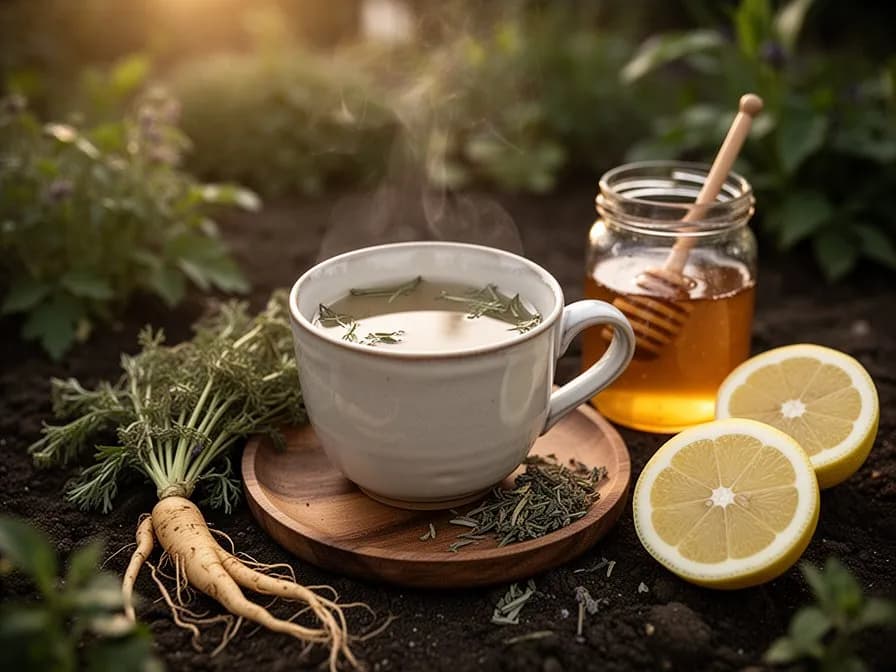
Traditional Korean Ginseng Tea (Insam-cha)
20 minA warming, slightly bitter tea that has been the cornerstone of Korean herbal wellness for centuries. Thinly sliced fresh or dried ginseng root is simmered gently to extract its earthy, sweet flavour and beneficial ginsenosides. Traditionally sweetened with honey and served with jujube dates.
6 ingredientsSamgyetang (Korean Ginseng Chicken Soup)
90 minKorea's iconic restorative soup in which a whole young chicken is stuffed with glutinous rice, ginseng root, jujubes, and garlic, then simmered until the meat falls off the bone. Traditionally eaten on the hottest days of summer to replenish energy and vitality.
9 ingredientsHoney-Ginseng Energy Tonic
10 minA quick daily tonic that combines ginseng's adaptogenic power with honey and citrus for an invigorating morning drink. The ginseng powder dissolves easily into warm water, delivering a concentrated dose of ginsenosides without the lengthy simmering required for whole root preparations.
6 ingredientsWhat's inside
Health Benefits
- Classified as an adaptogen — ginseng helps the body resist and recover from physical, mental, and environmental stress by modulating the hypothalamic-pituitary-adrenal (HPA) axis and normalizing cortisol levels.
- Multiple clinical studies have demonstrated that ginseng supplementation can improve cognitive function, including memory, attention, and mental processing speed, particularly under conditions of fatigue or stress.
- Contains ginsenosides that have been shown to support immune function by enhancing the activity of natural killer cells, macrophages, and dendritic cells, potentially reducing the frequency and severity of upper respiratory infections.
- Research suggests that ginseng may help regulate blood sugar levels by improving insulin sensitivity and supporting pancreatic beta-cell function, making it of interest for metabolic health management.
- Traditionally used to combat fatigue and enhance physical endurance — clinical trials indicate that ginseng supplementation can reduce perceived exertion and improve exercise performance, particularly in sustained endurance activities.
- Contains potent antioxidant compounds that help protect cardiovascular health by reducing oxidative damage to blood vessel walls, supporting healthy blood pressure, and improving circulation through mild vasodilatory effects.
Where Ginseng comes from
Ginseng (Panax ginseng) is native to the cool, shaded forests of northeastern China, the Korean Peninsula, and the Russian Far East, where it has grown wild in the understory of deciduous hardwood forests for millennia. Archaeological and literary evidence suggests that ginseng has been used in traditional Chinese medicine for at least 2,000 years, with early references appearing in the Shennong Bencao Jing, an ancient pharmacopoeia attributed to the mythical emperor Shennong around the 1st century CE. The root was classified as a superior herb — one that could be taken long-term to promote overall vitality, longevity, and resistance to disease without toxic effects.
Ginseng became deeply embedded in the medical traditions of China, Korea, and Japan, where it was prescribed for fatigue, weakness, stress, poor concentration, and a host of chronic conditions. Korean cultivation of ginseng began in earnest during the Goryeo Dynasty (918-1392 CE), and Korean red ginseng — roots that are steamed before drying — became a prized export commodity and diplomatic gift. The root was so valuable that wild populations in China and Korea were severely depleted by overharvesting, driving the development of sophisticated cultivation techniques that remain in use today.
When Jesuit missionaries in China learned of ginseng's extraordinary reputation in the early 18th century, they sent word to colleagues in New France (Canada), who discovered a closely related species, Panax quinquefolius, growing abundantly in North American forests. A massive export trade developed, with tonnes of wild American ginseng shipped to China throughout the 1700s and 1800s. This trade was so lucrative that it shaped frontier economics and contributed to the near-extinction of wild populations in many regions. Today, cultivated ginseng is grown commercially in China, South Korea, Canada, and the United States (particularly Wisconsin), while wild ginseng remains rare and protected in many jurisdictions. Modern scientific research has identified ginsenosides as the primary active compounds, and ginseng continues to be one of the most widely studied and commercially important medicinal herbs in the world.
Ginseng: did you know?
Fascinating facts about Ginseng
The genus name Panax comes from the Greek 'panakeia' meaning 'all-healing' — the same root as the word panacea. Carl Linnaeus chose this name in 1753, reflecting centuries of belief in ginseng as a universal remedy across Asian medical traditions.
Ginseng questions, answered
When should I plant Ginseng?
What hardiness zones can Ginseng grow in?
How much sun does Ginseng need?
How far apart should I space Ginseng?
What pests and diseases affect Ginseng?
How do I store Ginseng after harvest?
What are the best Ginseng varieties to grow?
What soil does Ginseng need?
How long does it take to grow ginseng from seed to harvest?
Can I grow ginseng in containers or indoors?
What is the difference between white ginseng and red ginseng?
Is it legal to grow and sell ginseng?
Why did my ginseng plants disappear or fail to emerge in spring?
What is wild-simulated ginseng and how is it different from cultivated?
You just read the theory. Now grow it on autopilot.
Everything that makes Ginseng fiddly — the timing, the spacing, the companions, the harvest window — is exactly what PlotMyGarden handles for you, for every plant in your garden.
A plan that knows your weather
Set your location once. Get sow, feed and harvest dates built around your real last-frost date and live forecast — no more guessing from a generic seed packet.
From the “When to plant” sectionDrag-and-drop bed planner
Design beds on a grid. Every plant snaps to its proper spacing, and you can see your whole season laid out before you spend a cent on seed.
From the “Growing guide” sectionCompanion conflicts, caught early
200+ good-and-bad pairings checked live as you plant — so a season-wrecking mistake never makes it into the ground.
From the “Companions” sectionReminders you'll actually act on
“Water the beans.” “Pick today before it turns.” Timely, specific, and tied to the plants you're really growing.
From the “Harvest” sectionSuccession, scheduled
Want a harvest for six weeks, not six days? It spaces your sowings automatically and reminds you when each new block is due.
From the “When to plant” sectionA record that gets smarter
Every harvest you log teaches it your garden. Next year's plan starts from what actually worked in your soil, not a textbook's.
From the “Overview” sectionMore Medicinal Herbs
Grow your best Ginseng yet — and everything around it.
Start a free plan today. Lay out your beds, drop in your Ginseng, and let PlotMyGarden handle the timing, spacing, companions and reminders from seed to harvest basket.