Wormwood
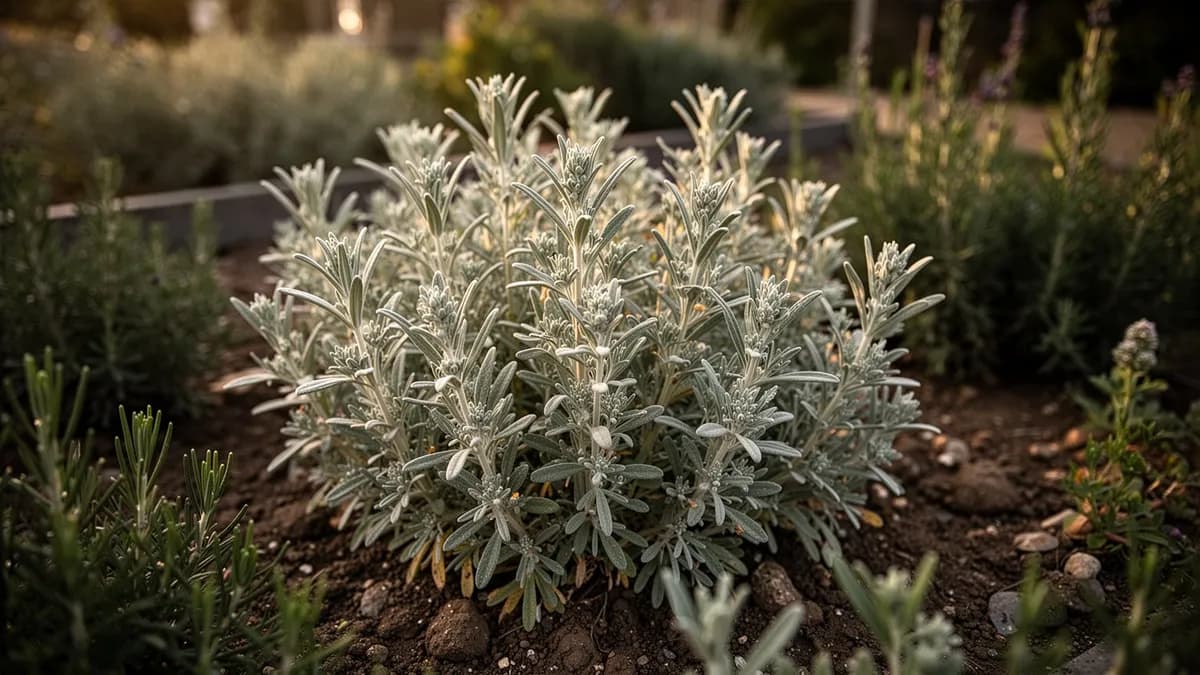
A silvery-grey artemisia with an intensely bitter, sage-like aroma, historically the key ingredient in the spirit absinthe.





On this pageOverview
Meet Wormwood
A silvery-grey artemisia with an intensely bitter, sage-like aroma, historically the key ingredient in the spirit absinthe. Wormwood produces allelopathic compounds that inhibit the growth of nearby plants, so give it space in the garden. The dried herb is used in sachets as a moth repellent and was traditionally hung in doorways to ward off insects.
When to plant Wormwood
Wormwood is easily grown from seed sown in spring. Surface-sow tiny seeds on moist compost—they need light to germinate. Keep at 18-22°C and expect germination in 7-14 days. Seedlings are small but grow rapidly after the first few weeks. Can also be direct-sown outdoors after last frost. Division of established clumps in spring or autumn is equally easy. Semi-ripe cuttings taken in summer root readily in gritty compost.
Your Wormwood Year
Composed for Zone 7 · typical seasons · frost passes Apr 2, returns Nov 1
Plant Wormwood Mar – May, pick Jul – Sep. Check the planting methods below and set your climate to personalize these windows.
How to grow Wormwood
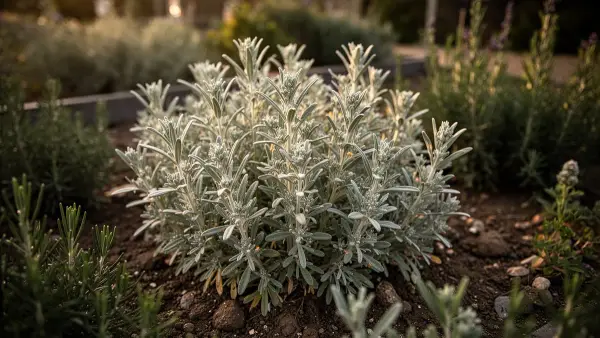
Wormwood is a handsome, aromatic perennial growing 60-120cm tall with finely divided, silvery-grey foliage and a strong bitter, sage-like scent. It is the legendary botanical behind absinthe and vermouth, and one of the most historically significant herbs in Western herbalism. The silver foliage makes it an attractive ornamental despite its reputation as a bitter herb.
Plant in full sun with lean, well-drained soil. Wormwood thrives on neglect in poor, dry conditions—rich soil produces leggy, floppy growth with less intense aromatic oils. Space 60cm apart and be aware that wormwood produces allelopathic compounds (absinthin and thujone) that inhibit the growth of nearby plants. Give it a dedicated space or plant alongside other robust aromatics that can tolerate its chemical influence.
Prune hard in spring to 15-20cm from the ground to maintain a compact, bushy habit and prevent the plant from becoming woody and bare at the base. Wormwood is extremely hardy and drought-tolerant once established, requiring virtually no maintenance beyond annual pruning. The inconspicuous yellow-green flowers appear in late summer on branching panicles.
8 plants fit a 4 × 8 ft bed
Each Wormwood wants 60 cm of elbow room. The planner keeps that spacing for you — every plant, every bed.
Wormwood's best neighbours
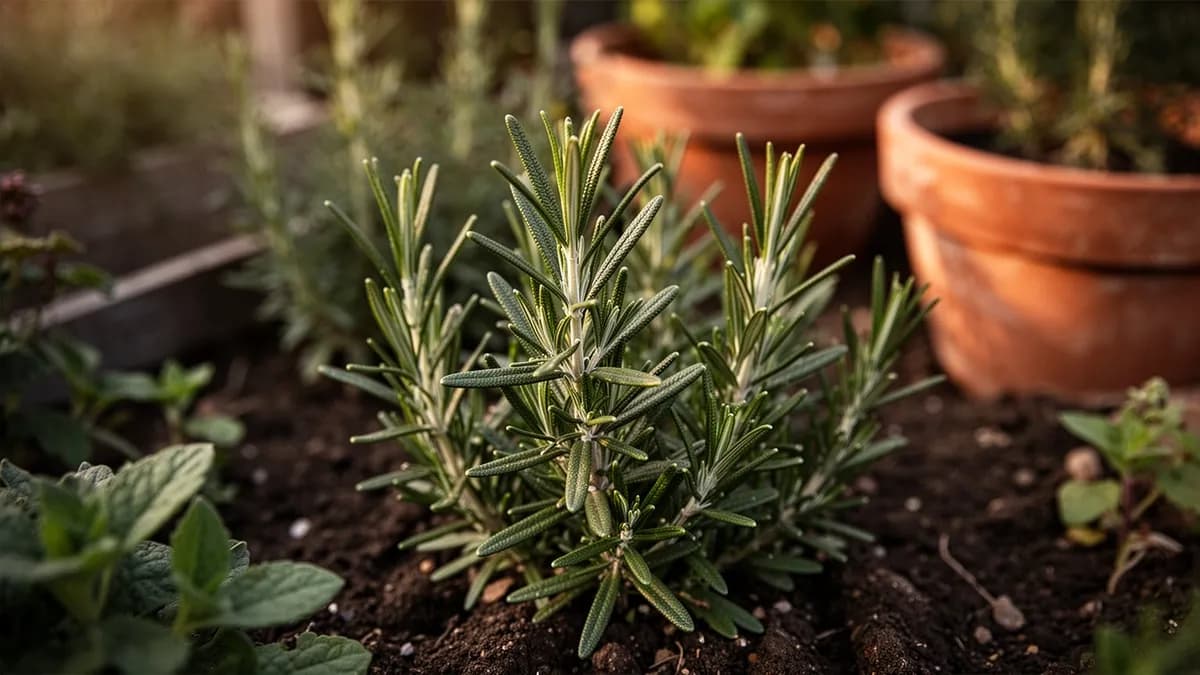
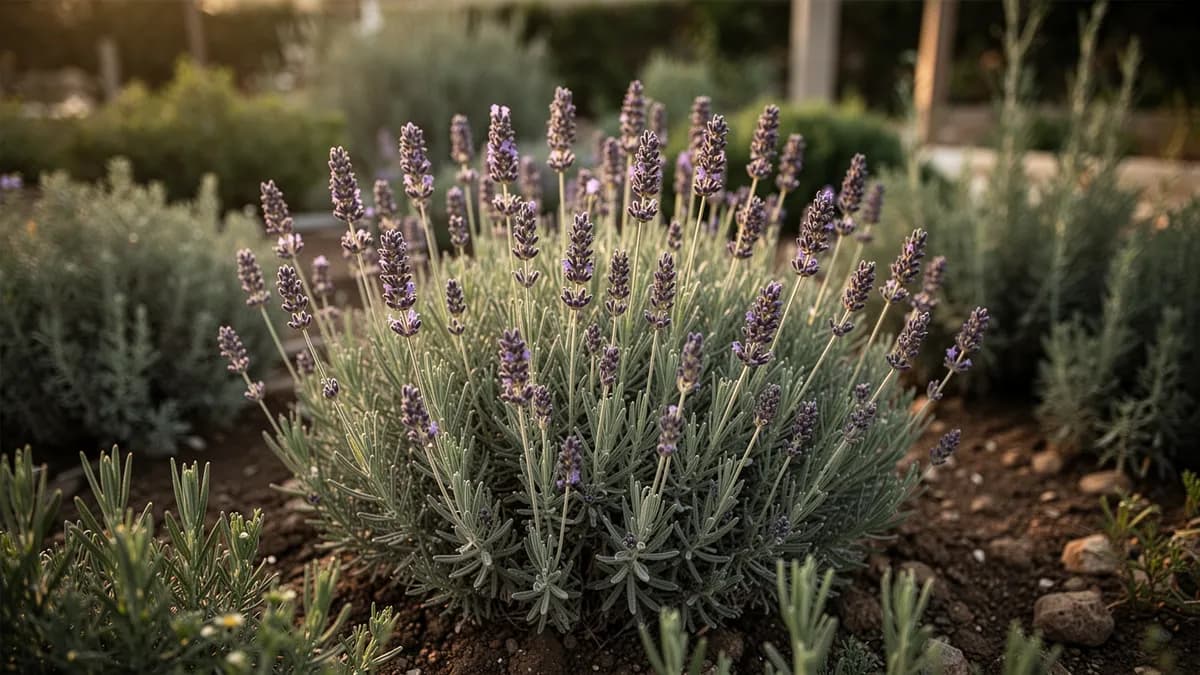
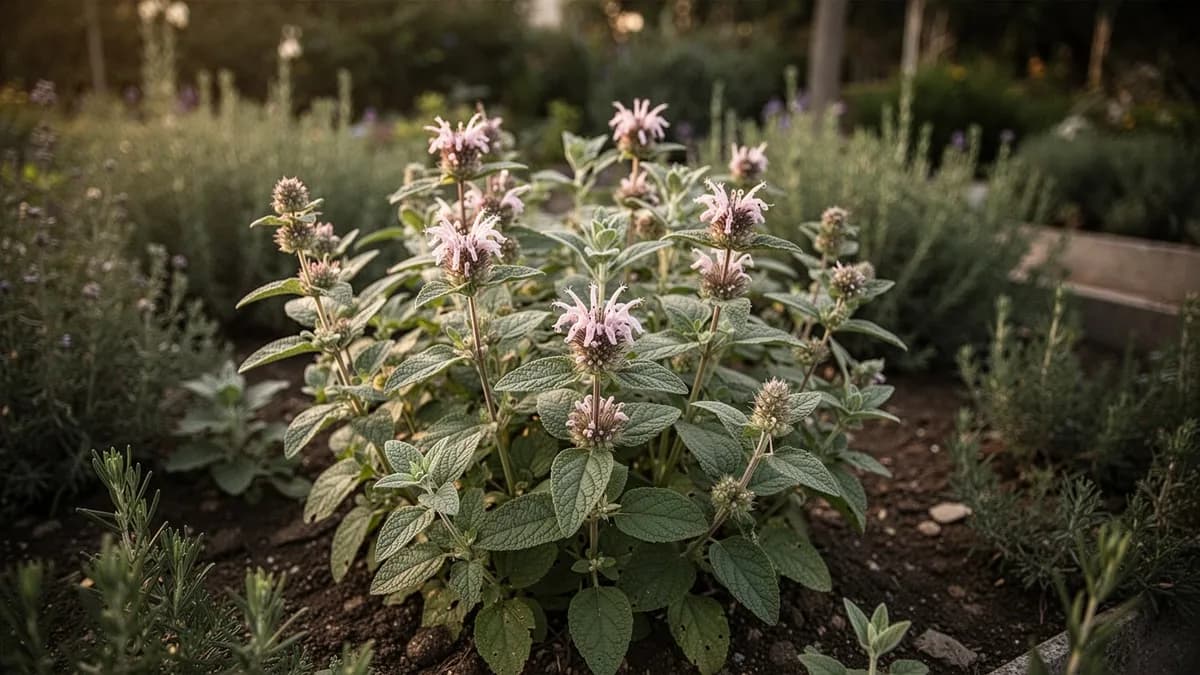
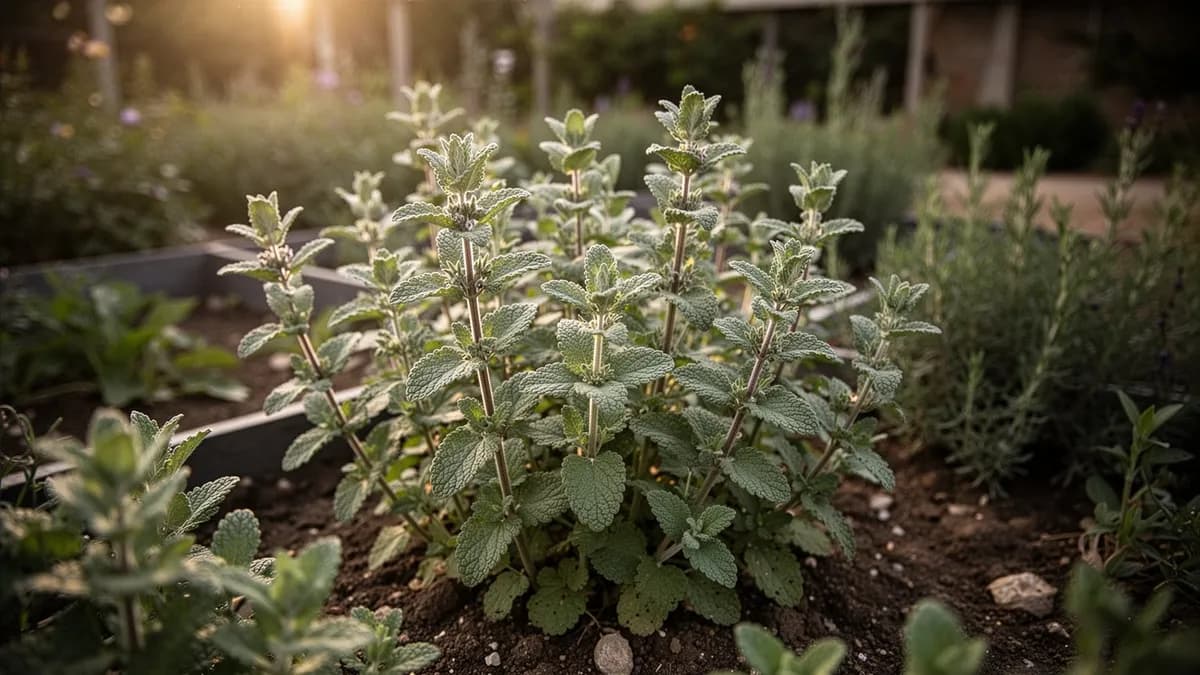
Wormwood must be planted with care due to its allelopathic effects—its root exudates and leaf drip inhibit many plants. However, it is traditionally planted near fruit trees to deter codling moths and near stables to repel flies. Other robust artemisias, lavender, and rosemary tolerate its chemical influence. Wormwood makes an attractive ornamental in gravel gardens and silver-themed borders where its effects on neighbors are less of a concern.
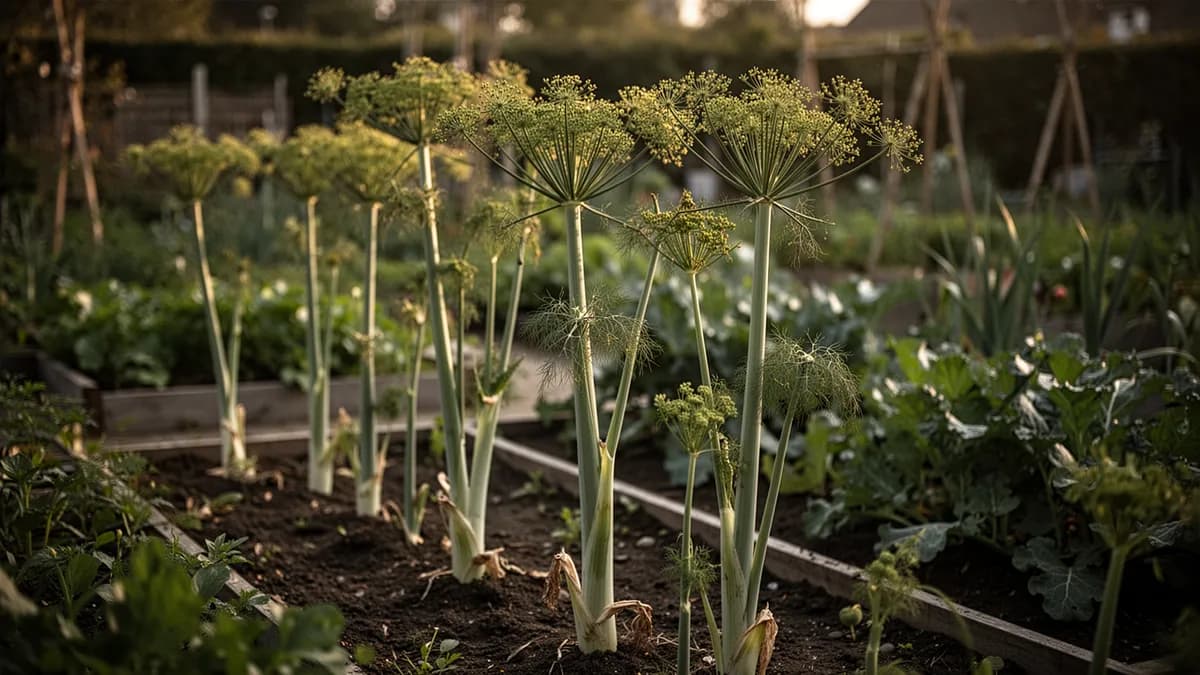
Rosemary belongs beside it. Fennel doesn't.
Old growers' knowledge, checked against Wormwood's real companion table below — test any plant you're growing.
Try Wormwood in a bed — right here
A real planner bed with Wormwood already in it. Tap a companion to place it and watch the pairing checks answer — green for good neighbours, red for a clash.


Related growing guides
Feed it well
Wormwood thrives in poor to average, well-drained soil with a pH of 6.0-8.0. Sandy, gravelly, and chalky soils are ideal. Do not enrich the soil—lean conditions produce the most aromatic, most silvery, most compact plants. No fertilizer is needed. The allelopathic compounds exuded by the roots can suppress nearby plants, so avoid planting next to susceptible species.
Ideal Temperature
Hardiness Zone Compatibility
From seed to harvest, stage by stage
Seed Germination
Wormwood seeds are extremely small, almost dust-like, and require light to germinate. They should be pressed gently onto the surface of moist, well-drained seed-starting mix without covering. Germination is slow and uneven, typically taking 10-14 days at temperatures of 15-20°C (60-68°F).
Seedling Establishment
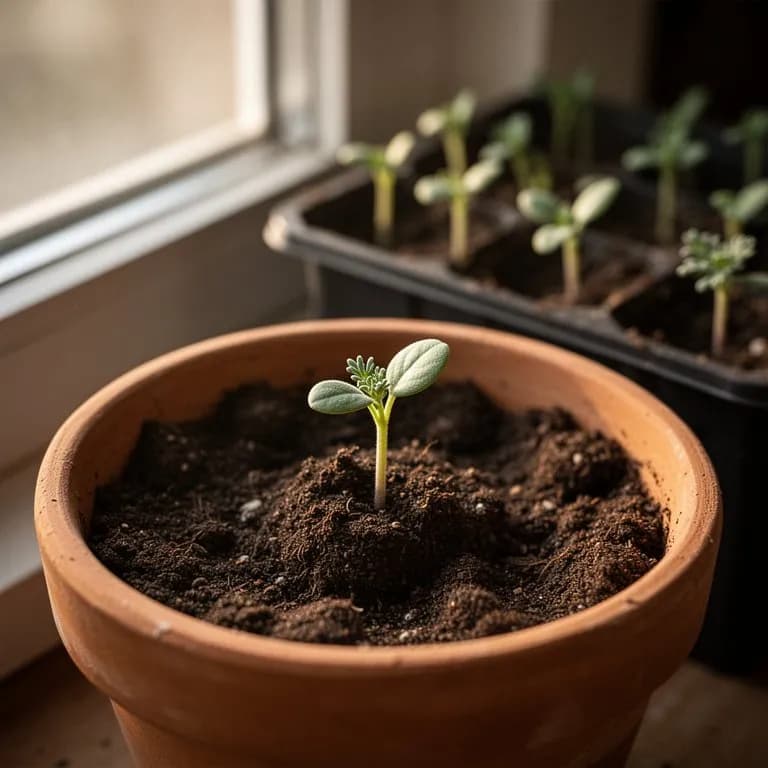
Tiny seedlings emerge with minuscule cotyledons followed by the first set of true leaves, which already show the finely divided, silvery character of the mature foliage. Seedlings are delicate at this stage and grow slowly compared to other herbs.
Vegetative Growth
The plant enters a period of steady growth, developing its characteristic mounding form with increasingly divided, silvery-green foliage. The aromatic scent becomes noticeable as essential oil glands develop in the leaves and stems. Root systems expand vigorously.
Mature Foliage Stage
Wormwood reaches its full size of 60-120 cm tall and wide, forming a dense, bushy mound of aromatic silver foliage. The plant is fully established and highly drought-tolerant at this stage. Essential oil production peaks during warm, sunny weather, making this the ideal harvest window.
Flowering Stage
Tall flowering stems emerge from the foliage in late summer, bearing panicles of small, nodding, yellow-green flower heads typical of the Artemisia genus. The flowers are wind-pollinated and not particularly showy but have a quiet, architectural beauty.
Dormancy and Overwintering
As temperatures drop in autumn, wormwood foliage dies back to the ground in colder climates (USDA zones 4-5) or remains semi-evergreen in milder areas (zones 6-8). The woody root crown persists through winter and produces vigorous new growth the following spring.
Surface-sow seeds and mist gently to avoid washing them away. Keep the soil consistently moist but not saturated. Provide bright indirect light and maintain a cool room temperature rather than using a heat mat, as wormwood prefers cooler germination conditions than most herbs.
Caring for Wormwood month by month
What to do each month for your Wormwood
October
You are hereAs growth slows, reduce any watering of established plants. In cold climates, apply a thin layer of gravel mulch around the root crown for winter insulation. Cut back frost-damaged foliage but leave some stem structure to protect the crown.
Know exactly what to do in your garden — every month
One email at the start of each month: what to sow, plant, and tackle right now — for your Wormwood and everything growing around it. Plus a short starter course that helps you dodge the classic mistakes.
- What to do, right now
- Matched to your season
- Starter course included
Harvesting Wormwood
Harvest wormwood stems during the growing season for immediate use in sachets and insect-repelling preparations. For the strongest aromatic content, harvest just before or during flowering in late summer. Cut stems at about half the plant's height, leaving plenty of foliage for recovery. The dried herb is intensely bitter and aromatic—a small amount goes a long way in sachets and preparations.
assuming you plant when the window opens — set your real date
Pick Wormwood promptly and the plant keeps producing.
Storage & Preservation
Bundle stems and hang upside down in a warm, dark, well-ventilated area to dry. Dried wormwood retains its strong bitter scent and silvery appearance for 12-18 months in airtight glass jars. Use in sachets for moth repelling, insect-deterring doorway bundles, and potpourri for its silvery appearance. Historically, wormwood was the key botanical in absinthe and vermouth—the name vermouth derives from the German 'wermut' (wormwood).
What goes wrong — and the fix
Aphids
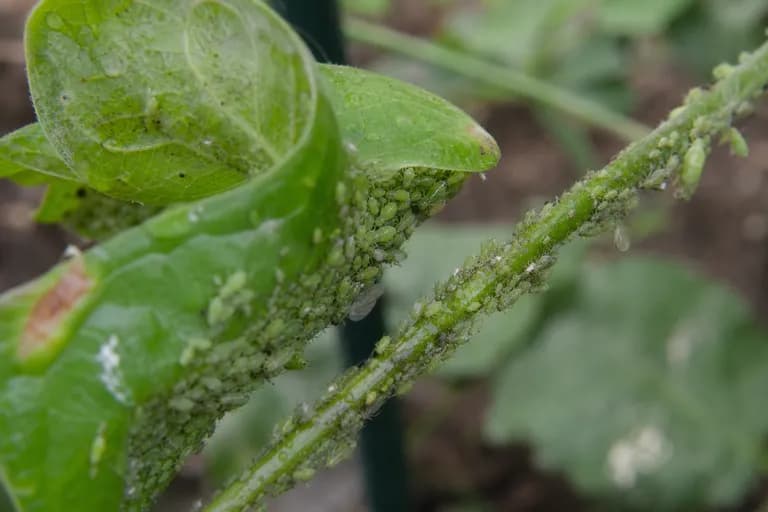
PestOccasional clusters on flower buds. Uncommon due to the extremely bitter, aromatic compounds in the foliage.
Troubleshooting Common Problems
Floppy, open growth indicates too-rich soil or too much shade—grow in full sun and poor soil. The allelopathic effect on neighboring plants is real; maintain adequate spacing from vegetables and sensitive ornamentals. Annual hard pruning is essential to prevent woody, bare-stemmed decline. In wet, heavy soils, root rot can occur; ensure good drainage. Note that wormwood is toxic if ingested and should not be used internally without expert guidance.
Growing Tips
- Plant wormwood in the poorest, driest, most well-drained soil you have. Rich, fertile soil produces lush but weakly aromatic growth and increases susceptibility to root rot. Sandy or gravelly soil with a slightly alkaline pH of 6.5-7.5 is ideal.
- Give wormwood full sun for at least 6-8 hours daily. The plant tolerates light shade but becomes leggy and produces fewer aromatic oils. In hot southern climates, some afternoon shade can prevent leaf scorch during the most intense summer heat.
- Space plants 45-60 cm apart to allow for their mature spreading habit. Wormwood can reach 60-120 cm tall and equally wide, so give it room to develop its natural mounding form without crowding neighboring plants.
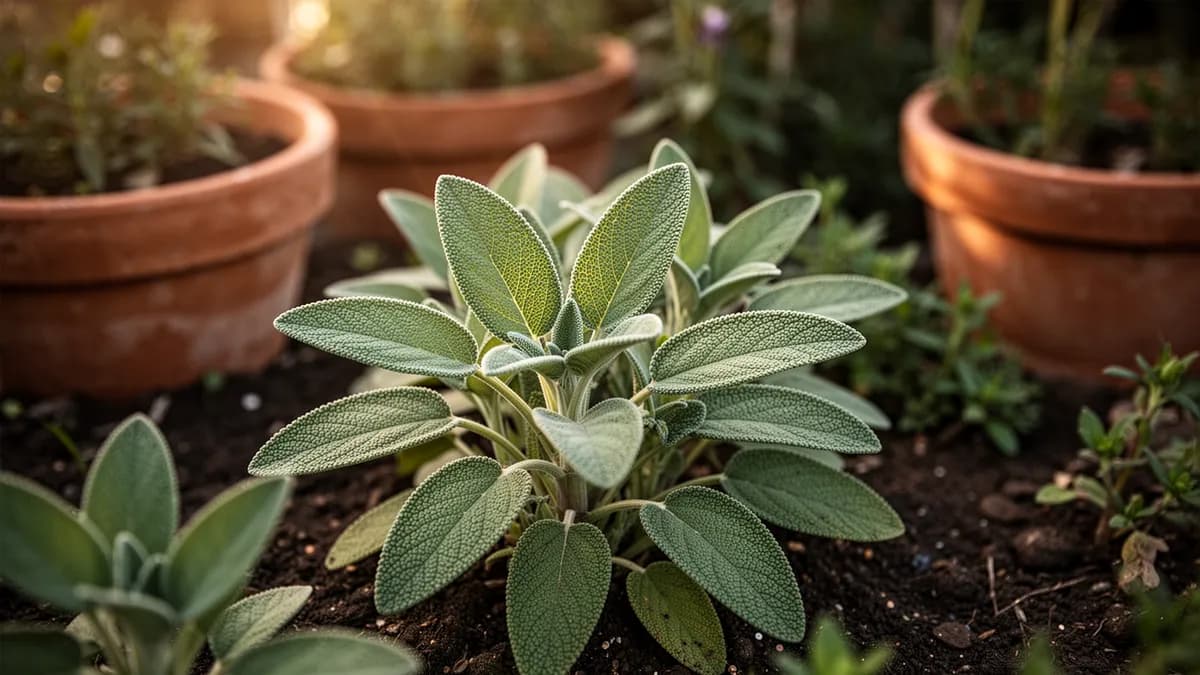
- Be mindful of wormwood's allelopathic properties. Its roots secrete absinthin, a growth-inhibiting compound that suppresses nearby plants. Keep wormwood at least 60 cm away from vegetables, especially fennel, sage, caraway, and anise, which are particularly sensitive.
- Water sparingly once established. Wormwood is remarkably drought-tolerant and actually thrives on neglect. Overwatering is the single most common cause of failure with this plant, leading to root rot and crown decay especially in heavy soils.
- Prune plants back by one-third to one-half in late spring to encourage dense, bushy regrowth and prevent the plant from becoming woody and bare at the base. A second light trim after the first harvest keeps the form compact through autumn.
- Propagate wormwood easily by division in early spring or by taking semi-ripe stem cuttings in late summer. Cuttings root readily in sandy propagation mix within 3-4 weeks. Seed propagation is possible but slow and produces variable results.
- Harvest foliage for drying just before the plant flowers in midsummer, when essential oil concentration peaks. Cut whole stems and tie in small bundles to dry upside down in a warm, dark, well-ventilated space for 7-10 days.
- Use wormwood as a natural pest barrier by planting it along garden borders or near areas prone to flea beetle, cabbage moth, or carrot fly damage. The strong aromatic compounds deter many common garden pests without chemicals.
- In cold climates (zones 4-5), apply a thin mulch of gravel or coarse grit over the root crown in autumn rather than organic mulch. Organic mulches retain moisture against the crown and dramatically increase the risk of winter rot in this drought-loving species.
Grow your best Wormwood yet — and everything around it.
Start a free plan today. Lay out your beds, drop in your Wormwood, and let PlotMyGarden handle the timing, spacing, companions and reminders from seed to harvest basket.
Pick your Wormwood
Artemisia absinthium (standard)
The classic absinthe wormwood with silvery-grey foliage and intensely bitter aromatic oils. The most commonly grown form.
Artemisia absinthium 'Lambrook Silver'
Selected form with particularly fine, silvery foliage and a more compact growth habit. Excellent ornamental value.
Artemisia absinthium 'Lambrook Mist'
Soft, misty silver foliage on a compact plant. More ornamental than the standard species with the same aromatic properties.
A single wormwood plant costing $4-8 from a nursery is a long-lived perennial that will persist for many years and can be easily divided to create additional plants at no cost. Dried wormwood for herbal preparations retails for $8-15 per 100g, and one established plant can produce 200-400g of dried material per season. Additionally, wormwood's powerful insect-repelling properties can reduce or eliminate the need for chemical moth repellents and garden pesticides, providing further indirect savings of $20-40 annually on household and garden pest control products.
Quick recipes
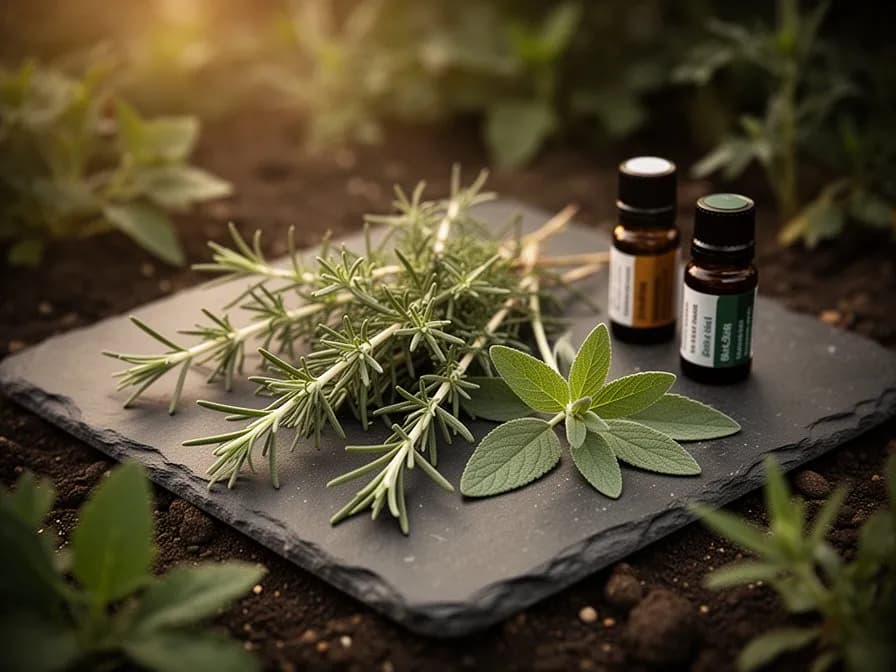
Wormwood Moth-Repellent Sachets
15 minutesHandmade herbal sachets that harness wormwood's powerful insect-repelling properties to protect clothing and linens from moths naturally. These sachets are far more effective and pleasant than chemical mothballs and can be refreshed by gently crushing them every few months to release more aromatic oils. This is an external, non-consumable use.
5 ingredients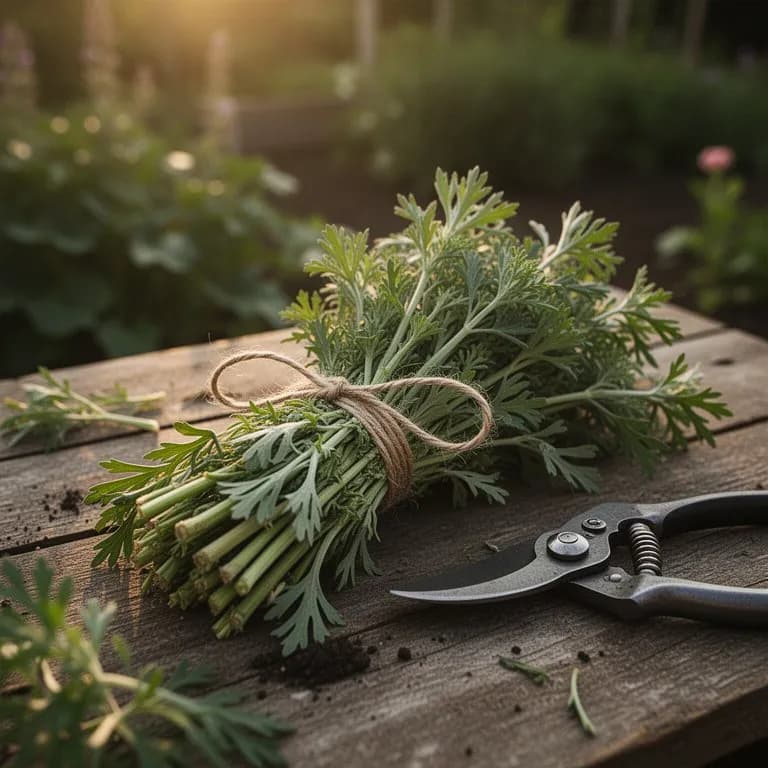
Wormwood Garden Pest Spray
24 hours (steeping time)A potent natural insect deterrent spray made by steeping wormwood foliage in water. This spray can be applied directly to garden plants to repel aphids, flea beetles, cabbage moths, and other common pests without synthetic chemicals. Not for consumption. Test on a small area first, as the strong compounds may affect very sensitive plants.
5 ingredientsTraditional Wormwood Bitter Tincture (Caution)
4-6 weeks (maceration)A traditional digestive bitter tincture used in tiny doses (3-5 drops) before meals to stimulate appetite and digestive secretions. WARNING: Wormwood contains thujone, which is toxic in large amounts. This preparation should only be used in very small amounts, never during pregnancy, and ideally under the guidance of a qualified herbalist. Not suitable for children or those with liver conditions.
5 ingredientsWhat's inside
Health Benefits
- IMPORTANT SAFETY NOTE: Wormwood contains thujone, a compound that is neurotoxic in large doses. All traditional health uses involve very small, controlled amounts and should only be undertaken with guidance from a qualified healthcare practitioner. Pregnant and breastfeeding women must avoid wormwood entirely.
- Has been used traditionally as a digestive bitter to stimulate appetite and promote the secretion of bile and gastric juices, with small doses taken before meals to ease indigestion and bloating in European herbal medicine for centuries
- Contains artemisinin-related compounds that have demonstrated antiparasitic activity in laboratory studies, supporting its centuries-old traditional use as a treatment for intestinal worms and other parasitic infections
- The essential oils, particularly chamazulene, possess documented anti-inflammatory properties that have been applied topically in traditional medicine for joint pain, bruises, and skin irritations
- Research has shown antimicrobial activity of wormwood extracts against several bacterial and fungal pathogens in vitro, though clinical applications in humans require further study
- Contains antioxidant flavonoids and phenolic compounds that may help protect cells from oxidative damage, though the toxic potential of thujone means that wormwood should never be used as a casual antioxidant supplement
Where Wormwood comes from
Wormwood (Artemisia absinthium) is native to the temperate regions of Eurasia and North Africa, with its natural range extending from the British Isles across Europe and Central Asia to the western Himalayas. The plant has thrived in dry, rocky, and disturbed soils for millennia, and archaeological evidence suggests it was among the earliest herbs gathered by humans for medicinal purposes. Ancient Egyptian medical texts, including the famous Ebers Papyrus dating to approximately 1550 BCE, describe wormwood preparations for expelling intestinal worms and stimulating digestion. The Greeks and Romans held the herb in high regard as a medicinal plant. Hippocrates prescribed it for jaundice and rheumatism, while Pliny the Elder documented its use as an insect repellent and digestive tonic. Roman chariot-race champions reportedly drank wormwood-infused wine as a reminder that even victory carries bitterness. Throughout the Middle Ages, wormwood was a staple of monastic herb gardens across Europe, valued for its pest-repelling properties and its role in treating fevers, liver complaints, and digestive disorders. It was also woven into protective garlands and strewn across floors to ward off plague and vermin. The plant achieved its greatest fame in the late 18th century when Dr. Pierre Ordinaire, a French physician living in Switzerland, is credited with creating the first commercial absinthe recipe around 1792. By the 1850s, absinthe had become enormously popular across France, and wormwood cultivation expanded rapidly to meet demand. The subsequent absinthe bans of the early 20th century temporarily diminished commercial interest in wormwood, but the plant never disappeared from traditional herbal practice. Today, wormwood is cultivated worldwide for use in herbal medicine, natural pest management, and artisanal spirit production following the lifting of absinthe bans in most countries between 2005 and 2011.
Wormwood: did you know?
Fascinating facts about Wormwood
Wormwood is the key botanical ingredient in absinthe, the legendary green spirit that was favored by artists and writers such as Van Gogh, Oscar Wilde, and Edgar Allan Poe during the late 19th century before being banned in much of Europe and the United States.
Wormwood questions, answered
When should I plant Wormwood?
What are good companion plants for Wormwood?
What hardiness zones can Wormwood grow in?
How much sun does Wormwood need?
How far apart should I space Wormwood?
What pests and diseases affect Wormwood?
How do I store Wormwood after harvest?
What are the best Wormwood varieties to grow?
What soil does Wormwood need?
Is wormwood safe to grow in a garden with children and pets?
Why is my wormwood dying or rotting at the base?
Can I make absinthe at home from garden wormwood?
Does wormwood really repel insects, and which pests does it deter?
Will wormwood spread aggressively and take over my garden?
What are the best companion plants for wormwood?
You just read the theory. Now grow it on autopilot.
Everything that makes Wormwood fiddly — the timing, the spacing, the companions, the harvest window — is exactly what PlotMyGarden handles for you, for every plant in your garden.
A plan that knows your weather
Set your location once. Get sow, feed and harvest dates built around your real last-frost date and live forecast — no more guessing from a generic seed packet.
From the “When to plant” sectionDrag-and-drop bed planner
Design beds on a grid. Every plant snaps to its proper spacing, and you can see your whole season laid out before you spend a cent on seed.
From the “Growing guide” sectionCompanion conflicts, caught early
200+ good-and-bad pairings checked live as you plant — so a season-wrecking mistake never makes it into the ground.
From the “Companions” sectionReminders you'll actually act on
“Water the beans.” “Pick today before it turns.” Timely, specific, and tied to the plants you're really growing.
From the “Harvest” sectionSuccession, scheduled
Want a harvest for six weeks, not six days? It spaces your sowings automatically and reminds you when each new block is due.
From the “When to plant” sectionA record that gets smarter
Every harvest you log teaches it your garden. Next year's plan starts from what actually worked in your soil, not a textbook's.
From the “Overview” sectionPlant these alongside Wormwood
More Aromatic Herbs
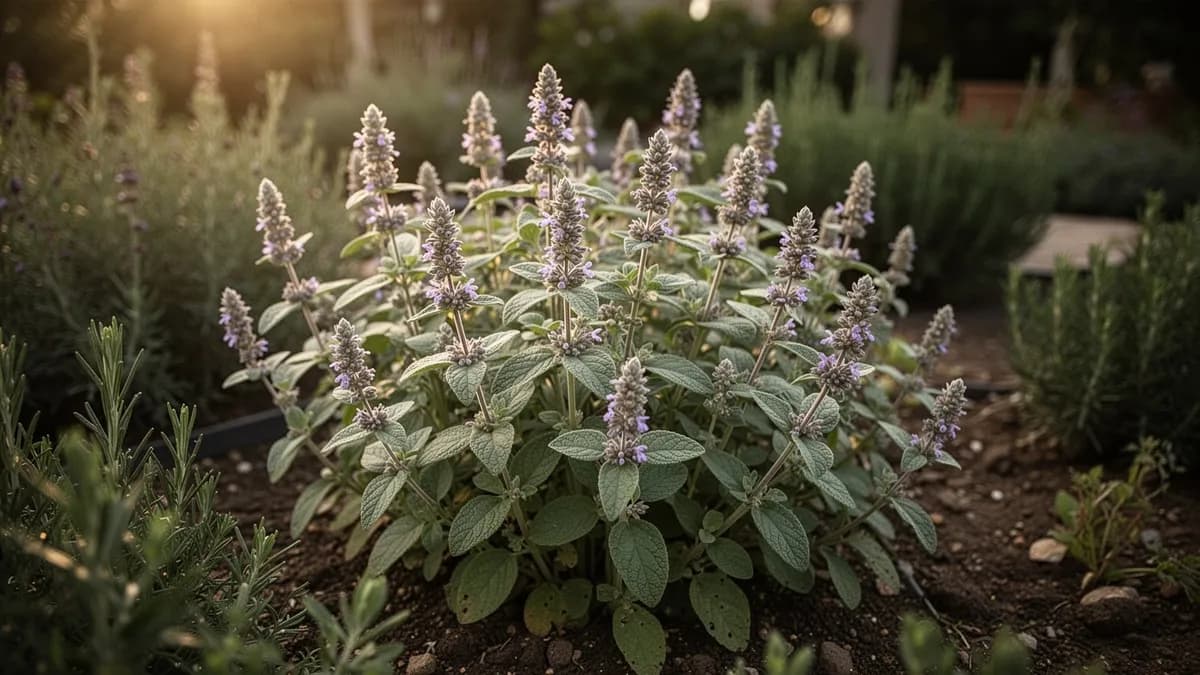
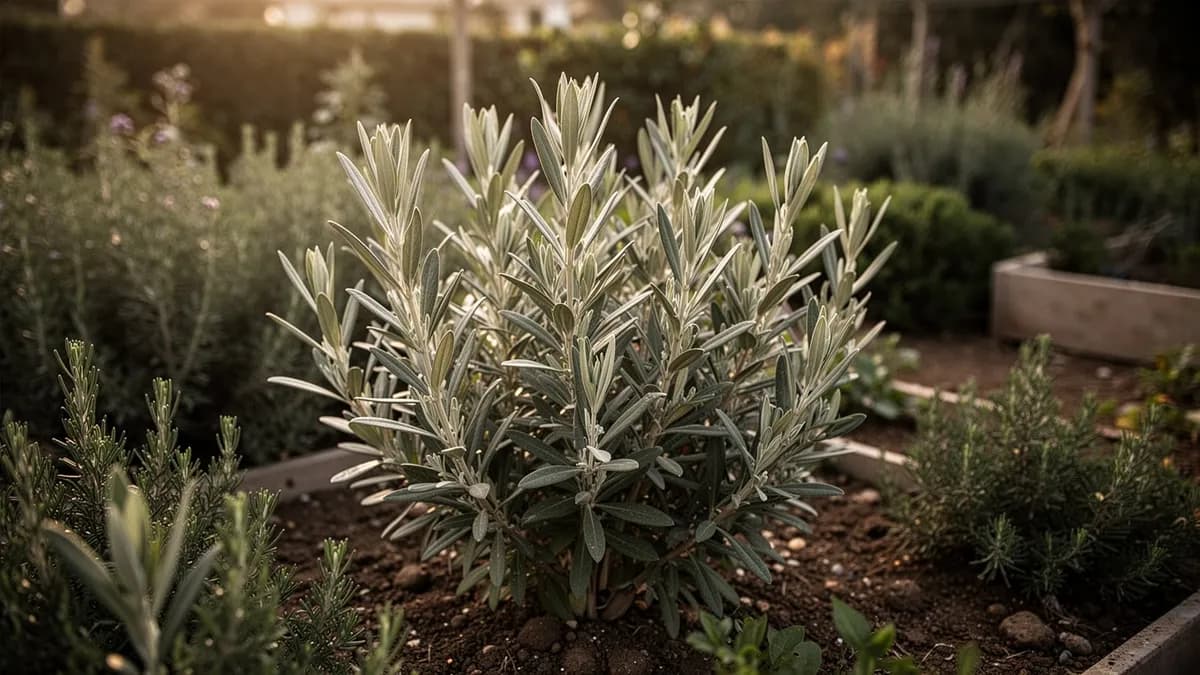
Keep Wormwood away from these
Grow your best Wormwood yet — and everything around it.
Start a free plan today. Lay out your beds, drop in your Wormwood, and let PlotMyGarden handle the timing, spacing, companions and reminders from seed to harvest basket.