Mizuna Roja
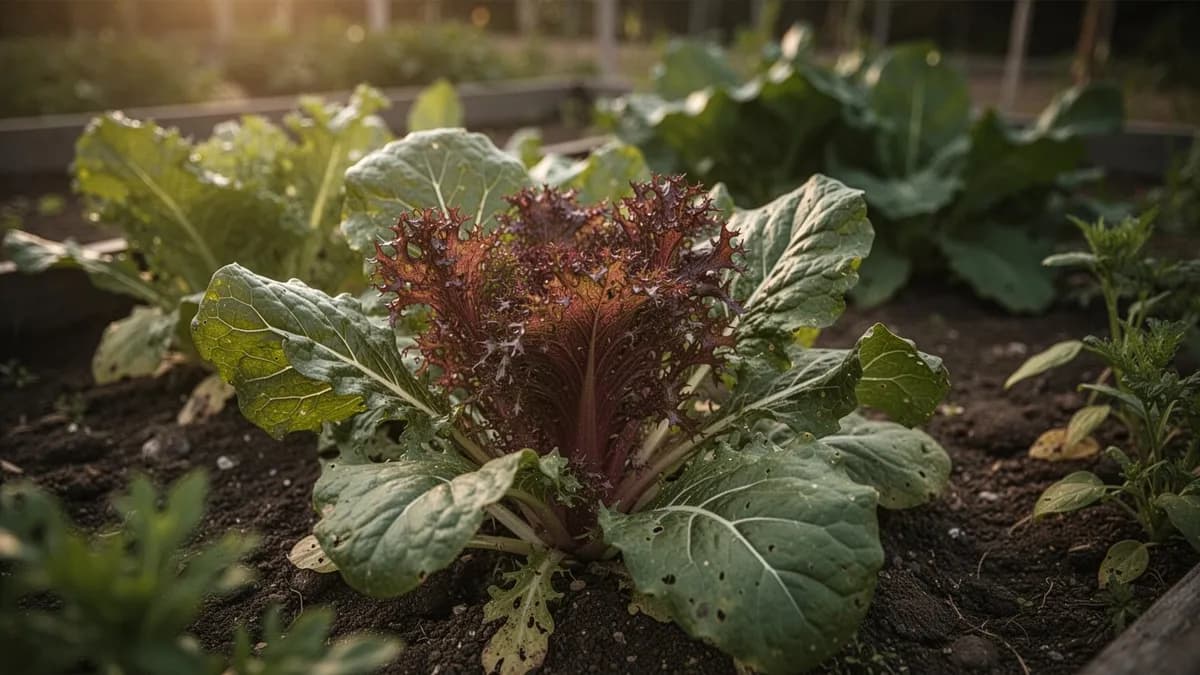
La mizuna roja (Brassica rapa var. japonica) es una variedad decorativa de esta popular verdura asiática, distinguida por sus tallos y nervaduras de color rojo púrpura intenso que contrastan con el verde de las hojas.





En esta páginaResumen
Conoce Mizuna Roja
La mizuna roja (Brassica rapa var. japonica) es una variedad decorativa de esta popular verdura asiática, distinguida por sus tallos y nervaduras de color rojo púrpura intenso que contrastan con el verde de las hojas. Su sabor es ligeramente más picante que la mizuna verde, con notas mostazosas suaves que la hacen ideal tanto para ensaladas como para salteados.
Cuándo plantar Mizuna Roja
Siembre directamente en el terreno a 0,5-1 cm de profundidad, ya que las plántulas de mizuna no toleran bien el trasplante. Mantenga el sustrato húmedo hasta la germinación, que ocurre en 4-7 días a 15-25 °C. Para siembra en bandejas, use alvéolos individuales y trasplante con cepellón intacto cuando aparezcan 3-4 hojas verdaderas. Es posible sembrar desde principios de primavera hasta mediados de otoño.
Tu año de Mizuna Roja
Ajustado a Zona 7 · temporada típica · la helada se va hacia el 2 abr y vuelve hacia el 1 nov
Planta Mizuna Roja Mar – Abr, Ago – Sep y cosecha May – Jun, Oct – Nov. Consulta los métodos de plantación y elige tu clima para adaptar los periodos.
Cómo cultivar Mizuna Roja
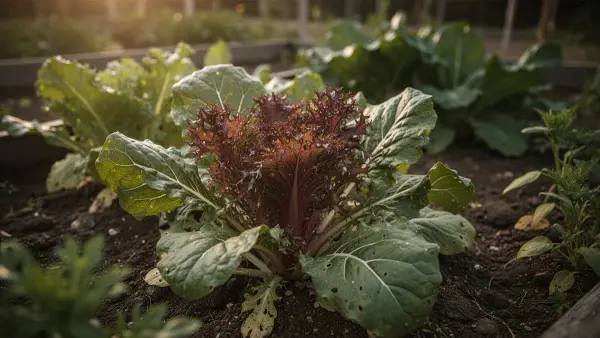
Elija una ubicación con sol parcial a pleno sol; en climas cálidos, la sombra parcial por la tarde ayuda a prevenir el espigado prematuro. El suelo debe ser fértil, suelto y bien drenado, con pH entre 6,0 y 7,5. Enriquezca con compost maduro antes de la siembra para asegurar una buena retención de humedad.
Siembre las semillas a 0,5-1 cm de profundidad en hileras separadas 25-30 cm, aclarando a 15-20 cm entre plantas. La germinación ocurre en 4-7 días a 15-25 °C. Es posible realizar siembras sucesivas cada 2-3 semanas desde primavera hasta otoño para una cosecha continua.
Riegue regularmente para mantener el suelo uniformemente húmedo sin encharcamiento, ya que la sequía acelera el espigado. Aplique acolchado orgánico para conservar la humedad y mantener las raíces frescas. Fertilice cada 3-4 semanas con un abono líquido rico en nitrógeno para fomentar un crecimiento foliar vigoroso y mantener la coloración roja intensa.
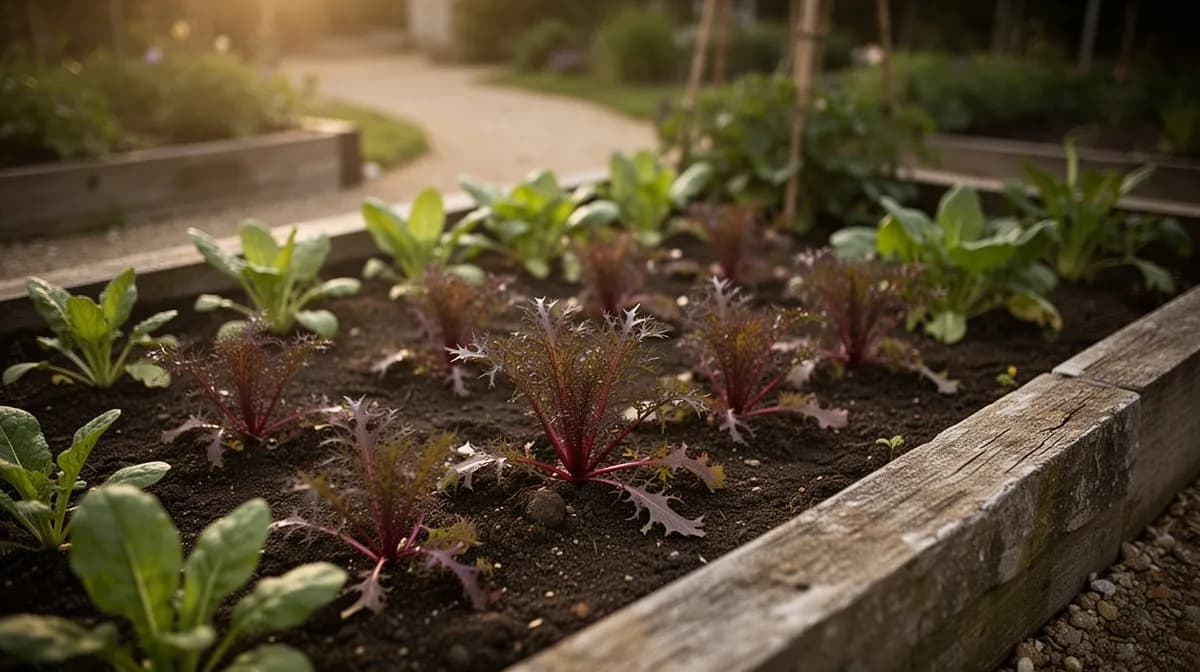
72 plantas caben en un bancal de 120 × 240 cm
Cada Mizuna Roja pide 20 cm de margen. El planificador guarda ese marco por ti — cada planta, cada bancal.
Los mejores vecinos de Mizuna Roja
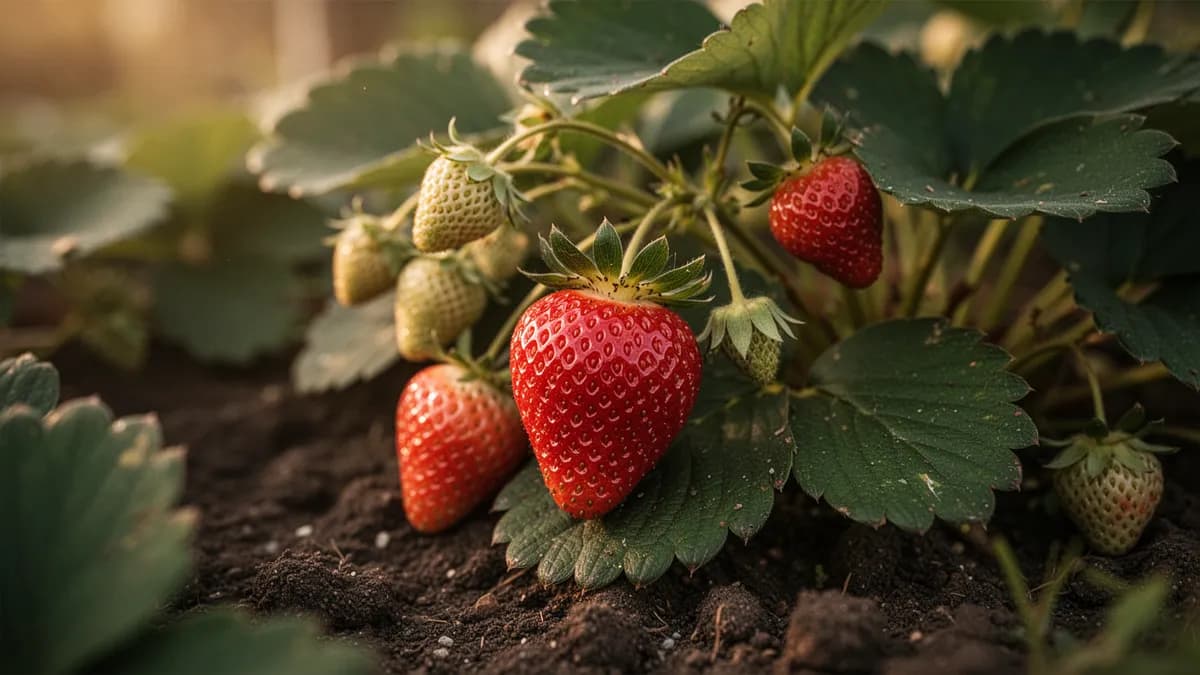
Se asocia bien con otras brasicáceas asiáticas como pak choi y tatsoi, compartiendo necesidades de cultivo similares. Las hierbas aromáticas como el eneldo y la menta ayudan a repeler plagas. Las lechugas y espinacas son buenas compañeras por ocupar nichos complementarios. Evite plantar cerca de fresas, ya que compiten por nutrientes similares.
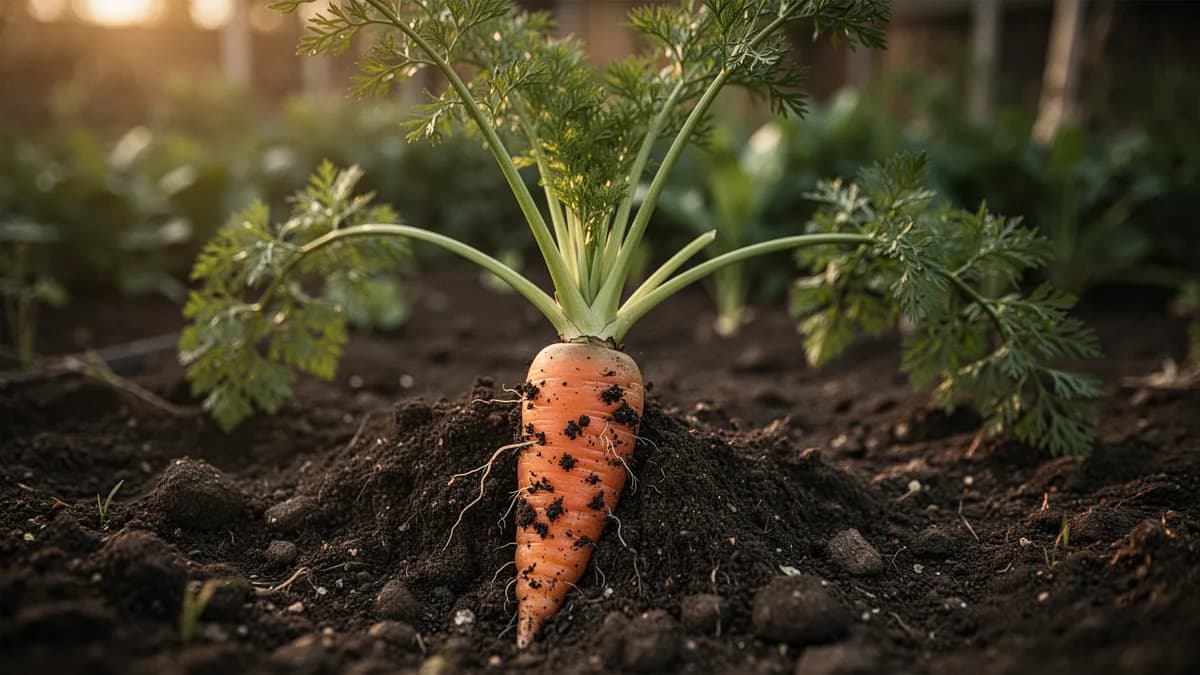
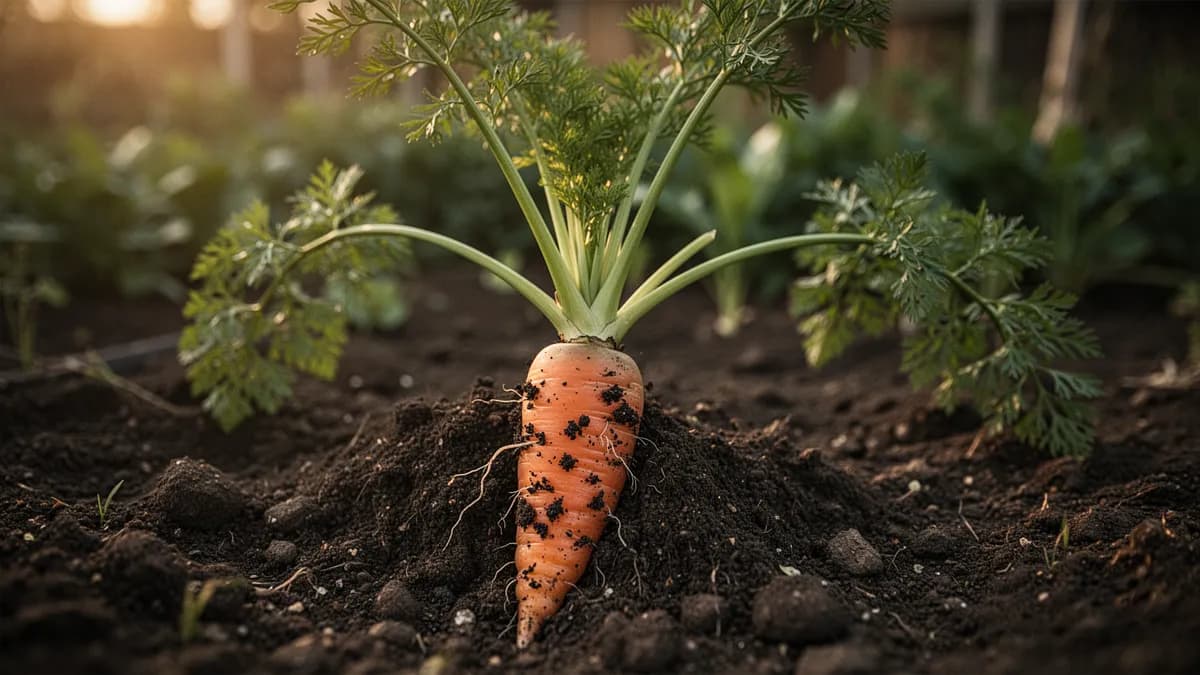
Zanahoria va a su lado. Fresa no.
Saber de huerto de siempre, cotejado con la tabla real de Mizuna Roja — prueba cualquier planta que cultives.
Prueba Mizuna Roja en un bancal, aquí mismo
Un bancal real del planificador con Mizuna Roja ya plantado. Toca una planta compañera para colocarla y mira cómo responde la comprobación de vecinos: verde para buenos vecinos, rojo si hay conflicto.


Guías de cultivo relacionadas
Abónalo bien
Prefiere suelos fértiles, ricos en materia orgánica, bien drenados con pH entre 6,0 y 7,5. Incorpore 3-4 cm de compost maduro antes de la siembra. Aplique un fertilizante líquido equilibrado cada 2-3 semanas durante el crecimiento activo. Un buen aporte de nitrógeno intensifica la coloración roja y estimula la producción foliar.
Temperatura ideal
Compatibilidad de zonas de rusticidad
De la semilla a la cosecha, etapa por etapa
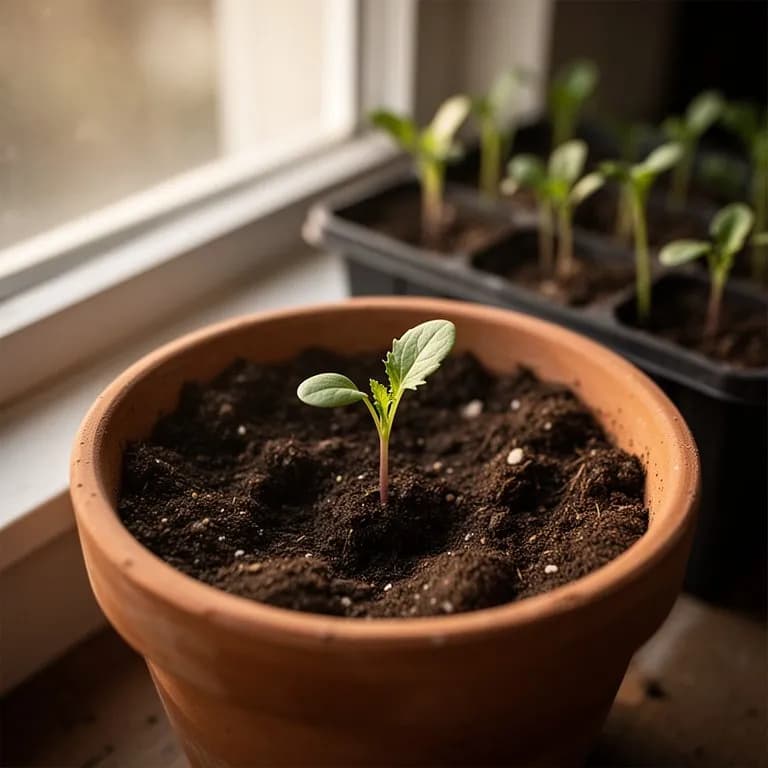
Germinación
Las semillas germinan rápidamente en un suelo fresco a templado, a menudo brotando en 3–5 días. Los cotiledones pequeños emergen verdes, todavía sin rastro del color rojo que aparecerá después. Las semillas de mizuna son muy pequeñas y deben sembrarse de forma superficial, a 3–6 mm de profundidad.
Desarrollo de plántula
Las primeras hojas verdaderas muestran la característica forma dentada de la mizuna y comienzan a desarrollar vetas púrpura rojizas en los tallos y nervaduras centrales. Las plántulas crecen rápidamente en clima fresco y forman pronto una pequeña roseta. La pigmentación roja se intensifica con la exposición al sol y las temperaturas más frescas.
Formación de roseta
La planta forma una roseta densa de hojas muy recortadas y plumosas. Los tallos se vuelven de un tono burdeos púrpura intenso y las nervaduras adquieren llamativos matices rojo violeta. El crecimiento es vigoroso en clima fresco y salen hojas nuevas continuamente del centro de la roseta.
Cosecha máxima
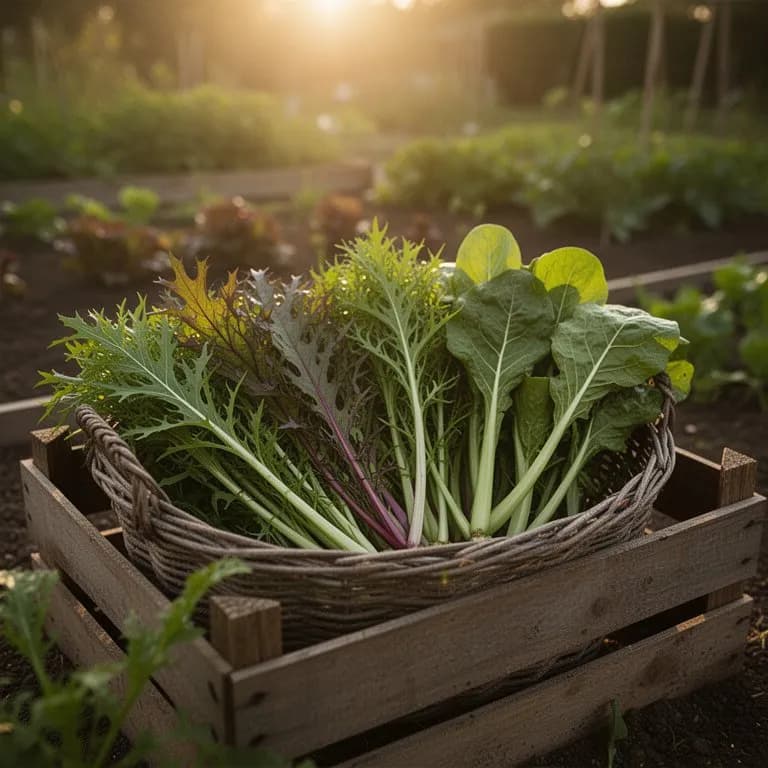
Las plantas alcanzan su tamaño completo con 30–50 hojas por roseta. Esta es la mejor etapa para cosechas repetidas. Las hojas tienen el equilibrio ideal entre un sabor suave, ligeramente picante a mostaza, y una textura tierna. La coloración roja es más intensa durante esta etapa, especialmente en clima fresco por debajo de 18 °C.
Espigado
Cuando las temperaturas superan los 24 °C o aumenta la duración del día, la planta emite un tallo floral desde el centro de la roseta. Las hojas se vuelven más picantes y algo más duras. Aparecen pequeñas flores amarillas de cuatro pétalos típicas de la familia Brassica. Aunque la planta sigue siendo comestible al inicio del espigado, la calidad del sabor disminuye rápidamente.
Siembra las semillas directamente o en bandejas a 3–6 mm de profundidad. Mantén el suelo constantemente húmedo, pero no empapado. La germinación es más rápida con una temperatura del suelo de 15–20 °C. No cubras las semillas demasiado: necesitan estar cerca de la luz para germinar bien.
Cuidar Mizuna Roja mes a mes
Qué hacer cada mes para tu Mizuna Roja
Octubre
Mes actualExcellent harvest month as cool weather produces the most flavorful and colorful leaves. Extend the season with row covers or cold frames as frost approaches. Red mizuna tolerates light frost to -6°C (21°F) and actually sweetens after a light freeze.
Ten claro qué hacer en tu huerto, cada mes
Un correo al empezar cada mes: qué sembrar, plantar y hacer ahora mismo — para tu Mizuna Roja y todo lo que crece alrededor. Más un breve curso inicial para esquivar los errores clásicos.
- Qué hacer ahora mismo
- Ajustado a tu temporada
- Curso inicial incluido
Cosechar Mizuna Roja
Coseche las hojas exteriores cuando alcancen 10-15 cm de longitud, cortando con tijeras a 2-3 cm sobre la base de la planta para permitir el rebrote continuo. La primera cosecha puede realizarse a los 20-30 días de la siembra. Coseche preferiblemente por la mañana cuando las hojas están más turgentes y frescas. Las hojas jóvenes son más tiernas y de sabor más suave, ideales para ensaladas crudas.
se supone que plantas al comenzar el periodo — indica tu fecha real
40–50 días después de la siembra, cuando las plantas han alcanzado su tamaño completo.
Almacenamiento y conservación
Conserve las hojas frescas en el refrigerador envueltas en papel húmedo dentro de una bolsa perforada durante 3-5 días. Para mayor duración, sumerja brevemente en agua helada tras la cosecha antes de refrigerar. También puede blanquear y congelar las hojas para uso en salteados y sopas. No es apta para secado, ya que pierde textura y sabor.
Qué falla — y cómo solucionarlo
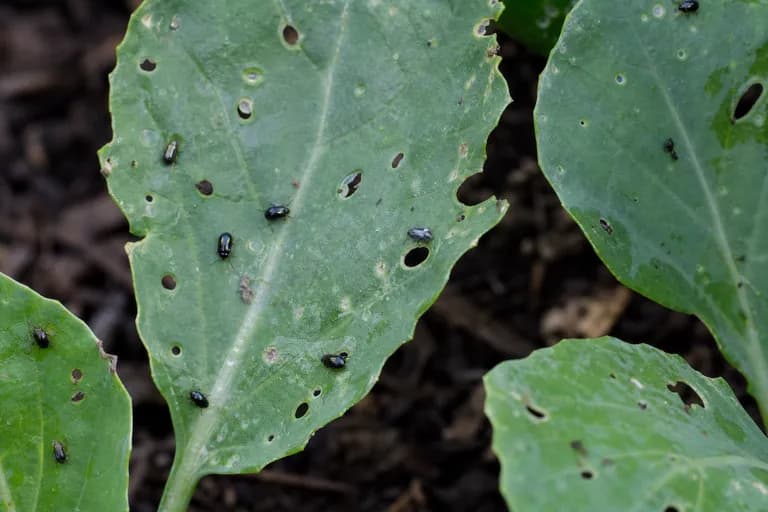
Altisa o pulguilla (Phyllotreta spp.)
PlagaPequeños agujeros redondos en las hojas que dan apariencia de perdigonada, especialmente en plántulas jóvenes y hojas tiernas.
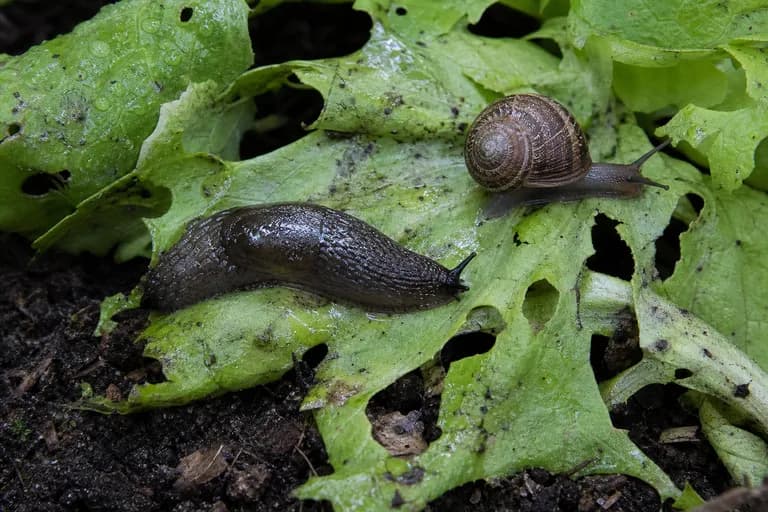
Oruga de la col (Pieris rapae)
PlagaAgujeros irregulares grandes en las hojas, excrementos verdes visibles. Las orugas verdes se camuflan bien entre el follaje.
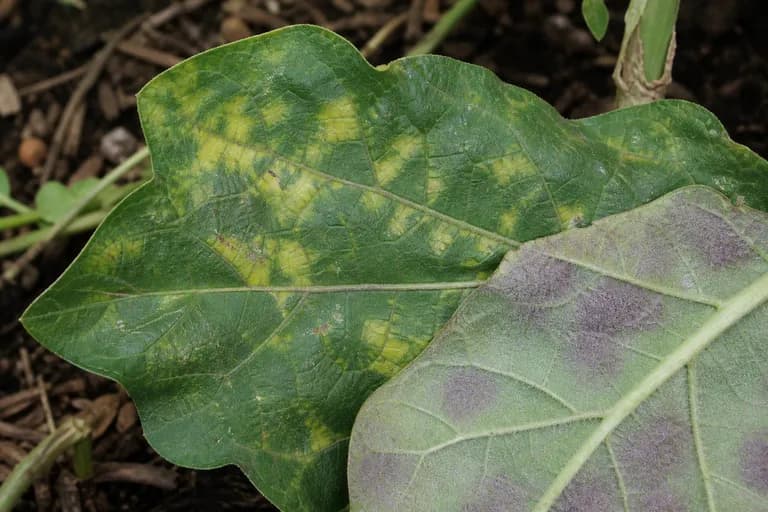
Mildiu velloso (Peronospora parasitica)
EnfermedadManchas amarillentas en el haz de las hojas con pelusa grisácea en el envés. Las hojas afectadas se marchitan y caen prematuramente.
Solución de problemas comunes
El espigado prematuro es el principal problema, causado por temperaturas altas, días largos o estrés hídrico. Siembre en primavera temprana u otoño para evitar el calor intenso del verano. La decoloración o pérdida del color rojo puede deberse a falta de luz o exceso de nitrógeno. Las plántulas son particularmente vulnerables al ataque de altisas en las primeras semanas.
Consejos de cultivo
- Succession sow every 2-3 weeks from early spring through autumn for a non-stop supply of tender leaves. Red mizuna grows so quickly that a new sowing reaches baby leaf stage before the previous one finishes, ensuring you never run out of fresh greens.
- For the most vivid red-purple coloring, grow in full sun during cool weather (below 18°C / 65°F). The anthocyanin pigments that produce the red color are stimulated by UV light exposure and cool temperatures — shaded or warm-grown plants will be more green than red.
- Use cut-and-come-again harvesting to maximize production. Cut leaves 2-3 cm above the soil line with clean scissors, leaving the growing crown intact. New leaves will regrow within 7-10 days. Each plant can handle 4-6 rounds of harvesting before quality declines.
- Red mizuna makes an exceptional companion plant — its rapid growth and shallow roots make it ideal for interplanting between slow-growing crops like tomatoes, peppers, or brassicas. It acts as a living mulch, shading the soil and suppressing weeds while you harvest salad greens.
- For winter growing, red mizuna is one of the best candidates for unheated cold frames and low tunnels. It survives hard frost down to -6°C (21°F) and continues slow growth through winter, providing fresh greens when little else is available from the garden.
- Grow red mizuna as microgreens for the fastest harvest of all — seeds sprout in 2-3 days and microgreens are ready to cut at 10-14 days. Sow densely on a thin layer of potting mix in a shallow tray and harvest when cotyledons are fully open with the first true leaf emerging.
- Protect young plants from flea beetles, which can riddle leaves with tiny holes. Lightweight row cover (insect netting) is the most effective organic control — install it at sowing time and leave it in place until plants are large enough to tolerate minor damage.
- Avoid heavy nitrogen fertilization, which produces lush but bland-tasting leaves with muted red coloring. A light application of balanced compost at planting time and a diluted liquid feed every 2-3 weeks is all red mizuna needs for optimal flavor and color.
Cultiva tu mejor Mizuna Roja — y todo lo que la rodea.
Empieza un plan gratis hoy. Diseña tus bancales, coloca tu Mizuna Roja y deja que PlotMyGarden gestione el momento, el espaciado, las asociaciones y los recordatorios de la semilla a la cesta.
Elige tu Mizuna Roja
Red Kingdom
Variedad de color rojo púrpura intenso con hojas finamente recortadas. Crecimiento vigoroso y buen sabor ligeramente picante. Cosecha en 35-40 días.
Red Streaks
Hojas verdes con vetas y nervaduras de color rojo-púrpura llamativo. Sabor suave y textura crujiente, ideal para mezcla de ensaladas baby leaf. Madura en 21-40 días.
Ruby Streaks
Hojas profundamente lobuladas con coloración rojo oscuro. Sabor más pronunciado con notas de mostaza y pimienta. Excelente resistencia al frío y lenta para espigar.
A single packet of red mizuna seeds ($2-4) contains 500-1,000 seeds and can produce enough plants for an entire season of succession plantings. With organic mixed salad greens (mesclun) selling for $5-8 per 150g container and specialty red mizuna fetching $4-6 per bunch at farmers markets, a single square meter of garden space growing red mizuna can save $50-100 per season. The plant's rapid 21-day baby leaf cycle and cut-and-come-again nature mean continuous harvests from minimal space — making it one of the highest-value crops per square meter for home gardeners.
Recetas rápidas
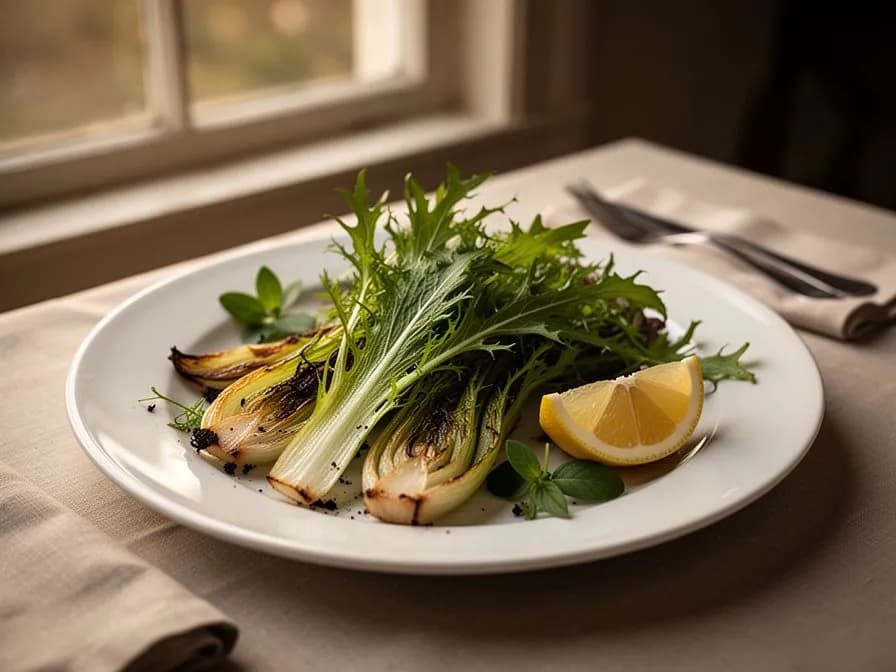
Red Mizuna and Sesame Salad
10 minA bright, peppery Japanese-inspired salad that showcases red mizuna's beautiful color and delicate mustard bite. The toasted sesame dressing complements the greens perfectly, and this salad comes together in minutes for an elegant starter or side.
8 ingredientesGarlic-Wilted Red Mizuna Stir-Fry
8 minA lightning-fast side dish where red mizuna is flash-wilted in a hot wok with garlic and a splash of soy sauce. The leaves cook down in under two minutes, retaining their purple hue and developing a mellow, slightly sweet brassica flavor.
8 ingredientesRed Mizuna Pesto
10 minAn unconventional pesto that swaps basil for red mizuna, creating a peppery, vibrant green-purple sauce with a subtle mustard kick. Delicious tossed with pasta, spread on crostini, or drizzled over grilled fish or roasted vegetables.
7 ingredientesUsos culinarios
Las hojas jóvenes son excelentes crudas en ensaladas mixtas, aportando color y un toque picante suave. Salteadas brevemente con ajo y aceite de sésamo constituyen una guarnición rápida al estilo asiático. Combine con otras verduras orientales en woks y sopas. También puede usarse como guarnición decorativa en platos de pescado y marisco gracias a su atractiva coloración.
Qué contiene
Beneficios para la salud
- Exceptionally rich in vitamin C — 100g of red mizuna provides over 70% of the daily value, supporting immune function, collagen synthesis, and iron absorption from plant-based foods.
- The deep red-purple pigmentation indicates high anthocyanin content, powerful antioxidants that research links to reduced inflammation, improved cardiovascular health, and enhanced cognitive function.
- Contains glucosinolates, bioactive compounds found in brassica vegetables that are broken down into isothiocyanates during chewing and digestion — these compounds are actively studied for their potential to support the body's natural detoxification processes.
- Outstanding source of vitamin K (250% DV per 100g), essential for proper blood clotting and calcium metabolism in bones — making red mizuna particularly valuable for bone health.
- Provides significant calcium (120mg per 100g) with high bioavailability compared to many other greens, offering a meaningful dairy-free calcium source for those on plant-based diets.
- Low in oxalates compared to spinach, meaning the calcium, iron, and other minerals in red mizuna are more readily absorbed by the body — a significant nutritional advantage over higher-oxalate greens.
De dónde viene Mizuna Roja
Red mizuna (Brassica rapa var. nipposinica) traces its ancestry to the ancient vegetable gardens of the Kyoto region in Japan, where mizuna has been cultivated as a traditional 'kyo-yasai' (Kyoto heritage vegetable) for well over a millennium. The name 'mizuna' translates to 'water greens' in Japanese, referring to the age-old practice of growing it along the edges of rice paddies and irrigation channels where the soil was naturally moist and fertile. For centuries, mizuna was primarily a regional specialty of the Kansai area, prized for its delicate flavor and elegant feathery appearance in traditional Japanese cuisine, particularly in nabemono (hot pot dishes) and tsukemono (pickles).
The red or purple-stemmed variety is a more recent selection, developed through traditional breeding that emphasized plants with stronger anthocyanin pigmentation. Japanese seed breeders selected for deeper red stems, more vivid purple-red leaf veining, and improved cold-weather color intensity, creating the striking ornamental-culinary variety grown today. While green mizuna has been a Kyoto garden staple since at least the Heian period (794-1185 AD), the distinctly red-purple strains gained popularity in Japanese market gardens during the late 20th century as consumer interest in colorful, nutrient-dense vegetables grew.
Mizuna arrived in Western markets in the late 1990s and early 2000s, initially through specialty mesclun salad mixes that introduced adventurous eaters to Asian greens beyond bok choy. Red mizuna quickly became a favorite of chefs and farmers market growers for its visual impact, mild flavor, and remarkable ease of cultivation. Today it is grown worldwide by home gardeners and market farmers alike, valued as one of the most productive, cold-hardy, and visually stunning salad greens available. Its rise in popularity coincides with the growing interest in microgreens and baby leaf production, where red mizuna's rapid growth, vivid color, and mild peppery taste make it a top-tier variety.
Mizuna Roja: ¿sabías que?
Datos fascinantes sobre Mizuna Roja
Red mizuna (Brassica rapa var. nipposinica) has been cultivated in Japan for over 1,000 years, where it is known as 'mizu-na' meaning 'water greens' — a reference to the traditional practice of growing it along irrigation channels in Kyoto's ancient vegetable gardens.
Mizuna Roja: preguntas frecuentes
¿Cuándo debo plantar Mizuna Roja?
¿Cuáles son buenas plantas acompañantes para Mizuna Roja?
¿En qué zonas de rusticidad puede crecer Mizuna Roja?
¿Cuánto sol necesita Mizuna Roja?
¿A qué distancia debo espaciar Mizuna Roja?
¿Qué plagas y enfermedades afectan a Mizuna Roja?
¿Cómo almaceno Mizuna Roja después de la cosecha?
¿Cuáles son las mejores variedades de Mizuna Roja para cultivar?
¿Qué suelo necesita Mizuna Roja?
What is the difference between red mizuna and green mizuna?
Why did my red mizuna bolt so quickly?
Can I grow red mizuna indoors year-round?
Is red mizuna safe to eat raw?
How cold-hardy is red mizuna compared to other salad greens?
How do I save seeds from red mizuna?
Acabas de leer la teoría. Ahora cultívala en piloto automático.
Todo lo que hace que Mizuna Roja sea delicado — el momento, el espaciado, las asociaciones, la ventana de cosecha — es justo lo que PlotMyGarden resuelve por ti, para cada planta de tu huerto.
Un plan que conoce tu clima
Indica tu ubicación una vez. Recibe fechas de siembra, abonado y cosecha basadas en tu última helada real y el pronóstico en vivo — sin adivinar con un sobre genérico.
De la sección “Cuándo plantar”Planificador de bancales de arrastrar y soltar
Diseña bancales sobre una cuadrícula. Cada planta encaja con su espaciado correcto y ves toda la temporada antes de gastar un céntimo en semillas.
De la sección “Cultivo”Conflictos de asociación, detectados a tiempo
Más de 200 buenas y malas combinaciones comprobadas en vivo mientras plantas — para que un error que arruine la temporada nunca llegue a la tierra.
De la sección “Asociaciones”Recordatorios que sí vas a seguir
“Riega las judías.” “Recoge hoy antes de que se pase.” Oportunos, concretos y ligados a las plantas que de verdad cultivas.
De la sección “Cosecha”Escalonado, programado
¿Quieres cosechar seis semanas en vez de seis días? Reparte tus siembras automáticamente y te avisa cuando toca el siguiente lote.
De la sección “Cuándo plantar”Un registro que se vuelve más listo
Cada cosecha que registras le enseña tu huerto. El plan del año que viene parte de lo que de verdad funcionó en tu suelo, no en un manual.
De la sección “Resumen”Planta estos junto a Mizuna Roja
Más Crucíferas
Mantén Mizuna Roja lejos de estos
Cultiva tu mejor Mizuna Roja — y todo lo que la rodea.
Empieza un plan gratis hoy. Diseña tus bancales, coloca tu Mizuna Roja y deja que PlotMyGarden gestione el momento, el espaciado, las asociaciones y los recordatorios de la semilla a la cesta.