Lablab Bean
A versatile tropical legume used extensively in Indian, African, and Southeast Asian cuisines for both green pods and dried seeds.





On this pageOverview
Meet Lablab Bean
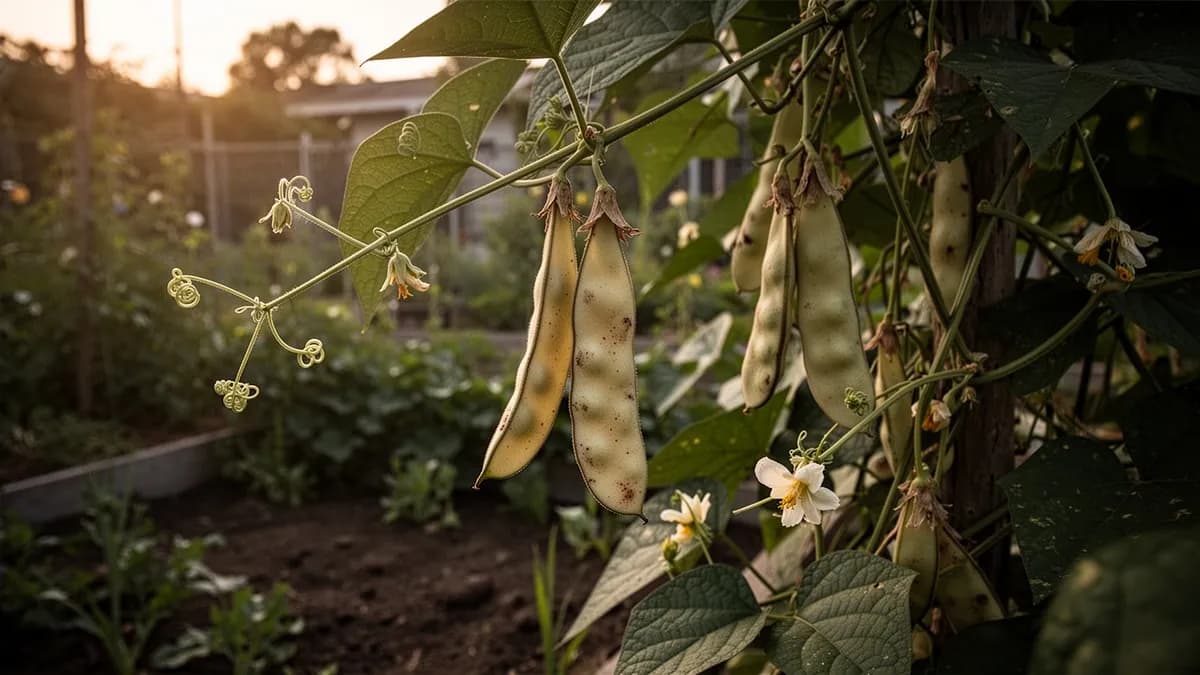
A versatile tropical legume used extensively in Indian, African, and Southeast Asian cuisines for both green pods and dried seeds. The green-podded culinary varieties have a rich, slightly sweet flavor when young pods are harvested and cooked. Plants are nitrogen-fixing and improve soil fertility, making them valuable in crop rotation systems. In tropical climates, lablab grows as a perennial and can be managed as a long-term food and cover crop.
When to plant Lablab Bean
Direct sow lablab seeds after the last frost when soil reaches 65 degrees. Plant one inch deep and six inches apart. Soak seeds overnight before planting. Seeds germinate in seven to fourteen days. In short-season areas, start indoors three to four weeks before the last frost in individual pots. Provide support immediately as vines grow rapidly. For cover crop use, broadcast seed at higher density and mow or turn under before flowering.
We watch the calendar so you don't have to
Tell us where you garden once. We line your sow and harvest windows up with your local season — and nudge you the moment each one opens.
See your exact Lablab Bean dates
Share your location once and we'll line every sow and harvest date up with your real local season — not a generic seed-packet guess.
Used once to set your season · never sharedHow to grow Lablab Bean
Lablab beans are vigorous tropical legumes that can be grown as annuals in warm climates or perennials in frost-free zones. Direct sow seeds one inch deep and six inches apart after the last frost when soil reaches 65 degrees. Provide sturdy supports as vines can reach 15 to 20 feet. Seeds germinate in seven to fourteen days. Soak seeds overnight before planting for faster germination.
These heat-loving plants thrive in full sun with moderate watering. They tolerate a wide range of soil types including poor soils, making them valuable in marginal areas. As powerful nitrogen fixers, they improve soil fertility significantly. Avoid excessive nitrogen fertilizer which promotes vine growth over pod production. Plants begin flowering about 60 days after planting and continue producing until frost.
In zones 8-9, grow as a summer annual. In zones 10-12, lablab can persist as a perennial and be managed as a long-term food and cover crop. The green-podded culinary varieties are selected for lower anti-nutritional compound content than ornamental types. Harvest young pods for fresh eating or allow to mature for dried beans. Both require cooking before consumption.
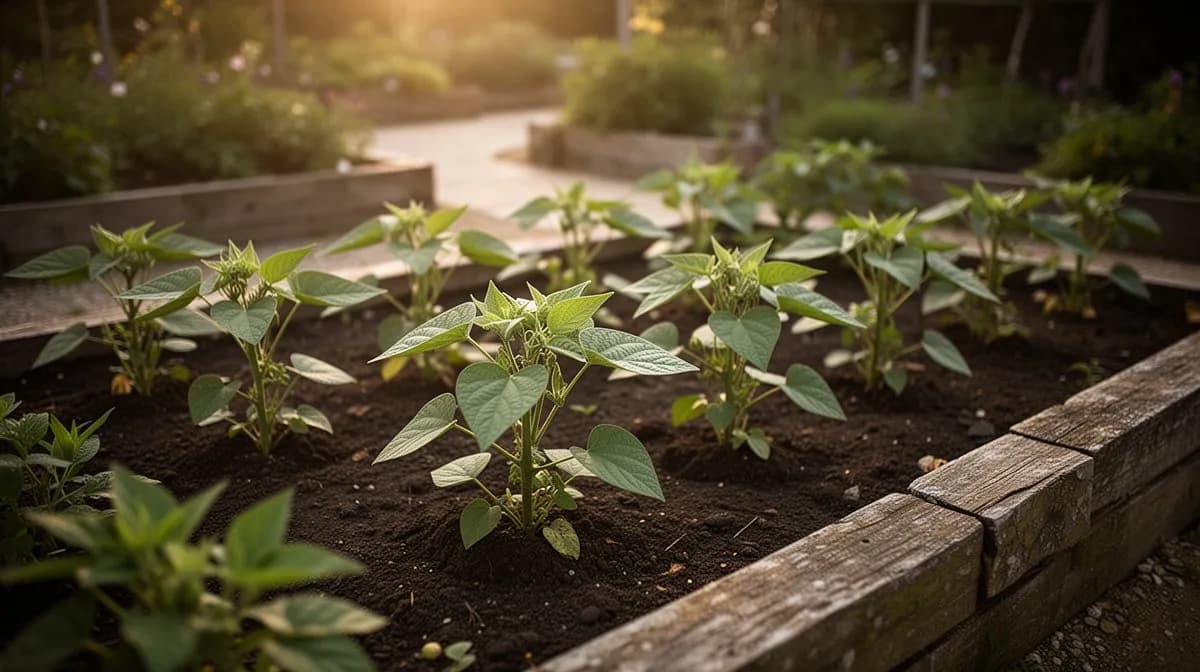
The bed planner spaces every plant for you
Pick a bed size and PlotMyGarden spaces your Lablab Bean at 30 cm, counts how many fit, and lays the block out before you buy a single seed.
Lablab Bean's best neighbours
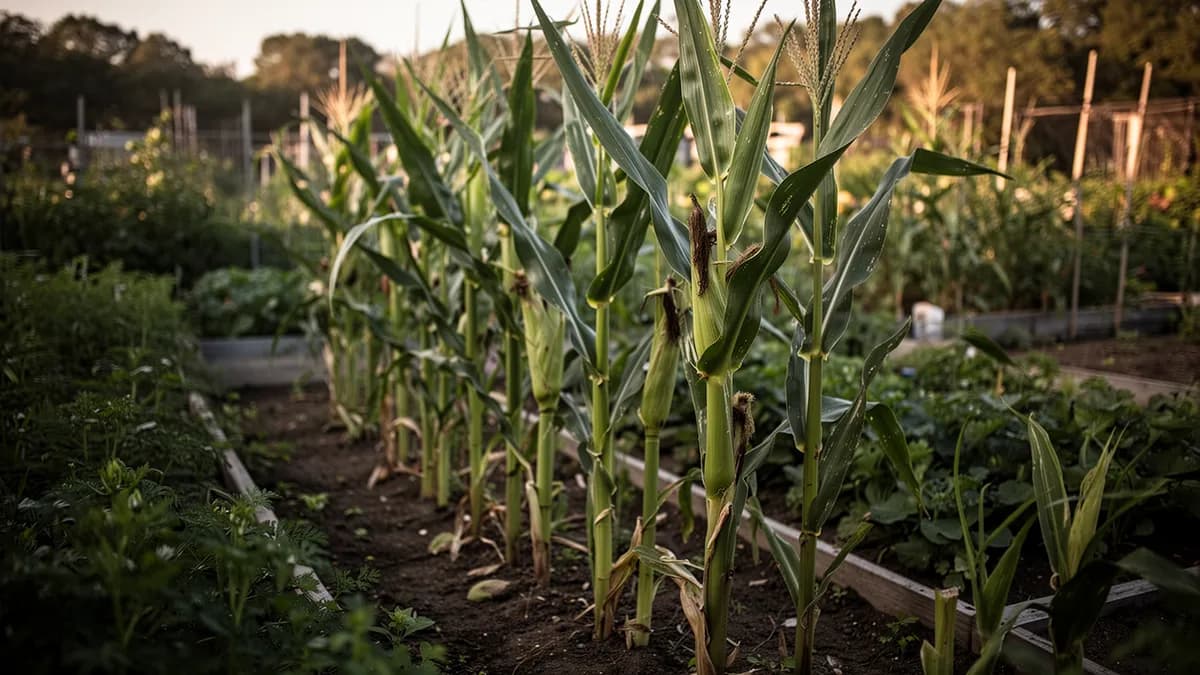
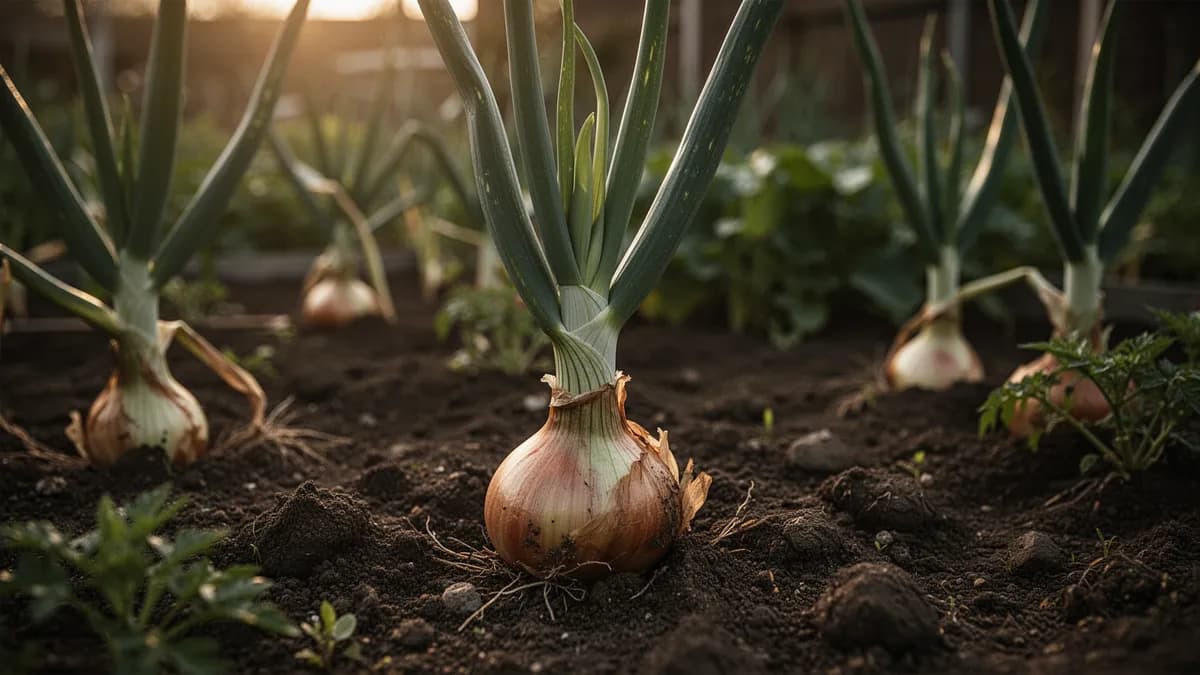
Lablab beans are excellent nitrogen fixers and improve soil for following crops. They make good companions for corn which provides natural support. In tropical polyculture systems, lablab is interplanted with cereals and root crops. As a cover crop, it suppresses weeds and prevents erosion while adding nitrogen. Avoid planting near alliums which may inhibit legume growth.
It flags clashes before you plant, not after
Every plant you place is checked against its neighbours in real time. Good matches glow green; conflicts get flagged on the spot — so a season-wrecking mistake never makes it into the ground.
Feed it well
Lablab beans are highly adaptable and grow in a wide range of soil types from sandy to clay, with a pH of 5.5 to 7.5. They tolerate poor fertility and actually improve soil through nitrogen fixation. In poor soils, apply phosphorus and potassium at planting to support growth. Avoid nitrogen fertilizer which is unnecessary for legumes. Compost improves soil structure but is not essential for this robust crop.
Ideal Temperature
Hardiness Zone Compatibility
From seed to harvest, stage by stage
Seed Germination
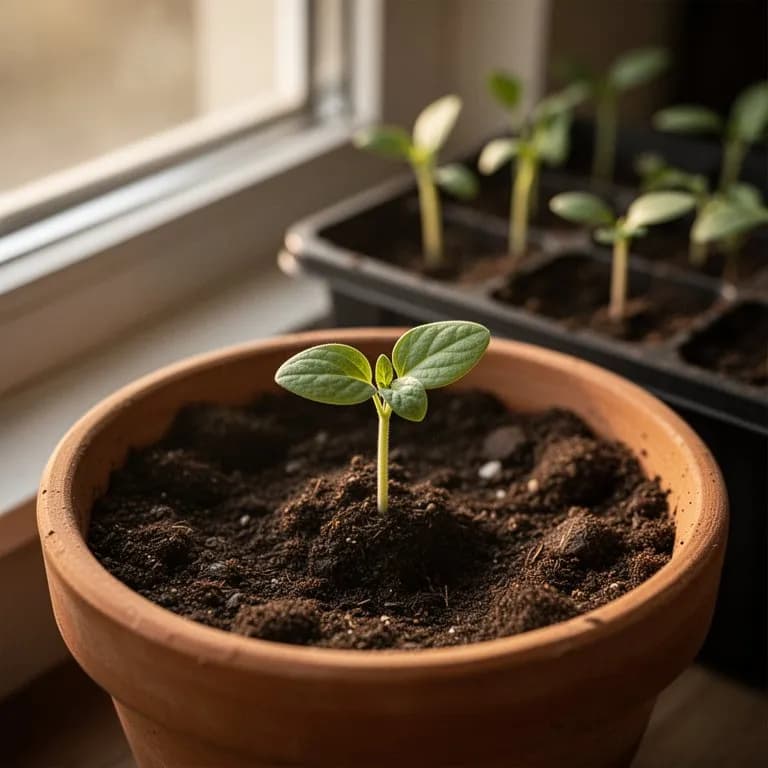
Large seeds germinate rapidly in warm soil, sending up a sturdy hypocotyl that lifts two broad, heart-shaped cotyledon leaves above the surface. Germination occurs in 5-10 days when soil temperatures are above 20°C (68°F). Seeds planted in cold or waterlogged soil will rot before emerging.
Seedling Establishment
The first true leaves emerge as trifoliate sets — three broad leaflets per leaf stalk, typical of the bean family. A strong root system develops rapidly, including nitrogen-fixing nodules that form through symbiosis with Rhizobium bacteria in the soil. Tendrils begin reaching for support.
Vigorous Vine Growth
Vines enter explosive growth, twining counterclockwise and producing dense foliage of large trifoliate leaves. In hot conditions, vines can grow 10-15 cm per day and quickly cover structures up to 5-6 metres. The plant develops a massive canopy that shades out weeds and cools the soil beneath it.
Flowering
Erect racemes of pea-like flowers emerge from the leaf axils in stunning spikes of purple, white, or pink depending on the variety. Flowers are fragrant and highly attractive to bees, butterflies, and hummingbirds. Lablab is a short-day plant — flowering is triggered as day length decreases below about 12 hours in autumn, though some modern cultivars are day-neutral.
Pod Development and Harvest
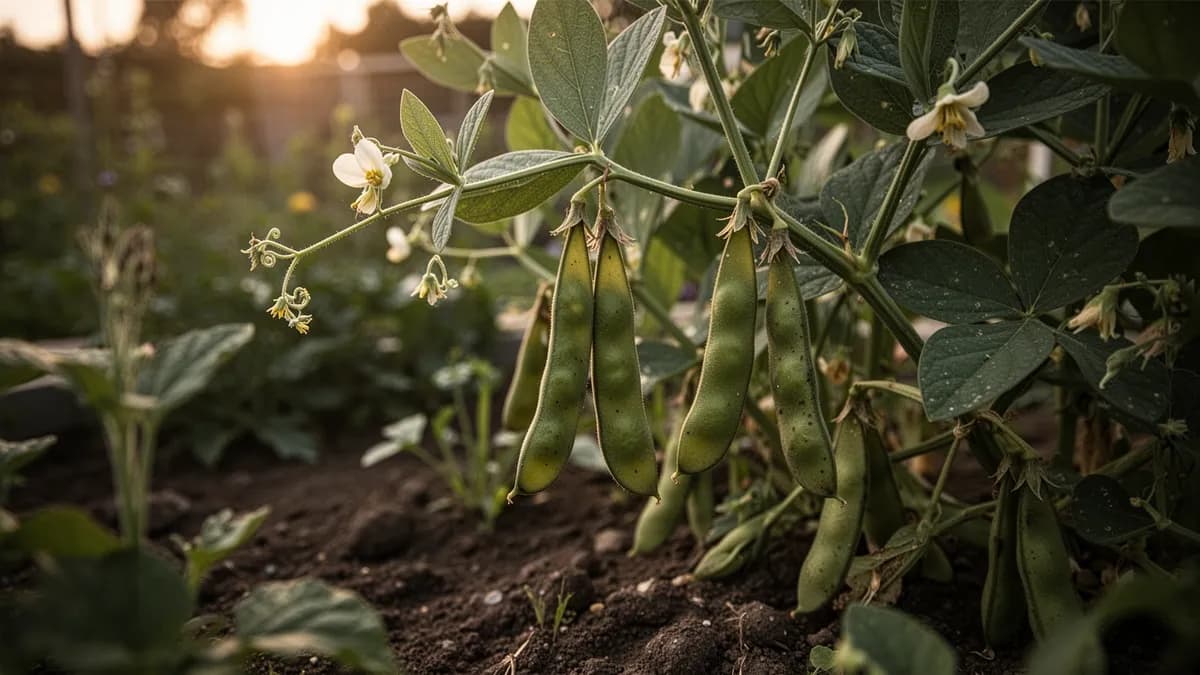
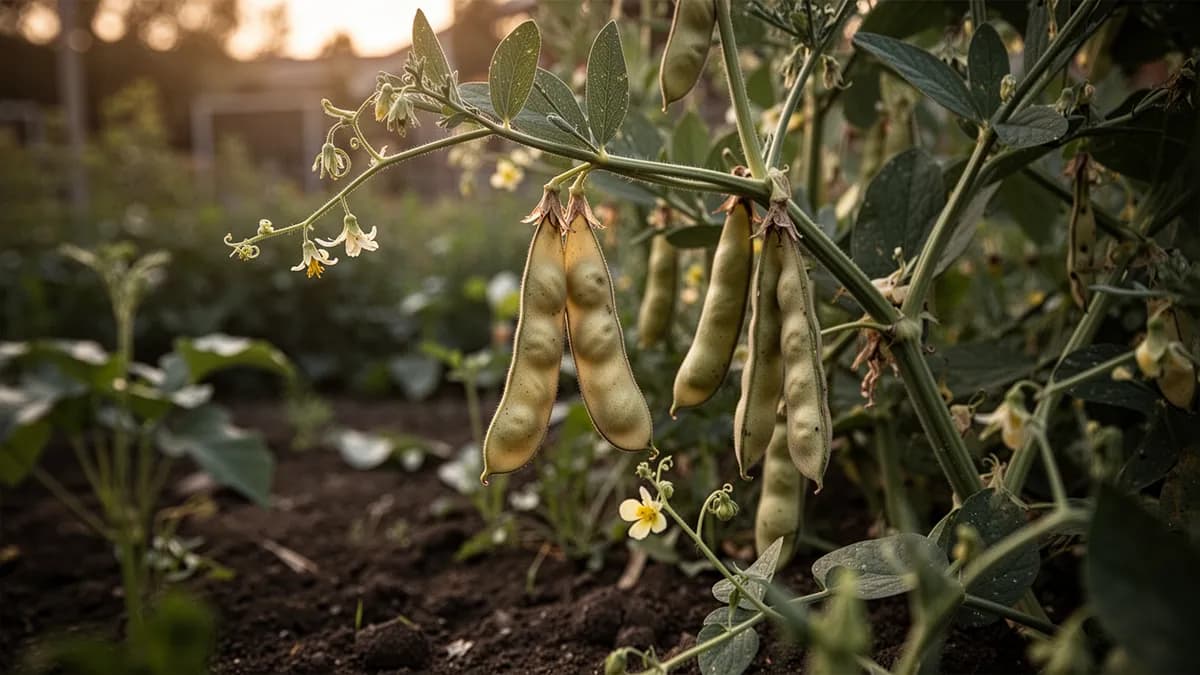
Flat, broad pods develop from spent flowers — immature pods are glossy green or deep purple and edible when young and tender. Each pod contains 3-5 seeds that swell as the pod matures. For dried bean harvest, pods are left on the vine until they turn papery and brown, then collected and shelled.
Seed Maturation and Senescence
Remaining pods dry down on the vine as the plant completes its life cycle. Dried seeds can be stored for future planting or for use as a pulse crop after proper cooking. In frost-free climates, lablab can persist as a short-lived perennial and regrow from the base for 2-3 seasons.
Soak seeds in warm water for 12-24 hours before planting to speed germination. Plant 2-3 cm deep in well-drained soil. If planting directly at a trellis, sow 2-3 seeds per position and thin to the strongest seedling.
Caring for Lablab Bean month by month
What to do each month for your Lablab Bean
July
You are hereVigorous vine growth continues. Ensure the trellis structure is holding up under the increasing weight of foliage. Apply a light application of phosphorus-rich fertiliser to prepare the plant for flowering. Mulch around the base to conserve soil moisture.
Harvesting Lablab Bean
For green pods, harvest when young and tender, about three to four inches long with small developing seeds. Cook before eating. For dried beans, allow pods to mature on the vine until brown and dry. Shell and dry beans further before storage. In Indian cuisine, both immature pods and dried beans are used. Young leaves are also edible when cooked. Harvest regularly to encourage continued production throughout the season.
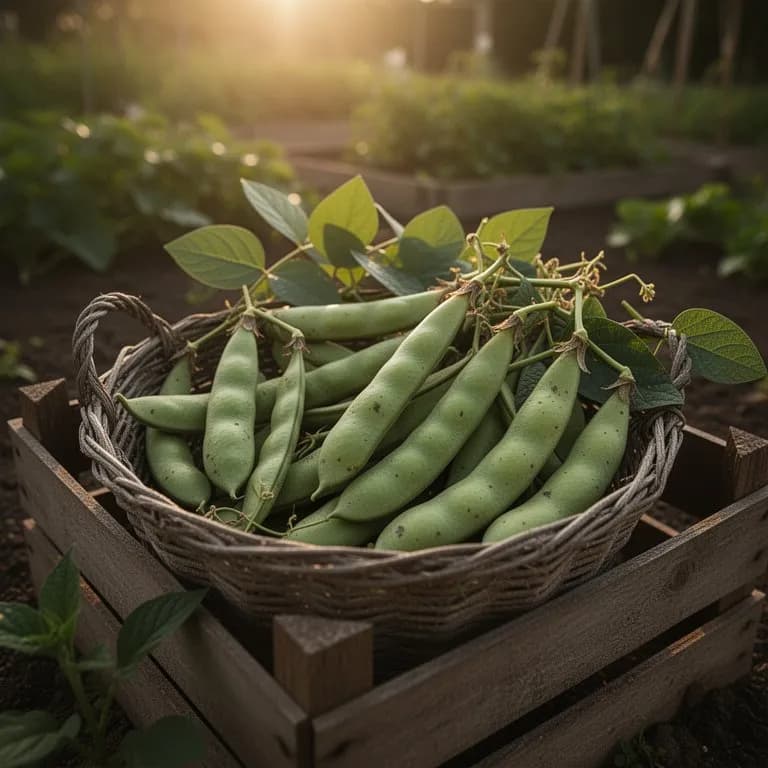
We count the days and tell you when to pick
Tell us when you planted and PlotMyGarden tracks the 90-day countdown to harvest, then pings you the day your Lablab Bean is ready.
Storage & Preservation
Fresh young pods keep in the refrigerator for up to one week. Blanch and freeze for up to six months. Dried beans store in airtight containers for two or more years. All parts must be thoroughly cooked before eating. In tropical areas where lablab grows as a perennial, fresh harvests can continue year-round. Seeds saved for planting keep well for two to three years in cool, dry storage.
What goes wrong — and the fix
Pod Borers
PestCaterpillars bore into pods and feed on developing seeds, leaving frass and damaged beans inside.
Leaf Spot
DiseaseBrown or tan spots on leaves that may merge and cause premature defoliation. Reduces plant vigor and yield.
Whiteflies
PestTiny white flying insects on leaf undersides. Suck plant sap causing yellowing and honeydew deposits.
Troubleshooting Common Problems
The primary concern is that all parts must be cooked before eating to remove anti-nutritional compounds. In temperate zones, the main challenge is the long, warm growing season required. Cool nights below 55 degrees slow growth significantly. Without strong support, the heavy vines collapse and produce fewer pods. In humid climates, pod rot can occur if harvesting is delayed.
Growing Tips
- Build a strong trellis before planting — lablab vines are vigorous and heavy. A flimsy support will collapse under the weight of mature foliage and pods. Use sturdy wooden posts, metal cattle panels, or chain-link fence sections that can handle 15-25 kg of vine per plant.
- Soak seeds for 12-24 hours before planting and inoculate with Rhizobium legume inoculant at planting time. This ensures the nitrogen-fixing bacterial symbiosis establishes quickly, which provides the plant with all the nitrogen it needs without any synthetic fertiliser.
- Do not fertilise with nitrogen. As a legume, lablab fixes atmospheric nitrogen through its root nodules. Adding nitrogen fertiliser promotes excessive leafy growth at the expense of flowers and pods, and can actually suppress beneficial nodule formation.
- Be patient with flowering in temperate climates. Most traditional lablab cultivars are short-day plants that only initiate flowers when day length drops below about 12 hours. In northern regions, this means flowering may not begin until late August or September. Choose day-neutral cultivars like 'Ruby Moon' if you want earlier flowering.
- Harvest young pods early and often. Pick pods when they are 5-8 cm long, flat, and glossy — at this stage the pod wall is tender and the seeds are barely formed. Leaving pods to mature signals the plant to slow flower production, reducing overall yield.
- Always cook lablab beans thoroughly before eating. Raw or undercooked seeds contain cyanogenic glucosides and trypsin inhibitors that cause digestive distress. Soak dried beans overnight, discard the soaking water, and boil vigorously for at least 20-30 minutes to neutralise these compounds completely.
- Use lablab as a dual-purpose ornamental and food plant. Train it over an arbour, pergola, or garden arch for a spectacular display of purple flowers and pods, while simultaneously harvesting young pods for the kitchen. Few edible plants match its ornamental impact.
- After the growing season, chop and incorporate the spent vines into the soil rather than discarding them. The nitrogen-rich foliage decomposes rapidly and can add the equivalent of 100-200 kg of nitrogen per hectare to your garden beds, benefiting the following crop.
Pick your Lablab Bean
Rongai
High-yielding forage and food variety. Green pods with good culinary quality. Also used as a cover crop for soil improvement.
Highworth
Australian variety bred for food production. Produces heavy yields of large, flat green pods with good flavor.
Koena
Indian culinary variety selected for pod quality and flavor. Used extensively in dal and curry preparations.
Lablab bean seeds cost $3-6 per packet, and a single plant produces 1.5-3 kg of fresh pods or 300-500g of dried beans over a season. Fresh lablab pods are rarely available in Western supermarkets, typically found only in specialty Asian or African grocery stores for $5-8 per pound. Dried lablab beans sell for $4-7 per pound at specialty shops. Growing 4-6 plants on a single trellis can save $30-60 on fresh pods alone. The additional value as a soil-improving cover crop (replacing $15-25 worth of synthetic nitrogen fertiliser per planting area) and as a stunning ornamental vine makes lablab one of the highest-value multi-purpose crops for the home garden.
Quick recipes
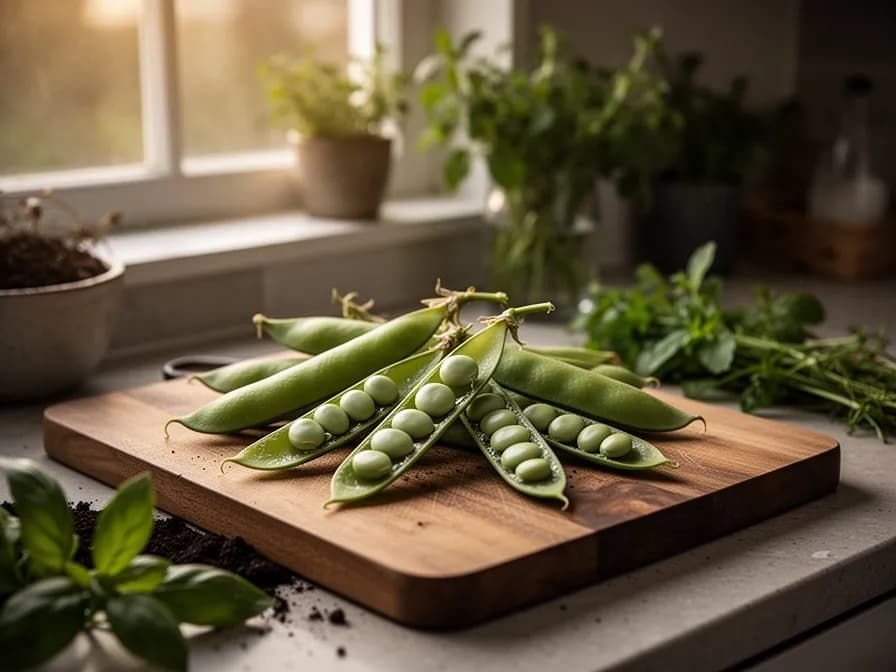
South Indian Lablab Bean Curry (Avarakkai Kootu)
35 minA fragrant coconut-based curry with tender young lablab pods, tempered with mustard seeds, curry leaves, and dried chili — a protein-rich everyday dish across South India that pairs perfectly with steamed rice.
10 ingredients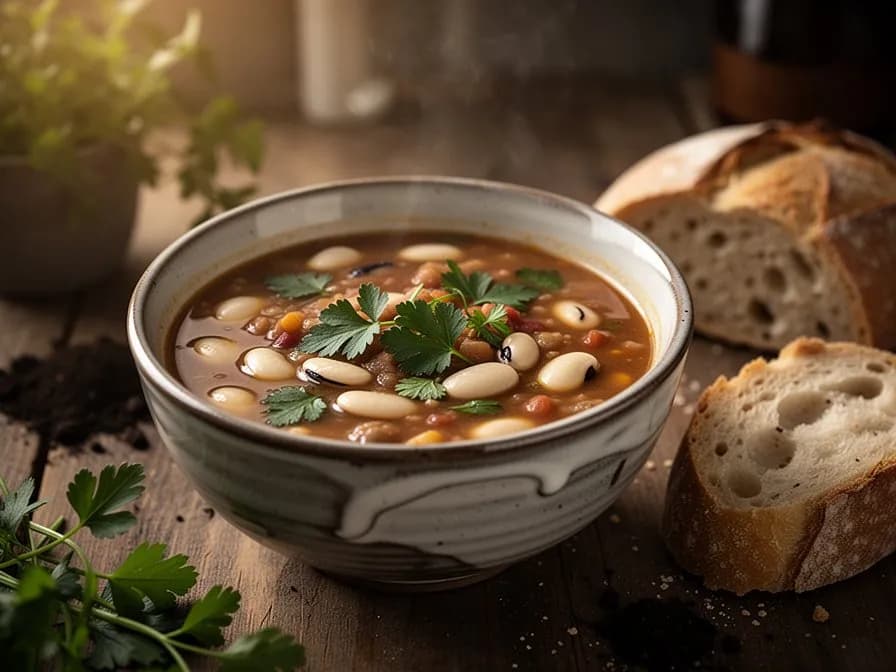
Garlic Stir-Fried Lablab Pods
15 minA quick, vibrant stir-fry that showcases the tender snap of young lablab pods. High heat and minimal cooking time keep the pods crisp-tender with a bright, fresh flavour.
8 ingredientsLablab Bean and Pumpkin Stew (East African Style)
50 minA hearty, comforting stew common across East Africa where dried lablab beans are simmered with pumpkin, tomatoes, and warming spices until rich and creamy — a complete protein-packed meal on its own.
11 ingredientsCulinary Uses
In Indian cuisine, lablab beans are used in dal, sambar, and vegetable curries. Young pods are cooked like green beans in stir-fries and stews. Dried beans are soaked and cooked in spiced preparations. Young leaves and flowers are edible when cooked. In East African cuisine, the beans are stewed with coconut milk and spices. Always cook all parts thoroughly before eating.
What's inside
Health Benefits
- Dried lablab beans provide 20-25% protein by weight with a strong amino acid profile — when combined with grains like rice or maize, they form a complete protein source, making them invaluable in plant-based diets.
- High in dietary fiber (both soluble and insoluble), which supports healthy digestion, feeds beneficial gut bacteria, promotes satiety, and helps regulate blood sugar levels after meals.
- Rich in iron and zinc — two minerals commonly deficient in vegetarian diets — with 100g of dried beans providing approximately 25% of the daily iron requirement and 15% of the zinc requirement.
- Contains significant amounts of folate (vitamin B9), essential for proper cell division and DNA synthesis, making regular consumption particularly important during pregnancy and for cardiovascular health.
- The phenolic compounds and antioxidants in lablab beans — including flavonoids and tannins — have demonstrated anti-inflammatory properties in research studies, potentially supporting long-term cardiovascular and metabolic health.
- As a low-glycaemic-index food, lablab beans release energy slowly and steadily, helping to prevent blood sugar spikes and crashes — making them beneficial for people managing diabetes or seeking sustained energy.
Where Lablab Bean comes from
Lablab bean (Lablab purpureus) originated in tropical Africa, with the earliest archaeological evidence of cultivation dating back approximately 4,000 years to sites in East Africa. Wild populations of the species still occur across sub-Saharan Africa from Ethiopia and Kenya to South Africa, growing in woodland margins and grasslands. The crop was a staple food and soil-building plant in African agricultural systems long before it spread along ancient trade routes to other continents.
The bean reached India via Arab and Indian Ocean trade networks at least 2,500 years ago and became deeply integrated into South Asian agriculture and cuisine. In India, it is known by dozens of regional names — 'sem' in Hindi, 'avarai' in Tamil, 'anumulu' in Telugu — reflecting its importance across the subcontinent. Indian farmers developed a remarkable diversity of cultivated forms, from bushy garden types to massive climbing vines, with pod colours ranging from green to deep purple and seed colours from white to black. Lablab spread onward to Southeast Asia, China, and Japan, where it found roles in both food culture and traditional medicine.
European colonial botanists encountered lablab in both Africa and Asia and introduced it to gardens across Europe by the 17th century, primarily as an ornamental curiosity. Thomas Jefferson grew hyacinth bean at Monticello for its beauty, and it has been a fixture in American ornamental gardening ever since. In the 20th century, agricultural researchers recognised lablab's extraordinary potential as a cover crop, green manure, and drought-tolerant forage plant. Today, lablab is cultivated across tropical and subtropical regions of Africa, Asia, the Americas, and Australia, valued both as a nutritious food crop and as one of the most versatile soil-improving legumes available to smallholder farmers worldwide.
Lablab Bean: did you know?
Fascinating facts about Lablab Bean
Lablab bean (Lablab purpureus) is one of the most ancient cultivated crops on Earth — archaeological evidence suggests it was domesticated in Africa at least 4,000 years ago, making it older than many modern staple crops.
Lablab Bean questions, answered
When should I plant Lablab Bean?
What are good companion plants for Lablab Bean?
What hardiness zones can Lablab Bean grow in?
How much sun does Lablab Bean need?
How far apart should I space Lablab Bean?
What pests and diseases affect Lablab Bean?
How do I store Lablab Bean after harvest?
What are the best Lablab Bean varieties to grow?
What soil does Lablab Bean need?
Are lablab beans safe to eat raw?
Why is my lablab bean vine growing vigorously but not producing any flowers?
Can I grow lablab beans in a container?
Is lablab bean the same as hyacinth bean?
How does lablab bean improve soil fertility?
What pests and diseases affect lablab beans?
You just read the theory. Now grow it on autopilot.
Everything that makes Lablab Bean fiddly — the timing, the spacing, the companions, the harvest window — is exactly what PlotMyGarden handles for you, for every plant in your garden.
A plan that knows your weather
Set your location once. Get sow, feed and harvest dates built around your real last-frost date and live forecast — no more guessing from a generic seed packet.
From the “When to plant” sectionDrag-and-drop bed planner
Design beds on a grid. Every plant snaps to its proper spacing, and you can see your whole season laid out before you spend a cent on seed.
From the “Growing guide” sectionCompanion conflicts, caught early
200+ good-and-bad pairings checked live as you plant — so a season-wrecking mistake never makes it into the ground.
From the “Companions” sectionReminders you'll actually act on
“Water the beans.” “Pick today before it turns.” Timely, specific, and tied to the plants you're really growing.
From the “Harvest” sectionSuccession, scheduled
Want a harvest for six weeks, not six days? It spaces your sowings automatically and reminds you when each new block is due.
From the “When to plant” sectionA record that gets smarter
Every harvest you log teaches it your garden. Next year's plan starts from what actually worked in your soil, not a textbook's.
From the “Overview” sectionPlant these alongside Lablab Bean
More Legumes
Keep Lablab Bean away from these
Grow your best Lablab Bean yet — and everything around it.
Start a free plan today. Lay out your beds, drop in your Lablab Bean, and let PlotMyGarden handle the timing, spacing, companions and reminders from seed to harvest basket.