Frijol Jacinto Comestible
El frijol jacinto comestible (Lablab purpureus, sin.





En esta páginaResumen
Conoce Frijol Jacinto Comestible
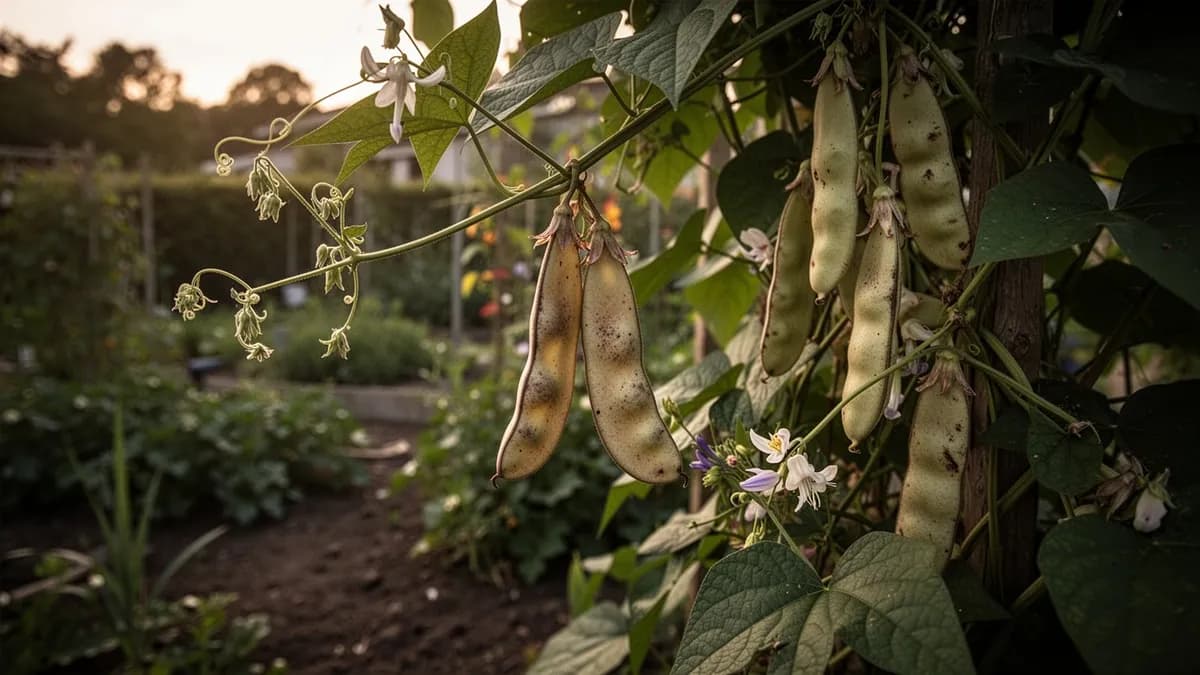
El frijol jacinto comestible (Lablab purpureus, sin. Dolichos lablab) es una leguminosa tropical trepadora de doble propósito: ornamental por sus espectaculares flores púrpuras y vainas de color violeta brillante, y comestible una vez cocido adecuadamente. Es importante destacar que las semillas y vainas maduras contienen glucósidos cianogénicos y deben cocinarse a fondo antes de consumirse.
Cuándo plantar Frijol Jacinto Comestible
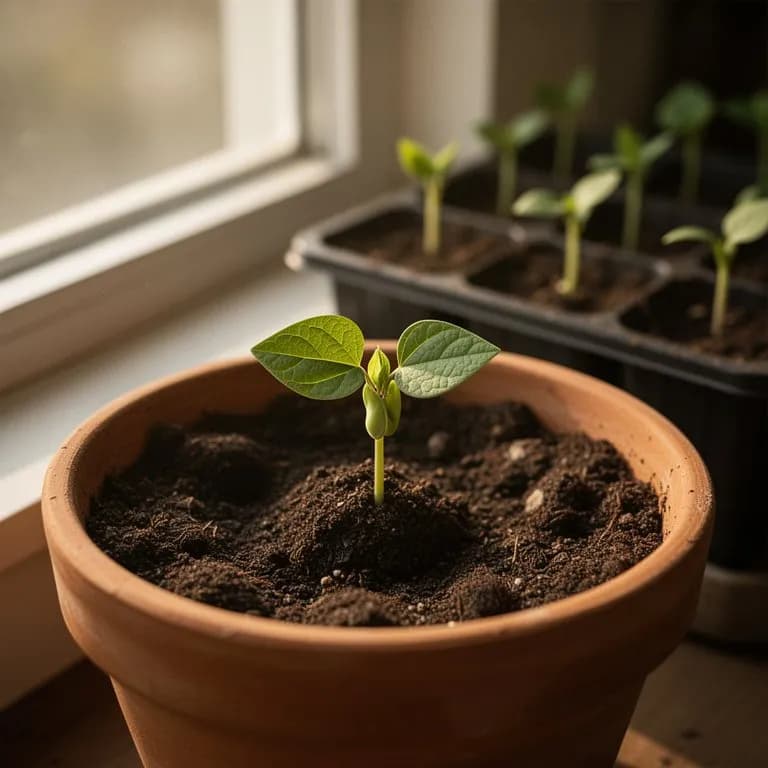
Remoja las semillas en agua tibia durante 12-24 horas antes de la siembra para ablandar la cubierta dura y acelerar la germinación. Siembra directamente después de la última helada a 3-4 cm de profundidad junto al soporte trepador. Germina en 7-14 días a 21-27°C. En climas con temporada corta, inicia en interior 3-4 semanas antes en macetas biodegradables para no disturbar las raíces al trasplantar.
Tu año de Frijol Jacinto Comestible
Ajustado a Zona 7 · temporada típica · la helada se va hacia el 2 abr y vuelve hacia el 1 nov
Planta Frijol Jacinto Comestible May – Jun y cosecha Ago – Oct. Consulta los métodos de plantación y elige tu clima para adaptar los periodos.
Cómo cultivar Frijol Jacinto Comestible
El frijol jacinto es una enredadera vigorosa que puede alcanzar 3-6 metros de altura y necesita un soporte robusto como enrejado, pérgola o malla. Siembra directamente después de la última helada cuando el suelo alcance 18°C, colocando las semillas a 3-4 cm de profundidad y 15-20 cm de separación al pie del soporte.
Como leguminosa, fija nitrógeno atmosférico gracias a bacterias simbióticas en sus raíces (Rhizobium), por lo que necesita poca fertilización nitrogenada. Riega regularmente durante el establecimiento, luego las plantas son moderadamente tolerantes a la sequía. Aplica un acolchado ligero para mantener la frescura del suelo.
La planta crece rápidamente en climas cálidos y puede utilizarse como pantalla verde ornamental mientras produce alimento. En climas tropicales es perenne, pero en zonas templadas se cultiva como anual. Las racimos de flores púrpuras son muy atractivos para abejas y mariposas, convirtiendo esta planta en un excelente recurso para polinizadores.
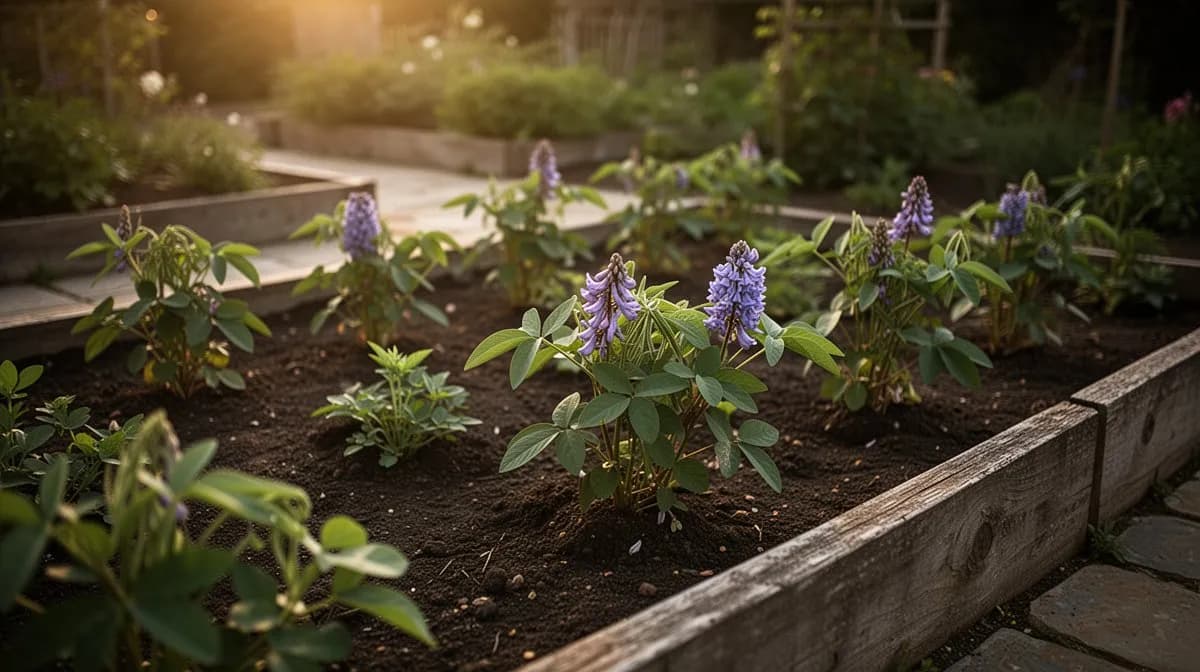
32 plantas caben en un bancal de 120 × 240 cm
Cada Frijol Jacinto Comestible pide 30 cm de margen. El planificador guarda ese marco por ti — cada planta, cada bancal.
Los mejores vecinos de Frijol Jacinto Comestible
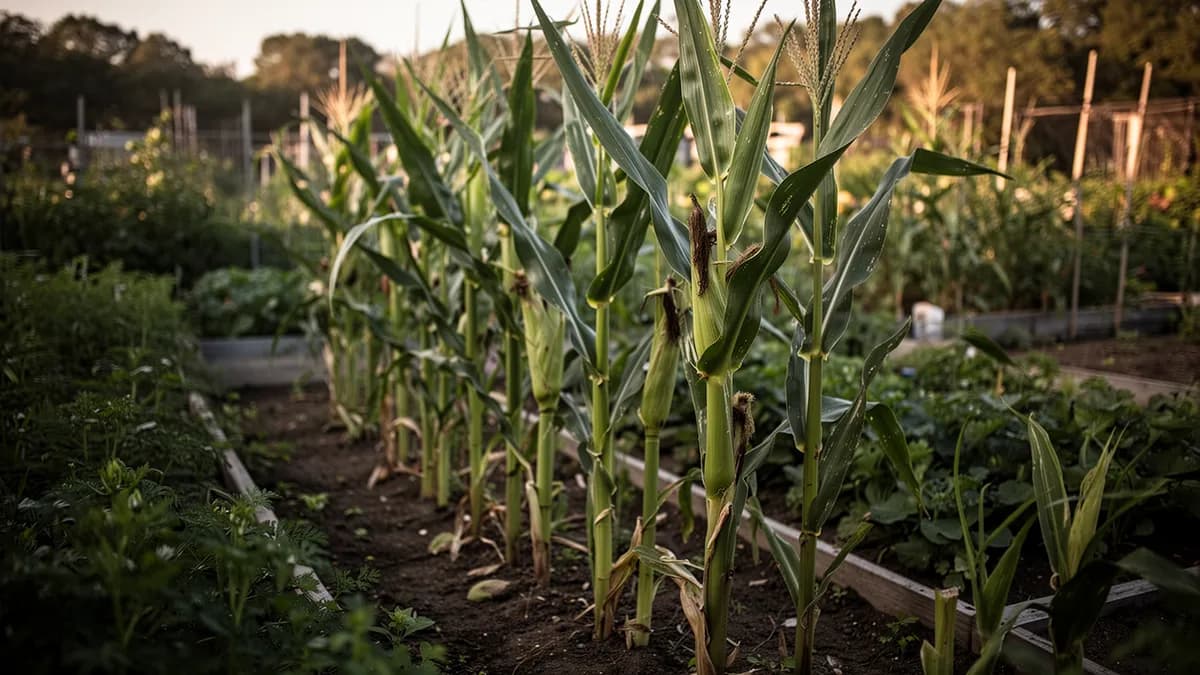
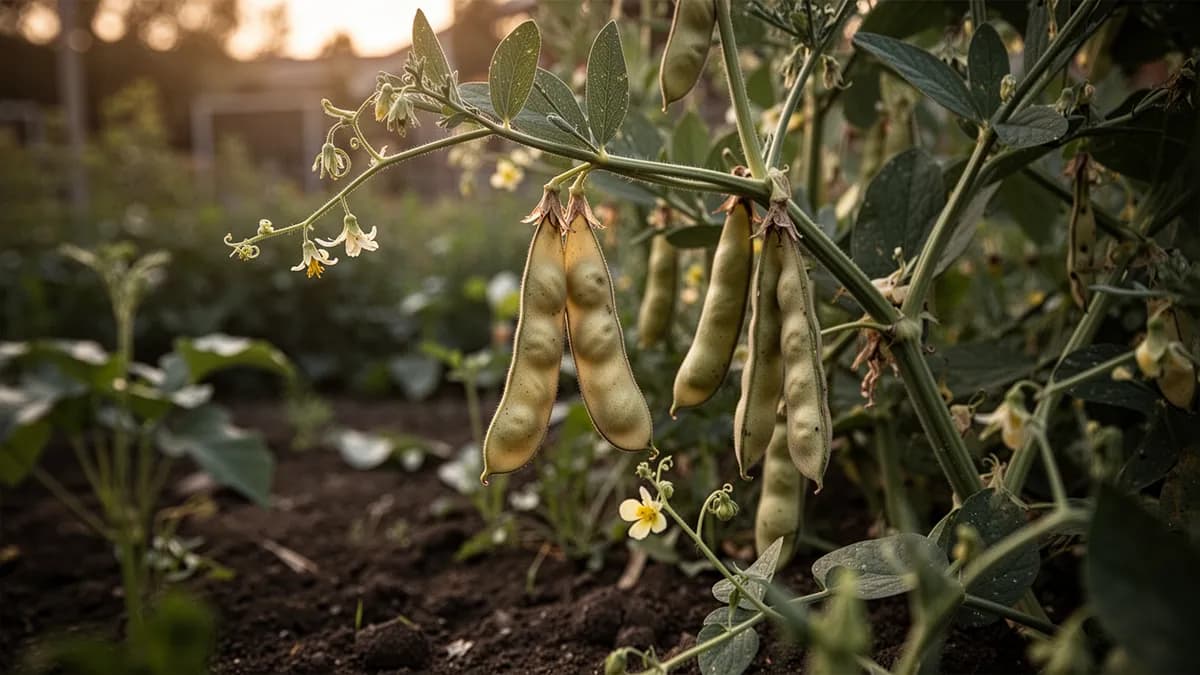
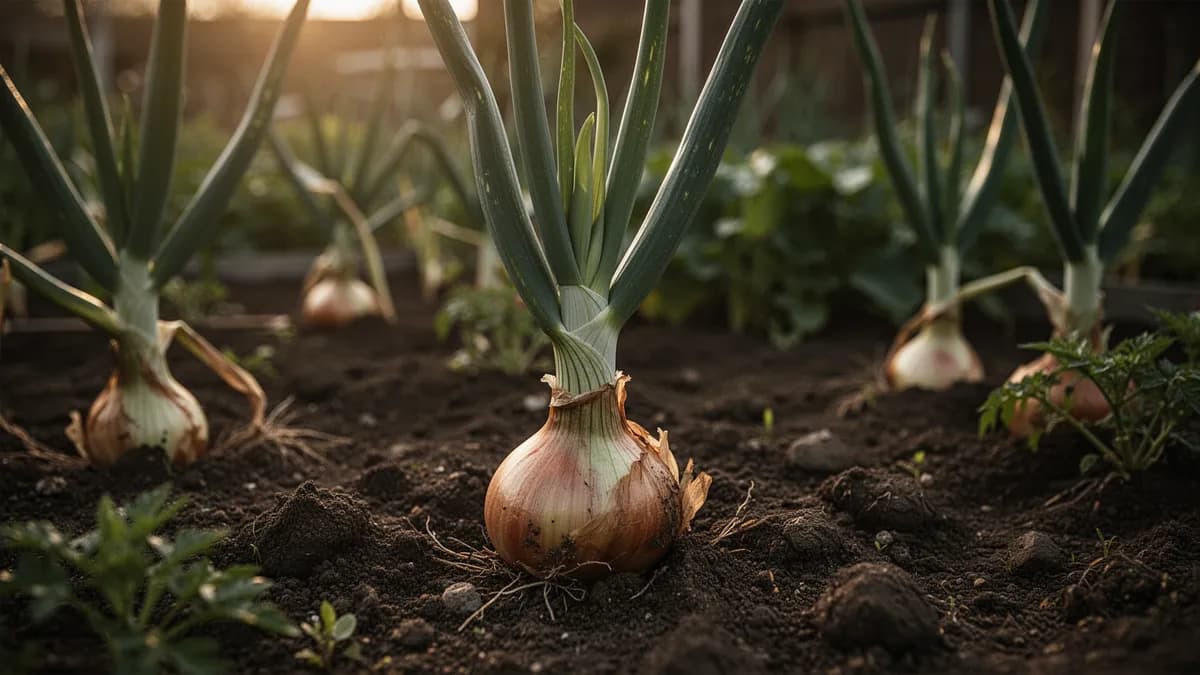
El frijol jacinto es un excelente compañero de maíz y calabaza en el sistema de las Tres Hermanas, trepando por los tallos de maíz y fijando nitrógeno que beneficia a las plantas vecinas. Sus flores abundantes atraen abejas, mariposas y colibríes al huerto. Evita plantarlo junto a alliums (ajo, cebolla) que pueden inhibir la actividad de las bacterias fijadoras de nitrógeno.
Maíz va a su lado. Cebolla no.
Saber de huerto de siempre, cotejado con la tabla real de Frijol Jacinto Comestible — prueba cualquier planta que cultives.
Prueba Frijol Jacinto Comestible en un bancal, aquí mismo
Un bancal real del planificador con Frijol Jacinto Comestible ya plantado. Toca una planta compañera para colocarla y mira cómo responde la comprobación de vecinos: verde para buenos vecinos, rojo si hay conflicto.


Guías de cultivo relacionadas
Abónalo bien
El frijol jacinto crece bien en suelo fértil, bien drenado y con pH entre 6,0 y 7,0. Como leguminosa fijadora de nitrógeno, no necesita fertilización nitrogenada adicional. Aplica un abono rico en fósforo y potasio al momento de la siembra para favorecer el desarrollo radicular y la floración. En suelos pobres, inocula las semillas con Rhizobium específico para leguminosas tropicales.
Temperatura ideal
Compatibilidad de zonas de rusticidad
De la semilla a la cosecha, etapa por etapa
Germinación de las semillas
Las semillas germinan rápidamente en suelo cálido, y los gruesos cotiledones asoman a la superficie en 7-14 días. Las semillas son grandes y fáciles de manejar, lo que las convierte en una excelente opción para jardineros principiantes y niños. La germinación requiere temperaturas del suelo de al menos 18°C y humedad constante.
Establecimiento de la enredadera
Las hojas trifoliadas se desarrollan rápidamente y la enredadera retorcida comienza a buscar activamente un soporte para trepar. Los tallos suelen estar teñidos de púrpura o burdeos. La planta establece un sistema radicular fuerte durante esta fase y el crecimiento se acelera notablemente cuando las temperaturas superan los 24°C.
Crecimiento trepador rápido
La enredadera entra en un crecimiento explosivo, añadiendo 10-15 cm por día en el calor máximo del verano. Un follaje denso con hojas teñidas de púrpura cubre rápidamente la estructura de soporte. La planta puede alcanzar 3-6 metros en una sola temporada. La fijación de nitrógeno mediante nódulos en las raíces empieza a contribuir a la fertilidad del suelo.
Floración
Elegantes racimos erguidos de flores tipo guisante, de color púrpura rosado a blanco, emergen de las axilas de las hojas; cada espiga lleva entre 20 y 40 flores individuales. Las flores son fragantes, atraen intensamente a los polinizadores y también son comestibles. La floración se desencadena por días más cortos a fines del verano y continúa hasta la helada.
Desarrollo de las vainas
Las vainas planas, con forma de sable, se desarrollan a partir de las flores marchitas, primero verdes y luego pasando a un llamativo color magenta púrpura. Las vainas jóvenes son tiernas y comestibles cuando miden 5-7 cm. Las vainas que se dejan madurar se vuelven fibrosas y las semillas del interior se hinchan; pueden desgranarse como las habas o dejarse secar en la planta.
Cosecha continua y maduración de semillas
La enredadera florece y produce vainas al mismo tiempo en distintos estados de madurez, creando una cosecha continua desde finales del verano hasta la primera helada. Las vainas secas maduras se abren y revelan 3-5 semillas con una marca de hilio blanco distintiva. Una sola planta puede producir cientos de vainas durante la temporada.
Remoja las semillas en agua tibia durante 12-24 horas antes de sembrarlas para acelerar la germinación. Planta las semillas a 2,5 cm de profundidad y con una separación de 15-20 cm al pie de un enrejado o estructura de soporte resistente. Evita sembrar en suelo frío y húmedo, porque las semillas se pudrirán.
Cuidar Frijol Jacinto Comestible mes a mes
Qué hacer cada mes para tu Frijol Jacinto Comestible
Octubre
Mes actualContinue harvesting as the vine produces until first frost. Allow some pods to dry fully on the vine for seed saving and dried bean storage. In frost-free zones, the vine continues producing well into winter. Collect dried pods and shell beans for storage.
Ten claro qué hacer en tu huerto, cada mes
Un correo al empezar cada mes: qué sembrar, plantar y hacer ahora mismo — para tu Frijol Jacinto Comestible y todo lo que crece alrededor. Más un breve curso inicial para esquivar los errores clásicos.
- Qué hacer ahora mismo
- Ajustado a tu temporada
- Curso inicial incluido
Cosechar Frijol Jacinto Comestible
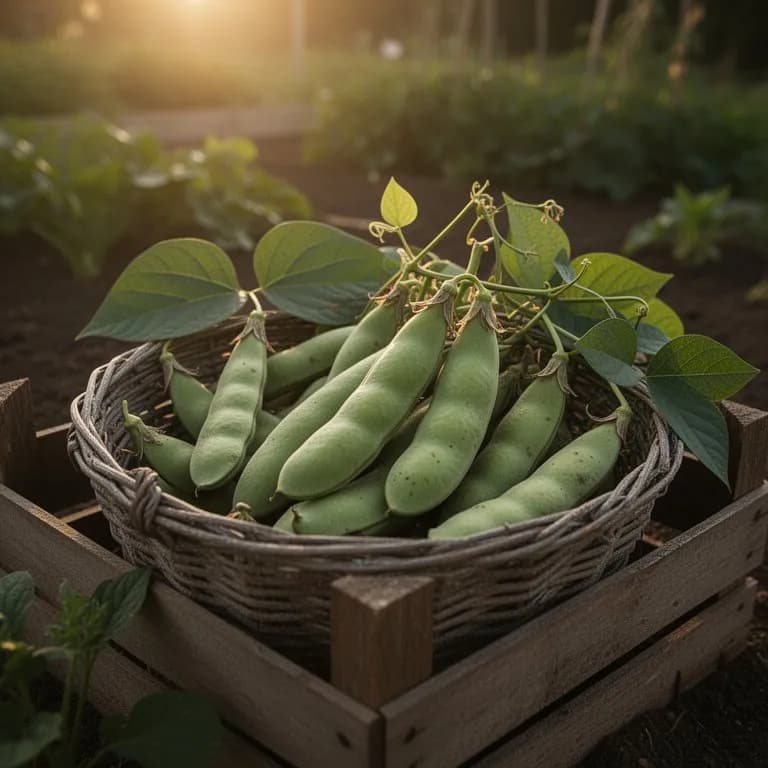
Las vainas jóvenes y tiernas se cosechan antes de que las semillas se desarrollen completamente, entre 70 y 90 días después de la siembra, cuando aún son flexibles y de color verde o violeta claro. Para frijoles secos, deja que las vainas se sequen completamente en la planta hasta que estén crujientes y marrones. IMPORTANTE: tanto vainas como semillas deben cocinarse a fondo antes de consumirse.
se supone que plantas al comenzar el periodo — indica tu fecha real
Cosecha las vainas jóvenes y tiernas cuando midan unos 3-4 pulgadas y las semillas del interior aún no se hayan desarrollado mucho.
Almacenamiento y conservación
Los frijoles secos se almacenan en recipientes herméticos en lugar fresco y seco durante 1-2 años, preferiblemente después de congelarlos 48 horas para eliminar posibles gorgojos. Las vainas jóvenes frescas se conservan en el refrigerador 3-5 días. Para conservación prolongada, blanquea las vainas jóvenes 3 minutos, enfría en agua helada y congela en porciones.
Qué falla — y cómo solucionarlo
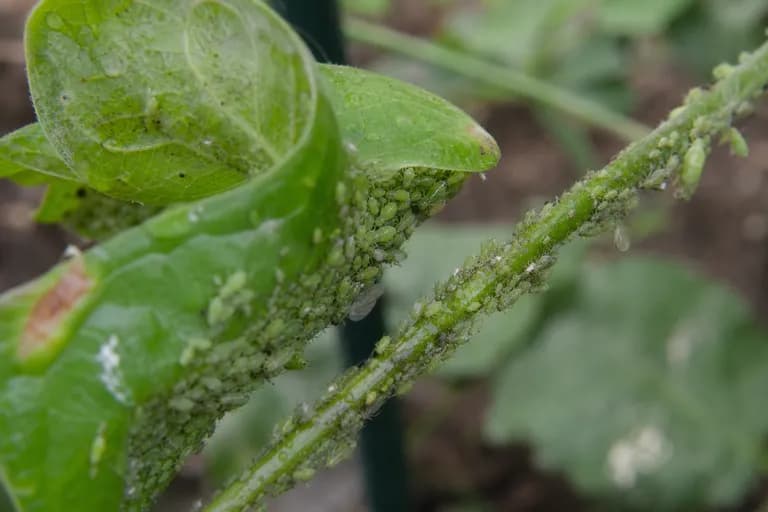
Pulgones del frijol
PlagaColonias densas de insectos negros o verdes concentrados en los brotes tiernos, envés de hojas jóvenes y racimos florales, causando enrollamiento del follaje y caída prematura de flores.
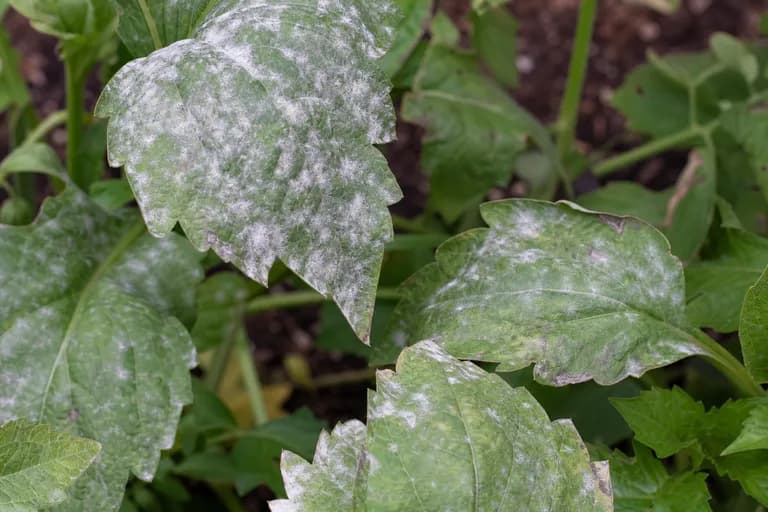
Roya del frijol
EnfermedadPústulas pequeñas de color marrón-rojizo en el envés de las hojas que liberan esporas pulverulentas al tocarlas. Las hojas severamente afectadas se amarillean y caen prematuramente.
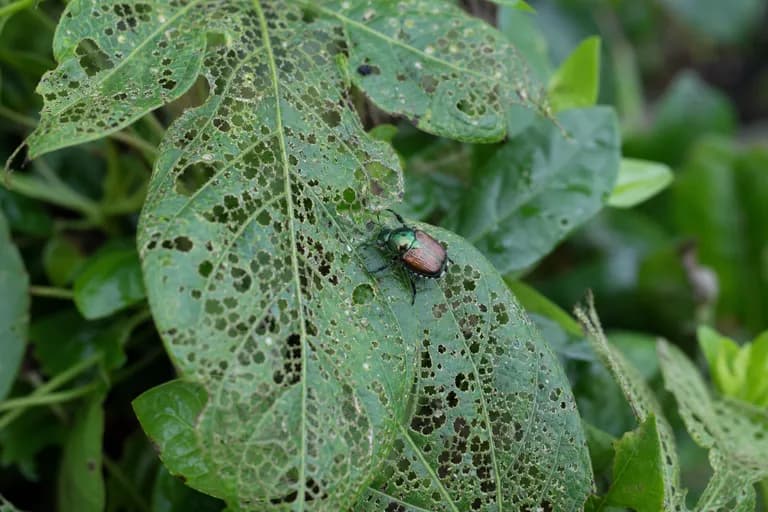
Gorgojo del frijol
PlagaPequeños agujeros redondos en los frijoles almacenados causados por larvas que se desarrollan dentro de las semillas, consumiendo el interior y dejando solo la cáscara vacía con un polvo fino.
Solución de problemas comunes
El peligro más importante es el consumo de semillas o vainas maduras crudas o insuficientemente cocidas, ya que contienen glucósidos cianogénicos y fitohemaglutininas tóxicas. Siempre cocina a fondo hirviéndolos durante al menos 30 minutos, cambiando el agua de cocción dos veces. En climas frescos, la planta puede no producir frutos por falta de calor suficiente.
Consejos de cultivo
- Always cook hyacinth beans thoroughly before eating. Raw and undercooked beans contain cyanogenic glucosides and lectins that cause nausea and digestive distress. Boil shelled beans for at least 20-30 minutes with one water change, and cook young pods for a minimum of 10-15 minutes. Proper cooking completely destroys these compounds.
- Build your trellis before you plant, and build it stronger than you think necessary. A mature hyacinth bean vine with full foliage and hundreds of pods can weigh over 20 kg and acts like a sail in wind. A flimsy support will collapse by August — use sturdy posts, heavy wire, or a permanent arbor structure.
- Soak seeds for 12-24 hours before planting or nick the hard seed coat with a file or nail clippers. Hyacinth bean seeds have an extremely tough outer coat that can delay germination by weeks if left untreated. Soaked seeds typically germinate in 7-10 days versus 3-4 weeks without treatment.
- Inoculate seeds or soil with Rhizobium bacteria specific to Lablab species if growing hyacinth bean in a bed for the first time. Proper nodulation allows the vine to fix its own nitrogen from the atmosphere, reducing the need for nitrogen fertilizer and improving soil fertility for subsequent crops.
- Train vines horizontally along the top of fences and arbors rather than allowing them to grow straight up. Horizontal training exposes more growing points to sunlight, dramatically increasing flower and pod production compared to a single vertical stem.
- Harvest young pods at 5-7 cm for snap bean use — at this size the strings are minimal and the beans inside have not yet developed their toxic compounds to concerning levels. Longer, mature pods are better used for shelling beans that will be boiled thoroughly.
- Hyacinth bean is a short-day flowering plant, meaning flowering is triggered by decreasing day length in late summer and autumn. In northern latitudes, this means the heaviest harvest comes in September and October. Starting seeds early indoors gives the vine maximum size before flowering begins.
- Save seeds from your most productive, earliest-flowering vines. Over several generations, this simple selection process adapts the variety to your specific climate and day length, resulting in earlier and heavier harvests each successive year.
Cultiva tu mejor Frijol Jacinto Comestible — y todo lo que la rodea.
Empieza un plan gratis hoy. Diseña tus bancales, coloca tu Frijol Jacinto Comestible y deja que PlotMyGarden gestione el momento, el espaciado, las asociaciones y los recordatorios de la semilla a la cesta.
Elige tu Frijol Jacinto Comestible
Ruby Moon
Variedad ornamental y comestible con flores de un violeta intenso brillante y vainas de un púrpura profundo espectacular. Planta muy vigorosa que alcanza 3-5 metros, ideal para pérgolas y arcos. 75-85 días para vainas tiernas.
Purple Hyacinth Bean
La forma clásica con flores lavanda-púrpura y vainas planas de color magenta brillante. Produce abundantes semillas bicolores negro y crema. Muy apreciada como ornamental y alimento en Asia y África. 80-90 días.
White Hyacinth Bean
Variedad de flores blancas y vainas verdes que produce semillas blancas cremosas con sabor más suave. Menos ornamental pero preferida para uso culinario en India y sudeste asiático. 70-80 días.
Rongai
Variedad desarrollada en Kenia como cultivo de cobertura y forrajero que también produce vainas comestibles abundantes. Flores blancas y crecimiento muy vigoroso. Excelente fijadora de nitrógeno para mejorar suelos. 85-95 días.
Hyacinth bean seeds cost $2-5 per packet, and a single vine produces an enormous harvest of edible pods, shelling beans, and dried beans. Fresh hyacinth beans (known as sem, val, or avarekai) sell for $6-12 per pound at South Asian grocery stores and specialty markets when available — and they are frequently out of stock or unavailable outside major cities. Growing just 3-4 vines can save $50-100 per season on fresh beans alone. The dried beans, which sell for $4-8 per pound in specialty shops, add further savings. Factor in the ornamental value that replaces a separate decorative climbing vine ($15-30 saved on ornamental plants), and hyacinth bean is one of the highest-value crops you can grow per square foot of garden space.
Recetas rápidas
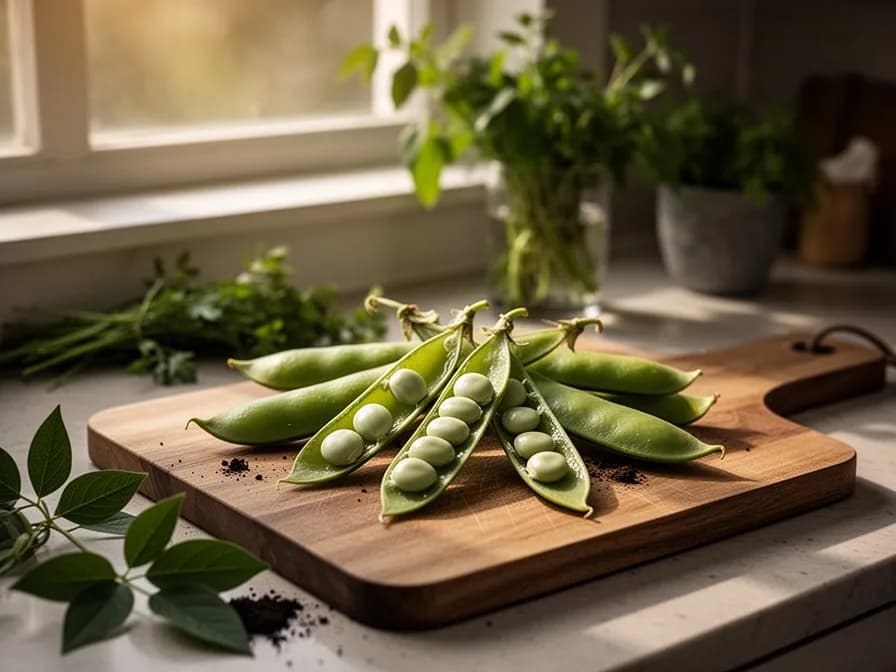
South Indian Avarekai Palya (Stir-Fried Hyacinth Beans)
30 minA classic Karnataka-style dry stir-fry where fresh hyacinth bean pods are cooked with mustard seeds, curry leaves, and freshly grated coconut. This everyday dish highlights the bean's nutty, earthy flavor in a simple and satisfying preparation.
9 ingredientesHyacinth Bean Dal with Coconut Milk
45 minDried hyacinth beans simmered until tender and finished in a creamy coconut milk sauce with warming spices. This comforting dal is a staple protein source across South India and pairs perfectly with steamed rice or flatbread.
10 ingredientesStir-Fried Hyacinth Bean Pods with Garlic and Chili
20 minYoung, tender pods quickly stir-fried at high heat with garlic and chili until slightly charred and crisp-tender. This Chinese-inspired preparation preserves the bean's fresh flavor and satisfying snap while adding bold aromatics.
9 ingredientesUsos culinarios
En la cocina india (val, sem), las vainas jóvenes se preparan en curris con especias como cúrcuma, comino y cilantro. Los frijoles secos se cocinan en guisos sustanciosos después de remojo prolongado y doble cocción. En la cocina del sudeste asiático se fermentan las semillas para hacer condimentos. Las hojas jóvenes también son comestibles cocidas como verdura de hoja en sopas y salteados.
Qué contiene
Beneficios para la salud
- High plant-based protein content of approximately 7g per 100g cooked beans provides essential amino acids for muscle maintenance and repair, making hyacinth bean a cornerstone protein source in vegetarian communities across South Asia and East Africa.
- Rich in dietary fiber that supports digestive health, promotes satiety, and helps regulate blood sugar levels by slowing glucose absorption after meals — beneficial for managing and preventing type 2 diabetes.
- Contains significant iron content that supports oxygen transport in the blood and helps prevent iron-deficiency anemia, which affects over 1.6 billion people worldwide — particularly important for women and children in developing regions.
- Provides folate and other B vitamins critical for DNA synthesis, red blood cell formation, and healthy fetal development during pregnancy, contributing to reduced risk of neural tube defects.
- The anthocyanin pigments responsible for the purple pod color are potent antioxidants that help neutralize free radicals, reduce inflammation, and may lower the risk of cardiovascular disease and certain cancers.
- As a low-fat, cholesterol-free legume with a low glycemic index, hyacinth bean supports heart health and healthy weight management while providing sustained energy from complex carbohydrates and protein.
De dónde viene Frijol Jacinto Comestible
Hyacinth bean (Lablab purpureus) is one of the most ancient cultivated legumes, with origins in tropical Africa — likely in the region spanning modern-day Ethiopia, Sudan, and East Africa. Archaeological evidence suggests it was among the earliest crops domesticated in the Indian subcontinent, with remains found at Neolithic sites dating to approximately 1500 BCE. From its dual centers of diversity in Africa and South Asia, the hyacinth bean spread along ancient trade routes to become a staple food crop across tropical and subtropical regions worldwide.
In India, hyacinth bean has been cultivated for millennia and holds deep cultural significance. Known as 'sem' in Hindi, 'avarekai' in Kannada, and 'mochai' in Tamil, it is a dietary cornerstone in states like Karnataka, Tamil Nadu, and Maharashtra, where fresh pods and dried beans appear in curries, stir-fries, and festival dishes. In South India, avarekai season (roughly November through February) is a celebrated culinary event with dedicated festival markets and dozens of traditional recipes. The bean is equally important in East African cuisines, particularly in Ethiopia, Kenya, and Tanzania, where dried hyacinth beans provide essential protein in regions with limited access to animal sources.
Thomas Jefferson introduced hyacinth bean to American gardens at Monticello in the early 1800s, growing it primarily as an ornamental climbing vine. This ornamental tradition persists today — in Western countries, hyacinth bean is widely sold as a decorative annual vine, with gardeners admiring its purple flowers and magenta pods while often unaware of its millennia-old culinary heritage. Today, India is the world's largest producer, growing hyacinth bean across millions of hectares both as a food crop and as a nitrogen-fixing cover crop that improves soil fertility. In recent years, agricultural researchers have renewed interest in hyacinth bean as a climate-resilient crop, recognizing its exceptional drought tolerance, ability to thrive in poor soils, and dual-purpose value as both food and soil improver in an era of increasing food insecurity.
Frijol Jacinto Comestible: ¿sabías que?
Datos fascinantes sobre Frijol Jacinto Comestible
Hyacinth bean (Lablab purpureus) is one of the oldest cultivated crops in the world, with archaeological evidence of its cultivation in India dating back over 3,500 years — yet it remains virtually unknown in Western gardening despite being a dietary staple for hundreds of millions of people.
Frijol Jacinto Comestible: preguntas frecuentes
¿Cuándo debo plantar Frijol Jacinto Comestible?
¿Cuáles son buenas plantas acompañantes para Frijol Jacinto Comestible?
¿En qué zonas de rusticidad puede crecer Frijol Jacinto Comestible?
¿Cuánto sol necesita Frijol Jacinto Comestible?
¿A qué distancia debo espaciar Frijol Jacinto Comestible?
¿Qué plagas y enfermedades afectan a Frijol Jacinto Comestible?
¿Cómo almaceno Frijol Jacinto Comestible después de la cosecha?
¿Cuáles son las mejores variedades de Frijol Jacinto Comestible para cultivar?
¿Qué suelo necesita Frijol Jacinto Comestible?
Are hyacinth beans poisonous? Is it safe to eat them?
What is the difference between ornamental and edible hyacinth bean varieties?
Why is my hyacinth bean vine growing vigorously but not flowering?
Can I grow hyacinth bean in a container on a balcony?
How do I store dried hyacinth beans, and how long do they last?
Does hyacinth bean improve soil fertility like other legumes?
Acabas de leer la teoría. Ahora cultívala en piloto automático.
Todo lo que hace que Frijol Jacinto Comestible sea delicado — el momento, el espaciado, las asociaciones, la ventana de cosecha — es justo lo que PlotMyGarden resuelve por ti, para cada planta de tu huerto.
Un plan que conoce tu clima
Indica tu ubicación una vez. Recibe fechas de siembra, abonado y cosecha basadas en tu última helada real y el pronóstico en vivo — sin adivinar con un sobre genérico.
De la sección “Cuándo plantar”Planificador de bancales de arrastrar y soltar
Diseña bancales sobre una cuadrícula. Cada planta encaja con su espaciado correcto y ves toda la temporada antes de gastar un céntimo en semillas.
De la sección “Cultivo”Conflictos de asociación, detectados a tiempo
Más de 200 buenas y malas combinaciones comprobadas en vivo mientras plantas — para que un error que arruine la temporada nunca llegue a la tierra.
De la sección “Asociaciones”Recordatorios que sí vas a seguir
“Riega las judías.” “Recoge hoy antes de que se pase.” Oportunos, concretos y ligados a las plantas que de verdad cultivas.
De la sección “Cosecha”Escalonado, programado
¿Quieres cosechar seis semanas en vez de seis días? Reparte tus siembras automáticamente y te avisa cuando toca el siguiente lote.
De la sección “Cuándo plantar”Un registro que se vuelve más listo
Cada cosecha que registras le enseña tu huerto. El plan del año que viene parte de lo que de verdad funcionó en tu suelo, no en un manual.
De la sección “Resumen”Planta estos junto a Frijol Jacinto Comestible
Más Legumbres
Mantén Frijol Jacinto Comestible lejos de estos
Cultiva tu mejor Frijol Jacinto Comestible — y todo lo que la rodea.
Empieza un plan gratis hoy. Diseña tus bancales, coloca tu Frijol Jacinto Comestible y deja que PlotMyGarden gestione el momento, el espaciado, las asociaciones y los recordatorios de la semilla a la cesta.