Calypso Cilantro
One of the slowest-bolting cilantro cultivars available, bred for maximum leaf production over an extended season.





On this pageOverview
Meet Calypso Cilantro
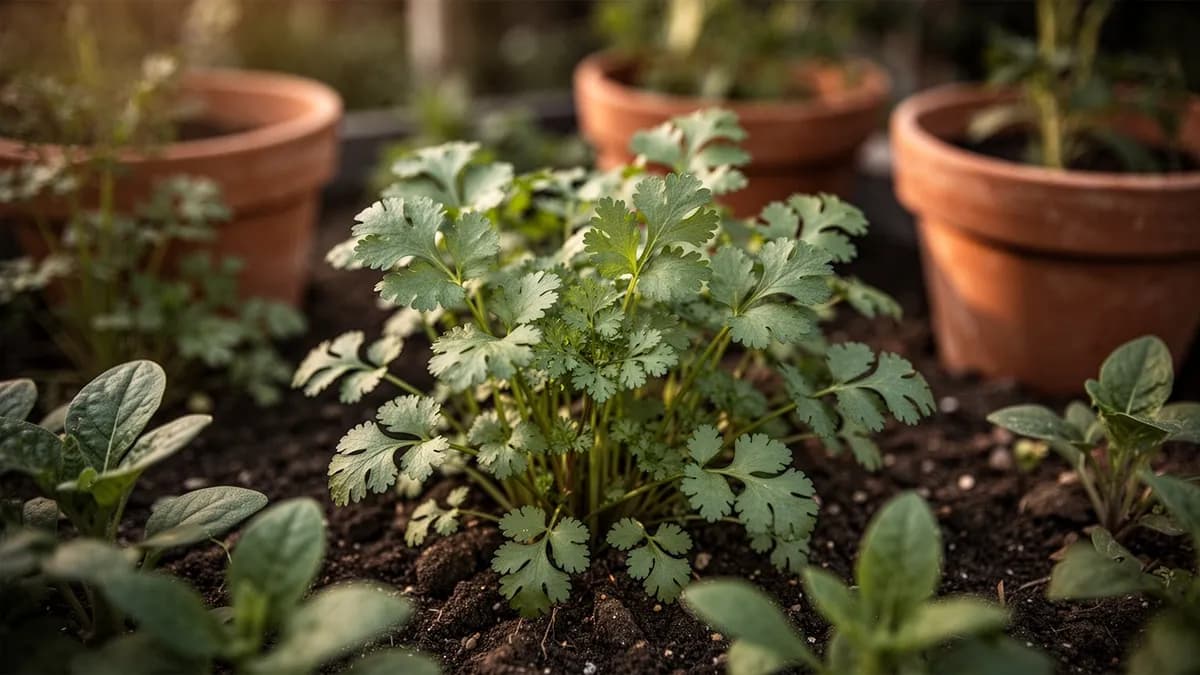
One of the slowest-bolting cilantro cultivars available, bred for maximum leaf production over an extended season. Calypso produces bushy plants with abundant dark green foliage and resists bolting several weeks longer than standard varieties. Ideal for warm-climate gardeners who struggle to keep cilantro in leaf through spring and early summer.
When to plant Calypso Cilantro
Cilantro seeds are actually fruits containing two seeds each. Gently crush the round seeds to separate the two halves for better germination. Soak in water for 12 to 24 hours before sowing. Direct sow a quarter inch deep in prepared soil. Germination takes 7 to 14 days and can be erratic. Thin to 4 to 6 inches apart. Succession sow every 3 weeks from early spring through fall for continuous harvest. Avoid starting indoors, as the taproot resents transplanting.
Your Calypso Cilantro Year
Composed for Zone 7 · typical seasons · frost passes Apr 2, returns Nov 1
Plant Calypso Cilantro Mar – May, Sep – Oct, pick May – Jul, Oct – Nov. Check the planting methods below and set your climate to personalize these windows.
How to grow Calypso Cilantro
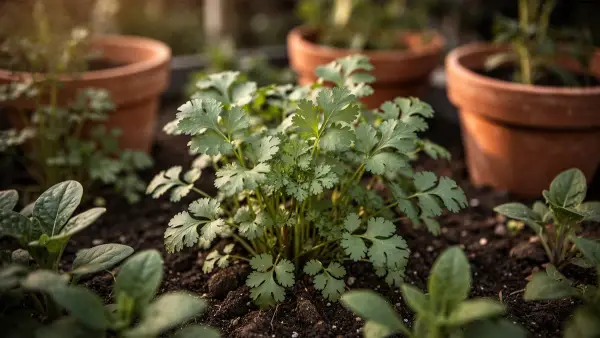
Calypso is one of the most bolt-resistant cilantro cultivars ever developed, holding leaf production several weeks longer than standard varieties before flowering. This makes it invaluable for warm-climate gardeners who typically lose cilantro to bolting by mid-spring. Plant in partial shade in warm climates or full sun in cooler regions, with moist, rich, well-drained soil with a pH of 6.2 to 6.8.
Direct sow seeds outdoors as soon as the soil can be worked in spring, or in late summer for a fall crop. Cilantro has a taproot that resents transplanting, so sow in place. Space 4 to 6 inches apart in rows 12 inches apart. Succession sow every 3 weeks for continuous harvest.
Keep soil consistently moist to delay bolting. Mulch around plants to cool the soil and retain moisture. Despite Calypso's improved bolt resistance, it will still eventually flower in hot weather. When bolting begins, allow some plants to set seed for coriander harvest. Calypso produces bushy, dark green plants with abundant foliage and a classic cilantro flavor.
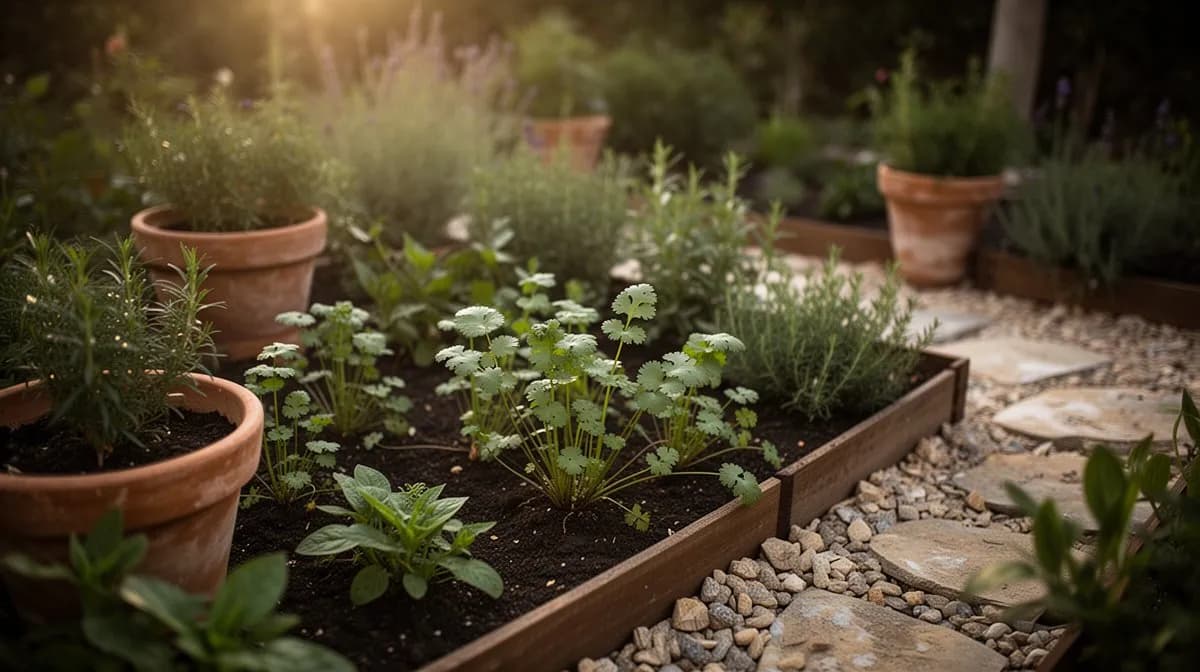
128 plants fit a 4 × 8 ft bed
Each Calypso Cilantro wants 15 cm of elbow room. The planner keeps that spacing for you — every plant, every bed.
Calypso Cilantro's best neighbours
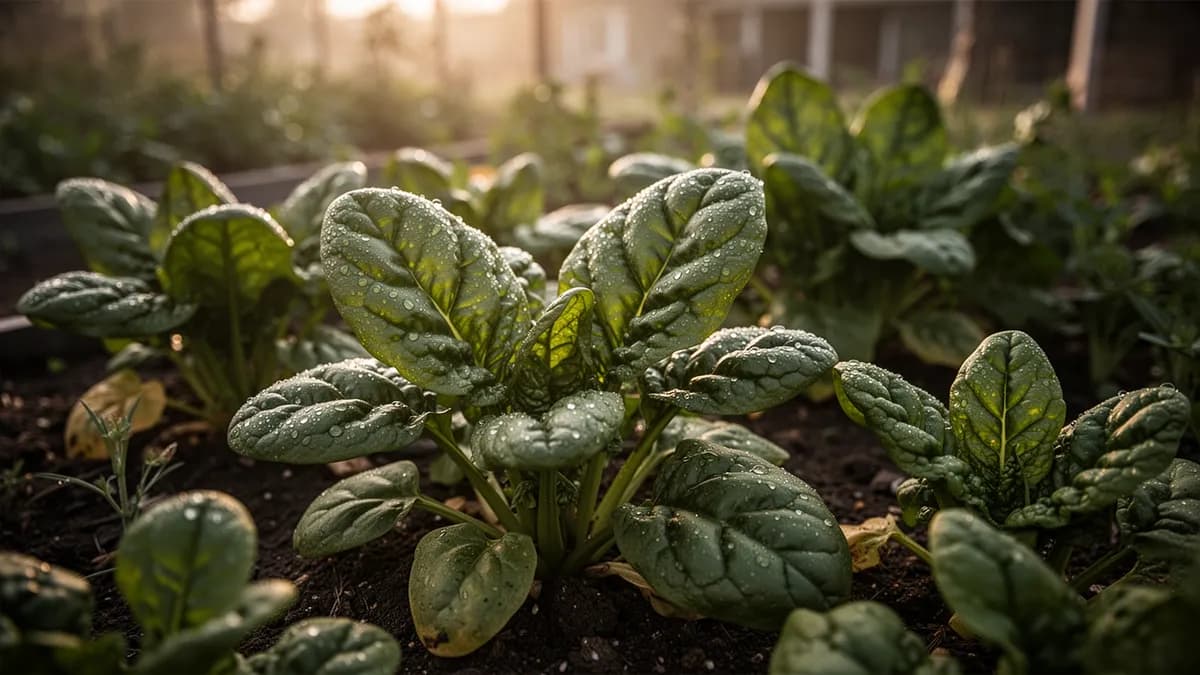
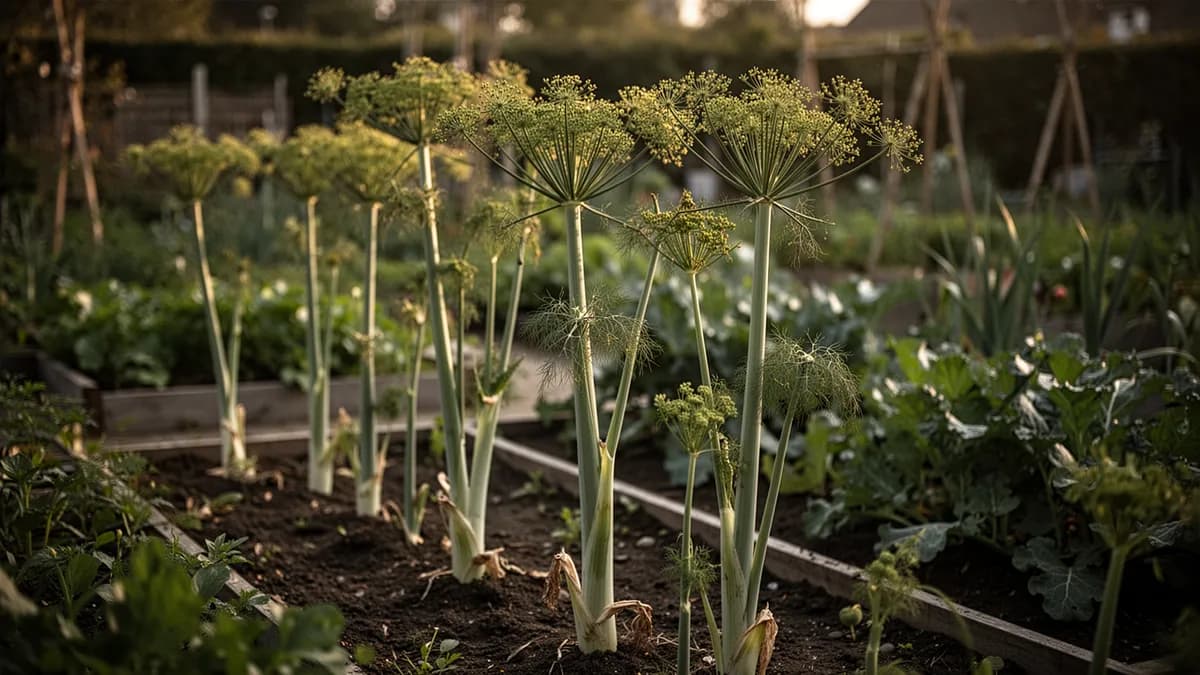
Cilantro is a beneficial companion that attracts hover flies, parasitic wasps, and other beneficial insects with its small flowers. Plant near tomatoes, peppers, and spinach. The flowers attract pollinators that benefit nearby fruit and vegetable crops. Avoid planting near fennel, which can cross-pollinate and inhibit cilantro growth. Cilantro grows well alongside lettuce and spinach, sharing similar cool-season preferences.
Spinach belongs beside it. Fennel doesn't.
Old growers' knowledge, checked against Calypso Cilantro's real companion table below — test any plant you're growing.
Try Calypso Cilantro in a bed — right here
A real planner bed with Calypso Cilantro already in it. Tap a companion to place it and watch the pairing checks answer — green for good neighbours, red for a clash.


Related growing guides
Feed it well
Calypso cilantro grows best in rich, moist, well-drained soil with a pH of 6.2 to 6.8. Amend soil with compost before sowing. A light application of balanced organic fertilizer at sowing time supports vigorous leaf production. Avoid excessive nitrogen, which can promote lush growth at the expense of flavor. Keep soil consistently moist; fluctuating moisture triggers bolting. Mulch lightly to maintain even soil moisture and cool root temperatures.
Ideal Temperature
Hardiness Zone Compatibility
From seed to harvest, stage by stage
Seed Germination
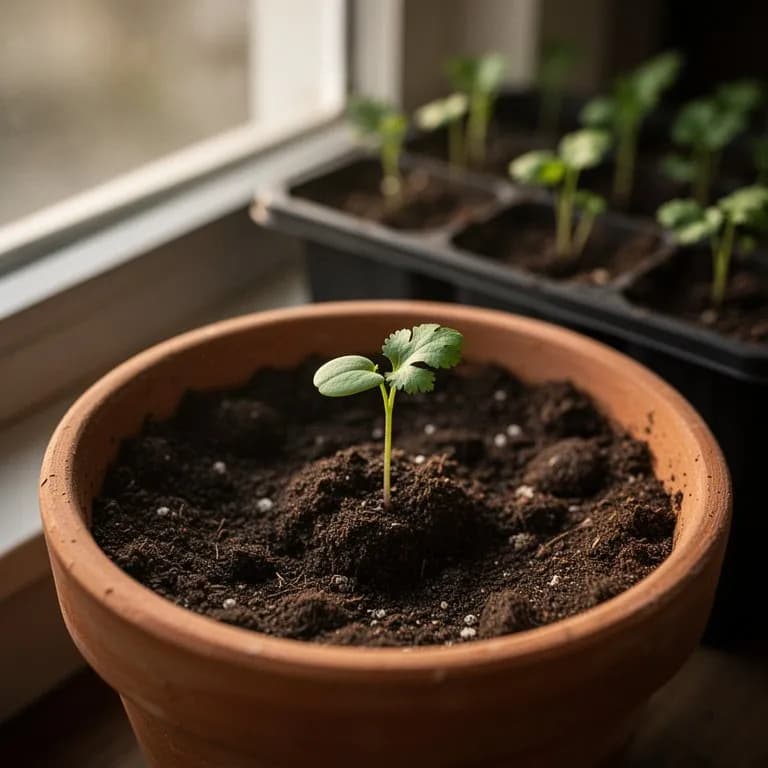
Cilantro seeds (each round fruit actually contains two seeds) absorb moisture and split open, sending a pale radicle downward into the soil. The hypocotyl pushes upward, lifting two narrow, strap-shaped cotyledon leaves above the surface. Germination is relatively slow compared to other herbs, typically taking 7-10 days in warm soil and up to 14 days in cooler conditions.
Seedling Establishment
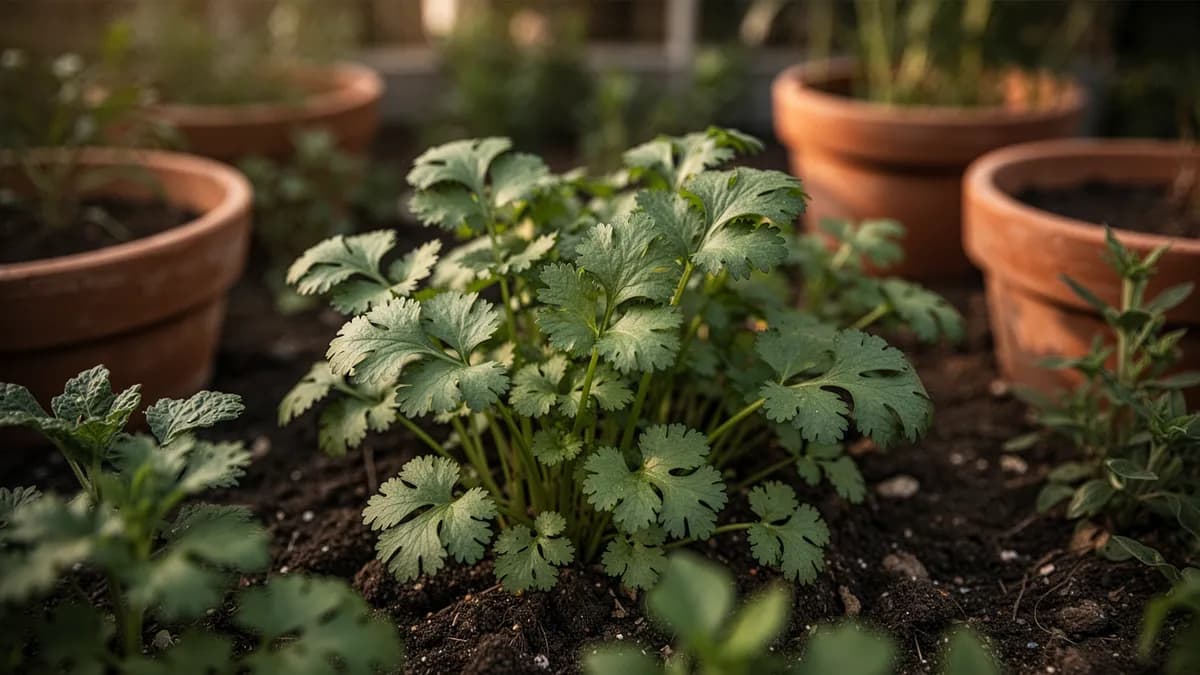
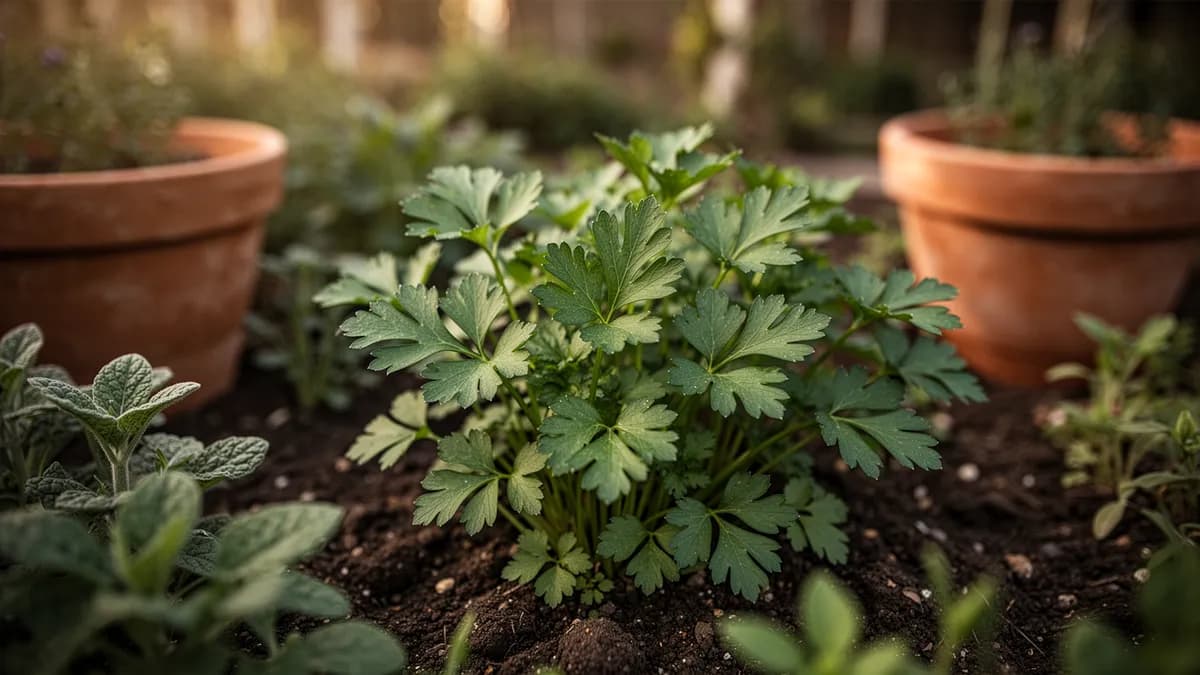
The first true leaves appear, looking quite different from the cotyledons — they are small, rounded, and gently lobed, resembling flat-leaf parsley. The taproot elongates rapidly, anchoring the plant and beginning to draw moisture from deeper soil layers. Seedlings grow slowly at first but accelerate once the root system is established.
Rosette Growth
The Calypso variety excels during this phase, producing a dense, compact rosette of broad, deeply lobed basal leaves. Unlike standard cilantro that quickly transitions to feathery upper leaves and bolts, Calypso remains in this productive leafy rosette stage significantly longer — often 2-3 weeks more than open-pollinated types. This is the prime harvest window for fresh cilantro leaves.
Bolting and Flowering
Eventually even bolt-resistant Calypso sends up a central flower stalk. The leaves transition from broad and flat to increasingly feathery and finely divided (this feathery foliage is sometimes sold as 'culantro fino'). Delicate umbels of tiny white to pale pink flowers open in succession, attracting a wide range of beneficial insects including hoverflies, lacewings, and parasitic wasps.
Seed Development and Harvest
After pollination, small round green fruits develop in clusters along the umbrella-shaped flower heads. Each fruit contains two seeds. The fruits gradually swell and turn from green to tan-brown as they dry. The entire plant yellows and begins to senesce as energy is directed into seed maturation. Dried seeds are the spice known as coriander.
Gently crush the round seed husks before sowing to separate the two seeds inside and improve germination rates. Sow 1 cm deep in moist, well-drained soil. Keep soil consistently damp but not waterlogged. Cilantro has a taproot and resents transplanting, so direct sowing is strongly preferred.
Caring for Calypso Cilantro month by month
What to do each month for your Calypso Cilantro
October
You are hereContinue harvesting fall-sown cilantro. In zones 7-9, make a final sowing for late fall and early winter production. Apply a light mulch around plants as nights cool to protect roots and extend the season. Collect and store any remaining dried coriander seeds in airtight jars.
Know exactly what to do in your garden — every month
One email at the start of each month: what to sow, plant, and tackle right now — for your Calypso Cilantro and everything growing around it. Plus a short starter course that helps you dodge the classic mistakes.
- What to do, right now
- Matched to your season
- Starter course included
Harvesting Calypso Cilantro
Begin harvesting Calypso cilantro when plants have 6 or more sets of leaves. Cut outer leaves at the base or snip stem tips 3 to 4 inches long. Regular harvesting encourages continued leaf production and delays bolting. For the freshest flavor, harvest in the morning. Once plants begin to bolt and produce feathery upper leaves, the flavor changes to a sharper, more pungent profile. Allow some plants to flower and set seed for coriander harvest.
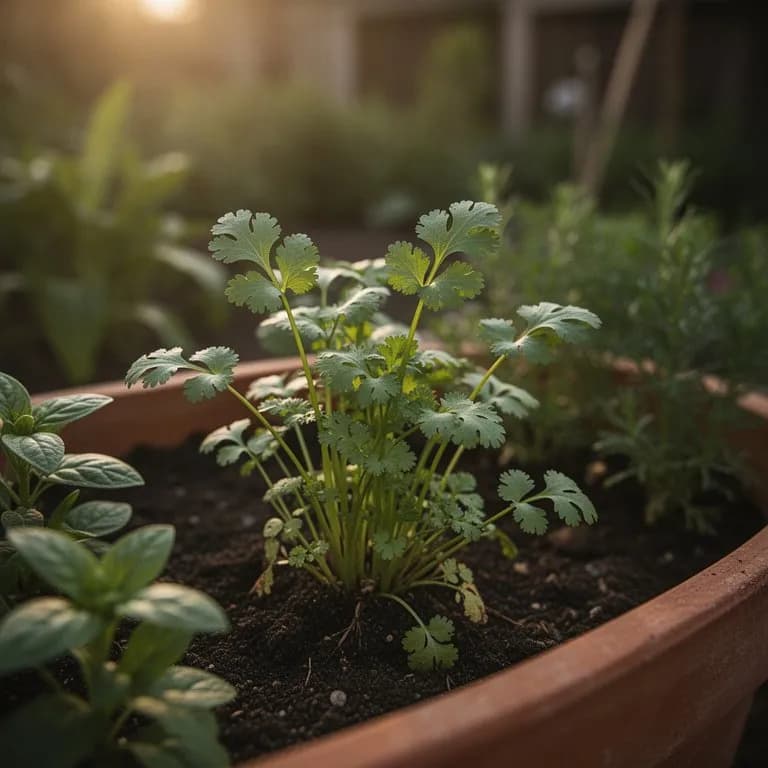
assuming you plant when the window opens — set your real date
Pick Calypso Cilantro promptly and the plant keeps producing.
Storage & Preservation
Fresh cilantro stores best standing in a glass of water on the counter or loosely covered in the refrigerator, where it lasts 5 to 10 days. For longer storage, chop leaves and freeze in ice cube trays with olive oil or water. Frozen cilantro retains flavor for 6 months in cooked dishes but loses its fresh texture. Cilantro does not dry well; the flavor is almost entirely lost. Cilantro pesto, chimichurri, and green sauces freeze well for months. Coriander seeds from bolted plants should be dried and stored whole in airtight jars.
What goes wrong — and the fix
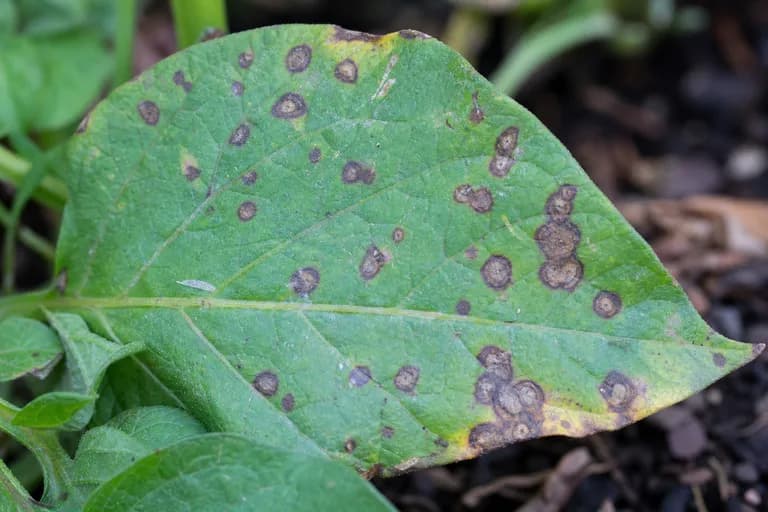
Leaf Spot
DiseaseBrown spots on leaves that may enlarge and merge. Most common in wet, cool conditions. Can cause premature leaf drop.
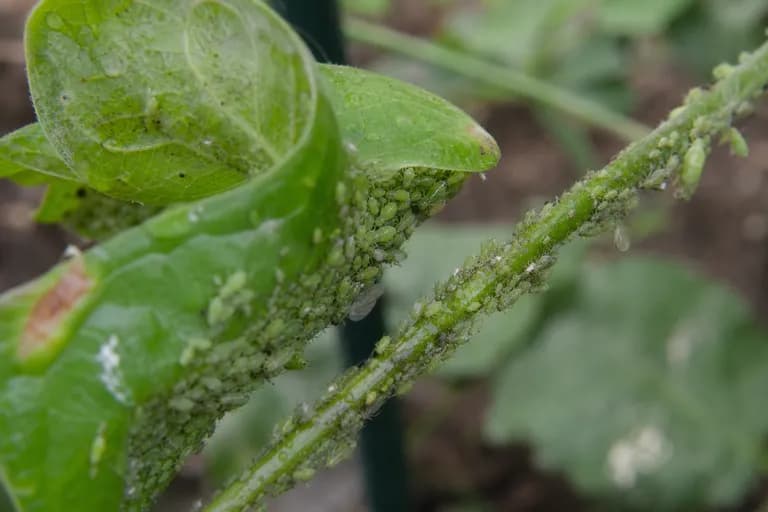
Aphids
PestClusters on tender growth and undersides of leaves. Sticky honeydew and sooty mold. Curled leaves.
Troubleshooting Common Problems
Despite excellent bolt resistance, Calypso will still bolt in extended hot weather. Provide afternoon shade in warm climates. The cilantro soapy-taste gene (OR6A2) makes cilantro unpleasant to about 14 percent of the population, for whom no variety will taste acceptable. Seeds germinate slowly and erratically; be patient with spotty emergence. Self-sowing can be prolific if plants are allowed to set seed.
Growing Tips
- Direct sow cilantro seeds rather than transplanting. Cilantro has a long, delicate taproot that resents disturbance — transplanted seedlings often bolt prematurely from root stress. If you must start indoors, use deep biodegradable pots that can be planted directly into the soil without removing the seedling.
- Crush the round seed husks gently before sowing. Each cilantro fruit contains two seeds fused together inside a hard shell. Lightly crushing (not grinding) the husks separates the seeds and allows faster, more uniform water absorption and germination.
- Succession sow every 2-3 weeks from early spring through mid-fall for an uninterrupted supply of fresh leaves. Even the bolt-resistant Calypso variety will eventually flower, so having new plants coming along ensures you never run out of fresh cilantro.
- Provide afternoon shade in warm climates. While cilantro needs good light, intense afternoon sun and heat above 27°C (80°F) accelerate bolting dramatically. Growing in the dappled shade of taller crops like tomatoes, peppers, or trellised beans extends the leafy harvest period.
- Keep soil consistently moist but never waterlogged. Cilantro's taproot draws moisture from depth, but the shallow feeder roots near the surface dry out quickly. A 3-5 cm layer of organic mulch helps maintain even soil moisture and keeps root temperatures cool — both of which delay bolting.
- Harvest by the cut-and-come-again method: snip outer leaves and stems at the base when the rosette has at least 6-8 leaves, leaving the center growing point intact. The plant will continue producing new leaves from the center for several additional harvests.
- Grow cilantro in containers at least 20 cm (8 inches) deep to accommodate the taproot. Use a well-draining potting mix and keep pots in a location that receives morning sun and afternoon shade. Container-grown cilantro is easy to move to follow optimal light conditions as seasons change.
- Let a few plants bolt and flower intentionally. Cilantro flowers are among the best insectary plants for attracting hoverflies, lacewings, and parasitic wasps that provide natural pest control throughout your garden. The dried seeds also give you free coriander spice and planting stock.
- Companion plant cilantro near tomatoes, peppers, and brassicas. The herb's flowers attract aphid predators, and its aromatic foliage may help confuse and deter certain pest insects. Avoid planting near fennel, which can cross-pollinate and produce off-flavored seeds.
- Save seeds from your best, latest-bolting Calypso plants to gradually select for even greater bolt resistance in your specific growing conditions. Allow seed heads to dry fully on the plant, then collect and store in a cool, dry place. Cilantro seed remains viable for 2-3 years.
Grow your best Calypso Cilantro yet — and everything around it.
Start a free plan today. Lay out your beds, drop in your Calypso Cilantro, and let PlotMyGarden handle the timing, spacing, companions and reminders from seed to harvest basket.
Pick your Calypso Cilantro
Calypso
Industry-leading bolt resistance with bushy growth habit and dark green foliage. Holds leaf production 3 to 4 weeks longer than standard varieties in warm weather.
Slow Bolt
A general designation for bolt-resistant cilantro selections. Good leaf production but bolts earlier than Calypso in warm conditions.
Fresh cilantro bunches cost $1.50-3.00 at grocery stores and wilt within days of purchase. A single $2-3 packet of Calypso seeds produces 50-100 plants, each yielding multiple harvests of fresh leaves over several weeks. With succession sowing, a small garden patch or a few containers can replace $50-100 or more in annual store-bought cilantro — and homegrown leaves are dramatically fresher and more flavorful. The savings multiply further when you let a few plants go to seed, providing both free coriander spice (a jar costs $4-7 at the store) and a self-renewing seed supply for future plantings.
Quick recipes
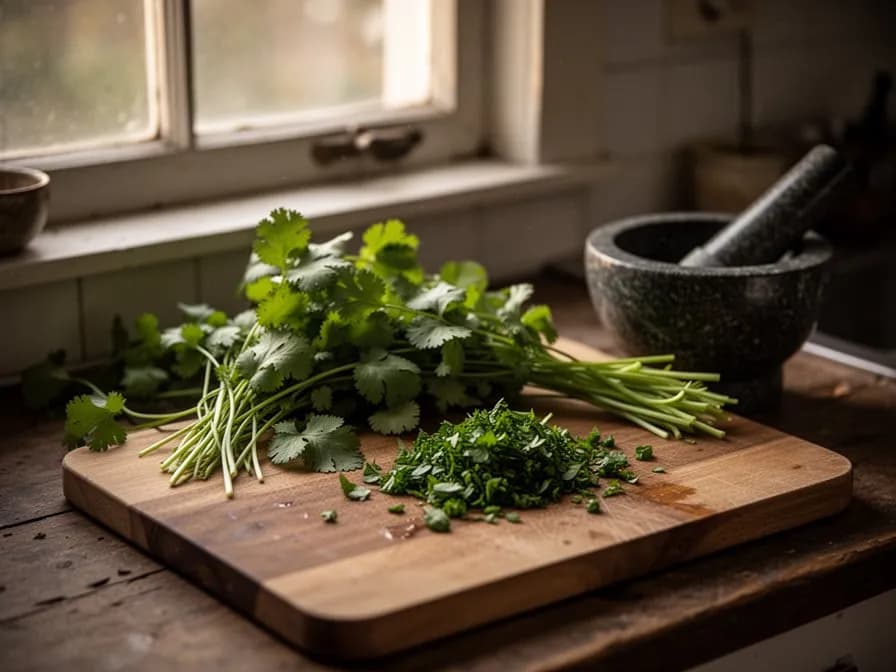
Classic Cilantro Lime Salsa Verde
10 minA vibrant, tangy green salsa built on a generous handful of fresh Calypso cilantro leaves. This no-cook condiment is endlessly versatile — spoon it over grilled fish, drizzle on tacos, toss with roasted vegetables, or serve as a dip with tortilla chips for an instant crowd-pleaser.
7 ingredientsCilantro Chimichurri
15 minA cilantro-forward twist on the classic Argentinian herb sauce. Finely chopped fresh cilantro is combined with garlic, red wine vinegar, olive oil, and red pepper flakes into a bold, herbaceous condiment that pairs beautifully with grilled steak, roasted chicken, or crusty bread.
7 ingredientsCilantro Pesto with Pepitas
10 minA fresh and nutty pesto that makes brilliant use of abundant cilantro harvests. Toasted pepitas (pumpkin seeds) replace pine nuts for a distinctly Mexican-inspired flavor, and the entire batch comes together in a blender in under a minute. Toss with pasta, spread on sandwiches, or stir into grain bowls.
7 ingredientsCulinary Uses
Calypso cilantro has the same classic cilantro flavor used across Mexican, Thai, Indian, Vietnamese, and Middle Eastern cuisines. Use fresh leaves as a garnish for tacos, curries, pho, spring rolls, and salsa. Blend into green sauces, chutneys, and guacamole. The stems have concentrated flavor and can be finely chopped for cooking. Add cilantro at the very end of cooking to preserve its bright, fresh flavor. Pair with lime, chili, garlic, and cumin.
What's inside
Health Benefits
- Exceptionally rich in vitamin A as beta-carotene and lutein, supporting healthy vision, skin cell renewal, and mucosal membrane integrity — just a tablespoon of fresh cilantro contributes meaningfully to daily vitamin A needs.
- Contains natural chelating compounds that research suggests may help bind certain heavy metals in the digestive tract, potentially supporting the body's natural detoxification processes when consumed regularly as part of a varied diet.
- Rich in quercetin and other flavonoid antioxidants that studies have linked to reduced inflammatory markers and improved cardiovascular health, offering protective benefits beyond basic nutrition.
- Provides antibacterial compounds including dodecenal, which laboratory studies have shown to be effective against Salmonella and other foodborne pathogens — a possible reason cilantro has been used in warm-climate cuisines for millennia.
- Good source of dietary vitamin K, which plays essential roles in blood clotting and calcium metabolism for bone health — regular consumption of fresh cilantro supports both coagulation and skeletal integrity.
- Contains linalool and other aromatic terpenes that aromatherapy and preliminary research suggest may have mild calming and digestive-soothing properties, supporting the herb's long history of use in traditional medicine for stomach ailments.
Where Calypso Cilantro comes from
Coriander (Coriandrum sativum) is one of the oldest known herbs in human history, with origins traced to the eastern Mediterranean and western Asia. Archaeobotanical evidence from Nahal Hemar cave in Israel dates coriander use to approximately 6000 BCE, and seeds were found in the tomb of Pharaoh Tutankhamun in Egypt, confirming its importance in the ancient world. The plant spread rapidly along trade routes — ancient Greeks and Romans used both the leaves and seeds extensively, and the Roman legions carried coriander across Europe as they expanded their empire.
The herb traveled eastward along the Silk Road into Persia, India, and China, where it became deeply embedded in regional cuisines and traditional medicine systems. In India, coriander became inseparable from daily cooking — the seeds are a foundational component of garam masala and countless curry blends, while the fresh leaves (called dhania) garnish virtually every savory dish. In Southeast Asia, the roots gained special culinary importance, particularly in Thai cuisine where cilantro root is pounded into aromatic curry pastes.
Spanish and Portuguese colonizers introduced coriander to the Americas in the 15th and 16th centuries, where it was enthusiastically adopted into Mexican, Central American, and South American cuisines. The Spanish name 'cilantro' became the dominant term for the fresh herb in the Americas. In Mexico, cilantro became essential to salsas, guacamole, and countless traditional dishes, while in Peru and Argentina it became the base of vibrant chimichurri and green sauces.
The Calypso variety represents a modern breeding achievement developed to solve the age-old gardener's frustration with cilantro's tendency to bolt rapidly in warm weather. Through careful selection, breeders produced a compact, vigorous variety that maintains its productive leafy rosette stage significantly longer than open-pollinated types. This bolt-resistant trait made Calypso one of the most popular cilantro varieties worldwide for home gardeners and small-scale market growers who need a reliable, extended harvest of fresh leaves. Today, cilantro remains the most widely used fresh herb on the planet, and the Calypso cultivar continues to be a benchmark for slow-bolt performance.
Calypso Cilantro: did you know?
Fascinating facts about Calypso Cilantro
Cilantro Calypso was specifically bred to be one of the slowest-bolting cilantro varieties available, staying in its productive leafy stage up to three weeks longer than standard types — a trait that makes it the top choice for home gardeners frustrated by cilantro that goes to seed too quickly.
Calypso Cilantro questions, answered
When should I plant Calypso Cilantro?
What are good companion plants for Calypso Cilantro?
What hardiness zones can Calypso Cilantro grow in?
How much sun does Calypso Cilantro need?
How far apart should I space Calypso Cilantro?
What pests and diseases affect Calypso Cilantro?
How do I store Calypso Cilantro after harvest?
What are the best Calypso Cilantro varieties to grow?
What soil does Calypso Cilantro need?
Why does my cilantro bolt so quickly, and how does Calypso help?
Can I grow cilantro Calypso indoors year-round?
Is there a difference between cilantro and coriander?
How do I store fresh cilantro to keep it from wilting?
Why does cilantro taste like soap to some people?
Can I harvest cilantro roots, and what are they used for?
You just read the theory. Now grow it on autopilot.
Everything that makes Calypso Cilantro fiddly — the timing, the spacing, the companions, the harvest window — is exactly what PlotMyGarden handles for you, for every plant in your garden.
A plan that knows your weather
Set your location once. Get sow, feed and harvest dates built around your real last-frost date and live forecast — no more guessing from a generic seed packet.
From the “When to plant” sectionDrag-and-drop bed planner
Design beds on a grid. Every plant snaps to its proper spacing, and you can see your whole season laid out before you spend a cent on seed.
From the “Growing guide” sectionCompanion conflicts, caught early
200+ good-and-bad pairings checked live as you plant — so a season-wrecking mistake never makes it into the ground.
From the “Companions” sectionReminders you'll actually act on
“Water the beans.” “Pick today before it turns.” Timely, specific, and tied to the plants you're really growing.
From the “Harvest” sectionSuccession, scheduled
Want a harvest for six weeks, not six days? It spaces your sowings automatically and reminds you when each new block is due.
From the “When to plant” sectionA record that gets smarter
Every harvest you log teaches it your garden. Next year's plan starts from what actually worked in your soil, not a textbook's.
From the “Overview” sectionPlant these alongside Calypso Cilantro
More Culinary Herbs
Keep Calypso Cilantro away from these
Grow your best Calypso Cilantro yet — and everything around it.
Start a free plan today. Lay out your beds, drop in your Calypso Cilantro, and let PlotMyGarden handle the timing, spacing, companions and reminders from seed to harvest basket.