Buckwheat
typical season: sow May – Jul · harvest Aug – Sep · set your climate
A dual-purpose annual grown either as a fast 4-week smother crop and green manure that mines phosphorus and feeds pollinators, or carried 10-12 weeks to a harvest of nutty, gluten-free groats.
On this pageOverview
Meet Buckwheat
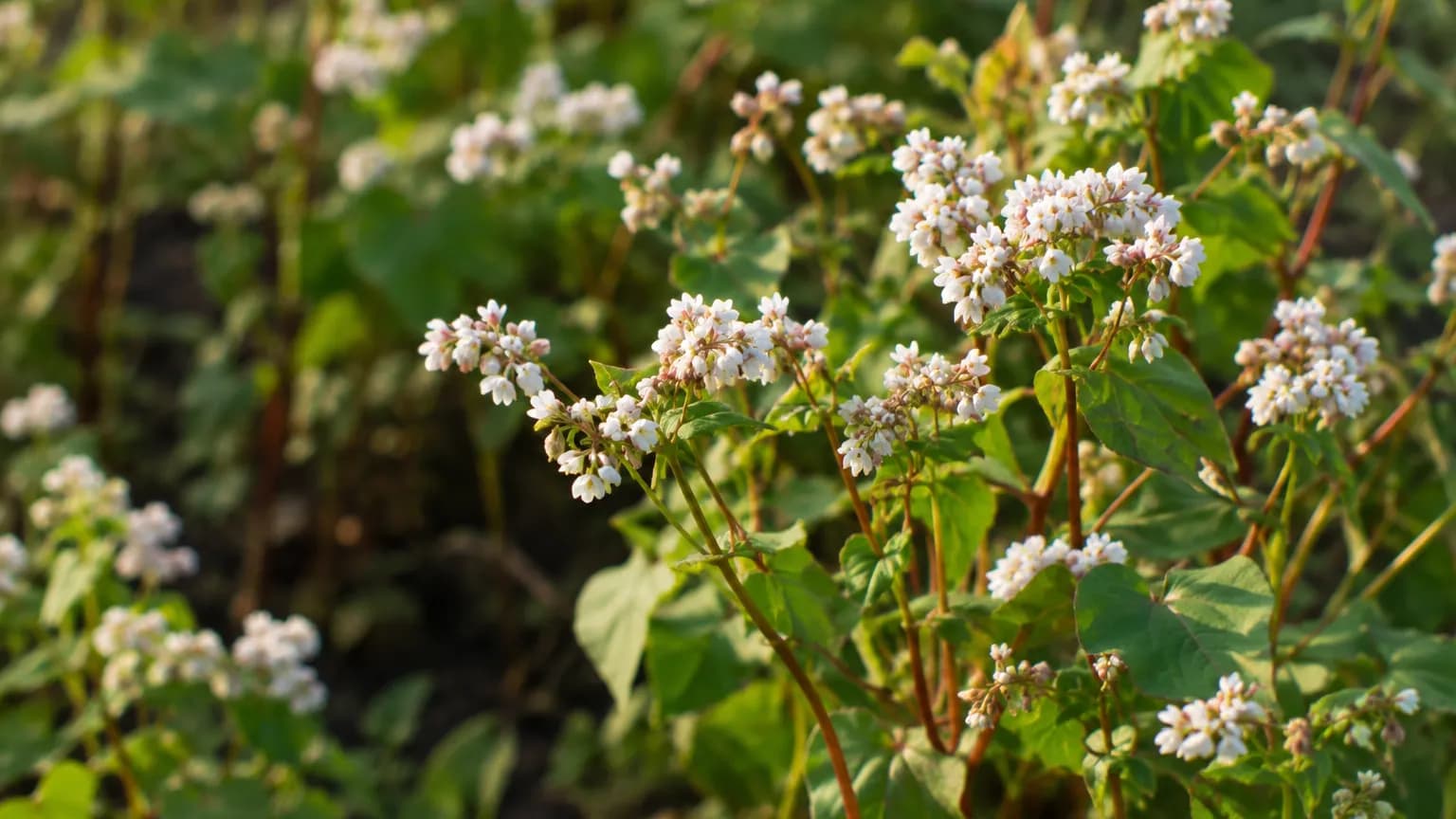
A dual-purpose annual grown either as a fast 4-week smother crop and green manure that mines phosphorus and feeds pollinators, or carried 10-12 weeks to a harvest of nutty, gluten-free groats. Despite its name, buckwheat is no wheat at all — this broadleaf pseudograin belongs to the rhubarb family. Broadcast-sow it into warm soil after the last frost; buckwheat resents transplanting, asks for little water or fertilizer, and actually performs best on lean ground. Light frost kills it cleanly, which makes terminating a cover crop stand for no-till beds effortless.
When to plant Buckwheat
Never start buckwheat indoors. The seedling develops a fine taproot and fibrous root system that resents disturbance, transplanted plants stall badly, and the crop germinates so quickly in warm soil that indoor sowing buys you nothing. This is a broadcast crop through and through — one of the few vegetables where scattering seed is the correct technique.
Wait until after your last frost date, when the soil has warmed to at least 15°C (59°F); seeds germinate in 2-5 days at 20°C but may sit and rot in cold ground. Rake the bed level, broadcast 60-100 g of seed per 10 m² (about 2-3 tablespoons per square meter — use the higher rate for a weed-smothering cover crop, the lower rate if growing on to grain), then rake crosswise to cover the seed 1-2 cm deep and firm the surface with the back of the rake or a board. Birds love the exposed seed, so cover with fleece or netting if they find the bed.
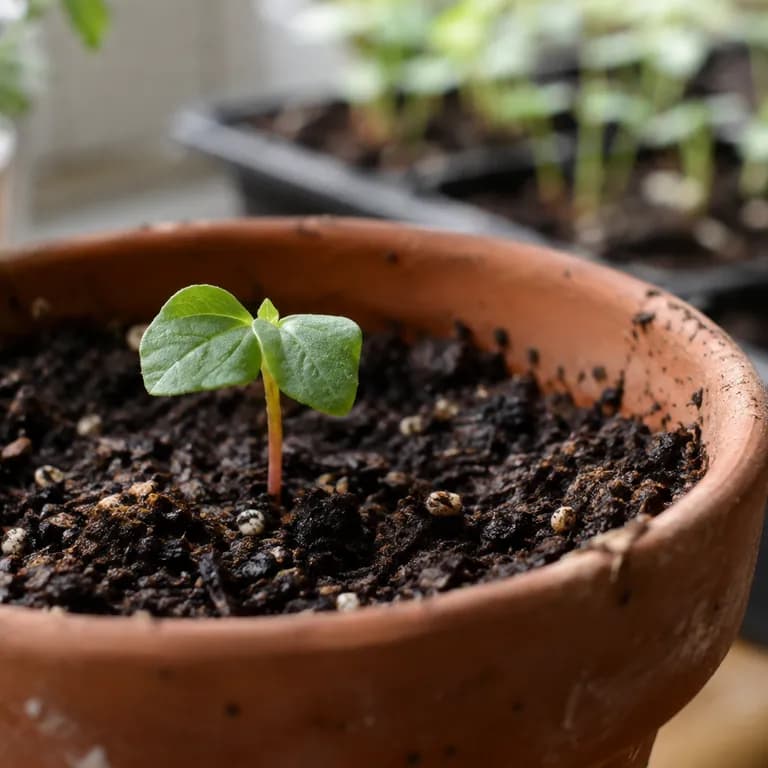
Seedlings emerge as a pair of slender stems topped by small heart-shaped leaves and grow visibly by the day. No thinning is needed — buckwheat is meant to stand dense. For a continuous smother of weeds and a continuous buffet for bees, make succession sowings every 2-3 weeks from late spring through midsummer, sowing each new patch as an early crop comes out. The last sowing for grain should go in by mid-July in most climates so it can finish its 10-12 weeks before frost; pure cover-crop sowings can continue into August, since even a 4-5 week stand smothers weeds and feeds pollinators before frost ends it.
Your Buckwheat Year
Composed for Zone 7 · typical seasons · frost passes Apr 2, returns Nov 1
Plant Buckwheat May – Jul, pick Aug – Sep. Check the planting methods below and set your climate to personalize these windows.
Sowing Buckwheat this round? The next window opens May 1
One email two weeks before this window closes. We email you when the first pick is due, then a few days before the next window opens where you garden. Plus one before the first autumn frost.
One email per milestone, never more than one a week. Unsubscribe with one tap. No account needed.
How to grow Buckwheat
Buckwheat is one of the easiest and fastest crops you can grow, but timing matters more than technique. Wait until all danger of frost has passed and soil temperatures reach at least 15°C (59°F) — seeds germinate in as little as 2-5 days in warm ground but rot in cold, wet soil. Broadcast the seed at roughly 60-100 g per 10 m² (a scant handful per square meter) onto a raked, firm seedbed, then rake it in 1-2 cm deep and roll or tamp the surface for good seed-to-soil contact. Alternatively, sow in rows 30-40 cm apart at half the rate if you plan to harvest grain. Germination is so rapid that a dense canopy closes within 3-4 weeks, shading out nearly all weeds.
Choose your purpose early, because the two paths diverge at flowering. For green manure, mow, scythe, or crimp the stand at peak bloom — around 4-6 weeks after sowing, before any seeds set — and either dig the succulent residue into the top few centimeters of soil or leave it on the surface as mulch for no-till beds. The shallow, fibrous roots pull phosphorus from forms other plants cannot use and return it in plant-available form as the residue decomposes. For grain, let the stand mature 10-12 weeks; flowering is staggered, so groats ripen unevenly and you will cut the crop when about three-quarters of the seeds have turned brown-black.
Resist the urge to pamper buckwheat. Rich soil, compost, and fertilizer push soft, rank growth that lodges (falls over) and sets fewer seeds — this crop genuinely prefers lean, well-drained ground and tolerates acidic soils down to pH 5.0 that defeat most vegetables. Water is rarely needed once plants are established; deep, infrequent irrigation only in prolonged drought. The crop's real enemy is heat: hot, dry winds above 32°C (90°F) during flowering blast the blossoms and slash seed set, which is why mid-summer sowings that flower in the cooler days of late summer and early autumn often out-yield late-spring sowings.
288 plants fit a 4 × 8 ft bed
Each Buckwheat wants 10 cm of elbow room. The planner keeps that spacing for you — every plant, every bed.
Plan a raised bed for Buckwheat: size, squares and soil.
Plan it in the raised bed plannerBuckwheat's best neighbours
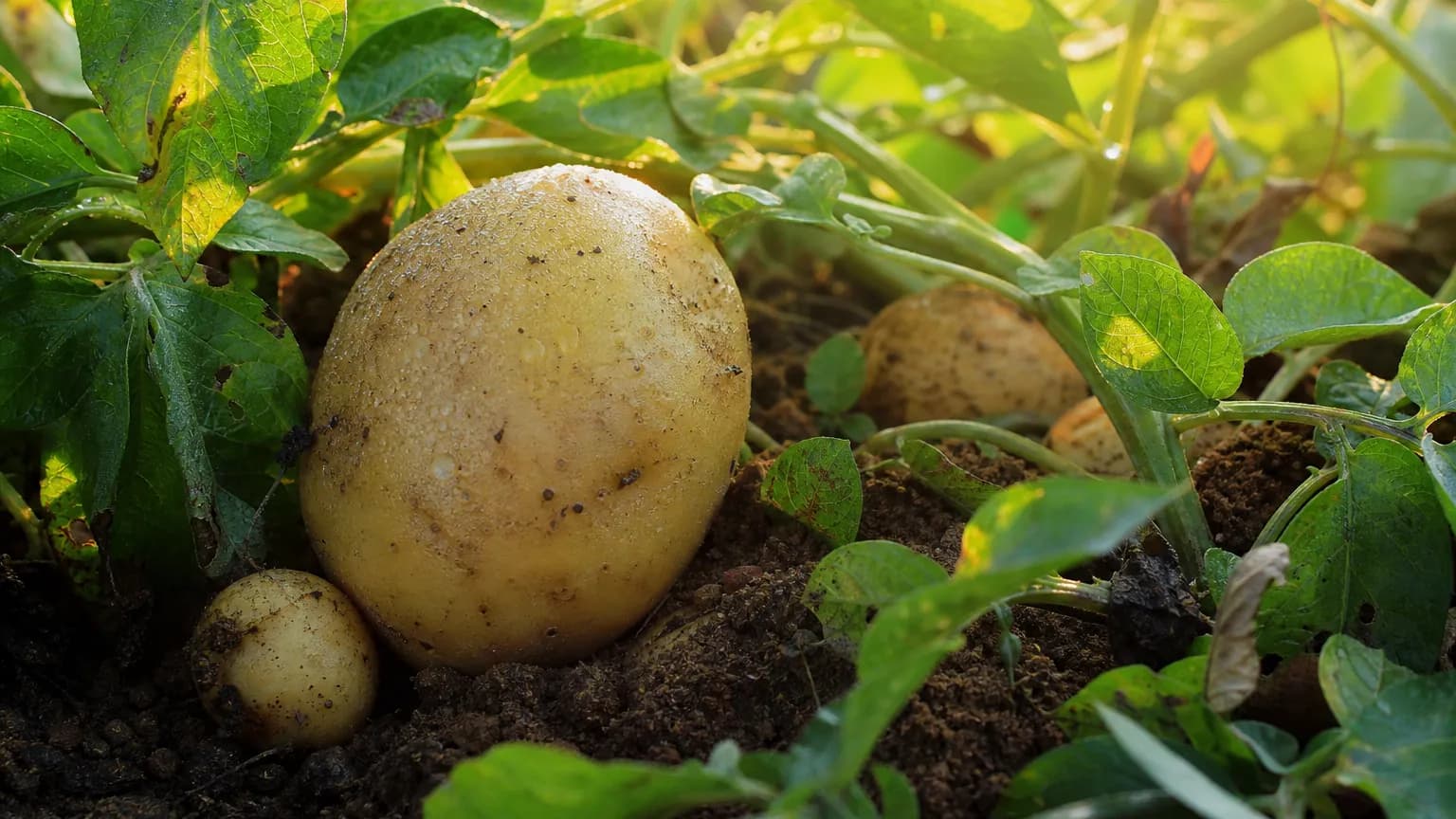
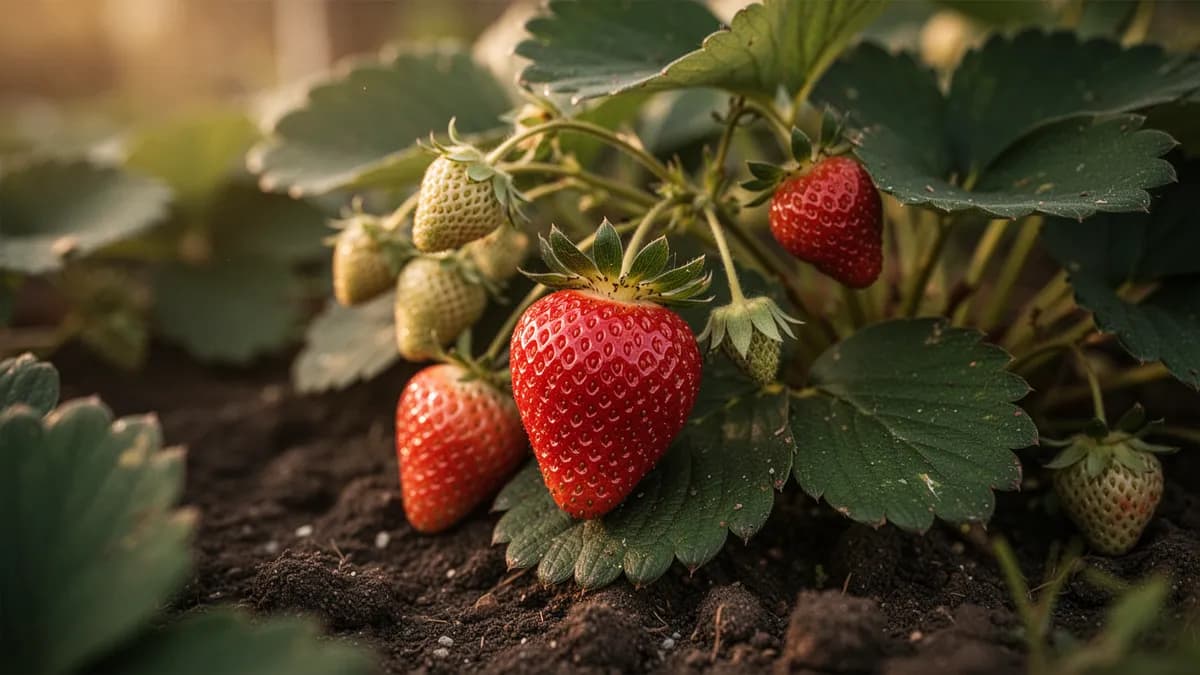
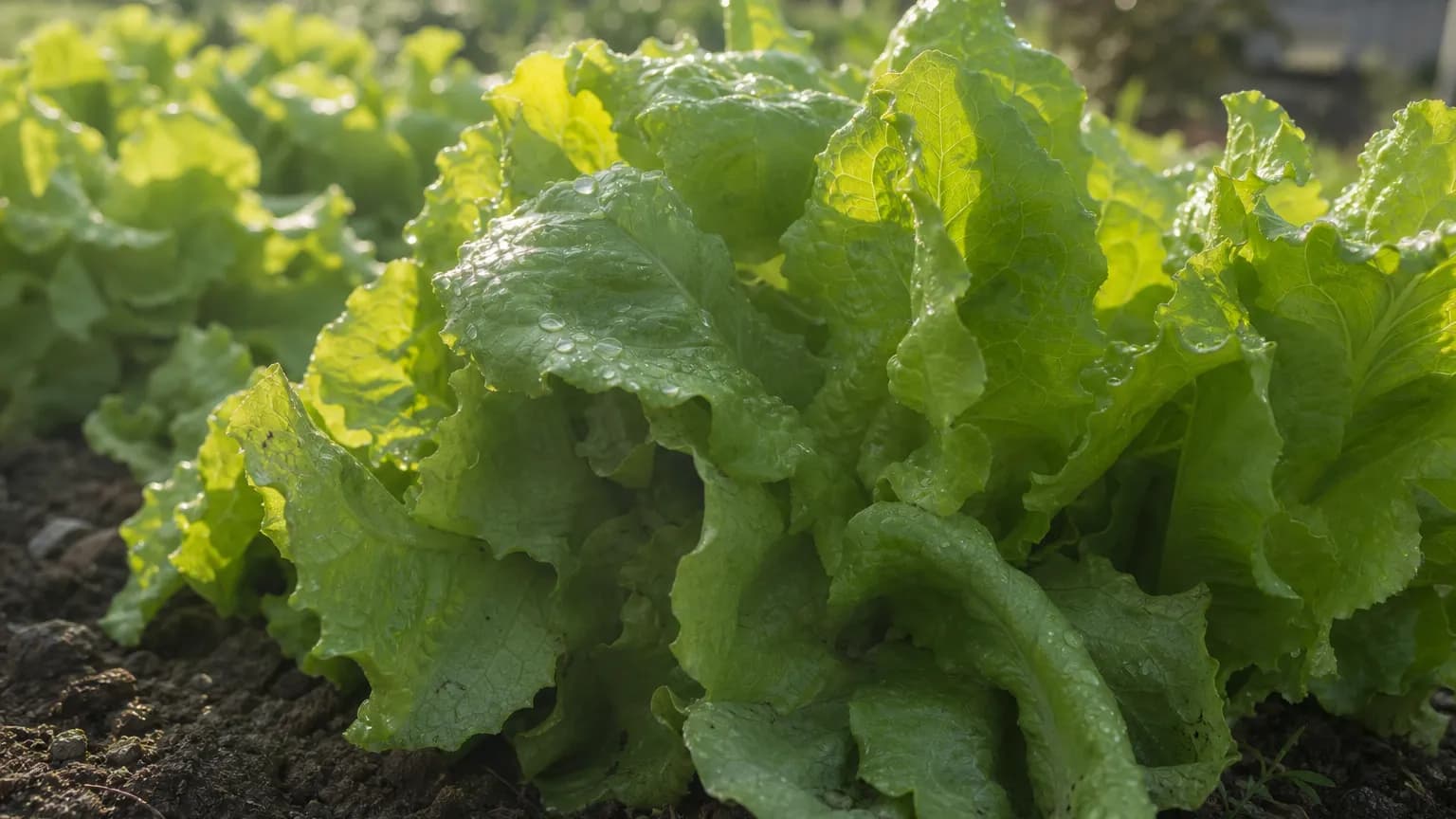
Buckwheat earns its bed space less by what it does for neighbors while standing and more by what it leaves behind: a weed-free, phosphorus-enriched seedbed. It is the classic nurse crop between heavy feeders — sow it after early potatoes, peas, or spring greens come out, mow it at bloom, and the bed is ready for autumn transplants. Its phosphorus scavenging particularly benefits potatoes and strawberries, and its summer-long bloom feeds the bees and hoverflies that improve fruit set in nearby pumpkin and cucumber vines. Among insectary flowers it ranks with phacelia as one of the finest honeybee and beneficial-insect plants you can grow, with the bonus of a harvestable crop. The one real caution: decomposing buckwheat residue mildly suppresses germination of small seeds, so keep it away from lettuce beds and wait 2-3 weeks after turning it under before sowing any fine-seeded crop.
Potato belongs beside it. Lettuce doesn't.
Old growers' knowledge, checked against Buckwheat's real companion table below — test any plant you're growing.
Related growing guides
Feed it well
Buckwheat breaks the usual garden rules: it prefers lean soil. It thrives in light, sandy or loamy, well-drained ground with a pH anywhere from 5.0 to 7.0, tolerating acidity that would stunt most vegetables — liming an acid bed is unnecessary for buckwheat. Do not work in compost or manure before sowing, and skip the starter fertilizer: fertility pushes soft, sprawling growth that lodges under wind and rain and, perversely, sets less seed. This makes buckwheat the ideal first crop on exhausted, compacted, or acidic problem beds where little else will establish.
The crop's famous soil talent is phosphorus mining. Buckwheat's roots exude mild acids that unlock phosphorus bound in forms other plants cannot access, and when the residue is incorporated at flowering, that phosphorus returns to the soil in plant-available form for the next crop. It scavenges little else — its modest biomass adds some organic matter and its shallow, fibrous roots condition the topsoil, but it is not a nitrogen fixer and adds almost no nitrogen.
If your soil is truly barren and seedlings emerge pale and stall, a single light dressing of a balanced organic fertilizer or compost tea at the 2-leaf stage is all that is ever warranted. For grain harvests on light sandy soils, a small potassium supplement (greensand or wood ash at a light rate) supports seed fill. Otherwise, the best fertility plan for buckwheat is to feed the crop that follows it — heavy feeders like cabbage or corn relish the phosphorus and weed-free seedbed buckwheat leaves behind, provided you wait 2-3 weeks after incorporation before sowing fine seeds.
Ideal Temperature
Hardiness Zone Compatibility
From seed to harvest, stage by stage
Germination
The triangular seeds absorb moisture and germinate remarkably fast — often within 2-3 days in warm soil. A slender white root pushes down while paired seed leaves unfold into the first small, heart-shaped true leaves. Emergence across a broadcast bed is dramatic, with rows of tiny green hooks appearing almost overnight.
Seedling
Seedlings elongate quickly on soft, reddish-tinged hollow stems, stacking heart-shaped leaves as they race upward. The fine taproot and shallow fibrous root system spread through the topsoil. Stands are dense and self-supporting at this stage; gaps filled by re-sowing catch up within a week.
Vegetative Growth
Plants reach 30-60 cm and the canopy closes completely — this is the smother phase, when buckwheat's dense shade starves germinating weeds of light. Branching begins from the leaf axils. Growth is so rapid on lean soil that fertility is unnecessary; rich soil only pushes soft, lodging-prone stems.
Flowering
Clusters of tiny white to pink-tinged blossoms open from the top of the plant downward, and flowering continues for weeks. Buckwheat secretes nectar mainly in the morning, and on calm mornings the stand hums with honeybees and hoverflies. Green groats begin swelling at the base of pollinated flowers even as new blooms open above.
Seed Set & Grain Fill
Groats swell, harden, and begin turning from green to brown-black, starting with the earliest flowers. Ripening is indeterminate — mature seeds, fresh flowers, and green groats share the plant at once. The foliage begins to thin and yellow as the plant channels resources into the seed.
Harvest
About three-quarters of the groats have turned brown to black — the signal to cut for grain. Stems are cut at ground level and bundled to dry, then threshed and winnowed. Green manure stands, by contrast, were mowed weeks earlier at peak bloom, or left for autumn frost to kill cleanly.
Keep the seedbed evenly moist until emergence but never waterlogged. Do not sow before the soil reaches 15°C — cold, wet soil rots this otherwise vigorous seed. Protect fresh sowings from scratching birds with fleece or netting.
Caring for Buckwheat month by month
What to do each month for your Buckwheat
November
You are hereCheck stored groats for dryness and seal airtight. Note which buckwheat stands suppressed weeds best and where volunteers appeared — plan next year's mowing timing accordingly.
Harvesting Buckwheat
For green manure, the harvest is the termination: mow, scythe, or string-trim the stand at peak flowering, roughly 4-6 weeks after sowing and always before the first groats harden — allowed to set seed, buckwheat self-sows enthusiastically and becomes the weed in your next crop. The tender, mostly hollow stems collapse readily and can be left in place as surface mulch for no-till systems or shallowly incorporated. A hard frost does the job for you: plants collapse overnight into a clean, dead mat that protects the soil all winter.
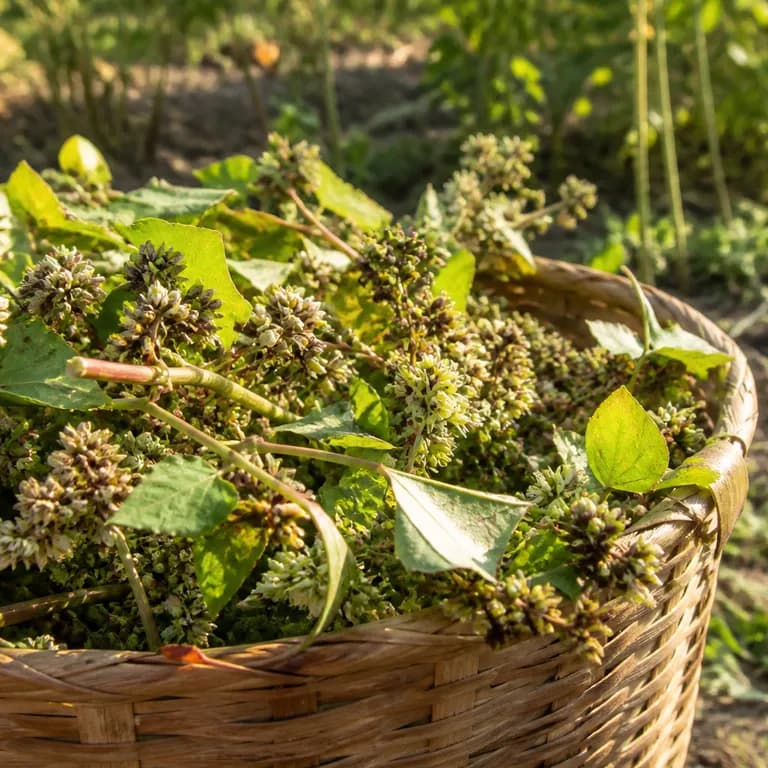
For grain, watch the seed heads from week 9 onward. Buckwheat ripens indeterminately — the plant keeps flowering while early groats mature — so wait until about 75% of the groats have turned brown to black, then cut on a dry day before a killing frost threatens the unripened remainder. Mow or cut stems at ground level and bundle loosely, standing the bundles under cover or laying them on a tarp to dry for 1-2 weeks; the hollow stems hold surprising moisture.
Thresh dried plants by rubbing the seed heads between gloved hands over a clean tarp, or beat the bundles inside a large bin — the triangular groats pop free easily. Winnow in front of a fan or on a breezy day to separate groats from chaff. Expect a proportion of green, immature seeds in every batch; these are edible but dry them thoroughly before storage. Dehulling at home is the fiddly part: crack dried groats lightly in a grain mill set wide, or pulse briefly in a blender, then winnow again to blow off the papery hulls.
assuming you plant when the window opens — set your real date
Pick Buckwheat promptly and the plant keeps producing.
Storage & Preservation
Dried, cleaned groats are the stable form: store them in airtight jars or food-grade buckets in a cool, dark place, where they keep their quality for about a year. Moisture is the only real enemy — groats must rattle dry before sealing, and a desiccant packet or a week in the freezer after jarring guards against hidden moisture and pantry moths. Greenish, immature groats should be used first, as their higher moisture content shortens their life.
Roasting transforms raw groats into kasha, the nutty staple of Eastern European cooking. Toast groats in a dry skillet over medium heat for 4-5 minutes until fragrant and golden, then cook or store — roasted kasha keeps 6 months in an airtight container and actually resists rancidity better than raw groats because the heat deactivates oxidizing enzymes. Kasha freezes well for longer keeping.
Freshly milled buckwheat flour is far more aromatic than store-bought but contains fragile oils that turn rancid within weeks at room temperature. Mill only what you need in a blender or grain mill, and store flour in an airtight container in the freezer for up to 6 months. The leftover papery hulls are too tough to compost quickly but make excellent mulch around acid-loving plants, and tradition gives them a second life as filling for Japanese sobakawa pillows. Sprouting raw (unroasted, unhulled) groats for 1-2 days produces crunchy sprouts for salads and granola — rinse twice daily and use within 3 days.
What goes wrong — and the fix
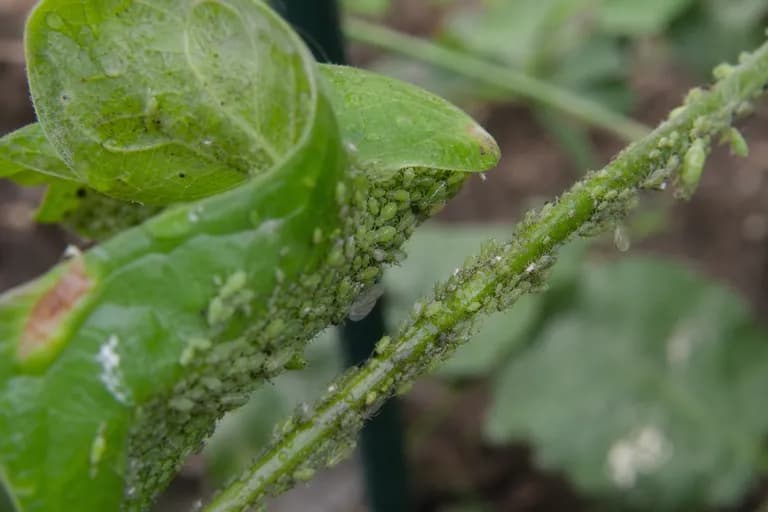
Aphids
PestColonies of small soft-bodied insects clustering on tender stem tips, flower clusters, and leaf undersides. Leaves may curl and become sticky with honeydew, and heavily infested plants show stunted growth and poor flowering.
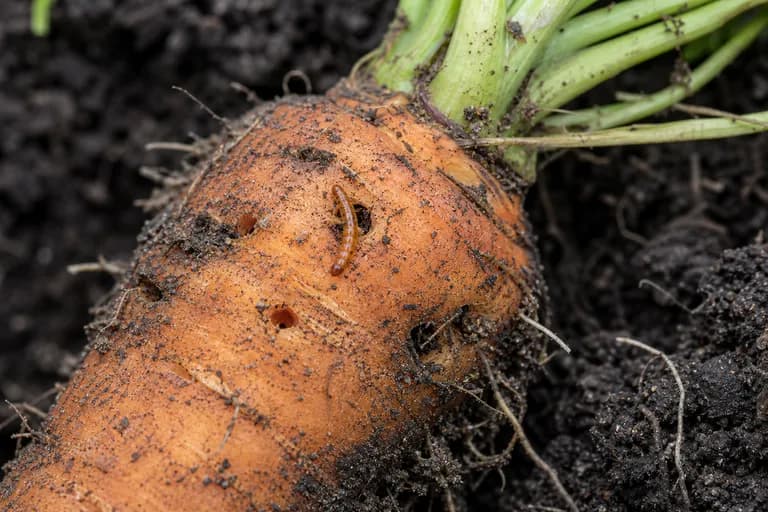
Wireworms
PestSlender, hard-bodied yellow-brown larvae of click beetles feeding on germinating seeds and seedling roots. Patchy emergence and gaps in the stand, especially in beds recently converted from grass or sod.
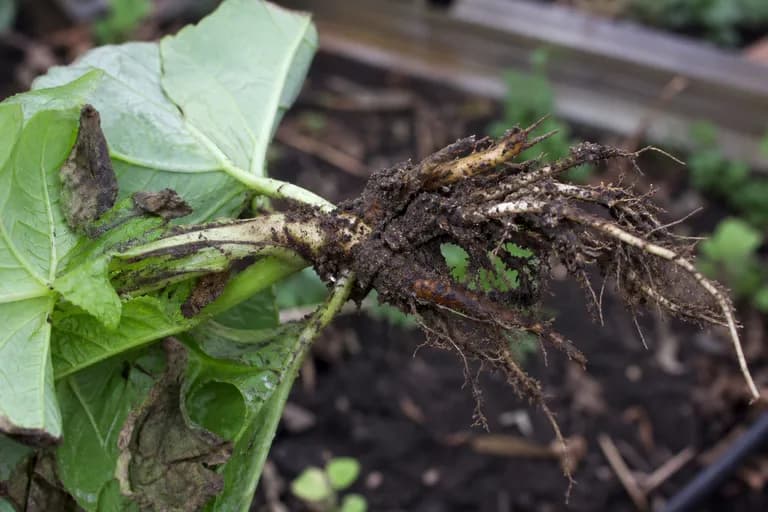
Rhizoctonia Root Rot
DiseaseBrown, sunken lesions girdling stems at the soil line and reddish-brown rot on the shallow root system. Seedlings collapse or older plants yellow, wilt on warm days, and stunt, most often in heavy, waterlogged soil.
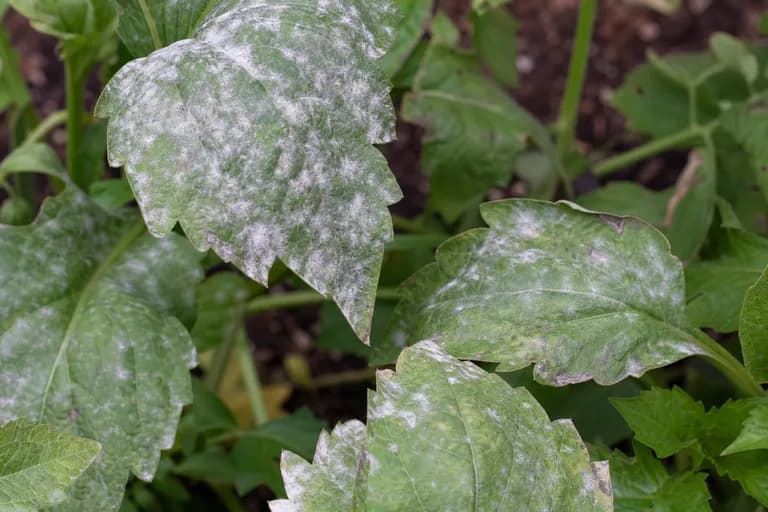
Powdery Mildew
DiseaseWhite, powdery fungal patches spreading across leaves and stems, typically late in the season on dense stands. Severely coated leaves yellow and dry early, slightly reducing grain fill on late-maturing plants.
Seed-Eating Birds
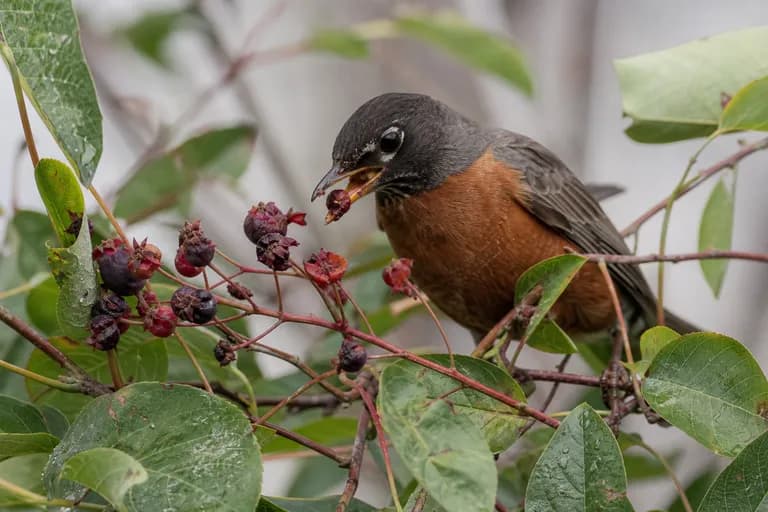
PestSparrows, finches, and doves scratching up freshly broadcast seed and, later, stripping ripening groats from the seed heads. Bare patches in new sowings and shattered, half-empty seed clusters near harvest.
Troubleshooting Common Problems
Lodging — whole patches of buckwheat flopping over in wind or rain — is the signature failure, and it is almost always self-inflicted. Rich soil, fresh compost, fertilizer, or generous watering produces tall, soft, hollow stems that cannot support the flowering canopy. The fix is to do less: sow on lean ground, never fertilize, and water only in genuine drought. Lodged stands grown for grain also ripen unevenly, as air can no longer move through the tangle.
A stand full of white blossom that sets almost no seed points to flower blasting. Buckwheat blossoms abort under hot, dry conditions above roughly 32°C (90°F), and May-sown crops often flower straight into the worst heat of July. Pollination itself is rarely the bottleneck — honeybees and hoverflies mob the flowers on calm mornings — but heat-damaged flowers never open for them. The remedy is sowing in June or July so that bloom lands in the cooler, moister days of late August and September; in hot-summer climates these late sowings reliably out-yield early ones.
Patchy emergence usually traces to birds scratching out broadcast seed or to seed rotting in cold, wet soil — sow only when the soil reaches 15°C, and rake the seed in rather than leaving it on the surface. The other common surprise is volunteer buckwheat: stands left even a week past first seed set drop enough groats to pepper the next crop with seedlings. Mow green manure stands at peak bloom, and if volunteers appear, hoe them young — they are shallow-rooted and effortless to remove. Finally, resist sowing lettuce or other fine-seeded crops immediately after incorporating buckwheat; its decomposing residue mildly inhibits germination of small seeds for 2-3 weeks.
Growing Tips
- Broadcast, never transplant — buckwheat is one of the few crops where scattering seed is correct technique. Rake in 1-2 cm deep and firm the bed for fast, even emergence.
- Wait for warm soil. Seeds germinate in 2-5 days at 20°C but rot quietly in cold, wet ground. Sow after the last frost when the soil holds a steady 15°C.
- Grow it lean. Skip compost, manure, and fertilizer — fertility produces soft stems that lodge and set fewer seeds. Buckwheat's superpower is thriving on poor, even acidic soil (down to pH 5.0).
- For a weed-smothering cover crop, sow densely (up to 100 g per 10 m²). The canopy closes in 3-4 weeks and few weeds survive the shade.
- Mow green manure stands at peak flowering, before any groats harden. One week too late means self-sown volunteers peppering your next crop — buckwheat sheds seed eagerly.
- After incorporating buckwheat residue, wait 2-3 weeks before sowing lettuce or other fine-seeded crops — the decomposing tissue mildly inhibits small-seed germination. Large seeds and transplants are unaffected.
- For grain, sow in early or midsummer so flowering lands in the cooler, moister days of late summer. Late-spring-sown crops bloom into midsummer heat, and temperatures above 32°C blast the flowers.
- Leave a strip in full bloom for the bees — buckwheat secretes nectar heavily in the morning and ranks with the best insectary plants for honeybees and hoverflies.
- Succession-sow every 2-3 weeks into gaps as early crops come out. Each patch weeds the bed, feeds pollinators, and conditions the soil for whatever follows.
- Light frost kills buckwheat cleanly overnight, collapsing it into a tidy mat — sow late-summer cover stands you never have to terminate by hand, and plant autumn garlic straight into the residue.
Pick your Buckwheat
Mancan
A Canadian-bred variety from Agriculture Canada's Morden station in Manitoba (the name is a contraction of Manitoba-Canada). Large-seeded and widely adapted, it became the standard commercial buckwheat across the northern prairies and is excellent for whole groats and kasha.
Manor
Another Manitoba release that dominated North American buckwheat production through the 1990s. Its large, uniform seeds are prized by processors making whole groats and soba flour, and its dependable maturity suits short-season gardens.
Koma
A large-seeded Japanese-type variety that often out-yields Mancan in variety trials. Bred for soba production, it produces plump groats with good milling quality and strong early vigor that closes the canopy quickly against weeds.
Koto
A diploid, open-pollinated variety released in 2002 by Cornell University and Kade Research. Selected for uniform, large seed and reliable performance in northeastern North America, it is a solid choice for home gardeners saving their own seed.
Horizon
A modern large-seeded variety that has produced high yields in trials in North Dakota and Canada. Vigorous and uniform, it performs well both for grain and as a quick cover crop in northern gardens.
Buckwheat may be the cheapest crop in the catalog to grow: cover-crop seed sold by weight costs a few dollars per 500 g, enough to sow 50-100 m². If you harvest grain, each square meter returns 60-150 g of organic gluten-free groats worth $1-2 at retail ($8-12 per kg) — but the real savings is agronomic: a summer of buckwheat smothers weeds, loosens topsoil, and mobilizes phosphorus that would otherwise cost money in compost, fertilizer, and hours of weeding.
Quick recipes
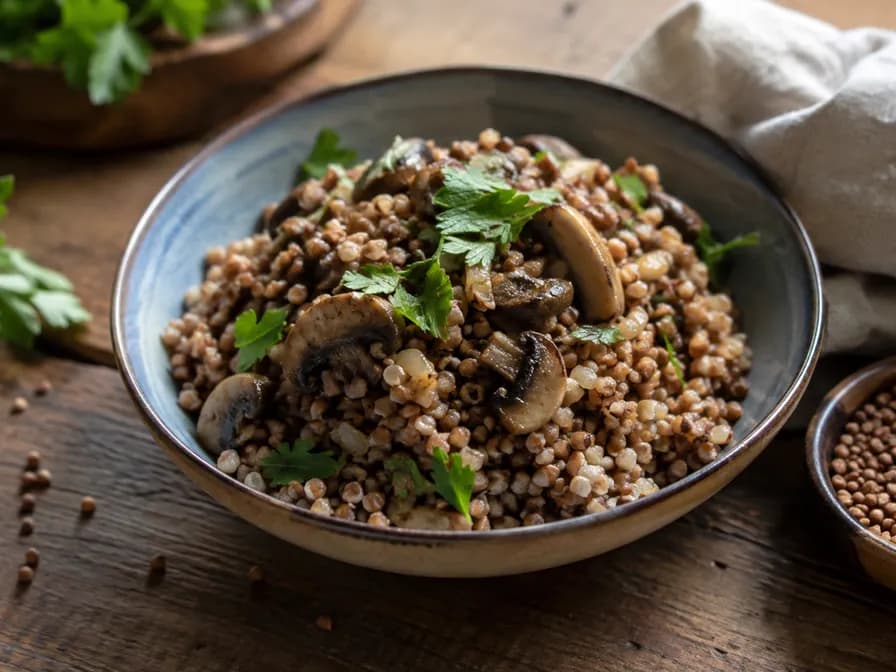
Toasted Buckwheat Kasha with Mushrooms
30 minThe classic Eastern European buckwheat dish — nutty toasted groats simmered fluffy and folded through buttery mushrooms and caramelized onions. Comforting, earthy, and the fastest way to fall in love with your harvest.
7 ingredients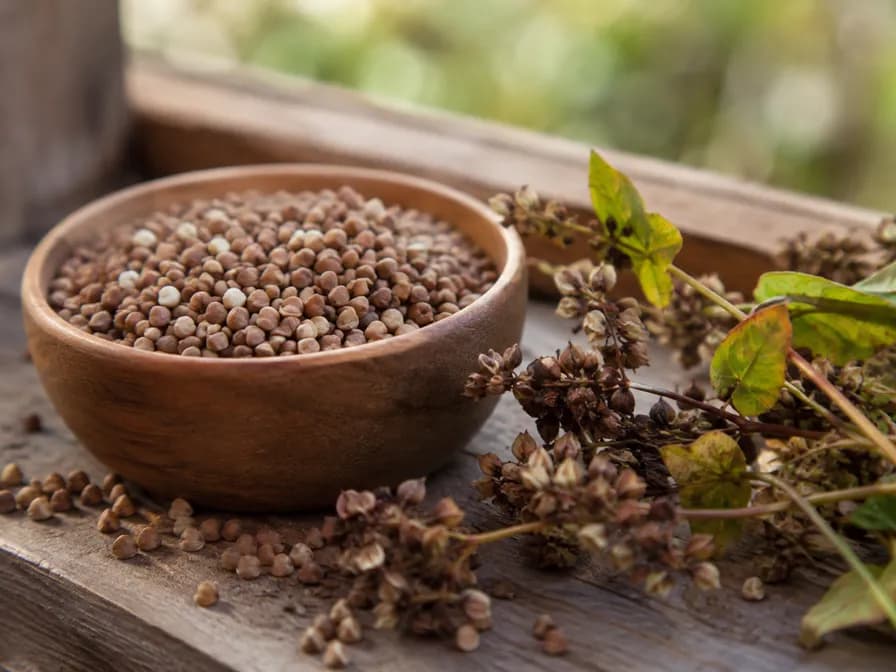
Breton Buckwheat Galettes
40 minThin, crisp-edged savory crêpes from Brittany made with pure buckwheat batter — no gluten needed. Fill with the classic complète of ham, Gruyère, and a fried egg for a meal that showcases fresh-milled flour.
7 ingredientsChilled Soba Noodle Salad
20 minBuckwheat soba noodles served cold the Japanese way — rinsed until slick, then dipped or dressed with a soy-mirin sauce and topped with scallions, sesame, and crisp garden vegetables. The nutty bite of real buckwheat shines when served cold.
7 ingredientsCulinary Uses
Buckwheat groats are the hulled kernels of the triangular seeds, and toasting them before cooking is what unlocks the crop's distinctive nutty, earthy flavor. Simmer raw groats 1:2 with water for 10-15 minutes for a fluffy pilaf base, or toast them first into kasha — then pair with sautéed mushrooms, onions, and butter in the classic Eastern European preparation. Cooked groats hold their shape, making them ideal for grain bowls, salads, and as a rice substitute, and they can be ground fresh into a porridge rivaling oatmeal.
Buckwheat flour, ground from raw groats, anchors some of the world's great peasant cuisines. Breton galettes — thin, crisp-edged savory crêpes wrapped around ham, cheese, and egg — are pure buckwheat. Japanese soba noodles range from 100% buckwheat (juwari soba, fragile and deeply flavored) to blends with wheat. Russian blini were originally buckwheat pancakes, and the flour adds a mineral depth to pancakes, waffles, and quick breads; because it contains no gluten, blend it 30-50% with wheat flour for anything that needs to rise. In Japan, roasted groats are also steeped as sobacha, a fragrant, caffeine-free tea.
A note on the greens: young buckwheat leaves are edible and were once eaten as a potherb, but they contain fagopyrin, a pigment that can cause skin photosensitivity when eaten in quantity or fed heavily to livestock. Enjoy groats, flour, and sprouts freely, but treat fresh greens as an occasional garnish rather than a staple vegetable.
What's inside
Health Benefits
- The richest everyday source of rutin, a flavonoid shown to strengthen capillary walls and support healthy circulation — traditionally valued for varicose veins and easy bruising.
- Protein quality rare among grain-like foods: buckwheat is high in lysine, the essential amino acid that wheat and rice lack, making it a valuable complement in plant-based diets.
- Cooked groats have a low glycemic index and contain D-chiro-inositol, a compound studied for supporting healthy blood sugar regulation and insulin sensitivity.
- Excellent source of magnesium and manganese — minerals involved in energy metabolism, bone formation, and antioxidant defense — with a 100g serving of raw groats providing over half the daily magnesium need.
- Naturally and completely gluten-free, since buckwheat is botanically unrelated to wheat, barley, and rye — a safe, nutrient-dense staple for people with celiac disease or gluten sensitivity.
Where Buckwheat comes from
Buckwheat (Fagopyrum esculentum) was domesticated in the cool highlands of southwestern China — the Yunnan-Sichuan region holds the greatest diversity of wild Fagopyrum species — at least several thousand years ago, with archaeological and genetic evidence pointing to cultivation stretching back 5,000-6,000 years. From its mountain homeland it spread to Tibet and across Central Asia, valued precisely because it produced a crop on poor, acidic, high-altitude soils where true cereals failed. Its Tartary relative (F. tataricum), hardier still, remains a staple in the Himalayas today.
The crop reached Europe late, around the 14th-15th century, arriving through the Balkans and the Black Sea trade routes — which is why many European languages named it after the 'Saracens' or 'heathens' who brought it: French blé sarrasin, Spanish trigo sarraceno, German Buchweizen (from Dutch boekweit, 'beech wheat'). It found devoted homes where soils were poor: Brittany built its galette culture on buckwheat, Russia made kasha and blini from it, and it sustained mountain farms across the Alps and the Vosges. Dutch settlers carried it to New York's Hudson Valley in the 1600s, and by the 19th century buckwheat covered hundreds of thousands of American acres, feeding pancake griddles and vast commercial apiaries alike.
The 20th century nearly ended the crop: synthetic nitrogen fertilizer let wheat and corn out-yield it on the fertile fields where buckwheat had no advantage, and acreage collapsed. But buckwheat never disappeared — Japan's soba tradition, Russia's kasha culture, and Brittany's crêperies kept demand alive, and the gluten-free movement has brought groats back to health-food shelves worldwide. Meanwhile organic farmers rediscovered what 19th-century growers knew: no other crop smothers weeds, unlocks phosphorus, and feeds pollinators in a spare 4-6 weeks between vegetables. Buckwheat's modern revival as a cover crop is really a homecoming.
Buckwheat: did you know?
Fascinating facts about Buckwheat
Buckwheat is not a grain botanically — it is a broadleaf plant in the Polygonaceae family, a cousin of rhubarb and sorrel, and its 'groats' are dry triangular fruits called achenes.
Buckwheat questions, answered
When should I plant Buckwheat?
What are good companion plants for Buckwheat?
What hardiness zones can Buckwheat grow in?
How much sun does Buckwheat need?
How far apart should I space Buckwheat?
What pests and diseases affect Buckwheat?
How do I store Buckwheat after harvest?
What are the best Buckwheat varieties to grow?
What soil does Buckwheat need?
Is buckwheat related to wheat? Does it contain gluten?
Why did my buckwheat fall over?
How do I terminate buckwheat grown as green manure?
My buckwheat flowered heavily but set almost no seed. Why?
Can I start buckwheat indoors or transplant it?
Why did nothing germinate well after I turned under my buckwheat?
Plant these alongside Buckwheat
More Stalks & Stems
Keep Buckwheat away from these
Grow your best Buckwheat yet — and everything around it.
Start a free plan today. Lay out your beds, drop in your Buckwheat, and let PlotMyGarden handle the timing, spacing, companions and reminders from seed to harvest basket.
