Coles de Bruselas Rojas
Variante púrpura-rojiza de las coles de Bruselas tradicionales, perteneciente a la familia Brassica oleracea var. gemmifera.





En esta páginaResumen
Conoce Coles de Bruselas Rojas
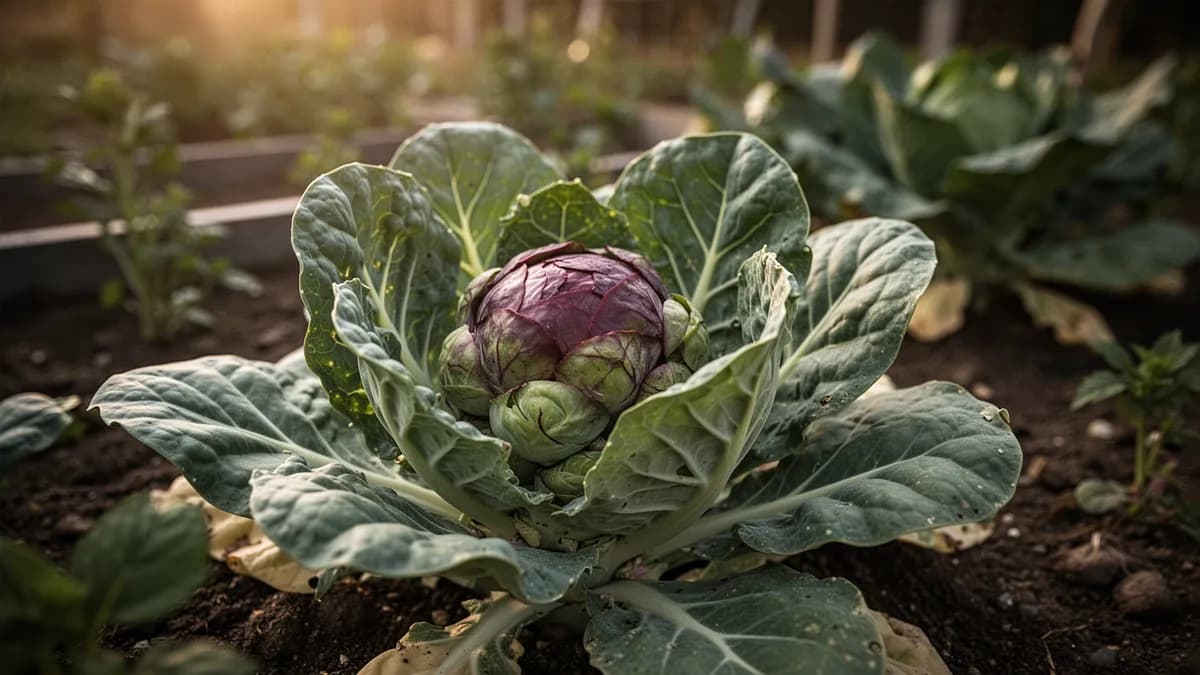
Variante púrpura-rojiza de las coles de Bruselas tradicionales, perteneciente a la familia Brassica oleracea var. gemmifera. Destacan por su llamativo color antociánico que aporta un valor ornamental al huerto, además de un sabor más intenso y ligeramente más dulce que las variedades verdes, especialmente después de las primeras heladas.
Cuándo plantar Coles de Bruselas Rojas
Sembrar las semillas en bandejas de alvéolos en interior entre febrero y marzo, a una profundidad de 1-1,5 cm en sustrato para semillero. Mantener a 15-20 °C para una germinación en 7-12 días. Trasplantar al exterior cuando las plántulas tengan 4-6 hojas verdaderas y la temperatura mínima nocturna supere los 5 °C, endureciendo gradualmente durante una semana antes del trasplante definitivo.
Tu año de Coles de Bruselas Rojas
Ajustado a Zona 7 · temporada típica · la helada se va hacia el 2 abr y vuelve hacia el 1 nov
Planta Coles de Bruselas Rojas Abr – Jun y cosecha Oct – Dic. Consulta los métodos de plantación y elige tu clima para adaptar los periodos.
Cómo cultivar Coles de Bruselas Rojas
Las coles de Bruselas rojas requieren una temporada de crecimiento prolongada de entre 120 y 150 días. Se recomienda iniciar las semillas en interior entre febrero y marzo, trasplantando al exterior cuando las plántulas tengan 10-15 cm de altura y hayan pasado las heladas fuertes de primavera. Plantar a una distancia de 60-75 cm entre plantas y 75-90 cm entre hileras, en un lugar a pleno sol.
Durante el crecimiento, es fundamental mantener un riego constante y uniforme, ya que la sequía provoca cogollos sueltos y amargos. Aplicar un acolchado orgánico de 5-8 cm alrededor de las plantas ayuda a conservar la humedad y regular la temperatura del suelo. Cuando las plantas alcancen 50-60 cm de altura, aporcar la base para mejorar la estabilidad y eliminar las hojas inferiores amarillentas para favorecer la circulación de aire.
El color rojo-púrpura se intensifica con las temperaturas frías del otoño, por lo que no conviene cosechar prematuramente. Para obtener cogollos más uniformes, se puede podar la yema terminal de la planta unas 3-4 semanas antes de la cosecha prevista. El color antociánico puede reducirse parcialmente durante la cocción, por lo que se recomienda métodos de cocción rápidos como el asado o el salteado para preservar la tonalidad.
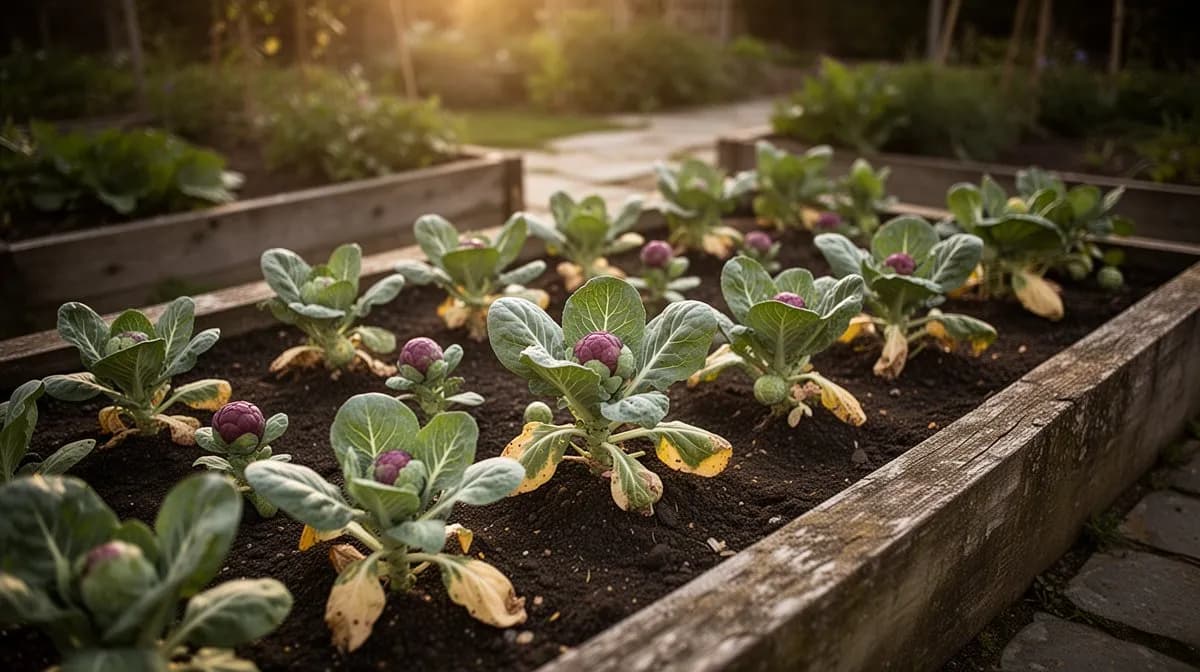
8 plantas caben en un bancal de 120 × 240 cm
Cada Coles de Bruselas Rojas pide 60 cm de margen. El planificador guarda ese marco por ti — cada planta, cada bancal.
Los mejores vecinos de Coles de Bruselas Rojas
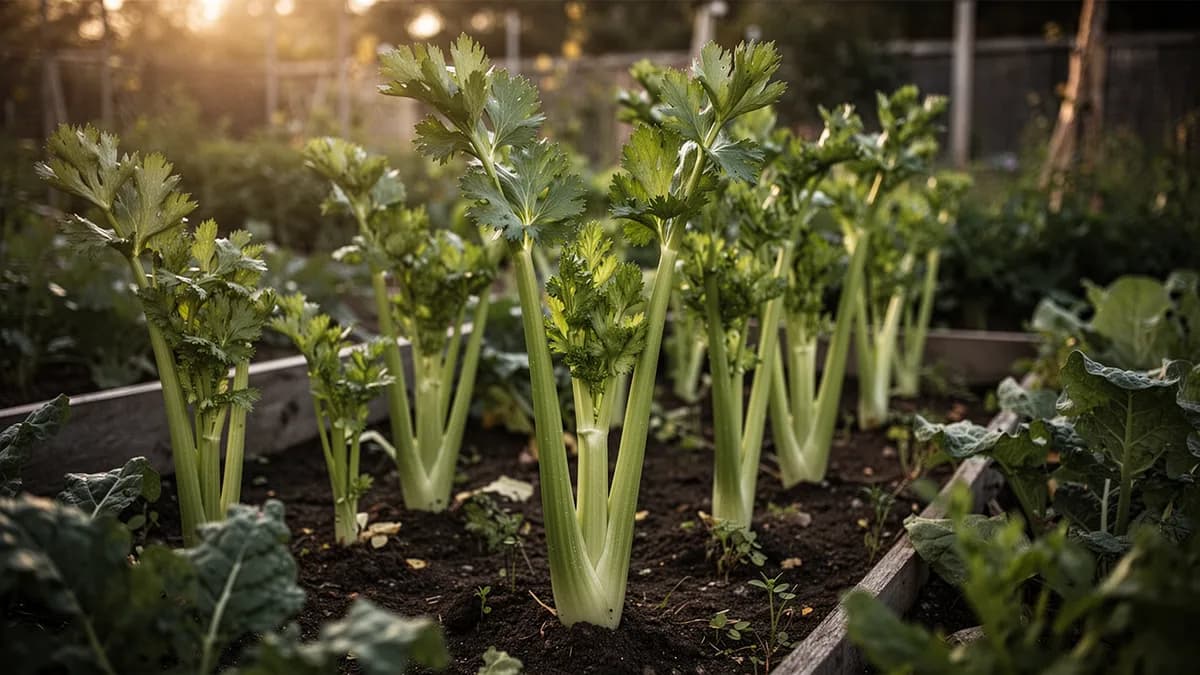
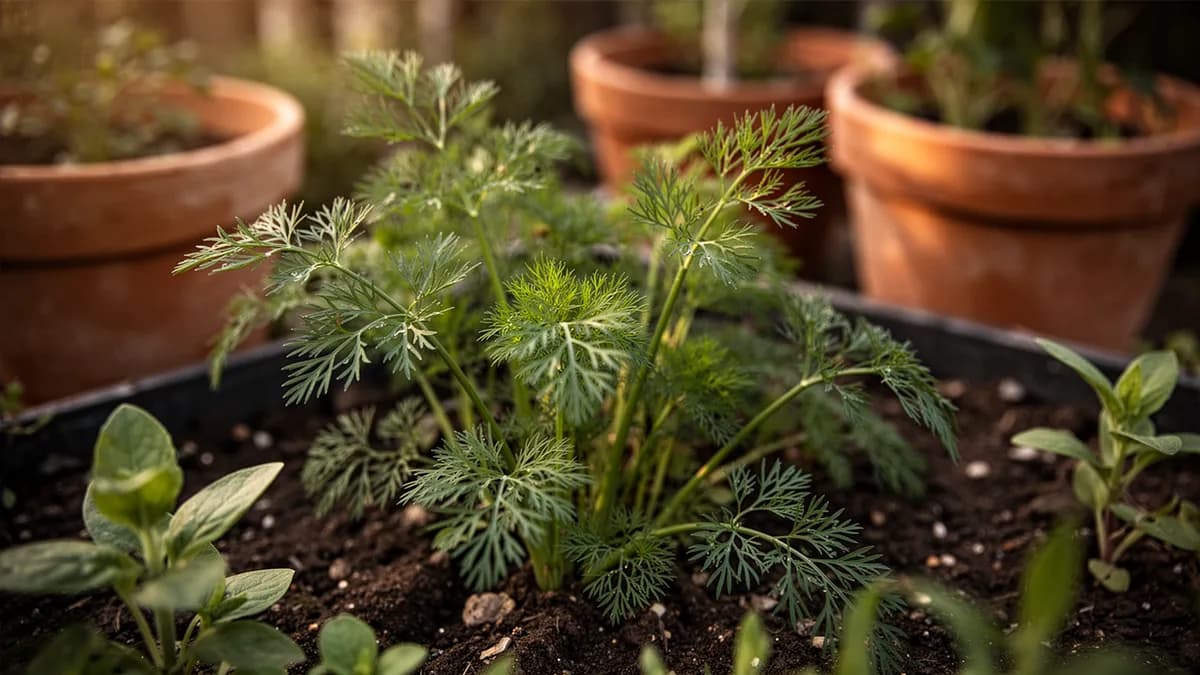
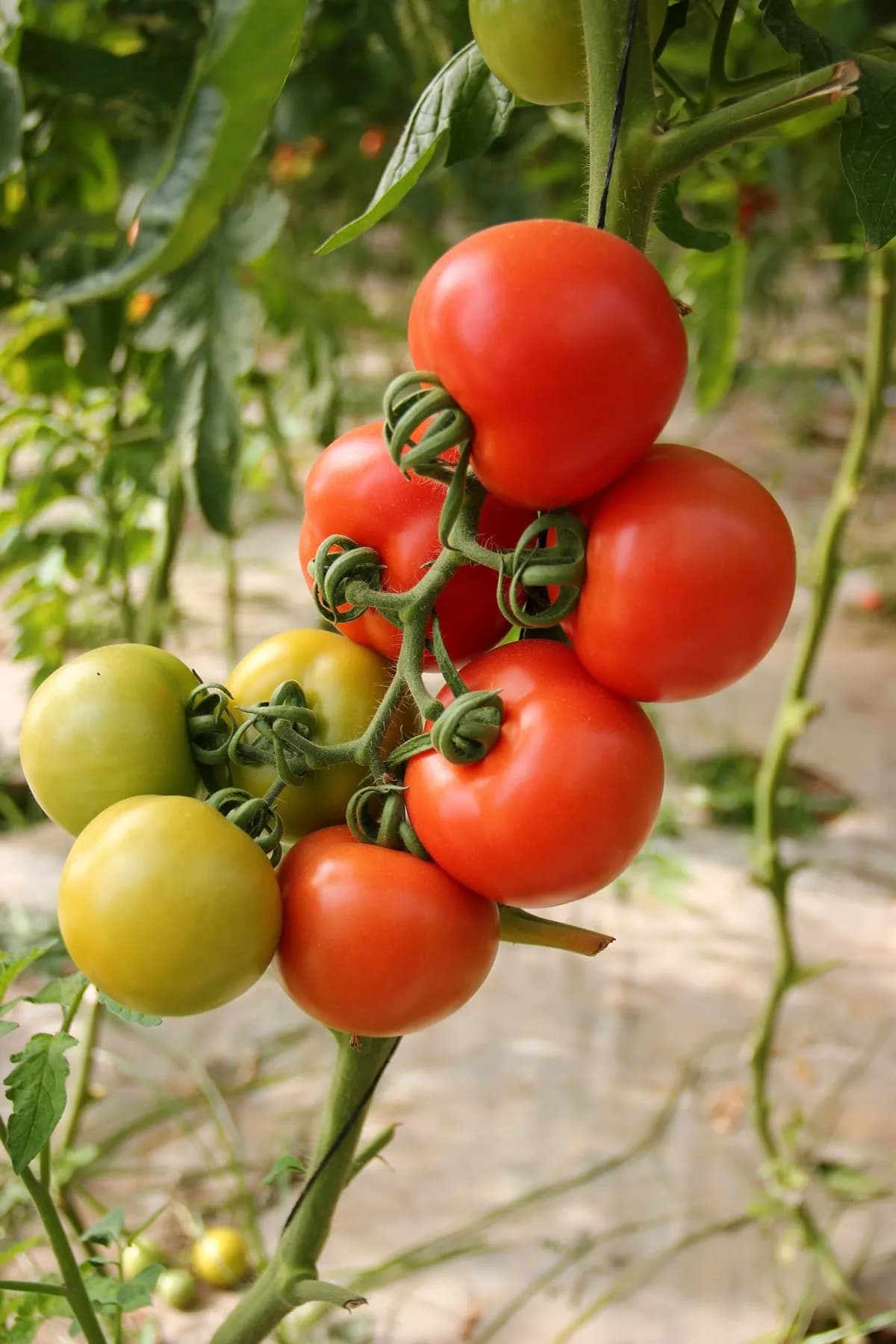
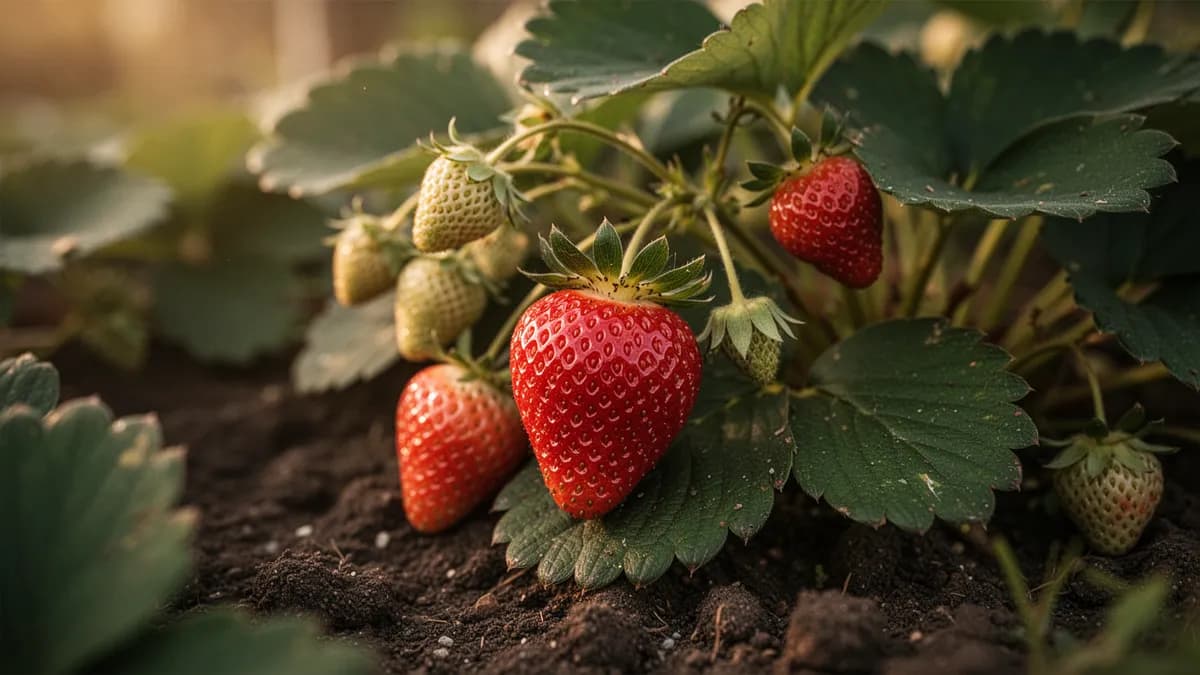
Se benefician de la compañía de hierbas aromáticas como la salvia, el tomillo y el romero, que repelen las mariposas de la col con su fuerte aroma. Las cebollas y el apio también son buenos compañeros al disuadir plagas. Evitar plantar cerca de fresas, tomates y otras solanáceas, ya que compiten por nutrientes y pueden favorecer enfermedades compartidas.
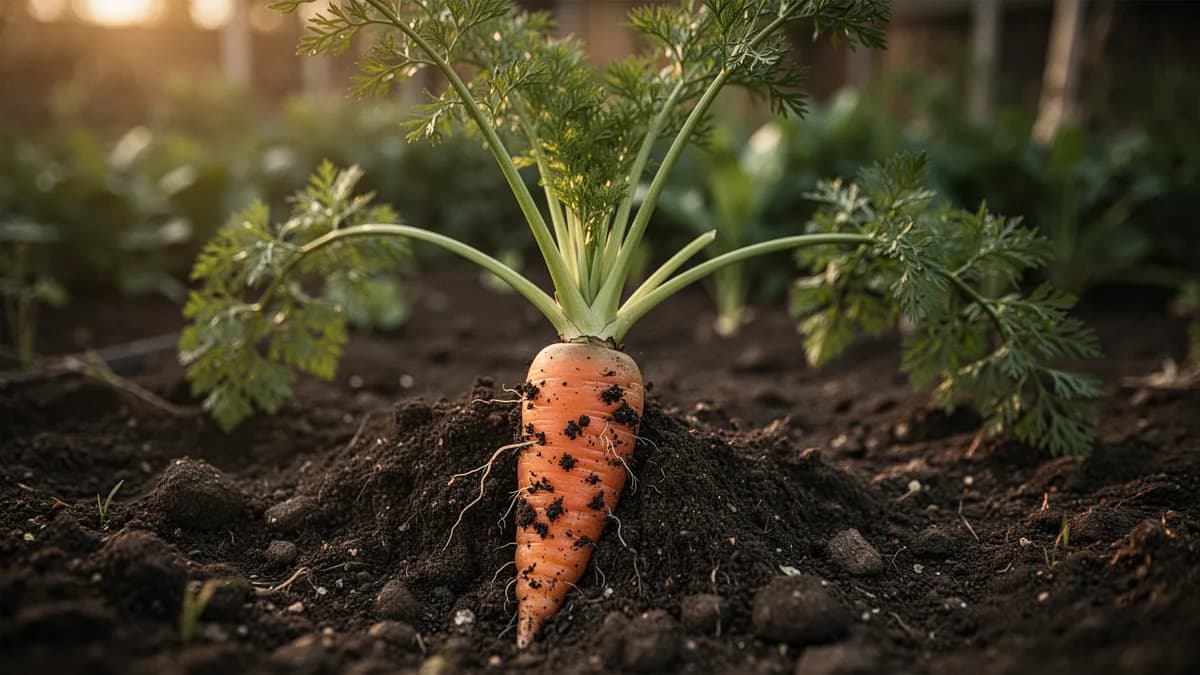
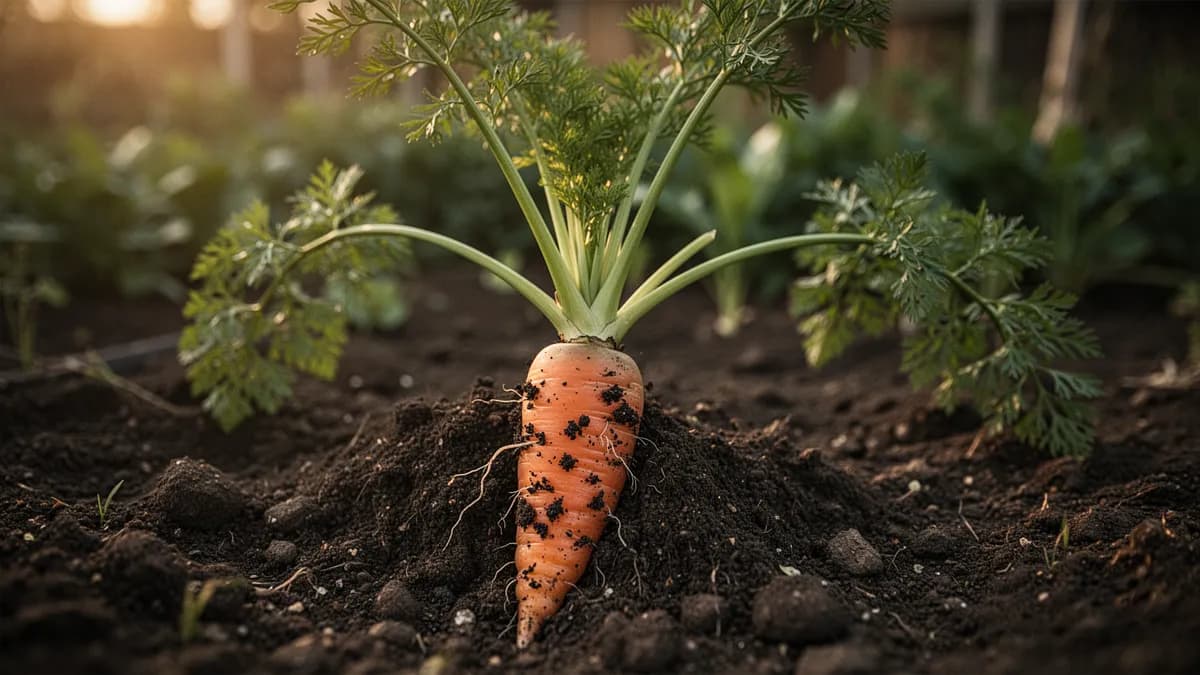
Zanahoria va a su lado. Tomate no.
Saber de huerto de siempre, cotejado con la tabla real de Coles de Bruselas Rojas — prueba cualquier planta que cultives.
Prueba Coles de Bruselas Rojas en un bancal, aquí mismo
Un bancal real del planificador con Coles de Bruselas Rojas ya plantado. Toca una planta compañera para colocarla y mira cómo responde la comprobación de vecinos: verde para buenos vecinos, rojo si hay conflicto.


Guías de cultivo relacionadas
Abónalo bien
Requieren un suelo firme, profundo y rico en materia orgánica con pH entre 6,5 y 7,5. Incorporar compost bien descompuesto y harina de huesos al preparar el terreno. Aplicar un fertilizante equilibrado (10-10-10) al trasplante y suplementar con abono rico en potasio a mitad de temporada para favorecer la formación de cogollos compactos.
Temperatura ideal
Compatibilidad de zonas de rusticidad
De la semilla a la cosecha, etapa por etapa
Siembra
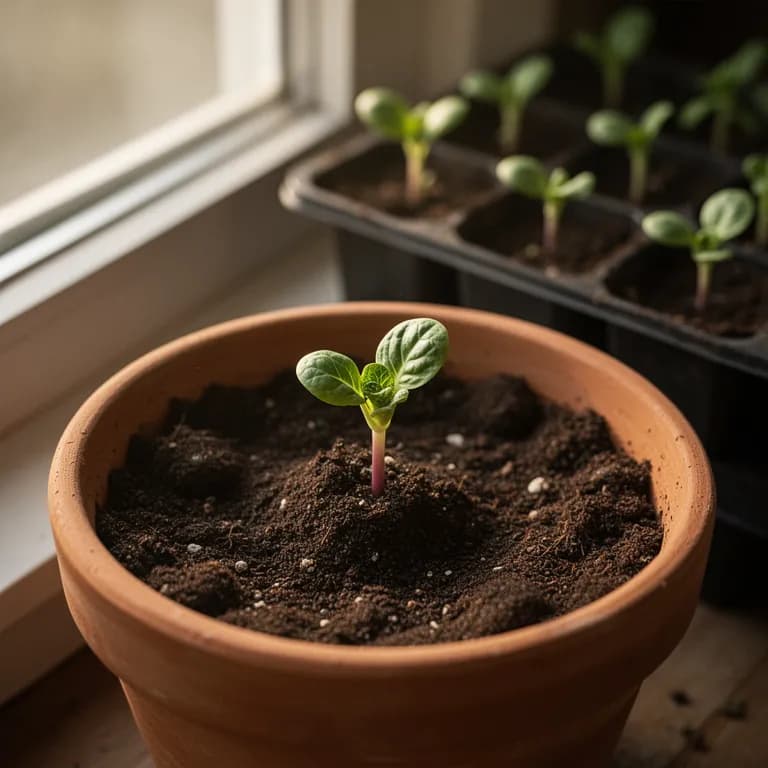
Las semillas germinan con temperaturas del suelo frescas a moderadas en 5-10 días. Las cotiledones emergentes son redondeadas y pueden mostrar un leve tono púrpura incluso en esta etapa temprana debido a la genética de antocianinas. Los coles de Bruselas rojos se inician mejor en interiores 6-8 semanas antes de la última helada primaveral o 16-20 semanas antes de la primera helada otoñal para una cosecha de otoño.
Desarrollo de plántula
Se desarrollan las hojas verdaderas con la característica forma lobulada de las brassicas y una nervadura púrpura rojiza cada vez más visible. El tallo se engrosa y el sistema radicular se expande rápidamente. Las plántulas deben aclimatarse durante 7-10 días antes del trasplante al exterior, exponiéndolas gradualmente al viento, al sol y a temperaturas más frescas.
Crecimiento vegetativo
Después del trasplante, las plantas se establecen rápidamente y producen una gran roseta de hojas anchas, verde azulado a matizadas de púrpura, sobre un tallo central que se engrosa con rapidez. El tallo se alarga y pequeños grupos de yemas (los futuros brotes) comienzan a formarse en las axilas de las hojas desde la base del tallo hacia arriba. Este es el período de mayor crecimiento de hojas y tallo.
Formación de brotes
Las cabezas miniatura de los brotes se hinchan en las axilas de las hojas, comenzando en la base del tallo y avanzando hacia arriba durante varias semanas. Cada brote es una pequeña cabeza de col muy compacta. La coloración púrpura rojiza se intensifica a medida que los brotes maduran y se exponen a temperaturas otoñales más frescas, con un aumento de la producción de antocianinas en respuesta al frío y a la luz UV.
Maduración y cosecha
Los brotes alcanzan su tamaño completo (2,5-5 cm de diámetro) y desarrollan su color púrpura rubí más intenso después de varias heladas ligeras. Las temperaturas frías por debajo de 5°C convierten almidones en azúcares, mejorando de forma notable el sabor y la dulzura. Cosecha de abajo hacia arriba cuando los brotes se vayan endureciendo, o corta todo el tallo para una sola cosecha espectacular.
Cosecha tardía e invernada
En climas invernales suaves (zonas 7-10), las plantas pueden permanecer en el suelo durante el invierno y seguir produciendo brotes durante un período prolongado. Los tallos se vuelven cada vez más leñosos, pero los brotes siguen siendo comestibles. En zonas más frías, cosecha todos los brotes restantes antes de heladas intensas y prolongadas por debajo de -12°C, o protege las plantas con mantillo grueso y cubiertas flotantes.
Siembra las semillas a 1 cm de profundidad en bandejas de germinación con mezcla estéril para semilleros. Mantén el sustrato húmedo y a 18-21°C. Proporciona luz intensa tan pronto como emerjan para evitar plántulas débiles y alargadas; una ventana orientada al sur o luces de cultivo durante 14-16 horas al día.
Cuidar Coles de Bruselas Rojas mes a mes
Qué hacer cada mes para tu Coles de Bruselas Rojas
Octubre
Mes actualPrime harvest month in most zones. Begin harvesting bottom sprouts when they reach 2.5-4 cm diameter and feel firm when squeezed. Leave top sprouts to continue developing. A few light frosts dramatically improve sweetness and color intensity. Mound mulch around plant bases for cold protection.
Ten claro qué hacer en tu huerto, cada mes
Un correo al empezar cada mes: qué sembrar, plantar y hacer ahora mismo — para tu Coles de Bruselas Rojas y todo lo que crece alrededor. Más un breve curso inicial para esquivar los errores clásicos.
- Qué hacer ahora mismo
- Ajustado a tu temporada
- Curso inicial incluido
Cosechar Coles de Bruselas Rojas
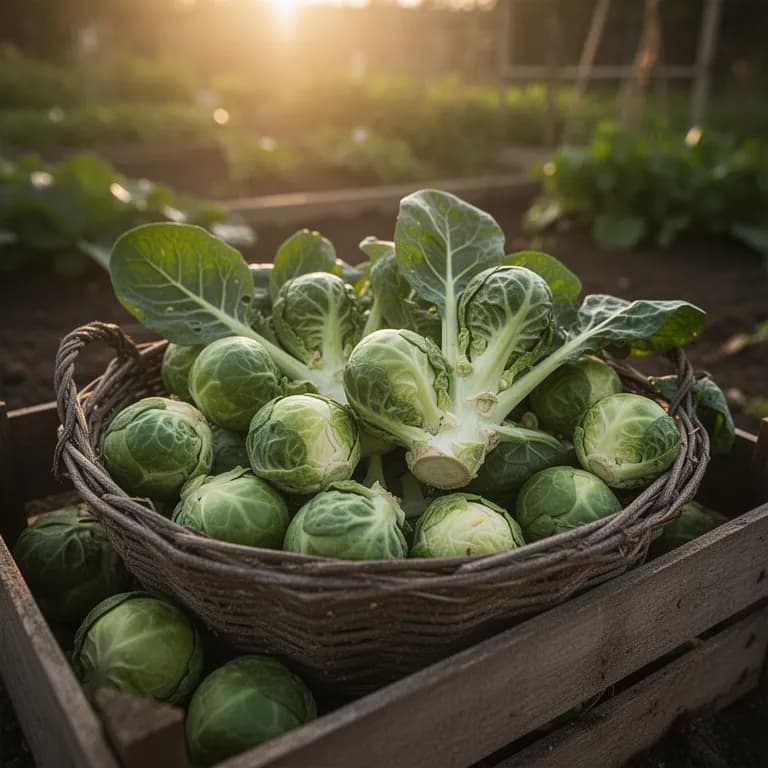
Cosechar después de las primeras heladas de otoño, ya que el frío convierte los almidones en azúcares y mejora notablemente el sabor. Recolectar los cogollos de abajo hacia arriba cuando alcancen 2-4 cm de diámetro, retorciendo o cortando con un cuchillo afilado. La planta puede seguir produciendo durante varias semanas si se dejan los cogollos superiores para que continúen madurando.
se supone que plantas al comenzar el periodo — indica tu fecha real
Cuando los brotes individuales alcancen 1 a 2 pulgadas de diámetro y se sientan firmes; empieza después de la primera helada ligera para obtener el sabor más dulce.
Almacenamiento y conservación
Los cogollos frescos se conservan en el frigorífico hasta 4-5 semanas envueltos en papel de cocina dentro de una bolsa perforada. Para congelación a largo plazo, blanquear los cogollos en agua hirviendo durante 3-4 minutos, enfriar inmediatamente en agua con hielo, escurrir bien y almacenar en bolsas de congelación herméticas donde se mantienen hasta 12 meses. También se pueden encurtir en vinagre para conservas de invierno.
Qué falla — y cómo solucionarlo
Mariposa de la col (Pieris brassicae)
PlagaOrugas verdes que devoran las hojas dejando solo las nervaduras, presencia de huevos amarillos en el envés de las hojas y excrementos oscuros entre los cogollos.
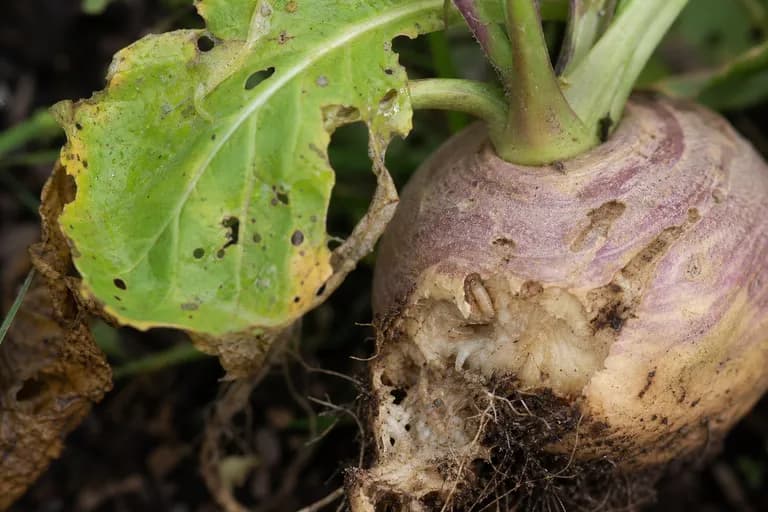
Hernia de la col (Plasmodiophora brassicae)
EnfermedadMarchitamiento durante las horas más cálidas del día, crecimiento atrofiado, hojas amarillentas y raíces hinchadas y deformadas con agallas.
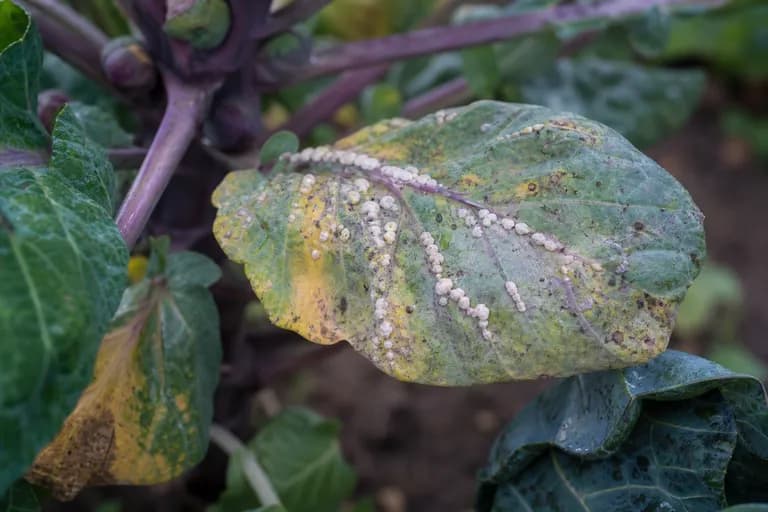
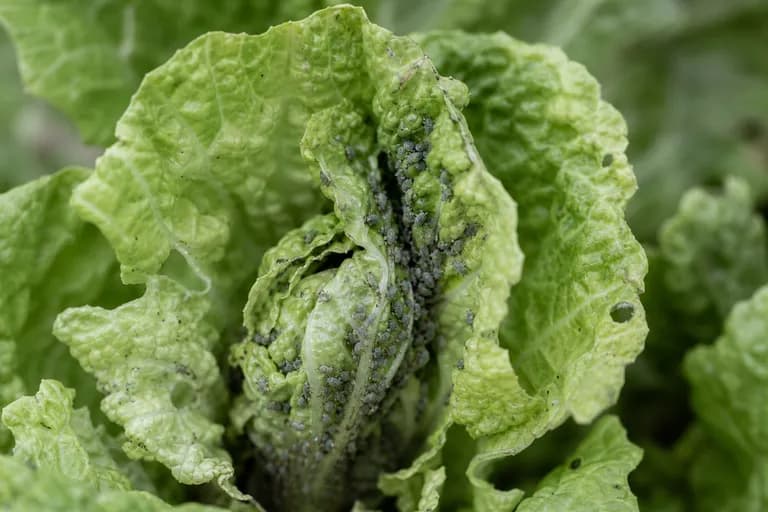
Pulgón ceroso de la col (Brevicoryne brassicae)
PlagaColonias grisáceas cubiertas de cera en hojas y cogollos, hojas enrolladas y decoloradas, presencia de melaza pegajosa y posible desarrollo de fumagina.
Solución de problemas comunes
Los cogollos pueden quedar sueltos y abiertos si las plantas sufren estrés hídrico o temperaturas excesivamente altas durante la formación. El color púrpura puede palidecer en condiciones de calor prolongado o con fertilización nitrogenada excesiva. En climas ventosos, las plantas altas pueden volcarse si no se aporca la base o se instalan tutores de soporte.
Consejos de cultivo
- Time your planting for a fall harvest rather than spring. Brussels sprouts that mature in cooling autumn weather produce dramatically better flavor, tighter heads, and deeper red color than those forced to mature in summer heat. Count back 16-20 weeks from your first expected fall frost to determine your sowing date.
- Firm the soil around transplants thoroughly at planting time and again several times during the season. Brussels sprouts develop tall, top-heavy stalks that catch wind like sails — loose soil leads to root rock, which damages fine feeder roots and stunts the plant. Staking is recommended for exposed sites.
- Do not skimp on spacing. Red Brussels sprouts need 60-75 cm between plants to develop full-sized sprouts with good air circulation. Crowded plants produce fewer, smaller, and looser sprouts and are far more susceptible to fungal diseases and aphid infestations.
- Feed generously with nitrogen during the vegetative growth phase (first 10-12 weeks after transplanting) but stop nitrogen fertilization once sprouts begin forming. Late nitrogen produces loose, leafy sprouts instead of tight, dense heads. Switch to a low-nitrogen, high-potassium feed in early autumn.
- Top the plant by removing the growing tip 3-4 weeks before your target harvest date. This redirects the plant's energy from producing new leaves into swelling and firming the existing sprouts, resulting in a more uniform harvest where all sprouts mature at roughly the same time.
- Harvest after at least 2-3 light frosts whenever possible. Cold exposure triggers enzymatic conversion of starch to sugar and dramatically increases anthocyanin production. Sprouts harvested after frost are sweeter, more deeply colored, and noticeably less bitter than those picked in warm weather.
- Remove lower leaves progressively as they yellow throughout the season. This improves air circulation around developing sprouts, reduces fungal disease pressure, and makes the sprouts easier to inspect for aphids hiding in the tight heads.
- Use row covers or fine mesh netting from transplanting day onward to exclude cabbage white butterflies and cabbage moths. Their larvae (green caterpillars) bore into developing sprouts and leave frass that ruins the harvest. Prevention is far easier than treatment once caterpillars are established inside the tight sprout heads.
Cultiva tu mejor Coles de Bruselas Rojas — y todo lo que la rodea.
Empieza un plan gratis hoy. Diseña tus bancales, coloca tu Coles de Bruselas Rojas y deja que PlotMyGarden gestione el momento, el espaciado, las asociaciones y los recordatorios de la semilla a la cesta.
Elige tu Coles de Bruselas Rojas
Red Rubine
Variedad clásica de herencia con cogollos de color rojo-púrpura intenso. Madura en 120-130 días y produce cogollos compactos de excelente sabor dulce tras las heladas.
Red Bull
Híbrido moderno con cogollos uniformes de color rojo oscuro y buen rendimiento. Resistente a enfermedades y madura en 110-120 días con cogollos de tamaño medio.
Falstaff
Variedad de polinización abierta con tonalidades púrpura-rojizas que se intensifican con el frío. Produce abundantes cogollos pequeños y firmes en 110-125 días.
Red Ball
Variedad compacta ideal para huertos pequeños, con cogollos rojo-violáceos densos y sabor dulce. Madura en aproximadamente 115 días.
Red Brussels sprouts are a premium specialty vegetable, commanding $5-8 per pound at grocery stores and farmers markets — significantly more than standard green varieties. Growing your own from a $3-4 seed packet (which contains enough seed for 50+ plants) provides extraordinary value. Just 6 plants can produce 4-8 kg of sprouts worth $50-120 at retail prices. The savings are even more dramatic compared to pre-packaged organic red Brussels sprouts, which often sell for $6-10 per 300g container. Additionally, home-grown sprouts harvested after frost have a sweetness and freshness that commercially shipped sprouts simply cannot match.
Recetas rápidas
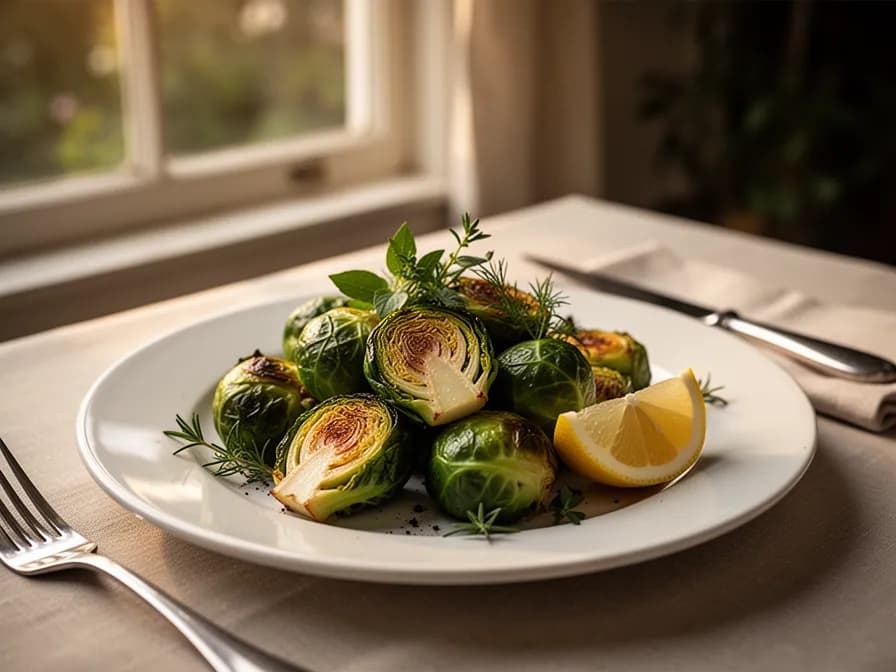
Crispy Roasted Red Brussels Sprouts with Balsamic Glaze
30 minHalved red Brussels sprouts roasted at high heat until the outer leaves are shatteringly crispy and the centers are tender and sweet. A balsamic reduction drizzled on top adds a glossy, tangy-sweet finish that complements the nutty caramelized flavor perfectly.
7 ingredientesShaved Red Brussels Sprouts Salad with Cranberries and Pecans
15 minA vibrant raw salad showcasing the stunning purple color of shaved red Brussels sprouts tossed with sweet dried cranberries, crunchy toasted pecans, and a bright apple cider vinaigrette. The thin shavings are tender enough to eat raw and deliver a pleasant nutty crunch.
9 ingredientesPan-Seared Red Brussels Sprouts with Bacon and Chestnuts
25 minA hearty autumn side dish where halved red sprouts are seared cut-side down in rendered bacon fat until deeply caramelized, then tossed with roasted chestnuts and a splash of sherry vinegar. The combination of smoky bacon, sweet chestnuts, and nutty sprouts is quintessential cool-weather comfort food.
8 ingredientesUsos culinarios
Excelentes asadas a alta temperatura con aceite de oliva y vinagre balsámico, lo que carameliza los azúcares naturales y resalta su sabor dulce. Se pueden saltear con panceta y castañas, gratinar con queso parmesano o añadir crudas y laminadas a ensaladas de invierno para aportar color y textura crujiente. Para preservar el color rojo, cocinar brevemente y añadir un chorrito de limón o vinagre.
Qué contiene
Beneficios para la salud
- Red Brussels sprouts contain anthocyanins — the same class of antioxidants found in blueberries and red wine — which have been associated in research with reduced inflammation, improved cardiovascular health, and enhanced cognitive function.
- Exceptionally high in vitamin C, providing nearly the full daily requirement per 100g serving, supporting immune defense, collagen production, and enhanced iron absorption from plant-based foods.
- Rich in glucosinolates, sulfur-containing compounds that break down into isothiocyanates during digestion — these bioactive compounds have been extensively studied for their potential to support the body's natural detoxification processes and may offer protective effects against certain cancers.
- Provides outstanding vitamin K1 content (over 150% DV per 100g), essential for proper blood coagulation and for directing calcium into bones rather than arteries, supporting both skeletal and cardiovascular health.
- High dietary fiber content (3.8g per 100g) promotes healthy digestion, feeds beneficial gut bacteria, supports stable blood sugar levels, and contributes to satiety for weight management.
- Contains sulforaphane (formed when sprouts are chopped or chewed), one of the most potent naturally occurring activators of the body's Nrf2 antioxidant defense pathway, which upregulates the production of protective enzymes throughout the body.
De dónde viene Coles de Bruselas Rojas
Brussels sprouts (Brassica oleracea var. gemmifera) trace their ancestry to the wild cabbage plants of the Mediterranean coast, but the compact axillary bud form we recognize today was developed in what is now Belgium. The earliest written records of Brussels sprouts cultivation date to 1587 in the Southern Netherlands (modern Belgium), though the vegetable was likely grown in the Brussels region decades earlier. From Belgium, cultivation spread across Northern Europe in the 18th century, finding particularly favorable growing conditions in the cool, maritime climates of Britain, the Netherlands, and northern France.
Red Brussels sprouts are a more recent development, created through careful traditional cross-breeding programs beginning in the late 20th century. Breeders crossed standard green Brussels sprouts with red cabbage (Brassica oleracea var. capitata f. rubra) to introduce the anthocyanin pigments responsible for the deep purple-red coloration. The variety 'Rubine' was one of the earliest red Brussels sprouts to reach commercial availability in the 1990s, followed by improved varieties like 'Red Ball,' 'Red Bull,' and 'Redarling' that offered better uniformity, disease resistance, and deeper color. These breeding efforts required many generations of selection to combine the tight sprout formation with consistent red pigmentation throughout the head.
Today, red Brussels sprouts occupy a growing niche in specialty vegetable markets and home gardens worldwide. They are prized for their visual drama on the plate, their slightly nuttier and sweeter flavor compared to green varieties, and the added nutritional benefit of anthocyanin antioxidants. Commercial production remains small compared to green varieties, concentrated primarily in the Netherlands, Belgium, the United Kingdom, and California's coastal growing regions. The combination of ornamental beauty and culinary excellence has made red Brussels sprouts increasingly popular with chefs, farmers market vendors, and home gardeners seeking something extraordinary from the autumn and winter garden.
Coles de Bruselas Rojas: ¿sabías que?
Datos fascinantes sobre Coles de Bruselas Rojas
Red Brussels sprouts were developed through traditional cross-breeding of standard green Brussels sprouts with red cabbage, combining the compact sprout form with the anthocyanin pigments responsible for the striking ruby-purple color — no genetic modification involved.
Coles de Bruselas Rojas: preguntas frecuentes
¿Cuándo debo plantar Coles de Bruselas Rojas?
¿Cuáles son buenas plantas acompañantes para Coles de Bruselas Rojas?
¿En qué zonas de rusticidad puede crecer Coles de Bruselas Rojas?
¿Cuánto sol necesita Coles de Bruselas Rojas?
¿A qué distancia debo espaciar Coles de Bruselas Rojas?
¿Qué plagas y enfermedades afectan a Coles de Bruselas Rojas?
¿Cómo almaceno Coles de Bruselas Rojas después de la cosecha?
¿Cuáles son las mejores variedades de Coles de Bruselas Rojas para cultivar?
¿Qué suelo necesita Coles de Bruselas Rojas?
Do red Brussels sprouts taste different from green ones?
Why are my red Brussels sprouts losing their purple color when cooked?
Why are my Brussels sprouts loose and leafy instead of forming tight heads?
How do I deal with aphids hiding inside the sprout heads?
Can I grow red Brussels sprouts in warm climates (zones 9-10)?
How long can I store harvested red Brussels sprouts?
Acabas de leer la teoría. Ahora cultívala en piloto automático.
Todo lo que hace que Coles de Bruselas Rojas sea delicado — el momento, el espaciado, las asociaciones, la ventana de cosecha — es justo lo que PlotMyGarden resuelve por ti, para cada planta de tu huerto.
Un plan que conoce tu clima
Indica tu ubicación una vez. Recibe fechas de siembra, abonado y cosecha basadas en tu última helada real y el pronóstico en vivo — sin adivinar con un sobre genérico.
De la sección “Cuándo plantar”Planificador de bancales de arrastrar y soltar
Diseña bancales sobre una cuadrícula. Cada planta encaja con su espaciado correcto y ves toda la temporada antes de gastar un céntimo en semillas.
De la sección “Cultivo”Conflictos de asociación, detectados a tiempo
Más de 200 buenas y malas combinaciones comprobadas en vivo mientras plantas — para que un error que arruine la temporada nunca llegue a la tierra.
De la sección “Asociaciones”Recordatorios que sí vas a seguir
“Riega las judías.” “Recoge hoy antes de que se pase.” Oportunos, concretos y ligados a las plantas que de verdad cultivas.
De la sección “Cosecha”Escalonado, programado
¿Quieres cosechar seis semanas en vez de seis días? Reparte tus siembras automáticamente y te avisa cuando toca el siguiente lote.
De la sección “Cuándo plantar”Un registro que se vuelve más listo
Cada cosecha que registras le enseña tu huerto. El plan del año que viene parte de lo que de verdad funcionó en tu suelo, no en un manual.
De la sección “Resumen”Planta estos junto a Coles de Bruselas Rojas
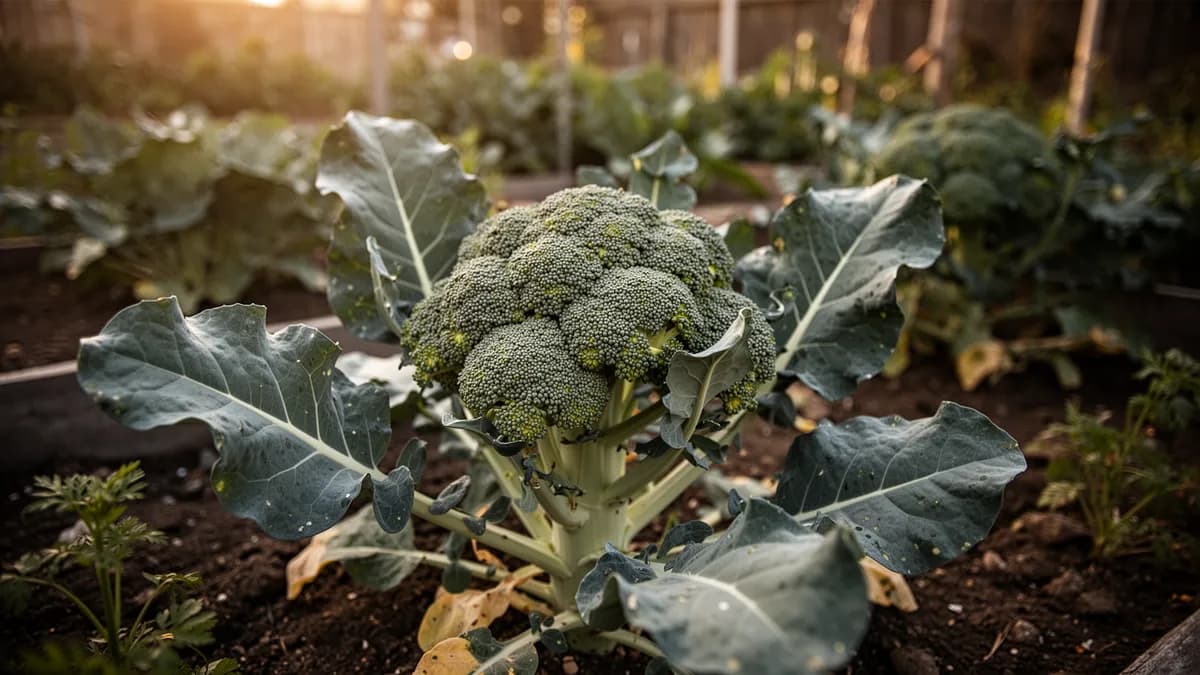
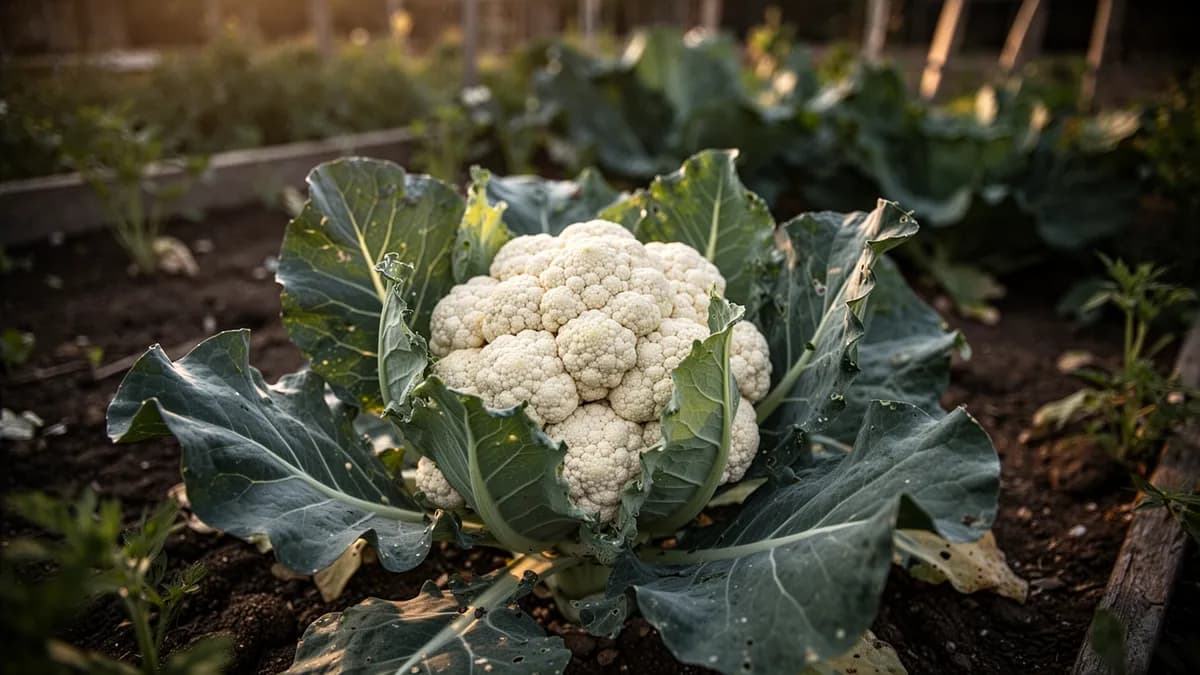
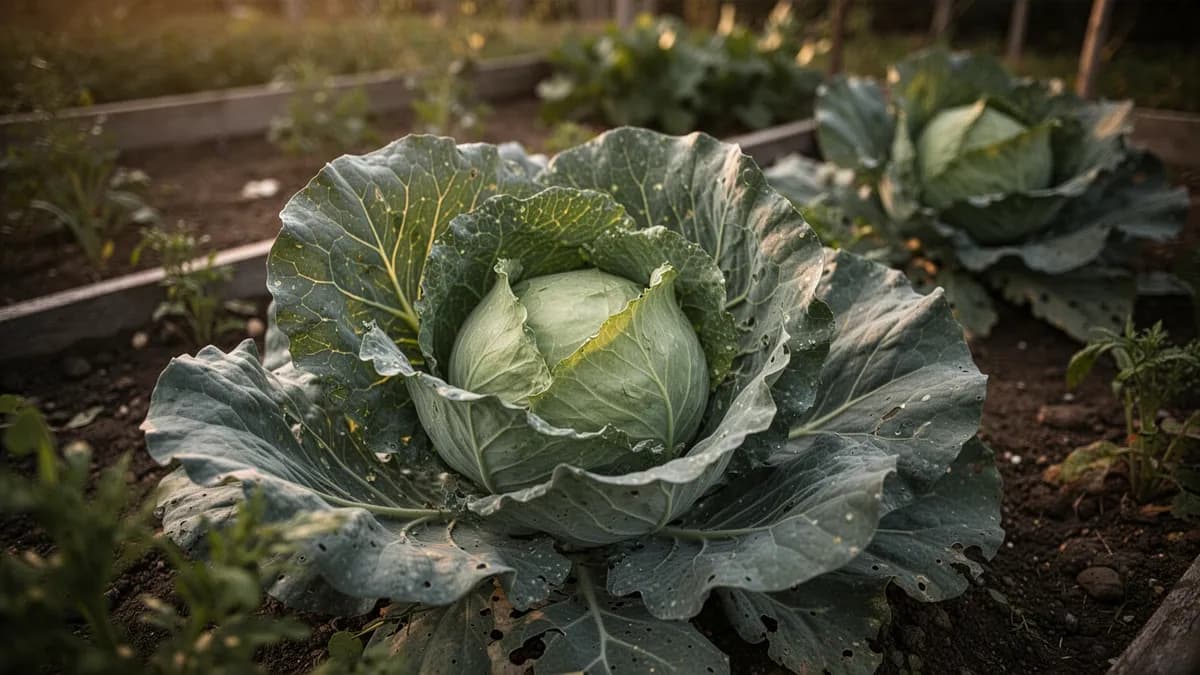
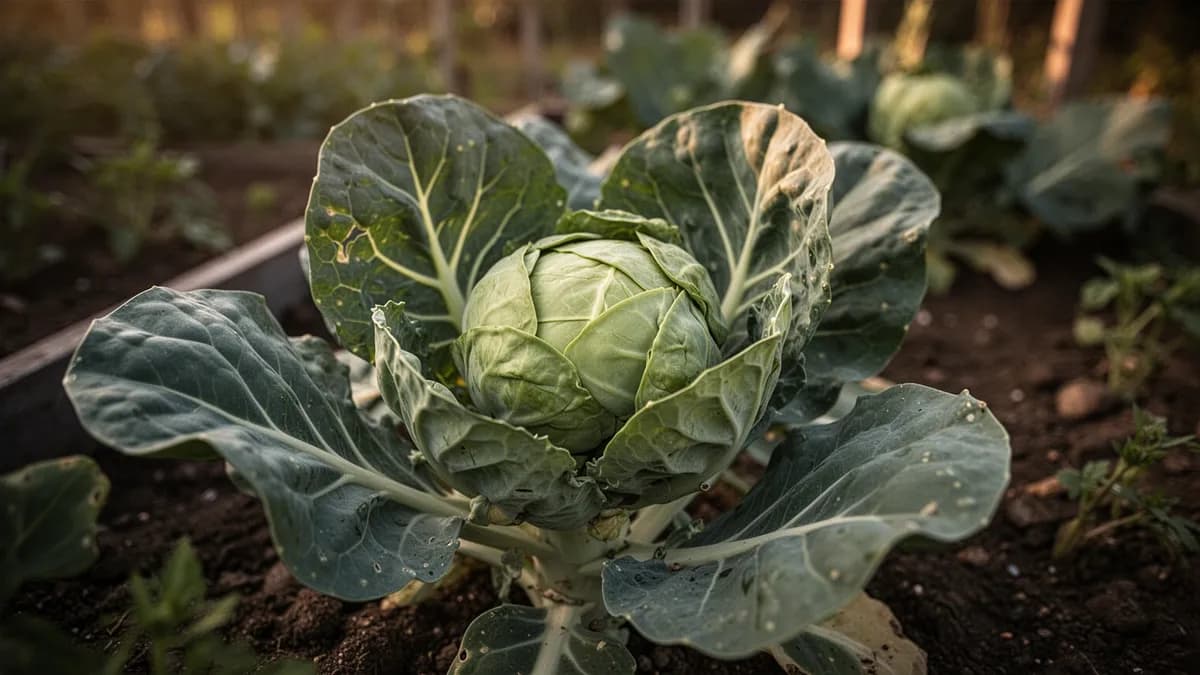
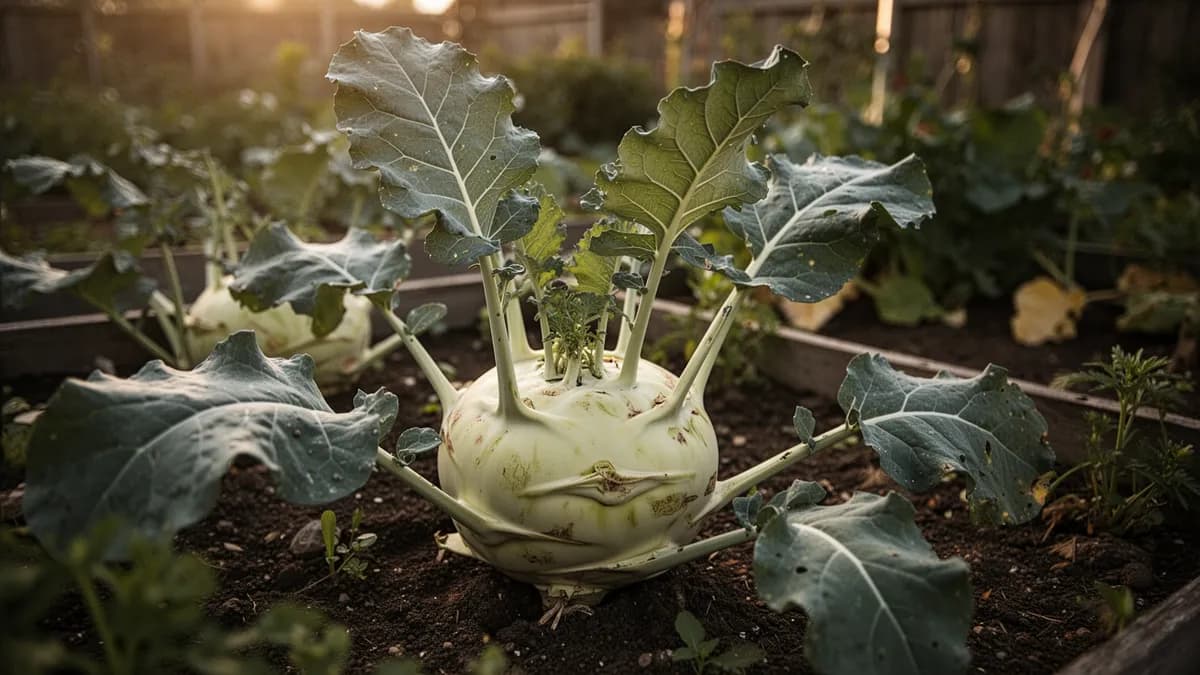
Más Crucíferas
Mantén Coles de Bruselas Rojas lejos de estos
Cultiva tu mejor Coles de Bruselas Rojas — y todo lo que la rodea.
Empieza un plan gratis hoy. Diseña tus bancales, coloca tu Coles de Bruselas Rojas y deja que PlotMyGarden gestione el momento, el espaciado, las asociaciones y los recordatorios de la semilla a la cesta.