Azalea
typical season: plant Sep – Apr · set your climate
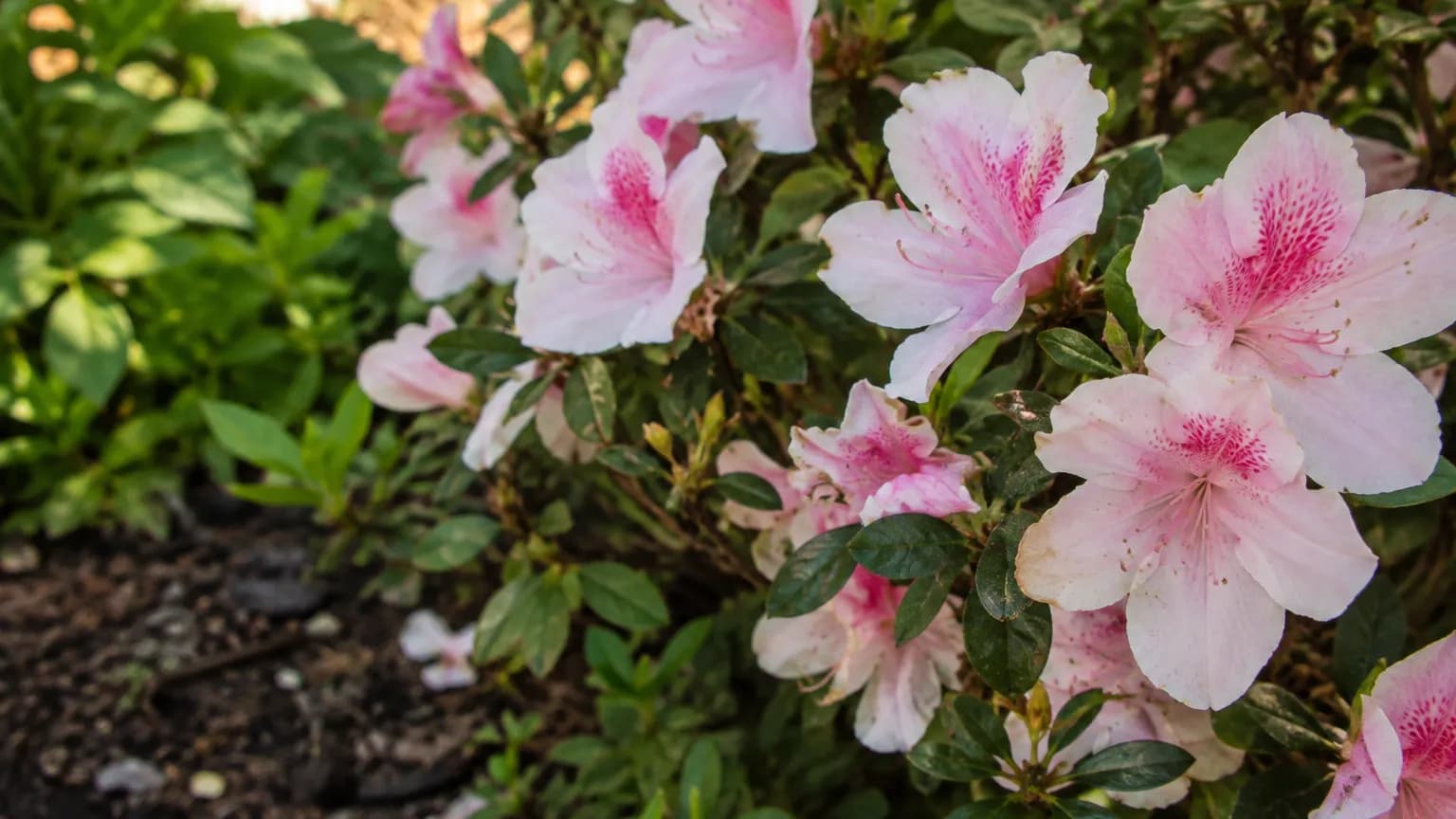
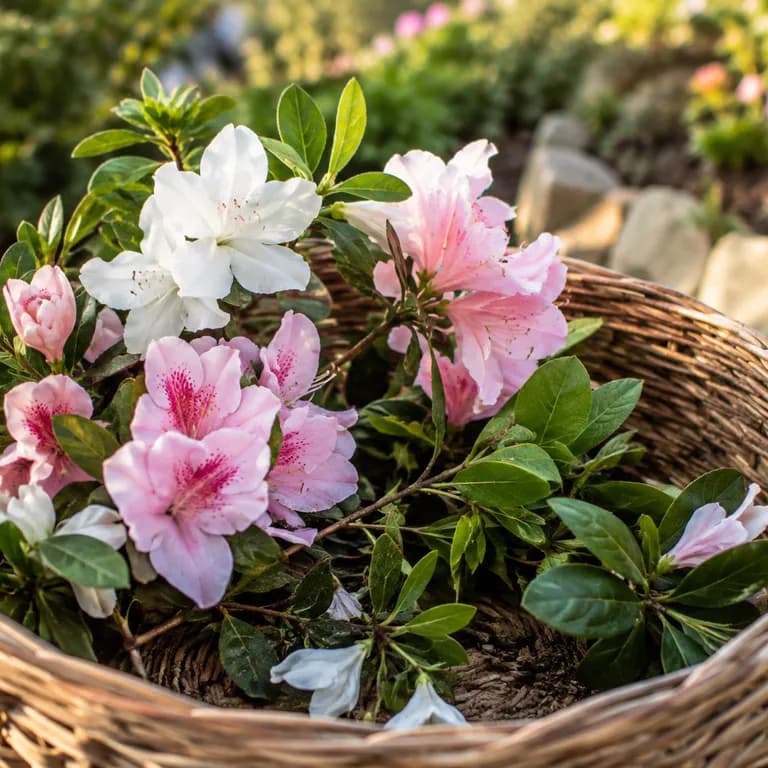
Azaleas are the showstoppers of the spring garden, smothering themselves in trusses of pink, red, purple, orange, or white flowers just as the season wakes up.
On this pageOverview
Meet Azalea
Azaleas are the showstoppers of the spring garden, smothering themselves in trusses of pink, red, purple, orange, or white flowers just as the season wakes up. They are uncompromising acid-lovers that need a soil pH between 4.5 and 6.0, the single most important success factor, along with humus-rich, evenly moist but sharply drained soil and dappled shade. Their fine, shallow roots dry out fast and resent disturbance, so a permanent mulch of pine bark or oak leaves is essential. Note that all parts of the plant are toxic if ingested, so site azaleas where pets and small children cannot chew on them.
When to plant Azalea
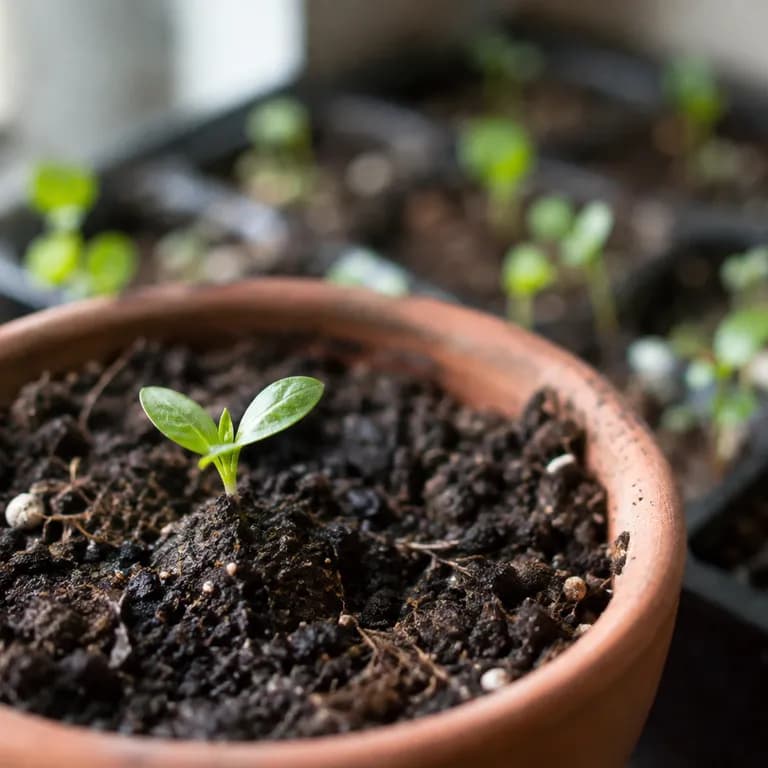
Azaleas can be raised from seed, but patience is required: the dust-fine seeds are surface-sown on moist, acidic peat mix and need light to germinate, typically sprouting in two to four weeks at 18 to 21 degrees Celsius. Seedlings grow slowly, need two to three years to reach flowering size, and hybrid seed does not come true to the parent. Most gardeners propagate by semi-hardwood cuttings taken in early to midsummer: cut 7 to 10 centimeter tips, strip the lower leaves, wound one side lightly, dip in rooting hormone, and root under high humidity in a peat-perlite mix. Simple layering is nearly foolproof: pin a low branch to the soil in spring and sever it from the parent once rooted, usually within a year.
Your Azalea Year
Composed for Zone 7 · typical seasons · frost passes Apr 2, returns Nov 1
Plant Azalea Mar – Apr, Sep – Oct, in bloom Apr – Jun. Check the planting methods below and set your climate to personalize these windows.
Azalea in bloom this season? Its next window opens Sep 1
One email a few days before it opens where you garden and one two weeks before it closes.
One email per milestone, never more than one a week. Unsubscribe with one tap. No account needed.
How to grow Azalea
Success with azaleas is decided before the plant ever goes in the ground. Choose a site with morning sun and light afternoon shade, or the dappled light beneath high-canopy trees, protected from harsh winds and hot western exposures. Test the soil pH first: azaleas require 4.5 to 6.0, and anything higher locks up iron and leads to yellowing, stunted plants. Lower alkaline soil with elemental sulfur worked in several months before planting, and dig in generous amounts of composted pine bark, oak leaf mold, or peat to create the loose, acidic, moisture-retentive yet free-draining root zone azaleas love. Avoid spots near concrete foundations or paths, where lime leaching slowly raises the pH.
Plant container-grown azaleas in spring or early autumn. Dig a wide hole two to three times the diameter of the root ball but no deeper, and set the plant so the top of the root ball sits 2 to 3 centimeters above the surrounding grade, since azaleas planted too deep are prone to crown rot and slow decline. Backfill with a blend of native soil and acidic organic matter, water in thoroughly to settle the roots, then spread a 5 to 7 centimeter mulch of pine bark, pine needles, or shredded oak leaves over the root zone, keeping it a hand's width away from the stems. Never cultivate around established plants: their fibrous roots occupy the top 15 to 20 centimeters of soil and are easily severed.
Maintenance is light but timing-sensitive. Water deeply once or twice a week during dry spells rather than sprinkling daily, and never let plants dry out from midsummer into autumn, when next year's flower buds are forming; drought then means a flowerless spring. Feed with an acid-forming azalea or rhododendron fertilizer immediately after flowering at half the label rate, and stop all feeding by the end of midsummer. Prune within two to three weeks after bloom fades: azaleas set buds on the new summer growth, so cutting later removes next year's display. Deadheading spent trusses tidies the plant and channels energy into bud production, and reblooming types such as Encore should be pruned only lightly, right after the spring flush.
Azalea's best neighbours
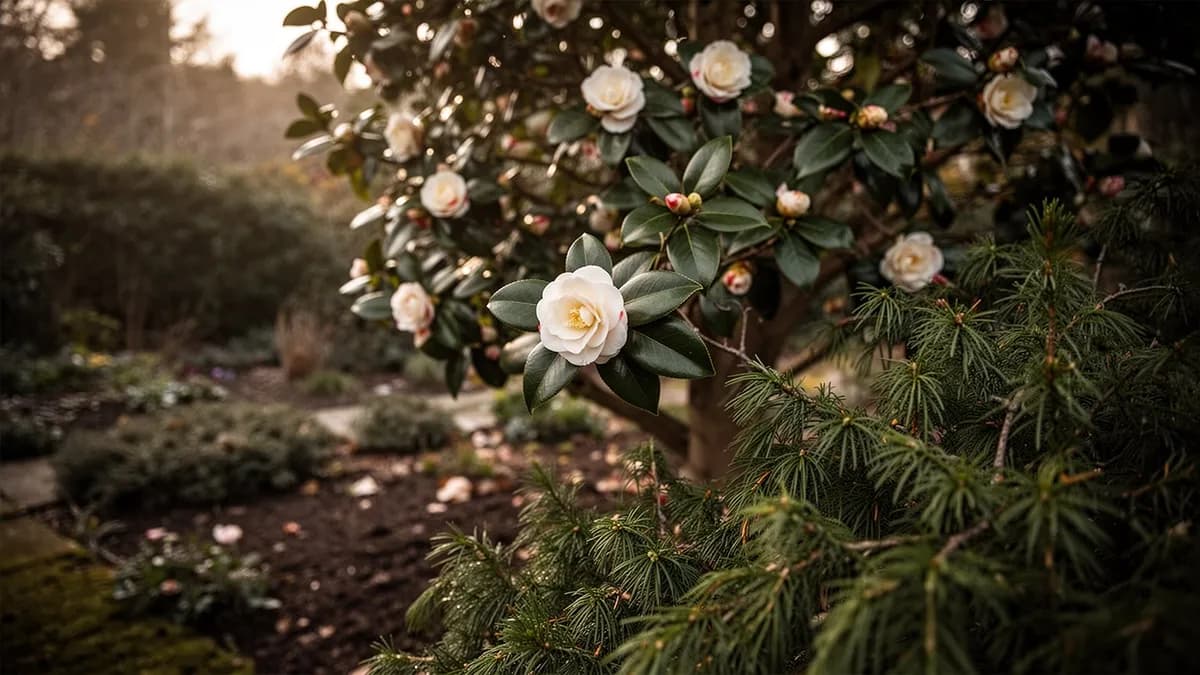
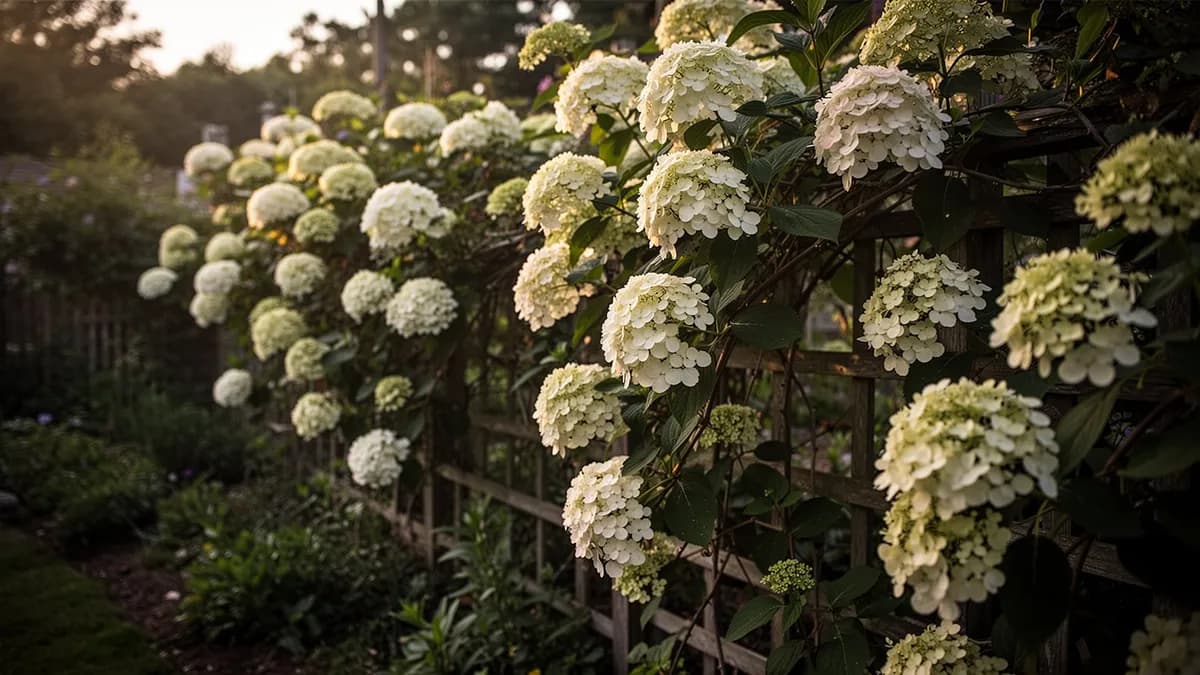
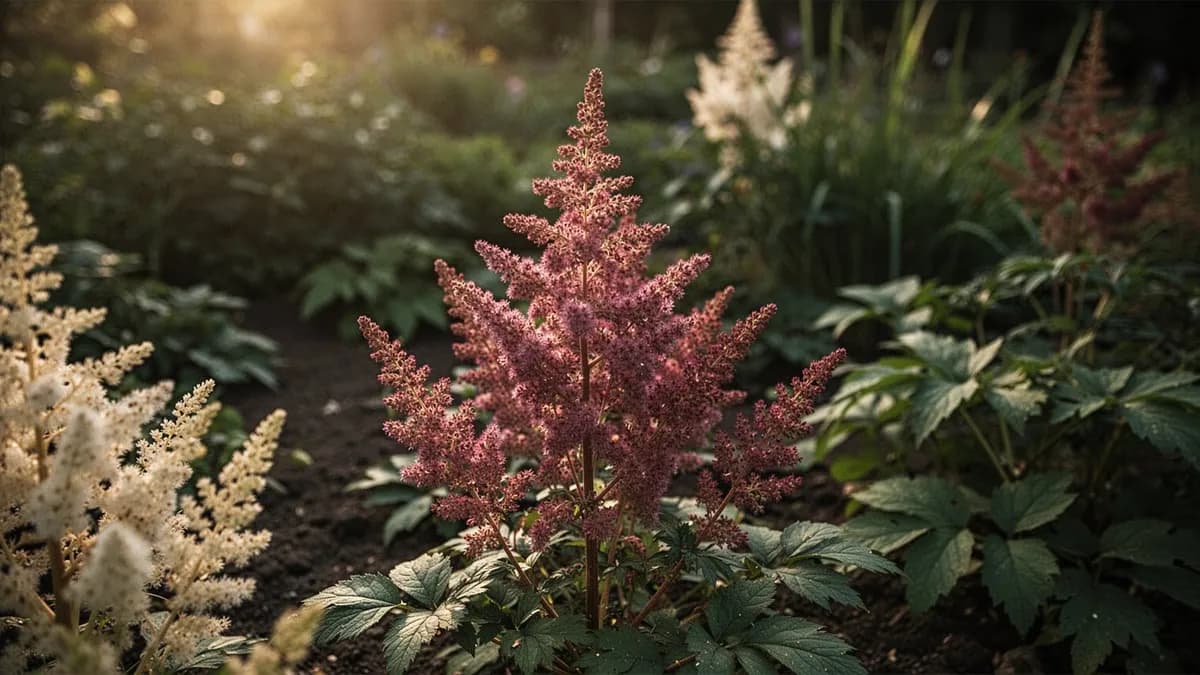
Azaleas shine alongside other acid-loving, shade-tolerant plants that share their soil needs. Rhododendrons, camellias, pieris, mountain laurel, and hydrangeas, including climbing Hydrangea petiolaris, make natural partners and extend the bloom season. Underplant with hostas, ferns, heuchera, and astilbe, whose roots do not compete aggressively and whose foliage carpets the ground between shrubs; spring bulbs such as daffodils flower happily in the same dappled light before the azaleas leaf out fully. Keep azaleas away from aggressive, deep-rooted competitors and from plants that demand alkaline soil, since what suits one will sicken the other, and avoid spots beside concrete or mortar, which steadily leach lime into the root zone.
Camellia Tree belongs beside it.
Old growers' knowledge, checked against Azalea's real companion table below — test any plant you're growing.
Related growing guides
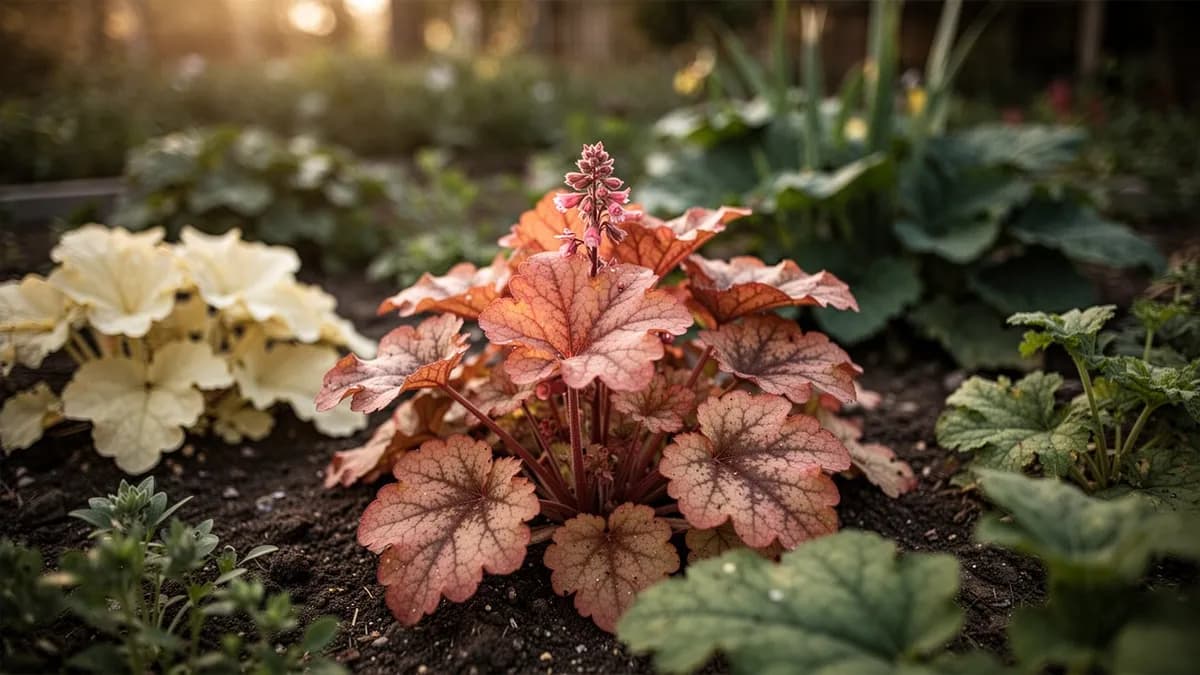
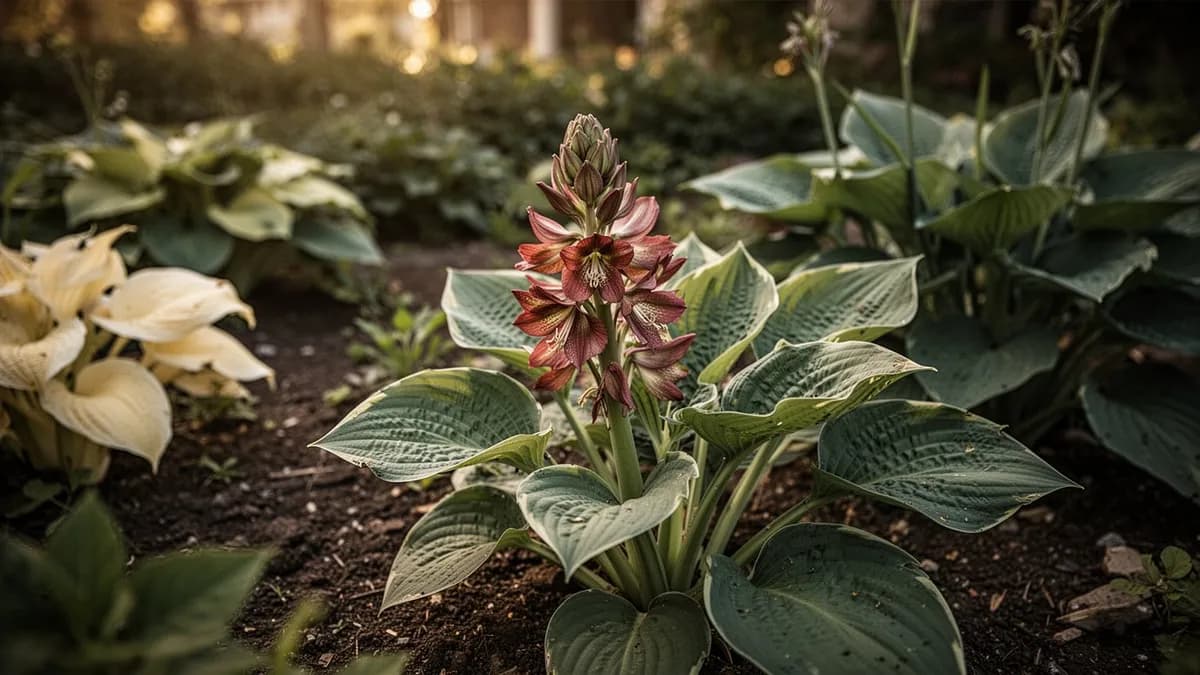
Feed it well
Acidic soil is non-negotiable: azaleas need a pH of 4.5 to 6.0, with 5.0 to 5.5 ideal. Test before planting and every few years after; if the pH creeps above 6.0, iron becomes unavailable and chlorosis follows. Lower pH with elemental sulfur applied at package rates several weeks to months before planting, since surface applications work slowly and you should plan ahead. Build the bed with 30 to 50 percent acidic organic matter such as composted pine bark, oak leaf mold, or peat moss, and never add lime, wood ash, or mushroom compost anywhere near azaleas. Feed right after flowering with an acid-forming fertilizer labeled for azaleas, camellias, and rhododendrons at half the recommended rate, because their fine roots burn easily, and stop feeding by early August so growth hardens before frost. A spring top-dressing of compost under the mulch often makes additional feeding unnecessary.
Ideal Temperature
Hardiness Zone Compatibility
From seed to harvest, stage by stage
Rooted Cutting
Semi-hardwood cuttings taken in early summer root in six to ten weeks under high humidity, or seeds surface-sown on acidic peat germinate in two to four weeks. Young roots are extremely fine and need constant moisture, bright indirect light, and an acidic medium throughout.
Young Plant
The rooted cutting or seedling flushes its first true leaves and is potted into ericaceous compost. Growth is slow while the fibrous root system builds, and plants reach 15 to 25 centimeters in the first year.
Garden Establishment
Planted out in spring or autumn, the young azalea spends its first seasons expanding shallow roots through the top layer of soil. Top growth is modest and flowering sparse, as the plant is banking its resources underground.
First Flowering
From the second or third spring the shrub sets its first real crop of buds in midsummer and opens a genuine display the following spring into early summer. Evergreen types begin building their characteristic dense, mounded outline.
Mature Specimen
A mature azalea carries hundreds of trusses each spring and typically stands 1 to 2 meters tall and wide, though old plants can grow far larger. Well-sited shrubs live for decades and can outlast the gardener who planted them.
Root cuttings in a peat-perlite mix under a humidity dome or mist at 18 to 21 degrees Celsius; never let the medium dry out or turn soggy.
Caring for Azalea month by month
What to do each month for your Azalea
November
You are hereBank 7 to 10 centimeters of pine bark or oak leaf mulch over the root zone once the ground is cold. Water evergreen azaleas well before freeze-up if autumn has been dry. Keep mulch a hand's width away from the stems.
Harvesting Azalea
Azaleas are grown for the garden display rather than harvest, but their trusses make striking cut flowers. Cut stems in early morning when about a third of the florets in a truss have opened, choosing wood from plants you do not mind lightly pruning. Split or crush the bottom 2 to 3 centimeters of the woody stem and strip foliage that would sit below the waterline, then stand stems in deep, cool water with floral preservative. Arrangements last five to seven days in a cool room away from direct sun. Remember that all parts are toxic, so keep cut stems and vase water away from pets and children.
What goes wrong — and the fix
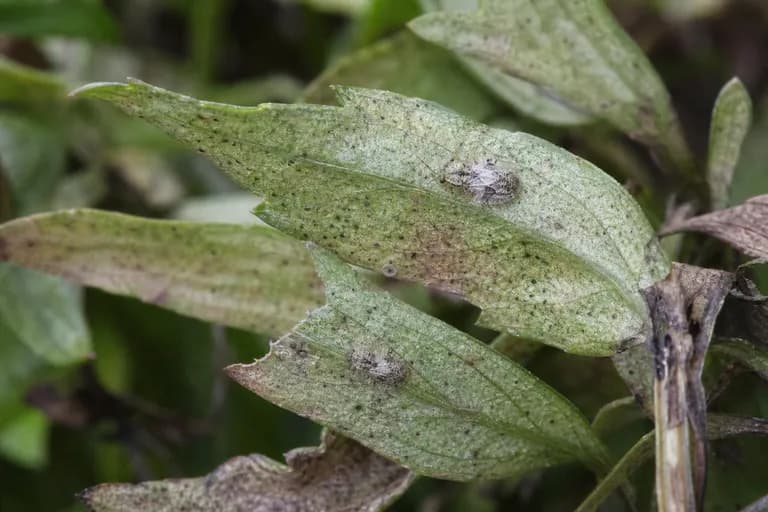
Azalea Lace Bug
PestTiny black-spotted, lace-winged insects and sticky black varnish-like droppings on leaf undersides; upper surfaces show fine yellow-white stippling that can bleach entire leaves silvery-gray by late summer.
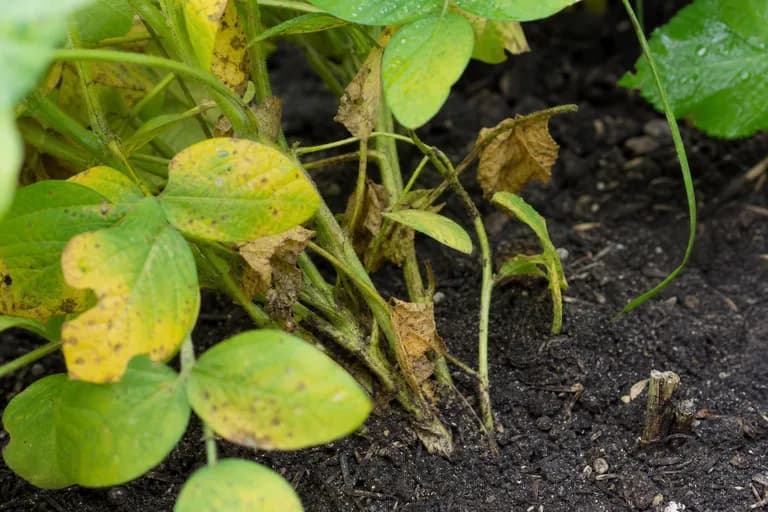
Phytophthora Root Rot
DiseaseWilting despite moist soil, dull yellow-green foliage, branch dieback, and dark, brittle roots; plants often collapse suddenly in heavy or waterlogged ground.
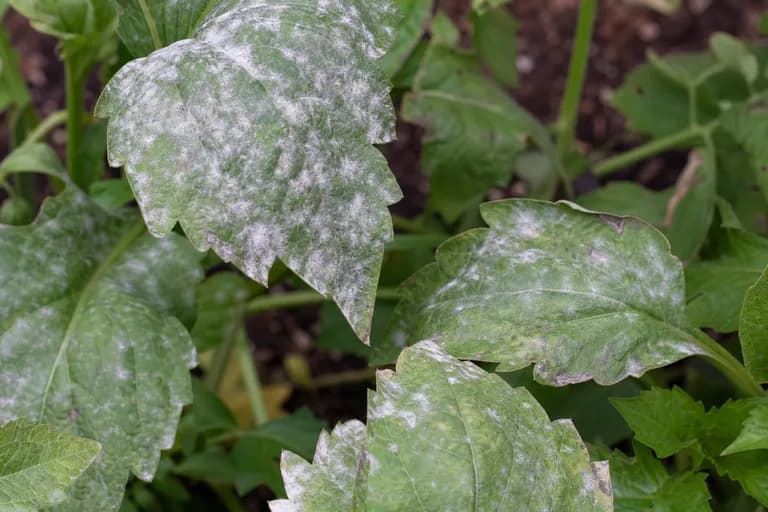
Powdery Mildew
DiseaseWhite powdery coating on leaves, especially on deciduous azaleas in late summer; leaves may yellow, curl, and drop early.
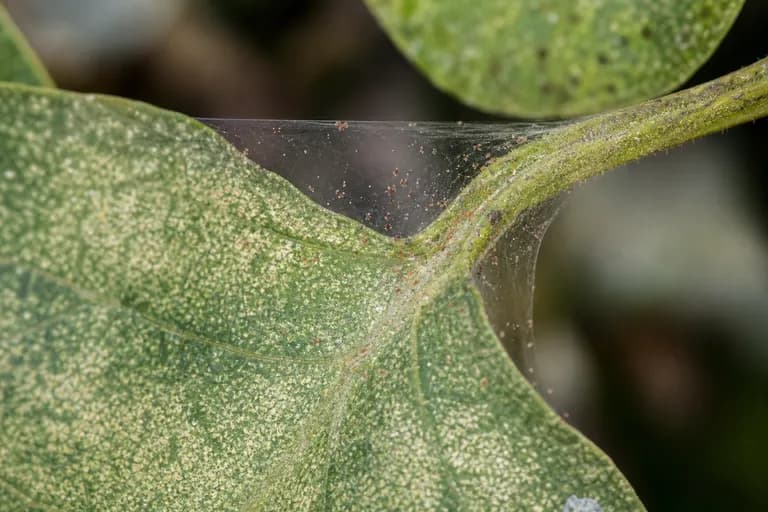
Spider Mites
PestFine stippled bronzing of foliage and faint webbing on leaf undersides during hot, dry weather; leaves take on a dusty, sun-scorched look.
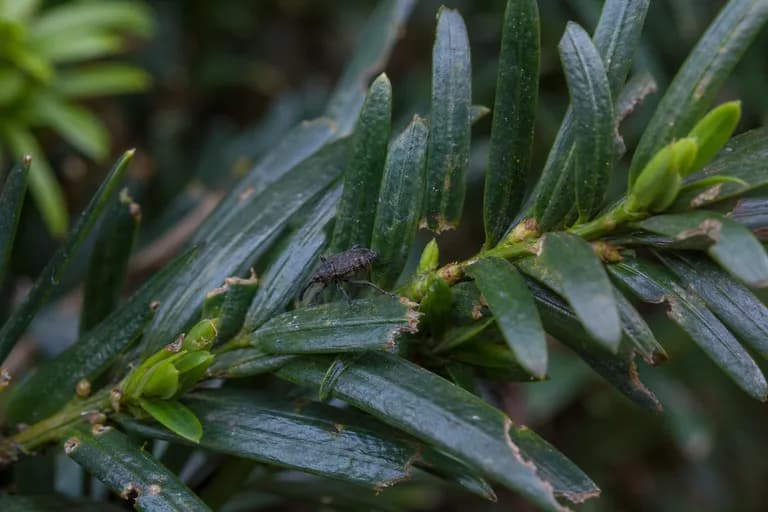
Black Vine Weevil
PestCharacteristic semicircular notches chewed along leaf margins by night-feeding adult weevils; soil-dwelling larvae girdle roots and can kill container plants outright.
Troubleshooting Common Problems
Interveinal chlorosis, leaves turning pale yellow while the veins stay green, is the classic azalea complaint and almost always signals a soil pH above 6.0 locking up iron; confirm with a soil test, drench with chelated iron for a quick green-up, then acidify the soil with sulfur for a lasting fix. Failure to bloom usually traces to pruning after midsummer, which removes set buds, drought during summer and autumn bud formation, too much shade, or late frosts killing flower buds. Sun scorch bronzes leaves on plants in hot afternoon exposure, while soggy clay invites fatal phytophthora root rot. Winter sun and wind can desiccate evergreen foliage in cold zones, where an anti-desiccant spray and a burlap screen help. Silvery stippled leaves point to lace bugs; check the undersides for the telltale black droppings.
Growing Tips
- Test the soil pH before planting and aim for 4.5 to 6.0; if it is higher, work in elemental sulfur several months ahead, since sulfur acidifies slowly.
- Plant shallow: the top of the root ball should sit 2 to 3 centimeters above grade, and the root flare must never be buried.
- Mulch permanently with 5 to 7 centimeters of pine bark, pine needles, or shredded oak leaves, refreshed yearly and kept a hand's width from the stems.
- Give azaleas morning sun and afternoon shade, or the dappled light under high trees; hot western exposures scorch foliage and fade flowers.
- Water deeply once or twice a week in dry weather instead of light daily sprinkling; the shallow roots need moisture through the top 20 centimeters of soil.
- Prune within two to three weeks after flowering ends. From midsummer onward the next spring's buds are already set, so late pruning means no flowers.
- Feed with an acid-forming azalea fertilizer right after bloom at half the label rate, and stop all feeding by the end of midsummer.
- Never hoe or dig around the base of an azalea; hand-pull weeds instead, because the fibrous roots sit almost at the surface.
- If leaves turn yellow with green veins, drench with chelated iron for a quick fix, then acidify the soil with sulfur so the problem does not return.
- Keep azaleas away from concrete paths and foundations, whose lime raises the pH, and out of reach of pets and children, since every part of the plant is toxic.
Pick your Azalea
Northern Lights Series
Deciduous hybrids bred at the University of Minnesota for extreme cold, surviving winters down to about minus 34 degrees Celsius (USDA zone 3-4). Fragrant pink, white, yellow, or orange blooms open on bare stems in mid-spring and foliage often colors well in autumn; classics include Golden Lights and Rosy Lights.
Encore Series
Groundbreaking reblooming evergreens that flower heavily in spring and repeat from midsummer into autumn. More than thirty varieties cover the pink-red-white-purple range; best in zones 6b to 10, where they need a little more sun than classic azaleas to rebloom well.
Kurume Hybrids
Compact, densely branched evergreens from Kurume, Japan, smothered in small hose-in-hose flowers in mid-spring; Hino-crimson is the classic. Slow-growing to about a meter, they suit foundation plantings, low hedges, and containers in zones 6 to 9.
Girard Hybrids
Cold-hardy evergreen hybrids from Ohio breeding that keep large, showy flowers despite zone 5 winters. Rounded plants of 60 to 120 centimeters bloom in rich pinks, reds, and purples in mid to late spring.
Satsuki Hybrids
Late-blooming Japanese evergreens flowering in May and June with outsized blossoms up to 12 centimeters across, often striped or margined. The traditional favorite for azalea bonsai; best in zones 6 to 8 with shelter from harsh winter wind.
Where Azalea comes from
Azaleas trace their ornamental history to East Asia, where the greatest diversity of the Azalea group within Rhododendron is centered in China, Korea, and Japan. Japanese gardeners cultivated azaleas for centuries: the Kurume hybrids descend from mountain species collected around Kirishima, while the Satsuki group has been selected and dwarfed for pot culture since at least the Edo period. In China, azaleas, the flower of thinking of home, have been celebrated in poetry and painting for well over a thousand years.
A second center of azalea diversity lies in eastern North America, home to many fragrant deciduous species such as the flame, pinxter, and swamp azaleas. Colonial plant collectors, notably John Bartram of Philadelphia, shipped these to England in the 18th century, where they caused a sensation. Belgian breeders crossed them with Asian imports in the 1820s and 1830s to create the Ghent hybrids, ancestors of most hardy deciduous azaleas grown today, and E. H. Wilson's 1919 introduction of fifty Kurume varieties from Japan, known as Wilson's Fifty, transformed evergreen azalea growing in the West.
Twentieth-century breeding pushed azaleas into nearly every climate. The University of Minnesota's Northern Lights program produced deciduous hybrids hardy through zone 4 and colder, while the USDA's Glenn Dale project released hundreds of varieties for the American mid-Atlantic. In the American South, azaleas became the signature shrub of spring, celebrated at festivals from Wilmington to Mobile and planted by the thousand at Augusta National. The 1980s brought Robert Buddy Lee's Encore series, whose spring-to-frost reblooming habit created an entirely new category of garden azalea.
Azalea: did you know?
Fascinating facts about Azalea
Every azalea is botanically a rhododendron: the Azalea group sits inside the genus Rhododendron, which is why gardeners say all azaleas are rhododendrons but not all rhododendrons are azaleas.
Azalea questions, answered
When should I plant Azalea?
What are good companion plants for Azalea?
What hardiness zones can Azalea grow in?
How much sun does Azalea need?
How far apart should I space Azalea?
What pests and diseases affect Azalea?
What are the best Azalea varieties to grow?
What soil does Azalea need?
Why won't my azalea bloom?
Why are my azalea's leaves turning yellow while the veins stay green?
Can I grow azaleas in pots?
When and how should I prune azaleas?
Are azaleas poisonous?
What is the difference between azaleas and rhododendrons?
Plant these alongside Azalea
More Flowering
Grow your best Azalea yet — and everything around it.
Start a free plan today. Lay out your beds, drop in your Azalea, and let PlotMyGarden handle the timing, spacing, companions and reminders from seed to harvest basket.
