Climbing Hydrangea
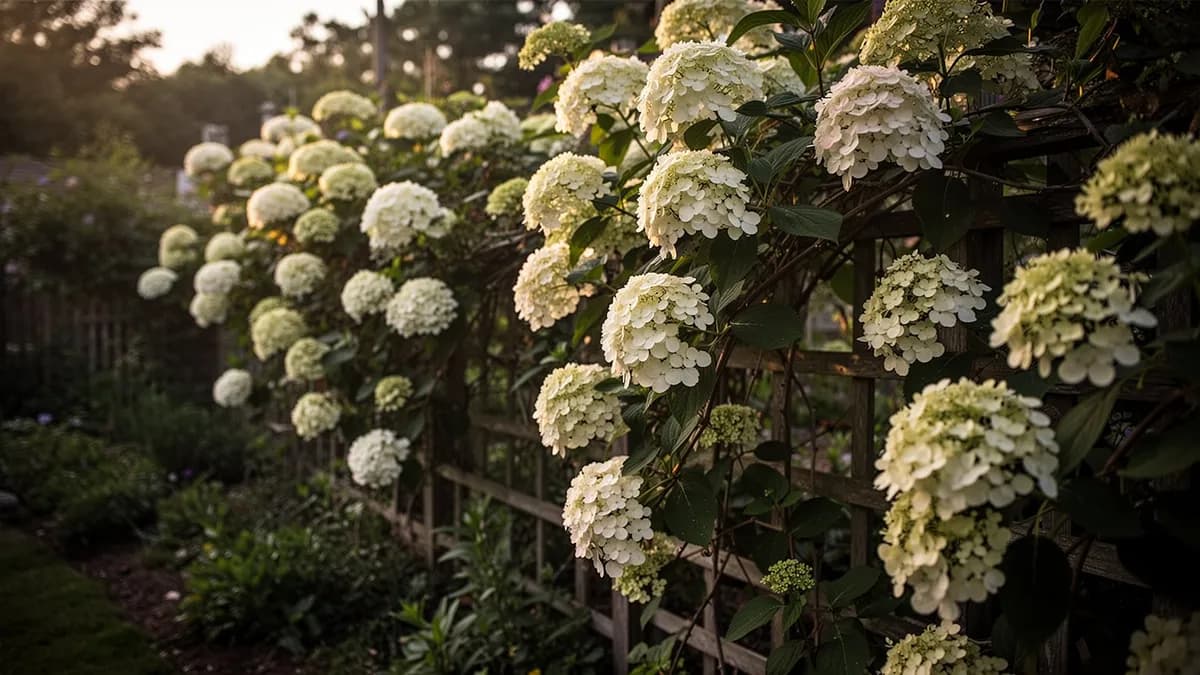
A magnificent self-clinging vine with large, flat lacecap clusters of creamy white flowers and attractive exfoliating bark in winter.





On this pageOverview
Meet Climbing Hydrangea
A magnificent self-clinging vine with large, flat lacecap clusters of creamy white flowers and attractive exfoliating bark in winter. Climbing hydrangea is slow to establish but becomes a stunning feature on north-facing walls, tree trunks, and stone structures. It tolerates deep shade and provides year-round interest with flowers, foliage, and bark.
When to plant Climbing Hydrangea
Climbing hydrangea can be grown from seed, though this is rarely practiced as seedlings are very slow. Collect ripe seed capsules in autumn and sow the tiny seeds on the surface of moist, fine seed compost. Do not cover the seeds, as they need light to germinate. Keep moist and warm at 65 to 70 degrees Fahrenheit. Germination takes two to four weeks. Seedlings are extremely small and slow-growing. Layering and semi-ripe cuttings are far more practical propagation methods.
Your Climbing Hydrangea Year
Composed for Zone 7 · typical seasons · frost passes Apr 2, returns Nov 1
Plant Climbing Hydrangea Mar – May, pick Jun – Jul. Check the planting methods below and set your climate to personalize these windows.
How to grow Climbing Hydrangea
Plant climbing hydrangea in spring or autumn in rich, moist, well-drained soil in partial to full shade. This magnificent self-clinging vine attaches to surfaces by aerial rootlets and is one of the best climbers for north-facing walls and shaded structures. Be patient during establishment, as the first two to three years are characterized by very slow growth while the root system develops. After this, growth accelerates dramatically.
Water consistently during the first few years and during dry periods thereafter. Climbing hydrangea benefits from rich soil and regular feeding. Apply compost around the base annually and feed with a balanced granular fertilizer in early spring. The large, flat lacecap flower clusters of creamy-white appear in early summer and last for several weeks.
Minimal pruning is needed, but trim after flowering to keep the vine within bounds. Remove any dead or damaged branches in late winter. The attractive cinnamon-brown exfoliating bark provides excellent winter interest on mature plants. Once established against a wall, a three-dimensional canopy of leafy branches extends outward, creating a stunning textured surface. The vine can eventually cover an area of forty by fifty feet on a large wall.
Climbing Hydrangea needs more room than a 4 × 8 ft bed gives
Each Climbing Hydrangea wants 300 cm of elbow room. The planner keeps that spacing for you — every plant, every bed.
Climbing Hydrangea's best neighbours
Climbing hydrangea is magnificent on shaded north-facing walls underplanted with hostas, ferns, hellebores, and woodland bulbs. It pairs well with Japanese hydrangea vine (Schizophragma) on adjacent walls for a complementary display. Spring-flowering clematis can be grown through the hydrangea canopy for additional seasonal color. The vine provides an excellent backdrop for shade gardens.
Japanese Hydrangea Vine belongs beside it.
Old growers' knowledge, checked against Climbing Hydrangea's real companion table below — test any plant you're growing.
Try Climbing Hydrangea in a bed — right here
A real planner bed with Climbing Hydrangea already in it. Tap a companion to place it and watch the pairing checks answer — green for good neighbours, red for a clash.


Related growing guides
Feed it well
Climbing hydrangea thrives in rich, moist, humus-laden soil with a pH of 5.5 to 7.0. Amend the planting area with generous compost and keep the root zone mulched with organic material. Feed with a balanced granular fertilizer in early spring and apply a thick layer of compost or leaf mold annually. The vine benefits from consistently moist but never waterlogged soil. In alkaline soils, apply chelated iron to prevent yellowing of foliage.
Ideal Temperature
Hardiness Zone Compatibility
From seed to harvest, stage by stage
Dormancy and Bud Swell
Climbing hydrangea is fully deciduous and enters deep dormancy in late autumn. Bare woody stems display attractive exfoliating cinnamon-brown bark throughout winter. In late winter to early spring, plump rounded buds begin to swell along lateral shoots. The root system and aerial rootlets remain firmly attached to their support structure. Underground, fibrous roots begin absorbing moisture as soil temperatures rise above 5°C.
Leaf Emergence and Vegetative Growth
Glossy, dark green, heart-shaped leaves unfurl from buds in mid-spring. Leaves are 5-12 cm long with serrated margins and emerge on both established lateral branches and vigorous new extension shoots. Young plants in their first two to three years focus energy primarily on root establishment and producing aerial rootlets, with limited vertical growth. Established vines can extend new shoots by 30-60 cm or more during this phase. New aerial rootlets form along extending stems wherever they contact a surface.
Flower Bud Development
Flower buds develop on short lateral spurs arising from the previous year's wood. The rounded buds gradually swell and begin to show colour at their tips. Each bud will open into a lacecap-style inflorescence measuring 15-25 cm across. The vine's energy shifts from vegetative extension growth to reproductive development. This is a critical phase during which late frosts can damage developing flower buds and reduce the summer display.
Flowering
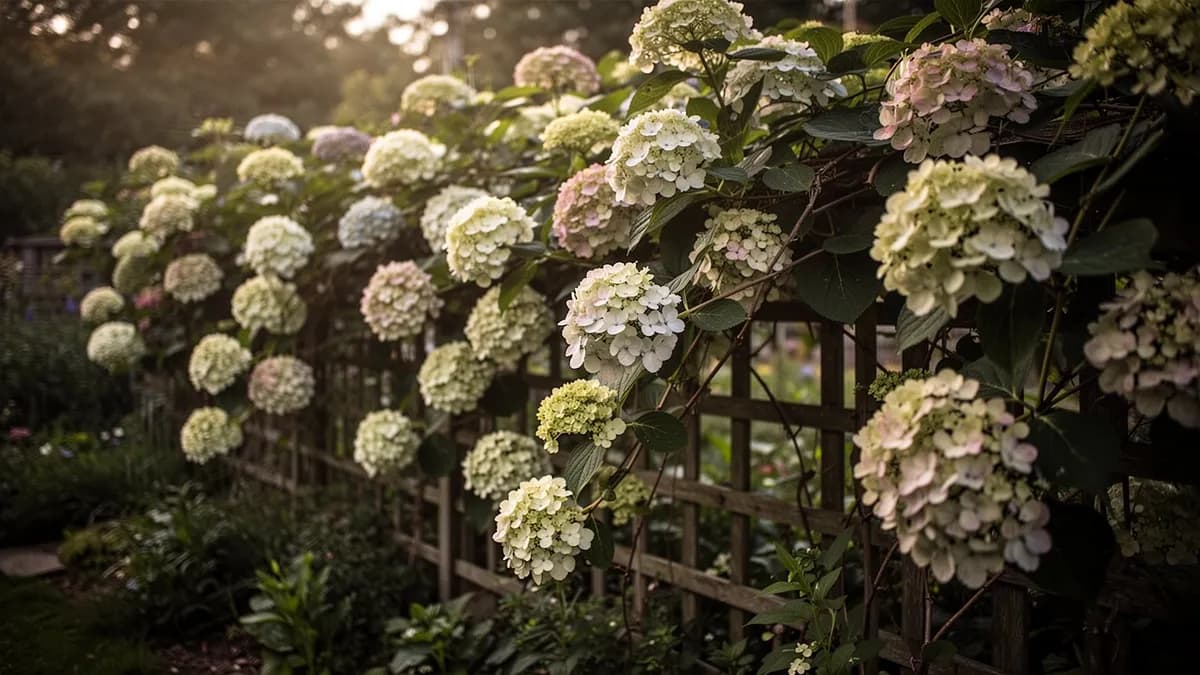
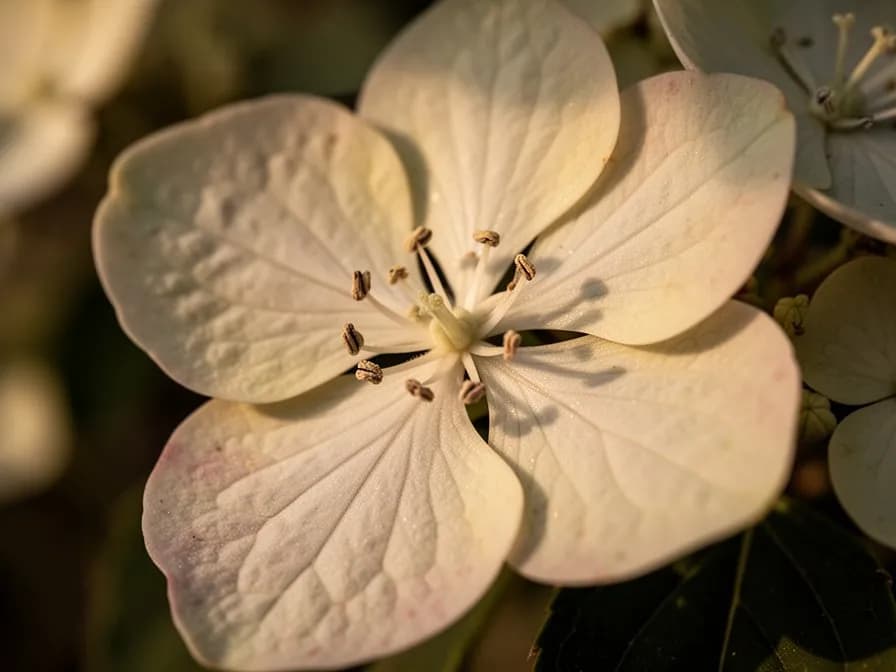
The vine erupts into bloom from early to mid-summer, producing abundant lacecap flower heads across its entire surface. Each inflorescence consists of a flat central disc of tiny creamy-white fertile flowers surrounded by a ring of larger showy sterile florets measuring 2-4 cm across. The flowers emit a light honey-like fragrance and attract large numbers of bees, hoverflies, and other beneficial insects. A mature vine in full bloom on a wall or tree trunk is one of the most spectacular sights in the summer garden. Flowers persist for three to four weeks.
Seed Head Development and Late Growth
After flowering, the fertile florets develop into small dry capsules containing tiny seeds. The sterile florets dry to a papery tan colour and persist on the vine, creating an attractive textural effect. The vine continues to produce some extension growth, and new aerial rootlets form along extending stems. Leaves remain a deep glossy green through late summer and into early autumn. The plant begins to store energy in its root system and woody stems in preparation for dormancy.
Autumn Colour and Leaf Drop
As temperatures cool and day length shortens, the glossy green foliage transforms to warm shades of butter yellow and gold. The autumn colour display lasts two to three weeks and is particularly effective when lit by low autumn sunshine against a dark wall. Leaves then drop to reveal the architectural framework of stems with their distinctive peeling bark. Dried seed heads persist on the vine, adding textural interest. The plant enters a pre-dormancy phase as sap flow slows.
Full Winter Dormancy
The vine is completely dormant, standing as a bare woody framework on its support structure. The exfoliating cinnamon-brown bark is at its most visible and ornamental during this period. Dried flower heads and persistent seed capsules add further texture. Aerial rootlets remain firmly bonded to the climbing surface. The root system is dormant but alive, insulated by mulch and soil cover. Climbing hydrangea is fully hardy to USDA Zone 4, tolerating temperatures down to minus 30°C without damage.
Late winter is the best time for any structural pruning. Remove dead, damaged, or crossing stems before new growth begins. Avoid heavy pruning of established plants as flower buds form on the previous year's wood. Apply a 7-10 cm layer of composted bark mulch around the base to conserve moisture and suppress weeds.
Caring for Climbing Hydrangea month by month
What to do each month for your Climbing Hydrangea
October
You are hereObserve autumn colour and allow leaves to fall naturally. Gather fallen leaves for composting or leave in place as natural mulch. Check the vine's support structure and carry out any wall repairs while access is easy. Water newly planted vines if autumn is dry.
Know exactly what to do in your garden — every month
One email at the start of each month: what to sow, plant, and tackle right now — for your Climbing Hydrangea and everything growing around it. Plus a short starter course that helps you dodge the classic mistakes.
- What to do, right now
- Matched to your season
- Starter course included
Harvesting Climbing Hydrangea
Cut climbing hydrangea lacecap flower clusters for arrangements when the central fertile flowers are just beginning to open. The large, flat clusters of white flowers make stunning additions to summer bouquets. Stems are woody and should be split at the base for better water uptake. Flowers last about a week in water. The dried flower heads are attractive in winter arrangements, turning a papery tan that complements dried grasses and seed heads.
assuming you plant when the window opens — set your real date
Pick Climbing Hydrangea promptly and the plant keeps producing.
Storage & Preservation
Climbing hydrangea is fully hardy and requires no special storage. Flower clusters can be dried by hanging upside down in a dark, well-ventilated space after they have begun to turn papery on the vine in late summer. The exfoliating bark is beautiful in winter and should be left intact. For propagation, take semi-ripe cuttings in midsummer with a heel of older wood, or layer low-growing branches by pegging them down and covering with soil.
What goes wrong — and the fix
Scale Insects
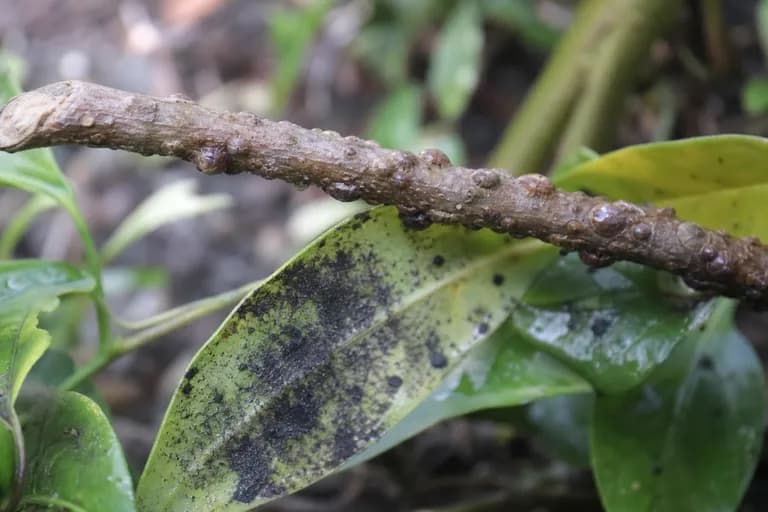
PestBrown or white shell-like bumps on stems and branches. Sticky honeydew and sooty mold on foliage. Reduced vigor in heavy infestations.
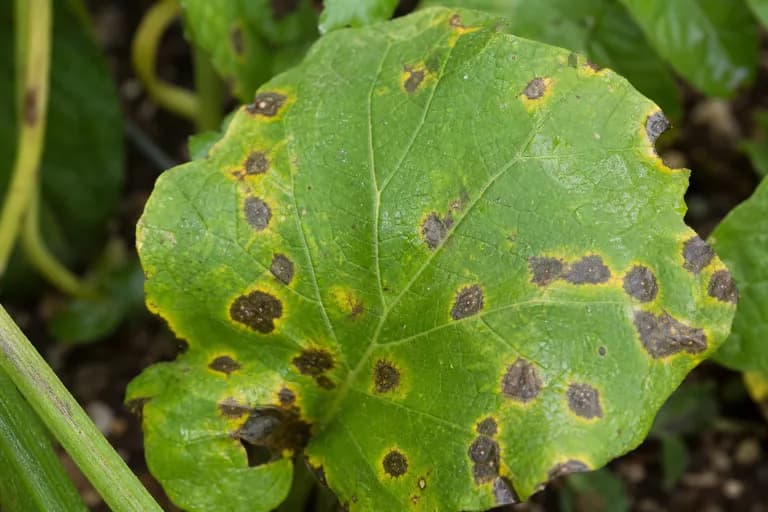
Bacterial Leaf Spot
DiseaseAngular, water-soaked spots on leaves that turn brown with yellow halos. Can cause significant leaf drop in wet seasons.
Troubleshooting Common Problems
The greatest frustration is the very slow growth during the first two to three years after planting, leading many gardeners to give up too soon. This is normal and the vine will eventually become vigorous and flower prolifically. Lack of flowering is usually caused by insufficient age, excessive shade, or heavy pruning that removes flower buds. The self-clinging rootlets can damage mortar on old brick walls, so inspect surfaces periodically.
Growing Tips
- Be patient during the first two to three years after planting — climbing hydrangea is famously slow to establish, often described as following the pattern of 'sleeps, creeps, leaps', with vigorous growth only beginning in the third or fourth year.
- Plant on a north- or east-facing wall for best results. Despite being shade-tolerant, the vine also performs well in partial sun, but avoid hot, dry south-facing walls where leaf scorch and moisture stress are common.
- Prepare the planting hole at least 45 cm away from the base of a wall to avoid the dry rain shadow zone. Angle the root ball toward the wall and lean the stems against the surface to encourage the aerial rootlets to make contact.
- Incorporate generous quantities of organic matter — composted bark, leaf mould, or garden compost — into the planting hole, as climbing hydrangea thrives in moisture-retentive, humus-rich soil with a slightly acidic to neutral pH of 5.5 to 7.0.
- Water newly planted vines deeply and consistently for at least the first two full growing seasons. Drought stress during the establishment period is the single most common cause of failure with this plant.
- Resist the temptation to prune young plants. Allow them to develop naturally for the first three to four years. Pruning too early slows establishment and delays flowering, which typically begins in the third to fifth year after planting.
- When pruning mature specimens, always cut immediately after flowering in mid to late summer. Flower buds for the following year form on the current season's growth, so late pruning removes next year's blooms.
- If growing the vine up a living tree, choose a large, vigorous, well-established tree. Climbing hydrangea is not parasitic and does not damage healthy trees, but it can add considerable weight and wind resistance to the canopy.
- Apply an annual mulch of composted bark or leaf mould in late winter to maintain the cool, moist, humus-rich root conditions that this woodland vine naturally prefers.
- Consider using climbing hydrangea as a ground cover on shaded slopes or under deciduous trees where grass struggles. Without a vertical surface it forms a dense, weed-suppressing mat approximately 60 cm deep.
Grow your best Climbing Hydrangea yet — and everything around it.
Start a free plan today. Lay out your beds, drop in your Climbing Hydrangea, and let PlotMyGarden handle the timing, spacing, companions and reminders from seed to harvest basket.
Pick your Climbing Hydrangea
Miranda
A variegated cultivar with lime-green and yellow leaf margins that brighten shaded walls, slightly less vigorous than the species.
Firefly
A cultivar with golden-yellow autumn foliage and good vigor, providing an extra season of interest beyond the species.
Silver Lining
A new introduction with silvered foliage that creates a luminous effect in shade, particularly striking against dark surfaces.
A single climbing hydrangea plant costing around 15-25 in a 2-litre pot can eventually cover 50-100 square metres of wall surface, replacing the need for expensive cladding, trellising, or repeated repainting of unsightly walls. The vine is self-clinging and requires no additional support framework, saving significant costs compared to other climbing plants that need wires or trellis systems. Once established, it is extremely low-maintenance, requiring only occasional pruning. Plants are easily propagated from semi-ripe cuttings in summer, providing unlimited free stock for additional planting areas. The insulation benefits of a wall-covering vine can also contribute to modest reductions in heating and cooling costs over the life of the plant.
Quick recipes
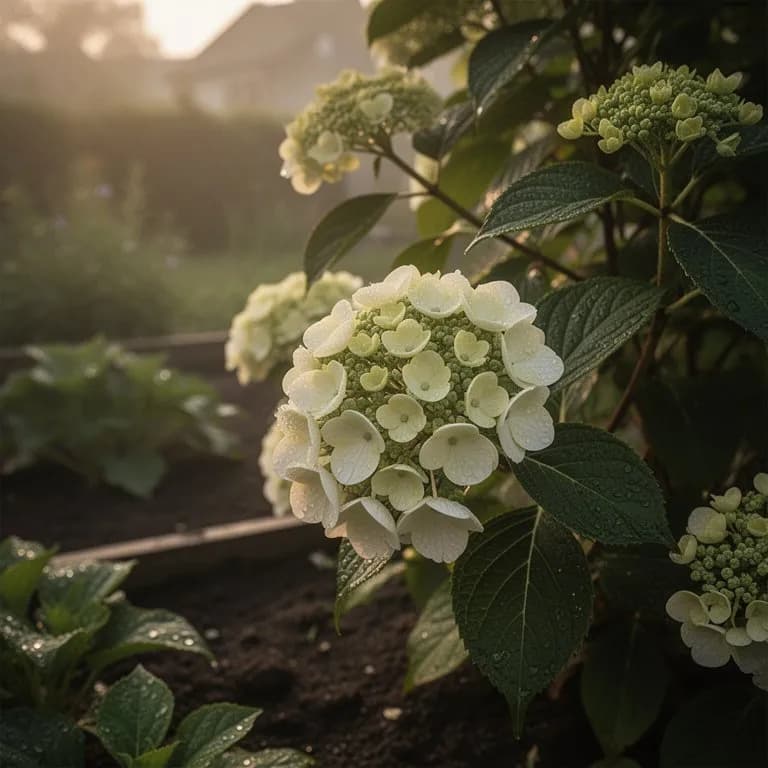
Dried Climbing Hydrangea Flower Arrangement
15 minutes plus drying timeHarvest lacecap flower heads at their peak and air-dry them to create elegant long-lasting floral arrangements that retain their delicate form and papery texture for months. The dried blooms pair beautifully with grasses, seed heads, and other dried garden materials.
4 ingredientsPressed Climbing Hydrangea Botanical Art
20 minutes plus 3-4 weeks pressing timePress individual florets and small leaves from climbing hydrangea to create beautiful botanical art pieces, greeting cards, or framed displays. The delicate sterile florets press exceptionally well and retain a lovely translucent quality.
4 ingredientsClimbing Hydrangea Stem Cutting Propagation Kit
30 minutesTake semi-ripe cuttings in late summer to propagate new plants for free. Each cutting will develop roots within 6-8 weeks in a warm, humid environment, giving you new vines to plant out the following spring or share with fellow gardeners.
5 ingredientsWhat's inside
Health Benefits
- The dense foliage provides significant habitat value for nesting birds, overwintering insects, and small wildlife, contributing to urban biodiversity and healthier garden ecosystems.
- A large climbing hydrangea on a building wall provides measurable insulation benefits, reducing heat loss in winter and cooling the wall surface in summer through evapotranspiration.
- The abundant flowers support pollinator health by providing nectar and pollen during early to mid-summer when many other food sources are diminishing.
- Spending time tending and observing ornamental climbers like Hydrangea petiolaris has been associated with reduced stress levels and improved mental well-being in multiple horticultural therapy studies.
- The vine's ability to cover unsightly walls, fences, and structures improves the visual environment, which research has linked to lower cortisol levels and improved mood in urban settings.
- Climbing hydrangea foliage contributes to air quality improvement by trapping airborne particulates and absorbing carbon dioxide, particularly valuable when grown on walls alongside busy roads.
Where Climbing Hydrangea comes from
Hydrangea petiolaris is native to the temperate deciduous forests of Japan, the Korean Peninsula, and the island of Taiwan, where it occurs naturally from sea level to elevations of around 1,500 metres. In its native habitat the vine grows as a woodland epiphyte, using its aerial rootlets to ascend the trunks of mature forest trees such as oaks, beeches, and conifers, eventually reaching the upper canopy to access sunlight. This ecological niche makes it uniquely adapted to shade — a trait that has made it immensely valuable in Western gardens for covering north-facing walls, shaded fences, and difficult dark corners where few other flowering climbers will succeed.
The species was first described for Western science by the German-born Russian botanist Carl Johann Maximowicz, who encountered it during his botanical explorations of Japan between 1860 and 1864. Maximowicz formally published the species in 1867, and living material was introduced to European botanic gardens shortly thereafter. The plant was initially grown as a botanical curiosity, but by the early twentieth century its garden merits were becoming widely recognised, particularly in Britain and the northeastern United States, where the climate closely mirrors its native range.
Throughout the twentieth century, climbing hydrangea gained steadily in popularity as gardeners and designers appreciated its remarkable tolerance of deep shade, its spectacular summer flowering display, its handsome glossy foliage, and its outstanding winter bark texture. It received the Royal Horticultural Society's Award of Garden Merit, one of the most respected endorsements in horticulture. Today it is considered one of the finest climbing plants available for temperate gardens worldwide and is widely planted on walls, fences, pergolas, and mature trees, as well as being used as ground cover on shaded slopes.
Climbing Hydrangea: did you know?
Fascinating facts about Climbing Hydrangea
Climbing hydrangea is one of very few ornamental vines that thrives on north-facing walls in full shade, making it invaluable for brightening the darkest sides of buildings and garden structures.
Climbing Hydrangea questions, answered
When should I plant Climbing Hydrangea?
What are good companion plants for Climbing Hydrangea?
What hardiness zones can Climbing Hydrangea grow in?
How much sun does Climbing Hydrangea need?
How far apart should I space Climbing Hydrangea?
What pests and diseases affect Climbing Hydrangea?
How do I store Climbing Hydrangea after harvest?
What are the best Climbing Hydrangea varieties to grow?
What soil does Climbing Hydrangea need?
Will climbing hydrangea damage my brick or stone wall?
Why is my climbing hydrangea not flowering after several years?
Can I grow climbing hydrangea in a container or pot?
How fast does climbing hydrangea grow once established?
Is climbing hydrangea invasive or harmful to trees?
What companion plants work well with climbing hydrangea?
You just read the theory. Now grow it on autopilot.
Everything that makes Climbing Hydrangea fiddly — the timing, the spacing, the companions, the harvest window — is exactly what PlotMyGarden handles for you, for every plant in your garden.
A plan that knows your weather
Set your location once. Get sow, feed and harvest dates built around your real last-frost date and live forecast — no more guessing from a generic seed packet.
From the “When to plant” sectionDrag-and-drop bed planner
Design beds on a grid. Every plant snaps to its proper spacing, and you can see your whole season laid out before you spend a cent on seed.
From the “Growing guide” sectionCompanion conflicts, caught early
200+ good-and-bad pairings checked live as you plant — so a season-wrecking mistake never makes it into the ground.
From the “Companions” sectionReminders you'll actually act on
“Water the beans.” “Pick today before it turns.” Timely, specific, and tied to the plants you're really growing.
From the “Harvest” sectionSuccession, scheduled
Want a harvest for six weeks, not six days? It spaces your sowings automatically and reminds you when each new block is due.
From the “When to plant” sectionA record that gets smarter
Every harvest you log teaches it your garden. Next year's plan starts from what actually worked in your soil, not a textbook's.
From the “Overview” sectionPlant these alongside Climbing Hydrangea
More Climbing Flowers
Grow your best Climbing Hydrangea yet — and everything around it.
Start a free plan today. Lay out your beds, drop in your Climbing Hydrangea, and let PlotMyGarden handle the timing, spacing, companions and reminders from seed to harvest basket.