Madreselva de Coral
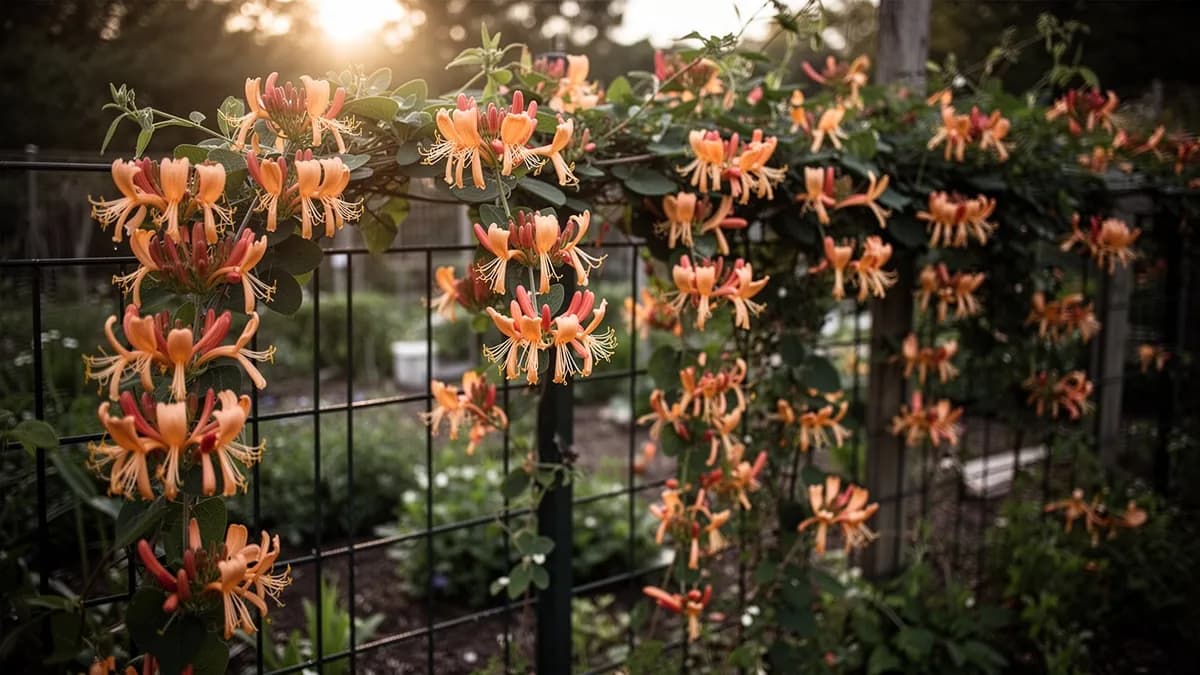
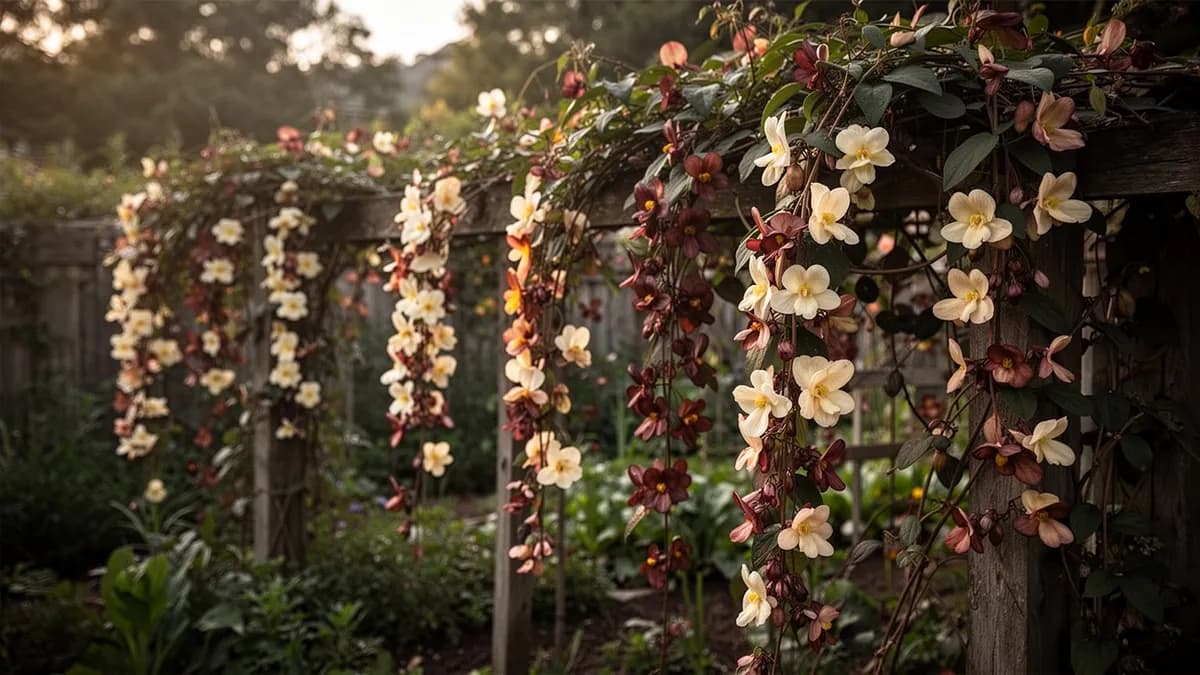
Una trepadora autoctona de comportamiento disciplinado con verticilos de flores tubulares de color rojo coral que florecen desde la primavera hasta el otono, muy apreciada por los colibries.





En esta páginaResumen
Conoce Madreselva de Coral
Una trepadora autoctona de comportamiento disciplinado con verticilos de flores tubulares de color rojo coral que florecen desde la primavera hasta el otono, muy apreciada por los colibries. A diferencia de la madreselva japonesa invasora, la madreselva de coral no es agresiva y es semiperennifolia en climas templados. Prospera al sol o en semisombra y produce atractivas bayas rojas que alimentan a los pajaros cantores en otono.
Cuándo plantar Madreselva de Coral
La madreselva de coral puede cultivarse a partir de semilla, aunque la germinacion puede ser lenta e irregular. Recoja las bayas en otono, limpie las semillas de la pulpa y estratifiquelas en frio en arena humeda durante tres meses. Siembre en primavera en macetas con sustrato humedo. Las semillas pueden tardar de cuatro a ocho semanas en germinar. Las plantulas crecen a un ritmo moderado. Los esquejes semileñosos en verano son un metodo de propagacion mas rapido y fiable, y producen plantas que florecen en dos anos.
Tu año de Madreselva de Coral
Ajustado a Zona 7 · temporada típica · la helada se va hacia el 2 abr y vuelve hacia el 1 nov
Planta Madreselva de Coral Mar – May y cosecha Abr – Sep. Consulta los métodos de plantación y elige tu clima para adaptar los periodos.
Cómo cultivar Madreselva de Coral
Plante la madreselva de coral en primavera o en otono en un suelo bien drenado, a pleno sol o en semisombra. A diferencia de la invasora madreselva japonesa, esta especie autoctona de comportamiento controlado es una trepadora que se enrosca y alcanza de tres a cinco metros sin convertirse nunca en una molestia. Proporcione una celosia, una valla o un poste de buzon para que pueda trepar. La madreselva de coral es una de las mejores trepadoras para atraer colibries, ya que florece desde la primavera hasta el otono.
Riegue con regularidad durante la primera temporada de crecimiento y luego aplique riego suplementario solo durante los periodos prolongados de sequia. Esta trepadora autoctona se adapta a una amplia variedad de condiciones y prospera tanto en suelos de bosque ricos como en condiciones de jardin corrientes. Es semiperennifolia en climas templados, conservando un atractivo follaje verde azulado durante el invierno en las zonas 7 y superiores.
Pode ligeramente tras la principal explosion de floracion primaveral para mantener la forma y estimular la floracion continua. La madreselva de coral florece tanto en la madera vieja como en la nueva, por lo que podar en cualquier momento no eliminara la floracion. Abone moderadamente a principios de primavera con un fertilizante equilibrado. Los racimos de flores tubulares de color rojo coral van seguidos de bayas rojas translucidas en otono que son muy buscadas por los pajaros cantores, especialmente durante la migracion de otono.
Para Madreselva de Coral un bancal de 120 × 240 cm se queda corto
Cada Madreselva de Coral pide 200 cm de margen. El planificador guarda ese marco por ti — cada planta, cada bancal.
Los mejores vecinos de Madreselva de Coral
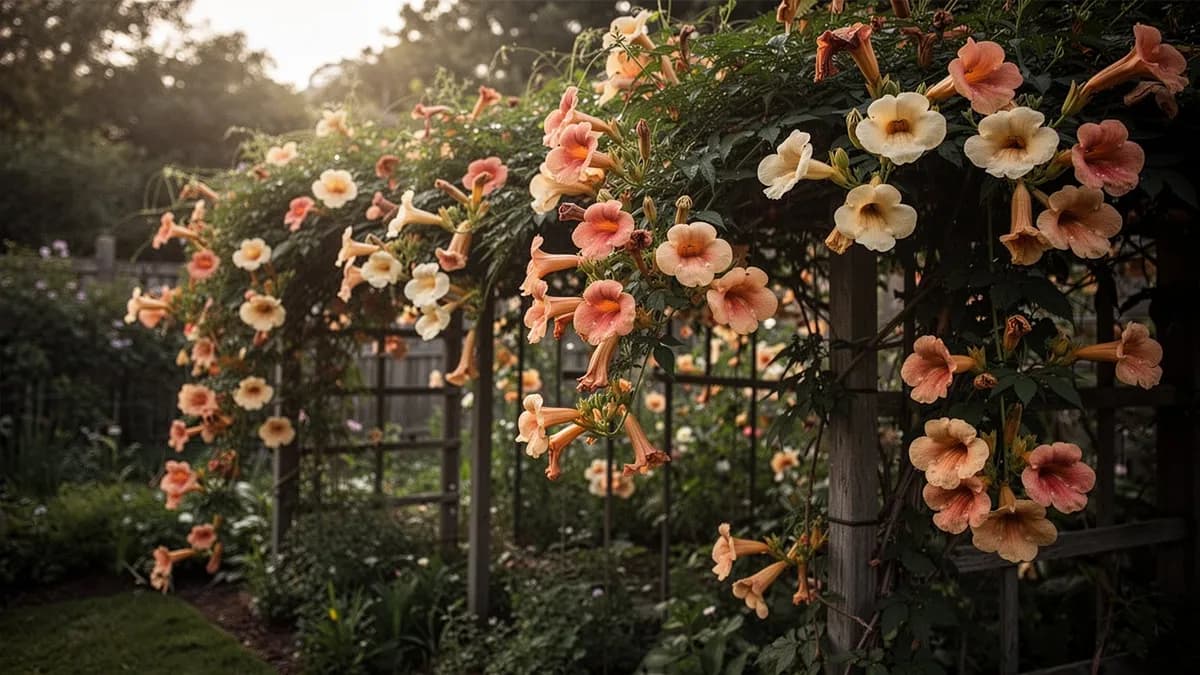
La madreselva de coral es la companera perfecta para la campsis y la clematide autoctona en un jardin para colibries, ya que ofrece una sucesion de flores ricas en nectar desde la primavera hasta el otono. Combine con clematis autoctona para mayor variedad visual. Plante en la base vivaces autóctonas como equinacea, rudbeckia y asclepia para un esquema de jardin autóctono completo. Las bayas rojas proporcionan alimento para los pajaros cantores en otono e invierno.
Trompeta Trepadora va a su lado.
Saber de huerto de siempre, cotejado con la tabla real de Madreselva de Coral — prueba cualquier planta que cultives.
Prueba Madreselva de Coral en un bancal, aquí mismo
Un bancal real del planificador con Madreselva de Coral ya plantado. Toca una planta compañera para colocarla y mira cómo responde la comprobación de vecinos: verde para buenos vecinos, rojo si hay conflicto.


Guías de cultivo relacionadas
Abónalo bien
La madreselva de coral se adapta a una amplia variedad de suelos, desde franco-arenosos hasta arcillosos, con un pH de 5.5 a 7.5. Rinde mejor en suelos moderadamente fertiles y bien drenados, pero tolera condiciones pobres una vez establecida. Aplique un fertilizante equilibrado de liberacion lenta a principios de primavera. Evite el abonado excesivo, que favorece un crecimiento vegetativo exuberante. Aplique mantillo organico alrededor de la base para conservar la humedad y mejorar la calidad del suelo con el tiempo.
Temperatura ideal
Compatibilidad de zonas de rusticidad
De la semilla a la cosecha, etapa por etapa
Germinacion y Plantula
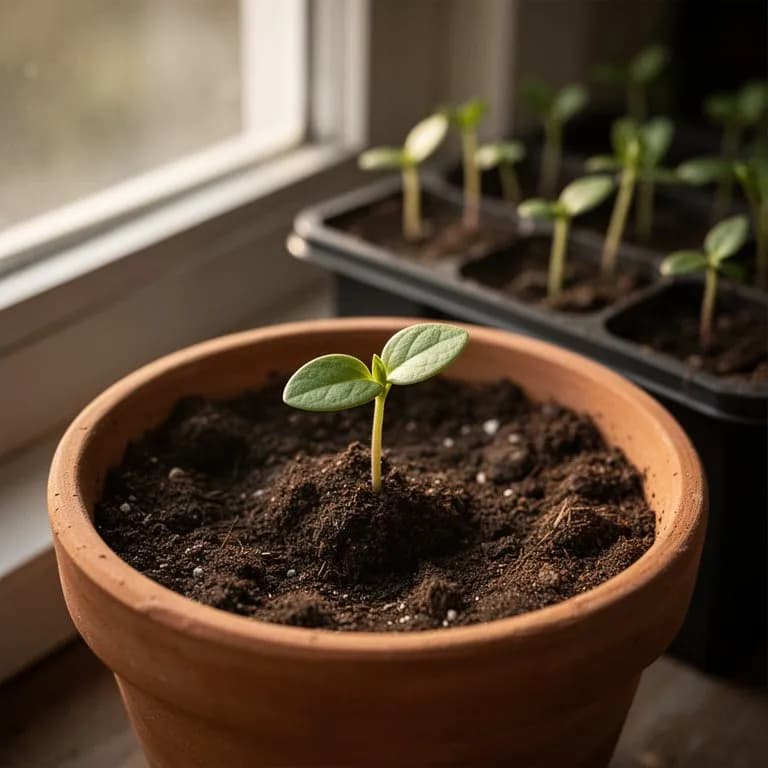
Las semillas requieren 60 dias de estratificacion en frio antes de la siembra. Tras la plantacion, la germinacion tarda de 2 a 4 semanas en suelo calido. Las plantulas emergen con pequenos cotiledones redondeados seguidos del primer par de hojas verdaderas ovaladas de color verde azulado.
Crecimiento Vegetativo
La trepadora comienza a producir tallos enroscantes que buscan activamente un soporte vertical. Las hojas desarrollan su caracteristica disposicion opuesta y coloracion verde azulada. El crecimiento puede alcanzar de 90 cm a 1.5 metros en la primera temporada en condiciones favorables.
Establecimiento y Ramificacion
El sistema radicular se fortalece y aumenta la ramificacion lateral. La trepadora desarrolla una base lenosa y las partes superiores permanecen flexibles y herbaceas. El follaje semiperennifolia persiste en climas mas suaves durante el primer invierno.
Primera Floracion
En el segundo ano, la trepadora produce sus primeros racimos de flores tubulares de color rojo coral en los extremos de los nuevos brotes. La floracion comienza a mediados de primavera y puede continuar de forma esporadica hasta el otono. Las flores miden tipicamente de 4 a 5 cm de longitud y aparecen en racimos terminales verticilados.
Trepadora Madura y Fructificacion
Una madreselva de coral madura alcanza de 3 a 6 metros de longitud y produce flores abundantes desde la primavera hasta el otono. Las pequeñas bayas rojas translucidas siguen a las flores y maduran a finales del verano, proporcionando alimento a los pajaros cantores. La trepadora desarrolla un tronco leñoso sustancial en la base.
Mantenimiento a Largo Plazo
La madreselva de coral es una trepadora vivaz de larga vida que puede prosperar durante 20 anos o mas con minimo cuidado. Las trepadoras establecidas son tolerantes a la sequia y resistentes a la mayoria de plagas y enfermedades. La planta continua produciendo flores y bayas de forma fiable cada ano.
Mantenga el suelo uniformemente humedo pero sin encharcamiento. Proporcione luz tamizada o semisombra para evitar que las plantulas tiernas se quemen.
Cuidar Madreselva de Coral mes a mes
Qué hacer cada mes para tu Madreselva de Coral
Octubre
Mes actualDeje las bayas en la trepadora para las aves que se preparan para la migracion. Reduzca la frecuencia de riego a medida que las temperaturas bajan y el crecimiento se ralentiza.
Ten claro qué hacer en tu huerto, cada mes
Un correo al empezar cada mes: qué sembrar, plantar y hacer ahora mismo — para tu Madreselva de Coral y todo lo que crece alrededor. Más un breve curso inicial para esquivar los errores clásicos.
- Qué hacer ahora mismo
- Ajustado a tu temporada
- Curso inicial incluido
Cosechar Madreselva de Coral
Corte tallos de madreselva de coral para hacer encantadores arreglos florales cuando los racimos de flores tubulares esten medio abiertos. Las flores de color rojo coral son espectaculares en ramos de primavera mezcladas con rosas de jardin y verdor fresco. Los tallos duran aproximadamente cinco a siete dias en agua. En otono, corte tallos con las bayas rojas translucidas para uso decorativo, aunque conviene dejar algunas bayas para las aves migratorias. Las flores tienen muy poco o ningun aroma, a diferencia de la madreselva japonesa.
se supone que plantas al comenzar el periodo — indica tu fecha real
Cosecha Madreselva de Coral a tiempo y la planta sigue produciendo.
Almacenamiento y conservación
La madreselva de coral no necesita consideraciones especiales de almacenamiento al ser una trepadora vivaz resistente. Para la propagacion, tome esquejes semileñosos a mediados del verano, sumergiendo los extremos en hormona de enraizamiento e insertandolos en perlita humeda. Los esquejes enraizan en cuatro a seis semanas. El acodo, enterrando una rama baja cubierta de tierra, tambien es eficaz. Las semillas se pueden recolectar de las bayas maduras en otono, limpiarlas y estratificarlas en frio para la siembra primaveral.
Qué falla — y cómo solucionarlo
Pulgones
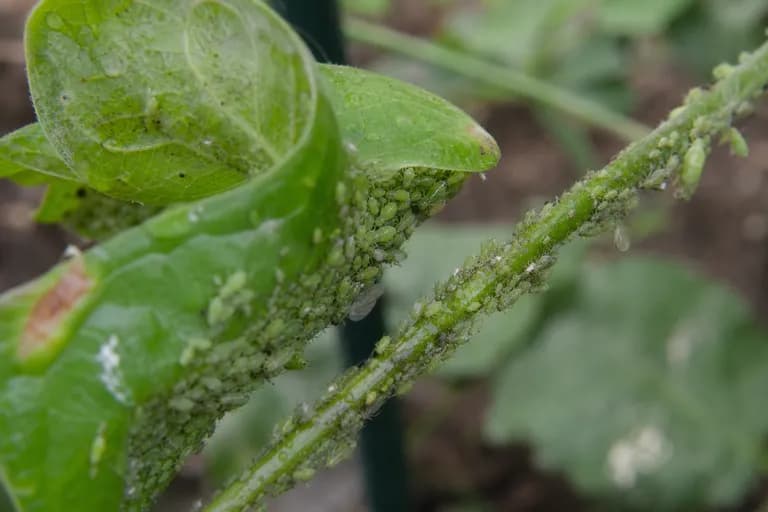
PlagaGrupos de pequenos insectos en los brotes nuevos y los capullos florales. Melaza pegajosa en las hojas inferiores. Hojas jovenes rizadas o deformadas.
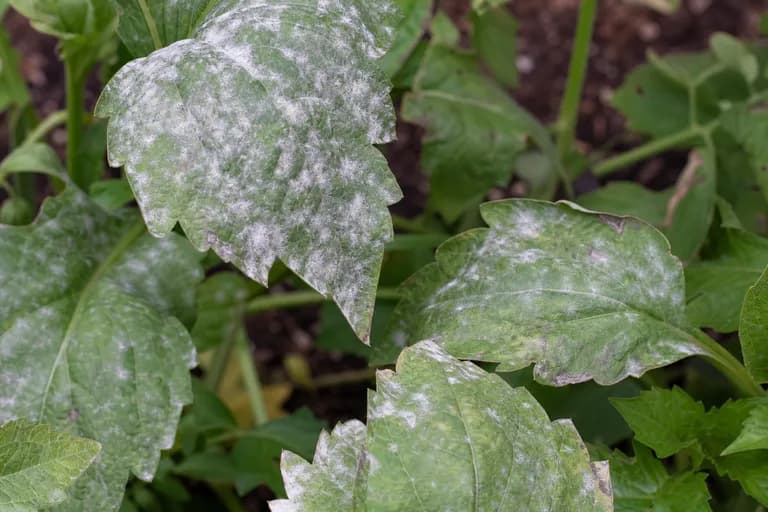
Oidio
EnfermedadCapa blanca y polvorienta sobre las hojas en condiciones de humedad, tipicamente a finales del verano. El follaje puede amarillear y caer.
Solución de problemas comunes
La madreselva de coral es una de las trepadoras autóctonas mas resistentes disponibles. El principal problema es el oidio ocasional en climas humedos con escasa circulacion de aire, aunque rara vez es grave. Algunos jardineros se decepcionan por la falta de fragancia en comparacion con la madreselva japonesa, pero el habito no invasor y la floracion continua mas que compensan. En sombra densa, la floracion se reduce considerablemente.
Consejos de cultivo
- Plante la madreselva de coral en un lugar que reciba al menos de 4 a 6 horas de luz solar directa al dia para una mejor produccion de flores. El pleno sol es ideal en climas mas frios, mientras que la sombra por la tarde beneficia a las plantas en regiones del sur mas calurosas.
- Proporcione una estructura de soporte robusta antes de plantar, ya que la madreselva de coral es una trepadora enroscante que envuelve sus tallos alrededor de los soportes en lugar de aferrarse con zarcillos o raices aereas. Las celosias, pergolas, vallas de eslabones de cadena y postes de madera funcionan bien.
- Riegue las trepadoras recien plantadas profundamente dos veces por semana durante la primera temporada de crecimiento para establecer un sistema radicular fuerte. Una vez establecida tras el segundo ano, la madreselva de coral es extraordinariamente tolerante a la sequia y necesita riego suplementario solo durante periodos prolongados de sequia.
- Aplique una capa de 5 a 8 cm de mantillo organico, como corteza triturada o compost de hojas, alrededor de la base de la trepadora, manteniendolo a 8 cm del tallo para evitar la pudricion de la corona relacionada con la humedad.
- Pode la madreselva de coral inmediatamente despues del principal periodo de floracion primaveral para dar forma a la trepadora y controlar su tamaño. Evite la poda intensa en otono o invierno, que elimina los capullos florales que se forman en la madera vieja para la siguiente primavera.
- Propague la madreselva de coral facilmente tomando esquejes de tallo semileñosos de 10 a 15 cm a finales del verano. Sumerja los extremos cortados en hormona de enraizamiento e insertelos en perlita humeda o una mezcla de arena y turba. Los esquejes enraizan tipicamente en 4 a 6 semanas.
- Elija el cultivar 'Major Wheeler' para la produccion de floracion mas abundante y continua a lo largo de la temporada de crecimiento. Para una variedad inusual de flores amarillas, seleccione 'John Clayton', que ofrece el mismo cuidado sencillo con una paleta de colores diferente.
- Evite plantar madreselva de coral cerca de la invasora madreselva japonesa, que puede superar a la especie autóctona en la competencia e hibridarse con ella. Elimine cualquier madreselva japonesa que crezca a menos de 15 metros de su madreselva de coral para evitar la competencia.
- Abone las trepadoras establecidas una vez a principios de primavera con un fertilizante granular equilibrado como el 10-10-10 a razon de un cuarto de taza por planta. El exceso de abono, especialmente con formulas ricas en nitrogeno, favorece el crecimiento excesivo de follaje en detrimento de las flores.
- Vigile la presencia de pulgones en los brotes nuevos y tiernos en primavera, que es el problema de plagas mas comun. Un chorro fuerte de agua de la manguera desaloja la mayoria de las infestaciones sin necesidad de pesticidas quimicos.
Cultiva tu mejor Madreselva de Coral — y todo lo que la rodea.
Empieza un plan gratis hoy. Diseña tus bancales, coloca tu Madreselva de Coral y deja que PlotMyGarden gestione el momento, el espaciado, las asociaciones y los recordatorios de la semilla a la cesta.
Elige tu Madreselva de Coral
Major Wheeler
El cultivar mas popular, con una temporada de floracion excepcionalmente larga y una produccion abundante de flores rojo intenso; fue seleccionado en un jardin de Georgia.
Alabama Crimson
Flores de un rojo carmesi profundo en una trepadora vigorosa con buena tolerancia al calor, ideal para jardines del sur.
John Clayton
Una seleccion unica con flores amarillas que florece con la misma profusion que las formas rojas, ofreciendo una paleta de colores diferente.
Blanche Sandman
Flores de un intenso naranja rojizo y follaje denso semiperennifolia, fiable y de floracion abundante.
La madreselva de coral es una inversion paisajistica extraordinariamente rentable. Una sola planta adquirida por entre 8 y 15 euros puede cubrir una celosia o valla de 3 a 6 metros en 2 a 3 anos, sustituyendo la necesidad de costosas pantallas de privacidad que podrian costar 200 euros o mas. La trepadora se propaga facilmente a partir de esquejes de tallo o por acodo, lo que permite a los jardineros producir decenas de plantas nuevas sin coste adicional. Su tolerancia a la sequia una vez establecida reduce las facturas de agua, y su resistencia a la mayoria de plagas y enfermedades elimina la necesidad de tratamientos quimicos. Como vivaz autóctona que vive 20 anos o mas, proporciona decadas de valor ornamental, habitat para la vida silvestre y belleza en el jardin a partir de una unica compra inicial asequible.
Recetas rápidas
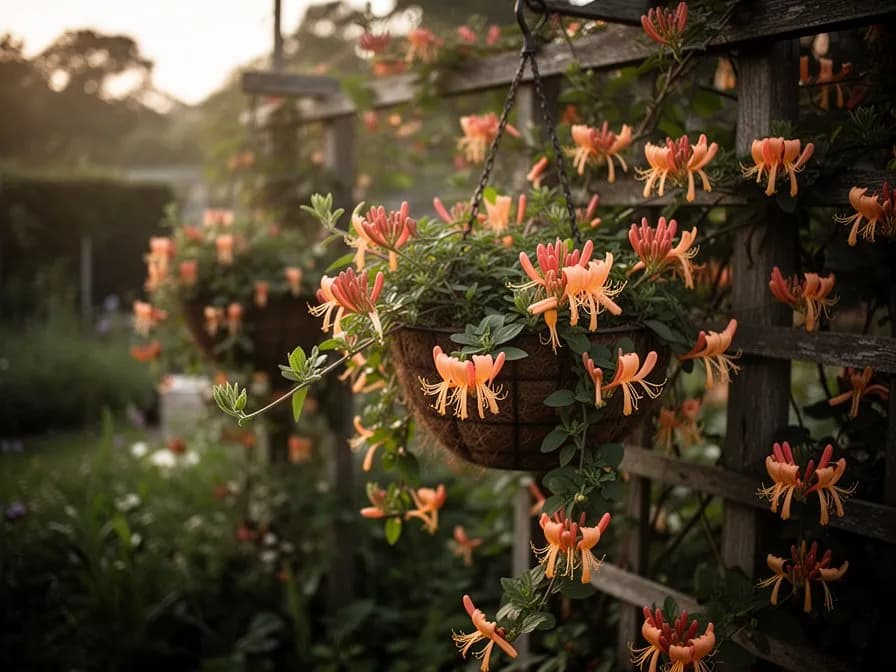
Arreglo Decorativo con Flores de Madreselva
10 minutosCree un impresionante arreglo decorativo de aspecto comestible utilizando racimos de flores de madreselva de coral recien cortados. Aunque las flores son principalmente decorativas y no estan destinadas al consumo, hacen un hermoso centro de mesa natural o decoracion de plato para fiestas en el jardin y comidas al aire libre.
4 ingredientesCorona Decorativa con Ramas Secas de Madreselva
45 minutosRecoja ramas flexibles de madreselva de coral en temporada de dormancia para tejer una corona decorativa rustica. Los tallos plegables son ideales para hacer coronas y pueden adornarse con flores secas, cintas o decoraciones de temporada para un proyecto de manualidades natural de jardin.
4 ingredientesMacetero Jardin de Nectar para Colibries con Madreselva
30 minutosDiseñe un cultivo en contenedor con la madreselva de coral como trepadora protagonista, acompañada de plantas companeras que tambien atraigan colibries. Este arreglo vivo crea un comedero portatil para colibries en terrazas, balcones y espacios de jardin reducidos.
4 ingredientesQué contiene
Beneficios para la salud
- La medicina tradicional cheroqui y choctaw utilizaba infusiones de hojas de madreselva de coral para aliviar el dolor de garganta y la tos asociados a afecciones respiratorias de las vias altas.
- Los herbolarios historicos preparaban decocciones de corteza como lavado astringente suave para tratar irritaciones cutaneas leves, picaduras de insectos y heridas superficiales.
- La presencia de madreselva de coral en los paisajes de jardin ofrece importantes beneficios para la salud mental gracias a su capacidad de atraer colibries y mariposas, promoviendo el alivio del estres mediante la observacion de la naturaleza.
- Cultivar la madreselva de coral como pantalla vegetal viva o cobertura de pergola proporciona sombra y frescor naturales, lo que puede reducir la exposicion al calor y mejorar el confort exterior durante el tiempo caluroso.
- El follaje semiperennifolia aporta verdor durante todo el ano en climas templados, contribuyendo a mejorar la calidad del aire al filtrar particulas y producir oxigeno en jardines residenciales.
- Las actividades de jardineria asociadas a la plantacion, conduccion y mantenimiento de las trepadoras de madreselva de coral proporcionan ejercicio fisico moderado, mejorando la salud cardiovascular y la flexibilidad articular.
De dónde viene Madreselva de Coral
La madreselva de coral (Lonicera sempervirens) es una trepadora leñosa y enroscante autóctona del este y sureste de los Estados Unidos, con un area de distribucion natural que se extiende desde Connecticut hacia el sur hasta Florida y hacia el oeste hasta Texas y Nebraska. Prospera en los margenes de bosques, matorrales y a lo largo de setos en todo su habitat natural. La especie pertenece a la familia Caprifoliaceae, conocida comunmente como la familia de las madreselvas, que incluye aproximadamente 180 especies distribuidas por las regiones templadas del hemisferio norte.
Los pueblos nativos americanos fueron los primeros en cultivar y utilizar la madreselva de coral. Varias tribus del sureste, entre ellas los cheroqui y los choctaw, empleaban preparaciones elaboradas con las hojas, tallos y corteza con fines medicinales. Las infusiones de hojas se usaban habitualmente para tratar afecciones respiratorias, mientras que las preparaciones de corteza servian como tratamiento para irritaciones cutaneas y heridas menores. La trepadora tambien tenia importancia cultural como simbolo de devocion y union duradera en algunas tradiciones tribales.
Los colonos europeos encontraron la madreselva de coral durante las primeras exploraciones de la colonia de Virginia a principios del siglo XVII. Al botanico ingles John Tradescant el Joven se le atribuye la introduccion de la especie en los jardines europeos hacia 1656, donde rapidamente gano popularidad como trepadora ornamental. En el siglo XVIII, la madreselva de coral era un elemento habitual en los jardines campestres ingleses y en las colecciones botanicas europeas. Thomas Jefferson cultivaba la trepadora en Monticello, y aparecia con frecuencia en las listas documentadas de plantas de los jardines coloniales americanos.
En la horticultura moderna, la madreselva de coral ha experimentado un resurgimiento de popularidad gracias al movimiento de jardineria con plantas autóctonas. Es ampliamente recomendada por organizaciones de vida silvestre y servicios de extension como una alternativa superior a las especies exoticas invasoras de madreselva. Se han desarrollado numerosos cultivares, entre ellos el popular 'Major Wheeler' con su produccion de floracion excepcionalmente abundante y el 'John Clayton' de raras flores amarillas. La especie ha recibido reconocimientos de varias sociedades horticulturales por su valor ecologico y su rendimiento en el jardin.
Madreselva de Coral: ¿sabías que?
Datos fascinantes sobre Madreselva de Coral
La madreselva de coral es una de las pocas especies de madreselva autóctonas de America del Norte que no es invasora, a diferencia de su agresiva pariente la madreselva japonesa (Lonicera japonica).
Madreselva de Coral: preguntas frecuentes
¿Cuándo debo plantar Madreselva de Coral?
¿Cuáles son buenas plantas acompañantes para Madreselva de Coral?
¿En qué zonas de rusticidad puede crecer Madreselva de Coral?
¿Cuánto sol necesita Madreselva de Coral?
¿A qué distancia debo espaciar Madreselva de Coral?
¿Qué plagas y enfermedades afectan a Madreselva de Coral?
¿Cómo almaceno Madreselva de Coral después de la cosecha?
¿Cuáles son las mejores variedades de Madreselva de Coral para cultivar?
¿Qué suelo necesita Madreselva de Coral?
¿Es la madreselva de coral invasora como la madreselva japonesa?
¿Son seguras las bayas de la madreselva de coral para comer?
¿Como consigo que mi madreselva de coral florezca mas?
¿Puede la madreselva de coral crecer en un contenedor?
¿Dañara la madreselva de coral mi casa o mi valla si la dejo trepar?
¿Cuanto tiempo tarda la madreselva de coral en cubrir una celosia o una valla?
Acabas de leer la teoría. Ahora cultívala en piloto automático.
Todo lo que hace que Madreselva de Coral sea delicado — el momento, el espaciado, las asociaciones, la ventana de cosecha — es justo lo que PlotMyGarden resuelve por ti, para cada planta de tu huerto.
Un plan que conoce tu clima
Indica tu ubicación una vez. Recibe fechas de siembra, abonado y cosecha basadas en tu última helada real y el pronóstico en vivo — sin adivinar con un sobre genérico.
De la sección “Cuándo plantar”Planificador de bancales de arrastrar y soltar
Diseña bancales sobre una cuadrícula. Cada planta encaja con su espaciado correcto y ves toda la temporada antes de gastar un céntimo en semillas.
De la sección “Cultivo”Conflictos de asociación, detectados a tiempo
Más de 200 buenas y malas combinaciones comprobadas en vivo mientras plantas — para que un error que arruine la temporada nunca llegue a la tierra.
De la sección “Asociaciones”Recordatorios que sí vas a seguir
“Riega las judías.” “Recoge hoy antes de que se pase.” Oportunos, concretos y ligados a las plantas que de verdad cultivas.
De la sección “Cosecha”Escalonado, programado
¿Quieres cosechar seis semanas en vez de seis días? Reparte tus siembras automáticamente y te avisa cuando toca el siguiente lote.
De la sección “Cuándo plantar”Un registro que se vuelve más listo
Cada cosecha que registras le enseña tu huerto. El plan del año que viene parte de lo que de verdad funcionó en tu suelo, no en un manual.
De la sección “Resumen”Planta estos junto a Madreselva de Coral
Más Trepadoras
Cultiva tu mejor Madreselva de Coral — y todo lo que la rodea.
Empieza un plan gratis hoy. Diseña tus bancales, coloca tu Madreselva de Coral y deja que PlotMyGarden gestione el momento, el espaciado, las asociaciones y los recordatorios de la semilla a la cesta.