Ornamental Kiwi Vine
A vigorous deciduous climber prized for its heart-shaped leaves splashed with pink and white variegation rather than its small white flowers.





On this pageOverview
Meet Ornamental Kiwi Vine
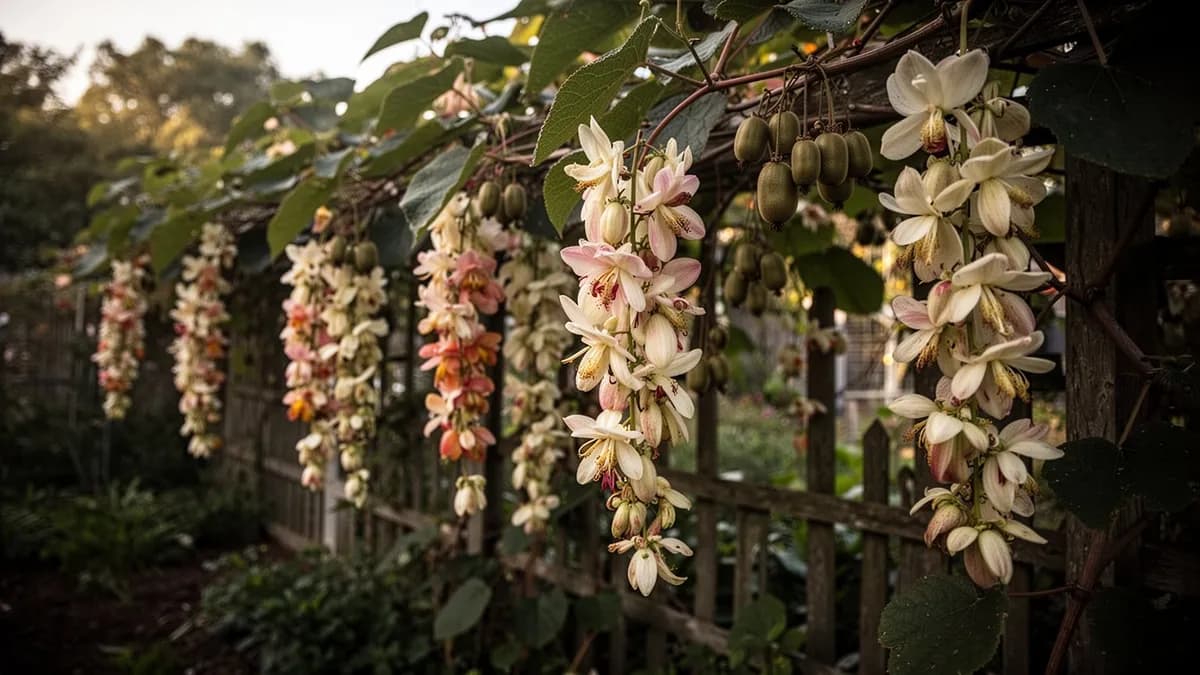
A vigorous deciduous climber prized for its heart-shaped leaves splashed with pink and white variegation rather than its small white flowers. Ornamental kiwi vine provides spectacular foliage color on walls, fences, and pergolas from spring through fall. Male plants show the best leaf coloring and require a sturdy support structure.
When to plant Ornamental Kiwi Vine
Ornamental kiwi can be grown from seed but seed-grown plants will not necessarily show the same variegation as named cultivars, and sex cannot be determined until flowering. Seeds need cold stratification for three to four months and may take several weeks to germinate. The preferred propagation methods are softwood cuttings taken in early summer or hardwood cuttings in late autumn. Grafting named varieties onto seedling rootstock is the commercial method for ensuring true-to-type plants.
Your Ornamental Kiwi Vine Year
Composed for Zone 7 · typical seasons · frost passes Apr 2, returns Nov 1
Plant Ornamental Kiwi Vine Mar – May, pick May – Jun. Check the planting methods below and set your climate to personalize these windows.
How to grow Ornamental Kiwi Vine
Plant ornamental kiwi vine in spring or autumn in moist, well-drained soil with partial shade, ideally in a location protected from harsh afternoon sun which can scorch the delicate variegated foliage. Provide a sturdy support structure such as a pergola, trellis, or strong wire system, as mature vines become heavy and vigorous. Male plants develop the most spectacular foliage coloring, with leaves splashed in pink and white.
Water regularly during the first two growing seasons to establish a strong root system. Once established, ornamental kiwi is quite drought tolerant but performs best with consistent moisture. Feed in early spring with a balanced granular fertilizer and again in midsummer with a lighter application. The small, fragrant white flowers appear in early summer but are largely hidden by the showy foliage.
Prune in late winter while dormant to control size and shape, removing any dead or crossing branches. Summer pruning can be done to manage vigorous growth and maintain a tidy appearance on structures. The best leaf coloring develops on male plants that are at least three years old and increases with the amount of sunlight they receive, though too much direct sun can bleach the variegation.
Ornamental Kiwi Vine needs more room than a 4 × 8 ft bed gives
Each Ornamental Kiwi Vine wants 300 cm of elbow room. The planner keeps that spacing for you — every plant, every bed.
Ornamental Kiwi Vine's best neighbours
Ornamental kiwi vine looks stunning on a pergola underplanted with shade-tolerant perennials such as hostas, ferns, and astilbes. The pink and white foliage creates a beautiful backdrop for blue-flowering clematis grown through the same support. Plant spring bulbs beneath the vine for early season interest before the kiwi leafs out. Avoid pairing with other very vigorous climbers that would compete for space.
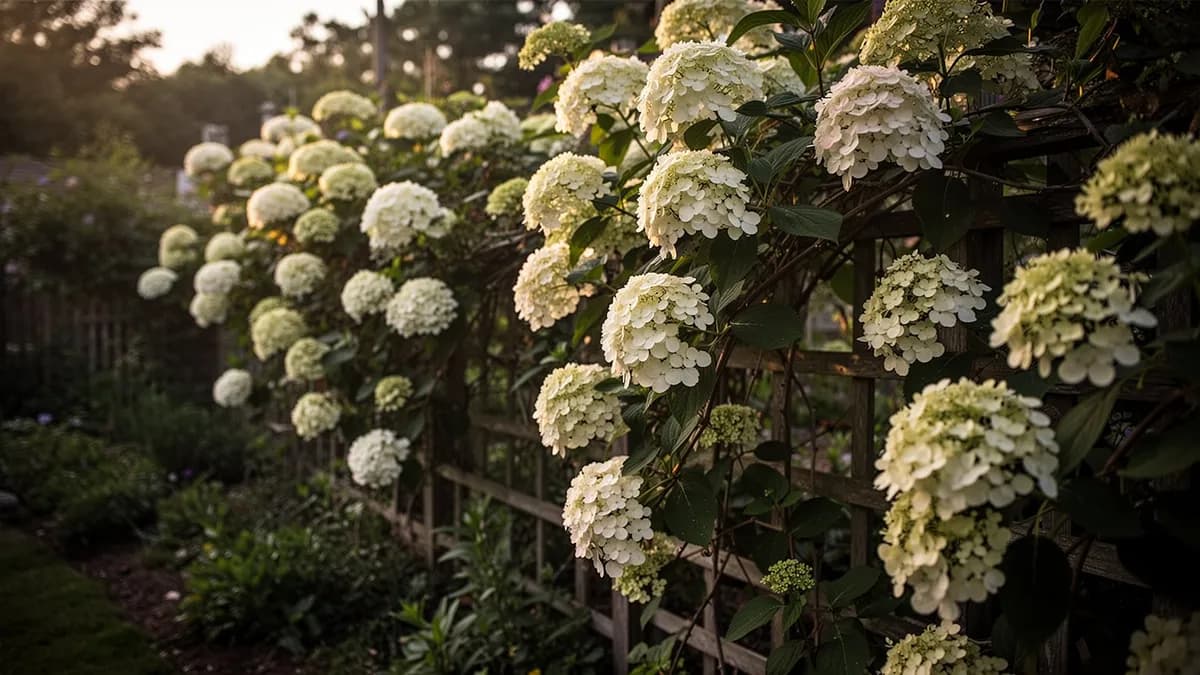
Climbing Hydrangea belongs beside it.
Old growers' knowledge, checked against Ornamental Kiwi Vine's real companion table below — test any plant you're growing.
Try Ornamental Kiwi Vine in a bed — right here
A real planner bed with Ornamental Kiwi Vine already in it. Tap a companion to place it and watch the pairing checks answer — green for good neighbours, red for a clash.


Related growing guides
Feed it well
Ornamental kiwi vine prefers moist, humus-rich, well-drained soil with a pH of 5.5 to 7.0. Amend the planting area with compost and ensure adequate drainage. Apply a balanced slow-release fertilizer in early spring and a lighter feeding in midsummer. Mulch around the base with organic material to conserve moisture and suppress weeds, keeping mulch a few inches from the main stem. Avoid excessive nitrogen which can reduce the intensity of leaf variegation.
Ideal Temperature
Hardiness Zone Compatibility
From seed to harvest, stage by stage
Dormant / Bare Root
Newly planted bare-root or containerized vines establish their root systems in early spring before bud break. The vine appears leafless with woody brown stems. Roots are actively growing underground even though there is no visible top growth yet.
Bud Break and Early Shoot Growth
Buds swell and burst open in mid to late spring, producing new shoots with the characteristic variegated leaves. Male plants typically show more intense pink and white coloration on their foliage. Shoots grow rapidly and begin to twine around nearby supports.
Flowering and Pollination
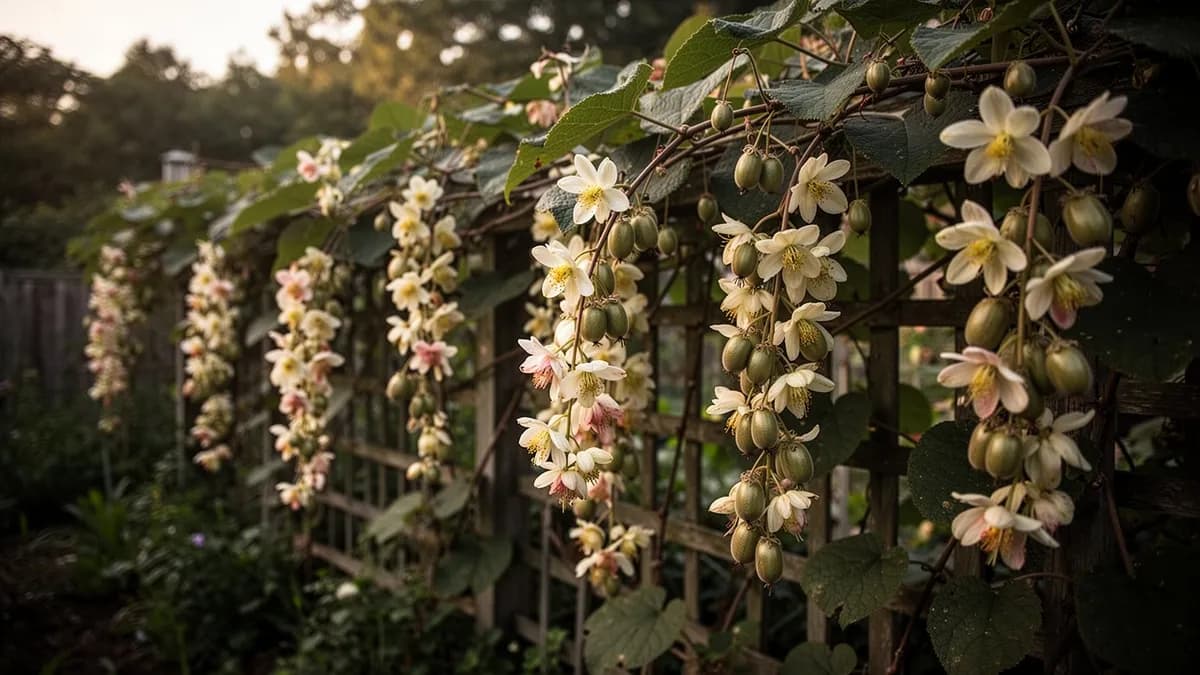
Small fragrant white flowers appear in late spring to early summer. Male and female flowers are borne on separate plants, so both sexes must be present for fruit set. Bees and other pollinators transfer pollen from male to female flowers over a blooming period of roughly two to three weeks.
Fruit Development
Pollinated flowers develop into small green berries roughly the size of a large grape. The fruits grow steadily through summer, gradually increasing in sugar content as they approach maturity. Vines continue to produce vigorous vegetative growth during this period and may need management to prevent overcrowding.
Harvest and Ripening
Fruits ripen from late summer through early autumn, becoming slightly soft to the touch and developing a sweeter, more aromatic flavor. Kiwi berries ripen unevenly on the vine, so multiple harvests over several weeks are typical. Ripe berries detach easily when gently pulled.
Post-Harvest and Leaf Drop
After the final harvest the vine begins to slow its growth and prepare for dormancy. Leaves turn golden yellow before dropping in mid to late autumn. The plant redistributes nutrients from the foliage back into the roots and woody stems for winter storage.
Winter Dormancy
The vine is fully dormant through winter with all leaves shed and no active growth. The woody framework remains on the trellis. This is the ideal period for structural pruning and trellis maintenance. Actinidia kolomikta is extremely cold hardy and can survive temperatures down to minus forty degrees Celsius.
Water deeply at planting and keep the soil consistently moist but not waterlogged. Apply a three-inch layer of organic mulch around the base to retain moisture and moderate soil temperature.
Caring for Ornamental Kiwi Vine month by month
What to do each month for your Ornamental Kiwi Vine
October
You are hereComplete the final harvest before the first hard frost damages remaining fruit. Apply a light application of compost or well-rotted manure around the base of each vine. Enjoy the golden-yellow autumn foliage display before leaf drop.
Know exactly what to do in your garden — every month
One email at the start of each month: what to sow, plant, and tackle right now — for your Ornamental Kiwi Vine and everything growing around it. Plus a short starter course that helps you dodge the classic mistakes.
- What to do, right now
- Matched to your season
- Starter course included
Harvesting Ornamental Kiwi Vine
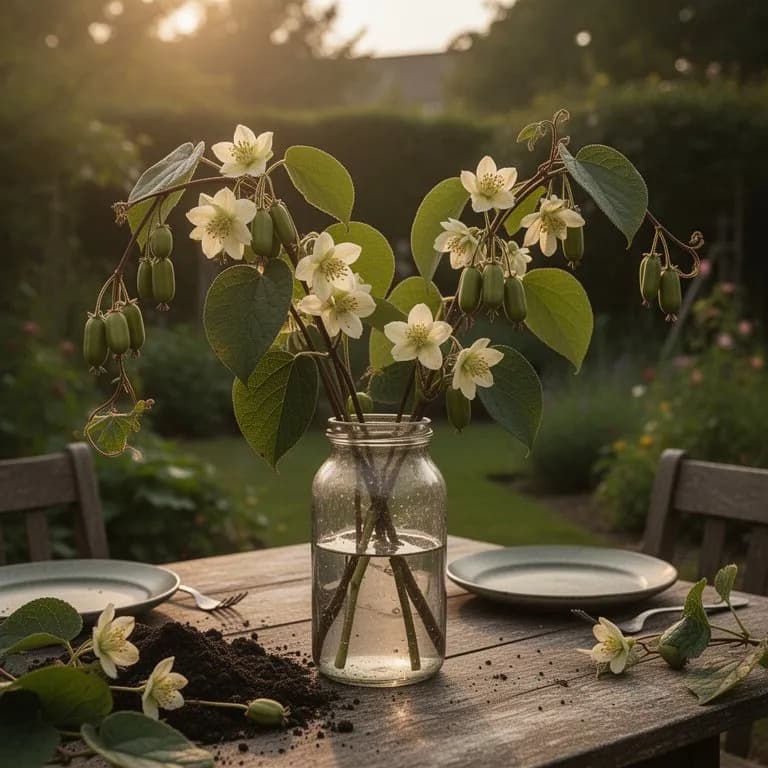
Ornamental kiwi vine is grown primarily for its stunning variegated foliage rather than flowers or fruit. While female plants can produce small, edible kiwi-like fruits if a male pollinator is present, the fruits are insignificant compared to hardy kiwi varieties. Cut foliage stems for floral arrangements throughout the growing season when the pink and white variegation is at its peak. The colorful leaves add unique interest to mixed bouquets.
assuming you plant when the window opens — set your real date
Pick Ornamental Kiwi Vine promptly and the plant keeps producing.
Storage & Preservation
Foliage stems can be used fresh in arrangements where they last about a week in water. The variegated leaves can be pressed and dried for craft projects, though they lose some of their vivid pink coloring. Propagation material in the form of hardwood cuttings can be taken in late autumn and stored in moist sand in a cool location for spring planting. Semi-ripe cuttings taken in midsummer root readily under mist.
What goes wrong — and the fix
Japanese Beetles
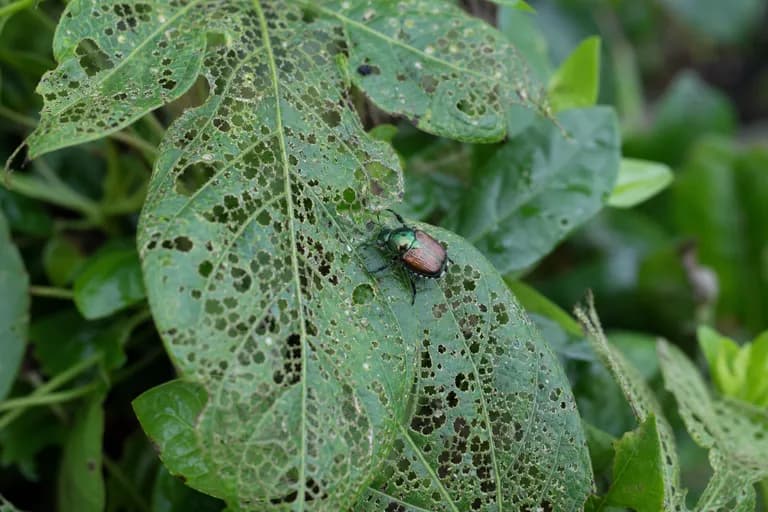
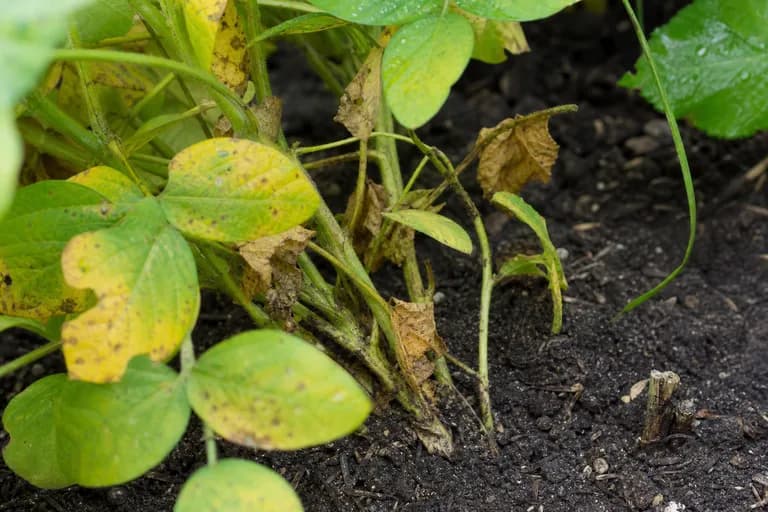
PestSkeletonized leaves with only the veins remaining, feeding damage concentrated on the upper canopy in midsummer.
Phytophthora Root Rot
DiseaseWilting despite adequate moisture, yellowing foliage, reduced vigor. Roots appear dark and water-soaked when examined.
Troubleshooting Common Problems
The most frequent disappointment is poor foliage variegation, which is typically caused by too little light, too much nitrogen fertilizer, or planting a female variety instead of a male one. Young plants may take two to three years to develop their full color potential. Cats are attracted to actinidia roots and may dig around newly planted vines, so protect the base with wire mesh until established. Vigorous growth requires regular pruning to prevent the vine from overwhelming its support.
Growing Tips
- Plant both male and female vines to ensure fruit production. One male plant can effectively pollinate up to six to eight female plants within a fifteen-meter radius.
- Choose a planting site with morning sun and light afternoon shade in warmer climates. In cooler northern regions full sun exposure throughout the day produces the best fruit yields and foliage color.
- Provide a strong trellis, pergola, or fence at least two meters tall because mature vines can grow vigorously and become quite heavy. T-bar trellis systems used for commercial grape production work exceptionally well.
- Protect young plants from cats by surrounding them with wire mesh cages for the first two to three years. The actinidine compound in the stems and leaves is highly attractive to cats and they may damage or uproot juvenile vines.
- Water consistently throughout the growing season, providing approximately twenty-five millimeters per week. Kiwi berries have shallow root systems and are sensitive to drought stress, which can cause premature fruit drop.
- Apply a balanced organic fertilizer in early spring as buds begin to swell, and follow up with a lighter application of compost after harvest in autumn to replenish soil nutrients.
- Prune in late winter during full dormancy, removing old fruiting wood and thinning crowded areas. Fruit is produced on one-year-old lateral shoots growing from permanent cordons.
- Perform summer pruning by pinching back vigorous lateral shoots to five or six leaves beyond the last fruit cluster. This redirects energy toward fruit development and prevents the canopy from becoming overly dense.
- Mulch the root zone generously with organic materials such as wood chips or straw to maintain consistent soil moisture, suppress weed competition, and protect the shallow root system from temperature extremes.
- Be patient during the establishment period. Actinidia kolomikta vines typically take three to five years to begin bearing fruit, but once established they are remarkably productive and long-lived plants that reward the wait with decades of harvests.
Grow your best Ornamental Kiwi Vine yet — and everything around it.
Start a free plan today. Lay out your beds, drop in your Ornamental Kiwi Vine, and let PlotMyGarden handle the timing, spacing, companions and reminders from seed to harvest basket.
Pick your Ornamental Kiwi Vine
Arctic Beauty
The most popular cultivar with spectacular foliage splashed in pink and white on male plants, extremely cold hardy to zone 3.
September Sun
A cultivar selected for more intense and longer-lasting variegation, particularly vivid in autumn before leaf drop.
Pasha
A female selection that pairs with male plants for fruit production while offering decent variegation of its own.
Fresh kiwi berries retail for eight to fifteen dollars per small clamshell container at specialty grocery stores, making them one of the most expensive fruits per kilogram. A single mature Actinidia kolomikta vine can produce four to nine kilograms of berries annually, potentially saving sixty to one hundred thirty-five dollars per vine per season compared to store-bought prices. Since the vines are extremely long-lived and can produce fruit for thirty years or more with minimal maintenance, the lifetime savings from even two or three established plants can be substantial for households that enjoy this nutritious superfruit.
Quick recipes
Kiwi Berry and Yogurt Parfait
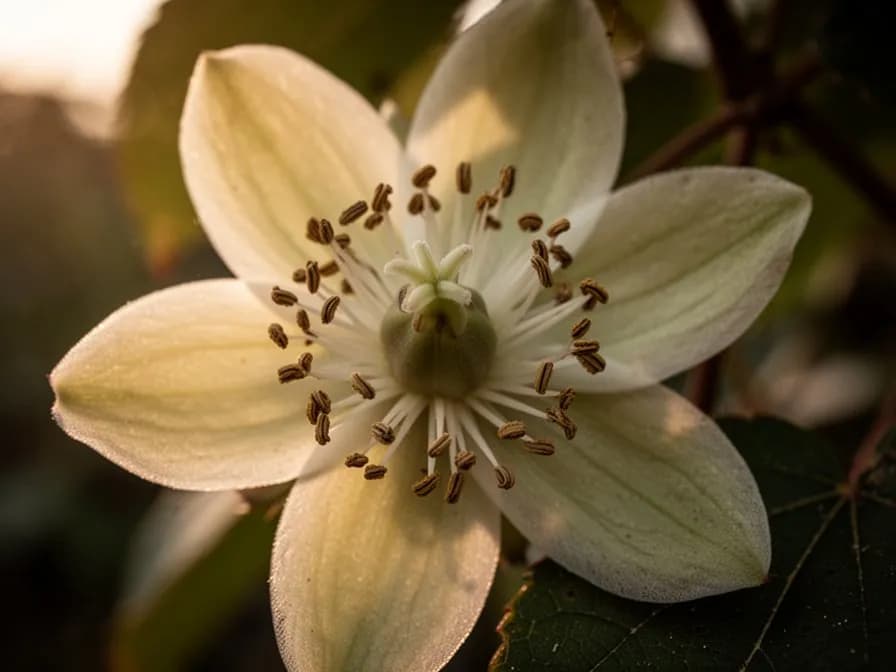
10 minutesA quick and vibrant breakfast parfait layering fresh kiwi berries with creamy yogurt and crunchy granola. The natural sweetness and slight tartness of the berries pairs beautifully with honey-drizzled Greek yogurt for a nutrient-packed start to the day.
6 ingredients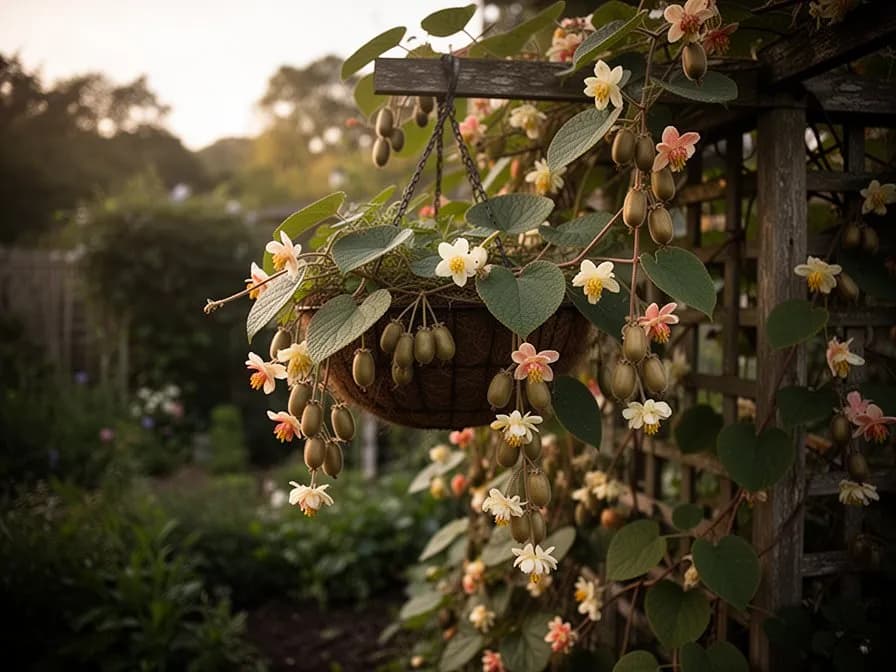
Kiwi Berry Summer Salad
15 minutesA refreshing summer salad combining whole kiwi berries with mixed greens, crumbled goat cheese, and candied walnuts tossed in a light citrus vinaigrette. The burst of tropical flavor from the berries elevates this simple salad into something memorable.
7 ingredientsKiwi Berry Freezer Jam
25 minutesA simple no-cook freezer jam that preserves the fresh flavor of kiwi berries for enjoyment throughout the year. This low-sugar recipe lets the natural tropical sweetness of the berries shine through, perfect on toast or stirred into oatmeal.
5 ingredientsWhat's inside
Health Benefits
- Exceptionally high vitamin C content supports robust immune function and may reduce the duration and severity of common cold symptoms when consumed regularly.
- Rich in dietary fiber that promotes healthy digestion, supports regular bowel movements, and contributes to a balanced gut microbiome.
- Contains actinidain, a natural proteolytic enzyme that assists in breaking down dietary proteins and may help reduce bloating and digestive discomfort after meals.
- Polyphenolic antioxidants including quercetin and catechins help neutralize free radicals and may reduce oxidative stress linked to chronic inflammation and cardiovascular disease.
- The high potassium content supports healthy blood pressure regulation and proper muscle and nerve function throughout the body.
- Low glycemic index and natural sweetness make kiwi berries a suitable fruit snack for people managing blood sugar levels, providing sustained energy without sharp glucose spikes.
Where Ornamental Kiwi Vine comes from
Actinidia kolomikta, commonly known as the variegated kiwi vine or arctic kiwi, is native to the temperate mixed forests of the Russian Far East, northeastern China, Korea, and the northern islands of Japan. In its natural habitat it grows as a woody climbing vine in the understory of deciduous and coniferous forests, twining its way up host trees to reach sunlight in the forest canopy. The species was first formally described by the botanists Maximowicz and Ruprecht in 1856 based on specimens collected during Russian botanical expeditions to the Amur River region of Siberia. Indigenous peoples of the Russian Far East and the Ainu of Hokkaido have gathered the small sweet berries for centuries, valuing them as a concentrated source of nutrition during the short growing season. The plant gained broader horticultural attention in the late nineteenth and early twentieth centuries through the pioneering work of Ivan Vladimirovich Michurin, a renowned Russian plant breeder who recognized the potential of Actinidia kolomikta as a fruit crop for cold northern climates where few other fruits could be cultivated successfully. Michurin selected and propagated improved cultivars with larger fruits and more reliable yields, and he championed the species as a critical source of vitamin C for communities in Siberia and northern Russia. In Western Europe and North America the plant was initially introduced primarily as an ornamental vine prized for its extraordinary variegated foliage, particularly the vivid pink and white leaf tips displayed by male plants in spring. Interest in the species as an edible fruit crop grew substantially during the late twentieth century as gardeners and small-scale farmers discovered the exceptional flavor and nutritional density of the tiny smooth-skinned berries. Today Actinidia kolomikta is grown in home gardens across northern Europe, Scandinavia, Canada, and the northern United States, appreciated equally for its ornamental beauty and its prolific production of delicious kiwi berries that require no peeling.
Ornamental Kiwi Vine: did you know?
Fascinating facts about Ornamental Kiwi Vine
Actinidia kolomikta is one of the hardiest kiwi species on Earth, capable of surviving winter temperatures as low as minus forty degrees Celsius, making it suitable for gardens in USDA zones 3 through 8.
Ornamental Kiwi Vine questions, answered
When should I plant Ornamental Kiwi Vine?
What are good companion plants for Ornamental Kiwi Vine?
What hardiness zones can Ornamental Kiwi Vine grow in?
How much sun does Ornamental Kiwi Vine need?
How far apart should I space Ornamental Kiwi Vine?
What pests and diseases affect Ornamental Kiwi Vine?
How do I store Ornamental Kiwi Vine after harvest?
What are the best Ornamental Kiwi Vine varieties to grow?
What soil does Ornamental Kiwi Vine need?
Do I need more than one Actinidia kolomikta vine to get fruit?
How long does it take for Actinidia kolomikta to produce fruit?
Why are my cats obsessed with my kiwi vine?
Can I grow Actinidia kolomikta in a container?
What is the difference between Actinidia kolomikta and Actinidia arguta?
When and how should I harvest kiwi berries from my vine?
You just read the theory. Now grow it on autopilot.
Everything that makes Ornamental Kiwi Vine fiddly — the timing, the spacing, the companions, the harvest window — is exactly what PlotMyGarden handles for you, for every plant in your garden.
A plan that knows your weather
Set your location once. Get sow, feed and harvest dates built around your real last-frost date and live forecast — no more guessing from a generic seed packet.
From the “When to plant” sectionDrag-and-drop bed planner
Design beds on a grid. Every plant snaps to its proper spacing, and you can see your whole season laid out before you spend a cent on seed.
From the “Growing guide” sectionCompanion conflicts, caught early
200+ good-and-bad pairings checked live as you plant — so a season-wrecking mistake never makes it into the ground.
From the “Companions” sectionReminders you'll actually act on
“Water the beans.” “Pick today before it turns.” Timely, specific, and tied to the plants you're really growing.
From the “Harvest” sectionSuccession, scheduled
Want a harvest for six weeks, not six days? It spaces your sowings automatically and reminds you when each new block is due.
From the “When to plant” sectionA record that gets smarter
Every harvest you log teaches it your garden. Next year's plan starts from what actually worked in your soil, not a textbook's.
From the “Overview” sectionPlant these alongside Ornamental Kiwi Vine
More Climbing Flowers
Grow your best Ornamental Kiwi Vine yet — and everything around it.
Start a free plan today. Lay out your beds, drop in your Ornamental Kiwi Vine, and let PlotMyGarden handle the timing, spacing, companions and reminders from seed to harvest basket.