Trompeta Trepadora
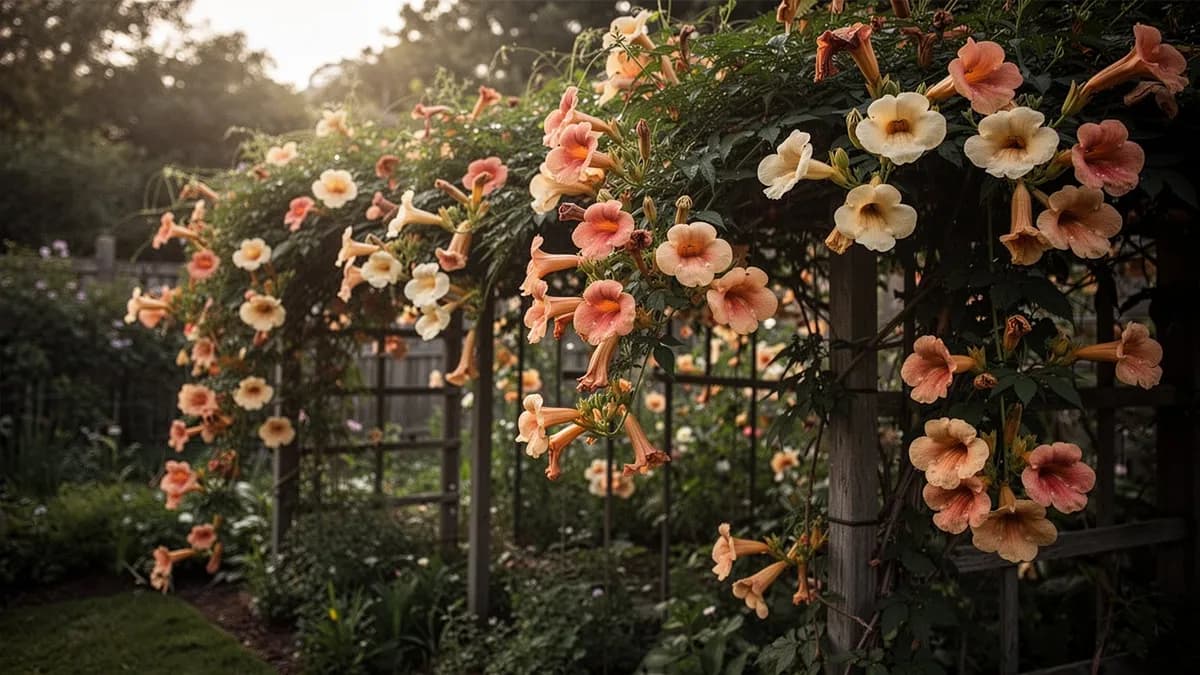
Una vigorosa trepadora nativa con grandes flores anaranjado-rojizas en forma de trompeta que resultan irresistibles para los colibríes durante todo el verano.





En esta páginaResumen
Conoce Trompeta Trepadora
Una vigorosa trepadora nativa con grandes flores anaranjado-rojizas en forma de trompeta que resultan irresistibles para los colibríes durante todo el verano. La trompeta trepadora se adhiere mediante raíces aéreas y puede dañar revestimientos de madera, por lo que debe plantarse en muros sólidos de mampostería, cercas o pérgolas resistentes. Es agresiva y se propaga por brotes de raíz, requiriendo un manejo firme para evitar que se apodere del jardín.
Cuándo plantar Trompeta Trepadora
La trompeta trepadora se propaga más fácilmente desenterrando brotes de raíz o tomando esquejes de raíz a finales del otoño. Para la propagación por semilla, recolecte las vainas largas en otoño, extraiga las semillas y estratifíquelas en frío en arena húmeda durante dos meses. Siembre en primavera en macetas con sustrato común. Las semillas germinan en un plazo de dos a cuatro semanas. Las plántulas crecen rápidamente y pueden alcanzar varios metros en su primera temporada. Las plantas obtenidas por semilla pueden tardar de tres a cuatro años en florecer. Los cultivares nombrados no se reproducen fielmente a partir de semillas.
Tu año de Trompeta Trepadora
Ajustado a Zona 7 · temporada típica · la helada se va hacia el 2 abr y vuelve hacia el 1 nov
Planta Trompeta Trepadora Mar – May y cosecha Jul – Sep. Consulta los métodos de plantación y elige tu clima para adaptar los periodos.
Cómo cultivar Trompeta Trepadora
Plante la trompeta trepadora en primavera a pleno sol, en un suelo promedio y bien drenado. Esta trepadora nativa extremadamente vigorosa se adhiere a las superficies mediante raíces aéreas y puede alcanzar más de doce metros de altura, por lo que necesita una estructura de soporte muy resistente, como un muro de mampostería, una pérgola robusta o un enrejado metálico. No la plante contra revestimientos de madera, ya que las raicillas pueden dañar la superficie y el peso de la enredadera puede arrancar canaletas y molduras.
La trompeta trepadora requiere un mantenimiento notablemente bajo una vez establecida, tolerando con facilidad la sequía, los suelos pobres y la contaminación urbana. Las grandes y llamativas flores anaranjado-rojizas en forma de trompeta aparecen en racimos desde mediados del verano hasta principios del otoño y son auténticos imanes para los colibríes. Fertilice con moderación, ya que el exceso de nutrientes promueve un crecimiento vegetativo desenfrenado a costa de las flores. De hecho, someter la planta a un ligero estrés suele mejorar la floración.
El mayor desafío con la trompeta trepadora es controlar su hábito agresivo de expansión. Emite vigorosos brotes de raíz que pueden aparecer a muchos metros de la planta madre, brotando a través de céspedes, grietas en las aceras y jardines vecinos. Pode o arranque los brotes con regularidad. Realice una poda severa a finales del invierno, cortando el crecimiento de la temporada anterior hasta dejar dos o tres yemas sobre la estructura principal. Esta poda intensa favorece la mejor floración en la madera nueva.
Para Trompeta Trepadora un bancal de 120 × 240 cm se queda corto
Cada Trompeta Trepadora pide 300 cm de margen. El planificador guarda ese marco por ti — cada planta, cada bancal.
Los mejores vecinos de Trompeta Trepadora
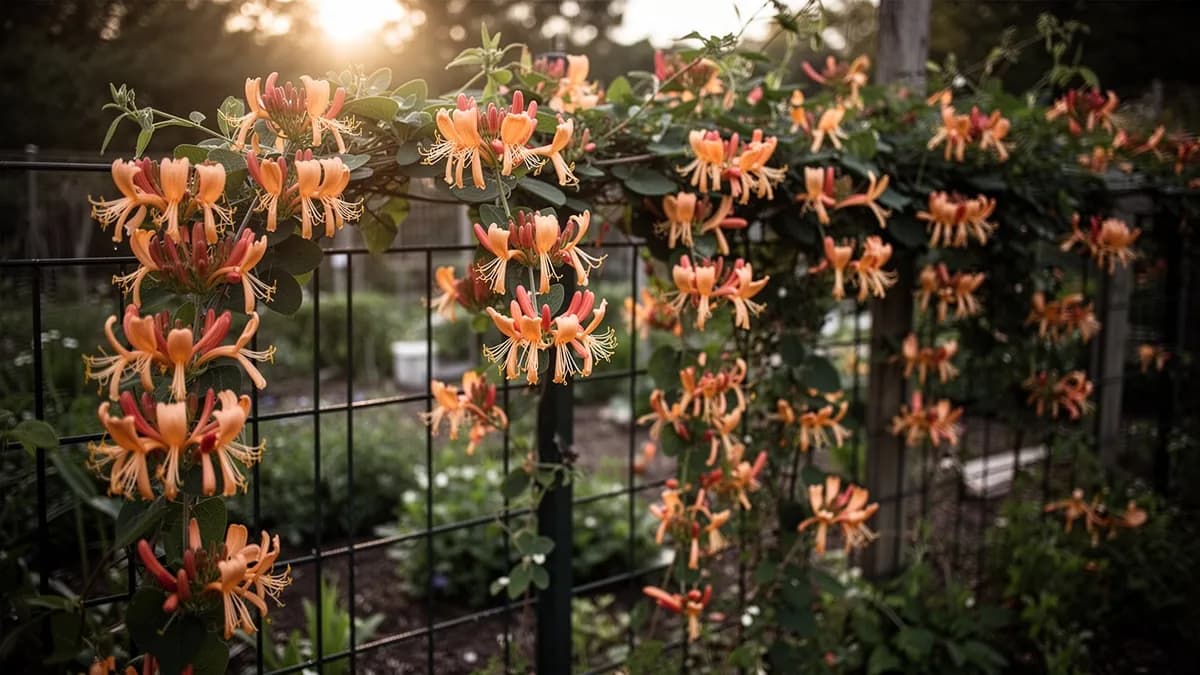
La trompeta trepadora se utiliza mejor como ejemplar solitario en un muro amplio o una estructura resistente donde su vigoroso crecimiento pueda controlarse sin interferir con otras plantas. Combina bien con la madreselva coral y la enredadera de cruz para lograr una sucesión de flores atractivas para los colibríes. Manténgala bien alejada de plantas más pequeñas, parterres de jardín y lindes de propiedad, donde su hábito de emisión de brotes causará problemas.
Madreselva de Coral va a su lado.
Saber de huerto de siempre, cotejado con la tabla real de Trompeta Trepadora — prueba cualquier planta que cultives.
Prueba Trompeta Trepadora en un bancal, aquí mismo
Un bancal real del planificador con Trompeta Trepadora ya plantado. Toca una planta compañera para colocarla y mira cómo responde la comprobación de vecinos: verde para buenos vecinos, rojo si hay conflicto.


Guías de cultivo relacionadas
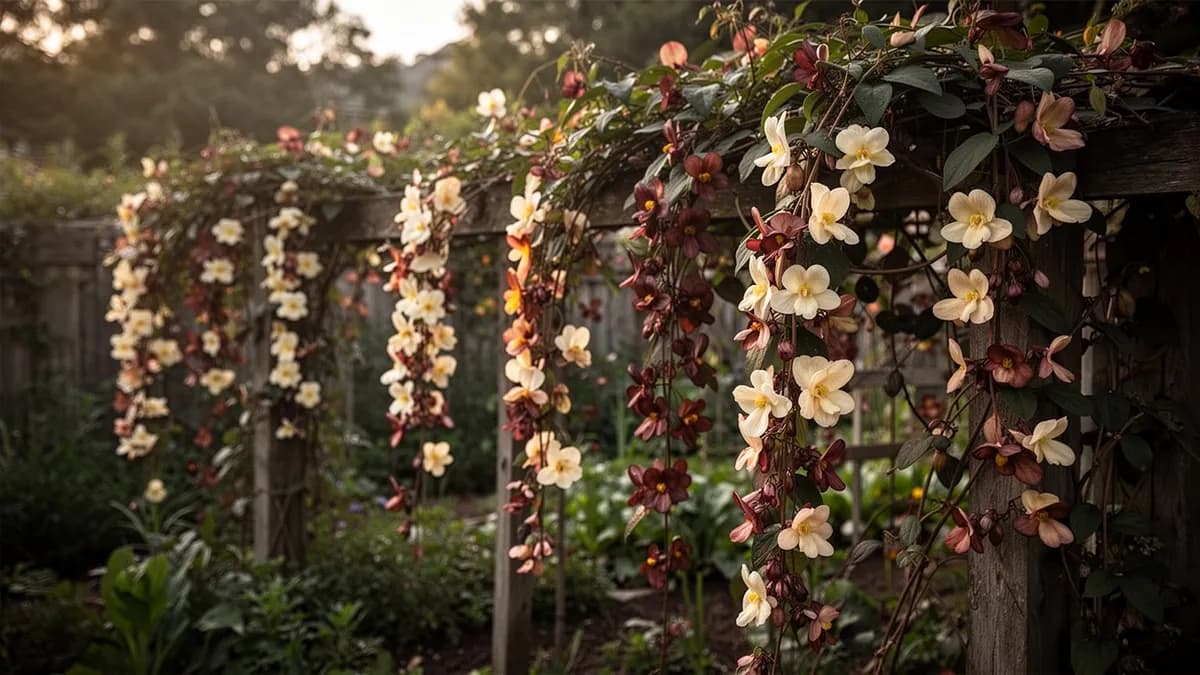
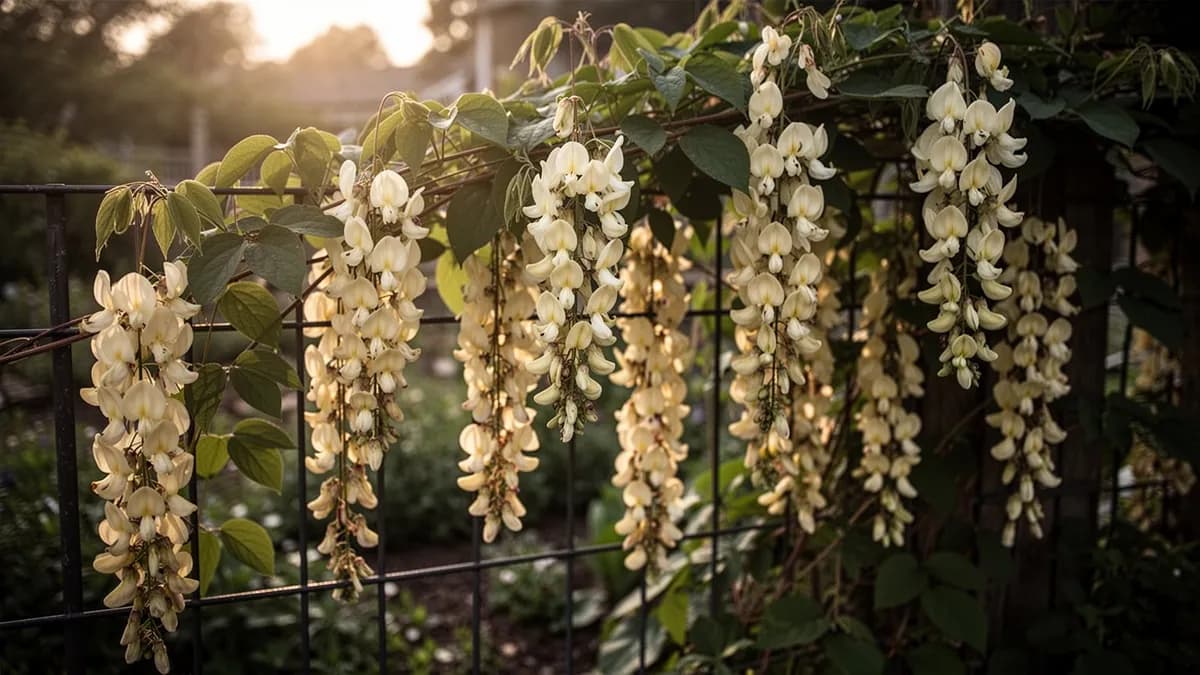
Abónalo bien
La trompeta trepadora prospera en suelos pobres a medios con un pH de 5.5 a 7.5 y, de hecho, florece mejor en condiciones de suelo pobre. Un suelo rico y fértil promueve un crecimiento vegetativo excesivo y la emisión de brotes a costa de las flores. No enmiende el suelo en exceso al plantar. Una aplicación ligera de harina de hueso al momento de la plantación es suficiente. Evite por completo los fertilizantes ricos en nitrógeno. Si es necesario fertilizar, utilice una formulación alta en fósforo para promover la floración.
Temperatura ideal
Compatibilidad de zonas de rusticidad
De la semilla a la cosecha, etapa por etapa
Germinación de semillas
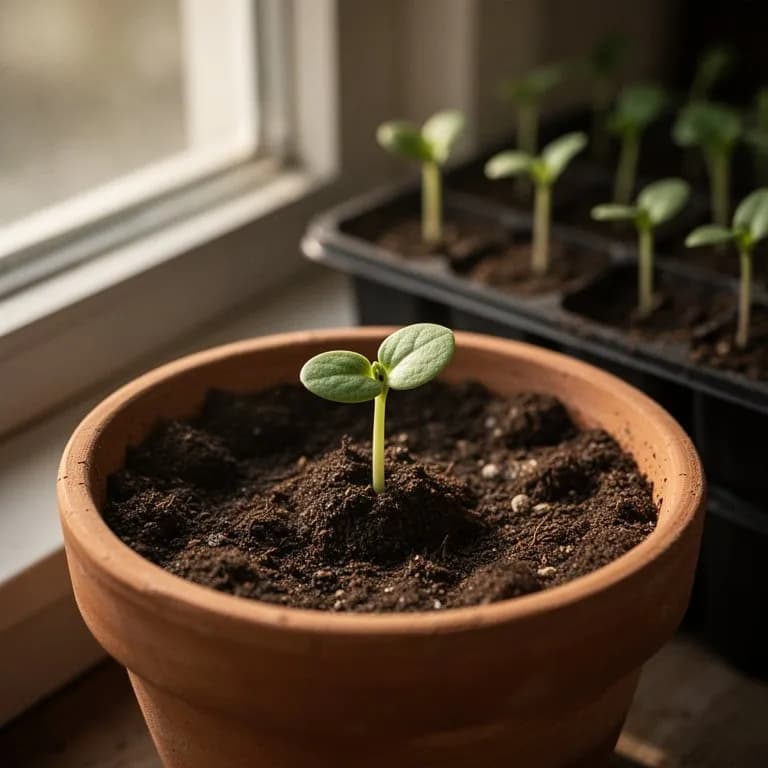
Las semillas de trompeta trepadora requieren estratificación o escarificación para romper la latencia. Cuando se inician en interior, las semillas germinan en 14 a 21 días a 20-25 °C. Las plántulas emergen con hojas cotiledonares simples antes de desarrollar su primer follaje compuesto.
Desarrollo de plántula
Las plantas jóvenes desarrollan sus hojas compuestas pinnadas con 7 a 11 folíolos dentados por hoja. El sistema radicular se establece rápidamente y los tallos comienzan a elongarse. El crecimiento es relativamente lento en el primer año en comparación con los ejemplares establecidos.
Crecimiento vegetativo de la enredadera
La enredadera entra en una fase de crecimiento vigoroso, produciendo tallos largos y flexibles que pueden extenderse de 3 a 5 metros en una sola temporada en plantas establecidas. Se forman raíces aéreas a lo largo de los tallos, permitiendo que la planta se adhiera a superficies rugosas. La planta concentra su energía en el crecimiento vertical y la expansión de la copa.
Formación de yemas y floración
La trompeta trepadora suele comenzar a florecer en su segundo o tercer año desde la siembra, aunque las plantas obtenidas por esquejes pueden florecer antes. Los capullos florales se forman en la madera nueva a finales de la primavera y se abren secuencialmente desde principios del verano hasta principios del otoño. Cada racimo produce de 4 a 12 flores tubulares en brillante naranja, rojo o amarillo según el cultivar.
Desarrollo de vainas de semillas
Tras la polinización, generalmente por colibríes, se forman vainas de semillas alargadas que se asemejan a judías verdes. Estas vainas crecen de 8 a 15 cm de largo y se secan y endurecen gradualmente durante el final del verano y el otoño. Al madurar se abren longitudinalmente para liberar numerosas semillas planas y aladas que pueden dispersarse por el viento.
Reposo invernal y dormancia
La trompeta trepadora es de hoja caduca y pierde todo su follaje en otoño tras un breve período de coloración amarilla otoñal. Los tallos leñosos y las raíces aéreas permanecen adheridos a su estructura de soporte durante el invierno. La planta entra en dormancia completa y puede tolerar temperaturas muy por debajo del punto de congelación en las zonas USDA 4 a 9.
Remoje las semillas en agua tibia durante 24 horas antes de la siembra para ablandar la cubierta dura de la semilla. La estratificación fría durante 60 días en el frigorífico mejora significativamente las tasas de germinación.
Cuidar Trompeta Trepadora mes a mes
Qué hacer cada mes para tu Trompeta Trepadora
Octubre
Mes actualLas hojas comienzan a tornarse amarillas antes de caer. Recoja el follaje caído alrededor de la base de la planta. Tome esquejes de madera dura para la propagación si lo desea, mientras los tallos aún están flexibles.
Ten claro qué hacer en tu huerto, cada mes
Un correo al empezar cada mes: qué sembrar, plantar y hacer ahora mismo — para tu Trompeta Trepadora y todo lo que crece alrededor. Más un breve curso inicial para esquivar los errores clásicos.
- Qué hacer ahora mismo
- Ajustado a tu temporada
- Curso inicial incluido
Cosechar Trompeta Trepadora
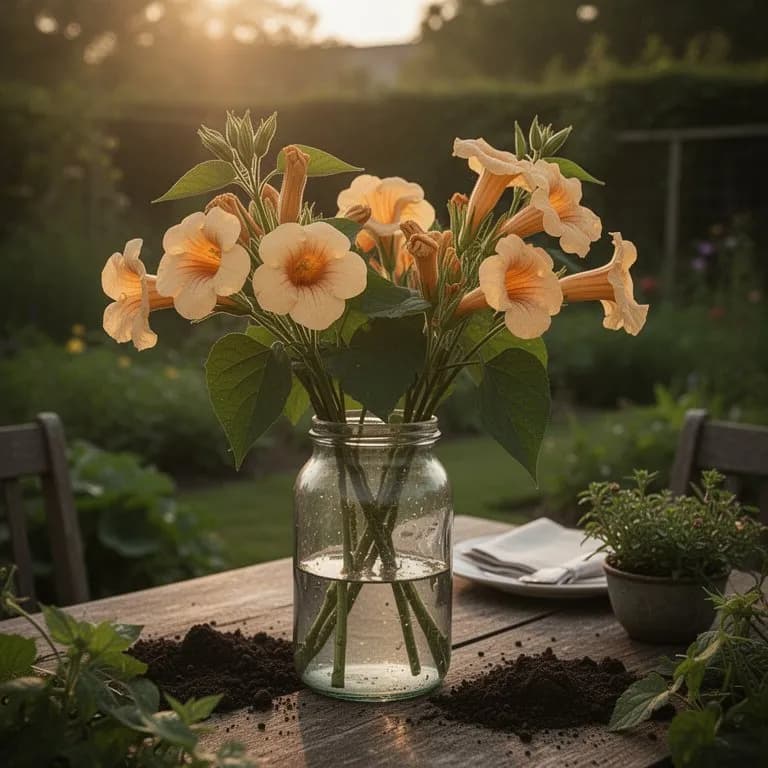
Las flores de la trompeta trepadora pueden cortarse para arreglos florales grandes y espectaculares cuando las primeras trompetas de un racimo se hayan abierto. Coloque los tallos en agua tibia inmediatamente después de cortarlos. Las brillantes flores anaranjado-rojizas duran de tres a cinco días en un jarrón. Las largas vainas de semillas similares a judías que aparecen tras la floración pueden dejarse para dar interés invernal o retirarse para evitar la autosiembra. Las flores no producen fragancia significativa, pero su impacto visual y su capacidad para atraer colibríes no tienen rival entre las trepadoras nativas.
se supone que plantas al comenzar el periodo — indica tu fecha real
Cosecha Trompeta Trepadora a tiempo y la planta sigue produciendo.
Almacenamiento y conservación
La trompeta trepadora no requiere consideraciones especiales de almacenamiento, ya que es completamente resistente al frío y de hoja caduca. Para la propagación, los esquejes de raíz tomados a finales del otoño son el método más fiable, dado que esta enredadera produce abundantes brotes a partir de su extenso sistema radicular. Simplemente desentierre los brotes con raíces adheridas y trasplántelos. Los esquejes de madera dura tomados en invierno enraízan fácilmente. Las vainas de semillas pueden recolectarse en otoño y las semillas someterse a estratificación fría para la siembra primaveral.
Qué falla — y cómo solucionarlo
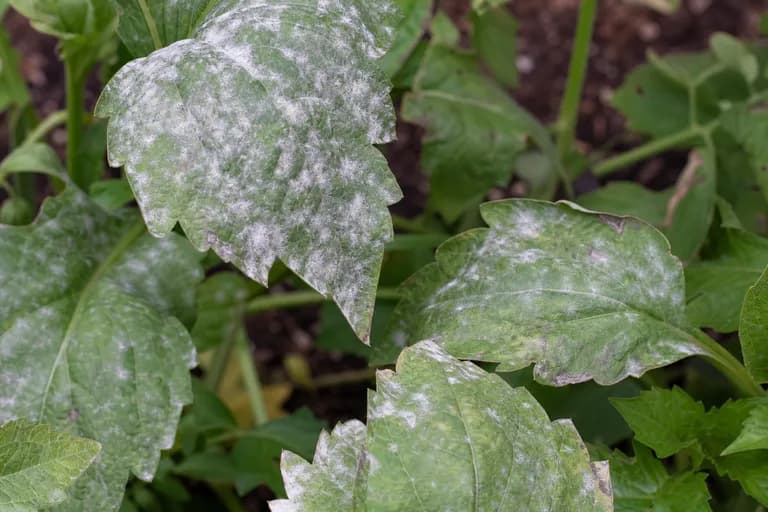
Oídio
PlagaCapa blanquecina y polvorienta sobre las hojas durante condiciones calurosas y húmedas a finales del verano. Las hojas afectadas pueden amarillear y caer prematuramente.
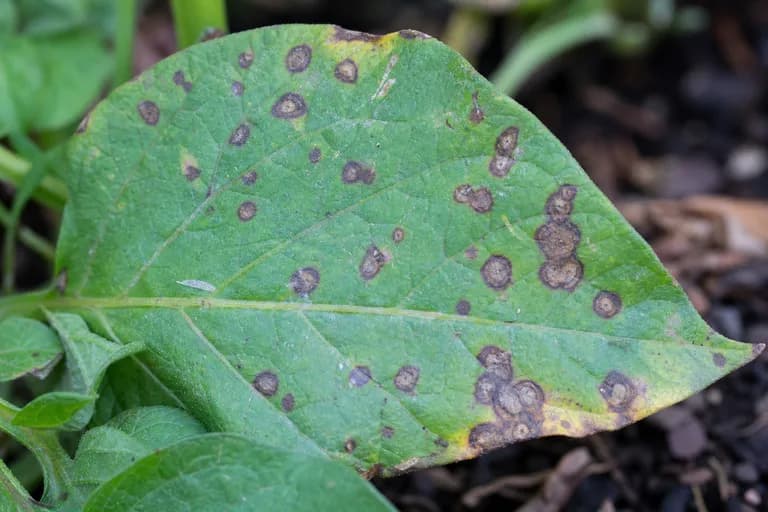
Mancha foliar
EnfermedadManchas marrones u oscuras en las hojas que pueden agrandarse y provocar la caída prematura del follaje en temporadas lluviosas.
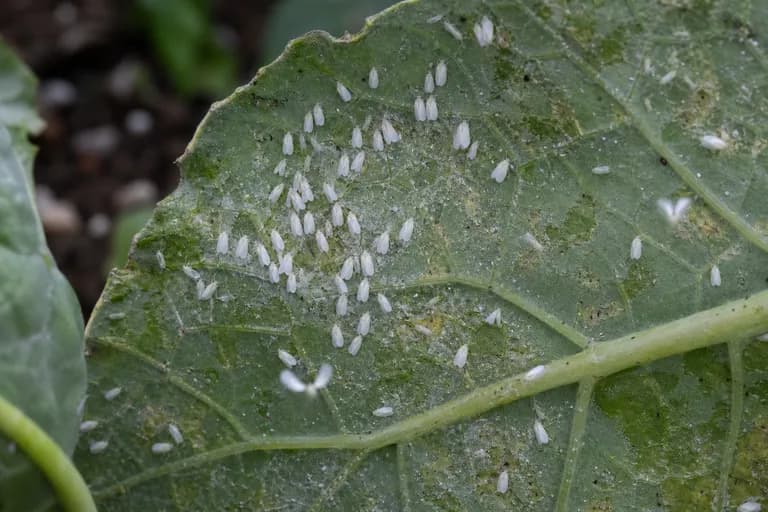
Moscas blancas
PlagaPequeños insectos voladores blancos en el envés de las hojas, melaza pegajosa y follaje amarillento. Nubes de insectos al agitar las ramas.
Solución de problemas comunes
El mayor desafío es controlar la propagación agresiva por brotes de raíz, que pueden aparecer en céspedes, parterres y a través del pavimento lejos de la planta madre. Instale barreras para raíces al momento de la plantación o elija una ubicación rodeada de pavimento o césped segado donde los brotes puedan controlarse fácilmente. La falta de floración se debe casi siempre al exceso de fertilización o al exceso de sombra. El contacto con las hojas y las flores puede causar irritación cutánea en personas sensibles.
Consejos de cultivo
- Plante la trompeta trepadora a pleno sol con al menos 6 horas de luz solar directa diaria para obtener la mejor producción de flores. Las plantas cultivadas en sombra parcial producirán follaje abundante pero significativamente menos flores.
- Instale una barrera para raíces de plástico resistente o perfil metálico enterrado a 60 cm de profundidad alrededor de la zona de plantación para evitar que los estolones subterráneos se extiendan hacia parterres y céspedes.
- Pode agresivamente a finales del invierno cortando todas las ramas laterales hasta dejar 2 a 3 yemas desde la estructura principal. La trompeta trepadora florece en la madera nueva, por lo que la poda severa realmente aumenta la producción de flores.
- Evite los fertilizantes ricos en nitrógeno que promueven un crecimiento foliar excesivo a costa de las flores. Una sola aplicación de fertilizante equilibrado de liberación lenta a principios de primavera es suficiente para la mayoría de los suelos.
- Elija su estructura de soporte cuidadosamente antes de plantar. Las raíces aéreas de la trompeta trepadora dañarán los revestimientos de madera, las tejas y el mortero blando. Utilice pérgolas independientes, enrejados metálicos o muros de hormigón en su lugar.
- Elimine los brotes de raíz tan pronto como aparezcan, desenterrándolos por completo en lugar de simplemente cortarlos a nivel del suelo. Los brotes cortados rebrotan con múltiples tallos desde la pieza de raíz restante.
- Riegue abundantemente pero con poca frecuencia una vez establecida, aproximadamente 2.5 cm de agua por semana durante los períodos secos de verano. El riego excesivo favorece la pudrición de raíces y el crecimiento vegetativo desmesurado.
- Use mangas largas y guantes al podar o manipular la trompeta trepadora, ya que la savia y el follaje pueden causar dermatitis de contacto similar a la de la hiedra venenosa en personas sensibles.
- Si su trompeta trepadora no florece, la causa más probable es demasiada sombra, exceso de fertilizante nitrogenado o poda invernal insuficiente. Corregir los tres problemas suele resultar en una floración abundante en la temporada siguiente.
- Propague fácilmente a partir de esquejes de madera dura de 15 cm tomados a finales del otoño, esquejes de raíz desenterrados en invierno o trasplantando los brotes que emergen alrededor de la base de las plantas establecidas en primavera.
Cultiva tu mejor Trompeta Trepadora — y todo lo que la rodea.
Empieza un plan gratis hoy. Diseña tus bancales, coloca tu Trompeta Trepadora y deja que PlotMyGarden gestione el momento, el espaciado, las asociaciones y los recordatorios de la semilla a la cesta.
Elige tu Trompeta Trepadora
Flava
Una selección con flores de trompeta de color amarillo puro en lugar del típico anaranjado-rojizo, ligeramente menos vigorosa pero igualmente atractiva para los colibríes.
Madame Galen
Un híbrido (C. x tagliabuana) con flores más grandes de color salmón anaranjado y un hábito algo menos invasivo que la especie pura.
Tangerine Beauty
Flores de un vibrante color naranja mandarina en una enredadera moderadamente vigorosa, considerada una de las mejores selecciones para uso en jardines.
Atomic Red
Flores de un rojo anaranjado intenso, más oscuras y ricas en color que la especie tipo, una selección llamativa para muros soleados y cálidos.
La trompeta trepadora es una de las plantas paisajísticas más rentables disponibles. Un solo esqueje o planta pequeña de vivero cuesta típicamente de 5 a 15 euros y cubrirá una estructura grande en 2 a 3 años sin compras adicionales. Su vigorosa tendencia a emitir brotes significa que puede propagar plantas nuevas ilimitadas a partir de esquejes de raíz sin coste alguno. Cuando se cultiva en muros y pérgolas orientados al sur o al oeste, el denso dosel estival proporciona sombra natural refrescante que puede reducir notablemente los costes de aire acondicionado. La planta requiere un mínimo de fertilizante, rara vez necesita pesticidas, y su extrema resistencia al frío elimina cualquier riesgo de costes de reposición invernal en las zonas 4 a 9.
Recetas rápidas
Estación de néctar para colibríes con trompeta trepadora
30 minutosCree una zona dedicada a la atracción de colibríes combinando la trompeta trepadora con plantas complementarias ricas en néctar. Esta receta de jardín maximiza las visitas de polinizadores al combinar la trompeta trepadora con monarda y flor cardenal para proporcionar una floración continua desde principios del verano hasta las heladas.
5 ingredientes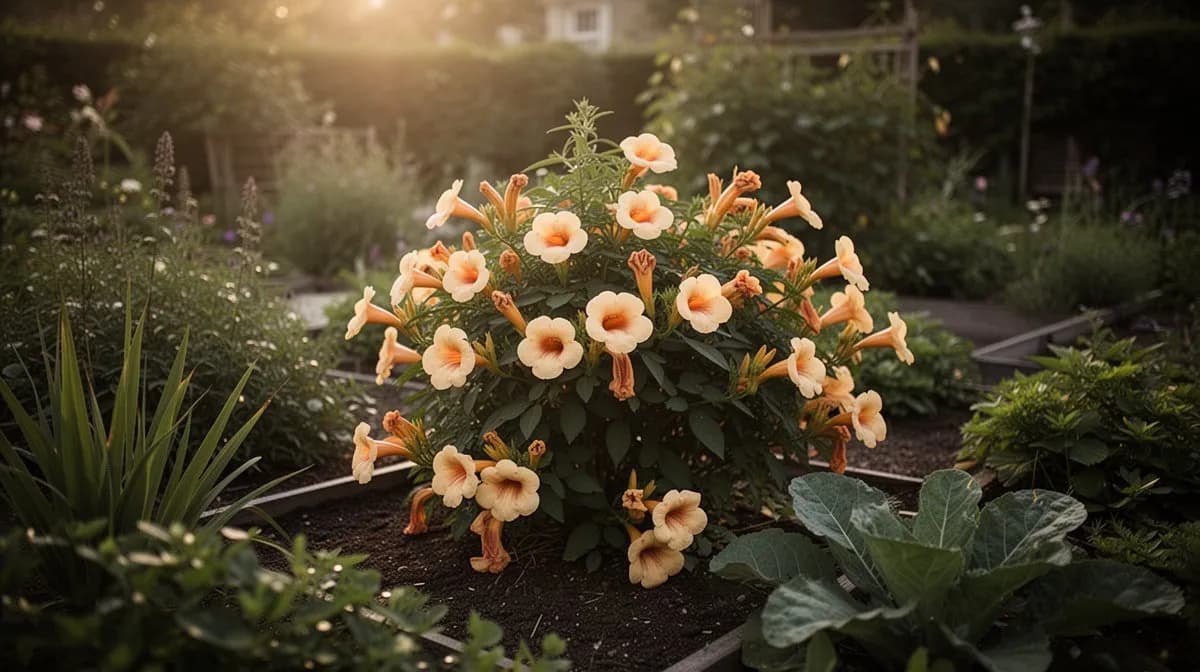
Pantalla de privacidad con trompeta trepadora
2 horasAproveche el crecimiento vigoroso de la trompeta trepadora para crear una pantalla de privacidad viva a lo largo de una cerca o entre propiedades. Este proyecto de diseño de jardín aprovecha el hábito trepador natural de la enredadera y su denso follaje estival para bloquear vistas no deseadas mientras ofrece una espectacular exhibición de flores anaranjadas.
5 ingredientes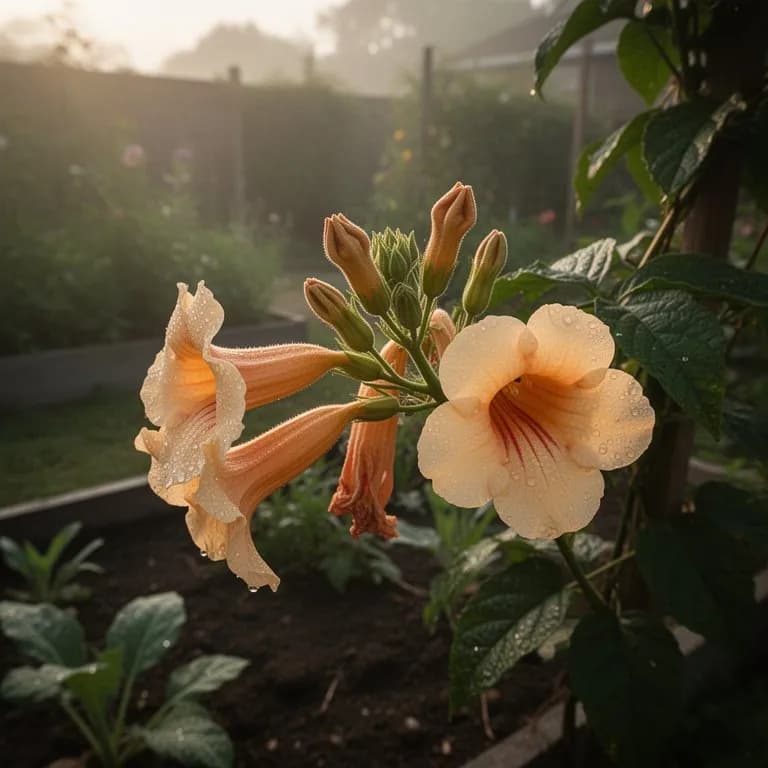
Arte botánico con flores prensadas de trompeta trepadora
15 minutos activos más 2 a 3 semanas de secadoConserve las impresionantes flores en forma de trompeta para usarlas en arte botánico, tarjetas de felicitación o cuadros enmarcados. Las vibrantes flores anaranjadas conservan gran parte de su color cuando se prensan y secan adecuadamente, convirtiéndolas en hermosos materiales naturales para manualidades.
5 ingredientesQué contiene
Beneficios para la salud
- La trompeta trepadora no se consume como alimento ni medicina en la práctica moderna, pero sus beneficios ecológicos son significativos ya que sustenta las poblaciones de polinizadores, especialmente los colibríes.
- Las plantaciones densas de trompeta trepadora proporcionan sombra refrescante en pérgolas, cenadores y muros de edificios, reduciendo las temperaturas ambientales y disminuyendo los costes de refrigeración estival hasta en un 10 por ciento.
- El vigoroso sistema radicular ayuda a estabilizar el suelo en pendientes y taludes, reduciendo la erosión y mejorando la salud de las cuencas hidrográficas en su área de distribución nativa.
- Las flores de la trompeta trepadora proporcionan néctar esencial para los colibríes gorgirrubíes, las grandes abejas carpinteras y diversas especies de mariposas, sustentando la biodiversidad local y las redes de polinización.
- Como enredadera de hoja caduca, permite el paso de la luz solar en invierno cuando las hojas han caído, mientras proporciona densa sombra estival, lo que la hace ideal para el diseño solar pasivo en estructuras orientadas al sur.
- Cultivar la trompeta trepadora en estructuras de jardín fomenta el tiempo al aire libre y la conexión con la naturaleza a través del espectáculo diario de los colibríes visitantes y otra fauna silvestre.
De dónde viene Trompeta Trepadora
Campsis radicans, comúnmente conocida como trompeta trepadora, bignonia trepadora o enredadera de trompeta, es una vigorosa enredadera leñosa de hoja caduca nativa del sureste de Estados Unidos. Su área de distribución natural se extiende desde Nueva Jersey y Pensilvania hacia el sur hasta Florida y hacia el oeste hasta Texas, Illinois y Misuri, donde crece en los bordes de los bosques, matorrales, hileras de cercas y a lo largo de las riberas fluviales. La especie fue una de las primeras plantas ornamentales norteamericanas llevadas a Europa, con registros de su cultivo en jardines ingleses que datan de 1640. El botánico francés Joseph Pitton de Tournefort describió el género por primera vez, y el nombre Campsis deriva de la palabra griega kampsis, que significa curvatura, en referencia a los estambres curvos dentro de las flores. La trompeta trepadora se convirtió rápidamente en una planta ornamental apreciada en toda Europa templada y desde entonces se ha naturalizado en partes del sur de Europa, particularmente en Italia, España y el sur de Francia, donde el clima mediterráneo le resulta favorable. En su hábitat nativo, la planta desempeña un papel ecológico fundamental como fuente principal de néctar para los colibríes gorgirrubíes durante los meses estivales. Diversos pueblos nativos americanos, incluidos los cheroquis, utilizaron partes de la planta con fines medicinales, preparando cataplasmas de hojas para afecciones cutáneas inflamatorias. La especie estrechamente emparentada Campsis grandiflora es nativa de China y Japón, y la hibridación entre ambas especies produjo el popular híbrido de jardín Campsis x tagliabuana, nombrado en honor a los hermanos italianos que lo cruzaron por primera vez a mediados del siglo XIX en su vivero cerca de Milán. A lo largo de la historia hortícola americana, la trompeta trepadora ha mantenido una doble reputación: por un lado como espectacular planta ornamental de flores deslumbrantes, y por otro como un matón potencialmente invasivo del jardín, capaz de enviar estolones subterráneos a muchos metros de la planta madre y de trepar agresivamente hasta las copas de los árboles si no se controla.
Trompeta Trepadora: ¿sabías que?
Datos fascinantes sobre Trompeta Trepadora
La trompeta trepadora es nativa del sureste de Estados Unidos y fue una de las primeras plantas norteamericanas introducidas en los jardines europeos, llegando a Inglaterra hacia 1640.
Trompeta Trepadora: preguntas frecuentes
¿Cuándo debo plantar Trompeta Trepadora?
¿Cuáles son buenas plantas acompañantes para Trompeta Trepadora?
¿En qué zonas de rusticidad puede crecer Trompeta Trepadora?
¿Cuánto sol necesita Trompeta Trepadora?
¿A qué distancia debo espaciar Trompeta Trepadora?
¿Qué plagas y enfermedades afectan a Trompeta Trepadora?
¿Cómo almaceno Trompeta Trepadora después de la cosecha?
¿Cuáles son las mejores variedades de Trompeta Trepadora para cultivar?
¿Qué suelo necesita Trompeta Trepadora?
¿Por qué mi trompeta trepadora no florece?
¿Es invasiva la trompeta trepadora y cómo controlo su expansión?
¿Puede la trompeta trepadora dañar mi casa o mi cerca?
¿Puede la trompeta trepadora causar una erupción cutánea?
¿Qué tan rápido crece la trompeta trepadora?
¿Qué fauna silvestre atrae la trompeta trepadora?
Acabas de leer la teoría. Ahora cultívala en piloto automático.
Todo lo que hace que Trompeta Trepadora sea delicado — el momento, el espaciado, las asociaciones, la ventana de cosecha — es justo lo que PlotMyGarden resuelve por ti, para cada planta de tu huerto.
Un plan que conoce tu clima
Indica tu ubicación una vez. Recibe fechas de siembra, abonado y cosecha basadas en tu última helada real y el pronóstico en vivo — sin adivinar con un sobre genérico.
De la sección “Cuándo plantar”Planificador de bancales de arrastrar y soltar
Diseña bancales sobre una cuadrícula. Cada planta encaja con su espaciado correcto y ves toda la temporada antes de gastar un céntimo en semillas.
De la sección “Cultivo”Conflictos de asociación, detectados a tiempo
Más de 200 buenas y malas combinaciones comprobadas en vivo mientras plantas — para que un error que arruine la temporada nunca llegue a la tierra.
De la sección “Asociaciones”Recordatorios que sí vas a seguir
“Riega las judías.” “Recoge hoy antes de que se pase.” Oportunos, concretos y ligados a las plantas que de verdad cultivas.
De la sección “Cosecha”Escalonado, programado
¿Quieres cosechar seis semanas en vez de seis días? Reparte tus siembras automáticamente y te avisa cuando toca el siguiente lote.
De la sección “Cuándo plantar”Un registro que se vuelve más listo
Cada cosecha que registras le enseña tu huerto. El plan del año que viene parte de lo que de verdad funcionó en tu suelo, no en un manual.
De la sección “Resumen”Planta estos junto a Trompeta Trepadora
Más Trepadoras
Cultiva tu mejor Trompeta Trepadora — y todo lo que la rodea.
Empieza un plan gratis hoy. Diseña tus bancales, coloca tu Trompeta Trepadora y deja que PlotMyGarden gestione el momento, el espaciado, las asociaciones y los recordatorios de la semilla a la cesta.