Hortensia Trepadora Japonesa
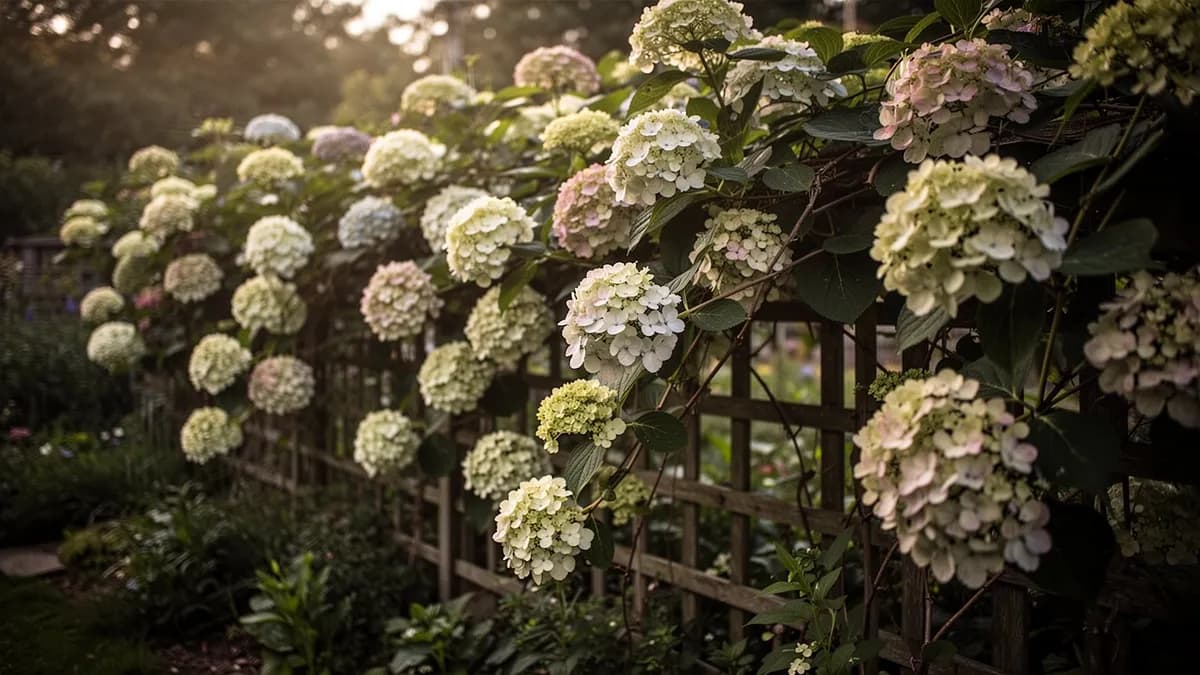
Una elegante enredadera trepadora autoadherente, pariente cercana de la hortensia trepadora, pero con flores de bráctea simple más vistosas que cuelgan como pequeños corazones blancos.





En esta páginaResumen
Conoce Hortensia Trepadora Japonesa
Una elegante enredadera trepadora autoadherente, pariente cercana de la hortensia trepadora, pero con flores de bráctea simple más vistosas que cuelgan como pequeños corazones blancos. La hortensia trepadora japonesa crece más despacio y con menos vigor que la hortensia trepadora común, lo que la hace más adecuada para espacios reducidos. La variedad 'Moonlight' ofrece un follaje plateado que resplandece en ambientes umbríos.
Cuándo plantar Hortensia Trepadora Japonesa
El schizophragma puede cultivarse a partir de semilla, aunque es un proceso lento y poco habitual. Recoja las cápsulas de semillas secas en otoño y siembre las diminutas semillas en la superficie de compost húmedo para siembra sin cubrirlas. Las semillas necesitan luz para germinar. Mantenga una temperatura cálida de unos 18 °C y una humedad uniforme. La germinación tarda entre tres y seis semanas. Las plántulas son extremadamente pequeñas y de crecimiento lento. El acodo y los esquejes semimaduras son métodos de propagación mucho más prácticos para los jardineros en casa.
Tu año de Hortensia Trepadora Japonesa
Ajustado a Zona 7 · temporada típica · la helada se va hacia el 2 abr y vuelve hacia el 1 nov
Planta Hortensia Trepadora Japonesa Mar – May y cosecha Jun – Jul. Consulta los métodos de plantación y elige tu clima para adaptar los periodos.
Cómo cultivar Hortensia Trepadora Japonesa
Plante la hortensia trepadora japonesa en primavera en un suelo rico, húmedo y bien drenado, en semisombra o sombra total. Al igual que su pariente cercana la hortensia trepadora, esta enredadera autoadherente se sujeta mediante raicillas aéreas y es excelente para muros orientados al norte y al este, troncos de árboles y estructuras de piedra umbrías. Crece con menos vigor que la hortensia trepadora y puede alcanzar entre seis y nueve metros, lo que la hace más adecuada para espacios pequeños.
Riegue de forma constante durante los primeros dos o tres años y en periodos secos a partir de entonces. La hortensia trepadora japonesa agradece un suelo húmedo y rico en humus, y se beneficia del acolchado anual con compost o mantillo de hojas. Abone con un fertilizante equilibrado a principios de primavera. Al igual que la hortensia trepadora, se establece despacio y puede mostrar poco crecimiento durante los dos o tres primeros años antes de acelerar su desarrollo.
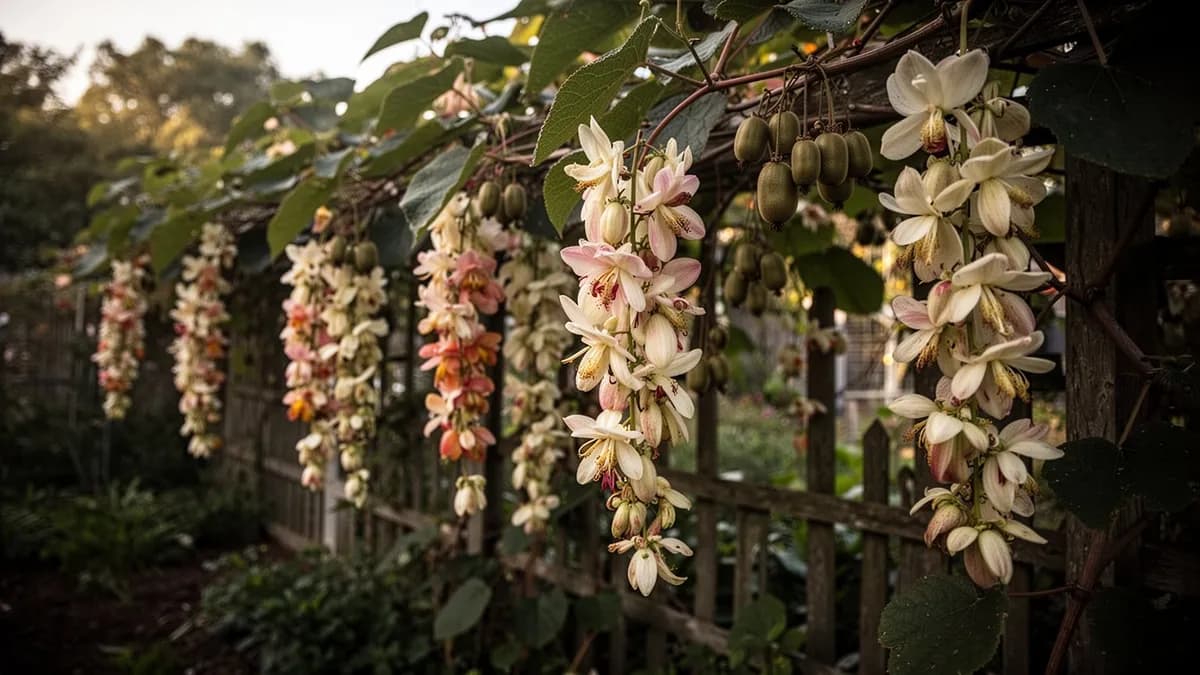
Pode ligeramente tras la floración para mantener la forma. El aspecto más llamativo del schizophragma frente a la hortensia trepadora son sus flores de bráctea simple, en las que cada flor tiene un gran sépalo petalífero, alargado, que cuelga con gracia en lugar de las cuatro brácteas más pequeñas propias de la hortensia. La variedad 'Moonlight', con su follaje plateado, se ha vuelto especialmente popular y añade interés ornamental durante todo el año, incluso fuera de la época de floración.
Para Hortensia Trepadora Japonesa un bancal de 120 × 240 cm se queda corto
Cada Hortensia Trepadora Japonesa pide 250 cm de margen. El planificador guarda ese marco por ti — cada planta, cada bancal.
Los mejores vecinos de Hortensia Trepadora Japonesa
La hortensia trepadora japonesa queda magnífica en muros umbríos orientados al norte junto a la hortensia trepadora en un muro adyacente, formando una composición complementaria. Plante a sus pies vivaces amantes de la sombra como hostas, heucheras, astilbes y helechos de bosque. Los bulbos de primavera como los campanillas de nieve y los jacintos silvestres aportan interés al inicio de la temporada antes de que la enredadera desarrolle su follaje completo. El follaje plateado de 'Moonlight' crea un fondo luminoso para las plantas de sombra de hojas oscuras.
Hortensia Trepadora va a su lado.
Saber de huerto de siempre, cotejado con la tabla real de Hortensia Trepadora Japonesa — prueba cualquier planta que cultives.
Prueba Hortensia Trepadora Japonesa en un bancal, aquí mismo
Un bancal real del planificador con Hortensia Trepadora Japonesa ya plantado. Toca una planta compañera para colocarla y mira cómo responde la comprobación de vecinos: verde para buenos vecinos, rojo si hay conflicto.


Guías de cultivo relacionadas
Abónalo bien
La hortensia trepadora japonesa prospera en suelos ricos, húmedos y cargados de humus, con un pH de 5.5 a 7.0. Enmiende la zona de plantación con abundante compost y mantenga un acolchado profundo de mantillo de hojas o corteza. Abone con un fertilizante equilibrado de liberación lenta a principios de primavera. La enredadera prefiere condiciones constantemente húmedas pero nunca encharcadas. En suelos alcalinos, aplique hierro quelatado si las hojas muestran signos de amarillamiento entre las nervaduras.
Temperatura ideal
Compatibilidad de zonas de rusticidad
De la semilla a la cosecha, etapa por etapa
Dormancia e inicio de brotación
El schizophragma entra en dormancia completa a finales del otoño, desprendiéndose de su follaje caducifolio para revelar una red de tallos leñosos firmemente aferrados a su soporte mediante raicillas aéreas. La corteza exfoliante de los tallos más viejos aporta un discreto interés invernal. A finales del invierno y principios de la primavera, pequeñas yemas de color marrón rojizo comienzan a hincharse a lo largo de los tallos, señalando el fin de la dormancia. En el subsuelo, el sistema radicular empieza a movilizar la energía almacenada para la próxima temporada de crecimiento.
Brotación primaveral
Al calentarse las temperaturas por encima de los 10 °C, las yemas estallan revelando hojas frescas acorazonadas que emergen con un ligero tinte bronceado o cobrizo antes de madurar hasta un verde brillante profundo. Los nuevos brotes se extienden desde los tallos existentes y, en plantas establecidas, los líderes más vigorosos pueden crecer entre 30 y 60 cm durante este periodo. Las raicillas aéreas de los nuevos brotes comienzan a adherirse a la superficie del soporte. Las plantas jóvenes en sus primeros años crecen despacio e invierten principalmente en el desarrollo radicular en lugar del crecimiento aéreo.
Crecimiento vegetativo y trepa
La enredadera entra en su fase de crecimiento más activo, produciendo un exuberante follaje y extendiendo tallos trepadores en todas direcciones. Las plantas establecidas pueden añadir entre 60 y 90 cm de nuevo crecimiento por temporada, alcanzando eventualmente entre 9 y 12 metros en su madurez. Las grandes hojas ampliamente ovadas crean una densa cortina verde sobre muros, vallas o troncos de árboles. Las yemas florales comienzan a formarse en los extremos de los brotes laterales sobre madera del segundo año durante finales de primavera y principios de verano.
Floración
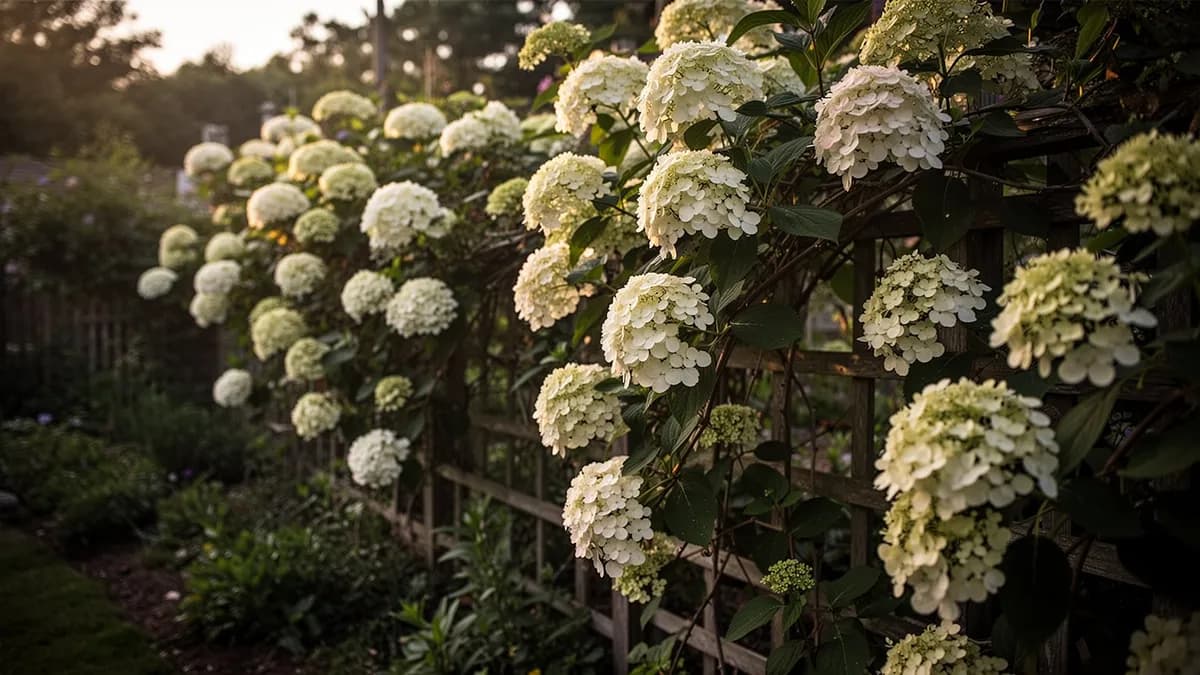
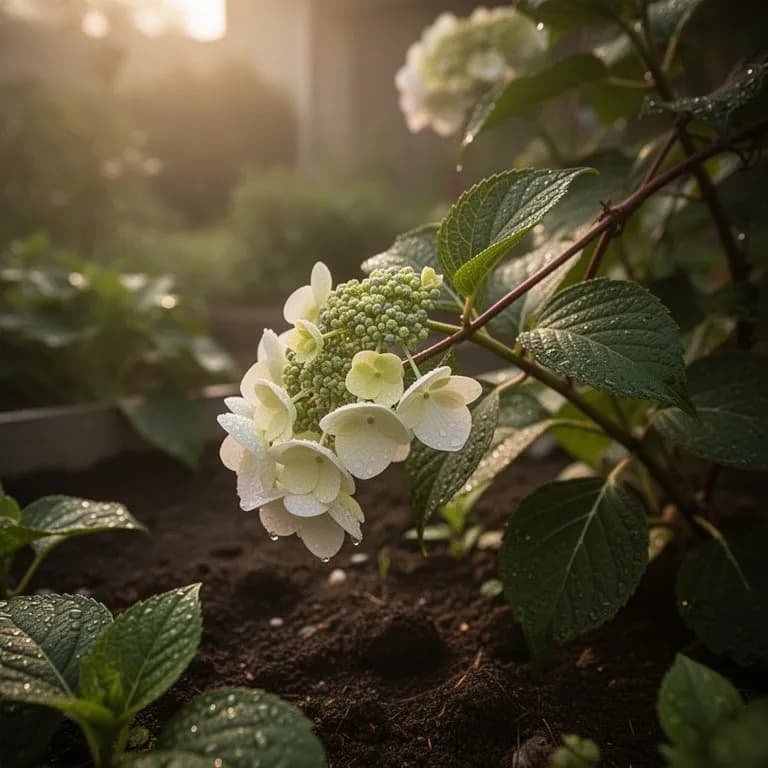
Desde finales de junio hasta agosto, la enredadera produce sus magníficos racimos florales planos en encaje, cada uno de entre 20 y 25 cm de diámetro. A diferencia de Hydrangea petiolaris, que presenta cuatro pequeñas brácteas por cabezuela, el Schizophragma exhibe una única gran bráctea en forma de sépalo acorazonado por flor marginal, lo que confiere a los racimos una apariencia más delicada y aérea. Las diminutas florecillas fértiles en el centro de cada racimo son muy atractivas para las abejas, sírfidos y otros polinizadores. Las flores emergen de color blanco cremoso y pueden envejecer hasta tonos rosados suaves o de pergamino.
Formación de semillas y maduración a finales del verano
Tras la polinización, se desarrollan pequeñas cápsulas de semillas secas dentro de los racimos florales marchitos. Las brácteas papiráceas permanecen adheridas y van transitando gradualmente del blanco a un cálido tono canela o arena. El follaje se mantiene verde profundo y activo fotosintéticamente, acumulando reservas de carbohidratos en las raíces y tallos para el año siguiente. Las nuevas raicillas aéreas se endurecen y refuerzan su vínculo con la superficie de soporte durante este periodo.
Color otoñal y caída de hojas
A medida que las temperaturas descienden y los días se acortan, el follaje se transforma en atractivos tonos amarillo dorado y ámbar suave antes de caer. Las cabezuelas florales secas persisten en la enredadera, aportando valor ornamental invernal. El entramado leñoso de tallos y raicillas aéreas se vuelve más visible, exhibiendo la atractiva corteza exfoliante de color marrón rojizo en los troncos maduros. La enredadera entra en su fase de predormancia, redirigiendo los recursos hacia el almacenamiento radicular.
Reposo invernal
La enredadera está en dormancia completa, con su esqueleto desnudo de tallos trepadores visible contra la estructura de soporte. La corteza exfoliante y las persistentes cabezuelas florales secas aportan una serena belleza invernal. La actividad radicular es mínima y la planta tolera temperaturas frías de hasta aproximadamente -25 °C (Zona 5 del USDA). La nieve y el hielo generalmente no dañan la enredadera, aunque la acumulación de hielo pesado en ramas sin soporte puede causar roturas.
A finales del invierno es el mejor momento para cualquier poda necesaria. Elimine la madera muerta o dañada y acorte los tallos desordenados para mantener la enredadera dentro de sus límites. Evite podar en exceso la madera vieja, ya que la enredadera florece sobre el crecimiento de la temporada anterior. Aplique una generosa capa de mantillo de hojas o corteza compostada alrededor de la zona radicular para aislar las raíces y mejorar la materia orgánica del suelo.
Cuidar Hortensia Trepadora Japonesa mes a mes
Qué hacer cada mes para tu Hortensia Trepadora Japonesa
Octubre
Mes actualLas hojas se tornan amarillo dorado y empiezan a caer. Permita que las hojas caídas permanezcan como acolchado o recójalas para compostar. Inspeccione la estructura de soporte por si necesita reparaciones antes de que lleguen las tormentas invernales.
Ten claro qué hacer en tu huerto, cada mes
Un correo al empezar cada mes: qué sembrar, plantar y hacer ahora mismo — para tu Hortensia Trepadora Japonesa y todo lo que crece alrededor. Más un breve curso inicial para esquivar los errores clásicos.
- Qué hacer ahora mismo
- Ajustado a tu temporada
- Curso inicial incluido
Cosechar Hortensia Trepadora Japonesa
Corte los racimos florales de la hortensia trepadora japonesa para elegantes arreglos estivales cuando las flores centrales se hayan abierto y las brácteas decorativas estén completamente desplegadas. Las flores de bráctea simple colgante crean un efecto grácil y airoso en los ramos. Los tallos son leñosos y deben partirse o aplastarse en la base para favorecer la absorción de agua. Las flores cortadas duran aproximadamente una semana en agua. Las cabezuelas secas adquieren un atractivo tono canela y pueden utilizarse en arreglos de flores permanentes.
se supone que plantas al comenzar el periodo — indica tu fecha real
Cosecha Hortensia Trepadora Japonesa a tiempo y la planta sigue produciendo.
Almacenamiento y conservación
La hortensia trepadora japonesa es completamente resistente y no necesita protección invernal. Los racimos florales pueden secarse cortándolos cuando empiecen a volverse papiráceos a finales del verano y colgándolos boca abajo en un espacio oscuro y seco. Las hojas plateadas de la variedad 'Moonlight' pueden prensarse para uso decorativo. Para la propagación, tome esquejes semimaduras en pleno verano con un talón de madera vieja, o acode las ramas bajas fijándolas al suelo bajo un montículo de tierra.
Qué falla — y cómo solucionarlo
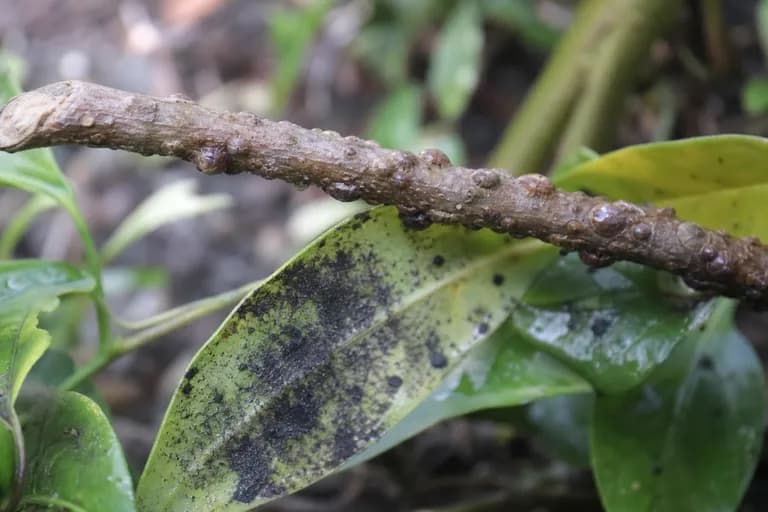
Cochinillas de caparazón
PlagaProtuberancias marrones con aspecto de concha en los tallos leñosos más viejos. Depósitos pegajosos de melaza y fumagina en el follaje bajo las ramas infestadas.
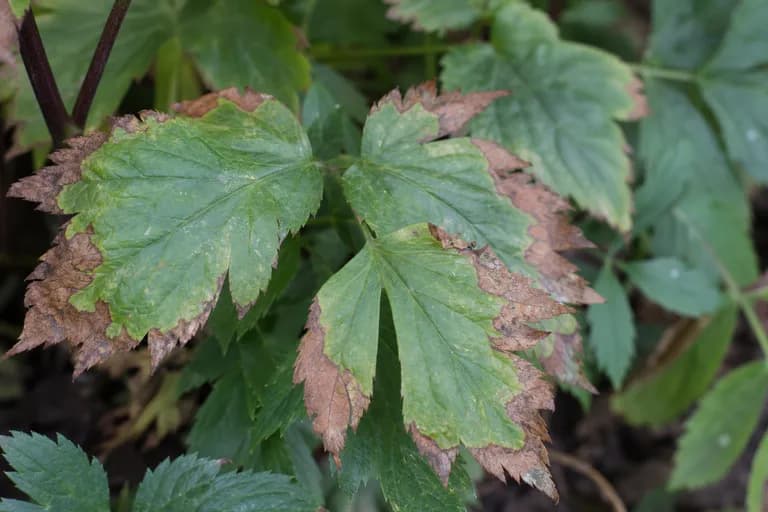
Quemadura foliar
EnfermedadBordes marrones y secos en las hojas durante periodos cálidos y secos o cuando la planta recibe demasiado sol directo. No es una enfermedad propiamente dicha, sino una respuesta al estrés ambiental.
Solución de problemas comunes
Al igual que la hortensia trepadora, la principal frustración es el establecimiento muy lento durante los dos o tres primeros años. La paciencia es esencial, ya que la enredadera acabará creciendo bien y floreciendo de forma espléndida. La falta de sombra o un suelo demasiado seco pueden provocar quemadura foliar y un rendimiento deficiente. Una poda excesiva elimina los brotes florales que se forman en la madera del año anterior. Las raicillas autoadherentes pueden dejar marcas en superficies pintadas, así que elija con cuidado los emplazamientos de plantación.
Consejos de cultivo
- Plante el Schizophragma contra un muro orientado al norte o al este donde reciba luz indirecta brillante o sombra filtrada. La enredadera tolera la sombra profunda pero florece con mayor profusión con unas pocas horas de sol matutino o luz filtrada.
- Prepare el hoyo de plantación al menos 45 cm alejado de la base del muro para evitar la zona seca de sombra de lluvia. Incline el cepellón hacia la superficie de soporte y guíe los tallos iniciales con una caña de bambú corta hasta que las raíces aéreas agarren el muro.
- Proporcione un suelo constantemente húmedo pero bien drenado y rico en materia orgánica. El Schizophragma prospera en un suelo de tipo forestal rico en humus, con un pH ligeramente ácido a neutro de entre 5.5 y 7.0. Enmiende los suelos de arcilla pesada con generosas cantidades de corteza compostada y mantillo de hojas antes de plantar.
- Sea paciente durante los tres primeros años tras la plantación. El Schizophragma sigue la clásica regla del trepador de 'duerme, se arrastra, salta': se establece en el primer año, crece modestamente en el segundo y comienza a trepar vigorosamente a partir del tercero.
- Acolche generosamente la zona radicular con 8 a 10 cm de corteza compostada, mantillo de hojas o astillas de madera cada primavera. Esto imita las condiciones del suelo forestal que la enredadera disfruta en su hábitat nativo de las montañas japonesas y ayuda a mantener el suelo fresco y húmedo durante todo el verano.
- Pode ligeramente a finales del invierno, eliminando sólo los tallos muertos, dañados o mal colocados. Evite cortar profundamente en la madera vieja, ya que el Schizophragma florece sobre los brotes laterales cortos producidos en el crecimiento de la temporada anterior. Una poda excesiva resulta en una temporada sin flores.
- Riegue profunda y regularmente durante las dos primeras temporadas de crecimiento para ayudar a la enredadera a establecer un sistema radicular fuerte. Una vez establecida, la enredadera tolera moderadamente la sequía, pero un suelo constantemente húmedo favorece el mejor crecimiento y rendimiento en la floración.
- Proteja las plantas jóvenes de los vientos invernales severos en la Zona 5 envolviendo los tallos inferiores con arpillera o vellón hortícola durante los dos o tres primeros inviernos. Las plantas establecidas son completamente resistentes y no necesitan protección invernal en las Zonas 5 a 9.
- Evite plantar el Schizophragma contra superficies que necesiten pintura o mantenimiento regulares, ya que eliminar las raicillas aéreas establecidas de los muros es difícil y puede dañar tanto la enredadera como la superficie. Elija superficies permanentes como piedra, ladrillo o troncos de árboles maduros.
- Considere la variedad 'Moonlight' por su excepcional follaje azul plateado que ilumina los muros profundamente sombreados, o 'Roseum' por sus brácteas florales de suaves tonos rosados. Ambas variedades comparten la excelente resistencia y el rendimiento de la especie tipo.
Cultiva tu mejor Hortensia Trepadora Japonesa — y todo lo que la rodea.
Empieza un plan gratis hoy. Diseña tus bancales, coloca tu Hortensia Trepadora Japonesa y deja que PlotMyGarden gestione el momento, el espaciado, las asociaciones y los recordatorios de la semilla a la cesta.
Elige tu Hortensia Trepadora Japonesa
Moonlight
La variedad más codiciada, con un follaje plateado azul verdoso que resplandece en la sombra y flores blancas colgantes. Extraordinario valor ornamental durante todo el año.
Roseum
Una preciosa forma con brácteas de color rosa en lugar de blanco, que aporta un color cálido a los muros umbríos y ofrece una alternativa singular.
Brookside Littleleaf
Una selección compacta de hojas más pequeñas, muy adecuada para muros de menor tamaño y espacios de jardín más refinados.
Schizophragma hydrangeoides es una inversión de jardín a largo plazo que aumenta en valor y belleza cada año. Aunque las plantas de vivero pueden costar entre 25 y 60 euros según el tamaño, una sola enredadera puede eventualmente cubrir entre 10 y 15 metros cuadrados de superficie de muro o valla, eliminando la necesidad de revestimientos caros, mantenimiento de pintura o múltiples enredaderas más pequeñas. La enredadera tiene una longevidad excepcional, prosperando a menudo durante 50 a 100 años con un mínimo de cuidados, lo que significa que el coste inicial se amortiza a lo largo de décadas. Propagar nuevas plantas a partir de esquejes semimaduras a finales del verano es sencillo y gratuito, permitiéndole producir plantas para regalar o establecer enredaderas adicionales sin coste alguno. Una vez establecida, el Schizophragma no requiere estructuras de soporte adicionales como enrejados o alambres, lo que supone un ahorro en material. Su efecto aislante en los muros también puede contribuir a un modesto ahorro energético a lo largo del tiempo.
Recetas rápidas
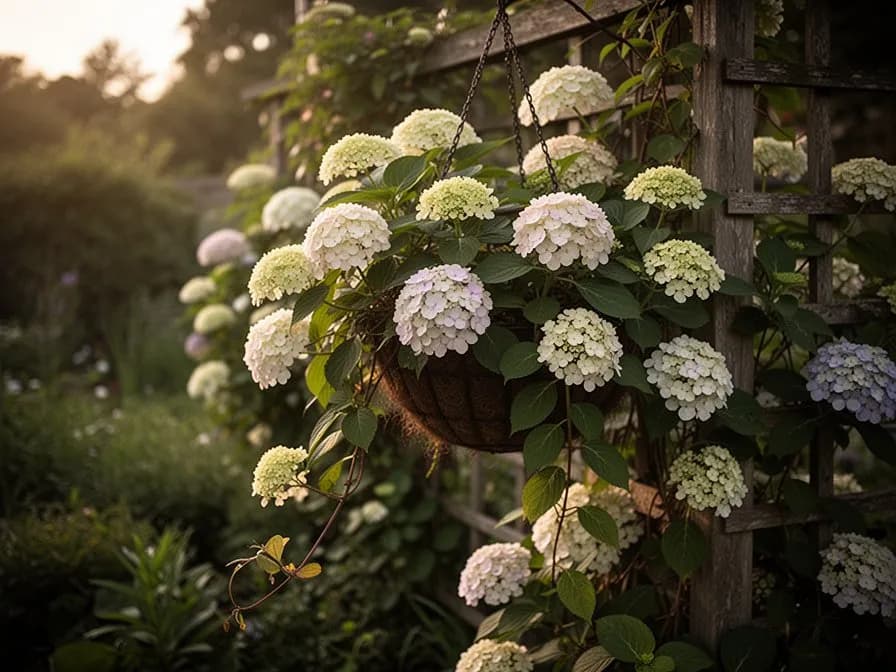
Corona de flores secas de Schizophragma
45 minutosCree una impresionante corona natural utilizando las cabezuelas florales papiráceas secas del Schizophragma. Las grandes brácteas acorazonadas se secan adquiriendo un elegante color pergamino y conservan su forma a la perfección, siendo ideales para manualidades florales duraderas que traen el jardín al interior durante los meses de invierno.
5 ingredientesArte botánico con brácteas prensadas de Schizophragma
30 minutos activos más 2 semanas de prensadoPrense las distintivas flores de bráctea simple del Schizophragma para crear elegantes láminas botánicas. Los grandes sépalos acorazonados se prensan planos a la perfección y conservan su delicada nervadura, produciendo especímenes botánicos de calidad museística aptos para enmarcar.
5 ingredientes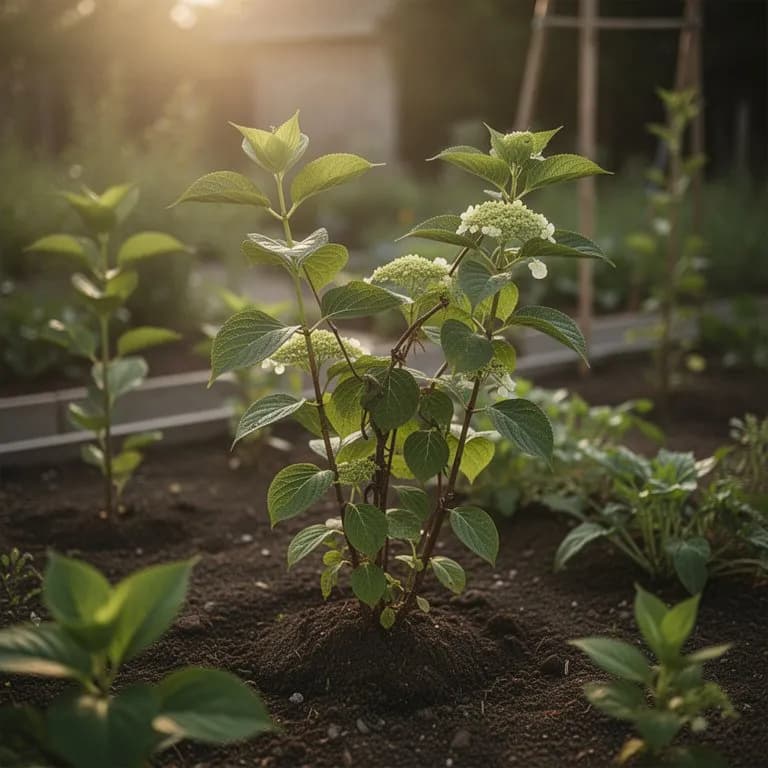
Kit de propagación por esquejes de Schizophragma
20 minutosPropague nuevas plantas a partir de esquejes semimaduras tomados a finales del verano. Este sencillo método le permite compartir esta excepcional enredadera con otros jardineros o establecer nuevas plantas en otras zonas de su jardín sin necesidad de adquirir costosas plantas de vivero.
5 ingredientesQué contiene
Beneficios para la salud
- El Schizophragma es una enredadera puramente ornamental y no se consume para obtener beneficios directos para la salud, pero su presencia en el jardín favorece el bienestar mental gracias al efecto relajante del exuberante follaje verde y las hermosas flores estivales en espacios umbrosos.
- Las prolíficas flores estivales de la enredadera proporcionan una importante fuente de néctar y polen para las abejas melíferas, los abejorros y los polinizadores nativos, contribuyendo a un ecosistema de jardín saludable y biodiverso.
- Como planta trepadora densa, el Schizophragma puede reducir la absorción de calor de los muros que recubre, disminuyendo potencialmente las temperaturas interiores varios grados durante el verano y reduciendo la necesidad de aire acondicionado.
- La espesa cobertura de follaje creada por una enredadera madura ofrece hábitat de anidación y refugio protector para las aves del jardín, fomentando el control natural de plagas gracias al aumento de las poblaciones de aves en el jardín.
- Cultivar el Schizophragma en muros orientados al norte o al este transforma superficies verticales de otro modo desnudas e improductivas en muros verdes vivos, mejorando la calidad del aire local al atrapar partículas en suspensión y absorber dióxido de carbono.
- El cuidado de una enredadera trepadora como el Schizophragma proporciona una suave actividad física a través de tareas estacionales como la poda, la formación y el acolchado, que pueden mejorar la flexibilidad, la fuerza y la condición física general de los jardineros de todas las edades.
De dónde viene Hortensia Trepadora Japonesa
Schizophragma hydrangeoides es originaria de los frescos y húmedos bosques montañosos de Japón y la Península de Corea, donde crece como trepadora del sotobosque en bosques caducifolios y mixtos a altitudes de entre 300 y 1500 metros. En su hábitat nativo, la enredadera asciende por los árboles maduros del bosque mediante densas raicillas aéreas adhesivas, alcanzando el dosel para acceder a la luz solar filtrada mientras mantiene sus raíces en el suelo forestal fresco y rico en humus. La especie pertenece a la familia Hydrangeaceae y está estrechamente relacionada con la hortensia trepadora (Hydrangea petiolaris), aunque se distingue por su única y grande bráctea decorativa por flor marginal en lugar de los cuatro sépalos más pequeños propios de la Hydrangea. La planta fue descrita científicamente por primera vez por Philipp Franz von Siebold y Joseph Gerhard Zuccarini en su obra de referencia Flora Japonica de 1835, basándose en especímenes recogidos en las montañas de Honshu. La horticultura occidental recibió las primeras plantas vivas en 1880, cuando el Arboreto Arnold de Boston adquirió especímenes de Japón a través de su extenso programa de exploración botánica. La enredadera siguió siendo una rareza en los jardines occidentales durante décadas, apreciada principalmente por los jardines botánicos y los coleccionistas especialistas. Su auge en popularidad comenzó a finales del siglo XX, cuando los jardineros buscaban elegantes trepadoras para muros orientados al norte y en sombra donde pocas enredaderas florales prosperan. La introducción de la variedad 'Moonlight', con su luminoso follaje plateado, y de 'Roseum', con brácteas de suaves tonos rosados, amplió aún más su atractivo. Hoy en día, el Schizophragma es ampliamente considerado por los horticultores como una de las plantas trepadoras ornamentales más exquisitas para jardines de sombra templados, valorada por sus graciosas flores, su hermoso follaje, su atractiva corteza y su notable longevidad. Ha recibido el Award of Garden Merit de la Royal Horticultural Society, consolidando su estatus entre las trepadoras de élite más meritorias para el jardín.
Hortensia Trepadora Japonesa: ¿sabías que?
Datos fascinantes sobre Hortensia Trepadora Japonesa
Schizophragma hydrangeoides es originaria de los bosques montañosos de Japón y Corea, donde trepa por los árboles del bosque hasta alturas de 12 metros o más mediante raicillas aéreas adhesivas similares a las de la hiedra.
Hortensia Trepadora Japonesa: preguntas frecuentes
¿Cuándo debo plantar Hortensia Trepadora Japonesa?
¿Cuáles son buenas plantas acompañantes para Hortensia Trepadora Japonesa?
¿En qué zonas de rusticidad puede crecer Hortensia Trepadora Japonesa?
¿Cuánto sol necesita Hortensia Trepadora Japonesa?
¿A qué distancia debo espaciar Hortensia Trepadora Japonesa?
¿Qué plagas y enfermedades afectan a Hortensia Trepadora Japonesa?
¿Cómo almaceno Hortensia Trepadora Japonesa después de la cosecha?
¿Cuáles son las mejores variedades de Hortensia Trepadora Japonesa para cultivar?
¿Qué suelo necesita Hortensia Trepadora Japonesa?
¿Dañará el Schizophragma mi muro de ladrillo o piedra?
¿En qué se diferencia el Schizophragma de la hortensia trepadora (Hydrangea petiolaris)?
¿Cuánto tiempo tarda el Schizophragma en empezar a florecer?
¿Puede el Schizophragma crecer sobre un árbol sin dañarlo?
¿Qué debo hacer si mi Schizophragma no trepa por su soporte?
¿Es el Schizophragma adecuado para cultivar en contenedores?
Acabas de leer la teoría. Ahora cultívala en piloto automático.
Todo lo que hace que Hortensia Trepadora Japonesa sea delicado — el momento, el espaciado, las asociaciones, la ventana de cosecha — es justo lo que PlotMyGarden resuelve por ti, para cada planta de tu huerto.
Un plan que conoce tu clima
Indica tu ubicación una vez. Recibe fechas de siembra, abonado y cosecha basadas en tu última helada real y el pronóstico en vivo — sin adivinar con un sobre genérico.
De la sección “Cuándo plantar”Planificador de bancales de arrastrar y soltar
Diseña bancales sobre una cuadrícula. Cada planta encaja con su espaciado correcto y ves toda la temporada antes de gastar un céntimo en semillas.
De la sección “Cultivo”Conflictos de asociación, detectados a tiempo
Más de 200 buenas y malas combinaciones comprobadas en vivo mientras plantas — para que un error que arruine la temporada nunca llegue a la tierra.
De la sección “Asociaciones”Recordatorios que sí vas a seguir
“Riega las judías.” “Recoge hoy antes de que se pase.” Oportunos, concretos y ligados a las plantas que de verdad cultivas.
De la sección “Cosecha”Escalonado, programado
¿Quieres cosechar seis semanas en vez de seis días? Reparte tus siembras automáticamente y te avisa cuando toca el siguiente lote.
De la sección “Cuándo plantar”Un registro que se vuelve más listo
Cada cosecha que registras le enseña tu huerto. El plan del año que viene parte de lo que de verdad funcionó en tu suelo, no en un manual.
De la sección “Resumen”Planta estos junto a Hortensia Trepadora Japonesa
Más Trepadoras
Cultiva tu mejor Hortensia Trepadora Japonesa — y todo lo que la rodea.
Empieza un plan gratis hoy. Diseña tus bancales, coloca tu Hortensia Trepadora Japonesa y deja que PlotMyGarden gestione el momento, el espaciado, las asociaciones y los recordatorios de la semilla a la cesta.