Rose of Sharon
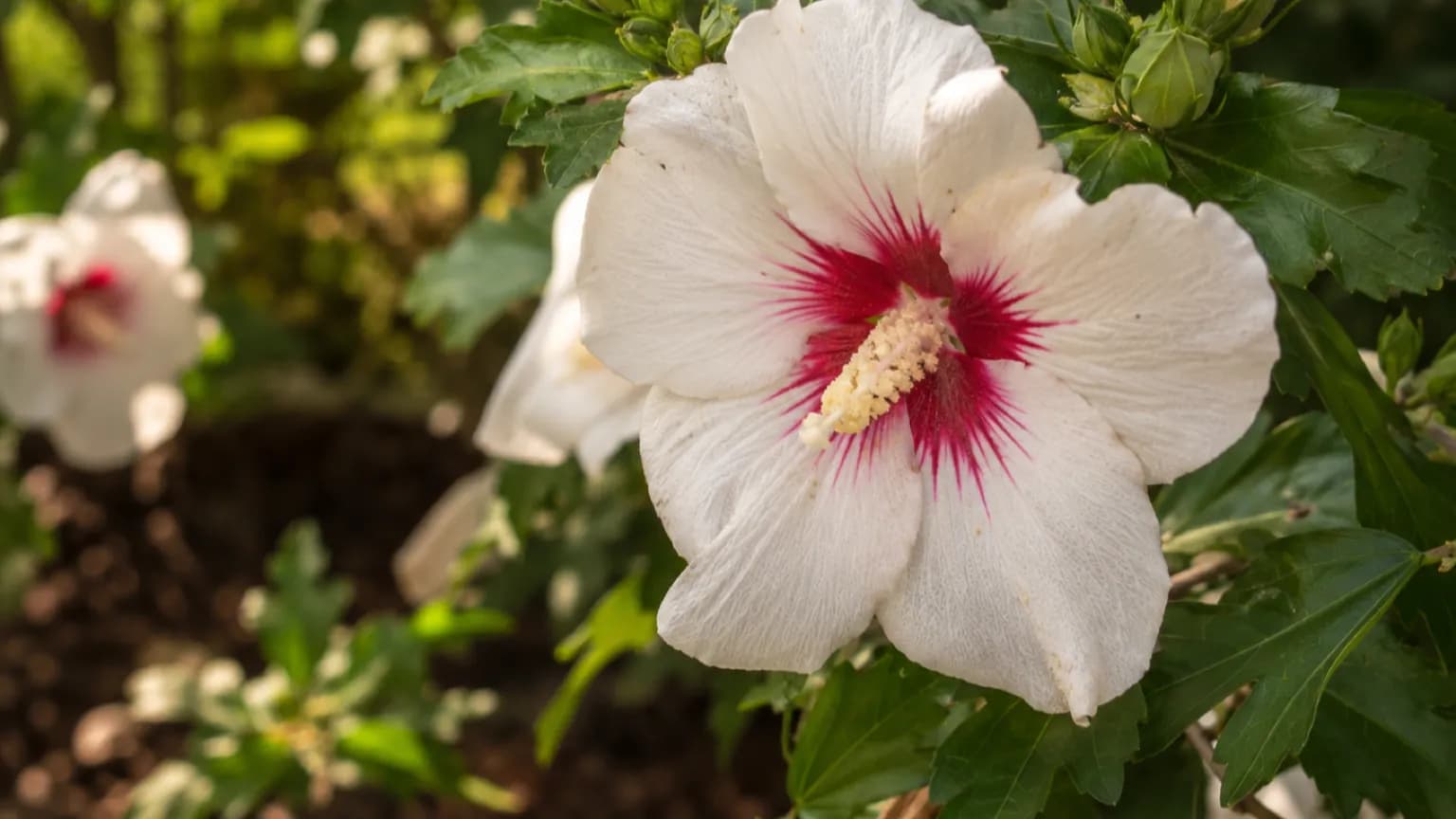
A hardy deciduous hibiscus that covers itself in large, hollyhock-like blooms from midsummer into fall, when few other shrubs are still flowering.





On this pageOverview
Meet Rose of Sharon
A hardy deciduous hibiscus that covers itself in large, hollyhock-like blooms from midsummer into fall, when few other shrubs are still flowering. Rose of Sharon blooms on new wood, so it flowers reliably even after hard late-winter pruning or winter dieback in cold zones. It is one of the very last shrubs to leaf out in spring, often not until May, which is normal and not a sign that the plant has died. Tolerant of heat, humidity, clay soil, and urban conditions, it asks only for full sun and reasonable drainage. Despite the shared common name, this is an entirely different plant from the tropical hibiscus (Hibiscus rosa-sinensis) sold as a houseplant. Trade talk of hardy hibiscus usually means Hibiscus moscheutos, a herbaceous perennial that dies to the ground each winter and pushes up fresh stems in late spring, unlike the woody, permanent-stemmed Rose of Sharon.
When to plant Rose of Sharon
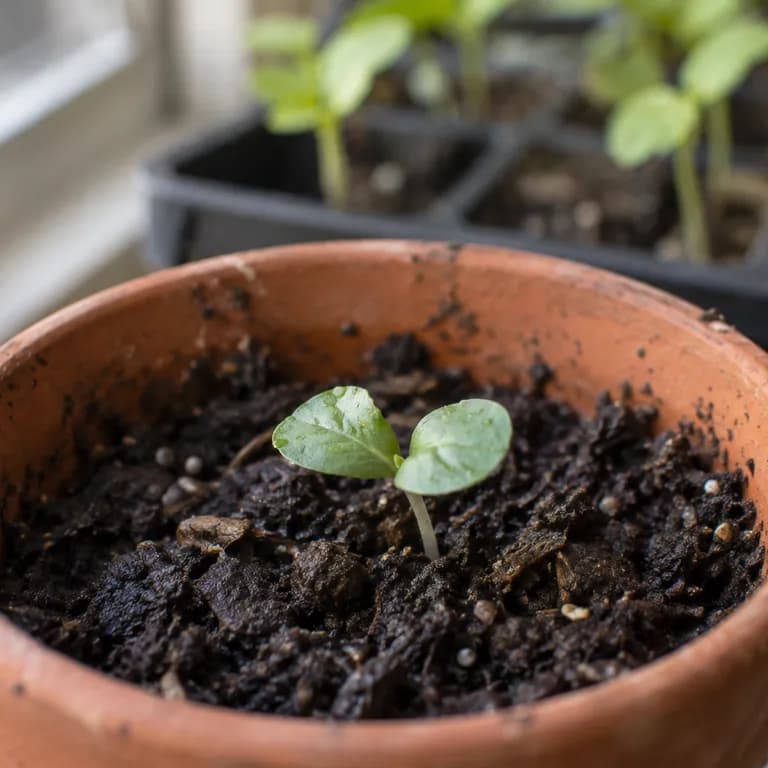
Fertile cultivars of Rose of Sharon self-sow readily, and volunteer seedlings are easy to transplant in spring. To sow deliberately, collect the brown, dry capsules in autumn and extract the small hairy seeds. Seeds germinate without stratification; soaking them overnight in warm water speeds things up. Sow indoors 6 to 8 weeks before the last frost, 0.5 cm deep in moist seed-starting mix at 21 to 24 degrees Celsius. Germination takes 2 to 4 weeks. Grow seedlings on in bright light and transplant after hardening off. Seedlings typically need two to three seasons to reach flowering size and will not match the parent's flower form. Named cultivars such as 'Blue Chiffon' must be propagated from softwood cuttings taken in early summer.
Your Rose of Sharon Year
Composed for Zone 7 · typical seasons · frost passes Apr 2, returns Nov 1
Plant Rose of Sharon Mar – Apr, Oct, pick Jul – Sep. Check the planting methods below and set your climate to personalize these windows.
How to grow Rose of Sharon
Rose of Sharon is one of the easiest flowering shrubs for temperate gardens, valued for its late-season bloom that fills the gap between midsummer perennials and autumn foliage. Choose a site in full sun, as plants grown in shade become leggy and produce few flowers. It adapts to almost any well-drained soil, including clay, with a pH between 5.5 and 7.5, and tolerates heat, humidity, and urban pollution. Space plants 120 to 180 cm apart; most cultivars mature at 2.5 to 3.5 meters tall and 1.5 to 2 meters wide.
Plant container-grown or bare-root shrubs in spring or early fall. Dig a hole twice as wide as the root ball, set the plant at the same depth it grew in the container, and water deeply at planting. Provide about 2.5 cm of water per week during the first two growing seasons, then supplemental water only during extended drought. Apply a 5 to 7 cm mulch ring around the base, keeping it away from the stems. Feed with a balanced slow-release fertilizer in early spring; avoid high-nitrogen feeds that push leafy growth at the expense of buds.
Pruning is straightforward because Rose of Sharon blooms on new wood: all flower buds form on shoots produced in the current season. Prune in late winter or very early spring while the shrub is still dormant, removing crossing, dead, or crowded branches and thinning the interior to improve air circulation. For larger flowers on fewer stems, cut the previous season's growth back by up to two-thirds; for a natural, informal screen, prune little or not at all. Remove spent flowers through summer if you want to prevent the abundant self-sown seedlings that fertile cultivars produce, or grow a sterile cultivar such as 'Diana' to avoid the chore entirely.
Rose of Sharon needs more room than a 4 × 8 ft bed gives
Each Rose of Sharon wants 150 cm of elbow room. The planner keeps that spacing for you — every plant, every bed.
Rose of Sharon's best neighbours
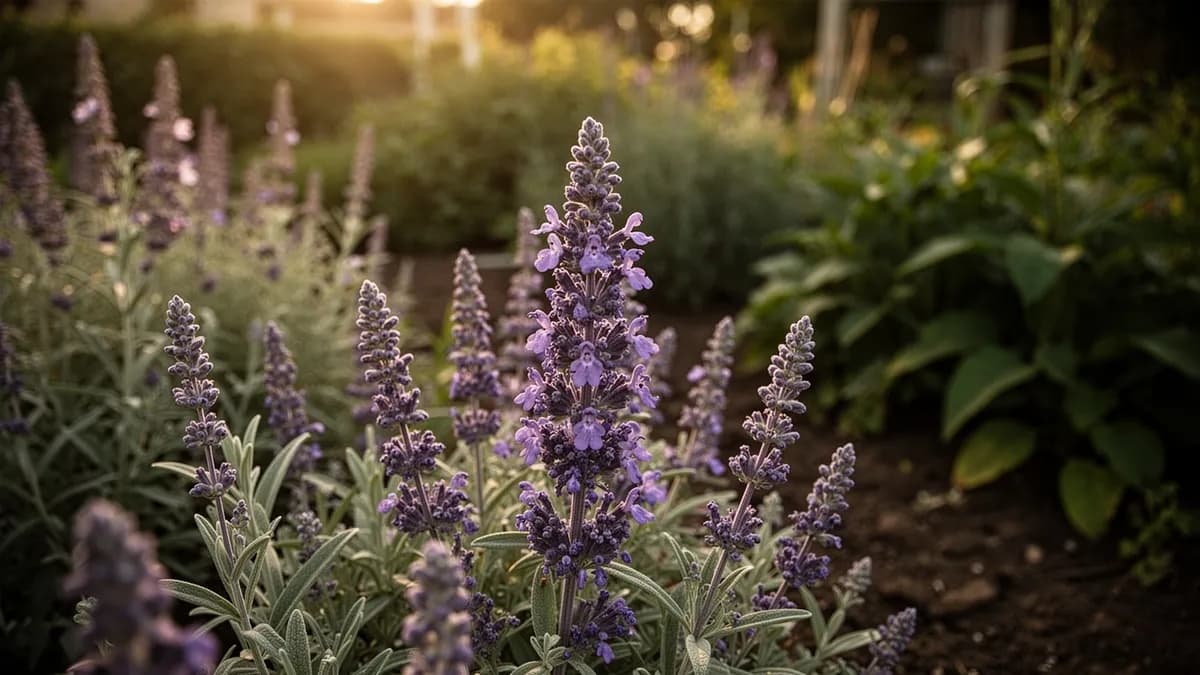
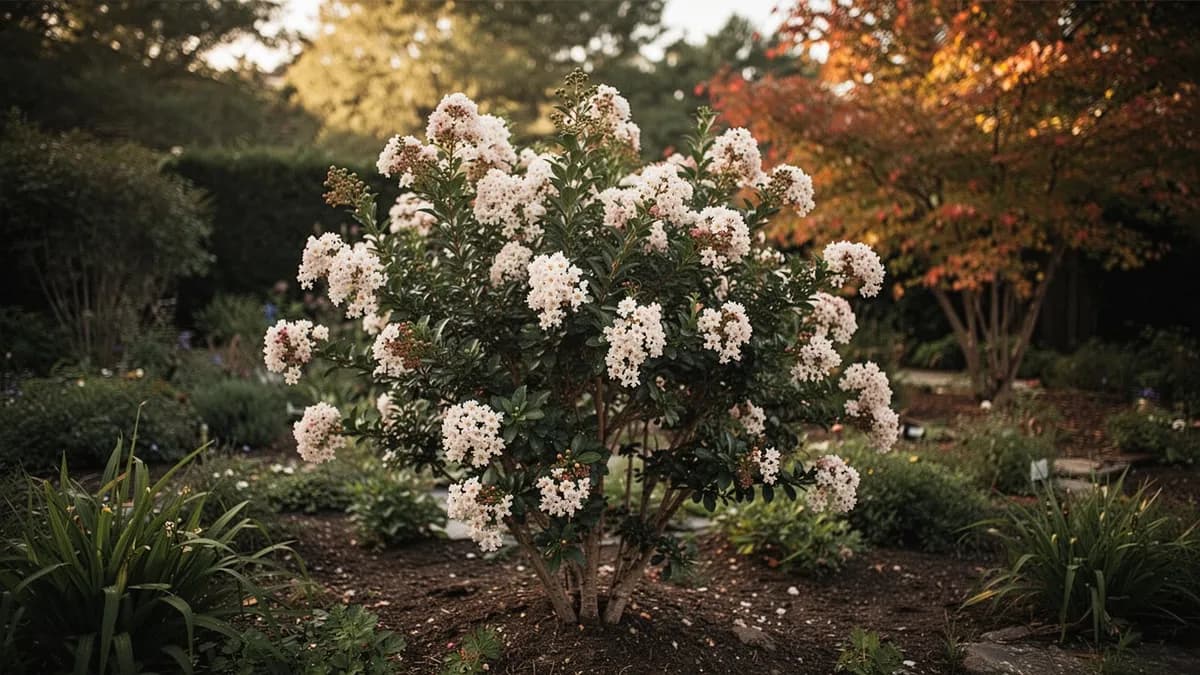
Rose of Sharon shines in the late-summer border, so pair it with plants that peak at the same time. Russian sage is a classic partner, its silver foliage and violet-blue spires cooling the hibiscus's pink and mauve blooms while both laugh at heat. In warm zones it combines beautifully with crape myrtle, which shares the same late-season bloom window and love of sun. Shrub and floribunda roses flower alongside it from early summer on, creating a long succession of color in a mixed hedge. Because the shrub leafs out so late, underplant with spring bulbs and early perennials that perform before the hibiscus canopy fills in. Keep aggressive spreaders and dense groundcovers away from the root zone while young plants establish.
Russian Sage belongs beside it.
Old growers' knowledge, checked against Rose of Sharon's real companion table below — test any plant you're growing.
Try Rose of Sharon in a bed — right here
A real planner bed with Rose of Sharon already in it. Tap a companion to place it and watch the pairing checks answer — green for good neighbours, red for a clash.


Related growing guides

Feed it well
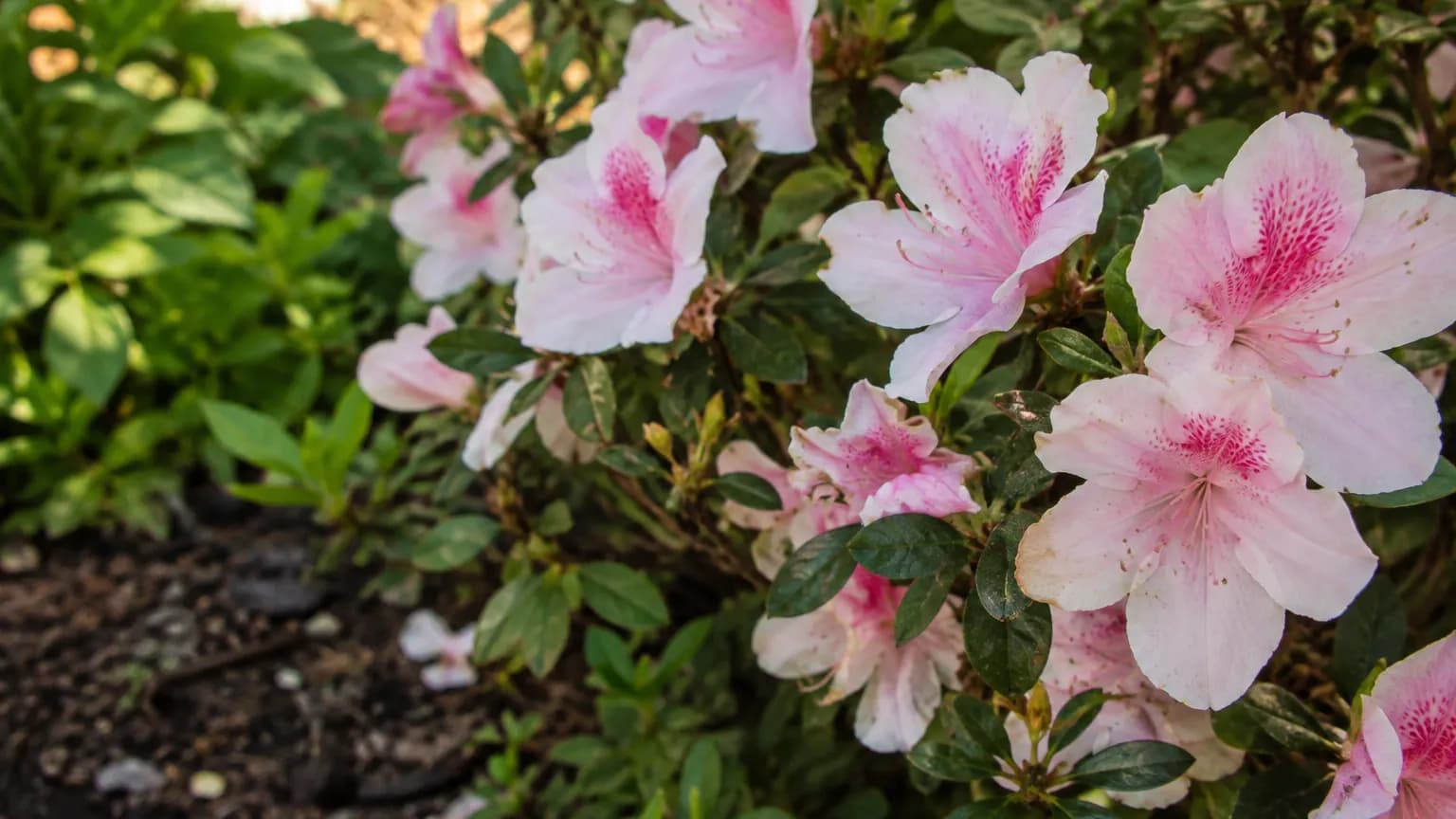
Rose of Sharon adapts to sandy, loamy, or clay soils as long as they drain reasonably well, and it tolerates a pH from about 5.5 to 7.5. Avoid chronically waterlogged sites, which lead to root rot and poor flowering. In average garden soil a single spring application of a balanced slow-release fertilizer, such as 10-10-10, is sufficient. Overfeeding, especially with high-nitrogen lawn fertilizer drifting onto the root zone, produces lush foliage and few flowers. Maintain a 5 to 7 cm organic mulch ring to conserve moisture and moderate soil temperature, keeping mulch clear of the main stems.
Ideal Temperature
Hardiness Zone Compatibility
From seed to harvest, stage by stage
Dormancy
The shrub stands bare through winter and well into spring. Root activity resumes as the soil warms, but the buds remain tightly closed long after other shrubs have leafed out.
Leaf Emergence & Vegetative Growth
Leaves finally unfurl in late spring, often as late as May or early June in cold zones. Shoots then extend rapidly, building the new wood on which all flowers will form.
Flower Bud Formation
Round green buds develop at the tips of the new shoots and in the upper leaf axils. The number of buds set now determines the abundance of the coming bloom.
Bloom Period
Large trumpet-shaped flowers open daily from midsummer into autumn. Each bloom lasts a single day, but the shrub produces hundreds in succession for a display of eight weeks or more.
Seed Set & Leaf Drop
Five-valved seed capsules ripen to brown and split open. Foliage yellows modestly and drops, leaving the upright framework of stems for winter.
Winter Rest
The shrub is fully dormant and extremely cold-hardy, tolerating zone 5 winters without protection once established. The persistent capsules add light winter interest and feed small birds.
Be patient and do not assume the shrub is dead. Scratch a stem to check for green, and prune only once bud swell is visible in late spring.
Caring for Rose of Sharon month by month
What to do each month for your Rose of Sharon
September
You are hereFlowering continues into autumn. Stop fertilizing so new growth can harden off, and deadhead or clip seed capsules before they split.
Know exactly what to do in your garden — every month
One email at the start of each month: what to sow, plant, and tackle right now — for your Rose of Sharon and everything growing around it. Plus a short starter course that helps you dodge the classic mistakes.
- What to do, right now
- Matched to your season
- Starter course included
Harvesting Rose of Sharon
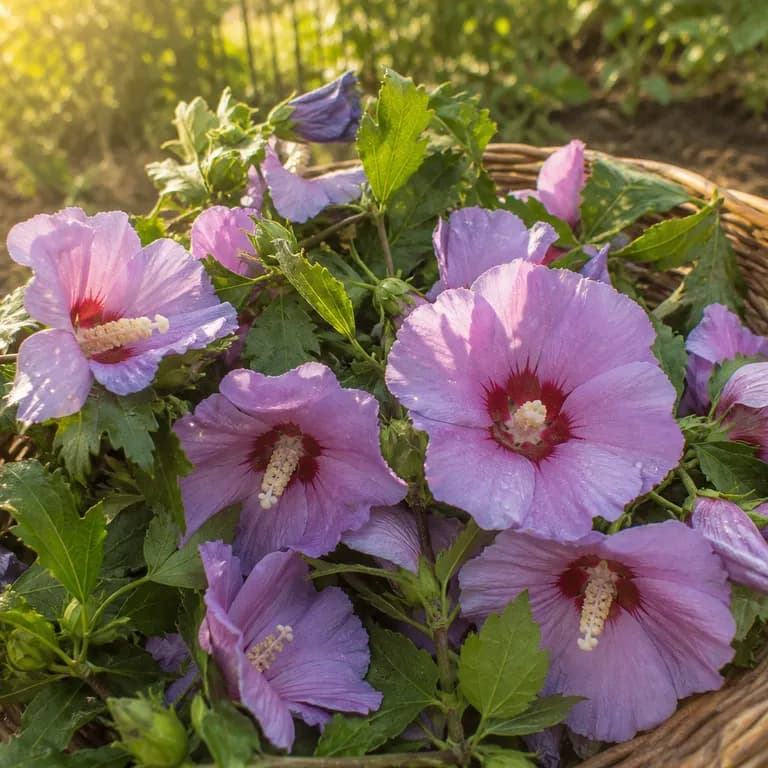
Rose of Sharon is grown purely as an ornamental, and its harvest is floral rather than edible. Individual flowers last only a single day, but they are produced in such succession from July through September that the shrub never looks bare. Cut sprays of half-opened buds in the morning for short-lived table arrangements; the buds continue to open indoors over a day or two. If you do not deadhead, the brown seed capsules persist into winter, adding subtle structural interest and feeding small birds.
assuming you plant when the window opens — set your real date
Pick Rose of Sharon promptly and the plant keeps producing.
What goes wrong — and the fix
Japanese Beetles
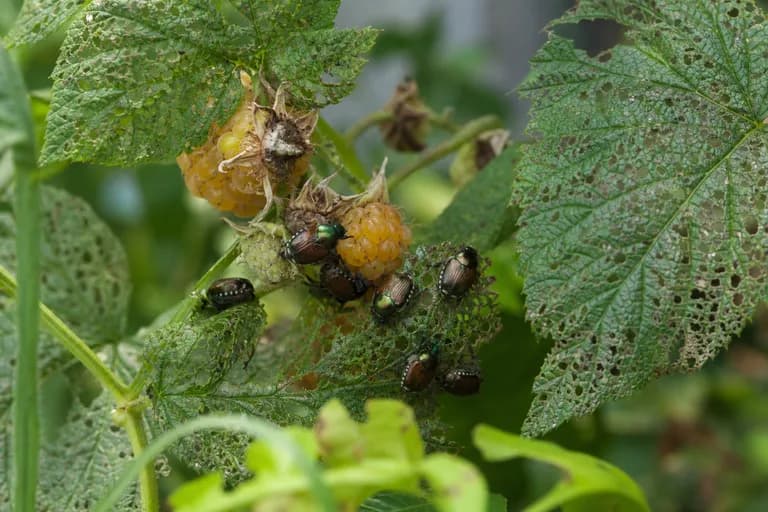
PestLeaves skeletonized between the veins and flowers riddled with ragged holes during midsummer. Metallic green-and-bronze beetles cluster openly on blooms and foliage.
Aphids
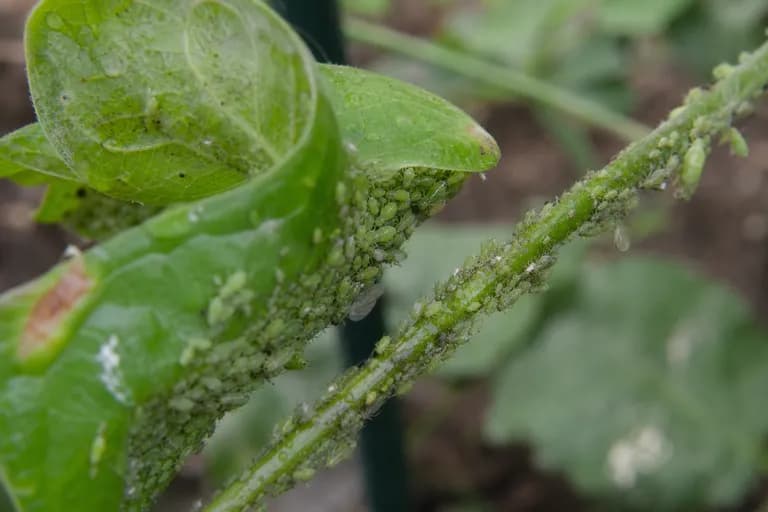
PestClusters of small green or black soft-bodied insects on new shoot tips and flower buds. Leaves may curl, and sticky honeydew encourages black sooty mold.
Spider Mites
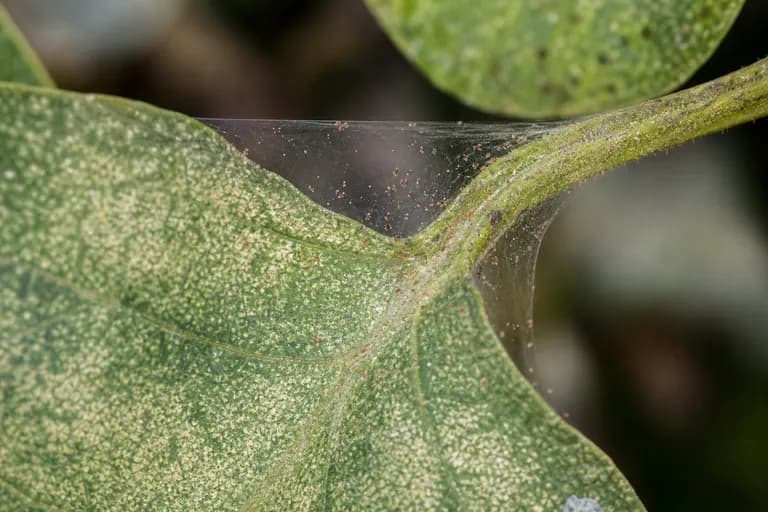
PestFine stippling and bronzing of leaves during hot, dry weather, sometimes with delicate webbing on the undersides. Heavily infested leaves yellow and drop early.
Cercospora Leaf Spot
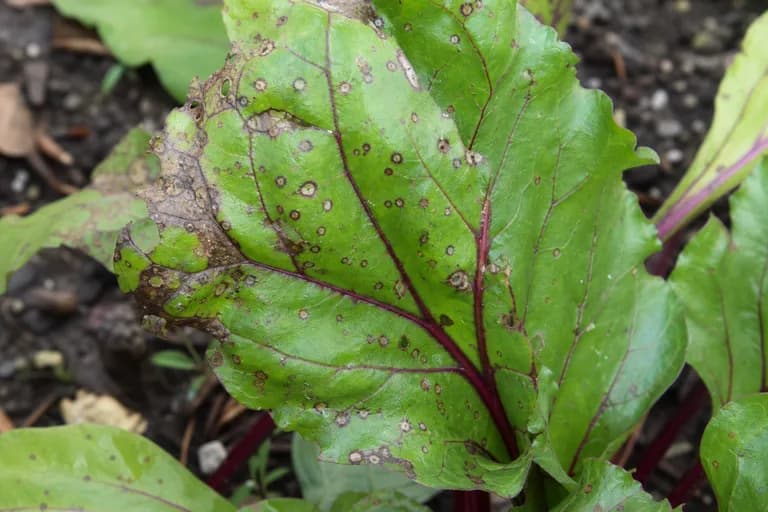
DiseaseAngular brown to gray spots on lower leaves beginning in midsummer, sometimes with purple margins. Heavily spotted leaves turn yellow and drop prematurely.
Troubleshooting Common Problems
The most frequent complaint is a shrub that looks dead in spring: Rose of Sharon is among the last woody plants to leaf out, often waiting until May or even early June in cold zones, so scratch the bark and look for green before removing it. Flower bud drop in midsummer usually traces back to drought stress or inconsistent watering just as buds form. Sparse blooming points to too much shade or excess nitrogen. Fertile cultivars self-sow aggressively and can seed into lawns and neighboring beds; deadhead spent flowers or switch to sterile selections like 'Diana' or 'Aphrodite'. Japanese beetles can skeletonize foliage in regions where they are established. In alkaline soils above pH 7.5, watch for iron chlorosis showing as yellow leaves with green veins.
Growing Tips
- Give the shrub full sun, at least six hours of direct light daily; shaded plants grow leggy and set very few flower buds.
- Never dig up a seemingly dead Rose of Sharon in April or May. It leafs out four to six weeks later than most shrubs, so perform a scratch test and wait until early June.
- Prune in late winter while dormant. The shrub blooms on new wood, so even hard cuts never remove the coming season's flowers.
- To stop weedy self-sowing, deadhead spent blooms before capsules ripen, or plant sterile cultivars such as 'Diana' or 'Aphrodite'.
- Water deeply once a week rather than little and often; drought stress in early summer is the main cause of flower bud drop.
- Keep high-nitrogen lawn fertilizer away from the root zone, as it drives leafy growth at the expense of flowers.
- Allow room for the mature spread of 1.5 to 2 meters, and site the shrub where its late spring leaf-out will not leave a conspicuous gap.
- In zone 5, choose a sheltered position and maintain a generous winter mulch layer over the roots.
- Hand-pick Japanese beetles into soapy water in the cool morning hours rather than reaching for traps, which attract more beetles to your garden.
Grow your best Rose of Sharon yet — and everything around it.
Start a free plan today. Lay out your beds, drop in your Rose of Sharon, and let PlotMyGarden handle the timing, spacing, companions and reminders from seed to harvest basket.
Pick your Rose of Sharon
Blue Chiffon
Semi-double lavender-blue flowers with a lacy center of small petaloids, part of the low-seed Chiffon series. Reaches about 2.5 to 3.5 meters and blooms heavily from midsummer to frost.
Diana
Large, pure white single flowers on a nearly sterile plant, so it produces almost no unwanted seedlings. A U.S. National Arboretum introduction growing 2.5 to 3.5 meters tall with an upright habit.
Aphrodite
Single rose-pink flowers with a dark red eye on a compact, nearly sterile shrub of about 2.5 to 3 meters. Another award-winning National Arboretum triploid bred for gardens where self-sowing is a concern.
Lavender Chiffon
Elegant semi-double blooms in soft pale lavender with an anemone-like center. Low seed set, refined habit, and excellent late-summer performance at 2 to 3 meters tall.
Minerva
Ruffled lavender-pink flowers with a deep red eye over unusually dark, glossy foliage. A National Arboretum selection reaching about 2.5 to 3 meters, with good heat tolerance.
Where Rose of Sharon comes from
Hibiscus syriacus is native to China and the Indian subcontinent, where it was cultivated in gardens for centuries before traveling the Silk Road westward. In Korea it became deeply woven into national identity: the mugunghwa, or immortal flower, was praised for blooming tenaciously from summer to frost, and it remains the national flower today, appearing on the national emblem and in the anthem. European gardeners received the shrub in the sixteenth century via traders and collectors working through the Middle East, which is why Linnaeus mistakenly assigned the epithet syriacus when he formally described the species in 1753.
By the Victorian era Rose of Sharon was a fixture of cottage gardens on both sides of the Atlantic, prized for blooming when almost nothing else did. Its enthusiasm for self-sowing eventually gave it a weedy reputation in parts of North America, which spurred a breeding breakthrough: beginning in the 1970s, Dr. Donald Egolf at the U.S. National Arboretum produced sterile triploid cultivars, releasing 'Diana', 'Aphrodite', 'Minerva', and 'Helene' to great acclaim. Modern breeding has continued with the low-seed Chiffon series and double-flowered selections, keeping this ancient shrub a best-seller in contemporary gardens across USDA zones 5 through 9.
Rose of Sharon: did you know?
Fascinating facts about Rose of Sharon
Rose of Sharon is the national flower of South Korea, where it is called mugunghwa, meaning immortal flower, and is even celebrated in the national anthem.
Rose of Sharon questions, answered
When should I plant Rose of Sharon?
What are good companion plants for Rose of Sharon?
What hardiness zones can Rose of Sharon grow in?
How much sun does Rose of Sharon need?
How far apart should I space Rose of Sharon?
What pests and diseases affect Rose of Sharon?
What are the best Rose of Sharon varieties to grow?
What soil does Rose of Sharon need?
Is Rose of Sharon the same plant as tropical hibiscus?
My Rose of Sharon looks dead in spring. Should I remove it?
When and how should I prune Rose of Sharon?
How do I stop Rose of Sharon from spreading seedlings everywhere?
Why is my Rose of Sharon not blooming?
Is Rose of Sharon invasive?
You just read the theory. Now grow it on autopilot.
Everything that makes Rose of Sharon fiddly — the timing, the spacing, the companions, the harvest window — is exactly what PlotMyGarden handles for you, for every plant in your garden.
A plan that knows your weather
Set your location once. Get sow, feed and harvest dates built around your real last-frost date and live forecast — no more guessing from a generic seed packet.
From the “When to plant” sectionDrag-and-drop bed planner
Design beds on a grid. Every plant snaps to its proper spacing, and you can see your whole season laid out before you spend a cent on seed.
From the “Growing guide” sectionCompanion conflicts, caught early
200+ good-and-bad pairings checked live as you plant — so a season-wrecking mistake never makes it into the ground.
From the “Companions” sectionReminders you'll actually act on
“Water the beans.” “Pick today before it turns.” Timely, specific, and tied to the plants you're really growing.
From the “Harvest” sectionSuccession, scheduled
Want a harvest for six weeks, not six days? It spaces your sowings automatically and reminds you when each new block is due.
From the “When to plant” sectionA record that gets smarter
Every harvest you log teaches it your garden. Next year's plan starts from what actually worked in your soil, not a textbook's.
From the “Overview” sectionPlant these alongside Rose of Sharon
More Flowering
Grow your best Rose of Sharon yet — and everything around it.
Start a free plan today. Lay out your beds, drop in your Rose of Sharon, and let PlotMyGarden handle the timing, spacing, companions and reminders from seed to harvest basket.