Butterfly Bush
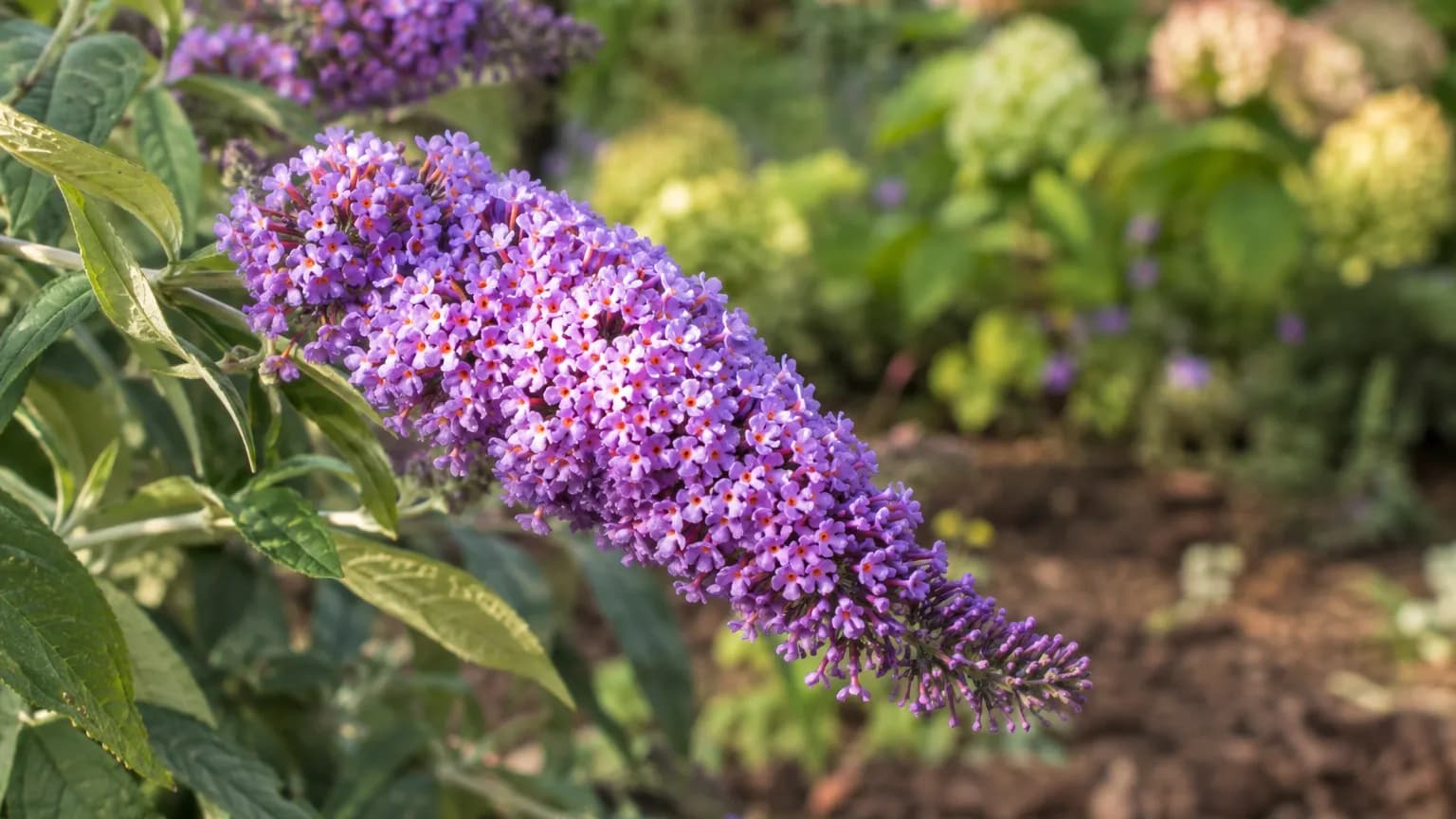
The classic pollinator shrub, producing long, arching cones of fragrant lilac-purple flowers from early summer until autumn that draw butterflies, bees, and hummingbird hawk-moths in remarkable numbers.





On this pageOverview
Meet Butterfly Bush
The classic pollinator shrub, producing long, arching cones of fragrant lilac-purple flowers from early summer until autumn that draw butterflies, bees, and hummingbird hawk-moths in remarkable numbers. Butterfly bush grows fast and blooms on new wood, so cut it back hard every early spring to keep it compact and flowering freely. It thrives in full sun and poor, well-drained soil and is notably drought-tolerant once established. Because the species can self-sow invasively in some regions, deadhead spent panicles before they set seed or choose one of the sterile modern cultivars such as the Miss, Pugster, or Lo & Behold series.
When to plant Butterfly Bush
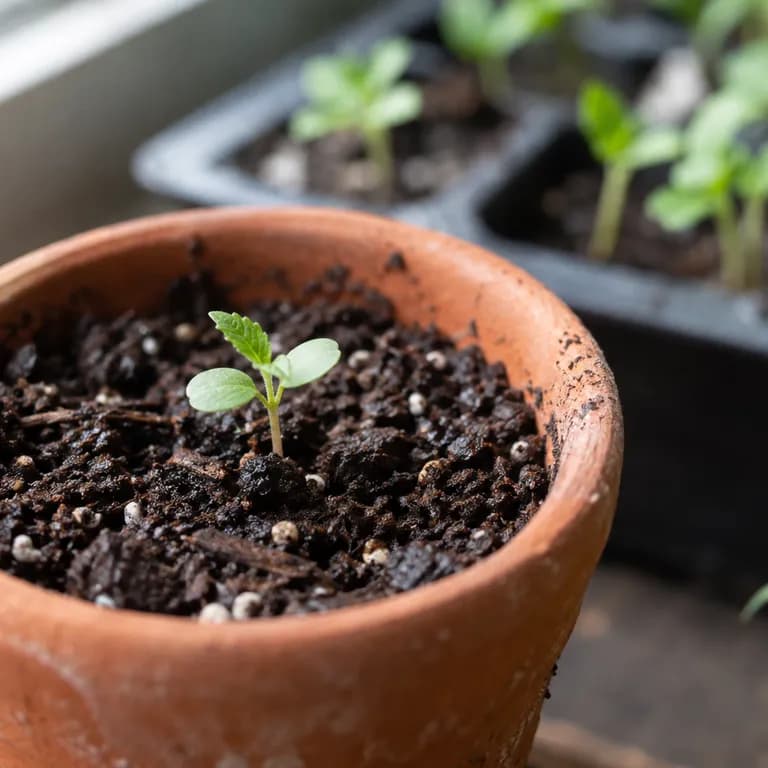
Species butterfly bush grows readily from seed, though named cultivars must be raised from cuttings to come true. Sow indoors in late winter, 8 to 10 weeks before the last frost. The dust-like seeds need light to germinate: scatter them on the surface of a moist, fine seed-starting mix and press down gently without covering. Keep at 18 to 21 degrees Celsius, covered with clear plastic or a propagator lid, and never let the surface dry out. Germination takes two to four weeks and is somewhat erratic. Prick seedlings out into individual pots once large enough to handle, grow on in bright light, and harden off before planting out after the last frost. Seed-raised shrubs often flower in their first season. For named cultivars, take softwood cuttings in early summer or semi-ripe cuttings in late summer; they root in three to four weeks in a gritty compost kept just moist.
Your Butterfly Bush Year
Composed for Zone 7 · typical seasons · frost passes Apr 2, returns Nov 1
Plant Butterfly Bush Feb – Apr, Oct, pick Jun – Sep. Check the planting methods below and set your climate to personalize these windows.
How to grow Butterfly Bush
Butterfly bush is one of the easiest flowering shrubs to grow, provided it gets two things: full sun and sharp drainage. Choose a site with at least 6 to 8 hours of direct sunlight; in shade the shrub grows leggy, flops open in the middle, and produces only a handful of flower panicles. It tolerates poor, rocky, sandy, and chalky soils with a pH from about 6.0 to 7.5 and actually flowers better on lean ground than on rich, heavily fertilized beds. The one soil it will not forgive is wet clay, where winter waterlogging leads quickly to root rot. Plant container-grown shrubs in spring or early autumn, spacing them 150 to 180 cm apart, water deeply at planting, and keep the root zone evenly moist through the first growing season.
Once established, butterfly bush needs little attention beyond an annual prune and occasional deep watering during extended drought. Feed very lightly, if at all: a top-dressing of compost in spring or a single application of a balanced slow-release fertilizer is plenty. Rich feeding and high-nitrogen fertilizers push soft, floppy growth at the expense of flowers. Apply a 5 to 7 cm layer of mulch to suppress weeds, but keep it clear of the crown.
Pruning is the one task that makes or breaks this shrub. Buddleja davidii blooms on the current season's wood, so hard pruning never costs you flowers. In early spring, just as the buds begin to swell, cut all of the previous year's stems back to a low framework 30 to 60 cm above the ground, removing dead, weak, and crossing wood entirely. Left unpruned, the shrub quickly becomes a tall, woody tangle that flowers only at the tips. Through summer, deadhead spent panicles promptly: this triggers successive waves of bloom and prevents the thousands of wind-borne seeds from scattering. In regions where the species is known to self-sow into wild areas, deadheading before seed set — or planting sterile cultivars — is a matter of responsible gardening.
Butterfly Bush needs more room than a 4 × 8 ft bed gives
Each Butterfly Bush wants 180 cm of elbow room. The planner keeps that spacing for you — every plant, every bed.
Butterfly Bush's best neighbours
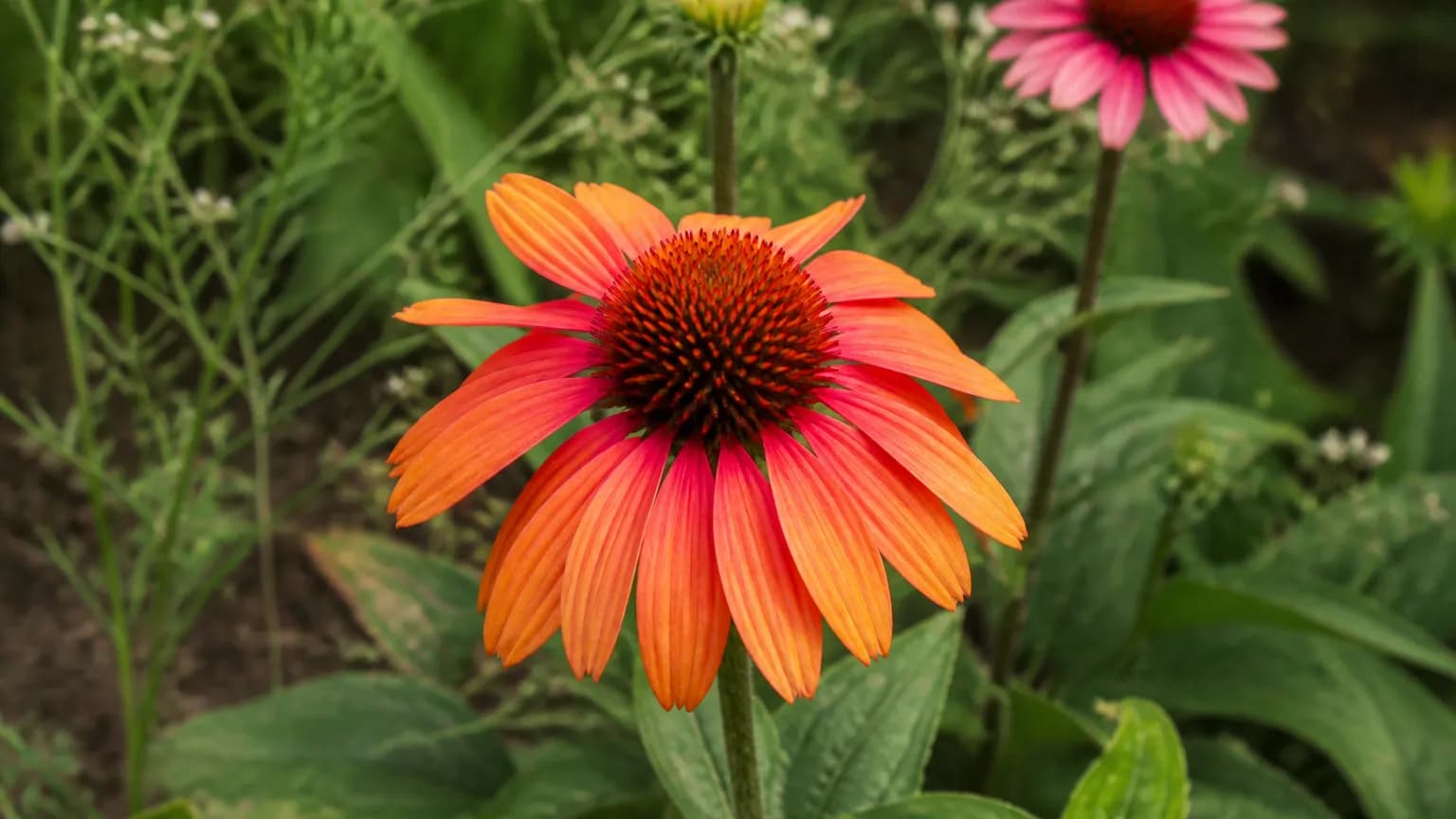
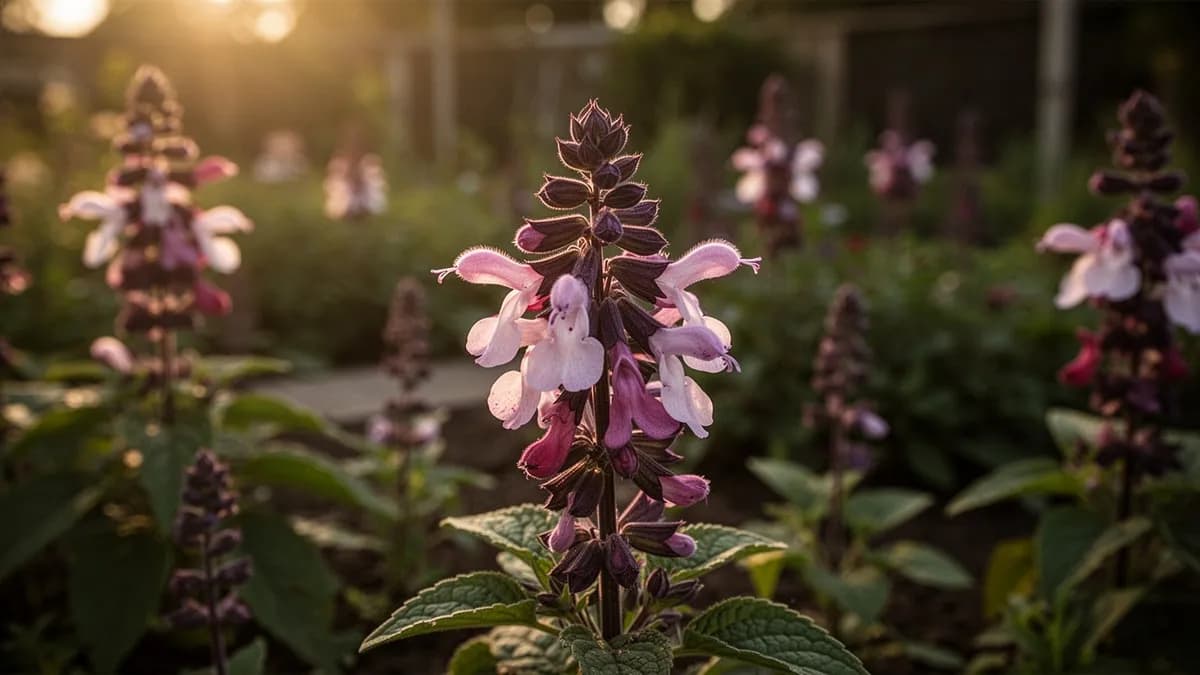
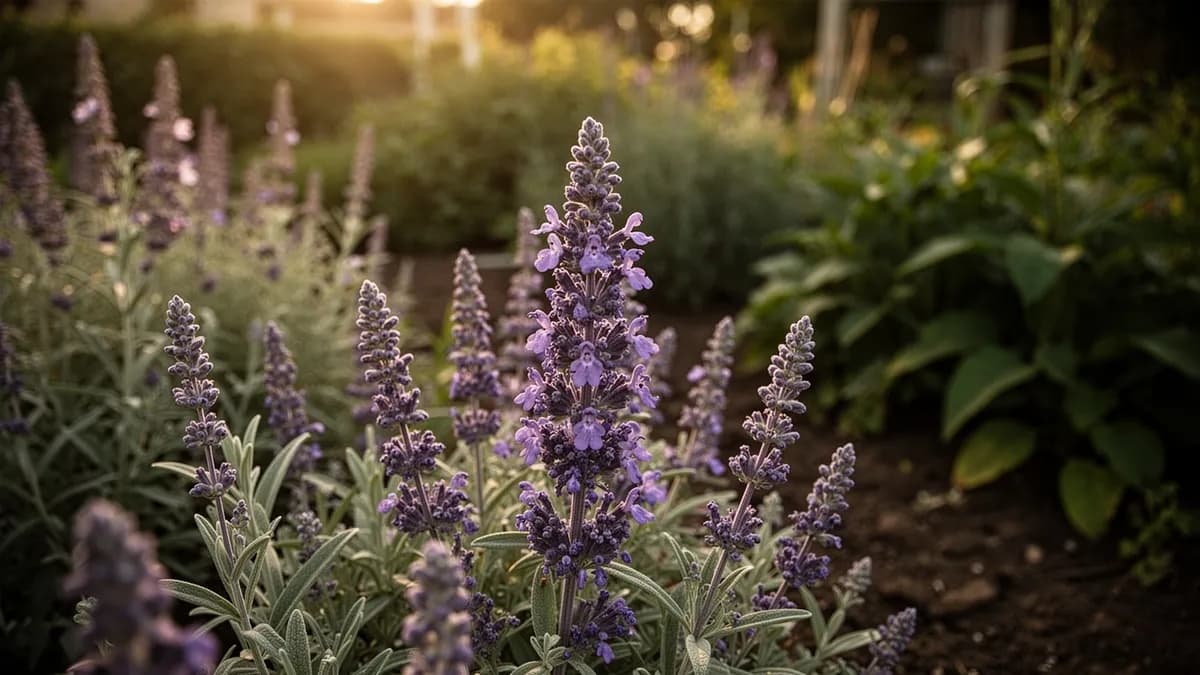
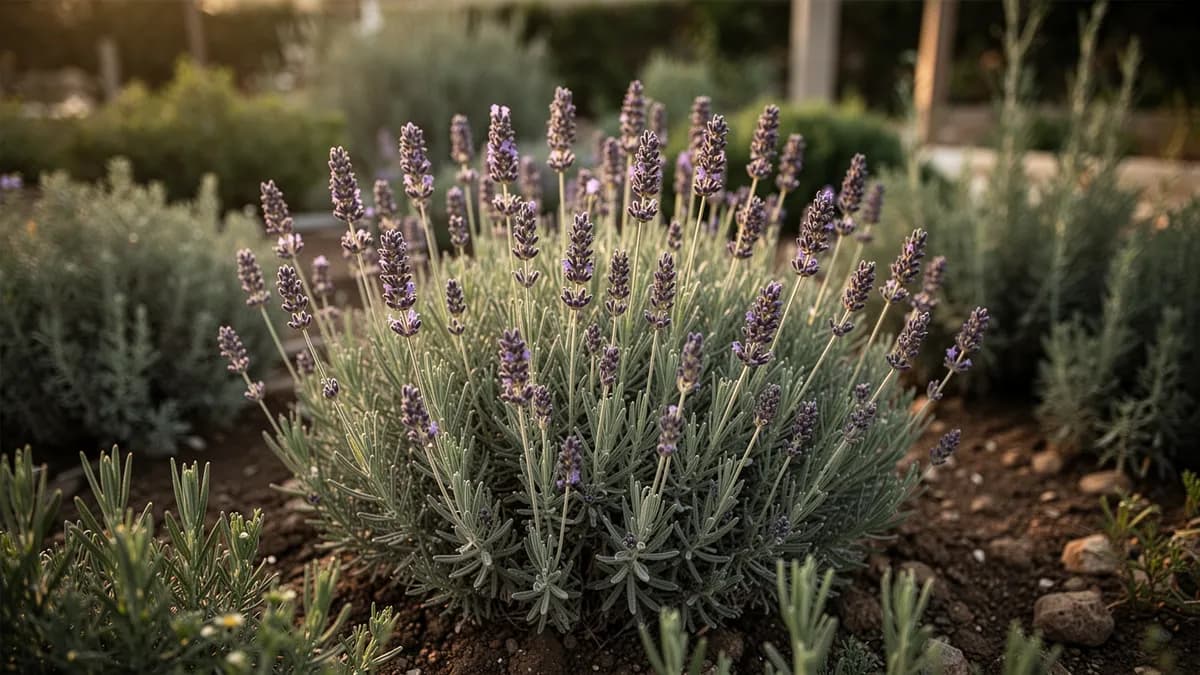
Butterfly bush is the backbone of a pollinator border. Combine it with other sun-lovers that share its taste for lean, well-drained soil and that extend the nectar season: coneflower and salvia flower alongside it in midsummer, Russian sage echoes its airy, drought-proof character, and lavender bridges the gap with earlier bloom. Together these plantings create a continuous buffet for butterflies and bees from June to September. Give every shrub its full spacing for air circulation, and avoid crowding the base with thirsty or heavy-feeding perennials that would push the buddleja into lush, floppy growth.
Coneflower belongs beside it.
Old growers' knowledge, checked against Butterfly Bush's real companion table below — test any plant you're growing.
Try Butterfly Bush in a bed — right here
A real planner bed with Butterfly Bush already in it. Tap a companion to place it and watch the pairing checks answer — green for good neighbours, red for a clash.


Related growing guides
Feed it well
Butterfly bush demands good drainage above all else. It flourishes in average to poor, sandy, gravelly, or chalky soils with a pH of 6.0 to 7.5 and resents heavy, wet clay. Work in a little compost at planting to help establishment, but resist rich soil improvement: overfed shrubs produce lush, weak stems and fewer flowers. An annual spring top-dressing of compost or a light application of balanced slow-release fertilizer is sufficient. In containers, use a gritty, free-draining mix and feed lightly once a month during the growing season.
Ideal Temperature
Hardiness Zone Compatibility
From seed to harvest, stage by stage
Dormancy & Hard Pruning
Through winter the shrub stands bare, with last year's woody stems carrying dried seed heads. As soil warms in late winter, buds begin to swell along the old wood. This is the moment for the decisive annual cutback that shapes the whole season's display.
Spring Regrowth
Fresh shoots burst from the pruned framework and can extend several centimeters per week in mild weather. Grey-green, lance-shaped leaves clothe the stems rapidly, and the shrub rebuilds its full outline within weeks.
Rapid Vegetative Growth
The shrub puts on its main structural growth, with arching stems reaching one to two meters in a single season after hard pruning. Flower buds are already differentiating at the stem tips, hidden among the expanding leaves.
Bud Formation & First Bloom
Tapered panicles push out at the tip of every new stem, swelling from green to their final color. The first flower cones open in early summer, each composed of hundreds of tiny, nectar-rich florets with an orange throat.
Peak Bloom & Pollinator Season
The shrub is smothered in fragrant, arching cones of flowers and hums with butterflies, bees, and hawk-moths from midsummer into autumn. Fresh panicles keep forming at stem tips as long as spent ones are removed.
Seed Set & Autumn Wind-Down
The last panicles fade and narrow brown seed capsules ripen along the old spikes. Growth slows and leaves drop with the first frosts, leaving the shrub dormant for winter. Unremoved seed heads feed finches but scatter thousands of seeds.
Just as buds swell in early spring, cut every stem back to a framework 30 to 60 cm above the ground, removing dead and crossing wood. Do not fear overdoing it — the shrub blooms on new wood.
Caring for Butterfly Bush month by month
What to do each month for your Butterfly Bush
September
You are hereThe final flush of bloom feeds late butterflies and migrating pollinators. Stop any feeding, reduce watering, and let the shrub slow down naturally. Skip heavy pruning from now on.
Know exactly what to do in your garden — every month
One email at the start of each month: what to sow, plant, and tackle right now — for your Butterfly Bush and everything growing around it. Plus a short starter course that helps you dodge the classic mistakes.
- What to do, right now
- Matched to your season
- Starter course included
Harvesting Butterfly Bush
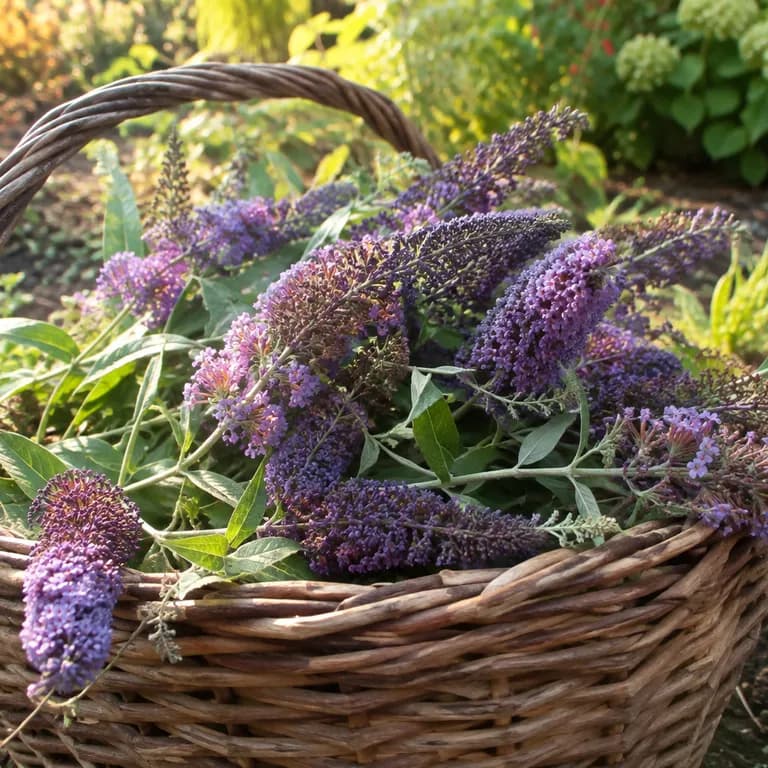
Butterfly bush is grown purely as an ornamental and for its pollinator value; nothing is harvested for the kitchen. The fragrant panicles do make attractive cut flowers. Cut them in the cool of the morning when roughly half of the tiny florets on a spike have opened, strip the lower leaves, and place the stems in water immediately. Regular deadheading is the most valuable harvest chore: removing every faded panicle channels the shrub's energy into new flower buds instead of seed production, and it prevents self-sown seedlings from spreading beyond the garden. Left standing into autumn, the last seed heads offer food for finches and other small birds.
assuming you plant when the window opens — set your real date
Pick Butterfly Bush promptly and the plant keeps producing.
What goes wrong — and the fix
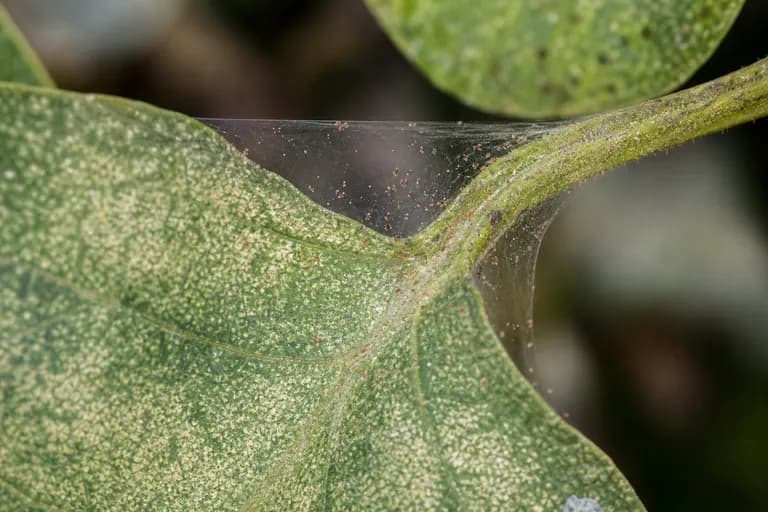
Spider Mites
PestFine stippling and bronzing of leaves during hot, dry weather, with delicate webbing on the undersides of foliage. Heavy infestations cause leaves to yellow and drop early.
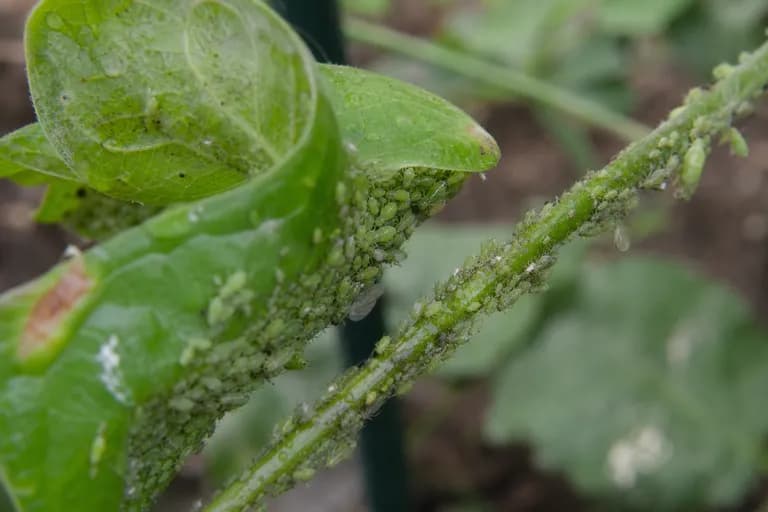
Aphids
PestClusters of small green or black insects on soft shoot tips and flower buds in spring. Distorted new growth and sticky honeydew, sometimes followed by sooty mold.
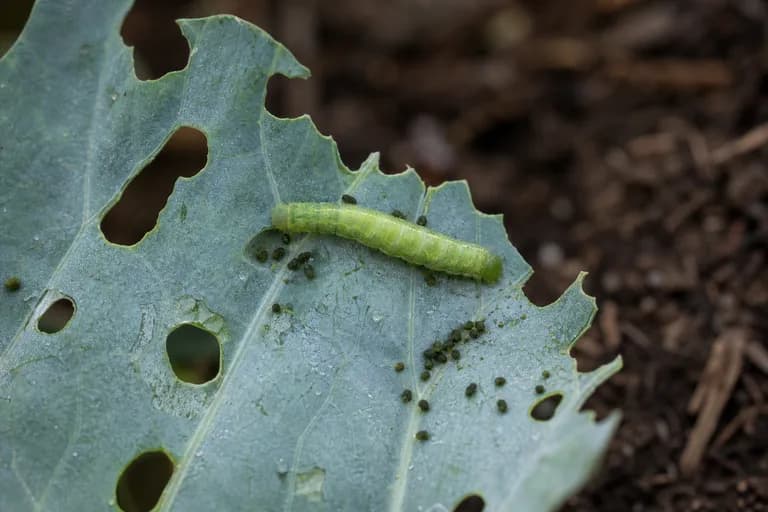
Mullein Moth Caterpillars
PestStriking yellow caterpillars marked with black bands feeding openly on leaves and flower spikes in early summer. Groups can strip foliage quickly on young shrubs.
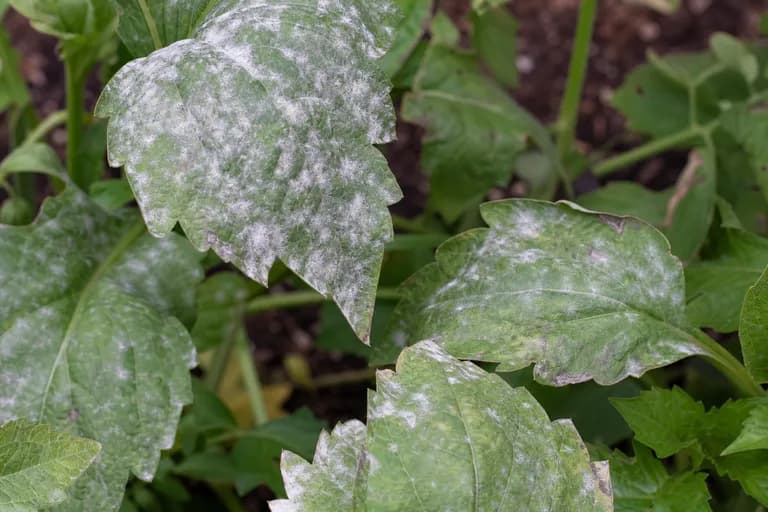
Powdery Mildew
DiseaseWhite, powdery fungal coating on leaves and young stems, most common in late summer when days are warm, nights are cool, and air circulation is poor.
Phytophthora Root Rot
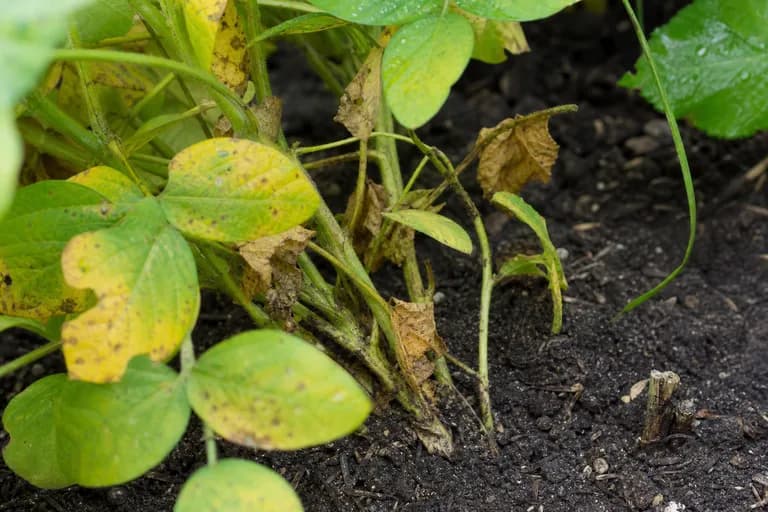
DiseaseSudden wilting despite moist soil, sparse pale foliage, and dieback of entire stems. Roots appear brown and mushy, and the shrub can collapse within a single season.
Troubleshooting Common Problems
Failure to bloom is the most frequent complaint and almost always traces back to too much shade, pruning at the wrong time, or soil that is too rich and nitrogen-heavy. Floppy, splayed growth results when shrubs are never hard-pruned or are overfed; the fix is a decisive early-spring cutback. In zone 5 and cold pockets of zone 6, top growth often dies back over winter — this is normal, and the shrub reliably resprouts from the base, though flowering comes a few weeks later. Root rot claims shrubs planted in poorly drained, waterlogged ground. Spider mites attack during hot, dry spells, and mullein moth caterpillars may strip foliage on young plants. Finally, unwanted self-sown seedlings can appear in paths, walls, and neighboring ground where spent flowers were left to set seed.
Growing Tips
- Give it full sun — at least 6 to 8 hours of direct light. In shade the shrub turns leggy, sags open in the middle, and produces only a few weak flower spikes.
- Hard-prune every year in early spring, cutting all stems back to a low framework 30 to 60 cm high. Butterfly bush blooms on new wood, so this severe cutback guarantees a compact shape and masses of flowers.
- Deadhead every faded panicle promptly. This one habit extends the bloom season by weeks and stops thousands of wind-borne seeds from escaping into the wider landscape.
- Insist on sharp drainage. On heavy clay, plant on a raised mound or in a raised bed, because waterlogged winter soil is the surest way to kill this otherwise bulletproof shrub.
- Keep feeding lean. Rich soil and high-nitrogen fertilizer push soft, floppy growth with fewer flowers; a spring top-dressing of compost is all an established shrub needs.
- Water deeply and weekly through the first growing season, then step back — established plants are genuinely drought-tolerant and flower better when kept on the dry side.
- Where butterfly bush is listed as invasive, choose certified sterile cultivars such as the Miss, Pugster, or Lo & Behold series, and check local regulations before planting the species.
- In zone 5 gardens, expect winter dieback of the top growth. Mulch the root zone after the ground cools in late autumn; the shrub resprouts from the base and still flowers by midsummer.
- For containers, pick a dwarf sterile series like Pugster in a pot at least 40 cm wide with a gritty, free-draining mix, and shelter the pot from hard freezes in winter.
- Cut flower panicles for the vase in the cool of the morning when about half the florets have opened, and strip the lower leaves before standing them in water.
Grow your best Butterfly Bush yet — and everything around it.
Start a free plan today. Lay out your beds, drop in your Butterfly Bush, and let PlotMyGarden handle the timing, spacing, companions and reminders from seed to harvest basket.
Pick your Butterfly Bush
Black Knight
The classic dark cultivar, with deep violet-purple panicles up to 40 cm long on a vigorous shrub of 2.5 to 3 m. Fertile and fragrant, it holds an RHS Award of Garden Merit; deadhead reliably where self-sowing is a concern.
Royal Red
An heirloom variety from 1928 with rich magenta-red flower spikes and grey-green foliage. Reaches about 2 to 2.5 m and is one of the most intensely colored of the traditional cultivars.
White Profusion
Elegant, creamy-white panicles with a golden eye on a rounded shrub of 1.5 to 2 m. Flowers over an especially long season and lights up evening gardens.
Miss Molly
A semi-dwarf, ruby-pink selection from the Miss breeding series, reaching just 1.2 to 1.5 m. Bred to be non-invasive, it produces virtually no viable seed and suits smaller gardens.
Pugster Blue
A compact series member growing only about 60 cm tall and wide, yet carrying full-sized, fragrant blue flower spikes. Sterile, sturdy-stemmed, and excellent for containers and the front of borders.
Lo & Behold Blue Chip
The ground-breaking dwarf that launched the Lo & Behold series, about 60 to 90 cm tall with blue-purple spikes. Certified sterile with less than two percent viable seed, making it an accepted choice where the species is restricted.
Where Butterfly Bush comes from
Buddleja davidii is native to central and western China, particularly the provinces of Sichuan and Hubei, where it grows on rocky slopes, stream banks, and forest edges. The French missionary and naturalist Pere Armand David documented the species in 1869, and in 1893 fellow missionary Pere Jean-André Soulie sent seed to the Vilmorin nursery in France, where the shrub flowered in cultivation for the first time. It reached Britain soon after, around 1896, and plant collectors such as Ernest Wilson sent home further seed that broadened the cultivated stock.
Gardeners quickly fell in love with its long, fragrant flower spikes and its unmatched power to attract butterflies, and breeders produced darker, larger, and more compact cultivars through the twentieth century. But the shrub's toughness had a flip side: its wind-borne seed germinated in rubble, walls, and railway ballast, and after the Second World War it famously colonized bombed sites across Britain. By the late twentieth century it had naturalized widely across Europe, North America, and New Zealand, and in some regions — notably the Pacific Northwest of the United States and parts of New Zealand — it is officially listed as invasive.
That history drives today's breeding. Modern programs have produced compact, sterile series such as Lo & Behold, Miss, and Pugster that set little or no viable seed, allowing gardeners to keep growing this beloved pollinator shrub responsibly even in regions where the species itself is restricted.
Butterfly Bush: did you know?
Fascinating facts about Butterfly Bush
The genus honors Adam Buddle, an English vicar and botanist of the early 1700s, while the species name remembers Pere Armand David, the French missionary-naturalist who first documented the plant in China in 1869.
Butterfly Bush questions, answered
When should I plant Butterfly Bush?
What are good companion plants for Butterfly Bush?
What hardiness zones can Butterfly Bush grow in?
How much sun does Butterfly Bush need?
How far apart should I space Butterfly Bush?
What pests and diseases affect Butterfly Bush?
What are the best Butterfly Bush varieties to grow?
What soil does Butterfly Bush need?
When and how hard should I prune a butterfly bush?
Is butterfly bush invasive, and what can I do about it?
Why is my butterfly bush not blooming?
How much water does a butterfly bush need?
Can I grow butterfly bush in a pot?
What are the fine webs and stippled leaves on my shrub in summer?
You just read the theory. Now grow it on autopilot.
Everything that makes Butterfly Bush fiddly — the timing, the spacing, the companions, the harvest window — is exactly what PlotMyGarden handles for you, for every plant in your garden.
A plan that knows your weather
Set your location once. Get sow, feed and harvest dates built around your real last-frost date and live forecast — no more guessing from a generic seed packet.
From the “When to plant” sectionDrag-and-drop bed planner
Design beds on a grid. Every plant snaps to its proper spacing, and you can see your whole season laid out before you spend a cent on seed.
From the “Growing guide” sectionCompanion conflicts, caught early
200+ good-and-bad pairings checked live as you plant — so a season-wrecking mistake never makes it into the ground.
From the “Companions” sectionReminders you'll actually act on
“Water the beans.” “Pick today before it turns.” Timely, specific, and tied to the plants you're really growing.
From the “Harvest” sectionSuccession, scheduled
Want a harvest for six weeks, not six days? It spaces your sowings automatically and reminds you when each new block is due.
From the “When to plant” sectionA record that gets smarter
Every harvest you log teaches it your garden. Next year's plan starts from what actually worked in your soil, not a textbook's.
From the “Overview” sectionPlant these alongside Butterfly Bush
More Flowering
Grow your best Butterfly Bush yet — and everything around it.
Start a free plan today. Lay out your beds, drop in your Butterfly Bush, and let PlotMyGarden handle the timing, spacing, companions and reminders from seed to harvest basket.