Armeria marítima
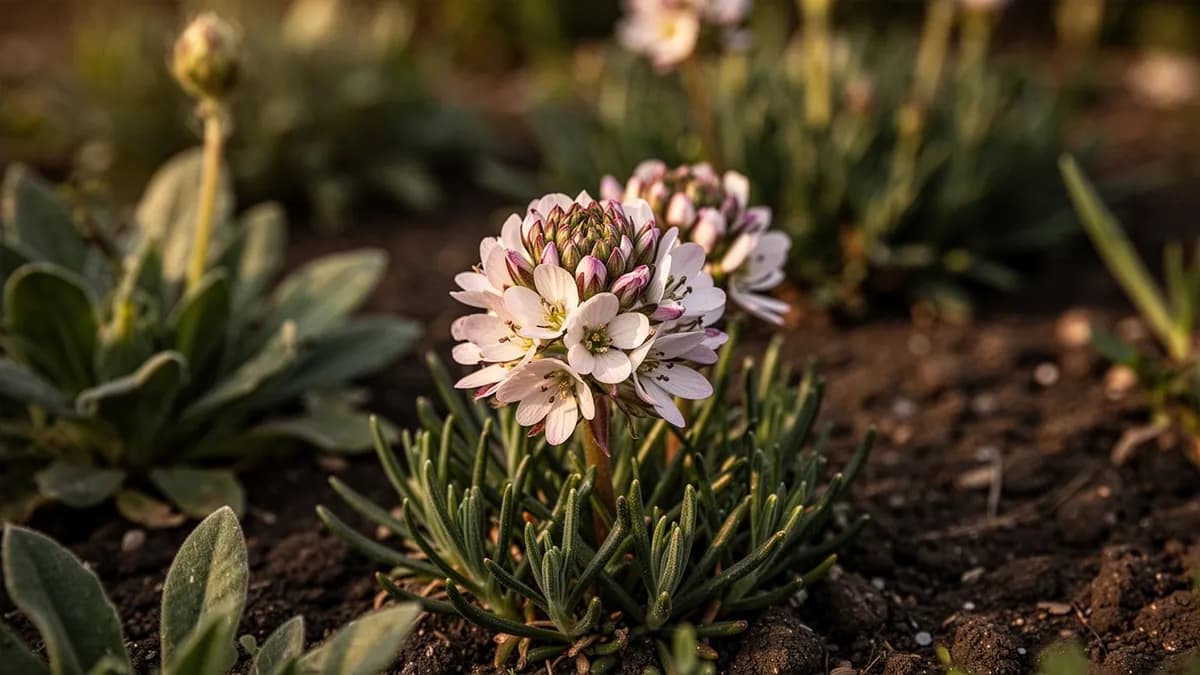
Una perenne compacta y perennifolia que forma densos mechones de follaje similar a la hierba, coronados por cabezas florales redondas de color rosa sobre tallos esbeltos.





En esta páginaResumen
Conoce Armeria marítima
Una perenne compacta y perennifolia que forma densos mechones de follaje similar a la hierba, coronados por cabezas florales redondas de color rosa sobre tallos esbeltos. La armeria marítima es extremadamente tolerante a la sal y al viento, lo que la hace ideal para jardines costeros, rocallas y borduras. Prefiere suelos pobres y arenosos, y se pudre en arcilla pesada y húmeda.
Cuándo plantar Armeria marítima
Sembrar las semillas en primavera, cubriendo ligeramente con compost arenoso. Mantener a 15–18 °C. La germinación tarda de 14 a 21 días, pero puede ser irregular. Cultivar las plántulas en macetas individuales con compost de buen drenaje. La división de matas establecidas en primavera es más rápida y fiable.
Tu año de Armeria marítima
Ajustado a Zona 7 · temporada típica · la helada se va hacia el 2 abr y vuelve hacia el 1 nov
Planta Armeria marítima Mar – May y cosecha May – Jul. Consulta los métodos de plantación y elige tu clima para adaptar los periodos.
Cómo cultivar Armeria marítima
La armeria marítima es una perenne resistente y compacta, nativa de acantilados costeros y marismas salinas. Plantar en primavera, espaciando las plantas a 25–30 cm en pleno sol con un suelo muy bien drenado y pobre. La armeria prospera en suelos pobres, arenosos o pedregosos y se pudre rápidamente en condiciones ricas y con retención de humedad.
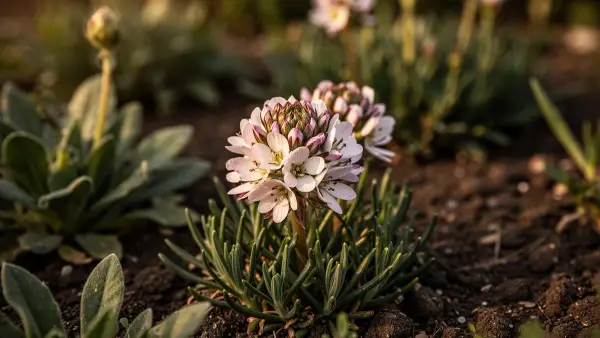
Los mechones perennifolios, similares a la hierba, forman montículos densos en forma de cojín de 15–20 cm de altura, coronados por cabezas florales redondas de color rosa sobre tallos alambrados desde finales de primavera hasta principios de verano. Eliminar las flores marchitas para fomentar una refloración esporádica durante toda la temporada.
La armeria marítima es excepcionalmente tolerante a la brisa marina salada, los vientos fuertes, la sequía y los suelos pobres. Esto la hace invaluable para jardines junto al mar, rocallas expuestas y espacios difíciles cerca de carreteras. Dividir las matas cada 3–4 años en primavera para mantener el vigor, ya que los centros pueden volverse leñosos y despoblados con el tiempo.
36 plantas caben en un bancal de 120 × 240 cm
Cada Armeria marítima pide 25 cm de margen. El planificador guarda ese marco por ti — cada planta, cada bancal.
Los mejores vecinos de Armeria marítima
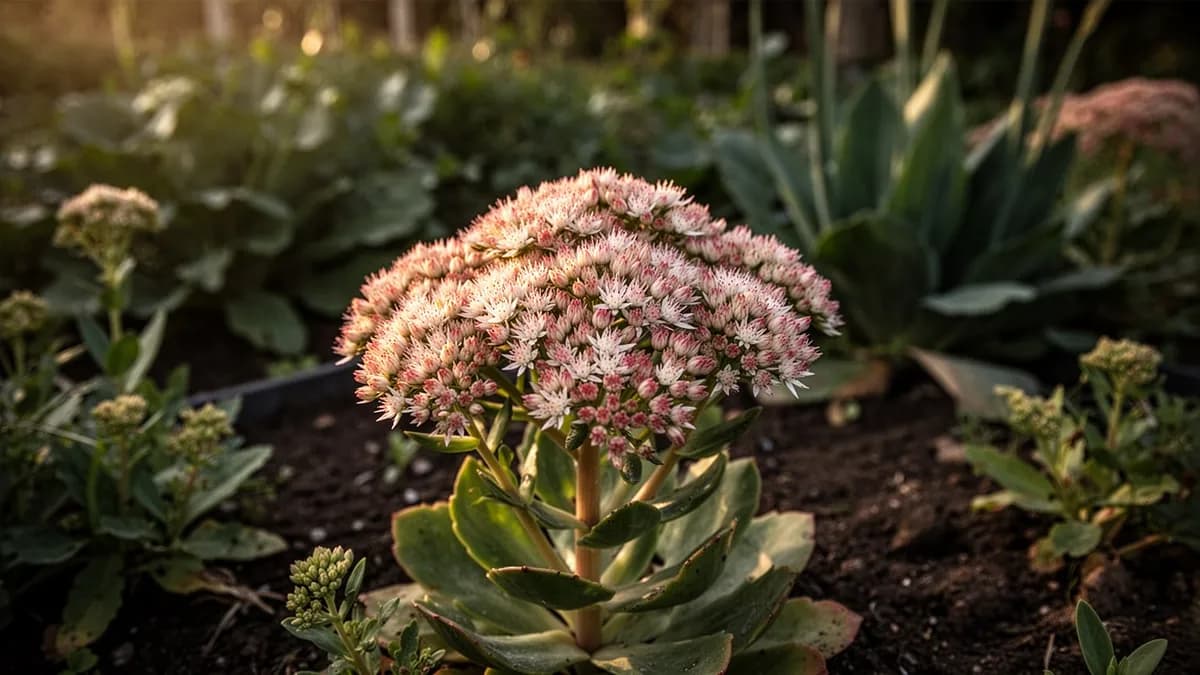
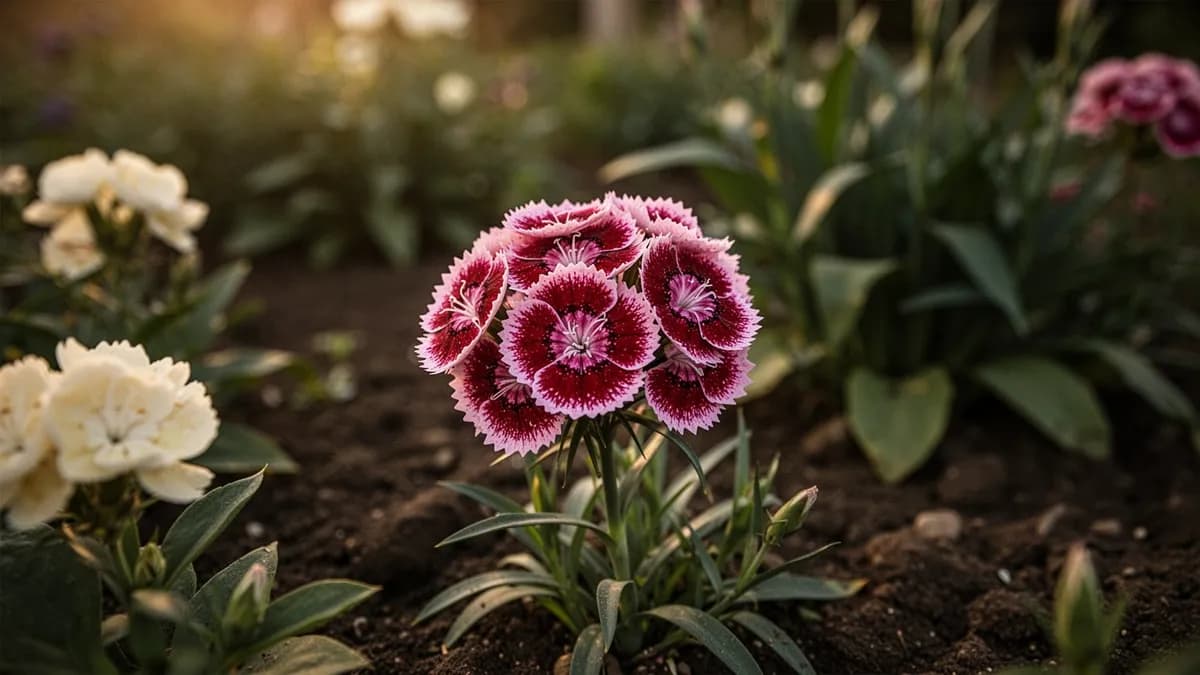
La armeria marítima es una compañera natural para otras plantas tolerantes a la sequía y amantes de suelos pobres: sedums, claveles (dianthus), tomillo y gramíneas ornamentales. En rocallas, combinar con plantas alpinas como saxífragas y siemprevivas (sempervivum). Para jardines costeros, combinar con cardo azul marino (Eryngium), lavanda y romero.
Sedum va a su lado.
Saber de huerto de siempre, cotejado con la tabla real de Armeria marítima — prueba cualquier planta que cultives.
Prueba Armeria marítima en un bancal, aquí mismo
Un bancal real del planificador con Armeria marítima ya plantado. Toca una planta compañera para colocarla y mira cómo responde la comprobación de vecinos: verde para buenos vecinos, rojo si hay conflicto.


Guías de cultivo relacionadas
Abónalo bien
La armeria marítima exige suelos pobres y bien drenados con un pH de 5.5–7.5. Prospera en condiciones arenosas, pedregosas y rocosas. No enriquecer el suelo: la armeria rinde mal en condiciones ricas y puede pudrirse. Si el suelo es arcilla pesada, añadir abundante gravilla o cultivar en arriates elevados. No se necesita fertilizante.
Temperatura ideal
Compatibilidad de zonas de rusticidad
De la semilla a la cosecha, etapa por etapa
Germinación de semillas
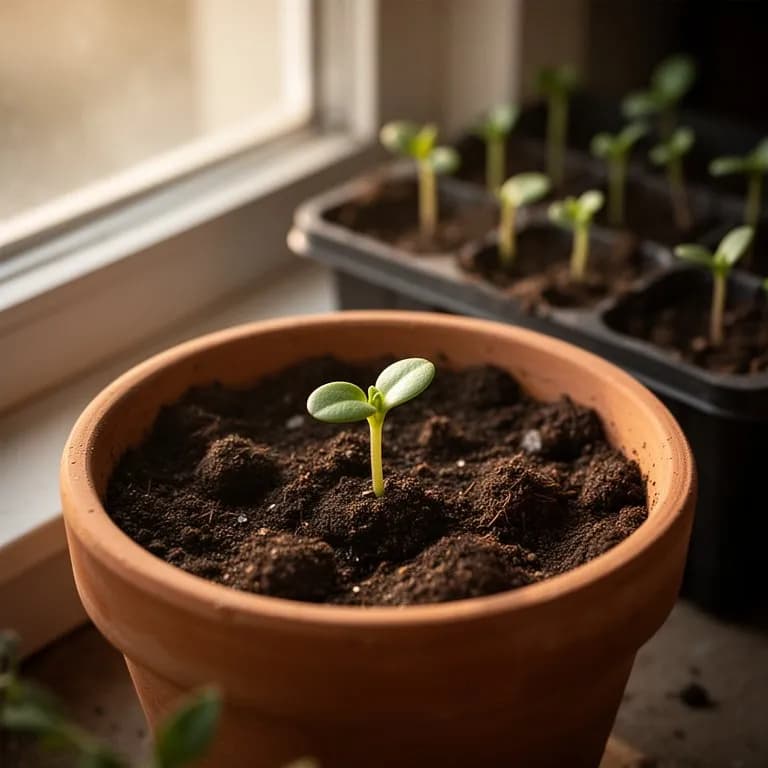
Las semillas de armeria requieren luz para germinar, por lo que se deben sembrar en la superficie de un sustrato húmedo y bien drenante, presionándolas suavemente sin cubrir. Mantener una temperatura constante de 15–20 °C y el sustrato uniformemente húmedo. La germinación es algo irregular y puede tardar entre 10 y 21 días. Un breve período de estratificación fría de 2–3 semanas en el refrigerador antes de la siembra puede mejorar significativamente las tasas de germinación.
Establecimiento de plántulas
Aparecen diminutas plántulas con hojas finas, similares a hierba, de apenas 1–2 mm de ancho. El crecimiento es lento durante esta fase, ya que la planta se concentra en el desarrollo radicular. Las plántulas son delicadas y propensas a la podredumbre del cuello si las condiciones son demasiado húmedas. Proporcionar luz brillante durante al menos 10–12 horas diarias y mantener una buena circulación de aire alrededor de las plantas jóvenes.
Formación de roseta
Las plantas comienzan a formar su característico cojín compacto y abovedado de hojas perennifolias estrechas. La roseta se expande hacia afuera a medida que emergen nuevas hojas desde el centro, y el sistema radicular desarrolla una raíz pivotante profunda y leñosa. Al final de esta etapa, cada planta forma un montículo compacto de aproximadamente 10–15 cm de diámetro. Las plantas iniciadas desde semilla pueden no florecer en su primer año.
Emergencia de los tallos florales
Tallos florales esbeltos y alambrados comienzan a elevarse 15–30 cm por encima del cojín de follaje, cada uno coronado por un capullo redondeado envuelto en brácteas papiráceas. Los capullos comienzan verdes y gradualmente desarrollan una coloración rosa o rosada a medida que maduran. Múltiples tallos emergen durante un período de varias semanas, prolongando la exhibición floral.
Plena floración
Las cabezas florales globulares se abren completamente, mostrando racimos de diminutas florecillas de cinco pétalos en tonos de rosa, rosado o blanco según la variedad. Cada cabeza floral dura 2–3 semanas, y las floraciones sucesivas extienden la temporada de floración desde finales de primavera hasta bien entrado el verano. Las flores atraen una amplia gama de polinizadores, incluidas abejas, mariposas y sírfidos.
Post-floración y formación de semillas
Las flores restantes se marchitan y desarrollan pequeños frutos con una sola semilla encerrados en cáscaras papiráceas. El cojín de follaje permanece perennifolio y continúa fotosintizando, almacenando energía en la raíz pivotante profunda para el año siguiente. Este es un buen momento para dividir las matas establecidas que hayan desarrollado centros despoblados.
Reposo invernal
El crecimiento se ralentiza significativamente cuando bajan las temperaturas, pero el cojín perennifolio de follaje persiste durante el invierno, proporcionando interés visual al jardín durante todo el año. La raíz pivotante profunda ancla la planta firmemente y le confiere resistencia al frío hasta aproximadamente -30 °C. El follaje puede adquirir tonos ligeramente bronceados o rojizos en condiciones de frío extremo.
Usar un pulverizador de niebla fina para regar las semillas y evitar desplazarlas de la superficie. Una cubierta de humedad transparente ayuda a mantener una humedad constante sin encharcamiento.
Cuidar Armeria marítima mes a mes
Qué hacer cada mes para tu Armeria marítima
Octubre
Mes actualAsegurar que el drenaje sea adecuado alrededor de todas las plantas antes de que comiencen las lluvias invernales. Aplicar un recubrimiento superficial de grava si el acolchado orgánico se ha descompuesto y ha dejado expuesta la corona. Suspender toda la fertilización y reducir el riego a la lluvia natural únicamente.
Ten claro qué hacer en tu huerto, cada mes
Un correo al empezar cada mes: qué sembrar, plantar y hacer ahora mismo — para tu Armeria marítima y todo lo que crece alrededor. Más un breve curso inicial para esquivar los errores clásicos.
- Qué hacer ahora mismo
- Ajustado a tu temporada
- Curso inicial incluido
Cosechar Armeria marítima
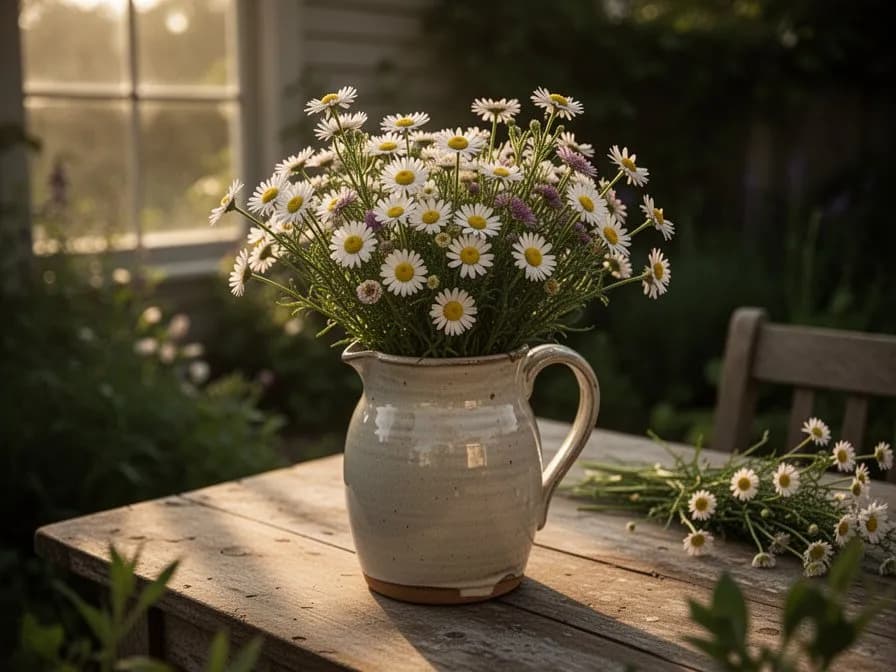
Las cabezas florales de la armeria pueden cortarse para pequeños arreglos cuando están completamente abiertas. Los globos rosados y redondos sobre tallos esbeltos son encantadores en ramilletes. Se secan bien para arreglos de flores secas: colgar boca abajo durante 1–2 semanas. Las cabezas florales secas conservan su forma y un tono rosa atenuado.
se supone que plantas al comenzar el periodo — indica tu fecha real
Cosecha Armeria marítima a tiempo y la planta sigue produciendo.
Almacenamiento y conservación
La armeria marítima es una perenne resistente que no requiere almacenamiento especial. Las plantas son perennifolias y mantienen su aspecto compacto durante todo el año. Dividir las matas sobrecargadas en primavera y replantar inmediatamente. Las cabezas florales secas se pueden almacenar indefinidamente en un lugar seco.
Qué falla — y cómo solucionarlo
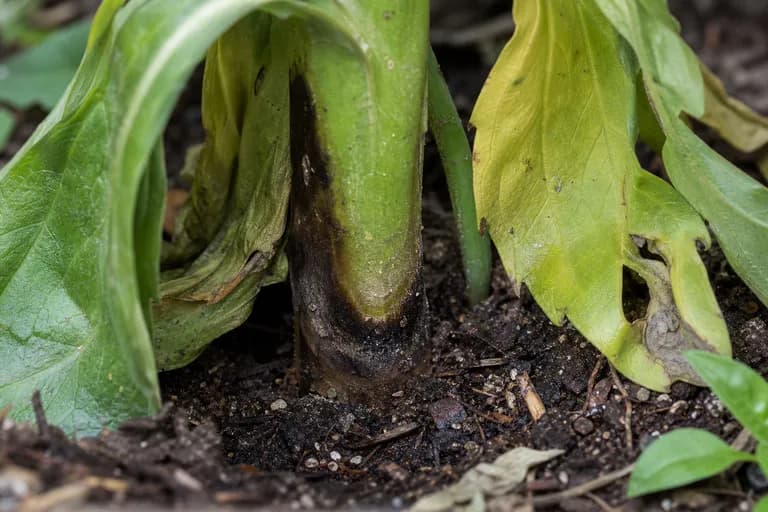
Pudrición de la corona
EnfermedadEl centro de la mata muere y se vuelve marrón y blando, especialmente en suelos húmedos y mal drenados.

Roya
EnfermedadPústulas de color naranja-marrón en las hojas. Principalmente cosmético en plantas establecidas.
Solución de problemas comunes
La pudrición de la corona por suelos demasiado ricos o demasiado húmedos es el problema más común. La armeria debe tener un drenaje excelente. Las matas que desarrollan centros despoblados y leñosos necesitan dividirse: levantar, retirar el material muerto y replantar las porciones exteriores sanas. En climas húmedos, la roya puede manchar el follaje, pero rara vez causa daños graves.
Consejos de cultivo
- Plantar la armeria en el suelo más pobre y con el drenaje más rápido disponible. Los suelos arenosos, pedregosos o rocosos son ideales. Los suelos ricos y con retención de humedad hacen que el cojín se abra, se desplome y se pudra por el centro. Enmendar la arcilla pesada con generosas cantidades de gravilla gruesa o perlita antes de plantar.
- El pleno sol es esencial para un crecimiento compacto y una floración abundante. Las plantas cultivadas en sombra parcial se vuelven larguiruchas y desgarbadas, producen menos tallos florales y son más susceptibles a la pudrición de la corona por la mala circulación de aire.
- Regar con moderación y solo durante el establecimiento o sequías prolongadas que excedan las 2–3 semanas. La armeria establecida es extremadamente tolerante a la sequía y prefiere marcadamente las condiciones secas a las húmedas. El riego excesivo es la causa más común de muerte de la planta.
- Utilizar grava, gravilla o arena gruesa como acolchado en lugar de materiales orgánicos como corteza o compost. Los acolchados orgánicos retienen humedad contra la corona y crean condiciones favorables para la podredumbre fúngica, que es el principal enemigo de la armeria marítima.
- Eliminar los tallos florales marchitos con prontitud cortándolos en la base del cojín. Esto redirige la energía de la producción de semillas hacia la formación de nuevos capullos florales, prolongando a menudo la temporada de floración varias semanas adicionales.
- Dividir las matas congestionadas cada 3–4 años a principios de otoño o principios de primavera. Levantar la planta entera, descartar el centro leñoso y muerto, y replantar las secciones exteriores sanas con raíces intactas. Esto rejuvenece la floración y previene el problema de los centros despoblados, común en plantas más antiguas.
- Evitar fertilizar la armeria. Esta planta evolucionó en acantilados costeros pobres en nutrientes y pedregales alpinos, y el exceso de nutrientes provoca un crecimiento débil y lánguido, propenso a enfermedades. Si el suelo es extremadamente pobre y arenoso, una ligera aplicación de harina de huesos a principios de primavera es suficiente.
- Espaciar las plantas a 20–30 cm para una cobertura continua del suelo o a 15 cm a lo largo de los bordes de las borduras. Dejar suficiente espacio entre las plantas para que el aire circule libremente, lo cual es fundamental para prevenir la pudrición de la corona relacionada con la humedad.
- La armeria marítima tolera excepcionalmente bien la brisa marina salada y los suelos salinos, lo que la convierte en una de las mejores perennes para jardines frente al mar, macetas costeras y zonas tratadas con sal vial en invierno.
- En regiones con veranos cálidos y húmedos, mejorar el éxito plantando la armeria en montículos elevados, bermas o bolsillos elevados de rocalla donde el drenaje se maximice y el movimiento de aire alrededor del follaje no se vea obstaculizado.
Cultiva tu mejor Armeria marítima — y todo lo que la rodea.
Empieza un plan gratis hoy. Diseña tus bancales, coloca tu Armeria marítima y deja que PlotMyGarden gestione el momento, el espaciado, las asociaciones y los recordatorios de la semilla a la cesta.
Elige tu Armeria marítima
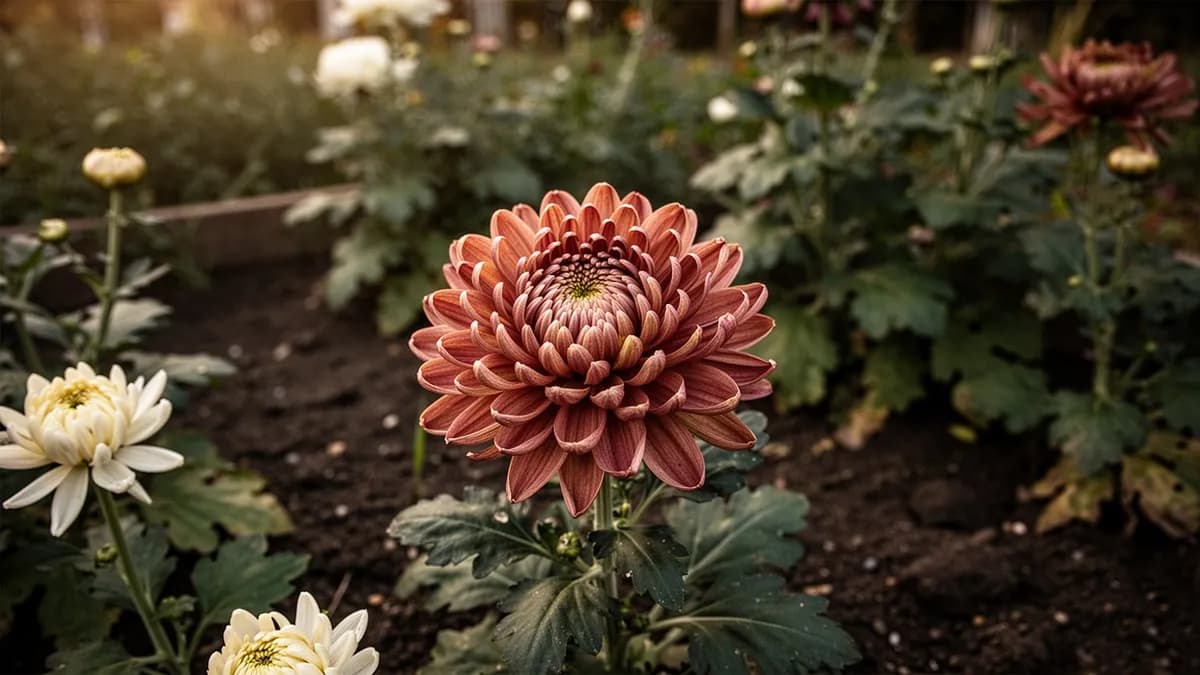
Armeria maritima 'Rubrifolia'
Follaje de color bronce-rojizo que aporta interés durante todo el año, coronado por globos florales de color rosa intenso. Inusual y atractiva.
Armeria maritima 'Alba'
Cabezas florales de un blanco puro que brillan contra el follaje verde oscuro similar a la hierba. Elegante y refinada.
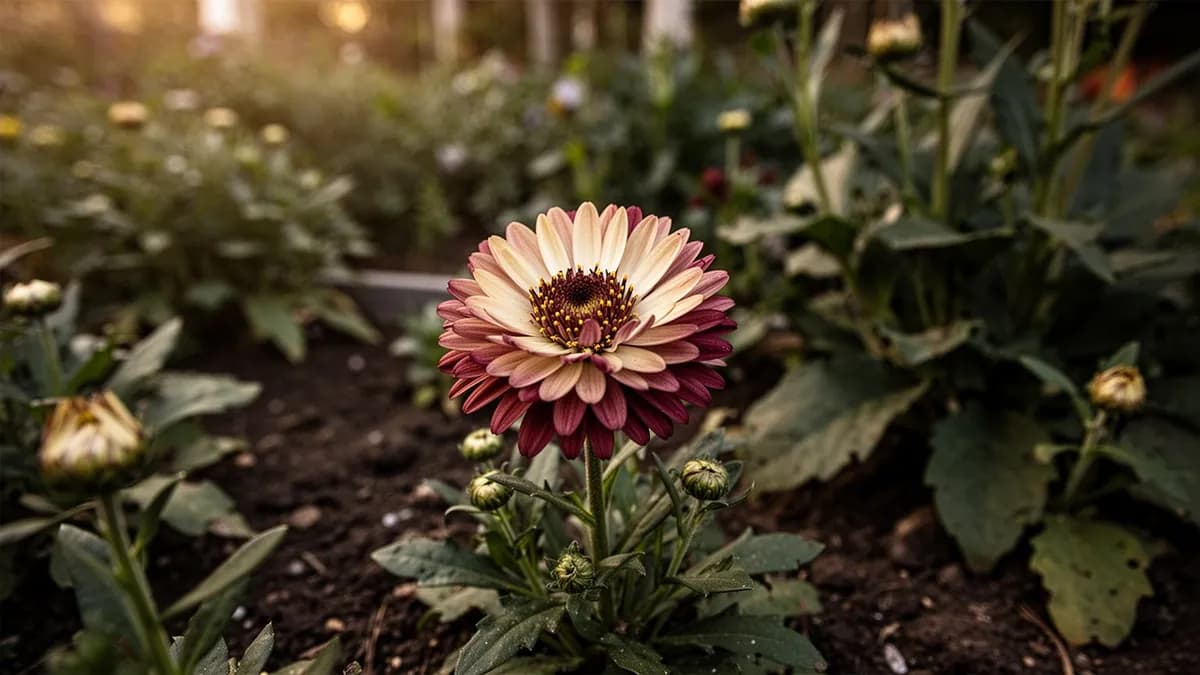
Armeria maritima 'Bloodstone'
Flores de color rojo-rosado intenso sobre tallos de 20 cm. La variedad de armeria marítima con la coloración más intensa disponible.
Las plantas de Armeria maritima cuestan entre 3 y 7 euros cada una en centros de jardinería, y una sola mata establecida puede dividirse en 3–5 nuevas plantas cada 3–4 años sin costo adicional. Dado que la armeria marítima no requiere fertilizante, necesita un riego mínimo una vez establecida y no precisa tratamientos contra plagas ni enfermedades, los costos de mantenimiento continuo son prácticamente nulos. En comparación con la compra de plantas anuales de temporada cada año para llenar el mismo espacio de jardín, una armeria de 5 euros que vive entre 10 y 15 años y se multiplica por división puede sustituir entre 50 y 100 euros en plantas anuales durante su vida útil. Su tolerancia a la sequía también reduce las facturas de agua en verano, y su follaje perennifolio elimina la necesidad de replantación estacional.
Recetas rápidas
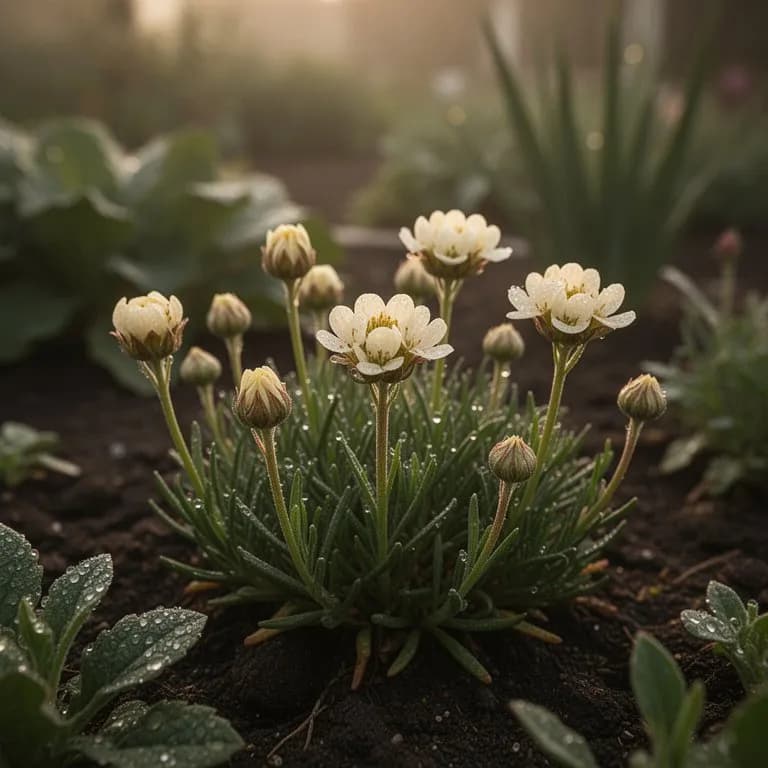
Ensalada con guarnición de flores de armeria
10 minutosUna ensalada primaveral ligera que utiliza las cabezas florales de armeria como guarnición comestible. Las diminutas florecillas rosadas añaden un delicado toque de color y un sabor suave, ligeramente herbáceo, a las hojas mixtas. Esta receta destaca la armeria como un elemento culinario decorativo más que como ingrediente principal, celebrando la belleza de la presentación del jardín a la mesa.
7 ingredientesVinagre infusionado con flores de armeria
15 minutos + 2 semanas de infusiónUn vinagre floral delicadamente teñido elaborado macerando flores frescas de armeria en vinagre de vino blanco. La infusión adquiere un suave tono rosado y un aroma sutil, ligeramente floral, que complementa aderezos ligeros para ensaladas y platos de mariscos. Esta preparación captura la esencia de un jardín costero en una botella.
5 ingredientesCubitos de hielo florales de jardín costero
15 minutos + 4 horas de congelaciónCubitos de hielo decorativos con florecillas individuales de armeria congeladas en hielo cristalino. Estos espectaculares cubitos transforman bebidas ordinarias en refrescos elegantes para fiestas en el jardín. Las flores congeladas mantienen su color y forma, liberando suaves toques de sabor floral a medida que se derriten en las bebidas veraniegas.
4 ingredientesQué contiene
Beneficios para la salud
- Armeria maritima se ha utilizado en la medicina popular europea tradicional como astringente suave, con preparaciones de raíz aplicadas históricamente para ayudar a reducir la inflamación de las mucosas y aliviar irritaciones cutáneas menores.
- La planta contiene taninos y compuestos flavonoides que poseen actividad antioxidante documentada en análisis de laboratorio, aunque los estudios clínicos sobre los efectos en la salud humana siguen siendo muy limitados.
- El papel de la armeria marítima como fuente prolífica de néctar sustenta poblaciones saludables de polinizadores, lo que a su vez beneficia la producción de alimentos y la salud general del ecosistema en jardines y paisajes agrícolas.
- Cultivar armeria y dedicar tiempo al cuidado de rocallas y jardines costeros proporciona los beneficios de salud mental bien documentados de la jardinería al aire libre, incluyendo reducción del estrés, mejora del estado de ánimo y aumento de la actividad física.
- La capacidad excepcional de la planta para acumular y tolerar metales pesados la ha convertido en objeto de investigación en fitorremediación, contribuyendo a suelos más limpios y entornos más saludables en áreas contaminadas.
- Como perenne tolerante a la sequía y de bajo mantenimiento, la armeria marítima reduce la necesidad de insumos químicos como fertilizantes, pesticidas y riego excesivo, favoreciendo un ecosistema de jardín más saludable en general.
De dónde viene Armeria marítima
Armeria maritima, conocida comúnmente como armeria marítima, clavel de mar o simplemente armeria, es nativa de los acantilados costeros, marismas salinas y costas rocosas del litoral atlántico europeo, desde las costas árticas de Escandinavia e Islandia hacia el sur, pasando por Gran Bretaña, Irlanda, Francia, España y Portugal. Su área de distribución se extiende también hacia el interior, a praderas alpinas en las montañas del centro y sur de Europa, donde prospera a altitudes superiores a los 3.000 metros. Esta notable extensión geográfica, desde el nivel del mar hasta las zonas alpinas elevadas, refleja la extraordinaria tolerancia de la planta a suelos pobres y bien drenados, la exposición al viento y los extremos de temperatura. La armeria marítima ha sido una flor silvestre familiar en Gran Bretaña durante siglos y ocupa un lugar especial en la historia hortícola y cultural británica. Apareció en el reverso de la moneda de tres peniques entre 1937 y 1952, elegida tanto por su belleza como porque la palabra 'thrift' (ahorro) resonaba con los valores de economía y prudencia propios de la época de guerra. La planta se cultiva en los jardines británicos desde al menos el siglo XVI, cuando se empleaba como planta de bordura en jardines de nudos formales y parterres. John Gerard la describió en su herbolario de 1597 como una planta que se encontraba en abundancia en los acantilados costeros y era admirada por su crecimiento compacto y ordenado. Para los siglos XVIII y XIX, la armeria se había convertido en un elemento básico de los jardines rurales y las rocallas de toda Europa. Los obtentores vegetales desarrollaron cultivares en tonos que van desde el carmesí intenso hasta el blanco puro, ampliando su atractivo ornamental más allá del típico rosa silvestre. En la horticultura moderna, la armeria marítima es valorada como una perenne resistente a la sequía y de bajo mantenimiento para rocallas, techos verdes, paisajismo costero y plantaciones amigables con los polinizadores. Su capacidad para crecer en suelos contaminados también ha atraído la atención para proyectos de restauración ecológica en antiguas minas y zonas industriales de toda Europa.
Armeria marítima: ¿sabías que?
Datos fascinantes sobre Armeria marítima
Armeria maritima es una de las pocas plantas con flores que puede tolerar la brisa marina salada y crecer directamente en las grietas de los acantilados costeros, a pocos metros del océano, lo que le ha valido el nombre común en inglés de 'sea thrift' (ahorro del mar).
Armeria marítima: preguntas frecuentes
¿Cuándo debo plantar Armeria marítima?
¿Cuáles son buenas plantas acompañantes para Armeria marítima?
¿En qué zonas de rusticidad puede crecer Armeria marítima?
¿Cuánto sol necesita Armeria marítima?
¿A qué distancia debo espaciar Armeria marítima?
¿Qué plagas y enfermedades afectan a Armeria marítima?
¿Cómo almaceno Armeria marítima después de la cosecha?
¿Cuáles son las mejores variedades de Armeria marítima para cultivar?
¿Qué suelo necesita Armeria marítima?
¿Por qué mi armeria se está muriendo en el centro del cojín?
¿Puede la armeria crecer en macetas y contenedores?
¿Es la armeria resistente a ciervos y conejos?
¿Cómo propago la armeria a partir de semillas?
¿Qué plantas compañeras funcionan bien con la armeria?
¿La armeria tolera la sal y las condiciones costeras?
Acabas de leer la teoría. Ahora cultívala en piloto automático.
Todo lo que hace que Armeria marítima sea delicado — el momento, el espaciado, las asociaciones, la ventana de cosecha — es justo lo que PlotMyGarden resuelve por ti, para cada planta de tu huerto.
Un plan que conoce tu clima
Indica tu ubicación una vez. Recibe fechas de siembra, abonado y cosecha basadas en tu última helada real y el pronóstico en vivo — sin adivinar con un sobre genérico.
De la sección “Cuándo plantar”Planificador de bancales de arrastrar y soltar
Diseña bancales sobre una cuadrícula. Cada planta encaja con su espaciado correcto y ves toda la temporada antes de gastar un céntimo en semillas.
De la sección “Cultivo”Conflictos de asociación, detectados a tiempo
Más de 200 buenas y malas combinaciones comprobadas en vivo mientras plantas — para que un error que arruine la temporada nunca llegue a la tierra.
De la sección “Asociaciones”Recordatorios que sí vas a seguir
“Riega las judías.” “Recoge hoy antes de que se pase.” Oportunos, concretos y ligados a las plantas que de verdad cultivas.
De la sección “Cosecha”Escalonado, programado
¿Quieres cosechar seis semanas en vez de seis días? Reparte tus siembras automáticamente y te avisa cuando toca el siguiente lote.
De la sección “Cuándo plantar”Un registro que se vuelve más listo
Cada cosecha que registras le enseña tu huerto. El plan del año que viene parte de lo que de verdad funcionó en tu suelo, no en un manual.
De la sección “Resumen”Planta estos junto a Armeria marítima
Más Perennes
Cultiva tu mejor Armeria marítima — y todo lo que la rodea.
Empieza un plan gratis hoy. Diseña tus bancales, coloca tu Armeria marítima y deja que PlotMyGarden gestione el momento, el espaciado, las asociaciones y los recordatorios de la semilla a la cesta.