Albaricoque
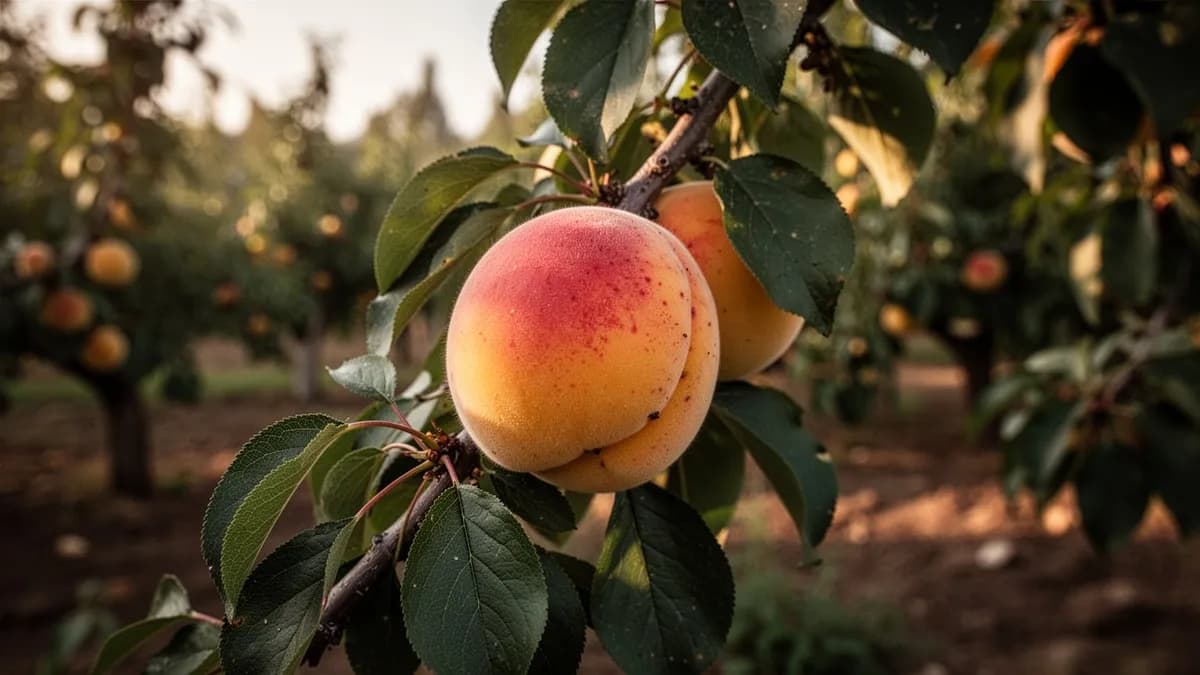
Un hermoso árbol de fruta de hueso de floración temprana que produce frutos dorados y aterciopelados con un sabor rico y dulce.





En esta páginaResumen
Conoce Albaricoque
Un hermoso árbol de fruta de hueso de floración temprana que produce frutos dorados y aterciopelados con un sabor rico y dulce. Los albaricoques florecen muy pronto y son extremadamente sensibles a los daños por heladas tardías, así que conviene elegir un lugar resguardado y orientado al sur o cultivarlos en espaldera junto a una pared cálida. La mayoría de las variedades son autofértiles, pero producen cosechas más abundantes con un polinizador cerca.
Cuándo plantar Albaricoque
Los huesos de albaricoque requieren de 60 a 90 días de estratificación en frío y germinan con facilidad. Los árboles obtenidos de semilla son variables, pero a veces producen frutos buenos, lo que convierte al albaricoque en una de las mejores frutas de hueso para cultivar desde semilla. Para variedades con nombre, compre árboles injertados sobre portainjertos de albaricoque de Manchuria, melocotonero o ciruelo. Los árboles injertados fructifican en dos a cuatro años. Las plántulas tardan de cuatro a seis años.
Tu año de Albaricoque
Ajustado a Zona 7 · temporada típica · la helada se va hacia el 2 abr y vuelve hacia el 1 nov
Planta Albaricoque Mar – Abr y cosecha Jun – Jul. Consulta los métodos de plantación y elige tu clima para adaptar los periodos.
Cómo cultivar Albaricoque
Los albaricoques prosperan en climas cálidos y secos con inviernos fríos, y son una de las frutas de hueso más gratificantes de cultivar cuando las condiciones son adecuadas. Plante árboles a raíz desnuda a finales del invierno, eligiendo un lugar protegido orientado al sur o al oeste que evite las bolsas de helada. Separe los árboles estándar entre 6 y 7.5 metros, o guiarlos en espaldera contra una pared cálida cuando el espacio sea limitado. La mayoría de las variedades son autofértiles, pero la polinización cruzada mejora el rendimiento.
El gran desafío del albaricoque es su floración extremadamente temprana, a menudo dos o tres semanas antes que los melocotones. Las heladas tardías destruyen con frecuencia toda la cosecha. En zonas propensas a heladas, retrase la floración acolchando generosamente la base para mantener el suelo fresco, o plante en una ladera orientada al norte. Cubrir los árboles pequeños con manta antiheladas en las noches frías durante la floración puede salvar la cosecha.
Pode con forma de vaso abierto para maximizar la entrada de luz y la circulación del aire. La poda de verano después de la cosecha controla el tamaño y favorece la formación de madera fructífera. Aclare los frutos dejando una separación de diez a quince centímetros cuando tengan tamaño de una canica para mejorar el tamaño y evitar que se rompan las ramas. Riegue de forma profunda pero poco frecuente, y suspenda el riego dos semanas antes de la cosecha para concentrar el sabor y evitar que los frutos se agrieten.
Para Albaricoque un bancal de 120 × 240 cm se queda corto
Cada Albaricoque pide 300 cm de margen. El planificador guarda ese marco por ti — cada planta, cada bancal.
Los mejores vecinos de Albaricoque
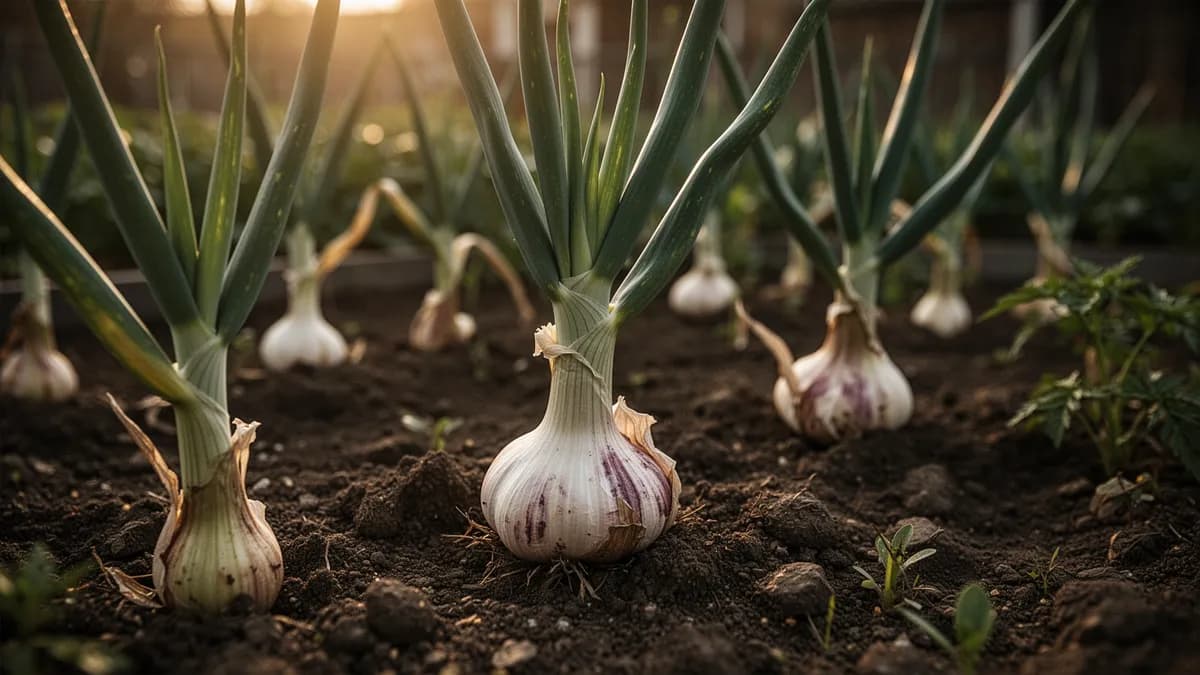
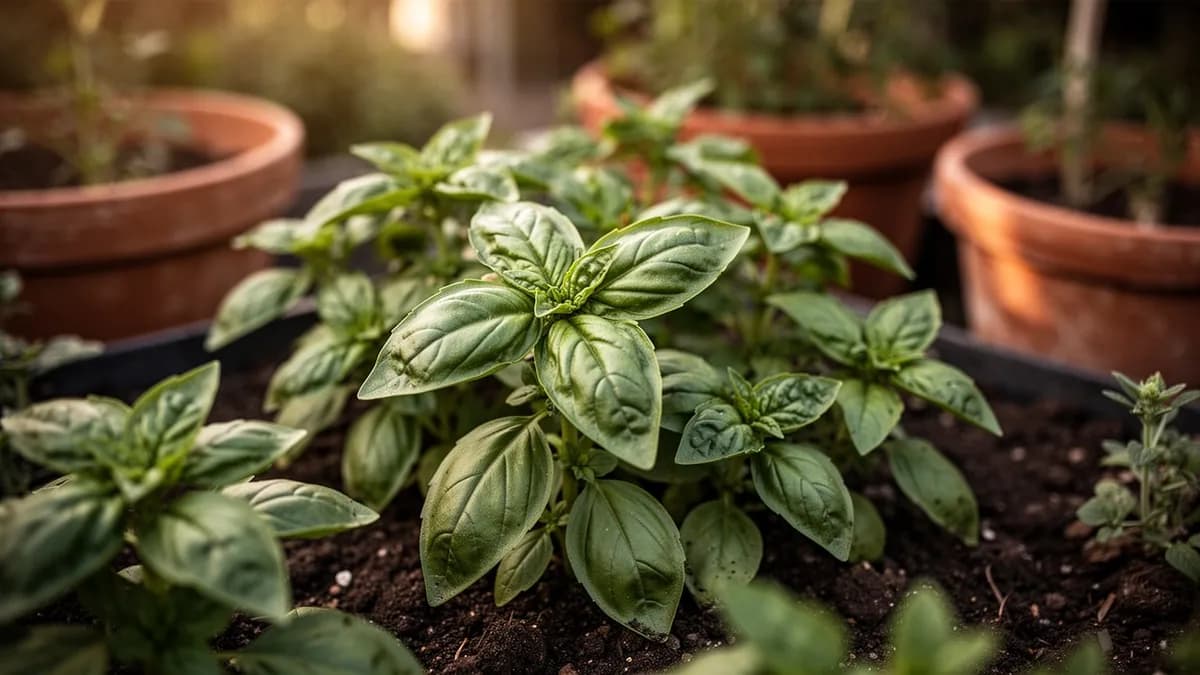
La mayoría de las variedades de albaricoque son autofértiles, pero se benefician de una segunda variedad para la polinización cruzada. Plante ajo, cebollino y capuchinas debajo para ahuyentar pulgones y perforadores. La consuelda, como acumuladora dinámica, lleva nutrientes profundos a la superficie. Evite plantar cerca de tomates y pimientos, que comparten la marchitez por Verticillium. Manténgalos alejados de los nogales por la toxicidad de la juglona.
Ajo va a su lado. Nogal no.
Saber de huerto de siempre, cotejado con la tabla real de Albaricoque — prueba cualquier planta que cultives.
Prueba Albaricoque en un bancal, aquí mismo
Un bancal real del planificador con Albaricoque ya plantado. Toca una planta compañera para colocarla y mira cómo responde la comprobación de vecinos: verde para buenos vecinos, rojo si hay conflicto.


Guías de cultivo relacionadas
Abónalo bien
Los albaricoques prefieren un suelo franco arenoso, profundo y bien drenado, con un pH de 6.0 a 7.5. Toleran mejor los suelos alcalinos que la mayoría de las frutas de hueso. Evite la arcilla pesada y los lugares encharcados donde prospera el chancro bacteriano. Aplique un fertilizante equilibrado a comienzos de la primavera. Son consumidores moderados y sufren con un exceso de nitrógeno, que favorece un crecimiento tierno y propenso a enfermedades. Mantenga un acolchado orgánico, pero sin tocar el tronco.
Temperatura ideal
Compatibilidad de zonas de rusticidad
De la semilla a la cosecha, etapa por etapa
Reposo y plantación
Los albaricoqueros se plantan como plantas a raíz desnuda o en contenedor a finales del invierno, mientras el árbol está en reposo. A diferencia de los manzanos, los albaricoques tienen una necesidad de horas frío relativamente baja, de 300 a 900 horas por debajo de 7 °C según la variedad, lo que les permite adaptarse a una gama más amplia de climas. Este periodo de descanso permite que el árbol establezca el primer contacto radicular con el suelo circundante antes de que comience la demanda energética del crecimiento primaveral.
Brotación y floración temprana
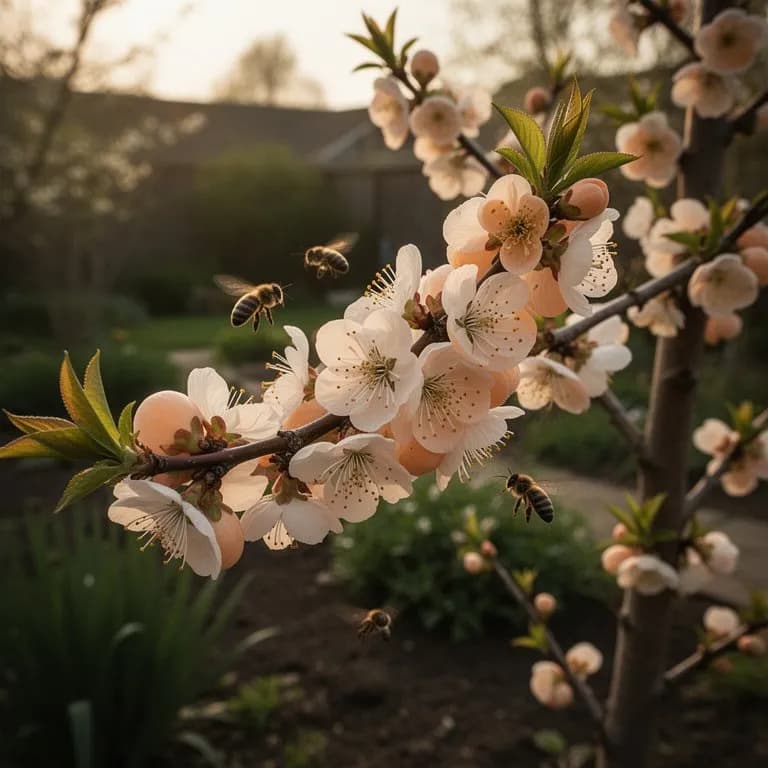
Los albaricoques florecen antes que cualquier otra fruta de hueso común, a menudo a finales del invierno, antes de que aparezcan las hojas y cuando las heladas nocturnas siguen siendo una amenaza real. Las flores de cinco pétalos, blancas a rosa pálido, se abren individualmente a lo largo de la madera del año anterior y crean un espectáculo espectacular sobre las ramas desnudas. Cada flor tiene un único ovario que, si es polinizado con éxito, se convierte en una fruta de hueso. La mayoría de las variedades modernas son autofértiles, aunque la polinización cruzada con una segunda variedad compatible mejora el cuajado.
Cuajado y desarrollo del fruto pequeño
Tras una polinización exitosa, se forman pequeños frutos en la base de las flores marchitas y comienza una fase de crecimiento inicial rápido. El árbol desprende de forma natural parte de esos frutos pequeños a medida que ajusta la carga a sus recursos disponibles. Los que permanecen se hinchan con rapidez desde el tamaño de un guisante hasta el de una canica, ya reconocibles como mini albaricoques con su característica piel aterciopelada. En esta fase las hojas se abren por completo, maximizando la fotosíntesis para alimentar el exigente desarrollo inicial del fruto.
Crecimiento rápido del fruto
El fruto del albaricoque crece con rapidez a comienzos del verano, a medida que la división celular da paso a la expansión celular. El hueso o endocarpo se endurece alrededor de la semilla en desarrollo durante esta fase, un proceso conocido como endurecimiento del hueso. El color de la piel empieza a pasar del verde pálido al característico tono amarillo-anaranjado. La copa del árbol está en su momento de mayor actividad, interceptando luz para alimentar la demanda de carbohidratos de los frutos en expansión.
Maduración y cosecha
Los albaricoques maduran en una ventana comprimida de dos a cuatro semanas, lo que hace que la temporada de cosecha sea intensa pero muy satisfactoria. El fruto se ablanda, el aroma se intensifica de forma notable y el color de fondo pasa a un dorado anaranjado intenso con un rubor rojo característico en la mejilla expuesta al sol. A diferencia de las manzanas, los albaricoques apenas siguen madurando después de recolectarse, por lo que acertar con el momento de la cosecha es esencial para obtener el mejor sabor.
Poscosecha y poda de verano
Justo después de la cosecha es el momento ideal para podar los albaricoqueros, a diferencia de la mayoría de los frutales, que se podan en invierno. La poda de verano se recomienda encarecidamente en albaricoque porque las heridas de poda hechas en condiciones secas de verano son mucho menos susceptibles a la enfermedad fúngica de la hoja de plata (Chondrostereum purpureum) y al chancro bacteriano, ambos potencialmente mortales. El árbol redirige la energía desde la producción de fruto hacia la formación de madera nueva y fuerte para la próxima temporada.
Caída de hojas y reposo
A medida que se acortan los días y bajan las temperaturas en otoño, las hojas del albaricoque amarillean y caen. El árbol entra en reposo y almacena reservas de carbohidratos en su tejido leñoso para la brotación explosiva y la floración de la primavera siguiente. El crecimiento radicular puede continuar lentamente en inviernos suaves cuando la temperatura del suelo se mantiene por encima de 4 °C. Este periodo de reposo, junto con suficientes horas frío acumuladas, asegura una floración vigorosa y uniforme la temporada siguiente.
Plante en una posición cálida, orientada al sur o al oeste y protegida de las heladas de finales de primavera, ya que las flores del albaricoque abren muy temprano y son extremadamente sensibles a las heladas. Prepare un lugar con buen drenaje, porque los albaricoques no toleran nada el encharcamiento. Coloque el punto de injerto 5 cm por encima de la superficie del suelo, riegue bien y aplique un anillo de acolchado de 10 cm.
Cuidar Albaricoque mes a mes
Qué hacer cada mes para tu Albaricoque
Octubre
Mes actualComplete la limpieza de hojas y restos. Aplique una pulverización de fungicida de cobre después de la caída de las hojas sobre la corteza y el suelo circundante para suprimir las esporas invernantes de chancro bacteriano y podredumbre parda. Revise los albaricoques secos o en conserva almacenados y asegúrese de que estén en buen estado. Proteja los troncos de los árboles jóvenes contra el daño de los conejos con espirales protectoras.
Ten claro qué hacer en tu huerto, cada mes
Un correo al empezar cada mes: qué sembrar, plantar y hacer ahora mismo — para tu Albaricoque y todo lo que crece alrededor. Más un breve curso inicial para esquivar los errores clásicos.
- Qué hacer ahora mismo
- Ajustado a tu temporada
- Curso inicial incluido
Cosechar Albaricoque
Los albaricoques maduran desde finales de junio hasta julio, según la variedad y el clima. Coseche cuando el fruto adquiera un color dorado-anaranjado pleno y ceda ligeramente a una presión suave. El fruto debe separarse con facilidad del espolón con un giro delicado. Los albaricoques no maduran bien fuera del árbol, así que deje que alcancen su madurez completa. Recoja cada dos o tres días, ya que los frutos maduran de forma desigual en el árbol.
se supone que plantas al comenzar el periodo — indica tu fecha real
Cosecha Albaricoque a tiempo y la planta sigue produciendo.
Almacenamiento y conservación
Los albaricoques frescos solo se conservan de tres a cinco días en refrigeración y se magullan con facilidad. Trátelos con cuidado durante la cosecha. Los albaricoques son excelentes secos, ya sea en mitades en un deshidratador o sobre rejillas al sol. Dan una mermelada y conservas magníficas con un sabor rico y concentrado. Congele las mitades sin hueso en bandejas antes de guardarlas en bolsas. Los albaricoques en conserva en almíbar ligero mantienen una calidad excelente durante un año o más.
Qué falla — y cómo solucionarlo
Podredumbre parda
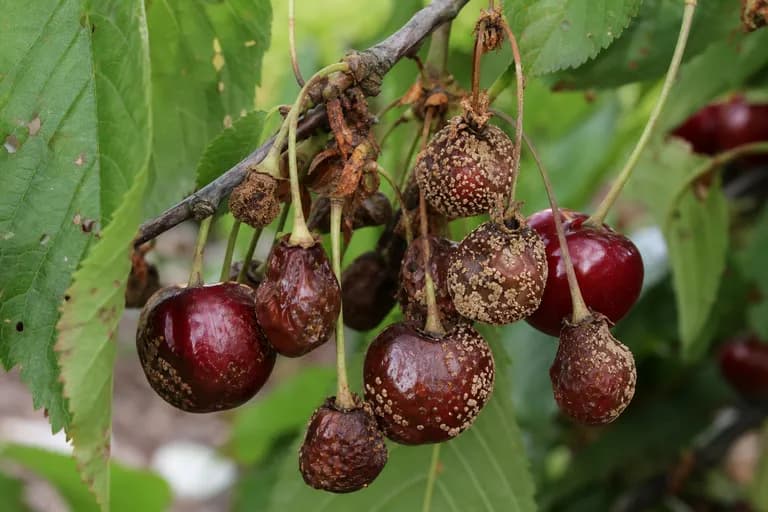
EnfermedadMoho marrón y algodonoso en los frutos en maduración que se extiende rápidamente en condiciones húmedas. La monilia de las flores mata las flores en primaveras lluviosas.
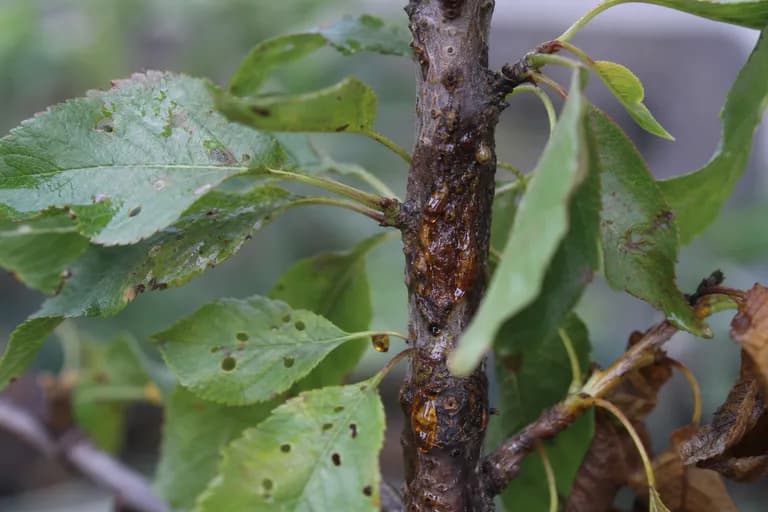
Chancro bacteriano
EnfermedadCancros hundidos y con exudación en ramas y tronco. Exudación de goma y muerte regresiva de ramas, sobre todo en primaveras húmedas.
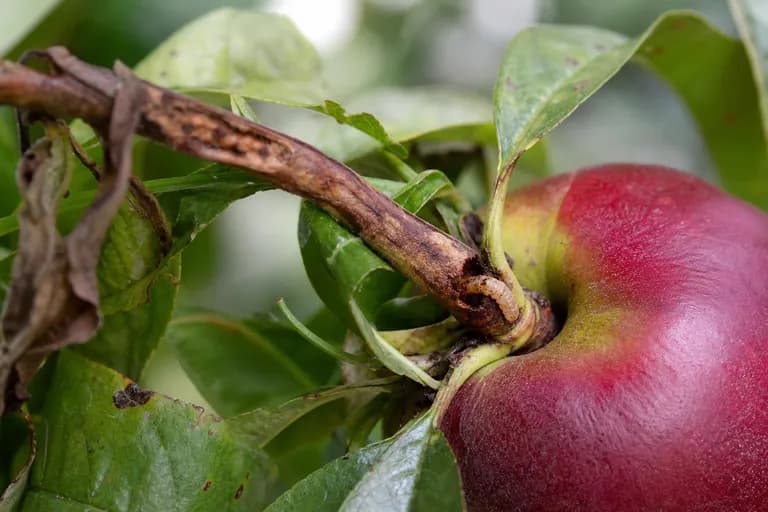
Barrenador del brote del melocotonero
PlagaLas larvas perforan los brotes nuevos y provocan puntas marchitas y caídas. Las generaciones posteriores entran en el fruto cerca del extremo del pedúnculo.
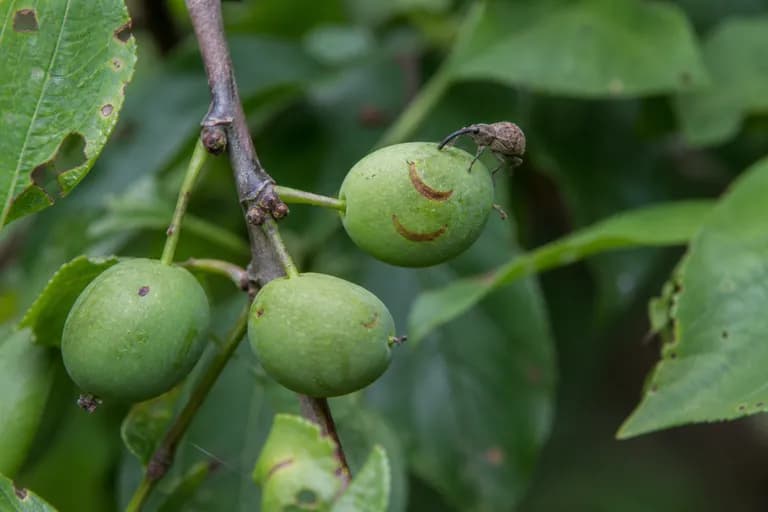
Picudo de la ciruela
PlagaMarcas en forma de media luna en el fruto causadas por la puesta de huevos. Las larvas se desarrollan dentro del fruto y provocan caída prematura.
Solución de problemas comunes
El daño por heladas tardías en las flores tempranas es la principal causa de fracaso de la cosecha en la mayoría de las regiones. La fructificación irregular, con años alternos de cosecha abundante y escasa, es común. La gomosis y el chancro bacteriano afectan a los árboles en climas húmedos. Los frutos se caen prematuramente si el árbol sufre estrés por sequía durante el endurecimiento del hueso. Las aves y las ardillas atacan con fuerza los frutos en maduración.
Consejos de cultivo
- Sitúe su albaricoquero contra una pared o valla cálida orientada al sur o al oeste si es posible, ya que el calor irradiado por la mampostería adelanta la temporada, protege las flores tempranas de las heladas y crea el microclima cálido y seco en el que realmente prosperan los albaricoques. El guiado en abanico contra una pared también facilita mucho la colocación de manta antiheladas.
- Elija una variedad de pocas horas frío si cultiva en un clima de inviernos suaves con menos de 500 horas frío anuales. Variedades como 'Flavorcot', 'Tomcot' y 'Goldcot' se han criado específicamente para climas en los que los inviernos son demasiado cálidos para que las variedades tradicionales rompan el reposo de forma uniforme.
- Pode los albaricoques en verano, inmediatamente después de la cosecha, nunca en invierno ni con tiempo húmedo. Los albaricoques son especialmente susceptibles a la enfermedad de la hoja de plata (Chondrostereum purpureum) y al chancro bacteriano (Pseudomonas syringae), ambos de los cuales entran por las heridas de poda con mucha más facilidad en condiciones frescas y húmedas. Selle cada corte de poda con una pintura cicatrizante comercial.
- Aclare siempre la cosecha cuando los frutos pequeños alcancen 2 a 3 cm de diámetro, reduciendo los racimos a un solo fruto separado entre 5 y 8 cm. Los albaricoques son muy propensos a la vecería si se les permite sobrecargarse un año: el agotamiento de sostener demasiados frutos inhibe la formación de yemas florales para la temporada siguiente y provoca un fracaso total o casi total de la cosecha.
- Aplique fungicida de cobre en tres momentos clave: después de la caída de hojas en otoño, en el hinchamiento de yemas a finales del invierno e inmediatamente después de la poda poscosecha. Este programa dirigido ofrece la protección más eficaz contra el chancro bacteriano y la podredumbre parda, las enfermedades más propensas a acortar la vida productiva del árbol.
- Polinice a mano las flores que se abren temprano con un pincel suave de artista, transfiriendo polen entre flores en tardes cálidas y calmadas. La mayoría de las variedades de albaricoque son autofértiles, pero florecen tan pronto en la temporada, a menudo en febrero o principios de marzo en climas templados, que apenas hay polinizadores activos. La polinización manual puede mejorar de forma notable el cuajado en primaveras frías.
- Evite plantar albaricoques en hondonadas o zonas bajas donde se acumula aire frío en noches despejadas y sin viento. Incluso una ligera elevación o la protección de un edificio cercano puede marcar la diferencia entre una cosecha completa y una pérdida total de flores por helada. La flor se daña a -1 °C y muere a -3 °C, por lo que la elección del microclima es la decisión más importante en el cultivo del albaricoque.
- Acolche generosamente hasta una profundidad de 10 cm, llegando hasta la línea de goteo del árbol, pero dejando siempre una franja libre de 15 cm alrededor del tronco. Un anillo ancho y profundo de acolchado conserva la humedad del suelo que los albaricoques necesitan durante el engorde rápido del fruto, a la vez que suprime las malas hierbas competidoras que resecan la zona radicular en verano.
- Cuando cultive en contenedor, elija las variedades 'Dwarf Apricot' o 'Garden Apristar', desarrolladas específicamente para el cultivo en maceta, y use un contenedor de al menos 50 litros. Los albaricoques cultivados en contenedor pueden trasladarse bajo cubierta durante el periodo de floración para protegerlos de las heladas, una de las grandes ventajas del cultivo en maceta en climas impredecibles.
- Recoja y parta un puñado de huesos de albaricoque después de la cosecha. Los granos interiores de las variedades de sabor dulce (pruebe siempre un pequeño trozo primero: los granos amargos indican un alto contenido de amigdalina) pueden usarse para aportar en cantidades muy pequeñas una profundidad parecida al mazapán a mermeladas y repostería, tal como llevan haciendo durante siglos las recetas clásicas de mermelada de albaricoque.
Cultiva tu mejor Albaricoque — y todo lo que la rodea.
Empieza un plan gratis hoy. Diseña tus bancales, coloca tu Albaricoque y deja que PlotMyGarden gestione el momento, el espaciado, las asociaciones y los recordatorios de la semilla a la cesta.
Elige tu Albaricoque
Moorpark
Variedad clásica de herencia con frutos grandes y muy sabrosos. Se considera el referente del sabor del albaricoque, aunque fructifica de forma algo irregular.
Blenheim (Royal)
El albaricoque de California por excelencia para secado y conserva. Fruto dulce y aromático con pulpa de color naranja intenso. Autofértil.
Tilton
Variedad muy productiva y de floración tardía que escapa a más daños por helada. Fruto grande excelente para conserva y secado.
Goldcot
Variedad resistente al frío desarrollada para climas del norte. La floración tardía ayuda a evitar las heladas. Productor fiable en las zonas 5 a 8.
Harcot
Variedad criada en Canadá con excelente resistencia al frío y a las enfermedades. Fruto de color naranja brillante y buena calidad para consumo fresco.
Un albaricoquero adulto sobre un portainjerto semienanizante puede producir entre 15 y 35 kg de fruta por temporada, equivalente a entre 75 y 200 dólares en albaricoques frescos a precios habituales de mercado de 5 a 8 dólares por kg. Los albaricoques frescos ecológicos rara vez están disponibles en supermercados debido a su fragilidad y corta vida útil, lo que hace que la fruta cultivada en casa sea la única forma práctica de acceder a albaricoques realmente madurados en el árbol. Cuando la fruta se seca, el valor aumenta aún más: 3 a 4 kg de albaricoques frescos producen aproximadamente 1 kg de fruta seca, que se vende a 15 a 25 dólares por kg. Un solo árbol productivo puede, por tanto, equivaler a 150 a 400 dólares en albaricoques secos. Los árboles suelen costar entre 20 y 40 dólares y alcanzan una producción significativa en el tercer o cuarto año, ofreciendo décadas de rendimiento.
Recetas rápidas
Mermelada fresca de albaricoque
45 minutosUna mermelada vibrante y de sabor intenso que captura la esencia de los albaricoques maduros al sol en el punto álgido de su corta temporada. El contenido naturalmente alto en pectina de los albaricoques ligeramente menos maduros ayuda a conseguir una gelificación perfecta sin necesidad de pectina comercial, y una pequeña cantidad de zumo de limón realza el sabor y ayuda a la conservación. Esta receta sencilla es una de las formas más satisfactorias de prolongar la cosecha de albaricoque durante todo el año.
5 ingredientes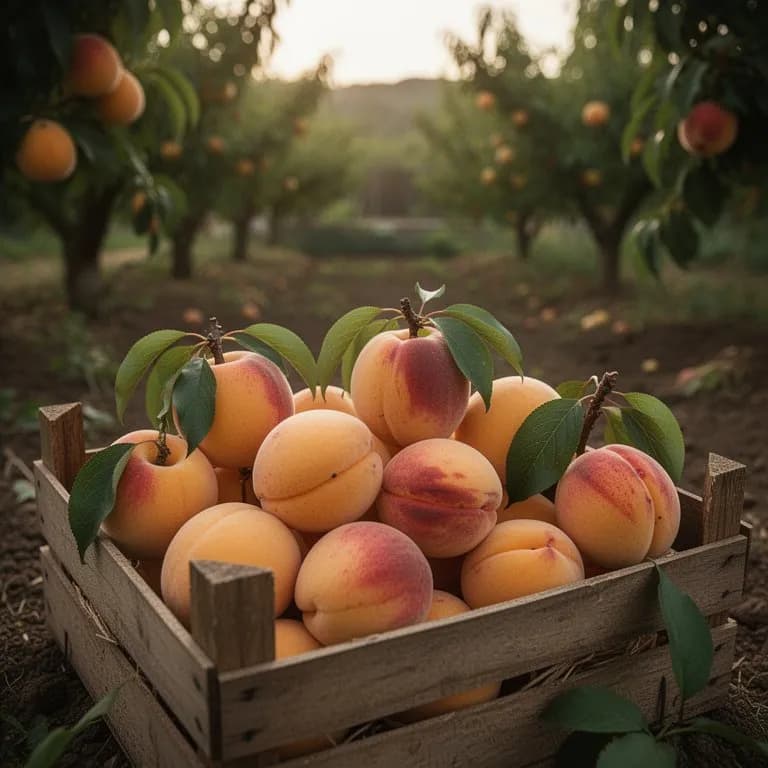
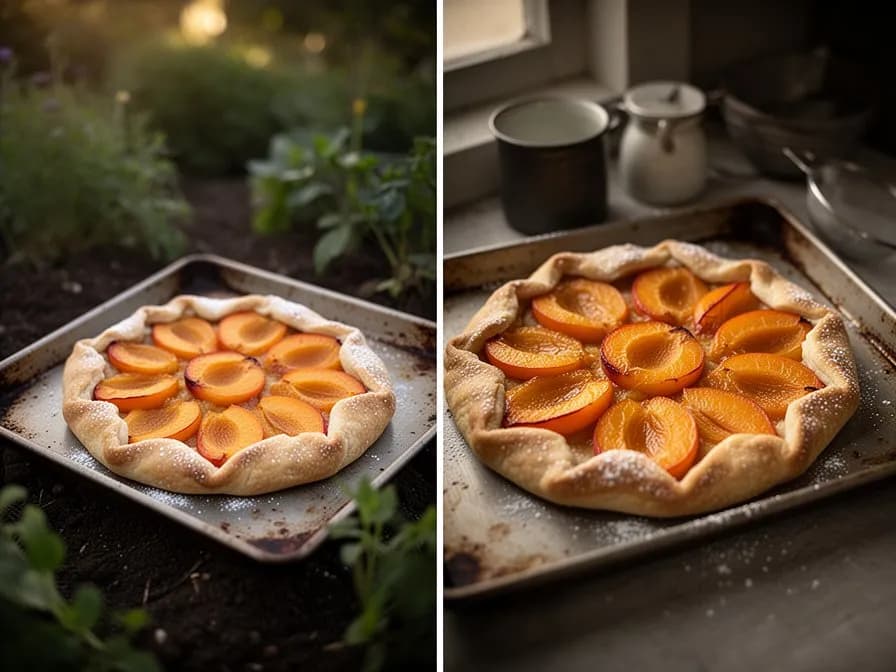
Galette de albaricoque asado y miel
55 minutosUna tarta rústica de forma libre que transforma albaricoques frescos o ligeramente pasados en un relleno caramelizado y meloso envuelto en una masa mantecosa. Asarlos concentra los azúcares naturales del albaricoque y desarrolla una complejidad que la fruta cruda no puede ofrecer por sí sola. Un hilo de miel y unas láminas de almendra complementan de maravilla la herencia de la familia de las almendras de este albaricoque en una receta flexible que no necesita molde.
8 ingredientesAlbaricoques secos al horno
20 minutos activos (8-12 horas de horno)Secar los albaricoques concentra de forma notable su dulzor y nutrientes, al tiempo que conserva la cosecha durante meses sin refrigeración. Este método en horno reproduce el secado tradicional al sol y produce albaricoques intensamente aromáticos y masticables, sin los conservantes de dióxido de azufre que se usan en la fruta seca comercial. El resultado es más oscuro que el de las variedades comerciales, pero mucho más rico en sabor y contenido antioxidante.
3 ingredientesUsos culinarios
Los albaricoques frescos son sublimes en tartas, galettes y crumbles. Dan una mermelada y conservas de primera categoría con una dulzura intensa y concentrada. Los albaricoques secos son un tentempié básico y un ingrediente ideal para repostería. Los huesos de albaricoque aromatizan las galletas amaretti y el licor amaretto. La fruta combina de maravilla con cordero, cerdo y la cocina de Oriente Medio.
Qué contiene
Beneficios para la salud
- Excelente fuente de beta-caroteno, el precursor vegetal de la vitamina A, con 100 g de albaricoques frescos que aportan más del 60 % de la cantidad diaria recomendada, un nutriente esencial para mantener una visión sana, la función inmunitaria y la renovación de las células de la piel
- Contienen luteína y zeaxantina, compuestos carotenoides que se acumulan en la mácula del ojo y actúan como filtros naturales frente a la luz azul de alta energía, y cuyo consumo regular se asocia con un riesgo significativamente menor de degeneración macular relacionada con la edad
- Aportan catequinas, ácido clorogénico y otros antioxidantes polifenólicos que ayudan a neutralizar el estrés oxidativo celular, y los estudios sugieren que estos compuestos pueden contribuir a reducir la inflamación crónica de bajo grado vinculada a enfermedades cardiovasculares y al síndrome metabólico
- Proporcionan fibra dietética soluble que favorece un microbioma intestinal sano al actuar como sustrato prebiótico para bacterias beneficiosas, a la vez que ayudan a moderar los aumentos de glucosa en sangre después de las comidas y a mantener niveles saludables de colesterol
- Los albaricoques secos ofrecen una de las concentraciones vegetales de hierro más altas entre las frutas de consumo habitual, lo que los convierte en un complemento práctico para dietas que requieren más hierro no hemo, especialmente cuando se consumen junto con alimentos ricos en vitamina C que mejoran la absorción
- Son ricos en potasio, con 259 mg por 100 g de fruta fresca y bastante más en formato seco, lo que favorece una regulación saludable de la presión arterial mediante su papel en contrarrestar los efectos vasoconstrictores del sodio y en mantener una correcta función cardíaca y muscular
De dónde viene Albaricoque
El albaricoque (Prunus armeniaca) lleva un nombre que sugiere un origen armenio, y durante siglos naturalistas e historiadores creyeron que la fruta se cultivó por primera vez en esa antigua región. Sin embargo, la investigación genética y arqueológica moderna ha desplazado de forma decisiva la historia hacia el este, a las montañas del noroeste de China y las tierras altas de Asia Central circundantes, donde hoy siguen creciendo poblaciones silvestres de albaricoque con una diversidad extraordinaria. Los registros chinos que documentan su cultivo se remontan a más de 4.000 años, y la fruta aparece de forma destacada en la literatura, la medicina y el simbolismo chinos antiguos. Se dice que el propio Confucio enseñó en un albaricoveral, lo que dio al árbol una asociación con el estudio y la sabiduría que perduró en la historia china. Desde China, los albaricoques se difundieron hacia el oeste por los antiguos corredores comerciales que con el tiempo se convertirían en la Ruta de la Seda, llegando a Persia, Oriente Medio y el Mediterráneo oriental a lo largo de muchos siglos. Los persas se convirtieron en cultivadores especialmente hábiles de albaricoques, desarrollando numerosas variedades y estableciendo el árbol como una fruta de huerto muy apreciada. A menudo se atribuye a los ejércitos de Alejandro Magno la introducción del albaricoque en Grecia y Europa occidental en el siglo IV a. C., aunque fueron los romanos quienes realmente consolidaron su cultivo en todo su imperio. Escritores agronómicos romanos, entre ellos Plinio el Viejo y Columela, describieron con detalle la fruta y sus técnicas de cultivo, señalando que se había extendido desde las provincias orientales hasta la península itálica. Los comerciantes y eruditos árabes llevaron variedades mejoradas de albaricoque al norte de África y, a través de la expansión musulmana, a España y Portugal, desde donde la fruta se difundió hacia el norte, a Francia y Gran Bretaña, durante la Edad Media. Los misioneros españoles introdujeron los albaricoques en América en el siglo XVIII, plantando huertos en sus misiones de California a lo largo de lo que hoy es el Camino Real. El clima cálido y seco de California resultó ideal, y el estado se convirtió en un gran productor mundial de albaricoques frescos y secos durante el siglo XX, con el valle de Santa Clara conocido en su día como el Valle del Deleite del Corazón por sus vastos albaricoqueros. Hoy los albaricoques se cultivan en todos los continentes habitados, y Turquía, Irán, Uzbekistán e Italia figuran entre los principales productores del mundo.
Albaricoque: ¿sabías que?
Datos fascinantes sobre Albaricoque
Los albaricoques son una de las frutas cultivadas más antiguas de la historia humana, con pruebas arqueológicas de su cultivo en China que se remontan a más de 4.000 años. La fruta estaba tan profundamente integrada en la cultura china que tradicionalmente se plantaban arboledas de albaricoques cerca de las escuelas y academias confucianas.
Albaricoque: preguntas frecuentes
¿Cuándo debo plantar Albaricoque?
¿Cuáles son buenas plantas acompañantes para Albaricoque?
¿En qué zonas de rusticidad puede crecer Albaricoque?
¿Cuánto sol necesita Albaricoque?
¿A qué distancia debo espaciar Albaricoque?
¿Qué plagas y enfermedades afectan a Albaricoque?
¿Cómo almaceno Albaricoque después de la cosecha?
¿Cuáles son las mejores variedades de Albaricoque para cultivar?
¿Qué suelo necesita Albaricoque?
¿Por qué floreció maravillosamente mi albaricoquero, pero dio casi nada de fruto?
¿Cuál es el mejor momento para podar un albaricoquero y por qué es distinto al de otros frutales?
Mi albaricoquero exuda goma de color ámbar por la corteza. ¿Qué es y qué debo hacer?
¿Puedo cultivar un albaricoquero en un clima frío o con una temporada de crecimiento corta?
¿Es autofértil el albaricoque de Manchuria?
¿Por qué mi albaricoque de Manchuria florece pero nunca cuaja fruto?
¿Cuándo y cómo debo podar el albaricoque de Manchuria?
¿Puedo cultivar el albaricoque de Manchuria en un contenedor?
Acabas de leer la teoría. Ahora cultívala en piloto automático.
Todo lo que hace que Albaricoque sea delicado — el momento, el espaciado, las asociaciones, la ventana de cosecha — es justo lo que PlotMyGarden resuelve por ti, para cada planta de tu huerto.
Un plan que conoce tu clima
Indica tu ubicación una vez. Recibe fechas de siembra, abonado y cosecha basadas en tu última helada real y el pronóstico en vivo — sin adivinar con un sobre genérico.
De la sección “Cuándo plantar”Planificador de bancales de arrastrar y soltar
Diseña bancales sobre una cuadrícula. Cada planta encaja con su espaciado correcto y ves toda la temporada antes de gastar un céntimo en semillas.
De la sección “Cultivo”Conflictos de asociación, detectados a tiempo
Más de 200 buenas y malas combinaciones comprobadas en vivo mientras plantas — para que un error que arruine la temporada nunca llegue a la tierra.
De la sección “Asociaciones”Recordatorios que sí vas a seguir
“Riega las judías.” “Recoge hoy antes de que se pase.” Oportunos, concretos y ligados a las plantas que de verdad cultivas.
De la sección “Cosecha”Escalonado, programado
¿Quieres cosechar seis semanas en vez de seis días? Reparte tus siembras automáticamente y te avisa cuando toca el siguiente lote.
De la sección “Cuándo plantar”Un registro que se vuelve más listo
Cada cosecha que registras le enseña tu huerto. El plan del año que viene parte de lo que de verdad funcionó en tu suelo, no en un manual.
De la sección “Resumen”Planta estos junto a Albaricoque
Más Frutas de hueso
Mantén Albaricoque lejos de estos
Cultiva tu mejor Albaricoque — y todo lo que la rodea.
Empieza un plan gratis hoy. Diseña tus bancales, coloca tu Albaricoque y deja que PlotMyGarden gestione el momento, el espaciado, las asociaciones y los recordatorios de la semilla a la cesta.