Summer Savory
typical season: sow Apr – May · harvest Jul – Sep · set your climate
The milder annual cousin of winter savory with a delicate peppery flavor that pairs naturally with fresh summer beans.
On this pageOverview
Meet Summer Savory
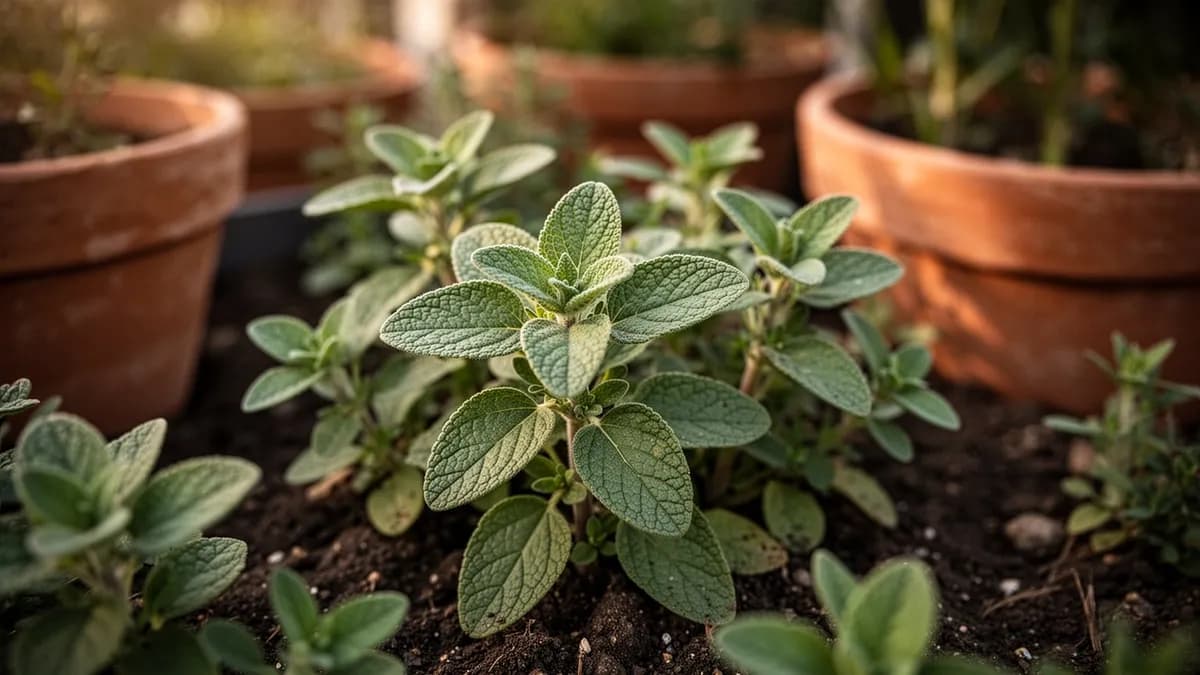
The milder annual cousin of winter savory with a delicate peppery flavor that pairs naturally with fresh summer beans. Summer savory grows quickly to 18 inches and produces small white to lavender flowers attractive to bees. Harvest sprigs before flowering for the best flavor and use fresh in salads, bean dishes, and light summer recipes.
When to plant Summer Savory
Sow summer savory seeds 1/4 inch deep in moist soil after the last frost, or start indoors 4-6 weeks before transplanting. Seeds require soil temperatures of 60-70°F and germinate in 10-15 days. Sow thinly, as the fine seeds are easy to oversow. Press seeds into moist seed-starting mix and cover lightly. Provide bright light once seedlings emerge. Thin or transplant to 6-10 inches apart. Summer savory transplants easily when young. For a continuous harvest, make successive sowings every 3-4 weeks through early summer.
Your Summer Savory Year
Composed for Zone 7 · typical seasons · frost passes Apr 2, returns Nov 1
Plant Summer Savory Apr – May, pick Jul – Sep. Check the planting methods below and set your climate to personalize these windows.
Picking Summer Savory this season? Its next window opens Apr 1
One email a few days before it opens where you garden and one two weeks before it closes — then one when the first pick is due.
One email per milestone, never more than one a week. Unsubscribe with one tap. No account needed.
How to grow Summer Savory
Summer savory (Satureja hortensis) is a quick-growing annual herb with a delicate, peppery flavor that is milder and sweeter than its perennial cousin, winter savory. Direct sow seeds outdoors after the last frost, or start indoors 4-6 weeks before the last frost date. Sow seeds 1/4 inch deep in warm, moist soil. Seeds germinate in 10-15 days at soil temperatures of 60-70°F.
Plant in full sun with well-drained, moderately fertile soil. Space plants 6-10 inches apart in rows 12-18 inches apart. Summer savory is a compact, upright plant reaching 12-18 inches tall with slender, dark green leaves on delicate stems. The plant does not require rich soil; overly fertile conditions produce lush growth with diminished essential oil content.
Summer savory grows quickly and begins producing harvestable leaves within 6-8 weeks of sowing. The plants bloom with small white to pale lavender flowers in midsummer that are very attractive to honeybees. For the best leaf flavor, harvest before or at the onset of flowering. The plant becomes woody and less productive after flowering, so succession sow for a continuous supply of tender young leaves.
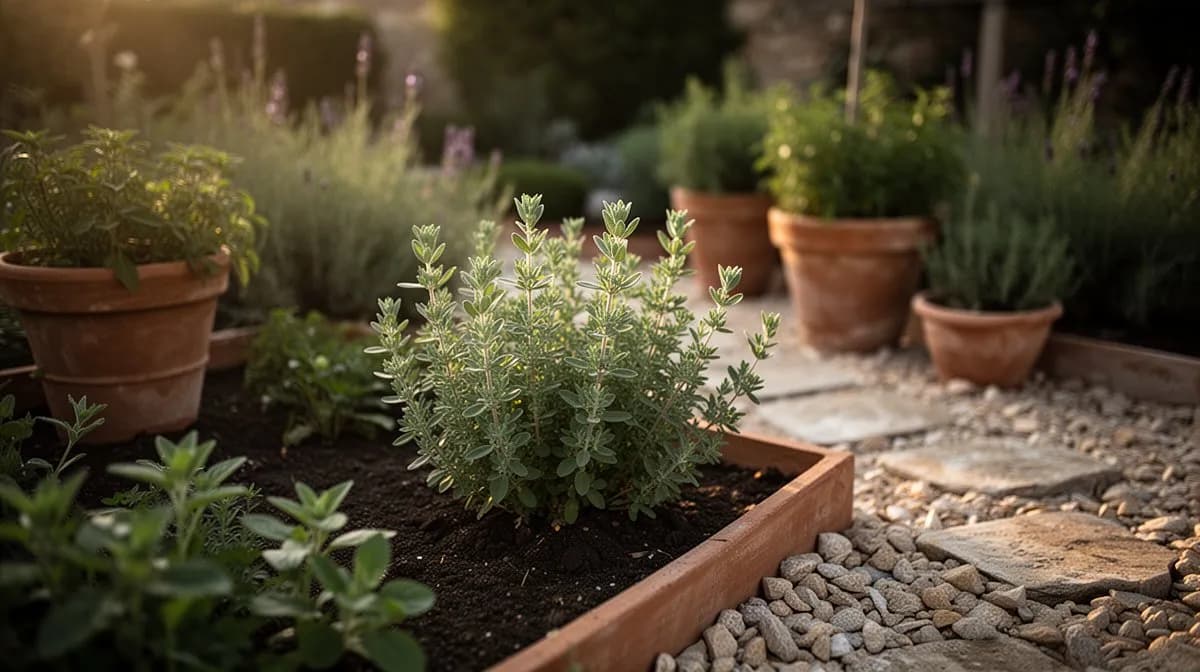
36 plants fit a 4 × 8 ft bed
Each Summer Savory wants 25 cm of elbow room. The planner keeps that spacing for you — every plant, every bed.
Summer Savory's best neighbours
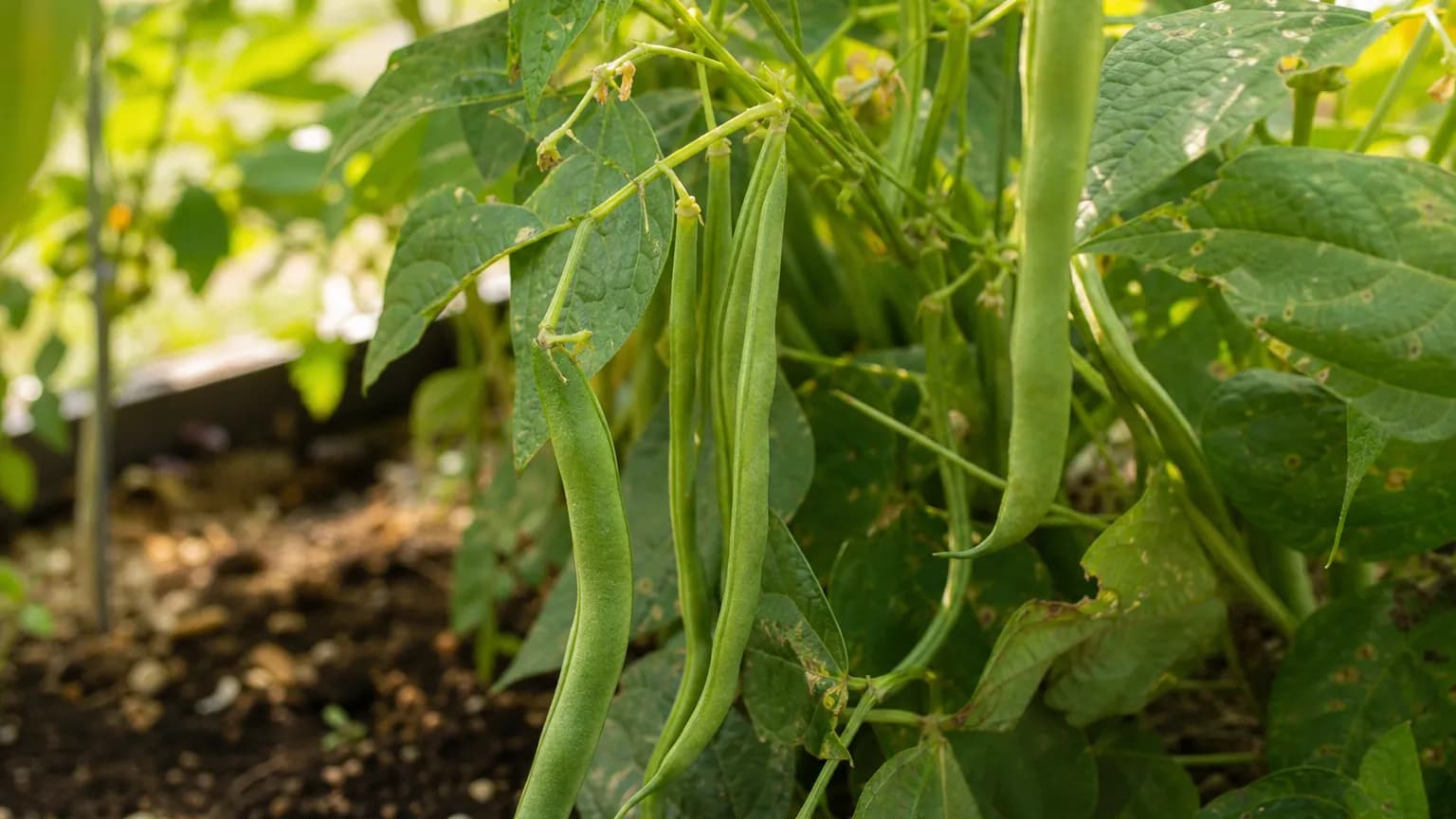
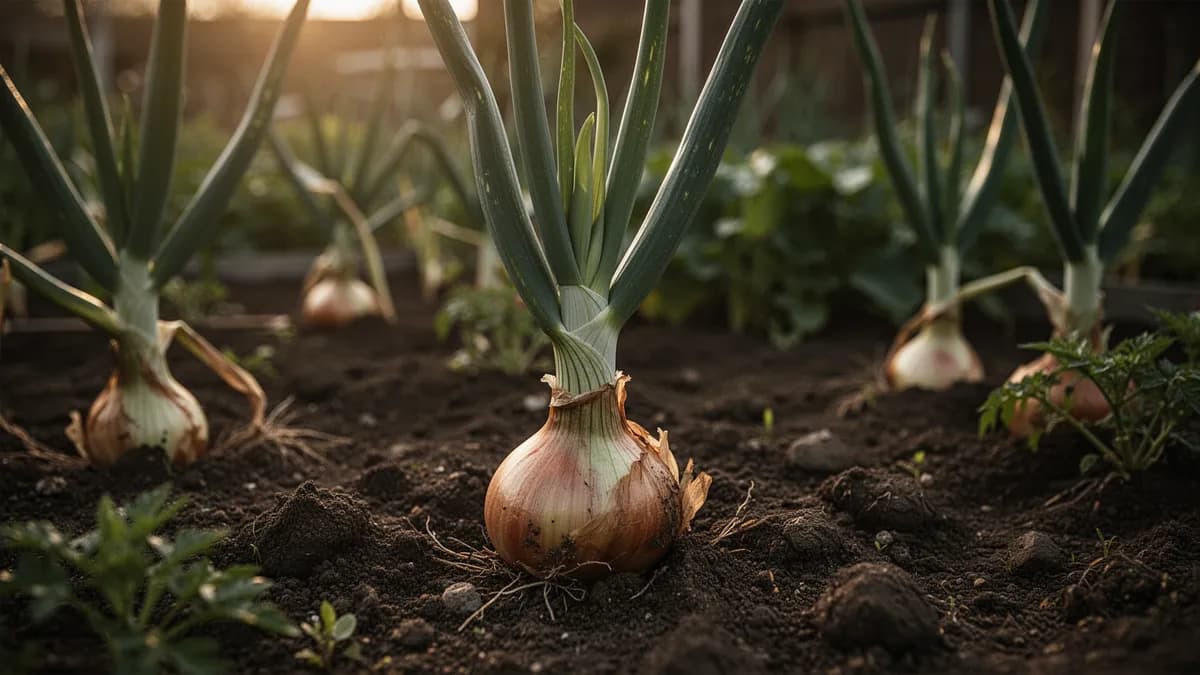
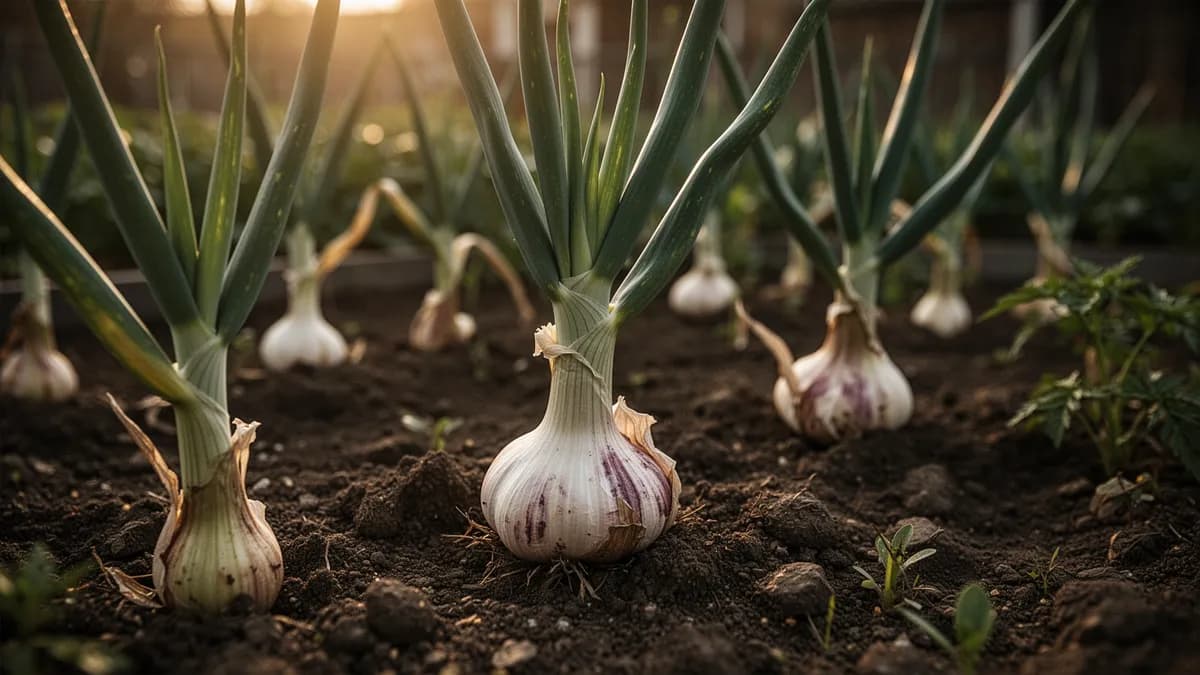
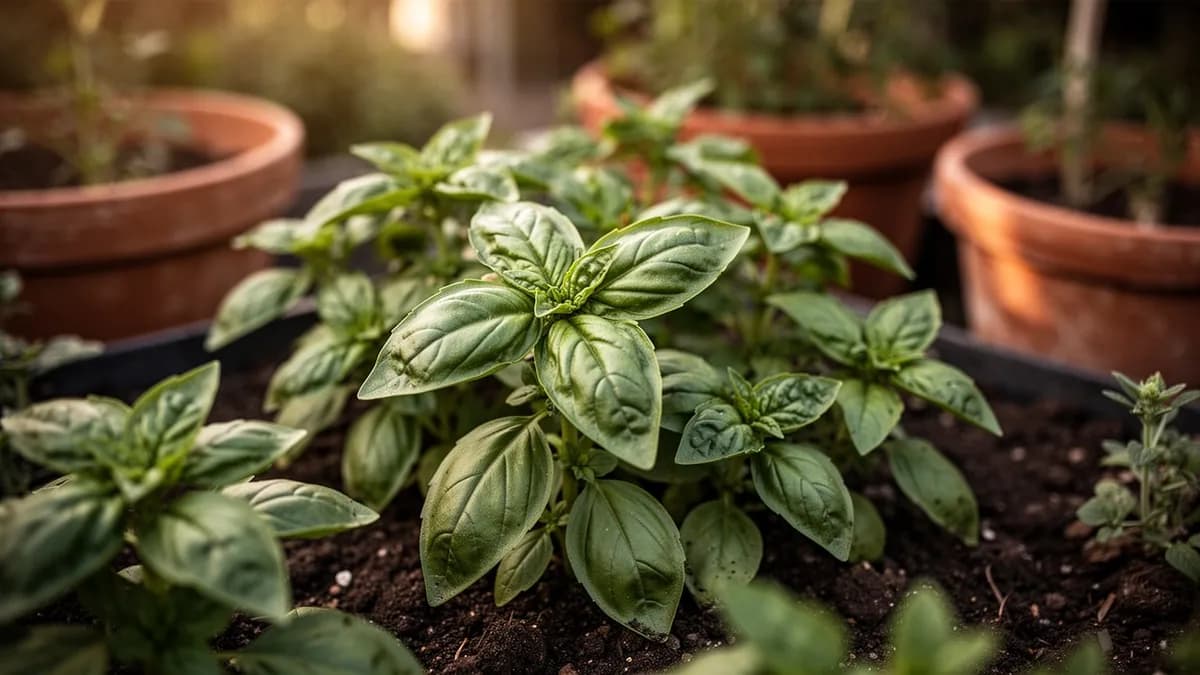
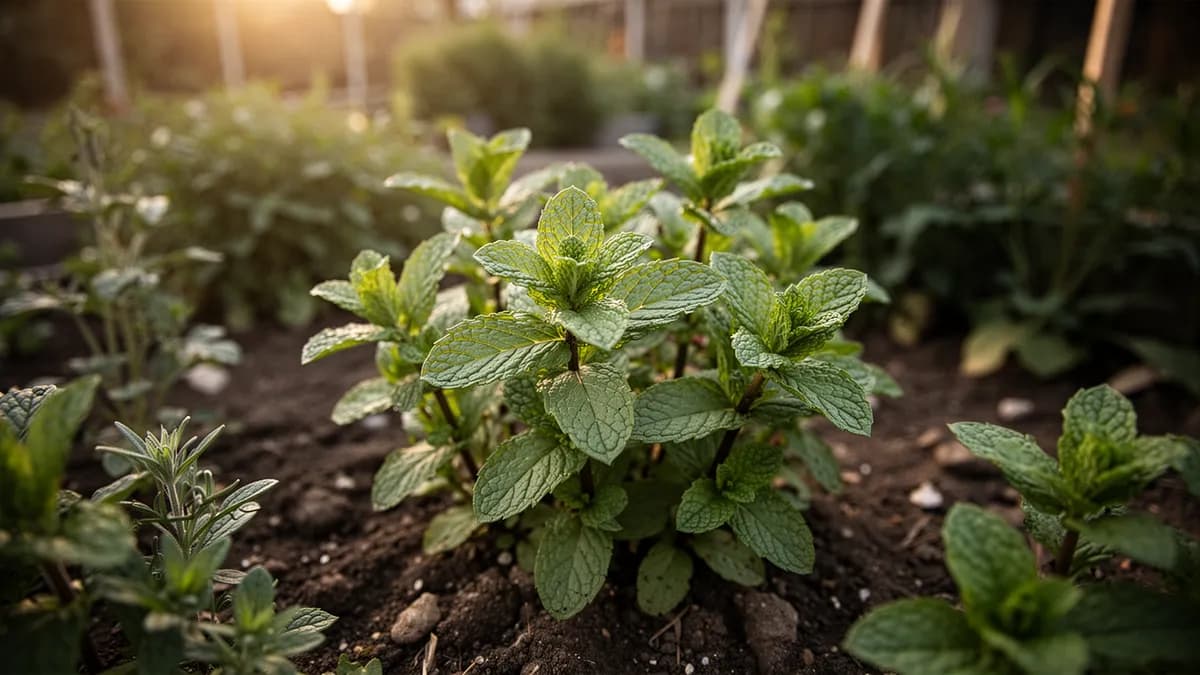
Summer savory is the classic companion for beans, traditionally planted at the ends of bean rows in German kitchen gardens. It repels bean beetles and improves the flavor of beans when cooked together. Plant near onions and garlic for mutual pest protection. Summer savory flowers attract beneficial pollinators and predatory insects. Avoid planting near mint, which spreads aggressively and can overwhelm the more delicate summer savory. It also pairs well with other Mediterranean herbs like thyme and oregano.
Green Beans belongs beside it. Mint doesn't.
Old growers' knowledge, checked against Summer Savory's real companion table below — test any plant you're growing.
Related growing guides
Feed it well
Summer savory grows best in well-drained, moderately fertile soil with a pH of 6.5-7.0. Avoid overly rich soil, which promotes lush but less flavorful growth. A light application of compost at planting is usually sufficient. Feed once or twice during the growing season with a diluted balanced liquid fertilizer. In containers, use a standard well-drained potting mix and feed monthly. Summer savory is relatively drought-tolerant once established and prefers slightly dry conditions to constantly moist soil.
Ideal Temperature
Hardiness Zone Compatibility
From seed to harvest, stage by stage
Seed Germination
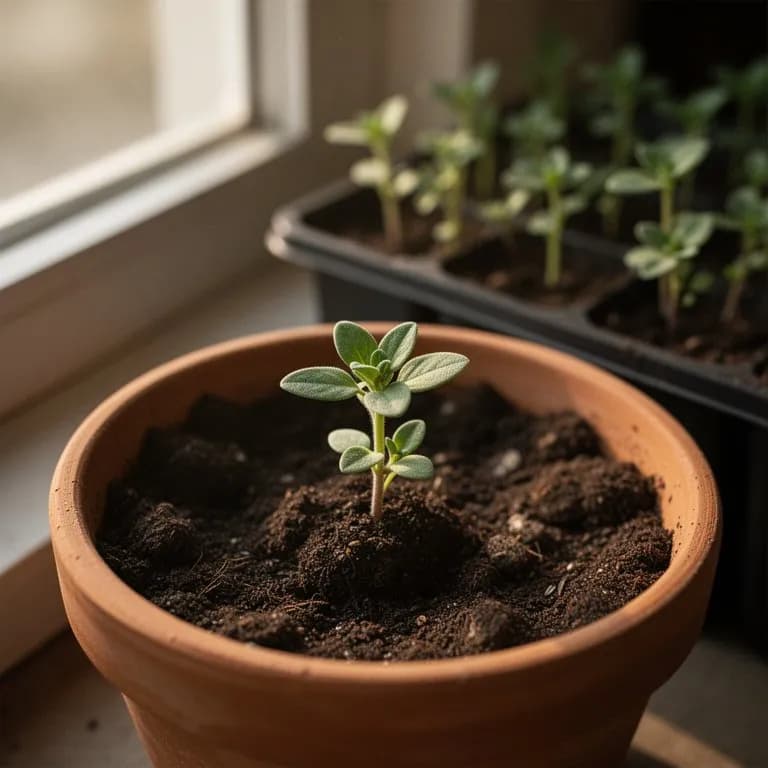
Summer savory seeds are extremely fine — among the smallest of any common herb. They require light to germinate and should be surface-sown or barely covered with a dusting of fine vermiculite. Germination is slow and uneven, typically taking 10-15 days at soil temperatures of 18-21°C (65-70°F). The tiny seedlings emerge with a pair of narrow, rounded cotyledon leaves.
Seedling Development
Seedlings grow slowly at first, producing their first pairs of true leaves — narrow, lance-shaped, and aromatic even at this tiny size. The stems are thin and wiry, and seedlings may look fragile. Growth accelerates once the root system is established and daytime temperatures consistently exceed 18°C (65°F). By 4-5 weeks, plants are 5-8 cm tall with several pairs of opposite leaves.
Vegetative Growth
Plants enter a rapid growth phase, developing multiple branching stems that create a bushy, upright habit reaching 30-45 cm tall. The narrow, dark green leaves become intensely aromatic, filling with the essential oils that give summer savory its characteristic peppery, thyme-like fragrance. The plant develops a light, airy structure with dense foliage along each stem.
Flowering
Tiny tubular flowers emerge in whorls at the leaf axils along the upper portions of each stem. Flowers range from white to pale pink or lavender, each only 4-6 mm long. Summer savory is an outstanding bee plant — the nectar-rich flowers attract honeybees, bumblebees, and many species of beneficial wasps and hoverflies. Flowering continues for several weeks as new blooms open progressively up the stems.
Seed Set and Senescence
After pollination, small nutlet seeds develop inside the dried flower calyces. Each flower produces four tiny seeds. As an annual plant, summer savory completes its life cycle after seed set — leaves begin to yellow and dry, and the stems become woody. The plant gradually dies back with the first autumn frosts, scattering seeds that may self-sow in mild climates.
Press seeds gently onto the surface of moist seed-starting mix — do not bury them. Keep the soil surface consistently moist using a fine mist sprayer. A humidity dome or plastic wrap over the tray helps maintain the moisture these tiny seeds need. Bottom heat from a seedling mat speeds germination.
Caring for Summer Savory month by month
What to do each month for your Summer Savory
October
You are hereRemove spent plants from the garden after the first hard frost kills the foliage. Compost the plant material. Clean and store dried summer savory in airtight glass jars away from light and heat. Properly dried leaves retain excellent flavor for up to 12 months.
Harvesting Summer Savory
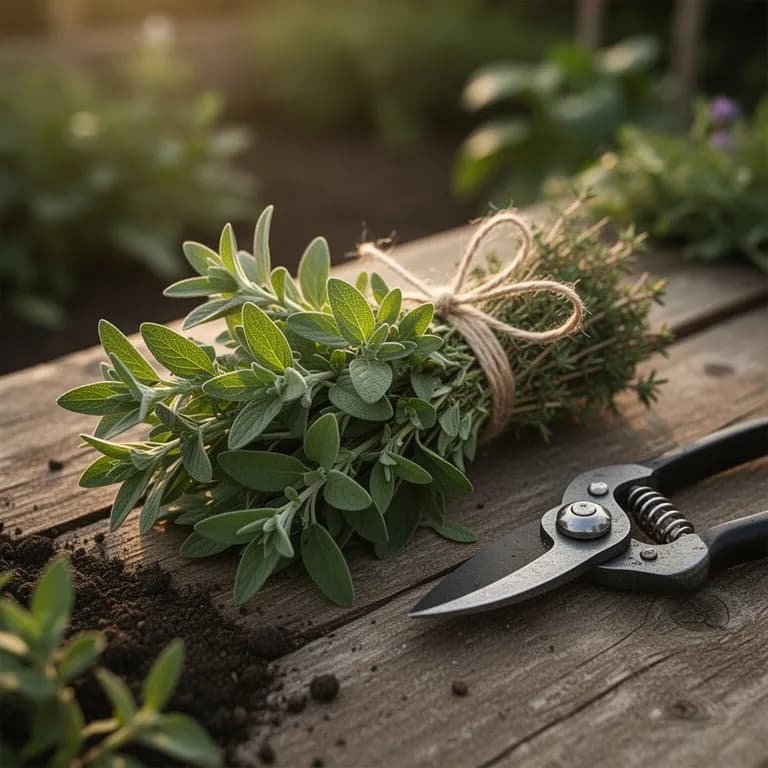
Begin harvesting summer savory once plants reach 6 inches tall, about 55-60 days from sowing. Snip stem tips or strip individual leaves. The best flavor is achieved just before the flowers open, when essential oil concentration peaks. Cut entire stems and strip the leaves for larger harvests. Unlike winter savory, summer savory has tender, non-woody stems that are easy to strip. Harvest the entire plant before the first frost for drying, as summer savory is killed by cold weather. Regular harvesting encourages bushier growth.
assuming you plant when the window opens — set your real date
Pick Summer Savory promptly and the plant keeps producing.
Storage & Preservation
Store fresh summer savory wrapped in damp paper towels in the refrigerator for up to one week. Summer savory dries exceptionally well and actually concentrates its flavor. Hang small bundles upside down in a warm, well-ventilated area for 1-2 weeks, or use a dehydrator at 95°F. Dried summer savory is a pantry staple in German and Eastern European cooking (known as Bohnenkraut, or bean herb). Store dried leaves in airtight jars away from light for up to one year. Freezing also works well for preserving fresh flavor.
What goes wrong — and the fix
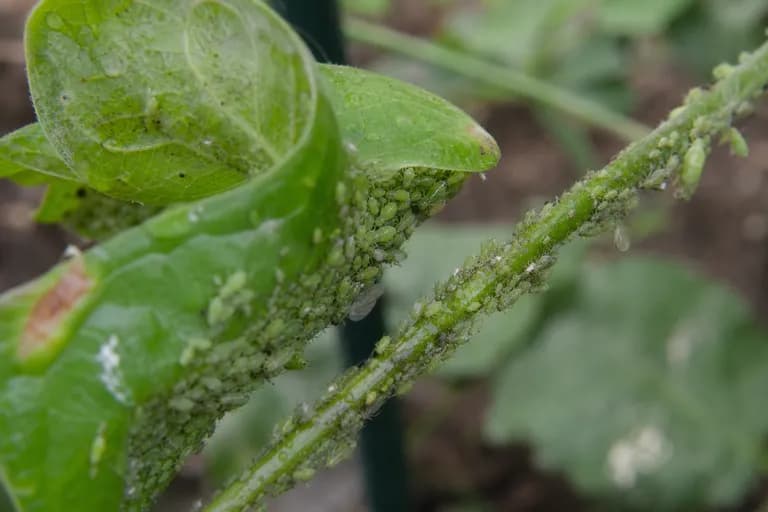
Aphids
PestSmall green insects on stem tips and flower buds, sticky honeydew residue, curled new growth.
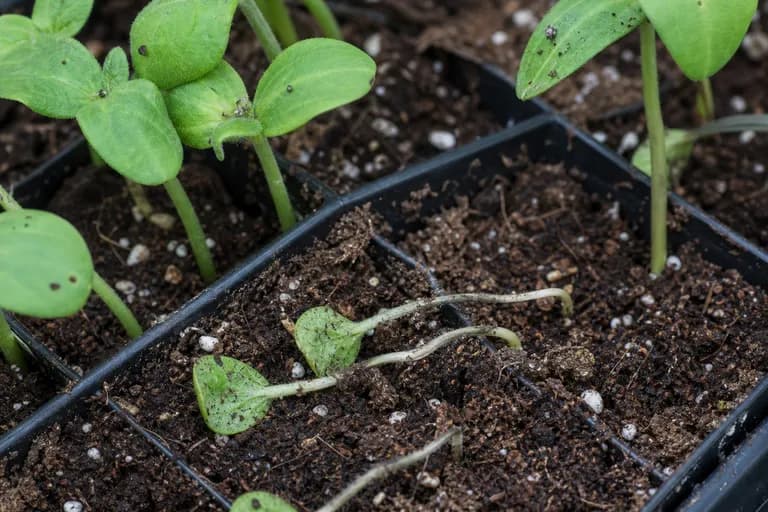
Damping Off
DiseaseSeedlings collapse at soil level, thin water-soaked stems, poor emergence in patches.
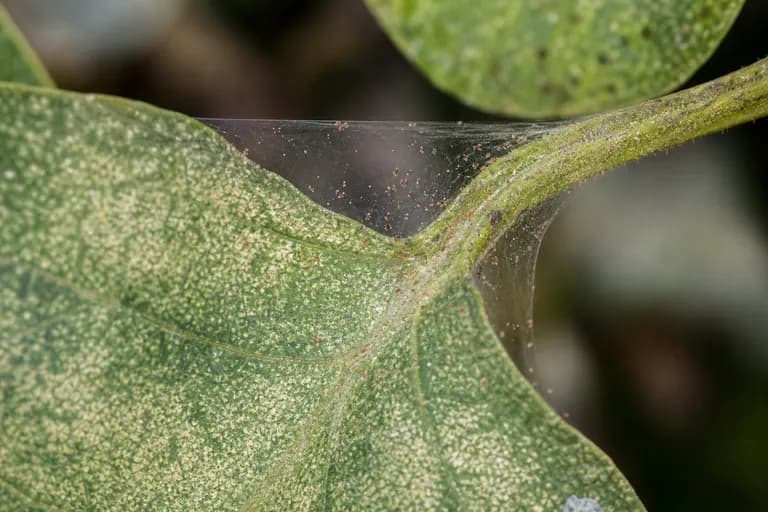
Spider Mites
PestFine webbing on leaf tips, stippled or faded foliage, plant appears dusty or bronzed.
Troubleshooting Common Problems
Summer savory has a relatively short productive window as an annual; plants become woody and lose flavor quality after flowering. Succession sow every 3-4 weeks for continuous harvest. The delicate stems can flop over in rain or wind; planting in groups helps stems support each other. Poor germination results from cold soil or old seed. In very hot climates, plants may bolt quickly. The thin leaves can wilt rapidly in heat, so harvest in the morning. Summer savory is sometimes confused with winter savory, which is a completely different perennial plant.
Growing Tips
- Surface-sow summer savory seeds and do not cover them — they require light for germination. Press seeds gently onto moist soil or seed-starting mix and mist regularly to keep the surface damp. Covering seeds even lightly with soil will dramatically reduce germination rates.
- Start seeds indoors 4-6 weeks before the last frost date for the earliest harvests. The slow germination (10-15 days) and initially slow seedling growth mean that direct-sown plants may not reach harvestable size until midsummer in cooler climates.
- Choose the sunniest, warmest spot in your garden. Summer savory is a Mediterranean herb that produces the most aromatic, flavorful foliage when grown in full sun with at least 6-8 hours of direct sunlight daily. Shaded plants grow leggy with weaker flavor.
- Plant summer savory alongside beans as a traditional companion. The herb is reputed to repel bean beetles and aphids, and its flowers attract beneficial predatory insects. The pairing is both practical in the garden and perfect in the kitchen.
- Avoid rich, heavily amended soil. Summer savory develops the strongest essential oil concentration and best flavor in lean, well-drained soil of moderate fertility. Overly rich soil produces lush foliage with diluted flavor — similar to many Mediterranean herbs.
- Pinch growing tips early and often to promote bushy, branching growth. An unpinched summer savory plant tends to grow as a single tall stem, while regular pinching creates a dense, bushy plant with many more harvestable stems.
- Water sparingly once plants are established. Summer savory is drought-tolerant and prefers soil that dries slightly between waterings. Overwatering, especially in heavy soil, promotes root rot and weakens the plant. Raised beds and containers with excellent drainage are ideal.
- Harvest regularly by cutting stems back to a leaf node, never removing more than one-third of the plant at once. Regular cutting stimulates vigorous new growth and delays flowering, extending the productive harvest window by several weeks.
- Time your main harvest for just as the first flower buds appear — this is when essential oil concentration in the leaves reaches its peak. Stems cut at this stage produce the most flavorful dried herb for winter storage.
- Succession-sow every 3-4 weeks from late spring through early summer for a continuous supply of tender young growth. Older plants become woody and less productive as they shift energy toward flowering and seed production.
Pick your Summer Savory
Common Summer Savory
The standard annual variety with dark green, narrow leaves and a delicate peppery-thyme flavor. Quick growing and reliable.
Aromata
A German selection bred for higher essential oil content and more compact growth. Preferred by commercial herb growers.
Saturn
An improved variety with denser foliage and better uniformity. Slightly later flowering extends the leaf harvest window.
A small packet of dried summer savory costs $3-6 at supermarkets and contains just 15-25g. Specialty and organic dried summer savory can run $8-15 per ounce. A single $2-3 seed packet produces 50-100 plants, each capable of yielding 10-20g of dried herb — potentially several hundred grams of high-quality dried summer savory from a single sowing. Fresh summer savory is rarely available in stores and commands premium prices at farmers' markets ($3-5 per small bunch). Growing your own ensures a constant supply of the freshest possible herb at negligible cost.
Quick recipes
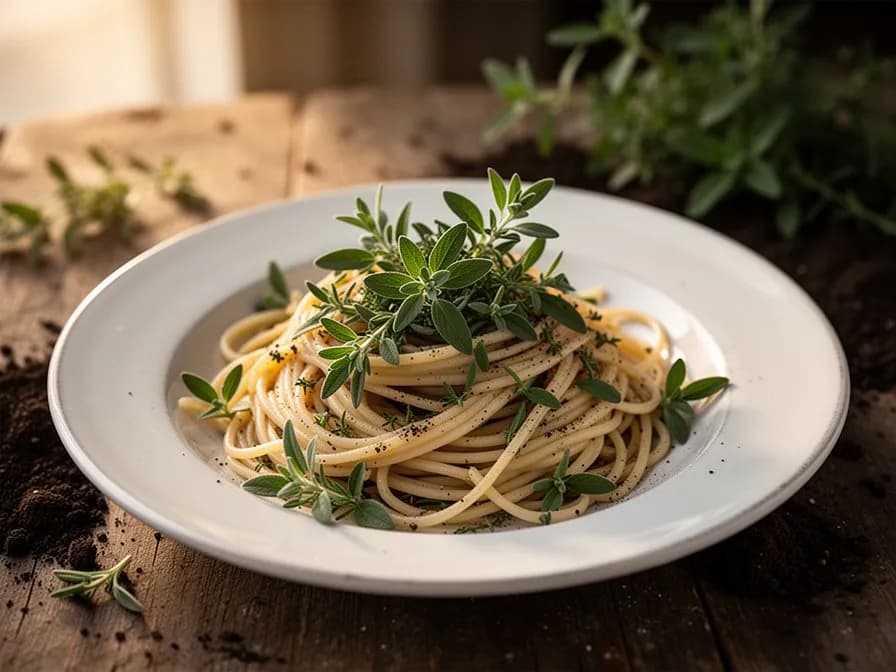
Summer Savory Bean Pot
25 minThe quintessential pairing — white beans braised with generous amounts of fresh summer savory in the style of Provencal country cooking. The herb's peppery warmth complements the creamy beans perfectly while traditionally aiding their digestion.
9 ingredientsSummer Savory Herb Butter
10 minA fragrant compound butter that captures summer savory's peppery, slightly minty character. Perfect melted over grilled lamb chops, stirred into steamed vegetables, or spread on warm bread. Freezes beautifully for months of use.
6 ingredientsSummer Savory Vinaigrette
5 minA bright, herbaceous dressing that showcases summer savory's unique peppery-thyme flavor. Excellent on green salads, roasted beet salads, potato salad, or drizzled over grilled vegetables and fresh tomatoes.
6 ingredientsCulinary Uses
Summer savory is known as the bean herb (Bohnenkraut) in Germany for its natural affinity with green beans and other legumes. Use fresh sprigs to season bean salads, lentil soups, and pea dishes. The delicate peppery flavor enhances grilled vegetables, eggs, and light summer sauces. Add to herbes de Provence blends and bouquet garni. Summer savory pairs well with poultry and fish where winter savory would be too assertive. Use fresh in salads and as a thyme substitute with a lighter touch.
What's inside
Health Benefits
- Contains powerful antimicrobial compounds including thymol and carvacrol that have been scientifically demonstrated to inhibit foodborne pathogens — supporting the traditional use of summer savory as a natural food preservative and digestive aid.
- Acts as a carminative herb that helps reduce gas and bloating when consumed with legumes and other gas-producing foods — the traditional German practice of cooking beans with savory has a genuine physiological basis in the herb's volatile oils.
- Rich in rosmarinic acid, a potent polyphenol antioxidant with documented anti-inflammatory properties that may help reduce oxidative stress and support cardiovascular health when consumed regularly as part of a varied diet.
- Provides significant amounts of iron, calcium, and manganese per serving — though consumed in small quantities, the mineral density of summer savory means that even a tablespoon of dried herb contributes meaningfully to daily micronutrient intake.
- Traditional herbal medicine has long used summer savory tea and infusions to soothe sore throats, ease coughs, and relieve mild digestive discomfort — applications supported by the herb's documented antiseptic and antispasmodic properties.
- Contains ursolic acid, a triterpenoid compound under active research for its potential anti-inflammatory, antioxidant, and muscle-preserving effects — adding to the herb's profile as a nutritionally complex culinary plant.
Where Summer Savory comes from
Summer savory (Satureja hortensis) is native to the eastern Mediterranean region and the Caucasus, where it has been gathered from the wild and cultivated since antiquity. Archaeological and literary evidence traces its use back at least 2,000 years to the ancient Greeks and Romans, who prized it both as a culinary herb and a medicinal plant. The Roman naturalist Pliny the Elder wrote about savory in his encyclopedic Natural History, and the herb was widely cultivated in Roman kitchen gardens across the empire.
The Romans are credited with spreading summer savory throughout Europe during their conquests, introducing the herb to Gaul, Iberia, and Britain. After the fall of the Roman Empire, cultivation continued in the monastic gardens of medieval Europe, where Benedictine and Cistercian monks maintained summer savory as an essential component of their herb collections. Charlemagne included savory in his Capitulare de Villis, the famous decree of 812 CE that listed plants required to be grown in every imperial estate garden — ensuring the herb's continued cultivation throughout the Carolingian Empire.
Summer savory became deeply embedded in the culinary traditions of Central and Eastern Europe, particularly in German-speaking regions where it earned its enduring nickname Bohnenkraut (bean herb). The association between savory and beans is ancient — the herb was believed not only to enhance the flavor of bean dishes but also to reduce the flatulence they cause, a claim that modern research has partially supported through the herb's carminative essential oils. In Provence and throughout southern France, summer savory is one of the traditional herbs of herbes de Provence, contributing its peppery warmth to countless regional dishes.
European colonists brought summer savory to North America in the 17th century, where it became a staple in colonial kitchen gardens from Massachusetts to Virginia. Thomas Jefferson grew summer savory at Monticello, and the herb was widely used in early American cooking before falling somewhat out of fashion in the 20th century. Today, summer savory is experiencing renewed interest among herb gardeners and chefs who appreciate its versatile, peppery flavor and its unmatched affinity for beans, lentils, and other legumes.
Summer Savory: did you know?
Fascinating facts about Summer Savory
Summer savory has been called the 'bean herb' (Bohnenkraut) in German-speaking countries for centuries — it is considered so essential to bean cookery that the two are virtually inseparable in traditional German, Austrian, and Swiss recipes.
Summer Savory questions, answered
When should I plant Summer Savory?
What are good companion plants for Summer Savory?
What hardiness zones can Summer Savory grow in?
How much sun does Summer Savory need?
How far apart should I space Summer Savory?
What pests and diseases affect Summer Savory?
How do I store Summer Savory after harvest?
What are the best Summer Savory varieties to grow?
What soil does Summer Savory need?
What is the difference between summer savory and winter savory?
Why is summer savory called the bean herb?
Can I grow summer savory in containers?
How do I dry and store summer savory?
What dishes pair best with summer savory?
Will summer savory self-sow in my garden?
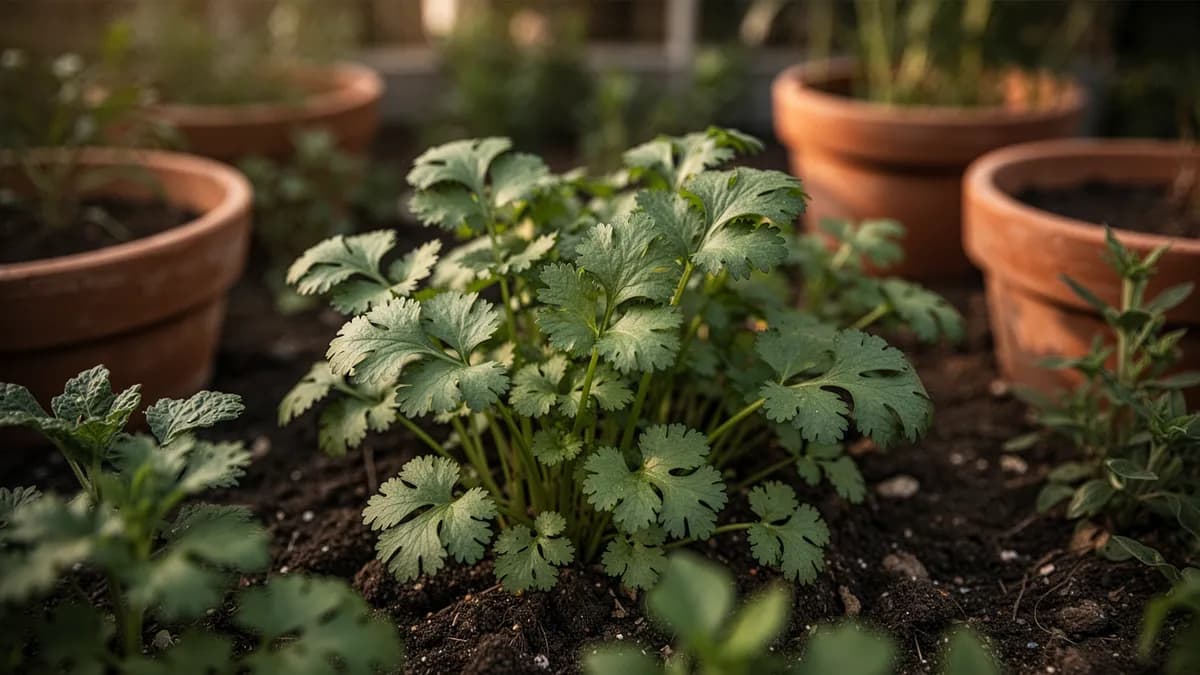
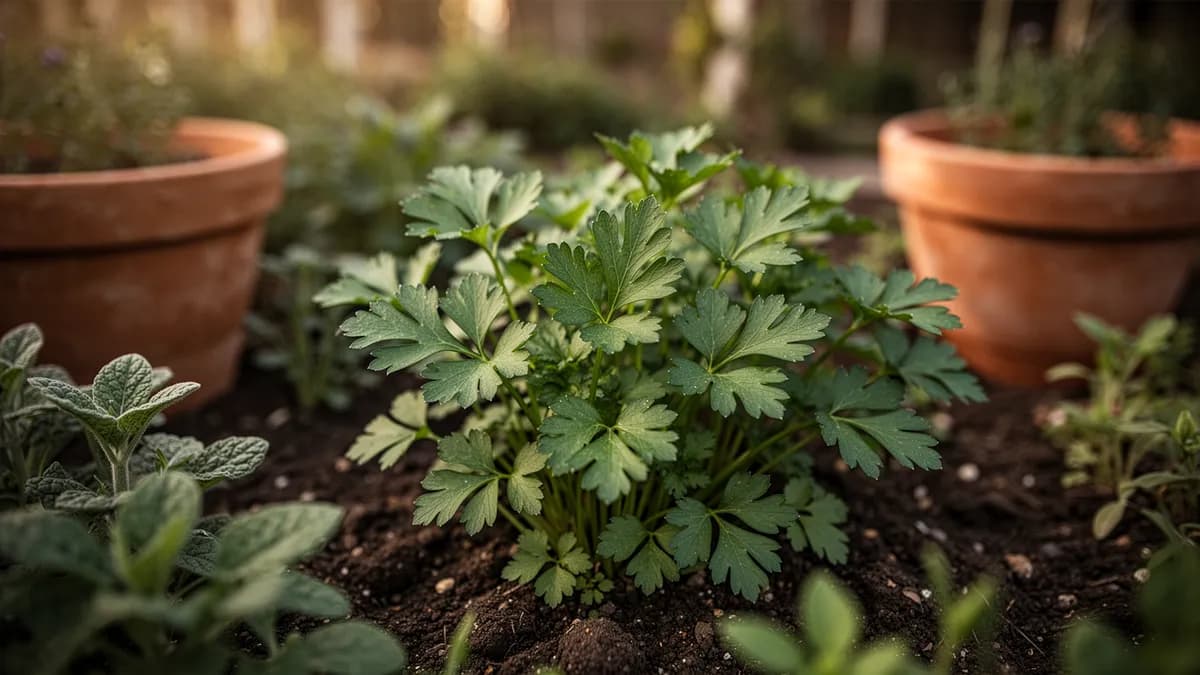
Plant these alongside Summer Savory
More Culinary Herbs
Keep Summer Savory away from these
Grow your best Summer Savory yet — and everything around it.
Start a free plan today. Lay out your beds, drop in your Summer Savory, and let PlotMyGarden handle the timing, spacing, companions and reminders from seed to harvest basket.
