Yuzu
Eine hocharomatische japanische Zitrusfrucht, die fuer ihre komplexe Schale geschaetzt wird, die Aromen von Zitrone, Mandarine und Grapefruit vereint.





Auf dieser SeiteÜberblick
Yuzu im Überblick
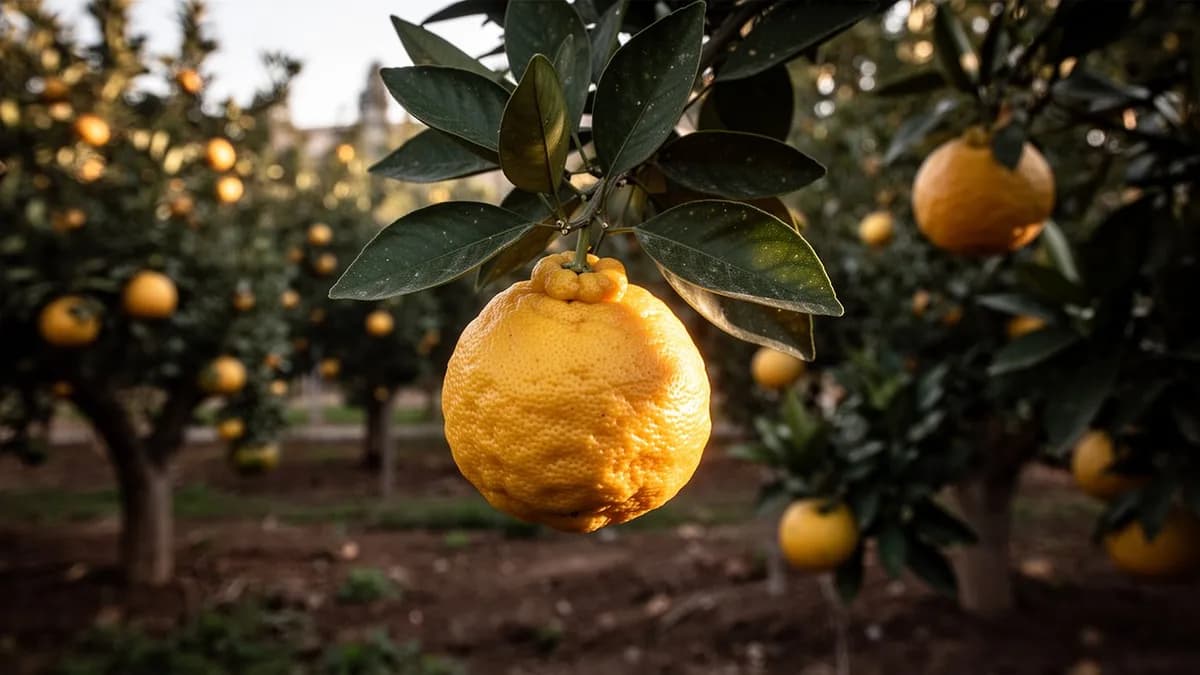
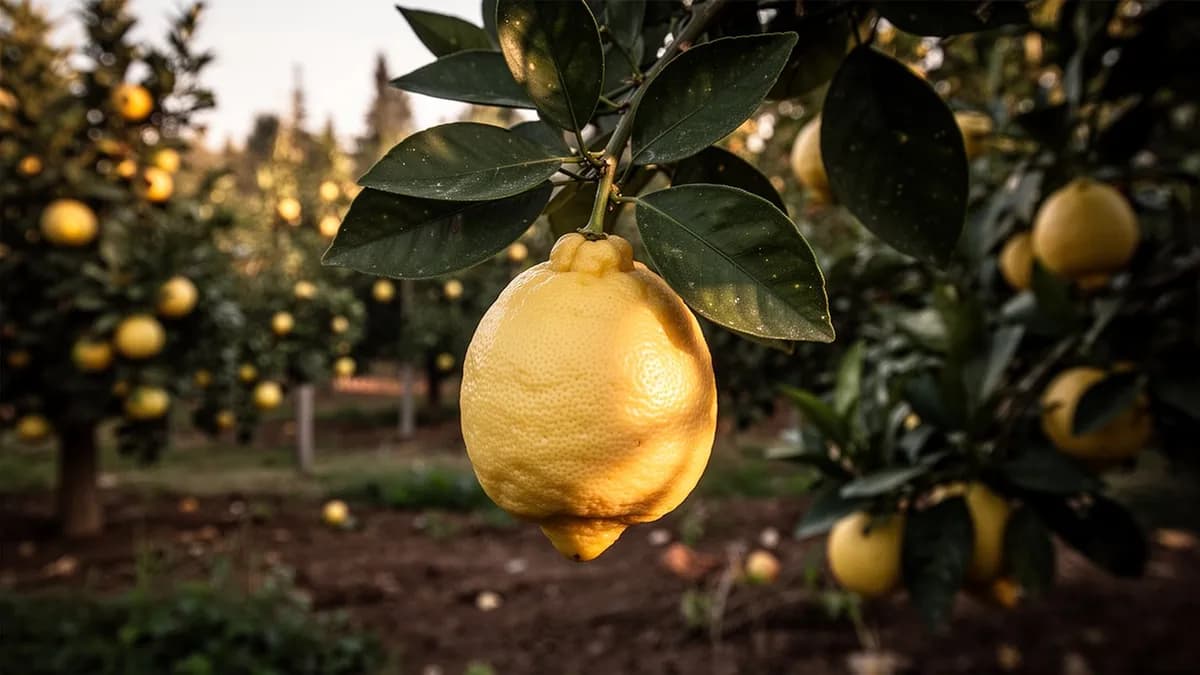
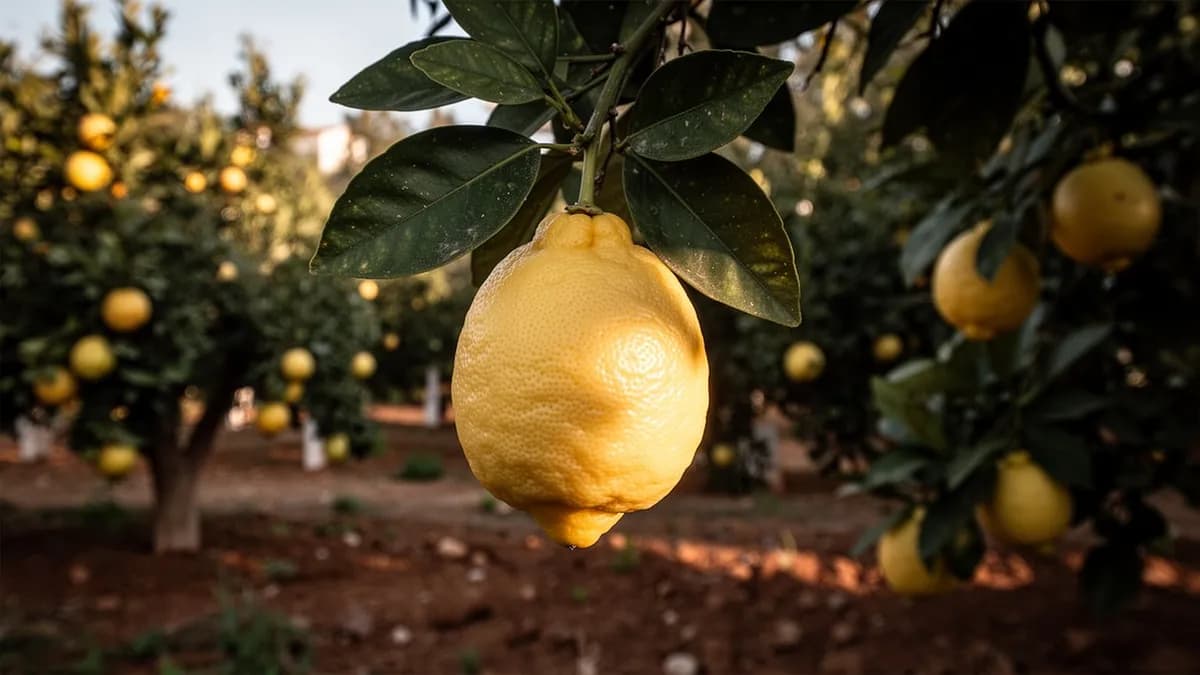
Eine hocharomatische japanische Zitrusfrucht, die fuer ihre komplexe Schale geschaetzt wird, die Aromen von Zitrone, Mandarine und Grapefruit vereint. Yuzu ist eine der kaelteresistentesten Zitrusarten und vertraegt Temperaturen bis -9 Grad Celsius, sobald sie etabliert ist. Die hoegellige, gelbgruene Frucht wird selten frisch gegessen, aber ihre Schale und ihr Saft sind in der japanischen Kueche unverzichtbar.
Wann Yuzu pflanzen
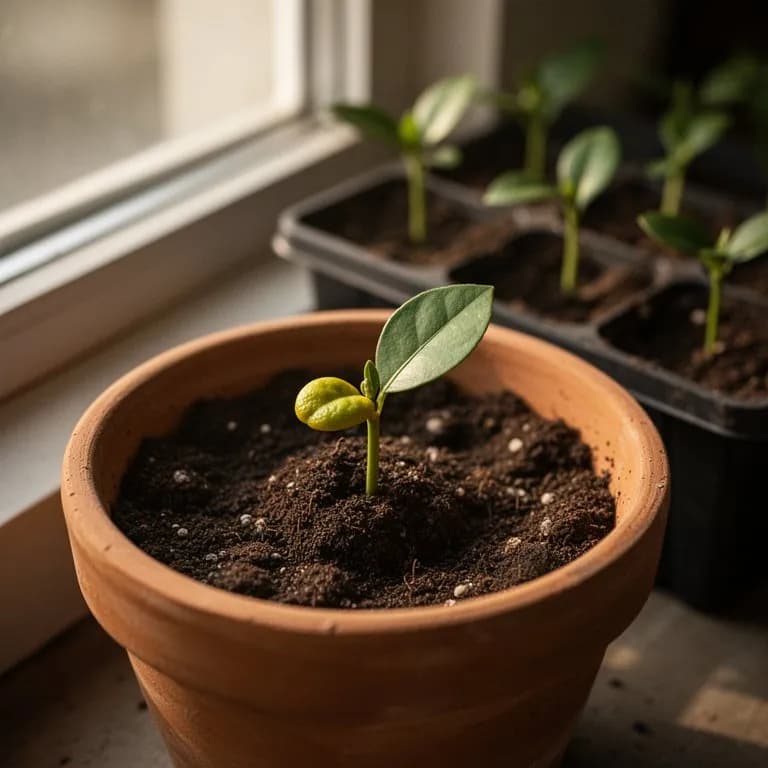
Yuzu kann aus Samen gezogen werden, braucht aber extrem lange bis zur Fruchtbildung, typischerweise zehn bis fuenfzehn Jahre. Die Samen sind polyembryonal und produzieren einige nukellare Saemilinge, die genetische Klone sind. Fuer schnellere Fruchtbildung kaufen Sie veredelte Baeume auf Poncirus-trifoliata-Unterlage, die die Winterhaerte maximiert, oder auf Flying Dragon fuer Zwergwuchs. Veredelte Baeume tragen in drei bis fuenf Jahren. Wenn Sie aus Samen ziehen, pflanzen Sie frische Samen 2,5 cm tief in feuchtes Anzuchtsubstrat, halten Sie sie warm bei 21 bis 27 Grad und rechnen Sie mit Keimung in drei bis sechs Wochen. Saemilinge sind von frueh an dornig.
Dein Yuzu-Jahr
Abgestimmt auf Zone 7 · typische Saison · Frost geht um den 2. Apr. und kehrt um den 1. Nov. zurück
Yuzu Mär – Mai pflanzen, Okt – Dez ernten. Beachte die Pflanzmethoden unten und wähle dein Klima für passende Zeiträume.
So baust du Yuzu an
Yuzu ist fuer eine Zitrusfrucht bemerkenswert winterhart und ueberlebt Temperaturen bis -9 Grad Celsius, sobald sie etabliert ist, was den Anbau in den USDA-Zonen 7 bis 10 ermoeglicht. Pflanzen Sie in voller Sonne in gut durchlaessigem Boden mit einem Abstand von 3,5 bis 4,5 Metern zwischen den Baeumen. Yuzu waechst langsam als dorniger, aufrechter Baum und erreicht eine Hoehe von 4,5 bis 6 Metern. Pflanzen Sie im Fruehling, nachdem die Frostgefahr vorueber ist, und waessern Sie gruendlich.
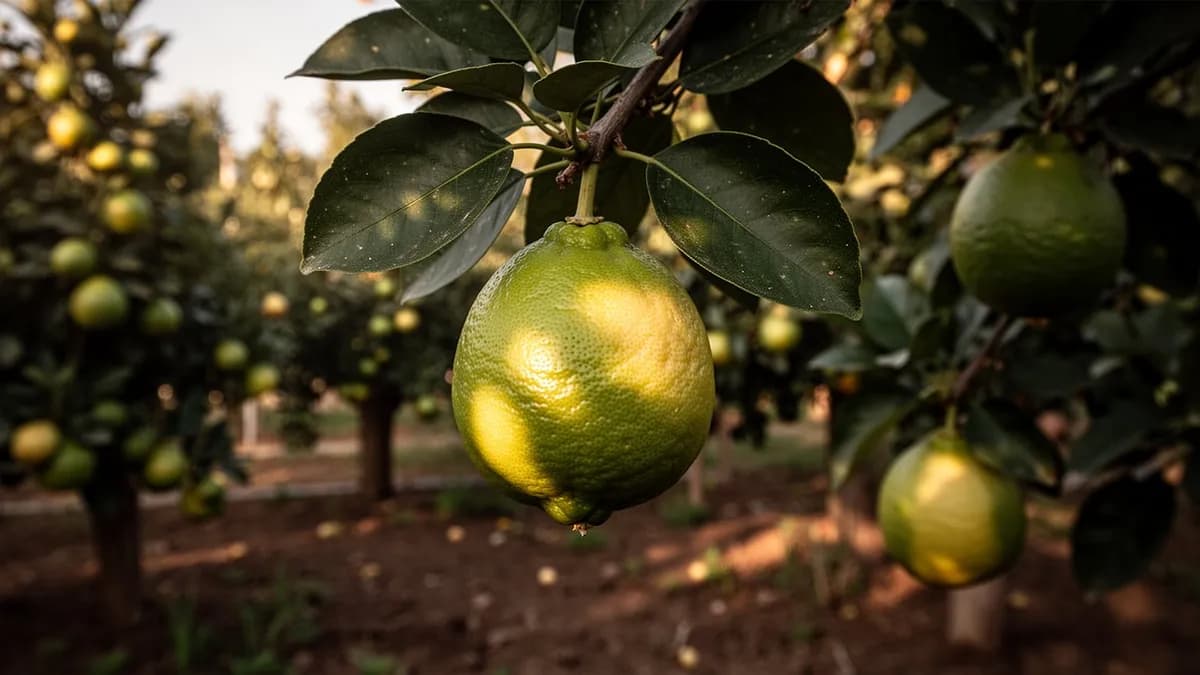
Der Baum traegt reichlich, sobald er etabliert ist, aber Geduld ist erforderlich, da aus Samen gezogene Baeume ein Jahrzehnt bis zur Fruchtbildung brauchen koennen. Veredelte Exemplare tragen in drei bis fuenf Jahren. Yuzu blueht im Fruehling mit duftenden weissen Blueten. Die Frucht entwickelt sich ueber den Sommer und reift im Spaetherbst, wobei sie sich von Gruen zu Goldgelb faerbt. Gruene Yuzu hat in der japanischen Kueche eigene kulinarische Anwendungen, sodass sich die Erntezeit ueber mehrere Monate erstreckt.
Duengen Sie dreimal pro Jahr mit einer ausgewogenen Zitrusduengermischung. Yuzu ist aufgrund ihrer Ichang-Papeda-Abstammung widerstandsfaehiger gegen Schaedlinge als viele andere Zitrusarten. Die Dornen sind beachtlich, tragen Sie daher beim Schneiden oder Ernten schwere Handschuhe. Schneiden Sie, um die Form zu erhalten und abgestorbenes Holz im Inneren zu entfernen. In Zone 7 pflanzen Sie an einer nach Sueden ausgerichteten Wand und mulchen Sie grosszuegig um die Wurzelzone, um die Wurzeln vor starkem Frost zu isolieren.
Für Yuzu ist ein Beet von 120 × 240 cm zu klein
Yuzu braucht 300 cm Platz pro Pflanze. Der Planer hält diesen Abstand für dich ein — jede Pflanze, jedes Beet.
Die besten Nachbarn für Yuzu
Yuzus dorniger Wuchs macht sie zu einer wirksamen Barriere- oder Heckenpflanze. Ihre Winterhaerte ermoeglicht den Anbau an Standorten, an denen andere Zitrusfruechte nicht ueberleben koennen. Unterpflanzen Sie mit schattentoleranten Kraeutern wie Petersilie und Kerbel. Stickstofffixierender Klee oder Wicke als Bodenbedeckung foerdert die Bodengesundheit. Yuzus Blueten ziehen Bestaeuber an, was benachbarten Obstbaeumen und Gemuese zugutekommt. Der Baum eignet sich gut am hinteren Ende eines Mischobstgartens und bietet Windschutz fuer empfindlichere Zitrusfruechte davor.
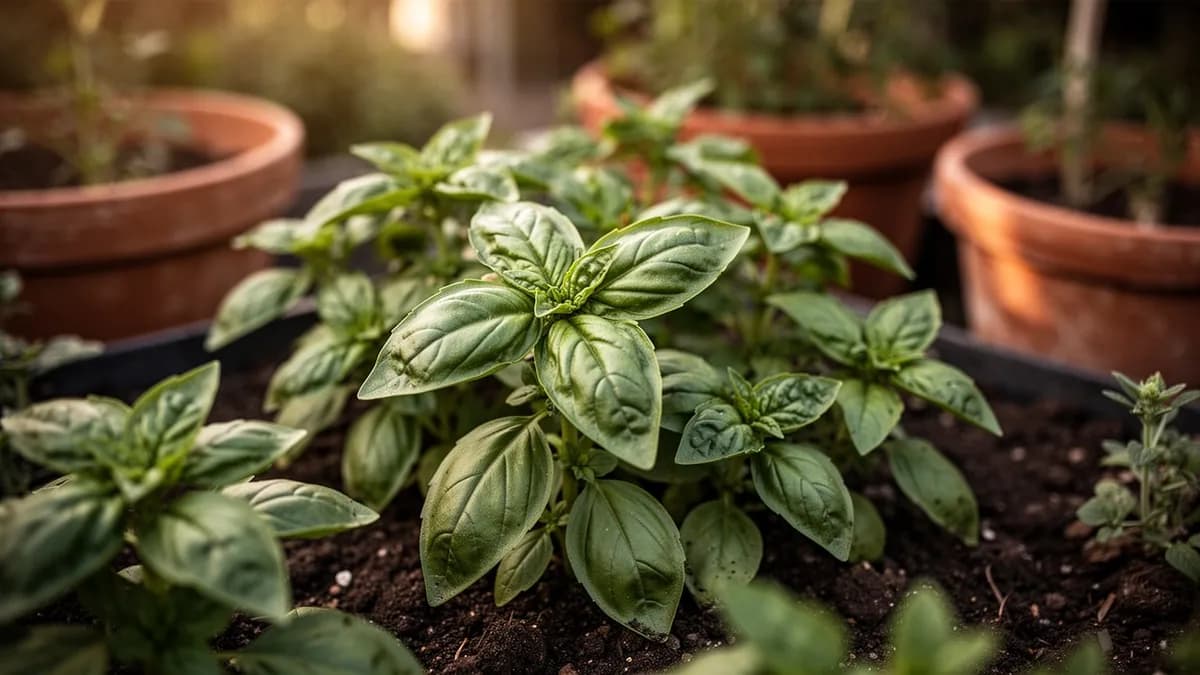
Basilikum gehört daneben. Walnussbaum nicht.
Altes Gärtnerwissen, geprüft an der echten Nachbartabelle von Yuzu — teste jede Pflanze, die du anbaust.
Probiere Yuzu direkt hier im Beet
Ein echtes Planer-Beet, Yuzu steht schon drin. Tippe einen Begleiter an, platziere ihn und sieh, wie die Nachbarschaftsprüfung antwortet — grün für gute Nachbarn, rot bei Streit.


Passende Anbau-Ratgeber
Richtig düngen
Yuzu passt sich an eine breite Palette von Boeden an, erzielt aber die besten Ergebnisse in gut durchlaessigem Lehm mit einem pH-Wert von 5,5 bis 6,5. Der Baum ist dank seiner Ichang-Papeda-Abstammung toleranter gegenueber Tonboeden als die meisten Zitrusarten. Tragen Sie dreimal pro Jahr einen ausgewogenen Zitrusduenger in maessigen Mengen auf. Yuzu ist im Vergleich zu Orangen und Grapefruit kein Starkzehrer. Ergaenzen Sie mit chelatiertem Eisen in alkalischen Boeden. In den Pflanzbereich eingearbeitete organische Substanz verbessert die Bodenstruktur und Wasserspeicherung. Mulchen Sie mit einer acht Zentimeter dicken Schicht aus kompostierter Rinde oder Laubkompost.
Ideale Temperatur
Winterhärtezone-Kompatibilität
Von der Saat zur Ernte, Schritt für Schritt
Samen- oder Veredelungs-Etablierung
Yuzu kann aus Samen gezogen werden, die in 2-4 Wochen keimen, wenn sie warm und feucht gehalten werden. Aus Samen gezogene Baeume koennen jedoch 8-12 Jahre bis zur Fruchtbildung brauchen und tragen oft reichlich Dornen. Veredelte Baeume von spezialisierten Zitrus-Baumschulen sind dringend zu empfehlen, da sie innerhalb von 4-6 Jahren tragen und eine zuverlaessigere Leistung liefern. Die Veredelung auf Poncirus-trifoliata-Unterlage verbessert die Winterhaerte erheblich, einen der Hauptvorteile von Yuzu gegenueber anderen Zitrusfruechten.
Jugendliches Wachstum und Wurzeletablierung
Der junge Yuzu-Baum entwickelt ein kraeftiges Wurzelsystem und produziert unregelmaessige Schuebe kraeftigen Wachstums. Lange, scharfe Dornen sind charakteristisch fuer jugendliche Yuzu-Baeume und werden mit zunehmender Reife weniger zahlreich. Das Laub ist glaenzend, dunkelgruen mit markanten gefluegelten Blattstielen — ein Merkmal, das in der gesamten Zitrusfamilie vorkommt. Der Baum waechst stetig, ist aber im Vergleich zu Zitrone oder Orange nicht schnellwuechsig.
Kronenentwicklung
In den naechsten zwei bis drei Jahren entwickelt die Yuzu eine abgerundete, ausladende Krone mit dichtem, aromatischem Laub. Der Baum ist von Natur aus kompakter als die meisten Zitrusfruechte und erreicht typischerweise 2-3 Meter Hoehe im Garten (kleiner in Kuebeln). Die Dornendichte beginnt an aelterem Holz abzunehmen. Die Wurzelsysteme werden gut etabliert und der Baum gewinnt Widerstandsfaehigkeit gegen kurze Kaelteeinbrueche.
Erste Bluete
Veredelte Yuzu-Baeume produzieren typischerweise ihre erste bedeutende Bluete 4-6 Jahre nach der Pflanzung. Kleine Bueschel duftender weisser Blueten erscheinen im mittleren bis spaeten Fruehling. Yuzu ist selbstfruchtbar, sodass ein einzelner Baum ohne Begleiter Fruechte ansetzt, obwohl Bienenaktivitaet den Fruchtansatz erheblich verbessert. Die ersten Ernten sind in der Regel bescheiden — einige Dutzend Fruechte — nehmen aber jedes Jahr zu, waehrend der Baum reift.
Fruchtansatz und Sommerentwicklung
Nach der Bestaeubung entwickeln sich kleine gruene Fruechte durch Fruehling und Sommer. Yuzu-Fruechte entwickeln sich im Vergleich zu Zitrone oder Mandarine bemerkenswert langsam und brauchen 6-8 Monate von der Bluete bis zur vollen Reife. Gruene unreife Yuzu wird ab Spaetsommer geerntet und ist in der japanischen Kueche wegen ihres schaerferen Geschmacks und ihrer tiefgruenen Farbe geschaetzt. Die hoegellige, knubbelige Schale ist von den fruehesten Stadien an reich an aetherischen Oelen.
Reifung und Ernte
Yuzu-Fruechte wechseln von Gruen zu leuchtendem Goldgelb, waehrend sie durch den Herbst reifen, typischerweise von Oktober bis Dezember in gemaessigten Klimazonen. Die Schale wird intensiv aromatisch und die Saftzellen im Inneren fuellen sich mit saeuerlichem, blumigem Saft. Ein ausgewachsener Baum produziert 100-400 Fruechte pro Jahr. Yuzu kann einige Wochen nach der Reife am Baum belassen werden, wo sie waehrend der Wintermonate sowohl als Zierde als auch als Nahrungsmittel dient.
Wenn Sie aus Samen starten, weichen Sie diese 24 Stunden in warmem Wasser ein, bevor Sie sie 1 cm tief in feuchtes Zitrus-Anzuchtsubstrat bei 21-26°C saeen. Fuer schnellere Ergebnisse und zuverlaessige Fruchtbildung kaufen Sie ein veredeltes Exemplar von einer spezialisierten Baumschule. Stellen Sie sicher, dass die Veredelungsstelle beim Pflanzen ueber der Erdoberflaeche bleibt.
Yuzu Monat für Monat pflegen
Was du jeden Monat für deine Yuzu tun solltest
Oktober
Aktueller MonatYuzu-Fruechte beginnen in den meisten gemaessigten Klimazonen diesen Monat, sich gelb zu faerben. Beginnen Sie mit den Vorbereitungen zum Schutz des Baumes vor fruehen Froesten — Yuzu vertraegt Kaelte besser als die meisten Zitrusfruechte, aber laengere Minustemperaturen beschaedigen Fruechte und Laub. Beginnen Sie, die Giesshaeufigkeit zu reduzieren.
Immer wissen, was jetzt im Garten zu tun ist
Eine E-Mail zum Monatsanfang: was du jetzt säen, pflanzen und anpacken solltest — für deine Yuzu und alles, was drumherum wächst. Dazu ein kurzer Startkurs, der dich vor den klassischen Fehlern bewahrt.
- Was jetzt zu tun ist
- Passend zu deiner Saison
- Startkurs inklusive
Yuzu ernten
Yuzu kann in zwei Stadien geerntet werden. Gruene Yuzu wird im Sommer wegen ihres scharfen, limettenartigen Dufts gepflueckt, der in Ponzu und anderen japanischen Zubereitungen verwendet wird. Reife gelbe Yuzu wird von Oktober bis Dezember geerntet, wenn die Frucht golden wird und die aromatischen Oele ihren Hoehepunkt erreichen. Schneiden Sie die Frucht mit einer Gartenschere ab und tragen Sie schwere Handschuhe zum Schutz gegen die betraechtlichen Dornen. Jede Frucht ergibt verhaeltnismaessig wenig Saft, aber die Schale ist der primaere kulinarische Schatz. Behandeln Sie die Fruechte vorsichtig, um die aromatischen Oeldruesen in der Schale zu erhalten.
angenommen, du pflanzt zu Beginn des Zeitraums — trage dein tatsächliches Datum ein
Ernte Yuzu zügig, dann trägt die Pflanze weiter.
Lagerung & Konservierung
Frische Yuzu haelt sich ein bis zwei Wochen im Kuehlschrank. Die Schale laesst sich hervorragend einfrieren und behaelt ihr komplexes Aroma monatelang. Reiben oder schaelen Sie die Schale vor dem Einfrieren, da aufgetaute Fruechte sich schwer sauber abreiben lassen. Yuzu-Saft laesst sich gut in Eiswuerfelformen einfrieren. Yuzu Kosho, eine fermentierte Paste aus Yuzu-Schale, Chili und Salz, ist ein traditionelles japanisches Wuerzmittel, das sich monatelang im Kuehlschrank haelt. Yuzu-Marmelade, mit Yuzu aromatisierter Honig und Yuzu-Salz sind weitere hervorragende Konservierungsmethoden.
Was schiefgeht — und die Lösung
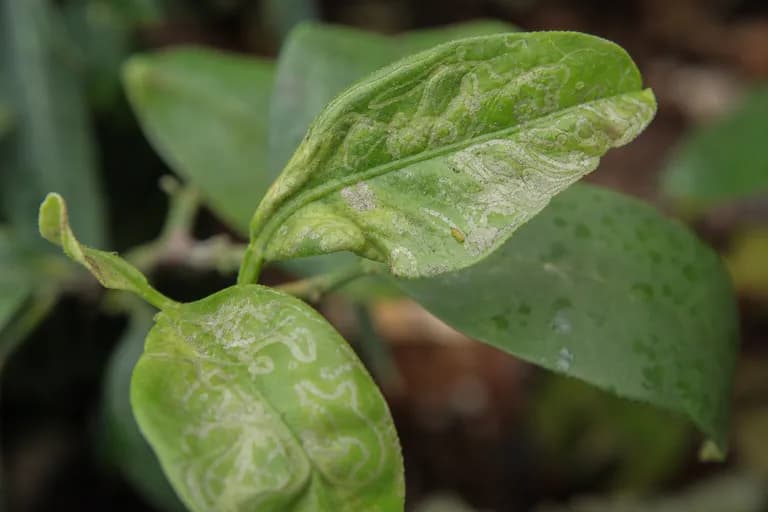
Zitrus-Minierfliege
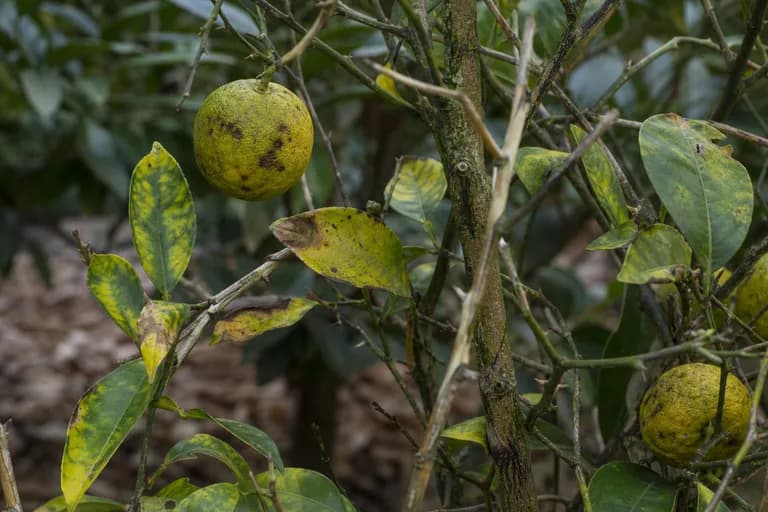
SchädlingSchlangenliniige silberne Spuren auf jungen Blaettern, wo Larven zwischen den Blattoberflaechen tunneln. Blaetter rollen sich ein und werden deformiert. Am schaedlichsten bei jungen Baeumen.
Citrus-Tristeza-Virus
KrankheitSchneller Verfall auf anfaelligen Unterlagen, Stammgrubigkeit, schlechte Fruchtqualitaet und allmaehliche Baumschwaeche ueber mehrere Jahre.
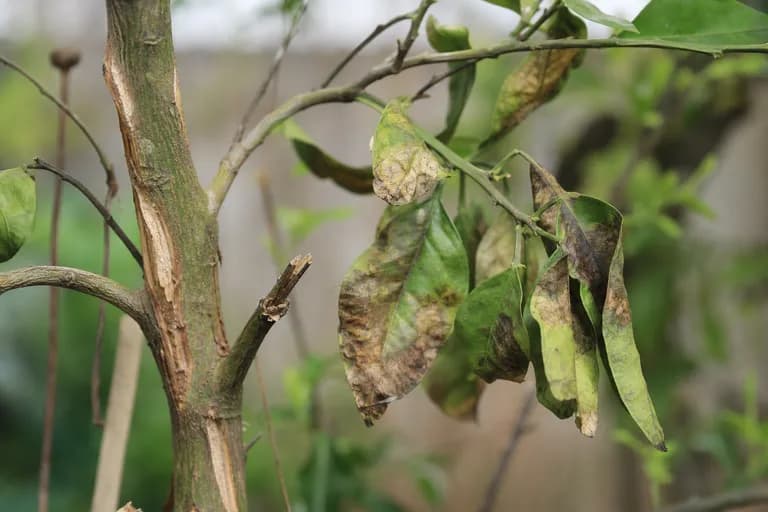
Frostschaeden
KrankheitWelke, waessrig wirkende Blaetter, die braun werden. Rindenrisse an Staemmen und Geruest-Aesten nach starkem Frost. Absterben kleiner Zweige.
Fehlerbehebung bei häufigen Problemen
Die haeufigste Frustration bei Yuzu ist die extrem lange Zeit bis zur Fruchtbildung aus Samen, oft zehn bis fuenfzehn Jahre oder mehr. Kaufen Sie immer veredelte Baeume fuer realistische Ertragszeiten. Die schweren Dornen machen das Schneiden und Ernten ohne geeigneten Schutz schmerzhaft und potenziell gefaehrlich. Yuzu produziert im Vergleich zu anderen Zitrusfruechten relativ wenig Saft und ist daher primaer eine Schalenfrucht. Baeume koennen ohne regelmaessigen Schnitt recht gross und dornig werden, was die Pflege in kleinen Gaerten erschwert.
Anbautipps
- Kaufen Sie immer einen veredelten Yuzu-Baum von einer spezialisierten Zitrus-Baumschule, anstatt zu versuchen, aus Samen zu ziehen. Aus Samen gezogene Baeume koennen 10-12 Jahre brauchen, bis sie ihre erste Frucht tragen, waehrend ein gutes veredeltes Exemplar in 4-6 Jahren zu tragen beginnt. Fragen Sie speziell nach Baeumen, die auf Poncirus-trifoliata-Unterlage veredelt sind, fuer maximale Winterhaerte.
- Waehlen Sie den sonnigsten, geschuetztesten Platz in Ihrem Garten — idealerweise an einer nach Sueden ausgerichteten Wand, die Waerme speichert und Frostschutz bietet. Yuzu vertraegt mehr Kaelte als jede andere essbare Zitrusfrucht, aber ein warmes Mikroklima verbessert den Fruchtansatz und die Geschmacksentwicklung erheblich.
- Respektieren Sie die Dornen. Yuzu-Baeume, besonders junge Exemplare, tragen lange, scharfe Dornen, die ernsthafte Verletzungen verursachen koennen. Tragen Sie beim Schneiden oder Ernten immer dicke Lederhandschuhe. Die Dornen nehmen mit zunehmendem Alter des Baumes ab, verschwinden aber nie vollstaendig.
- Yuzu braucht vor allem ausgezeichnete Drainage. Pflanzen Sie in gut durchlaessigen Boden, der bei schweren Boeden mit grobem Kies oder Gartensand verbessert wurde. In Kuebeln verwenden Sie ein zitrusspezifisches Substrat, gemischt mit 20-30 % Perlit. Wurzelfaeule durch Staunaesse ist die haeufigste Ursache fuer das Scheitern bei selbst angebauter Yuzu.
- Haben Sie Geduld. Yuzu belohnt langfristiges Denken. Der Baum waechst in seinen fruehen Jahren langsam und mag unproduktiv erscheinen, aber einmal etabliert ist er aussergewoehnlich langlebig und wird jede Saison produktiver. Gaertner, die ihren Baum im dritten Jahr aufgeben und entsorgen, verpassen die Bluete, die oft im vierten oder fuenften Jahr beginnt.
- Duengen Sie mit einem zitrusspezifischen Duenger, der Spurenelemente enthaelt, im Fruehling und Fruehsommer, und wechseln Sie dann ab Hochsommer zu einem stickstoffarmen, kaliumreichen Duenger, um die Fruchtentwicklung und den Geschmack gegenueber dem vegetativen Wachstum zu foerdern. Vermeiden Sie stickstoffreiche Duengung im Spaetsommer, da diese die Winterhaerte verringern kann.
- Ernten Sie sowohl gruene als auch gelbe Yuzu fuer verschiedene kulinarische Verwendungen. Gruene Yuzu, die ab Spaetsommer gepflueckt wird, hat eine schaerfere, intensivere Saeure und einen markanten pflanzlich-zitrischen Geschmack, der speziell in der traditionellen japanischen Kueche verwendet wird. Gelbe reife Yuzu hat ein runderes, blumigeres Aroma. Der eigene Anbau ermoeglicht Ihnen die Nutzung beider Stadien — ein Luxus, der mit teuren importierten Fruechten unmoeglich ist.
- Frieren Sie Yuzu-Schale und -Saft sofort nach der Ernte ein. Da die Fruchtsaison kurz und die Frucht kostbar ist, verarbeiten Sie die Ernte umgehend: Reiben Sie alle Fruechte ab, bevor Sie sie schneiden, und frieren Sie die Schale flach auf einem Tablett ein, bevor Sie sie in Beutel umfuellen. Giessen Sie den Saft in Eiswuerfelformen und frieren Sie ihn ein. So haben Sie das ganze Jahr ueber frischen Yuzu-Geschmack.
- Wenn Sie in einem kaelteren Klima anbauen, tragen Sie im Herbst eine dicke Mulchschicht aus Rindenschnitzeln von 10-15 cm Tiefe um die Wurzelzone auf und halten Sie sie vom Stamm fern. Dies isoliert die Wurzeln — oft anfaelliger fuer Kaelte als die Krone — und kann den Unterschied zwischen einem Baum, der den Winter ueberlebt, und einem, der es nicht tut, ausmachen.
- Yuzu ist im Vergleich zu anderen Zitrusfruechten relativ schaedlingsresistent, aber ueberwachen Sie waehrend der gesamten Wachstumsperiode Staemme und Blattunterseiten auf Schildlaeuse. Eine Winteranwendung von Gartenbauoel-Spray auf den ruhenden Baum ist eine der wirksamsten und am wenigsten stoerenden Methoden, um Schildlauspopulationen zu bekaempfen, bevor sie sich etablieren.
Bau deine beste Yuzu an — und alles drumherum.
Starte heute kostenlos. Lege deine Beete an, setze deine Yuzu ein und lass PlotMyGarden Timing, Abstände, Begleiter und Erinnerungen von der Saat bis zum Erntekorb übernehmen.
Finde deine Yuzu
Kernlose Yuzu
Eine veredelte Auswahl, die weniger Kerne als Standard-Yuzu produziert, was die Saftgewinnung erleichtert. Gleiche Winterhaerte und aromatische Qualitaet wie die kernhaltigen Sorten.
Sudachi
Eine eng verwandte Zitrusfrucht, die manchmal separat klassifiziert wird, mit kleinerer gruener Frucht und einem schaerferen, limettenartigeren Geschmack. Aeusserst beliebt in der Praefektur Tokushima, Japan.
Yuzu Hana
Eine kompakte, dornenlose Auswahl, die sich fuer den Kuebel-Anbau eignet. Etwas weniger winterhart als Standard-Yuzu, aber deutlich einfacher auf kleinem Raum zu handhaben.
Ichang-Zitrone
Ein Yuzu-Verwandter mit aehnlicher Winterhaerte und aromatischen Eigenschaften. Groessere Frucht mit mehr Saft. Nuetzlich als kaelteresistenter Zitronenersatz.
Frische Yuzu-Fruechte gehoeren zu den teuersten Zitrusfruechten auf den internationalen Maerkten und werden bei spezialisierten Obst- und Gemuesehaendlern und asiatischen Lebensmittelgeschaeften regelmaessig fuer 13-26 € pro Kilogramm verkauft, wenn sie ueberhaupt erhaeltlich sind. Eine einzelne Flasche Yuzu-Saft (200 ml) kostet in den meisten westlichen Laendern 13-22 €. Ein ausgewachsener selbst angebauter Yuzu-Baum, der 150-300 Fruechte pro Jahr produziert, repraesentiert jaehrlich 175-525 € an frischen Fruechten zu Einzelhandelspreisen. Yuzu Kosho und Ponzu aus selbst angebauten Fruechten kosten einen Bruchteil der Premium-Handwerksprodukte, die in Spezialgeschaeften verkauft werden. Angesichts der Lebensdauer des Baumes von 50 oder mehr Jahren kann ein einzelner veredelter Baum, der 50-100 € in einer spezialisierten Baumschule kostet, Tausende von Euro an Einsparungen bedeuten und Zugang zu einer Qualitaet frischer Yuzu bieten, die mit Geld nicht leicht zu kaufen ist.
Schnelle Rezepte

Klassische Ponzu-Dipsauce
5 Minuten (plus 24 Stunden Ruhezeit)Ponzu ist die grundlegende japanische Zitrus-Sojasauce, die auf Yuzu fuer ihre unverkennbare helle, blumige Tiefe angewiesen ist. Dieses vielseitige Wuerzmittel veredelt Sashimi, Teigtaschen, gegrilltes Fleisch und Tofu. Die Zubereitung zu Hause aus frischer Yuzu ist ein Erlebnis — die kommerziell abgefuellte Version kann mit der Frische von frisch gepresstem Saft nicht mithalten.
7 ZutatenYuzu Kosho (Fermentierte Yuzu-Chili-Paste)
20 Minuten (plus 3-7 Tage Fermentation)Yuzu Kosho ist ein scharfes, intensiv aromatisches japanisches Wuerzmittel, das durch Fermentierung von Yuzu-Schale mit frischen gruenen oder roten Chilis und Salz hergestellt wird. Eine winzige Menge — nicht mehr als eine erbsengrosse Portion — verwandelt gegrilltes Haehnchen, Ramen, Udon-Nudeln oder eine einfache Schale Reis in etwas Aussergewoehnliches. Es haelt sich monatelang gekuehlt und wird mit der Zeit besser.
4 Zutaten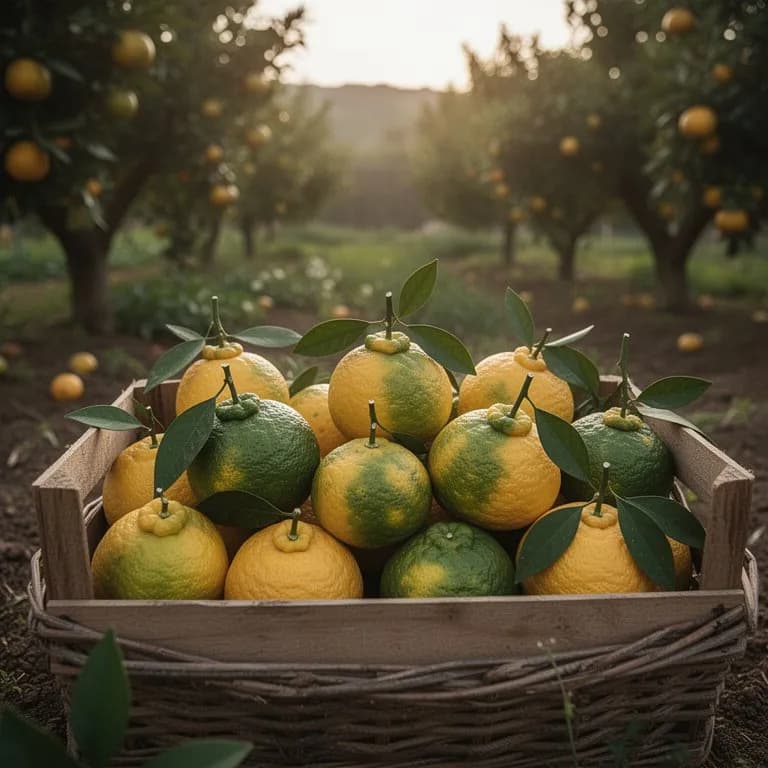
Yuzu-Curd
20 MinutenYuzu-Curd ist eine japanisch inspirierte Variante des klassischen britischen Lemon Curd, mit einem komplexeren, blumigeren und aromatischeren Charakter, der ihn aussergewoehnlich auf Toast, in Joghurt eingeruehrt oder als Tartefuellung macht. Die geringe Saftmenge, die jede Yuzu-Frucht liefert, macht dies zu einem echten Genuss fuer besondere Anlaesse — ein Glas aus selbst angebauten Fruechten wird zu einer wahrlich kostbaren Zutat.
6 ZutatenKulinarische Verwendung
Yuzu-Schale und -Saft sind Eckpfeiler der japanischen Kueche. Die Schale parfuemiert Suppen, insbesondere die Winterspezialitaet Yuzu-Bad-inspirierte Gerichte. Yuzu-Saft ist die Hauptzutat in Ponzu-Sauce, dem allgegenwaertigen japanischen Zitrus-Soja-Dip. Verwenden Sie die Schale in Desserts, Cocktails, Eiscreme und Vinaigrettes. Yuzu Kosho, hergestellt aus Schale, Chilischoten und Salz, ist ein vielseitiges Wuerzmittel fuer gegrilltes Fleisch und Fisch. Der Saft verleiht Dressings und Marinaden Komplexitaet.
Was drinsteckt
Gesundheitsvorteile
- Enthaelt eine der hoechsten Vitamin-C-Konzentrationen in jedem Zitrussaft — bis zu 150 mg pro 100 ml — weit ueber Zitronensaft, und unterstuetzt Immunfunktion, Kollagensynthese, Hautgesundheit und effiziente Eisenaufnahme aus pflanzlichen Lebensmitteln
- Reich an Nobiletin und anderen polymethyloxylierten Flavonen, die einzigartig fuer Zitrusfruechte sind und in Forschungsstudien vielversprechende Wirkungen zur Reduzierung von Entzuendungen, Unterstuetzung der Gehirngesundheit und moeglichen Senkung des Risikos fuer das Metabolische Syndrom gezeigt haben
- Yuzu-Aromatherapie — das einfache Einatmen des Dufts von Yuzu-Schale oder Yuzu-Bad-Dampf — hat in klinischen Studien in Japan nachweislich psychische Anspannung und Angst reduziert, mit messbaren Reduktionen des Speichel-Chromogranin A (einem Stress-Biomarker)
- Das Pektin und die Ballaststoffe in Yuzu-Mark und -Kernen unterstuetzen ein gesundes Darmmikrobiom, reduzieren Blutzuckerspitzen nach den Mahlzeiten und tragen zu niedrigeren LDL-Cholesterinwerten bei, wenn sie im Rahmen einer ausgewogenen Ernaehrung konsumiert werden
- Liefert Limonen und andere Terpene, die in der Schale konzentriert sind und in Laborstudien antioxidative und potenzielle antitumorale Eigenschaften gezeigt haben, was zur allgemeinen Zellgesundheit und zum Schutz vor oxidativen Schaeden beitraegt
- Die traditionelle ostasiatische Medizin verwendet Yuzu seit Jahrhunderten zur Unterstuetzung der Durchblutung und zur Erwaermung des Koerpers bei Kaelte, und die Wintersonnenwende-Yuzu-Bad-Tradition hat eine dokumentierte physiologische Grundlage — die ueber die Haut aufgenommenen und als Dampf eingeatmeten aetherischen Oele foerdern die periphere Durchblutung
Woher Yuzu stammt
Yuzu (Citrus junos) ist eine der aeltesten kultivierten Zitrusfruechte in Ostasien und entstand vermutlich als natuerliche Hybride zwischen der Mandarine (Citrus reticulata) und der Ichang-Papeda (Citrus cavaleriei) in Zentralchina und auf dem Tibetischen Hochplateau, wo ihre wilden Vorfahren noch heute in hoeheren Lagen wachsen. Im Gegensatz zu praktisch allen anderen kommerziellen Zitrusfruechten entwickelte sich Yuzu in einem gemaessigten statt in einem tropischen Klima, was ihre bemerkenswerte Winterhaerte im Vergleich zu Zitronen, Orangen und Limetten erklaert. Die Frucht wurde waehrend der Tang-Dynastie (618–907 n. Chr.) nach Korea und Japan eingefuehrt, wahrscheinlich von buddhistischen Moenchen und Gelehrten mitgebracht, die auf kulturellen Austauschrouten reisten. Japanische Aufzeichnungen aus der Nara-Periode (710–794 n. Chr.) dokumentieren den Yuzu-Anbau in den kaiserlichen Gaerten, und die Frucht wurde ueber die folgenden Jahrhunderte tief in die japanische kulinarische und kulturelle Tradition eingebettet. In Korea ist Yuja-cha — eine suesse Yuzu-Marmelade, die in heissem Wasser aufgeloest einen waermenden Tee ergibt — seit ueber tausend Jahren ein geschaetztes Wintergetraenk. Japanische Koeche entwickelten eine aussergewoehnliche Vielfalt an Verwendungsmoeglichkeiten fuer Yuzu: Der Saft saeuert Ponzu-Dipsauce, die Schale parfuemiert klare Suppen und Sashimi, Yuzu Kosho (eine lebhafte fermentierte Paste aus Yuzu-Schale und gruenen Chilis) wuerzt gegrilltes Fleisch und Nudeln, und ganze Fruechte schwimmen in Wintersonnenwende-Baedern. Obwohl Yuzu seit ueber einem Jahrtausend in Ostasien geschaetzt wird, blieb sie in der westlichen Welt bis in die 1990er und 2000er Jahre nahezu voellig unbekannt, als eine Welle des Interesses an der japanischen Kueche sie den Koechen in Europa und Nordamerika naeher brachte. Als sie auf den Speisekarten renommierter Restaurants auftauchte, explodierte die Nachfrage — doch die langsame Fruchtreifung des Baumes und die begrenzte Anbauflaeche etablierter Plantagen in Japan, Korea und China bedeuteten, dass das Angebot nicht mithalten konnte. Diese Knappheit trieb Yuzu dazu, eine der teuersten Zitrusfruechte im internationalen Handel zu werden und erzielte manchmal hoehere Preise als Safran hoechster Qualitaet nach Gewicht. Heute hat der kleinraeumige kommerzielle Yuzu-Anbau in Kalifornien, Neuseeland, Australien und Teilen Suedeuropas begonnen, da Erzeuger auf die globale Nachfrage reagieren. Fuer Hobbygaertner stellt Yuzu eine einzigartig lohnende Langzeitinvestition dar: ein winterharter, dekorativer und ausserordentlich duftender Zitrusbaum, der eine der weltweit begehrtesten kulinarischen Zutaten Jahr fuer Jahr ueber Jahrzehnte hinweg produziert.
Yuzu: Schon gewusst?
Faszinierende Fakten über Yuzu
Yuzu ist eine der winterhaertesten Zitruspflanzen im Anbau — auf Poncirus-trifoliata-Unterlage veredelt, kann sie Temperaturen bis -9°C bis -12°C ueberstehen, was den Freilandanbau in Teilen Grossbritanniens, Nordfrankreichs und des pazifischen Nordwestens der USA ermoeglicht, wo andere Zitrusfruechte zugrunde gehen wuerden.
Yuzu: Fragen & Antworten
Wann sollte ich Yuzu pflanzen?
Was sind gute Begleitpflanzen für Yuzu?
In welchen Winterhärtezonen kann Yuzu wachsen?
Wie viel Sonne braucht Yuzu?
Welchen Abstand sollte ich zwischen Yuzu lassen?
Welche Schädlinge und Krankheiten befallen Yuzu?
Wie lagere ich Yuzu nach der Ernte?
Was sind die besten Yuzu-Sorten zum Anbauen?
Welchen Boden braucht Yuzu?
Wie winterhart ist Yuzu im Vergleich zu anderen Zitrusfruechten, und kann ich sie in Grossbritannien oder Nordeuropa anbauen?
Warum blueht oder fruchtet mein Yuzu-Baum nach mehreren Jahren nicht?
Kann ich Yuzu durch Zitrone oder Limette ersetzen, wenn ich keine Yuzu im Geschaeft finden kann?
Sollte ich Yuzu im Kuebel oder im Freiland anbauen?
Wie ernte und lagere ich Yuzu, um das Beste aus einer kleinen Ernte herauszuholen?
Was ist der Unterschied zwischen gruener und gelber Yuzu, und welche sollte ich zum Kochen verwenden?
Du hast die Theorie gelesen. Jetzt baue sie auf Autopilot an.
Alles, was Yuzu knifflig macht — das Timing, die Abstände, die Begleiter, das Erntefenster — genau das übernimmt PlotMyGarden für dich, für jede Pflanze im Garten.
Ein Plan, der dein Wetter kennt
Standort einmal festlegen. Aussaat-, Dünge- und Erntedaten rund um deinen echten letzten Frosttermin und die Live-Vorhersage — kein Raten mehr nach Saattüte.
Aus dem Abschnitt „Pflanzzeit“Beetplaner per Drag & Drop
Beete auf einem Raster gestalten. Jede Pflanze rastet im richtigen Abstand ein, und du siehst die ganze Saison, bevor du einen Cent für Saatgut ausgibst.
Aus dem Abschnitt „Anbau“Begleiter-Konflikte früh erkannt
Über 200 gute und schlechte Kombinationen werden beim Pflanzen live geprüft — so landet ein saisonruinierender Fehler nie in der Erde.
Aus dem Abschnitt „Begleiter“Erinnerungen, nach denen du wirklich handelst
„Gieß die Bohnen.“ „Heute ernten, bevor's umschlägt.“ Pünktlich, konkret und auf deine echten Pflanzen bezogen.
Aus dem Abschnitt „Ernte“Staffel-Aussaat, geplant
Sechs Wochen ernten statt sechs Tage? Die App verteilt deine Aussaaten automatisch und erinnert dich, wenn der nächste Satz fällig ist.
Aus dem Abschnitt „Pflanzzeit“Ein Verlauf, der schlauer wird
Jede protokollierte Ernte bringt der App deinen Garten bei. Der Plan fürs nächste Jahr startet bei dem, was in deinem Boden wirklich funktioniert hat.
Aus dem Abschnitt „Überblick“Pflanze diese neben Yuzu
Weitere Zitrusfrüchte
Halte Yuzu von diesen fern
Bau deine beste Yuzu an — und alles drumherum.
Starte heute kostenlos. Lege deine Beete an, setze deine Yuzu ein und lass PlotMyGarden Timing, Abstände, Begleiter und Erinnerungen von der Saat bis zum Erntekorb übernehmen.