Eureka Lemon
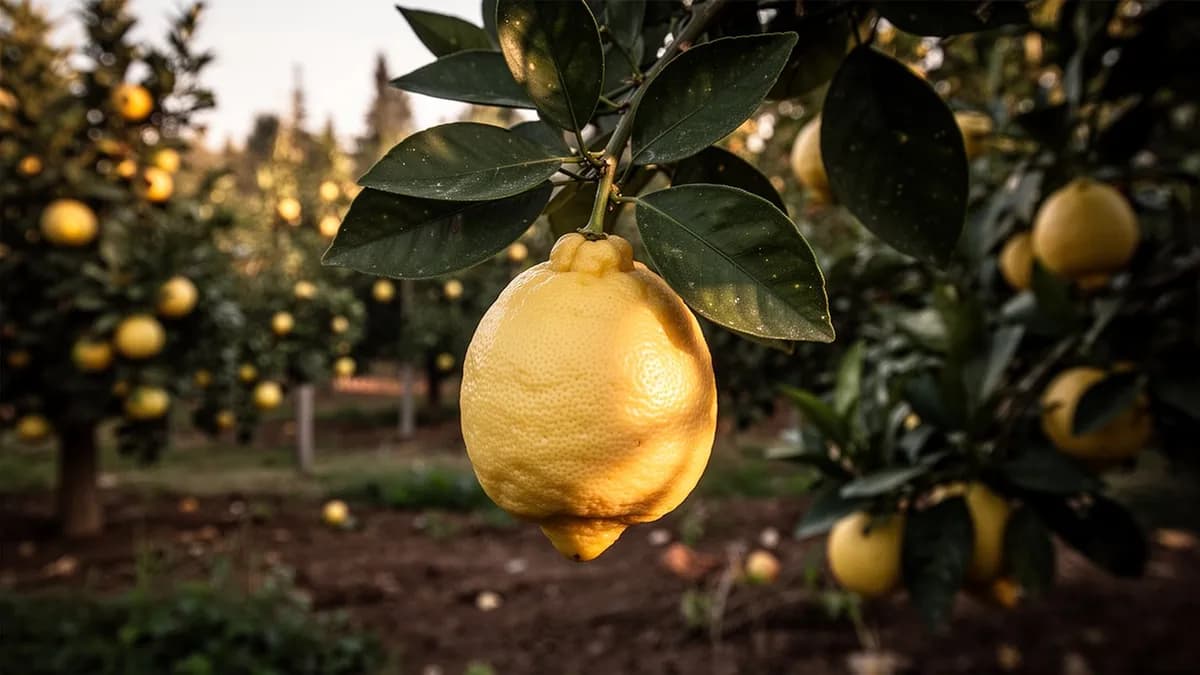
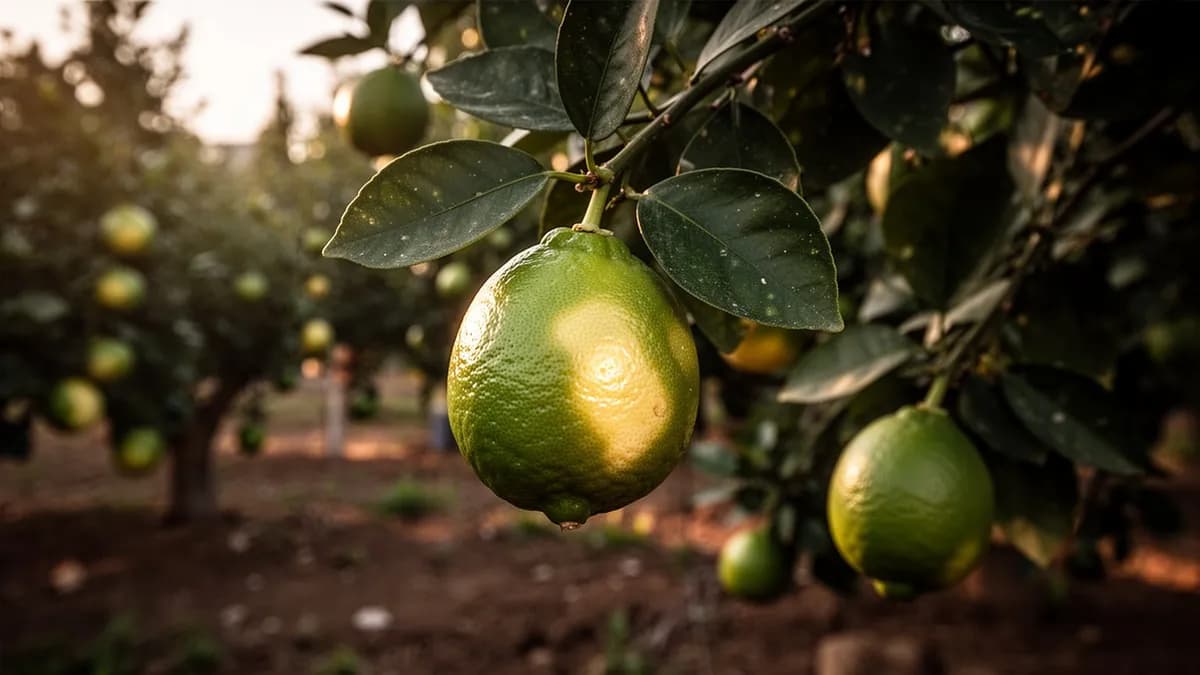
The classic grocery store lemon variety, producing medium-sized fruits with bright yellow skin and high juice content year-round.





On this pageOverview
Meet Eureka Lemon
The classic grocery store lemon variety, producing medium-sized fruits with bright yellow skin and high juice content year-round. Eureka lemons have fewer thorns than Lisbon types and maintain a more compact, open growth habit. They produce the heaviest crop in winter and spring but bear some fruit in all seasons.
When to plant Eureka Lemon
Eureka lemon seeds can be germinated for educational purposes, though seedlings will not produce true Eureka lemons and may take seven or more years to fruit. Remove seeds from a ripe lemon, rinse off pulp, and plant immediately while still moist. Sow half an inch deep in sterile seed-starting mix at 70 to 80 degrees Fahrenheit. Keep consistently moist and germination occurs in two to three weeks. For productive trees, always purchase grafted nursery stock on disease-resistant rootstock like Carrizo citrange.
Your Eureka Lemon Year
Composed for Zone 7 · typical seasons · frost passes Apr 2, returns Nov 1
Plant Eureka Lemon Mar – May, pick Jan – Dec. Check the planting methods below and set your climate to personalize these windows.
How to grow Eureka Lemon
Eureka lemons are the classic year-round producing lemon, ideal for coastal and mild-climate gardens where temperatures rarely dip below 28 degrees Fahrenheit. Select a full-sun planting site protected from strong winds, with well-drained soil. Plant in spring, setting the tree so the graft union sits three inches above the soil line. Space trees 15 to 20 feet apart for standard size, or 8 to 10 feet for semi-dwarf rootstocks.
Water deeply twice per week during the first year, then reduce to weekly watering once established. Eureka lemons are more sensitive to drought than Lisbon types due to their open canopy, which exposes fruit to sun and wind. Apply a three-to-four-inch mulch ring around the tree, keeping it six inches from the trunk to prevent crown rot.
Fertilize three times per year with a citrus-specific fertilizer: in February before spring growth, in May during active fruiting, and in September for fall flush. Eureka lemons have an open, spreading growth habit with fewer thorns than Lisbon, making them easier to harvest and prune. Remove water sprouts and crossing interior branches annually in late winter to maintain good light penetration and air circulation throughout the canopy.
Eureka Lemon needs more room than a 4 × 8 ft bed gives
Each Eureka Lemon wants 300 cm of elbow room. The planner keeps that spacing for you — every plant, every bed.
Eureka Lemon's best neighbours
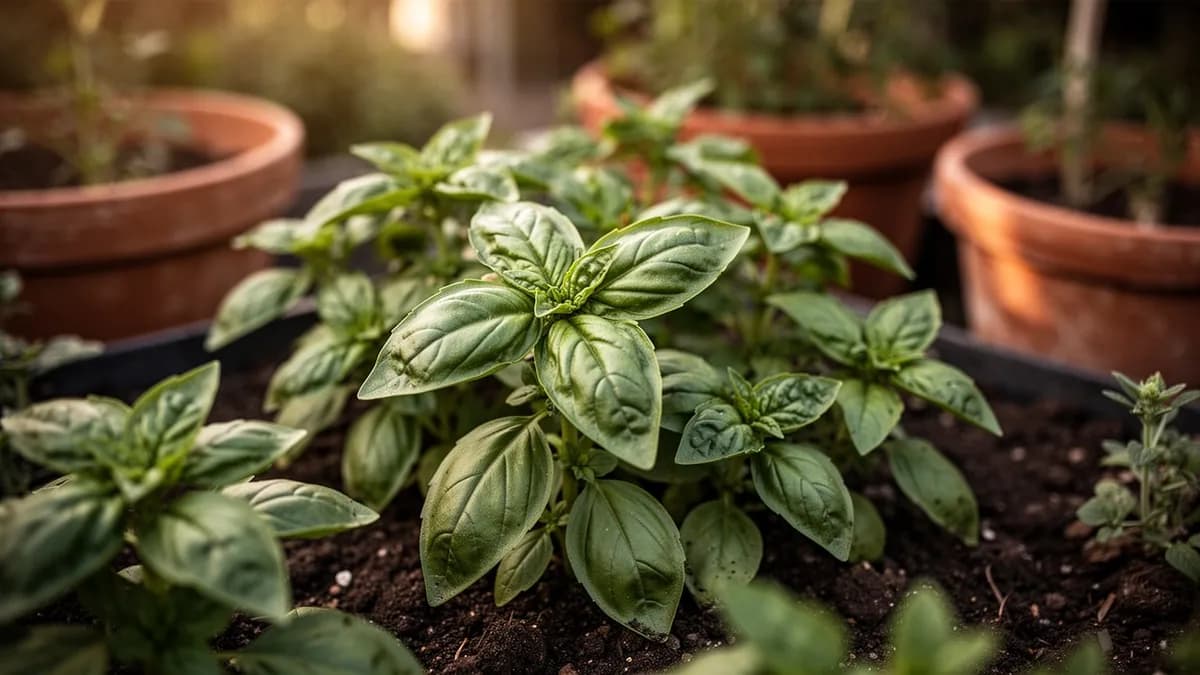
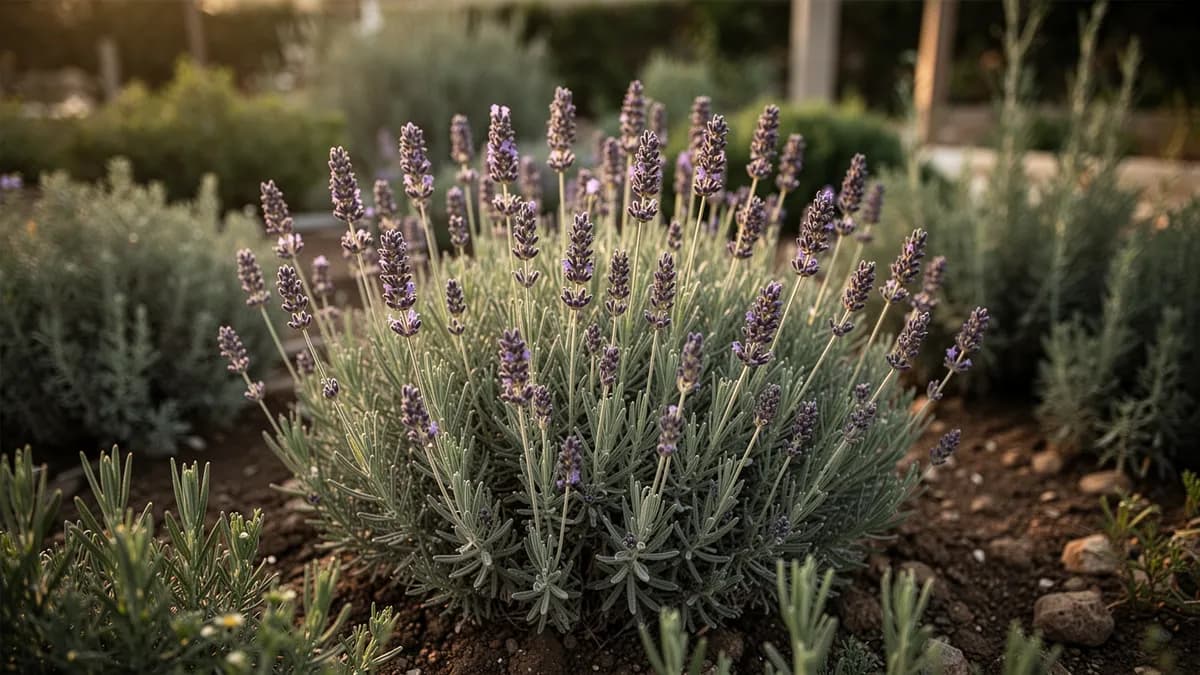
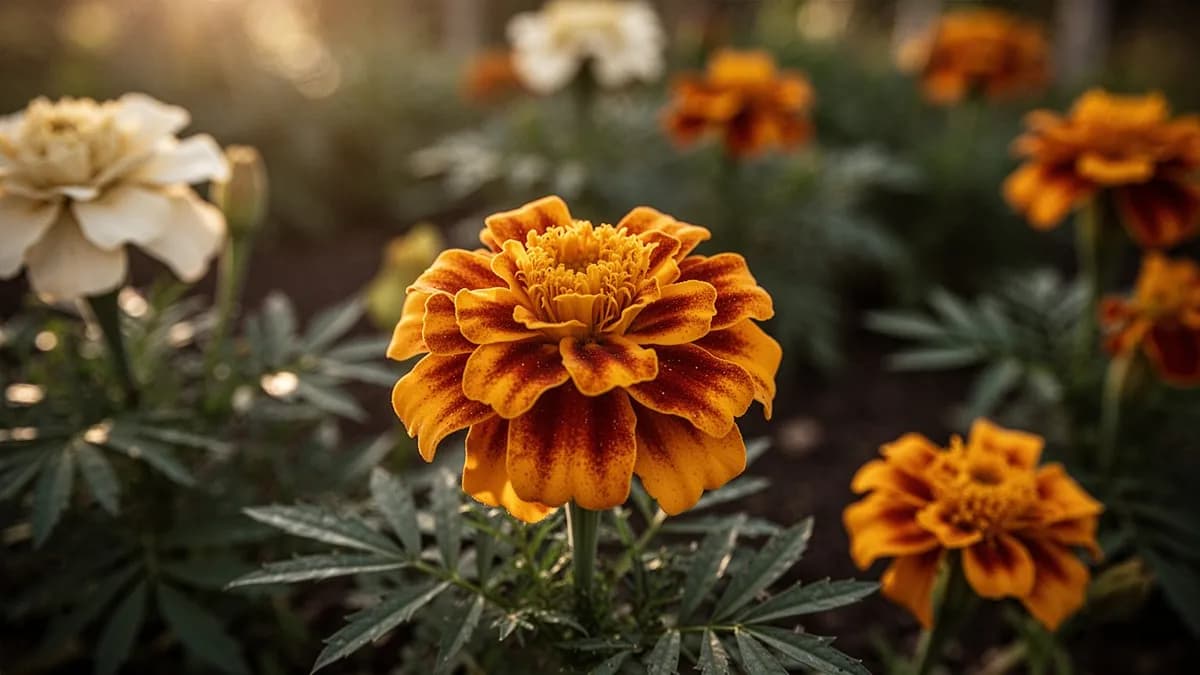
Interplant with aromatic herbs like rosemary, thyme, and oregano, which thrive in similar conditions and help repel pests. Basil planted at the drip line attracts pollinators and may deter aphids. Nasturtiums and marigolds serve as trap crops and nematode deterrents respectively. Avoid planting grass up to the trunk, as turf competes heavily for water and nutrients. Clover or other nitrogen-fixing ground covers benefit the tree while suppressing weeds.
Basil belongs beside it. Walnut Tree doesn't.
Old growers' knowledge, checked against Eureka Lemon's real companion table below — test any plant you're growing.
Try Eureka Lemon in a bed — right here
A real planner bed with Eureka Lemon already in it. Tap a companion to place it and watch the pairing checks answer — green for good neighbours, red for a clash.


Related growing guides
Feed it well
Eureka lemons perform best in sandy loam or loamy soil with a pH of 5.5 to 6.5 and excellent drainage. Amend clay soils with gypsum and organic matter before planting. Apply a balanced citrus fertilizer with a 2-1-1 NPK ratio three times per year during the growing season. Supplement with chelated iron and zinc if interveinal leaf chlorosis appears. Avoid fertilizing after October in frost-prone areas to prevent tender new growth from freeze damage.
Ideal Temperature
Hardiness Zone Compatibility
From seed to harvest, stage by stage
Establishment and Root Development
After planting, the young Eureka lemon tree focuses almost entirely on establishing its root system in the new soil. Above-ground growth is minimal during this phase and some leaf drop is normal as the tree adjusts. Roots are actively colonizing the surrounding soil and the tree is highly sensitive to overwatering, fertilizer burn, and temperature stress during this critical window.
First Vegetative Flush
As the root system strengthens, the tree produces its first significant flush of new growth with characteristic reddish-bronze young leaves that gradually turn glossy dark green as they mature. Multiple shoots may emerge simultaneously. The tree begins to take on its characteristic open, spreading form. In warm climates, some trees may produce a small number of blossoms during this phase.
First Flowering
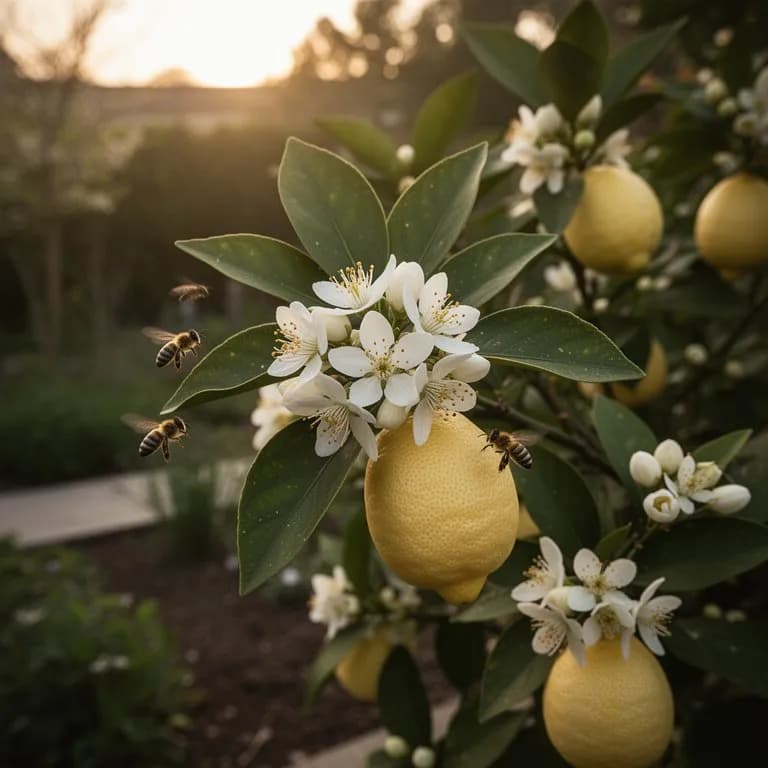
Mature enough to flower, the tree produces clusters of highly fragrant white blossoms with purple-tinged outer petals. Each flower has the potential to become a lemon, though a significant proportion will drop naturally after pollination — a process called June drop that is normal and not a cause for concern. The sweet, pervasive fragrance of lemon blossoms is one of the most distinctive pleasures of growing this tree.
Fruit Development
Developing lemons grow steadily from marble-sized green fruit to full-size, reaching their final dimensions several months before full ripeness. The fruit skin transitions from deep green to light green and eventually to pale yellow as chlorophyll breaks down. Juice content increases dramatically in the final weeks before harvest. This is the longest and most resource-intensive stage for the tree.
Harvest Maturity
Eureka lemons reach full harvest maturity when the skin is uniformly bright yellow and the fruit yields slightly to gentle pressure. Unlike some citrus, Eureka lemons do not dramatically improve in flavor after picking, so timing is important. The fruit can hold on the tree for several weeks beyond peak maturity, acting as natural storage, but overripe fruit becomes puffy and loses juice quality.
Post-Harvest Recovery and Reflush
After a major harvest, the tree directs energy into recovery and preparing for the next fruiting cycle. A new vegetative flush follows, with fresh bronze-red growth that matures into productive fruiting wood. Unlike most deciduous fruit trees, Eureka lemon operates on a nearly continuous cycle in warm climates, with overlapping stages of blossom, development, and harvest occurring simultaneously on the same tree.
Water deeply once or twice per week depending on soil drainage, never allowing the root zone to become waterlogged. Hold off on fertilizing for the first 6-8 weeks to avoid burning the tender establishing roots. Stake the tree if winds are frequent in your area.
Caring for Eureka Lemon month by month
What to do each month for your Eureka Lemon
October
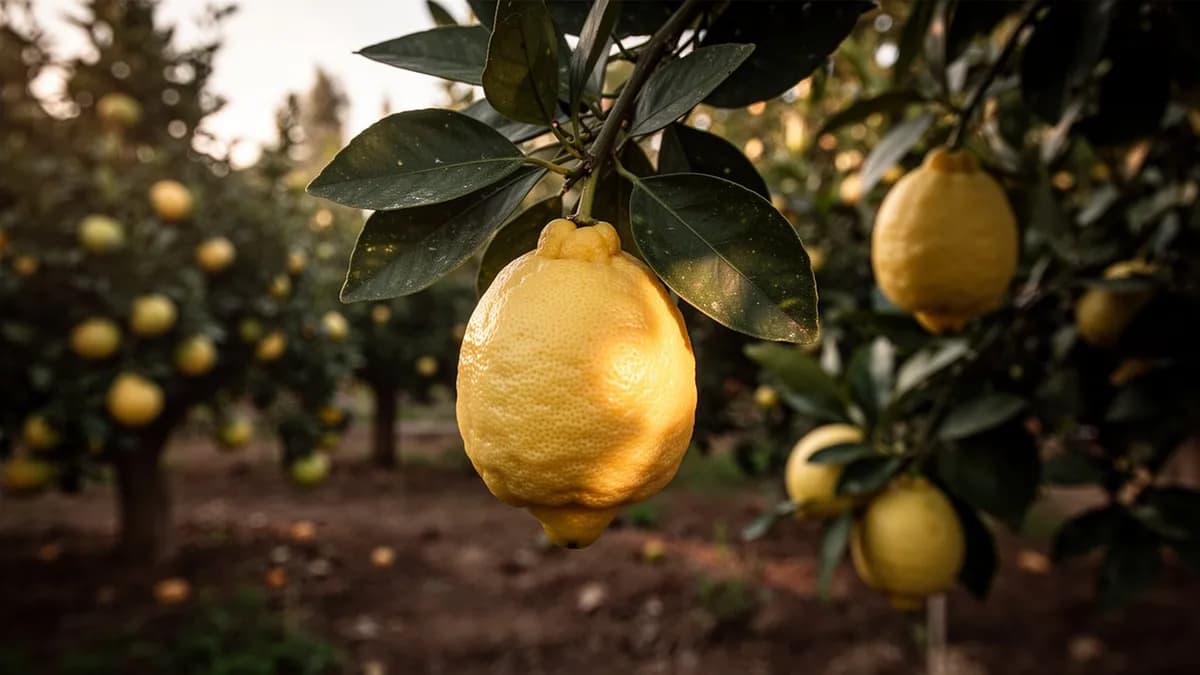
You are hereMain harvest period in many Mediterranean and subtropical climates. Harvest ripe fruit as it reaches full yellow color. In frost-prone areas, prepare to protect the tree when nighttime temperatures drop below 4°C. Apply a final light potassium feed to encourage fruit quality and cold hardiness. Stop heavy pruning.
Know exactly what to do in your garden — every month
One email at the start of each month: what to sow, plant, and tackle right now — for your Eureka Lemon and everything growing around it. Plus a short starter course that helps you dodge the classic mistakes.
- What to do, right now
- Matched to your season
- Starter course included
Harvesting Eureka Lemon
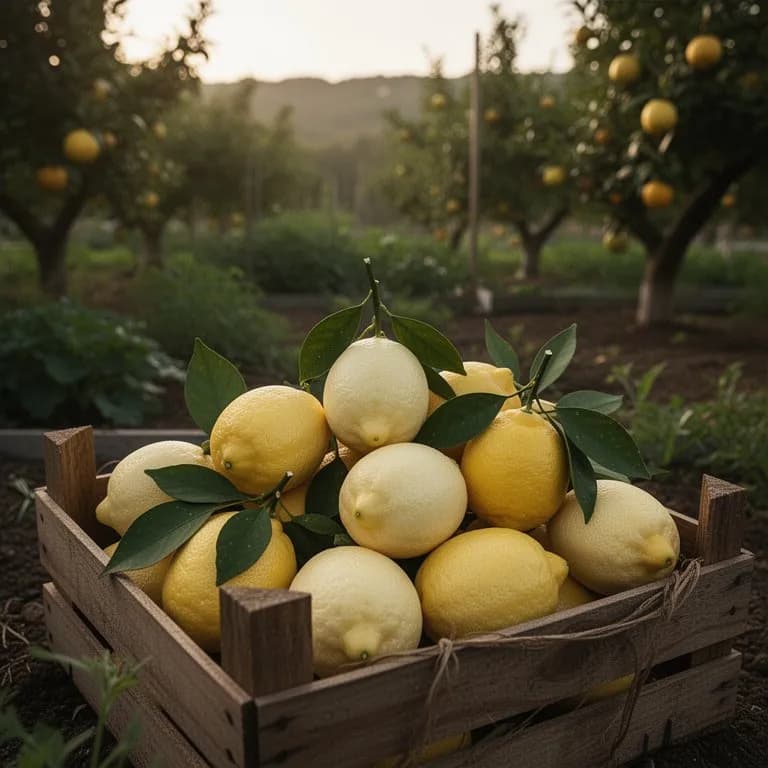
Eureka lemons can be harvested year-round, with the heaviest production from winter through spring. Pick when fruits are fully yellow, firm, and have reached full size of about two to three inches in diameter. Lemons do not continue ripening after harvest, so leave them on the tree until needed. Use hand clippers to cut the stem cleanly without tearing bark. Fruit left on the tree too long will become thick-skinned and dry inside, so harvest regularly to encourage continued production.
assuming you plant when the window opens — set your real date
Pick Eureka Lemon promptly and the plant keeps producing.
Storage & Preservation
Store Eureka lemons at room temperature for up to two weeks or refrigerate for up to six weeks. For longer preservation, juice the lemons and freeze in ice cube trays or freeze whole lemons, which can be grated from frozen for instant zest. Eureka lemons are excellent for making limoncello, lemon marmalade, and dehydrated lemon wheels for cocktail garnishes. Their high acid content makes them ideal for canning and preserving in salt.
What goes wrong — and the fix
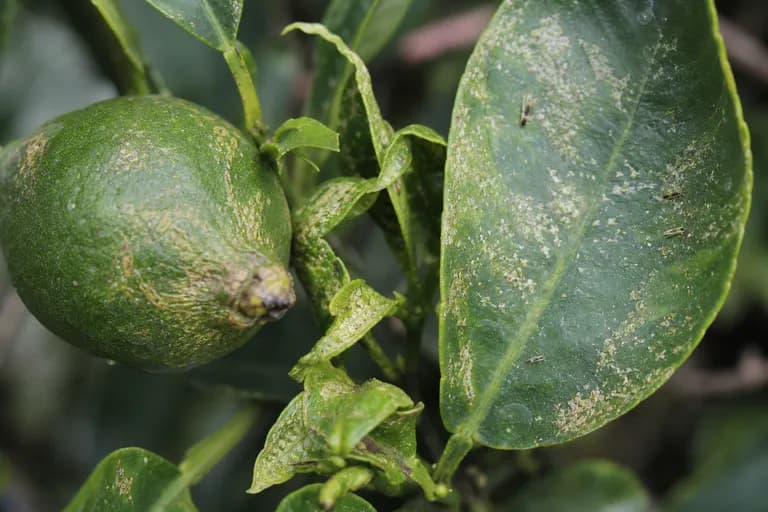
Citrus Thrips
PestSilvery scarring and stippling on young fruit and leaves; distorted new growth and cosmetic damage to rind at the blossom end.
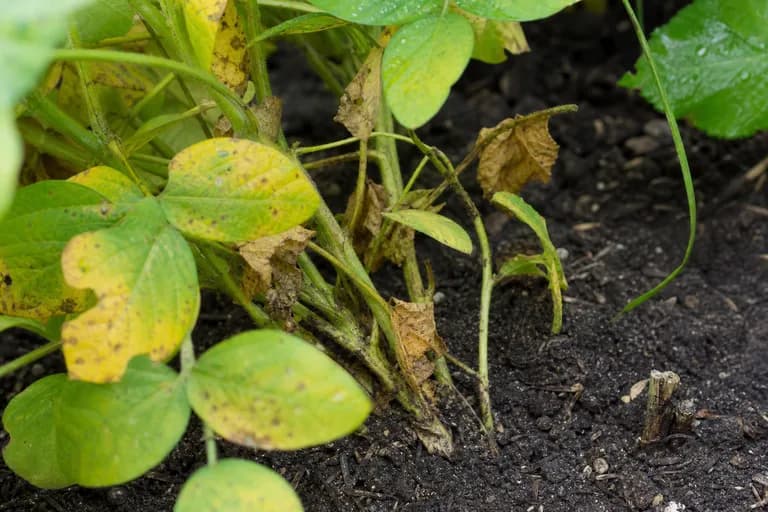
Phytophthora Root Rot
DiseaseSlow decline with yellowing leaves, sparse canopy, and gummosis at the trunk base; bark becomes dark and waterlogged near the soil line.
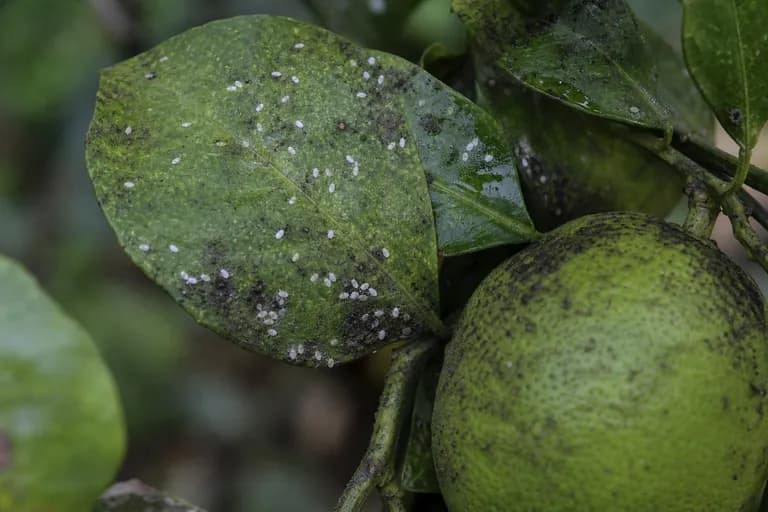
Citrus Whitefly
PestTiny white flying insects on leaf undersides; sticky honeydew deposits and resulting black sooty mold on leaves and fruit.
Troubleshooting Common Problems
Eureka lemons are more cold-sensitive than Lisbon varieties and suffer damage below 28 degrees Fahrenheit. Sunburn on exposed fruit is common in hot inland valleys; consider shade cloth during extreme heat. Alternating heavy and light crop years, known as alternate bearing, can be managed by thinning fruit when set is heavy. Nitrogen deficiency causes overall yellowing, while zinc deficiency produces small, mottled leaves. Root rot from poor drainage is the most common cause of tree decline.
Growing Tips
- Choose a planting location that receives a minimum of 8 hours of direct sunlight daily. Eureka lemons are among the most sun-hungry of common garden trees, and insufficient light directly translates to reduced fruiting, poor juice quality, and increased susceptibility to fungal diseases.
- Plant in well-drained soil or a raised bed to prevent waterlogging, which is the single most common cause of Eureka lemon death. If your soil is heavy clay, plant the tree with the root ball raised 10-15 cm above the surrounding soil level and build up a mound around it.
- Fertilize with a specialized citrus fertilizer three to four times per year, following the manufacturer's rate guidelines. Citrus trees have specific micronutrient requirements including magnesium, zinc, iron, and manganese that standard balanced fertilizers do not adequately supply. Yellowing between leaf veins (interveinal chlorosis) is the classic sign of iron or manganese deficiency.
- Maintain a 10 cm deep mulch ring extending from the drip line inward to within 15 cm of the trunk. This conserves soil moisture, moderates soil temperature, and gradually improves soil structure as organic mulch breaks down. Never pile mulch directly against the trunk as this promotes collar rot.
- In frost-prone areas, grow Eureka in a large (minimum 60-litre) container that can be moved indoors during cold weather. Use a citrus-specific potting mix and never allow the container to sit in a saucer of standing water. Container trees require more frequent irrigation and fertilization than in-ground trees.
- Prune lightly to maintain an open vase shape that allows sunlight to penetrate the canopy. Remove crossing branches, inward-growing shoots, and any suckers that emerge below the graft union — these suckers grow from the rootstock and will not produce Eureka fruit if allowed to develop.
- Water deeply and infrequently rather than shallowly and often. A mature in-ground Eureka lemon should receive a deep soaking of 20-40 liters once or twice per week in summer, enough to wet the soil to a depth of 60 cm. Shallow daily watering encourages surface roots and creates drought-sensitive trees.
- Manage the most common pests — citrus leafminer, scale insects, and aphids — before they become established. Leafminer creates distinctive serpentine tunnels in new leaf growth; treat with spinosad spray at the first sign. Scale insects appear as brown or white bumps on stems and can be treated with horticultural oil spray in late winter or early spring.
- When harvesting, always use clean sharp pruning shears and cut the stem just above the button (the small disc where the fruit attaches) rather than pulling the fruit off by hand. Pulling can tear the rind and peel, leaving entry points for rot organisms on both the harvested fruit and the branch.
- In cooler climates at the edge of the Eureka's hardiness range, plant the tree against a south-facing brick or stone wall. Masonry absorbs heat during the day and radiates it through the night, creating a microclimate that can increase effective hardiness by 2-4°C and extend the fruiting season by several weeks on both ends.
Grow your best Eureka Lemon yet — and everything around it.
Start a free plan today. Lay out your beds, drop in your Eureka Lemon, and let PlotMyGarden handle the timing, spacing, companions and reminders from seed to harvest basket.
Pick your Eureka Lemon
Eureka
The standard selection, producing true lemons year-round on a medium-sized, nearly thornless tree with an open growth habit.
Variegated Pink Eureka
Also known as Pink Lemonade lemon, featuring green and yellow striped skin, pink-blushed flesh, and variegated foliage.
Eureka Dwarf
A compact form grafted on dwarfing rootstock, reaching six to eight feet, suitable for small gardens and large containers.
Allen Eureka
A vigorous Eureka selection popular in California with slightly heavier fruit production and improved disease tolerance.
A mature Eureka lemon tree costs $30-60 at a nursery and, once established after 2-3 years, can produce 200-600 lemons annually for 30 or more years. At retail prices of $0.75-1.50 per lemon, a productive tree represents $150-900 in annual savings. The economic value multiplies when you factor in making preserved lemons ($15-25 per jar at specialty stores), lemon curd ($8-12 per jar), and lemon essential oil products. A single tree effectively pays for itself within the first or second fruiting season and then generates produce value for decades.
Quick recipes
Classic Lemon Curd
20 minutesA silky, intensely flavored lemon curd that makes brilliant use of both the juice and zest of Eureka lemons. The combination of high acid juice, fragrant zest, butter, eggs, and sugar produces a spread of extraordinary depth that works equally well on toast, folded into whipped cream, layered in tarts, or spooned directly from the jar. Eureka lemons' exceptional juice yield and thin, oil-rich skin make them the ideal variety for this classic preserve.
5 ingredientsPreserved Lemons (Moroccan Style)
20 minutes active, 4 weeks curingOne of the most rewarding ways to process a glut of Eureka lemons, preserved lemons transform the entire fruit — including the intensely flavored skin — into a versatile pantry staple used throughout North African and Middle Eastern cooking. The long salt cure mellows the bitterness of the pith while concentrating the essential oils in the peel into something complex, almost umami-like. A single jar of preserved lemons made from your tree will last for a year and elevate dozens of dishes.
5 ingredients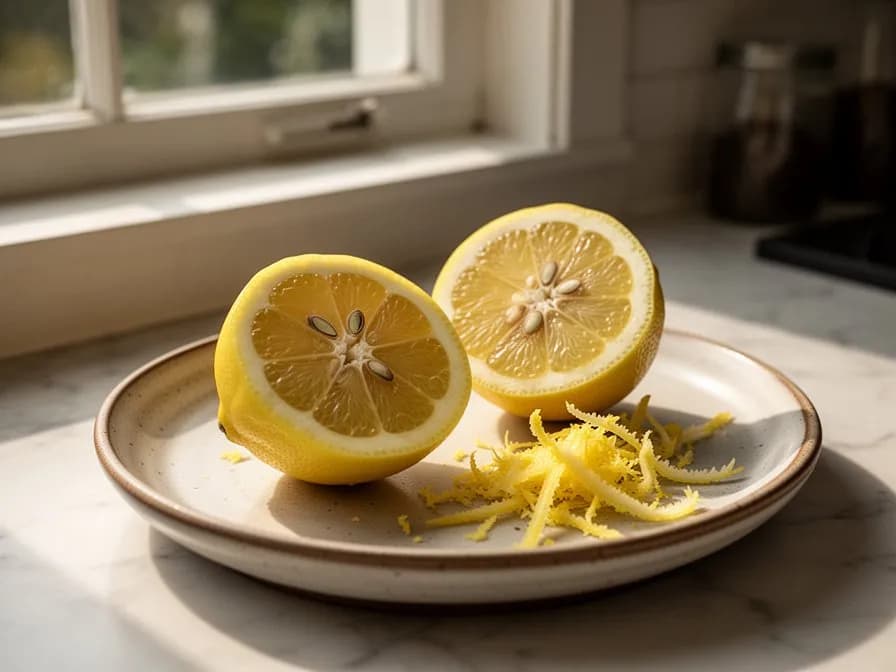
Sparkling Lemon Shrub (Drinking Vinegar)
15 minutes active, 48 hours infusingA refreshing cold-process shrub that harnesses the full aromatic complexity of Eureka lemon zest alongside the bright acidity of its juice, balanced with apple cider vinegar and raw honey. Diluted with sparkling water, it creates one of the most elegant and health-supporting non-alcoholic drinks possible from a home garden. The shrub concentrate keeps refrigerated for up to 3 months.
6 ingredientsCulinary Uses
Eureka lemons are the standard culinary lemon, delivering bright acidity and clean flavor for cooking, baking, and beverages. Their high juice content makes them ideal for lemonade, vinaigrettes, and marinades. The thick peel provides generous zest for baked goods and savory dishes. Use in fish preparations, cream sauces, and as a finishing squeeze on grilled vegetables and meats.
What's inside
Health Benefits
- Exceptionally high in vitamin C, with regular consumption supporting collagen production, immune function, and the absorption of plant-based iron — a single medium Eureka lemon provides over half the adult daily requirement of vitamin C.
- Rich in flavonoids, particularly hesperidin and diosmin concentrated in the pith and peel, which have been clinically studied for their ability to strengthen capillary walls, reduce venous insufficiency, and lower markers of systemic inflammation.
- Citric acid in lemon juice alkalizes urine pH and binds to calcium in the kidneys, significantly reducing the formation of the most common type of kidney stones — calcium oxalate crystals — making daily lemon water a doctor-recommended preventive measure.
- Contains d-limonene in the peel, a monoterpene actively studied in cancer research for its apparent ability to induce apoptosis in certain cancer cell lines and support liver enzyme activity involved in detoxification.
- Lemon juice consumption before or with meals has been shown in multiple studies to significantly lower the glycemic response to starchy foods, making it a valuable dietary tool for blood sugar management.
- The combination of vitamin C and antioxidant flavonoids in Eureka lemons provides meaningful cardiovascular support by reducing LDL oxidation, improving endothelial function, and supporting healthy blood pressure levels over time.
Where Eureka Lemon comes from
The Eureka lemon (Citrus limon 'Eureka') has a history that elegantly bridges the ancient citrus heartlands of Southeast Asia and the booming agricultural ambitions of 19th-century California. The ultimate ancestor of all true lemons is believed to be a hybrid that arose naturally somewhere in the foothills of northeast India or Burma, where wild relatives of lemon still grow today. From these origins, lemon cultivation spread westward along ancient trade and conquest routes, reaching Persia and Mesopotamia by around the 4th century BCE and the eastern Mediterranean by the 1st century CE. Arab traders and navigators accelerated the spread of citrus dramatically between the 7th and 15th centuries, establishing lemon cultivation throughout North Africa, Spain, Portugal, and eventually the rest of southern Europe. Portuguese and Spanish explorers then carried lemons to the Americas in the 15th and 16th centuries, planting them in Caribbean settlements and eventually up through Mexico into what would become California. The specific story of the Eureka begins in 1858, when a Los Angeles nurseryman named Thomas Garey obtained seeds from a batch of lemons imported from Sicily. Among the seedlings that germinated, one stood out for its exceptional vigor, nearly thornless branches, heavy bearing habit, and outstanding fruit quality. This seedling was named Eureka — likely an exuberant nod to California's Gold Rush motto — and rapidly became the dominant commercial lemon variety in Southern California. By the early 20th century, California's citrus industry had grown into one of the most economically significant agricultural enterprises in the American West, with Eureka at its core. The variety was subsequently introduced to major citrus-growing regions worldwide, including Australia, South Africa, Chile, and the Mediterranean coast, where it remains the benchmark commercial lemon. Today, when you buy a lemon at a supermarket almost anywhere in the world, there is a strong probability it is a Eureka — a direct descendant of that single remarkable seedling selected in a Los Angeles nursery over 160 years ago.
Eureka Lemon: did you know?
Fascinating facts about Eureka Lemon
The Eureka lemon was developed in Los Angeles, California around 1858 from seeds of an Italian lemon variety, making it one of the most quintessentially Californian fruits despite its Mediterranean ancestry.
Eureka Lemon questions, answered
When should I plant Eureka Lemon?
What are good companion plants for Eureka Lemon?
What hardiness zones can Eureka Lemon grow in?
How much sun does Eureka Lemon need?
How far apart should I space Eureka Lemon?
What pests and diseases affect Eureka Lemon?
How do I store Eureka Lemon after harvest?
What are the best Eureka Lemon varieties to grow?
What soil does Eureka Lemon need?
How long does it take a Eureka lemon tree to produce fruit?
Why are my lemon tree leaves turning yellow?
Can I grow a Eureka lemon tree indoors?
What is the difference between Eureka and Lisbon lemons?
How do I know when a Eureka lemon is ripe and ready to pick?
How do I protect my Eureka lemon from frost?
You just read the theory. Now grow it on autopilot.
Everything that makes Eureka Lemon fiddly — the timing, the spacing, the companions, the harvest window — is exactly what PlotMyGarden handles for you, for every plant in your garden.
A plan that knows your weather
Set your location once. Get sow, feed and harvest dates built around your real last-frost date and live forecast — no more guessing from a generic seed packet.
From the “When to plant” sectionDrag-and-drop bed planner
Design beds on a grid. Every plant snaps to its proper spacing, and you can see your whole season laid out before you spend a cent on seed.
From the “Growing guide” sectionCompanion conflicts, caught early
200+ good-and-bad pairings checked live as you plant — so a season-wrecking mistake never makes it into the ground.
From the “Companions” sectionReminders you'll actually act on
“Water the beans.” “Pick today before it turns.” Timely, specific, and tied to the plants you're really growing.
From the “Harvest” sectionSuccession, scheduled
Want a harvest for six weeks, not six days? It spaces your sowings automatically and reminds you when each new block is due.
From the “When to plant” sectionA record that gets smarter
Every harvest you log teaches it your garden. Next year's plan starts from what actually worked in your soil, not a textbook's.
From the “Overview” sectionPlant these alongside Eureka Lemon
More Citrus
Keep Eureka Lemon away from these
Grow your best Eureka Lemon yet — and everything around it.
Start a free plan today. Lay out your beds, drop in your Eureka Lemon, and let PlotMyGarden handle the timing, spacing, companions and reminders from seed to harvest basket.