Lemon
A frost-sensitive citrus tree that produces fruit year-round in warm climates and grows well in containers that can be moved indoors during winter.





On this pageOverview
Meet Lemon
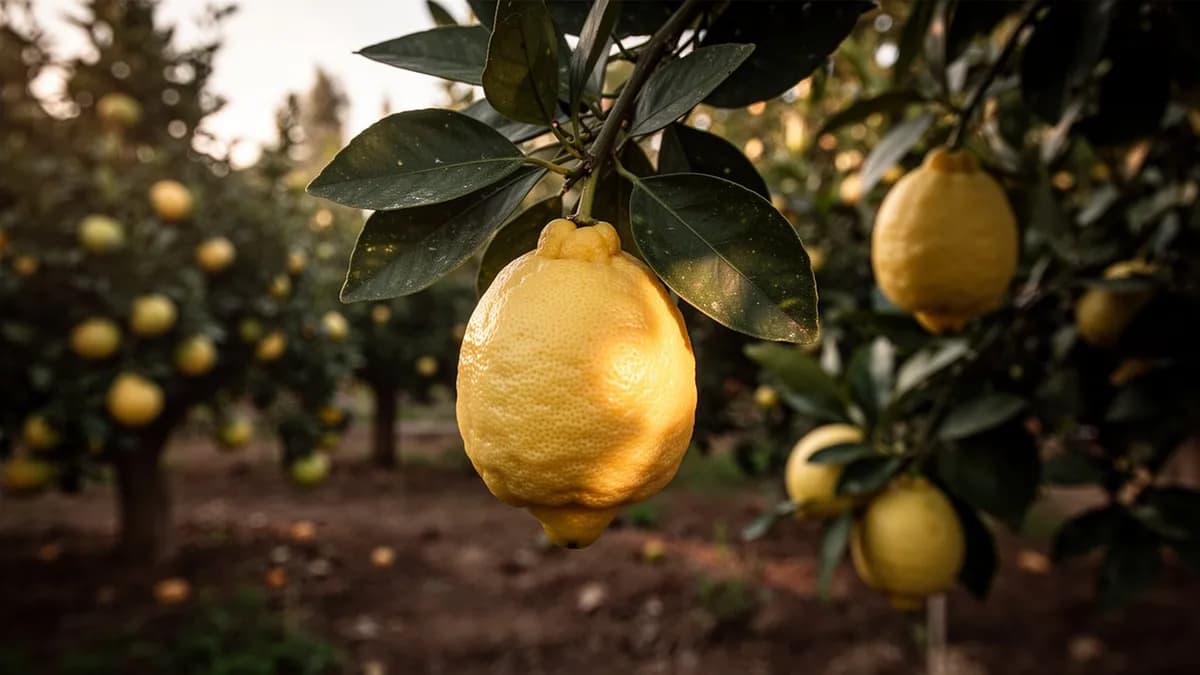
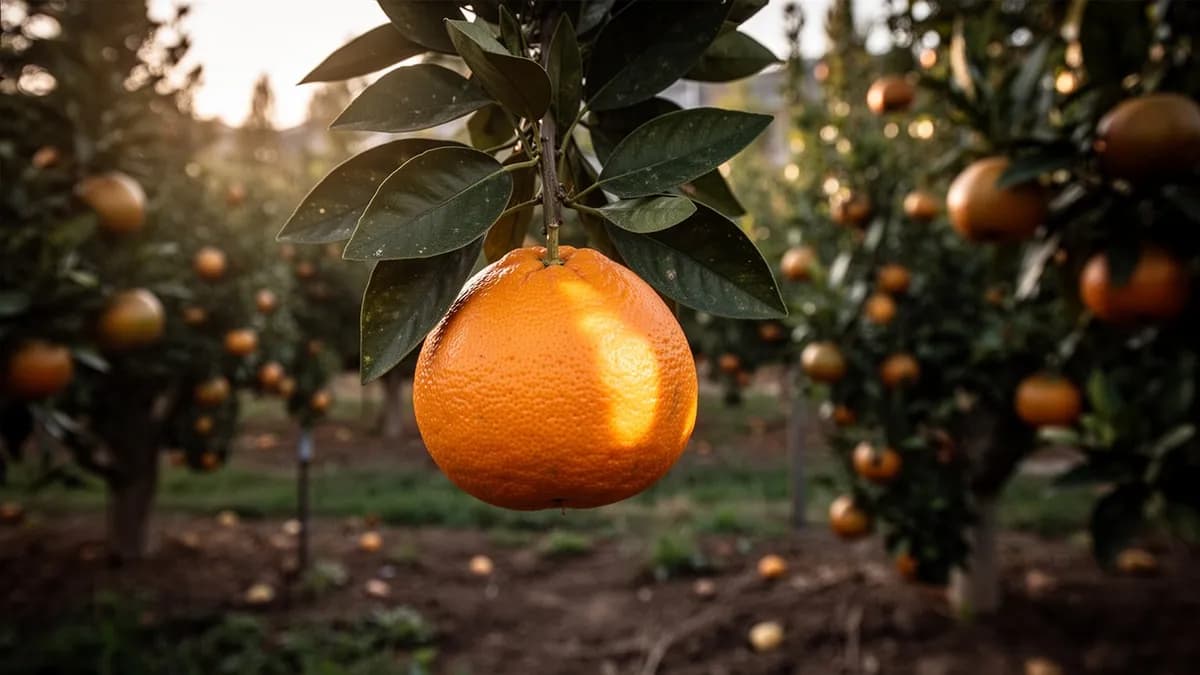
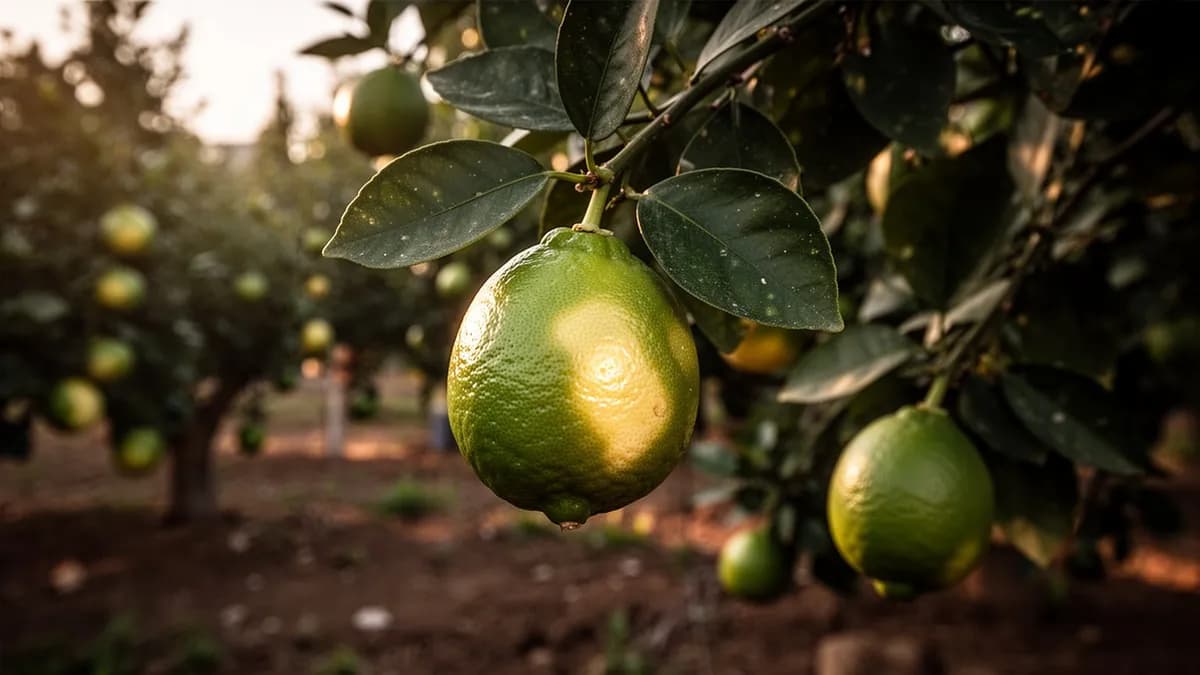
A frost-sensitive citrus tree that produces fruit year-round in warm climates and grows well in containers that can be moved indoors during winter. Provide rich, well-drained acidic soil and regular feeding with a citrus-specific fertilizer high in nitrogen and micronutrients. Lemons are self-pollinating and produce fragrant blossoms that can appear simultaneously with developing and ripe fruit on the same tree. Harvest lemons when they turn fully yellow and feel heavy for their size, or pick them green for a more tart, zesty flavor.
When to plant Lemon
Lemon trees are propagated by T-budding or shield budding onto compatible citrus rootstocks. Trifoliate orange rootstock provides cold hardiness and Phytophthora resistance, while Volkameriana produces vigorous, heavy-bearing trees. For home growers, air layering is a reliable method: wound a branch, apply rooting hormone, wrap with moist sphagnum moss and plastic film, and sever when roots fill the moss ball in two to three months. Lemon seeds germinate readily but produce highly variable seedlings. Meyer lemon is one of the few varieties that comes fairly true from seed due to its polyembryonic nature.
Your Lemon Year
Composed for Zone 7 · typical seasons · frost passes Apr 2, returns Nov 1
Plant Lemon Mar – May, pick Jan – Dec. Check the planting methods below and set your climate to personalize these windows.
How to grow Lemon
In frost-free climates, plant lemon trees in a sunny, sheltered location with well-drained, slightly acidic soil. Dig a hole twice the width of the root ball and plant at the same level it grew in the nursery. Water deeply at planting and apply a thick mulch ring of aged bark or wood chips, keeping it away from the trunk. In cooler regions, grow lemons in large containers of at least 15 to 25 gallons using a well-draining citrus potting mix.
Lemon trees are evergreen and produce flowers and fruit continuously throughout the year in ideal conditions. They are self-pollinating, requiring no partner tree. Indoors or in a greenhouse, hand-pollinate by dabbing a small paintbrush from flower to flower to ensure fruit set. Provide bright direct light for at least eight hours daily, supplementing with grow lights during short winter days when growing indoors.
Feed regularly with a citrus-specific fertilizer every four to six weeks during the growing season, ensuring adequate nitrogen, iron, zinc, and manganese. Water thoroughly when the top two inches of soil feel dry, but never let the pot sit in standing water. Move container trees outdoors in summer when nighttime temperatures stay above 50 degrees Fahrenheit. Bring indoors before temperatures drop below 40 degrees. Prune lightly to shape, removing suckers, dead wood, and crossing branches at any time of year.
Lemon needs more room than a 4 × 8 ft bed gives
Each Lemon wants 300 cm of elbow room. The planner keeps that spacing for you — every plant, every bed.
Lemon's best neighbours
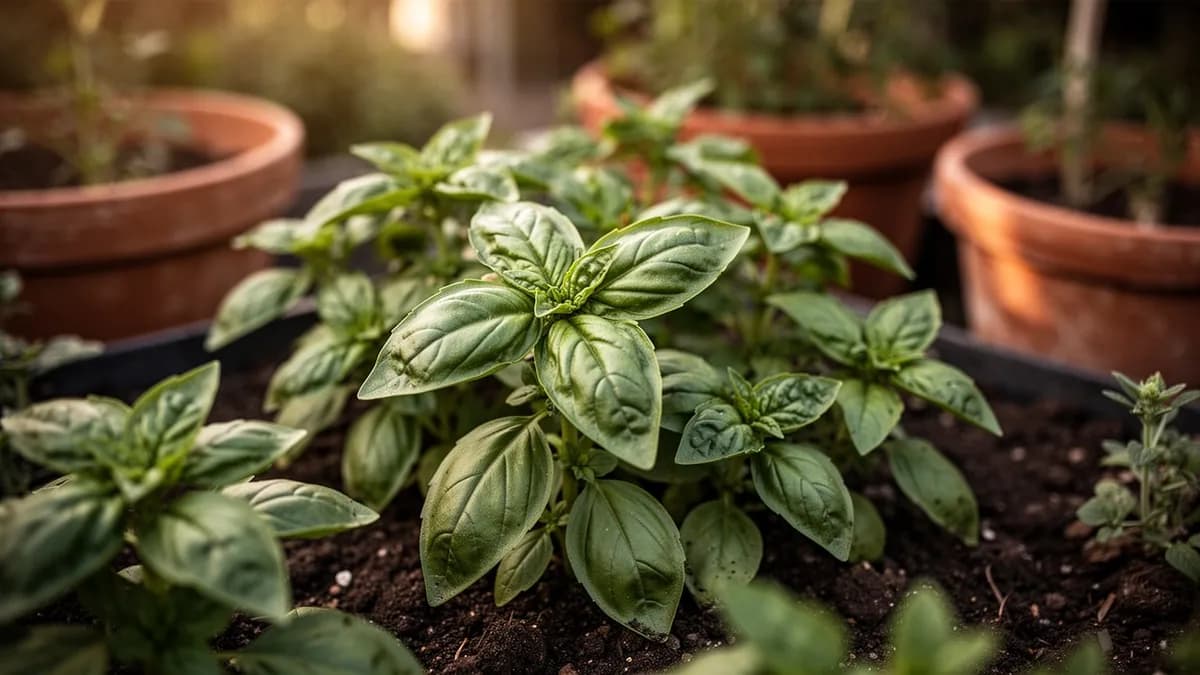
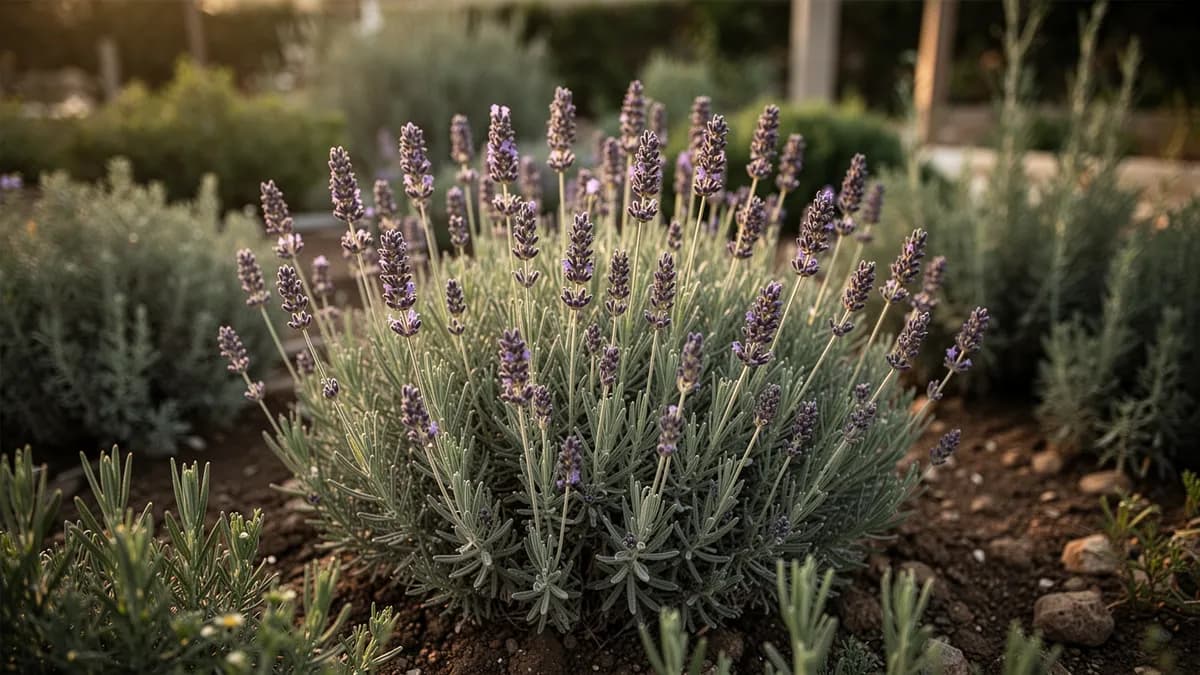
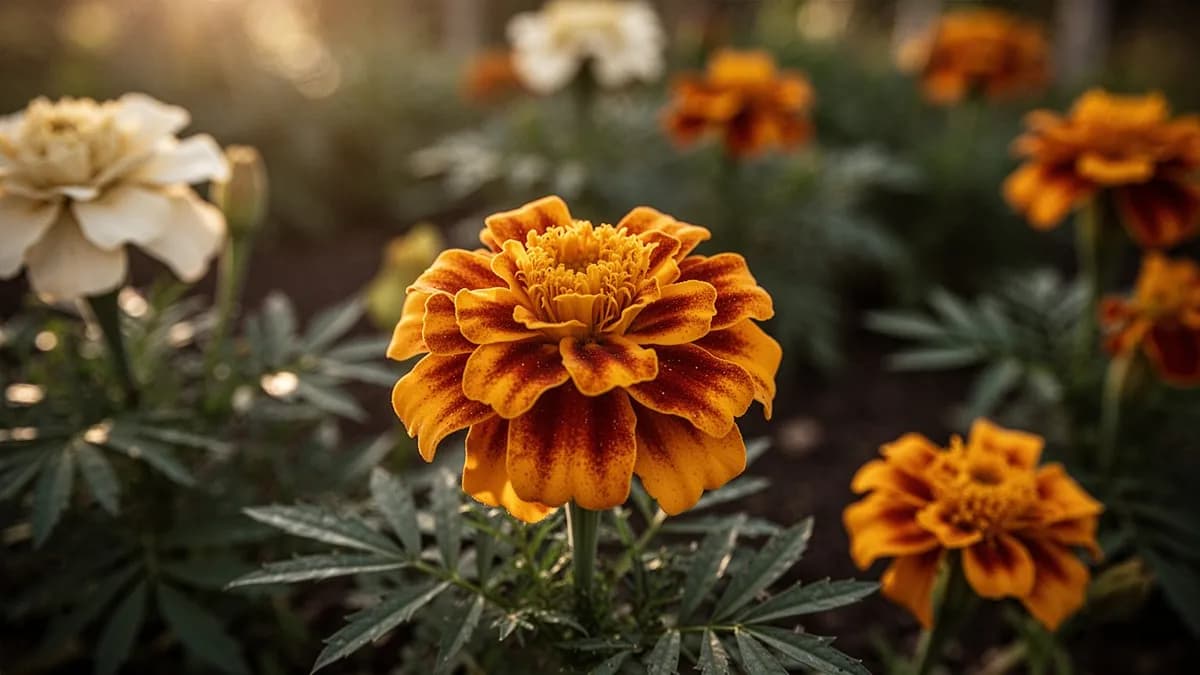
Basil and lavender planted near lemon trees attract pollinators and beneficial insects while thriving in similar warm, sunny conditions. Marigolds planted around the base deter whiteflies and soil nematodes. Comfrey grown under citrus trees provides potassium-rich mulch material when chopped and dropped. Avoid planting grass directly under citrus trees, as it competes aggressively for water and nutrients. Nasturtiums can serve as a trap crop for aphids, drawing them away from tender new citrus growth.
Basil belongs beside it. Walnut Tree doesn't.
Old growers' knowledge, checked against Lemon's real companion table below — test any plant you're growing.
Try Lemon in a bed — right here
A real planner bed with Lemon already in it. Tap a companion to place it and watch the pairing checks answer — green for good neighbours, red for a clash.


Related growing guides
Feed it well
Lemons prefer slightly acidic, well-drained soil with a pH of 5.5 to 6.5. For container growing, use a specialized citrus potting mix or blend peat, perlite, and pine bark in equal parts. Feed with citrus-specific fertilizer every four to six weeks during the growing season, ensuring micronutrients like iron, zinc, and manganese are included. Yellowing leaves with green veins indicate iron chlorosis from soil pH that is too high. Epsom salt provides supplemental magnesium if leaves show interveinal yellowing on older foliage.
Ideal Temperature
Hardiness Zone Compatibility
From seed to harvest, stage by stage
Seed Germination or Grafting
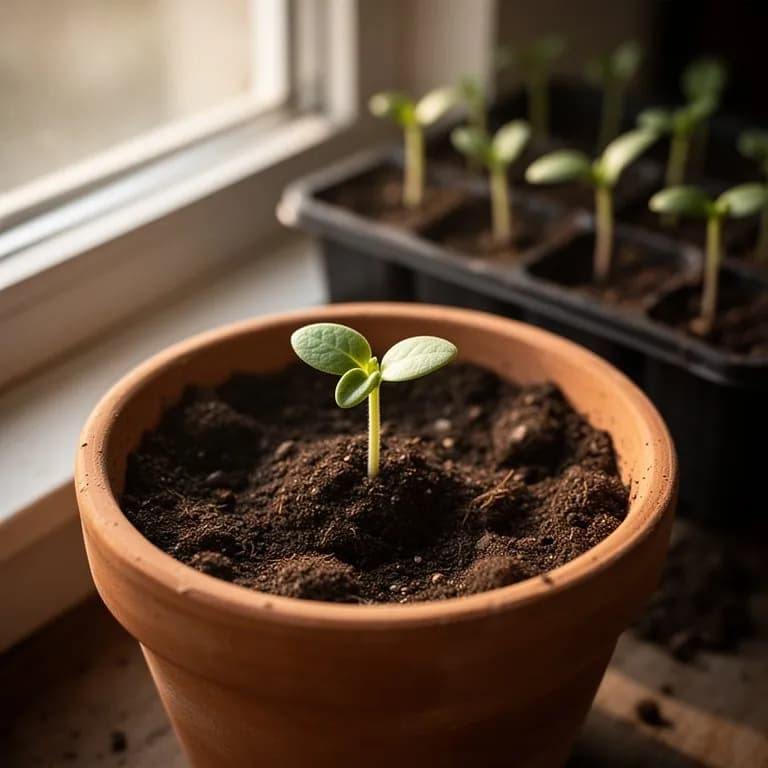
Lemon seeds germinate in 1-3 weeks when kept warm and moist. However, most productive lemon trees are propagated from grafted nursery stock rather than seed, as seed-grown trees can take 5-7 years to fruit and may not produce true to type. Grafted trees are joined onto disease-resistant rootstock for superior performance.
Seedling and Establishment
Young lemon trees develop their root system and produce flushes of new growth with characteristically glossy, dark green leaves. New growth often has a reddish-purple tinge before maturing to green. The tree establishes its branching framework during this period.
Vegetative Growth
The lemon tree grows vigorously, producing multiple flushes of new growth per year. The canopy fills in and the trunk thickens. In warm climates, the tree can grow 30-60 cm per year. Thorns develop on many varieties along the branches and at leaf nodes.
First Flowering
Grafted lemon trees typically begin flowering 2-3 years after planting. The intensely fragrant white blossoms appear in clusters, often with pink-tinged buds. Lemon trees are self-fertile, meaning a single tree can set fruit without a pollinator partner, though pollination improves yield.
Fruit Development
After pollination, small green fruits develop and grow slowly over 6-9 months. Lemons are unique among citrus in that they can flower and fruit simultaneously throughout the year in suitable climates. The fruit gradually increases in size and the rind develops oil glands.
Ripening and Harvest
Lemons turn from green to yellow as they ripen, and the rind becomes thinner and more aromatic. Unlike many fruits, lemons can be left on the tree for weeks after ripening without deteriorating, effectively using the tree as storage. Mature trees can produce 200-600 lemons per year.
If starting from seed, soak seeds overnight and plant 1 cm deep in moist seed-starting mix at 21-27°C. For best results, purchase a grafted tree from a reputable nursery to ensure earlier fruiting and known variety characteristics.
Caring for Lemon month by month
What to do each month for your Lemon
October
You are herePrepare to protect trees from frost in cooler climates. Move container trees indoors to a bright, cool location near a south-facing window. Reduce watering frequency as the tree enters a slower growth phase.
Know exactly what to do in your garden — every month
One email at the start of each month: what to sow, plant, and tackle right now — for your Lemon and everything growing around it. Plus a short starter course that helps you dodge the classic mistakes.
- What to do, right now
- Matched to your season
- Starter course included
Harvesting Lemon
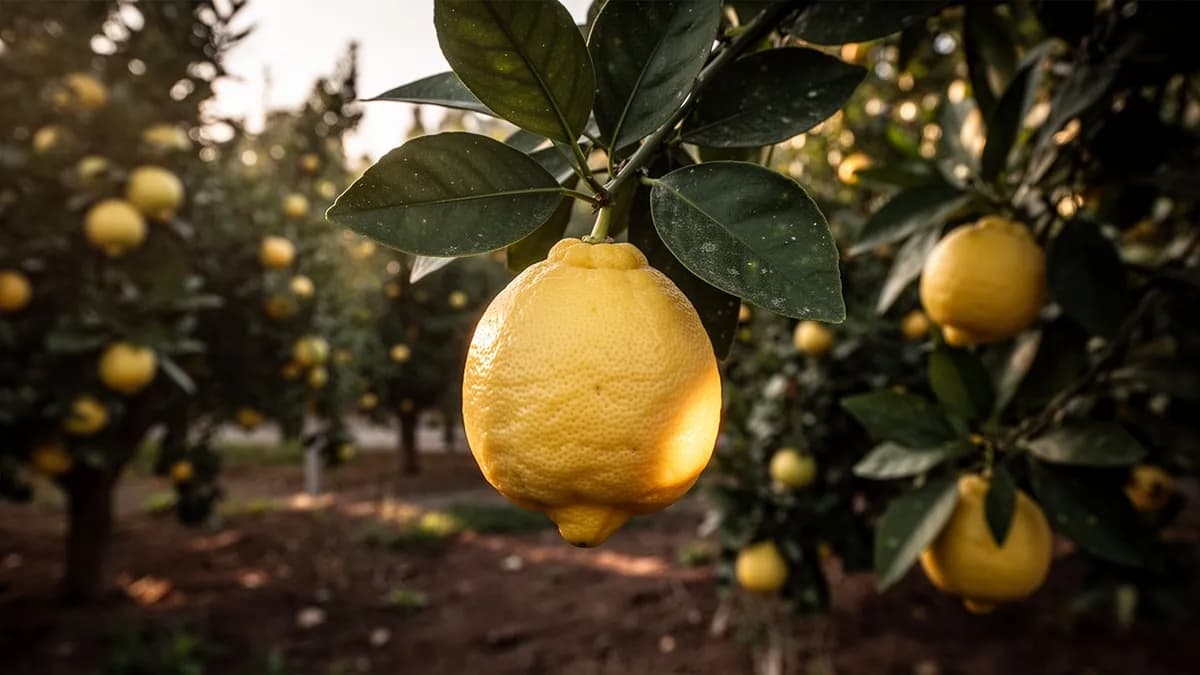
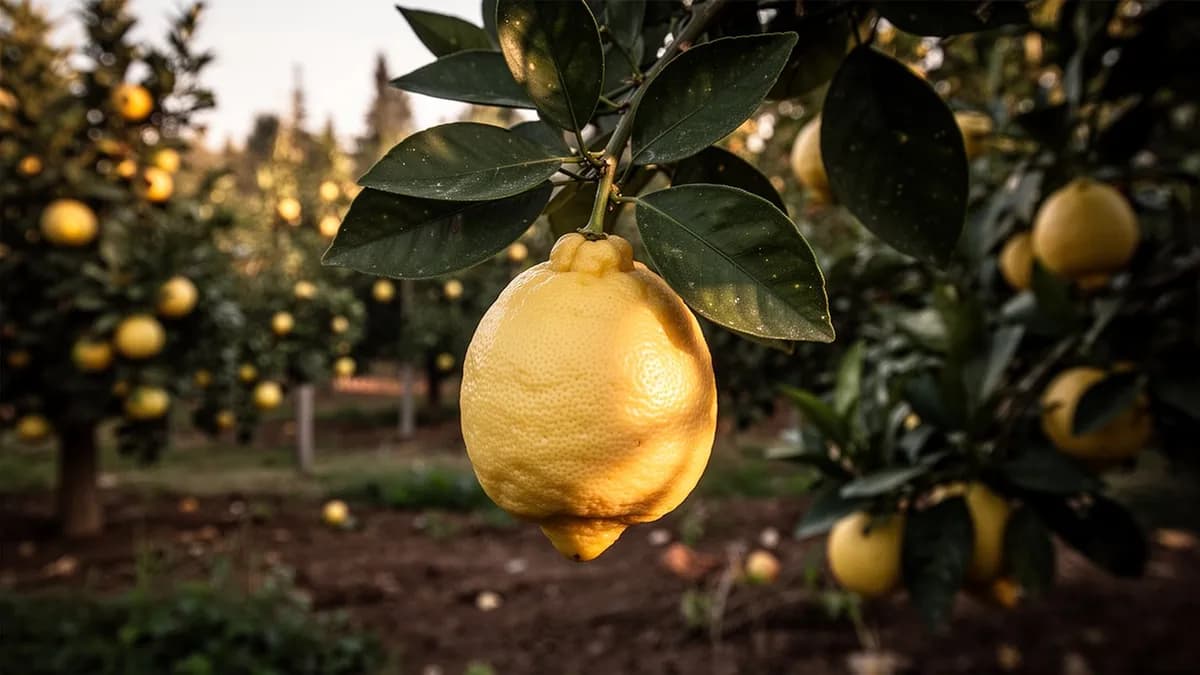
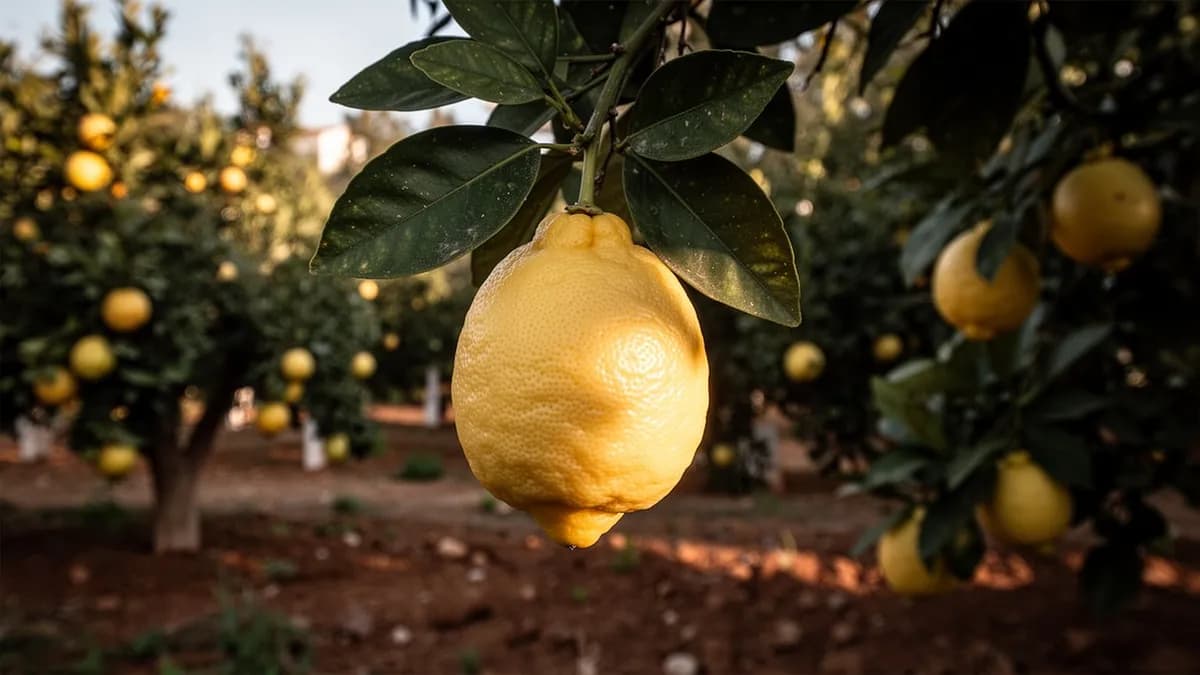
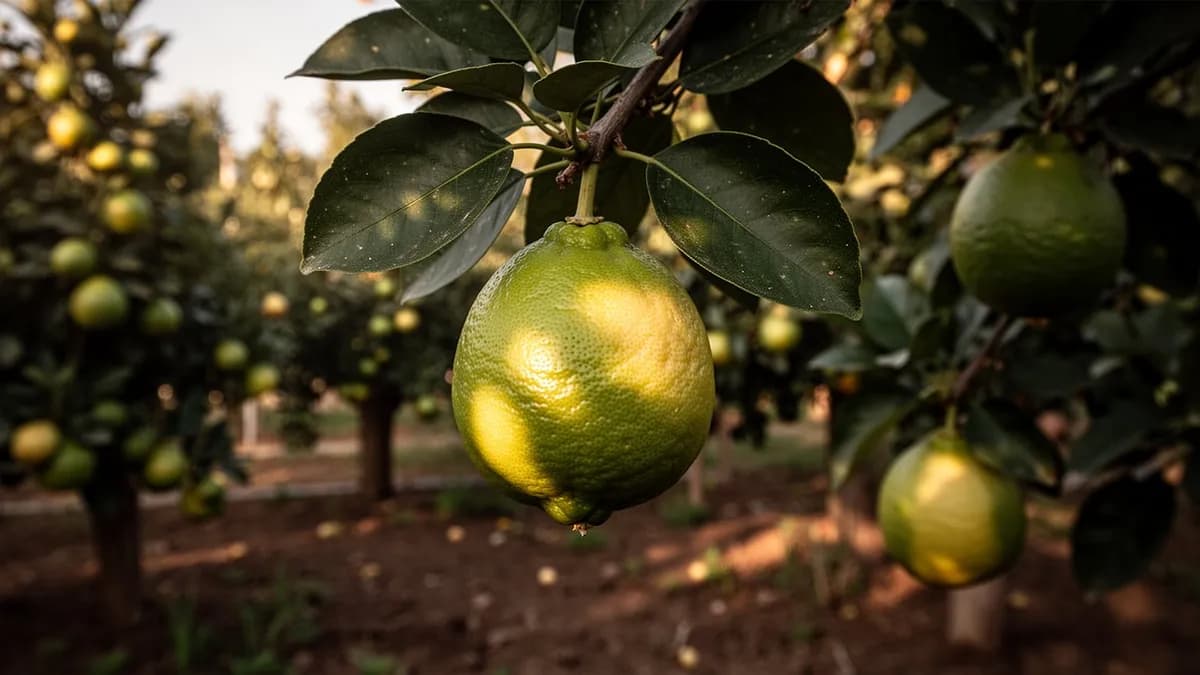
Lemons are ready to harvest when the skin turns fully yellow and the fruit feels firm but gives slightly when squeezed. Unlike many fruits, lemons can remain on the tree for weeks after ripening, gradually becoming larger and juicier without declining in quality. Clip fruit from the branch with pruning shears rather than pulling, which can tear bark and create disease entry points. Lemons picked green are usable but more tart and have thinner juice content. The most flavorful lemons are heavy for their size with thin, smooth skin.
assuming you plant when the window opens — set your real date
Pick Lemon promptly and the plant keeps producing.
Storage & Preservation
Store lemons at room temperature for up to a week or refrigerate in a sealed bag for up to a month. Lemon juice freezes beautifully in ice cube trays for convenient portioning. Lemon zest can be dried or frozen for later use in baking and cooking. Preserved lemons, packed in salt and their own juice, are a staple of North African cuisine. Lemon curd, marmalade, and limoncello are classic preservation preparations that capture the bright citrus flavor.
What goes wrong — and the fix
Citrus Leafminer
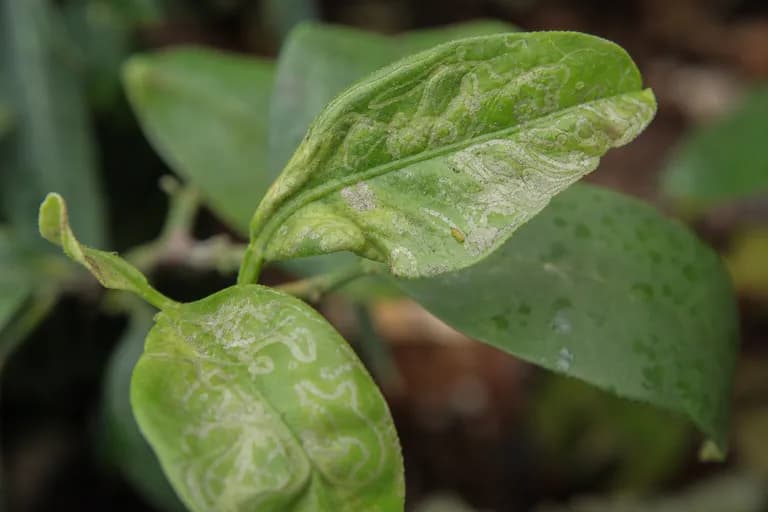
PestSerpentine silver trails on new leaf surfaces created by tiny larvae mining between leaf layers; leaves curl and distort.
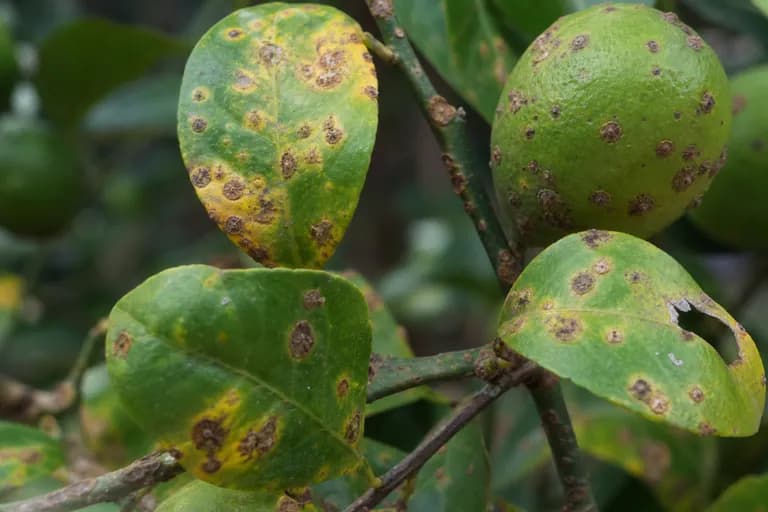
Citrus Canker
DiseaseRaised brown lesions with yellow halos on leaves, stems, and fruit; severe infections cause leaf drop and blemished, unmarketable fruit.
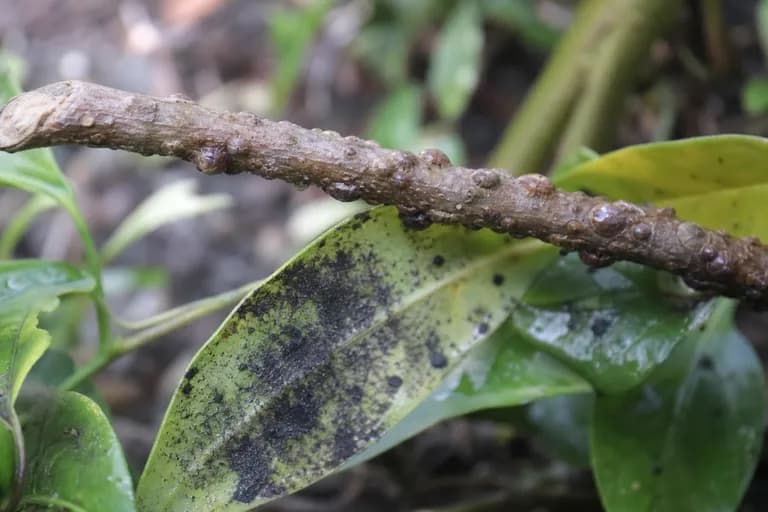
Scale Insects
PestSmall, immobile brown or white bumps on stems and leaf surfaces; heavy infestations cause yellowing, leaf drop, and sooty mold from honeydew secretions.
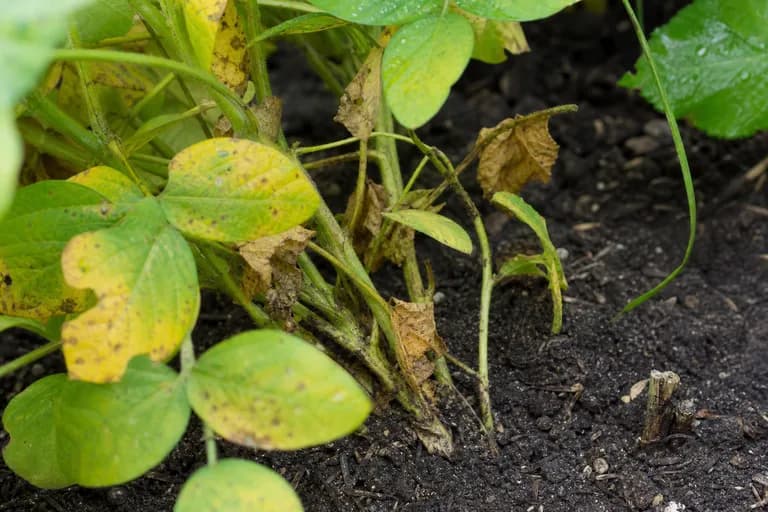
Phytophthora Root Rot
DiseaseYellowing and wilting of leaves despite adequate watering; gummy bark lesions near the soil line; dark, mushy roots when exposed.
Troubleshooting Common Problems
Leaf drop on indoor citrus trees is usually caused by insufficient light, overwatering, or sudden temperature changes. Lack of fruit on heavily flowering trees often indicates poor pollination indoors; hand-pollinate with a brush. Yellow leaves can indicate overwatering, nutrient deficiency, or cold stress. Thorns on some varieties like Eureka and Lisbon are a handling nuisance. Fruit splitting occurs when heavy watering follows a dry period, causing the rind to crack as the interior expands suddenly.
Growing Tips
- Choose a grafted tree from a reputable nursery rather than growing from seed. Seed-grown lemon trees can take 5-7 years to fruit and may not produce true to the parent variety, while grafted trees typically fruit within 2-3 years.
- Plant in well-draining, slightly acidic soil with a pH between 5.5 and 6.5. Lemon trees are highly susceptible to root rot in waterlogged conditions, so amend heavy clay soils with coarse sand and organic matter before planting.
- Provide full sun for at least 6-8 hours daily. Lemon trees require abundant light to produce flowers and fruit, and insufficient light is the most common reason container-grown trees fail to fruit indoors.
- Water deeply but allow the top 5 cm of soil to dry between waterings. Consistent overwatering causes root rot, while inconsistent watering leads to blossom drop, fruit splitting, and reduced yield.
- Feed every 4-6 weeks during the growing season with a fertilizer specifically formulated for citrus trees. Citrus fertilizers contain essential micronutrients including iron, zinc, and manganese that general-purpose fertilizers often lack.
- Protect from temperatures below 4°C by covering with frost cloth, moving containers indoors, or using string lights for gentle warmth. Even brief exposure to freezing temperatures can severely damage or kill a lemon tree.
- Prune in late winter or early spring to remove dead wood, crossing branches, and suckers growing below the graft union. Keep the canopy open and airy to promote good air circulation and reduce fungal disease pressure.
- Monitor regularly for common citrus pests including scale insects, spider mites, aphids, and citrus leaf miners. Treat infestations early with horticultural oil or insecticidal soap before they become severe.
- When growing indoors during winter, maintain humidity above 50% using a pebble tray, humidifier, or regular misting. Dry heated indoor air causes leaf drop and makes trees more susceptible to spider mite infestations.
- Pollinate indoor lemon trees by hand using a small soft paintbrush to transfer pollen between flowers. While lemon trees are self-fertile, indoor trees lack wind and insect pollinators, so manual pollination significantly improves fruit set.
Grow your best Lemon yet — and everything around it.
Start a free plan today. Lay out your beds, drop in your Lemon, and let PlotMyGarden handle the timing, spacing, companions and reminders from seed to harvest basket.
Pick your Lemon
Meyer
A naturally occurring hybrid between lemon and mandarin, producing thin-skinned, less acidic fruit with a floral sweetness, ideal for container growing.
Eureka
The classic grocery store lemon with bright acidity and year-round production, a vigorous tree well-suited to coastal California climates.
Lisbon
An extremely productive variety with high acid content and excellent juice yield, more cold-hardy and thorny than Eureka.
Improved Dwarf Meyer
A virus-free selection of Meyer lemon on dwarf rootstock, the best choice for indoor container growing with heavy fruit production.
Ponderosa
A citron-lemon hybrid producing enormous fruit up to five pounds each, more cold-sensitive but spectacular as an ornamental and culinary novelty.
A single dwarf lemon tree costing $25-50 from a nursery can produce 100-200 lemons per year once mature, replacing $100-300 worth of store-bought organic lemons annually (at $0.75-1.50 each). The tree continues producing for 30-50 years with proper care, representing lifetime savings of several thousand dollars. Container-grown lemon trees also eliminate the need for purchased citrus zest, lemon juice, and lemon-based cleaning products.
Quick recipes

Classic Fresh-Squeezed Lemonade
10 minutesA refreshing homemade lemonade made with freshly squeezed garden lemons, simple syrup, and cold water. This timeless recipe lets the bright, tart flavor of real lemons shine through, a world apart from anything made with concentrate or artificial flavoring.
6 ingredientsLemon Herb Vinaigrette
5 minutesA bright and zesty salad dressing that showcases the fresh flavor of garden lemons paired with herbs. This versatile vinaigrette works beautifully on green salads, grain bowls, grilled vegetables, and as a marinade for chicken or fish.
7 ingredients
Preserved Lemons (Moroccan Style)
20 minutes (plus 30 days curing)A traditional North African condiment made by salt-curing whole lemons until they become soft, intensely flavored, and deeply aromatic. Preserved lemons add an extraordinary depth of umami and citrus flavor to tagines, salads, pasta, and roasted meats that fresh lemons simply cannot replicate.
5 ingredientsCulinary Uses
Lemons are indispensable in cooking, adding bright acidity to dressings, marinades, sauces, and baked goods. Both juice and zest are used extensively. Lemons pair with seafood, poultry, garlic, herbs, and honey. They are an excellent source of vitamin C and citric acid. Classic preparations include lemonade, lemon meringue pie, lemon bars, and piccata sauce. Lemon juice prevents browning of cut fruits and serves as a natural flavor enhancer.
What's inside
Health Benefits
- Exceptionally high in vitamin C, a powerful antioxidant that supports immune system function, promotes wound healing, and enhances the absorption of iron from plant-based foods
- Contains citric acid which may help prevent calcium oxalate kidney stones by increasing urinary citrate levels, a natural inhibitor of stone formation
- Rich in flavonoid antioxidants including hesperidin and diosmin that support cardiovascular health by improving blood vessel function and reducing inflammation
- The pectin fiber found in lemon pulp and pith has been shown to promote feelings of fullness and may support healthy weight management when included as part of a balanced diet
- Lemon polyphenols have demonstrated potential in preliminary studies to improve insulin resistance and reduce fat accumulation, supporting metabolic health
- Contains limonene and other terpenes concentrated in the peel that have shown anti-inflammatory and antimicrobial properties in laboratory studies, supporting overall wellness
Where Lemon comes from
The lemon (Citrus limon) is believed to have originated in northeastern India, northern Myanmar, or southern China, where it arose as a natural hybrid between the citron (Citrus medica) and the bitter orange (Citrus aurantium). The earliest written records of lemons come from a 10th-century Arabic treatise on farming, though the fruit was likely cultivated in the Indus Valley and surrounding regions centuries earlier. Arab traders were instrumental in spreading the lemon throughout the Middle East and North Africa during the medieval period, and the fruit reached southern Italy by the 1st century AD according to Roman archaeological evidence from Pompeii. The Moors introduced large-scale lemon cultivation to Spain and North Africa during their conquests in the early medieval period, establishing the citrus groves that would eventually make the Mediterranean region synonymous with lemon production. Christopher Columbus brought lemon seeds to the Americas on his voyages in the late 15th century, and Spanish missionaries planted the first lemon trees in California in the 18th century. The discovery that lemon juice could prevent scurvy revolutionized naval medicine in the 18th century, when Scottish physician James Lind conducted his famous clinical trial in 1747. This finding made lemons a strategic naval resource and influenced global trade patterns for centuries. The California Gold Rush of 1849 created enormous demand for lemons, as miners consumed them to ward off scurvy, and lemon prices soared to extraordinary levels. Commercial lemon cultivation expanded rapidly in California, Florida, Italy, and Spain throughout the 19th and 20th centuries. Today, global lemon production exceeds 20 million metric tons annually, with India, Mexico, China, Argentina, and Brazil leading world production. The lemon remains one of the most versatile and economically important fruits in the world, used in cuisine, cleaning, medicine, and industry.
Lemon: did you know?
Fascinating facts about Lemon
Lemon trees are everbearing in suitable climates, meaning they can flower and produce fruit simultaneously throughout the entire year, with a single tree displaying blossoms, green developing fruit, and ripe yellow lemons all at the same time.
Lemon questions, answered
When should I plant Lemon?
What are good companion plants for Lemon?
What hardiness zones can Lemon grow in?
How much sun does Lemon need?
How far apart should I space Lemon?
What pests and diseases affect Lemon?
How do I store Lemon after harvest?
What are the best Lemon varieties to grow?
What soil does Lemon need?
Why is my lemon tree dropping its leaves?
How long does it take for a lemon tree to produce fruit?
Can I grow a lemon tree indoors year-round?
Why does my lemon tree have yellow leaves?
What is the difference between Meyer lemons and regular lemons?
How do I prevent pests on my lemon tree?
You just read the theory. Now grow it on autopilot.
Everything that makes Lemon fiddly — the timing, the spacing, the companions, the harvest window — is exactly what PlotMyGarden handles for you, for every plant in your garden.
A plan that knows your weather
Set your location once. Get sow, feed and harvest dates built around your real last-frost date and live forecast — no more guessing from a generic seed packet.
From the “When to plant” sectionDrag-and-drop bed planner
Design beds on a grid. Every plant snaps to its proper spacing, and you can see your whole season laid out before you spend a cent on seed.
From the “Growing guide” sectionCompanion conflicts, caught early
200+ good-and-bad pairings checked live as you plant — so a season-wrecking mistake never makes it into the ground.
From the “Companions” sectionReminders you'll actually act on
“Water the beans.” “Pick today before it turns.” Timely, specific, and tied to the plants you're really growing.
From the “Harvest” sectionSuccession, scheduled
Want a harvest for six weeks, not six days? It spaces your sowings automatically and reminds you when each new block is due.
From the “When to plant” sectionA record that gets smarter
Every harvest you log teaches it your garden. Next year's plan starts from what actually worked in your soil, not a textbook's.
From the “Overview” sectionPlant these alongside Lemon
More Citrus
Keep Lemon away from these
Grow your best Lemon yet — and everything around it.
Start a free plan today. Lay out your beds, drop in your Lemon, and let PlotMyGarden handle the timing, spacing, companions and reminders from seed to harvest basket.