Lissabon-Zitrone
Eine wüchsige, dornige Zitronensorte, die als etwas kälte- und hitzetoleranter als die Eureka gilt.





Auf dieser SeiteÜberblick
Lissabon-Zitrone im Überblick
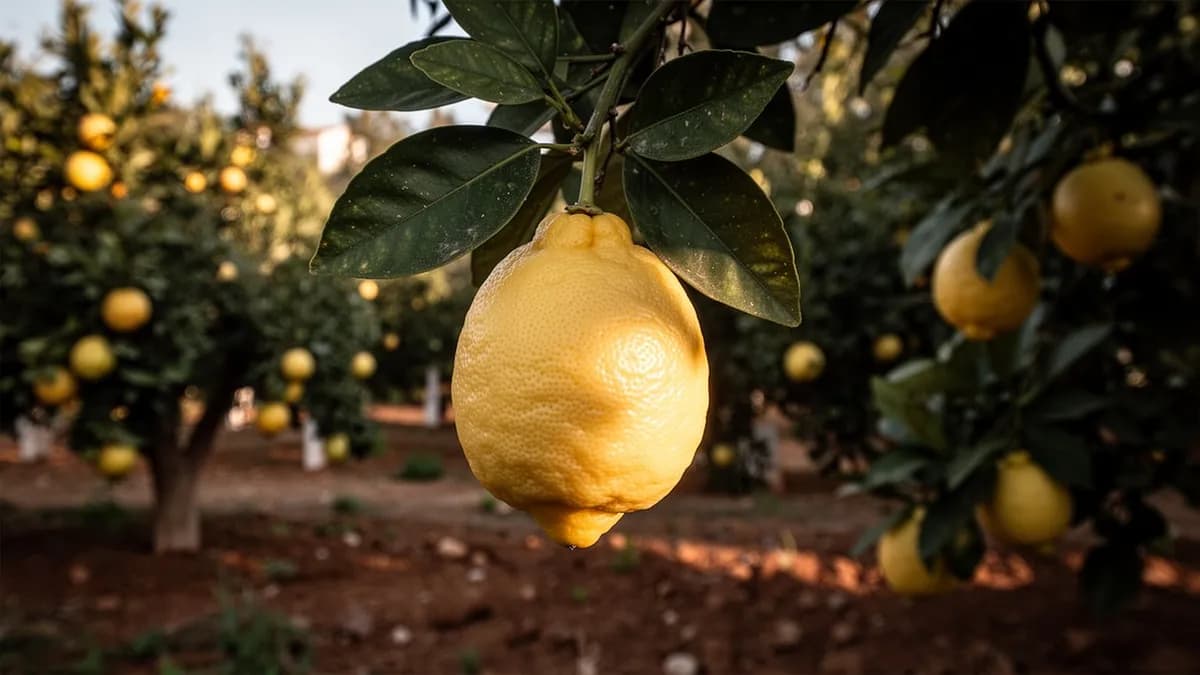
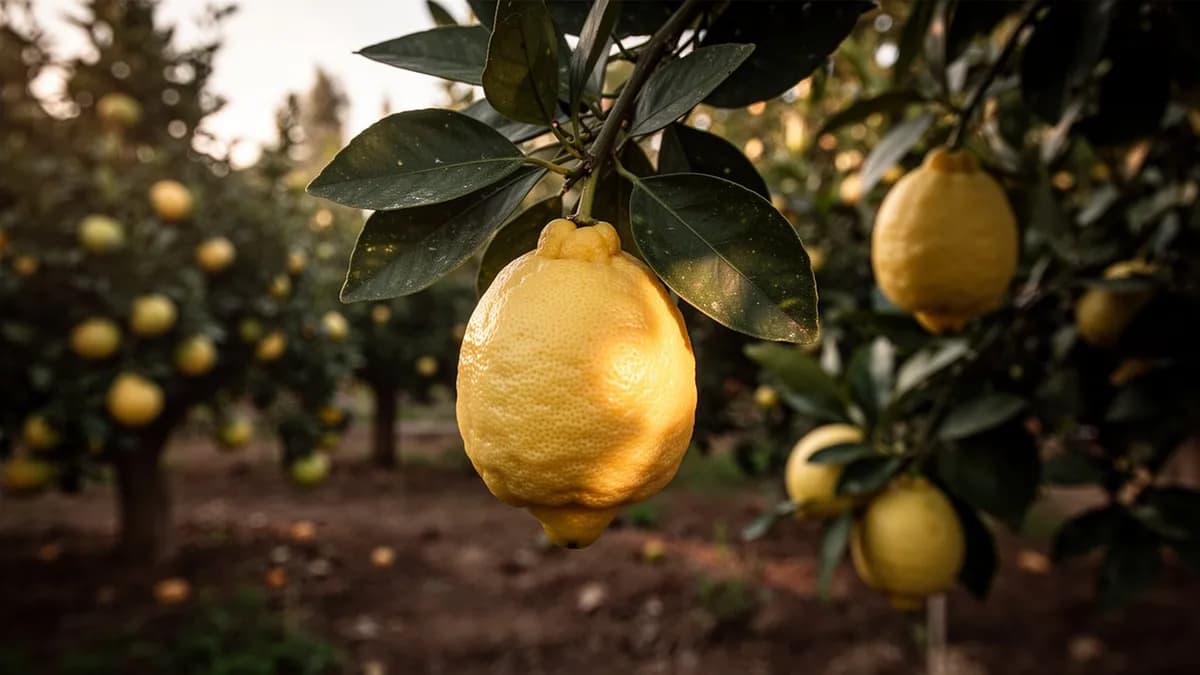
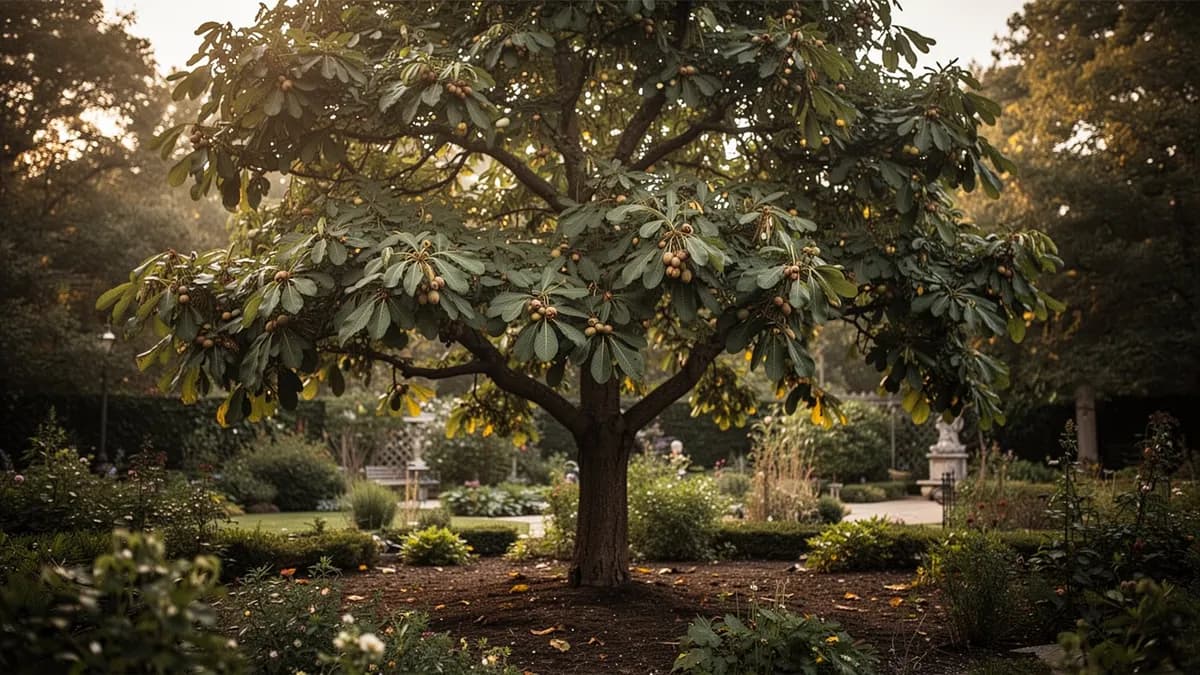
Eine wüchsige, dornige Zitronensorte, die als etwas kälte- und hitzetoleranter als die Eureka gilt. Lissabon-Zitronen bringen ihre Haupternte im Winter hervor und werden häufig in Gebieten mit heißeren Sommern angebaut. Die Früchte sind in Geschmack und Aussehen praktisch identisch mit der Eureka und besitzen einen hohen Säuregehalt, der ideal für die kulinarische Verwendung ist.
Wann Lissabon-Zitrone pflanzen
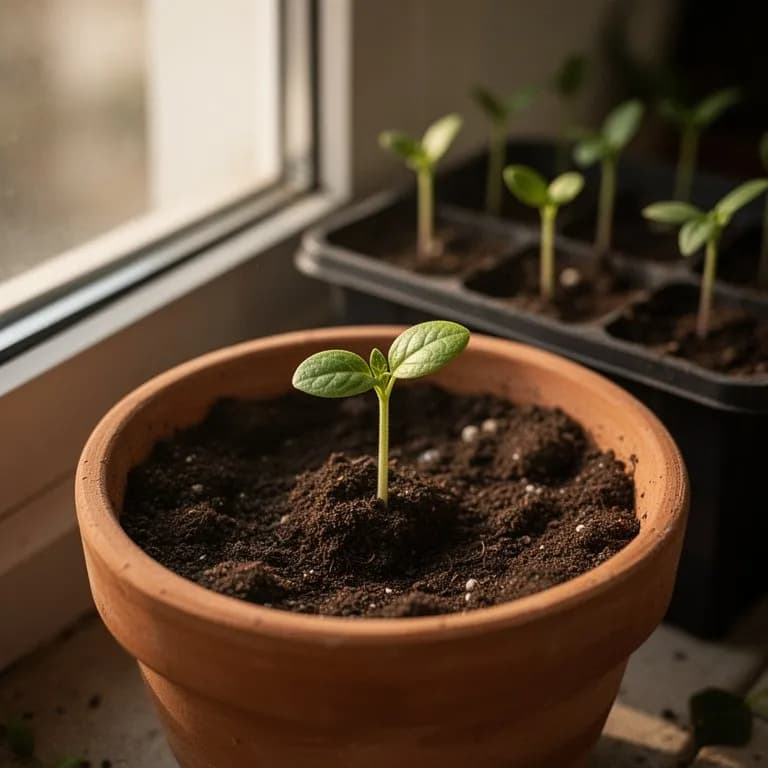
Lissabon-Zitronensamen sind polyembryonal, das heißt, sie können mehrere Sämlinge aus einem einzigen Samen hervorbringen, wobei die meisten Klone des Mutterbaums sind. Säen Sie frische Samen sofort nach der Entnahme, einen halben Zentimeter tief in feuchte Blumenerde bei 24 Grad Celsius. Die Keimung erfolgt typischerweise in zwei bis vier Wochen. Sämlinge sind bereits in jungem Alter dornig. Obwohl Nuklearsämlinge sortenechte Früchte tragen können, benötigen sie sieben bis zehn Jahre bis zur Reife. Veredelte Baumschulware wird für Hobbygärtner, die eine frühere Fruchtproduktion anstreben, dringend empfohlen.
Dein Lissabon-Zitrone-Jahr
Abgestimmt auf Zone 7 · typische Saison · Frost geht um den 2. Apr. und kehrt um den 1. Nov. zurück
Lissabon-Zitrone Mär – Mai pflanzen, Jan – Dez ernten. Beachte die Pflanzmethoden unten und wähle dein Klima für passende Zeiträume.
So baust du Lissabon-Zitrone an
Lissabon-Zitronen sind die bevorzugte Zitronensorte für heiße Binnenebenen und Gebiete mit größeren Temperaturschwankungen, da sie sowohl mehr Hitze als auch etwas mehr Kälte vertragen als Eureka. Die dichte, dornige Krone bietet natürlichen Sonnenschutz für die Früchte und reduziert Sonnenbrand bei intensiver Sommerhitze. Wählen Sie einen vollsonnigen Standort mit gut durchlässigem Boden und pflanzen Sie im Frühjahr, wobei die Veredelungsstelle über der Bodenoberfläche bleiben muss.
Setzen Sie Lissabon-Bäume in einem Abstand von 6 bis 7,5 Metern, da sie wüchsiger und aufrechter wachsen als Eureka-Sorten. Gießen Sie nach der Etablierung gründlich und selten, und lassen Sie die oberen fünf Zentimeter der Erde zwischen den Bewässerungen abtrocknen. Der ausgeprägte Mitteltrieb profitiert von einer frühen Erziehung, um drei bis vier gut verteilte Leitäste zu entwickeln.
Lissabon-Zitronen tragen ihre schwerste Ernte im Winter mit einem zweiten Schub im Sommer. Das dichte Laub erfordert einen aggressiveren Innenrückschnitt als Eureka, um die Luftzirkulation und Lichtdurchlässigkeit zu erhalten. Schneiden Sie jährlich im Spätwinter, entfernen Sie Wasserschosser, sich kreuzende Äste und lichten Sie den Kroneninneren aus. Düngen Sie mit einem zitrusspezifischen Dünger im zeitigen Frühjahr, im Spätfrühling und im Frühherbst und passen Sie die Mengen an Baumgröße und Blattfarbe an.
Für Lissabon-Zitrone ist ein Beet von 120 × 240 cm zu klein
Lissabon-Zitrone braucht 300 cm Platz pro Pflanze. Der Planer hält diesen Abstand für dich ein — jede Pflanze, jedes Beet.
Die besten Nachbarn für Lissabon-Zitrone
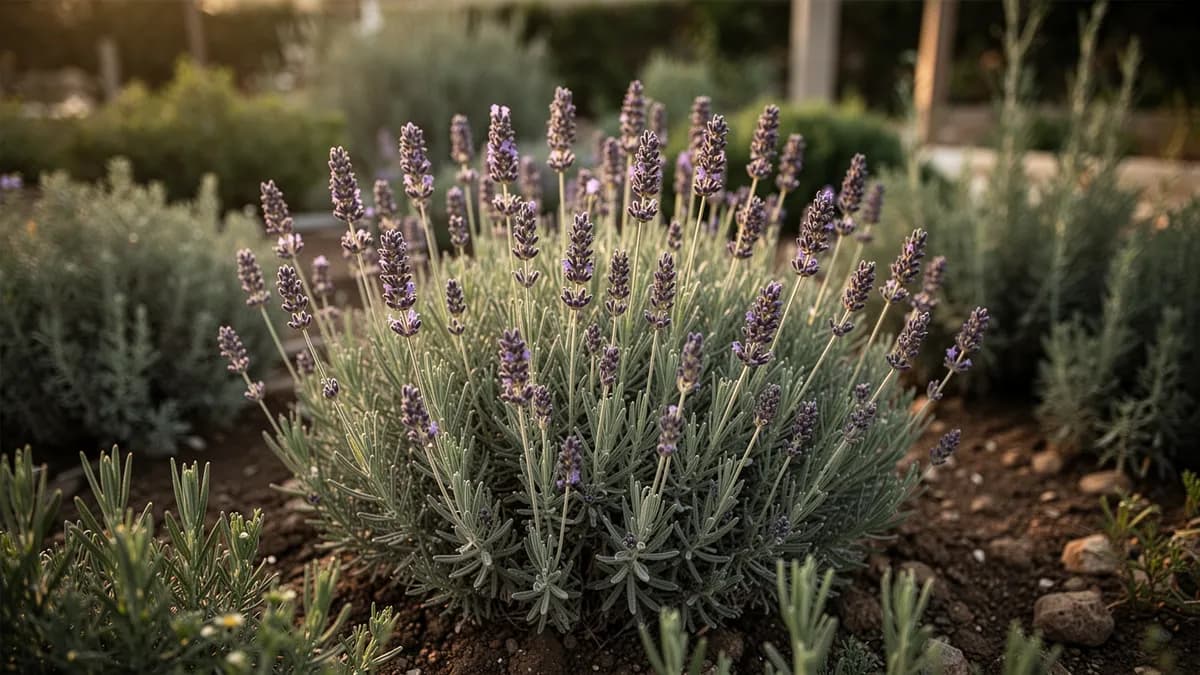
Aufgrund ihrer größeren Dimension und dichten Krone werfen Lissabon-Zitronen mehr Schatten als andere Zitronensorten. Wählen Sie daher schattentolerante Begleitpflanzen für den Unterwuchs. Minze, Zitronenmelisse und Petersilie gedeihen gut im Halbschatten unter der Krone. Pflanzen Sie bestäuberanlockende Blumen wie Lavendel und Salbei am sonnigen Rand. Beinwell ist ein ausgezeichneter Nährstoffsammler als Begleitpflanze, und seine Blätter dienen als mineralstoffreicher Mulch, wenn sie geschnitten und um den Baum herum abgelegt werden.
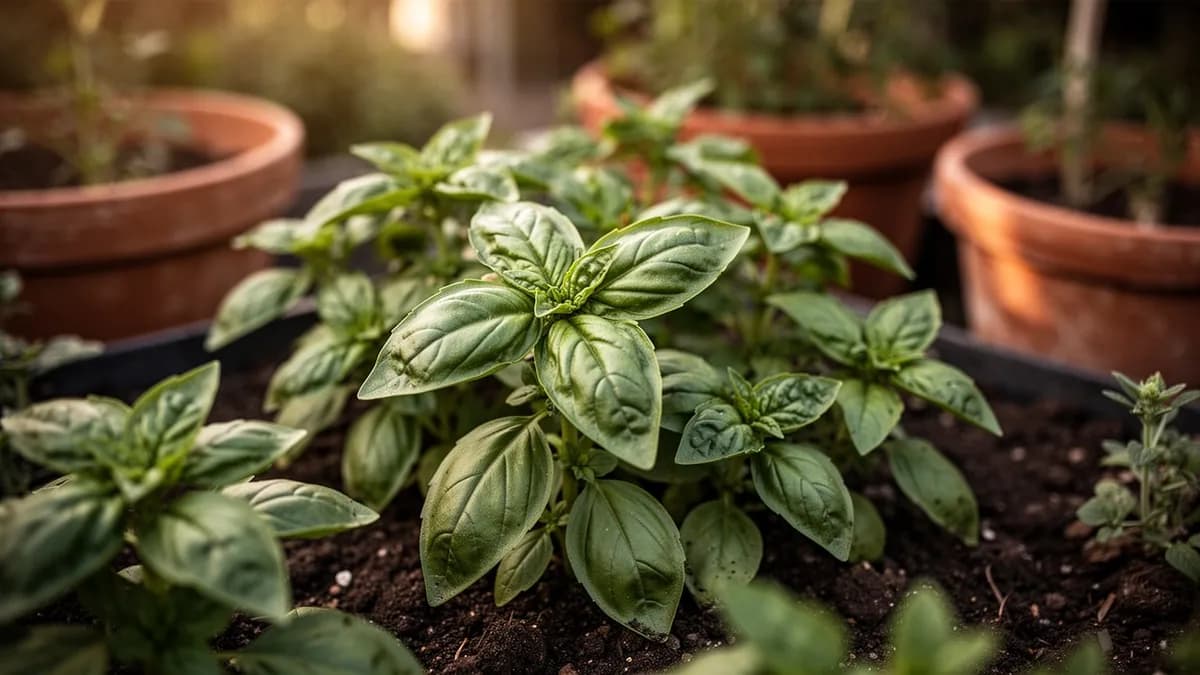
Basilikum gehört daneben. Walnussbaum nicht.
Altes Gärtnerwissen, geprüft an der echten Nachbartabelle von Lissabon-Zitrone — teste jede Pflanze, die du anbaust.
Probiere Lissabon-Zitrone direkt hier im Beet
Ein echtes Planer-Beet, Lissabon-Zitrone steht schon drin. Tippe einen Begleiter an, platziere ihn und sieh, wie die Nachbarschaftsprüfung antwortet — grün für gute Nachbarn, rot bei Streit.


Passende Anbau-Ratgeber
Richtig düngen
Lissabon-Zitronen gedeihen in tiefem, gut durchlässigem, lehmigem Boden mit einem pH-Wert von 5,5 bis 6,5. Ihr kräftiges Wurzelsystem verträgt schwerere Böden besser als Eureka, erfordert aber dennoch eine ausreichende Drainage. Tragen Sie dreimal jährlich Zitrusdünger mit Mikronährstoffen auf und erhöhen Sie die Stickstoffmengen für junge, schnell wachsende Bäume. Magnesiummangel, erkennbar an Vergilbung zwischen den Blattadern älterer Blätter, ist häufig und lässt sich mit Bittersalzanwendungen beheben. Mulchen Sie mit kompostierten Holzhäckseln, um die Bodenfeuchtigkeit zu erhalten und Unkraut zu unterdrücken.
Ideale Temperatur
Winterhärtezone-Kompatibilität
Von der Saat zur Ernte, Schritt für Schritt
Pflanzung und Wurzeletablierung
Ein veredelter Lissabon-Zitronenbaum, der typischerweise im Alter von 1–2 Jahren gekauft wird, konzentriert seine Energie in den ersten drei Monaten nach der Pflanzung auf den Aufbau eines starken Wurzelnetzwerks. Das Blattwachstum kann oberirdisch langsam erscheinen, während die Wurzeln in den umgebenden Boden vordringen. Die Veredelungsstelle – eine leichte Verdickung nahe der Stammbasis – sollte jederzeit über der Bodenoberfläche bleiben, um Unterlageaustriebe und Wurzelhalsfäule zu verhindern.
Vegetative Kronenentwicklung
Der Baum produziert während der warmen Monate mehrere Wachstumsschübe mit glänzend dunkelgrünen Blättern. Lissabon-Zitronen sind von Natur aus wüchsig und können unter idealen Bedingungen 40–70 cm Neuzuwachs pro Jahr erzielen. Die charakteristischen Dornen entlang der Äste entwickeln sich in dieser Phase. Junge Bäume sollten ihre Krone leicht geformt bekommen, um eine offene Vasenstruktur zu fördern, die Sonnenlicht ins Zentrum lässt.
Erste Blüte
Veredelte Lissabon-Zitronenbäume bringen typischerweise in ihrem zweiten oder dritten Frühjahr ihren ersten bedeutenden Schub hochduftender weißer Blüten hervor. Die Blüten erscheinen in Büscheln von 1–7 an den Triebspitzen und in den Blattachseln. Lisbon ist selbstfruchtbar, sodass ein einzelner Baum ohne Fremdbestäubung Früchte ansetzt. Der violett-purpurrote Schimmer an den Knospen ist ein charakteristisches Sortenmerkmal.
Fruchtentwicklung und Größenwachstum
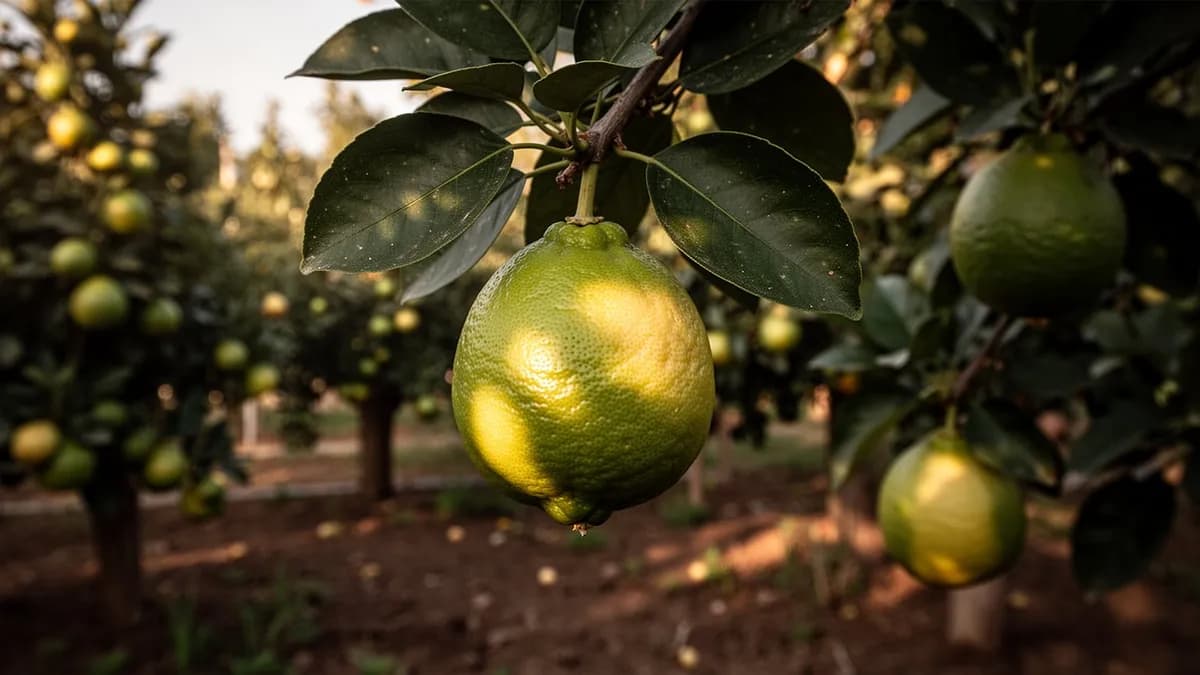
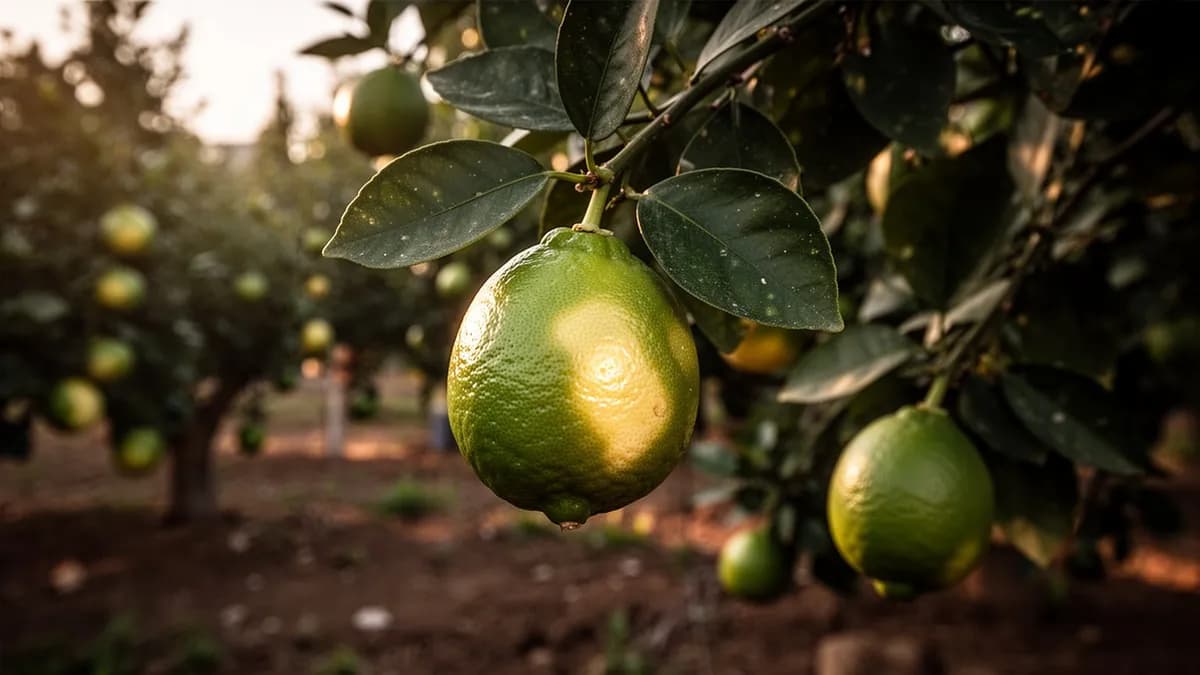
Nach erfolgreicher Bestäubung schwellen kleine grüne Jungfrüchte über sechs bis neun Monate langsam an. In den ersten Wochen nach dem Fruchtansatz tritt natürlicher Fruchtfall auf, da der Baum sich selbst ausdünnt. Die verbleibenden Früchte wachsen stetig, wobei der charakteristische spitze Nippel am Blütenende der Lissabon-Sorte mit zunehmender Fruchtgröße ausgeprägter wird. Die Schale wandelt sich von rau und grün zu glatt und gelb, wenn sie sich der Reife nähert.
Reife und kontinuierliche Ernte
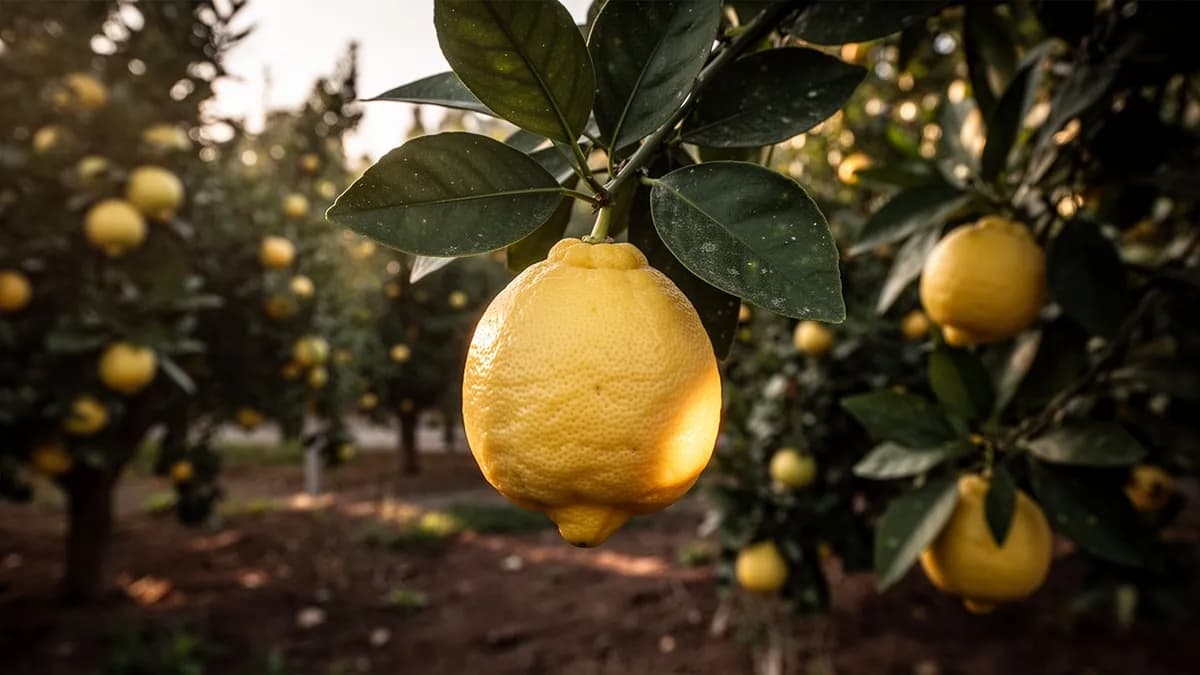
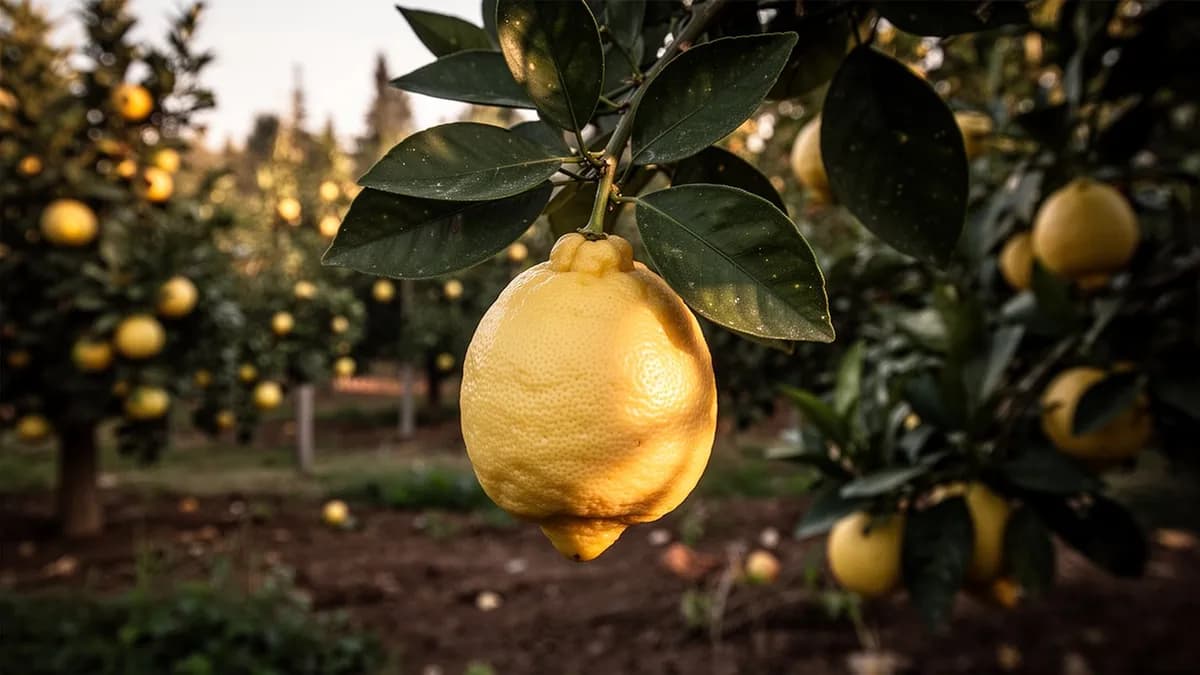
Lissabon-Zitronen reifen zu leuchtendem Gelb mit einer glatten, dünnen Schale, die sich leicht wachsartig anfühlt. Die Früchte können nach Erreichen der vollen Farbe wochen- bis monatelang am Baum verbleiben, ohne nennenswerten Qualitätsverlust, sodass der Baum als lebender Speicher dient. In geeigneten Klimazonen durchlaufen Lissabon-Bäume das ganze Jahr über mehrere überlappende Blüten- und Fruchtschübe und sind so praktisch immertragend. Ein ausgewachsener Baum kann gleichzeitig mehrere Hundert Früchte in verschiedenen Entwicklungsstadien tragen.
Ausgewachsener tragender Baum
Ab dem vierten oder fünften Jahr hat ein im Freiland gepflanzter Lissabon-Zitronenbaum ein umfangreiches Wurzelsystem und eine kräftige Krone entwickelt und tritt in seine produktivste Phase ein. Ausgewachsene Bäume können eine Höhe und Breite von 3–5 Metern erreichen und bei guter Pflege 200–600 Zitronen pro Jahr produzieren. Die bemerkenswerte Kältetoleranz der Lissabon-Sorte im Vergleich zu anderen echten Zitronensorten bedeutet, dass sie in kühleren Klimazonen mediterranen Typs erfolgreich weiterträgt, in denen andere Zitronen Schwierigkeiten hätten.
Pflanzen Sie in ein Loch, das doppelt so breit wie der Wurzelballen, aber nicht tiefer ist. Gießen Sie gründlich an und bringen Sie eine 7–10 cm dicke Mulchschicht auf, beginnend 15 cm vom Stamm entfernt, um die Feuchtigkeit zu bewahren. Verzichten Sie in den ersten sechs Wochen auf Düngung, um empfindliche neue Wurzeln nicht zu verbrennen.
Lissabon-Zitrone Monat für Monat pflegen
Was du jeden Monat für deine Lissabon-Zitrone tun solltest
Oktober
Aktueller MonatBringen Sie Kübelbäume an einen frostfreien Standort, wenn die Nachttemperaturen unter 7 °C zu fallen beginnen. Reduzieren Sie die Gießhäufigkeit. In milden Klimazonen können herbstliche Blütenschübe erscheinen – unterstützen Sie diese mit einer leichten Gabe kaliumreichen Düngers, um den Fruchtansatz zu verbessern.
Immer wissen, was jetzt im Garten zu tun ist
Eine E-Mail zum Monatsanfang: was du jetzt säen, pflanzen und anpacken solltest — für deine Lissabon-Zitrone und alles, was drumherum wächst. Dazu ein kurzer Startkurs, der dich vor den klassischen Fehlern bewahrt.
- Was jetzt zu tun ist
- Passend zu deiner Saison
- Startkurs inklusive
Lissabon-Zitrone ernten
Lissabon-Zitronen erreichen ihren Höhepunkt im Winter, tragen aber das ganze Jahr über etwas Frucht. Ernten Sie, wenn die Früchte vollständig leuchtend gelb gefärbt sind und sich für ihre Größe schwer anfühlen, was auf einen hohen Saftgehalt hindeutet. Die dickschaligen Früchte lagern gut am Baum und können wochenlang über die Reife hinaus hängen bleiben, ohne nennenswerten Qualitätsverlust. Verwenden Sie eine scharfe Gartenschere zum Ernten, da Abreißen die Rinde verletzen und Krankheitserreger einladen kann. Tragen Sie beim Ernten Schutzhandschuhe, da Lissabon-Bäume auffällige Dornen in der gesamten Krone haben.
angenommen, du pflanzt zu Beginn des Zeitraums — trage dein tatsächliches Datum ein
Ernte Lissabon-Zitrone zügig, dann trägt die Pflanze weiter.
Lagerung & Konservierung
Lissabon-Zitronen lagern dank ihrer dickeren Schale außergewöhnlich gut und halten sich im Kühlschrank bis zu zwei Monate. Wickeln Sie einzelne Früchte für eine verlängerte Kühllagerung in Wachspapier ein. Der hohe Säuregehalt macht sie ideal für traditionelle eingelegte Zitronen und Marmelade. Saft lässt sich hervorragend in Eiswürfelformen einfrieren. Dehydrieren Sie Scheiben bei 57 Grad Celsius für langlebige Garnituren. Zitronenschale kann zum Backen und Kochen separat getrocknet oder eingefroren werden.
Was schiefgeht — und die Lösung
Asiatischer Zitrusblattfloh
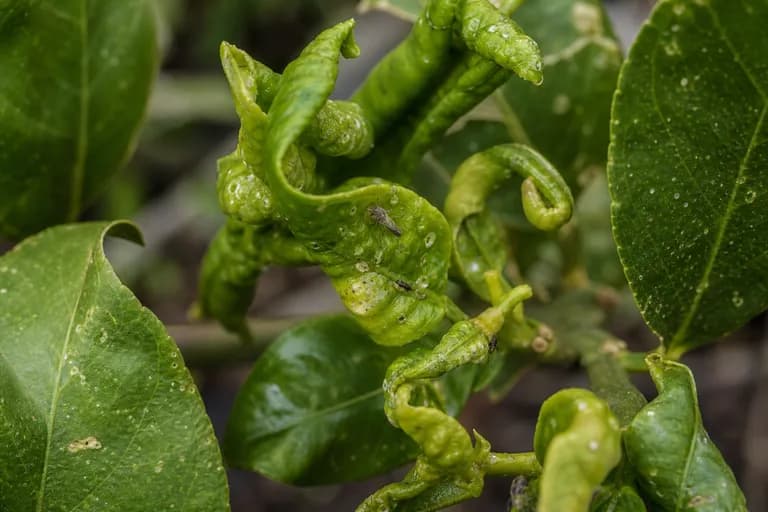
SchädlingEingerollte, verdrehte Neuaustriebe mit wachsartigen Röhrchen; Nymphen produzieren Honigtau und können die verheerende Citrus-Greening-Krankheit übertragen.
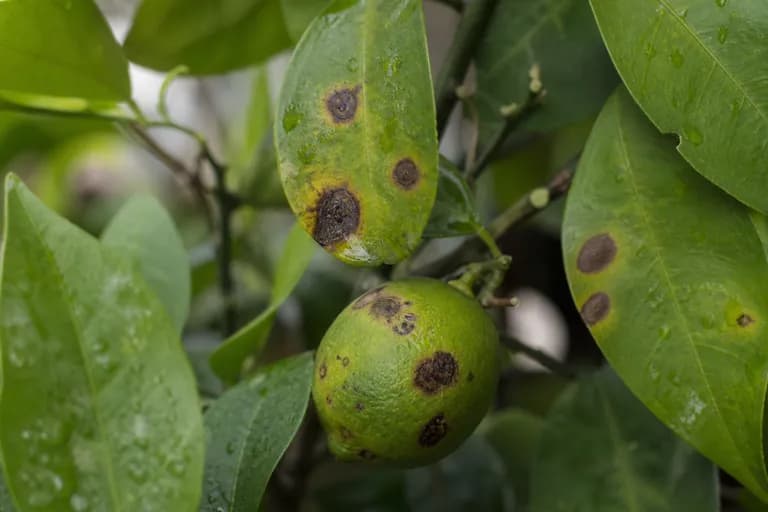
Alternaria-Braunfleckenkrankheit
KrankheitDunkelbraune bis schwarze nekrotische Flecken auf jungen Blättern und Früchten, oft mit gelben Höfen; schwere Infektionen verursachen vorzeitigen Blatt- und Fruchtfall.
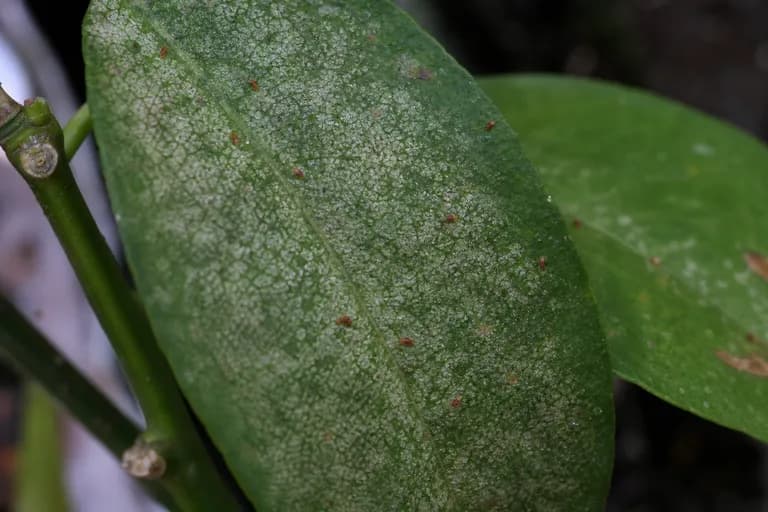
Zitrus-Rote Spinnmilbe
SchädlingGesprenkelte, silbergraue Verfärbung der Blätter; starker Befall verursacht Blattfall und verminderte Vitalität, besonders während trockener Sommermonate.
Fehlerbehebung bei häufigen Problemen
Lissabon-Zitronen sind extrem dornig, was das Ernten und Schneiden ohne Schutzausrüstung schwierig macht. Der wüchsige Habitus erfordert regelmäßigen Rückschnitt, um zu verhindern, dass der Baum zu groß und unhandlich wird. Alternanztragen ist weniger problematisch als bei Eureka, kann aber in Stressjahren auftreten. Die dichte Krone kann Schädlinge beherbergen, wenn sie nicht regelmäßig ausgelichtet wird. Trotz der Hitzetoleranz der Bäume können extreme Hitzewellen über 43 Grad in sehr heißen Klimazonen vorübergehenden Fruchtfall verursachen.
Anbautipps
- Kaufen Sie immer einen veredelten Lissabon-Zitronenbaum, anstatt aus Samen zu ziehen. Veredelte Bäume tragen innerhalb von zwei bis drei Jahren Früchte, produzieren sortenechte Früchte der Lissabon-Sorte und profitieren von krankheitsresistenten Unterlagen. Samengewachsene Bäume können sieben oder mehr Jahre bis zur Fruchtbildung benötigen und bringen oft minderwertige Zitronen hervor.
- Pflanzen Sie an der wärmsten, geschütztesten und sonnigsten verfügbaren Position – idealerweise an einer nach Süden ausgerichteten (Nordhalbkugel) oder nach Norden ausgerichteten (Südhalbkugel) Wand, die Wärme absorbiert und abstrahlt. Lissabon-Zitronen vertragen mehr Kälte als Eureka, erleiden aber dennoch Schäden unter -3 °C.
- Stellen Sie vor dem Pflanzen eine perfekte Drainage sicher. Lissabon-Zitronenwurzeln sind bei Staunässe sehr anfällig für Phytophthora-Wurzelfäule. Erhöhen Sie die Pflanzbeete oder häufen Sie die Erde 20–30 cm über dem umgebenden Bodenniveau auf, wenn der Boden lehmig ist oder der Grundwasserspiegel saisonal hoch steht.
- Düngen Sie während der Wachstumsperiode alle sechs Wochen mit einem zitrusspezifischen granularen oder flüssigen Dünger, der Stickstoff, Phosphor, Kalium und Spurenelemente wie Eisen, Zink und Mangan enthält. Mängel dieser Mikronährstoffe verursachen die Blattvergilbung (Chlorose), die häufig an vernachlässigten Zitronenbäumen zu sehen ist.
- Gießen Sie gründlich und selten statt häufig und oberflächlich. Tiefes Gießen fördert eine tiefe Wurzelentwicklung, die die Trockenheitstoleranz und Standfestigkeit verbessert. Lassen Sie die oberen 5–8 cm der Erde zwischen den Bewässerungen leicht abtrocknen, um ein Ersticken der Wurzeln zu verhindern, ohne den Baum jemals welken zu lassen.
- Entfernen Sie alle Wildtriebe unterhalb der sichtbaren Veredelungsstelle umgehend an ihrem Ursprungspunkt. Unterlageaustriebe haben eine leicht unterschiedliche Blattform – oft runder und mit geflügeltem Blattstiel – und wachsen sehr kräftig. Werden sie nicht kontrolliert, verdrängen sie schließlich den gewünschten Lissabon-Edelreis.
- Schneiden Sie jährlich im Spätwinter vor dem Hauptfrühjahrsaustrieb. Entfernen Sie alle toten, kranken oder sich kreuzenden Äste und lichten Sie die Krone aus, um Licht ins Zentrum zu lassen. Ein gut geschnittener Lissabon-Baum produziert größere, qualitativ bessere Früchte als ein ungeschnittener, da das Sonnenlicht die sich entwickelnden Früchte gleichmäßig in der gesamten Krone erreicht.
- Verwenden Sie für im Kübel gezogene Lissabon-Zitronen, die drinnen überwintert werden, eine Pflanzenlampe, um das natürliche Tageslicht während der kurzen Wintermonate zu ergänzen. Positionieren Sie das Licht 30–45 cm über der Krone für 14–16 Stunden täglich. Unzureichendes Winterlicht ist der Hauptgrund, warum Zitronenbäume in Innenräumen im folgenden Frühjahr nicht blühen.
- Bringen Sie eine 7–10 cm dicke Schicht aus organischem Mulch wie Holzhäckseln oder Stroh in einem Ring um den Baum auf, beginnend 15 cm vom Stamm bis zur Kronentraufe. Mulch bewahrt die Bodenfeuchtigkeit, reguliert die Bodentemperatur, unterdrückt Unkraut und nährt nach und nach die Bodenbiologie, während er sich zersetzt.
- Bestäuben Sie Lissabon-Zitronenbäume in Innenräumen während der Blüte von Hand, indem Sie Pollen zwischen offenen Blüten mit einem trockenen, weichen Künstlerpinsel übertragen. Arbeiten Sie in der Mitte des Tages, wenn die Blüten vollständig geöffnet und der Pollen am reichlichsten vorhanden ist. Wiederholen Sie dies an drei bis vier aufeinanderfolgenden Tagen, um den Fruchtansatz an Innenexemplaren zu maximieren.
Bau deine beste Lissabon-Zitrone an — und alles drumherum.
Starte heute kostenlos. Lege deine Beete an, setze deine Lissabon-Zitrone ein und lass PlotMyGarden Timing, Abstände, Begleiter und Erinnerungen von der Saat bis zum Erntekorb übernehmen.
Finde deine Lissabon-Zitrone
Lisbon
Die klassische wüchsige Sorte mit dichtem, dornigem Wuchs, die hochsaure Früchte vorwiegend im Winter an einem großen, aufrecht wachsenden Baum hervorbringt.
Frost Lisbon
Eine Nuklearselektion mit verbesserter Kältetoleranz und hohem Ertrag, bevorzugt in Gebieten mit gelegentlichen leichten Frösten.
Prior Lisbon
Eine frühreifende Selektion, die bereits im Spätherbst zu tragen beginnt und so die Erntezeit im Vergleich zur Standard-Lisbon verlängert.
Limoneira 8A Lisbon
Eine ertragreiche kommerzielle Selektion, die in Kalifornien weit verbreitet angebaut wird und für gleichmäßige Fruchtqualität und kräftiges Wachstum bekannt ist.
Ein veredelter Lissabon-Zitronenbaum, der in einer Baumschule für 20–50 € gekauft wird, produziert typischerweise 100–200 Zitronen pro Jahr, sobald er mit drei bis vier Jahren seine Reife erreicht hat. Bei Einzelhandelspreisen von 0,70–1,60 € pro Zitrone für Bio-Ware entspricht dies einem Gegenwert von 70–320 € an Zitronen jährlich – der Kaufpreis des Baumes ist bereits in seiner allerersten produktiven Saison übertroffen. Ein ausgewachsener Lissabon-Baum im Freiland, der 300–500 Zitronen pro Jahr produziert, erzeugt einen Gegenwert von 210–800 € an frischem Obst. Mit einer produktiven Lebensdauer von 30–50 Jahren stellt ein einzelner Lissabon-Zitronenbaum eine lebenslange Garteninvestition im Wert von Tausenden Euro an frischem Obst, Zitronensaft, Zeste und natürlichen Reinigungsprodukten dar.
Schnelle Rezepte

Lissabon-Zitronen-Curd
20 MinutenEin seidiger, intensiv herber und buttriger Zitronen-Curd, der den hohen Zitronensäuregehalt der Lissabon-Zitronen zur Geltung bringt. Streichen Sie ihn auf Toast, rühren Sie ihn durch Joghurt, füllen Sie damit Törtchen oder verwenden Sie ihn als Kuchenfüllung. Die kräftige Säure der Lissabon-Zitronen verleiht diesem Curd eine Tiefe, die mildere Sorten nicht erreichen können.
5 Zutaten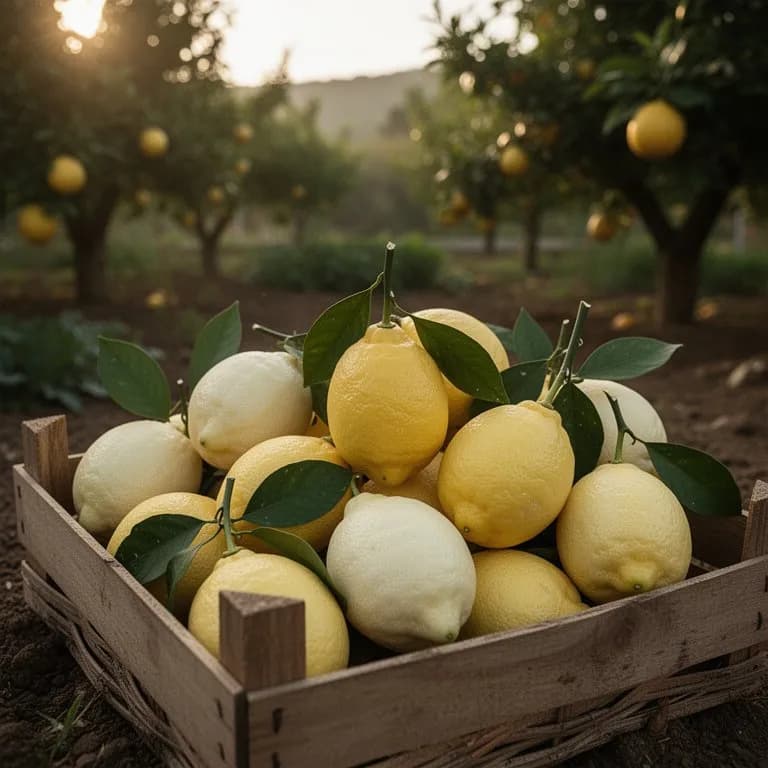
Klassische Zitronen-Vinaigrette
5 MinutenEine spritzige, betont saure Vinaigrette, die hervorragend zu kräftigen Blattsalaten, Getreidesalaten, gegrilltem Fisch und geröstetem Gemüse passt. Lissabon-Zitronen sind hier ideal, da ihre hohe Saftausbeute und ausgeprägte Säure die Reichhaltigkeit guten Olivenöls ausgleichen, ohne dass zusätzlicher Essig nötig ist.
7 Zutaten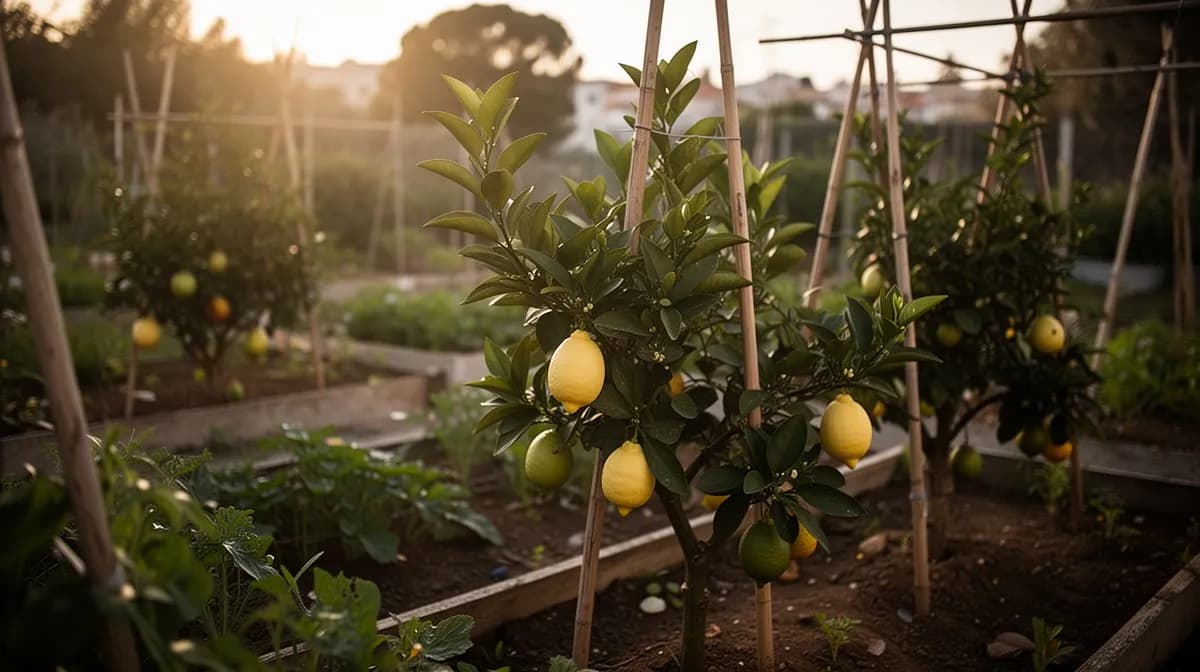
Eingelegte Lissabon-Zitronen
15 Minuten aktiv (4 Wochen Reifung)In Salz eingelegte Lissabon-Zitronen sind ein Grundpfeiler der nordafrikanischen und nahöstlichen Küche und verleihen eine tief herzhafte, blumige Zitrusintensität, die frischer Saft nicht nachahmen kann. Die dicke Schale der Lissabon-Sorte behält ihre Textur während des Reifungsprozesses hervorragend bei, was sie ideal für diese Zubereitung macht. Verwenden Sie die Schale abgespült und fein geschnitten in Tajines, Pasta, Dressings und Brathähnchen.
5 ZutatenKulinarische Verwendung
Lissabon-Zitronen sind in der Küche austauschbar mit Eureka und bieten den klassischen hochsauren Zitronengeschmack zum Kochen, Backen und für Getränke. Ihre dickere Schale liefert pro Frucht etwas mehr Zeste. Sie eignen sich hervorragend für Lemon Meringue Pie, Zitronenschnitten und Sauce Hollandaise. Die kräftige Säure hält sich gut in gekochten Zubereitungen wie geschmortem Hähnchen mit Zitrone und beim Einkochen von Rezepten, die präzise Säurewerte erfordern.
Was drinsteckt
Gesundheitsvorteile
- Sehr reich an Vitamin C, das bis zu 88 % des empfohlenen Tageswerts für Erwachsene pro 100 g liefert – regelmäßiger Verzehr unterstützt die Widerstandsfähigkeit des Immunsystems, die Kollagensynthese für Haut- und Gelenkgesundheit sowie die effiziente Aufnahme von Eisen aus pflanzlichen Lebensmitteln
- Die hohe Konzentration an Zitronensäure im Lissabon-Zitronensaft hat sich in klinischen Studien als wirksam erwiesen, den Citratspiegel im Urin zu erhöhen, was die Bildung von Calciumoxalat- und Calciumphosphat-Nierensteinen hemmt und den regelmäßigen Zitronenkonsum zu einer praktischen Ernährungsstrategie für steinanfällige Personen macht
- Enthält Hesperidin und andere Zitrusflavonoide, die in mehreren Humanstudien entzündungshemmende Wirkungen gezeigt haben und die Herz-Kreislauf-Gesundheit unterstützen, indem sie die Endothelfunktion verbessern, die LDL-Oxidation reduzieren und systemische Entzündungsmarker senken
- Lösliche Pektinfaser im Zitronenfruchtfleisch und -mark fördert das Sättigungsgefühl, verlangsamt die Glukoseaufnahme in den Blutkreislauf und ernährt nützliche Lactobacillus- und Bifidobacterium-Arten im Darmmikrobiom, was die allgemeine Verdauungs- und Stoffwechselgesundheit unterstützt
- Zitronenpolyphenole – darunter Eriocitrin, Narirutin und Diosmin – haben in vorläufigen Studien vielversprechende Wirkungen bei der Verringerung von Insulinresistenz und hepatischer Fettspeicherung gezeigt und unterstützen möglicherweise die Stoffwechselgesundheit bei Personen mit Risiko für Typ-2-Diabetes
- Die Schale und Zeste von Lissabon-Zitronen enthalten Limonen und andere Monoterpene, die in Laborstudien antimikrobielle, entzündungshemmende und potenziell chemopräventive Aktivitäten gezeigt haben und zusätzliche gesundheitliche Vorteile bieten, wenn Zeste beim Kochen eingearbeitet wird
Woher Lissabon-Zitrone stammt
Die Lissabon-Zitrone (Citrus limon 'Lisbon') trägt ihren Namen von Lissabon, Portugal, wo sie aus einem breiteren Zitronen-Genpool selektiert und kultiviert wurde, der während des Mittelalters von maurischen Bauern auf die Iberische Halbinsel eingeführt worden war. Echte Zitronen selbst entstanden als natürliche Hybride – wahrscheinlich zwischen der Zitronatzitrone (Citrus medica) und der Bitterorange (Citrus aurantium) – in den Vorgebirgen des östlichen Himalayas, Nordostindiens oder Südchinas, bevor sie sich über arabische Handelsrouten westwärts ausbreiteten. Die portugiesische Seefahrtsexpansion im 15. und 16. Jahrhundert machte Portugal zu einem Zentrum für die Sammlung, Selektion und Weiterverbreitung von Zitrusfrüchten, und in dieser Zeit wurde der Lissabon-Typ stabilisiert und benannt. Die Sorte wurde im frühen 19. Jahrhundert von Einwanderern und Missionaren nach Australien gebracht und wurde dort schnell zur dominierenden Hausgarten-Zitrone – eine Position, die sie bis heute beibehalten hat, wobei die Lissabon immer noch den Großteil der Zitronen in australischen Hausgärten ausmacht. Kalifornien erhielt die Lissabon-Zitrone in den 1870er Jahren, eingeführt sowohl von kommerziellen Baumschulen als auch von Siedlern, die ihre größere Kältetoleranz im Vergleich zur gleichzeitig in der Region entwickelten Eureka-Zitrone erkannten. Die beiden Sorten wuchsen parallel an kommerzieller Bedeutung, wobei Lisbon in Binnengebieten und etwas kühleren Anbauregionen bevorzugt und Eureka in Küstengebieten präferiert wurde. Zu Beginn des 20. Jahrhunderts hatte die kalifornische Zitrusindustrie die Lissabon- und Eureka-Zitronen weltweit berühmt gemacht, und beide Sorten verbreiteten sich in kommerzielle Anbauregionen in Südafrika, Argentinien, Uruguay, Spanien und Italien. Das Zitrus-Klonschutzprogramm der University of California in der zweiten Hälfte des 20. Jahrhunderts brachte zertifizierte krankheitsfreie Lissabon-Selektionen hervor, die die Gesundheit und Produktivität neuer Pflanzungen dramatisch verbesserten. Heute bleibt die Lissabon eine der beiden am meisten angebauten Zitronensorten der Welt, geschätzt von Hobbygärtnern und kommerziellen Anbauern gleichermaßen für ihre Zuverlässigkeit, Kältetoleranz, reichhaltigen Saft und gleichmäßige Fruchtqualität über ein breites Spektrum von Klimazonen.
Lissabon-Zitrone: Schon gewusst?
Faszinierende Fakten über Lissabon-Zitrone
Die Lissabon-Zitrone wurde in Portugal entwickelt – wie ihr Name vermuten lässt – und war eine der ersten Zitronensorten, die in den 1870er Jahren nach Kalifornien eingeführt wurden, wo sie dank ihrer außergewöhnlichen Kältetoleranz und hohen Erträge schnell neben Eureka zu einer dominierenden kommerziellen Sorte wurde.
Lissabon-Zitrone: Fragen & Antworten
Wann sollte ich Lissabon-Zitrone pflanzen?
Was sind gute Begleitpflanzen für Lissabon-Zitrone?
In welchen Winterhärtezonen kann Lissabon-Zitrone wachsen?
Wie viel Sonne braucht Lissabon-Zitrone?
Welchen Abstand sollte ich zwischen Lissabon-Zitrone lassen?
Welche Schädlinge und Krankheiten befallen Lissabon-Zitrone?
Wie lagere ich Lissabon-Zitrone nach der Ernte?
Was sind die besten Lissabon-Zitrone-Sorten zum Anbauen?
Welchen Boden braucht Lissabon-Zitrone?
Was ist der Unterschied zwischen einer Lissabon- und einer Eureka-Zitrone?
Wie kältetolerant ist die Lissabon-Zitrone und kann ich sie in einem kühleren Klima anbauen?
Warum trägt mein Lissabon-Zitronenbaum keine Früchte?
Woran erkenne ich, dass eine Lissabon-Zitrone reif genug zum Pflücken ist?
Welche Schädlinge und Krankheiten befallen Lissabon-Zitronenbäume am häufigsten?
Kann ich einen Lissabon-Zitronenbaum im Topf anbauen, und wie groß muss der Kübel sein?
Du hast die Theorie gelesen. Jetzt baue sie auf Autopilot an.
Alles, was Lissabon-Zitrone knifflig macht — das Timing, die Abstände, die Begleiter, das Erntefenster — genau das übernimmt PlotMyGarden für dich, für jede Pflanze im Garten.
Ein Plan, der dein Wetter kennt
Standort einmal festlegen. Aussaat-, Dünge- und Erntedaten rund um deinen echten letzten Frosttermin und die Live-Vorhersage — kein Raten mehr nach Saattüte.
Aus dem Abschnitt „Pflanzzeit“Beetplaner per Drag & Drop
Beete auf einem Raster gestalten. Jede Pflanze rastet im richtigen Abstand ein, und du siehst die ganze Saison, bevor du einen Cent für Saatgut ausgibst.
Aus dem Abschnitt „Anbau“Begleiter-Konflikte früh erkannt
Über 200 gute und schlechte Kombinationen werden beim Pflanzen live geprüft — so landet ein saisonruinierender Fehler nie in der Erde.
Aus dem Abschnitt „Begleiter“Erinnerungen, nach denen du wirklich handelst
„Gieß die Bohnen.“ „Heute ernten, bevor's umschlägt.“ Pünktlich, konkret und auf deine echten Pflanzen bezogen.
Aus dem Abschnitt „Ernte“Staffel-Aussaat, geplant
Sechs Wochen ernten statt sechs Tage? Die App verteilt deine Aussaaten automatisch und erinnert dich, wenn der nächste Satz fällig ist.
Aus dem Abschnitt „Pflanzzeit“Ein Verlauf, der schlauer wird
Jede protokollierte Ernte bringt der App deinen Garten bei. Der Plan fürs nächste Jahr startet bei dem, was in deinem Boden wirklich funktioniert hat.
Aus dem Abschnitt „Überblick“Pflanze diese neben Lissabon-Zitrone
Weitere Zitrusfrüchte
Halte Lissabon-Zitrone von diesen fern
Bau deine beste Lissabon-Zitrone an — und alles drumherum.
Starte heute kostenlos. Lege deine Beete an, setze deine Lissabon-Zitrone ein und lass PlotMyGarden Timing, Abstände, Begleiter und Erinnerungen von der Saat bis zum Erntekorb übernehmen.