Orange
A subtropical citrus tree producing sweet, vitamin-rich fruits that require consistent warmth to develop full flavor.





On this pageOverview
Meet Orange
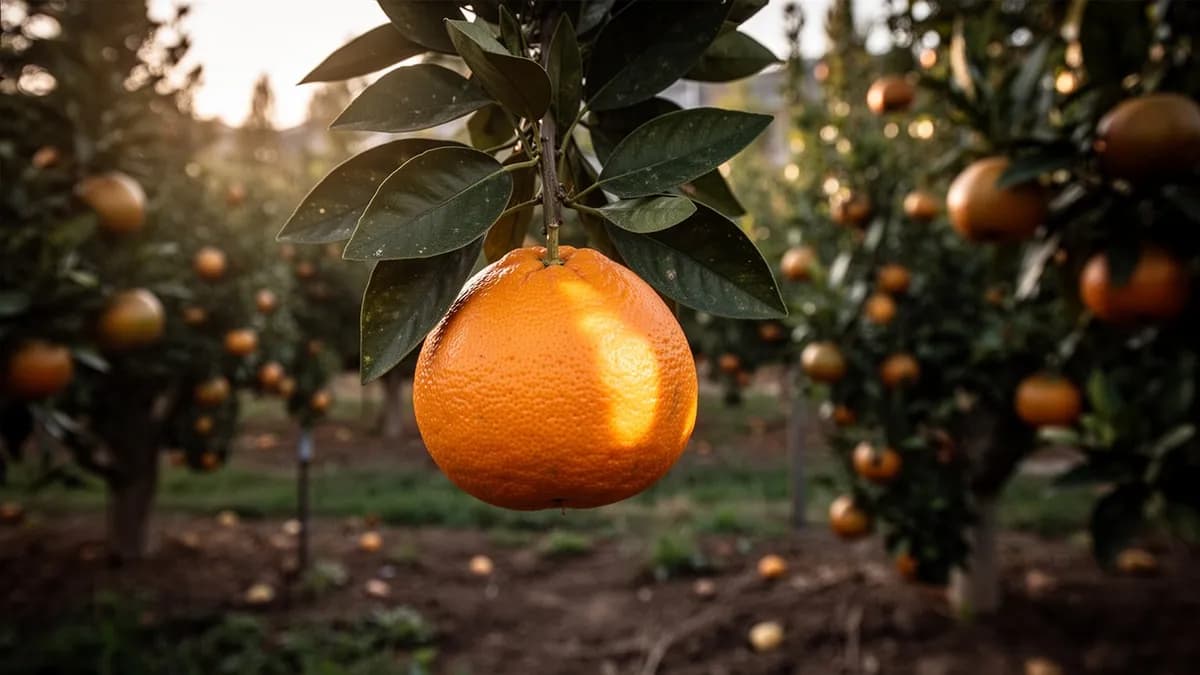
A subtropical citrus tree producing sweet, vitamin-rich fruits that require consistent warmth to develop full flavor. Orange trees need protection from temperatures below 28 degrees Fahrenheit and benefit from a sheltered, south-facing planting location. Feed regularly with citrus fertilizer and water deeply but infrequently, allowing the top few inches of soil to dry between waterings. Fruits can remain on the tree for weeks after ripening without loss of quality, effectively using the tree as living storage.
When to plant Orange
Most orange trees are propagated by grafting or budding named varieties onto disease-resistant rootstock such as trifoliate orange or Carrizo citrange. Growing from seed is possible but produces trees that take seven to fifteen years to bear fruit and may not resemble the parent. To start from seed, extract seeds from a ripe fruit, wash off the pulp, and plant immediately in moist potting mix one inch deep. Keep warm at 70 to 80 degrees Fahrenheit and expect germination in two to four weeks. Transplant seedlings to larger containers as they grow.
Your Orange Year
Composed for Zone 7 · typical seasons · frost passes Apr 2, returns Nov 1
Plant Orange Mar – May, pick Jan – Mar, Nov – Dec. Check the planting methods below and set your climate to personalize these windows.
How to grow Orange
Orange trees thrive in warm subtropical and tropical climates where winter temperatures rarely drop below 28 degrees Fahrenheit. Select a planting site with full sun and protection from cold winds, ideally against a south-facing wall or building that radiates heat. Dig a hole twice the width of the root ball and set the tree so the graft union sits several inches above the soil line. Amend heavy clay with sand and organic matter to ensure excellent drainage, as citrus roots are highly susceptible to root rot in waterlogged conditions.
Water newly planted trees deeply twice per week for the first year, then transition to deep, infrequent irrigation that allows the top few inches of soil to dry between waterings. Mature trees benefit from a regular feeding schedule using citrus-specific fertilizer applied three to four times per year from late winter through early fall. Avoid fertilizing after September in regions with mild frost risk, as new growth is especially vulnerable to cold damage.
Prune orange trees lightly to remove dead wood, water sprouts, and any branches growing below the graft union. Maintain an open canopy to allow sunlight penetration and air circulation, which reduces fungal disease pressure. In container culture, use a large pot with excellent drainage and bring the tree indoors before the first frost, placing it near a bright south-facing window.
Orange needs more room than a 4 × 8 ft bed gives
Each Orange wants 360 cm of elbow room. The planner keeps that spacing for you — every plant, every bed.
Orange's best neighbours
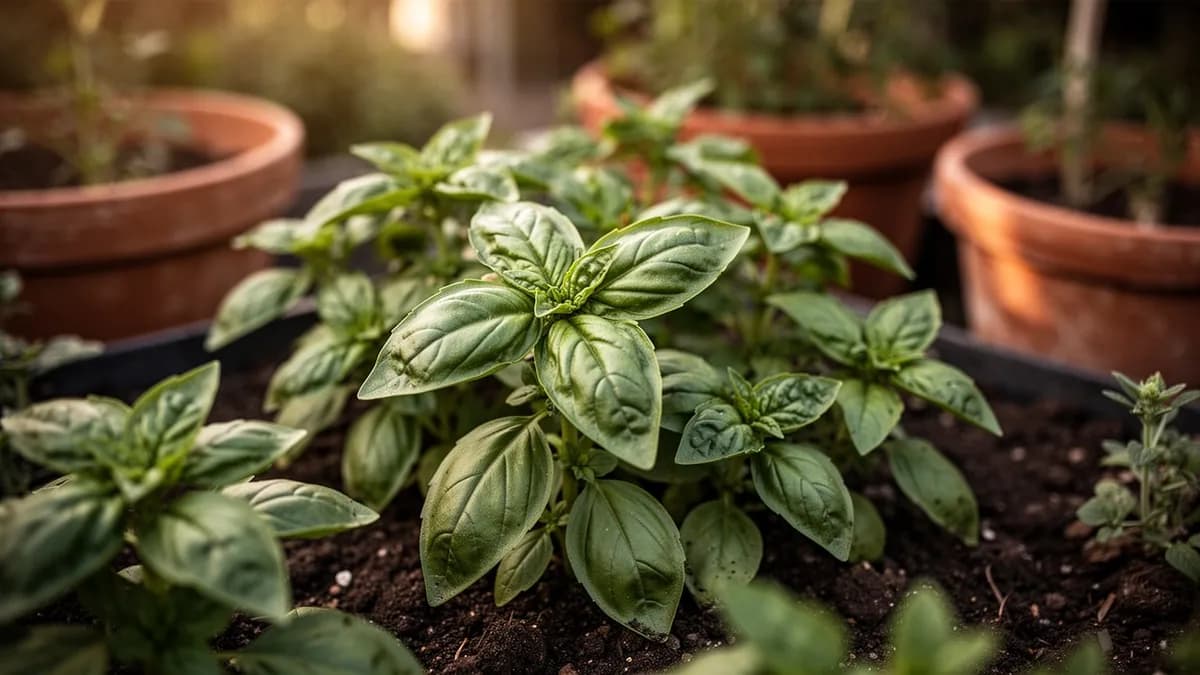
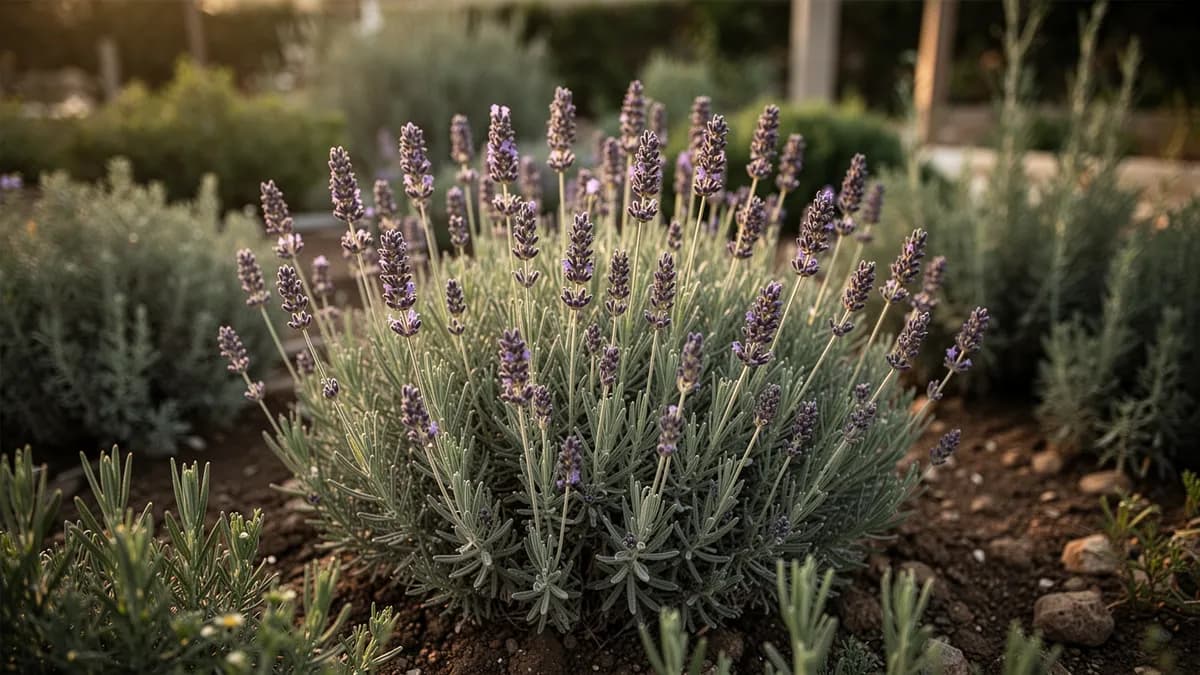
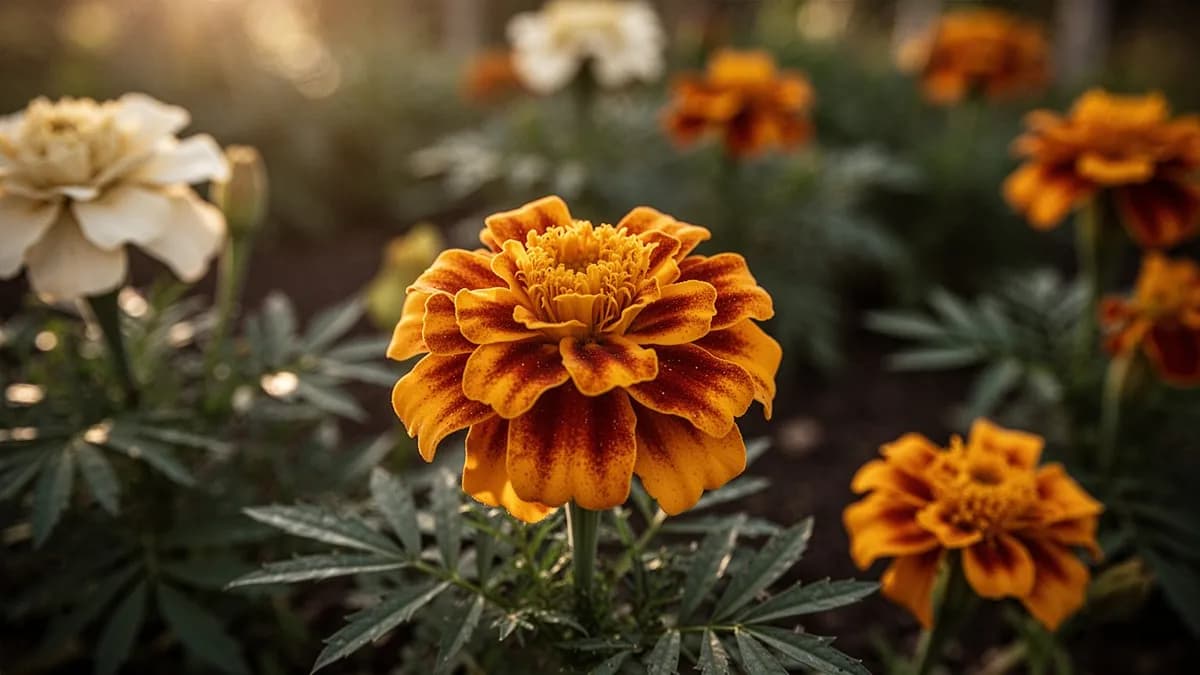
Plant basil, lavender, and marigolds around orange trees to attract pollinators and repel pest insects. Nasturtiums serve as trap crops for aphids, drawing them away from citrus foliage. Comfrey planted under the canopy acts as a dynamic nutrient accumulator, pulling minerals from deep soil layers into its leaves, which can be chopped and used as mulch. Avoid planting near walnut trees, which produce juglone that can inhibit citrus root growth.
Basil belongs beside it. Walnut Tree doesn't.
Old growers' knowledge, checked against Orange's real companion table below — test any plant you're growing.
Try Orange in a bed — right here
A real planner bed with Orange already in it. Tap a companion to place it and watch the pairing checks answer — green for good neighbours, red for a clash.


Related growing guides
Feed it well
Oranges prefer well-drained sandy loam or loamy soil with a pH of 6.0 to 7.0. Amend heavy clay soils with generous amounts of coarse sand, perlite, and organic matter before planting. Feed with a citrus-specific fertilizer containing nitrogen, phosphorus, potassium, and essential micronutrients including iron, manganese, and zinc three to four times per year. Apply fertilizer in a ring around the drip line and water in thoroughly. Yellowing leaves with green veins indicate iron chlorosis, which is corrected with chelated iron applications.
Ideal Temperature
Hardiness Zone Compatibility
From seed to harvest, stage by stage
Seed Germination / Transplant Establishment
Seeds germinate in warm soil within 2–4 weeks. Grafted nursery trees establish their root systems during the first 6–8 weeks after planting. Young trees focus energy on root development rather than top growth.
Vegetative Growth
The tree puts on vigorous leafy growth, developing a strong framework of branches. Multiple flushes of new growth occur throughout the warm season. Root system expands significantly. Trees grown from seed remain in vegetative mode for 3–7 years before fruiting.
First Flowering
Grafted trees typically flower for the first time in their second or third year. Flowers appear in clusters, are intensely fragrant, and are white with five petals. Flowering is often triggered by a period of cool temperatures or mild drought stress in late winter.
Fruit Set and Development
After pollination, small green fruitlets form and begin a long development period of 7–12 months depending on variety. The tree naturally drops many small fruitlets in early summer — this is normal and called 'June drop'. Remaining fruit grows steadily and begins accumulating sugars.
Ripening and Harvest
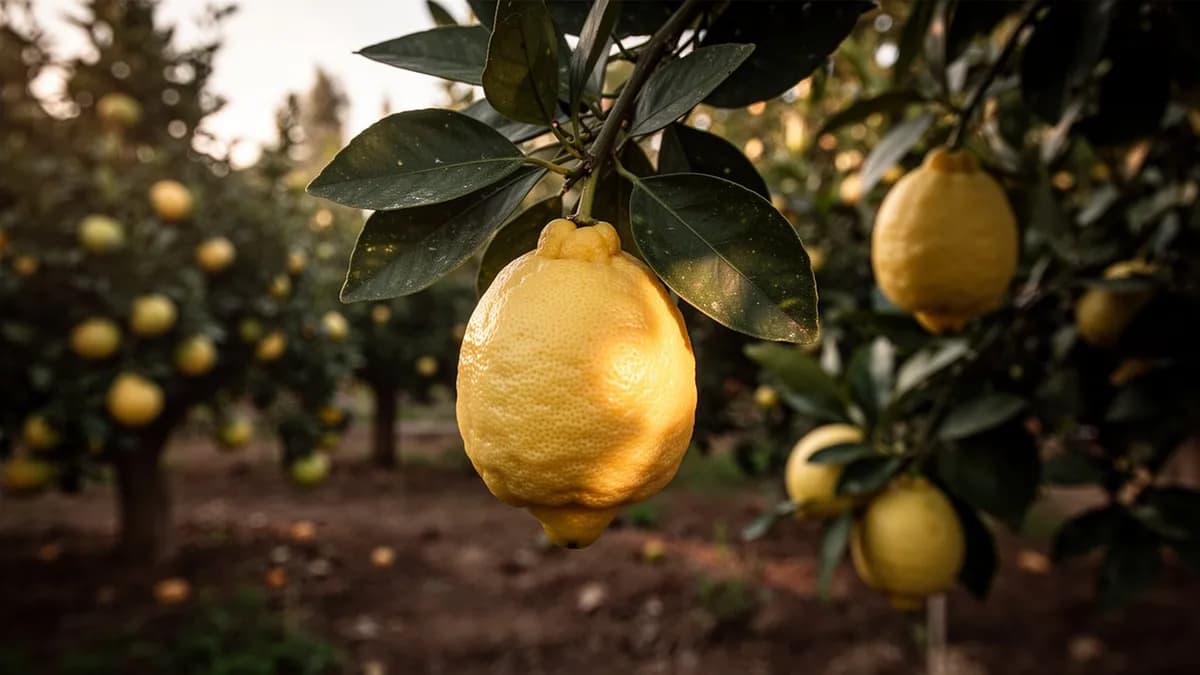
Fruit turns from green to orange as chlorophyll breaks down (though color is not always a reliable indicator of ripeness in warm climates). Taste is the best guide — sample a fruit for sweetness and juice content. Most varieties ripen between November and March in the Northern Hemisphere. Fruit can hang on the tree for several weeks once ripe.
Post-Harvest Rest and Renewal
After the main harvest, the tree enters a quieter phase. This is the ideal time for structural pruning, removing dead wood and crossing branches. The tree prepares for the next flowering cycle, often triggered again by winter cool or a brief dry period.
Keep soil consistently moist but never waterlogged. Protect young trees from frost and strong winds. Grafted trees will establish much faster than seedlings.
Caring for Orange month by month
What to do each month for your Orange
October
You are hereEarly-ripening varieties may be approaching harvest — do the taste test. Reduce watering frequency as temperatures cool. Apply a final slow-release fertilizer for the season to support winter root activity. Rake up any fallen leaves to prevent fungal build-up.
Know exactly what to do in your garden — every month
One email at the start of each month: what to sow, plant, and tackle right now — for your Orange and everything growing around it. Plus a short starter course that helps you dodge the classic mistakes.
- What to do, right now
- Matched to your season
- Starter course included
Harvesting Orange
Harvest oranges when the skin has turned fully orange and the fruit feels heavy for its size, indicating high juice content. Taste-test a fruit before picking the entire crop, as color alone is not always a reliable indicator of ripeness, especially in warm climates where ripe fruit may retain green patches. Cut or twist the fruit from the branch with a slight upward motion to avoid tearing the stem. Oranges can remain on the tree for several weeks after ripening without significant quality loss, making the tree a natural storage system.
assuming you plant when the window opens — set your real date
Pick Orange promptly and the plant keeps producing.
Storage & Preservation
Store fresh oranges at room temperature for up to a week or refrigerate for two to three weeks. For longer preservation, juice oranges and freeze the juice in airtight containers for up to six months. Orange zest can be dried or frozen separately for use in baking and cooking. Oranges also make excellent marmalade, candied peel, and dehydrated slices for snacking or garnishing. Canning orange segments in light syrup preserves the fruit for up to a year.
What goes wrong — and the fix
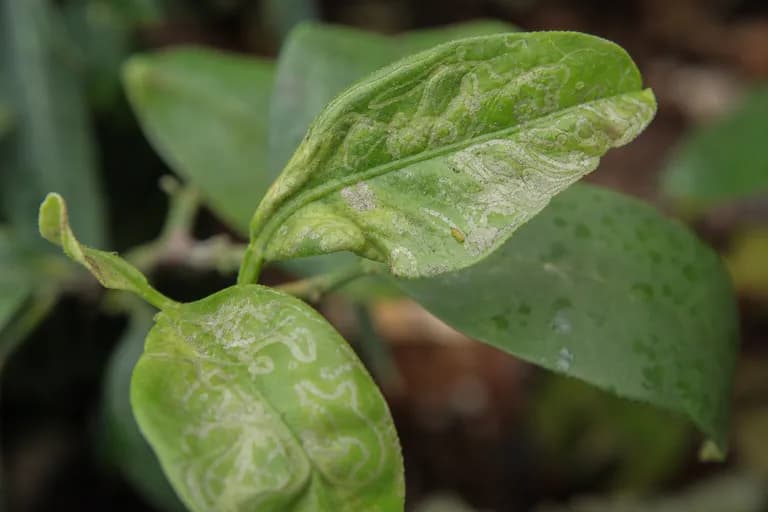
Citrus Leafminer
PestSilvery, serpentine trails on young leaves; curled and distorted new growth that weakens the tree over time.
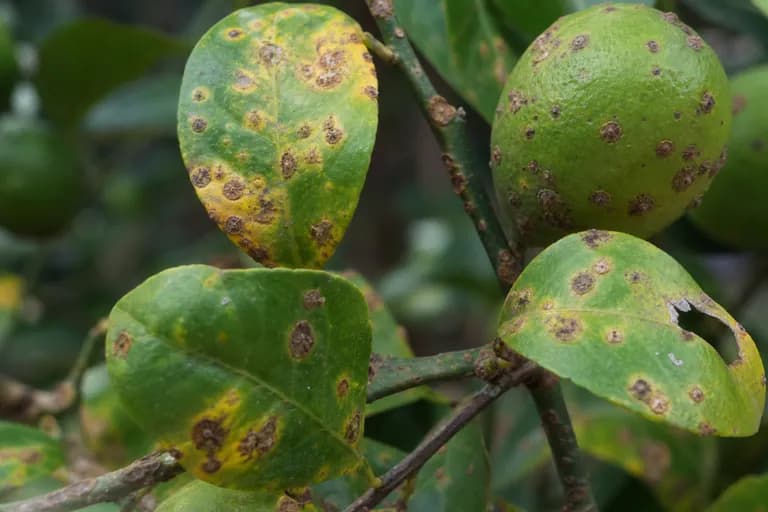
Citrus Canker
DiseaseRaised, corky brown lesions surrounded by oily yellow halos on leaves, stems, and fruit surfaces.
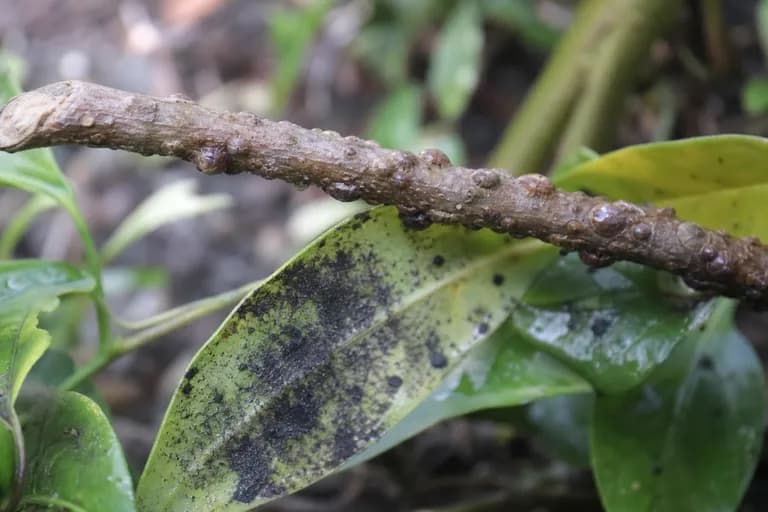
Scale Insects
PestSmall, waxy bumps on stems and leaf undersides; yellowing leaves, sticky honeydew, and sooty mold growth.
Troubleshooting Common Problems
Fruit drop in late spring is normal and called June drop, where the tree naturally thins excess fruit. Excessive drop may indicate water stress, nutrient deficiency, or pest pressure. Splitting fruit results from irregular watering, especially heavy rain or irrigation following a dry period. Leaf curl and yellowing often signal overwatering or root rot. Sunburn on exposed fruit can be prevented by maintaining adequate canopy coverage through conservative pruning.
Growing Tips
- Always buy grafted trees from a reputable nursery rather than growing from seed. Grafted trees fruit in 3–5 years whereas seedlings can take 7–15 years, and grafted varieties have reliable flavor characteristics.
- Choose your variety based on your climate. 'Valencia' and 'Navel' are the most popular sweet oranges for warm temperate climates; 'Cara Cara' offers striking pink flesh; 'Blood Orange' varieties like 'Moro' develop their red pigmentation best where winter nights are cool.
- Oranges need full sun — at least 6–8 hours of direct sunlight daily. A south-facing position against a warm wall is ideal in cooler climates, providing both light and reflected warmth.
- Drainage is critical. Orange trees will not tolerate waterlogged roots. Plant on a slight mound if your soil is heavy clay, and incorporate generous amounts of coarse sand and compost into the planting hole.
- Feed regularly during the growing season with a dedicated citrus fertilizer that contains not just NPK but also trace elements including magnesium, iron, manganese, and zinc. Yellowing leaves between veins (interveinal chlorosis) indicates iron or manganese deficiency, often caused by overly alkaline soil.
- Mulch the root zone generously with wood chips or straw, keeping mulch 10–15 cm away from the trunk to prevent collar rot. A good mulch layer conserves moisture, moderates soil temperature, and suppresses weeds.
- In container culture, repot into a slightly larger pot every 2–3 years using a specialist citrus or loam-based compost. Never let a container-grown tree sit in a saucer of water. Feed fortnightly with liquid citrus fertilizer during the growing season.
- Pruning should be light — orange trees require far less pruning than deciduous fruit trees. Remove dead, diseased, and crossing branches in late winter. Open up the canopy center if it becomes very dense. Avoid heavy pruning which delays fruiting.
- The most common pests are scale insects, aphids, and citrus leafminer. A dormant oil spray in late winter will smother overwintering scale. Neem oil spray addresses multiple soft-bodied pests. Citrus leafminer — which creates squiggly mines in young leaves — is unsightly but rarely seriously damages mature trees.
- In cool temperate climates, grow a dwarf orange variety in a large container and bring it indoors to a cool, bright room (5–10°C is ideal) for winter. A cold conservatory or unheated greenhouse is perfect. Avoid keeping it too warm indoors in winter as this prevents the cool rest period that triggers flowering.
Grow your best Orange yet — and everything around it.
Start a free plan today. Lay out your beds, drop in your Orange, and let PlotMyGarden handle the timing, spacing, companions and reminders from seed to harvest basket.
Pick your Orange
Washington Navel
The classic seedless eating orange with a rich, sweet flavor and easy-to-peel skin, ideal for fresh consumption.
Valencia
The premier juicing orange, producing abundant sweet juice and ripening in late spring to summer for an extended season.
Cara Cara
A navel orange mutation with distinctive pink-red flesh and a sweet, slightly berry-like flavor with low acidity.
Moro Blood Orange
A blood orange with deep crimson flesh and complex flavor notes of raspberry and citrus, prized for desserts and cocktails.
A mature orange tree in a suitable climate can produce 100–300 fruits per year. At typical supermarket prices of $0.80–$1.50 per orange for quality fresh fruit, a single productive tree can yield $80–$450 worth of fruit annually. Premium organic oranges cost even more. Over a 20-year productive lifespan, a single well-tended tree represents thousands of dollars in savings, not counting the superior flavor, freshness, and nutritional value of home-grown fruit picked at peak ripeness. Container-grown dwarf varieties are also economical, typically producing 20–50 fruits per year at a fraction of the cost of store-bought organic citrus.
Quick recipes
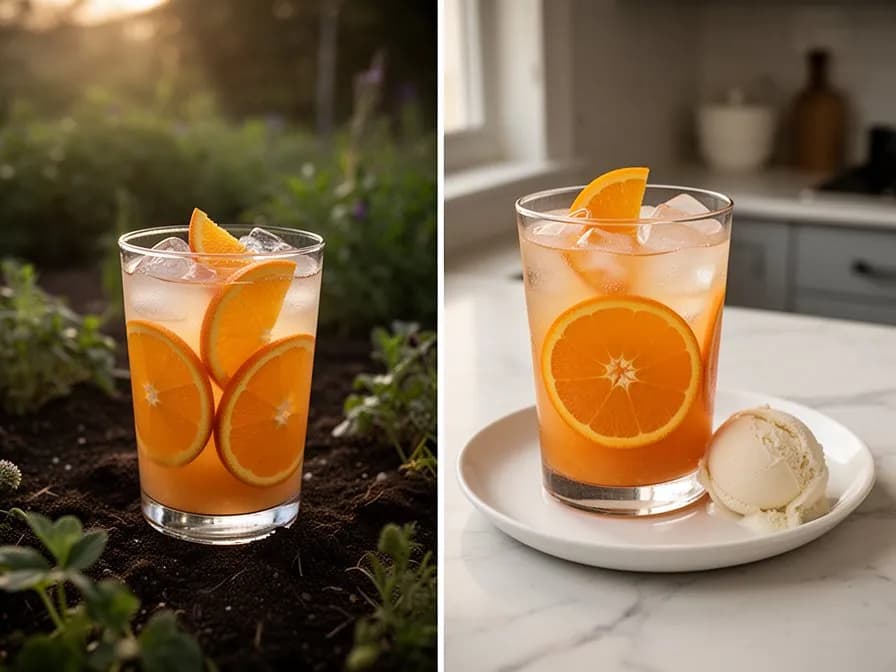
Fresh-Squeezed Orange Juice
5 minutesNothing beats the flavor of juice squeezed from home-grown oranges. Halve the oranges and press them on a citrus juicer. Drink immediately for maximum vitamin C content. Add a pinch of salt and a squeeze of lime for a classic Mexican-style agua fresca variation.
5 ingredientsOrange and Fennel Salad
15 minutesA classic Mediterranean salad that celebrates fresh orange flavor. Peel oranges and slice into rounds, removing all pith. Arrange on a platter with thinly shaved fennel, black olives, and red onion. Dress with good olive oil, a splash of red wine vinegar, salt, and cracked black pepper. Scatter fresh mint leaves over the top.
8 ingredients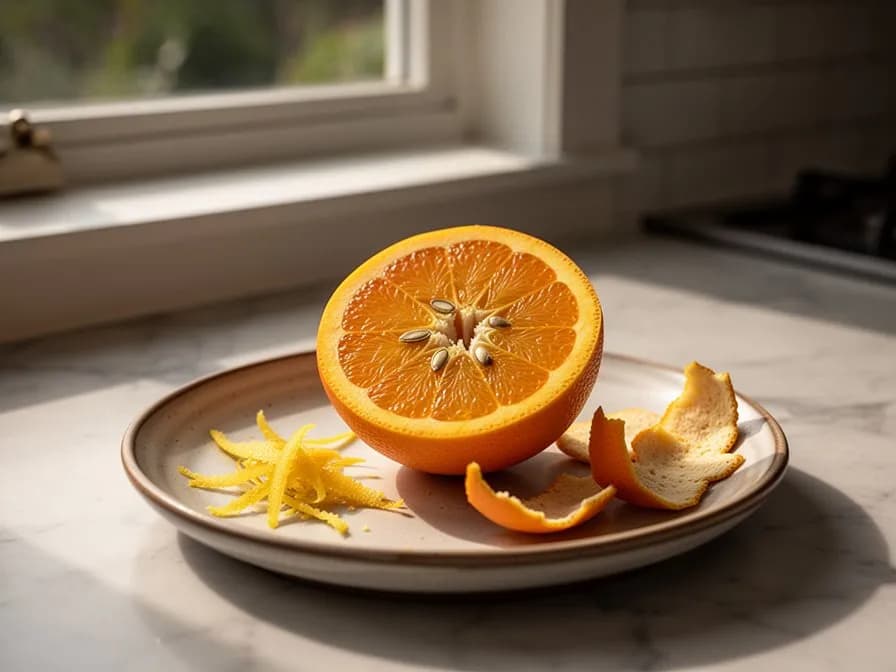
Candied Orange Peel
90 minutes (including drying time)A beautiful way to use every part of your home-grown oranges. Cut the peel into strips, blanch three times to remove bitterness, then simmer in a simple sugar syrup until translucent. Roll in granulated sugar and leave to dry. Use to garnish desserts, chop into baked goods, or dip in dark chocolate for an elegant treat.
5 ingredientsCulinary Uses
Oranges are enjoyed fresh, juiced, and as zest in countless dishes. The juice is a staple for breakfast and cocktails, while segments enhance salads and desserts. Orange zest adds bright citrus flavor to baked goods, marinades, and sauces. Pair oranges with chocolate, fennel, olives, and duck for classic flavor combinations. The juice reduces beautifully into glazes for poultry and fish.
What's inside
Health Benefits
- Outstanding source of vitamin C, which supports immune function, collagen synthesis, wound healing, and acts as a powerful free radical scavenger throughout the body
- Rich in flavonoids such as hesperidin and naringenin, which research associates with reduced inflammation, improved blood vessel function, and lower risk of cardiovascular disease
- High fiber content — particularly soluble fiber (pectin) — supports digestive health, feeds beneficial gut bacteria, and helps regulate cholesterol and blood sugar levels
- Contains folate, essential for DNA synthesis and cell division, making oranges particularly beneficial during pregnancy to reduce the risk of neural tube defects
- Provides a meaningful amount of potassium, which helps regulate blood pressure, supports heart muscle function, and counteracts the effects of excess dietary sodium
- Moderate consumption of oranges and orange juice is associated in observational studies with reduced risk of kidney stones, partly through the excretion of citrate, which inhibits stone formation
Where Orange comes from
The sweet orange (Citrus sinensis) has one of the most traveled histories of any cultivated fruit. Its origins trace back to southern China and Southeast Asia, where it was likely first cultivated somewhere between 2500 and 4000 years ago. Genetic studies suggest it is a natural hybrid between the pomelo (Citrus maxima) and the mandarin (Citrus reticulata), refined over centuries of careful selection by Chinese farmers who prized its sweetness and juiciness over its more bitter citrus relatives.
From China, the orange gradually spread westward along ancient trade routes. Arab traders introduced it to the Middle East and East Africa around the 9th and 10th centuries AD. The Moors brought it to the Iberian Peninsula — Spain and Portugal — where it became established in gardens and orchards by the 10th and 11th centuries. Initially, however, most oranges in Europe were the bitter Seville orange variety (Citrus aurantium), used mainly for cooking and perfumery rather than fresh eating.
Sweet oranges as we know them today became widespread in Europe only after Portuguese sailors brought improved varieties back from India and China in the late 15th and early 16th centuries. The Portuguese played a pivotal role in distributing the sweet orange throughout their trade empire, and in several European languages the orange is still called by names derived from the Portuguese — "laranja" in Portuguese itself, "naranja" in Spanish.
Christopher Columbus brought citrus seeds to the Americas on his second voyage in 1493, planting them in what is now Haiti. Spanish missionaries and settlers rapidly spread orange cultivation throughout the Caribbean, Central America, and eventually into Florida and California — regions that would go on to become iconic orange-producing landscapes.
By the 18th and 19th centuries, orange cultivation had spread to virtually every subtropical and Mediterranean climate on earth: Brazil, South Africa, Australia, Egypt, and beyond. Brazil today is the world's largest orange producer, accounting for roughly a quarter of global output, followed by China, India, and the United States.
In the modern era, oranges are not only consumed fresh and as juice but are the basis for a vast food industry producing essential oils, flavorings, marmalades, candies, and cosmetic ingredients. Yet for the home gardener, there remains something deeply satisfying about growing your own orange tree — connecting with thousands of years of human cultivation and enjoying fruit of a quality and freshness impossible to find in any supermarket.
Orange: did you know?
Fascinating facts about Orange
Orange trees are among the most widely cultivated fruit trees on Earth — over 70 million tonnes of oranges are produced globally each year, making them the world's most popular citrus fruit.
Orange questions, answered
When should I plant Orange?
What are good companion plants for Orange?
What hardiness zones can Orange grow in?
How much sun does Orange need?
How far apart should I space Orange?
What pests and diseases affect Orange?
How do I store Orange after harvest?
What are the best Orange varieties to grow?
What soil does Orange need?
Why are my orange tree leaves turning yellow?
When is the right time to pick oranges — how do I know when they are ripe?
My orange tree has flowers but never produces fruit — what is going wrong?
Can I grow an orange tree indoors or in a cold climate?
How do I deal with scale insects on my orange tree?
What is the best fertilizer for orange trees and how often should I feed them?
You just read the theory. Now grow it on autopilot.
Everything that makes Orange fiddly — the timing, the spacing, the companions, the harvest window — is exactly what PlotMyGarden handles for you, for every plant in your garden.
A plan that knows your weather
Set your location once. Get sow, feed and harvest dates built around your real last-frost date and live forecast — no more guessing from a generic seed packet.
From the “When to plant” sectionDrag-and-drop bed planner
Design beds on a grid. Every plant snaps to its proper spacing, and you can see your whole season laid out before you spend a cent on seed.
From the “Growing guide” sectionCompanion conflicts, caught early
200+ good-and-bad pairings checked live as you plant — so a season-wrecking mistake never makes it into the ground.
From the “Companions” sectionReminders you'll actually act on
“Water the beans.” “Pick today before it turns.” Timely, specific, and tied to the plants you're really growing.
From the “Harvest” sectionSuccession, scheduled
Want a harvest for six weeks, not six days? It spaces your sowings automatically and reminds you when each new block is due.
From the “When to plant” sectionA record that gets smarter
Every harvest you log teaches it your garden. Next year's plan starts from what actually worked in your soil, not a textbook's.
From the “Overview” sectionPlant these alongside Orange
More Citrus
Keep Orange away from these
Grow your best Orange yet — and everything around it.
Start a free plan today. Lay out your beds, drop in your Orange, and let PlotMyGarden handle the timing, spacing, companions and reminders from seed to harvest basket.