Limón Meyer
Un híbrido de limón más resistente al frío, que se cree que es un cruce entre un limón y una naranja mandarina, con un jugo más dulce y menos ácido.





En esta páginaResumen
Conoce Limón Meyer
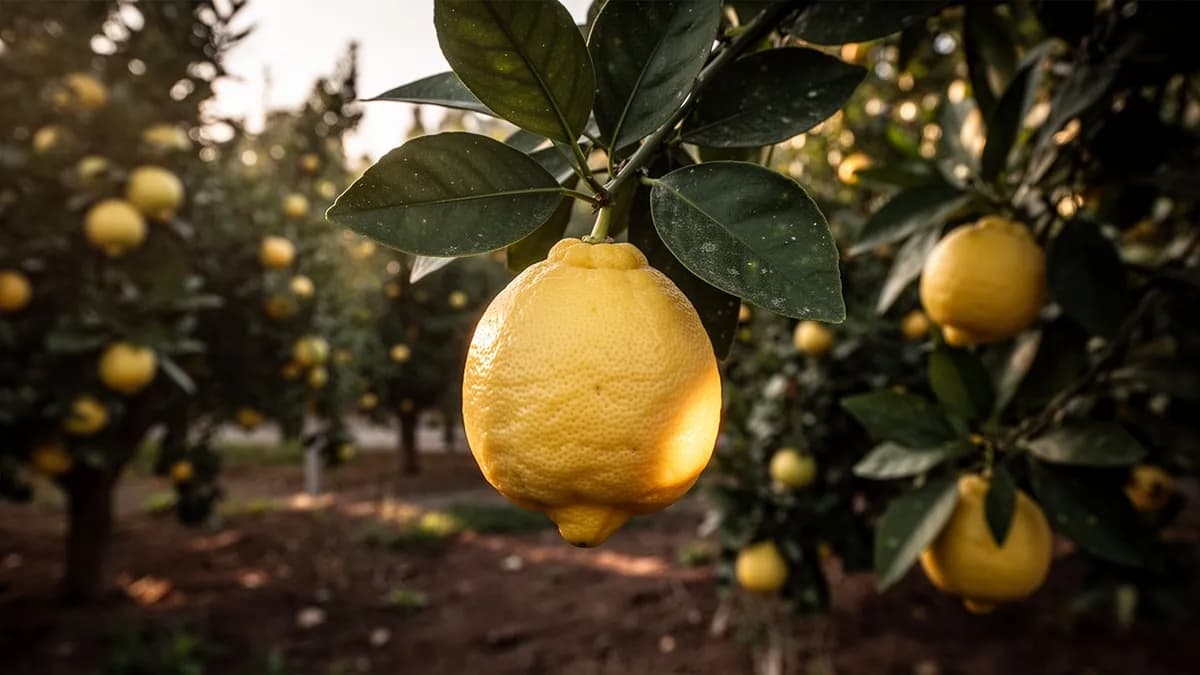
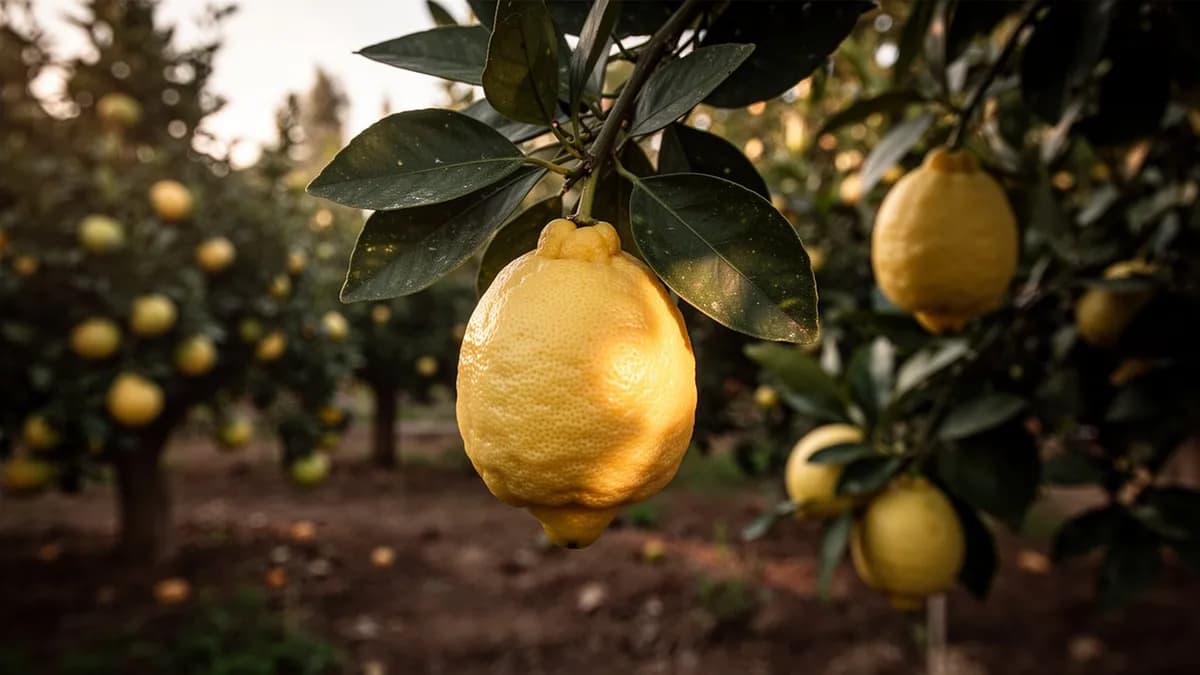
Un híbrido de limón más resistente al frío, que se cree que es un cruce entre un limón y una naranja mandarina, con un jugo más dulce y menos ácido. Los limones Meyer son los cítricos de contenedor más populares por su tamaño compacto y su abundante fructificación en interiores. Los frutos de piel fina y amarillo intenso son muy apreciados por los chefs por su aroma floral y su sabor equilibrado.
Cuándo plantar Limón Meyer
Las semillas de limón Meyer extraídas de frutos maduros pueden germinar, aunque las plántulas no serán fieles al tipo y pueden tardar cinco años o más en fructificar. Para mejores resultados, plante las semillas frescas inmediatamente después de extraerlas del fruto, ya que pierden viabilidad rápidamente al secarse. Siembre las semillas a un centímetro de profundidad en un sustrato húmedo para semilleros y mantenga una temperatura de 21 a 24 grados Celsius. La germinación se produce en dos a cuatro semanas. Para obtener fruta de calidad fiable, compre árboles injertados de vivero, que fructifican en uno o dos años y conservan las características del híbrido.
Tu año de Limón Meyer
Ajustado a Zona 7 · temporada típica · la helada se va hacia el 2 abr y vuelve hacia el 1 nov
Planta Limón Meyer Mar – May y cosecha Ene – Abr, Nov – Dic. Consulta los métodos de plantación y elige tu clima para adaptar los periodos.
Cómo cultivar Limón Meyer
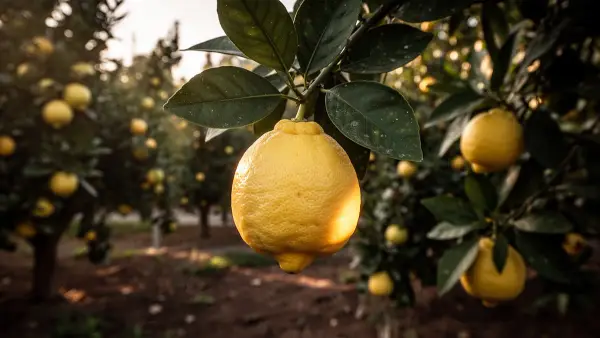
Los limones Meyer son los cítricos más gratificantes para los jardineros domésticos por su tamaño compacto, tolerancia al frío y fructificación abundante durante todo el año. En las zonas 8 a 11, plántelos a pleno sol en un suelo bien drenado enmendado con compost. En zonas más frías, cultívelos en macetas grandes con sustrato de alta calidad y llévelos al interior cuando las temperaturas bajen de 10 grados Celsius. Elija la variedad Improved Meyer Lemon, que está libre de virus y certificada para su comercialización.
Plante los árboles cultivados en contenedor en primavera, después de la última helada. Abra un hoyo ligeramente más ancho que el cepellón y coloque el árbol de forma que la unión del injerto quede entre cinco y ocho centímetros por encima de la línea del suelo. Riegue a fondo en el momento de plantar y mantenga una humedad constante sin encharcar. Los limones Meyer de interior necesitan al menos ocho horas de luz brillante, idealmente desde una ventana orientada al sur complementada con luces de cultivo en invierno.
Abone cada cuatro a seis semanas durante la temporada de crecimiento con un fertilizante específico para cítricos, rico en nitrógeno y con micronutrientes como hierro, zinc y manganeso. Reduzca la fertilización en invierno en los árboles de exterior. Los limones Meyer florecen varias veces al año, y los árboles de interior pueden necesitar polinización manual con un pincel pequeño. Pode solo para dar forma y retirar madera muerta, ya que una poda excesiva reduce la producción de fruta.
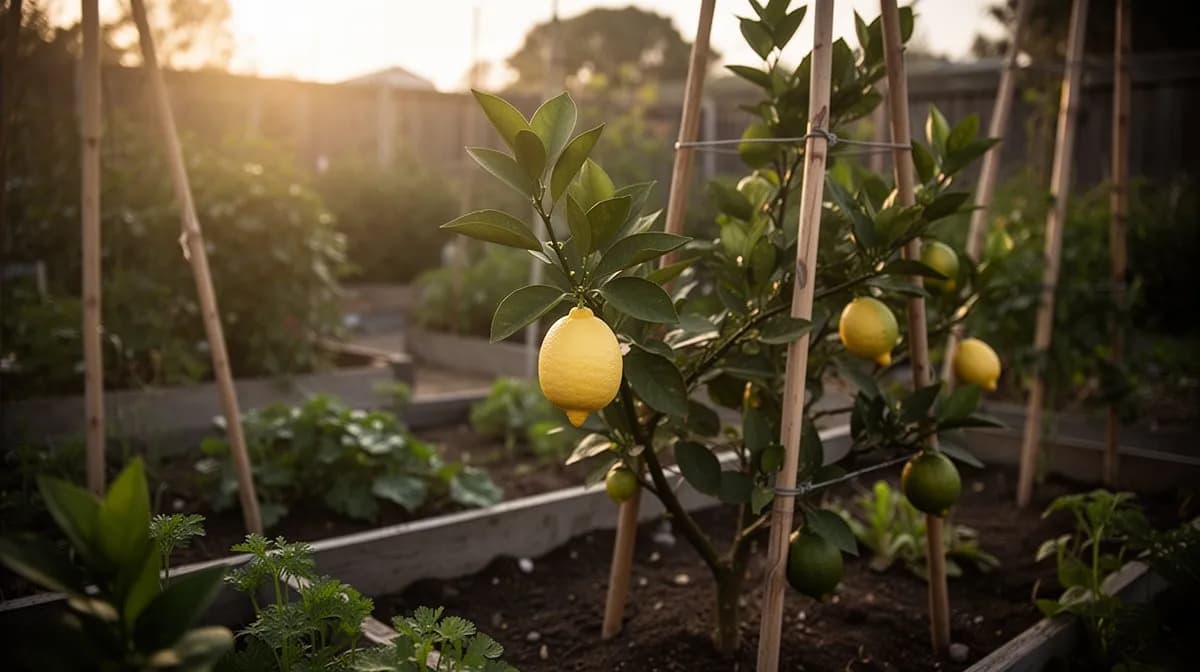
Para Limón Meyer un bancal de 120 × 240 cm se queda corto
Cada Limón Meyer pide 240 cm de margen. El planificador guarda ese marco por ti — cada planta, cada bancal.
Los mejores vecinos de Limón Meyer
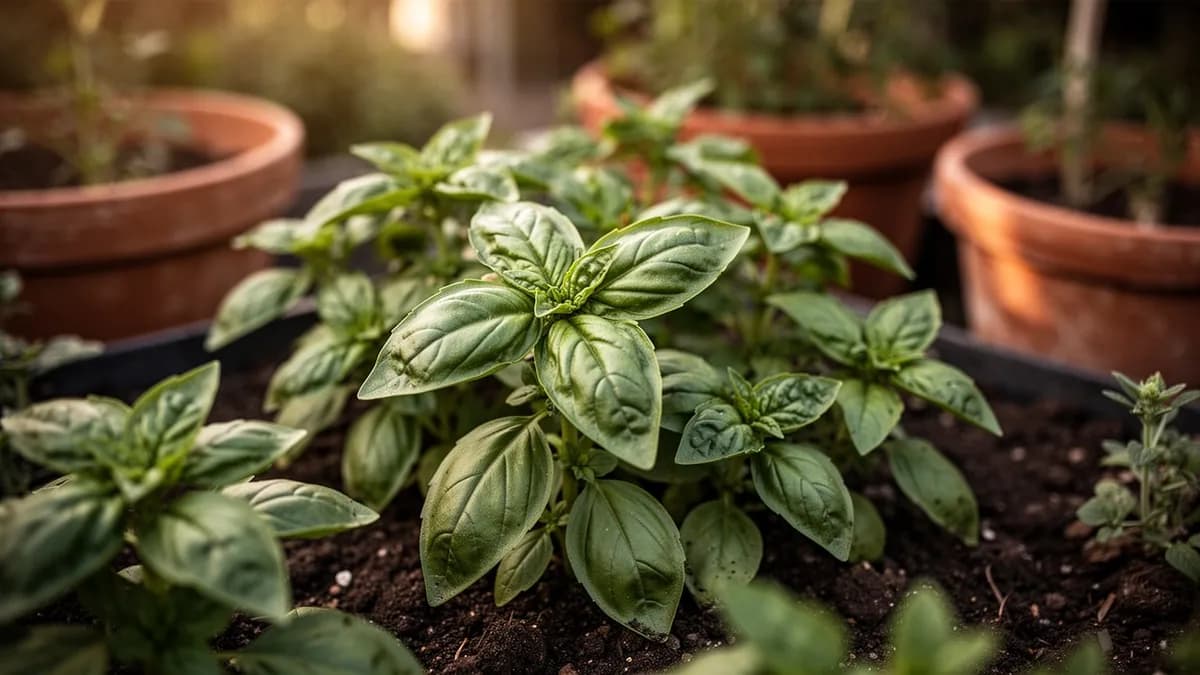
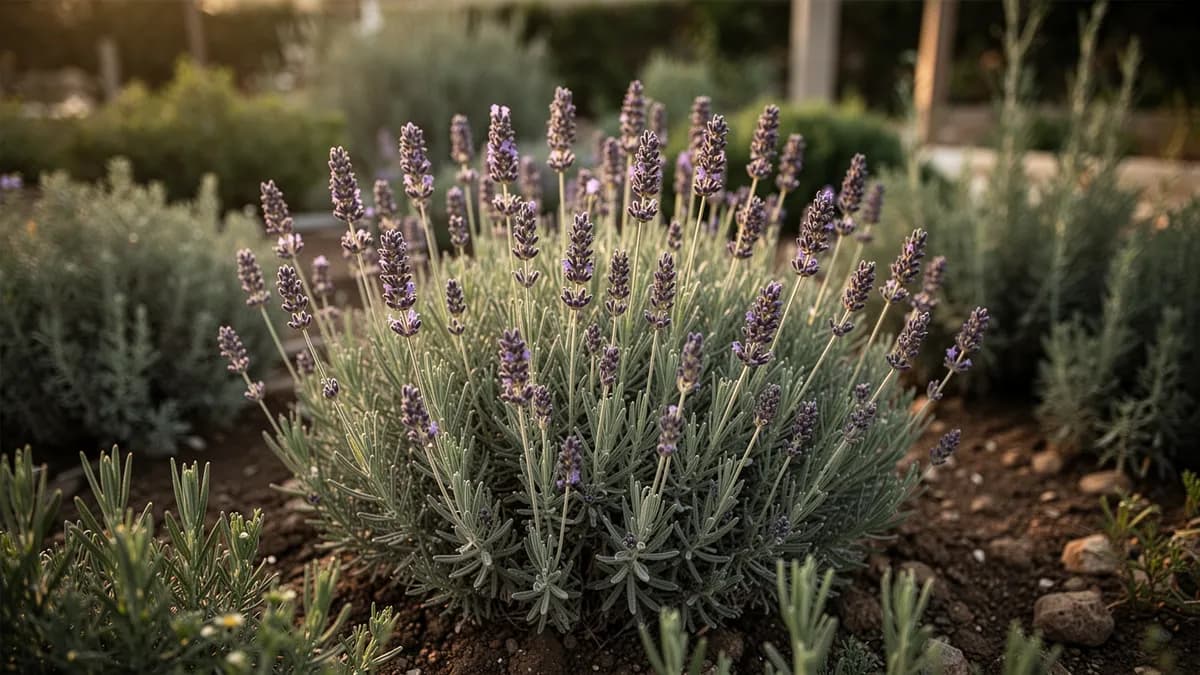
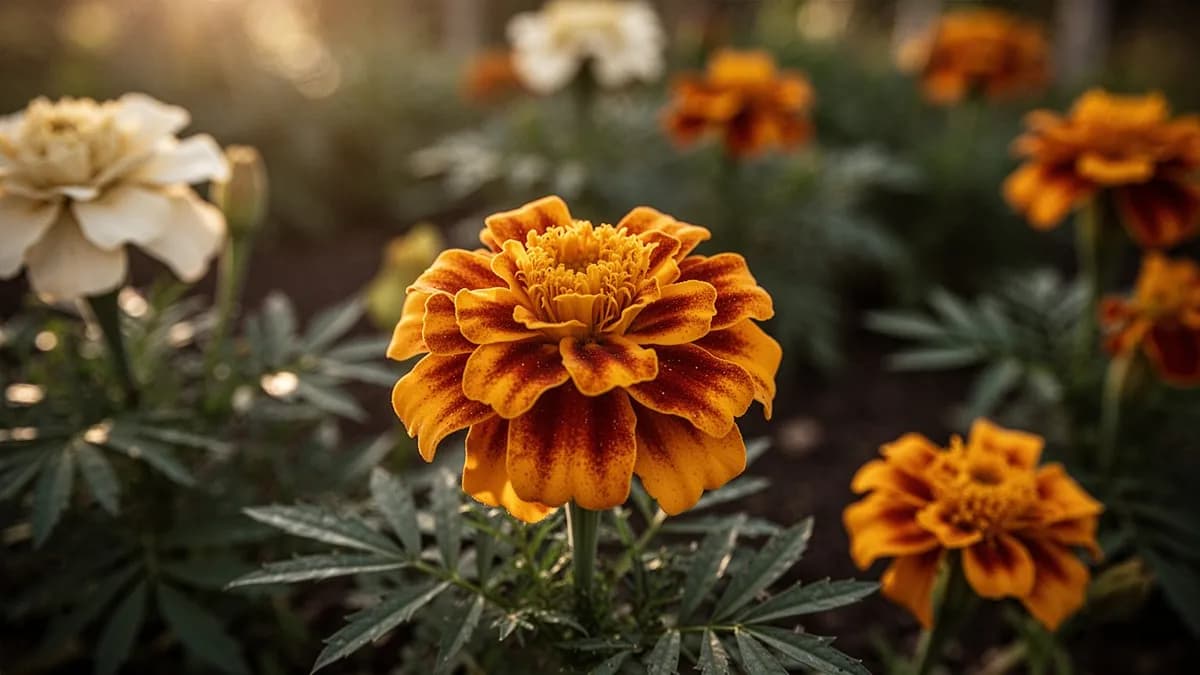
Plante albahaca y lavanda cerca de los limones Meyer para atraer polinizadores y repeler pulgones y mosca blanca. Las caléndulas ahuyentan nematodos y aportan protección frente a plagas en la zona radicular. Los capuchinos sirven como cultivo trampa para pulgones, alejándolos de los cítricos. Evite plantarlos cerca de nogales, ya que la juglona es tóxica para los cítricos. En composiciones en maceta, combínelos con romero o tomillo, que comparten necesidades parecidas de riego y sol.
Albahaca va a su lado. Nogal no.
Saber de huerto de siempre, cotejado con la tabla real de Limón Meyer — prueba cualquier planta que cultives.
Prueba Limón Meyer en un bancal, aquí mismo
Un bancal real del planificador con Limón Meyer ya plantado. Toca una planta compañera para colocarla y mira cómo responde la comprobación de vecinos: verde para buenos vecinos, rojo si hay conflicto.


Guías de cultivo relacionadas
Abónalo bien
Los limones Meyer prefieren un suelo ligeramente ácido, con un pH de 5.5 a 6.5 y un drenaje excelente. Para cultivo en maceta, use un sustrato cítrico de primera calidad o mezcle partes iguales de turba, perlita y corteza de pino. Abone con un fertilizante de liberación lenta para cítricos cada seis semanas durante el crecimiento activo, y complemente con hierro quelatado si las hojas amarillean entre los nervios. Reduzca la fertilización en invierno. Evite los estimuladores de floración con alto fósforo, ya que los cítricos necesitan un aporte constante de nitrógeno para un crecimiento foliar sano que sostenga la fructificación.
Temperatura ideal
Compatibilidad de zonas de rusticidad
De la semilla a la cosecha, etapa por etapa
Establecimiento (Año 1)
Un limonero Meyer recién plantado o en maceta concentra su energía en establecer el sistema radicular durante el primer año. El crecimiento aéreo suele ser lento, y el árbol puede perder algunas hojas debido al estrés del trasplante. Los ejemplares de vivero cultivados en contenedor pueden producir algunas flores y frutos incluso en el primer año, pero es mejor eliminar los frutos tempranos para que el árbol se establezca por completo.
Crecimiento vegetativo y desarrollo de la copa
A partir del segundo año, el limón Meyer entra en una fase de desarrollo vigoroso de la copa. El árbol produce varias brotaciones nuevas al año, con brotes jóvenes en primavera, verano y, a veces, otoño. Las hojas brillantes y verde oscuro son aromáticas al estrujarlas, y el árbol desarrolla su forma densa y redondeada característica. Pueden aparecer espinas en los brotes vigorosos.
Primera floración
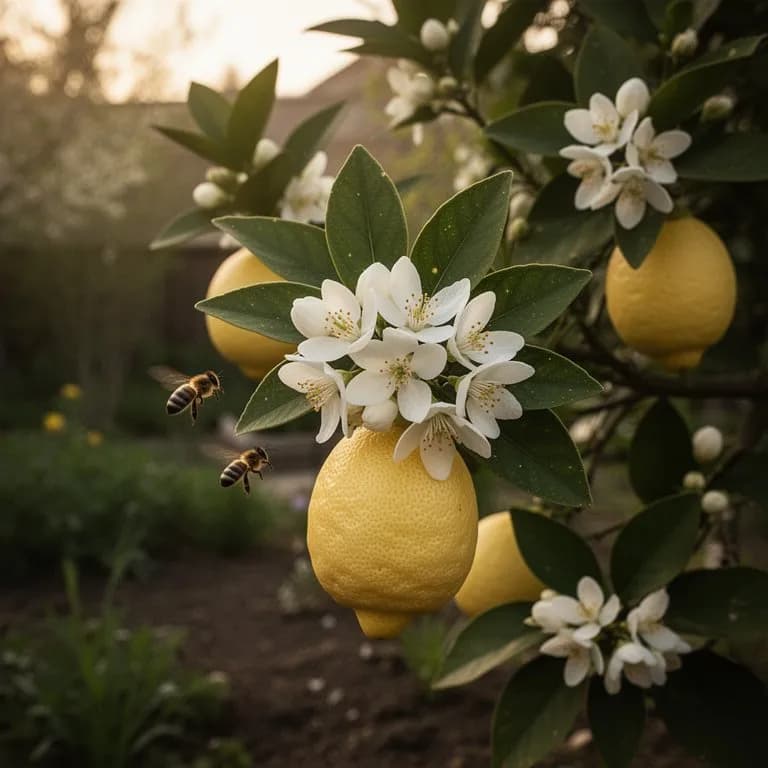
Los limoneros Meyer suelen producir su primera floración importante a finales del invierno o comienzos de la primavera del segundo año, aunque las plantas de contenedor procedentes de vivero a menudo florecen en su primera temporada. Las flores son blancas con una base teñida de púrpura, aparecen en racimos y tienen uno de los aromas más dulces e intensos de entre todos los cítricos. Los árboles son en gran medida autopolinizantes, así que un solo ejemplar puede cuajar fruto sin pareja polinizadora.
Desarrollo del fruto
Tras una polinización exitosa, los pétalos caen y pequeños frutitos verdes comienzan a engrosarse en la base de cada flor. El árbol dejará caer de forma natural una parte de los frutos jóvenes en un proceso llamado 'caída de junio' (o su equivalente según la estación), algo normal y autorregulador. Los frutos que permanecen se desarrollan de manera constante durante 6-9 meses, pasando gradualmente de ser del tamaño de una canica a limones de tamaño completo.
Maduración
Los limones Meyer atraviesan un cambio de color muy característico al madurar, pasando de un verde intenso a un amarillo pálido y luego a su tonalidad dorado-anaranjada rica y distintiva. La piel se vuelve más fina y algo más lisa, y el aroma se intensifica notablemente. Los limones Meyer maduran más lentamente que muchas otras variedades de cítricos y pueden permanecer en el árbol durante semanas o meses después de alcanzar su color completo, lo que actúa como una cómoda forma de 'almacenamiento en la planta'.
Árbol fructífero maduro
Un limonero Meyer maduro (3+ años) entra en un ciclo anual muy productivo, y en climas favorables suele producir dos o tres brotaciones de flores y fruta al año. La cosecha principal madura normalmente a finales de otoño y durante el invierno, con posibles cosechas secundarias en primavera y verano. Los árboles bien mantenidos en suelo pueden vivir y producir durante 30-50 años, mientras que los árboles en maceta siguen siendo productivos durante 10-20 años con buenos cuidados y trasplantes periódicos.
Riegue a fondo los árboles recién plantados cada 5-7 días en tiempo seco, dejando que la zona radicular se seque ligeramente entre riegos. Evite abonar en exceso durante los primeros tres meses. Sujete los árboles jóvenes en lugares ventosos. No pode mucho en el primer año; deje que la copa se desarrolle de forma natural y retire solo las ramas muertas o cruzadas.
Cuidar Limón Meyer mes a mes
Qué hacer cada mes para tu Limón Meyer
Octubre
Mes actualEl color del fruto se desarrolla rápidamente este mes. En regiones con riesgo de heladas, lleve los árboles en maceta al interior antes de la primera helada o tenga lista la manta antiheladas para los árboles de exterior. Recoja todos los limones que alcancen un color dorado-anaranjado pleno; no deje frutos maduros en el árbol una vez hayan alcanzado su color máximo. Aplique una última fertilización otoñal.
Ten claro qué hacer en tu huerto, cada mes
Un correo al empezar cada mes: qué sembrar, plantar y hacer ahora mismo — para tu Limón Meyer y todo lo que crece alrededor. Más un breve curso inicial para esquivar los errores clásicos.
- Qué hacer ahora mismo
- Ajustado a tu temporada
- Curso inicial incluido
Cosechar Limón Meyer
Los limones Meyer están maduros cuando adquieren un color amarillo dorado intenso y ceden ligeramente al presionarlos con suavidad. A diferencia de los limones estándar, no desarrollan una acidez punzante intensa al madurar por completo, sino un jugo más dulce y floral. Coseche cortando el tallo con tijeras de podar en lugar de tirar, ya que podría dañar la rama. Los frutos pueden permanecer en el árbol varias semanas después de madurar sin perder calidad. Los árboles de interior pueden producir frutos en distintos estados al mismo tiempo, así que coseche uno por uno a medida que madure cada fruto.
se supone que plantas al comenzar el periodo — indica tu fecha real
Cosecha Limón Meyer a tiempo y la planta sigue produciendo.
Almacenamiento y conservación
Guarde los limones Meyer frescos a temperatura ambiente hasta una semana o en el frigorífico hasta tres semanas. Su piel fina los hace más perecederos que los limones estándar. Congele el zumo en bandejas de cubitos para usarlo todo el año, y la ralladura puede congelarse por separado en bolsas herméticas. Los limones Meyer son excelentes limones en conserva cuando se curan en sal, un básico de la cocina marroquí. También producen una marmelada y un lemon curd extraordinarios gracias a su dulzor equilibrado.
Qué falla — y cómo solucionarlo
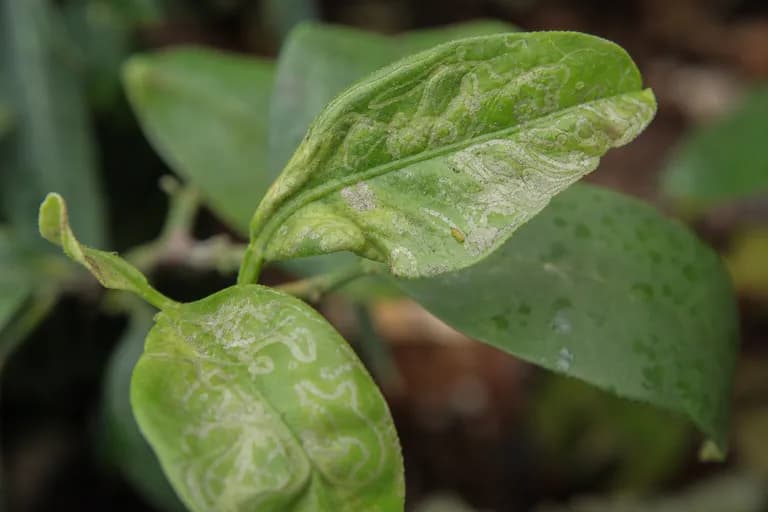
Minador de la hoja de los cítricos
PlagaTrazos plateados serpenteantes en las hojas jóvenes causados por larvas que se abren paso por el tejido foliar; las hojas se curvan y se deforman.
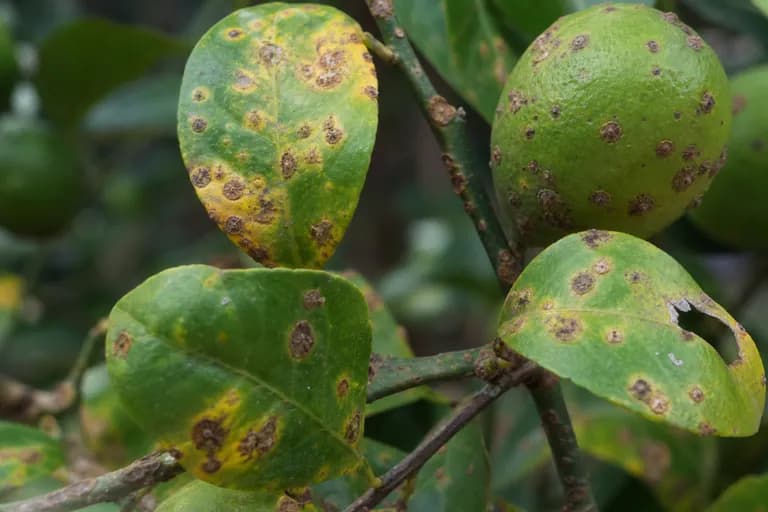
Cancrosis de los cítricos
EnfermedadLesiones marrones, elevadas y corchosas con halos amarillos en hojas, ramillas y frutos; las infecciones graves provocan defoliación y caída de frutos.
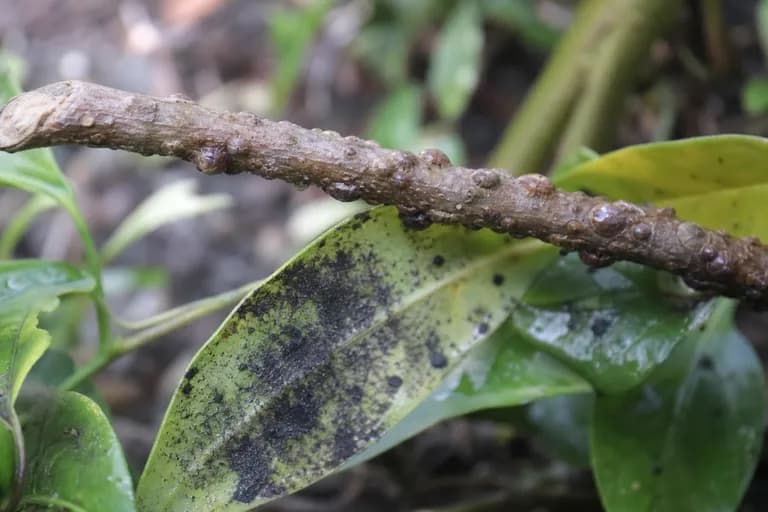
Cochinillas
PlagaPequeñas protuberancias marrones o blancas, inmóviles, en tallos y en el envés de las hojas; la melaza pegajosa favorece el desarrollo de fumagina.
Solución de problemas comunes
La caída de hojas es la queja más común en los limones Meyer y suele deberse a cambios bruscos de temperatura, corrientes de aire o riego inconsistente. Las hojas amarillas con nervios verdes indican deficiencia de hierro o zinc, frecuente en suelos alcalinos. La caída de flores sin cuajado en árboles de interior suele deberse a baja humedad o falta de polinización. Los brotes espinosos que surgen por debajo de la unión del injerto deben retirarse de inmediato, ya que proceden del portainjerto y no producirán limones Meyer.
Consejos de cultivo
- Elija un contenedor de al menos 45-60 cm de ancho y profundidad, con orificios de drenaje excelentes. Los limoneros Meyer están bien adaptados a la vida en maceta, pero necesitan un espacio generoso para las raíces para producir bien. Use un sustrato cítrico bien drenado o mezcle tierra universal con un 30% de perlita para mejorar el drenaje y la aireación.
- Coloque su limonero Meyer en el lugar más soleado posible: para una buena fructificación necesita un mínimo de 8 horas de sol directo al día. En climas templados, esto significa una pared orientada al sur o la esquina más soleada del patio. En interior, compleméntelo con una luz LED de cultivo de espectro completo y alta potencia, situada a 30-45 cm por encima de la copa durante 12-14 horas al día.
- Riegue a fondo los árboles en contenedor hasta que el agua salga por la base y luego deje secar los 2-3 cm superiores del sustrato antes de volver a regar. El exceso de riego es la causa más común de muerte del limonero Meyer en maceta. En invierno, reduzca mucho la frecuencia de riego a medida que el crecimiento se ralentiza y la evaporación disminuye.
- Abone con un fertilizante específico para cítricos que incluya micronutrientes, sobre todo hierro, manganeso y zinc. Aplíquelo mensualmente desde primavera hasta verano y cada 6-8 semanas en otoño e invierno. El amarilleo de las hojas nuevas entre los nervios (clorosis interveinal) es un signo clásico de deficiencia de hierro; trátelo de inmediato con un riego de hierro quelatado.
- Lleve los árboles en contenedor al interior en otoño cuando las temperaturas nocturnas bajen de forma constante por debajo de 7 °C. Colóquelos en el lugar interior más luminoso disponible. Los limoneros Meyer son mucho más resistentes al frío que la mayoría de los cítricos y toleran descensos breves hasta -4 °C en exterior, pero el frío prolongado y las heladas los matarán. Use un termómetro y manta antiheladas como respaldo.
- Polinice a mano las flores de interior transfiriendo polen entre flores con un pincel pequeño y limpio o un bastoncillo de algodón, o agite suavemente las ramas floridas. Aunque los limoneros Meyer son en gran medida autopolinizantes, la polinización en interior sin ayuda de insectos se beneficia de esta asistencia suave y puede mejorar de forma notable el cuajado.
- Pode ligeramente una vez al año después de la cosecha principal para mantener la forma, mejorar la circulación del aire y retirar ramas muertas o cruzadas. Elimine siempre los chupones que crezcan por debajo de la unión del injerto (se reconocen por su crecimiento más vigoroso y espinoso), ya que desvían energía de la variedad injertada productora de fruta. Evite las podas fuertes, que pueden reducir la cosecha del año siguiente.
- Vigile durante todo el año las plagas más comunes: cochinillas (como pequeños bultos marrones o blancos en tallos y envés de hojas), minador de la hoja de los cítricos (que causa túneles plateados distintivos en hojas nuevas) y araña roja (que produce punteado pálido en las hojas en condiciones cálidas y secas). Trate con aceite hortícola o jabón insecticida al primer indicio, antes de que las poblaciones crezcan.
- Los limoneros Meyer se benefician enormemente de un microclima cálido y húmedo. Nebulice el follaje con agua varias veces por semana cuando crezcan en interiores secos y calefactados, o coloque la maceta sobre una bandeja de guijarros parcialmente llena de agua. Agrupar los cítricos con otras plantas también aumenta la humedad ambiental. La baja humedad provoca caída de hojas, menor floración y más presión de araña roja.
- Aporte cada año a comienzos de primavera una capa de 2-3 cm de compost sobre la superficie antes de aplicar mantillo nuevo. Trasplántelo a una maceta un tamaño mayor cada 3-4 años usando sustrato cítrico fresco. Si desea mantener el árbol siempre en el mismo recipiente, pode las raíces retirando un 20-30% del cepellón y devuélvalo a la maceta con sustrato nuevo; así se renueva el suelo y se rejuvenece el sistema radicular.
Cultiva tu mejor Limón Meyer — y todo lo que la rodea.
Empieza un plan gratis hoy. Diseña tus bancales, coloca tu Limón Meyer y deja que PlotMyGarden gestione el momento, el espaciado, las asociaciones y los recordatorios de la semilla a la cesta.
Elige tu Limón Meyer
Improved Meyer Lemon
La variedad comercial estándar, libre de virus y certificada, que produce abundantes frutos de piel fina y jugo dulce-ácido en árboles compactos.
Dwarf Meyer Lemon
Injertado sobre un portainjerto enanizante, alcanza solo de 120 a 180 centímetros de altura, ideal para cultivo en maceta y espacios interiores pequeños.
Variegated Meyer Lemon
Una selección ornamental con hojas rayadas en crema y verde y frutos inmaduros también veteados, que produce el mismo jugo dulce que el tipo estándar.
Flying Dragon Meyer Lemon
Injertado sobre el retorcido portainjerto trifoliado Flying Dragon, crea un árbol naturalmente enano con ramificación retorcida y decorativa.
Los limones Meyer son un cítrico especial de primera calidad: donde aparecen en supermercados o mercados de agricultores, suelen venderse a 3-6 dólares por libra o 1-2 dólares por fruta. Un limonero Meyer maduro en contenedor que produzca entre 50 y 100 limones al año, una cifra conservadora para un árbol sano y establecido, representa entre 50 y 200 dólares en fruta al por menor al año. Los árboles grandes en suelo, en climas cálidos, suelen dar entre 200 y 400 o más limones por temporada, lo que supone un valor equivalente de 200 a 600 dólares o más. Como el árbol es una planta perenne de larga vida que solo requiere una compra única de 25-50 dólares por un ejemplar de vivero más unos modestos costes anuales de fertilizante, la inversión suele recuperarse durante la primera o la segunda temporada de fructificación.
Recetas rápidas
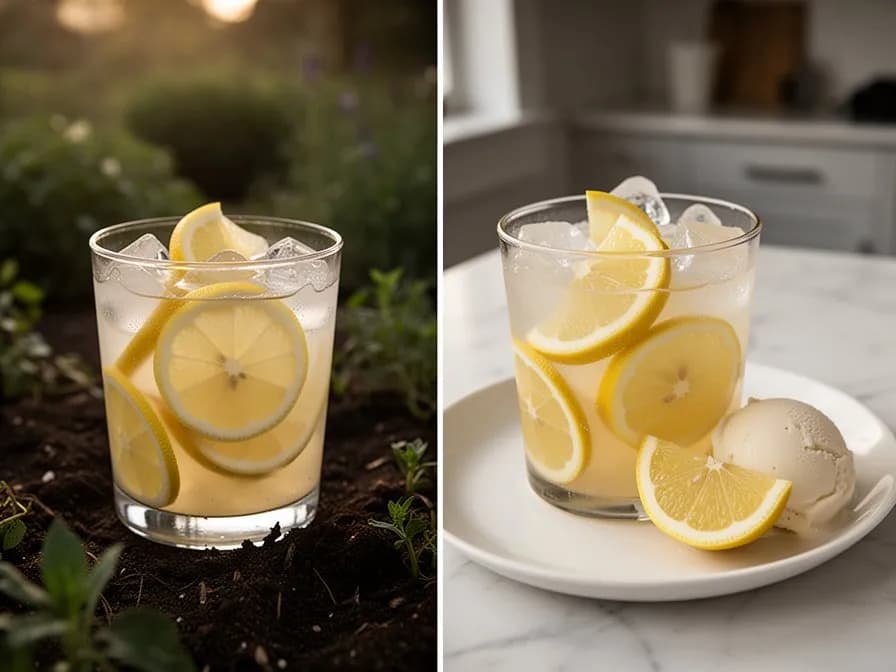
Lemon curd de limón Meyer
20 minutosUn lemon curd sedoso y dorado hecho con el zumo y la ralladura de limones Meyer, huevos, mantequilla y azúcar. Los limones Meyer producen un curd notablemente más dulce y floral que los limones normales, con menos necesidad de azúcar añadido y un aroma complejo parecido al de la mandarina. Úselo como relleno de tartas, para untar en scones, mezclar con yogur o comerlo a cucharadas directamente del tarro.
5 ingredientesLimones Meyer en conserva
15 minutos activos, 30 días de curadoUna técnica clásica de conservación norteafricana que transforma limones Meyer enteros en un condimento profundamente sabroso e intensamente aromático. La piel fina y comestible de los limones Meyer es perfecta para este método. Los limones Meyer en conserva son un ingrediente esencial en los tajines marroquíes y resultan extraordinarios picados muy finos en vinagretas, pastas y pollo asado.
5 ingredientesVinagreta de limón Meyer
5 minutosUna vinagreta brillante y equilibrada que resalta el sabor más dulce y complejo de los limones Meyer. La dulzura natural del zumo de limón Meyer hace que este aderezo necesite menos miel que una vinagreta de limón estándar, y la ralladura floral aporta una profundidad notable. Excelente sobre hojas amargas, remolacha asada, espárragos y pescado a la parrilla.
7 ingredientesUsos culinarios
Los limones Meyer son los favoritos de los chefs por su jugo floral, menos ácido, y por su ralladura aromática. Destacan en postres como tartas de limón, bizcochos y lemon curd. Úselos en vinagretas, platos de pasta y cócteles cuando se desee una nota cítrica más suave. Toda la fruta, incluida la piel fina y comestible, puede emplearse en preparaciones de limón en conserva. Combinan de maravilla con hierbas como tomillo, romero y lavanda.
Qué contiene
Beneficios para la salud
- Su contenido excepcional de vitamina C (59% del valor diario por 100 g) favorece poderosamente la función inmunitaria, estimula la producción de glóbulos blancos y actúa como antioxidante directo que neutraliza radicales libres en el plasma y en las células de todo el cuerpo
- Rico en flavonoides cítricos, especialmente hesperidina y eriocitrina, que en estudios clínicos han mostrado reducir marcadores de inflamación sistémica, mejorar la función endotelial y favorecer niveles saludables de presión arterial y colesterol
- El alto contenido de pectina en la pulpa y el albedo del limón Meyer actúa como fibra prebiótica soluble, alimentando bacterias intestinales beneficiosas como Lactobacillus y Bifidobacterium, que a su vez favorecen la salud digestiva, la regulación inmunitaria e incluso el estado de ánimo a través del eje intestino-cerebro
- La piel y el zumo contienen d-limoneno, un monoterpeno muy estudiado que ha demostrado potencial antitumoral en estudios de laboratorio y con animales, y que actualmente se investiga por su papel en la prevención del cáncer y como terapia complementaria
- El ácido cítrico del zumo de limón Meyer, aunque presente en menor concentración que en los limones estándar, ayuda a prevenir la formación de cálculos renales de oxalato cálcico al elevar el pH urinario y unirse al calcio en el tracto urinario, por lo que el consumo regular de zumo de limón es una estrategia dietética reconocida para personas propensas a cálculos
- El consumo habitual de frutas cítricas, incluidos los limones Meyer, se asocia con un menor riesgo de ictus isquémico en grandes estudios epidemiológicos, y parece que los flavonoides de la piel y el zumo ayudan a reducir la agregación plaquetaria y a mejorar la elasticidad de los vasos sanguíneos
De dónde viene Limón Meyer
El limón Meyer (Citrus × meyeri) tiene una historia sorprendentemente reciente y bien documentada en comparación con la mayoría de los frutos cultivados. El árbol fue descubierto en 1908 por Frank Nicholas Meyer, un explorador de plantas nacido en los Países Bajos y empleado del Departamento de Agricultura de los Estados Unidos, cuya notable carrera lo llevó a cuatro expediciones por China, Asia Central y Siberia en busca de plantas de valor agrícola. Meyer encontró el árbol creciendo como ornamental en maceta en un patio cerca de Pekín y, al reconocer su potencial hortícola y culinario, recogió esquejes y los envió de vuelta al USDA. El árbol se introdujo formalmente en el comercio estadounidense en 1908 y se le dio el nombre Citrus meyeri en su honor, aunque el propio Meyer murió trágicamente en 1918, ahogándose en el río Yangtsé durante su cuarta expedición asiática.
El análisis botánico ha establecido desde entonces que el limón Meyer es un híbrido natural, probablemente un cruce entre un auténtico limón y una naranja dulce o mandarina, que ya se había cultivado en China durante siglos, probablemente como ornamental y como cítrico culinario de sabor suave, antes del descubrimiento de Meyer. No se conoce en estado silvestre, y su parentela exacta sigue siendo objeto de un pequeño debate botánico, aunque el ADN moderno apunta con firmeza a un linaje de limón y naranja dulce.
La adopción temprana del limón Meyer en Estados Unidos fue entusiasta, y el árbol se hizo popular en los jardines domésticos de California y como planta de maceta en regiones más frías. Sin embargo, en la década de 1940, investigadores del USDA descubrieron que los limoneros Meyer originales importados por Frank Meyer eran portadores asintomáticos del Citrus tristeza virus (CTV), un patógeno devastador responsable de la muerte de millones de cítricos en todo el mundo. Como consecuencia, la propagación y distribución de los limones Meyer se restringió severamente.
En 1975, se liberó una selección libre de virus, desarrollada mediante pruebas y propagación cuidadosas, bajo el nombre 'Improved Meyer Lemon' (a veces catalogada como Citrus × meyeri 'Improved'). Todos los limoneros Meyer comercialmente disponibles desde entonces proceden de este material certificado libre de enfermedades. La variedad mejorada conservó todas las cualidades culinarias deseables del original —su dulzor distintivo, aroma floral, piel fina comestible y porte compacto— al tiempo que eliminó la amenaza vírica para los huertos cítricos vecinos.
El renacimiento culinario del limón Meyer comenzó de verdad en las décadas de 1970 y 1980 con el movimiento californiano de la granja a la mesa, en el que chefs como Alice Waters defendieron su sabor superior en pastelería, aliños y conservas. Hoy en día, el limón Meyer es un ingrediente célebre de la cocina estadounidense y una planta de maceta indispensable para los jardineros domésticos en climas con riesgo de heladas, valorada por igual por su belleza ornamental, el embriagador aroma de sus flores y la excepcional calidad de su fruta.
Limón Meyer: ¿sabías que?
Datos fascinantes sobre Limón Meyer
El limón Meyer no es un limón verdadero: es un híbrido natural entre un limón (Citrus limon) y una naranja mandarina o dulce (Citrus sinensis), lo que explica su dulzor distintivo, su piel más fina y su forma más redondeada en comparación con los limones Eureka o Lisboa estándar.
Limón Meyer: preguntas frecuentes
¿Cuándo debo plantar Limón Meyer?
¿Cuáles son buenas plantas acompañantes para Limón Meyer?
¿En qué zonas de rusticidad puede crecer Limón Meyer?
¿Cuánto sol necesita Limón Meyer?
¿A qué distancia debo espaciar Limón Meyer?
¿Qué plagas y enfermedades afectan a Limón Meyer?
¿Cómo almaceno Limón Meyer después de la cosecha?
¿Cuáles son las mejores variedades de Limón Meyer para cultivar?
¿Qué suelo necesita Limón Meyer?
¿Por qué mi limonero Meyer está tirando flores o frutos pequeños?
¿Cómo sé cuándo un limón Meyer está maduro y listo para recoger?
¿Puedo cultivar un limonero Meyer a partir de semillas?
Mi limonero Meyer tiene hojas amarillas, ¿qué le pasa?
¿Qué resistencia al frío tiene un limonero Meyer y cómo lo protejo de las heladas?
¿Necesito dos limoneros Meyer para obtener fruta, o un solo árbol se poliniza solo?
Acabas de leer la teoría. Ahora cultívala en piloto automático.
Todo lo que hace que Limón Meyer sea delicado — el momento, el espaciado, las asociaciones, la ventana de cosecha — es justo lo que PlotMyGarden resuelve por ti, para cada planta de tu huerto.
Un plan que conoce tu clima
Indica tu ubicación una vez. Recibe fechas de siembra, abonado y cosecha basadas en tu última helada real y el pronóstico en vivo — sin adivinar con un sobre genérico.
De la sección “Cuándo plantar”Planificador de bancales de arrastrar y soltar
Diseña bancales sobre una cuadrícula. Cada planta encaja con su espaciado correcto y ves toda la temporada antes de gastar un céntimo en semillas.
De la sección “Cultivo”Conflictos de asociación, detectados a tiempo
Más de 200 buenas y malas combinaciones comprobadas en vivo mientras plantas — para que un error que arruine la temporada nunca llegue a la tierra.
De la sección “Asociaciones”Recordatorios que sí vas a seguir
“Riega las judías.” “Recoge hoy antes de que se pase.” Oportunos, concretos y ligados a las plantas que de verdad cultivas.
De la sección “Cosecha”Escalonado, programado
¿Quieres cosechar seis semanas en vez de seis días? Reparte tus siembras automáticamente y te avisa cuando toca el siguiente lote.
De la sección “Cuándo plantar”Un registro que se vuelve más listo
Cada cosecha que registras le enseña tu huerto. El plan del año que viene parte de lo que de verdad funcionó en tu suelo, no en un manual.
De la sección “Resumen”Planta estos junto a Limón Meyer
Más Cítricos
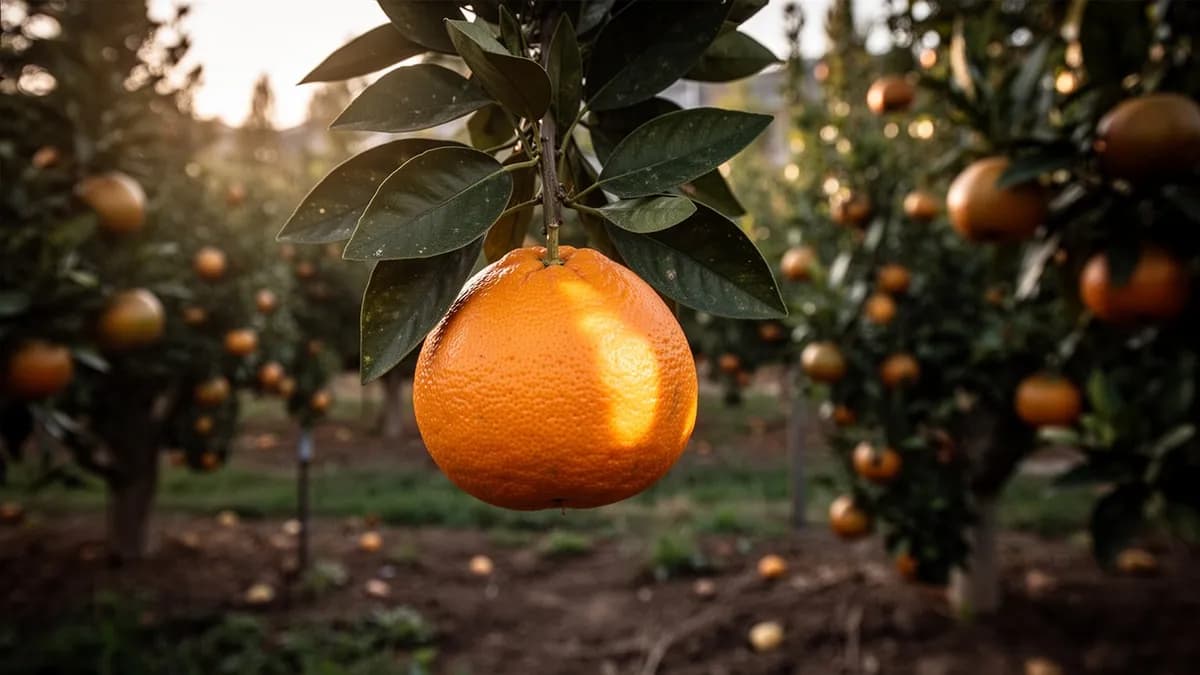
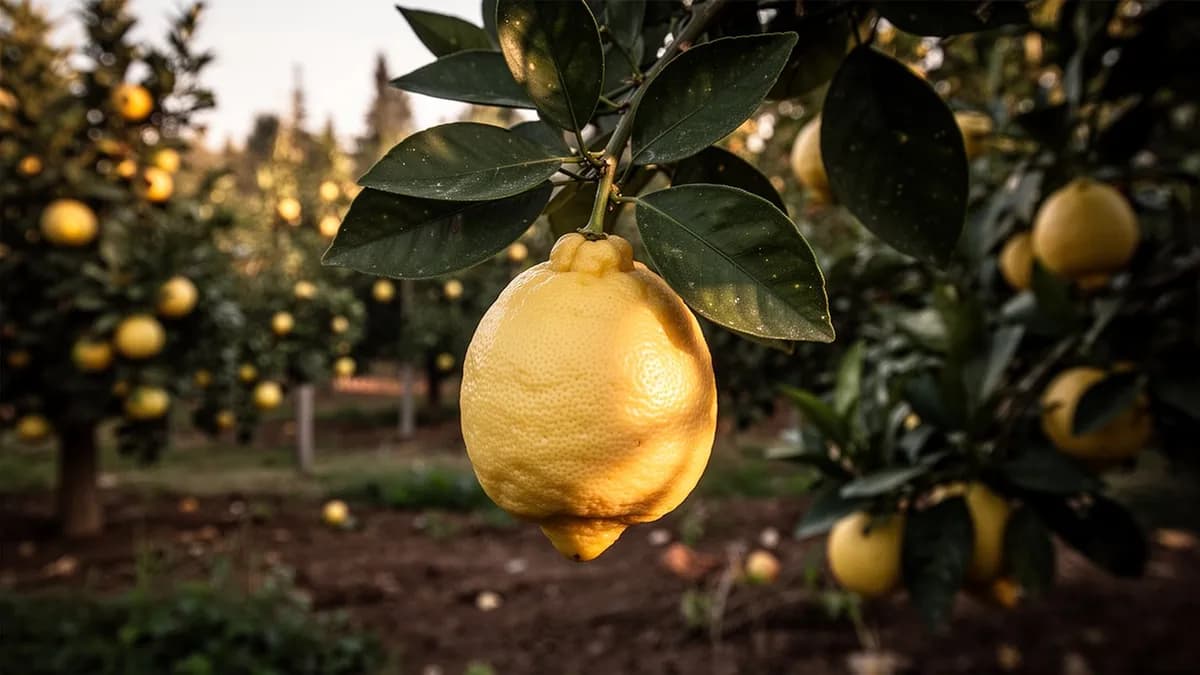
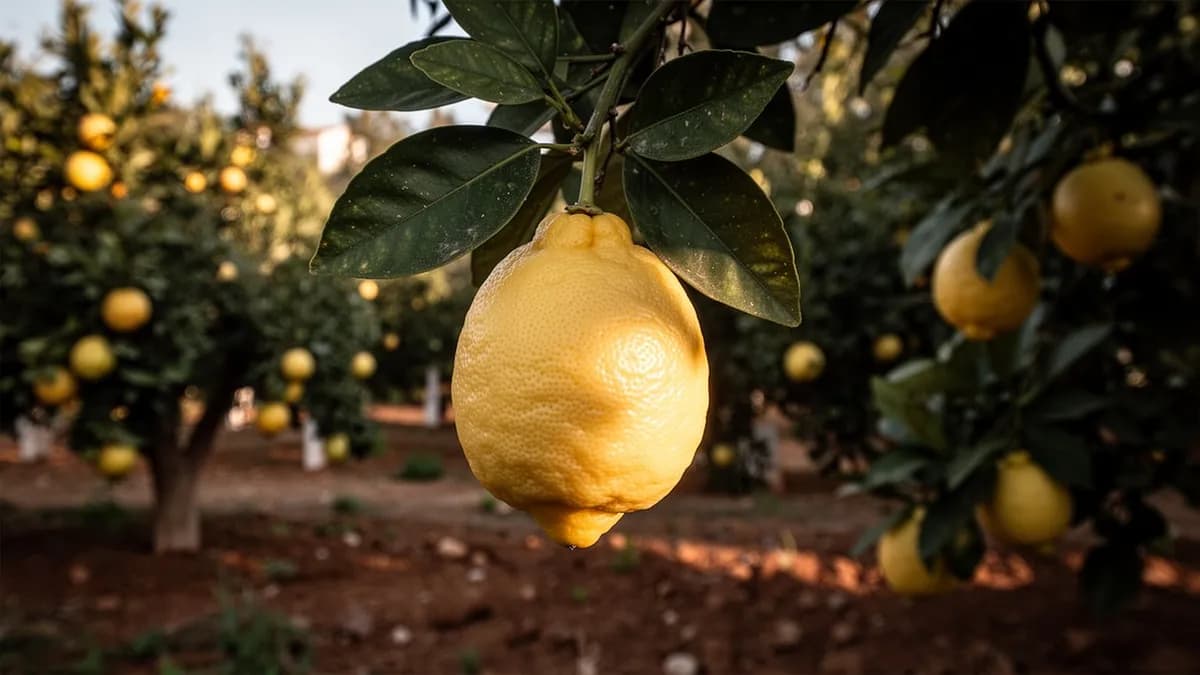
Mantén Limón Meyer lejos de estos
Cultiva tu mejor Limón Meyer — y todo lo que la rodea.
Empieza un plan gratis hoy. Diseña tus bancales, coloca tu Limón Meyer y deja que PlotMyGarden gestione el momento, el espaciado, las asociaciones y los recordatorios de la semilla a la cesta.