Wax Plant
A beloved tender evergreen climber prized for its thick, glossy foliage and extraordinary umbels of star-shaped flowers that look as if they were carved from porcelain or poured from wax.





On this pageOverview
Meet Wax Plant
A beloved tender evergreen climber prized for its thick, glossy foliage and extraordinary umbels of star-shaped flowers that look as if they were carved from porcelain or poured from wax. Each fragrant blossom exudes drops of sweet, clear nectar, which earned the plant the nickname honey plant. Wax flower blooms most freely on plants that are slightly pot-bound, and the same knobby flower spurs rebloom year after year, so old peduncles must never be removed. Dependably hardy only in zones 10 through 12, it is grown everywhere else as a long-lived houseplant or conservatory climber that can thrive for decades.
When to plant Wax Plant
Wax flower is propagated almost exclusively from stem cuttings; seed is rarely offered, germination is poor and erratic, and seedlings take many years to reach blooming size. Take tip cuttings of ten to fifteen centimeters with at least two leaf nodes in spring or early summer, remove the lowest pair of leaves, and let the cut end dry for an hour. Root the cuttings in barely moist perlite, sphagnum moss, or a half-and-half mix of both, or simply in a jar of water changed weekly. Roots form in three to six weeks at twenty-one to twenty-seven degrees Celsius, faster if the pot is enclosed in a loose plastic bag to hold humidity. Pot up rooted cuttings into small pots of epiphyte mix, and note that a single leaf without a stem node will root but never produce a vine.
Your Wax Plant Year
Composed for Zone 7 · typical seasons · frost passes Apr 2, returns Nov 1
Plant Wax Plant —, pick May – Sep. Check the planting methods below and set your climate to personalize these windows.
How to grow Wax Plant
Grow wax flower in bright, indirect light: an east- or west-facing window, or a spot about a meter back from a south window, is ideal. In frost-free zones 10 to 12 it can be planted outdoors in dappled shade beneath trees or against a sheltered, shaded wall. Whether in a pot or in the ground, the root zone must be airy and sharply drained, so use a chunky, epiphyte-style mix of orchid bark, coco fiber, and perlite rather than any heavy garden soil. Choose a snug pot with drainage holes, because hoyas sulk in oversized containers and actually flower more reliably when slightly root-bound.
Water thoroughly, then let the top five centimeters of mix dry out before watering again. The thick, semi-succulent leaves store water, and the quickest way to kill a wax flower is to keep it wet. Feed every three to four weeks from spring through summer with a balanced liquid fertilizer at half strength, switching to a bloom formula higher in phosphorus as the days lengthen. Average household humidity is acceptable, but growth is lushest at forty to sixty percent. Keep the plant well away from cold drafts and never expose it to temperatures below about ten degrees Celsius.
Maintenance is mostly a matter of restraint. Never cut off the short, knobby flower spurs (peduncles) after the blooms fade: each spur reblooms repeatedly for years, and removing it sacrifices all future flowers from that point. Prune only overly long or bare vines, and only in spring. Train the twining stems onto a small hoop, trellis, or moss pole, or let them cascade from a hanging basket. Once flower buds begin to swell, leave the plant exactly where it is, because hoyas resent being moved or rotated at bud stage and drop their buds in protest. Repot only every two to three years, moving up just one pot size.
10 plants fit a 4 × 8 ft bed
Each Wax Plant wants 45 cm of elbow room. The planner keeps that spacing for you — every plant, every bed.
Wax Plant's best neighbours
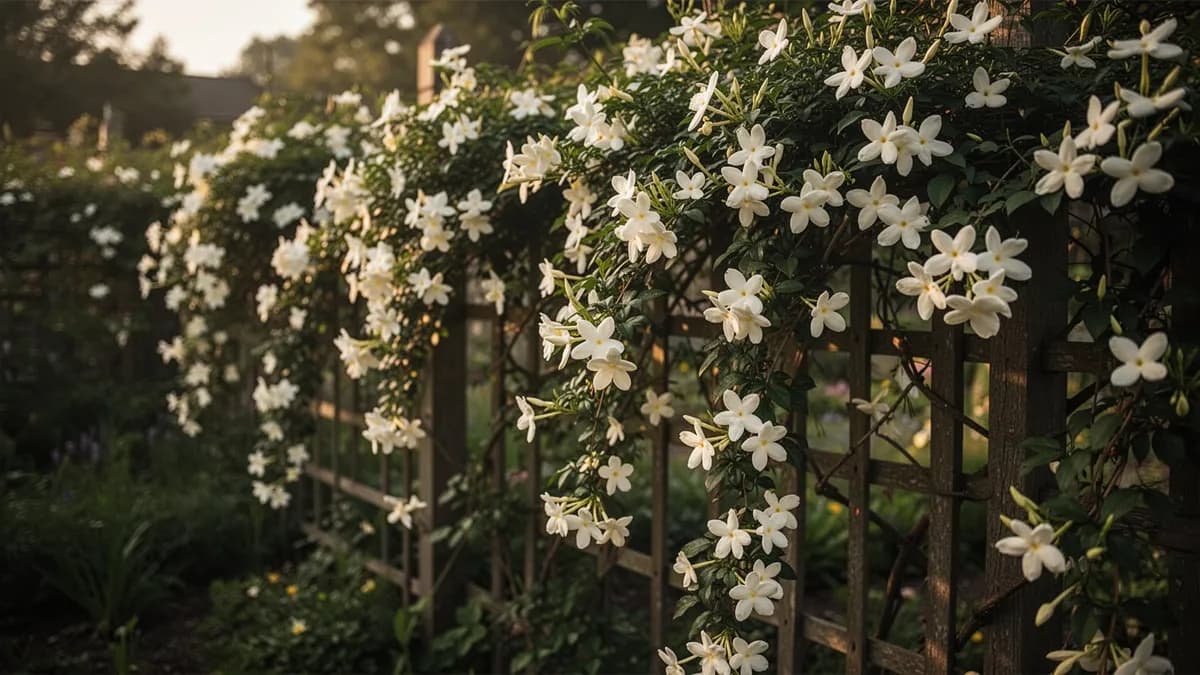
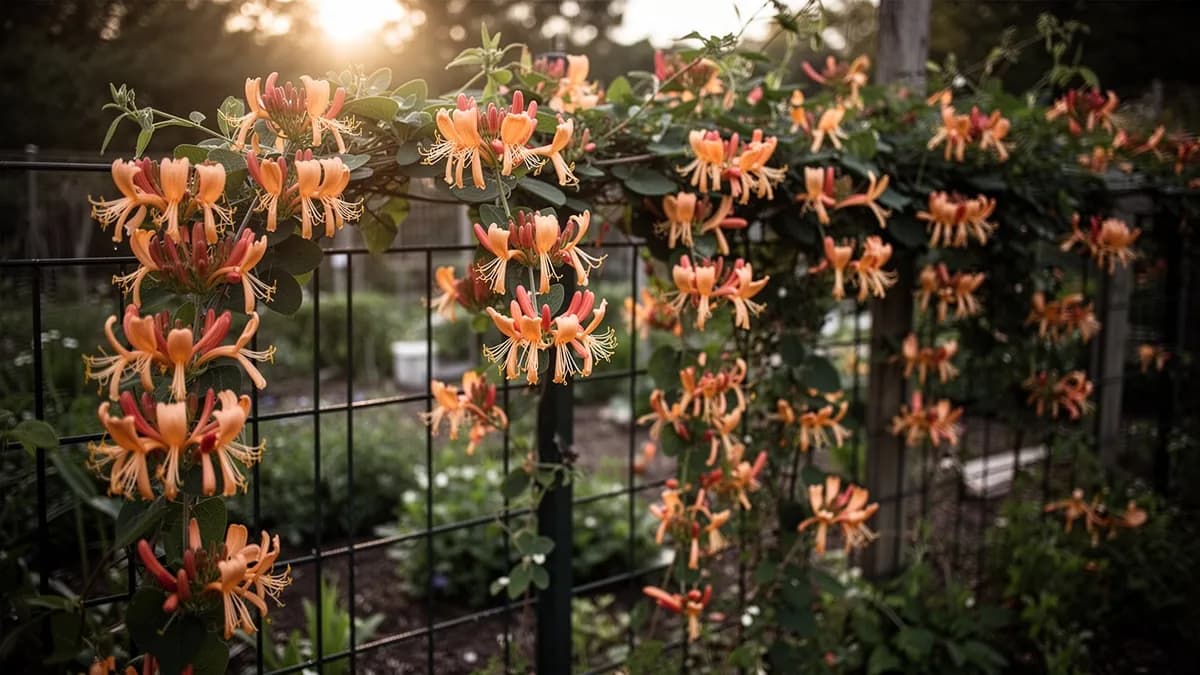
In frost-free zones 10 to 12, wax flower associates beautifully with other tender, fragrant climbers such as star jasmine, potato vine, and coral honeysuckle on sheltered, shaded walls and pergolas, where their successive bloom seasons keep the structure interesting from spring through autumn. Give each vine its own run of trellis, because wax flower grows slowly and resents being swamped by more aggressive neighbors. Indoors and on patios, group it with other bright-indirect-light houseplants on pebble trays to share humidity, or let it cascade from a hanging basket above ferns. Its low water needs make it a poor partner for thirsty tropicals sharing the same container.
Star Jasmine belongs beside it.
Old growers' knowledge, checked against Wax Plant's real companion table below — test any plant you're growing.
Try Wax Plant in a bed — right here
A real planner bed with Wax Plant already in it. Tap a companion to place it and watch the pairing checks answer — green for good neighbours, red for a clash.


Related growing guides
Feed it well
Wax flower is an epiphyte in nature and demands an open, fast-draining, air-rich root zone. A proven potting mix is roughly equal parts orchid bark, coco coir or peat, and perlite or pumice, with a pH between 6.0 and 7.0. Never use heavy garden soil or standard moisture-retentive potting compost on its own. Feed every three to four weeks from March through September with a balanced liquid fertilizer diluted to half strength, and switch to a higher-phosphorus bloom formula as flower buds form. Flush the pot with plain water every few months to prevent salt buildup, which shows up as brown leaf tips. Skip feeding entirely from late autumn through winter.
Ideal Temperature
Hardiness Zone Compatibility
From seed to harvest, stage by stage
Rooted Cutting
Wax flower is almost always started from stem cuttings of ten to fifteen centimeters with at least two leaf nodes, taken in spring or early summer. Rooted in barely moist perlite or sphagnum, or simply in water, cuttings produce roots in three to six weeks under warm, humid conditions. Once the roots are a few centimeters long, the young plant is potted into a small pot of chunky epiphyte mix.
Young Vine Establishment
The rooted cutting settles into its pot and pushes out its first true vines, often starting with a bare, wire-like stem that soon fills in with paired, glossy leaves. Growth is modest in this first year as the root system fills the small pot, which is exactly what a hoya prefers. By the end of the first year expect one or two vines of thirty to sixty centimeters.
Vegetative Growth & Training
In its second year the plant grows with more confidence, extending twining vines thirty to sixty centimeters per season and thickening its foliage. This is the moment to train the stems onto a hoop, small trellis, or moss pole, or to let them spill naturally from a hanging basket. Toward the end of this phase the first short, knobby flower spurs may appear in the leaf axils; these peduncles are permanent and must never be removed.
First Flowering
Around the second or third year a well-lit, slightly pot-bound plant produces its first umbels: perfect spheres of waxy, five-pointed stars with a deeper pink crown at the center of each flower. Bloom comes in flushes from late spring through early autumn, the fragrance is strongest in the evening, and the flowers drip sweet, clear nectar. When the cluster fades, snip off only the spent flowers and leave the knobby spur, which will bloom again.
Mature Flowering Vine
From the third year onward the vine hits its stride, blooming in repeated flushes from May through September on both new and increasingly old spurs. A mature indoor specimen carries vines of two meters or more and may hold several umbels open at once, perfuming a whole room in the evening. The foliage stays evergreen and glossy, and the plant tolerates short dry spells without complaint.
Long-Lived Specimen
Wax flower is famously long-lived, and well-kept specimens are passed down through families, blooming for thirty years or more. Over time the oldest stems turn woody at the base while the permanent flower spurs accumulate, so an old plant carries more blooming points every year. Growth slows with age but flowering often becomes heavier, provided the plant still gets bright light and stays snug in its pot.
Keep cuttings warm at 21 to 27 degrees Celsius in bright indirect light, and enclose the pot in a loose plastic bag to hold humidity. Keep the rooting medium barely moist, never soggy, and be patient: hoyas root reliably but not overnight.
Caring for Wax Plant month by month
What to do each month for your Wax Plant
September
You are hereBring patio plants back indoors before nights fall below 12 °C, checking carefully for hitchhiking pests. Stop feeding and begin spacing waterings further apart. Late umbels often open now as the nights lengthen.
Know exactly what to do in your garden — every month
One email at the start of each month: what to sow, plant, and tackle right now — for your Wax Plant and everything growing around it. Plus a short starter course that helps you dodge the classic mistakes.
- What to do, right now
- Matched to your season
- Starter course included
Harvesting Wax Plant
Wax flower umbels can be cut for small, intensely fragrant posies once about half the star-shaped blossoms in a cluster have fully opened. Cut the stem just below a leaf node with clean snips, place it immediately in cool water, and expect a vase life of roughly five to seven days. Be aware that the flowers drip sweet, sticky nectar as they age, so set arrangements on a saucer or mat to protect furniture. Most growers prefer to enjoy the blooms on the plant, where a single umbel stays attractive for a week or more. Never cut the knobby spur beneath the cluster; remove only the faded flowers, because that spur will bloom again.
assuming you plant when the window opens — set your real date
Pick Wax Plant promptly and the plant keeps producing.
What goes wrong — and the fix
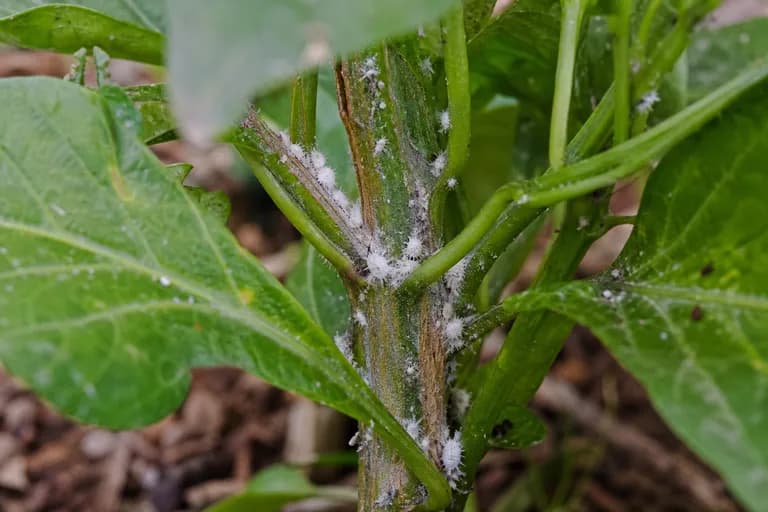
Mealybugs
PestWhite, cottony masses tucked into leaf axils, along stems, and deep in the folded leaves of Compacta types. Sticky honeydew and sooty mold often follow, and heavily infested vines weaken and drop leaves.
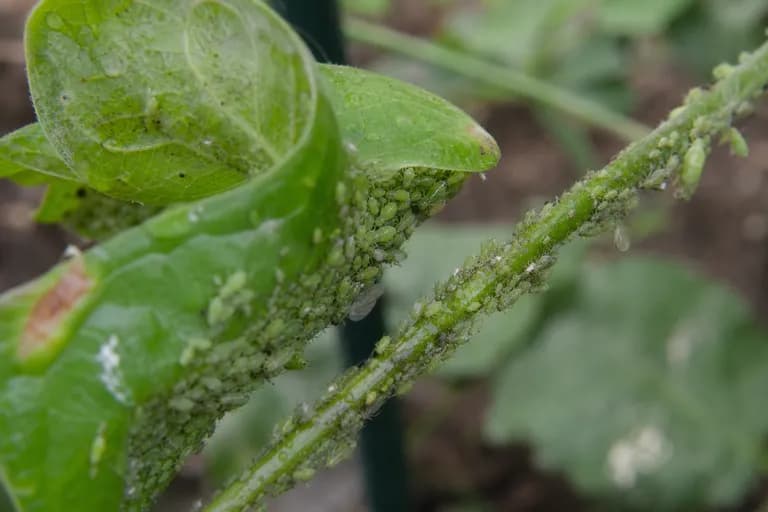
Aphids
PestClusters of small green, black, or brown insects on tender new shoots and flower buds, with sticky honeydew, curled new leaves, and aborted buds.
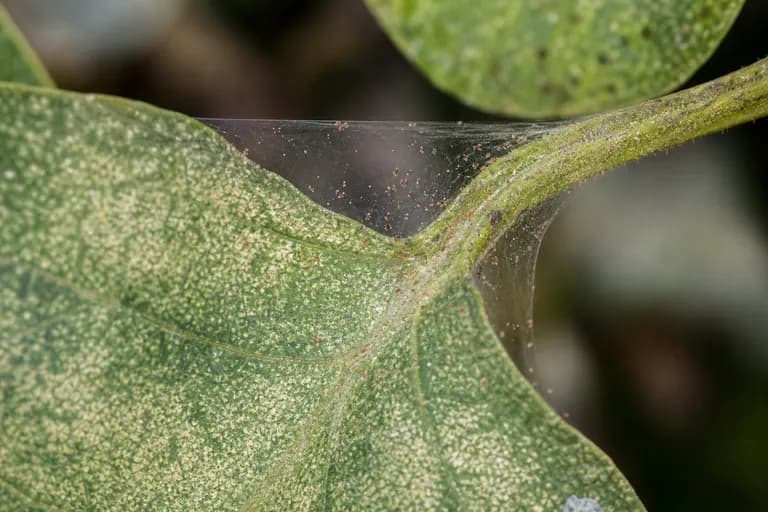
Spider Mites
PestFine pale stippling on the leaves, a dull or bronzed cast to the foliage, and delicate webbing between stems, worst in hot, dry indoor air.
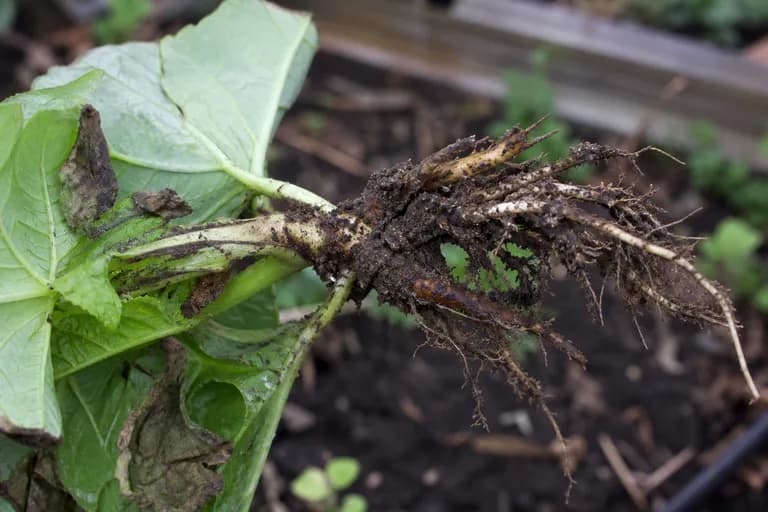
Root Rot
DiseaseYellowing leaves and a wilting plant despite wet mix, blackened mushy roots, a sour smell from the pot, and stems that soften at the base.
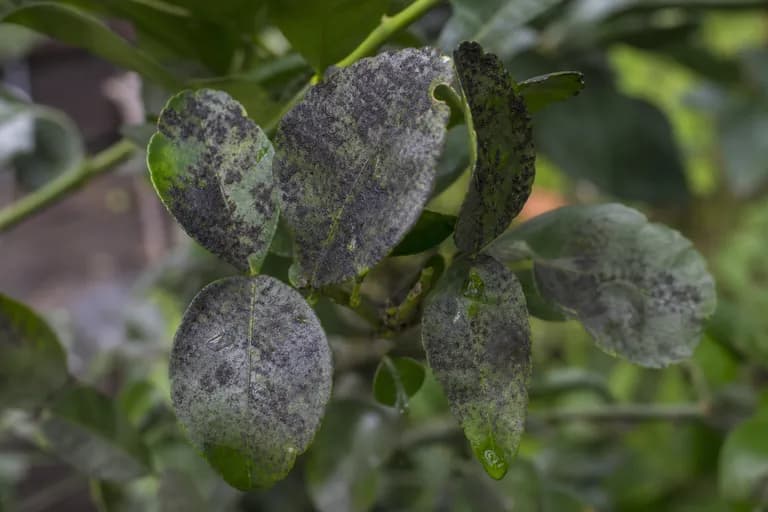
Sooty Mold
DiseaseA black, sooty film spreading over leaves, growing on the honeydew excreted by mealybugs, aphids, or scale. It blocks light and weakens the vine over time.
Troubleshooting Common Problems
Refusal to bloom is the classic complaint, and the usual causes are too little light, a plant that is simply too young (allow two years or more from a cutting), an oversized pot, or well-meaning removal of the old flower spurs that would have rebloomed. Sudden bud drop follows any move or rotation once buds have set. Wrinkled, thin leaves signal thirst or, paradoxically, roots lost to rot that can no longer take up water, so check the roots before watering more. Yellowing leaves and a sour-smelling mix mean overwatering. Chilling below about ten degrees Celsius causes leaf drop and stalled growth, and harsh midday sun bleaches the foliage into pale, scorched patches.
Growing Tips
- Give wax flower the brightest indirect light you can, such as an east or west window, because light more than any other factor decides whether it blooms.
- Water thoroughly, then wait until the top five centimeters of mix are dry; the fleshy leaves store water, and soggy roots are the one mistake hoyas do not forgive.
- Pot into a chunky epiphyte mix of orchid bark, coco fiber, and perlite, and never use heavy potting soil or garden soil.
- Keep the plant slightly pot-bound and repot only every two to three years, moving up just one size; crowded roots are the trigger for reliable flowering.
- Never remove the knobby flower spurs after blooming, because each one reblooms for years. Snip off only the faded flower cluster itself.
- Once buds swell, do not move, rotate, or repot the plant, because hoyas drop their buds at the slightest change of position.
- Train the twining stems onto a hoop or small trellis, or let them spill from a hanging basket, and prune only long, bare vines in spring.
- Propagate freely: ten-centimeter stem cuttings with two nodes root in three to six weeks and make welcome gifts.
- If your plant refuses to bloom, add light before you add fertilizer, and check that nobody has cut off all the old spurs.
Grow your best Wax Plant yet — and everything around it.
Start a free plan today. Lay out your beds, drop in your Wax Plant, and let PlotMyGarden handle the timing, spacing, companions and reminders from seed to harvest basket.
Pick your Wax Plant
Krimson Queen
Creamy white to pale pink margins frame each green leaf, and new growth flushes bright pink; also sold as Tricolor. One of the showiest and most forgiving carnosa forms.
Krimson Princess
The reverse variegation of Krimson Queen, with cream, pink, and soft yellow splashes in the leaf center and green edges; also known in the trade as Rubra.
Compacta (Hindu Rope)
Thick, curled, and twisted leaves pack the stems into dense, rope-like strands that spill dramatically from hanging baskets. Slow-growing and spectacular, but check the folds for mealybugs.
Exotica
Large leaves with bold creamy-yellow centers and green margins, often flushing pink in strong light. A vigorous, heavy-blooming selection.
Chelsea
Distinctive cupped, dimpled, heart-shaped leaves on compact vines; a charming choice for small trellises, hoops, and tabletops.
Where Wax Plant comes from
Hoya carnosa is native to a broad sweep of eastern Asia and the western Pacific, with wild populations recorded from southern China, Taiwan, and the southern Japanese islands through India and Myanmar to Queensland in northeastern Australia. In these forests it grows as an epiphyte or lithophyte, anchoring itself to tree bark and rock faces in dappled shade and sending long, twining stems toward the light. The species was among the tropical plants carried to Europe during the great age of botanical exploration, and the genus was formally established by the Scottish botanist Robert Brown in 1810.
Brown named the genus for Thomas Hoy, the celebrated head gardener to the Duke of Northumberland at Syon House near London, who had grown these plants with unusual success in the ducal glasshouses. The species name carnosa, Latin for fleshy, describes the thick, waxy leaves. The porcelain-perfect, sweetly scented flowers made the plant an instant sensation in Victorian parlors and conservatories, where its tolerance of dry indoor air and modest light, unusual for a tropical climber, cemented its reputation as a houseplant that can outlive its owner.
Through the twentieth century wax flower remained a steadfast windowsill classic, and the mid-century Florida nursery trade popularized the curled-leaf form Hoya carnosa Compacta under the name Hindu rope. A modern houseplant renaissance has brought variegated cultivars such as Krimson Queen and Krimson Princess into wide circulation, but the species itself, with its honey-scented, nectar-dripping umbels, remains the benchmark against which all other hoyas are judged.
Wax Plant: did you know?
Fascinating facts about Wax Plant
The genus Hoya honors Thomas Hoy, head gardener to the Duke of Northumberland at Syon House in England; the Scottish botanist Robert Brown published the name in 1810.
Wax Plant questions, answered
When should I plant Wax Plant?
What are good companion plants for Wax Plant?
What hardiness zones can Wax Plant grow in?
How much sun does Wax Plant need?
How far apart should I space Wax Plant?
What pests and diseases affect Wax Plant?
What are the best Wax Plant varieties to grow?
What soil does Wax Plant need?
Why won't my wax flower bloom?
Should I cut off the dried flower stalks after blooming?
Is wax flower toxic to cats and dogs?
How often should I water a wax flower?
Why are the leaves wrinkled and thin?
Can wax flower grow outdoors year-round?
You just read the theory. Now grow it on autopilot.
Everything that makes Wax Plant fiddly — the timing, the spacing, the companions, the harvest window — is exactly what PlotMyGarden handles for you, for every plant in your garden.
A plan that knows your weather
Set your location once. Get sow, feed and harvest dates built around your real last-frost date and live forecast — no more guessing from a generic seed packet.
From the “When to plant” sectionDrag-and-drop bed planner
Design beds on a grid. Every plant snaps to its proper spacing, and you can see your whole season laid out before you spend a cent on seed.
From the “Growing guide” sectionCompanion conflicts, caught early
200+ good-and-bad pairings checked live as you plant — so a season-wrecking mistake never makes it into the ground.
From the “Companions” sectionReminders you'll actually act on
“Water the beans.” “Pick today before it turns.” Timely, specific, and tied to the plants you're really growing.
From the “Harvest” sectionSuccession, scheduled
Want a harvest for six weeks, not six days? It spaces your sowings automatically and reminds you when each new block is due.
From the “When to plant” sectionA record that gets smarter
Every harvest you log teaches it your garden. Next year's plan starts from what actually worked in your soil, not a textbook's.
From the “Overview” sectionPlant these alongside Wax Plant
More Climbing Flowers
Grow your best Wax Plant yet — and everything around it.
Start a free plan today. Lay out your beds, drop in your Wax Plant, and let PlotMyGarden handle the timing, spacing, companions and reminders from seed to harvest basket.