Sternjasmin
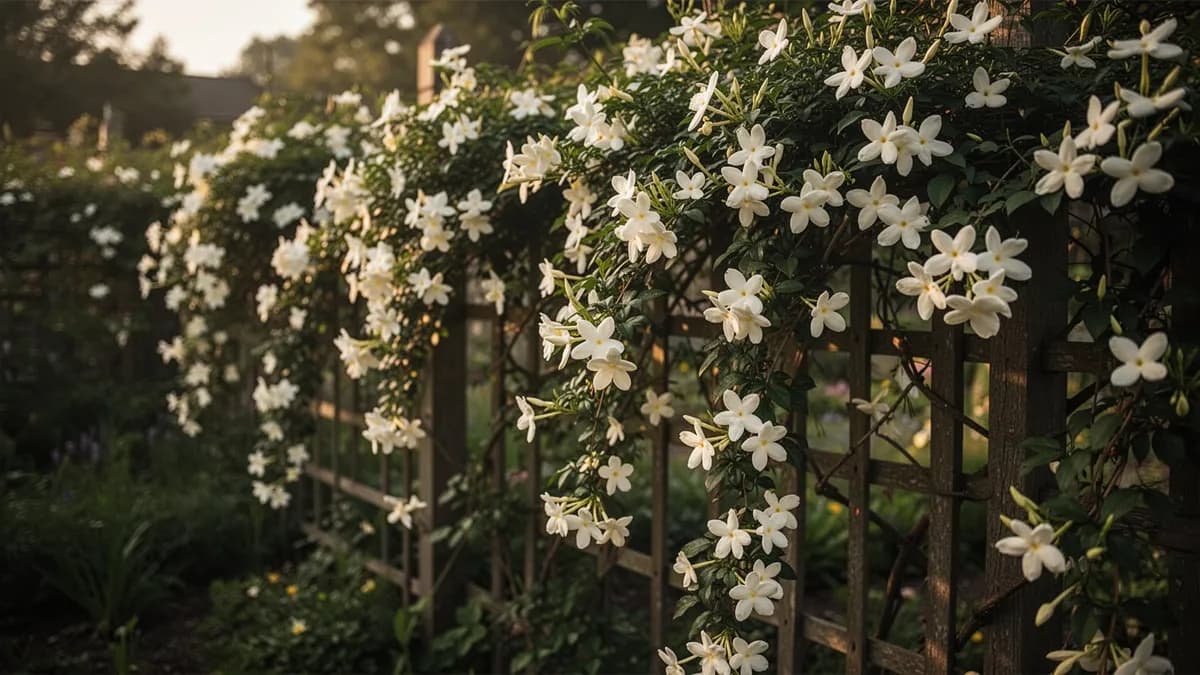
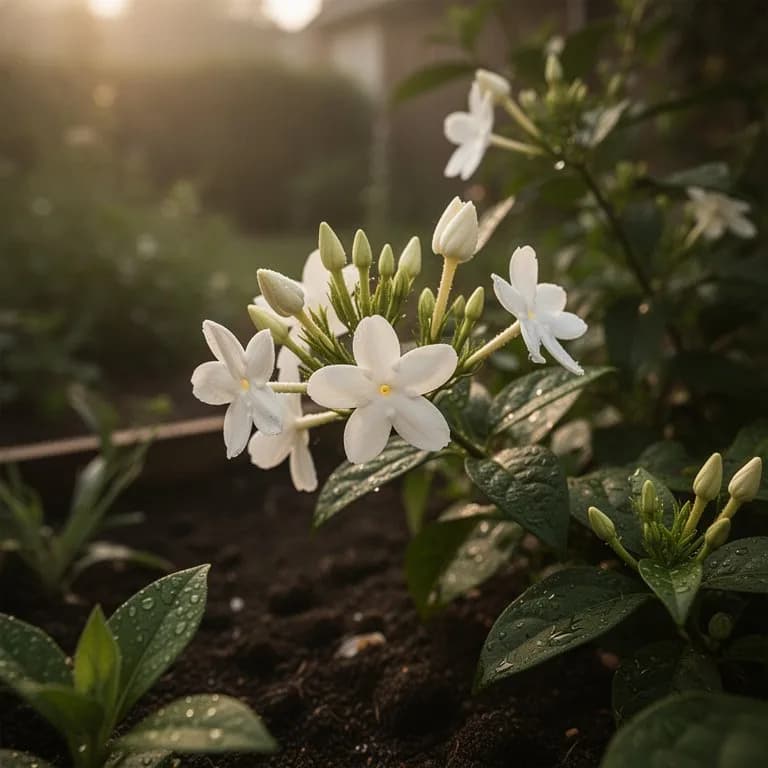
Eine immergrüne Schlingpflanze mit intensiv duftenden, windradförmigen weißen Blüten, die den Garten im späten Frühling und Sommer durchduften.





Auf dieser SeiteÜberblick
Sternjasmin im Überblick
Eine immergrüne Schlingpflanze mit intensiv duftenden, windradförmigen weißen Blüten, die den Garten im späten Frühling und Sommer durchduften. Sternjasmin ist vielseitig einsetzbar und kann an Wänden gezogen, als Bodendecker verwendet oder mit regelmäßigem Schnitt in Kübeln kultiviert werden. Er gedeiht am besten an warmen, geschützten Standorten mit Schutz vor kalten Winterwinden.
Wann Sternjasmin pflanzen
Sternjasmin wird fast ausschließlich durch Stecklinge vermehrt, da samengewonnene Pflanzen variabel und extrem langsam in der Blüte sind. Nehmen Sie im Sommer halbreife Stecklinge von nicht blühenden Trieben mit drei bis vier Blattpaaren. Entfernen Sie die unteren Blätter, ritzen Sie die Basis leicht an und tauchen Sie in Bewurzelungshormon. In feuchtes Perlit mit Bodenwärme stecken. Die Bewurzelung dauert sechs bis acht Wochen. Absenker sind eine alternative Methode: Niedrig wachsende Triebe werden zum Boden gebogen und mit Erde bedeckt, um über eine Vegetationsperiode zu bewurzeln.
Dein Sternjasmin-Jahr
Abgestimmt auf Zone 7 · typische Saison · Frost geht um den 2. Apr. und kehrt um den 1. Nov. zurück
Sternjasmin Apr – Mai pflanzen, Mai – Jul ernten. Beachte die Pflanzmethoden unten und wähle dein Klima für passende Zeiträume.
So baust du Sternjasmin an
Pflanzen Sie Sternjasmin im Frühling in gut durchlässigen, nährstoffreichen Boden in voller Sonne bis Halbschatten. Diese immergrüne Schlingpflanze wächst am besten an warmen, geschützten Standorten, die vor kalten Winterwinden geschützt sind. Stellen Sie ein stabiles Spalier, eine Wand oder einen Zaun als Stütze bereit, oder lassen Sie die Pflanze sich als dichter Bodendecker ausbreiten. Sternjasmin wächst anfangs langsam und benötigt zwei bis drei Jahre zur Etablierung, wird dann mäßig wüchsig und erreicht eine Höhe von fünf bis sechs Metern.
Gießen Sie während der ersten beiden Vegetationsperioden und bei heißem, trockenem Wetter regelmäßig. Sternjasmin hat einen mittleren Wasserbedarf und gedeiht am besten bei gleichmäßiger Feuchtigkeit. Düngen Sie im zeitigen Frühling mit einem ausgewogenen Langzeitdünger und erneut leicht im Hochsommer. Die intensiv duftenden, windradförmigen weißen Blüten erscheinen im späten Frühling und Frühsommer und durchduften den gesamten Garten.
Schneiden Sie nach der Blüte, um die Pflanze zu formen und die Größe zu kontrollieren. Sternjasmin verträgt Rückschnitt gut und kann als formale Wandbegrünung, informeller Sichtschutz oder sogar als geformte Hecke gezogen werden. Das glänzende, dunkelgrüne Laub ist das ganze Jahr über attraktiv und entwickelt bei kaltem Wetter oft bronze- oder rötliche Tönungen. In Zone 7 pflanzen Sie an einer südexponierten Wand mit Winterschutz für die ersten Jahre, bis die Pflanze gut etabliert ist.
Für Sternjasmin ist ein Beet von 120 × 240 cm zu klein
Sternjasmin braucht 200 cm Platz pro Pflanze. Der Planer hält diesen Abstand für dich ein — jede Pflanze, jedes Beet.
Die besten Nachbarn für Sternjasmin
Sternjasmin ist wunderschön, wenn er an Wänden in der Nähe von Terrassen und Sitzbereichen gezogen wird, wo sein unglaublicher Duft genossen werden kann. Unterpflanzen Sie mit Lavendel, Gardenien und nachtblühendem Jasmin für einen mehrschichtigen Duftgarten. Kombinieren Sie mit anderen immergrünen Kletterpflanzen wie Clematis armandii für ganzjährige Begrünung und saisonale Blüte. Das dichte Laub bildet eine perfekte Kulisse für farbenfrohe Staudenrabatten.
Kartoffelwein gehört daneben.
Altes Gärtnerwissen, geprüft an der echten Nachbartabelle von Sternjasmin — teste jede Pflanze, die du anbaust.
Probiere Sternjasmin direkt hier im Beet
Ein echtes Planer-Beet, Sternjasmin steht schon drin. Tippe einen Begleiter an, platziere ihn und sieh, wie die Nachbarschaftsprüfung antwortet — grün für gute Nachbarn, rot bei Streit.


Passende Anbau-Ratgeber
Richtig düngen
Sternjasmin gedeiht in nährstoffreichem, gut durchlässigem Boden mit einem pH-Wert von 6,0 bis 7,5. Verbessern Sie den Pflanzbereich mit Kompost und sorgen Sie für ausreichende Drainage, da die Wurzeln empfindlich auf Staunässe reagieren. Bringen Sie im zeitigen Frühling einen ausgewogenen Langzeitdünger aus und eine leichtere Gabe nach der Blüte. In alkalischen Böden kann zusätzliches Eisen erforderlich sein, um Vergilbung vorzubeugen. Mulchen Sie mit organischem Material, um Feuchtigkeit zu bewahren und eine gleichmäßige Wurzeltemperatur zu gewährleisten.
Ideale Temperatur
Winterhärtezone-Kompatibilität
Von der Saat zur Ernte, Schritt für Schritt
Vermehrung & Bewurzelung
Sternjasmin wird am häufigsten durch halbreife Stängelstecklinge vermehrt, die im Spätsommer oder Frühherbst genommen werden. Stecklinge von etwa 10–15 cm werden in Bewurzelungshormon getaucht und in ein feuchtes, gut durchlässiges Vermehrungssubstrat gesteckt. Wurzeln bilden sich unter warmen, feuchten Bedingungen typischerweise innerhalb von 4–8 Wochen. Absenken ist eine alternative Methode, bei der ein niedrig wachsender Trieb an der Bodenoberfläche befestigt wird und bewurzeln darf, während er noch mit der Mutterpflanze verbunden ist.
Etablierungsphase
Nach der Bewurzelung werden junge Sternjasminpflanzen in einzelne Töpfe oder an ihren endgültigen Gartenstandort umgepflanzt. Im ersten Jahr konzentriert sich die Pflanze auf die Entwicklung eines starken Wurzelsystems und das anfängliche vegetative Wachstum. Das Wachstum kann zunächst langsam erscheinen, da die Pflanze Energie unterirdisch investiert. Am Ende des ersten Jahres ist mit einer Pflanze mit mehreren Trieben von 30–60 cm Länge zu rechnen.
Vegetatives Wachstum & Erziehung
Im zweiten Jahr tritt Sternjasmin in eine kräftigere Wachstumsphase ein und bildet lange, schlingende Triebe, die pro Vegetationsperiode 1–2 Meter zulegen können. Die Pflanze entwickelt ihre charakteristischen glänzenden, dunkelgrünen, ovalen Blätter an flexiblen Stängeln. Dies ist die entscheidende Phase für das Erziehen der Rebe an ihrer Stützstruktur, sei es Spalier, Zaun, Wand oder Pergola. Ohne Stütze breiten sich die Triebe horizontal als Bodendecker aus.
Erste Blüte
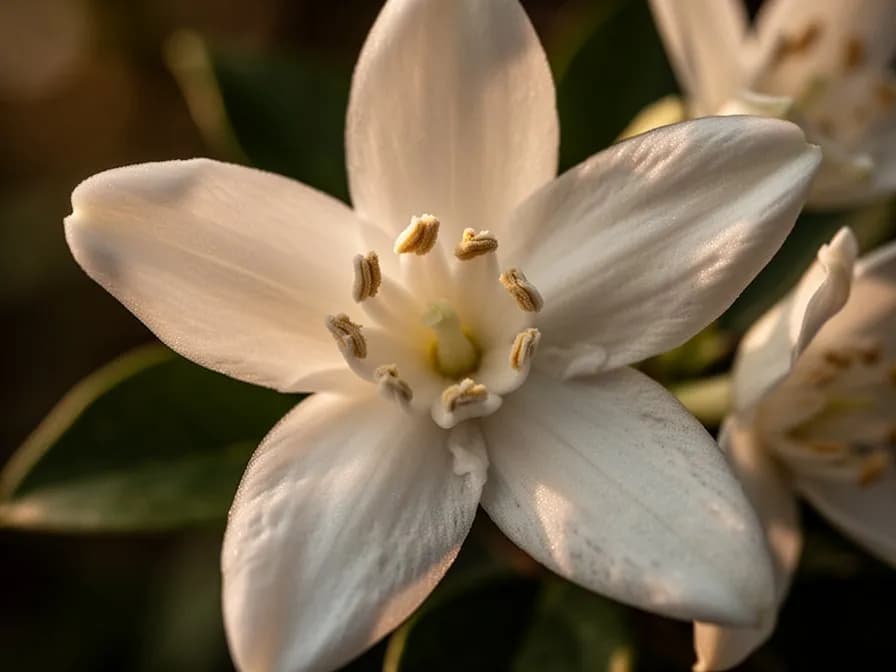
Sternjasmin bringt typischerweise im zweiten oder dritten Jahr nach der Pflanzung seinen ersten bedeutenden Blütenflor hervor, obwohl einige Pflanzen bereits im ersten Jahr leicht blühen können. Die hochduftenden, weißen, windradförmigen Blüten erscheinen in Büscheln vom späten Frühling bis zum Frühsommer. Jede einzelne Blüte ist etwa 2–3 cm breit mit fünf gedrehten Blütenblättern. Der Duft ist süß und intensiv jasminähnlich, am stärksten in den Abendstunden.
Ausgereifte Rebe
Ab dem dritten Jahr erreicht Sternjasmin seine Reife und liefert seine spektakulärsten jährlichen Blütenschauen. Eine ausgereifte Rebe kann 6–9 Meter Länge erreichen und eine Fläche von 4–8 Metern Breite bedecken. Die Pflanze bringt jeden Frühling üppige Blüten hervor und behält das ganze Jahr über dichtes, attraktives immergrünes Laub. In kühleren Klimazonen können die Blätter im Winter Bronze- oder Rottöne entwickeln und saisonales Interesse hinzufügen. Ausgereifte Pflanzen sind nach der Etablierung bemerkenswert trockenheitstolerant.
Langzeit-Solitärpflanze
Sternjasmin ist eine langlebige Pflanze, die bei richtiger Pflege 20 Jahre oder länger gedeihen kann. Im Laufe der Zeit werden die Haupttriebe holzig und entwickeln an der Basis einen knorrigen, stammartigen Charakter. Die Pflanze bringt weiterhin zuverlässig jährliche Schübe duftender Blüten hervor. Ältere Exemplare profitieren möglicherweise von periodischem Verjüngungsschnitt, um frisches Wachstum von der Basis zu fördern. Gut etablierte Pflanzen können kurze Fröste bis etwa -5 °C bis -10 °C tolerieren, obwohl das Laub bei längerer Kälte Schaden nehmen kann.
Stecklinge an einem warmen, geschützten Ort mit indirektem Licht aufbewahren. Gleichmäßige Feuchtigkeit durch regelmäßiges Besprühen oder Abdecken mit einer Feuchtigkeitshaube aufrechterhalten. Bodenwärme von etwa 20–24 °C beschleunigt die Wurzelbildung.
Sternjasmin Monat für Monat pflegen
Was du jeden Monat für deine Sternjasmin tun solltest
Oktober
Aktueller MonatEine letzte Düngergabe mit ausgewogenem Dünger ausbringen, um die Pflanze vor dem Winter zu stärken. Die Bronze- und Rottöne der Blätter genießen, die sich bei kühlerer Witterung entwickeln. Lose Triebe anbinden, bevor Herbststürme Schäden verursachen können. Kübelpflanzen bei Bedarf an geschütztere Standorte umstellen
Immer wissen, was jetzt im Garten zu tun ist
Eine E-Mail zum Monatsanfang: was du jetzt säen, pflanzen und anpacken solltest — für deine Sternjasmin und alles, was drumherum wächst. Dazu ein kurzer Startkurs, der dich vor den klassischen Fehlern bewahrt.
- Was jetzt zu tun ist
- Passend zu deiner Saison
- Startkurs inklusive
Sternjasmin ernten
Schneiden Sie blühende Sternjasmin-Triebe für intensiv duftende Zimmersträuße, wenn die Blüten gerade aufgehen. Schon wenige Stiele durchduften einen ganzen Raum. In kühles Wasser stellen und an einem kühlen Ort für eine maximale Vasenhaltbarkeit von etwa fünf Tagen aufstellen. Das glänzende immergrüne Laub kann auch ganzjährig als Beigrün für Arrangements geschnitten werden. Beachten Sie, dass der milchige Saft bei empfindlichen Personen Hautreizungen verursachen kann – behandeln Sie die Pflanze mit Vorsicht.
angenommen, du pflanzt zu Beginn des Zeitraums — trage dein tatsächliches Datum ein
Ernte Sternjasmin zügig, dann trägt die Pflanze weiter.
Lagerung & Konservierung
Sternjasmin ist eine immergrüne Kletterpflanze, die innerhalb seines Winterhärtebereichs keine besondere Winterlagerung benötigt. In Zone 7 schützen Sie den Wurzelbereich mit einer dicken Wintermulchschicht aus Stroh oder Rindenmulch. In Kübeln kultivierte Pflanzen können in kälteren Zonen zum Überwintern in ein frostfreies Gewächshaus gebracht werden. Zur Vermehrung nehmen Sie im Hochsommer halbreife Stecklinge, entfernen die unteren Blätter und tauchen sie in Bewurzelungshormon. Die Stecklinge bewurzeln sich innerhalb von sechs bis acht Wochen mit Bodenwärme.
Was schiefgeht — und die Lösung
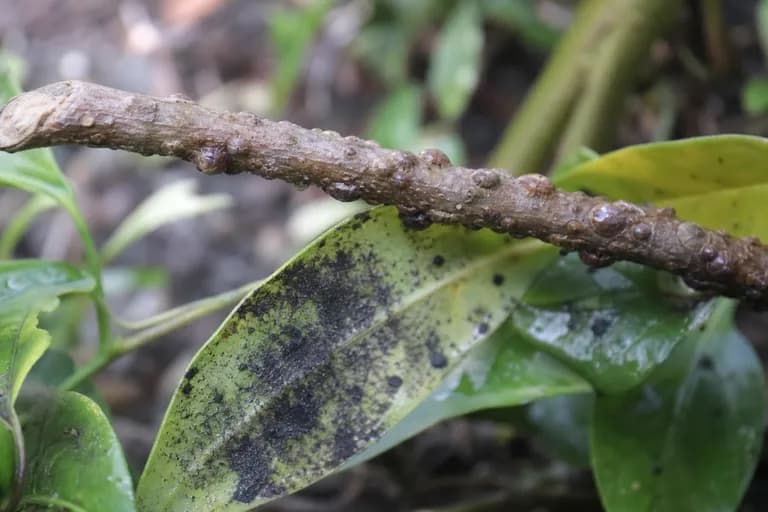
Schildläuse
SchädlingWeiße oder braune muschelartige Erhebungen an Stängeln und Blattunterseiten. Klebriger Honigtau und Rußtau. Vergilbende Blätter an befallenen Trieben.
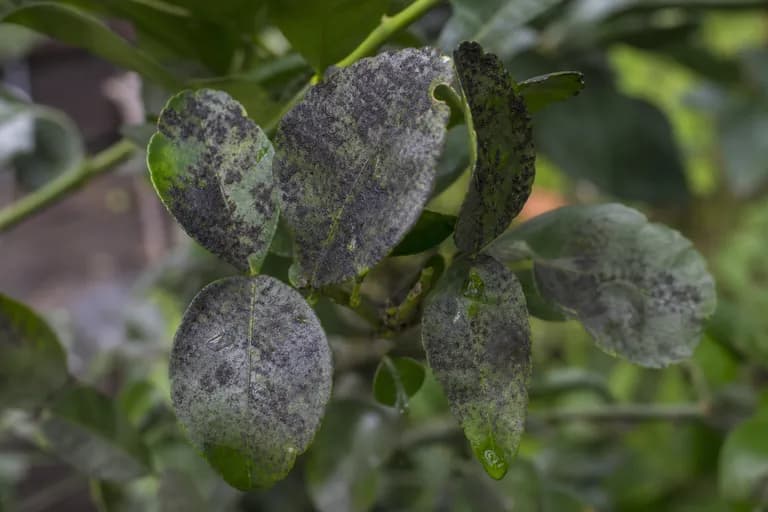
Rußtau
KrankheitSchwarzer, rußartiger Belag auf Blättern, verursacht durch einen Pilz, der auf dem von Schildläusen oder Blattläusen ausgeschiedenen Honigtau wächst. Reduziert die Photosynthese.
Fehlerbehebung bei häufigen Problemen
Das häufigste Problem sind Frostschäden in den Zonen 7 und 8, wo strenge Winterwinde das immergrüne Laub verbrennen und freiliegende Triebe abtöten können. Wählen Sie für beste Ergebnisse einen geschützten, warmen Pflanzstandort. Langsames Wachstum in den ersten zwei bis drei Jahren erfordert Geduld, aber die Pflanze wird nach der Etablierung zuverlässig wüchsig. Schildläuse können ein hartnäckiges Problem sein, besonders unter geschützten, feuchten Bedingungen.
Anbautipps
- Pflanzen Sie Sternjasmin an einem geschützten Standort an einer warmen süd- oder westexponierten Wand, um die Blüte zu maximieren und Winterschutz in kühleren Klimazonen zu bieten.
- Heben Sie ein Pflanzloch mindestens 30 cm von der Basis von Mauern und Zäunen entfernt aus, um sicherzustellen, dass die Wurzeln ausreichend Niederschlag erhalten und sich nicht im Regenschatten befinden.
- Verwenden Sie gut durchlässigen Boden, der mit reichlich organischem Material verbessert wurde. Sternjasmin ist tolerant gegenüber verschiedenen Bodenarten, gedeiht aber am besten in leicht saurem bis neutralem Boden mit einem pH-Wert zwischen 6,0 und 7,0.
- Gießen Sie während der ersten beiden Vegetationsperioden tief und regelmäßig, um ein starkes Wurzelsystem aufzubauen. Nach der Etablierung ist Sternjasmin bemerkenswert trockenheitstolerant und benötigt nur bei längeren Trockenperioden zusätzliche Bewässerung.
- Düngen Sie im zeitigen Frühling mit einem ausgewogenen Langzeitdünger und optional erneut im Hochsommer. Vermeiden Sie stickstoffreiche Dünger, die Blattwachstum auf Kosten der Blüten fördern.
- Schneiden Sie unmittelbar nach dem Hauptblütenflor im Früh- bis Hochsommer. Vermeiden Sie Rückschnitt im Herbst oder Winter, da die Blütenknospen für den folgenden Frühling bereits am diesjährigen Wachstum angelegt sind.
- Für die Verwendung als Bodendecker pflanzen Sie Exemplare im Abstand von 1–1,5 Metern und befestigen Triebe mit U-förmigen Drahtstiften am Boden, um Bewurzelung und schnellere seitliche Ausbreitung zu fördern.
- In Regionen, in denen die Wintertemperaturen regelmäßig unter -5 °C fallen, kultivieren Sie Sternjasmin in einem großen Kübel, damit er während der kältesten Monate an einen geschützten oder überdachten Standort gebracht werden kann.
- Stellen Sie eine stabile Stützstruktur wie Spalier, Drahtsystem oder Pergola bereit. Obwohl Sternjasmin von Natur aus schlingt, profitieren junge Triebe davon, locker an Stützen angebunden zu werden, bis sie fest anhaften.
- Achten Sie auf häufige Schädlinge wie Schildläuse, Blattläuse und Weiße Fliege. Behandeln Sie Befall frühzeitig mit Paraffinöl oder Schmierseifenlösung und sorgen Sie für gute Luftzirkulation, um Pilzkrankheiten vorzubeugen.
Bau deine beste Sternjasmin an — und alles drumherum.
Starte heute kostenlos. Lege deine Beete an, setze deine Sternjasmin ein und lass PlotMyGarden Timing, Abstände, Begleiter und Erinnerungen von der Saat bis zum Erntekorb übernehmen.
Finde deine Sternjasmin
Jasminoides
Die Standardart mit glänzendem, dunkelgrünem Laub und stark duftenden weißen Blüten – die am häufigsten gepflanzte Form.
Variegatum
Creme-grün panaschiertes Laub, das ganzjährig Interesse weckt, etwas weniger wüchsig, aber ebenso duftend.
Asiaticum
Eine verwandte Art mit gelblich-cremefarbenen Blüten und einem etwas anderen, süßeren Duft, weniger winterhart als T. jasminoides.
Star of Toscana
Eine kompakte Auslese, die besonders gut für die Kübelkultur geeignet ist, mit reichlicher Blüte an einer handlicheren Pflanze.
Eine einzelne Sternjasminpflanze, die in einer Gärtnerei zwischen 10 € und 25 € kostet, kann teure Sichtschutz- oder Abschirmlösungen ersetzen, die 50 € bis 150 € pro laufendem Meter kosten können. Nach der Etablierung erfordert die Rebe nur minimale Pflege und verursacht keine laufenden Kosten außer gelegentlichem Dünger. Das immergrüne Laub bietet ganzjährige Begrünung, und die Pflanze kann leicht durch Stecklinge vermehrt werden, um Dutzende neuer Pflanzen kostenlos zu erzeugen. Als Bodendecker verwendet, macht Sternjasmin das regelmäßige Rasenmähen überflüssig und spart Kraftstoff, Gerätewartung und Zeit. Eine ausgewachsene Rebe an einer südseitigen Wand kann außerdem die Kühlkosten senken, indem sie die Wandoberfläche beschattet und die Umgebungstemperatur im Sommer um 2–5 °C absenkt.
Schnelle Rezepte
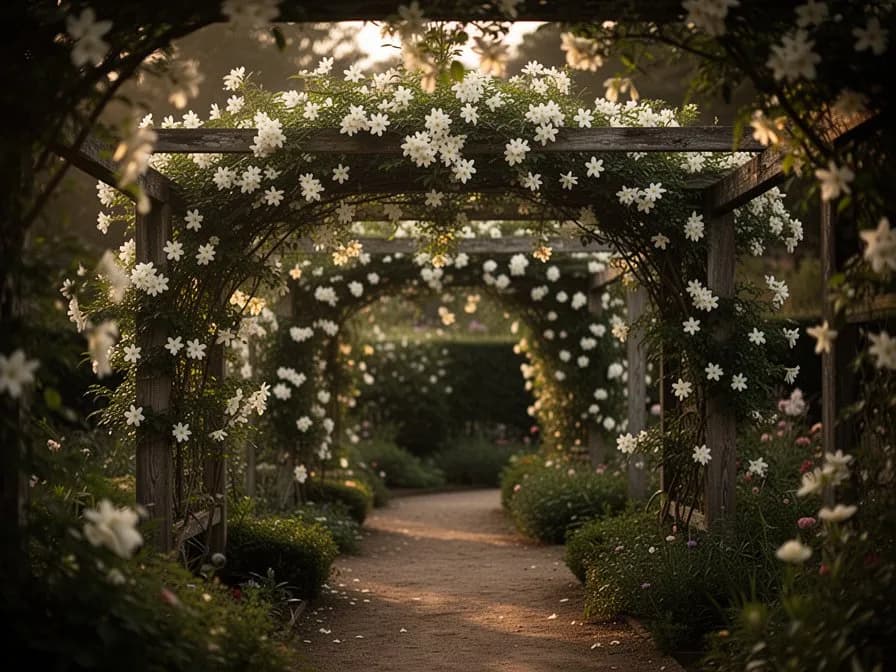
Sternjasmin-Duftsäckchen
20 Min. plus TrocknungszeitErnten Sie frisch geöffnete Sternjasmin-Blüten am Morgen, wenn ihr Duft am stärksten ist. Trocknen Sie die Blüten auf einem Gitter an einem warmen, gut belüfteten Ort ohne direkte Sonneneinstrahlung für 3–5 Tage. Sobald sie vollständig getrocknet sind, füllen Sie die Blüten in kleine Musselin- oder Organzabeutel, optional gemischt mit getrocknetem Lavendel oder Rosenblütenblättern. Diese Säckchen können in Schubladen, Schränke oder Wäscheschränke gelegt werden, um einen natürlichen Blütenduft zu verbreiten, der mehrere Monate anhält.
4 Zutaten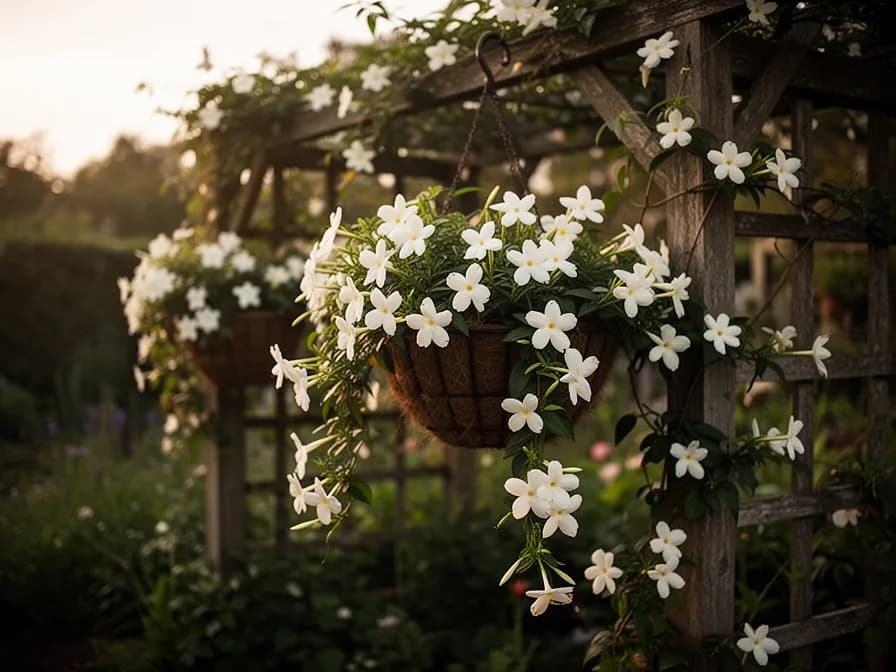
Sternjasmin-Blütenöl
30 Min. plus 4–6 Wochen EinweichzeitStellen Sie ein wunderbar duftendes Körperöl her, indem Sie getrocknete Sternjasmin-Blüten in ein Trägeröl einlegen. Füllen Sie ein sauberes Glasgefäß zu einem Drittel mit getrockneten Sternjasmin-Blüten und bedecken Sie diese vollständig mit einem leichten Trägeröl wie Süßmandel- oder Jojobaöl. Fest verschließen und 4–6 Wochen auf eine warme, sonnige Fensterbank stellen, dabei alle paar Tage sanft schütteln. Durch ein Mulltuch in eine dunkle Glasflasche abseihen. Dieses Blütenöl kann als Massageöl, Badeöl oder natürliches Parfüm verwendet werden.
5 ZutatenSternjasmin-Potpourri-Mischung
25 Min. plus 2 Wochen ReifezeitKombinieren Sie getrocknete Sternjasmin-Blüten mit ergänzenden Pflanzenteilen zu einem aromatischen Potpourri. Trocknen Sie Sternjasmin-Blüten zusammen mit Zitrusschalenstreifen und ganzen Gewürzen. Mischen Sie alle getrockneten Zutaten in einer großen Schüssel und geben Sie einige Tropfen ätherisches Jasminöl hinzu, um den Duft zu verstärken. In einen verschlossenen Behälter umfüllen und die Mischung mindestens zwei Wochen reifen lassen, dabei gelegentlich schütteln. In offenen Schalen im Haus aufstellen für einen natürlichen, langanhaltenden Raumduft.
6 ZutatenWas drinsteckt
Gesundheitsvorteile
- Der Duft von Sternjasmin-Blüten fördert laut Aromatherapie-Studien Entspannung und reduziert Stress und Angstzustände, wenn er in Gartenumgebungen oder als getrocknete Blumenarrangements genossen wird
- In der traditionellen chinesischen Medizin werden Stängelextrakte von Trachelospermum jasminoides (bekannt als Luo Shi Teng) seit Jahrhunderten verwendet, um Gelenkschmerzen und Muskelschmerzen zu lindern sowie die Durchblutung zu fördern
- Der Anbau von Sternjasmin an Wänden und Pergolen rund um Außenwohnbereiche schafft natürlichen Schatten und hilft, die Umgebungstemperatur zu senken, was zu einer angenehmeren und gesünderen Außenumgebung beiträgt
- Als immergrüne Kletterpflanze trägt Sternjasmin das ganze Jahr über zur Verbesserung der lokalen Luftqualität bei, indem er Kohlendioxid aufnimmt und Sauerstoff freisetzt, auch während der Wintermonate
- Das dichte Laub des Sternjasmins wirkt als natürliche Schallbarriere, wenn er an Wänden und Zäunen angebaut wird, reduziert Lärmbelastung und schafft eine ruhigere, friedlichere Gartenumgebung
- Der Aufenthalt in Gärten mit duftenden Pflanzen wie Sternjasmin wird laut Forschung zur Gartentherapie mit verbesserter Stimmung, niedrigerem Blutdruck und gesteigertem allgemeinem psychischen Wohlbefinden in Verbindung gebracht
Woher Sternjasmin stammt
Trachelospermum jasminoides, allgemein bekannt als Sternjasmin oder Konföderierter Jasmin, stammt aus Ost- und Südostasien, wobei sein natürliches Verbreitungsgebiet von Südchina über Japan, Korea bis Vietnam reicht. Die Pflanze wird seit Jahrhunderten in chinesischen und japanischen Gärten kultiviert und ist für ihre intensiv duftenden weißen Blüten und ihr elegantes immergrünes Laub geschätzt. In traditionellen chinesischen Gärten wurde Sternjasmin oft über Mondtore und entlang von Innenhofmauern gezogen, wo sein Abendduft während warmer Sommernächte genossen werden konnte. Die Art wurde 1844 erstmals wissenschaftlich vom englischen Botaniker John Lindley beschrieben, basierend auf in China gesammelten Exemplaren. Sie wurde Mitte des 19. Jahrhunderts in europäische Gärten eingeführt, wo sie schnell in mediterranen und gemäßigten Küstenklimaten an Beliebtheit gewann. Die Pflanze gelangte in der zweiten Hälfte des 19. Jahrhunderts in die Vereinigten Staaten und wurde besonders in den südöstlichen Bundesstaaten populär, wo sie den Namen ‚Confederate Jasmine' erhielt – ein Name, der heute als etwas irreführend gilt, da er keine historische Verbindung zur Konföderation hat und es sich nicht um einen echten Jasmin handelt. Heute wird Sternjasmin weltweit in den USDA-Winterhärtezonen 8 bis 11 kultiviert und ist eine der am häufigsten gepflanzten Zierkletterpflanzen in warm-gemäßigten und subtropischen Regionen. Er wird extensiv in der gewerblichen Landschaftsgestaltung eingesetzt – wegen seiner Zuverlässigkeit, Trockenheitstoleranz nach der Etablierung, geringen Pflegeanforderungen und seines außergewöhnlichen Dufts. Die Pflanze hat auch in der Parfümindustrie Anerkennung gefunden, wo ihr ätherisches Öl, obwohl schwierig und teuer zu extrahieren, für seine süßen, klaren Blütennoten geschätzt wird.
Sternjasmin: Schon gewusst?
Faszinierende Fakten über Sternjasmin
Trotz seines gebräuchlichen Namens ‚Sternjasmin' ist Trachelospermum jasminoides überhaupt kein echter Jasmin. Er gehört zur Familie der Apocynaceae (Hundsgiftgewächse), während echte Jasmine zur Familie der Oleaceae (Ölbaumgewächse) gehören.
Sternjasmin: Fragen & Antworten
Wann sollte ich Sternjasmin pflanzen?
Was sind gute Begleitpflanzen für Sternjasmin?
In welchen Winterhärtezonen kann Sternjasmin wachsen?
Wie viel Sonne braucht Sternjasmin?
Welchen Abstand sollte ich zwischen Sternjasmin lassen?
Welche Schädlinge und Krankheiten befallen Sternjasmin?
Wie lagere ich Sternjasmin nach der Ernte?
Was sind die besten Sternjasmin-Sorten zum Anbauen?
Welchen Boden braucht Sternjasmin?
Ist Sternjasmin giftig für Haustiere?
Warum blüht mein Sternjasmin nicht?
Kann Sternjasmin im Vollschatten wachsen?
Wie schnell wächst Sternjasmin?
Was ist der Unterschied zwischen Sternjasmin und echtem Jasmin?
Kann ich Sternjasmin drinnen im Kübel anbauen?
Du hast die Theorie gelesen. Jetzt baue sie auf Autopilot an.
Alles, was Sternjasmin knifflig macht — das Timing, die Abstände, die Begleiter, das Erntefenster — genau das übernimmt PlotMyGarden für dich, für jede Pflanze im Garten.
Ein Plan, der dein Wetter kennt
Standort einmal festlegen. Aussaat-, Dünge- und Erntedaten rund um deinen echten letzten Frosttermin und die Live-Vorhersage — kein Raten mehr nach Saattüte.
Aus dem Abschnitt „Pflanzzeit“Beetplaner per Drag & Drop
Beete auf einem Raster gestalten. Jede Pflanze rastet im richtigen Abstand ein, und du siehst die ganze Saison, bevor du einen Cent für Saatgut ausgibst.
Aus dem Abschnitt „Anbau“Begleiter-Konflikte früh erkannt
Über 200 gute und schlechte Kombinationen werden beim Pflanzen live geprüft — so landet ein saisonruinierender Fehler nie in der Erde.
Aus dem Abschnitt „Begleiter“Erinnerungen, nach denen du wirklich handelst
„Gieß die Bohnen.“ „Heute ernten, bevor's umschlägt.“ Pünktlich, konkret und auf deine echten Pflanzen bezogen.
Aus dem Abschnitt „Ernte“Staffel-Aussaat, geplant
Sechs Wochen ernten statt sechs Tage? Die App verteilt deine Aussaaten automatisch und erinnert dich, wenn der nächste Satz fällig ist.
Aus dem Abschnitt „Pflanzzeit“Ein Verlauf, der schlauer wird
Jede protokollierte Ernte bringt der App deinen Garten bei. Der Plan fürs nächste Jahr startet bei dem, was in deinem Boden wirklich funktioniert hat.
Aus dem Abschnitt „Überblick“Pflanze diese neben Sternjasmin
Weitere Kletterpflanzen
Bau deine beste Sternjasmin an — und alles drumherum.
Starte heute kostenlos. Lege deine Beete an, setze deine Sternjasmin ein und lass PlotMyGarden Timing, Abstände, Begleiter und Erinnerungen von der Saat bis zum Erntekorb übernehmen.