Tokyo Turnip
A Japanese salad turnip with pure white skin and sweet, crisp flesh that can be eaten raw like an apple.





On this pageOverview
Meet Tokyo Turnip
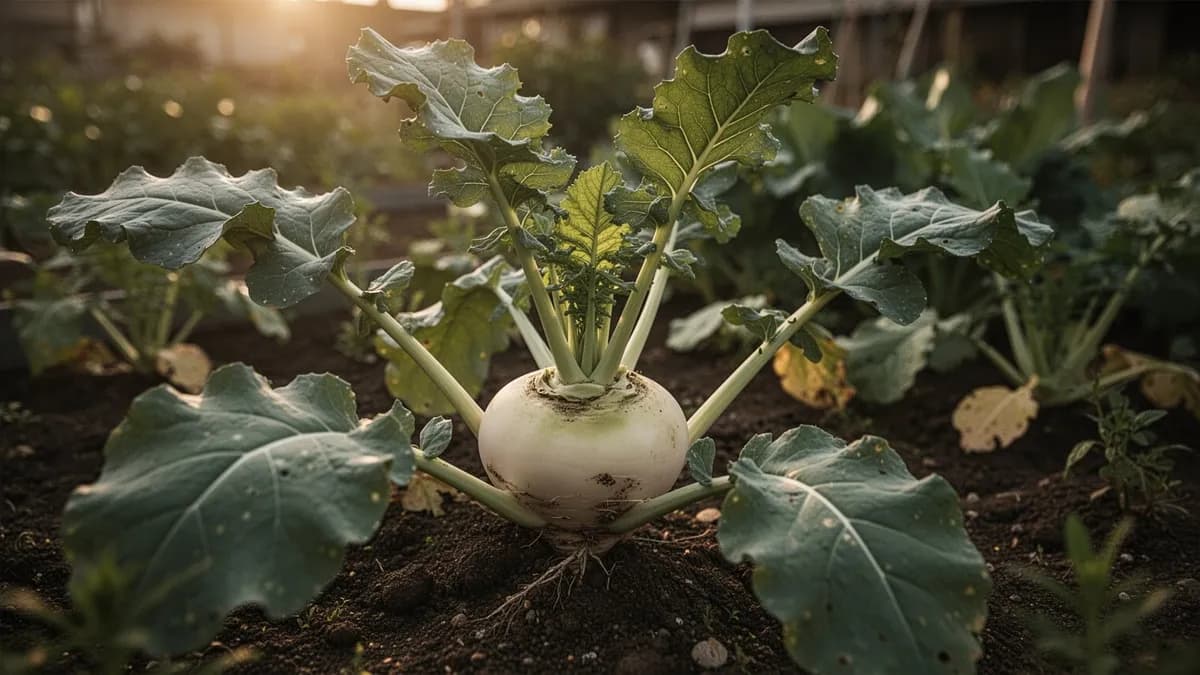
A Japanese salad turnip with pure white skin and sweet, crisp flesh that can be eaten raw like an apple. Harvest at golf-ball size for the most delicate texture and mildest flavor before roots become pithy. One of the fastest vegetables to mature, making it perfect for succession planting and filling gaps in the garden. Both roots and tender greens are edible, making this a doubly productive crop.
When to plant Tokyo Turnip
Direct sow only, as turnips do not transplant well. Sow seeds one-half inch deep in prepared soil once soil temperature reaches 40 degrees Fahrenheit. Thin to 2 to 4 inches apart when seedlings are 2 inches tall. Sow every 2 to 3 weeks from early spring through early fall for continuous harvest. Avoid sowing during the hottest summer months when quality declines.
Your Tokyo Turnip Year
Composed for Zone 7 · typical seasons · frost passes Apr 2, returns Nov 1
Plant Tokyo Turnip Mar – Apr, Aug – Sep, pick May – Jun, Oct – Nov. Check the planting methods below and set your climate to personalize these windows.
How to grow Tokyo Turnip
Tokyo turnips are small, quick-maturing Japanese varieties prized for their sweet, mild flavor and tender texture when harvested young. Direct sow seeds one-half inch deep from early spring through fall, spacing 2 to 4 inches apart in rows 12 inches apart. Seeds germinate rapidly in 3 to 5 days at 50 to 70 degrees Fahrenheit.
These turnips mature in just 30 to 45 days, making them perfect for succession planting every 2 to 3 weeks. They prefer cool weather and may become pithy or hot-flavored in summer heat. Provide consistent moisture for the sweetest, most tender roots.
Thin seedlings when they reach 2 inches tall to prevent overcrowding, which causes elongated rather than round roots. Both the roots and greens are edible, making this a dual-purpose crop. Fertilize lightly at planting; excessive nitrogen produces lush tops but tough, strong-flavored roots. Harvest when roots are 1 to 2 inches in diameter for the most delicate sweetness.
128 plants fit a 4 × 8 ft bed
Each Tokyo Turnip wants 15 cm of elbow room. The planner keeps that spacing for you — every plant, every bed.
Tokyo Turnip's best neighbours
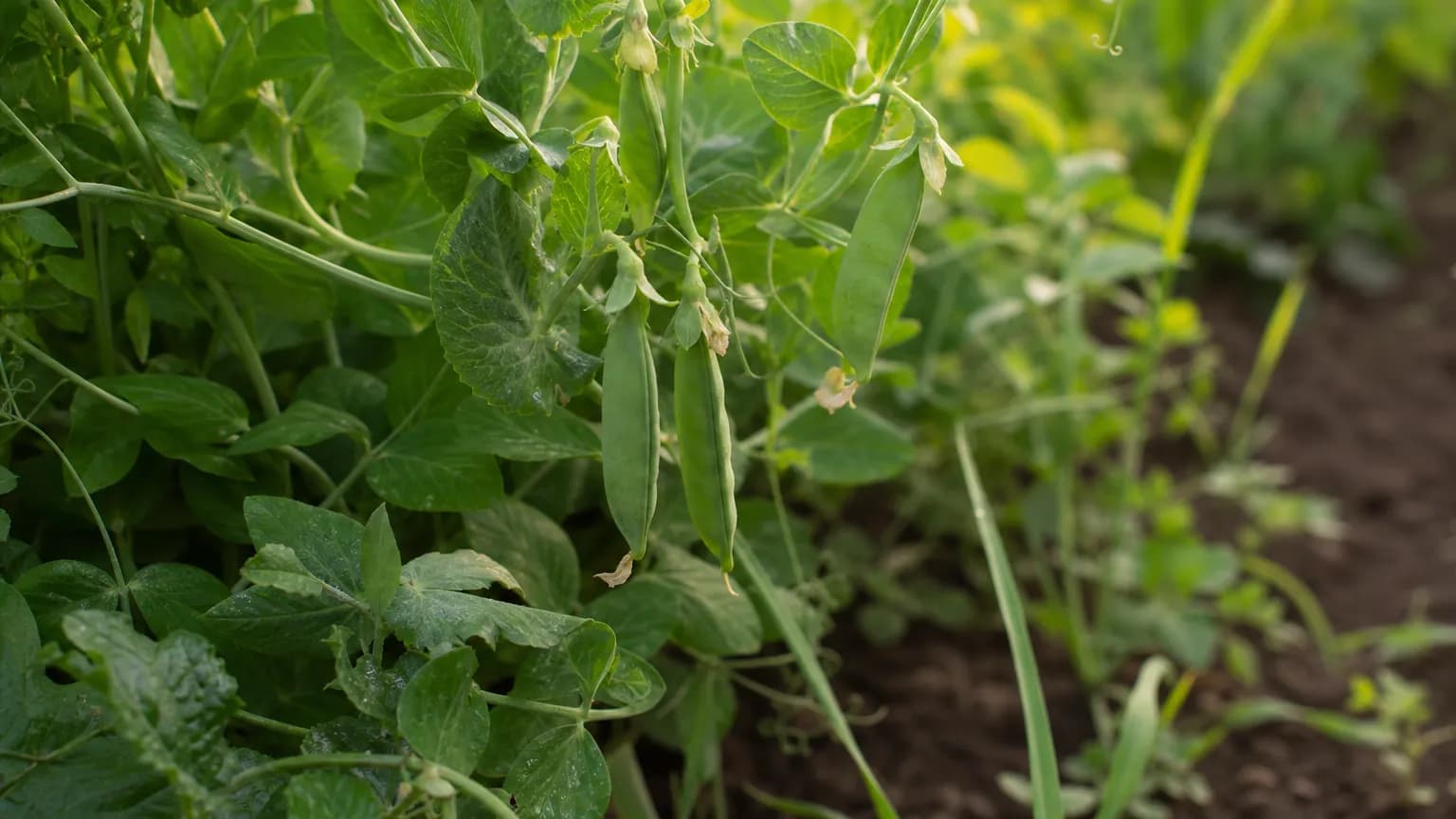
Plant Tokyo turnips alongside peas, beans, and lettuce for quick-growing companion beds. Aromatic herbs like dill and chamomile help deter root flies. Avoid planting near other brassicas and mustard family crops. Radishes make good companions as they mature even faster and can be harvested before turnips need the space.
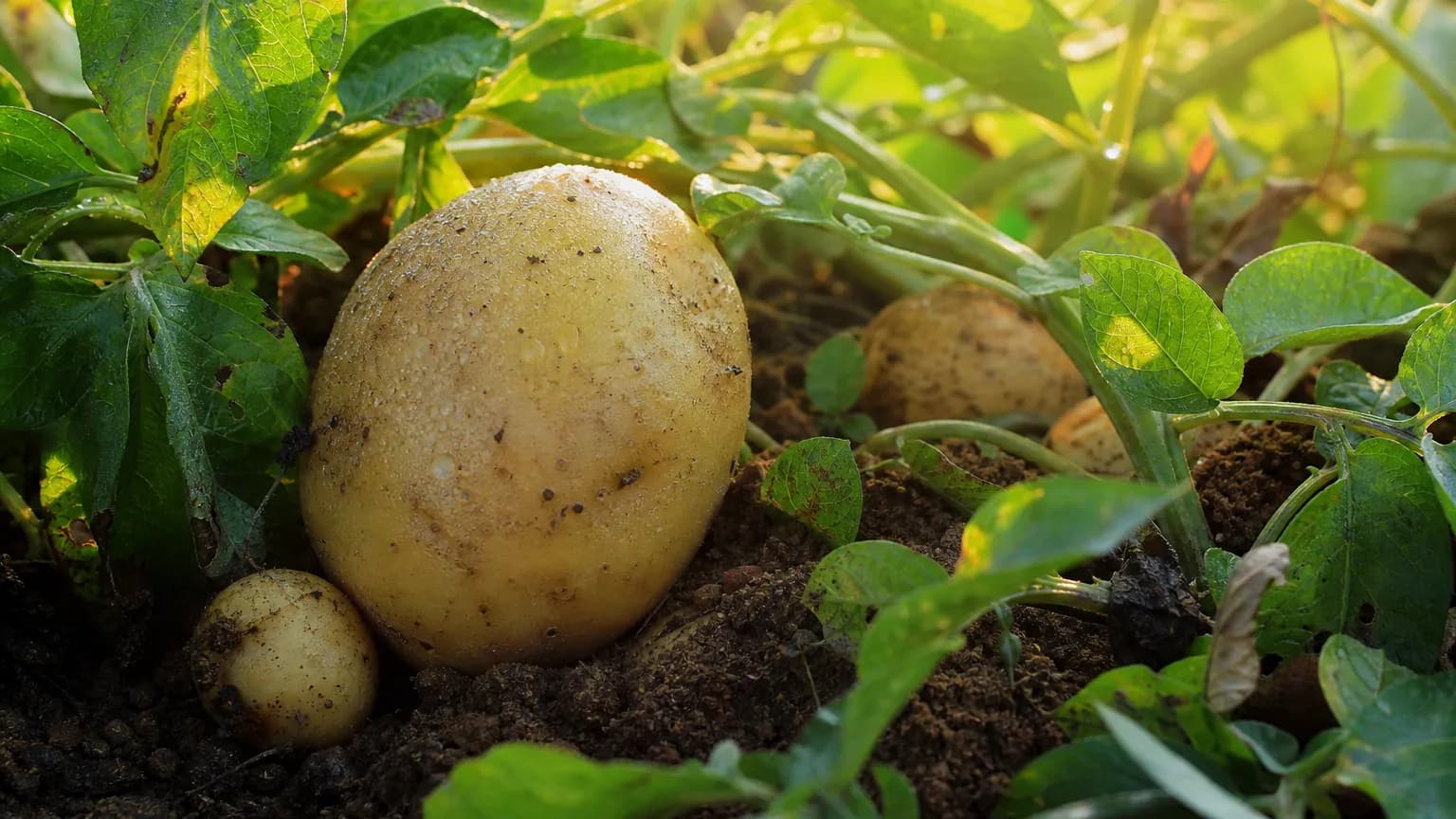
Peas belongs beside it. Potato doesn't.
Old growers' knowledge, checked against Tokyo Turnip's real companion table below — test any plant you're growing.
Try Tokyo Turnip in a bed — right here
A real planner bed with Tokyo Turnip already in it. Tap a companion to place it and watch the pairing checks answer — green for good neighbours, red for a clash.


Related growing guides
Feed it well
Tokyo turnips prefer loose, well-drained soil with a pH between 6.0 and 7.5. Remove rocks and debris that can cause misshapen roots. Work in 1 to 2 inches of compost before sowing. Avoid fresh manure and excessive nitrogen which promote lush tops at the expense of sweet, tender roots. A light application of balanced fertilizer at sowing is sufficient.
Ideal Temperature
Hardiness Zone Compatibility
From seed to harvest, stage by stage
Germination
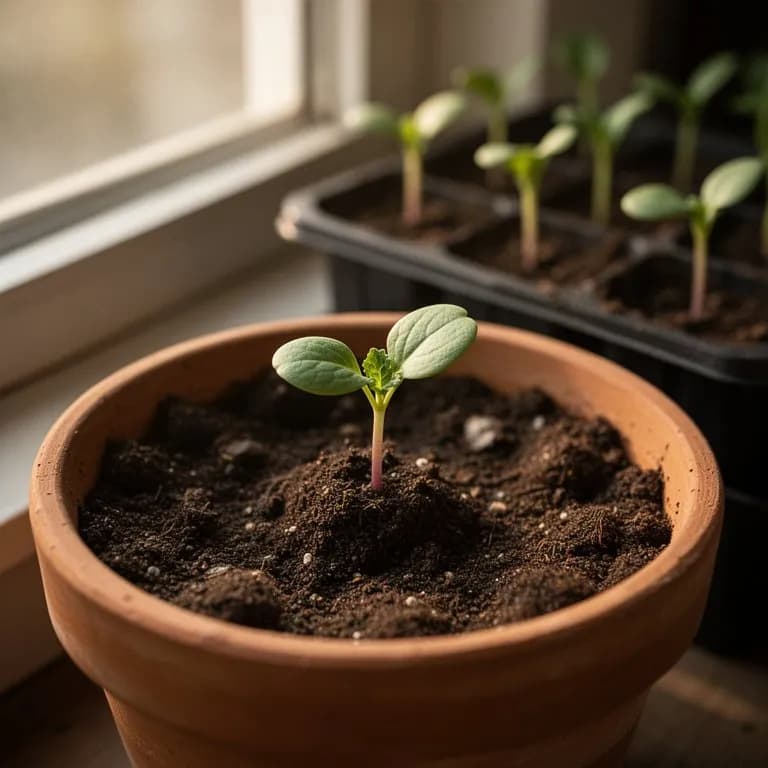
Tokyo turnip seeds are tiny and germinate rapidly in cool, moist soil. Thin, upright seedling stems appear within 3-5 days, making this one of the fastest-germinating garden vegetables. Seeds can sprout in soil as cool as 4°C (40°F), though 10-18°C (50-65°F) is optimal.
Seedling Development
Heart-shaped cotyledon leaves give way to the first true leaves, which are bright green, slightly fuzzy, and distinctly lobed. The thin taproot begins to establish itself, and seedlings grow quickly in cool weather. This is the stage to thin plants to proper spacing.
Leaf Growth
A rosette of tender, bright green leaves expands rapidly, fueling root development below. The leaves themselves are a prized crop — mild, tender, and nutritious. At this stage the plant looks like a small, elegant lettuce rosette with slightly fuzzy, lobed leaves.
Root Swelling
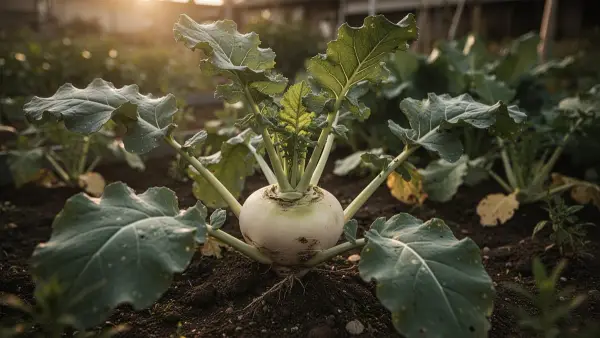
The white root begins to swell visibly at the soil surface, expanding from pencil-thin to marble-sized within days. The root is smooth, bright white, and perfectly round. Growth is rapid in cool weather and the root pushes slightly above the soil line as it enlarges.
Harvest Window
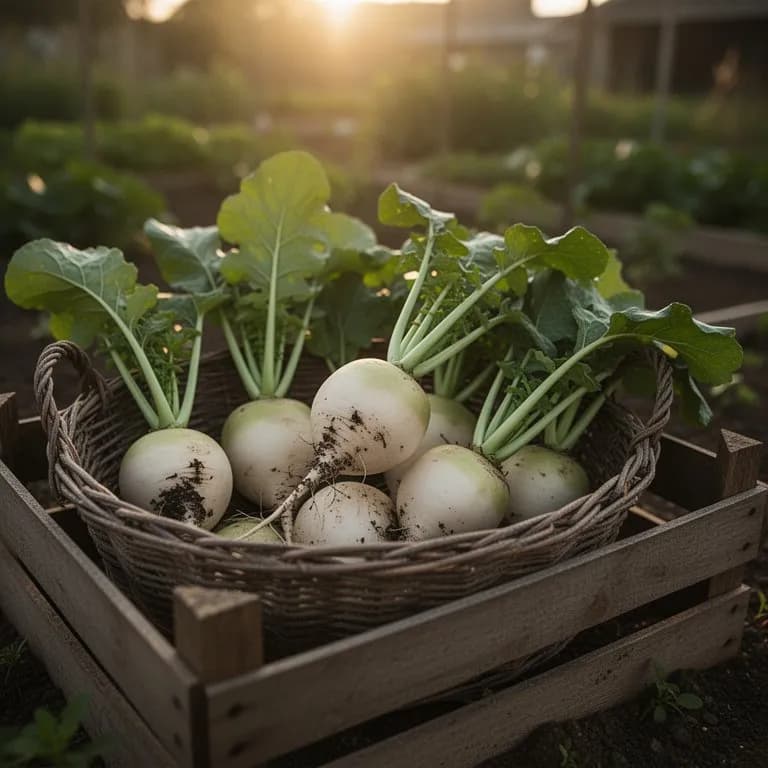
Roots reach their ideal harvest size of 3-5 cm (1-2 inches) in diameter — about golf-ball size. At this stage the flesh is crisp, juicy, and remarkably sweet with almost no bitterness. The skin is paper-thin and needs no peeling. Both roots and greens are at peak quality.
Overmaturity
If left in the ground too long, roots become woody, hollow, and increasingly bitter as the plant shifts energy toward bolting and seed production. A central flower stalk begins to emerge from the rosette. Once bolting starts, root quality declines rapidly and leaves become tough.
Sow seeds shallowly at just 5-10 mm deep and keep the surface consistently moist. Avoid burying too deep — these small seeds need light contact with moist soil to germinate reliably.
Caring for Tokyo Turnip month by month
What to do each month for your Tokyo Turnip
October
You are hereContinue harvesting autumn-planted roots. In zones 7+, sow a final succession in early October for late autumn harvest. Protect late plantings with row cover or cold frames as nights turn cold. Roots can tolerate light frosts down to -3°C (27°F).
Know exactly what to do in your garden — every month
One email at the start of each month: what to sow, plant, and tackle right now — for your Tokyo Turnip and everything growing around it. Plus a short starter course that helps you dodge the classic mistakes.
- What to do, right now
- Matched to your season
- Starter course included
Harvesting Tokyo Turnip
Harvest Tokyo turnips when roots reach 1 to 2 inches in diameter, typically 30 to 45 days after sowing. Pull the entire plant including greens, which are also delicious. Do not allow roots to grow beyond 2 to 3 inches, as they quickly become pithy and lose their delicate sweetness. Harvest in the morning for maximum crispness. In cool weather, roots hold well in the ground for a week or two.
assuming you plant when the window opens — set your real date
Pick Tokyo Turnip promptly and the plant keeps producing.
Storage & Preservation
Remove greens from roots immediately after harvest as they draw moisture from the roots. Store roots in the refrigerator for up to 2 weeks in a perforated bag. Greens should be used within 2 to 3 days. For longer storage, pickle thin-sliced turnips in rice vinegar with salt. Small Tokyo turnips can also be blanched and frozen, though they lose some crispness.
What goes wrong — and the fix
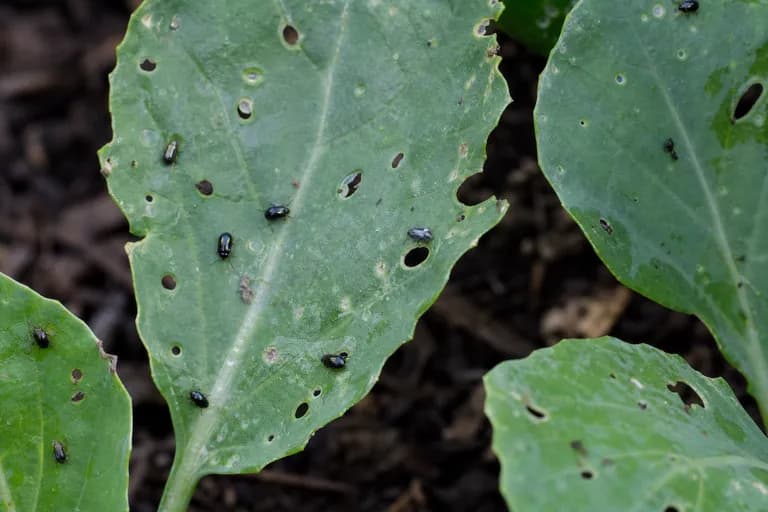
Flea Beetles
PestNumerous small round holes in leaves, can stunt or kill young seedlings.
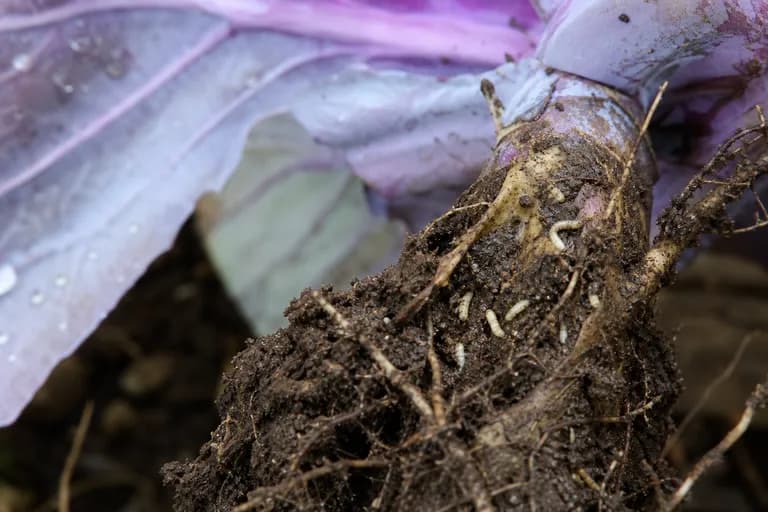
Root Maggots
PestTunnels in roots, brown scarring on root surface, and wilting despite adequate moisture.
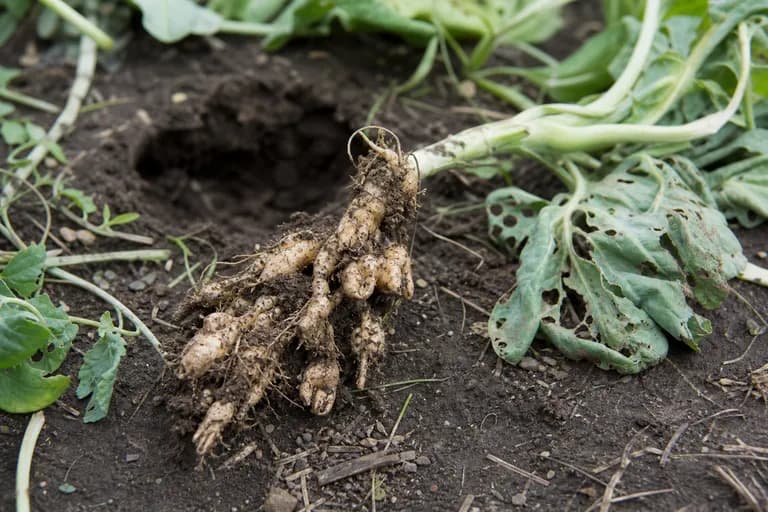
Clubroot
DiseaseWilting plants, stunted growth, and swollen misshapen roots.
Troubleshooting Common Problems
Pithy, spongy texture results from delayed harvest, hot weather, or inconsistent watering. Strong, bitter flavor develops when plants are stressed by heat or drought. Forked or misshapen roots occur in rocky or compacted soil. Bolting happens when plants are exposed to prolonged cold followed by warming. Flea beetles can devastate seedlings before they establish.
Growing Tips
- Succession plant relentlessly — this is the single most important technique for Tokyo turnips. Sow a short row every 2-3 weeks from early spring through late autumn, skipping only the hottest summer months. This ensures a constant supply of perfectly-sized, tender roots.
- Thin ruthlessly and early. Crowded Tokyo turnips produce disappointing, misshapen roots. Thin to 8-10 cm apart as soon as seedlings have 2-3 true leaves. Use scissors to snip at soil level rather than pulling, which disturbs neighboring roots.
- Protect from flea beetles from day one. These tiny jumping pests can destroy a bed of turnip seedlings overnight, peppering leaves with dozens of small holes. Cover beds with lightweight floating row cover immediately after sowing and leave it in place until harvest.
- Keep soil consistently and evenly moist. Tokyo turnips develop their signature crisp, juicy texture only with steady water. Irregular watering — especially drought followed by heavy rain — causes roots to crack, split, or develop a tough, woody core.
- Harvest on the young side rather than waiting for maximum size. A 3 cm Tokyo turnip is sweeter and more tender than a 6 cm one. Once roots start pushing above the soil surface and reach golf-ball size, pull them promptly — they go downhill quickly.
- Grow for the greens as much as the roots. Tokyo turnip greens are mild, tender, and far more nutritious than the roots. You can harvest outer leaves for salads while roots are still developing, getting two crops from one planting.
- Amend soil with fine compost rather than coarse organic matter. Rocks, sticks, or chunky compost pieces in the root zone cause turnips to grow misshapen or forked. The top 15 cm of soil should be fine, loose, and free of obstructions.
- Take advantage of autumn planting — fall-grown Tokyo turnips are consistently sweeter than spring-grown ones because cooling temperatures and light frost trigger the plant to convert starches to sugars, producing roots with a noticeably higher sugar content.
Grow your best Tokyo Turnip yet — and everything around it.
Start a free plan today. Lay out your beds, drop in your Tokyo Turnip, and let PlotMyGarden handle the timing, spacing, companions and reminders from seed to harvest basket.
Pick your Tokyo Turnip
Hakurei
The most popular Tokyo-type turnip with pure white, smooth-skinned roots and exceptionally sweet, fruity flavor.
Tokyo Cross
An early hybrid with uniform, globe-shaped white roots and good disease resistance.
Scarlet Ohno Revival
A stunning red-skinned variety with white flesh and sweet mild flavor, adds color to salads.
A packet of Tokyo turnip seeds costs $2-4 and contains 200-500 seeds — enough for dozens of succession sowings. Bunched Tokyo turnips sell for $3-5 per bunch (typically 4-6 roots with greens) at farmers markets, and $4-6 per pound at specialty grocery stores. Growing your own through succession planting easily yields 40-60 bunches worth of turnips per season from a single seed packet, representing $120-300 in retail value. Tokyo turnips are also one of the most space-efficient crops, producing a full harvest in just 35-45 days and occupying garden space briefly before yielding to another planting.
Quick recipes
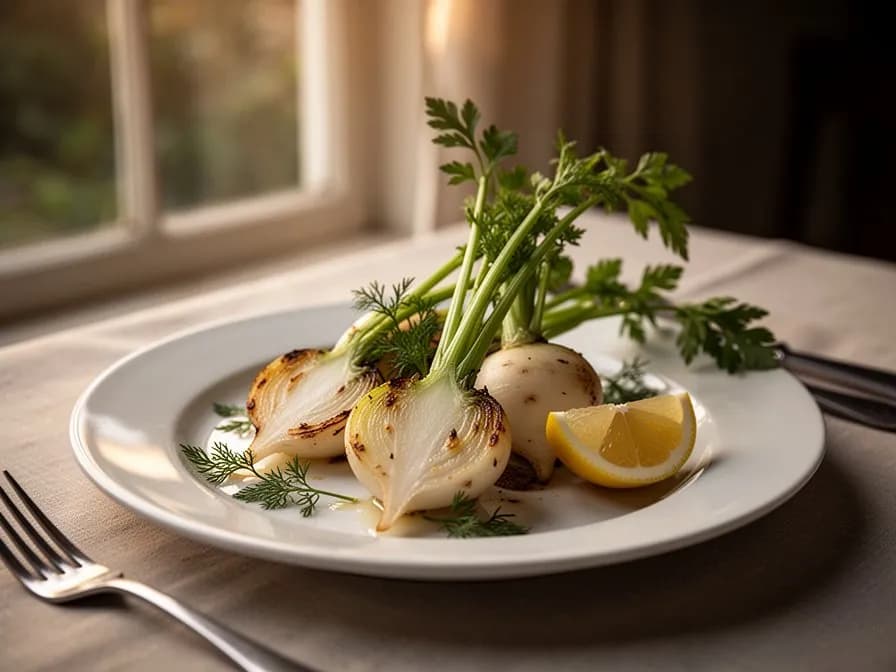
Raw Tokyo Turnip Salad with Citrus Vinaigrette
10 minPaper-thin slices of crisp, sweet Tokyo turnip tossed with peppery arugula, shaved Parmesan, and a bright citrus dressing. This salad showcases the turnip's apple-like sweetness and radish-like crunch in its purest form — no cooking required.
8 ingredientsButter-Glazed Tokyo Turnips with Greens
15 minHalved turnips seared golden in butter, then braised until tender and glazed in their own juices. The greens are wilted in at the end for a complete, zero-waste dish that is both elegant and deeply satisfying.
8 ingredientsQuick-Pickled Tokyo Turnips
15 min + 1 hour restThinly sliced turnips quick-pickled in a sweet rice vinegar brine, turning translucent and slightly pink if a slice of beet is added. These crisp, tangy pickles are a staple Japanese condiment, perfect alongside rice, grilled fish, or ramen.
7 ingredientsCulinary Uses
Tokyo turnips are sweet enough to eat raw, sliced into salads or served with dips. Roast whole baby turnips with olive oil and herbs. Saute the greens with garlic as a nutritious side dish. Quick-pickle in rice vinegar for a Japanese-style condiment. They are excellent in miso soup, stir-fries, and light braises where their delicate flavor is appreciated.
What's inside
Health Benefits
- Tokyo turnip greens are an exceptional source of vitamin K, providing over 250% of the daily value per 100g — essential for blood clotting, bone metabolism, and emerging research suggests brain health.
- The roots and greens contain glucosinolates, sulfur-containing compounds that break down into isothiocyanates during digestion — these bioactive compounds are actively studied for their potential to reduce cancer risk.
- Turnip greens provide highly bioavailable calcium at 190mg per 100g, comparable to milk, making them an important non-dairy calcium source for bone health, especially for those who are lactose intolerant.
- Very low glycemic index food due to high water content and modest carbohydrate levels, making Tokyo turnips suitable for diabetic-friendly diets and weight management programs.
- Rich in vitamin C (21mg per 100g of root, even more in greens), supporting immune defense, collagen production, and enhancing iron absorption from plant-based meals.
- Contains anti-inflammatory compounds including quercetin and kaempferol, flavonoid antioxidants that may help reduce chronic inflammation linked to heart disease and metabolic disorders.
Where Tokyo Turnip comes from
The Tokyo turnip, most commonly sold under the cultivar name Hakurei, was developed in Japan during the 1950s and 1960s by breeders at Japanese seed companies seeking to create a turnip specifically designed for fresh eating rather than long-term storage. Traditional Japanese turnips (kabu) have been cultivated in Japan for over a thousand years, with records of turnip cultivation dating to the Nara period (710-794 AD). Japanese farmers developed hundreds of regional varieties adapted to local climates and culinary preferences, ranging from massive pickling turnips to tiny salad varieties.
The Hakurei cultivar emerged from this long tradition of Japanese turnip breeding. Breeders selected for a combination of traits that would have seemed contradictory in Western turnip culture: extreme speed to maturity, snow-white skin without the purple coloring, paper-thin edible skin requiring no peeling, crisp and juicy flesh with high sugar content, and mild tender greens. The result was a turnip that behaved more like a salad vegetable than a root cellar staple — meant to be pulled young, eaten fresh, and enjoyed within days of harvest.
Hakurei turnips arrived in the United States in the 1990s, initially adopted by Asian-specialty market farmers and small-scale organic growers. Their breakthrough into mainstream American gardening and cuisine came through the farm-to-table restaurant movement of the 2000s, when chefs recognized that these sweet, crunchy roots could change perceptions about turnips entirely. Today, Tokyo turnips are among the most popular crops at farmers markets across North America and Europe, and they have become a staple of community-supported agriculture (CSA) boxes. They remain one of the best examples of how Japanese horticultural expertise can transform a humble vegetable into something genuinely refined.
Tokyo Turnip: did you know?
Fascinating facts about Tokyo Turnip
Tokyo turnips (also called Hakurei turnips) were developed in Japan in the 1950s through careful selective breeding to maximize sweetness, tenderness, and speed — they mature in just 35-45 days, roughly half the time of traditional Western storage turnips.
Tokyo Turnip questions, answered
When should I plant Tokyo Turnip?
What are good companion plants for Tokyo Turnip?
What hardiness zones can Tokyo Turnip grow in?
How much sun does Tokyo Turnip need?
How far apart should I space Tokyo Turnip?
What pests and diseases affect Tokyo Turnip?
How do I store Tokyo Turnip after harvest?
What are the best Tokyo Turnip varieties to grow?
What soil does Tokyo Turnip need?
Do Tokyo turnips taste like regular turnips?
Can I eat Tokyo turnip greens, and how do I prepare them?
Why are my Tokyo turnips bitter or woody instead of sweet?
How do I store Tokyo turnips after harvest?
Can I grow Tokyo turnips in containers?
When is the best time of year to grow Tokyo turnips?
You just read the theory. Now grow it on autopilot.
Everything that makes Tokyo Turnip fiddly — the timing, the spacing, the companions, the harvest window — is exactly what PlotMyGarden handles for you, for every plant in your garden.
A plan that knows your weather
Set your location once. Get sow, feed and harvest dates built around your real last-frost date and live forecast — no more guessing from a generic seed packet.
From the “When to plant” sectionDrag-and-drop bed planner
Design beds on a grid. Every plant snaps to its proper spacing, and you can see your whole season laid out before you spend a cent on seed.
From the “Growing guide” sectionCompanion conflicts, caught early
200+ good-and-bad pairings checked live as you plant — so a season-wrecking mistake never makes it into the ground.
From the “Companions” sectionReminders you'll actually act on
“Water the beans.” “Pick today before it turns.” Timely, specific, and tied to the plants you're really growing.
From the “Harvest” sectionSuccession, scheduled
Want a harvest for six weeks, not six days? It spaces your sowings automatically and reminds you when each new block is due.
From the “When to plant” sectionA record that gets smarter
Every harvest you log teaches it your garden. Next year's plan starts from what actually worked in your soil, not a textbook's.
From the “Overview” sectionPlant these alongside Tokyo Turnip
More Cruciferous
Keep Tokyo Turnip away from these
Grow your best Tokyo Turnip yet — and everything around it.
Start a free plan today. Lay out your beds, drop in your Tokyo Turnip, and let PlotMyGarden handle the timing, spacing, companions and reminders from seed to harvest basket.