Striped German Tomato
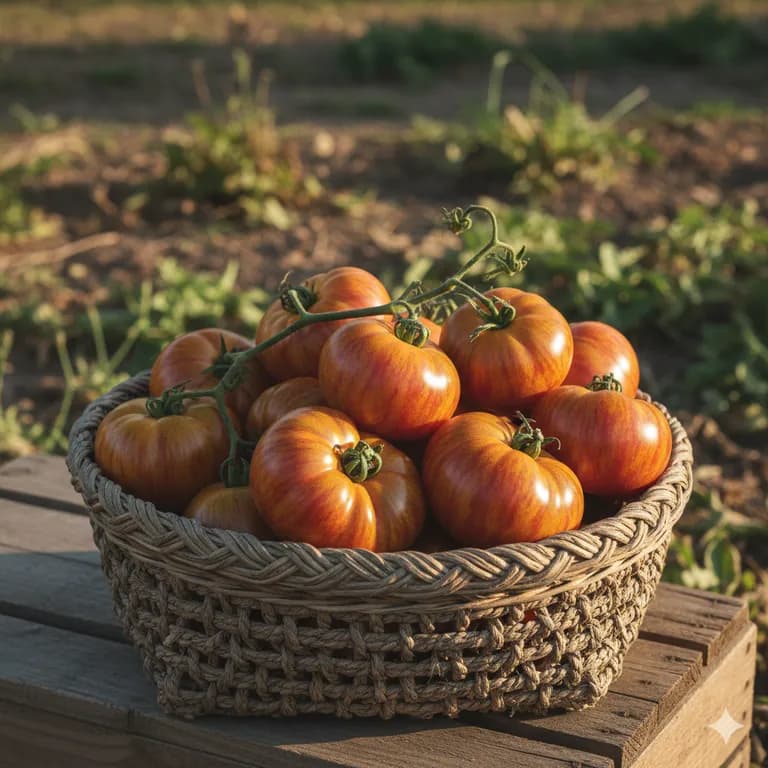
A giant bicolor heirloom with golden-orange fruit marbled and striped with red.






On this pageOverview
Meet Striped German Tomato
A giant bicolor heirloom with golden-orange fruit marbled and striped with red. Striped German is a true showpiece slicer, grown for the kind of enormous sweet meaty fruit that can dominate an entire plate. Its beauty is theatrical, but the appeal is not superficial. The best fruits have a mellow low-acid sweetness, dense flesh, and broad dramatic slices that feel substantial rather than watery. When one is cut open at peak ripeness, it looks and eats like a special-event tomato. It is a variety for gardeners willing to give time, heat, space, and support to a late-season luxury crop. If you do, it pays back with some of the most memorable fresh slicing fruit in the entire garden.
When to plant Striped German Tomato
Sow in warm mix, grow under bright light, and transplant only after a thorough hardening-off period. Giant late heirlooms like Striped German cannot afford a bad spring start if they are going to produce top-quality fruit before the season closes.
Keep seedlings compact and progressing steadily. Pot up before root binding, bury stems slightly deeper as needed, and avoid temperature swings that check growth.
A smooth start is important because late giant heirlooms have no time to waste recovering from setbacks. The best plants enter the ground vigorous, dark-leaved, and ready to build season-long momentum immediately.
Your Striped German Tomato Year
Composed for Zone 7 · typical seasons · frost passes Apr 2, returns Nov 1
Sow Striped German Tomato Mar – May, pick Jul – Sep. Set your climate below and every date on this plate re-times itself.

How to grow Striped German Tomato
Start indoors 6-8 weeks before the last frost and transplant only when the soil is truly warm. Striped German produces large vigorous vines and giant fruits, so it needs generous spacing, robust support, and consistent summer care.
Keep moisture even and avoid removing too much foliage, because pale bicolor fruits can sunburn if exposed suddenly. Warm steady summers bring the best marbling, sweetness, and texture. This is not an early tomato, but it is one of the most impressive when it succeeds.
The variety rewards gardeners who are willing to commit space to a true late-season showpiece. It wants enough season length and enough structural support that the vines can carry huge fruit without stress. If the plant is cramped, chilled, or repeatedly dried out, the fruit may still be large, but the sweetness and internal marbling usually lag behind the promise.
Striped German is also much easier to enjoy when the plant is kept accessible. Tying, controlled pruning, and generous spacing all matter because the fruits are heavy and need to be watched closely as they ripen. The goal is not just yield, but a run of giant slices that actually finish well.

3 plants fit a 4 × 8 ft bed
Each Striped German Tomato wants 65 cm of elbow room. The planner keeps that spacing for you — every plant, every bed.
Striped German Tomato's best neighbours
Basil, parsley, and marigolds are useful companions, but keep enough open space around the base that airflow remains strong and harvesting large fruit stays easy.
This is a tomato that needs working room. You should be able to step in, tie stems, support trusses, and cut off huge ripe fruit without wrestling through a wall of companion plants.
Use lower herbs and flowers to activate the bed, not to crowd it. Striped German performs best when the planting feels generous, accessible, and well ventilated from the start.
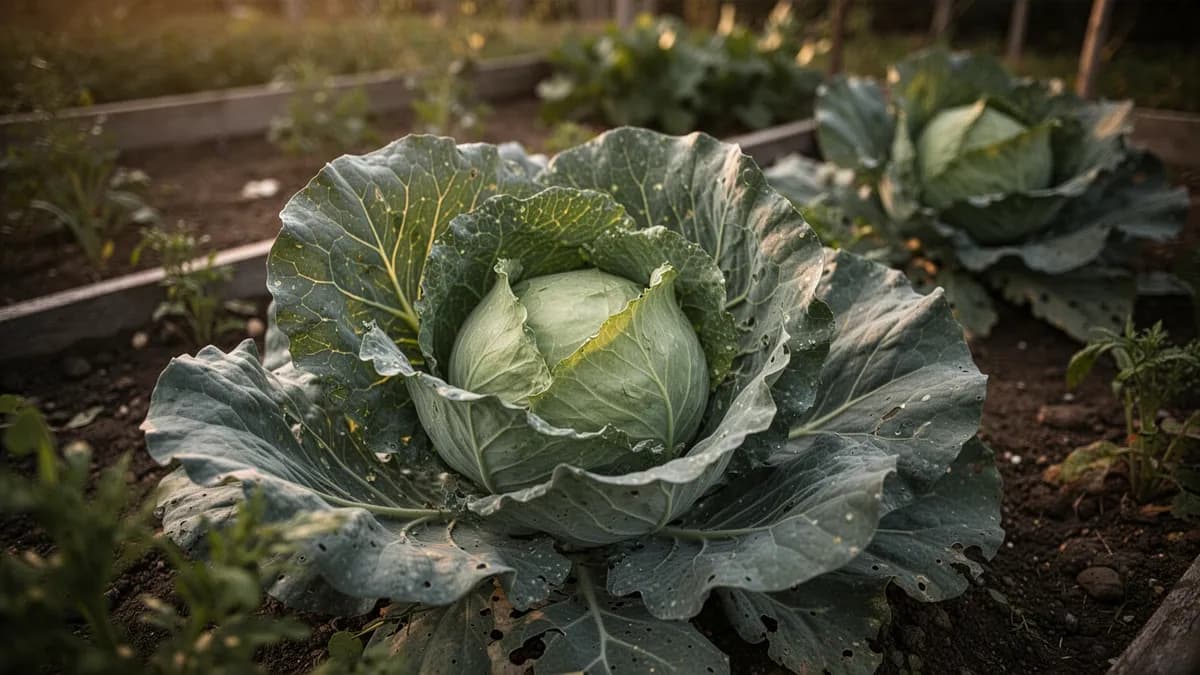
Basil belongs beside it. Cabbage doesn't.
Old growers' knowledge, checked against Striped German Tomato's real companion table below — test any plant you're growing.
Try Striped German Tomato in a bed — right here
A real planner bed with Striped German Tomato already in it. Tap a companion to place it and watch the pairing checks answer — green for good neighbours, red for a clash.


Related growing guides




Feed it well
Deep compost-rich soil with a pH of 6.0-6.8 is ideal. Striped German needs a substantial root zone because it is trying to carry giant fruit on a long-season vine, not just sprint to a quick early crop.
Large bicolors prefer steady moisture and moderate feeding over forceful nitrogen-heavy growth. Too much nitrogen gives you a big leafy plant but does not improve the sweetness, marbling, or slicing quality that make the variety worth the effort.
A compost-heavy planting hole, regular mulch, and measured fruiting feed after bloom give the plant what it actually wants: steady power, not aggressive push. Stable conditions matter more here than maximal fertility.
Ideal Temperature
Hardiness Zone Compatibility
From seed to harvest, stage by stage
Seed Starting
Seeds germinate quickly in warm mix and produce rounded cotyledons followed by the first serrated true leaves.
Seedling Development
Young plants build a root system, thicken their stems, and form several sets of true leaves before transplanting time.
Vegetative Growth
Striped German establishes quickly in warm soil and begins forming the vine structure that supports flowering and fruit set.
Flowering
Yellow flower clusters appear and self-pollinate more reliably when plants stay evenly watered and temperatures are not too extreme.
Fruit Development
Green fruit sizes up rapidly, and the plant diverts most of its energy into maintaining leaves, roots, and maturing clusters at the same time.
Ripening And Harvest
Striped German reaches peak quality when color, texture, aroma, and internal ripeness all align rather than when the fruit merely looks mature.
Maintain 21-27°C (70-80°F) for fast germination and give bright light immediately to prevent weak, stretched seedlings.

Caring for Striped German Tomato month by month
What to do each month for your Striped German Tomato
September
You are hereContinue harvesting and remove declining foliage. Watch forecasts closely if your first frost can arrive early.
Know exactly what to do in your garden — every month
One email at the start of each month: what to sow, plant, and tackle right now — for your Striped German Tomato and everything growing around it. Plus a short starter course that helps you dodge the classic mistakes.
- What to do, right now
- Matched to your season
- Starter course included
Harvesting Striped German Tomato
Harvest when fruits are heavy, slightly soft, and richly golden with warm red striping. Support the fruit with one hand while cutting the stem to avoid tearing or bruising.
Large bicolors can be deceptive. Some fruits look almost theatrical before the flesh is fully ready, while others soften properly before the striping feels perfectly even. The best cue is the combination of mature weight, developed color, fragrance, and a slight give rather than any one visual marker by itself.
Because the fruits are so large, careless harvest causes damage fast. Twisting them off is asking for torn shoulders or bruised flesh. If weather looks unstable, especially with heavy rain forecast, bring in nearly ready fruits early rather than risking splitting on the vine.
assuming you sow when the window opens — set your real date
Pick Striped German Tomato promptly and the plant keeps producing.
Storage & Preservation
Best enjoyed fresh within a few days. Extra fruit can be roasted or cooked into a brightly colored sauce, but the top fruits are usually reserved for fresh presentation.
Striped German earns its reputation mostly at the table, not in storage. The best fruits are meant to be cut and admired while their color and texture are still at peak. Cold storage quickly drains away some of what makes them memorable.
If you have fruits that are a little cracked or too soft for showpiece slicing, roasting is the best second life. Cooked down gently, they still make a handsome, mild, golden-red sauce, but the finest fruits almost always deserve fresh treatment first.
What goes wrong — and the fix
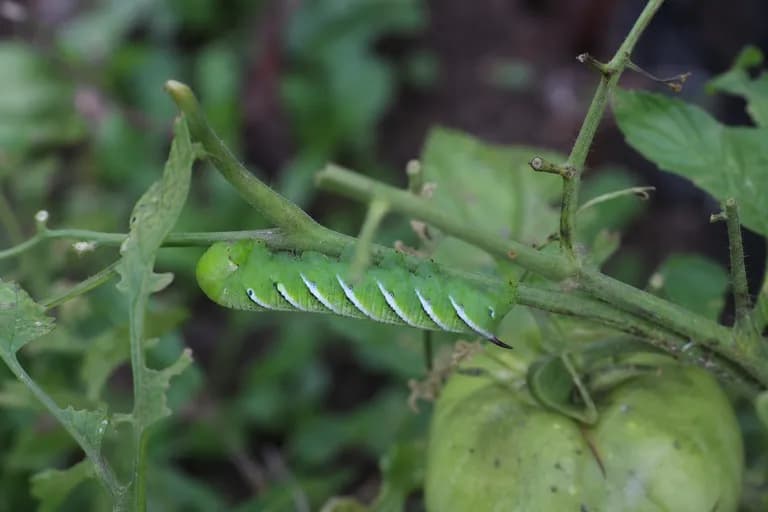
Tomato Hornworm
PestLarge green caterpillars strip foliage rapidly and may scar or chew fruit if left unchecked.

Early Blight
DiseaseDark ringed leaf spots begin on lower foliage, followed by yellowing and gradual defoliation.

Blossom End Rot
DiseaseDark sunken patches form on the blossom end of developing fruit, often during periods of uneven watering.
Troubleshooting Common Problems
Main issues are late ripening, branch strain, and cracking after wet weather. In cool climates the fruit can mature more slowly and color less dramatically.
The main disappointment growers report is not plant failure but fruit that never quite becomes the glorious slicer they imagined. That usually happens because the variety needs more warmth and stability than the season provided. In a mediocre summer, it can still look impressive while eating only mildly sweet.
Physical stress is the second challenge. Giant fruits bend stems, demand real support, and punish sudden water swings with cracks. This is not a neglect-tolerant tomato; it is a reward tomato.
Growing Tips
- Wait until the soil is genuinely warm before transplanting. Tomatoes that sit in cold spring ground often lose weeks of momentum.
- Plant deeply so buried stem sections root along their length, giving better drought resilience and nutrient uptake.
- Use strong support from day one. Tomatoes are easier to manage when they are trained early rather than rescued later.
- Mulch heavily to stabilize soil moisture, reduce splash-borne disease, and protect flavor by preventing hard wet-dry swings.
- Water deeply rather than constantly sprinkling. Consistency matters far more than sheer volume.
- Do not overfeed with nitrogen once flowering begins, or you will get foliage at the expense of fruit.
- Harvest promptly in hot or wet weather, because quality can decline very quickly once fruit reaches peak ripeness.
- Support very large fruit trusses early so they do not twist or split as they gain weight.
- If you prune, do it conservatively; the pale shoulders need some leaf cover in strong sun.
Grow your best Striped German Tomato yet — and everything around it.
Start a free plan today. Lay out your beds, drop in your Striped German Tomato, and let PlotMyGarden handle the timing, spacing, companions and reminders from seed to harvest basket.
Pick your Striped German Tomato
Striped German
The classic giant bicolor heirloom with sweet marbled flesh.
Mr. Stripey
Another famous striped tomato often compared for appearance and low acidity.
Hillbilly
A related heirloom with gold-red marbling and mellow sweet slicing quality.
A single healthy Striped German plant can represent a major savings compared with buying premium bicolor slicing tomatoes at market, where unusual heirlooms are sold at a premium.
Quick recipes

Bicolor Burrata Plate
10 minHuge striped slices paired with burrata, basil, olive oil, and flaky salt.
5 ingredientsStriped Tomato Tartine
15 minA dramatic open toast topped with thick sweet slices and soft cheese.
5 ingredientsMarbled Summer Salad
12 minA simple herb and tomato salad designed to show off the fruit’s color pattern.
5 ingredientsCulinary Uses
Ideal for heirloom platters, caprese variations, open-faced sandwiches, tomato carpaccio, and burrata plates where large slices can be fully appreciated.
Striped German belongs in dishes that let a single dramatic slice dominate the composition. It is one of the best tomatoes for making people stop and look before they even start eating. The low-acid sweetness and meaty texture make those giant slices genuinely pleasant, not just photogenic.
It is especially good anywhere broad clean cuts matter: burrata plates, caprese boards, open sandwiches, tasting platters, and elegant raw salads. When cooked, it is good, but its highest value is unquestionably in fresh presentation.
What's inside
Health Benefits
- Tomatoes supply antioxidants that help reduce oxidative stress, especially lycopene and related carotenoids.
- They are a strong source of vitamin C, which supports immune health, collagen formation, and improved iron absorption from meals.
- Their combination of water, fiber, and low calories makes them helpful for satiety and weight-conscious eating.
- Potassium in tomatoes supports healthy blood pressure regulation and proper muscle and nerve function.
- Tomatoes fit naturally into Mediterranean-style eating patterns that are consistently associated with better long-term health outcomes.
- Colored heirloom and specialty tomatoes broaden the antioxidant profile further through pigments such as anthocyanins and golden carotenoids.
Where Striped German Tomato comes from
Striped German belongs to the group of treasured giant bicolor heirloom tomatoes that gained popularity through seed-saving networks and specialty catalogs. It helped prove to many gardeners that tomatoes could be as visually dramatic as flowers while still delivering excellent fresh-eating quality.
Like several famous bicolor heirlooms, it rose to prominence during the period when gardeners and small growers began pushing back against the narrow visual standards of commercial tomatoes. Striped German showed that a tomato could be huge, marbled, low-acid, and visually theatrical without losing its place as real food.
That combination of spectacle and substance is why it remains in circulation. Even people who do not grow it every season tend to remember it vividly once they have cut into a ripe fruit.
Striped German Tomato: did you know?
Fascinating facts about Striped German Tomato
When sliced, the interior often looks painted with broad red flames through gold flesh.
Striped German Tomato questions, answered
When should I plant Striped German Tomato?
What are good companion plants for Striped German Tomato?
What hardiness zones can Striped German Tomato grow in?
How much sun does Striped German Tomato need?
How far apart should I space Striped German Tomato?
What pests and diseases affect Striped German Tomato?
How do I store Striped German Tomato after harvest?
What are the best Striped German Tomato varieties to grow?
What soil does Striped German Tomato need?
Is Striped German mostly a novelty tomato?
Why does it need more space than some other tomatoes?
Can I use Striped German for sauce?
You just read the theory. Now grow it on autopilot.
Everything that makes Striped German Tomato fiddly — the timing, the spacing, the companions, the harvest window — is exactly what PlotMyGarden handles for you, for every plant in your garden.
A plan that knows your weather
Set your location once. Get sow, feed and harvest dates built around your real last-frost date and live forecast — no more guessing from a generic seed packet.
From the “When to plant” sectionDrag-and-drop bed planner
Design beds on a grid. Every plant snaps to its proper spacing, and you can see your whole season laid out before you spend a cent on seed.
From the “Growing guide” sectionCompanion conflicts, caught early
200+ good-and-bad pairings checked live as you plant — so a season-wrecking mistake never makes it into the ground.
From the “Companions” sectionReminders you'll actually act on
“Water the beans.” “Pick today before it turns.” Timely, specific, and tied to the plants you're really growing.
From the “Harvest” sectionSuccession, scheduled
Want a harvest for six weeks, not six days? It spaces your sowings automatically and reminds you when each new block is due.
From the “When to plant” sectionA record that gets smarter
Every harvest you log teaches it your garden. Next year's plan starts from what actually worked in your soil, not a textbook's.
From the “Overview” sectionPlant these alongside Striped German Tomato
More Nightshades

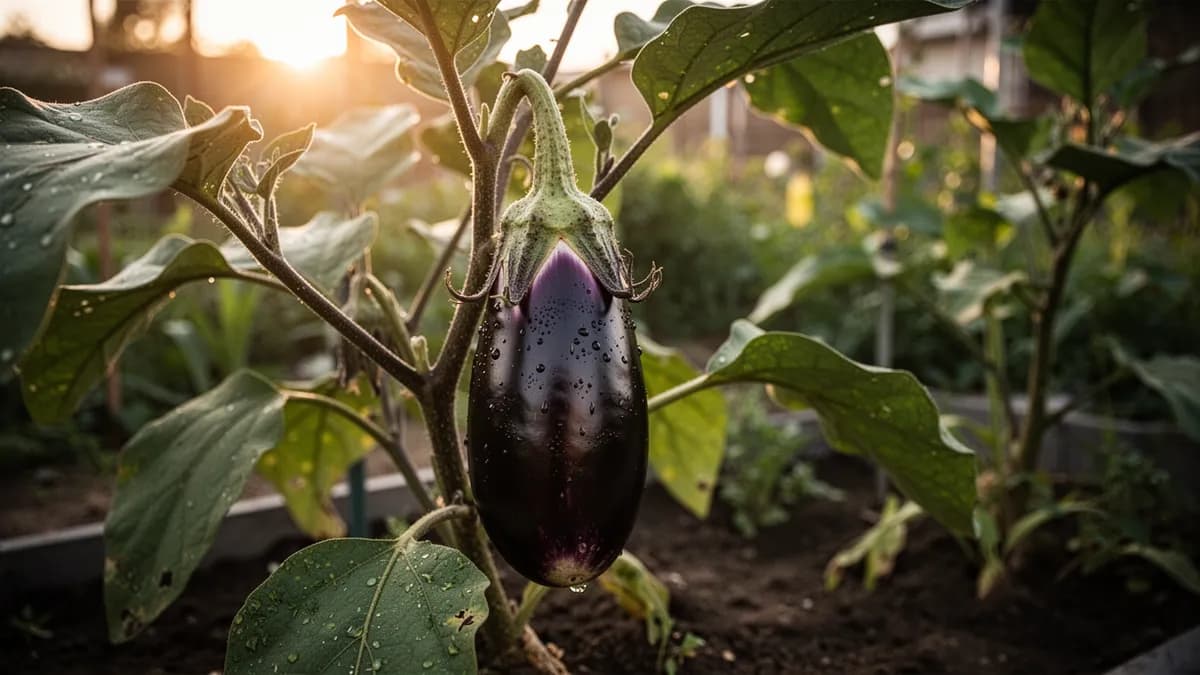
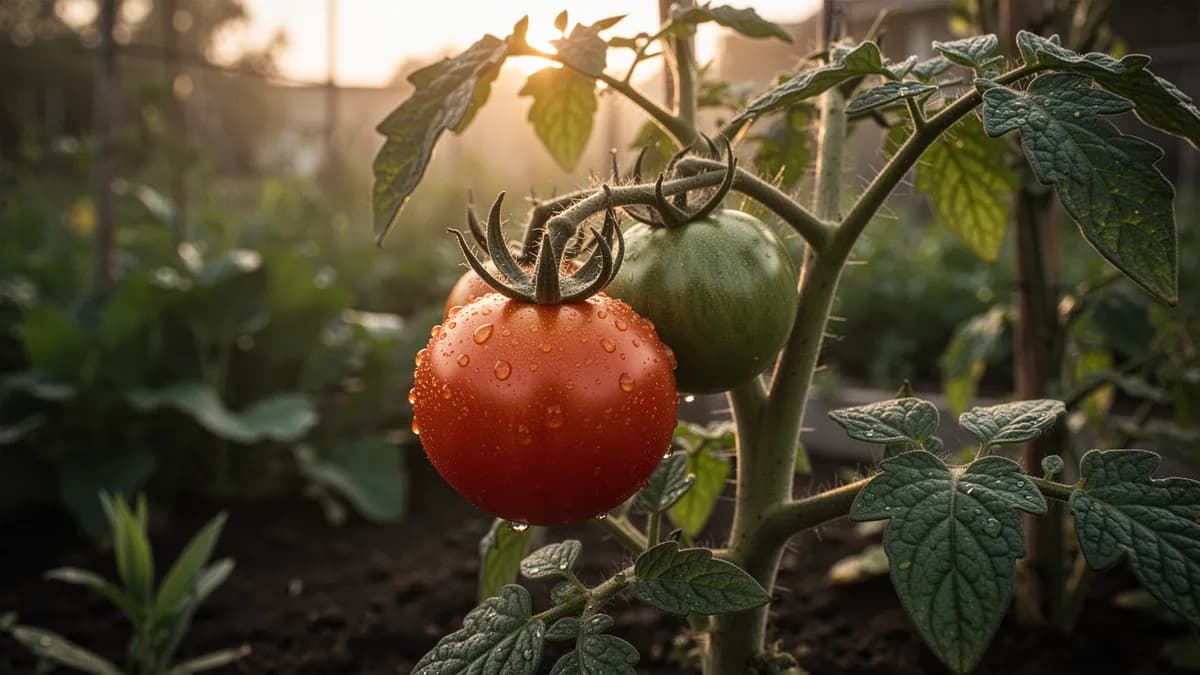
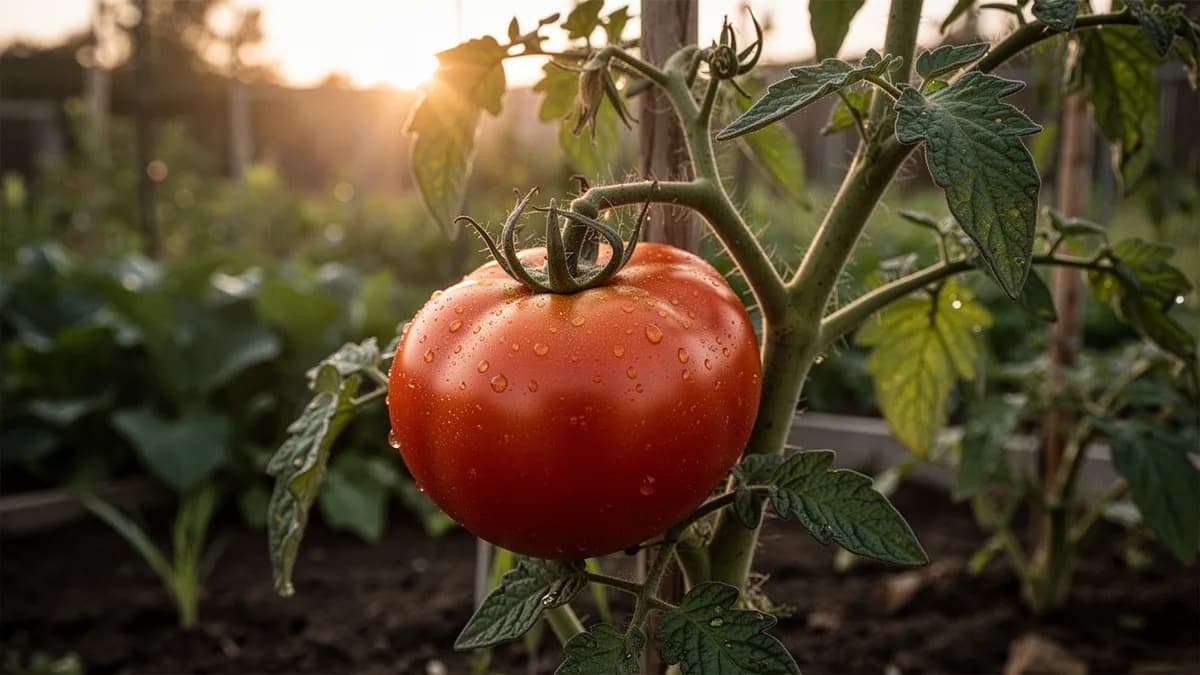
Keep Striped German Tomato away from these

Grow your best Striped German Tomato yet — and everything around it.
Start a free plan today. Lay out your beds, drop in your Striped German Tomato, and let PlotMyGarden handle the timing, spacing, companions and reminders from seed to harvest basket.