Principe-Borghese-Tomate
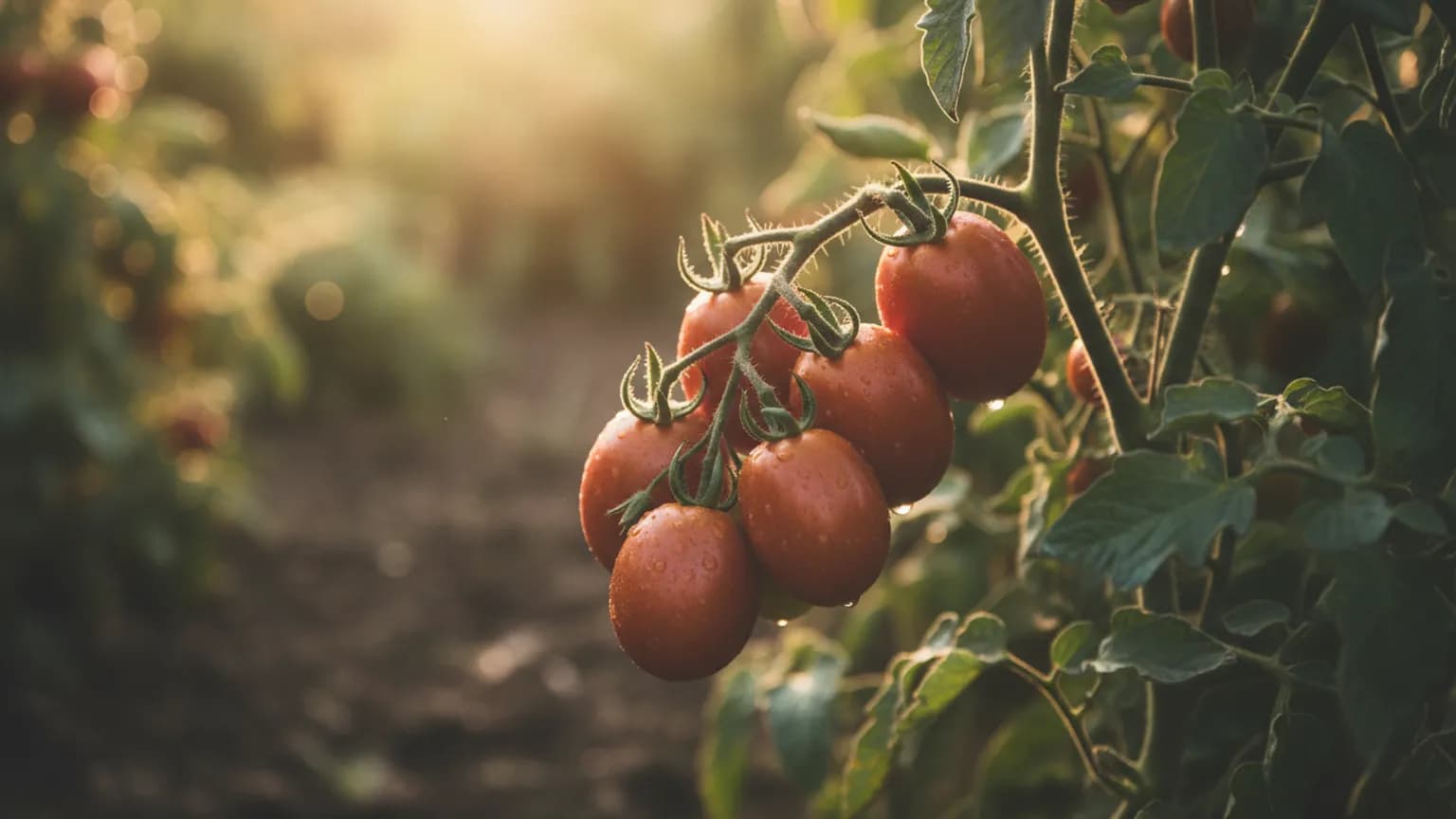
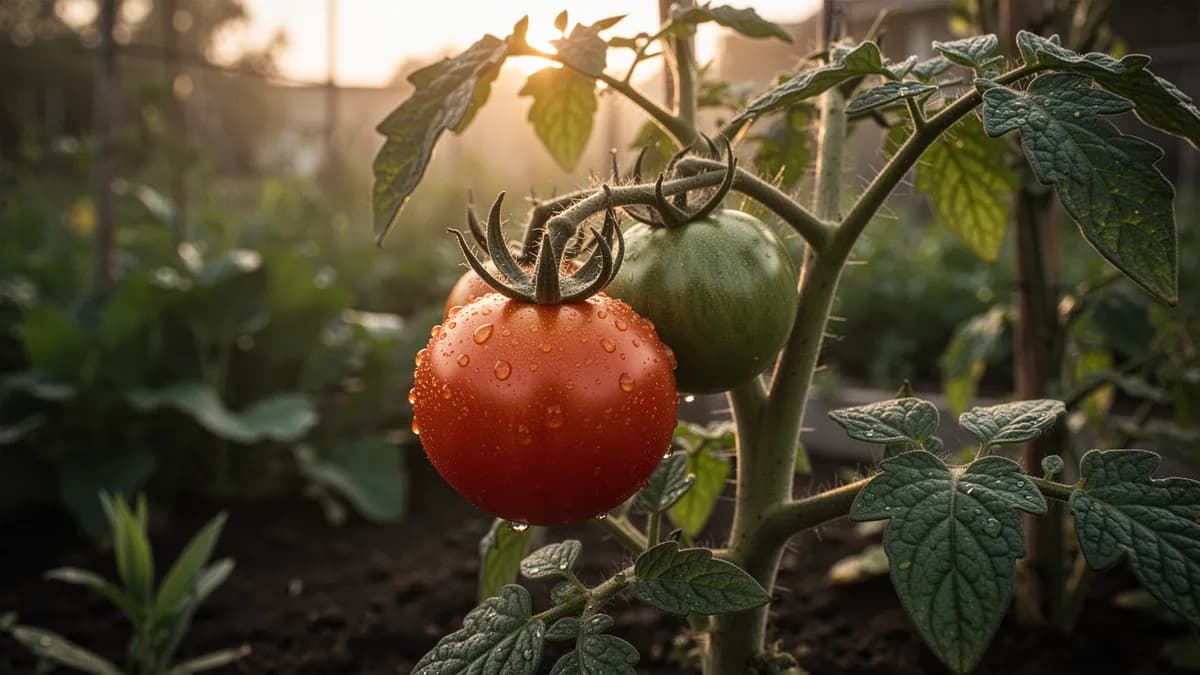
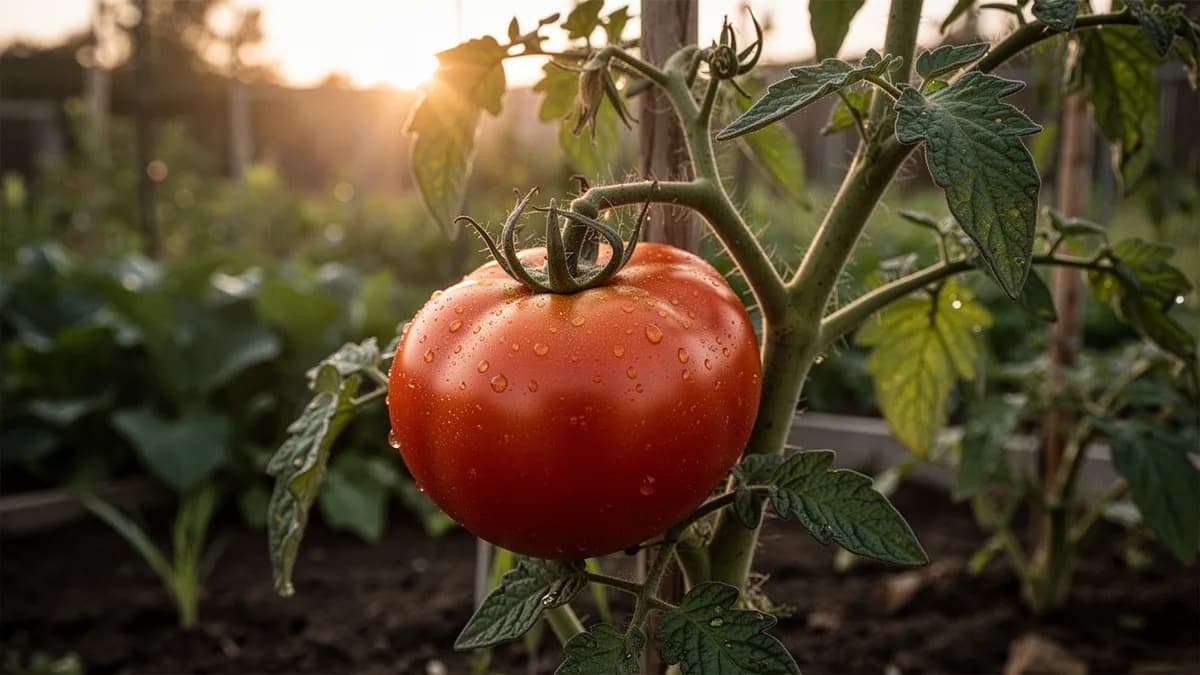
Eine traditionelle italienische Trockentomate mit kleinen pflaumenförmigen Früchten, festem Fruchtfleisch und wenig Saft.





Auf dieser SeiteÜberblick
Principe-Borghese-Tomate im Überblick
Eine traditionelle italienische Trockentomate mit kleinen pflaumenförmigen Früchten, festem Fruchtfleisch und wenig Saft. Principe Borghese ist eine der befriedigendsten Sorten für alle, die den Sommer nicht nur essen, sondern auch haltbar machen wollen. Ihr Reiz ist ein anderer als bei großen Show-Fleischtomaten. Statt weniger spektakulärer Riesenfrüchte liefert sie ordentliche Trauben und Schalen voller kompakter, verarbeitungsfreundlicher Tomaten, die sich fast von selbst in Bleche, Gläser und Wintervorräte übersetzen. Wer Tomatenanbau mit Vorratsküche verbindet, bekommt hier eine Sorte mit echtem Zweck. Sie verbindet Beet, Ofen, Dörrgerät und Vorratsregal so direkt wie nur wenige andere.
Wann Principe-Borghese-Tomate pflanzen
Warm aussäen, unter starkem Licht vorziehen, rechtzeitig topfen und tief in warmen Boden pflanzen. Auch kompaktere Tomaten profitieren von tiefer Pflanzung und einem kräftigen Wurzelsystem.
Die Jungpflanzen sollten hell, kompakt und gleichmäßig wachsen. Gerade bei einer Vorratssorte ist es angenehm, wenn alle Pflanzen den Sommer in einem ähnlichen Rhythmus beginnen.
Sorgfältiges Abhärten bleibt wichtig. Ein sauberer Start liefert frühere Trauben und damit einen viel befriedigenderen Verarbeitungsfluss im Hochsommer.
Dein Principe-Borghese-Tomate-Jahr
Abgestimmt auf Zone 7 · typische Saison · Frost geht um den 2. Apr. und kehrt um den 1. Nov. zurück
Säe Principe-Borghese-Tomate Mär – Mai, ernte Jul – Sep. Stell unten dein Klima ein und jedes Datum auf dieser Tafel passt sich an.
So baust du Principe-Borghese-Tomate an
Die Sorte wird 6-8 Wochen vor dem letzten Frost vorgezogen und bei warmem Wetter ausgepflanzt. Die Pflanzen bleiben etwas kompakter als große Fleischtomaten, tragen aber schwere Trauben und sollten trotzdem ordentlich gestützt werden.
Während des Anwachsens gleichmäßig gießen, später nicht zu nass halten, damit Aroma und Trocknungseignung hoch bleiben. Mäßig düngen und nicht mit Stickstoff übertreiben. Diese Sorte wird am besten mit dem klaren Ziel angebaut, konzentrierte, haltbare Früchte zu erzeugen und nicht riesige saftige Sandwich-Tomaten.
Genau darin liegt ihr besonderer Reiz. Statt auf wenige große Showfrüchte zu warten, sammelt man handliche Mengen, die fast automatisch zu Arbeitsportionen für Trocknung, Rösten oder Konfieren werden. Das Beet fühlt sich dadurch direkt mit der Vorratsküche verbunden an.
Wer Principe Borghese erfolgreich anbauen will, sollte den Sommer über bewusst eher auf Konzentration als auf Üppigkeit zielen. Zu viel spätes Wasser und zu viel weiches Wachstum arbeiten gegen die eigentliche Stärke der Sorte.
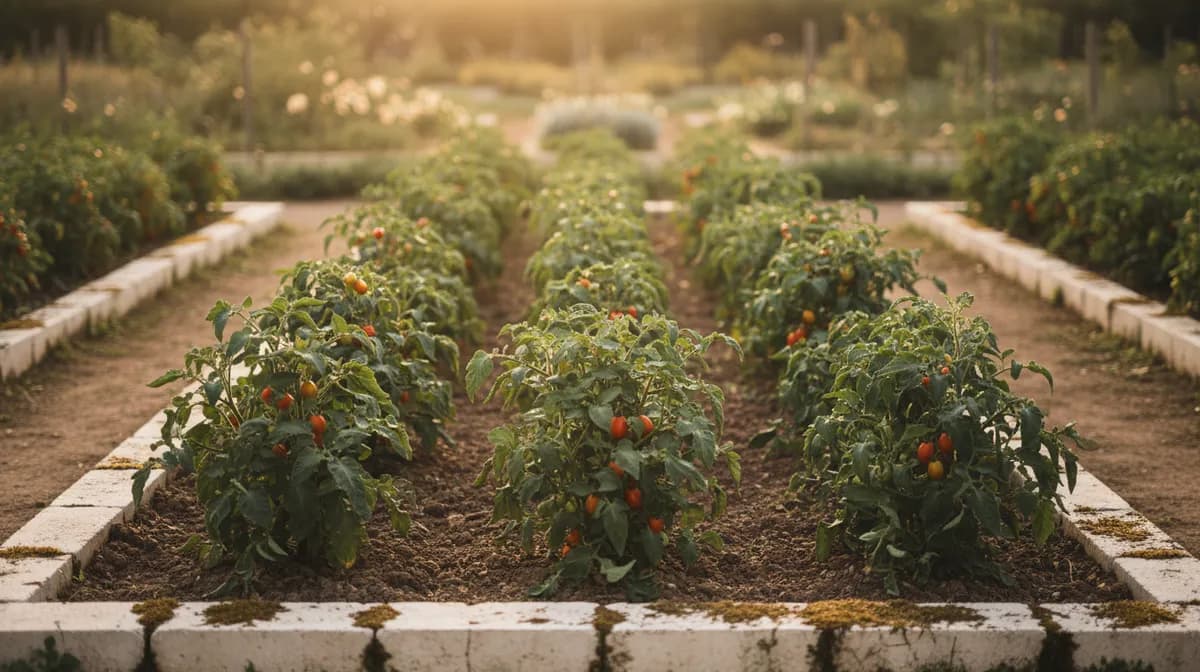
8 Pflanzen passen in ein Beet von 120 × 240 cm
Principe-Borghese-Tomate braucht 50 cm Platz pro Pflanze. Der Planer hält diesen Abstand für dich ein — jede Pflanze, jedes Beet.
Die besten Nachbarn für Principe-Borghese-Tomate
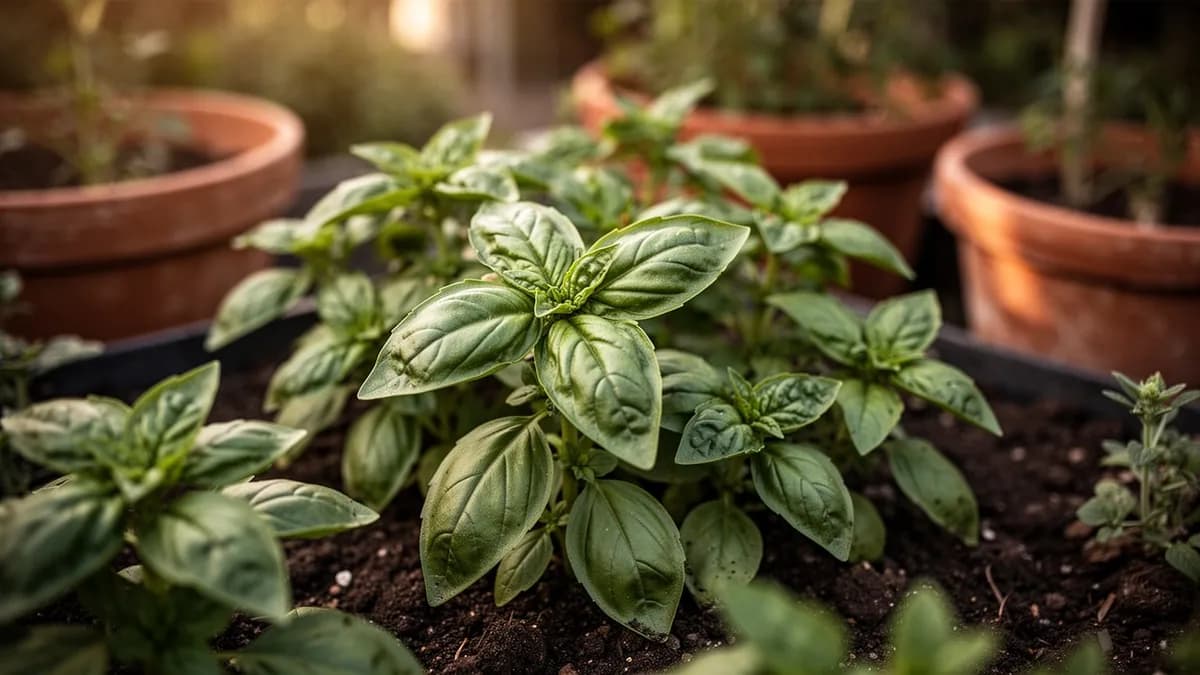
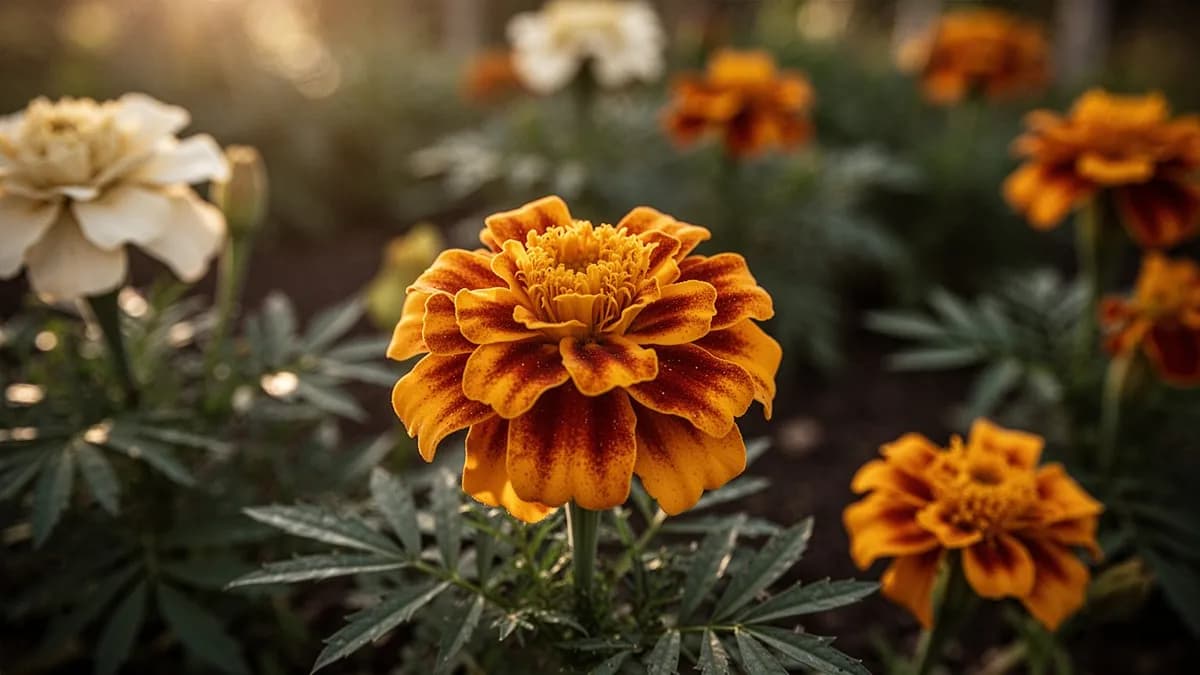
Basilikum, Zwiebeln und Tagetes harmonieren besonders gut mit dieser eher kompakten italienischen Sorte. Gerade in gemischten Kräuter-Gemüse-Beeten wirkt sie sehr stimmig.
Weil die Sorte oft in Chargen geerntet wird, sollte rund um die Pflanze genug Platz bleiben, um ganze Trauben schnell und sauber schneiden zu können. Begleitpflanzen sollen den Bestand rahmen, nicht den Zugriff erschweren.
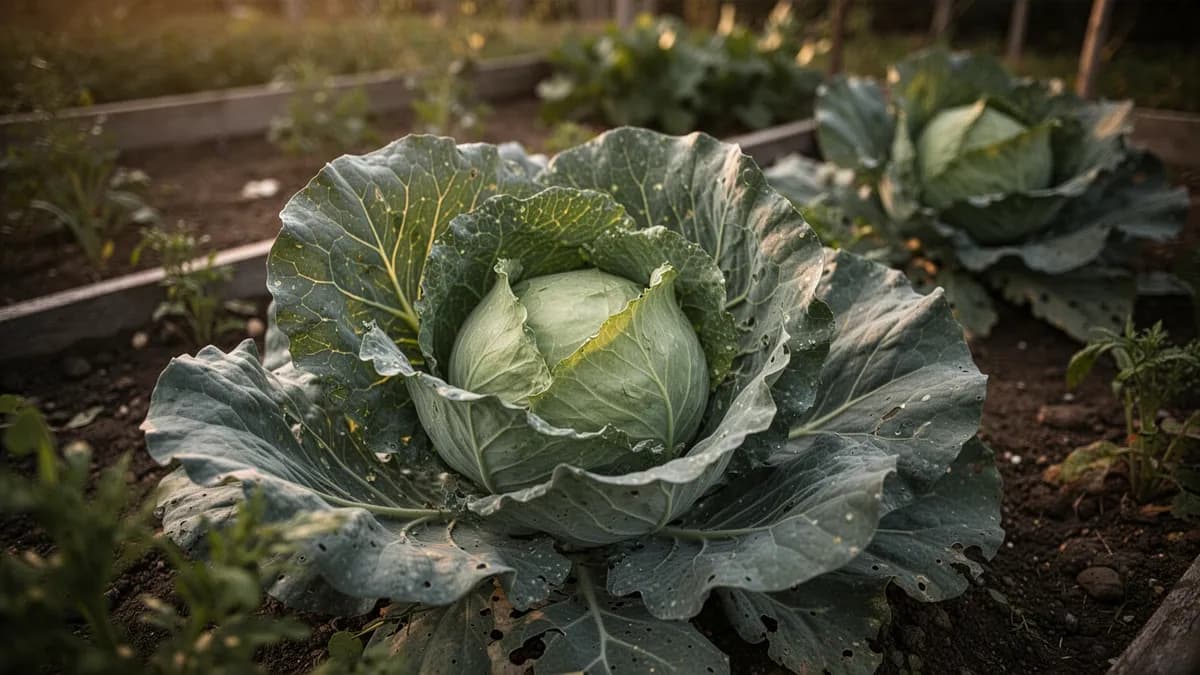
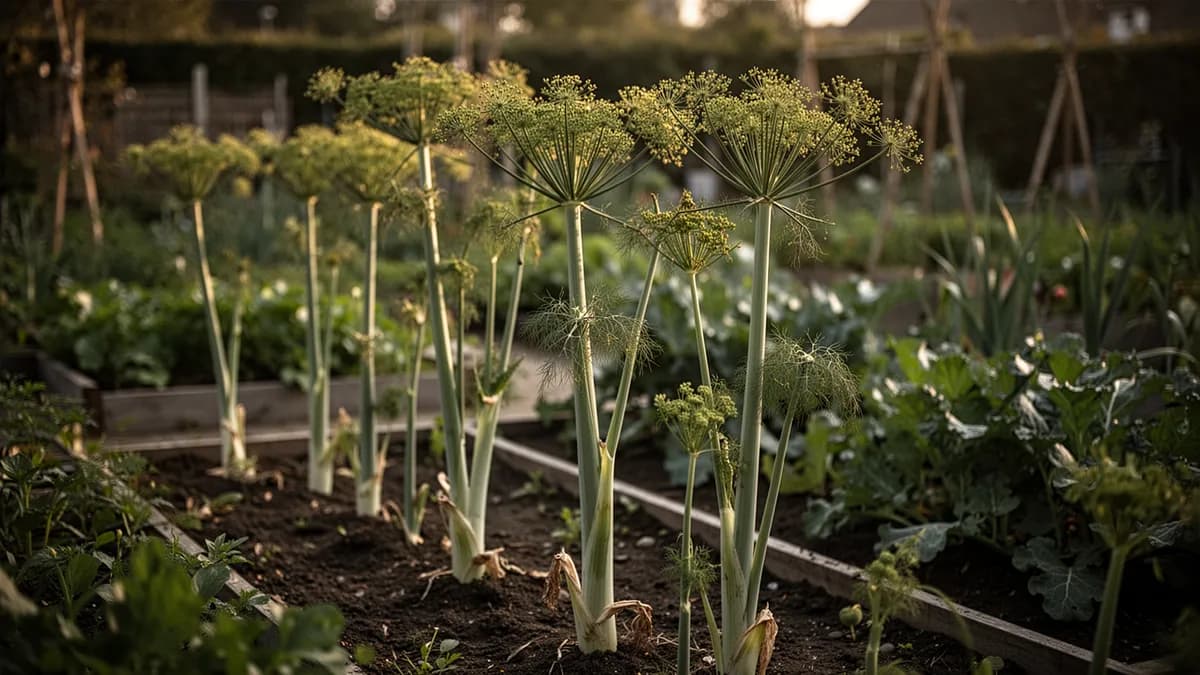
Fenchel und andere stark konkurrierende Nachbarn besser meiden. Ein offener praktischer Aufbau unterstützt den Ernte- und Vorratscharakter der Sorte am besten.
Basilikum gehört daneben. Kohl nicht.
Altes Gärtnerwissen, geprüft an der echten Nachbartabelle von Principe-Borghese-Tomate — teste jede Pflanze, die du anbaust.
Probiere Principe-Borghese-Tomate direkt hier im Beet
Ein echtes Planer-Beet, Principe-Borghese-Tomate steht schon drin. Tippe einen Begleiter an, platziere ihn und sieh, wie die Nachbarschaftsprüfung antwortet — grün für gute Nachbarn, rot bei Streit.


Passende Anbau-Ratgeber
Richtig düngen
Gut drainierter Boden mit viel Kompost und pH 6,0-6,8. Principe Borghese gedeiht am besten in einem Beet, das frühes gleichmäßiges Wachstum fördert, ohne die Pflanze in übermäßigen Blattwuchs zu treiben.
Mäßige Düngung bringt die aromatischsten Vorratsfrüchte. Zu viel Stickstoff und zu viel Wasser schieben die Sorte in Richtung größerer, saftigerer und für Trocknung weniger überzeugender Früchte.
Ein Kompostfundament, warme Sonne und kontrollierte Nachversorgung während des Fruchtansatzes reichen meist aus. Später ist eher ruhige Konstanz gefragt als üppige Ernährung.
Ideale Temperatur
Winterhärtezone-Kompatibilität
Von der Saat zur Ernte, Schritt für Schritt
Aussaat
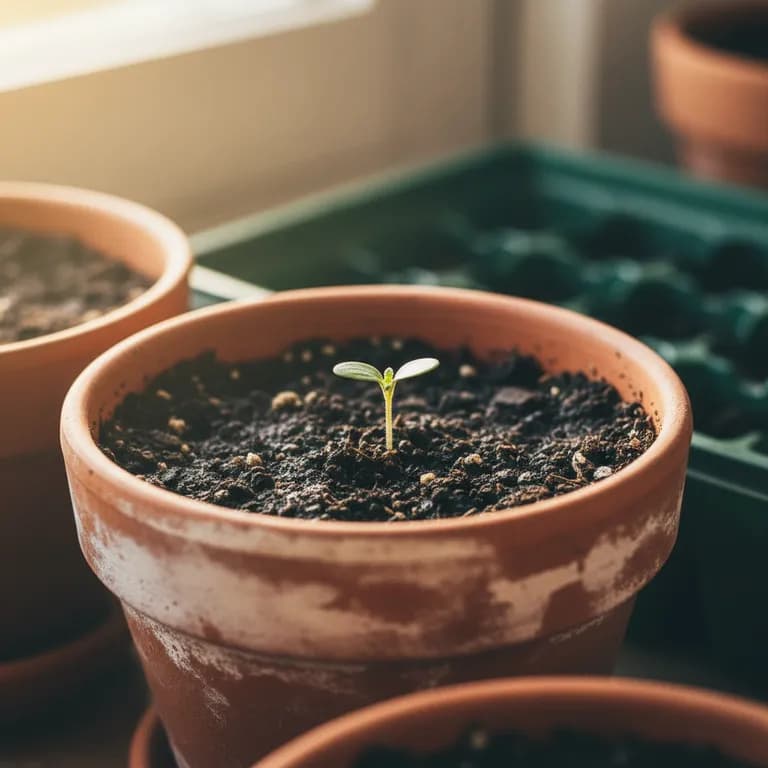
In warmer Aussaaterde keimen Tomatensamen zügig und bilden zuerst Keimblätter, dann die ersten gezähnten echten Blätter.
Jungpflanzenphase
Die Jungpflanzen bilden Wurzeln, kräftigen den Stängel und entwickeln mehrere Blattpaare bis zum Pikier- oder Topftermin.
Anwachsen Im Beet
Nach dem Auspflanzen etabliert sich die Pflanze, wächst in die Höhe und bereitet die spätere Blüten- und Fruchtlast vor.
Blüte
Gelbe Blütenstände erscheinen und befruchten sich bei gleichmäßiger Feuchtigkeit und passenden Temperaturen besonders gut.
Fruchtaufbau
Die Früchte wachsen schnell an, während die Pflanze gleichzeitig Laub, Wurzeln und neue Blüten versorgen muss.
Reife Und Ernte
Die beste Erntequalität entsteht, wenn Farbe, Duft, Konsistenz und innere Reife gleichzeitig stimmen.
Bei 21-27°C keimen Tomaten am zuverlässigsten. Nach dem Auflaufen sofort sehr hell stellen.
Principe-Borghese-Tomate Monat für Monat pflegen
Was du jeden Monat für deine Principe-Borghese-Tomate tun solltest
September
Aktueller MonatWeiter ernten und abbauendes Laub auslichten. In kühleren Regionen erste Frostnächte im Blick behalten.
Immer wissen, was jetzt im Garten zu tun ist
Eine E-Mail zum Monatsanfang: was du jetzt säen, pflanzen und anpacken solltest — für deine Principe-Borghese-Tomate und alles, was drumherum wächst. Dazu ein kurzer Startkurs, der dich vor den klassischen Fehlern bewahrt.
- Was jetzt zu tun ist
- Passend zu deiner Saison
- Startkurs inklusive
Principe-Borghese-Tomate ernten
Bei voller Rotfärbung und fester Konsistenz ernten, einzeln oder als ganze Traube. Für Trocknungszwecke lieber nicht zu weich werden lassen, damit die Hälften sauber bleiben und gleichmäßig trocknen.
Im Unterschied zu einer Luxus-Scheibentomate ist hier nicht maximale Weichheit gefragt, sondern Vollreife bei noch guter Struktur. Genau dann lassen sich die Früchte am angenehmsten halbieren, rösten und bevorraten.
Die Traubenernte ist besonders praktisch. Sie macht das Sammeln für größere Chargen einfacher und passt zum Charakter der Sorte. Überreife Früchte sind zwar noch essbar, aber für sorgfältige Trocknung und Verarbeitung weniger ideal.
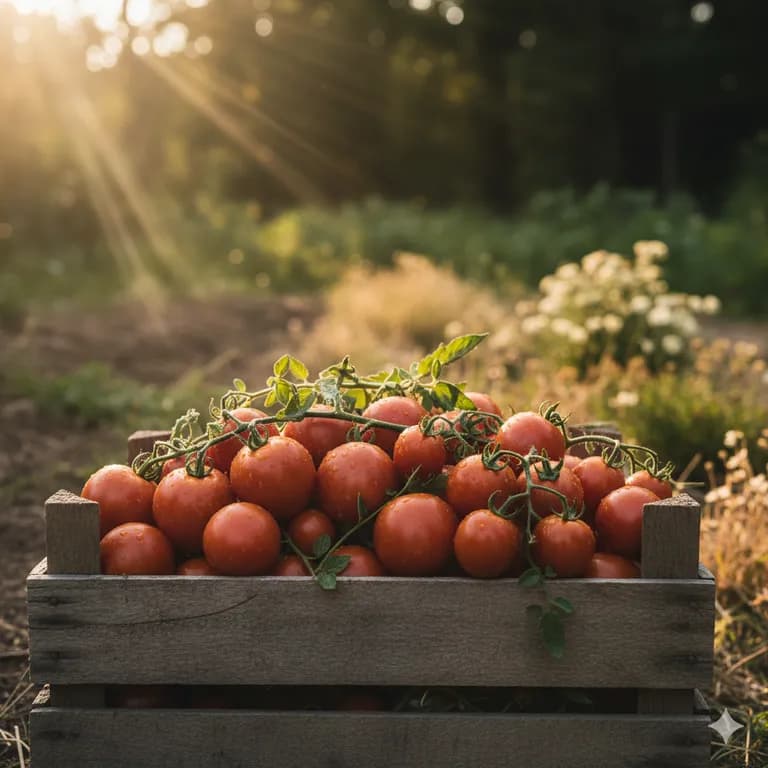
angenommen, du säst, sobald das Aussaatfenster öffnet — trag dein echtes Datum ein
Ernte Principe-Borghese-Tomate zügig, dann trägt die Pflanze weiter.
Lagerung & Konservierung
Hervorragend zum Lufttrocknen, Dörren, Rösten, Confieren und für sichere Einlegeprojekte. Frisch einige Tage haltbar.
Wenn man Speisekammer-Tomaten mag, zeigt diese Sorte ihre eigentliche Klasse. Die Früchte verlieren Wasser berechenbar, behalten nach dem Trocknen viel Geschmack und eignen sich perfekt für Ofentrocknung, Dörrgerät, geröstete Vorratsbleche und intensive kleine Saucen.
Auch frisch halten sie sich besser als viele weiche Slicer. Das macht einen praktischen Unterschied, weil man genug Material für eine sinnvolle Verarbeitungsrunde sammeln kann, statt jeden Tag in kleinen Restmengen arbeiten zu müssen.
Was schiefgeht — und die Lösung
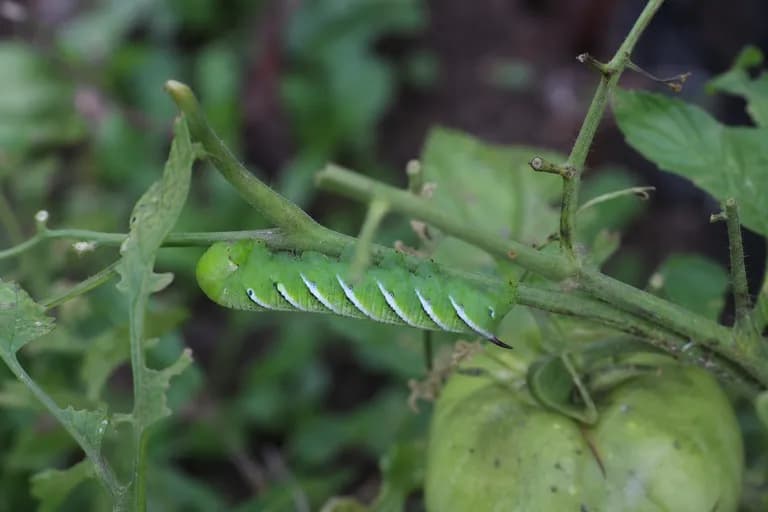
Tomatenschwärmerraupe
SchädlingGroße grüne Raupen entlauben Pflanzen schnell und können auch Früchte anfressen.
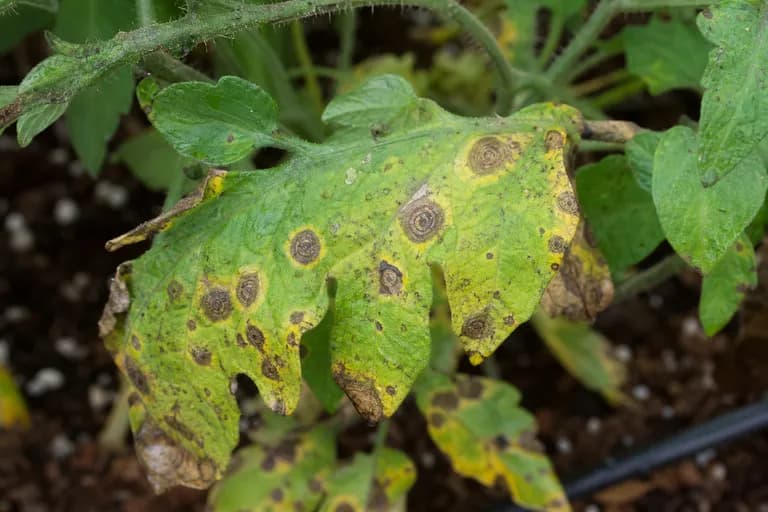
Dürrfleckenkrankheit
KrankheitDunkle ringförmige Flecken beginnen an unteren Blättern und führen schrittweise zu Vergilbung und Blattverlust.
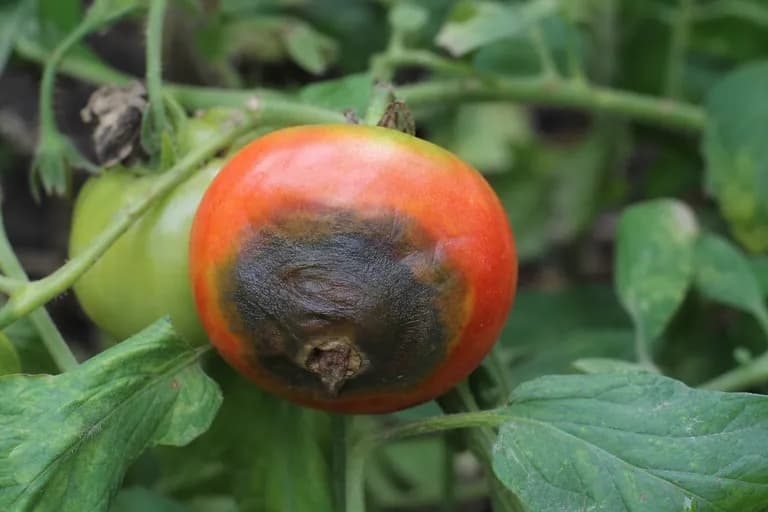
Blütenendfäule
KrankheitDunkle eingesunkene Stellen am Blütenende junger Früchte, besonders nach ungleichmäßiger Wasserversorgung.
Fehlerbehebung bei häufigen Problemen
Zu viel Wasser verdünnt das Aroma und erschwert das Trocknen. Das bedeutet nicht Trockenstress, sondern ein bewusst zurückhaltendes Gießmanagement in der späten Saison.
Schwere Trauben können Triebe ohne Stütze abknicken. Weil die Früchte in nützlichen Erntetrauben kommen, summiert sich das Gewicht schneller, als man bei einer kleineren Sorte vermutet.
Ein weiteres typisches Problem ist zu spätes Ernten für den geplanten Zweck. Überweiche Früchte schmecken noch, verlieren aber jene feste Struktur, die das Trocknen und saubere Halbieren so angenehm macht.
Anbautipps
- Tomaten erst in wirklich warmen Boden setzen. Kalter Start kostet oft mehrere Wochen Entwicklung.
- Tief pflanzen, damit sich am vergrabenen Stängel zusätzliche Wurzeln bilden.
- Von Anfang an stabil anbinden oder käfigen, statt später chaotisches Wachstum retten zu müssen.
- Kräftig mulchen, damit Bodenfeuchte, Geschmack und Blattgesundheit stabil bleiben.
- Tief und gleichmäßig gießen statt ständig nur oberflächlich zu wässern.
- Nach Blühbeginn nicht mit Stickstoff übertreiben, sonst wächst nur Laub.
- Für das beste Vorratsaroma gegen Saisonende nicht übermäßig wässern.
- Trauben mit hohem Gewicht früh anbinden oder zusätzlich abstützen.
Bau deine beste Principe-Borghese-Tomate an — und alles drumherum.
Starte heute kostenlos. Lege deine Beete an, setze deine Principe-Borghese-Tomate ein und lass PlotMyGarden Timing, Abstände, Begleiter und Erinnerungen von der Saat bis zum Erntekorb übernehmen.
Finde deine Principe-Borghese-Tomate
Principe Borghese
Die klassische italienische Trockentomate mit konzentriertem Geschmack.
Juliet
Eine moderne Salatette mit fester Schale und guter Haltbarkeit.
Pomodorino del Piennolo
Eine weitere italienische Lager- und Hängetomate.
Wer getrocknete oder eingelegte Tomaten gern nutzt, spart mit dieser Sorte besonders viel, weil der Marktpreis für solche Spezialitäten hoch ist.
Schnelle Rezepte
Ofengetrocknete Vorratstomaten
2 StdHalbierte Früchte langsam trocknen und für den Winter aufbewahren.
4 ZutatenGeröstete Antipasti-Tomaten
35 MinFestfleischige Früchte rösten und mit Knoblauch und Kräutern als Antipasti servieren.
5 ZutatenKulinarische Verwendung
Ideal zum Trocknen, Rösten, Einlegen, Confieren und für konzentrierte Pasta- oder Vorratssaucen.
Das ist die Tomate, die Sommer direkt in Zutaten übersetzt. Langsam getrocknete Hälften, geröstete Vorratsbleche und kräftige Antipasti liegen ihr näher als große frische Scheibenplatten.
Ganz ausschließen muss man den Frischverzehr nicht. Gerade geröstet mit Öl, Knoblauch und Salz ist sie sehr angenehm. Ihre wahre Stärke beginnt aber dort, wo Hitze und Zeit den Geschmack konzentrieren.
Was drinsteckt
Gesundheitsvorteile
- Tomaten enthalten antioxidative Pflanzenstoffe, die Zellen vor oxidativem Stress schützen können.
- Vitamin C unterstützt Immunfunktion, Kollagenbildung und die Eisenaufnahme aus Mahlzeiten.
- Die Kombination aus Wasser, Ballaststoffen und wenig Kalorien macht Tomaten sehr alltagstauglich.
- Kalium trägt zu normalem Blutdruck sowie zur Muskel- und Nervenfunktion bei.
- Tomaten passen ideal in mediterrane Ernährungsweisen mit gut belegten Langzeitvorteilen.
- Bunte Heirloom-Sorten erweitern das Spektrum an sekundären Pflanzenstoffen zusätzlich.
Woher Principe-Borghese-Tomate stammt
Principe Borghese stammt aus der italienischen Tradition lagerfähiger und trocknungsgeeigneter Tomaten. Solche Sorten wurden gezielt für die Vorratshaltung kultiviert, lange bevor moderne Kühlketten selbstverständlich waren.
Principe-Borghese-Tomate: Schon gewusst?
Faszinierende Fakten über Principe-Borghese-Tomate
Principe Borghese gehört zu den berühmtesten Trockentomatensorten Italiens.
Principe-Borghese-Tomate: Fragen & Antworten
Wann sollte ich Principe-Borghese-Tomate pflanzen?
Was sind gute Begleitpflanzen für Principe-Borghese-Tomate?
In welchen Winterhärtezonen kann Principe-Borghese-Tomate wachsen?
Wie viel Sonne braucht Principe-Borghese-Tomate?
Welchen Abstand sollte ich zwischen Principe-Borghese-Tomate lassen?
Welche Schädlinge und Krankheiten befallen Principe-Borghese-Tomate?
Wie lagere ich Principe-Borghese-Tomate nach der Ernte?
Was sind die besten Principe-Borghese-Tomate-Sorten zum Anbauen?
Welchen Boden braucht Principe-Borghese-Tomate?
Ist Principe Borghese vor allem eine Kochtomate?
Warum ist weniger Wasser bei dieser Sorte oft besser?
Kann ich ganze Trauben ernten?
Du hast die Theorie gelesen. Jetzt baue sie auf Autopilot an.
Alles, was Principe-Borghese-Tomate knifflig macht — das Timing, die Abstände, die Begleiter, das Erntefenster — genau das übernimmt PlotMyGarden für dich, für jede Pflanze im Garten.
Ein Plan, der dein Wetter kennt
Standort einmal festlegen. Aussaat-, Dünge- und Erntedaten rund um deinen echten letzten Frosttermin und die Live-Vorhersage — kein Raten mehr nach Saattüte.
Aus dem Abschnitt „Pflanzzeit“Beetplaner per Drag & Drop
Beete auf einem Raster gestalten. Jede Pflanze rastet im richtigen Abstand ein, und du siehst die ganze Saison, bevor du einen Cent für Saatgut ausgibst.
Aus dem Abschnitt „Anbau“Begleiter-Konflikte früh erkannt
Über 200 gute und schlechte Kombinationen werden beim Pflanzen live geprüft — so landet ein saisonruinierender Fehler nie in der Erde.
Aus dem Abschnitt „Begleiter“Erinnerungen, nach denen du wirklich handelst
„Gieß die Bohnen.“ „Heute ernten, bevor's umschlägt.“ Pünktlich, konkret und auf deine echten Pflanzen bezogen.
Aus dem Abschnitt „Ernte“Staffel-Aussaat, geplant
Sechs Wochen ernten statt sechs Tage? Die App verteilt deine Aussaaten automatisch und erinnert dich, wenn der nächste Satz fällig ist.
Aus dem Abschnitt „Pflanzzeit“Ein Verlauf, der schlauer wird
Jede protokollierte Ernte bringt der App deinen Garten bei. Der Plan fürs nächste Jahr startet bei dem, was in deinem Boden wirklich funktioniert hat.
Aus dem Abschnitt „Überblick“Pflanze diese neben Principe-Borghese-Tomate
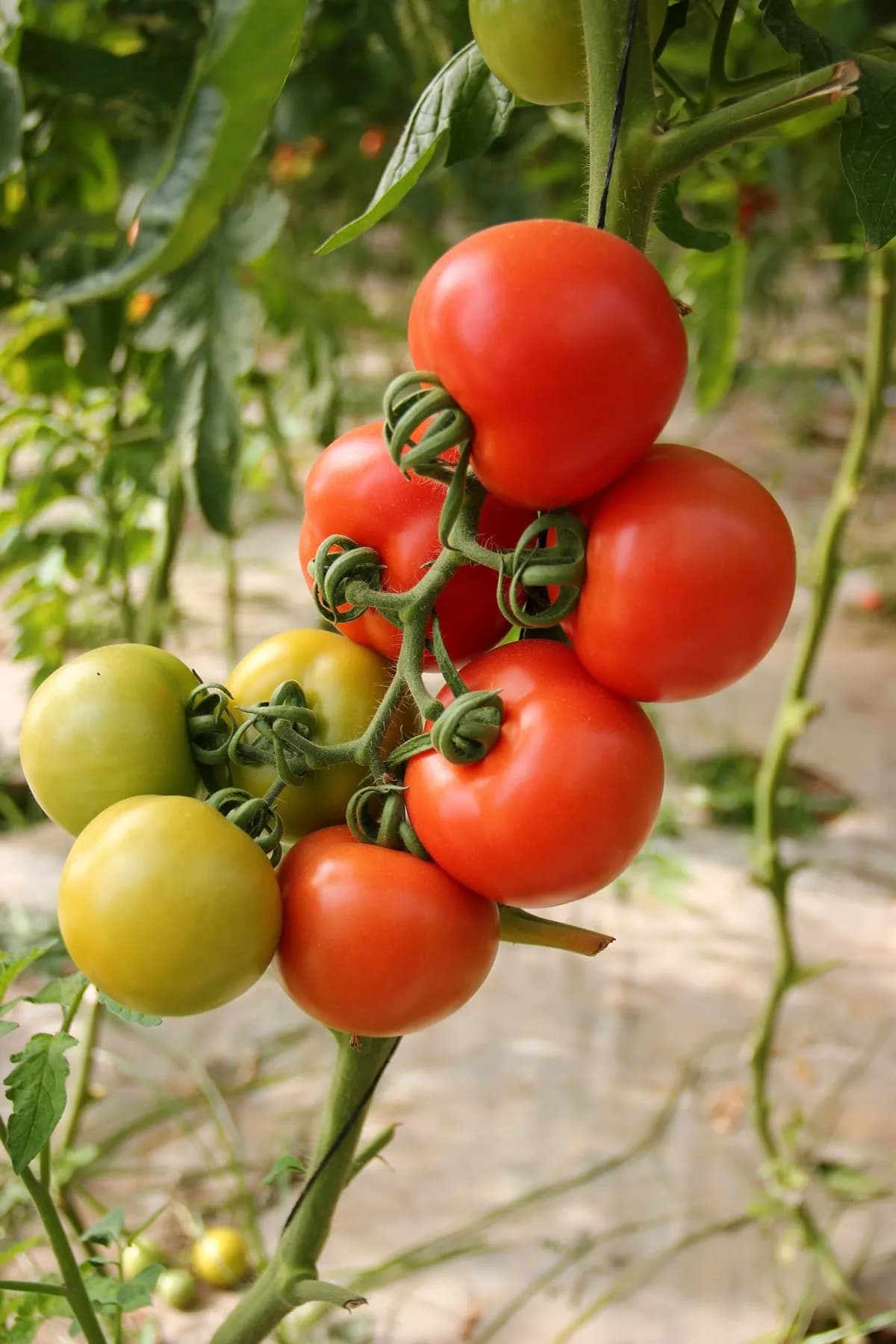
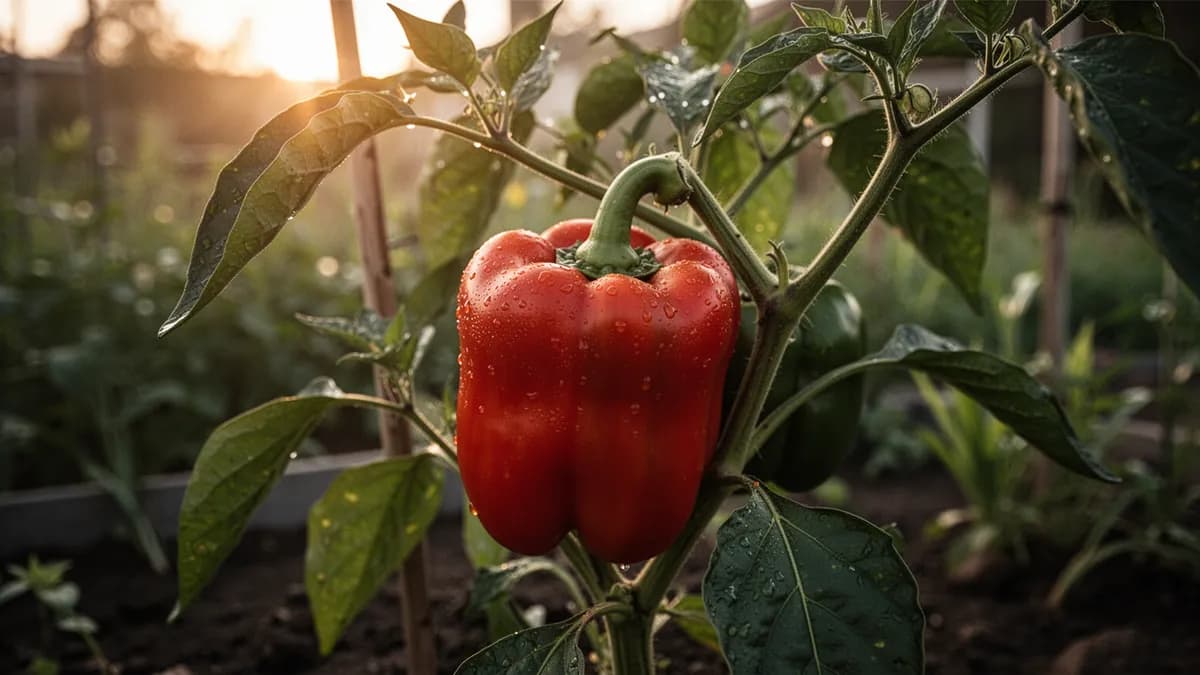
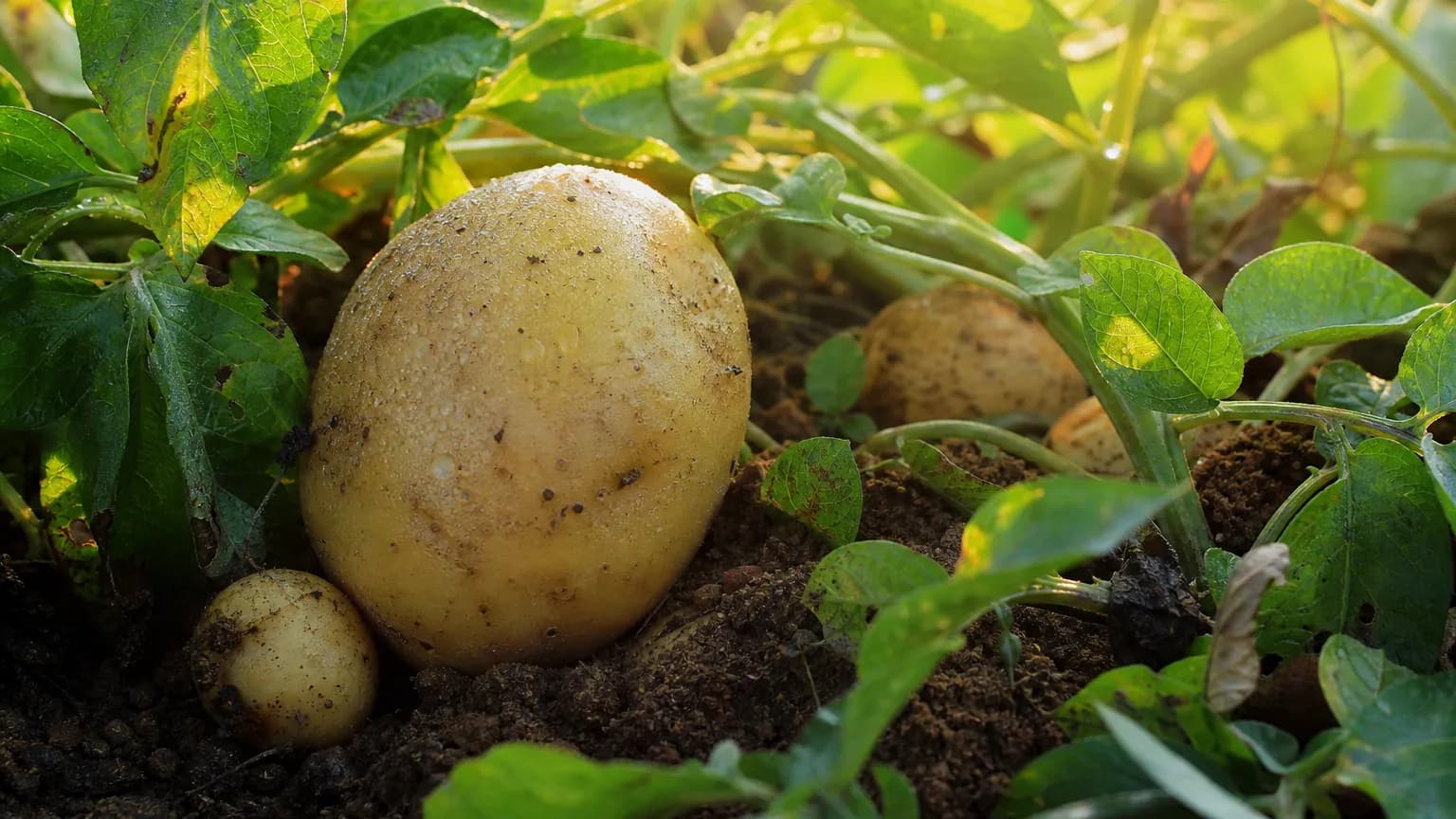
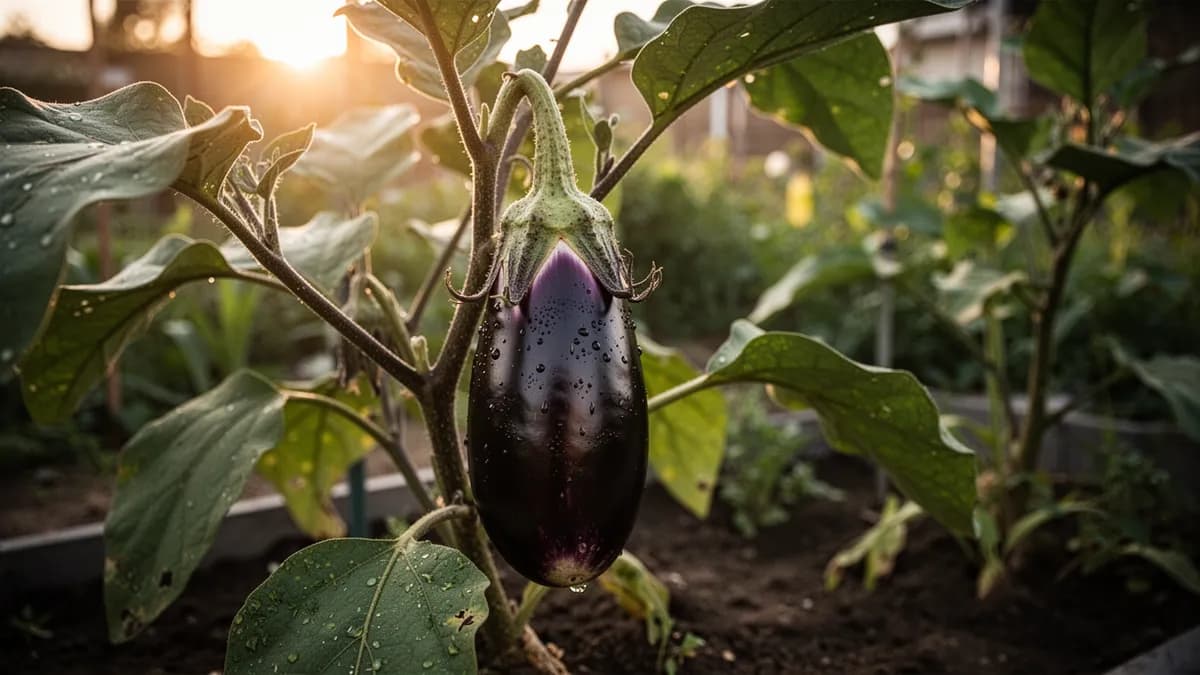
Weitere Nachtschattengewächse
Halte Principe-Borghese-Tomate von diesen fern
Bau deine beste Principe-Borghese-Tomate an — und alles drumherum.
Starte heute kostenlos. Lege deine Beete an, setze deine Principe-Borghese-Tomate ein und lass PlotMyGarden Timing, Abstände, Begleiter und Erinnerungen von der Saat bis zum Erntekorb übernehmen.