Aunt Ruby's German Green Tomato
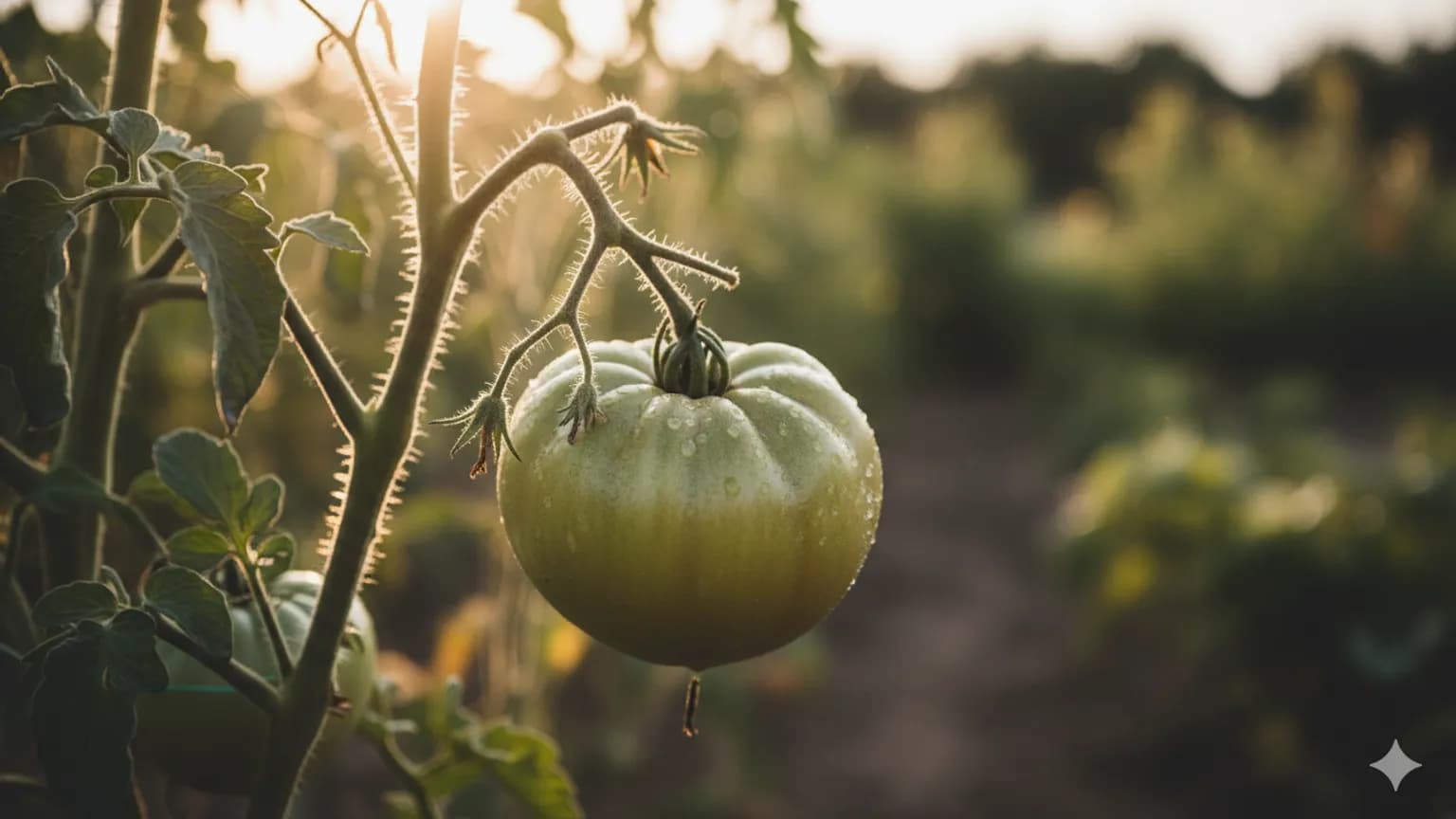
A famous green-when-ripe heirloom with large chartreuse beefsteaks and a rich sweet-spicy flavor.





On this pageOverview
Meet Aunt Ruby's German Green Tomato
A famous green-when-ripe heirloom with large chartreuse beefsteaks and a rich sweet-spicy flavor. Aunt Ruby’s German Green is one of the clearest examples of an unusual tomato that is not unusual at the expense of quality. The fruits are visually surprising, but the flavor is what makes the variety endure. At peak ripeness, they are lush, full, and serious, with a sweetness and gentle spice that feel far more substantial than the novelty category many green tomatoes get pushed into. For gardeners who want a tomato that starts conversations and still fully deserves its place on the plate, this variety is one of the strongest specialty heirlooms available.
When to plant Aunt Ruby's German Green Tomato
Sow warm under strong light, pot up carefully, and label seedlings clearly if growing multiple unusual heirlooms. It is a strong grower, but like most large heirlooms it benefits from a calm, uninterrupted seedling phase.
Keep plants compact and progressing, pot up before they stall, and use deep planting at each stage to encourage stronger roots. Good labeling matters because this is exactly the kind of specialty tomato you do not want to mix up halfway through a multi-variety seed tray.
Harden off thoroughly before planting into warm beds. Once established well, the plant has the vigor to carry large fruit confidently, but rough early handling tends to show up later in weaker growth and harder-to-judge ripening.
Your Aunt Ruby's German Green Tomato Year
Composed for Zone 7 · typical seasons · frost passes Apr 2, returns Nov 1
Sow Aunt Ruby's German Green Tomato Mar – May, pick Jul – Sep. Set your climate below and every date on this plate re-times itself.
How to grow Aunt Ruby's German Green Tomato
Start indoors 6-8 weeks before the last frost and transplant into warm fertile soil after danger of frost passes. Aunt Ruby’s German Green is indeterminate and needs strong support plus regular observation, because ripe fruit stays mostly green.
Steady watering and generous mulch are especially important with these large fruits. Learn the subtle ripeness signals: softening flesh, yellow-green tone instead of hard green, and often a warm blush at the blossom end. Once you learn the variety, it becomes one of the most rewarding tomatoes to pick.
This is a variety that makes you pay attention. It is not difficult in the sense of being weak or fragile, but it asks more from the grower’s eye than a standard red tomato ever does. If you only harvest by color, you will miss the real window repeatedly.
What makes it worth the effort is that the payoff is genuinely distinctive. The fruit combines unusual color with a full, sweet, lightly spicy heirloom flavor that feels much more serious than novelty greens many people have tried elsewhere. Once you learn its cues, it becomes one of the most satisfying tomatoes in the garden to track from immature fruit to perfect ripeness.
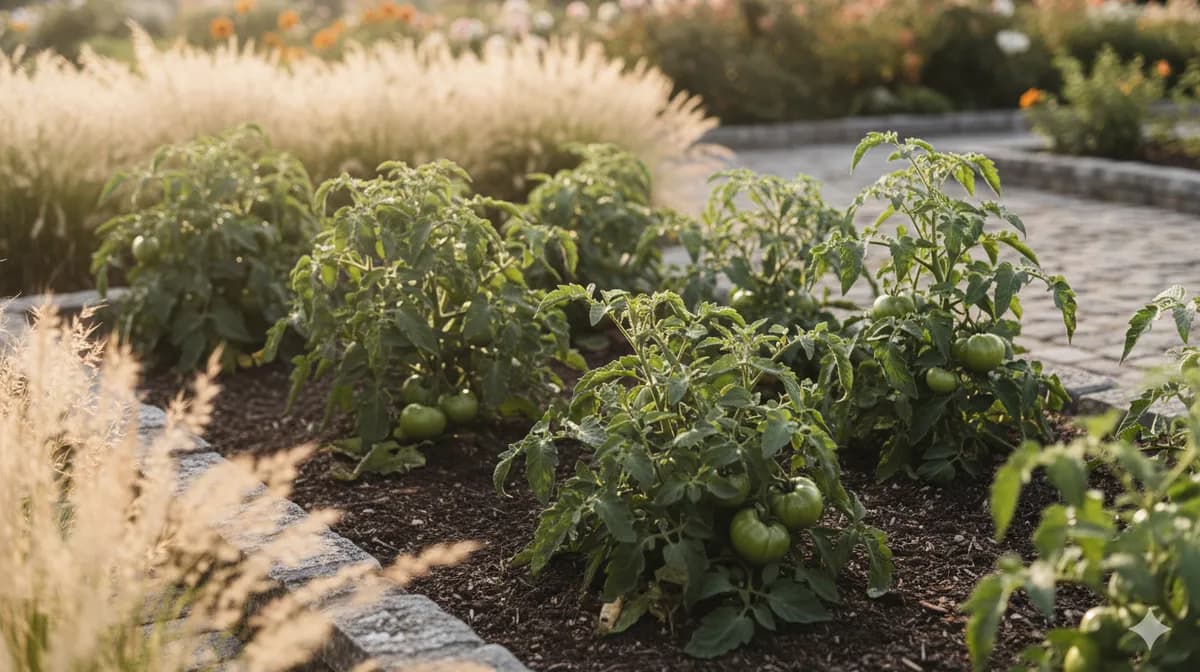
8 plants fit a 4 × 8 ft bed
Each Aunt Ruby's German Green Tomato wants 60 cm of elbow room. The planner keeps that spacing for you — every plant, every bed.
Aunt Ruby's German Green Tomato's best neighbours
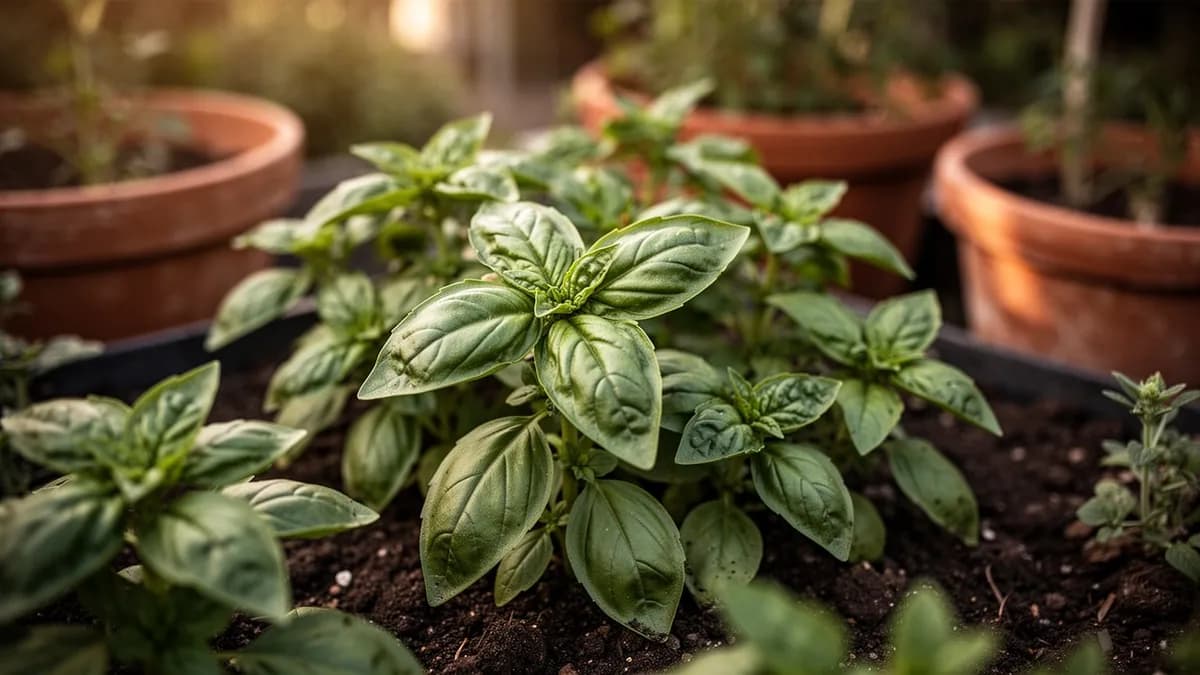
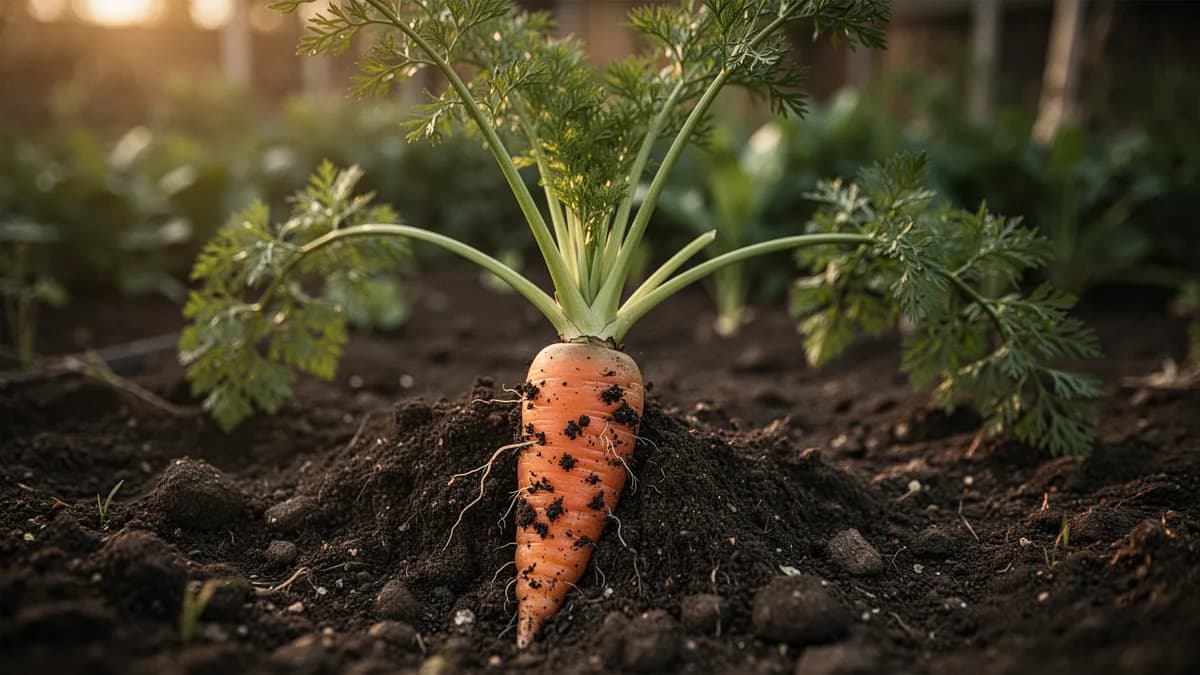
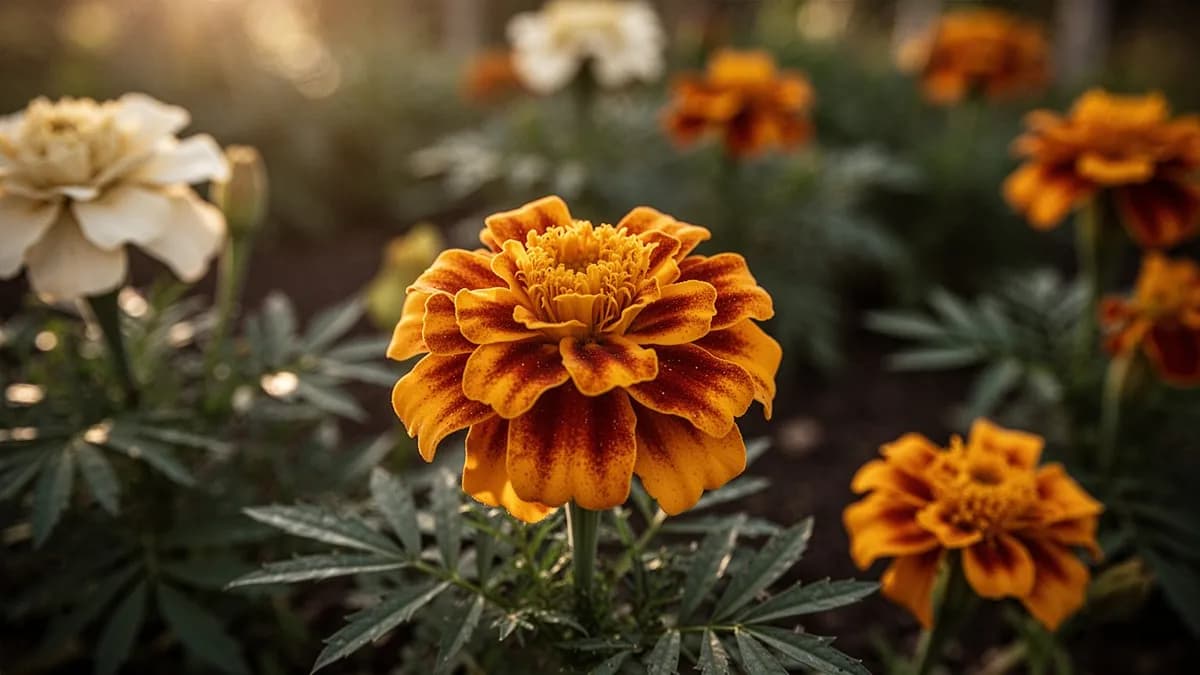
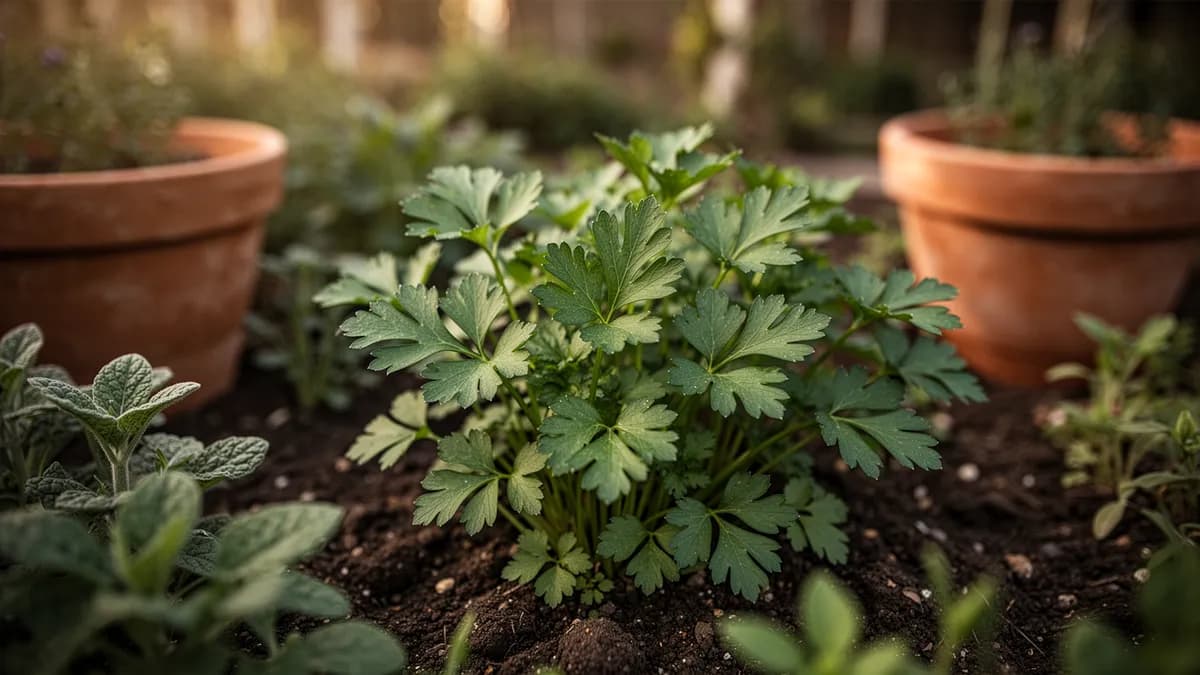
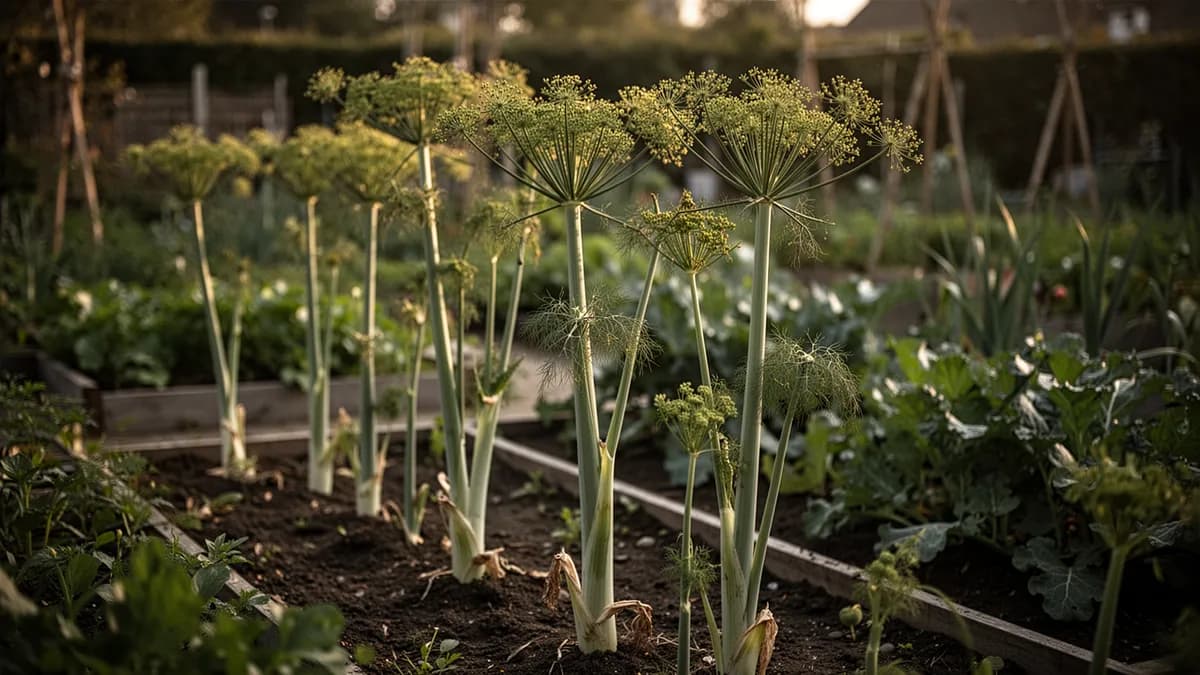
Basil, marigolds, and parsley are particularly helpful because they keep the planting lively without making a hard-to-read fruit even harder to inspect.
This variety benefits from companions that add diversity while leaving the fruit visible. You will be checking shoulders, blossom ends, and subtle color shifts more than usual, so the planting should support observation rather than concealment.
Keep the center open, avoid tall crowding neighbors, and give yourself space to reach the trusses comfortably. With Aunt Ruby’s German Green, harvest accuracy is part of success, so bed layout matters more than it might with an obviously red variety.
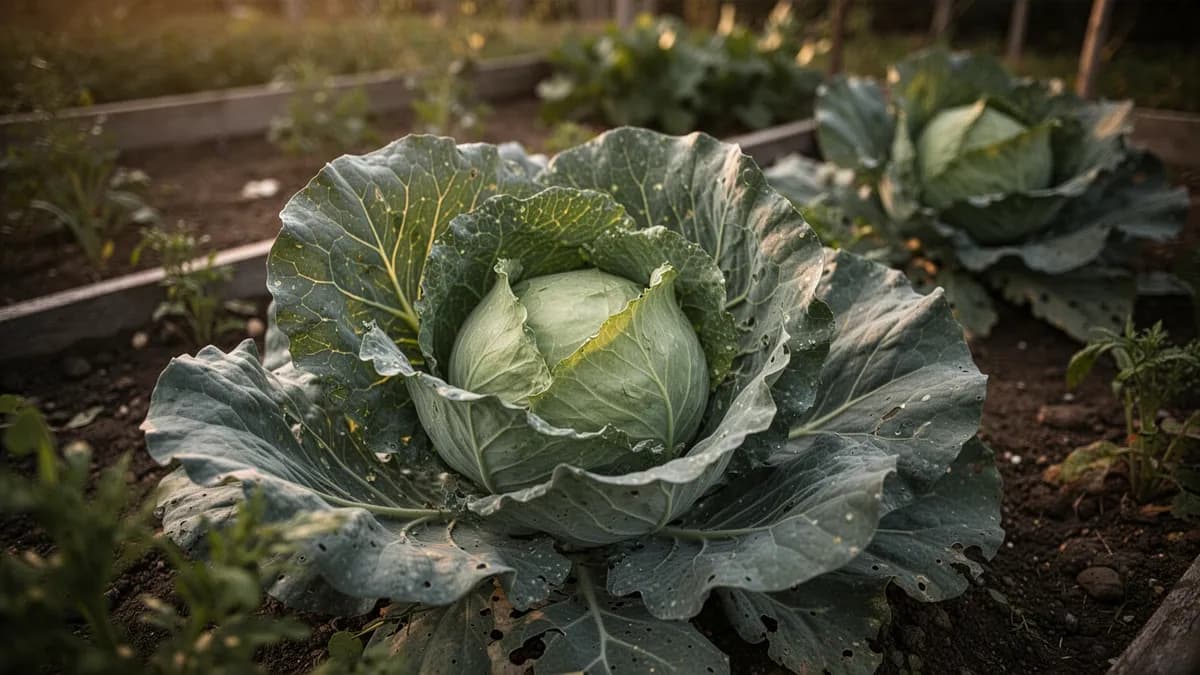
Basil belongs beside it. Cabbage doesn't.
Old growers' knowledge, checked against Aunt Ruby's German Green Tomato's real companion table below — test any plant you're growing.
Try Aunt Ruby's German Green Tomato in a bed — right here
A real planner bed with Aunt Ruby's German Green Tomato already in it. Tap a companion to place it and watch the pairing checks answer — green for good neighbours, red for a clash.


Related growing guides
Feed it well
Use fertile loam rich in compost with a pH of 6.0-6.8. Aunt Ruby’s German Green needs the same deep, stable, evenly moist root environment that supports other large heirloom beefsteaks.
Feed moderately; too much nitrogen leads to heavy foliage that makes ripeness even harder to judge and worsens airflow. Because the fruits never turn red, visual access to the trusses matters more than with many standard tomatoes.
A compost-based bed, moderate pre-plant fertility, and careful fruit-stage feeding create the best balance. You want enough vigor to mature big fruit, but not so much lush canopy that the tomato becomes difficult to read and manage.
Ideal Temperature
Hardiness Zone Compatibility
From seed to harvest, stage by stage
Seed Starting
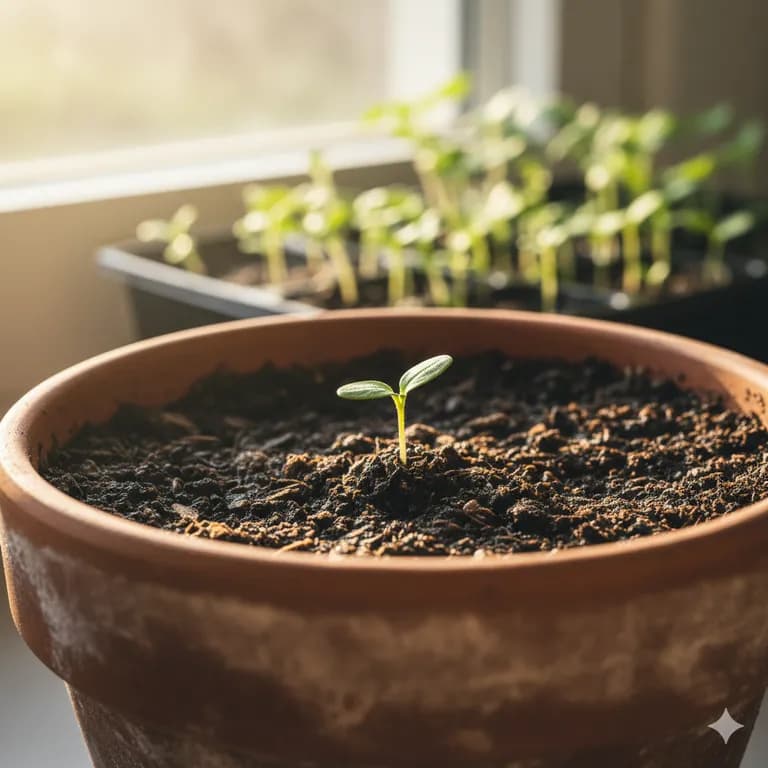
Seeds germinate quickly in warm mix and produce rounded cotyledons followed by the first serrated true leaves.
Seedling Development
Young plants build a root system, thicken their stems, and form several sets of true leaves before transplanting time.
Vegetative Growth
Aunt Ruby's German Green establishes quickly in warm soil and begins forming the vine structure that supports flowering and fruit set.
Flowering
Yellow flower clusters appear and self-pollinate more reliably when plants stay evenly watered and temperatures are not too extreme.
Fruit Development
Green fruit sizes up rapidly, and the plant diverts most of its energy into maintaining leaves, roots, and maturing clusters at the same time.
Ripening And Harvest
Aunt Ruby's German Green reaches peak quality when color, texture, aroma, and internal ripeness all align rather than when the fruit merely looks mature.
Maintain 21-27°C (70-80°F) for fast germination and give bright light immediately to prevent weak, stretched seedlings.
Caring for Aunt Ruby's German Green Tomato month by month
What to do each month for your Aunt Ruby's German Green Tomato
September
You are hereContinue harvesting and remove declining foliage. Watch forecasts closely if your first frost can arrive early.
Know exactly what to do in your garden — every month
One email at the start of each month: what to sow, plant, and tackle right now — for your Aunt Ruby's German Green Tomato and everything growing around it. Plus a short starter course that helps you dodge the classic mistakes.
- What to do, right now
- Matched to your season
- Starter course included
Harvesting Aunt Ruby's German Green Tomato
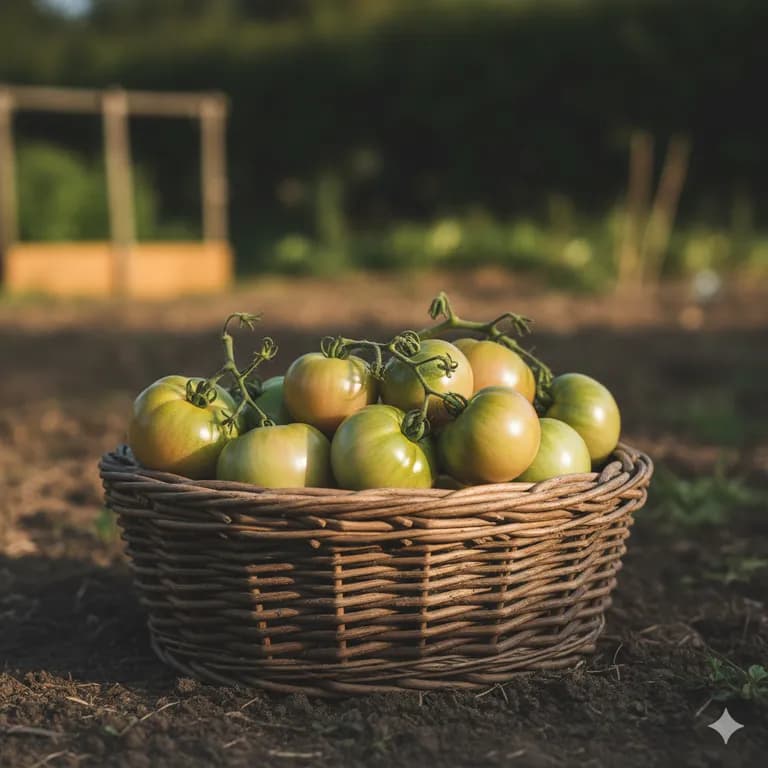
Harvest when fruits soften slightly and shift from hard green to yellow-green with a warm amber blush. Check often in peak season because they can move from perfect to overripe faster than you expect.
Touch matters more than color here. A fruit that still looks mostly green can be fully ripe if the flesh relaxes slightly and the harsh immature green has shifted toward chartreuse or yellow-green. Smell is another strong clue: ripe fruits develop a fuller, sweeter aroma than hard immature ones.
Because the window can be easy to miss, it helps to check likely fruits by hand every few days once they reach full size. If you are unsure, slightly early is usually better than waiting until the fruit tips over into mealy softness.
assuming you sow when the window opens — set your real date
Pick Aunt Ruby's German Green Tomato promptly and the plant keeps producing.
Storage & Preservation
Best eaten within a few days of harvest. It also makes excellent pale tomato soup, green tomato chutney, and bright fresh salsa when picked just a touch under-ripe.
This is not a storage tomato and should be treated like a fresh specialty fruit. The most interesting flavors show best at room temperature in the first few days after picking. Refrigeration dulls the sweetness and makes the texture less compelling.
If you harvest one a touch early or end up with fruit that is too ripe for neat slices, the variety still gives you useful options. It makes unusually elegant pale soups, chutneys, and green-toned fresh sauces that feel genuinely different from standard red tomato cooking.
What goes wrong — and the fix
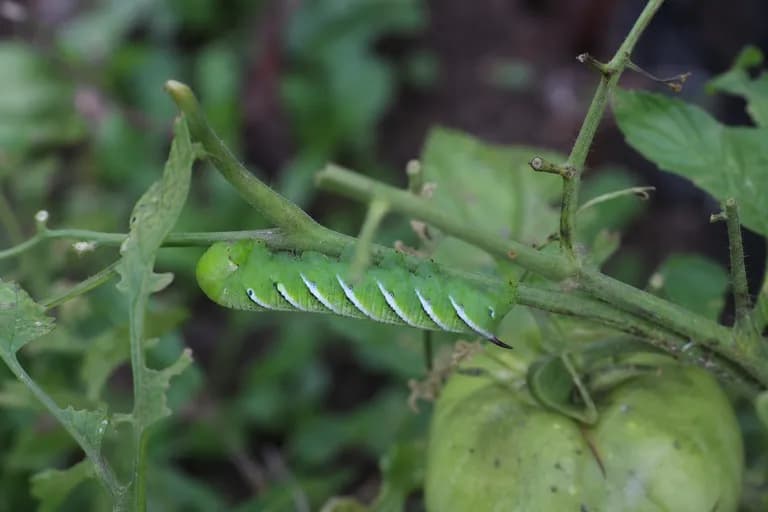
Tomato Hornworm
PestLarge green caterpillars strip foliage rapidly and may scar or chew fruit if left unchecked.

Early Blight
DiseaseDark ringed leaf spots begin on lower foliage, followed by yellowing and gradual defoliation.
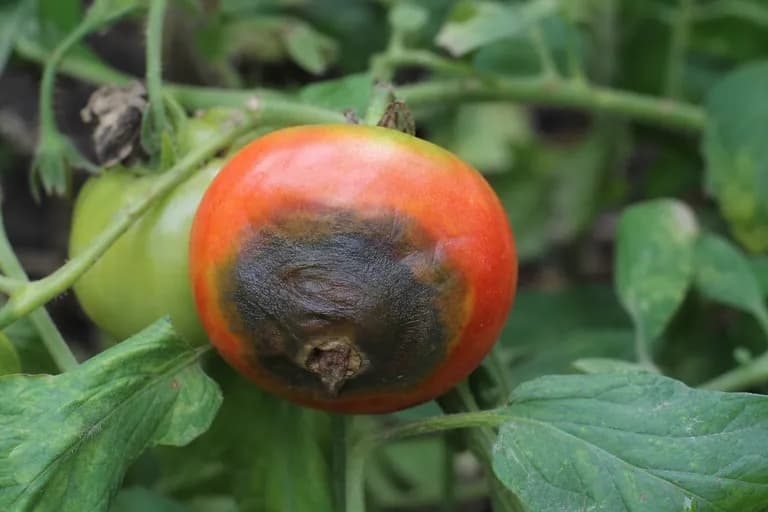
Blossom End Rot
DiseaseDark sunken patches form on the blossom end of developing fruit, often during periods of uneven watering.
Troubleshooting Common Problems
The biggest problem is simply missing the right harvest window because the fruit never turns red. Wet weather can also cause cracking, and the large vines still need disease management like any other heirloom.
A second common issue is grower hesitation. Because the color remains unusual even at maturity, people often leave fruits too long out of caution. The result is not better quality but softer texture and lost freshness.
Like other large heirlooms, the plant also reacts poorly to swings in moisture and stagnant humid air. The unusual color makes the variety memorable, but the agronomy is still classic big-tomato agronomy: support, airflow, steady water, and observation.
Growing Tips
- Wait until the soil is genuinely warm before transplanting. Tomatoes that sit in cold spring ground often lose weeks of momentum.
- Plant deeply so buried stem sections root along their length, giving better drought resilience and nutrient uptake.
- Use strong support from day one. Tomatoes are easier to manage when they are trained early rather than rescued later.
- Mulch heavily to stabilize soil moisture, reduce splash-borne disease, and protect flavor by preventing hard wet-dry swings.
- Water deeply rather than constantly sprinkling. Consistency matters far more than sheer volume.
- Do not overfeed with nitrogen once flowering begins, or you will get foliage at the expense of fruit.
- Harvest promptly in hot or wet weather, because quality can decline very quickly once fruit reaches peak ripeness.
- Check fruit by feel every few days once they approach full size, because color alone is not enough.
- If you are unsure about one fruit, pick slightly earlier rather than letting the whole truss slip into overripe softness.
Grow your best Aunt Ruby's German Green Tomato yet — and everything around it.
Start a free plan today. Lay out your beds, drop in your Aunt Ruby's German Green Tomato, and let PlotMyGarden handle the timing, spacing, companions and reminders from seed to harvest basket.
Pick your Aunt Ruby's German Green Tomato
Aunt Ruby's German Green
The classic large green-when-ripe heirloom with complex sweet-spicy flavor.
Green Giant
Another large green tomato known for rich sweetness and smooth texture.
Malachite Box
A green-when-ripe tomato with vivid color and fruity complexity.
Specialty green-when-ripe heirlooms are rare and expensive to buy, so even a single successful plant can replace a surprising amount of premium farmers market spending.
Quick recipes

Green Heirloom Caprese
10 minA striking green-toned caprese that lets the variety’s color surprise people before the flavor wins them over.
5 ingredientsPale Tomato Gazpacho
20 minA cool soup with chartreuse color and fresh, lightly spicy tomato character.
6 ingredientsGreen Tomato Tart
35 minA savory tart where the unusual color becomes part of the finished presentation.
5 ingredientsCulinary Uses
Excellent for fresh slices, unusual caprese salads, pale gazpacho, savory tarts, tomato pie, and mixed heirloom platters where the color surprises everyone.
Aunt Ruby’s German Green is one of the few tomatoes that can genuinely surprise experienced tomato eaters. The first reaction is often visual confusion, then curiosity, then delight once the fruit proves fully ripe and deeply flavored. That makes it ideal for tasting boards and any dish where contrast matters.
It is especially effective in mixed heirloom spreads, green-toned caprese, pale cold soups, and savory tarts where its color reads as intentional rather than accidental. The variety adds both flavor and conversation value.
What's inside
Health Benefits
- Tomatoes supply antioxidants that help reduce oxidative stress, especially lycopene and related carotenoids.
- They are a strong source of vitamin C, which supports immune health, collagen formation, and improved iron absorption from meals.
- Their combination of water, fiber, and low calories makes them helpful for satiety and weight-conscious eating.
- Potassium in tomatoes supports healthy blood pressure regulation and proper muscle and nerve function.
- Tomatoes fit naturally into Mediterranean-style eating patterns that are consistently associated with better long-term health outcomes.
- Colored heirloom and specialty tomatoes broaden the antioxidant profile further through pigments such as anthocyanins and golden carotenoids.
Where Aunt Ruby's German Green Tomato comes from
Aunt Ruby’s German Green is associated with Ruby Arnold of Tennessee and rose to wider prominence through seed-saving communities that preserved unusual regional tomatoes before specialty produce became fashionable. It remains one of the most influential green-when-ripe varieties in modern home gardening.
Its importance goes beyond one variety line. It helped legitimize the entire green-when-ripe category for home growers by proving that green fruit at maturity could be luxurious, flavorful, and worthy of a main place on the table.
Today it still functions as a reference point for the category. Even growers who try many green tomatoes often come back to Aunt Ruby’s because it combines novelty with the kind of real eating quality that sustains long-term loyalty.
Aunt Ruby's German Green Tomato: did you know?
Fascinating facts about Aunt Ruby's German Green Tomato
Many gardeners say this is the variety that changed their mind about ripe tomatoes needing to be red.
Aunt Ruby's German Green Tomato questions, answered
When should I plant Aunt Ruby's German Green Tomato?
What are good companion plants for Aunt Ruby's German Green Tomato?
What hardiness zones can Aunt Ruby's German Green Tomato grow in?
How much sun does Aunt Ruby's German Green Tomato need?
How far apart should I space Aunt Ruby's German Green Tomato?
What pests and diseases affect Aunt Ruby's German Green Tomato?
How do I store Aunt Ruby's German Green Tomato after harvest?
What are the best Aunt Ruby's German Green Tomato varieties to grow?
What soil does Aunt Ruby's German Green Tomato need?
How do I know Aunt Ruby's German Green is ripe if it stays green?
Will people think this tomato is unripe?
Is this a good tomato for beginners?
You just read the theory. Now grow it on autopilot.
Everything that makes Aunt Ruby's German Green Tomato fiddly — the timing, the spacing, the companions, the harvest window — is exactly what PlotMyGarden handles for you, for every plant in your garden.
A plan that knows your weather
Set your location once. Get sow, feed and harvest dates built around your real last-frost date and live forecast — no more guessing from a generic seed packet.
From the “When to plant” sectionDrag-and-drop bed planner
Design beds on a grid. Every plant snaps to its proper spacing, and you can see your whole season laid out before you spend a cent on seed.
From the “Growing guide” sectionCompanion conflicts, caught early
200+ good-and-bad pairings checked live as you plant — so a season-wrecking mistake never makes it into the ground.
From the “Companions” sectionReminders you'll actually act on
“Water the beans.” “Pick today before it turns.” Timely, specific, and tied to the plants you're really growing.
From the “Harvest” sectionSuccession, scheduled
Want a harvest for six weeks, not six days? It spaces your sowings automatically and reminds you when each new block is due.
From the “When to plant” sectionA record that gets smarter
Every harvest you log teaches it your garden. Next year's plan starts from what actually worked in your soil, not a textbook's.
From the “Overview” sectionPlant these alongside Aunt Ruby's German Green Tomato
More Nightshades
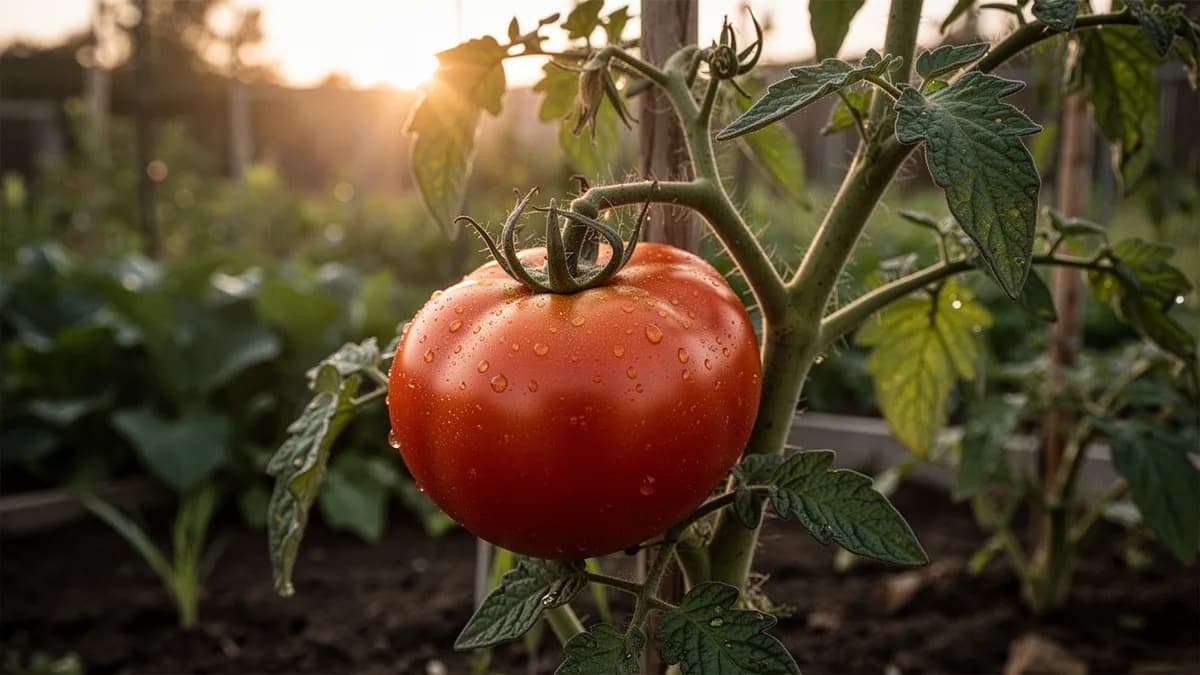
Keep Aunt Ruby's German Green Tomato away from these
Grow your best Aunt Ruby's German Green Tomato yet — and everything around it.
Start a free plan today. Lay out your beds, drop in your Aunt Ruby's German Green Tomato, and let PlotMyGarden handle the timing, spacing, companions and reminders from seed to harvest basket.