Tangelo
A tangerine-grapefruit hybrid recognized by its distinctive nipple-shaped stem end and juicy, sweet-tart flavor.





On this pageOverview
Meet Tangelo
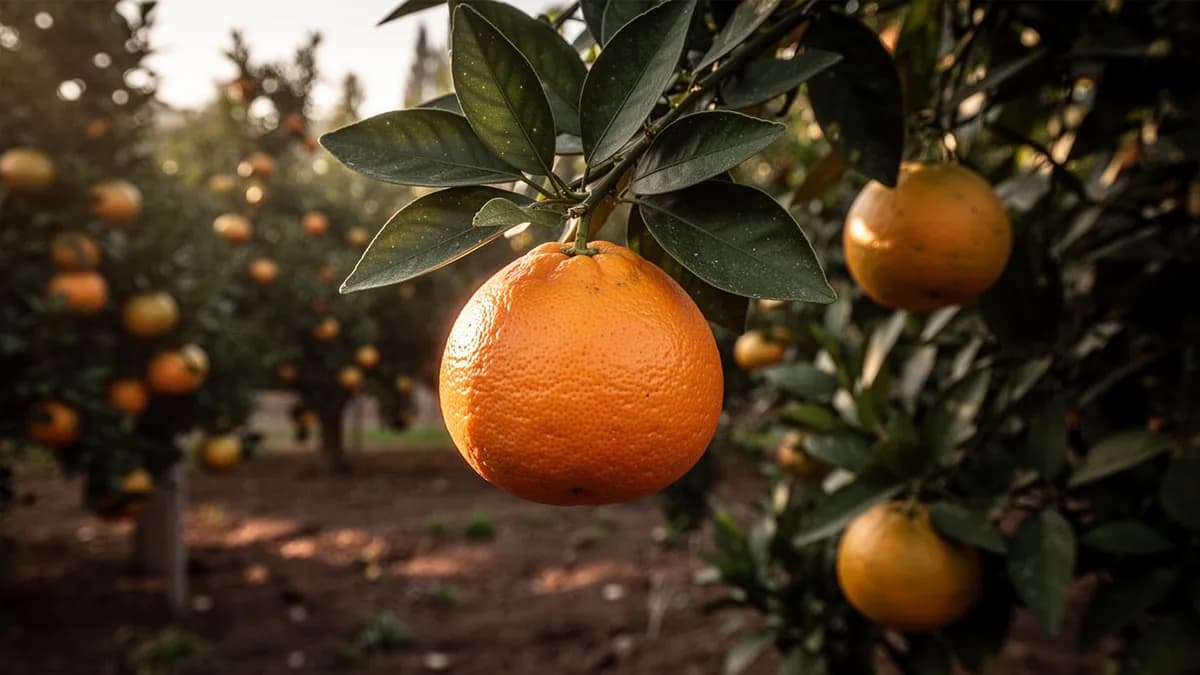
A tangerine-grapefruit hybrid recognized by its distinctive nipple-shaped stem end and juicy, sweet-tart flavor. The Minneola tangelo is the most popular cultivar, with deep reddish-orange skin and few seeds. Tangelos require a mandarin or tangerine pollinator nearby for best fruit set.
When to plant Tangelo
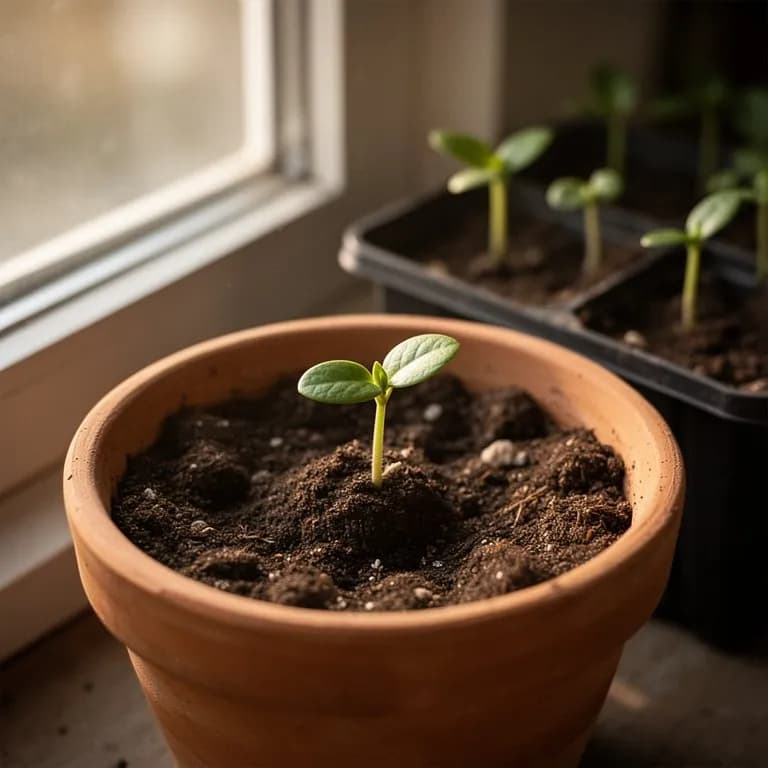
Tangelo seeds are relatively few in number and produce variable hybrid offspring that may not resemble either parent. For reliable fruit quality, always purchase grafted trees on compatible rootstocks like Carrizo citrange, Cleopatra mandarin, or Swingle citrumelo. Grafted trees begin bearing in three to four years. If experimenting with seed growing, plant fresh seeds one inch deep in moist, warm potting mix. Germination takes two to four weeks. Seed-grown tangelos may take eight to twelve years to fruit.
Your Tangelo Year
Composed for Zone 7 · typical seasons · frost passes Apr 2, returns Nov 1
Plant Tangelo Mar – May, pick Jan – Feb, Dec. Check the planting methods below and set your climate to personalize these windows.
How to grow Tangelo
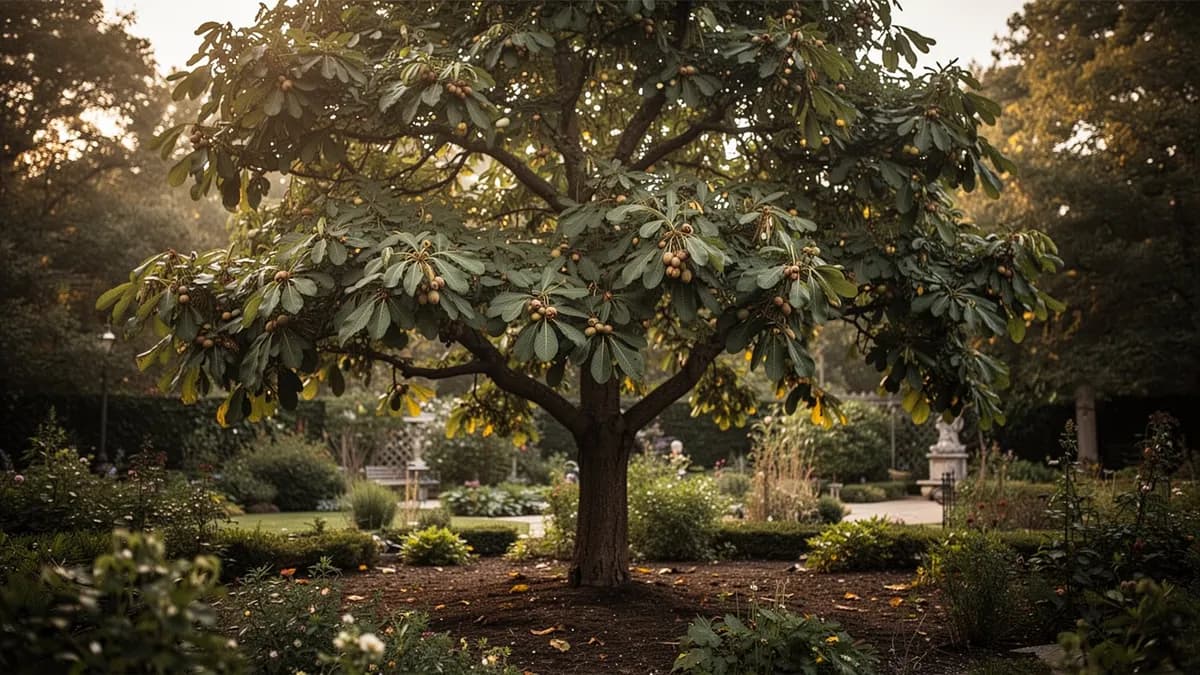
Tangelos perform best in USDA zones 9 through 11 with warm conditions similar to grapefruit but slightly more cold tolerance from their mandarin parentage. Plant grafted trees in full sun, spacing 12 to 15 feet apart. The trees are vigorous growers reaching 15 to 20 feet tall with a spreading canopy. Plant a compatible mandarin or tangerine pollinator within 50 feet for best fruit set, as tangelos are not self-fertile.
Water deeply and consistently, especially during flowering and early fruit development in spring. The Minneola tangelo produces its signature nipple-shaped fruit that ripens from December through February. Fruit set can be dramatically improved with hand pollination if a compatible pollinator tree is not nearby.
Fertilize three times per year with a balanced citrus formula. Tangelos are moderate feeders that respond well to consistent care. Prune annually after harvest to remove dead wood and maintain an open canopy. The trees tend to produce alternate heavy and light crops. Thin fruit in heavy years by removing every third fruit to promote more consistent annual production and larger individual fruits.
Tangelo needs more room than a 4 × 8 ft bed gives
Each Tangelo wants 360 cm of elbow room. The planner keeps that spacing for you — every plant, every bed.
Tangelo's best neighbours
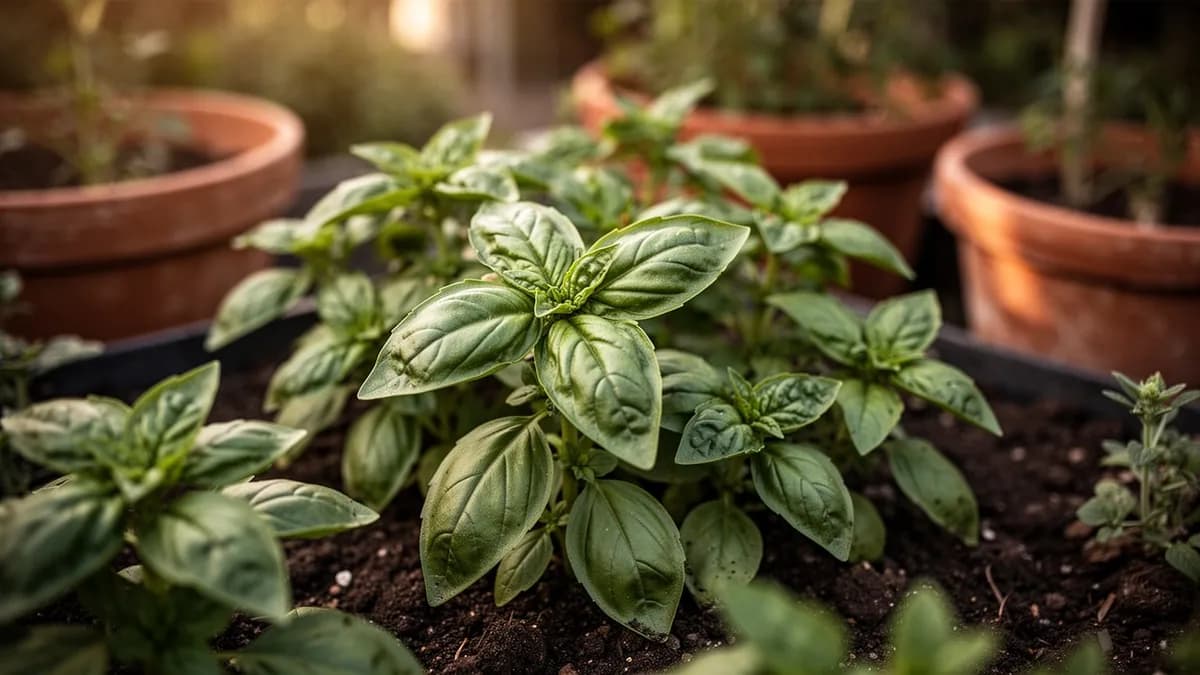
The most critical companion planting for tangelos is including a compatible pollinator tree nearby. Temple tangerine, Sunburst mandarin, and Orlando tangelo all serve as effective pollinators for Minneola. Underplant with flowering herbs to attract bees that transfer pollen between trees. Nitrogen-fixing cover crops support soil health. Avoid aggressive grasses that compete for water and nutrients.
Basil belongs beside it. Walnut Tree doesn't.
Old growers' knowledge, checked against Tangelo's real companion table below — test any plant you're growing.
Try Tangelo in a bed — right here
A real planner bed with Tangelo already in it. Tap a companion to place it and watch the pairing checks answer — green for good neighbours, red for a clash.


Related growing guides
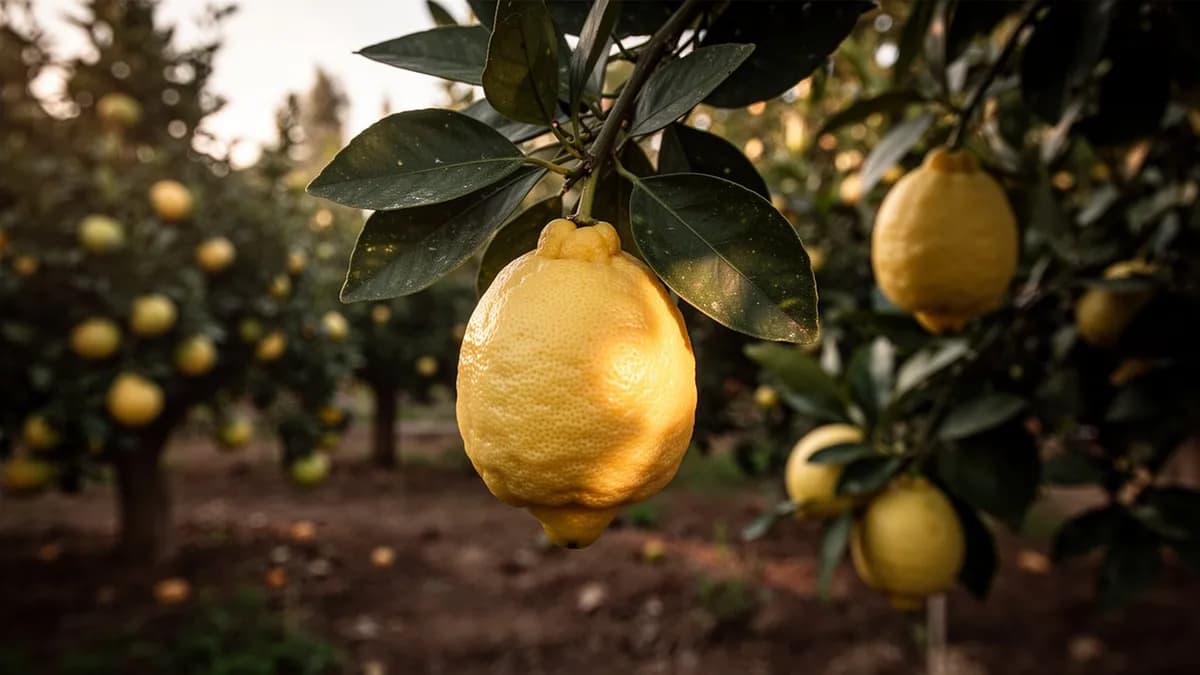
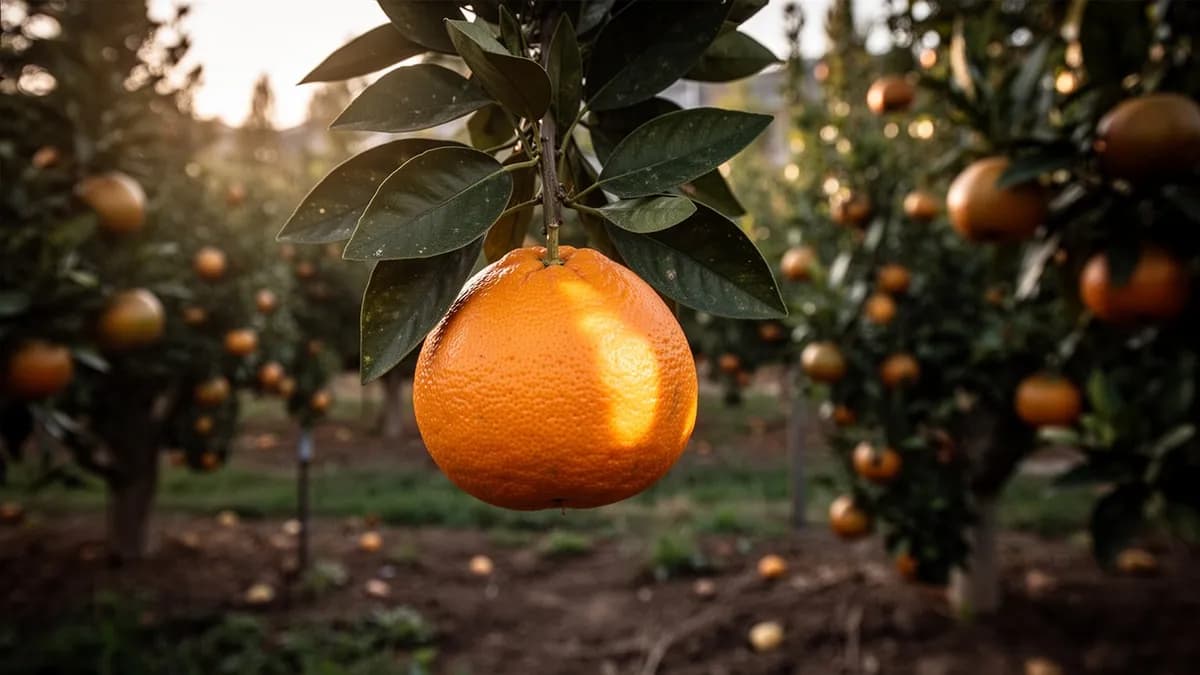
Feed it well
Tangelos prefer well-drained sandy loam with a pH of 6.0 to 7.0. They tolerate a range of soil types as long as drainage is adequate. Apply a balanced citrus fertilizer three times per year. Supplement with potassium during fruit development to enhance sweetness. Foliar micronutrient sprays correct common deficiencies in alkaline soils. Maintain organic mulch around the drip line. Tangelos are moderate feeders that benefit from consistent, rather than heavy, fertilization.
Ideal Temperature
Hardiness Zone Compatibility
From seed to harvest, stage by stage
Planting and Establishment
Tangelo trees are almost exclusively grown from grafted nursery stock, as seed-grown trees take many years to fruit and rarely produce fruit true to the parent. After planting a grafted tree, the priority is root establishment. The tree directs most of its energy belowground during this phase, developing the root network it will rely on for decades of productive growth.
Young Tree and Canopy Development
The tangelo tree grows vigorously and produces multiple flushes of new growth, typically in spring, summer, and early autumn. The canopy fills in quickly with glossy, dark green leaves that are slightly winged at the petiole. Young trees produce thorns along branches, which become less prominent as the tree matures. Structural pruning during this phase establishes a strong framework for future fruiting.
First Flowering
Grafted tangelo trees typically produce their first flowers 2-3 years after planting. Blossoms appear in late winter to early spring, with clusters of intensely fragrant white flowers emerging from leaf axils. Unlike some citrus, most tangelo varieties require a pollinator tree for good fruit set. Minneola tangelo, the most widely grown variety, fruits much more heavily when cross-pollinated by an Orlando tangelo, Temple orange, or Dancy tangerine planted nearby.
Fruit Set and Development
After successful pollination, small green fruitlets develop and begin growing slowly. Tangelos naturally drop a large proportion of initially set fruit in spring, a process called June drop, which is the tree self-thinning to a load it can support. Remaining fruits grow steadily through the summer, reaching full size by autumn. The distinctive protruding nub at the stem end, which is the hallmark of Minneola tangelos, becomes apparent as the fruit develops.
Coloring and Ripening
As temperatures cool in autumn and early winter, tangelo skin transitions from green to its characteristic deep orange-red color. Color development is primarily triggered by cool nights rather than simply time, which is why tangelos grown in tropical climates may remain green-skinned even when fully ripe. Minneola tangelos typically ripen from November through January in the Northern Hemisphere, making them a welcome source of fresh citrus through the winter months.
Harvest and Post-Harvest Rest
Mature tangelo trees yield an impressive crop of large, deeply flavored fruits from mid-autumn through late winter depending on the variety and climate. After harvest, the tree enters a brief rest period before producing its next flush of spring growth and blossoms. This rest phase is important for the tree's long-term health and productivity. In frost-free climates, a mature tangelo tree can produce 100-300 or more fruits per season.
Plant in well-draining, slightly acidic soil with a pH between 6.0 and 6.5. Water deeply every 3-4 days for the first month to help roots establish, then gradually reduce frequency. Avoid fertilizing for the first 6-8 weeks to prevent fertilizer burn on tender developing roots.
Caring for Tangelo month by month
What to do each month for your Tangelo
October
You are hereFruits begin to show color in cooler regions. Move container trees to a frost-protected position or indoors before the first expected frost. Harvest early-ripening varieties and taste-test main-crop fruits. Reduce watering as growth naturally slows.
Know exactly what to do in your garden — every month
One email at the start of each month: what to sow, plant, and tackle right now — for your Tangelo and everything growing around it. Plus a short starter course that helps you dodge the classic mistakes.
- What to do, right now
- Matched to your season
- Starter course included
Harvesting Tangelo
Tangelos ripen from December through February, with Minneola being the primary variety. The fruit is ready when the rind turns deep reddish-orange and the characteristic nipple at the stem end is well-developed. Tangelos should feel heavy for their size with firm but slightly yielding skin. Clip from the tree with pruning shears. The fruit separates from the rind moderately easily, making it good for both peeling and juicing. Taste-test before harvesting the full crop.
assuming you plant when the window opens — set your real date
Pick Tangelo promptly and the plant keeps producing.
Storage & Preservation
Fresh tangelos keep one to two weeks at room temperature and three to four weeks refrigerated. The juice is exceptionally high quality for fresh squeezing and freezes well for up to six months. Tangelo segments can be canned in light syrup. The zest has a complex tangerine-grapefruit aroma that dries beautifully for baking and tea blends. Tangelo marmalade offers a sophisticated sweet-tart character. Dehydrated tangelo slices make flavorful snacks and cocktail garnishes.
What goes wrong — and the fix
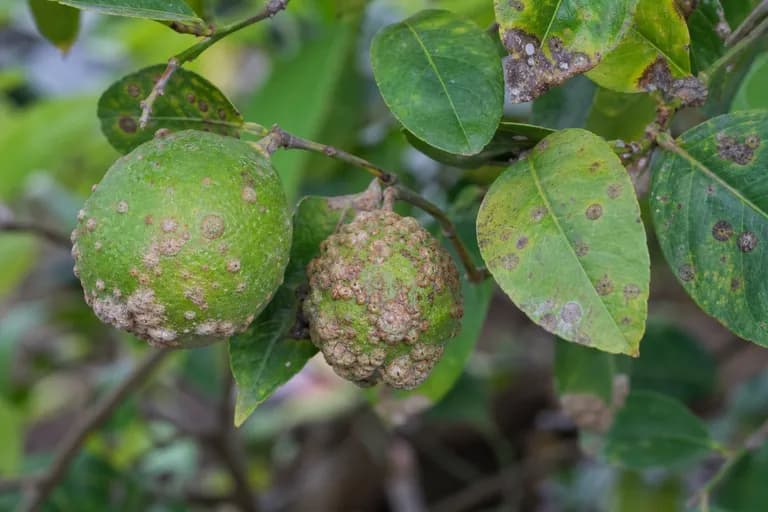
Citrus Scab
DiseaseRaised, corky, wart-like growths on fruit rind, leaves, and twigs. Mostly cosmetic but severe cases cause misshapen fruit and premature drop.
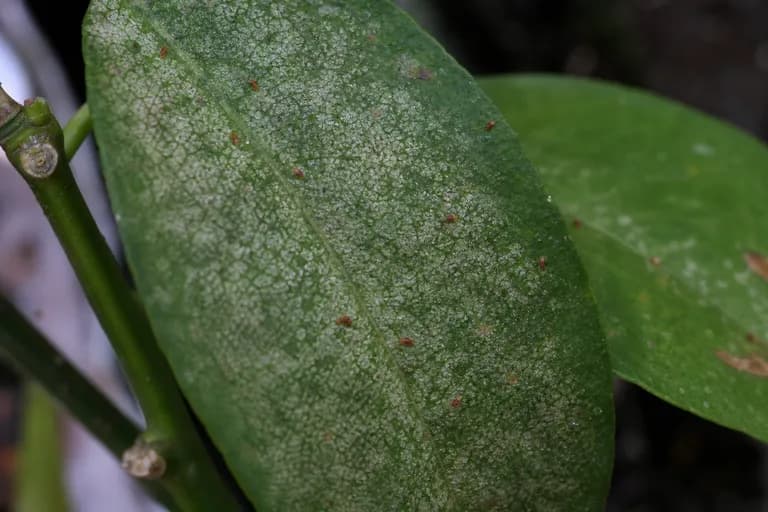
Citrus Red Mite
PestFine stippling on upper leaf surfaces giving a silvery or bronze appearance. Tiny red mites visible with a hand lens. Reduced tree vigor with heavy infestations.
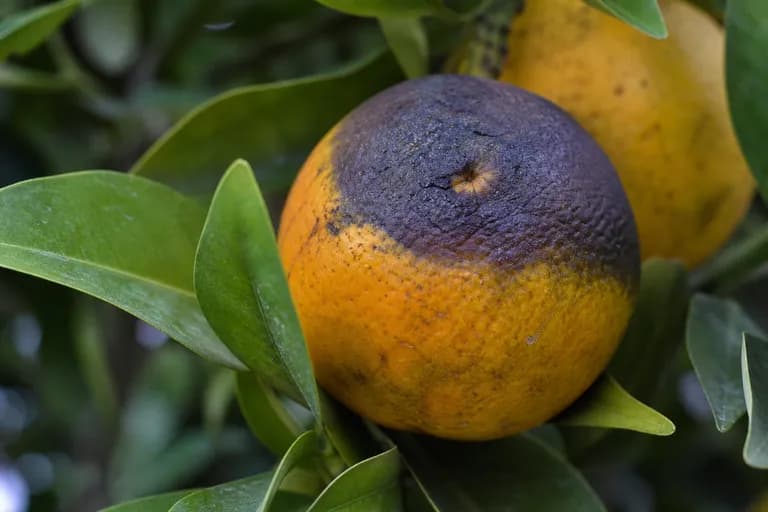
Alternaria Fruit Rot
DiseaseDark brown to black firm rot at the navel end of fruit. Internal darkening of the core area. Occurs primarily in the field during fruit maturation.
Troubleshooting Common Problems
The requirement for a compatible pollinator is the most significant challenge, as isolated tangelo trees produce little to no fruit. Plant a Temple tangerine, Sunburst mandarin, or other compatible variety within 50 feet. Alternate bearing produces heavy and light crop years. Tangelos are susceptible to cold damage below 28 degrees. The fruit's navel end can crack during rapid growth following rain, allowing decay organisms to enter.
Growing Tips
- Always buy a grafted tangelo tree from a reputable nursery rather than attempting to grow from seed. Grafted trees fruit in 2-4 years and produce true-to-type fruit, while seed-grown trees may take a decade to fruit and produce inferior, unpredictable results.
- Plant a pollinator tree if you want maximum fruit production. Minneola tangelo, the most popular variety, sets significantly more fruit when cross-pollinated by an Orlando tangelo, Temple orange, or Dancy tangerine planted within a few meters. A single tree will still produce some fruit, but yields are greatly reduced without a compatible pollinator.
- Ensure excellent soil drainage before planting. Tangelos, like all citrus, are highly sensitive to waterlogged roots and will develop root rot quickly in poorly drained soils. Raise planting beds if needed, incorporate coarse sand and compost into heavy clay soils, and never plant in a low spot where water collects after rain.
- Apply a balanced citrus fertilizer with micronutrients every 6-8 weeks during the growing season from late winter through early autumn. Tangelos are heavy feeders and deficiencies in magnesium, iron, or zinc show up quickly as inter-veinal leaf yellowing. Use a fertilizer that explicitly lists these micronutrients on its label.
- Prune tangelo trees in late winter after harvest but before new spring growth begins. Remove dead, damaged, or crossing branches, trim any growth below the graft union immediately, and open the center of the canopy to improve light penetration and air circulation. Avoid heavy pruning in summer, which stimulates new growth susceptible to citrus leafminer.
- Water deeply and infrequently rather than shallowly and frequently. Tangelo trees develop deep root systems that benefit from thorough soakings every 7-10 days in summer rather than daily light sprinkles. Shallow watering encourages surface roots that are vulnerable to heat, drought, and lawn mower damage.
- Mulch around the base of in-ground trees with 8-10 cm of organic mulch such as wood chips or shredded bark, keeping mulch at least 15 cm away from the trunk to prevent collar rot. Mulch conserves soil moisture dramatically, moderates soil temperature, suppresses weeds, and gradually improves soil structure as it decomposes.
- Monitor for the citrus brown citrus aphid and Asian citrus psyllid, the latter being a serious pest that can transmit the devastating Huanglongbing (HLB) citrus greening disease. Report any suspected psyllid infestations to your local agricultural extension office and use systemic insecticide treatments promptly if your area has confirmed HLB presence.
- In frost-prone climates, wrap the trunk with frost-protection tape or burlap in winter and use string Christmas lights draped through the canopy on nights below -1°C. The gentle heat from incandescent lights can protect the tree from frost damage during brief cold snaps without requiring you to move the tree.
- Thin heavy fruit crops on young trees during the first few years to prevent branch breakage and to direct the tree's energy into developing a stronger framework. Remove excess fruitlets when they are golf ball sized, leaving one fruit every 15-20 cm on branches. This results in larger, better-quality remaining fruits and protects the tree's long-term structure.
Grow your best Tangelo yet — and everything around it.
Start a free plan today. Lay out your beds, drop in your Tangelo, and let PlotMyGarden handle the timing, spacing, companions and reminders from seed to harvest basket.
Pick your Tangelo
Minneola
The classic tangelo with a distinctive nipple-shaped stem end. Deep reddish-orange rind, extremely juicy, and rich sweet-tart flavor. Requires pollination from a mandarin.
Orlando
Slightly flatter than Minneola with orange skin and mild, sweet flavor. Ripens earlier than Minneola. Requires cross-pollination for good fruit set.
Wekiwa (Lavender Gem)
A tangelo with pink-tinged flesh and a delicate flavor reminiscent of pink grapefruit. Less commonly grown but valued for its unique coloring and mild sweetness.
A single mature tangelo tree costing $30-60 from a nursery can produce 100-250 large fruits per season in a suitable climate. Premium Minneola tangelos, especially Honeybells in season, retail for $1.50-3.00 each at specialty grocery stores, meaning a productive tree can represent $150-500 worth of fruit in a single season. Over the productive lifespan of a healthy citrus tree, which can exceed 40 years with proper care, the cumulative value of home-grown fruit easily reaches several thousand dollars. Container-grown trees in cooler climates still yield meaningful crops that offset grocery costs substantially.
Quick recipes
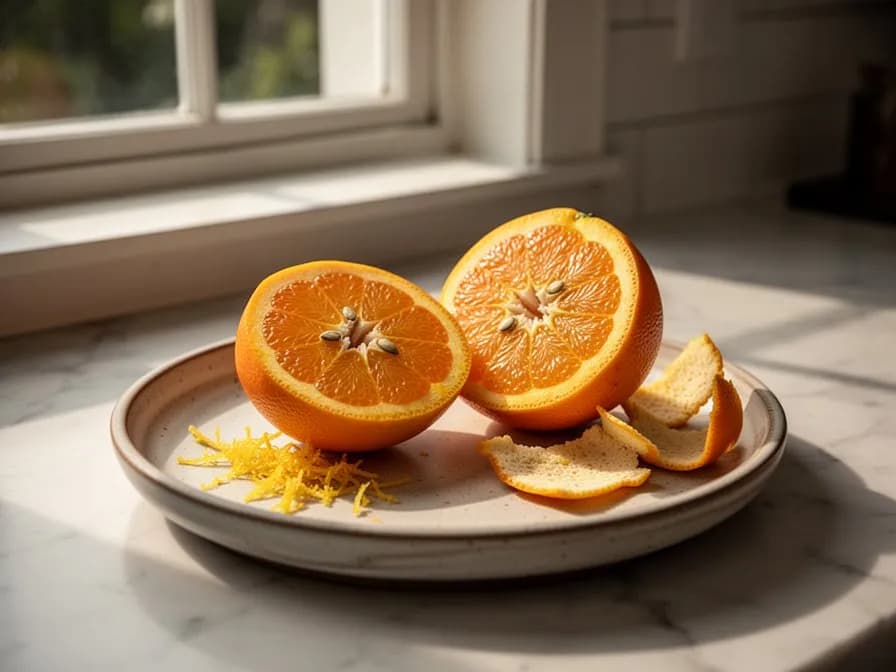
Tangelo and Avocado Citrus Salad
15 minutesA vibrant winter salad that showcases the sweet-tart depth of fresh garden tangelos paired with creamy avocado and peppery arugula. The natural juice of the tangelo segments forms the base of a light dressing, making this a nearly no-cook dish that lets the fruit take center stage. Ideal as a light lunch or elegant starter.
9 ingredients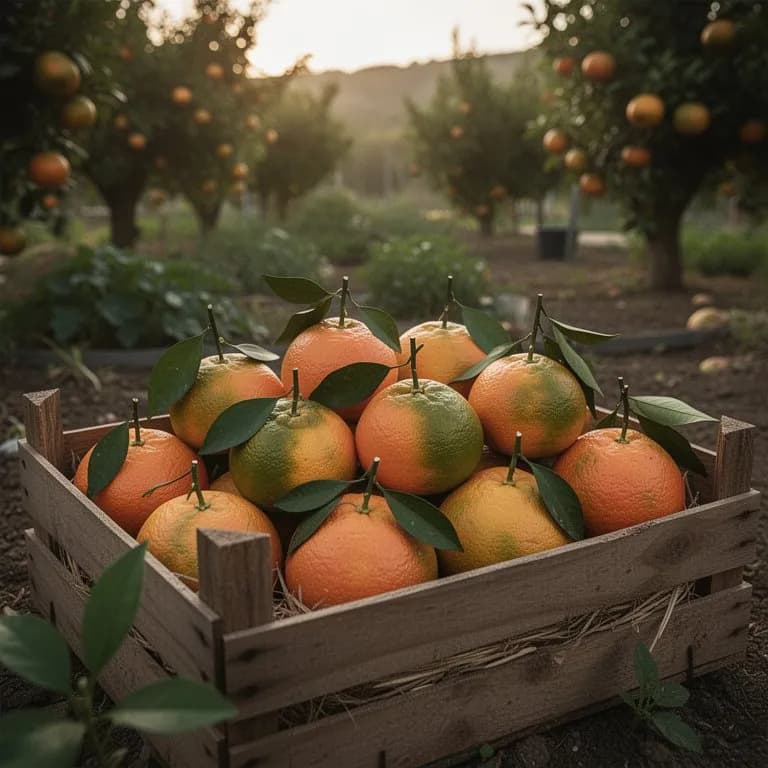
Fresh-Squeezed Tangelo Juice with Ginger
5 minutesA bright, invigorating morning juice that highlights the exceptional juiciness of homegrown tangelos with a warming touch of fresh ginger. Tangelos are among the most juice-rich of all citrus fruits, and a handful of fruits from your own tree will yield a generous glass of deeply flavored juice that is worlds apart from anything in a carton.
5 ingredientsTangelo Marmalade
30 minutes (plus 1 hour cooking)A small-batch marmalade that captures the complex sweet-bitter flavor of homegrown tangelos in a spreadable preserve. The natural pectin in the pith and seeds sets the marmalade without commercial pectin, and the deep orange color of the finished preserve reflects the exceptional beta-carotene content of the fruit. Wonderful on toast, with cheese, or as a glaze for roast duck or pork.
6 ingredientsCulinary Uses
Tangelos are outstanding juicing citrus with exceptionally high juice content and a complex sweet-tart flavor. The segments are excellent in salads with fennel, olives, and arugula. Use tangelo juice in marinades for pork and poultry, or in vinaigrettes and cocktails. The zest adds aromatic complexity to baked goods and desserts. Tangelo curd makes a unique spread with balanced sweetness and acidity.
What's inside
Health Benefits
- Provides approximately 75% of the daily recommended vitamin C intake per 100g, a critical antioxidant that protects cells from oxidative damage, boosts immune defense against pathogens, and accelerates wound healing and tissue repair
- Significantly higher in vitamin A precursors than most citrus fruits due to tangerine parentage, supporting healthy vision, immune system function, skin integrity, and reproductive health with each serving
- Contains naringenin and hesperidin, flavonoid antioxidants shared with grapefruit and mandarin lineage, which have been studied for their roles in reducing systemic inflammation, improving blood vessel elasticity, and supporting cardiovascular health
- Provides a meaningful amount of dietary potassium, which works in opposition to sodium to support healthy blood pressure levels, reduce strain on the cardiovascular system, and maintain proper muscle and nerve function
- The combination of vitamin C and folate in tangelos supports healthy red blood cell production and helps prevent megaloblastic anemia, particularly valuable during pregnancy when folate requirements increase significantly
- As a whole fruit with natural fiber, tangelos slow the absorption of their natural sugars into the bloodstream compared to juice alone, providing sustained energy release and promoting a feeling of satiety that supports healthy weight management
Where Tangelo comes from
The tangelo (Citrus × tangelo) is a cultivated hybrid developed through intentional cross-breeding programs rather than natural hybridization, making it one of the more recent additions to the long history of citrus cultivation. The first documented tangelo was created in 1897 by Walter Tennyson Swingle, a botanist working for the United States Department of Agriculture who was experimenting with citrus hybridization to develop disease-resistant and flavorful varieties suited to American growing conditions. Swingle crossed the Dancy tangerine with the Bowen grapefruit, producing what would become the foundation for the tangelo varieties we know today. The work continued into the early twentieth century at the USDA's Florida citrus research stations, where the Minneola and Orlando tangelos were developed and released in 1931. Named after Minneola, Florida, the Minneola tangelo quickly became the commercial standard due to its exceptional flavor, attractive deep red-orange skin, and the visually distinctive nipple at the stem end that made it instantly recognizable to consumers. The Orlando tangelo, also named for a Florida city, was developed alongside Minneola and is notable for being the recommended pollinator for Minneola trees. Florida became the heartland of tangelo production in the United States throughout the mid-twentieth century, with the Indian River region developing a particularly strong reputation for high-quality fruit grown in the mineral-rich soils east of Lake Okeechobee. The so-called Honeybell Minneola grown in this region became a coveted seasonal luxury item, available only in January when the combination of warm days and cool nights produces fruit of exceptional sweetness and juice content. California also developed a significant tangelo industry, and the fruit spread to citrus-growing regions across the Mediterranean, South Africa, and Australia. Today tangelos remain a beloved specialty citrus fruit cherished by home gardeners and commercial growers alike for their unique flavor profile that successfully merges the sweet perfume of the mandarin with the refreshing, slightly tart depth of the grapefruit into one of citrus's most rewarding offerings.
Tangelo: did you know?
Fascinating facts about Tangelo
The tangelo is a deliberate hybrid of the tangerine (Citrus reticulata) and the pomelo or grapefruit (Citrus maxima or Citrus paradisi), combining the sweet complexity of the tangerine with the bold, slightly bitter edge of the larger citrus — the name itself is a portmanteau of tangerine and pomelo.
Tangelo questions, answered
When should I plant Tangelo?
What are good companion plants for Tangelo?
What hardiness zones can Tangelo grow in?
How much sun does Tangelo need?
How far apart should I space Tangelo?
What pests and diseases affect Tangelo?
How do I store Tangelo after harvest?
What are the best Tangelo varieties to grow?
What soil does Tangelo need?
Do I need two tangelo trees to get fruit?
When is the best time to harvest tangelos?
Why is my tangelo tree blooming but not setting fruit?
Can tangelos be grown in containers in cold climates?
What is the difference between a tangelo and a tangerine?
Are tangelos safe if I am taking medications that interact with grapefruit?
You just read the theory. Now grow it on autopilot.
Everything that makes Tangelo fiddly — the timing, the spacing, the companions, the harvest window — is exactly what PlotMyGarden handles for you, for every plant in your garden.
A plan that knows your weather
Set your location once. Get sow, feed and harvest dates built around your real last-frost date and live forecast — no more guessing from a generic seed packet.
From the “When to plant” sectionDrag-and-drop bed planner
Design beds on a grid. Every plant snaps to its proper spacing, and you can see your whole season laid out before you spend a cent on seed.
From the “Growing guide” sectionCompanion conflicts, caught early
200+ good-and-bad pairings checked live as you plant — so a season-wrecking mistake never makes it into the ground.
From the “Companions” sectionReminders you'll actually act on
“Water the beans.” “Pick today before it turns.” Timely, specific, and tied to the plants you're really growing.
From the “Harvest” sectionSuccession, scheduled
Want a harvest for six weeks, not six days? It spaces your sowings automatically and reminds you when each new block is due.
From the “When to plant” sectionA record that gets smarter
Every harvest you log teaches it your garden. Next year's plan starts from what actually worked in your soil, not a textbook's.
From the “Overview” sectionPlant these alongside Tangelo
More Citrus
Keep Tangelo away from these
Grow your best Tangelo yet — and everything around it.
Start a free plan today. Lay out your beds, drop in your Tangelo, and let PlotMyGarden handle the timing, spacing, companions and reminders from seed to harvest basket.