Shiso
A Japanese herb with ruffled, aromatic leaves in green or purple varieties used in sushi, rice dishes, and tempura.





On this pageOverview
Meet Shiso
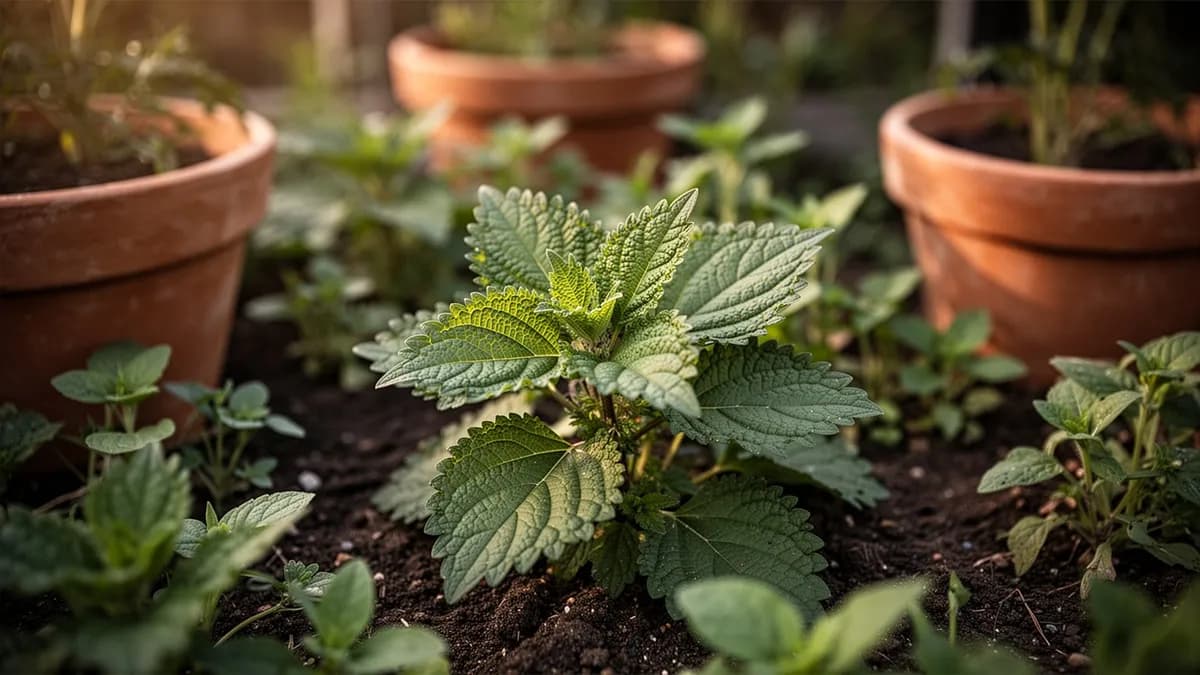
A Japanese herb with ruffled, aromatic leaves in green or purple varieties used in sushi, rice dishes, and tempura. Shiso has a complex flavor combining mint, basil, cinnamon, and citrus that is unique in the culinary world. Green shiso is used fresh as a wrap or garnish, while red shiso colors and flavors umeboshi plums and pickled ginger.
When to plant Shiso
Shiso seeds have a hard coat and benefit from cold stratification. Place seeds between moist paper towels in a sealed plastic bag and refrigerate for 1-2 weeks before sowing. Then sow on the surface of moist seed-starting mix indoors 6-8 weeks before the last frost. Do not cover seeds, as light promotes germination. Maintain soil temperature of 65-75°F. Germination takes 7-21 days and can be erratic. Transplant outdoors after hardening off once night temperatures stay above 50°F. Self-sown seedlings from established plants provide the easiest starts.
Your Shiso Year
Composed for Zone 7 · typical seasons · frost passes Apr 2, returns Nov 1
Plant Shiso Apr – Jun, pick Jun – Sep. Check the planting methods below and set your climate to personalize these windows.
How to grow Shiso
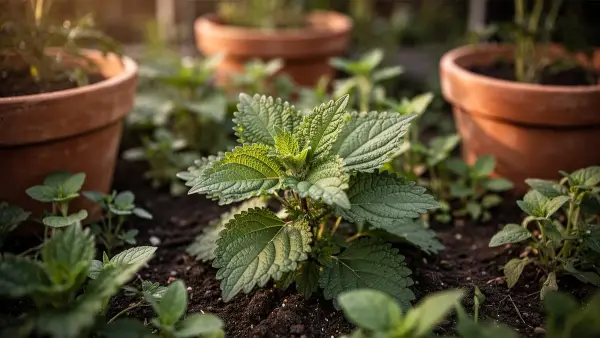
Shiso (Perilla frutescens var. crispa) is a Japanese culinary herb available in green (ao-jiso) and red/purple (aka-jiso) forms, each with distinct culinary uses. Start seeds indoors 6-8 weeks before the last frost. Shiso seeds have a hard coat and benefit from cold stratification: refrigerate seeds in damp paper towels for 1-2 weeks before sowing. Sow on the surface of moist seed-starting mix, as seeds need light to germinate.
Transplant outdoors after all frost danger has passed, spacing plants 12-18 inches apart in partial shade to full sun. Shiso prefers rich, moist soil and performs well in conditions similar to basil. Consistent moisture produces the most tender, flavorful leaves. Pinch growing tips when plants reach 6 inches to encourage bushy, branching growth.
Shiso grows 2-3 feet tall and produces beautiful ruffled foliage that is ornamental as well as edible. The plants self-seed readily and can naturalize in the garden. Red shiso in particular self-sows aggressively and may need management. Remove flower spikes if you want to extend leaf production, or allow them to develop for harvesting shiso flower buds (hojiso), a delicacy used in Japanese cuisine.
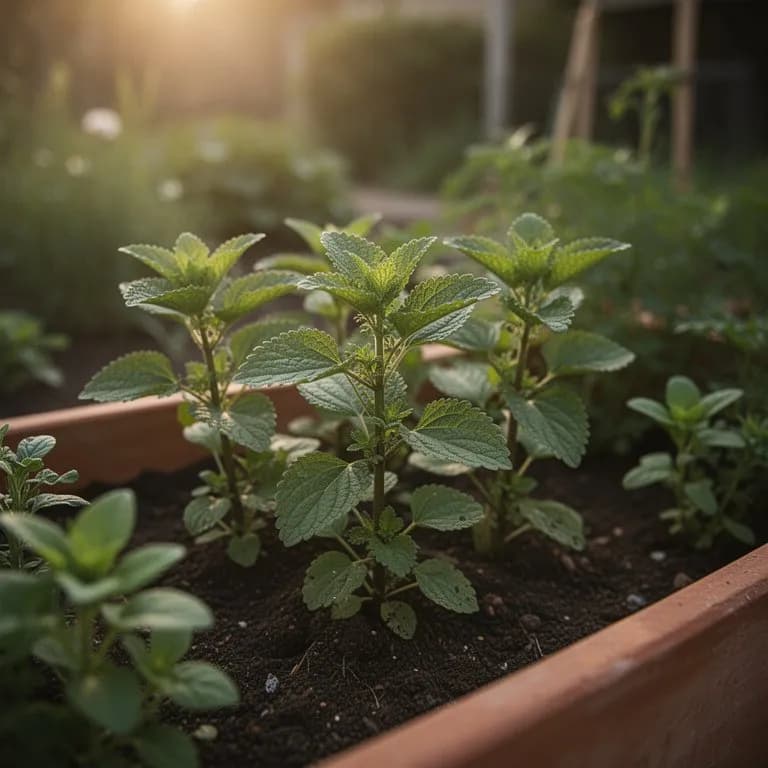
36 plants fit a 4 × 8 ft bed
Each Shiso wants 25 cm of elbow room. The planner keeps that spacing for you — every plant, every bed.
Shiso's best neighbours
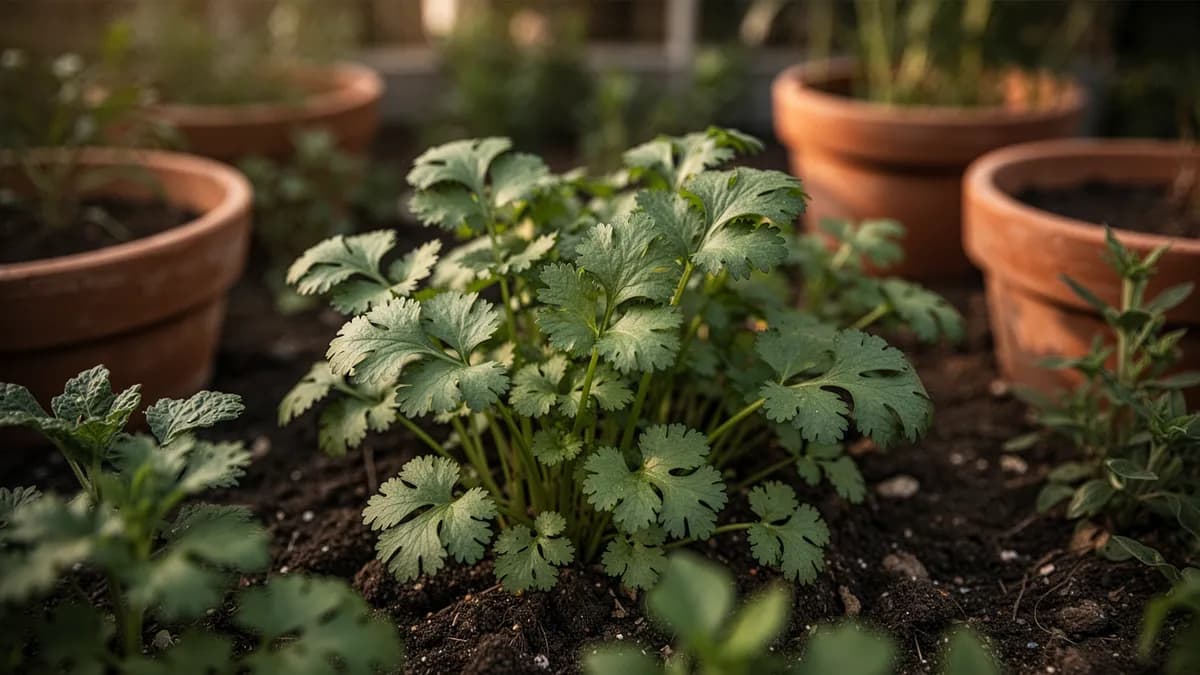
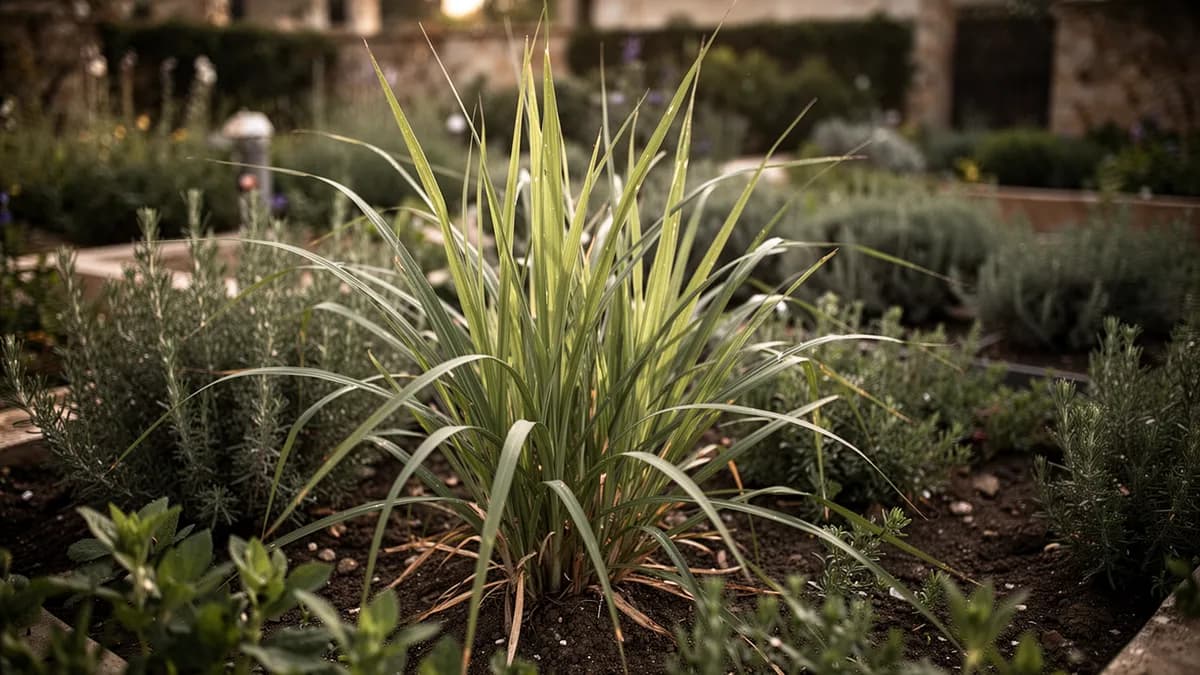
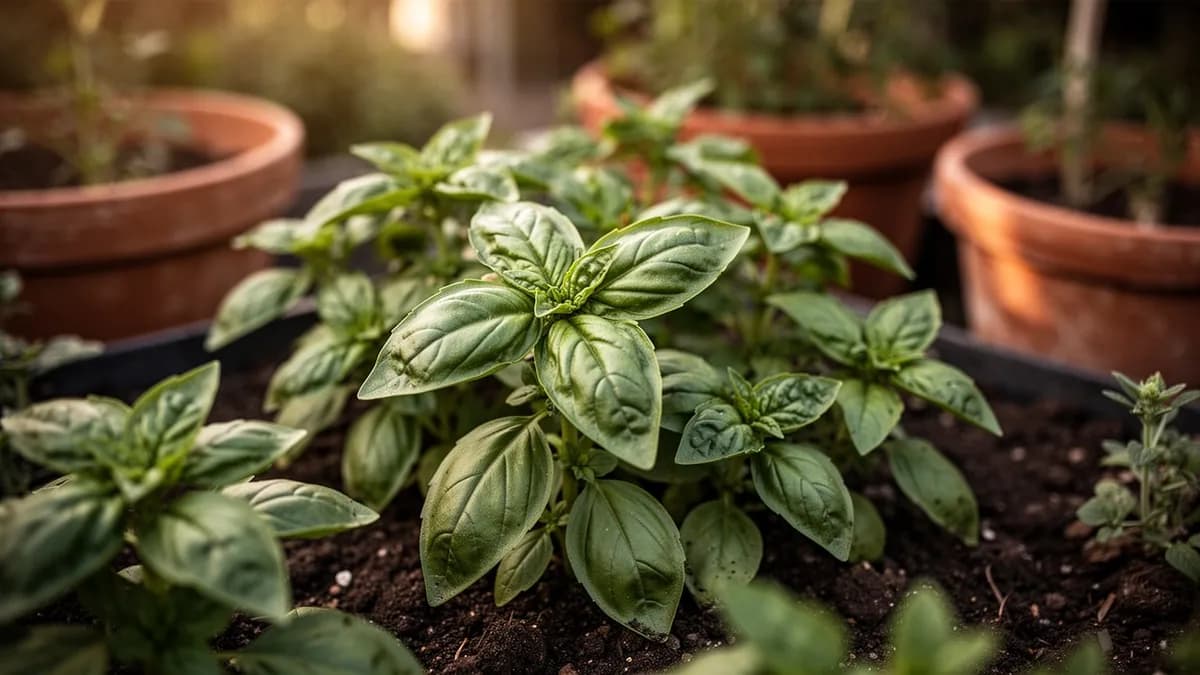
Shiso grows well alongside other Asian culinary herbs including Thai basil, cilantro, and lemongrass. Its aromatic oils may help deter some insect pests from neighboring plants. The attractive ruffled foliage, especially red varieties, adds ornamental interest to vegetable garden borders. Shiso and tomatoes share similar growing conditions and make good neighbors. Avoid planting shiso near perilla if you want to maintain distinct varieties, as they may cross-pollinate.
Thai Basil belongs beside it.
Old growers' knowledge, checked against Shiso's real companion table below — test any plant you're growing.
Try Shiso in a bed — right here
A real planner bed with Shiso already in it. Tap a companion to place it and watch the pairing checks answer — green for good neighbours, red for a clash.


Related growing guides
Feed it well
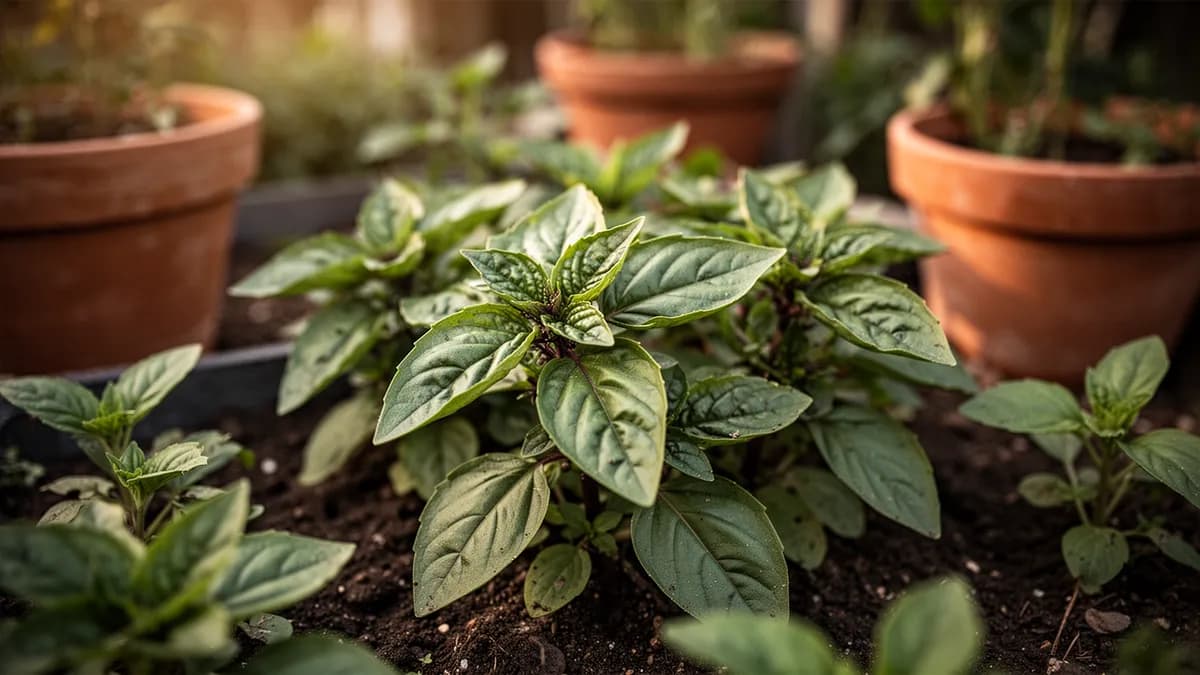
Shiso grows best in rich, moist, well-drained soil with a pH of 5.5-6.5. Amend beds with 2-3 inches of compost before planting. Feed every 3-4 weeks with a balanced liquid fertilizer or fish emulsion during the growing season. Shiso appreciates more fertility than most herbs, similar to basil. Mulch around plants to retain moisture and keep roots cool. In containers, use a quality potting mix and feed biweekly. Red shiso develops deeper color in slightly poorer soil with more sun exposure.
Ideal Temperature
Hardiness Zone Compatibility
From seed to harvest, stage by stage
Seed Germination
Shiso seeds are notoriously slow to germinate, often taking 7-14 days even under ideal conditions. The tiny seeds require light and consistent moisture to sprout. Soaking seeds in water for 24 hours before sowing significantly improves germination rates. Seeds should be surface-sown or barely covered with 2-3mm of fine soil.
Seedling Development
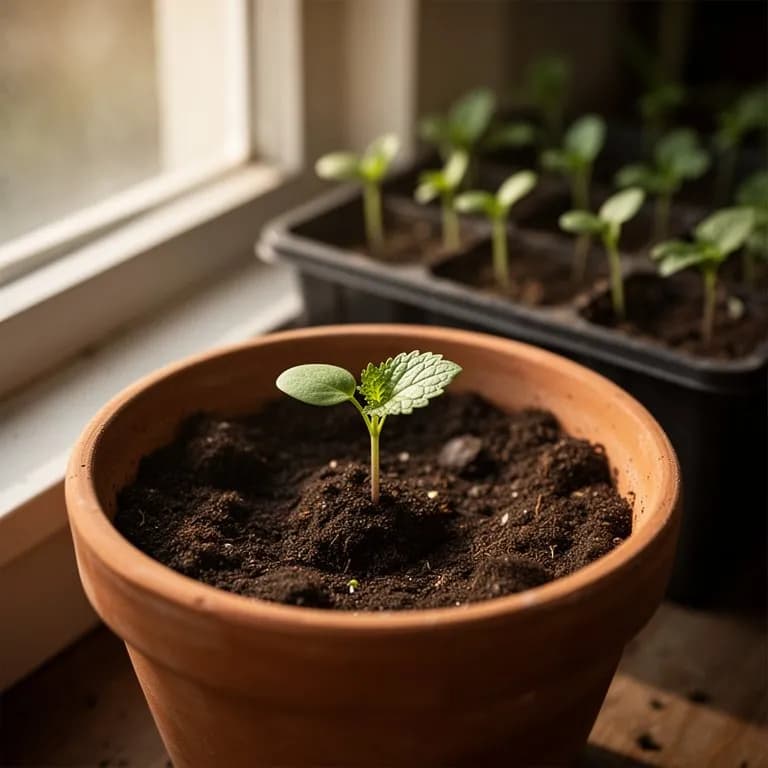
Seedlings develop their first true leaves, which already display the characteristic serrated, crinkled edges of mature shiso. Growth is slow at first but accelerates as the root system establishes. The cotyledon leaves are small and rounded, distinctly different from the toothed true leaves that follow.
Vegetative Growth
Plants enter rapid vegetative growth, producing large aromatic leaves on branching stems. In warm conditions, shiso can grow 5-8 cm per week and quickly reaches 30-50 cm tall. The leaves develop their full aromatic profile during this stage, with the distinctive minty-basil-anise scent becoming pronounced.
Peak Harvest
Plants are fully established with abundant foliage for regular harvesting. Well-branched plants produce new leaves continuously from every node. Green varieties (aojiso) produce the mildest, most versatile culinary leaves, while purple varieties (akajiso) intensify in color and develop a stronger, more complex flavor.
Flowering and Seed Set
As day length shortens in late summer, shiso produces tall flower spikes (hojiso) with small white to lavender blossoms. The flower buds and young seed pods are edible delicacies in Japanese cuisine. After pollination, each flower produces four small nutlet seeds. Plants self-sow prolifically if seed heads are left to mature.
Seed Maturation and Decline
After flowering, the plant directs energy into seed production. Leaves become smaller, tougher, and less flavorful. Seeds mature inside small brown calyxes along the dried flower spikes. The plant dies back naturally with the first frost or after seeds fully ripen in warmer zones.
Soak seeds overnight before planting to soften the seed coat and speed germination. Press seeds gently onto the soil surface and keep consistently moist with a mist sprayer. Covering trays with clear plastic wrap helps maintain humidity until sprouts appear.
Caring for Shiso month by month
What to do each month for your Shiso
October
You are hereCollect dried seed heads before the first hard frost. Plants will die back with temperatures below 0°C (32°F). Pull spent plants and compost the stems. Check garden beds for self-sown seedlings that may volunteer next spring in mild climates.
Know exactly what to do in your garden — every month
One email at the start of each month: what to sow, plant, and tackle right now — for your Shiso and everything growing around it. Plus a short starter course that helps you dodge the classic mistakes.
- What to do, right now
- Matched to your season
- Starter course included
Harvesting Shiso
Harvest shiso leaves once plants have at least 4-5 pairs of true leaves. Pick individual leaves from the outside of the plant, or pinch stem tips to encourage branching. Green shiso (ao-jiso) leaves are best harvested young and used fresh as wraps and garnishes. Red shiso (aka-jiso) can be harvested at any stage for pickling and coloring. Shiso flower buds (hojiso) are harvested just as the tiny flowers begin to open and are used as a garnish for sashimi. Seed pods (mejiso) are harvested when immature and green for pickling.
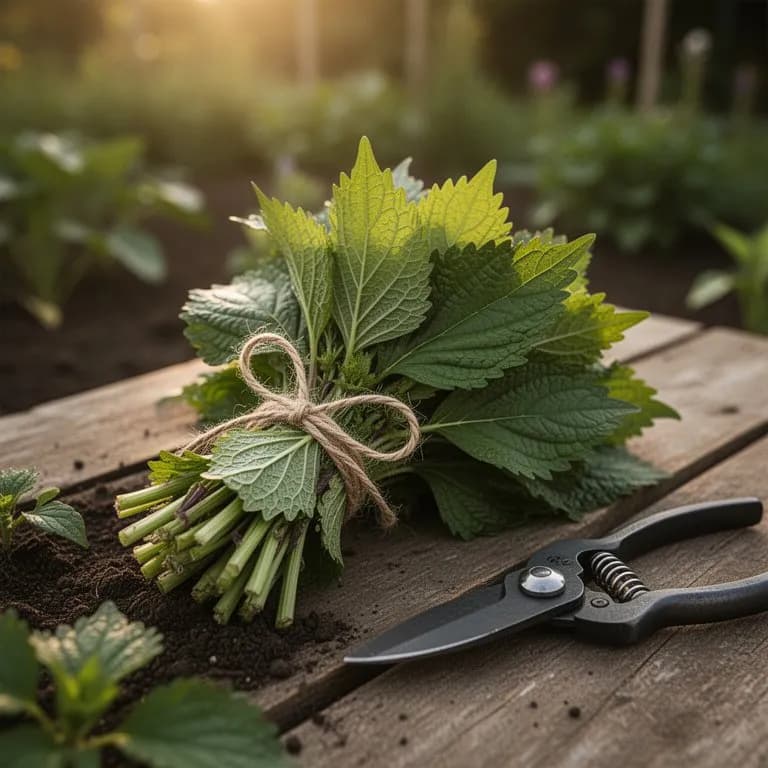
assuming you plant when the window opens — set your real date
Pick Shiso promptly and the plant keeps producing.
Storage & Preservation
Fresh shiso leaves are best used immediately, as they wilt and darken quickly. Store individual leaves between damp paper towels in a sealed container in the refrigerator for 2-3 days. Shiso does not dry well, losing most of its distinctive flavor. Red shiso is traditionally preserved by salting for use in umeboshi (pickled plums) and pickled ginger. Green shiso can be frozen in airtight bags for cooked applications. Make shiso-infused vinegar, salt, or simple syrup to capture the unique flavor for later use.
What goes wrong — and the fix
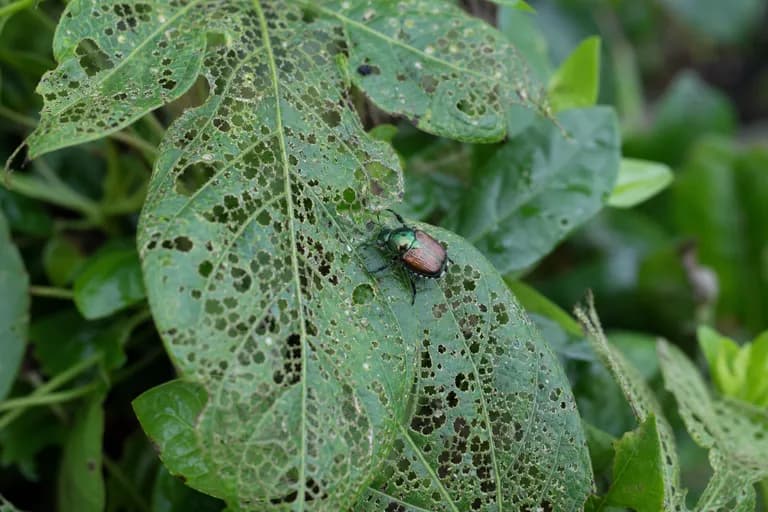
Japanese Beetles
PestSkeletonized leaves with only veins remaining, metallic green-copper beetles visible on foliage.
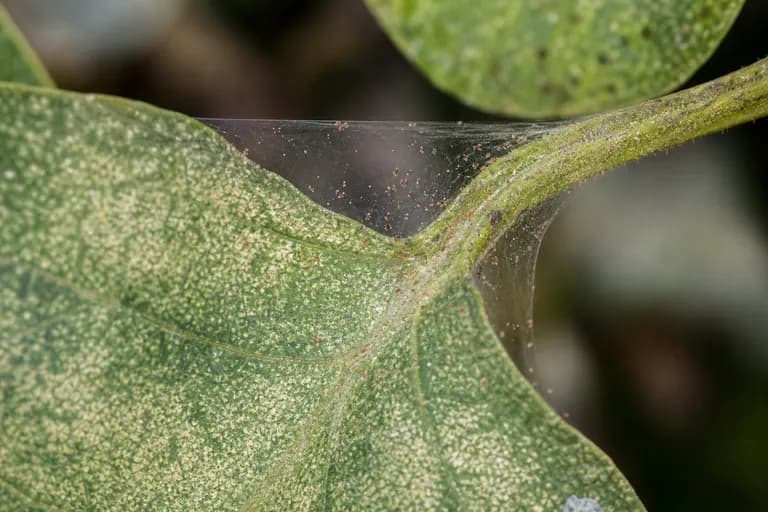
Spider Mites
PestFine stippling on leaves, tiny webs on leaf undersides, bronzed or faded foliage.
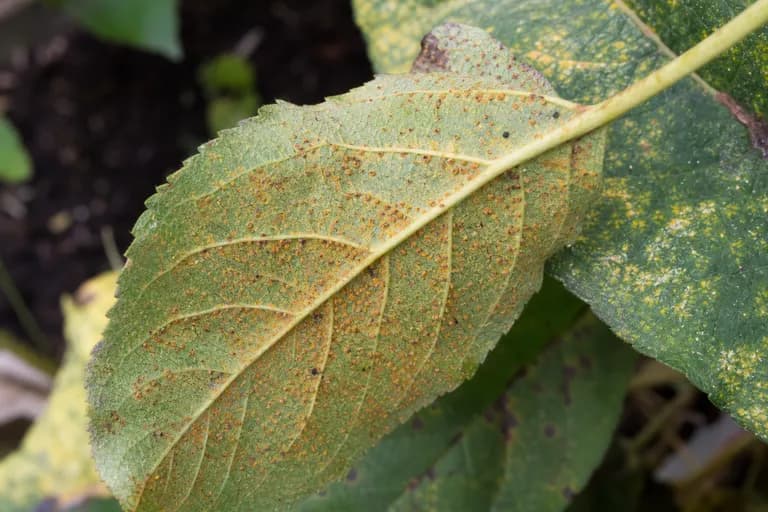
Rust
DiseaseOrange-brown pustules on leaf undersides, yellowing leaves, premature defoliation.
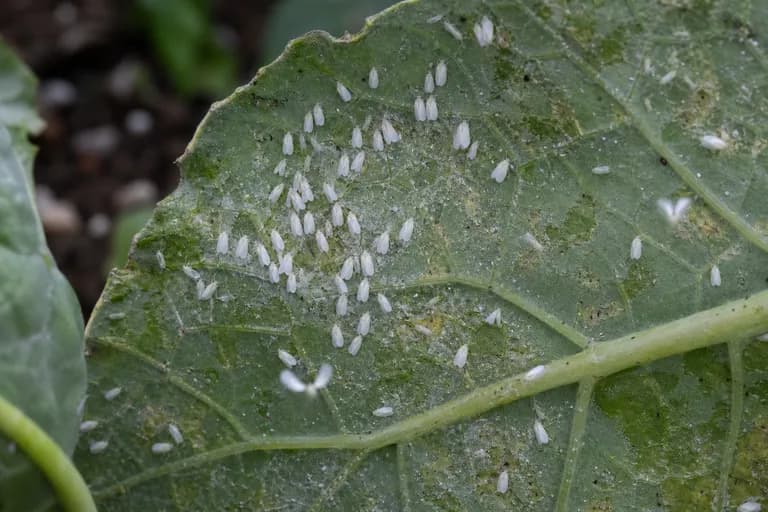
Whiteflies
PestTiny white insects flutter when plants are disturbed, sticky honeydew on lower leaves, sooty mold.
Troubleshooting Common Problems
Slow or erratic germination is common with shiso; cold stratification for 1-2 weeks before sowing dramatically improves results. Leggy, sparse growth indicates insufficient light or failure to pinch tips early. Aggressive self-seeding, especially red shiso, can overtake garden beds if not managed by removing flower spikes. The leaves wilt quickly in hot afternoon sun; provide afternoon shade in hot climates. Some gardeners confuse shiso with perilla; while closely related, they have distinct leaf shapes and culinary uses.
Growing Tips
- Always soak shiso seeds in water for 24 hours before sowing to soften the hard seed coat and dramatically improve germination rates. Without pre-soaking, germination can be spotty and slow, taking up to 3 weeks instead of 7-14 days.
- Surface-sow seeds and do not bury them — shiso seeds require light to germinate. Press them gently onto the soil surface, mist lightly, and cover with clear plastic wrap or a humidity dome until sprouts appear. Remove the cover as soon as the first seedlings emerge.
- Start seeds indoors 8-10 weeks before the last frost date because shiso has a long germination period and slow early growth. Transplant outdoors only after all danger of frost has passed and soil has warmed to at least 18°C (64°F).
- Pinch the central growing tip when plants reach 20-25 cm tall to force lateral branching. Repeat pinching on side branches as they grow. This creates a bushy, productive plant with many more harvestable leaves instead of a single tall leggy stem.
- Harvest leaves from the top of each stem first, always leaving at least 4-6 leaves per branch to sustain photosynthesis and continued growth. Regular leaf harvesting keeps the plant in vegetative mode and delays flowering by weeks.
- Grow both green (aojiso) and purple (akajiso) varieties for different culinary applications. Green shiso is more versatile for fresh use and garnishing, while purple shiso is essential for making umeboshi, shiso vinegar, and colorful pickled preparations.
- Provide afternoon shade in zones with temperatures regularly exceeding 32°C (90°F) to prevent leaf scorch and maintain the best flavor. Morning sun with afternoon dappled shade produces the highest-quality leaves in hot climates.
- Watch for self-sown volunteers in spring — shiso drops abundant seeds that overwinter in the soil and germinate the following year. This can be a blessing or a nuisance depending on your garden plans. Thin or transplant volunteers early while they are still small.
- Companion plant shiso alongside tomatoes, peppers, and eggplant, which share similar warmth requirements. The strong aromatic oils in shiso foliage may help deter aphids, spider mites, and certain caterpillars from neighboring plants.
- Preserve excess harvest by making shiso salt (finely chopped leaves mixed with coarse salt and dried), freezing whole leaves between sheets of parchment paper, or blending into shiso pesto with olive oil — dried shiso loses most of its delicate flavor and is not recommended.
Grow your best Shiso yet — and everything around it.
Start a free plan today. Lay out your beds, drop in your Shiso, and let PlotMyGarden handle the timing, spacing, companions and reminders from seed to harvest basket.
Pick your Shiso
Green Shiso (Ao-jiso)
The standard green variety with bright, ruffled leaves and a complex minty-basil-citrus flavor. Used fresh as wraps and garnish in Japanese cuisine.
Red Shiso (Aka-jiso)
Deep purple-red ruffled leaves used primarily for coloring and flavoring pickled plums (umeboshi) and pickled ginger (beni shoga).
Bi-color Shiso
A striking variety with green tops and purple undersides. Combines ornamental beauty with culinary versatility.
Korean Sesame Leaf (Kkaennip)
A closely related variety with larger, less ruffled leaves and a sesame-mint flavor. Used specifically in Korean cuisine for wrapping grilled meats.
Fresh shiso leaves are among the most expensive herbs at retail, frequently priced at $3-6 for a small pack of just 10-20 leaves at Asian grocery stores, and $8-12 per small bunch at specialty markets and sushi-grade suppliers. A single seed packet costing $2-4 can grow 20-30 plants, each producing 50-80 leaves over the season — yielding a total harvest worth $150-400 at retail prices. Shiso also self-sows readily, meaning after the initial planting you may never need to buy seeds again as volunteer plants appear each spring.
Quick recipes
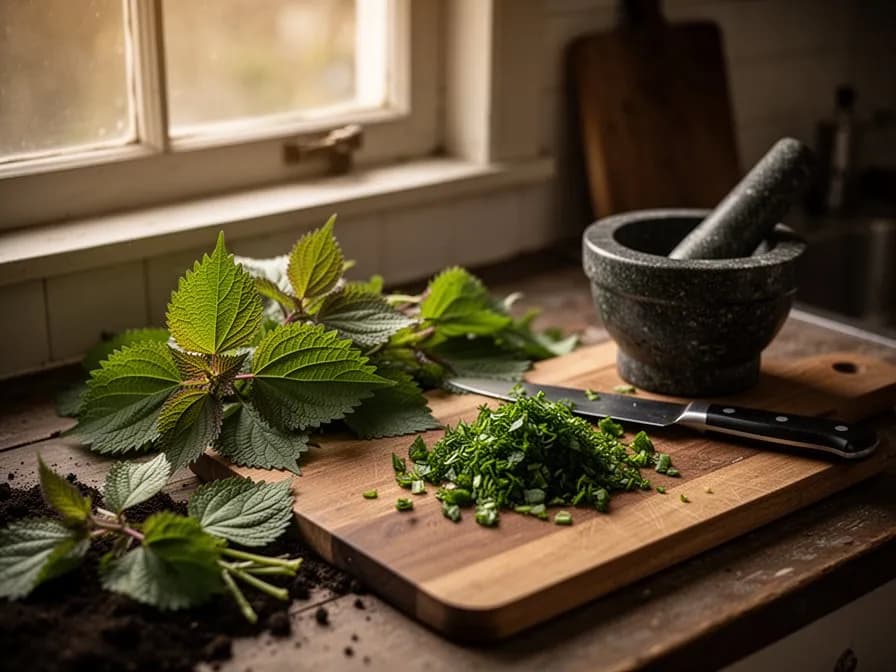
Shiso Leaf Tempura
20 minA classic Japanese appetizer where large shiso leaves are dipped in a light, crispy tempura batter and deep-fried for seconds until golden. The leaf retains its vibrant color and aromatic flavor inside the delicate crunch of the coating. Best served immediately with tentsuyu dipping sauce.
7 ingredientsShiso Pesto
10 minA Japanese-Italian fusion pesto that replaces basil with shiso for a brighter, more complex herbal flavor with hints of mint, cinnamon, and citrus. Excellent tossed with cold soba noodles, spread on grilled fish, or used as a dip for summer vegetables.
7 ingredientsShiso Onigiri Rice Wraps
15 minSimple Japanese rice balls wrapped in fresh shiso leaves instead of nori seaweed. The aromatic leaf adds a fragrant herbal note to the seasoned rice filling. A refreshing summer lunch or picnic snack that showcases shiso as both wrapper and flavoring.
6 ingredientsCulinary Uses
Green shiso is a cornerstone of Japanese cuisine: use whole leaves as a bed for sashimi, wrap around sushi rice balls (onigiri), or shred finely over cold noodles and rice. Red shiso is essential for making umeboshi (pickled plums) and beni shoga (pickled ginger), providing both flavor and vibrant color. Tempura-fried shiso leaves are a delicacy. Add to summer rolls, salads, and cocktails. The flower buds (hojiso) garnish sashimi plates, and immature seed pods are pickled.
What's inside
Health Benefits
- Exceptionally rich in rosmarinic acid, a polyphenol antioxidant that has been clinically studied for its ability to modulate allergic and inflammatory responses — Japanese researchers have found shiso extract may help reduce symptoms of seasonal allergies and allergic rhinitis.
- Contains high levels of beta-carotene and vitamin A (110% DV per 100g), powerful antioxidants that protect cells from oxidative damage, support healthy vision, and strengthen the immune system against infections.
- Provides alpha-linolenic acid (ALA), a plant-based omega-3 fatty acid that supports cardiovascular health by helping to reduce inflammation in blood vessels and maintain healthy cholesterol levels.
- Rich in perillaldehyde and other volatile compounds with demonstrated antimicrobial properties — traditionally used in Japanese cuisine alongside raw fish specifically because these compounds inhibit the growth of foodborne bacteria.
- Contains significant calcium (230mg per 100g) and iron (1.7mg per 100g), making it a valuable mineral source for bone health and blood oxygen transport, especially important for those on plant-based diets.
- Used in traditional Chinese and Japanese medicine (kampo) for centuries to soothe digestive discomfort, relieve nausea, and calm respiratory inflammation — modern studies attribute these effects to the herb's high concentration of anti-inflammatory terpenes and flavonoids.
Where Shiso comes from
Shiso (Perilla frutescens var. crispa) belongs to the mint family Lamiaceae and is native to the mountainous regions of China and the Himalayan foothills, where wild perilla species have grown for thousands of years. Archaeological evidence from Chinese sites dating to around 500 BCE shows perilla seeds were among the earliest oilseed crops cultivated in East Asia, initially grown primarily for the oil-rich seeds rather than the leaves. Ancient Chinese herbalists documented the plant in classical pharmacopoeias, recommending it for treating colds, digestive ailments, and food poisoning — uses that persist in traditional medicine today.
Shiso was introduced to Japan around the 8th century CE, likely through cultural exchanges with Tang Dynasty China. The Japanese transformed shiso from a medicinal herb into a foundational culinary ingredient. They developed two distinct cultivated forms: green shiso (aojiso), used fresh as a versatile garnish and flavoring herb, and purple shiso (akajiso), employed primarily for coloring and preserving umeboshi pickled plums and making shiso juice. By the Edo period (1603-1868), shiso had become deeply embedded in Japanese food culture, appearing in sushi, tempura, rice dishes, pickles, and beverages. The name shiso itself derives from the Chinese word for the plant.
In Korea, the closely related variety known as perilla (kkaennip or deulkkae) became equally important, with both the large aromatic leaves and the oil-rich seeds featuring prominently in Korean cooking. Korean perilla leaves are larger, rounder, and less serrated than Japanese shiso, with a stronger, more peppery flavor profile. Perilla seed oil (deulgireum) remains a staple cooking oil in Korean households to this day.
Shiso arrived in the United States in the late 19th century with Japanese and Korean immigrants and was cultivated primarily in home gardens within Asian communities. It gained broader attention in the West during the 1980s and 1990s as Japanese cuisine grew in global popularity. Today, shiso is experiencing a surge of interest among Western chefs and home gardeners, valued for its complex flavor that combines notes of basil, mint, cinnamon, and citrus — a taste profile unlike any Western herb.
Shiso: did you know?
Fascinating facts about Shiso
Shiso is one of the few herbs that offers three distinct edible harvests from a single plant — the aromatic leaves (ooba), the flower spikes (hojiso), and the immature seed pods (mejiso) are all prized ingredients in Japanese cuisine, each with a different texture and flavor nuance.
Shiso questions, answered
When should I plant Shiso?
What are good companion plants for Shiso?
What hardiness zones can Shiso grow in?
How much sun does Shiso need?
How far apart should I space Shiso?
What pests and diseases affect Shiso?
How do I store Shiso after harvest?
What are the best Shiso varieties to grow?
What soil does Shiso need?
What is the difference between green shiso and purple shiso?
Why are my shiso seeds not germinating?
How do I prevent shiso from becoming invasive in my garden?
Can I grow shiso indoors year-round?
Is shiso the same as perilla or Korean perilla?
When is the best time to harvest shiso for peak flavor?
You just read the theory. Now grow it on autopilot.
Everything that makes Shiso fiddly — the timing, the spacing, the companions, the harvest window — is exactly what PlotMyGarden handles for you, for every plant in your garden.
A plan that knows your weather
Set your location once. Get sow, feed and harvest dates built around your real last-frost date and live forecast — no more guessing from a generic seed packet.
From the “When to plant” sectionDrag-and-drop bed planner
Design beds on a grid. Every plant snaps to its proper spacing, and you can see your whole season laid out before you spend a cent on seed.
From the “Growing guide” sectionCompanion conflicts, caught early
200+ good-and-bad pairings checked live as you plant — so a season-wrecking mistake never makes it into the ground.
From the “Companions” sectionReminders you'll actually act on
“Water the beans.” “Pick today before it turns.” Timely, specific, and tied to the plants you're really growing.
From the “Harvest” sectionSuccession, scheduled
Want a harvest for six weeks, not six days? It spaces your sowings automatically and reminds you when each new block is due.
From the “When to plant” sectionA record that gets smarter
Every harvest you log teaches it your garden. Next year's plan starts from what actually worked in your soil, not a textbook's.
From the “Overview” sectionPlant these alongside Shiso
More Culinary Herbs
Garden plans featuring Shiso
Grow your best Shiso yet — and everything around it.
Start a free plan today. Lay out your beds, drop in your Shiso, and let PlotMyGarden handle the timing, spacing, companions and reminders from seed to harvest basket.